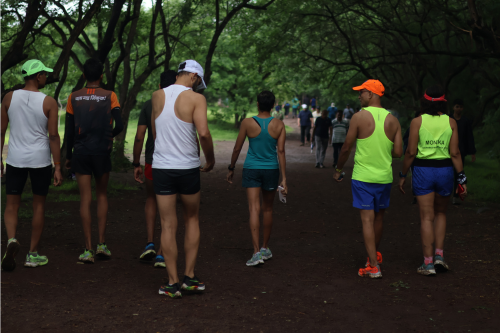




Race day success begins long before the starting gun. Runners who treat their kit as an extension of training rather than a last-minute decision tend to stay focused, comfortable, and ready for the distance ahead. Building a reliable race day running kit means choosing pieces that have already proven themselves in training, accounting for weather, personal fit, and the demands of sustained movement. Whether preparing for a first 5K or a full marathon, the right combination of clothing, footwear, and accessories reduces preventable distractions and supports consistent effort from start to finish.
Tired of gear that slows you down? Chafing, soggy fabrics, and missing pockets kill your run's momentum. At Aguante, we're runners who get it. Our high-performance activewear features moisture-wicking fabrics, ergonomic designs, and smart storage to keep you focused. Shop Now!
Why a Deliberate Running Kit Matters
Comfort during a race depends heavily on how well running clothing works with the body over repeated movement. Friction, sweat, and poorly suited apparel can create irritation that pulls attention away from pacing and form. Technical fabrics, appropriate fits, and garments designed for movement help reduce discomfort compared with everyday clothing materials that retain moisture or create excessive rubbing. Small details such as seam placement, fabric feel, waistband comfort, and pocket design become extremely important after several hours of running. Approaching the kit as part of preparation rather than a shopping list builds confidence and removes uncertainty on race morning.
Experienced runners often describe the difference between a well-tested outfit and an untried combination as the difference between staying present in the race and managing avoidable problems. Beginners benefit just as much: early events are already filled with new sensations, and reliable gear lets them concentrate on the experience itself.
Clothing Choices That Protect Against Friction
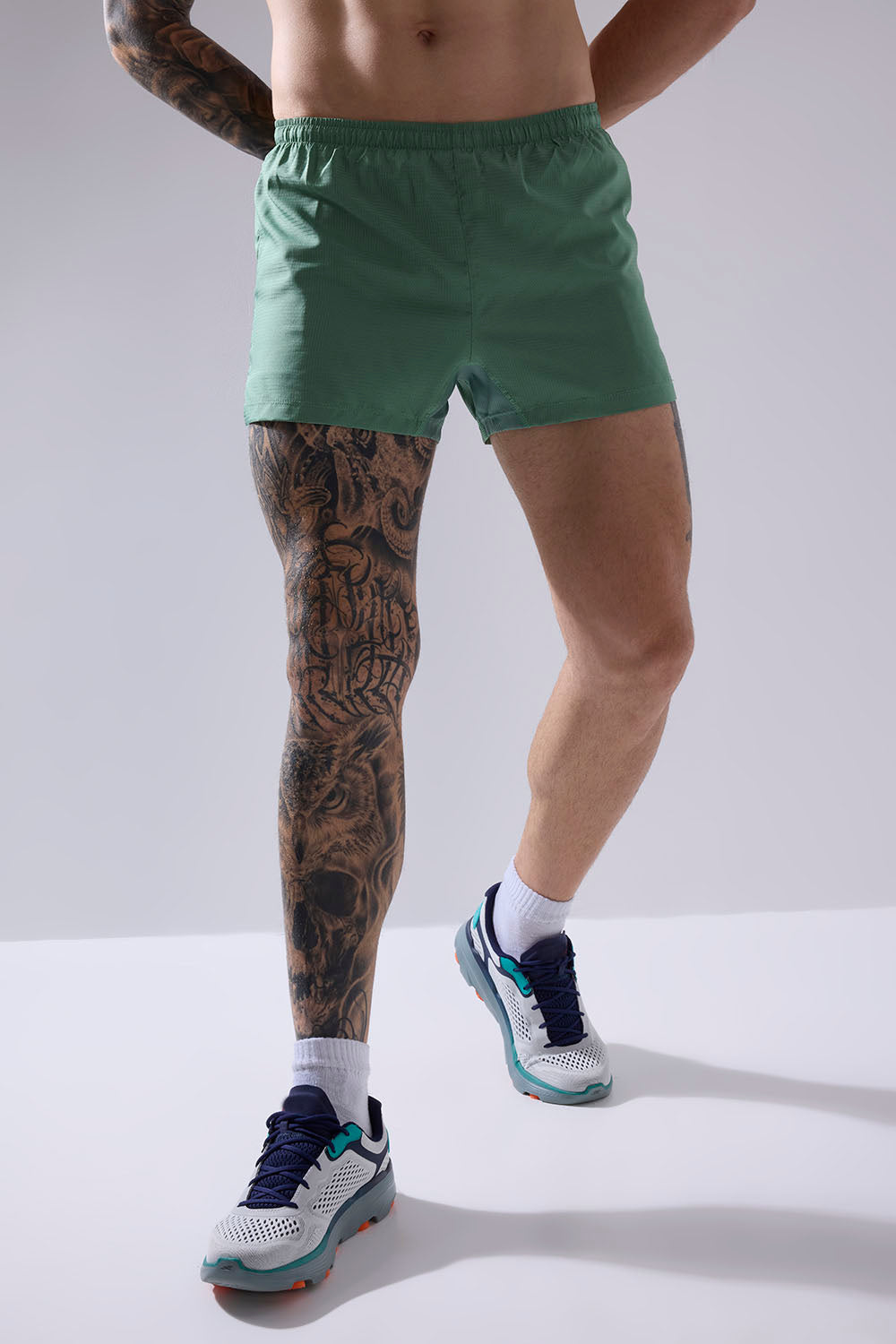
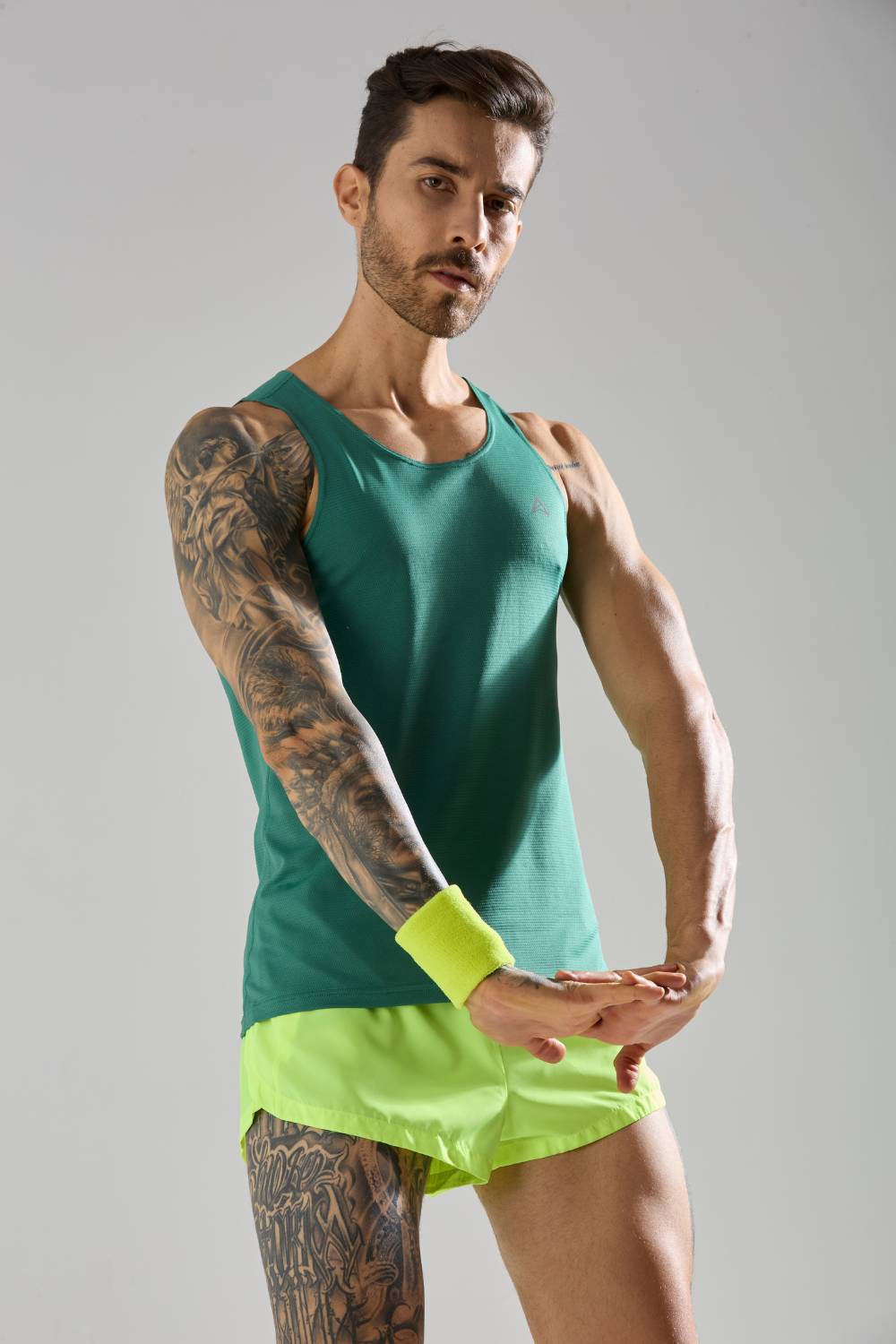
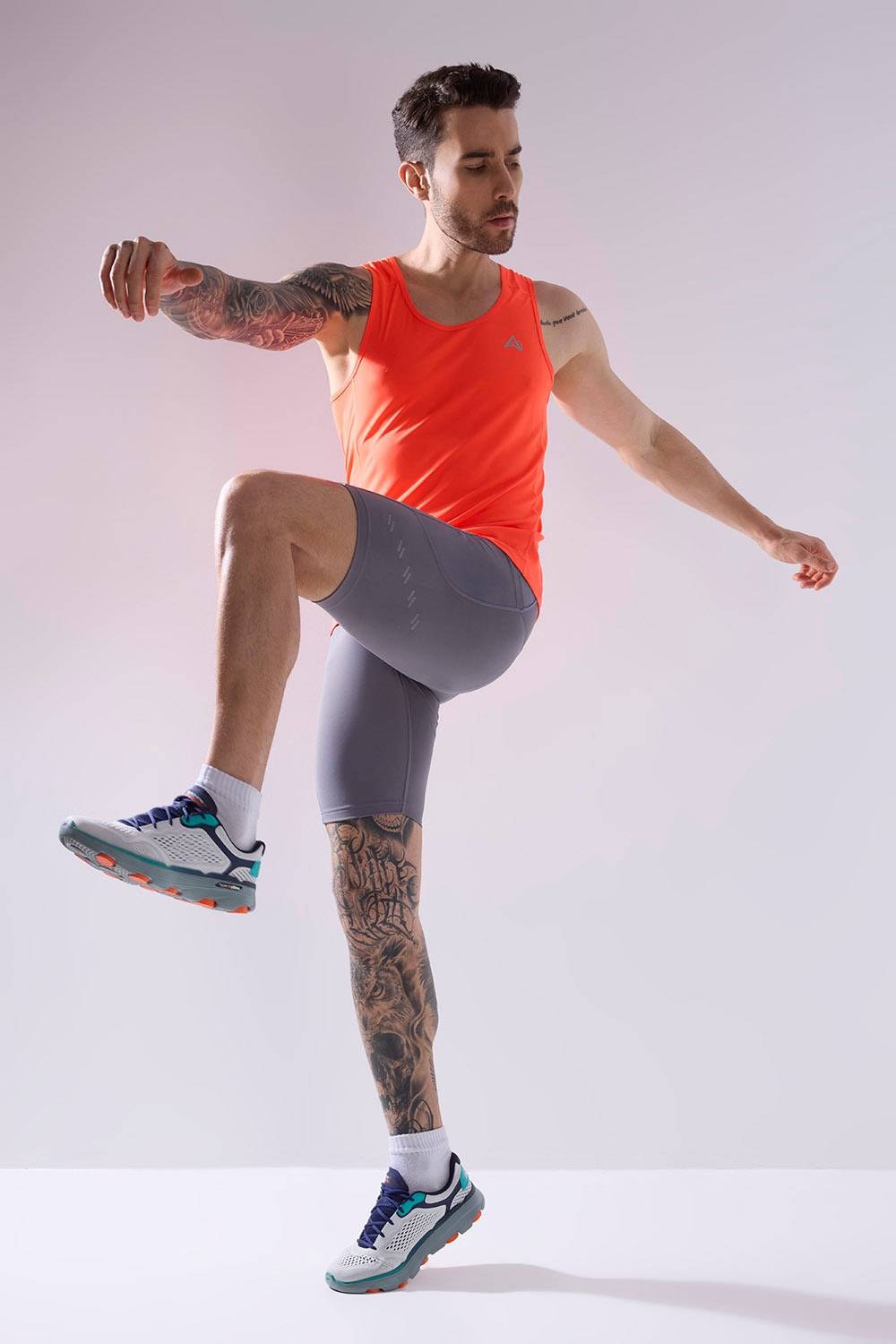
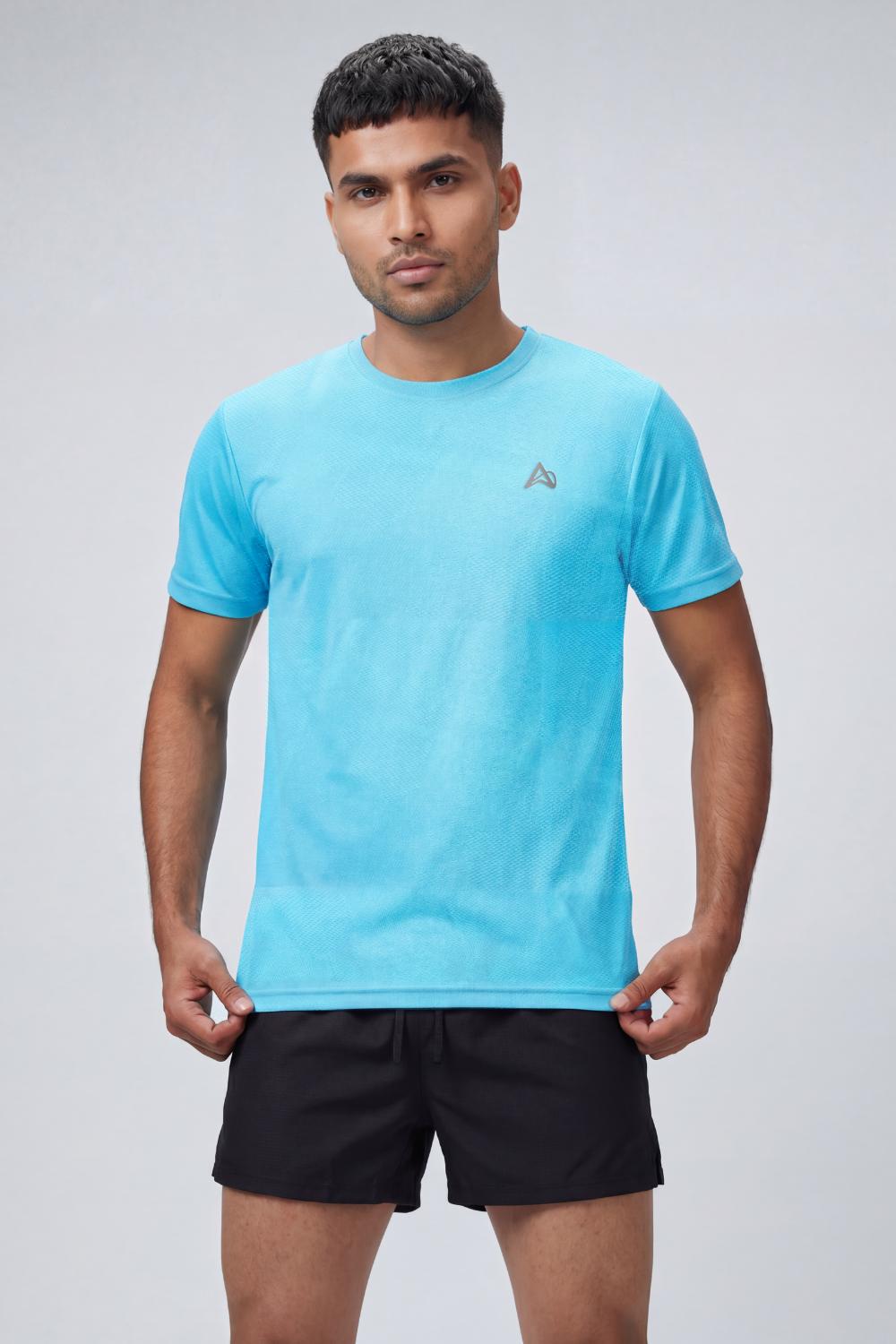
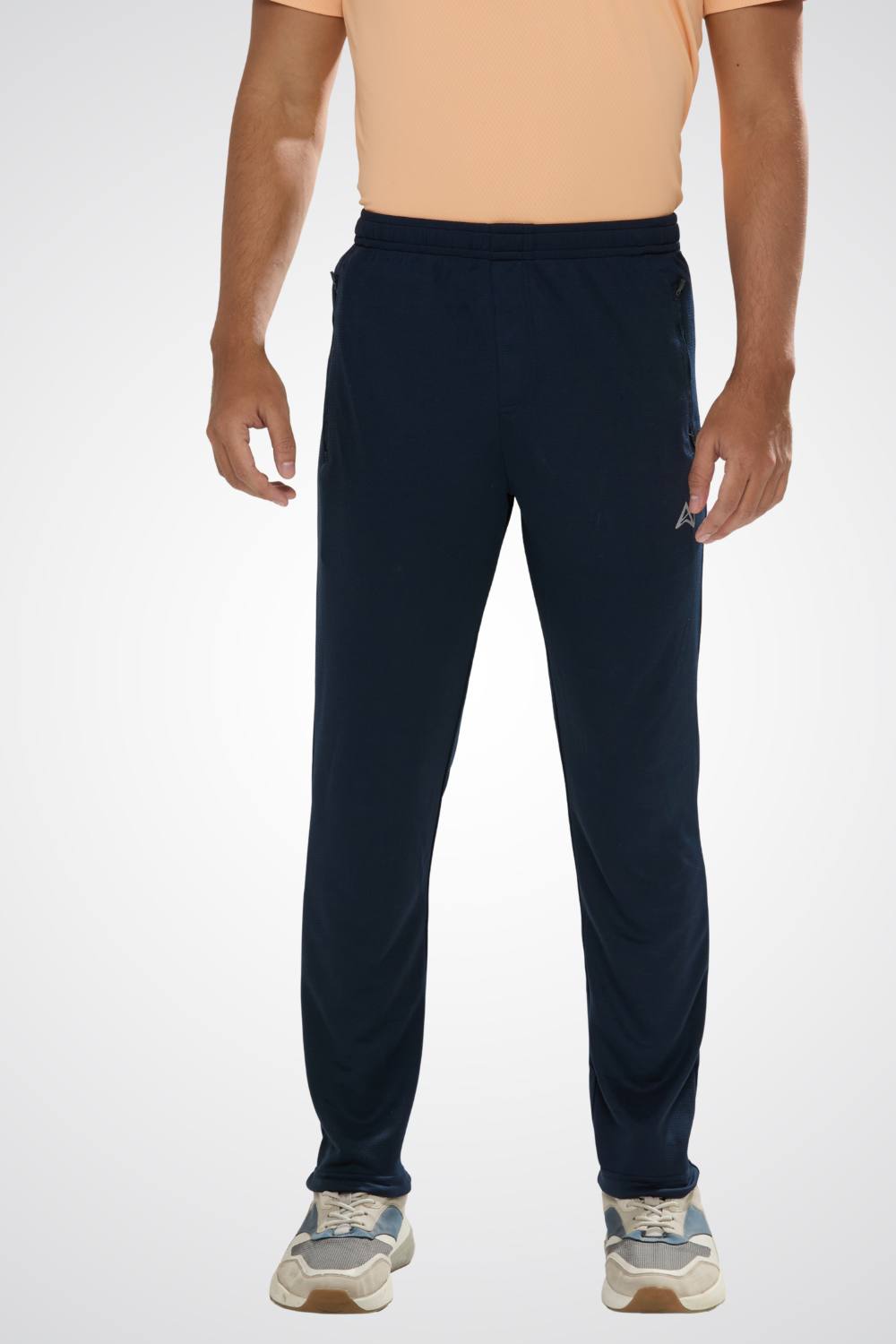
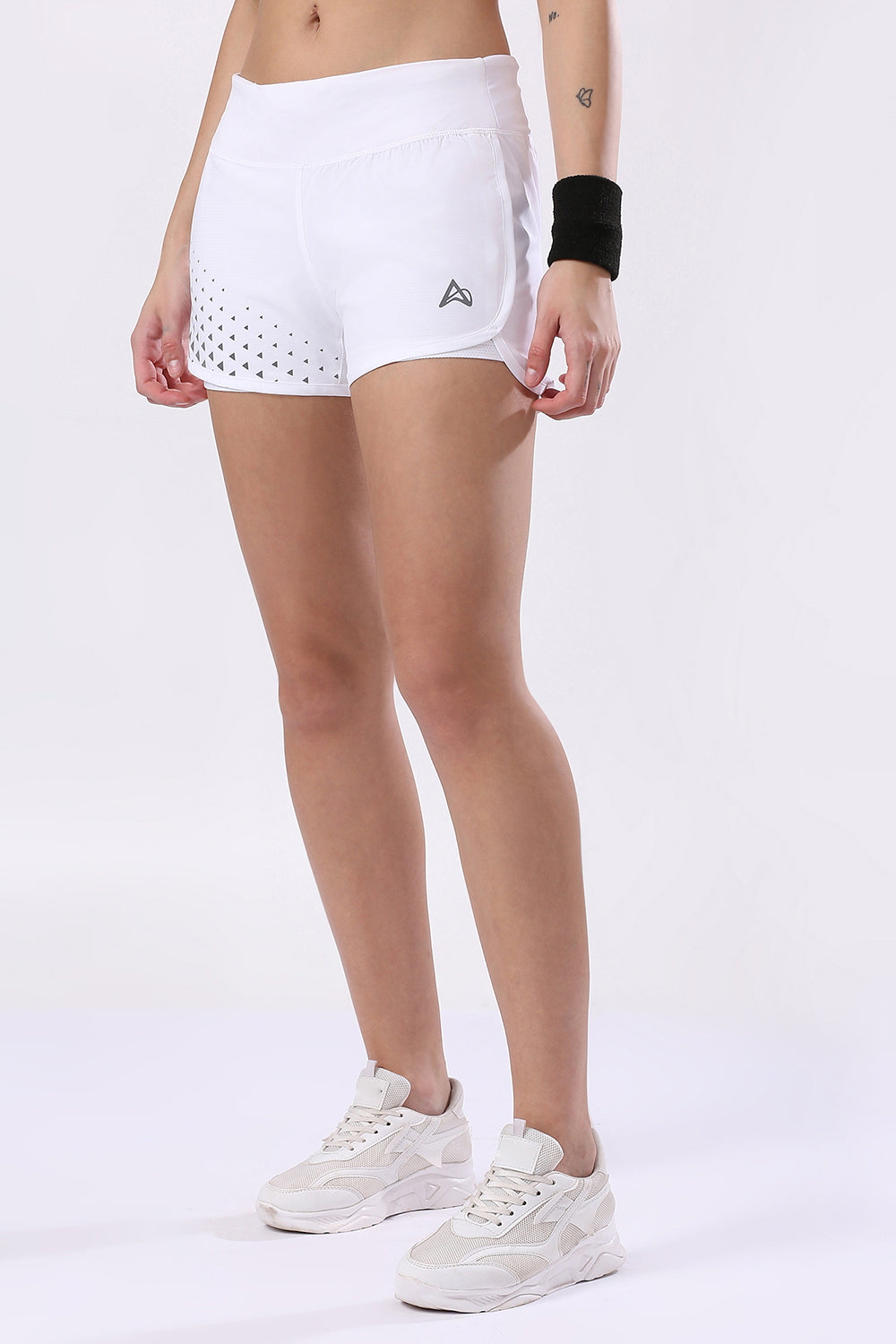
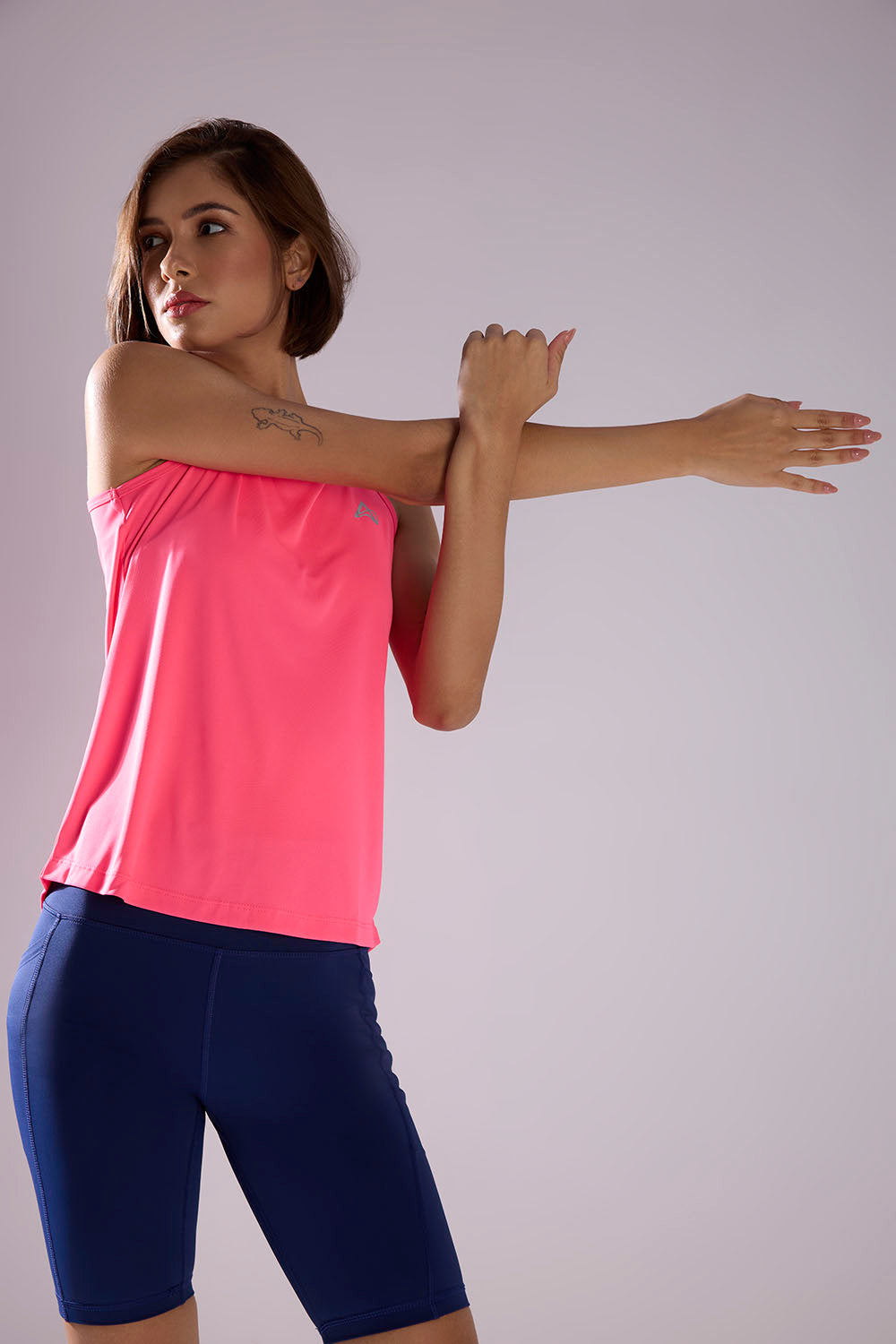
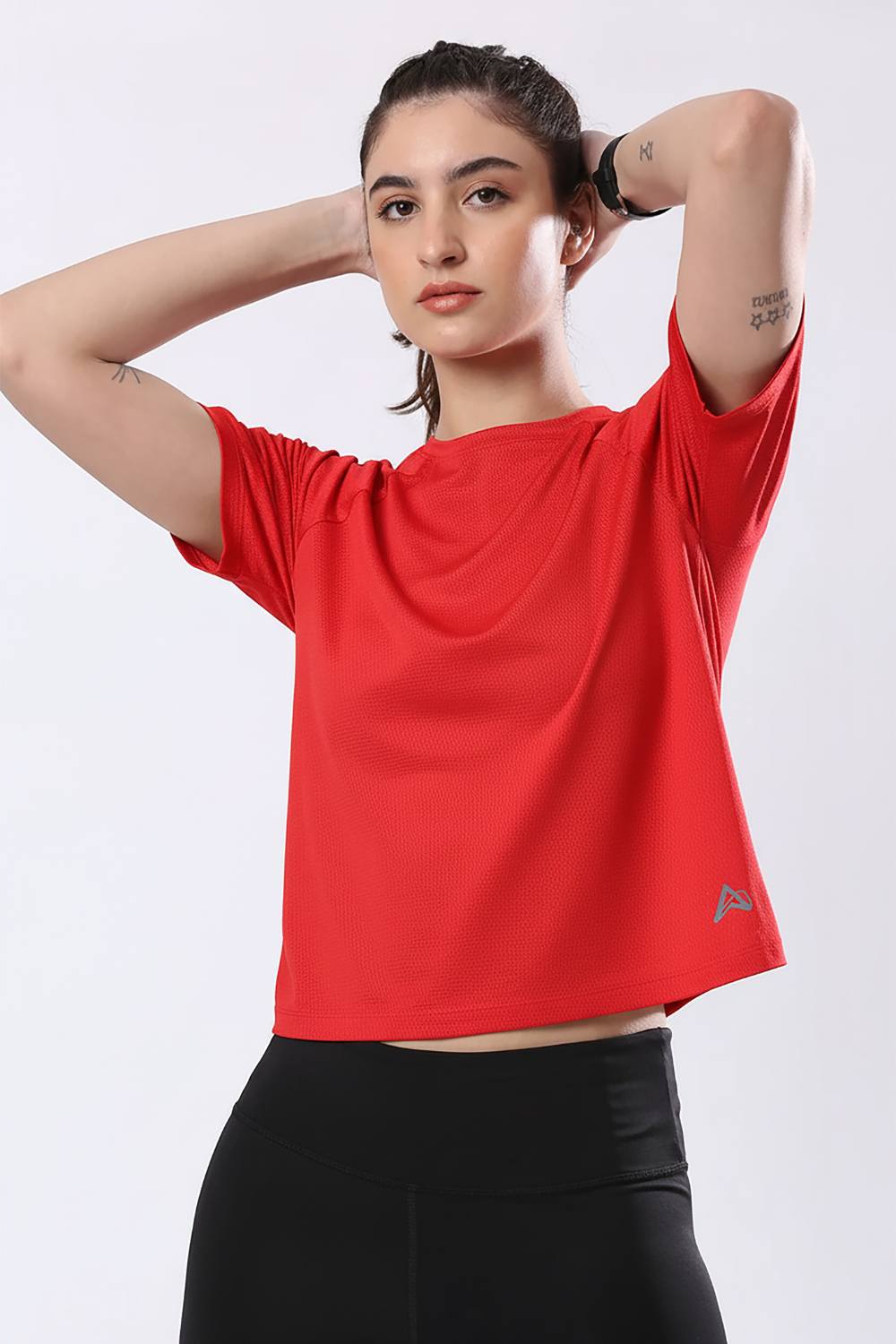
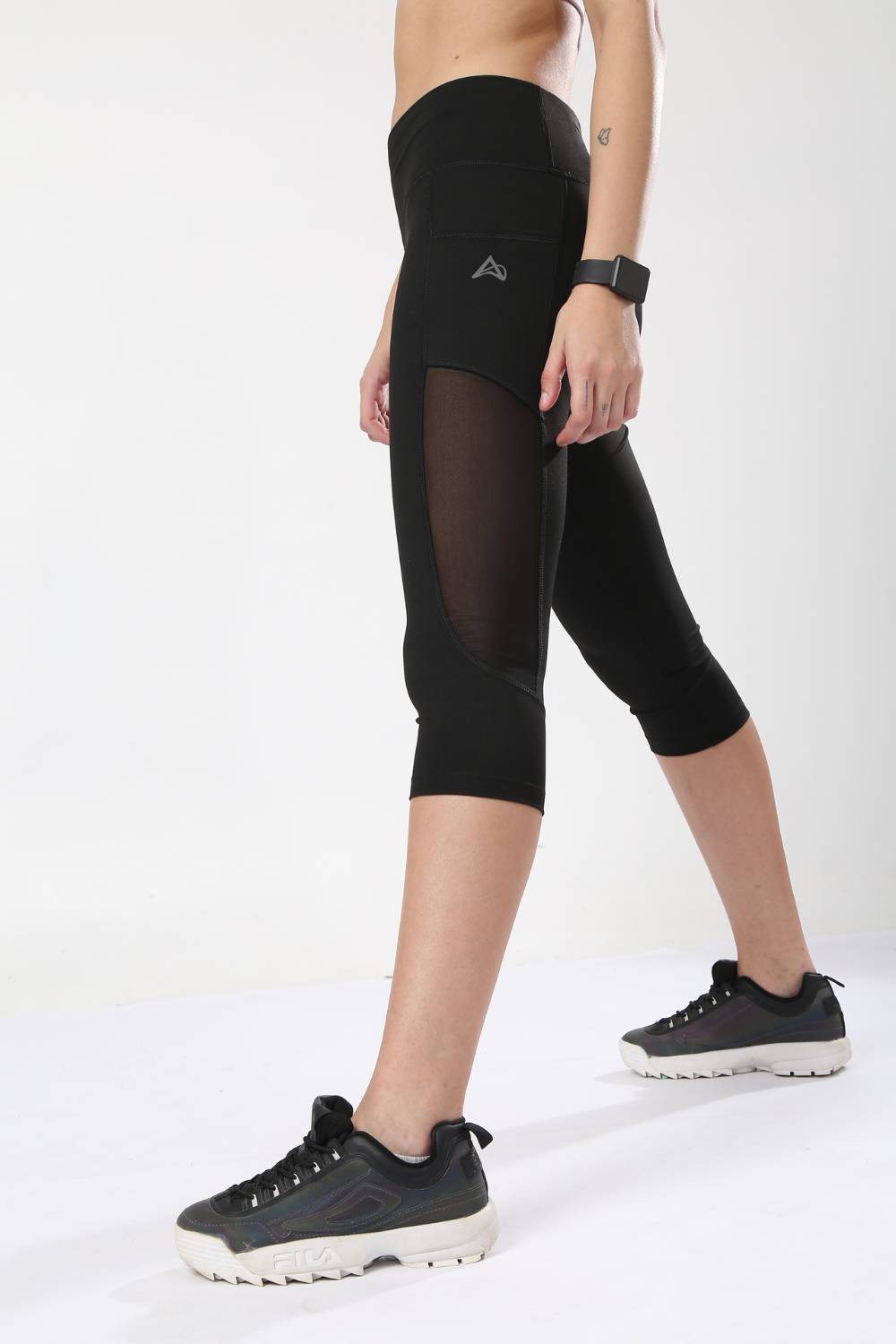
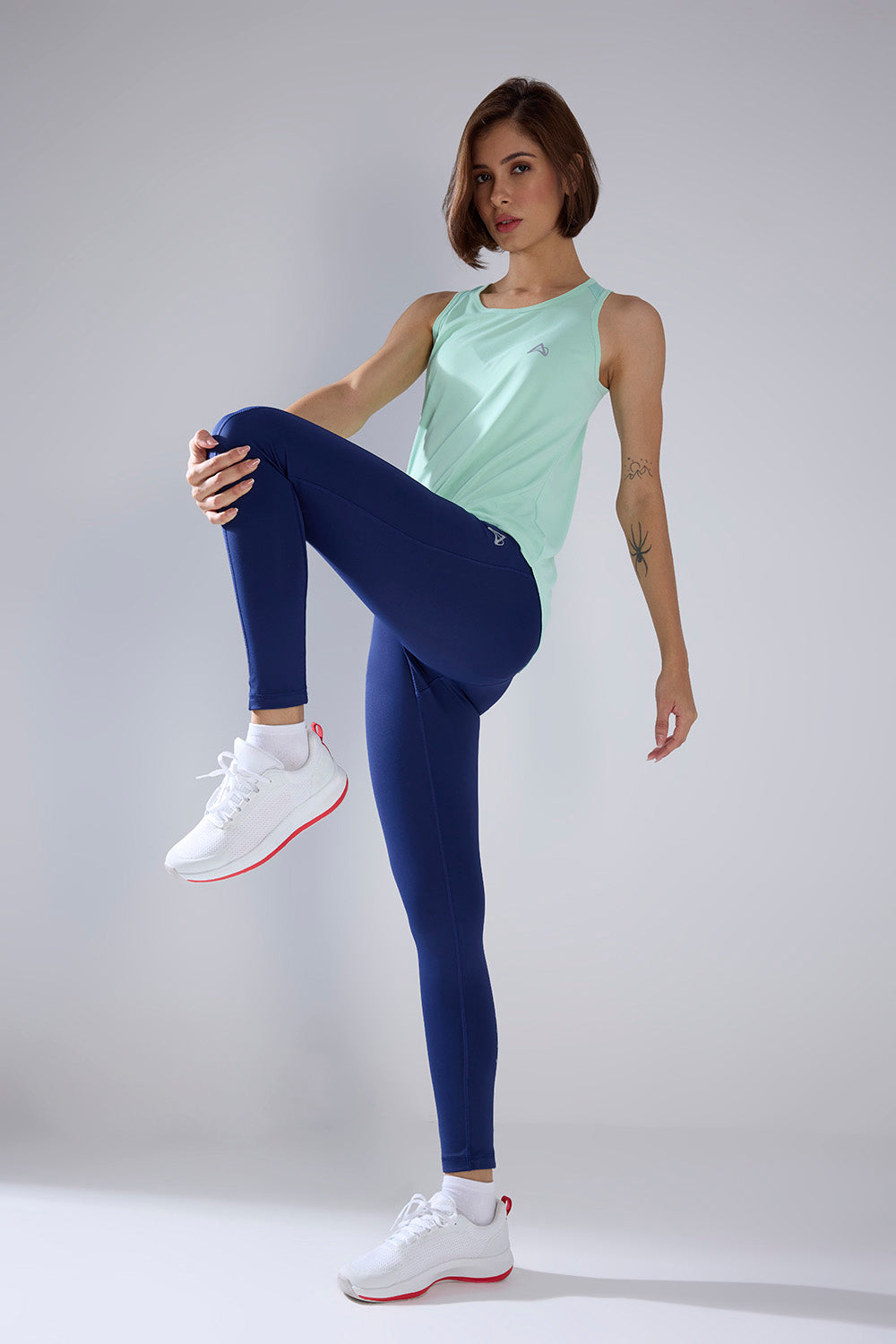
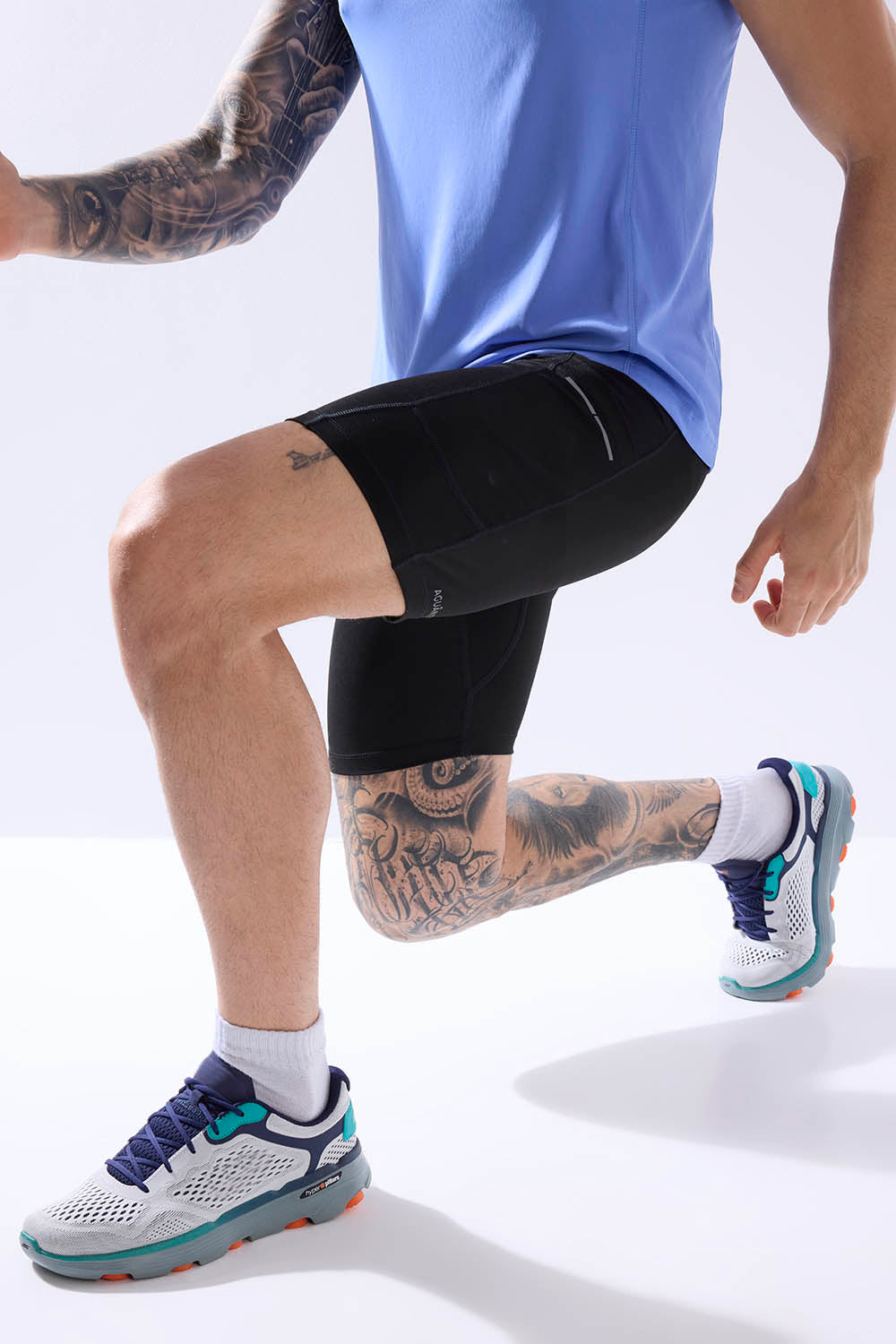
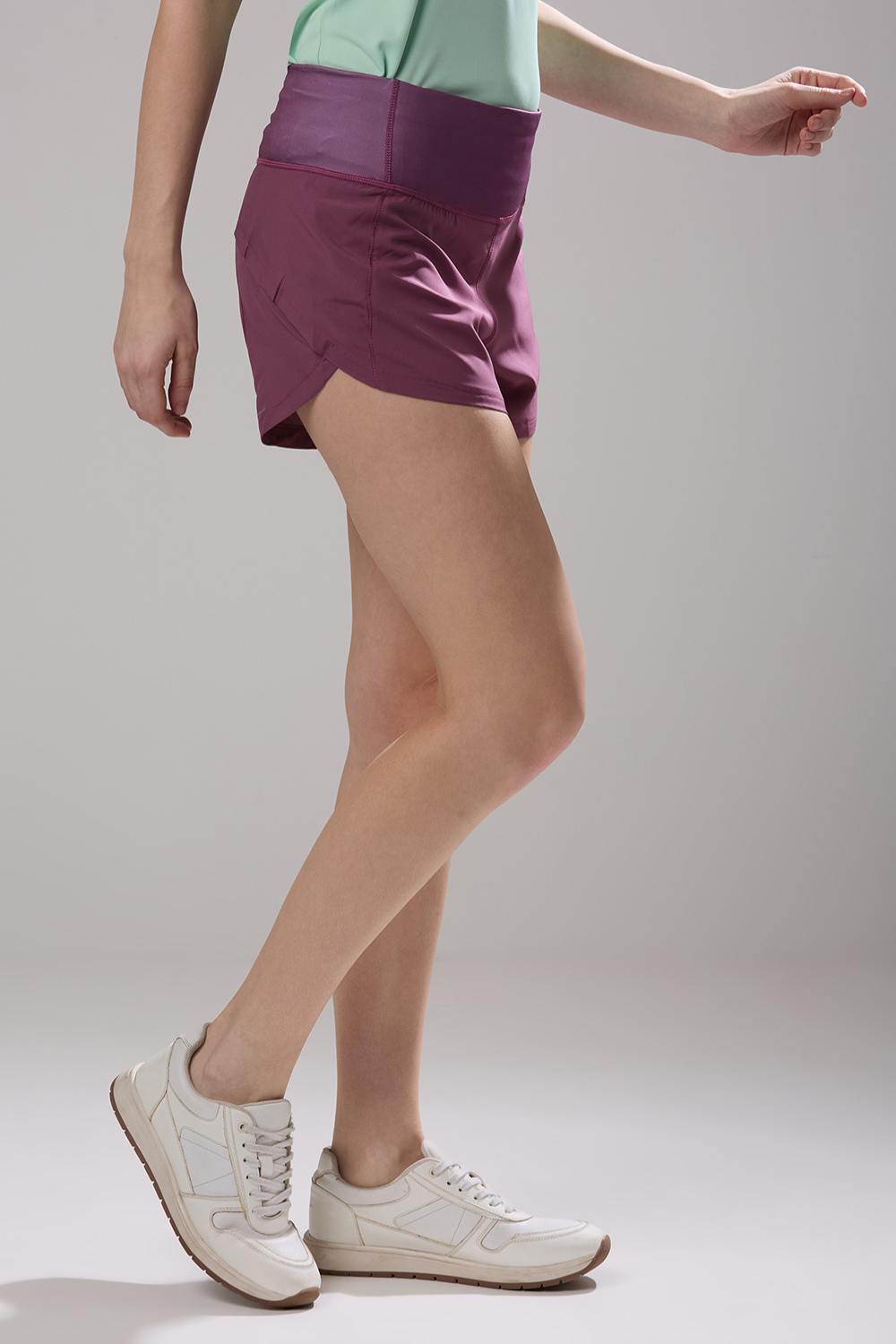
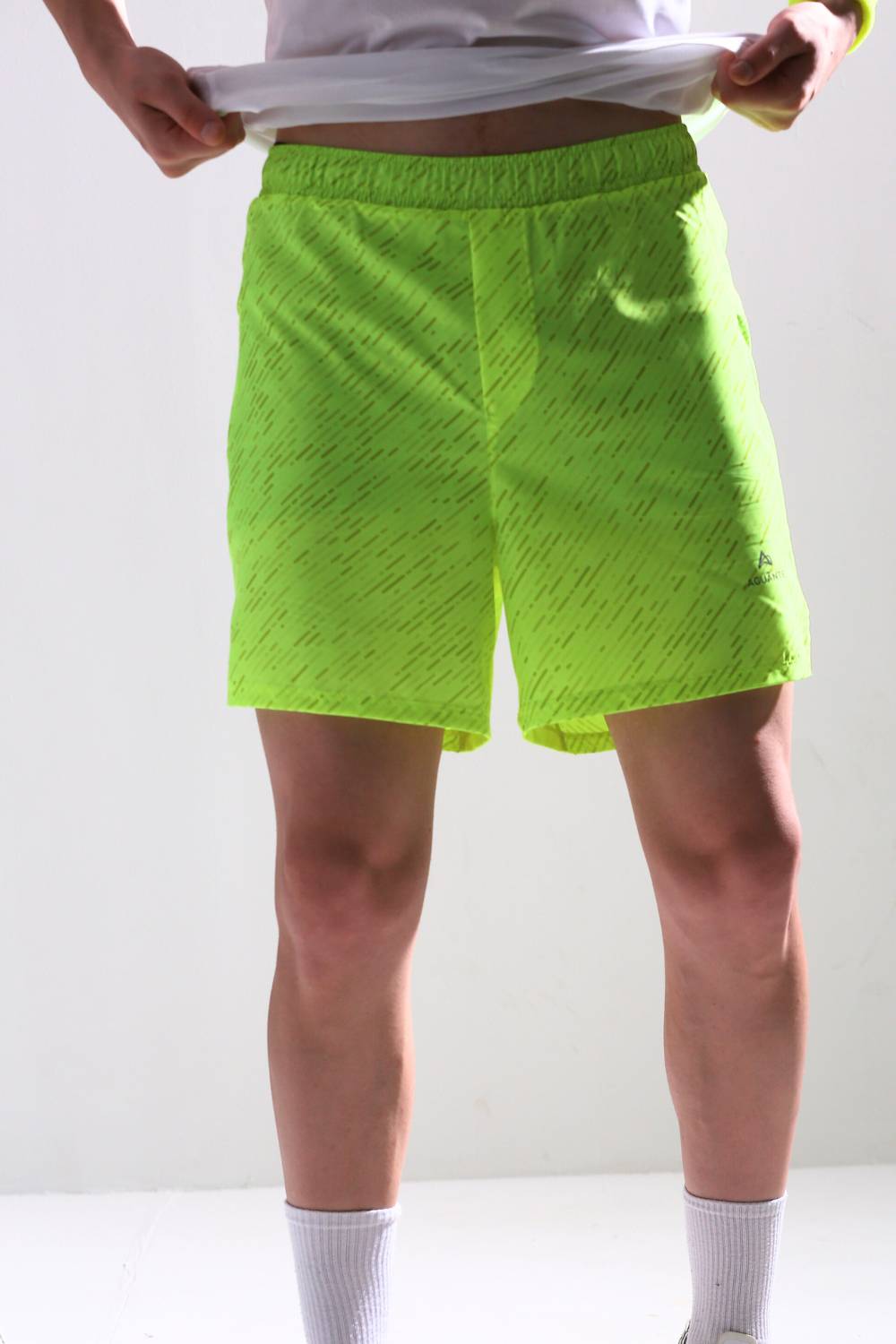
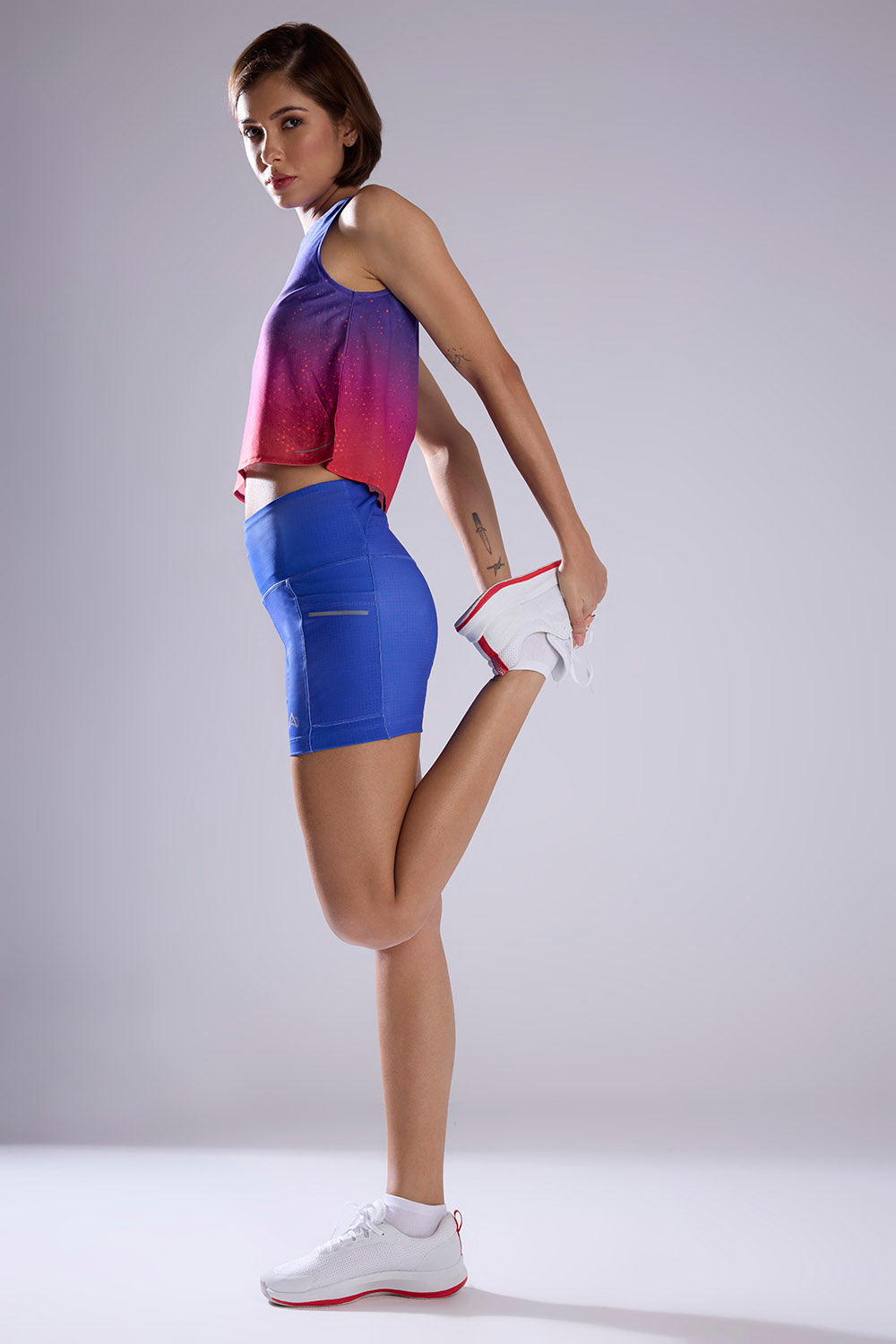
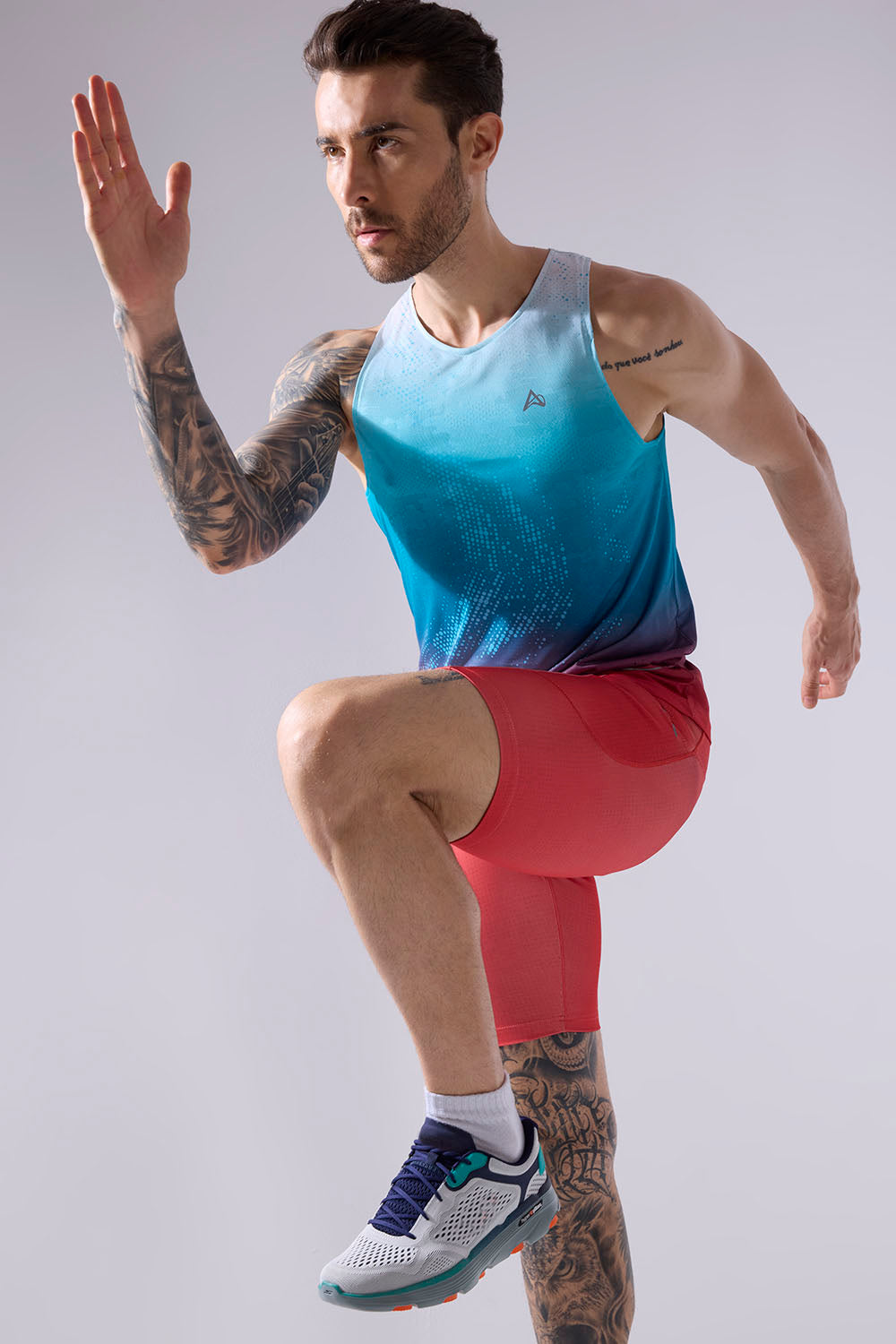
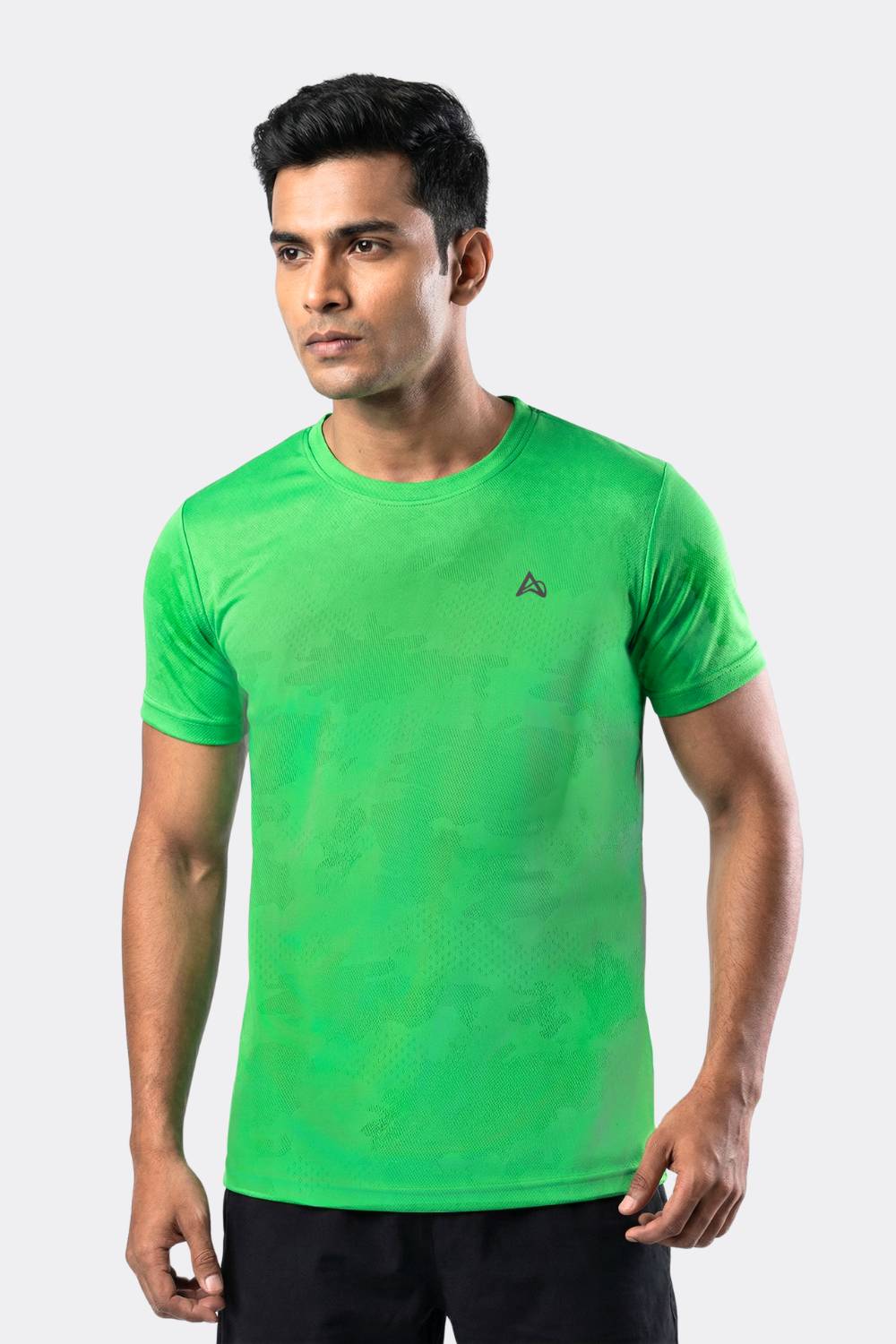
Selecting what to wear for a race starts with understanding how fabric and construction interact with the body. Chafing remains one of the most common problems endurance runners experience because friction, sweat, and poorly suited apparel create irritation during long efforts. This makes clothing selection a critical part of any race day kit. Technical shirts, shorts, and tights that move moisture away from the skin and feature flat or strategically placed seams lower the risk of rubbing at high-friction zones such as the underarms, inner thighs, and chest.
Runners should test shirts, shorts, tights, socks, and other apparel during training before using them in competition. Including anti-chafing solutions in a race kit can also provide additional protection, especially for runners completing longer distances or racing in hot conditions. The goal of race apparel is not only performance but also consistency, allowing athletes to maintain focus without being distracted by preventable discomfort.
A carefully selected outfit, combined with proven accessories and preparation habits, creates a more dependable race experience. This reinforces why building a running kit should be approached as part of training rather than as a last-minute shopping decision before race day. For practical guidance on preventing running chafing, many athletes rely on both garment design and simple protective products tested in advance.
In warmer climates, lightweight, breathable layers become especially useful. A single well-chosen top that has already handled similar conditions in training often outperforms multiple untested options. Women and men both benefit from garments that stay in place without restrictive elastic or shifting fabric once the body is moving and sweating.
Footwear and Socks That Stay Reliable
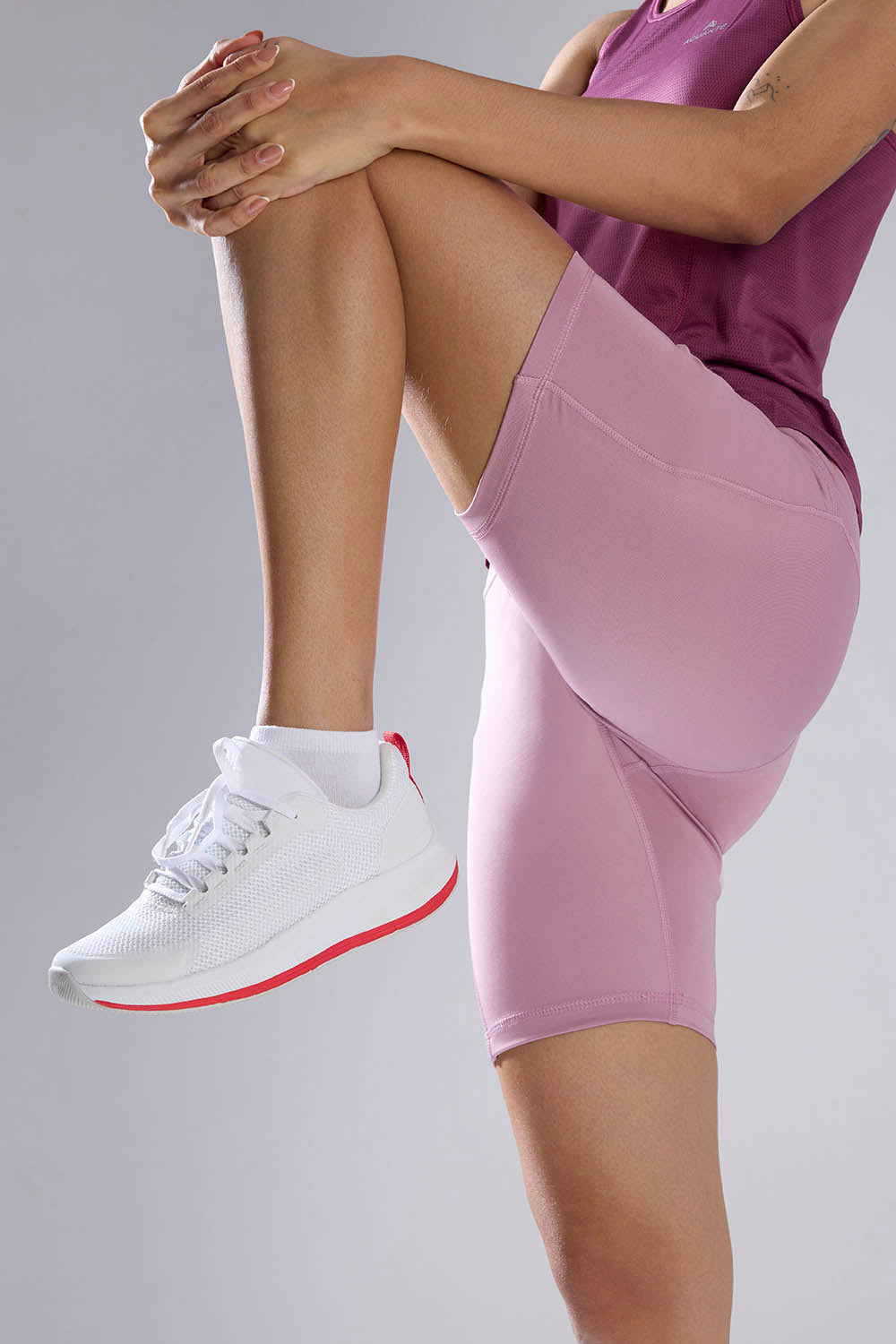
Shoes form the foundation of any running kit essentials list. The pair worn on race day should be the same model and preferably the same pair that has already logged successful training miles. New shoes introduce unknowns around fit, cushioning response, and break-in behavior that can surface mid-race. Socks deserve equal attention: seamless or low-friction designs that match the shoe volume help prevent blisters and hot spots.
Weather and surface conditions influence final decisions. On warmer days, lighter, more breathable footwear helps manage heat. When rain is possible, shoes with proven traction and socks that maintain cushioning when damp become priorities. Many runners pack a second pair of socks in their race bag as a simple insurance step. The principle remains consistent: every item that touches the foot should already have demonstrated comfort over comparable distance and effort.
Hydration, Nutrition, and Practical Accessories
A complete running gear for race day package extends beyond clothing. Hydration systems, whether handheld bottles, soft flasks, or belt-mounted options, need to feel natural during movement. Fueling products gels, chews, or other familiar sources should match what the runner has already practiced absorbing at race intensity. Introducing new products on the day itself risks digestive issues that can end a race early.
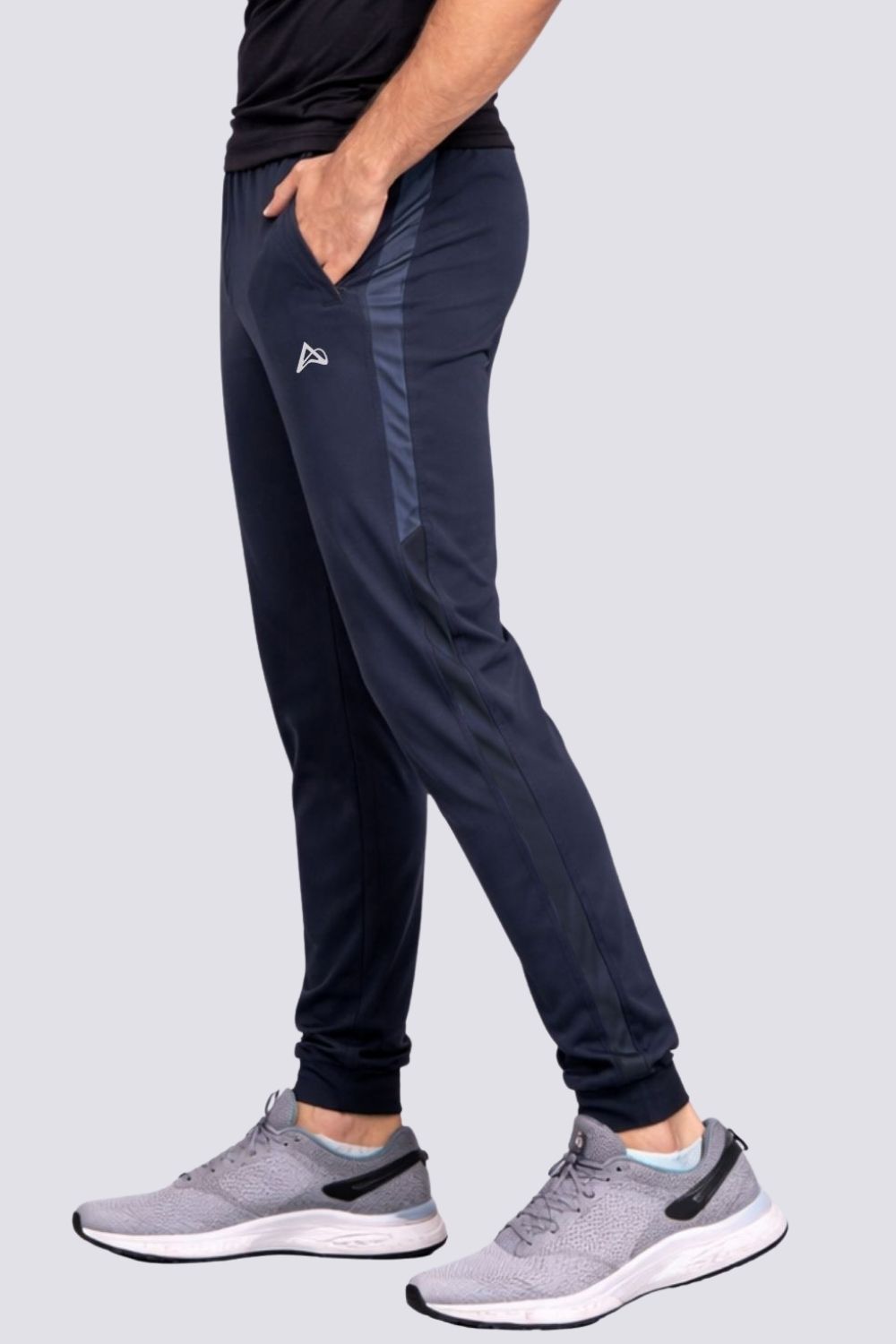
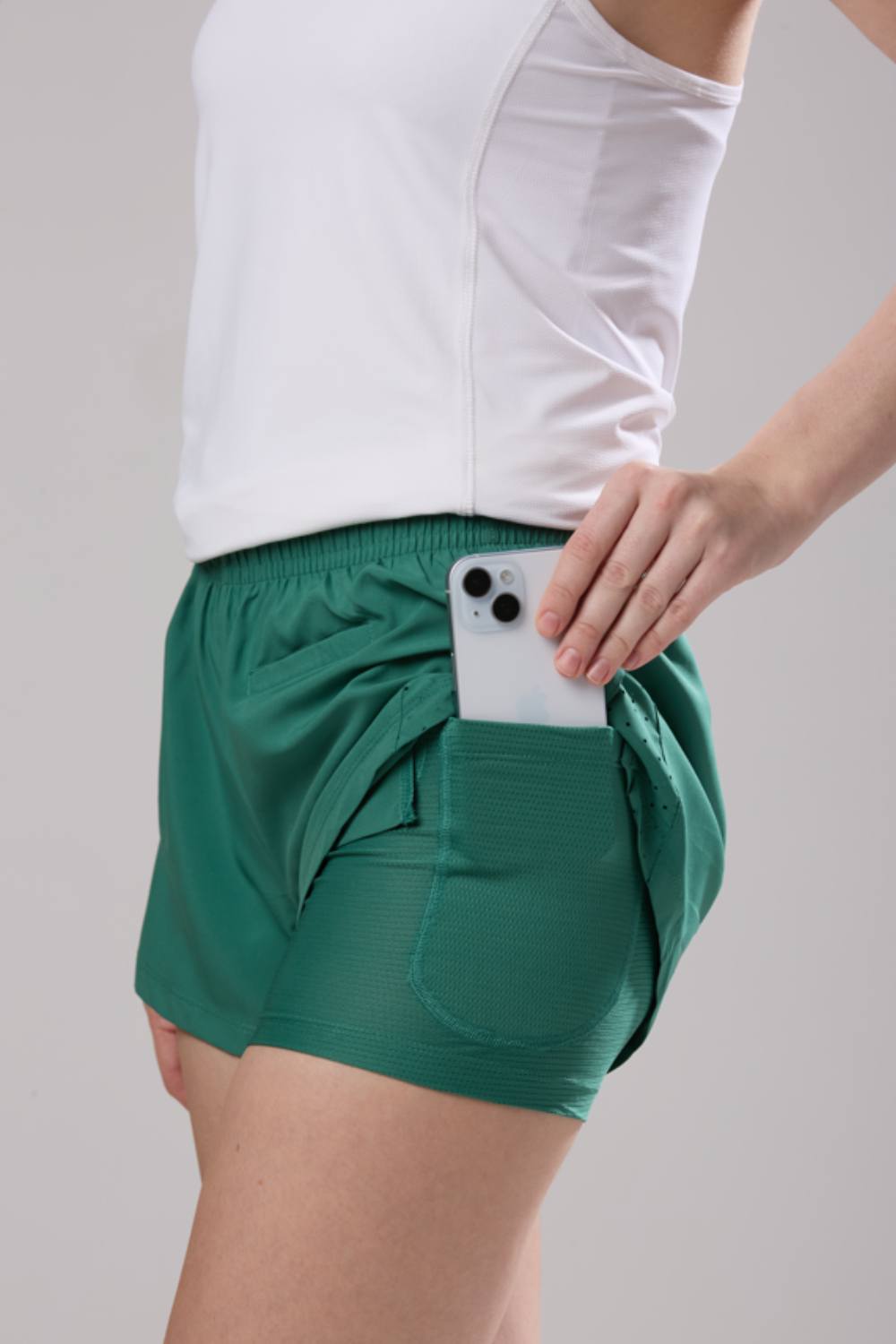
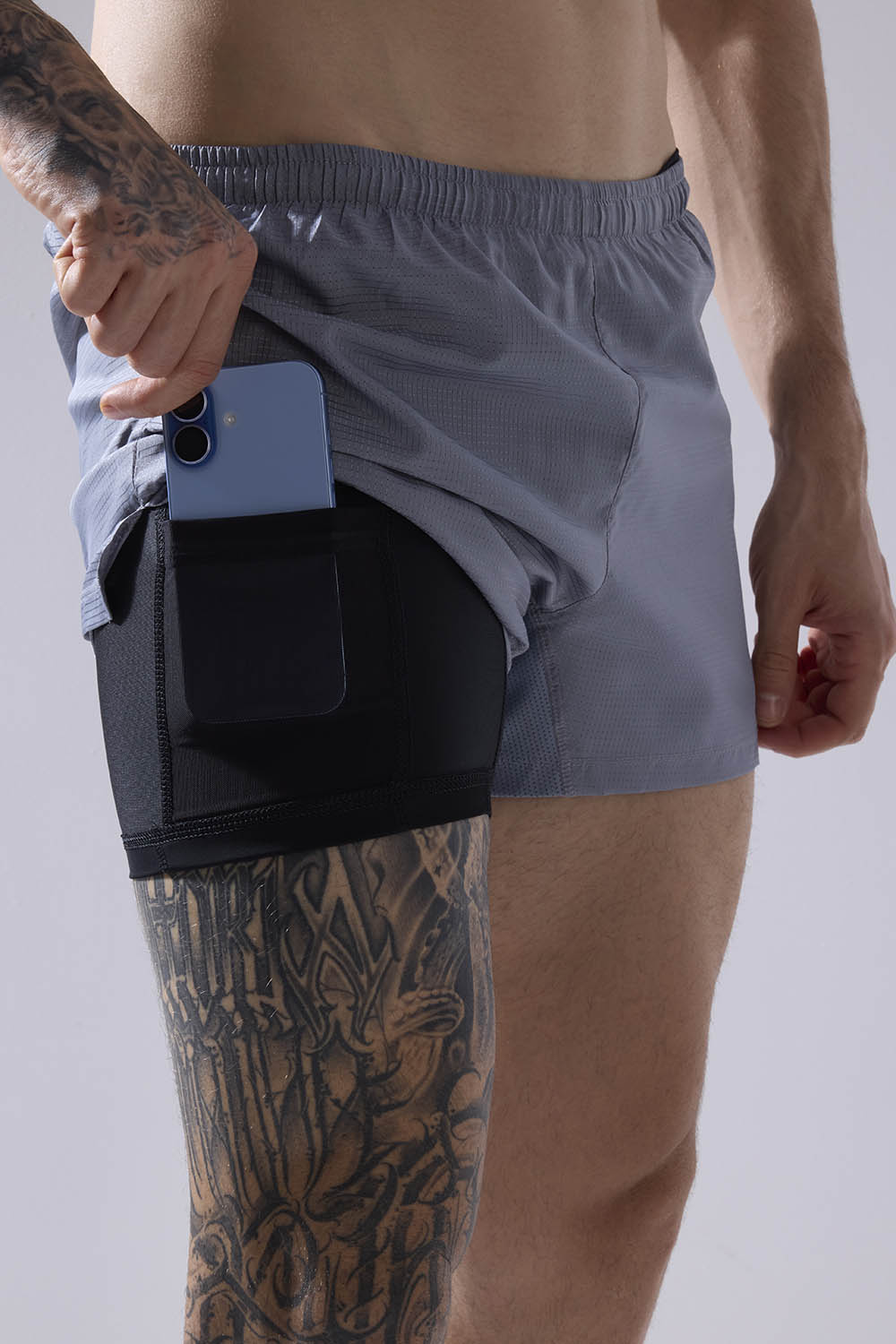
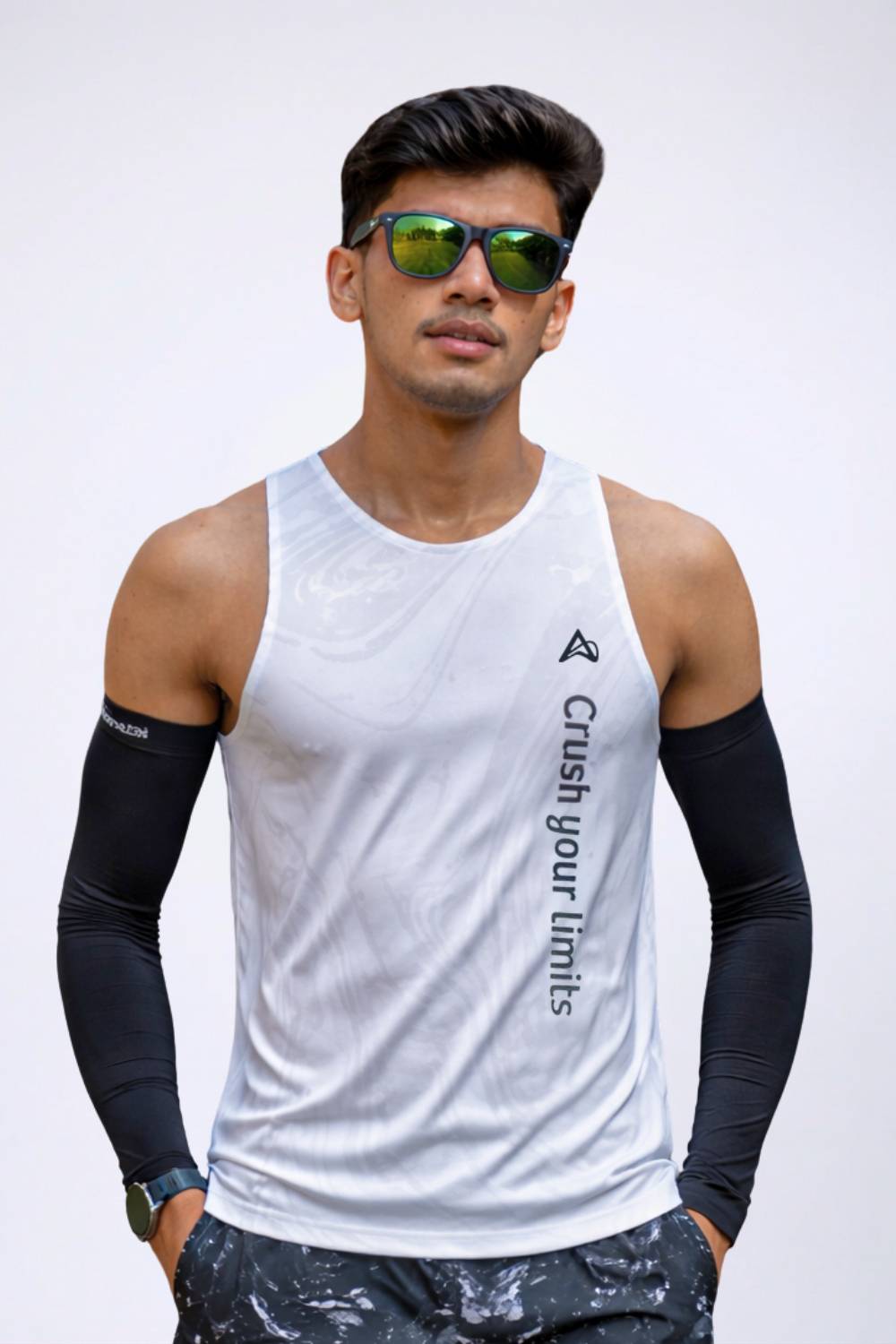
Additional accessories earn their place only when they solve a specific problem. A lightweight hat or visor for sun, a thin arm sleeve for temperature shifts, or a simple timing chip attachment each serve a clear purpose. Pockets that securely hold nutrition without bouncing, reflective details for early starts or late finishes, and easy-access storage for identification complete the functional picture. The best kits stay minimal: every item carried should have a proven role and should already have been tested in training runs of similar length.
Creating a Practical Marathon Race Day Checklist
A successful race day is built on preparation that begins well before the starting line. Runners benefit from organizing their kit in advance, checking essential clothing, footwear, nutrition, hydration supplies, and personal items instead of relying on memory during the stress of race morning. A complete running kit should include the exact outfit tested during training, comfortable socks, proven shoes, weather-appropriate layers, race identification items, fueling options, and recovery clothing for after the finish.
The importance of preparation is especially relevant for runners because small forgotten details can affect comfort, confidence, and performance over long distances. Building a checklist also helps separate essential gear from unnecessary items, making travel and race logistics easier. For athletes preparing for a 5K, half marathon, or full marathon, the same principle applies: every item carried on race day should have a purpose and should ideally have been tested during previous runs.
This approach reduces uncertainty and allows runners to focus on pacing, effort, and enjoying the event. A thoughtful race kit is not about carrying more equipment; it is about selecting reliable gear that supports movement, hydration, comfort, and personal race goals from start to finish. Following a structured marathon race day checklist helps keep the process systematic rather than reactive.
Many runners lay out the full kit the night before, including safety pins for the bib, timing chip if separate, and any required identification. Recovery clothing and a change of socks wait in a separate bag so the post-finish transition stays simple. The checklist becomes a quiet confidence tool: once every item is confirmed, mental energy can shift entirely to the race itself.
Testing and Refining Before the Event
No piece of pre race preparation tips advice carries more weight than testing. Long training runs that simulate race conditions similar distance, similar weather, similar nutrition timing reveal what works and what needs adjustment. Seams that feel fine at 10 kilometers may irritate at 25. A waistband that sits comfortably at the start of a run can migrate once sweat accumulates. Socks that perform well in cooler temperatures may feel different when humidity rises.
Runners who treat these longer efforts as kit rehearsals gain practical knowledge that no store fitting room can provide. Adjustments made weeks before race day are low-stakes; adjustments attempted on the morning of the event rarely succeed. Keeping a simple log of what was worn, what was carried, and how the body responded turns each training cycle into useful data for the final kit.
Weather variability adds another layer. Having a tested light layer or alternative top ready allows last-minute adaptation without introducing untried fabric against the skin. The same principle applies to accessories: a hydration belt that felt perfect on a cool morning may need repositioning once temperatures climb.
Putting the Kit Together with Intention
The final stage of assembling best running clothes for race day and supporting gear is deliberate selection rather than accumulation. Start with the core: tested shoes, tested socks, tested top and bottom. Add only the accessories and fuel that have already proven useful. Check that every seam, waistband, and pocket has been experienced under race-like conditions. Confirm that anti-chafing products, if used, are the same ones applied in training.
On race morning the process stays calm. Dress in the order practiced during training, attach the bib securely, double-check fuel and hydration, and leave the rest behind. The kit has already done its work in the weeks leading up to the event. Its job now is simply to stay out of the way so the runner can focus on effort, pacing, and the satisfaction of completing the distance.
Building a race day running kit is ultimately an act of respect for the training that precedes it. When clothing, footwear, and accessories have already demonstrated reliability, they free the athlete to run with greater presence and fewer interruptions. That quiet reliability is what turns preparation into performance.
Frequently Asked Questions
What should be included in a race day running kit?
A race day running kit should include tested running clothes, reliable shoes, comfortable socks, hydration supplies, familiar nutrition, and weather-appropriate accessories. Every item should have a clear purpose and be proven during training runs before race day to reduce discomfort and distractions.
How do I choose the best running clothes for race day?
The best running clothes for race day are made from technical fabrics that manage moisture, reduce friction, and support comfortable movement over long distances. Runners should test shirts, shorts, tights, and anti-chafing solutions during training to ensure they perform well in race conditions.
Should I wear new running shoes on race day?
No, runners should avoid wearing brand-new running shoes on race day because fit, cushioning, and comfort may not be fully tested. The ideal race day shoes are a familiar pair that has already handled similar distances and training efforts without causing problems.
Disclaimer: The above helpful resources content contains personal opinions and experiences. The information provided is for general knowledge and does not constitute professional advice.
You may also be interested in: Women's Running Shorts India: The Complete Guide for Comfort & Performance
Tired of gear that slows you down? Chafing, soggy fabrics, and missing pockets kill your run's momentum. At Aguante, we're runners who get it. Our high-performance activewear features moisture-wicking fabrics, ergonomic designs, and smart storage to keep you focused. Shop Now!
Powered by flareAI.co