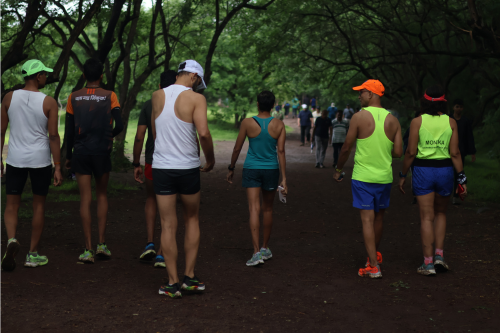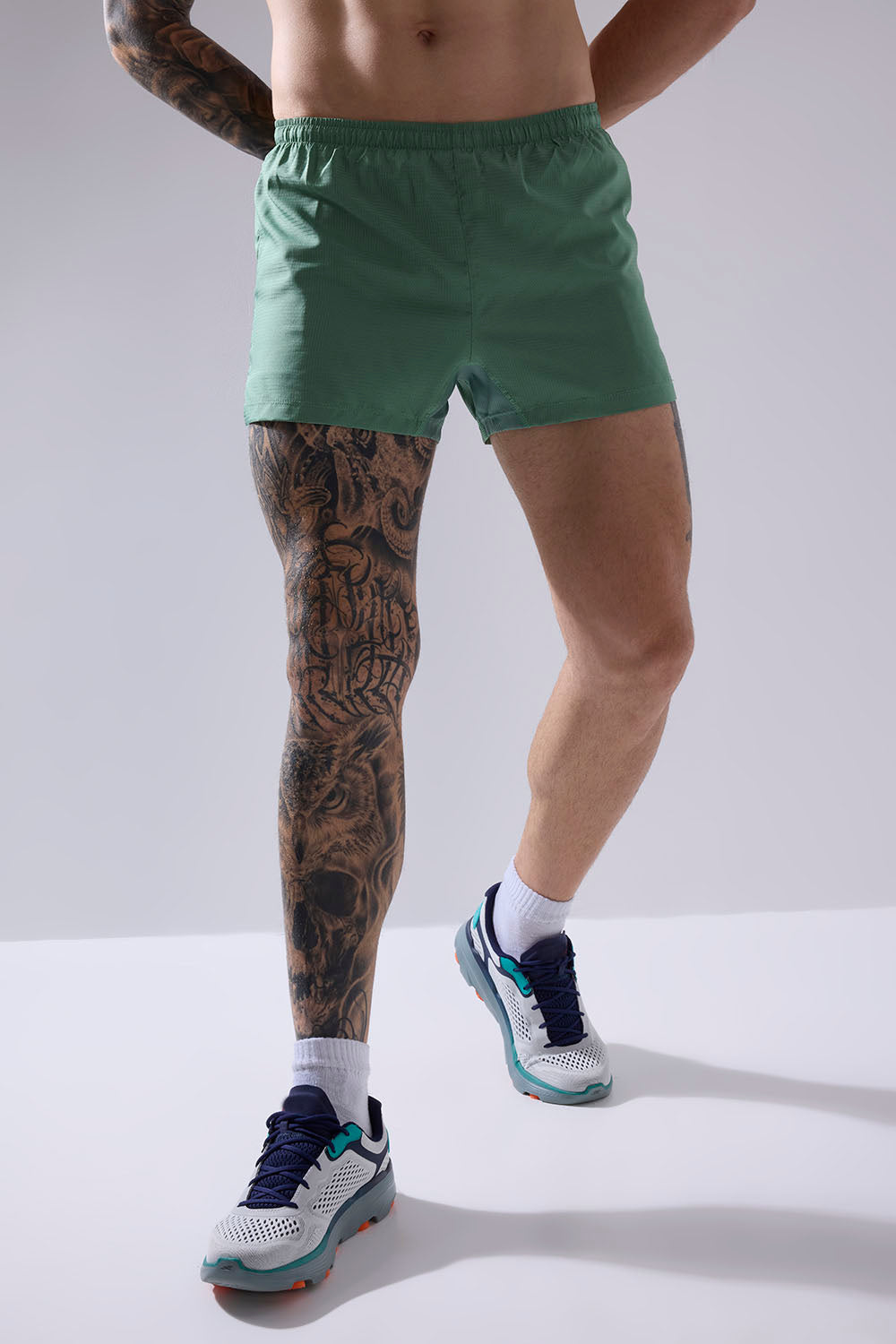
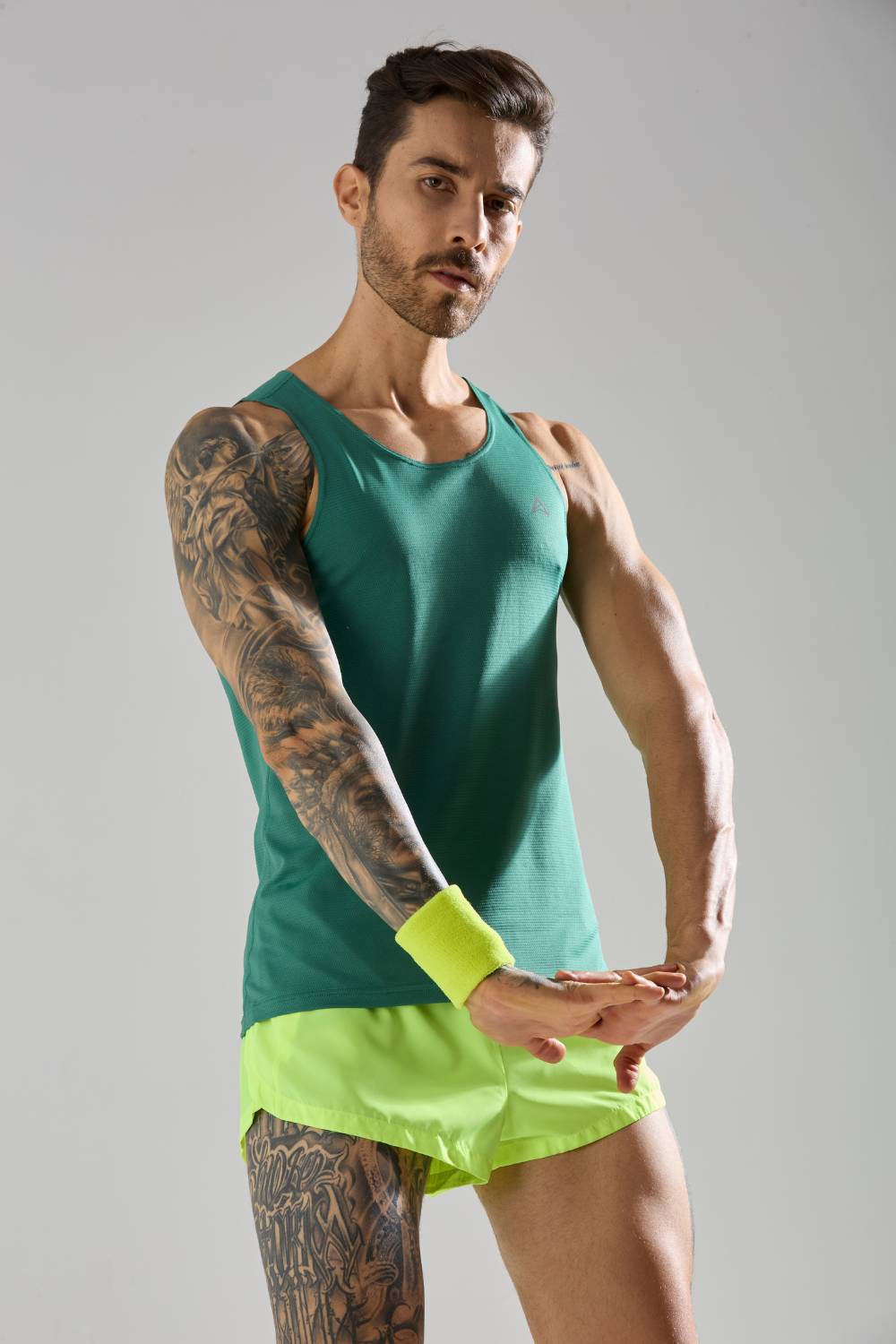
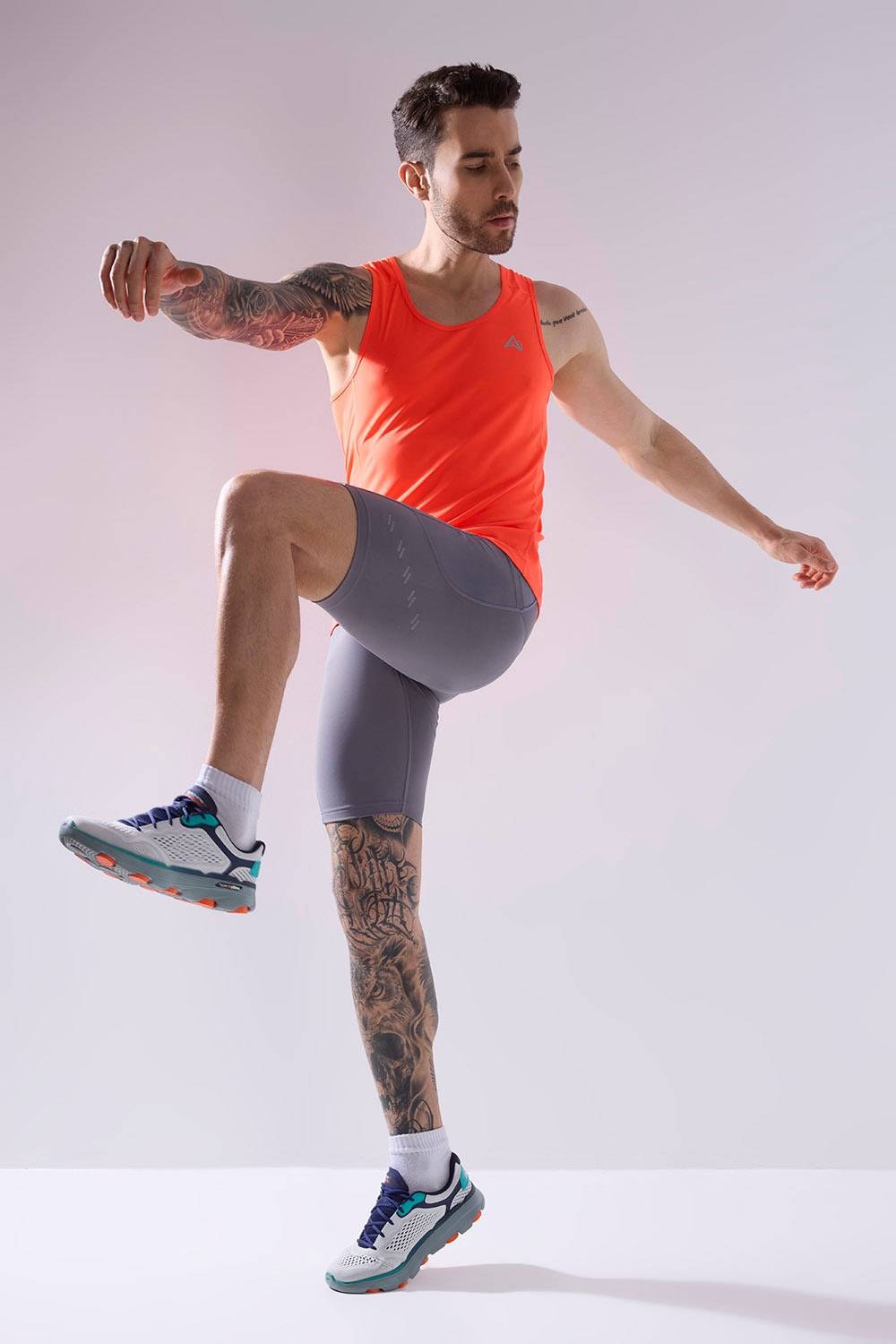
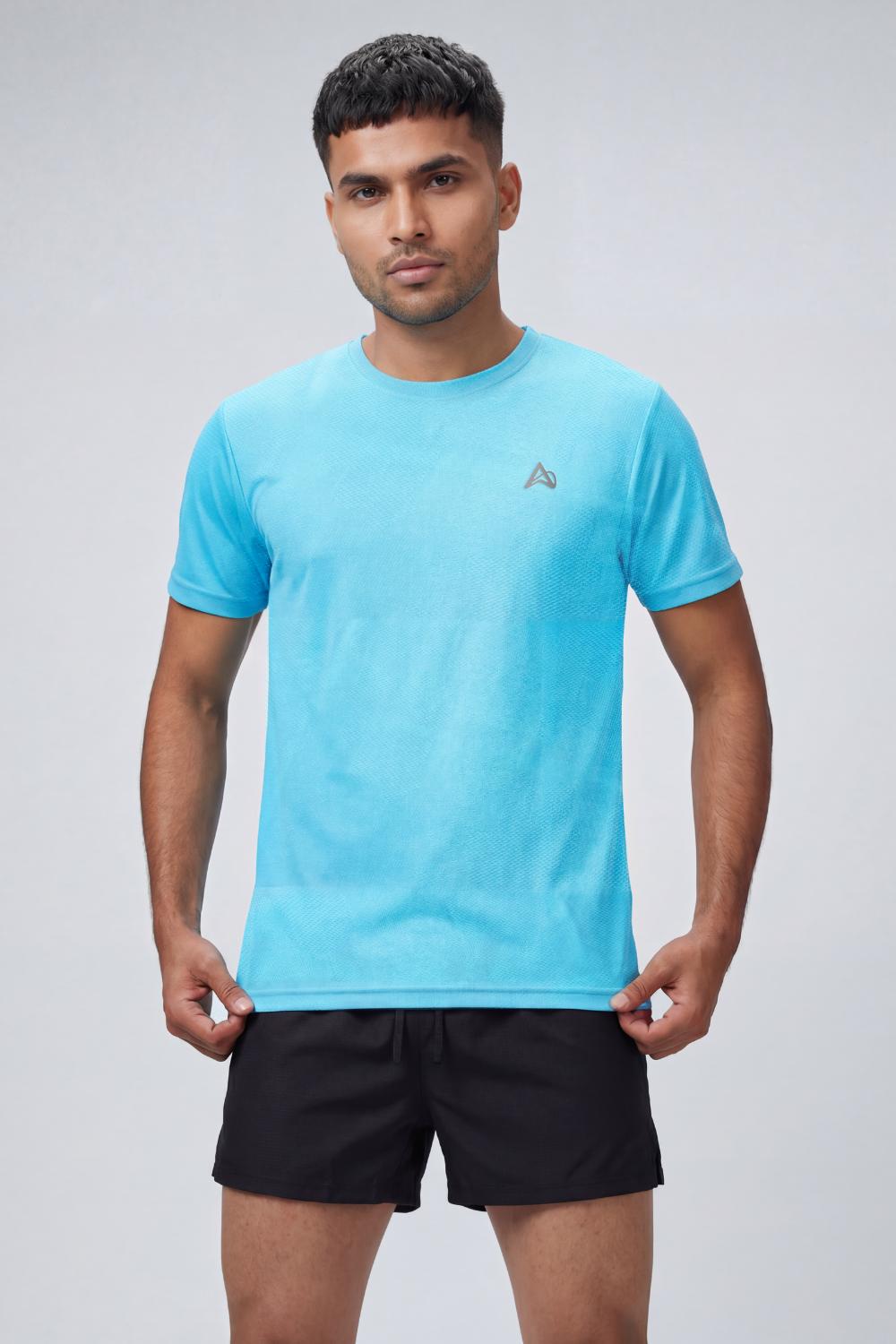
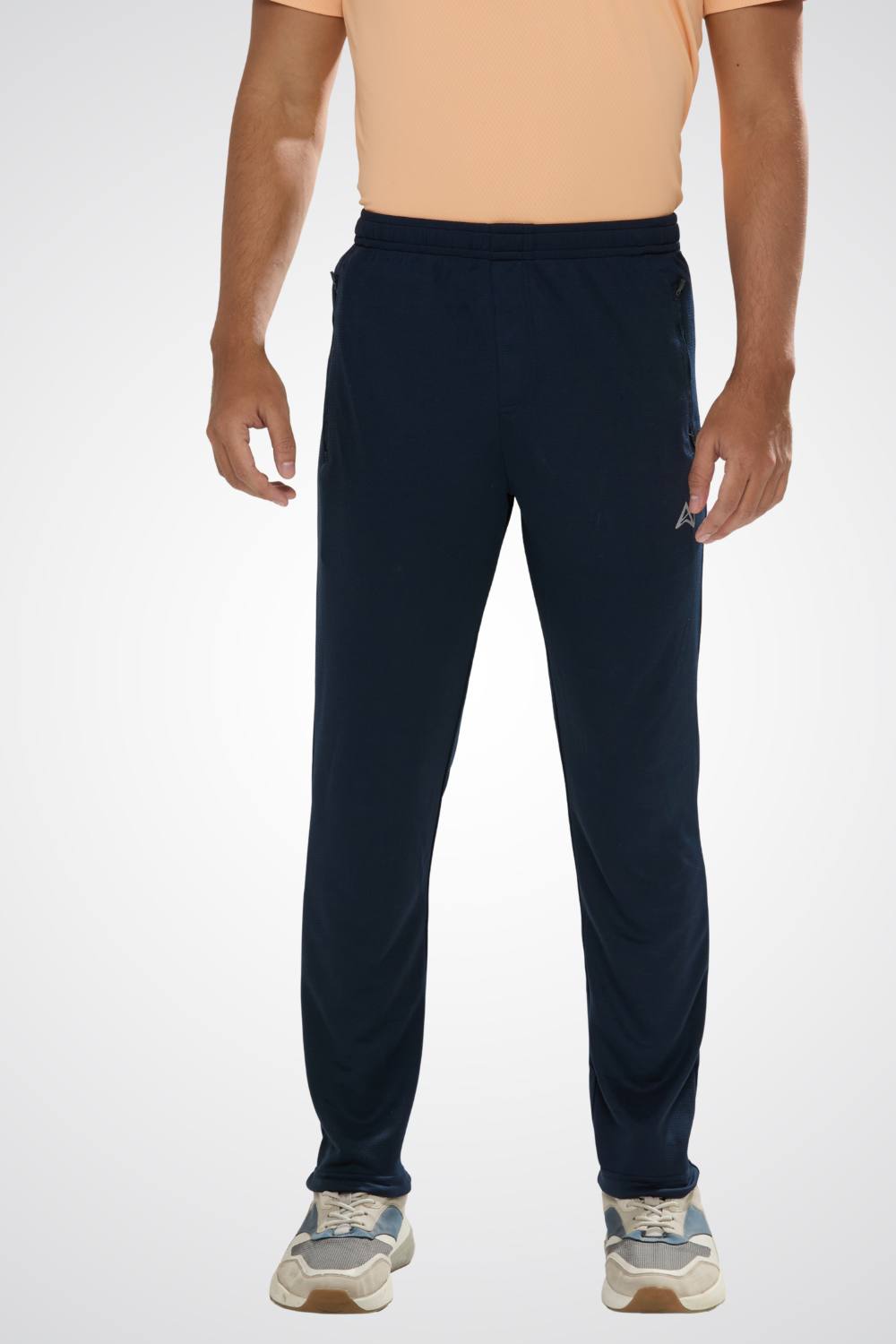
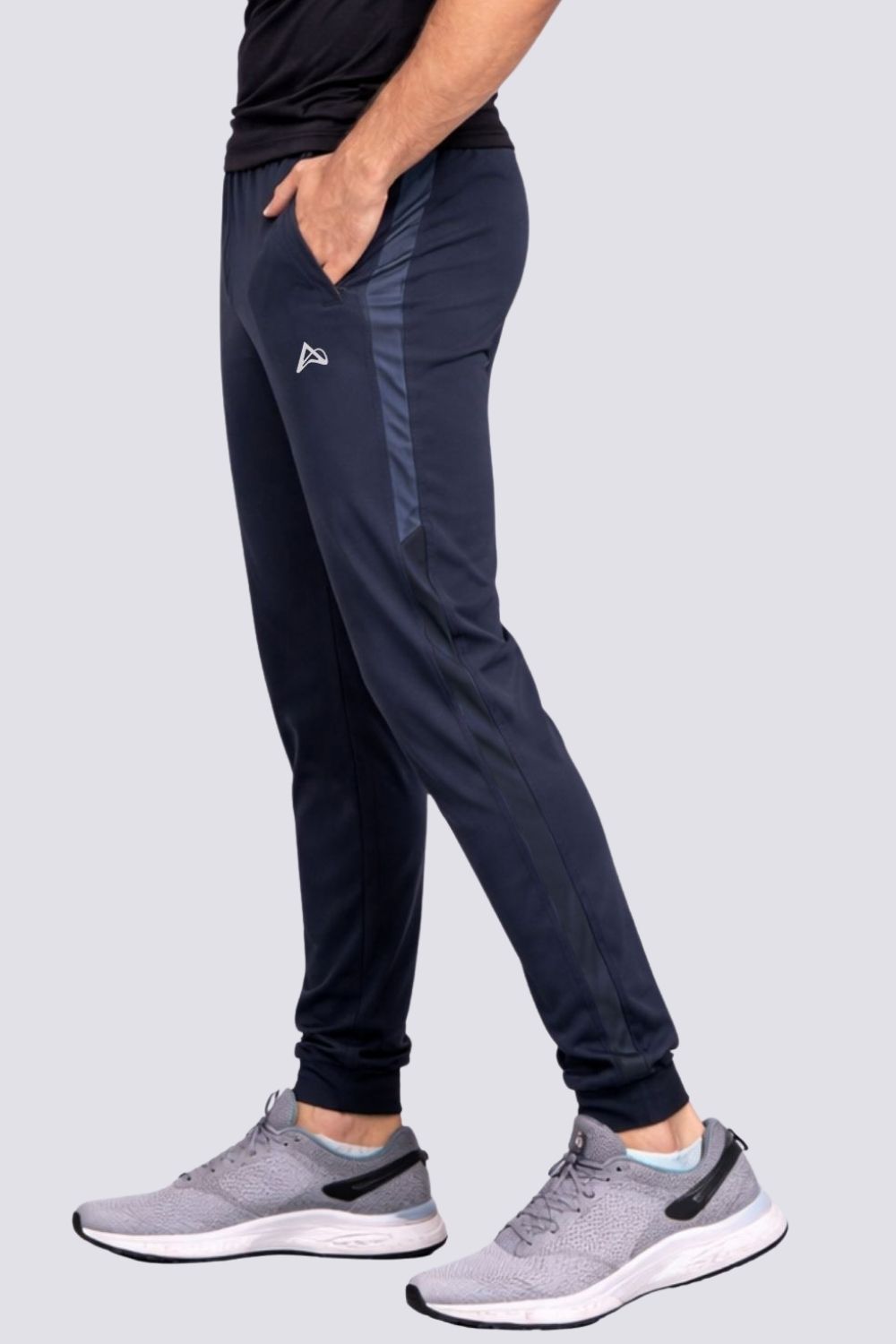
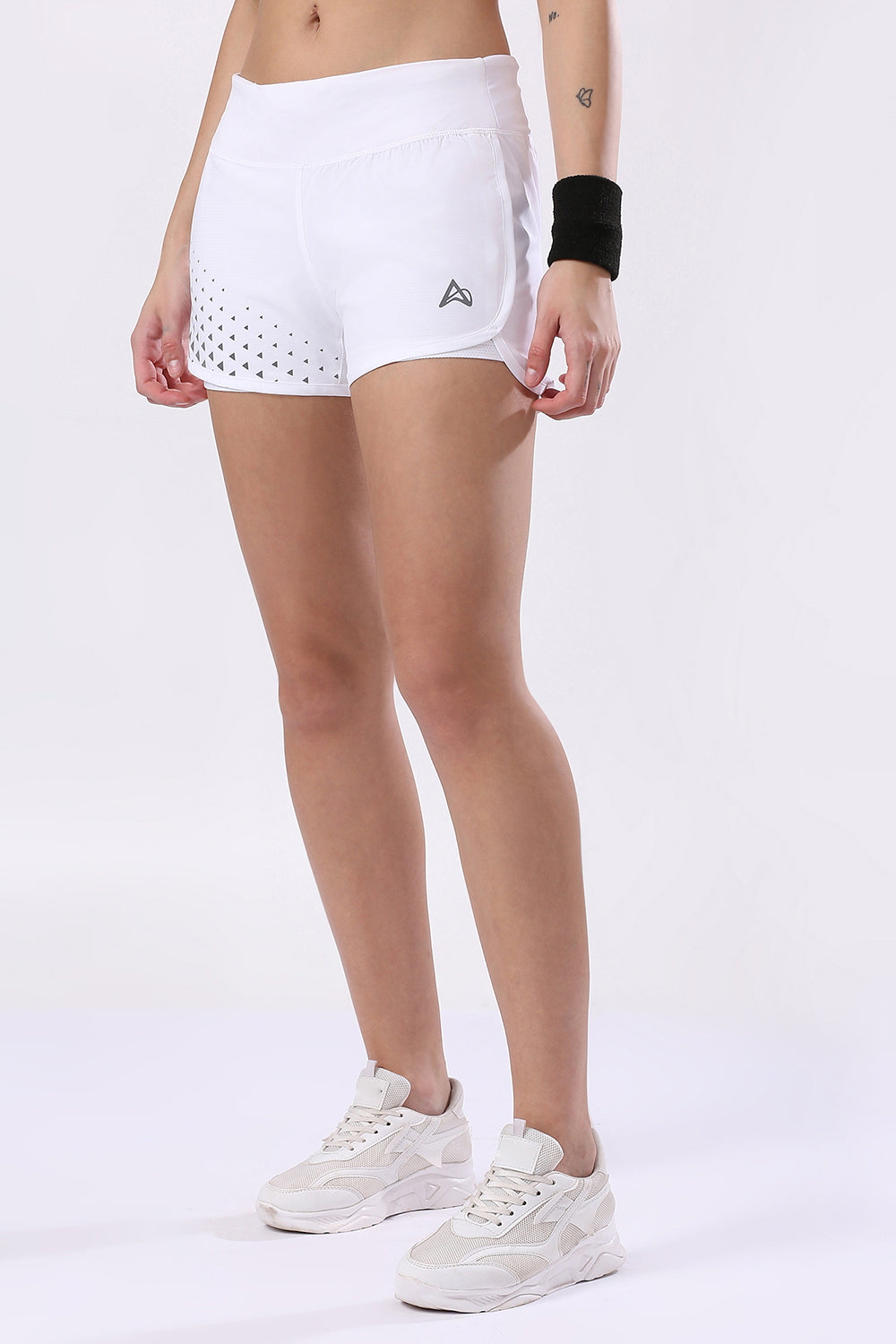
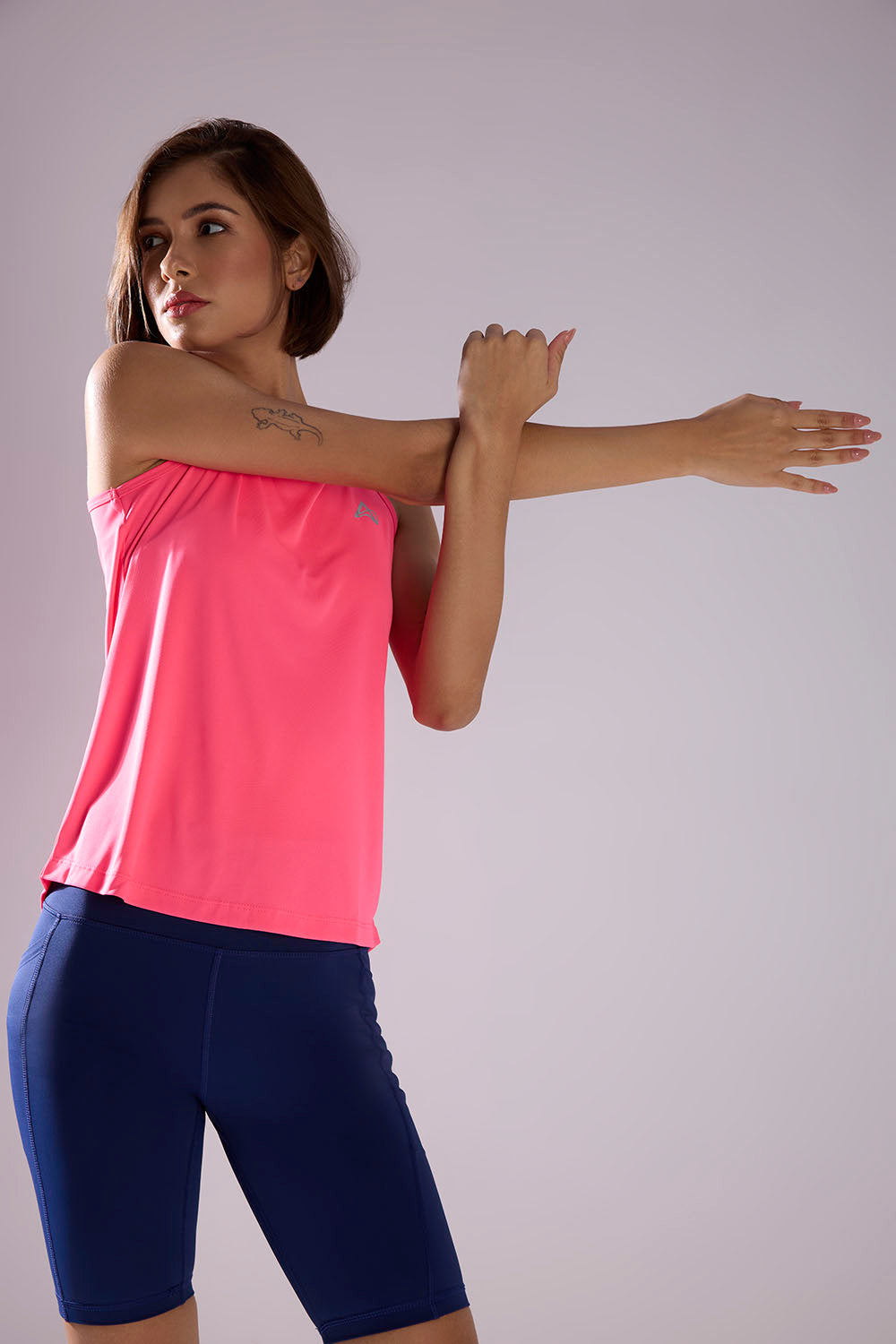
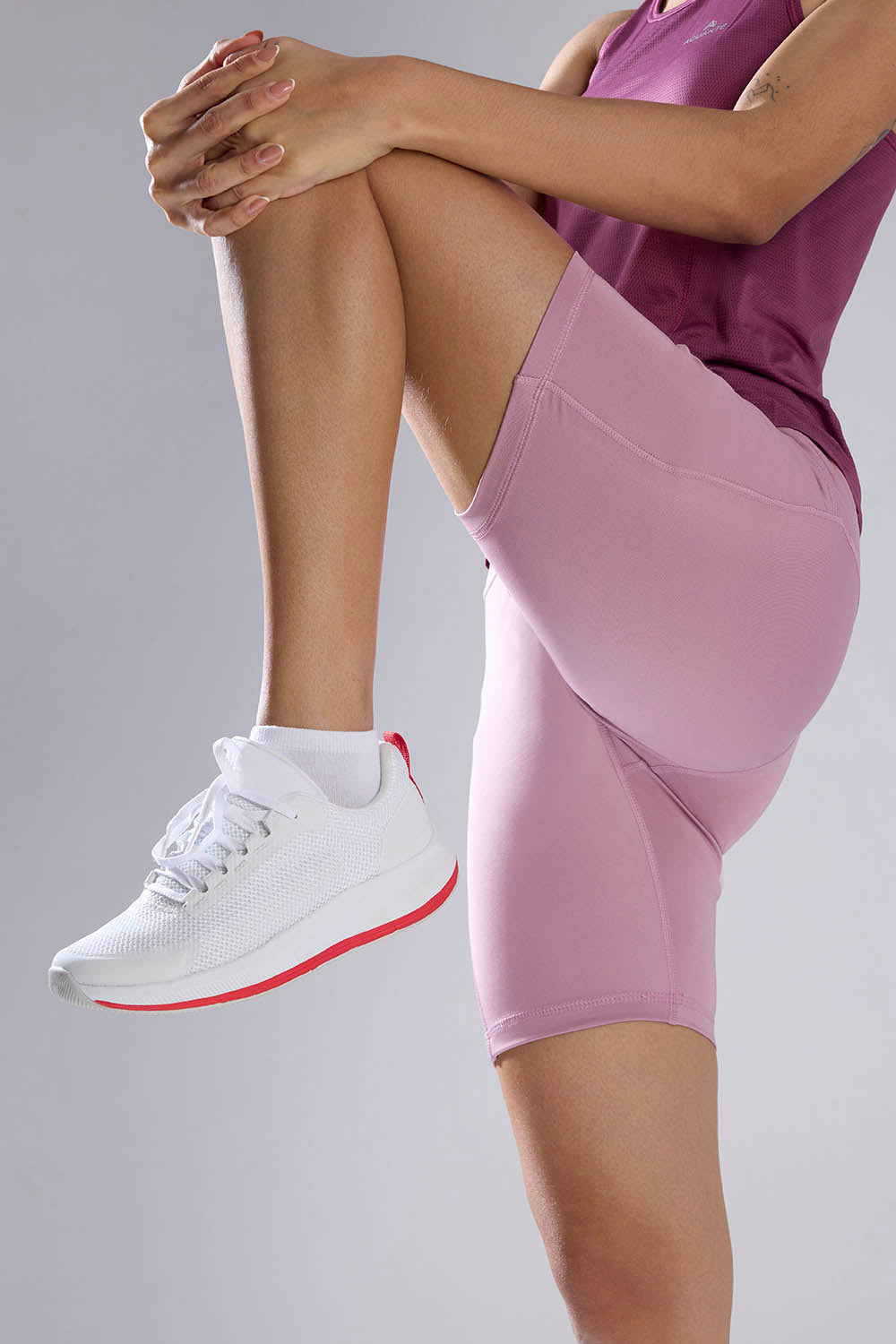
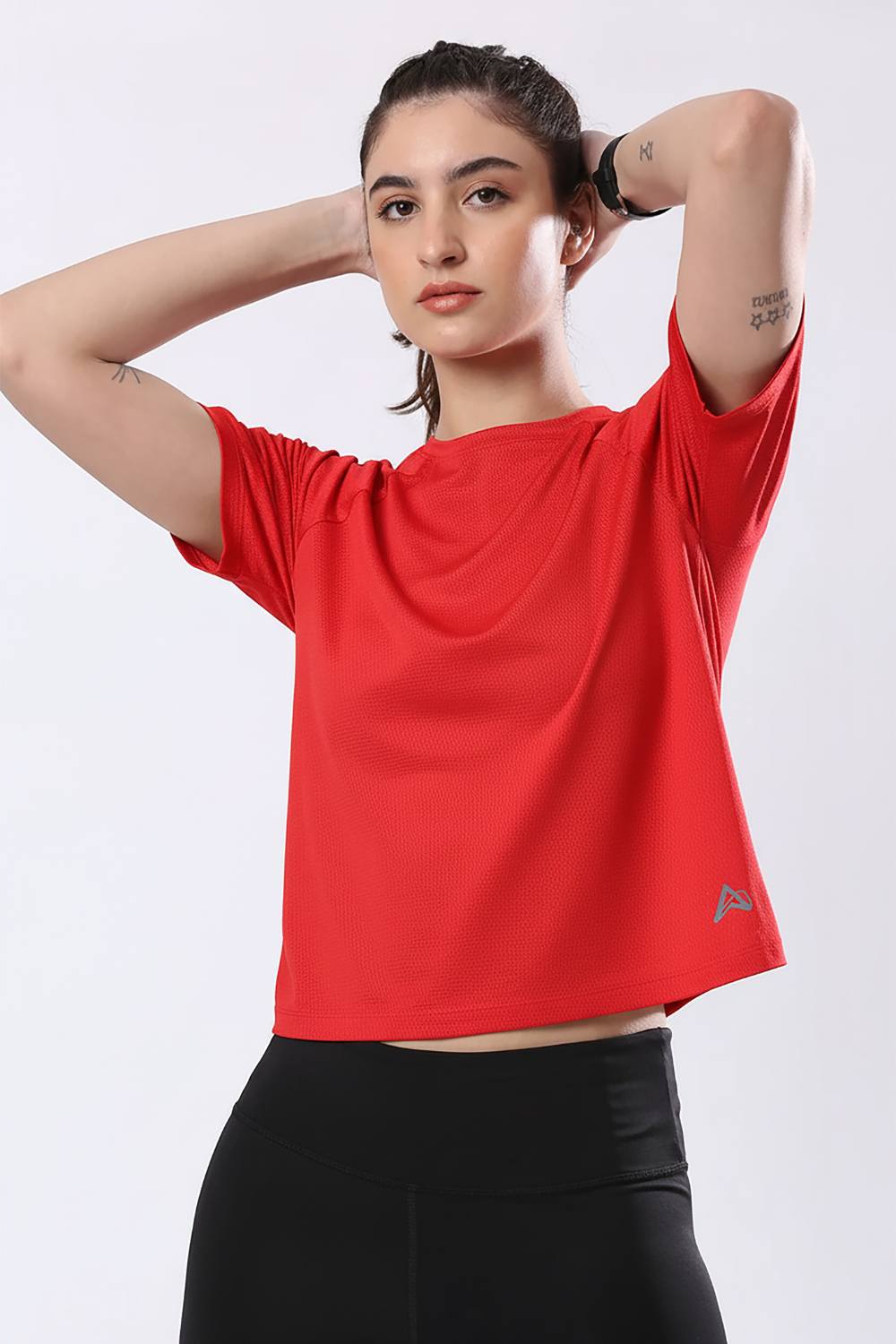
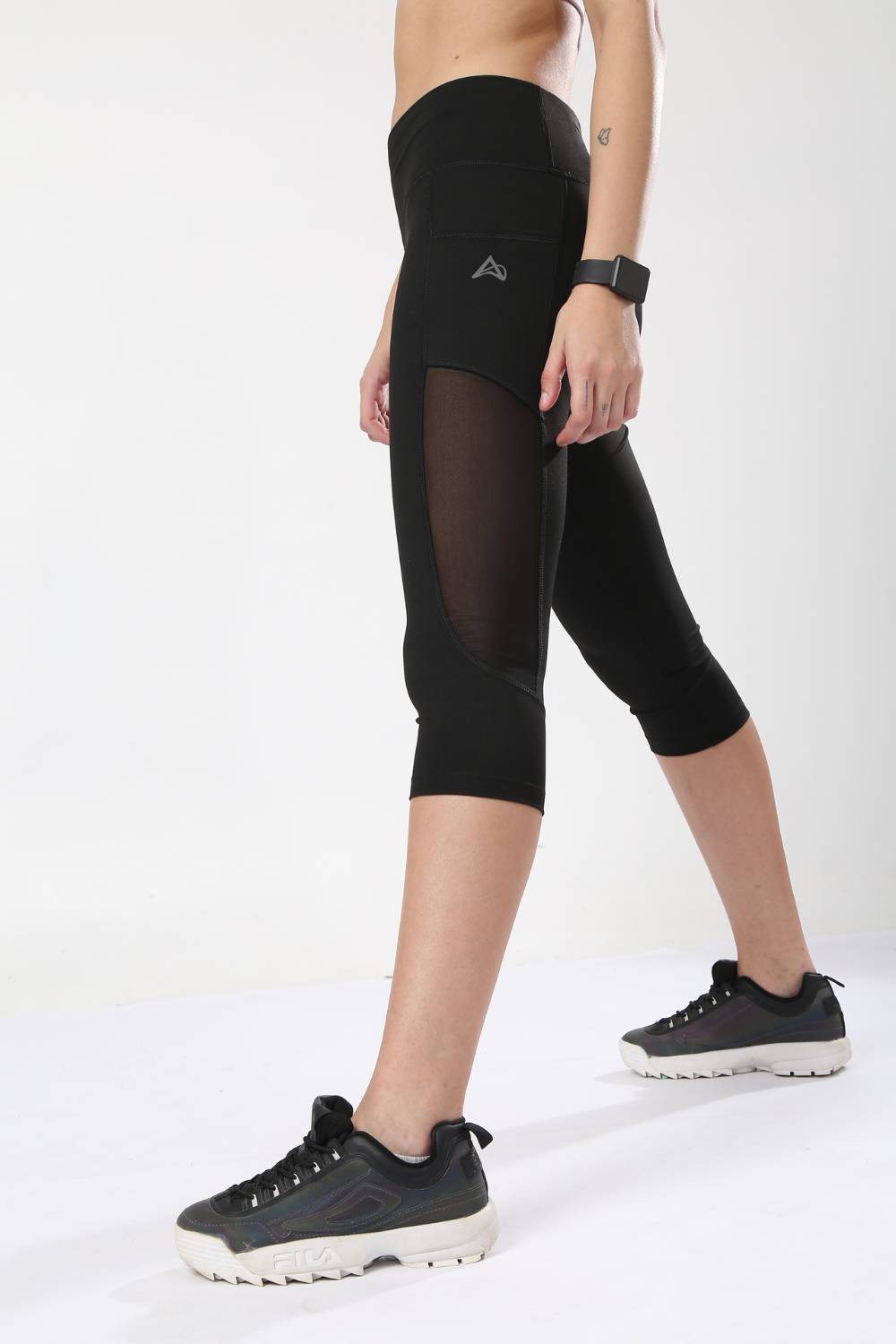
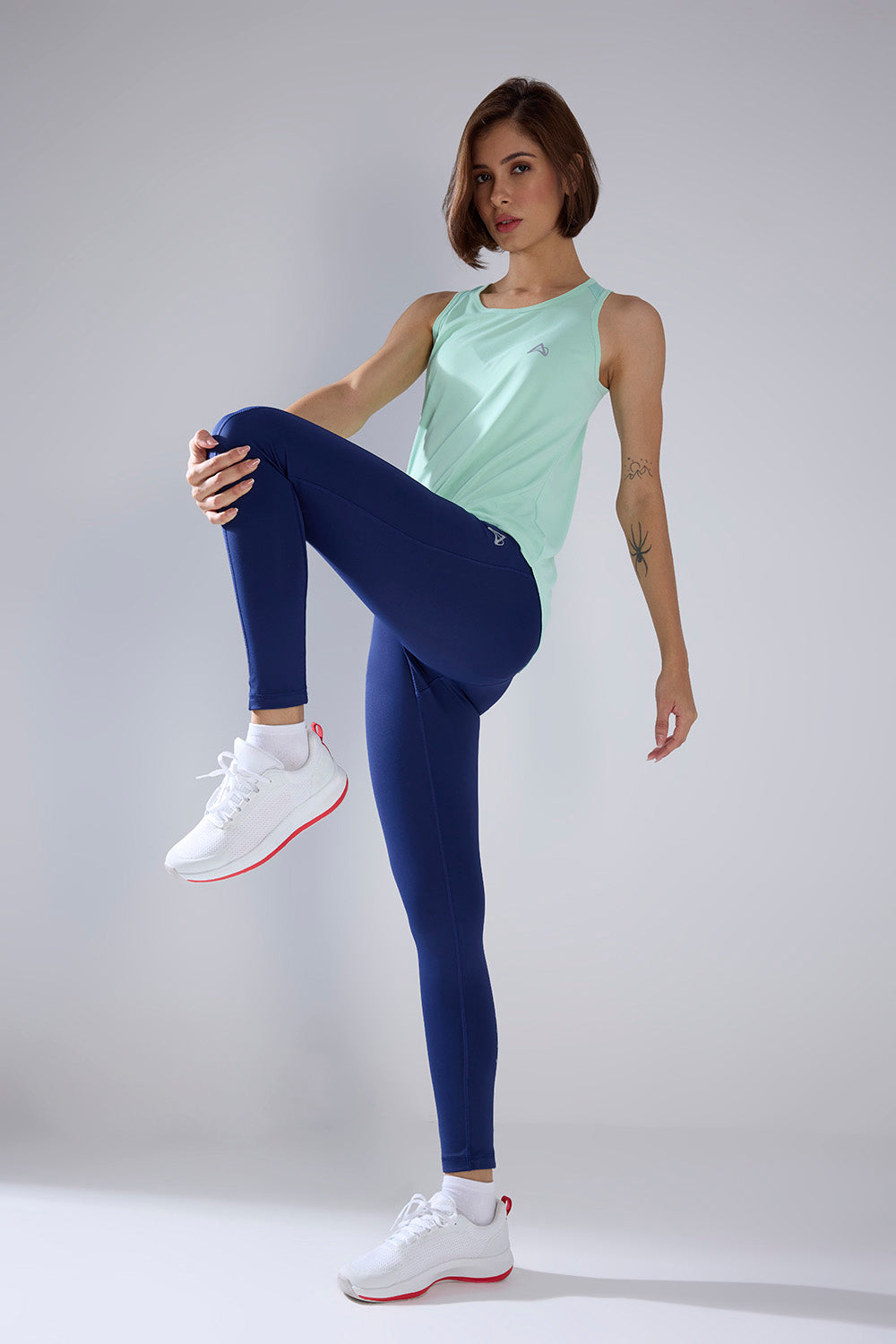

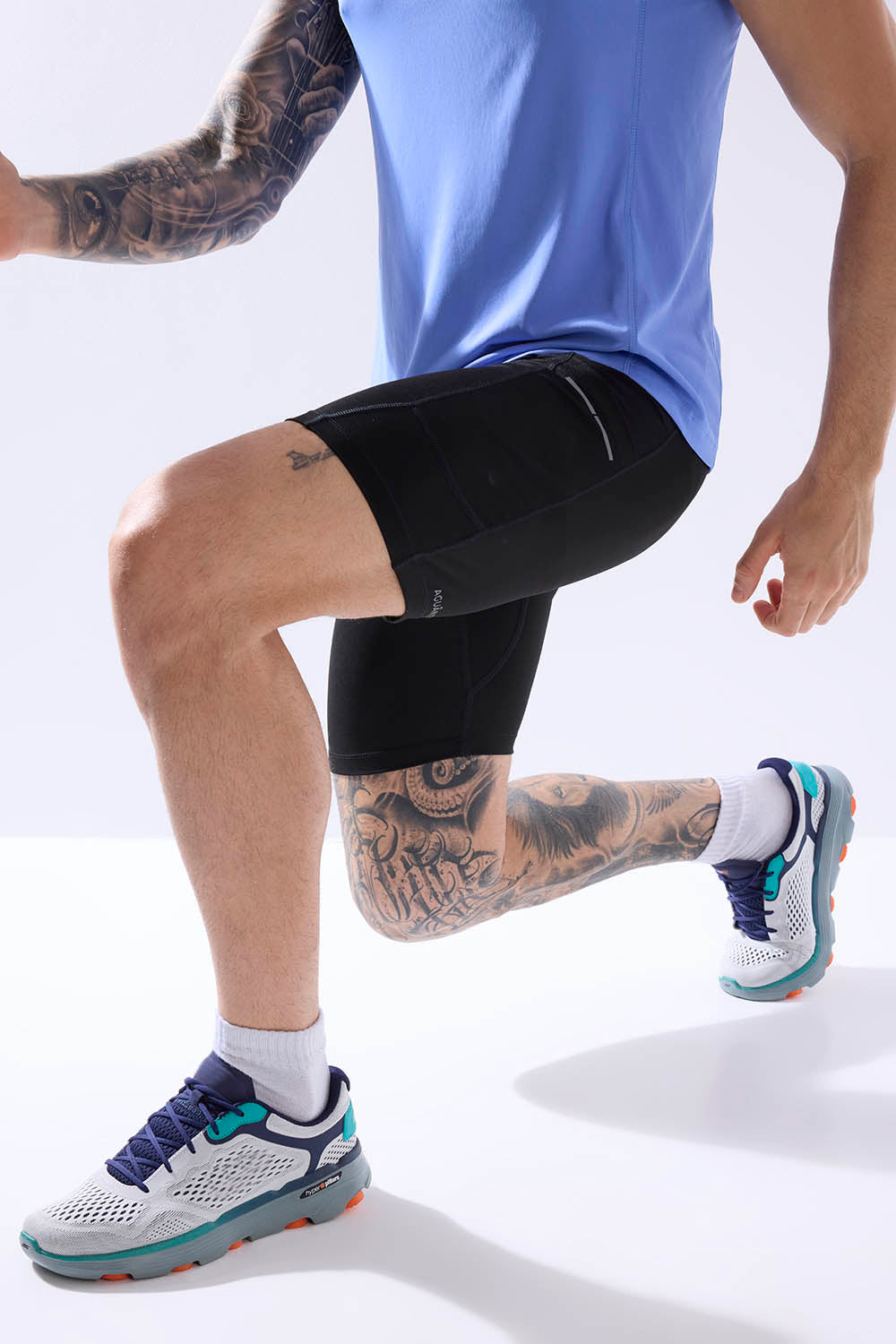
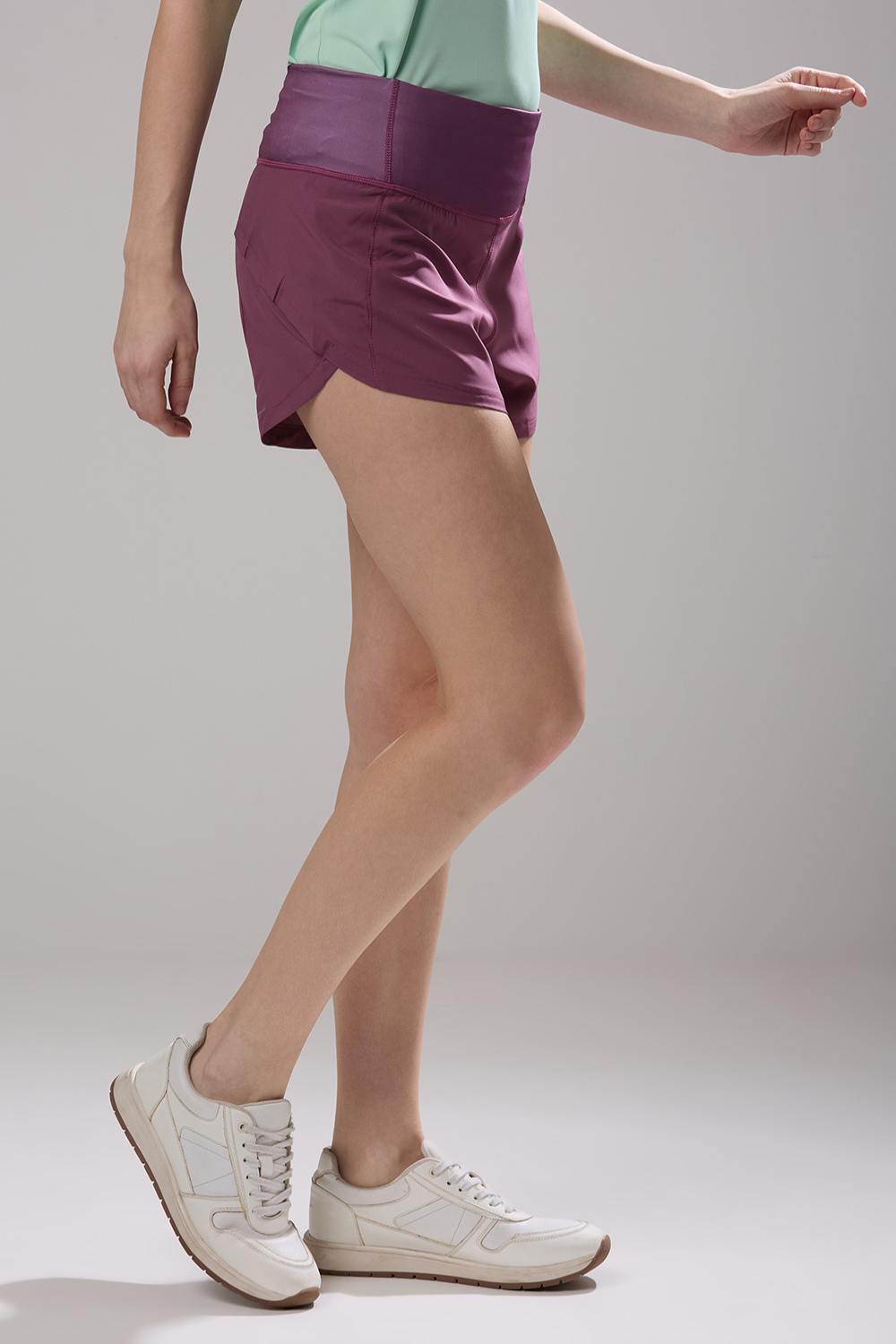
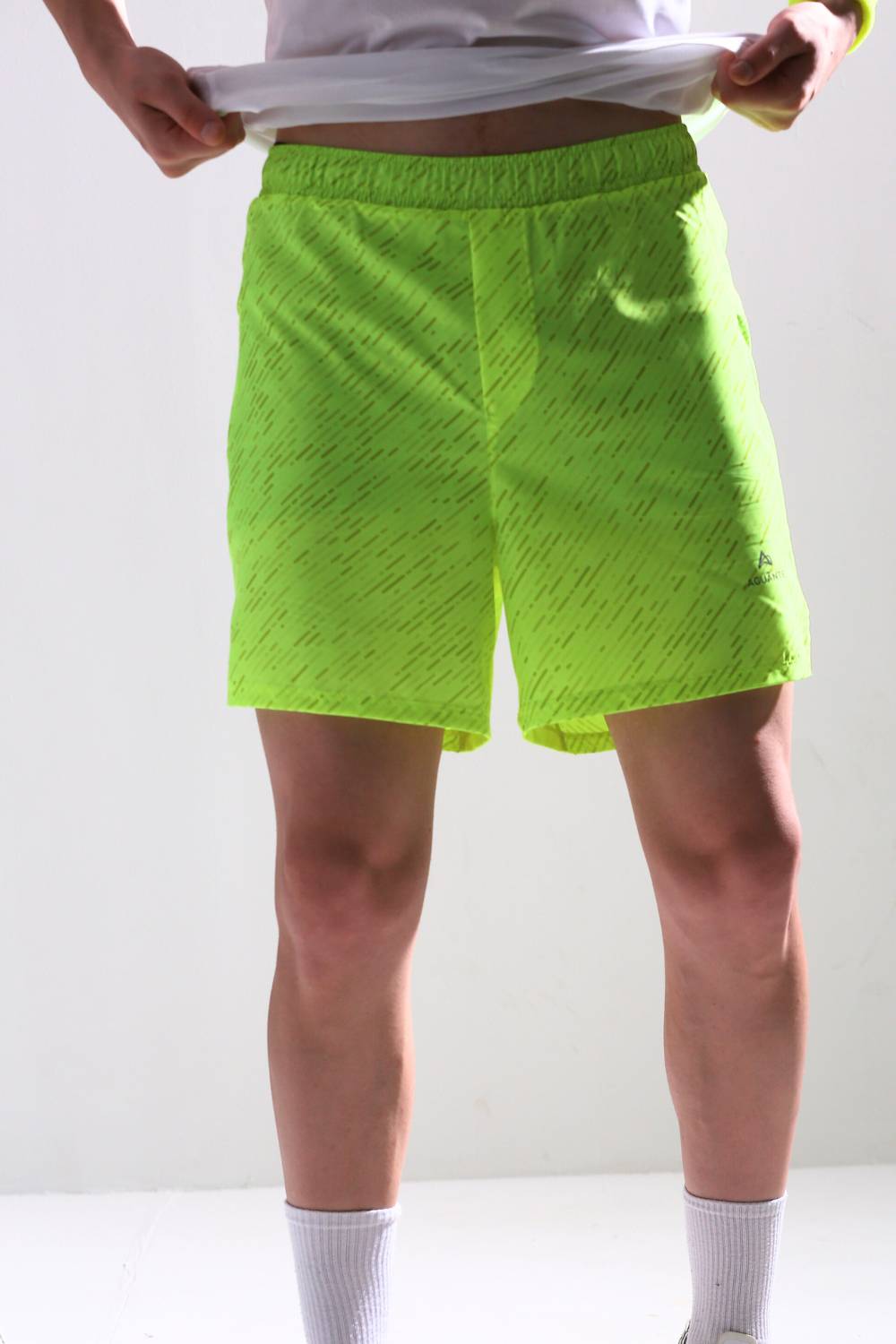
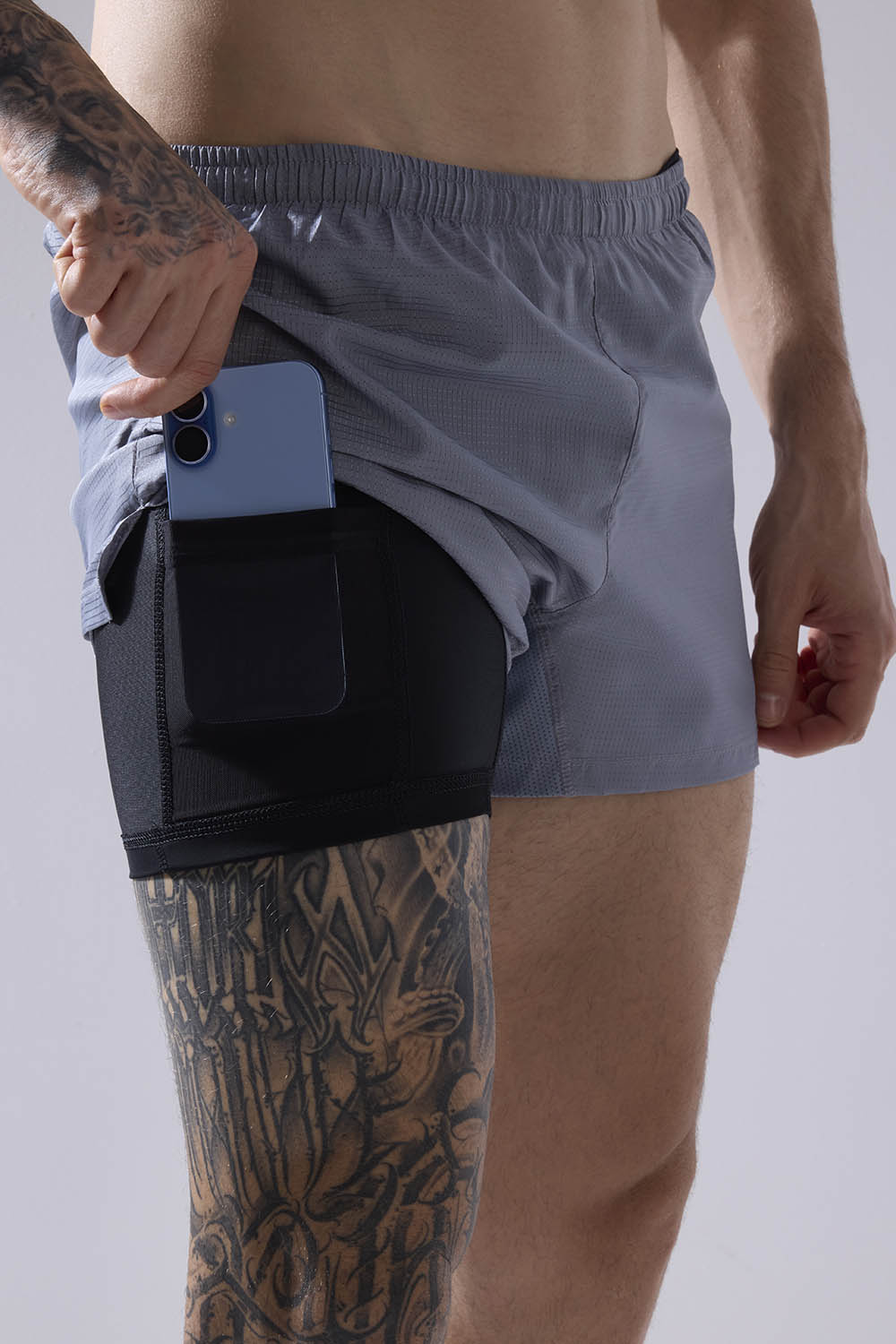

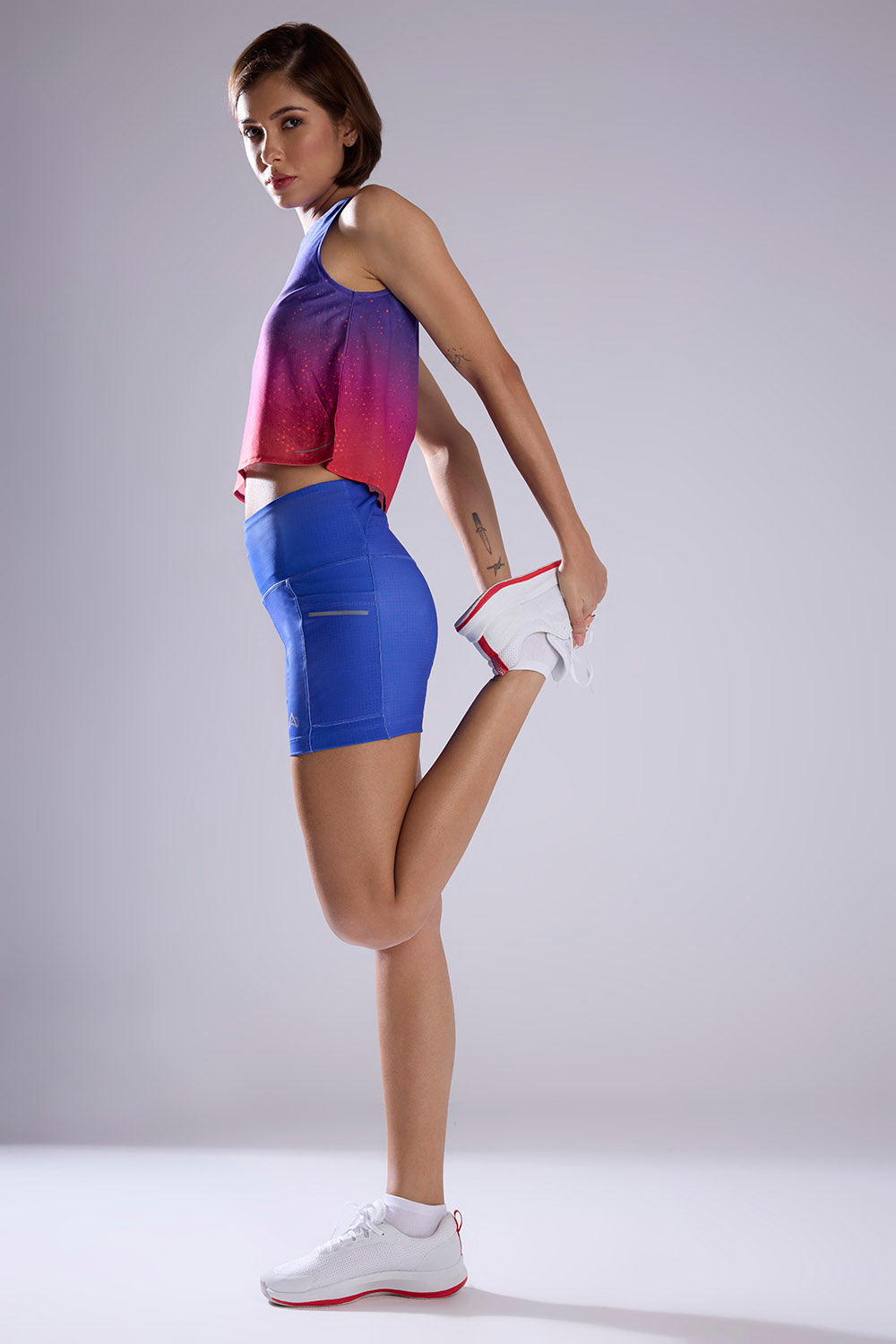
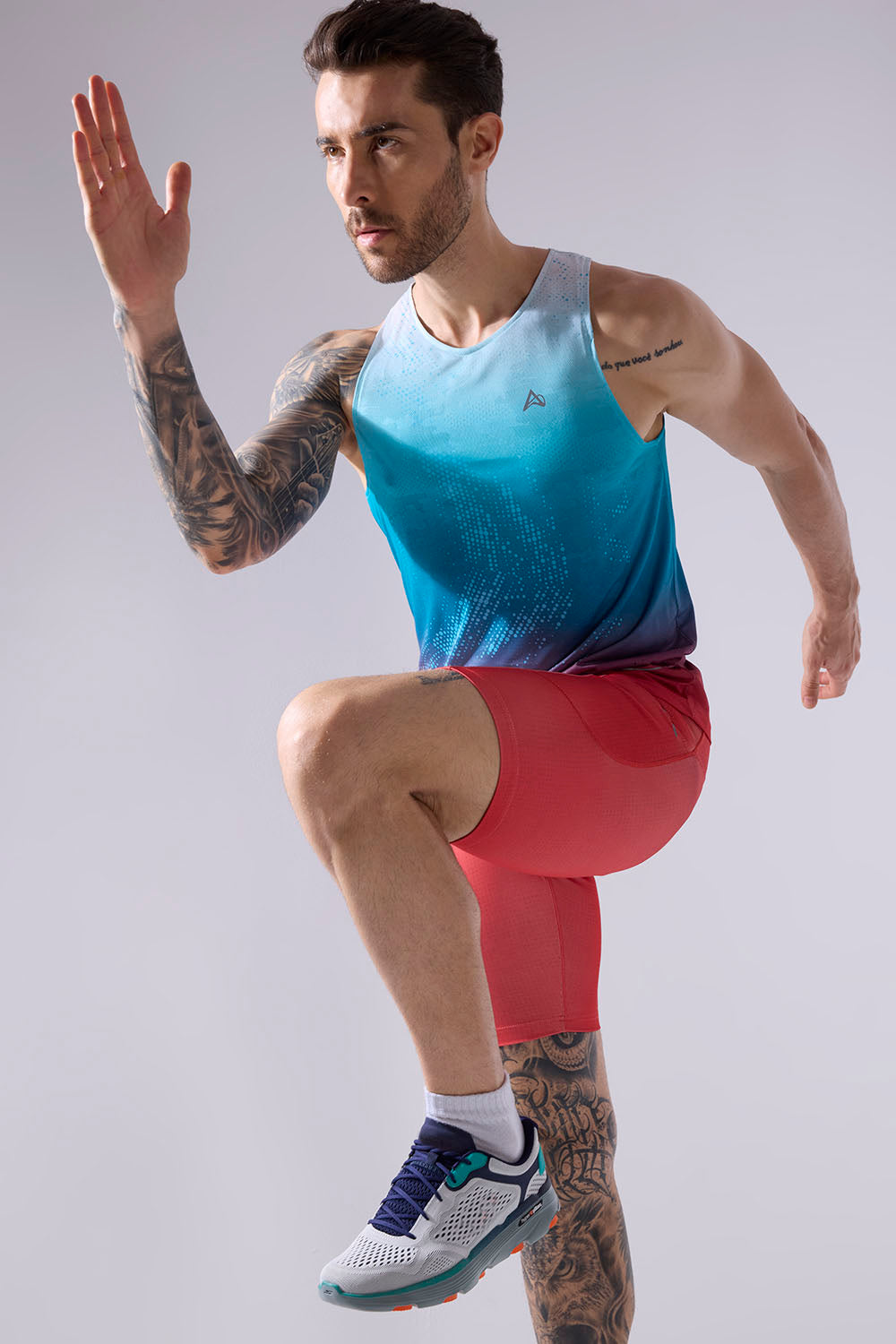

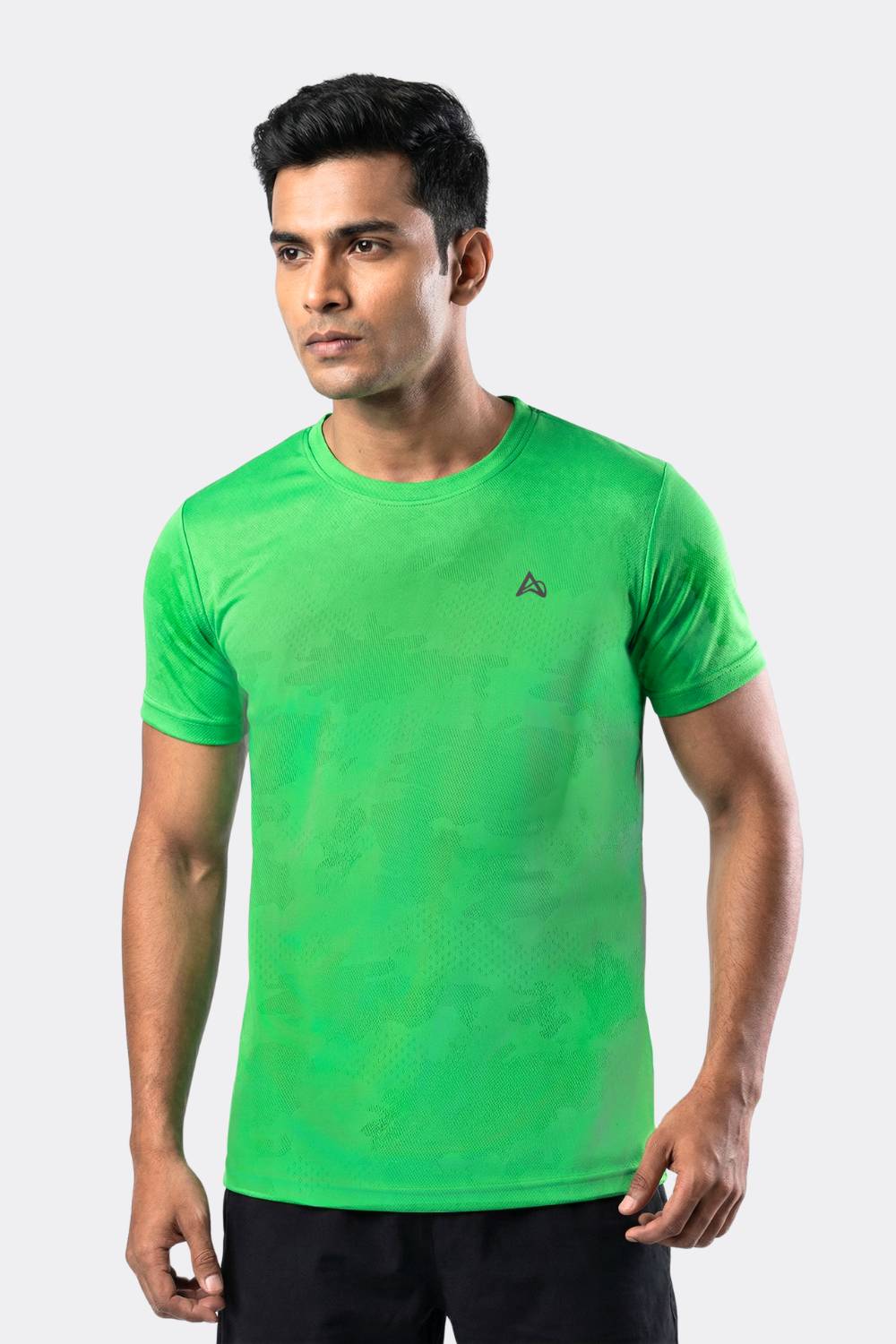
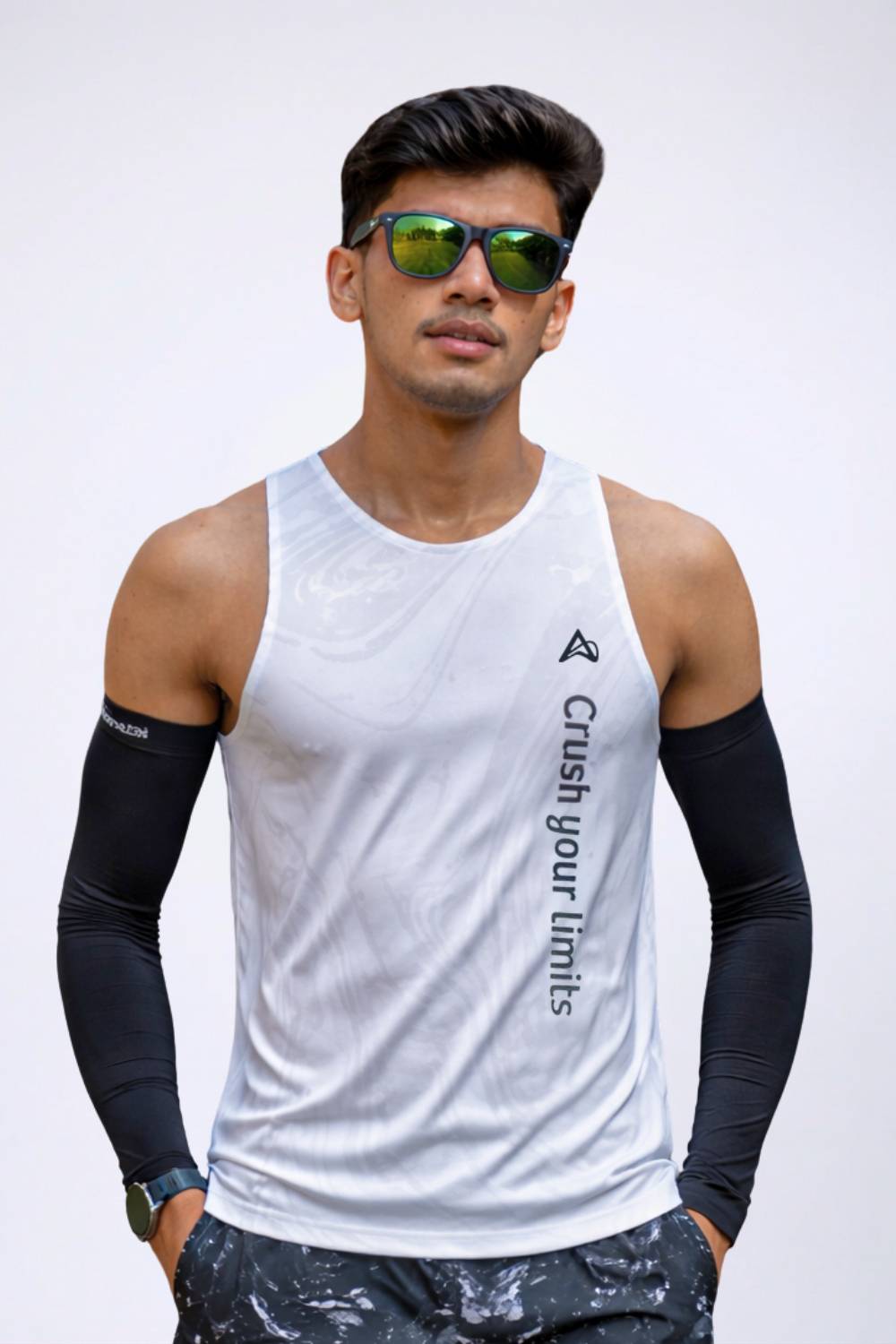

Running progress is often associated with training plans, recovery habits, and motivation, but clothing choices can influence how consistently a person shows up for everyday workouts. The right running apparel does more than complete a workout outfit. It helps manage comfort, movement, and distractions so runners can focus on the activity itself. For people building a regular training routine, better running clothing can become a practical part of creating a more enjoyable and sustainable exercise experience.
Tired of gear that slows you down? Chafing, soggy fabrics, and missing pockets kill your run's momentum. At Aguante, we're runners who get it. Our high-performance activewear features moisture-wicking fabrics, ergonomic designs, and smart storage to keep you focused. Shop Now!
Why Running Clothing Matters During Everyday Training
Everyday training places different demands on clothing compared with occasional exercise. A runner may repeat similar routes, train in changing weather conditions, and spend extended periods moving, which makes comfort a key factor. Clothing that feels restrictive, retains excess moisture, or creates distractions can affect the overall experience of a workout.
The benefits of better running clothing come from how apparel works with the body during movement. Lightweight materials, thoughtful construction, and functional designs help runners feel more comfortable while maintaining their routines. This is especially important for recreational runners who may not be focused on competition but still want their training sessions to feel easier and more consistent.
Running clothing for everyday training is not simply about appearance. It is about supporting the small details that influence whether a person feels ready to complete a workout. When clothing performs well, runners can pay more attention to pacing, technique, and personal goals rather than adjusting uncomfortable layers throughout a session.
Comfort and Moisture Management Shape the Training Experience
Sweat management is one of the most important considerations when choosing running apparel. During physical activity, the body produces heat and moisture, and clothing plays a role in how comfortable the runner feels throughout the session. Research discussions around sports clothing insights highlight how effective apparel design can support sweat evaporation, temperature regulation, and overall exercise comfort.
For runners, this means fabric choice matters. Materials designed to handle moisture can help reduce the uncomfortable feeling of wet clothing during movement. Breathable structures can also support airflow, helping runners .
Moisture wicking clothes for runners are valuable because comfort affects consistency. A person who feels comfortable during regular workouts is more likely to maintain their routine and approach future sessions with confidence. The clothing itself does not replace training effort, but it can remove unnecessary barriers that make exercise feel harder than it needs to be.
Better Fit Helps Runners Move Naturally
Running requires repeated movement patterns, and clothing fit can influence how freely a person moves. Apparel that supports a natural range of motion allows runners to focus on their stride, posture, and rhythm without constantly adjusting their gear.
A good fit should balance comfort and support. Clothing that is too loose may create distractions, while clothing that feels restrictive can interfere with movement. For everyday runners, the goal is not simply finding athletic clothing but finding apparel that feels reliable across different types of training sessions.
The importance of proper running gear extends beyond individual features. A runner's clothing system includes the way different pieces work together, from the upper body layers to shorts, tights, or track pants. When each element supports movement, the entire training experience can feel smoother.
Performance Clothing Supports Consistent Training Habits
Many runners begin with simple goals: completing a regular route, improving endurance, or creating a healthier routine. Over time, consistency becomes one of the biggest factors in progress. Clothing that supports comfort and confidence can contribute to making training feel more manageable.
The connection between apparel and performance is often found in everyday details. Reduced irritation, improved comfort, and better moisture control can help runners stay focused during workouts. Choosing suitable clothing does not guarantee better results, but it can create conditions where runners are better able to follow their training plans.
For beginners especially, comfortable running apparel for training can make the difference between an activity that feels enjoyable and one that feels difficult to maintain. New runners often have many elements to consider, including footwear, pacing, and recovery. Having clothing that supports the experience allows them to concentrate on building positive habits.
How Fabric Technology Changes the Running Experience
Advances in sports apparel have shifted the focus from basic workout clothing to purpose-built designs. Modern running garments are developed around practical needs such as ventilation, lightweight construction, and sweat management. These features are designed to help runners handle different environments while staying focused on their activity.
Fabric performance becomes especially relevant when training involves heat, humidity, or longer sessions. Guidance on fabric heat guidance explains that clothing choices can influence how effectively runners manage comfort during exercise by affecting moisture movement and heat handling.
The best clothing for daily running is not necessarily the most complex option. It is clothing that matches the runner's needs and supports the conditions in which they train. Someone running outdoors regularly may value breathability and sweat management, while another runner may prioritise flexibility and comfort for shorter sessions.
Choosing Running Apparel Based on Real Training Needs
Selecting performance wear for workouts starts with understanding personal training habits. Runners should consider where they train, how often they exercise, and what issues affect their comfort during activity.
- Fabric performance: Look for materials that help manage moisture and maintain comfort during movement.
- Fit and mobility: Choose clothing that supports natural movement without unnecessary distractions.
- Training environment: Consider whether the apparel suits indoor workouts, outdoor routes, warm conditions, or longer sessions.
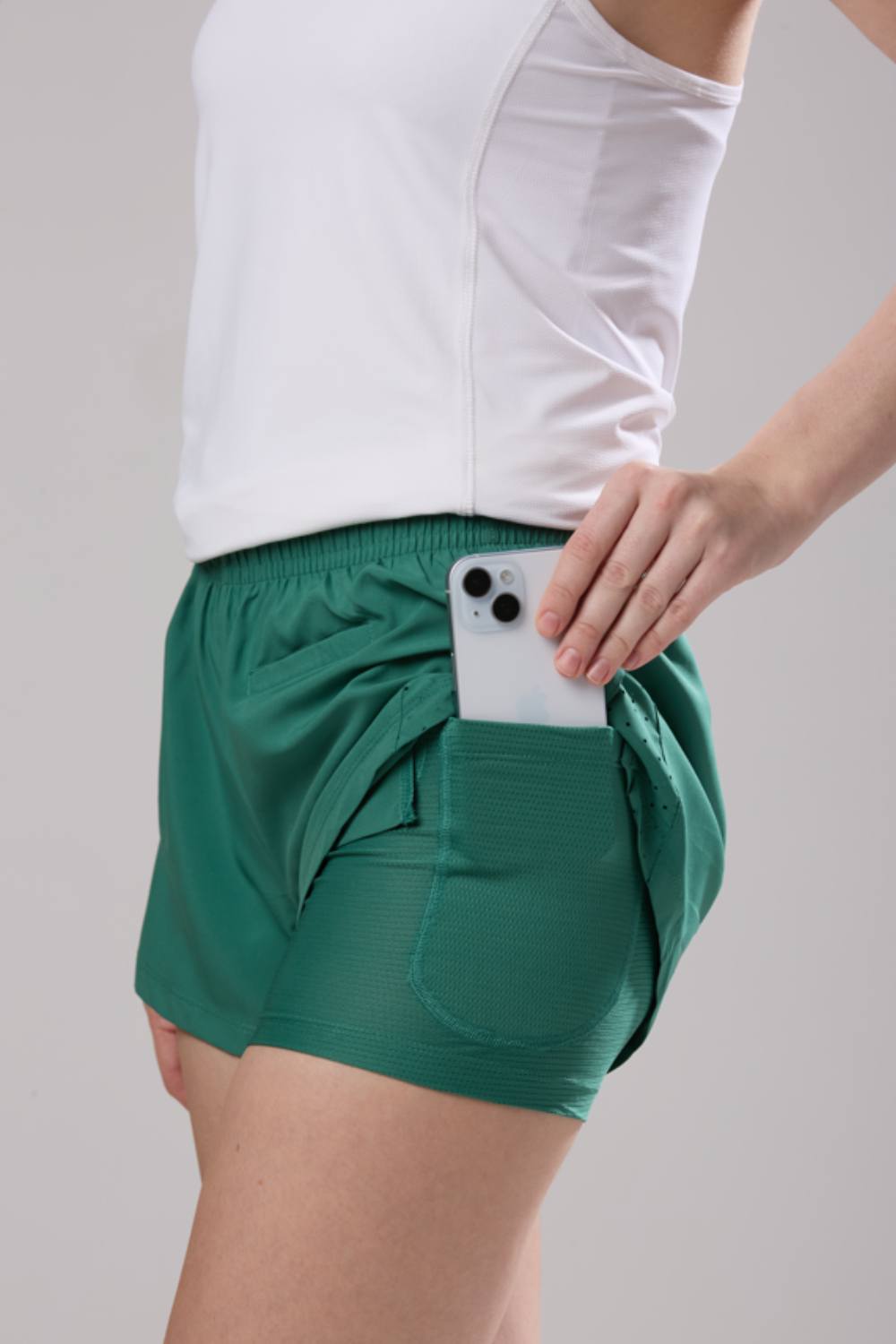
- Practical features: Features that support convenience and comfort can make regular training easier to maintain.
These decisions are particularly relevant for runners who train frequently. Instead of viewing clothing as an afterthought, treating apparel as part of the training setup can help create a more complete running experience.
The Role of Better Running Clothing in Long-term Fitness
Running is built on repetition. The small choices made before each workout can influence how enjoyable and sustainable a routine becomes. Better running clothing supports this process by helping runners feel prepared and comfortable each time they train.
The benefits of better running clothing are not limited to experienced athletes. Anyone building an active lifestyle can benefit from apparel that supports movement, manages moisture, and reduces unnecessary distractions. The right clothing can help create a stronger connection between preparation and performance.
For brands focused on activewear and performance apparel, this creates an opportunity to educate runners about the practical role clothing plays in training. Helpful guidance allows consumers to make informed choices based on comfort, function, and their personal fitness goals.
Everyday training is shaped by many factors, and clothing is one of the elements runners can control. When apparel is designed around the needs of movement, it becomes more than an accessory. It becomes part of the routine that helps runners continue moving forward.
Frequently Asked Questions
How does better running clothing improve everyday training?
Better running clothing can improve everyday training by supporting comfort, movement, and moisture management during workouts. Well-designed apparel helps reduce distractions, allowing runners to focus on their pace, technique, and consistency.
What should I look for in running clothing for everyday training?
Running clothing for everyday training should provide a comfortable fit, breathable materials, and effective moisture management. Features that support mobility and suit your training environment can make regular workouts feel more comfortable and sustainable.
Why are moisture wicking clothes important for runners?
Moisture wicking clothes for runners help manage sweat and improve comfort during physical activity. By helping move moisture away from the body, these garments can support a more enjoyable training experience, especially during longer or more demanding sessions.
Disclaimer: The above helpful resources content contains personal opinions and experiences. The information provided is for general knowledge and does not constitute professional advice.
You may also be interested in: Premium Half Tights India: A Complete Guide for Serious Runners
Tired of gear that slows you down? Chafing, soggy fabrics, and missing pockets kill your run's momentum. At Aguante, we're runners who get it. Our high-performance activewear features moisture-wicking fabrics, ergonomic designs, and smart storage to keep you focused. Shop Now!
Powered by flareAI.co