
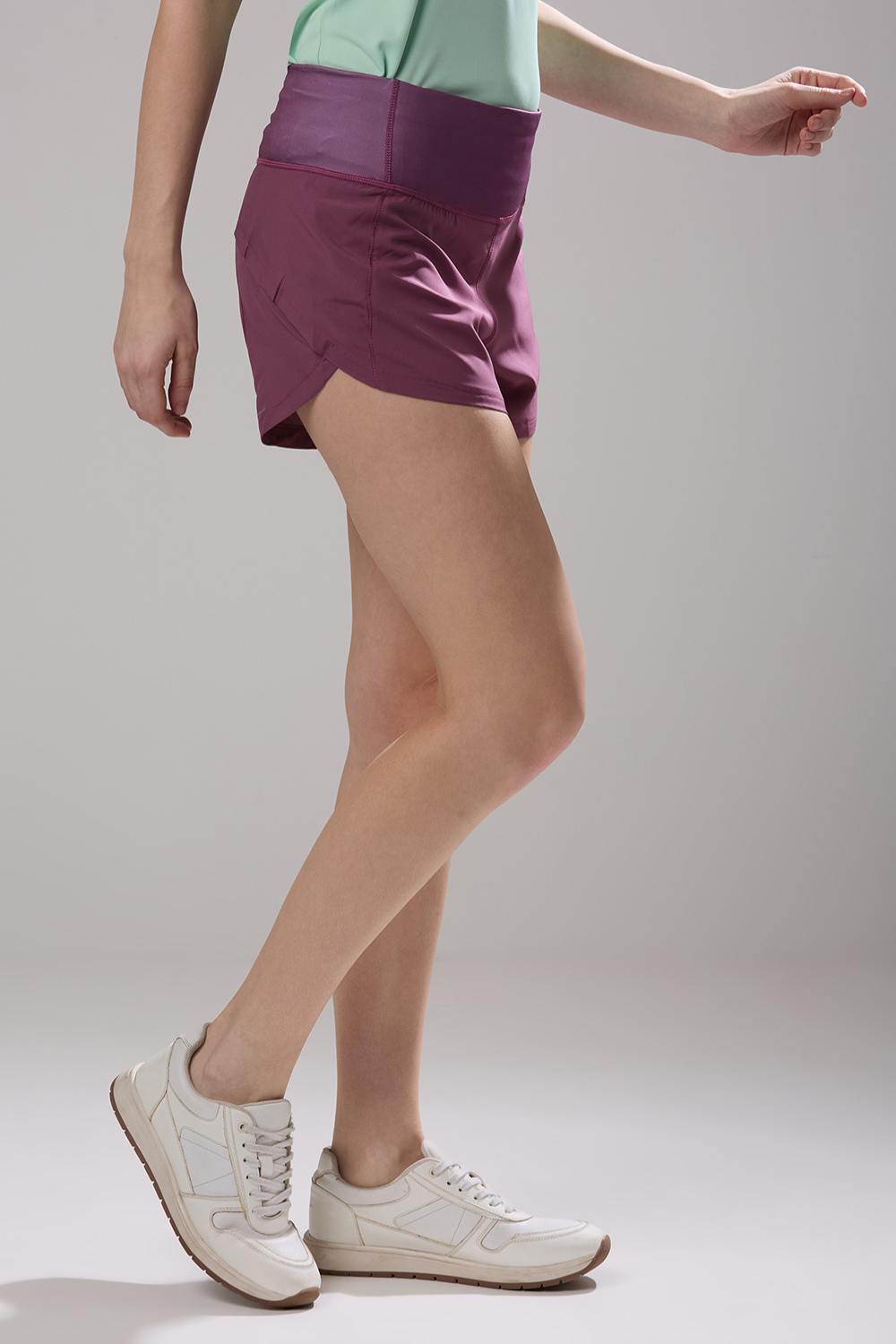
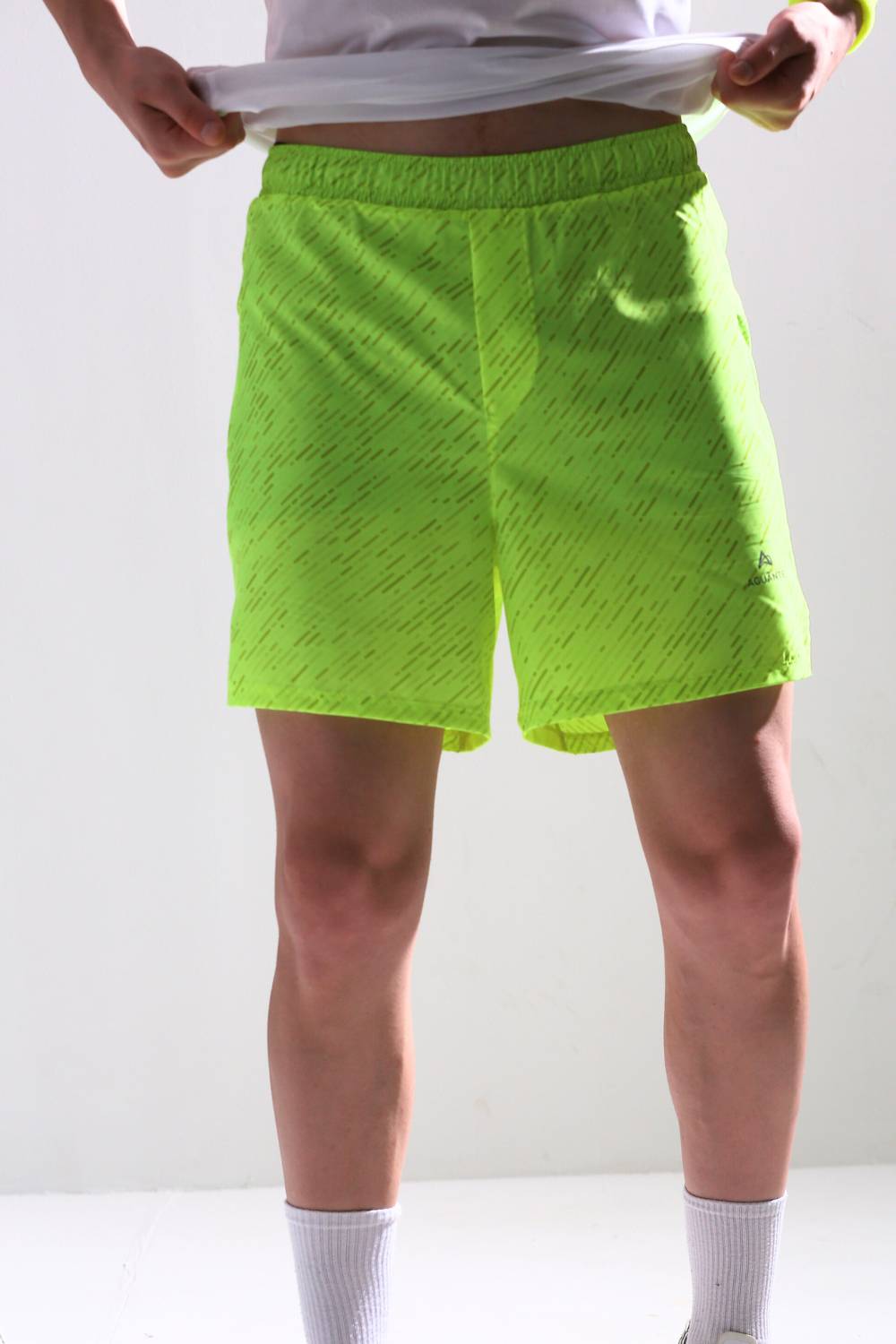

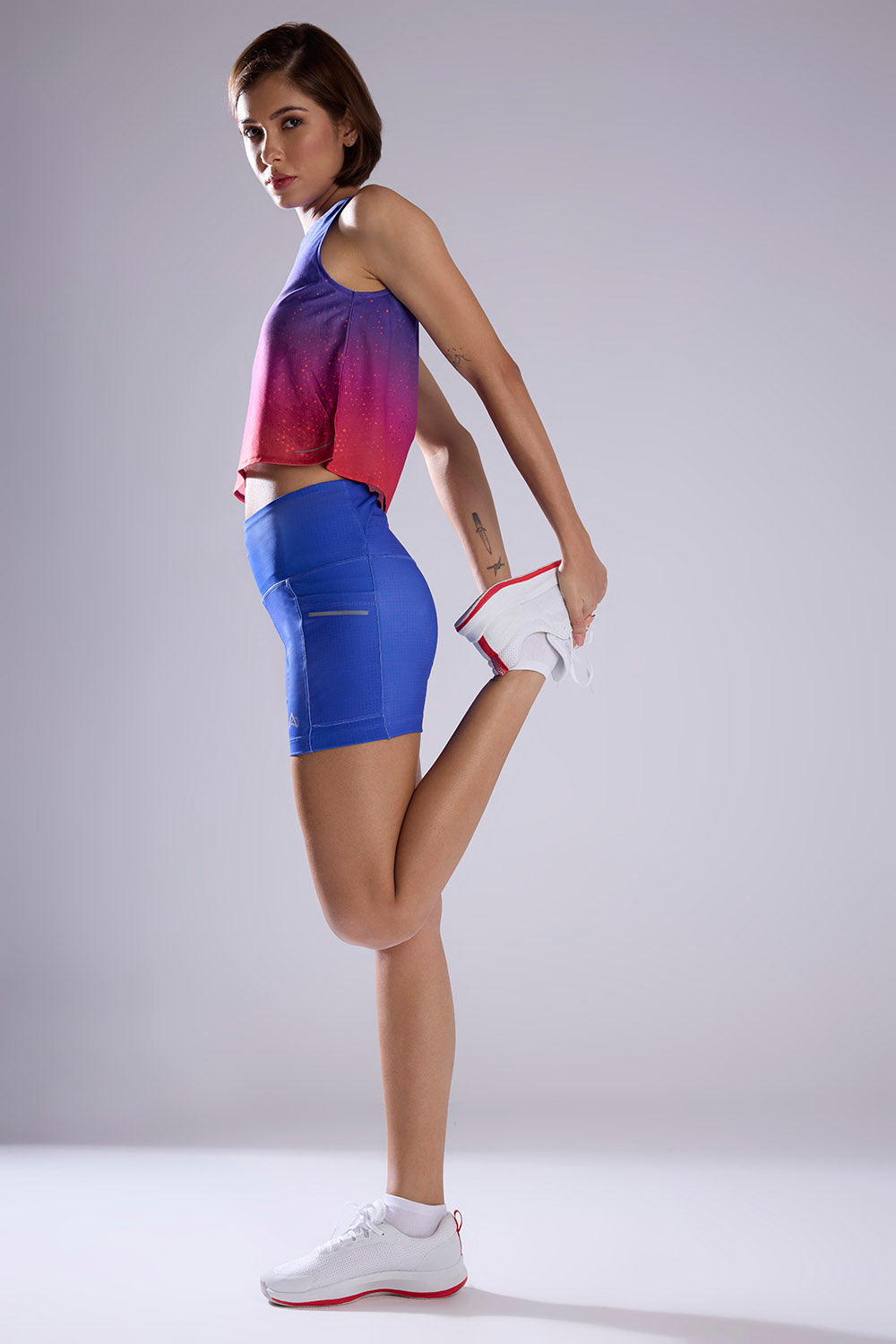
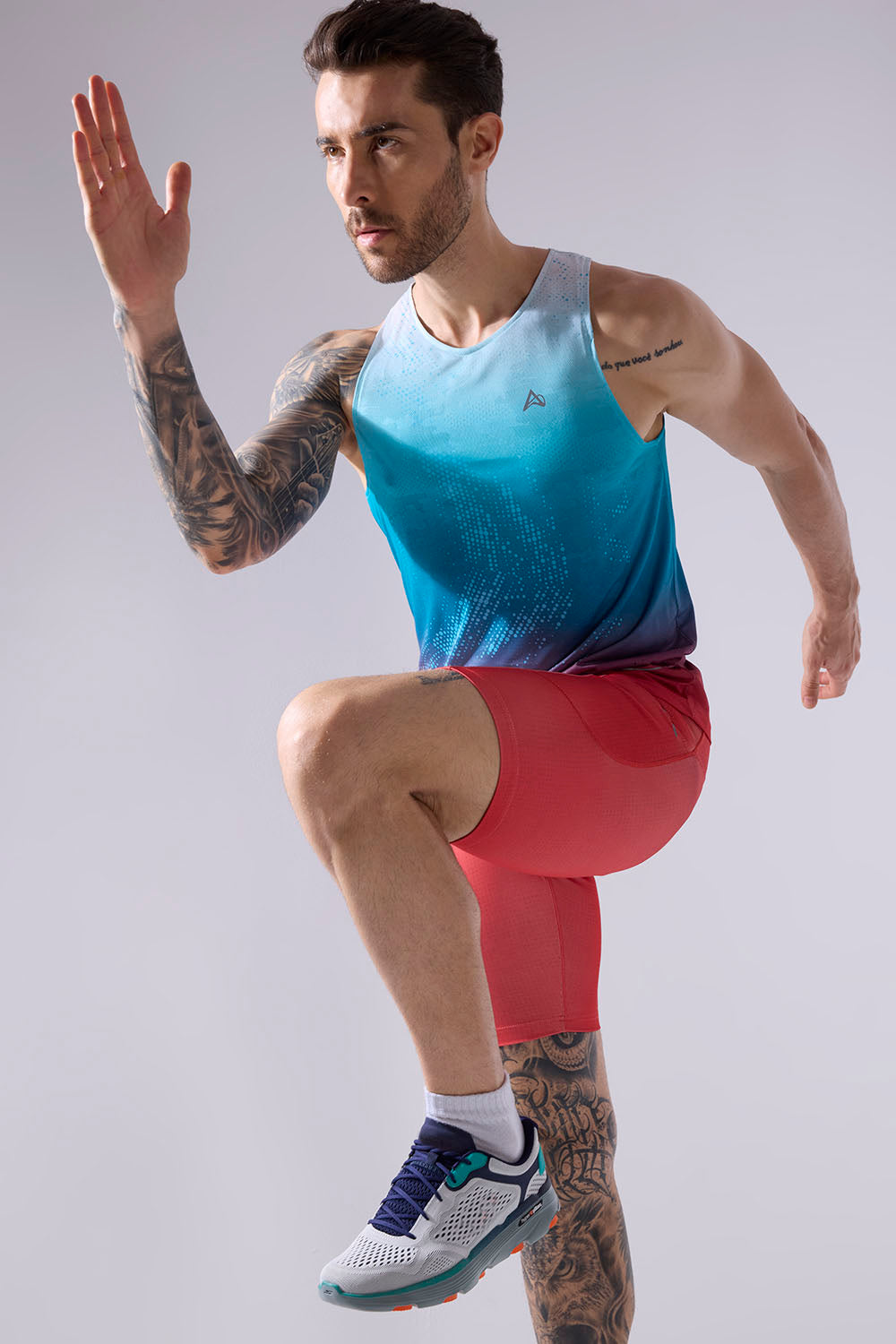

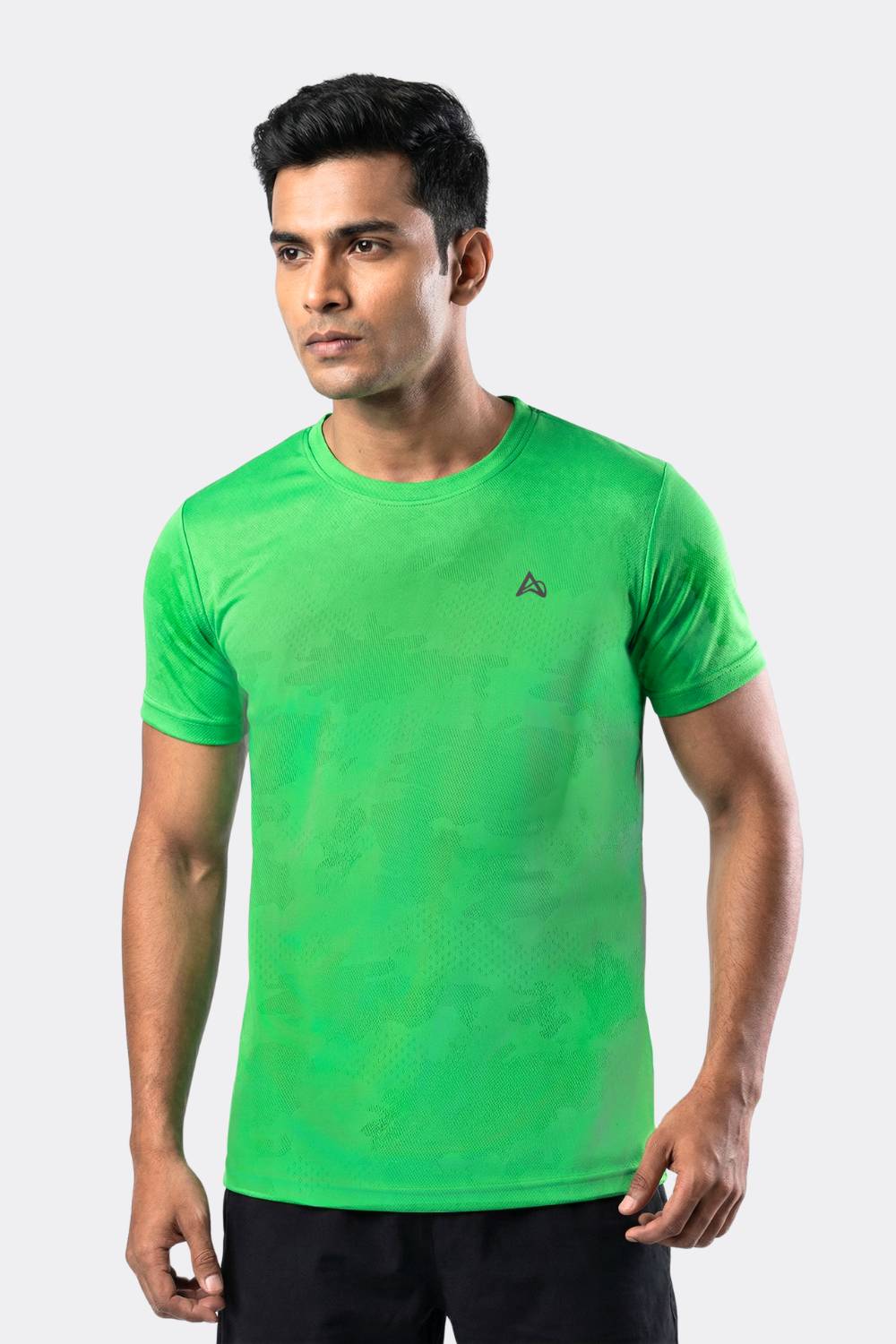
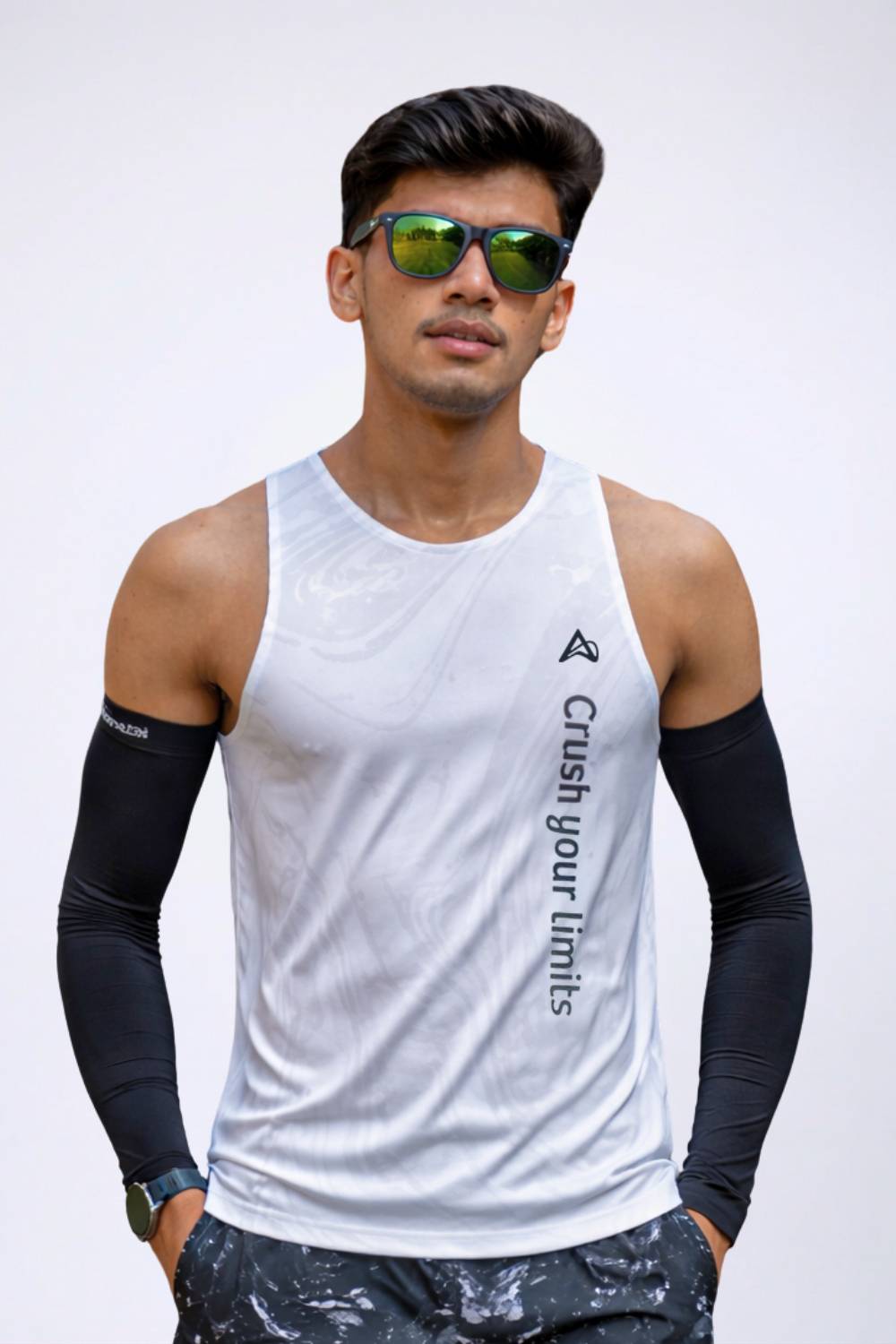

Performance clothing has become an important part of daily training because regular workouts place repeated demands on the body and on the garments designed to support movement. A training session is not only about intensity; it is also about comfort, mobility, sweat management, and how well clothing performs over time. For runners, gym-goers, and fitness enthusiasts building consistent routines, the right apparel can reduce distractions and help them focus on the activity itself. Understanding what makes performance clothing effective helps people choose garments based on function rather than appearance alone.
Tired of gear that slows you down? Chafing, soggy fabrics, and missing pockets kill your run's momentum. At Aguante, we're runners who get it. Our high-performance activewear features moisture-wicking fabrics, ergonomic designs, and smart storage to keep you focused. Shop Now!
Why Performance Clothing Matters for Consistent Training
Daily training requires clothing that can handle repeated movement, changing conditions, and different levels of effort. A garment that feels comfortable during a short workout may not deliver the same experience during longer sessions, faster runs, or more demanding exercises. This is why performance clothing is designed around practical needs such as flexibility, durability, breathability, and moisture control.
The purpose of technical activewear is not simply to create a sporty appearance. Good training apparel supports the relationship between the athlete and their environment. When fabric, fit, and construction work together, clothing becomes a useful part of the training process rather than a distraction.
For people who exercise regularly, small design details can have a noticeable impact. An uncomfortable waistband, fabric that holds sweat, limited movement, or poor fit can affect the overall training experience. Performance clothing addresses these concerns by focusing on how garments behave during real activity.
The Role of Fabric Technology in Daily Workouts
One of the defining features of performance apparel is the use of technical fabrics designed to support active movement. Unlike everyday clothing materials that may prioritize appearance or softness alone, performance fabrics are selected for specific functional qualities.
Moisture management is one of the most important considerations for training apparel. During exercise, the body produces heat and sweat, and clothing needs to help manage moisture effectively. Moisture wicking clothes for exercise are designed to move sweat away from the skin, helping maintain a more comfortable feel during activity.
Breathability is another important factor. Training often involves changes in pace, intensity, and body temperature. Fabrics that allow airflow can help create a more balanced experience, especially during longer workouts or outdoor activities.
Performance apparel also relies on stretch and recovery. Training involves a wide range of movements, from running strides and lunges to strength exercises and mobility work. Materials that provide flexibility allow the body to move naturally without unnecessary restriction.
Fit and Construction Influence Training Comfort
A suitable training garment is not defined by fabric alone. The way a piece is constructed and fitted plays an equally important role in performance. Clothing that supports movement without limiting mobility allows athletes to train with fewer interruptions.
Fit decisions should reflect the activity. Running apparel may need a different balance of support and freedom compared with clothing designed for stretching or lower-impact movement. The most effective garments are created with the intended use in mind.
Testing of workout clothing highlights how practical details influence everyday performance. Reviews of activewear consider factors such as whether waistbands remain secure, whether materials restrict movement, how quickly fabrics dry after sweating, and how garments hold up after repeated washing. These details are especially relevant for people who train frequently because minor comfort issues can become more noticeable over time. Testing workout clothing demonstrates why durability, fit, stretch, and moisture .
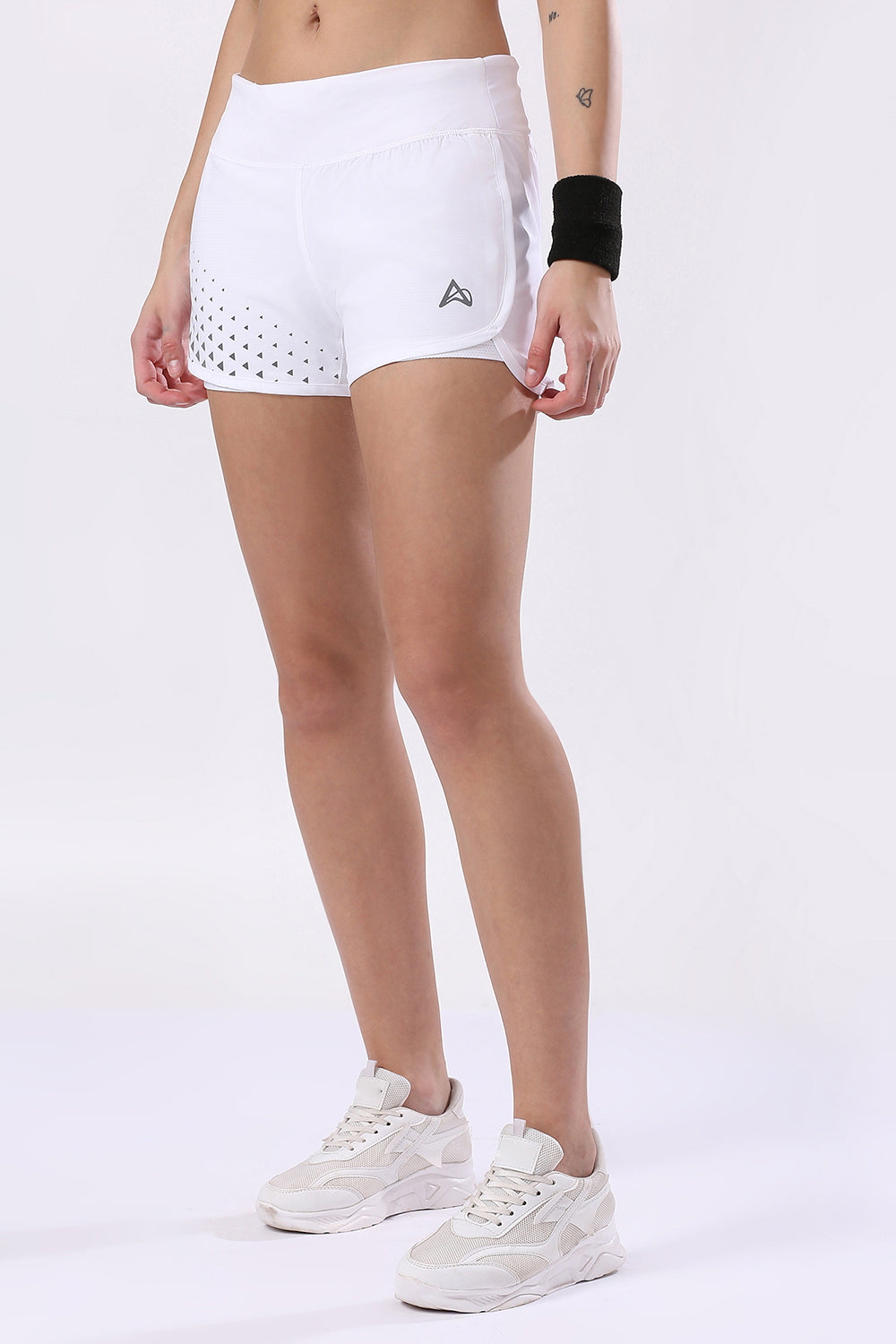
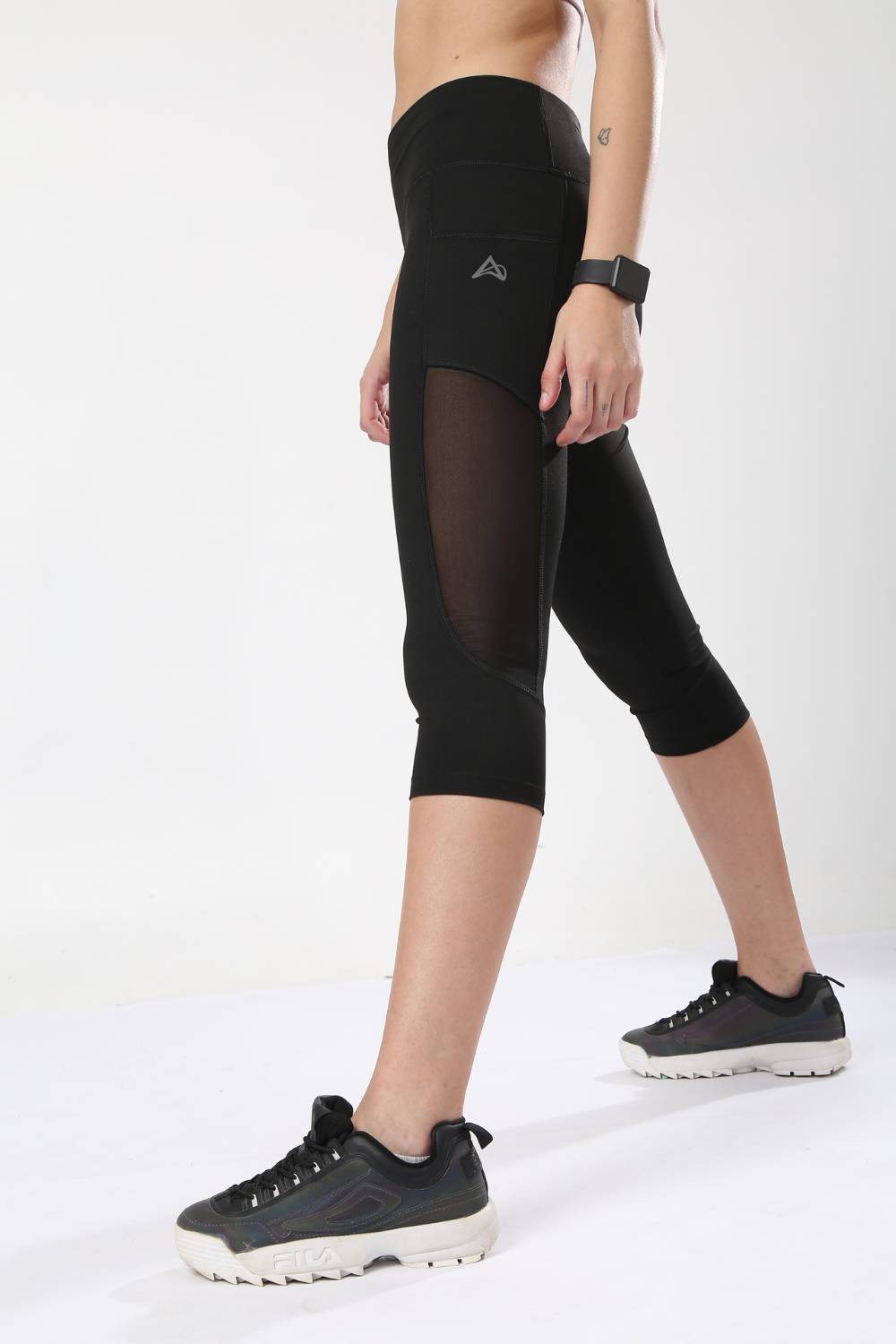
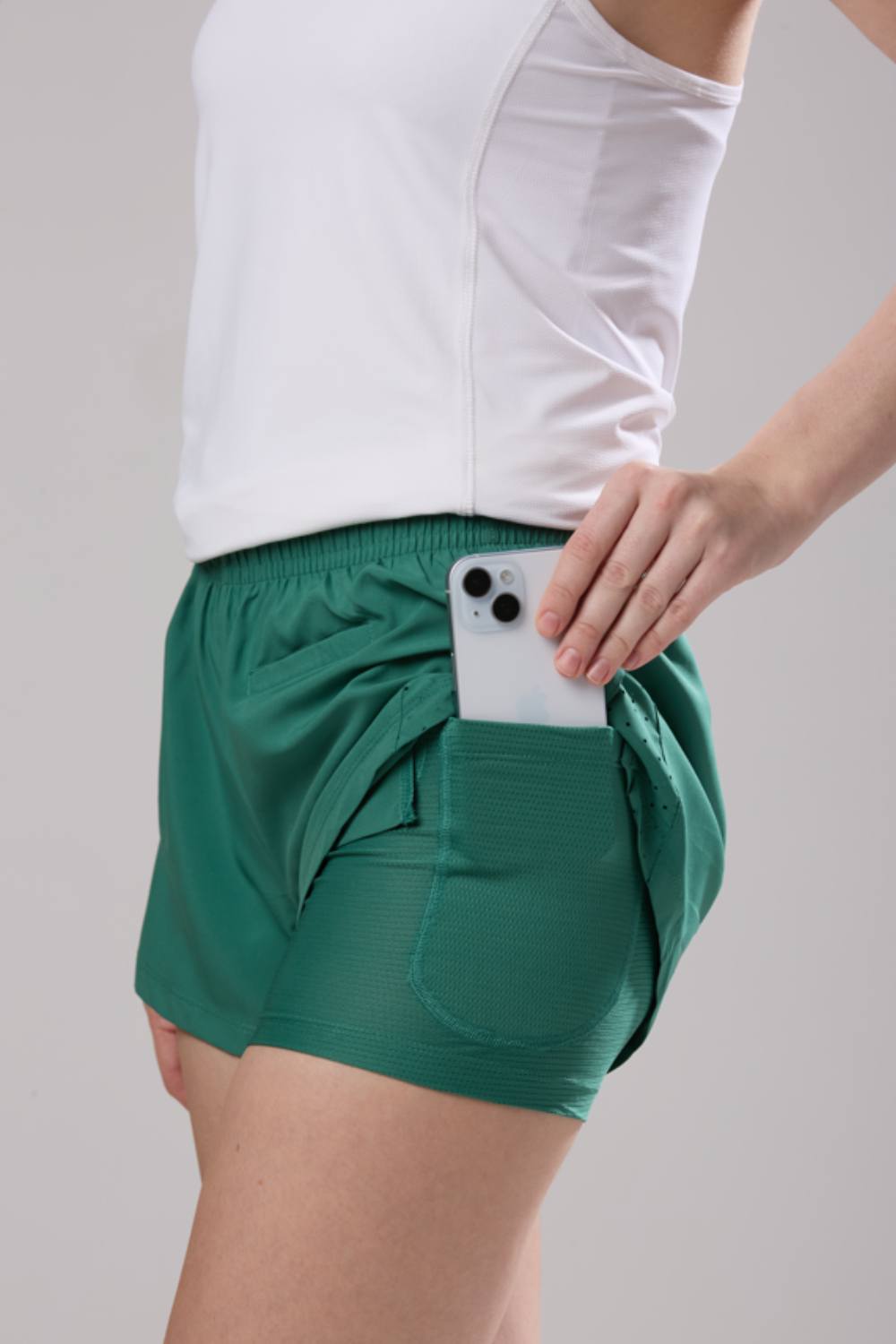
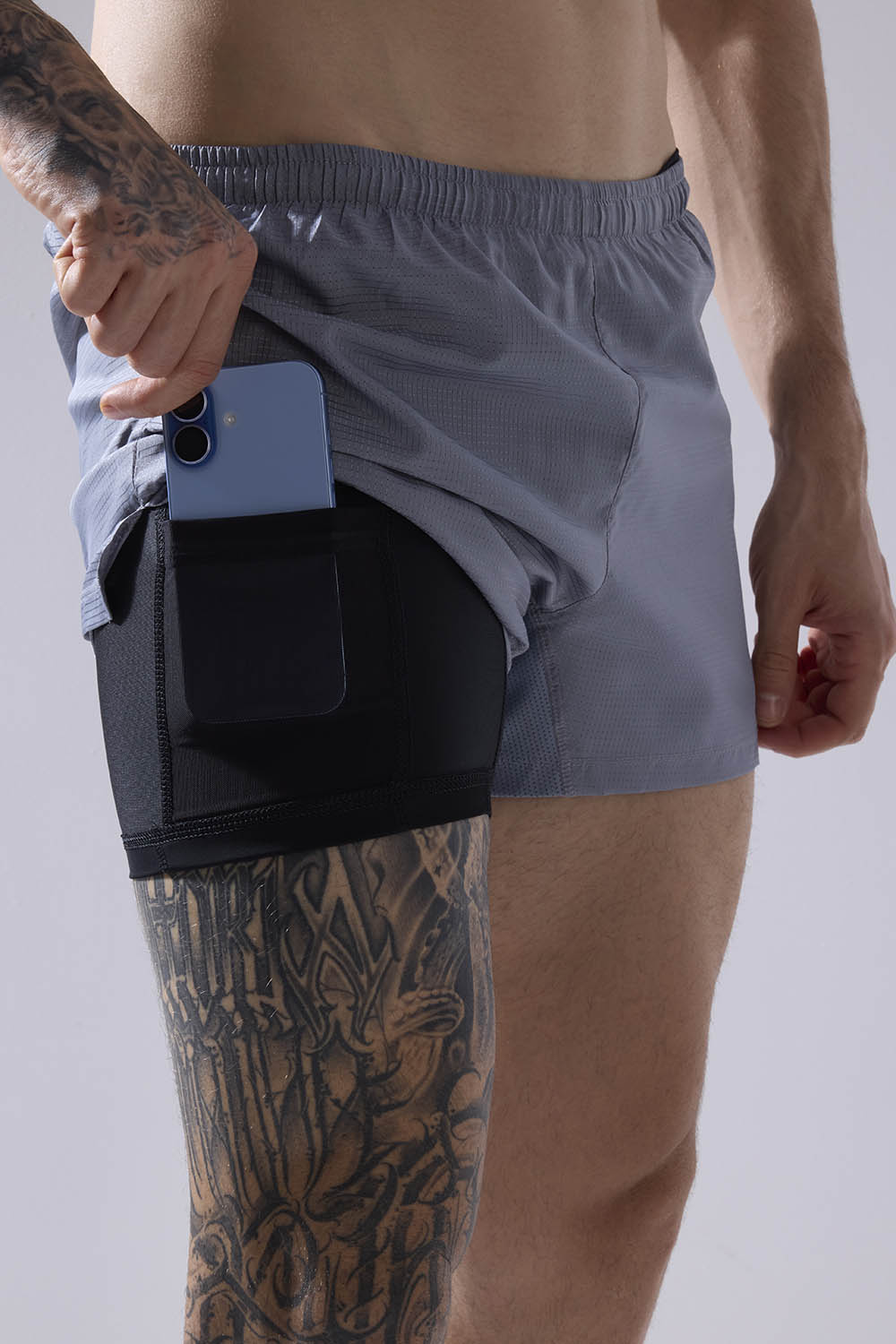
Features such as ergonomic shaping, secure storage options, reflective elements, and carefully positioned seams can also improve the experience of daily training. These elements may appear small, but they contribute to how naturally clothing works with the wearer's movement.
Performance Apparel Should Match the Training Activity
There is no single type of workout clothing that works perfectly for every activity. The demands of running, strength training, mobility sessions, and general fitness routines can differ significantly. Choosing apparel based on the activity helps ensure that the garment provides the right combination of support and comfort.
For example, runners often benefit from clothing that allows unrestricted stride movement while helping manage sweat during longer sessions. Strength training may require materials that support a wider range of body positions and repeated movement. Mobility-focused activities may place greater emphasis on softness and flexibility.
Practical guidance on workout clothing reinforces the importance of matching apparel to exercise requirements rather than selecting garments based only on style. Different activities require different combinations of support, flexibility, comfort, and breathability. Choosing workout clothing becomes easier when the training purpose is considered first.
This approach also helps create a more efficient activewear collection. Instead of choosing clothing based only on trends, individuals can focus on garments that support the activities they regularly perform.
How Daily Training Changes Expectations for Activewear
People who train consistently often expect more from their clothing than occasional users. A garment used once in a while only needs to perform temporarily, but daily training apparel needs to remain reliable through repeated workouts, washing, and movement.
This has changed how people evaluate activewear. Comfort is no longer separate from performance. Durability is no longer separate from design. A successful training garment needs to balance multiple qualities at the same time.
Modern activewear users are also looking for versatility. Clothing that works during exercise and remains comfortable for everyday activities can provide greater practical value. This does not mean every garment needs to serve every purpose, but thoughtful design can make performance clothing more adaptable.
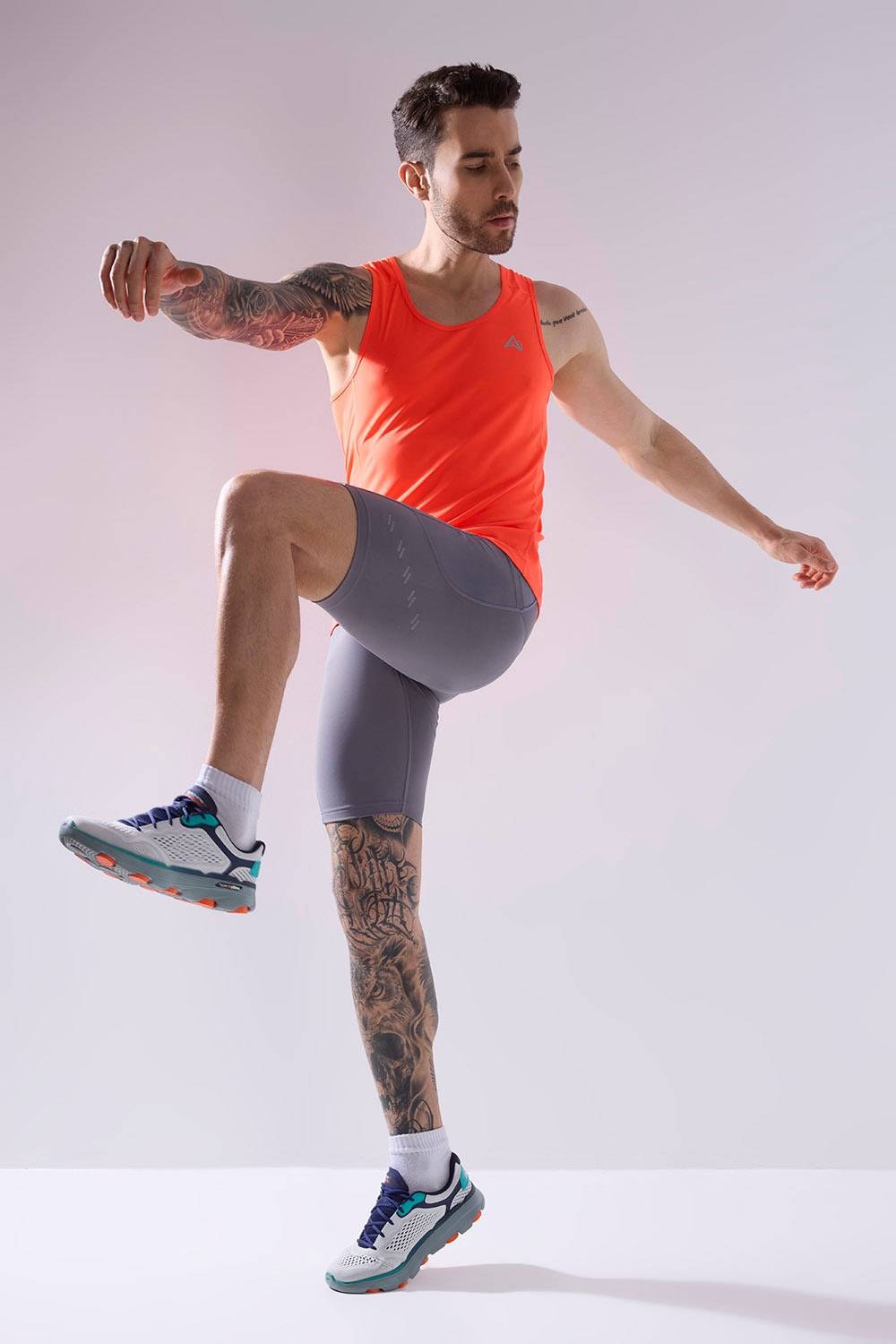
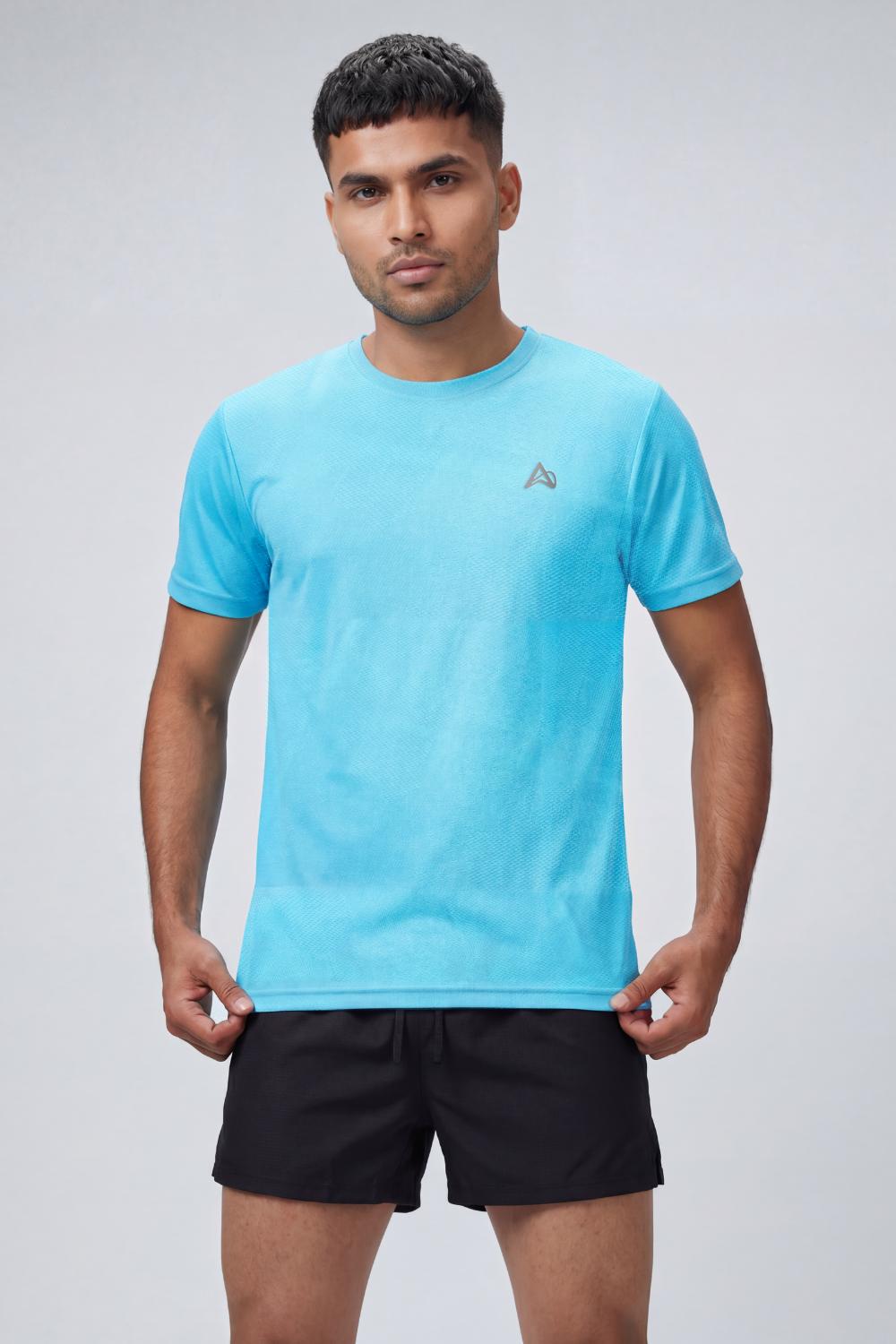
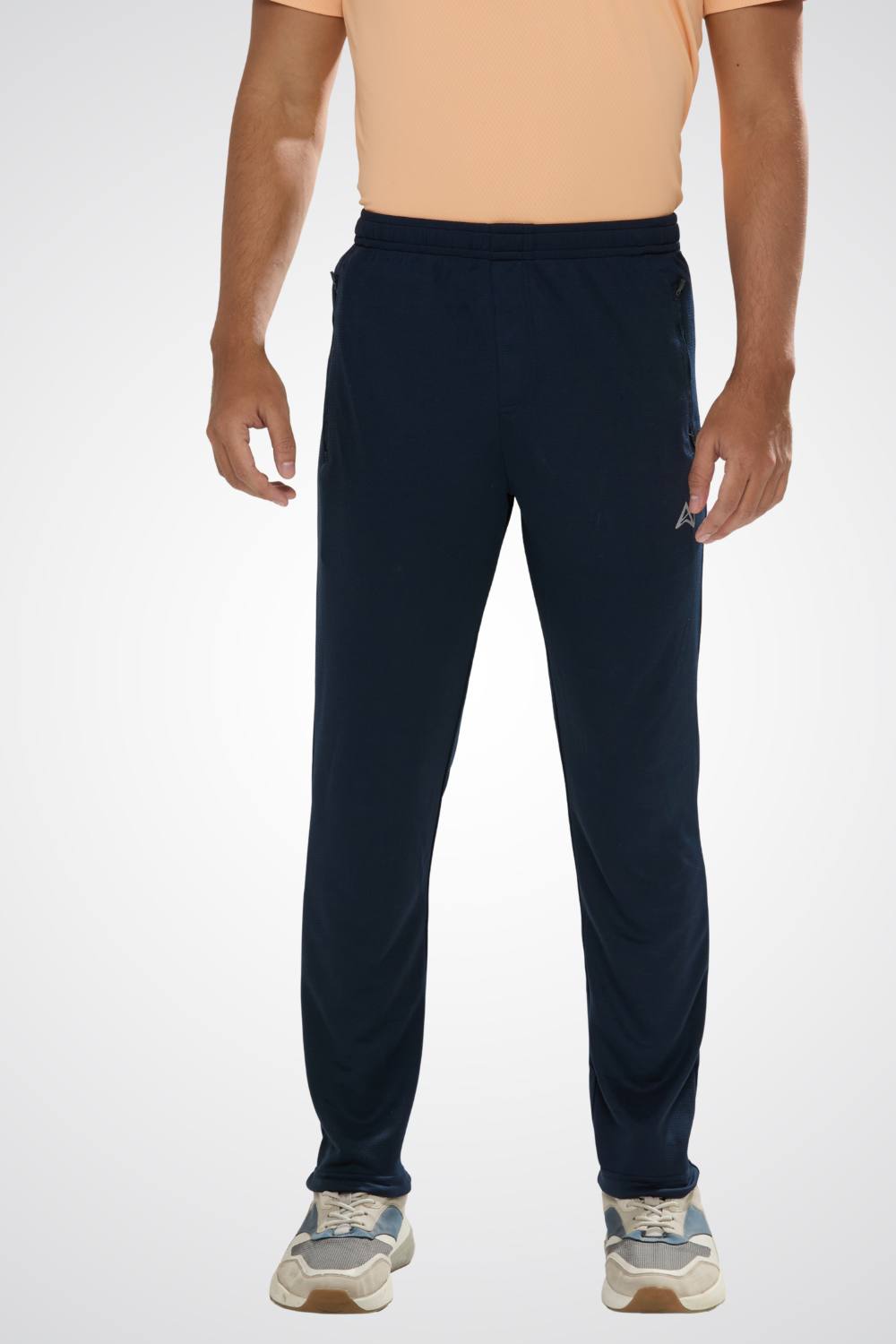
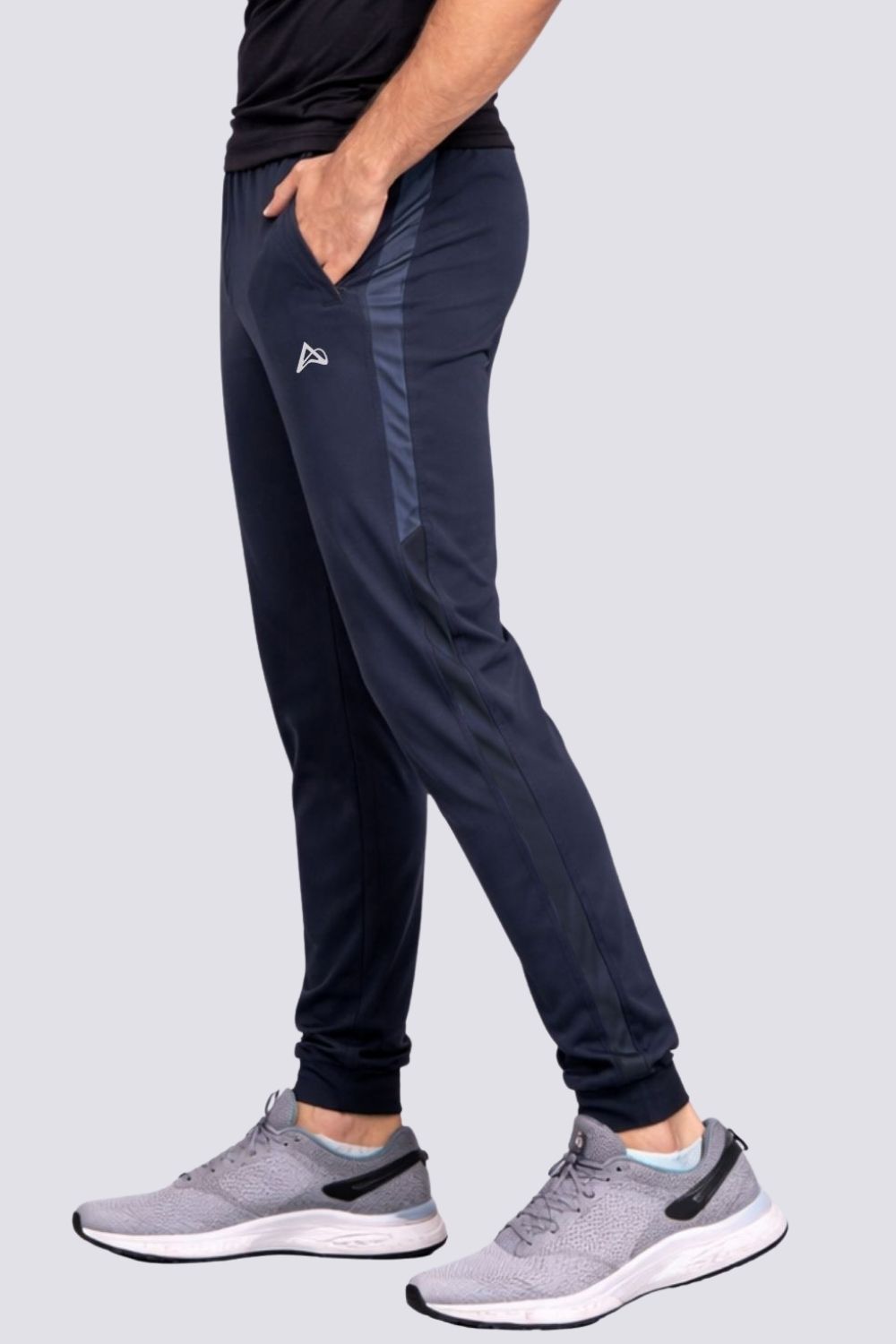
For runners and fitness enthusiasts, this versatility is particularly useful. A well-designed pair of shorts, tights, track pants, or tops can become part of a regular routine when they combine functional construction with everyday comfort.
Key Features to Consider When Choosing Training Clothes
Selecting the best training clothes for workouts starts with understanding personal needs and training habits. Instead of focusing only on appearance, buyers can evaluate whether a garment supports their specific routine.
- Fabric performance: Look for materials that support sweat management, breathability, and comfort during movement.
- Fit and mobility: Choose designs that allow natural movement without unnecessary restriction.
- Durability: Consider whether the garment can handle repeated use and regular washing.
- Activity suitability: Match clothing features with the type of exercise being performed.
- Practical details: Consider features that improve convenience during training, such as useful storage or visibility elements where relevant.
These considerations help move the decision-making process away from short-term trends and toward long-term training needs. Performance clothing works best when it supports the habits and goals of the person wearing it.
The Connection Between Better Apparel Choices and Better Training Experiences
Clothing does not replace training discipline, recovery, or preparation, but it can influence how comfortable and focused a workout feels. When apparel supports movement, manages moisture, and remains comfortable through repeated use, it allows athletes to spend less time adjusting their clothing and more time concentrating on their goals.
For activewear brands focused on runners and fitness communities, educating consumers about these functional benefits is an important part of helping people make informed choices. Performance apparel is most valuable when design decisions are connected to real training challenges.
The connection between clothing and training is ultimately about usability. The right garment should feel natural during movement, support the demands of the activity, and remain dependable as part of a regular routine. This is why features such as technical fabric, ergonomic fit, flexibility, and durability continue to shape expectations around modern training apparel.
Performance clothing suitable for daily training is built around a simple principle: apparel should work with the athlete. By understanding fabric technology, construction, and activity-specific needs, fitness enthusiasts can choose clothing that supports consistent movement and a more comfortable training experience.
Frequently Asked Questions
What are the benefits of performance clothing for daily training?
Performance clothing for daily training is designed to improve comfort, mobility, and moisture management during regular workouts. Features such as breathable fabrics, flexible construction, and durable materials help support consistent training by reducing distractions and improving overall workout comfort.
How do moisture wicking clothes for exercise improve workout performance?
Moisture wicking clothes for exercise help move sweat away from the skin, making workouts feel more comfortable during intense or longer sessions. These fabrics support better temperature management and help maintain a dry, balanced feel while running, training, or exercising.
How do I choose the best training clothes for workouts?
The best training clothes for workouts should match the type of activity, personal comfort needs, and training routine. Look for features such as technical fabric, ergonomic fit, flexibility, breathability, and durability to ensure the clothing supports regular movement and repeated use.
Disclaimer: The above helpful resources content contains personal opinions and experiences. The information provided is for general knowledge and does not constitute professional advice.
You may also be interested in: The Role of Apparel Fit in Reducing Discomfort During Marathon Preparation
Tired of gear that slows you down? Chafing, soggy fabrics, and missing pockets kill your run's momentum. At Aguante, we're runners who get it. Our high-performance activewear features moisture-wicking fabrics, ergonomic designs, and smart storage to keep you focused. Shop Now!
Powered by flareAI.co