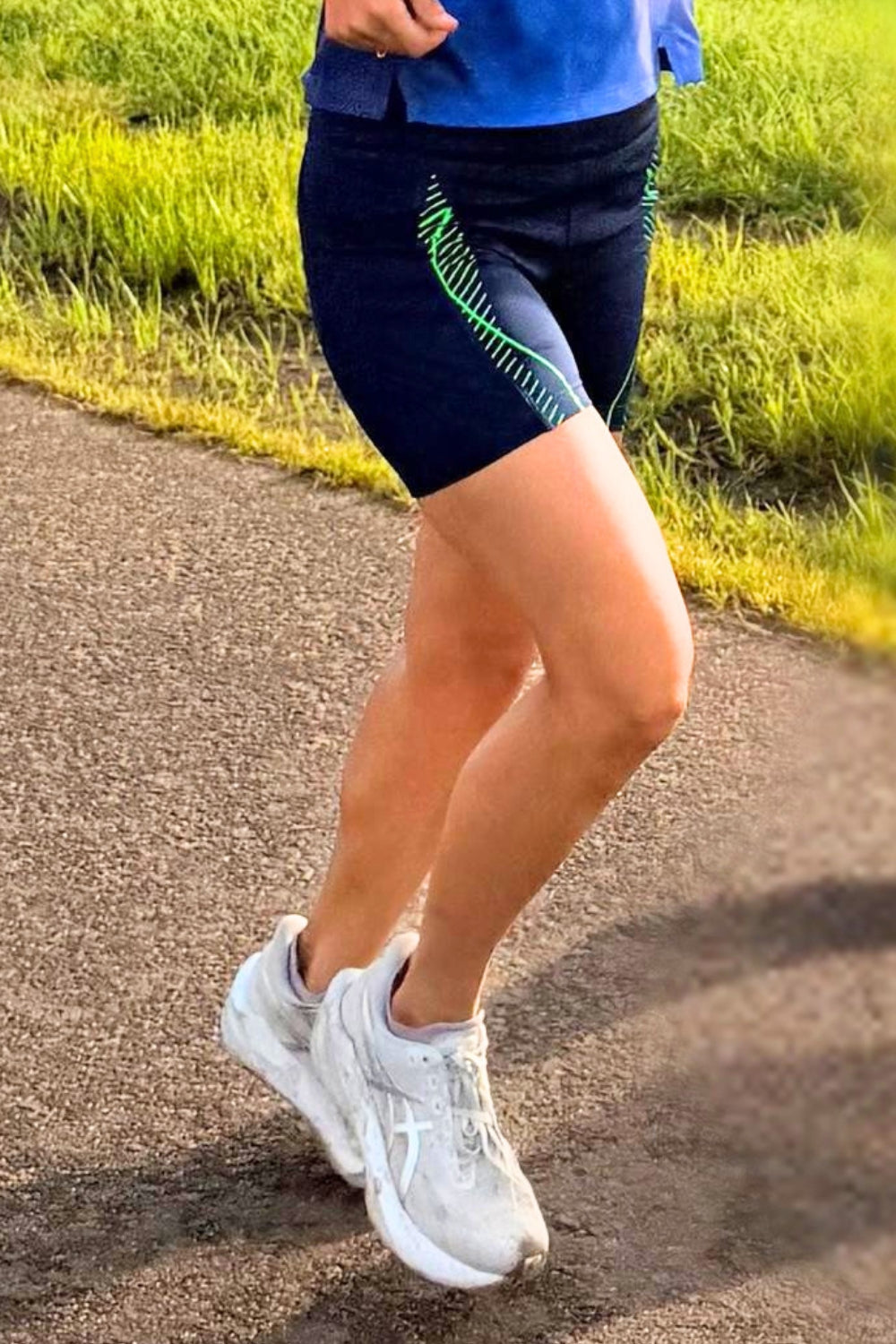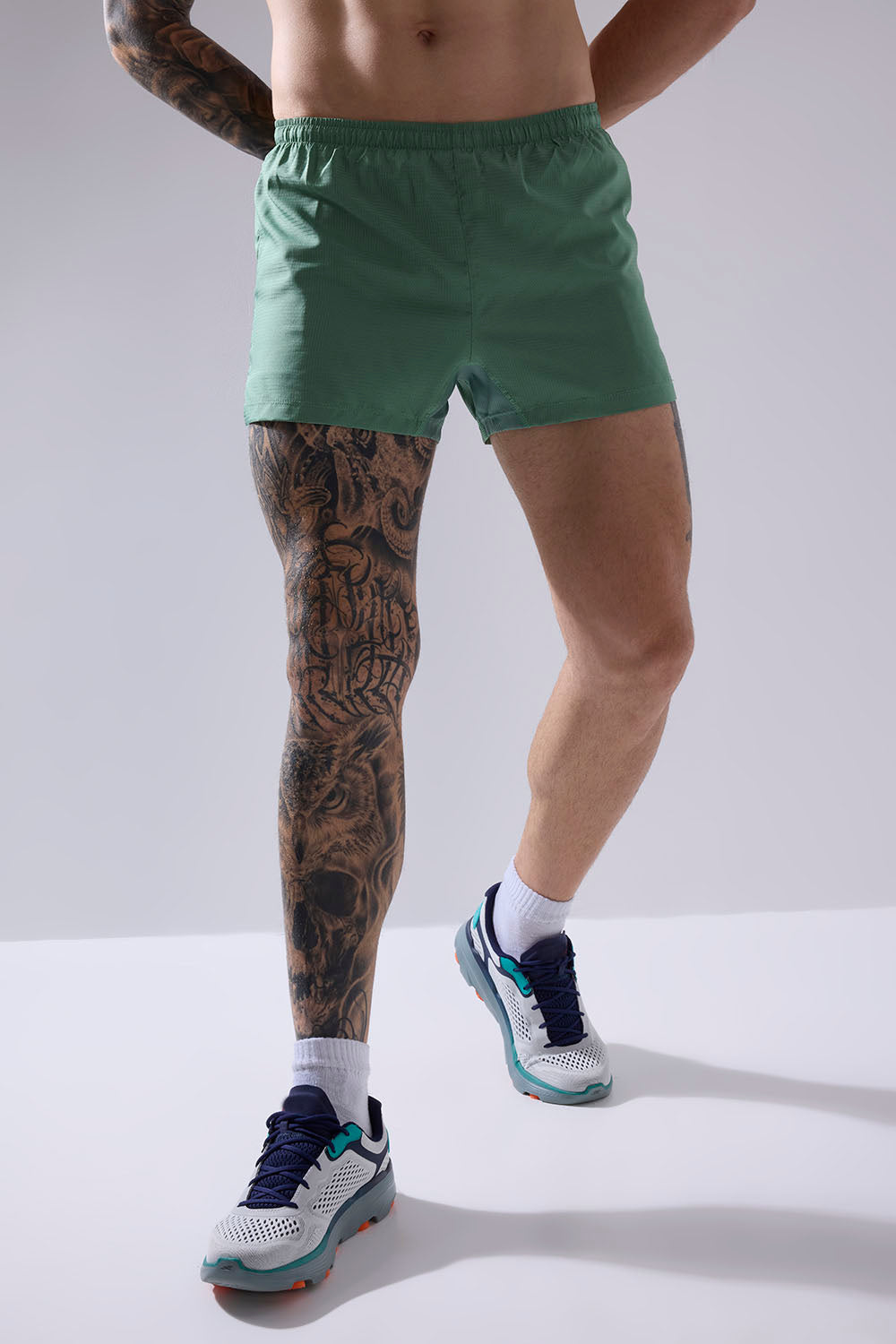
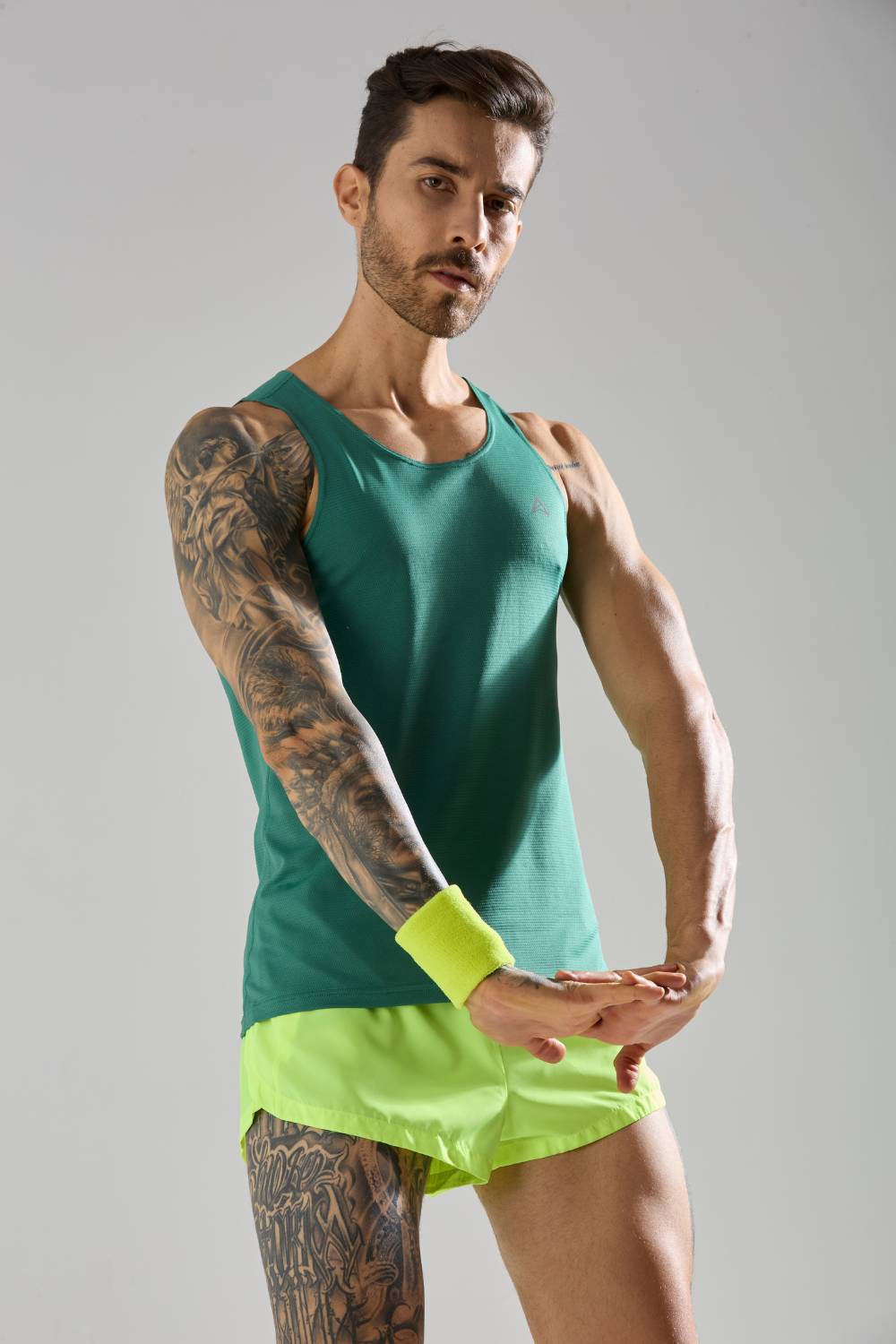
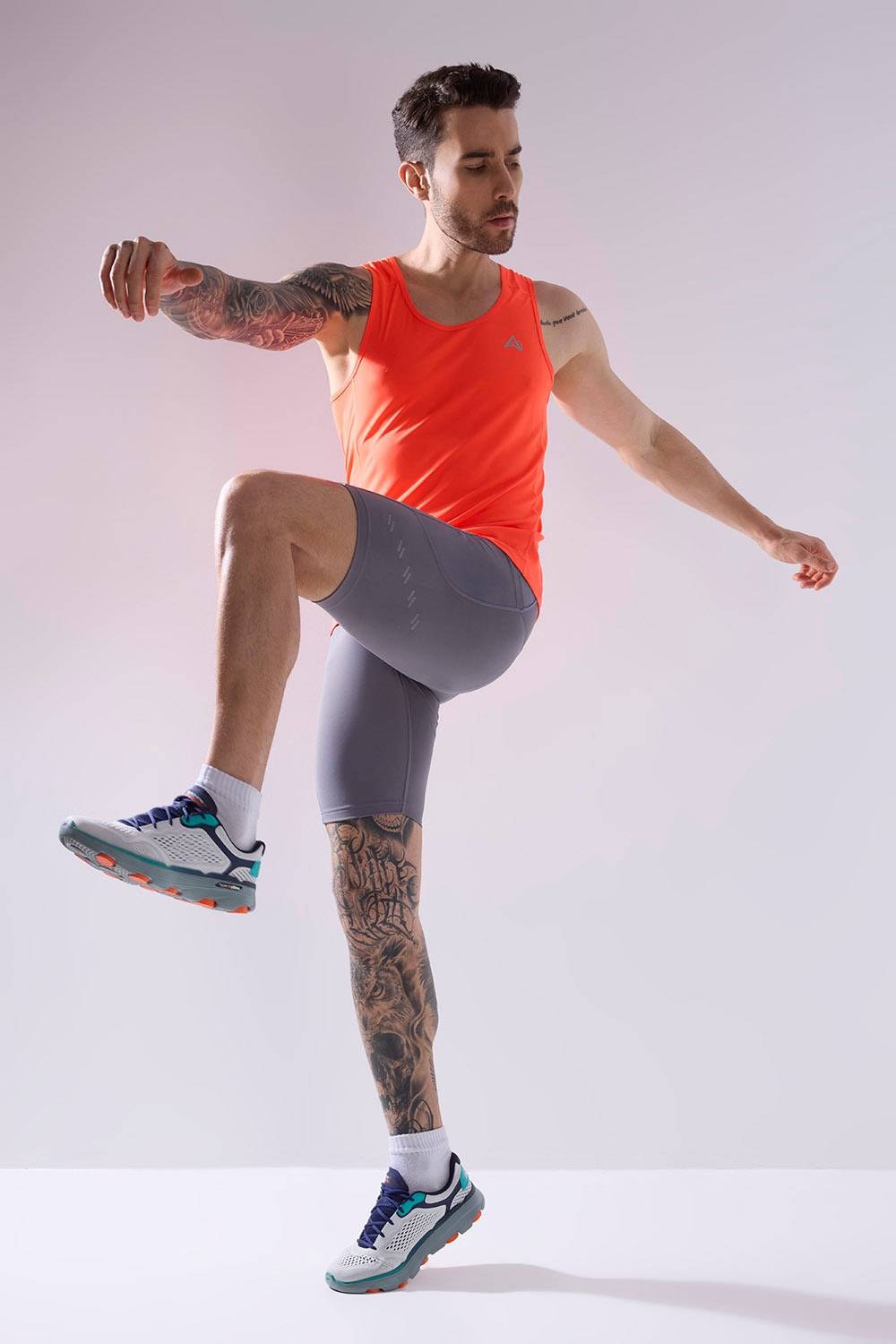
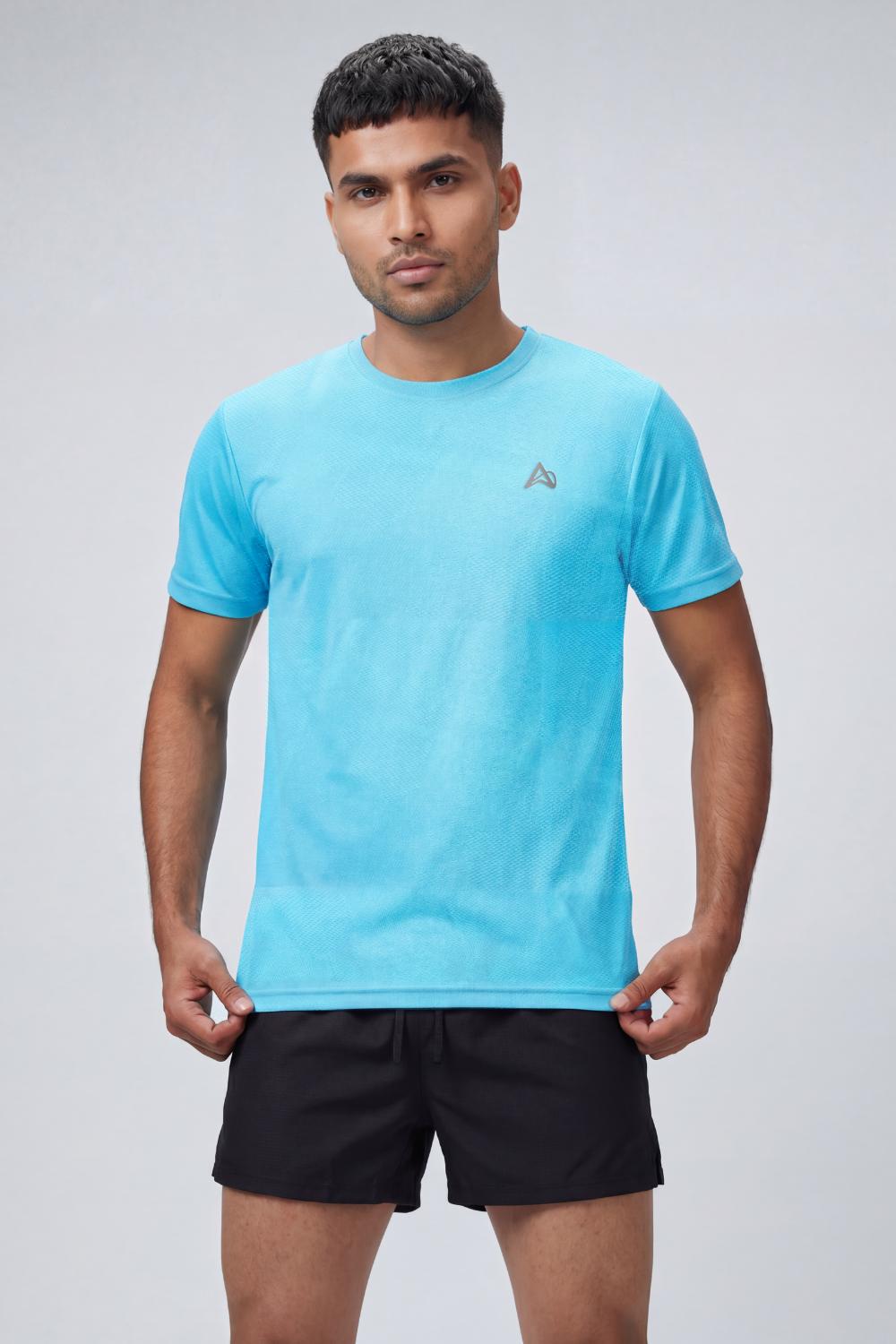
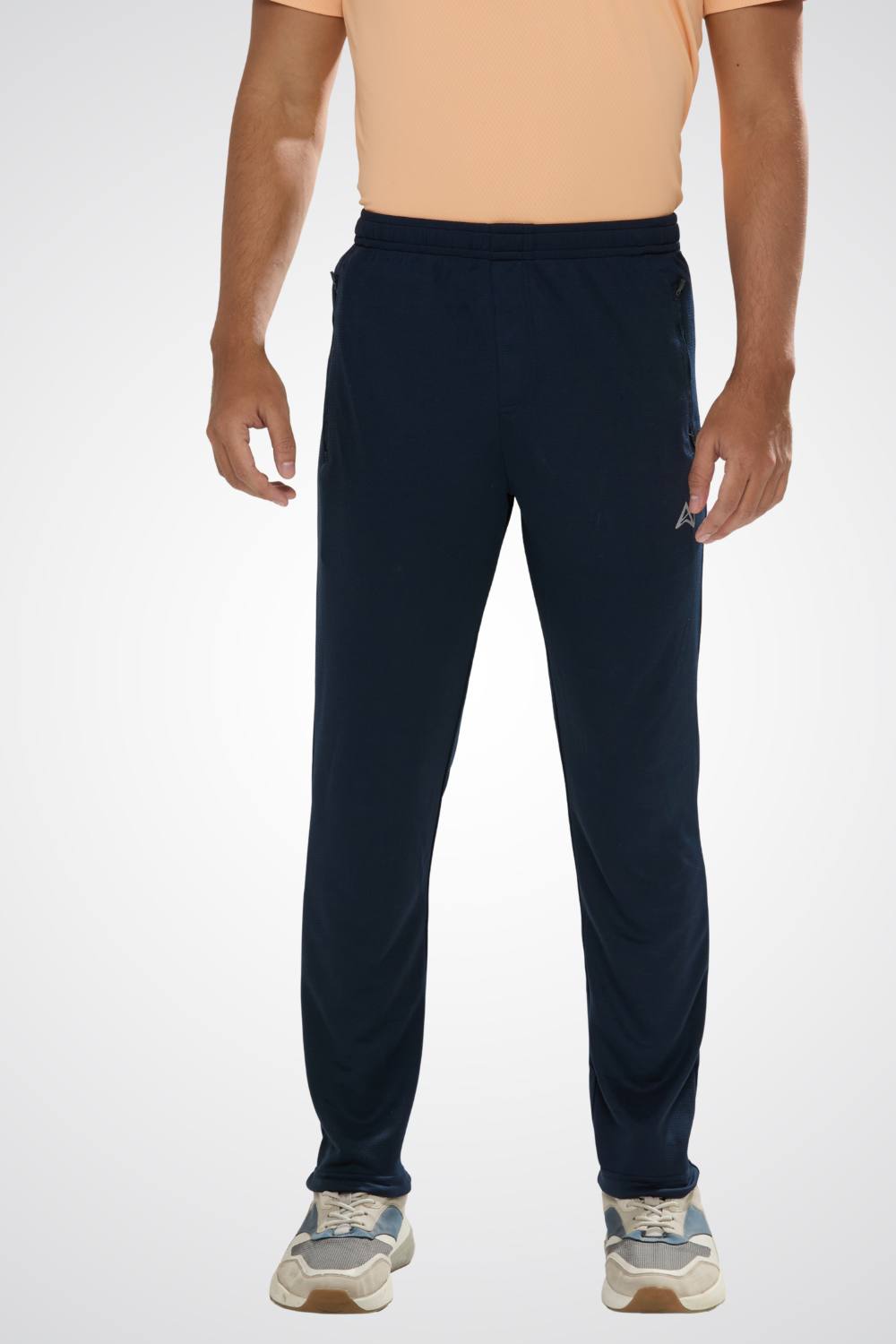
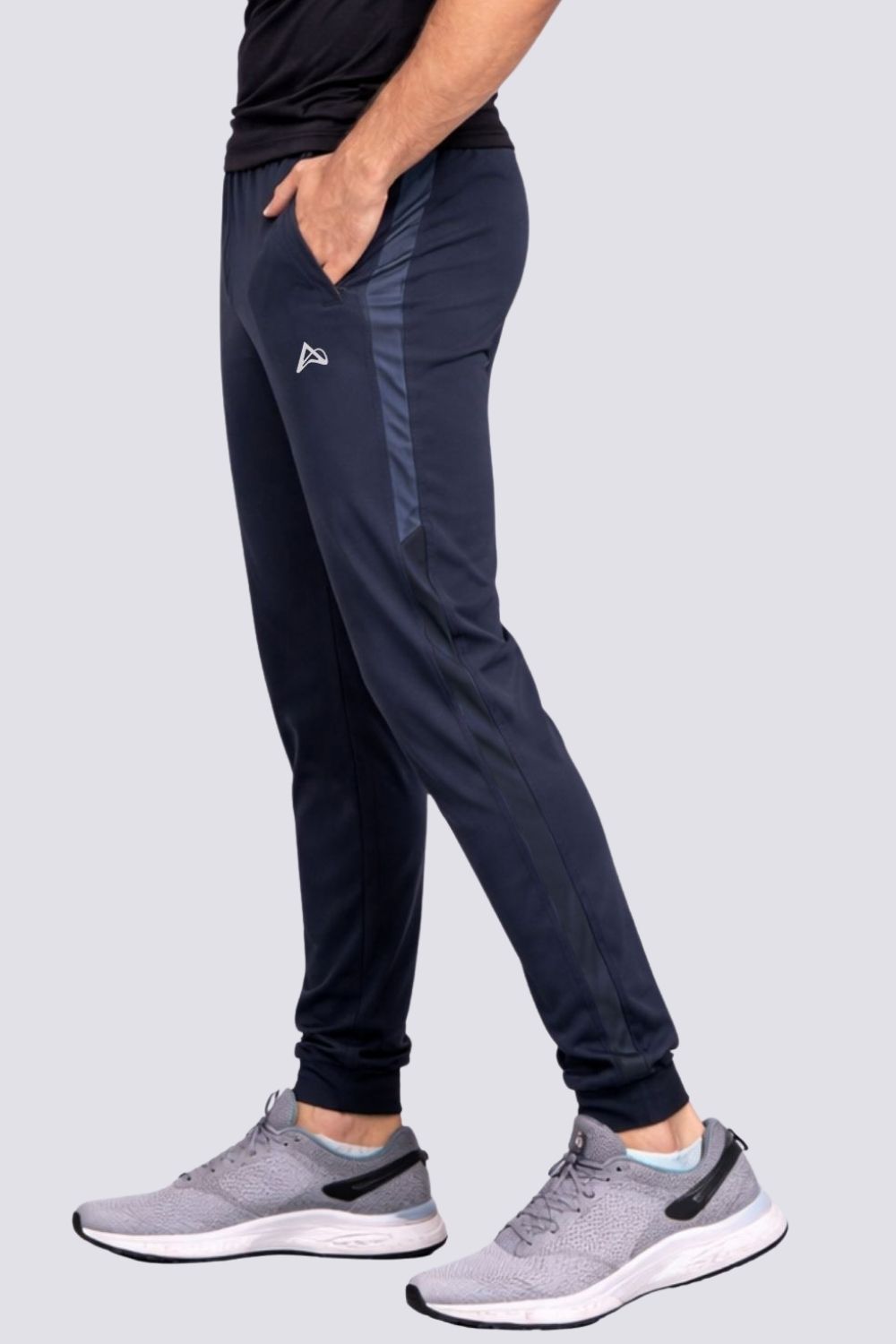
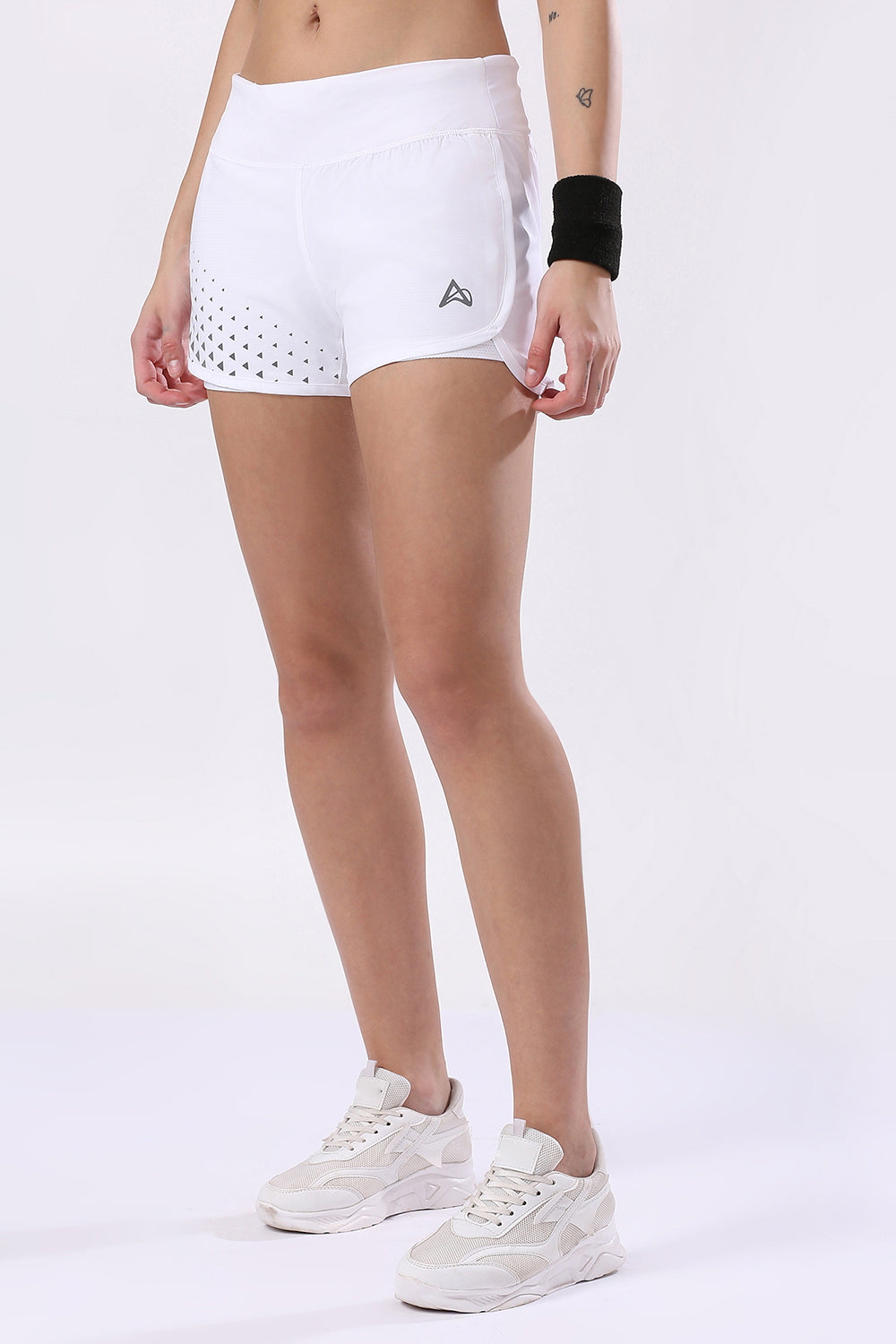
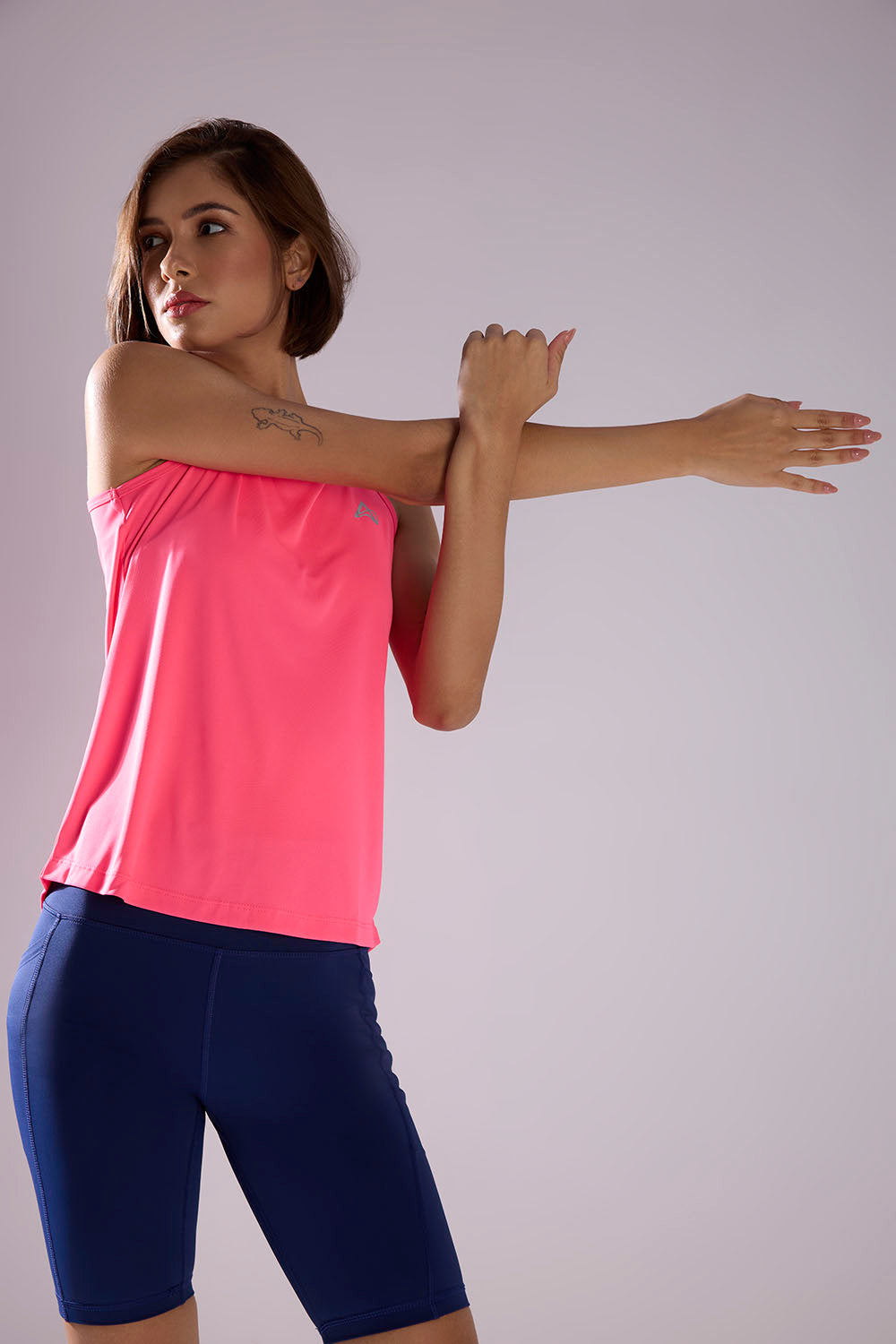
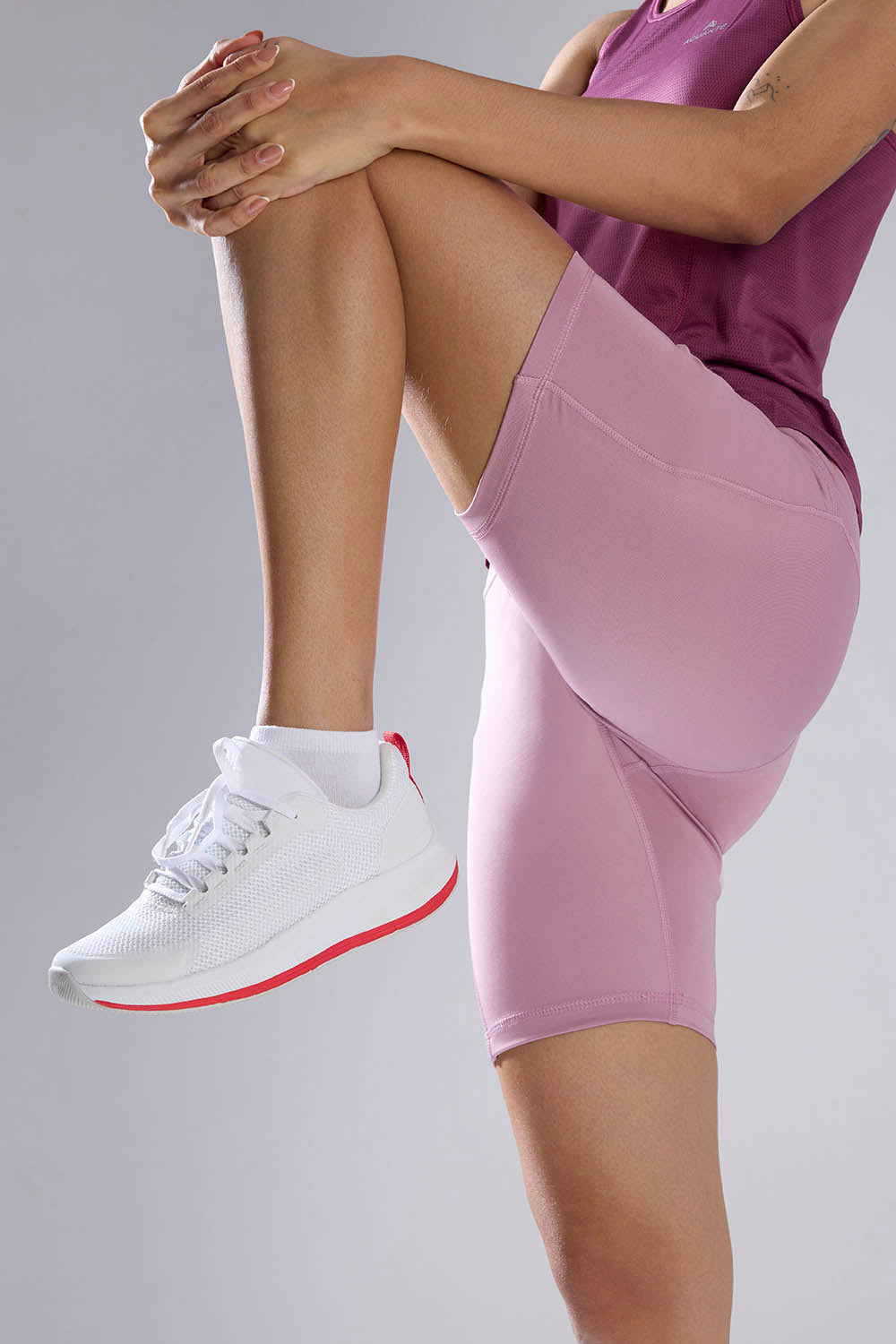
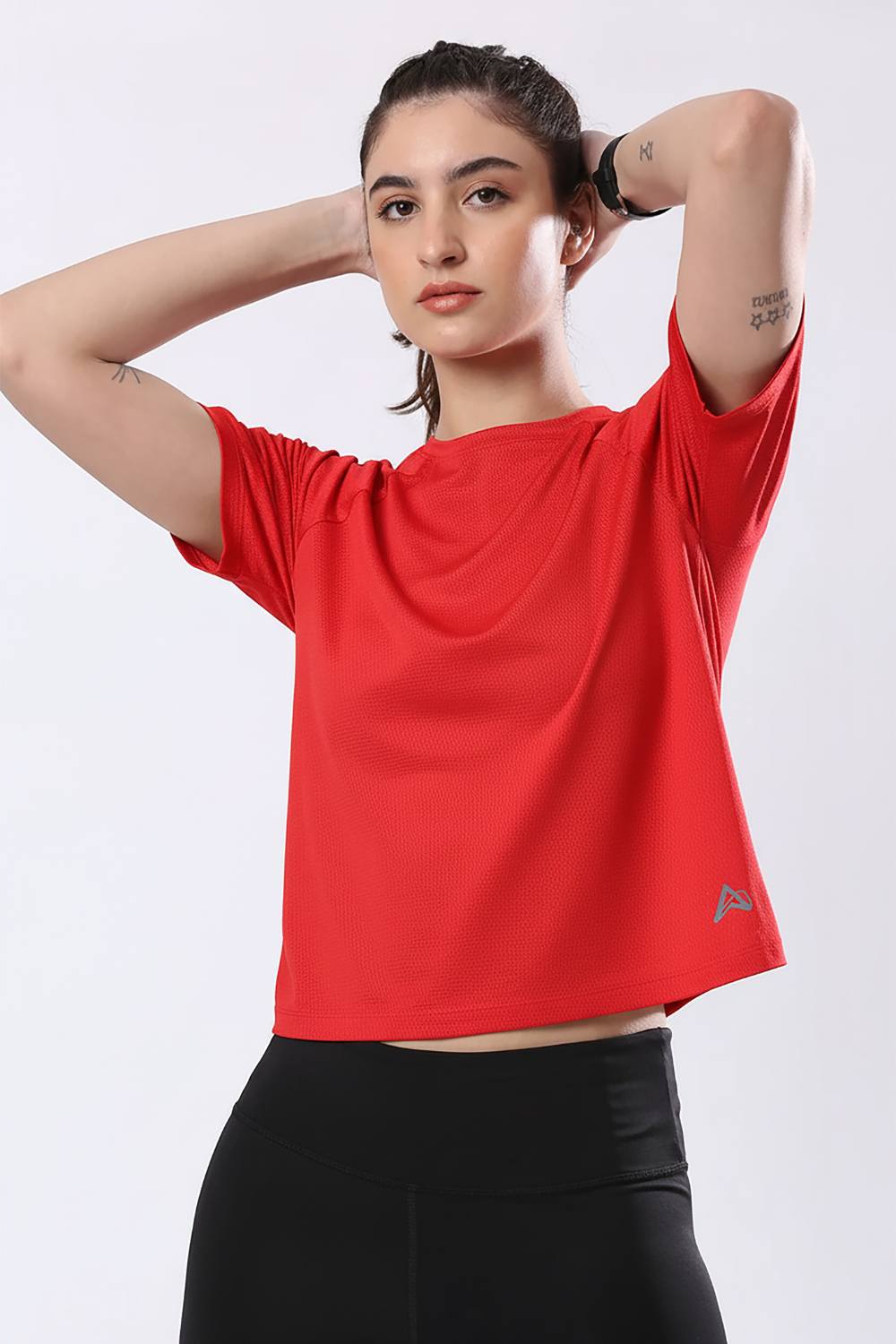
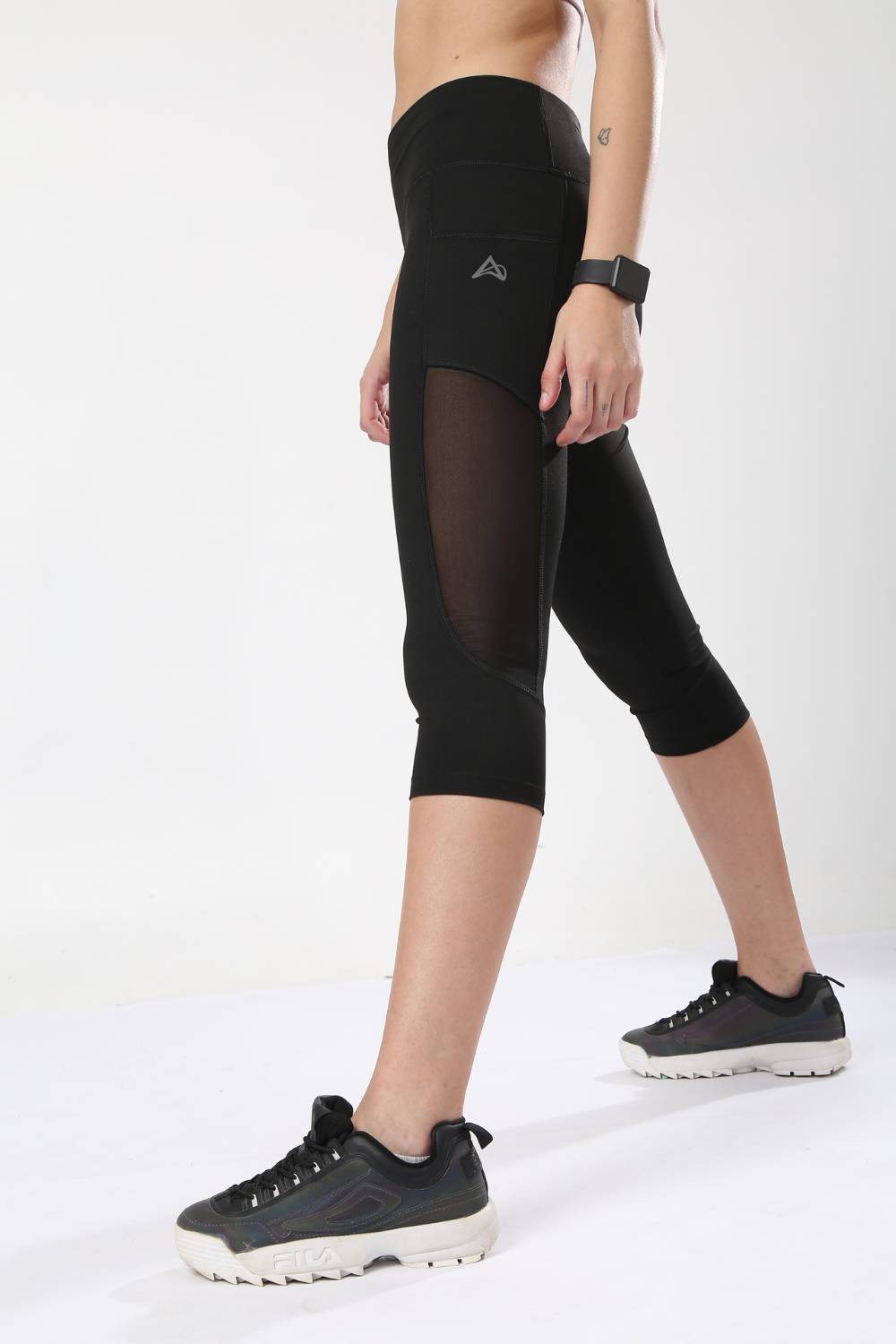
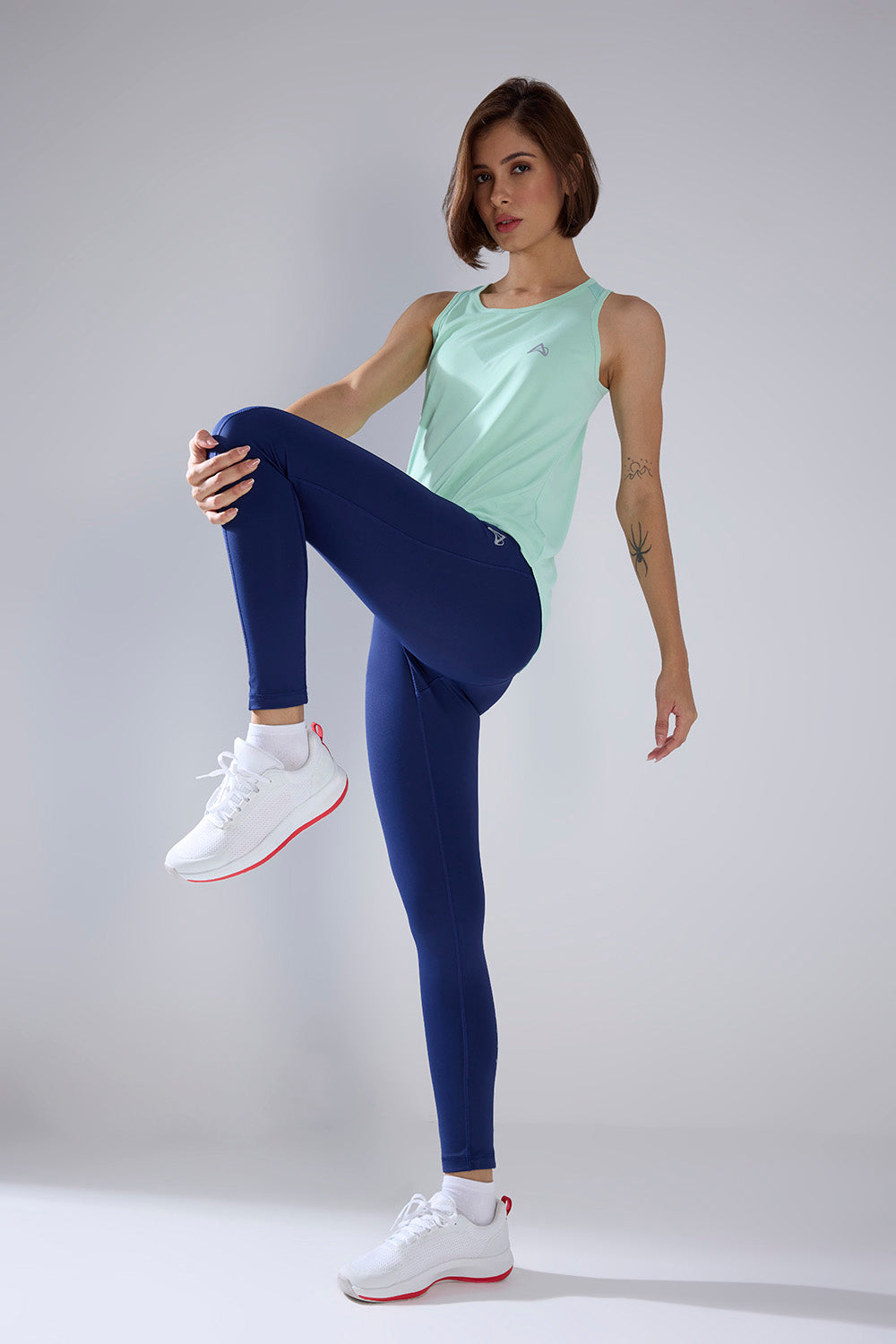

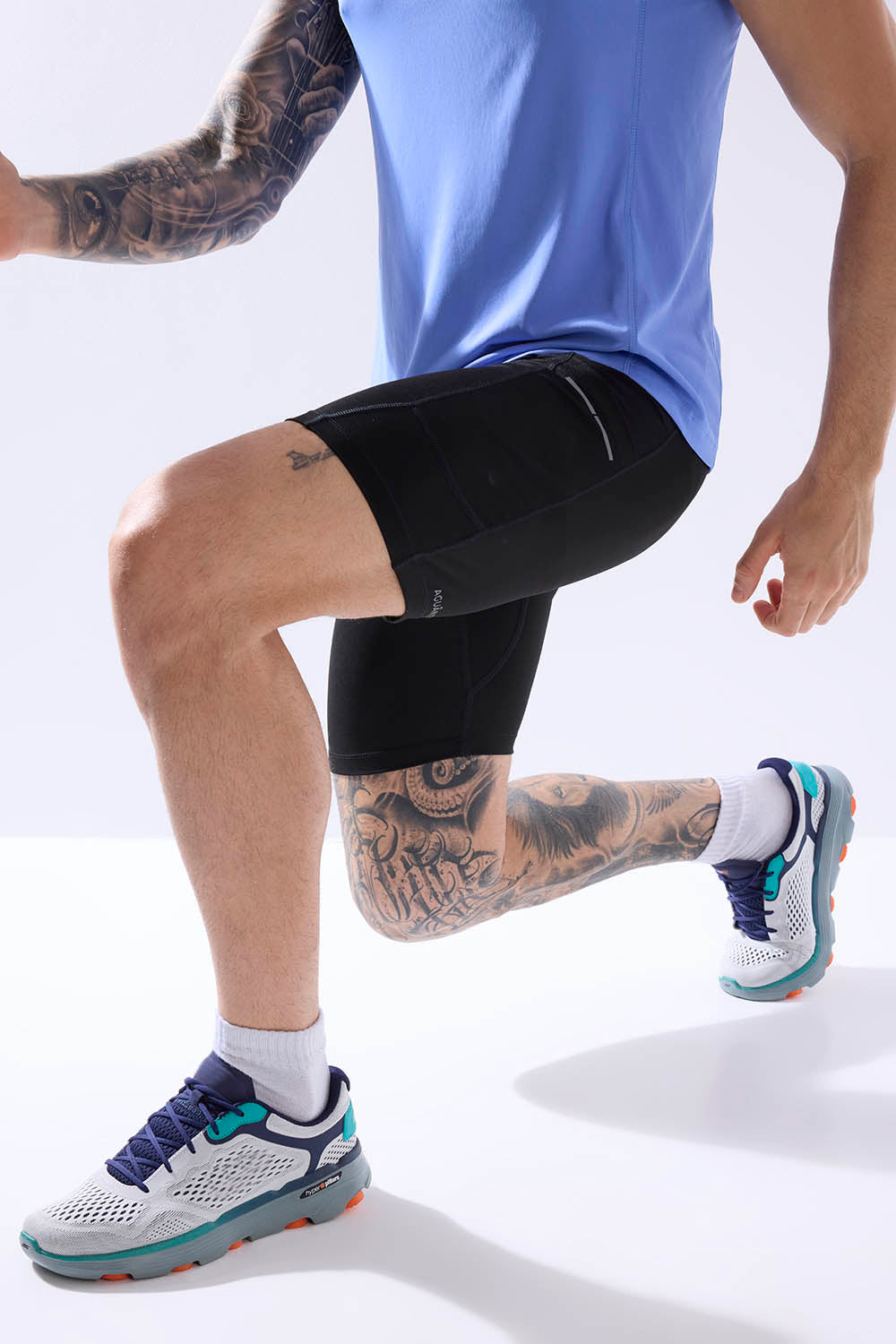
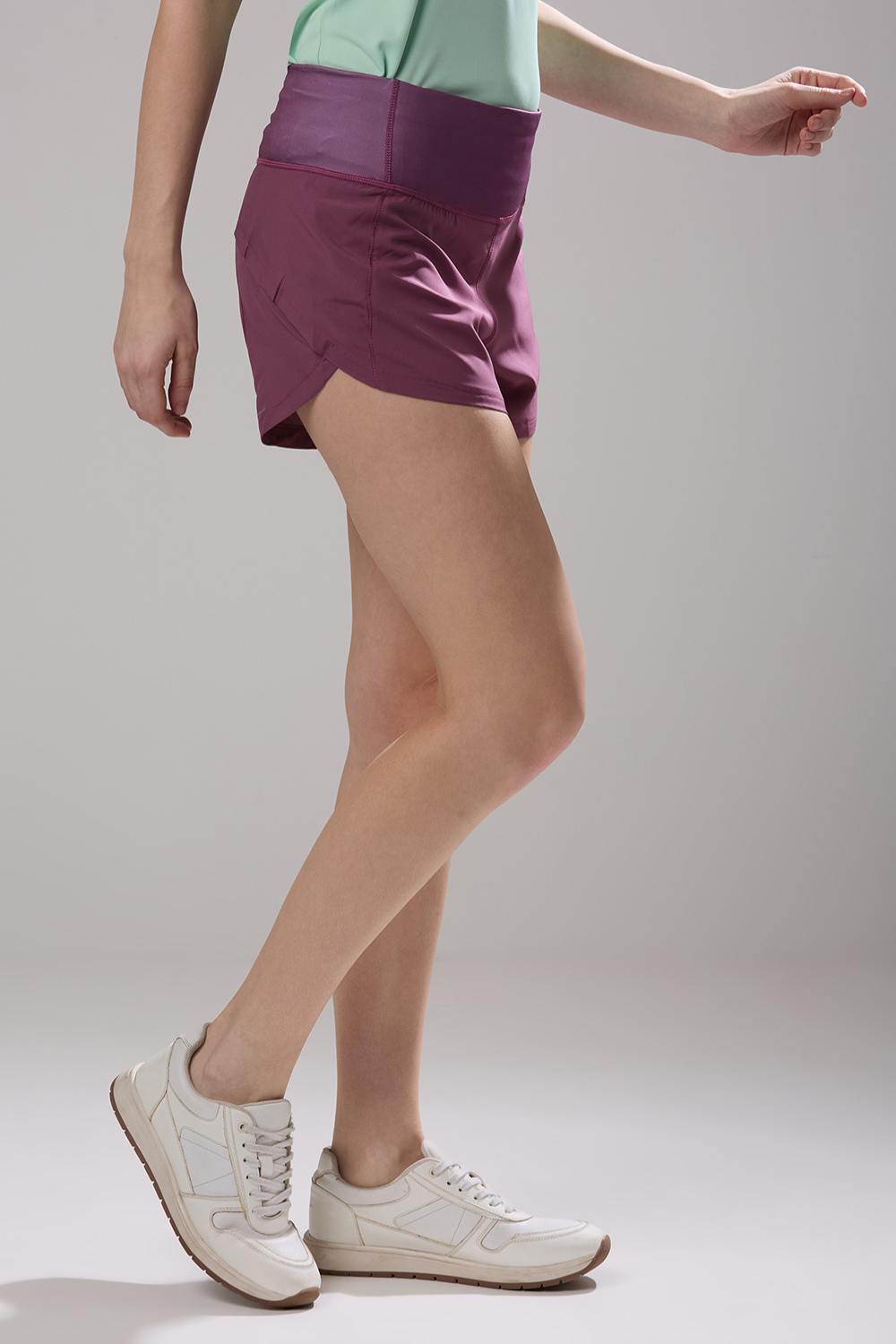
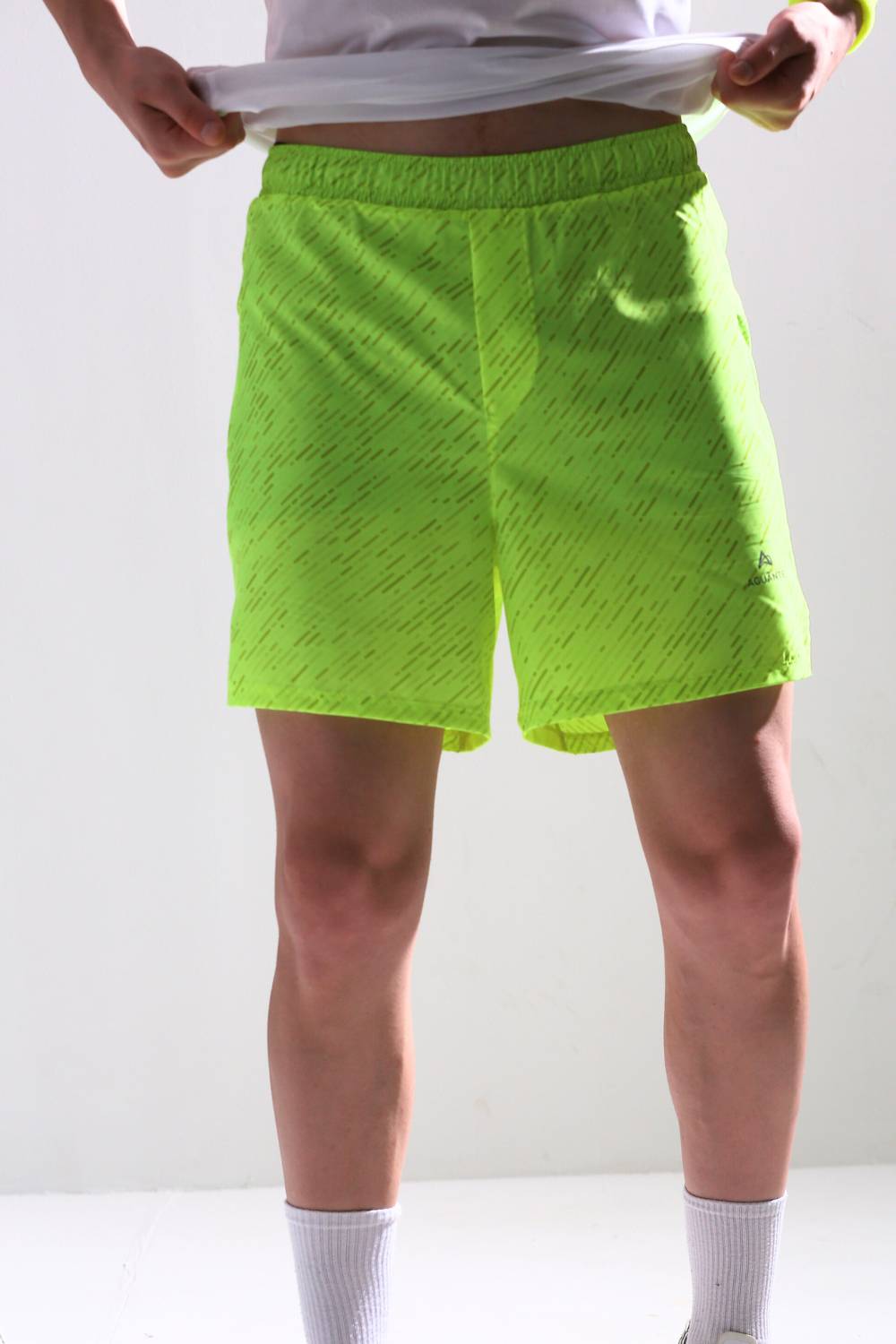

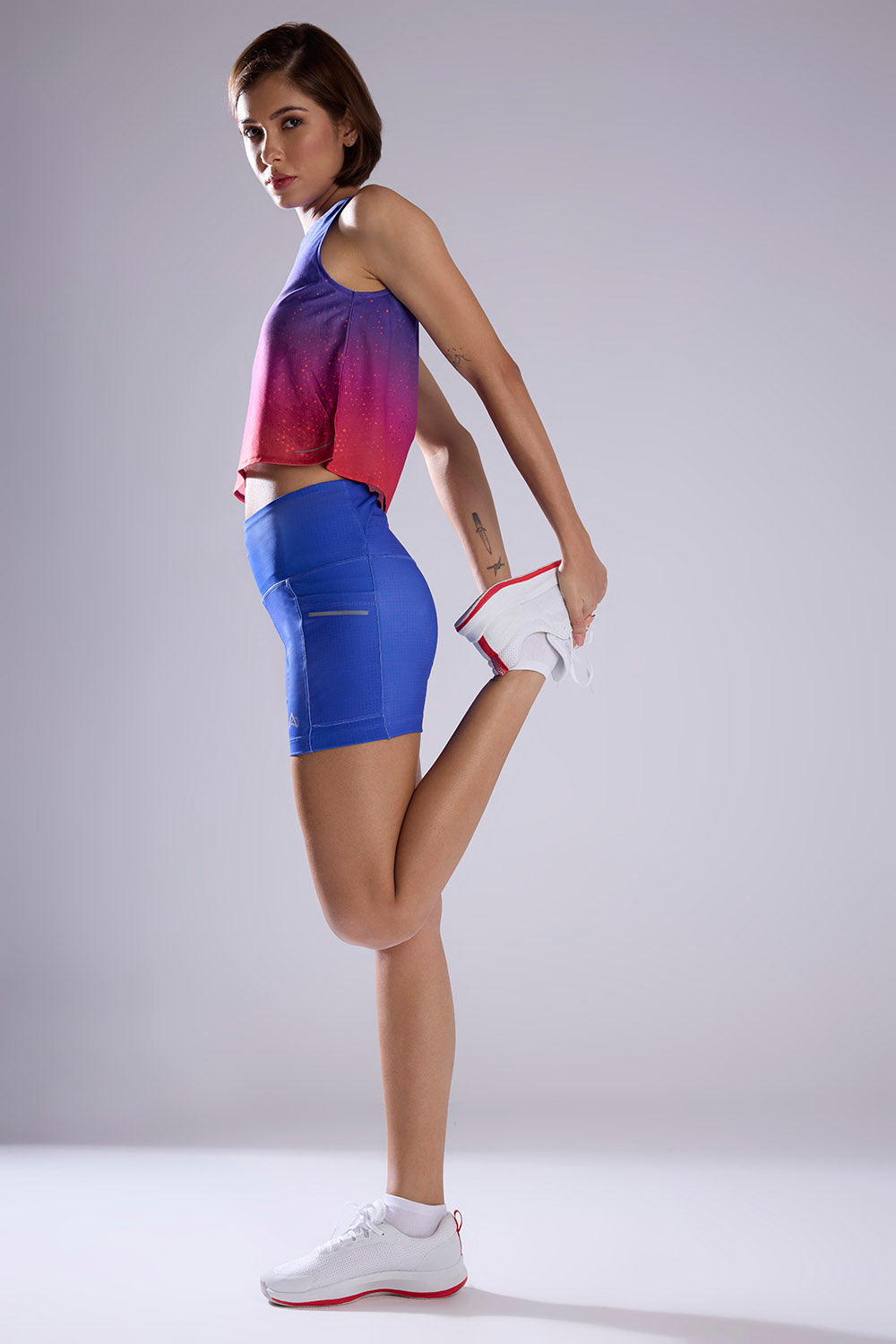
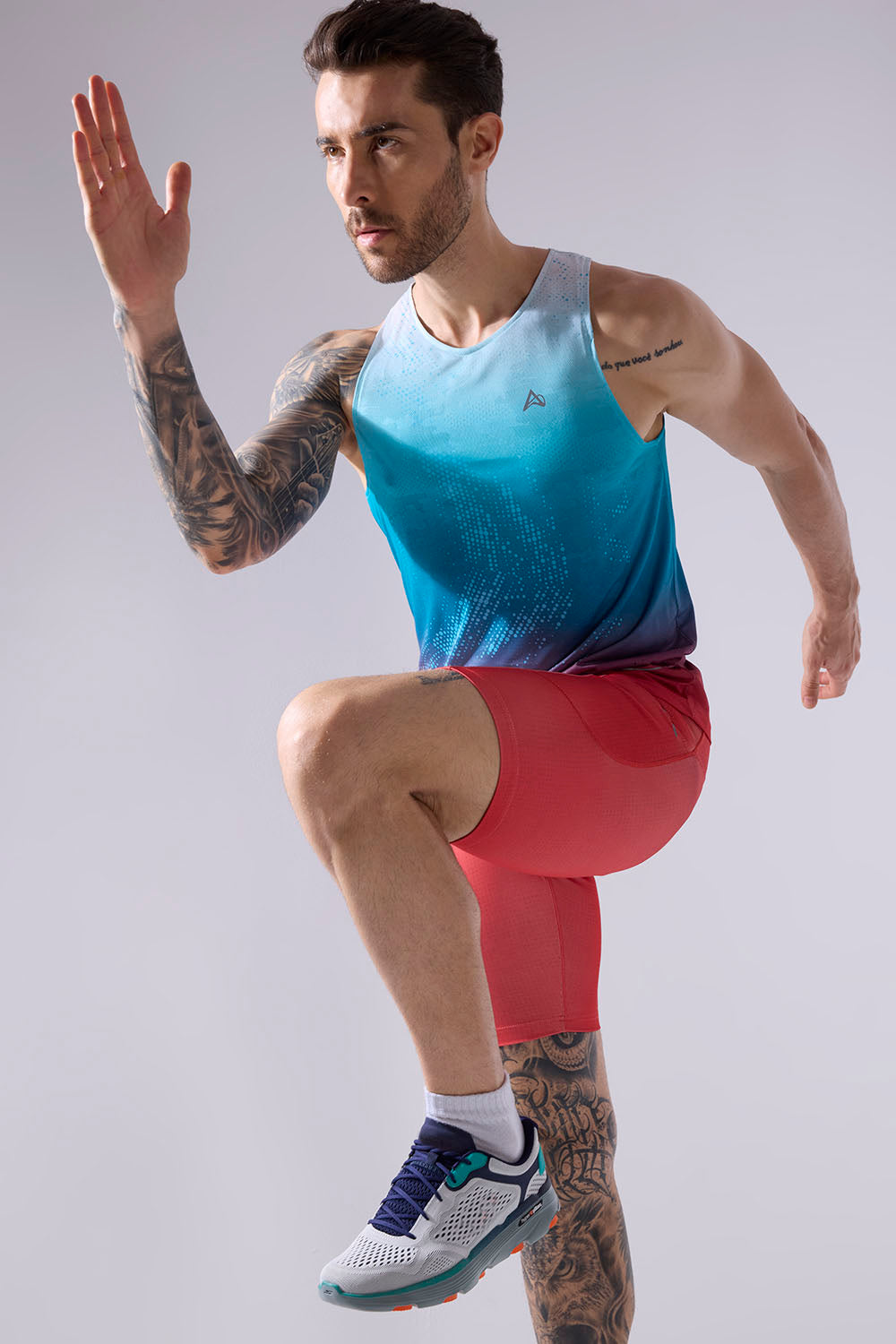

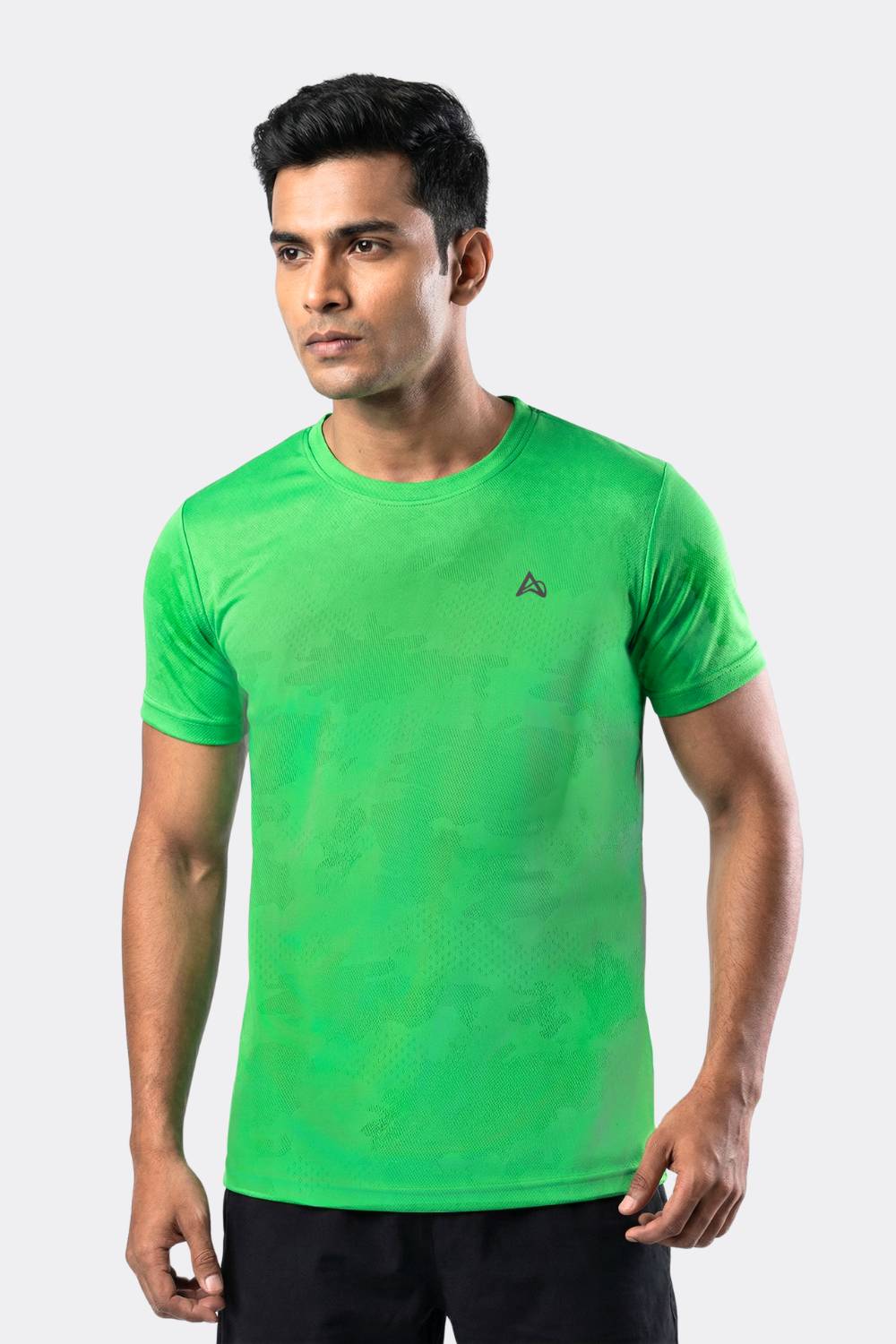
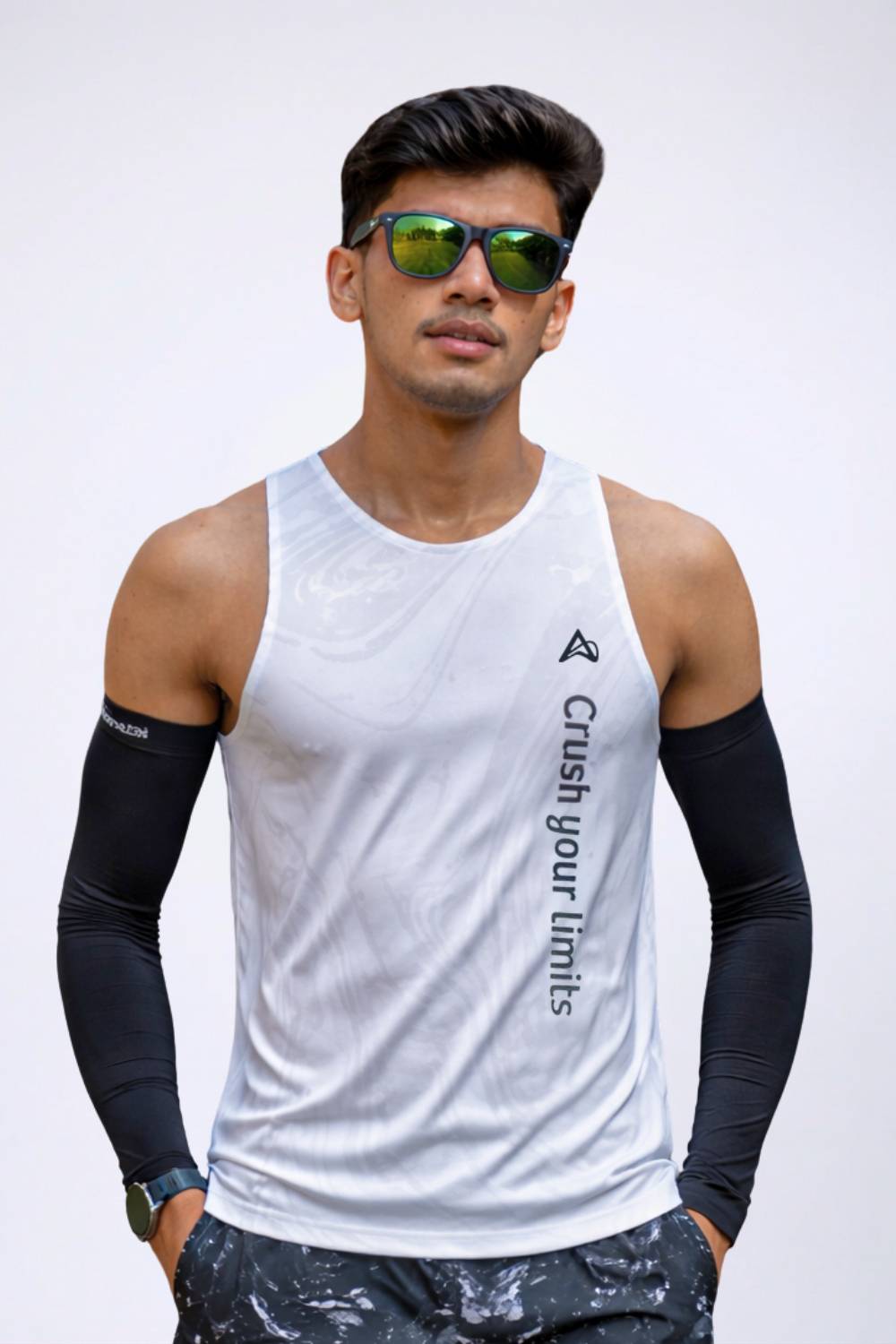

Running apparel has changed from simple workout clothing into a carefully engineered part of an athlete's training experience. Early running gear focused mainly on basic comfort and durability, but modern athletes now expect clothing to support movement, manage heat, improve comfort, and adapt to different running conditions. The evolution of running apparel reflects a deeper understanding of how the body responds during exercise and how thoughtful design can remove distractions from performance.
For today's runners, clothing is no longer just something worn during a workout. It has become a combination of material science, functional design, and personal expression. From lightweight layers and breathable fabrics to storage solutions and reflective details, modern running apparel is built around the practical challenges athletes face before, during, and after a run.
Tired of gear that slows you down? Chafing, soggy fabrics, and missing pockets kill your run's momentum. At Aguante, we're runners who get it. Our high-performance activewear features moisture-wicking fabrics, ergonomic designs, and smart storage to keep you focused. Shop Now!
The Shift From Basic Clothing to Performance-focused Design
The history of running clothes begins with a simple purpose: providing coverage and comfort during physical activity. Traditional athletic clothing often relied on basic fabrics and loose designs that offered limited support for the specific demands of endurance running.
As running communities grew and athletes began training with more structured goals, expectations from clothing changed. Runners needed apparel that could handle longer distances, changing weather conditions, and repeated movement without causing discomfort. This shift encouraged designers to focus on features that directly influence the running experience, including fabric behaviour, fit, ventilation, and durability.
The evolution of running apparel has therefore been less about adding unnecessary features and more about solving real problems. A runner managing a long training session needs clothing that feels reliable, while someone preparing for a race may prioritise lightweight construction and freedom of movement. Modern designs increasingly reflect these different needs.
How Fabric Technology Transformed the Running Experience
One of the biggest changes in modern running apparel has been the development of technical fabrics. Instead of choosing materials only for softness or appearance, designers now consider how fabrics interact with sweat, body temperature, and airflow.
Technical polyester fabrics, for example, are widely used in performance clothing because they can be engineered to move moisture away from the body and dry quickly. However, fabric choice alone does not determine performance. Research highlighted by how fabric technology keeps runners cool explains that factors such as air permeability, construction, fit, and ventilation all influence how effectively clothing manages heat during exercise.
This understanding has changed the way athletes evaluate clothing. A garment is no longer judged only by its material label. The way the fabric is structured, how it sits on the body, and how it supports airflow can be equally important. For runners training in warm and humid conditions, these details can make a noticeable difference in comfort.
The Rise of Athlete-centred Functionality
Modern running apparel is designed around the real habits and challenges of athletes. Small details that were once overlooked have become essential parts of performance clothing because they address common frustrations during training.
Design Features Built Around Movement
Running involves thousands of repeated movements, which means poorly designed clothing can become distracting over time. Modern apparel focuses on ergonomic fits, reduced friction, flexible materials, and construction methods that allow runners to move naturally.
The goal is not simply to make clothing lighter. It is to create apparel that works with the athlete's movement patterns. A well-designed running garment should feel supportive without restricting motion, allowing runners to focus on their training rather than adjusting their clothing.
Practical Features for Everyday Runners
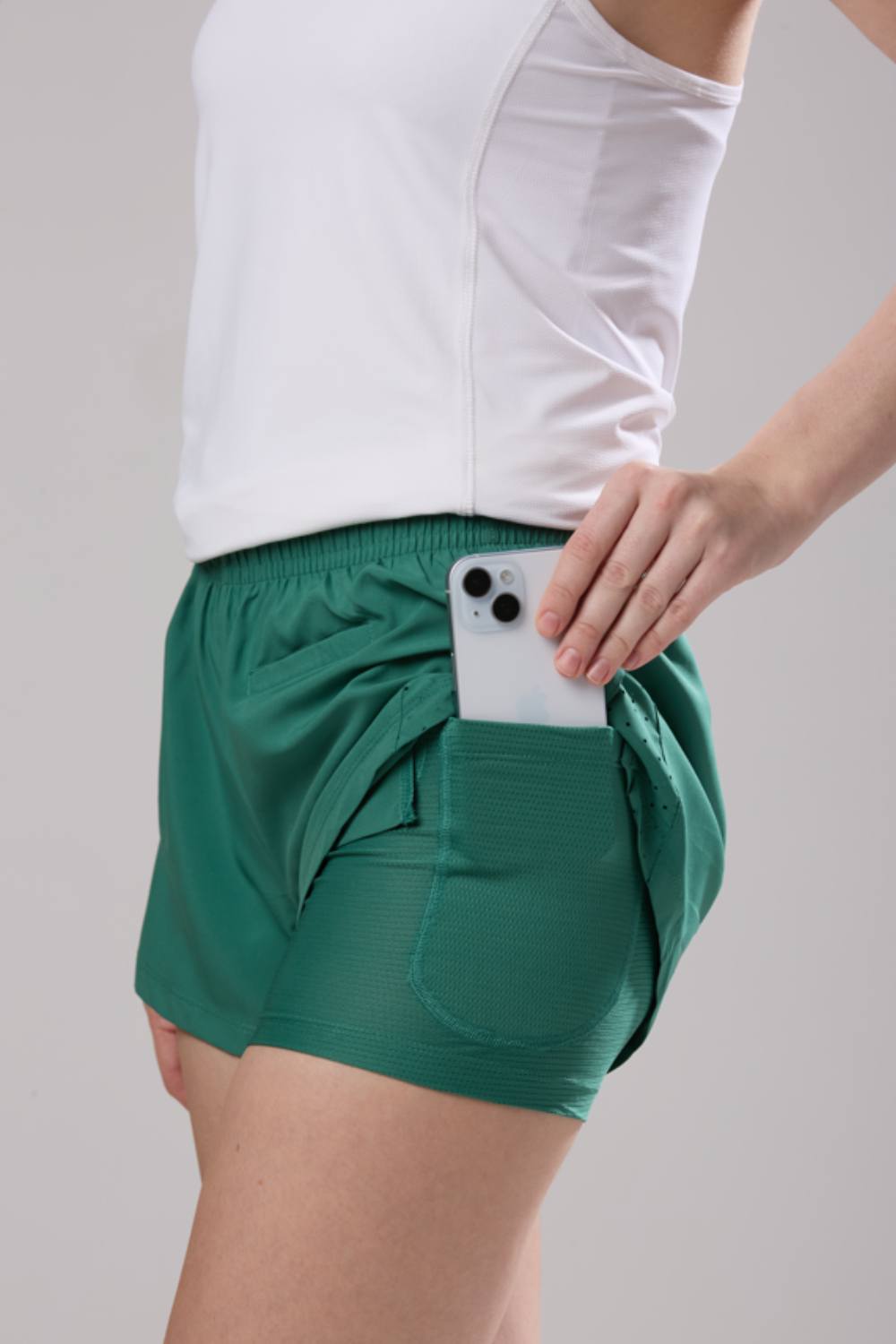
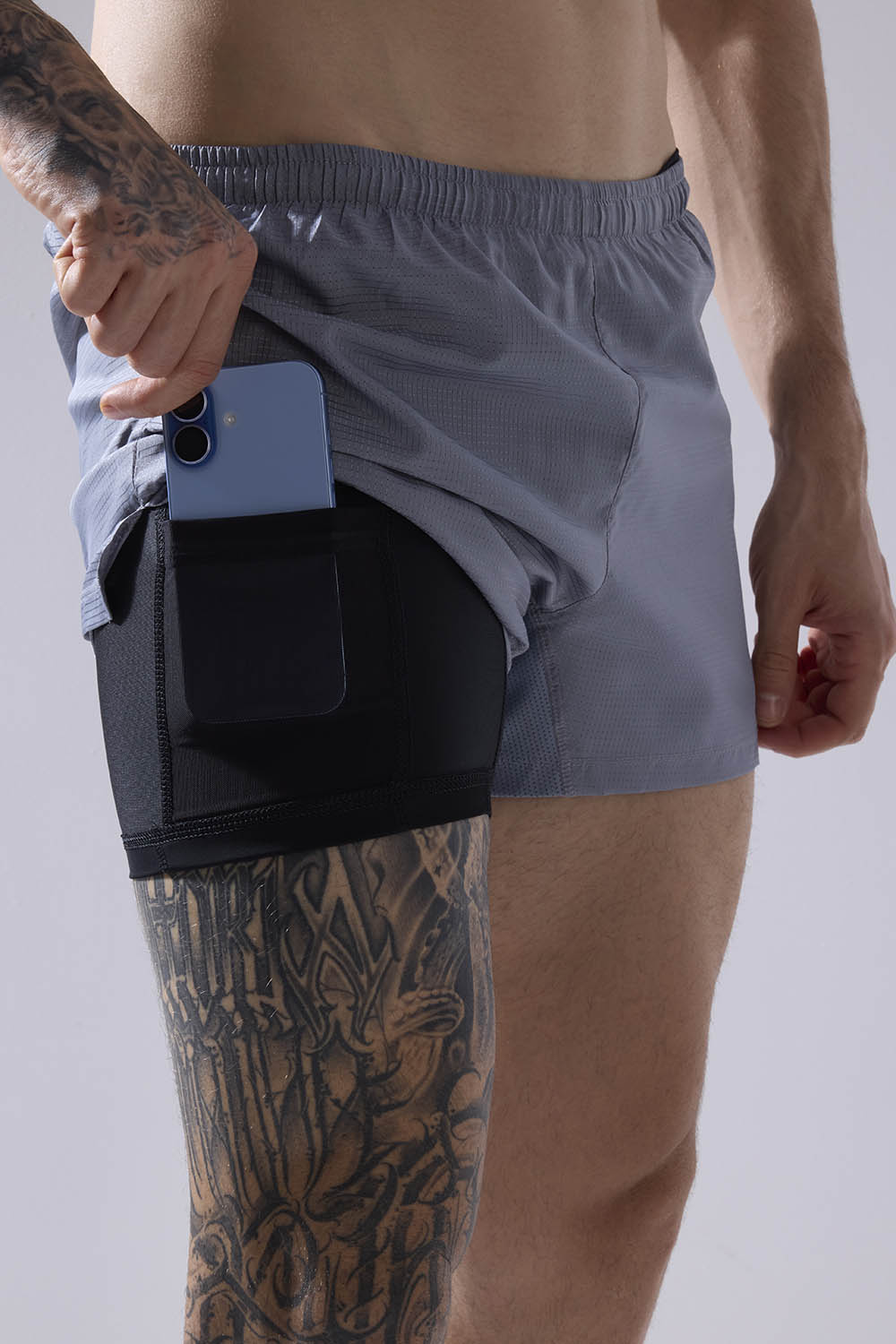
Many runners also look for features that support real-world training situations. Secure pockets allow athletes to carry essentials, reflective elements improve visibility during low-light runs, and breathable panels help manage comfort across different environments.
These features show how running apparel has moved beyond appearance. The modern athlete expects clothing to provide solutions, whether that means carrying a phone during a morning run, staying comfortable during a long-distance session, or adapting between training and recovery activities.
Running Apparel Is Becoming Part of Everyday Lifestyle
The relationship between running clothing and everyday fashion has become more connected. Performance apparel is no longer limited to training spaces; many runners now choose clothing that fits naturally into their daily routines.
Recent running trends show that the boundaries between specialised sportswear and lifestyle clothing are becoming less defined. The changing relationship between running and fashion reflects how athletes increasingly value both function and personal style.
This shift has influenced how brands approach design. A runner may want a garment that performs during a workout but also feels comfortable while travelling, meeting friends, or completing everyday tasks. Versatility has become an important consideration because modern athletes often move between different activities throughout the day.
The result is a broader approach to activewear design. Some runners seek highly technical race-day equipment, while others prefer versatile pieces that combine performance features with a simpler everyday aesthetic. Both preferences represent the changing relationship between clothing, sport, and identity.
The Role of Innovation in the Future of Running Apparel
The future of running apparel will likely continue to focus on improving the connection between athletes and their clothing. Innovation is moving beyond basic performance improvements toward smarter design decisions based on comfort, usability, and environmental conditions.
Future developments may continue exploring better ventilation systems, improved fabric construction, adaptable fits, and materials designed for specific running environments. The focus will remain on helping athletes feel more comfortable and confident while reducing the barriers that can affect consistency.
For runners, this means more choices. Instead of a one-size-fits-all approach, apparel can increasingly support different goals, from casual fitness routines to endurance training. The best designs will continue to come from understanding what athletes actually need rather than simply adding more technology.
What Modern Athletes Should Consider When Choosing Running Apparel
With more options available, choosing the right running clothing requires looking beyond appearance. Athletes should consider how apparel matches their training habits, environment, and personal preferences.
- Fabric performance: Look for materials that support moisture management and comfort during activity.
- Fit and movement: Choose designs that allow natural movement without unnecessary restriction.
- Purpose of use: Training runs, races, and casual activities may require different clothing choices.
- Functional details: Features such as pockets, ventilation, and visibility elements can improve everyday usability.
- Long-term comfort: Reliable apparel should continue performing through repeated use and regular training.
The growth of technical running clothing has made it easier for athletes to find apparel that supports their individual needs. However, the most effective choices are still based on understanding personal requirements rather than following every new trend.
How Brands Are Responding to the Modern Runner
The evolution of running apparel has also changed how activewear brands approach product development. Successful designs increasingly begin with athlete behaviour: how runners train, where they run, what challenges they face, and what makes them feel comfortable.
This athlete-first approach is especially important as running continues to attract people with different goals and experience levels. Some runners are focused on improving performance, while others are building a consistent fitness routine. Apparel that recognises these different motivations can create a stronger connection with its audience.
For performance-focused brands such as Aguante, the evolution of running apparel represents an opportunity to focus on practical innovation. By understanding the needs of runners and applying thoughtful design principles, activewear can become a meaningful part of an athlete's journey rather than simply another piece of equipment.
Running apparel has evolved because runners themselves have changed. Today's athletes expect clothing to provide comfort, functionality, and confidence while supporting their individual goals. The journey from basic sportswear to modern performance apparel shows how thoughtful design, material innovation, and athlete feedback continue to shape what runners wear. As technology and training habits develop, the next generation of running clothing will continue to focus on one central idea: helping athletes run better by making every movement feel more natural.
Frequently Asked Questions
How has running apparel evolved for modern athletes?
Running apparel has evolved from basic workout clothing into performance-focused gear designed around comfort, movement, and environmental conditions. Modern running clothes use advanced fabrics, improved fits, and practical features to help athletes manage sweat, improve mobility, and train more effectively.
What fabrics are used in modern running apparel and why do they matter?
Modern running apparel often uses technical fabrics such as engineered polyester that can help move moisture away from the body and dry quickly. Fabric construction, breathability, ventilation, and fit all influence how comfortable and effective running clothing feels during exercise.
What features should athletes look for when choosing running clothes?
Athletes should consider features such as moisture management, ergonomic fit, breathable materials, secure pockets, and reflective details when choosing running clothes. The right apparel should match the runner's training needs, environment, and personal comfort preferences rather than focusing only on appearance.
Disclaimer: The above helpful resources content contains personal opinions and experiences. The information provided is for general knowledge and does not constitute professional advice.
You may also be interested in: How Recovery Practices Support Sustained Performance for Endurance Athletes
Tired of gear that slows you down? Chafing, soggy fabrics, and missing pockets kill your run's momentum. At Aguante, we're runners who get it. Our high-performance activewear features moisture-wicking fabrics, ergonomic designs, and smart storage to keep you focused. Shop Now!
Powered by flareAI.co