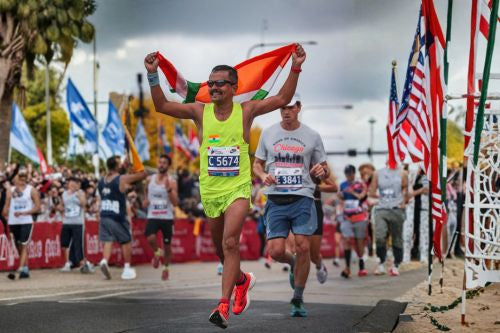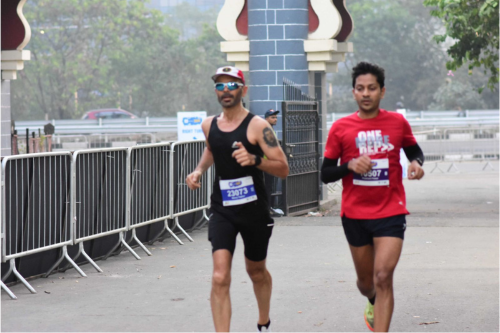
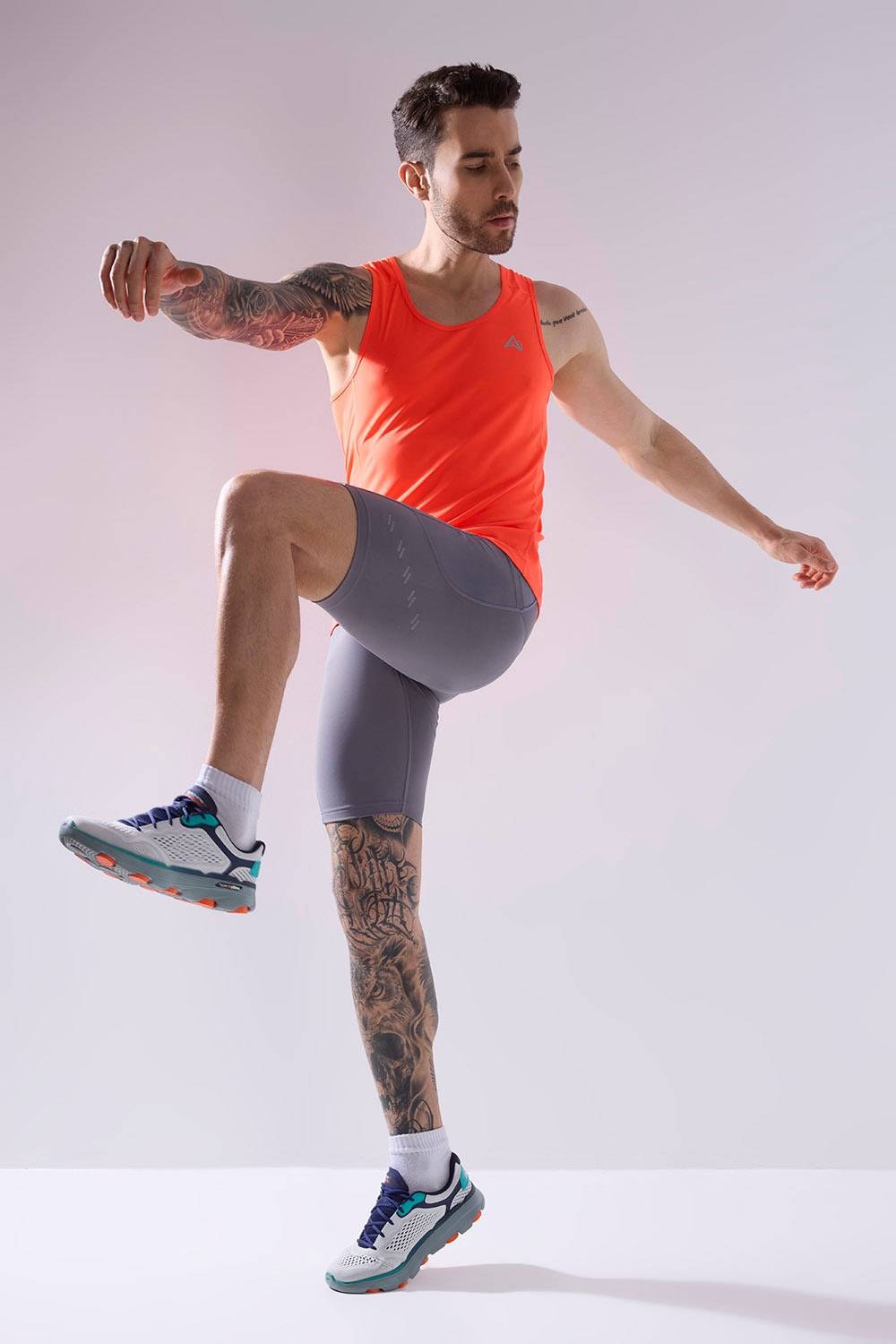
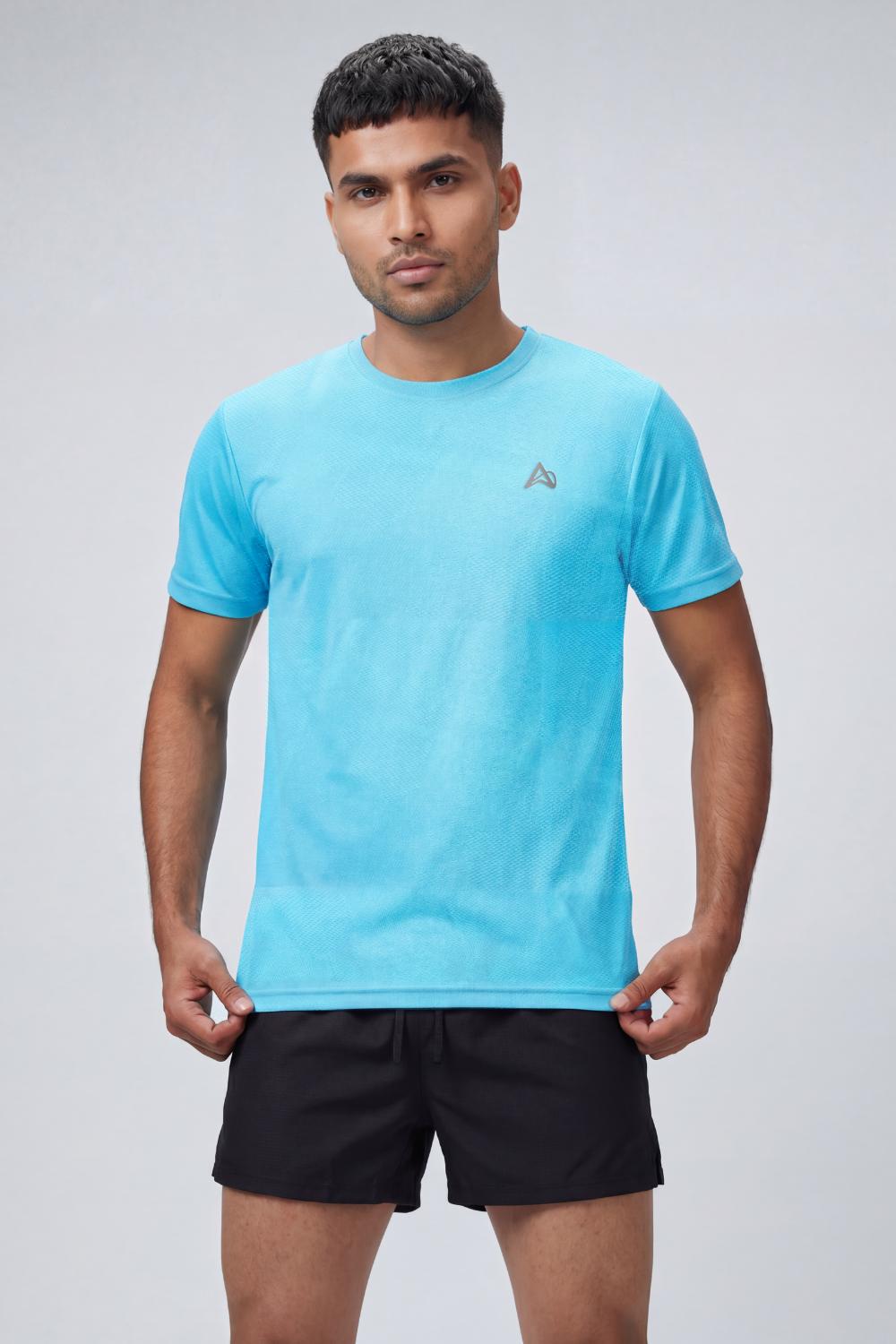

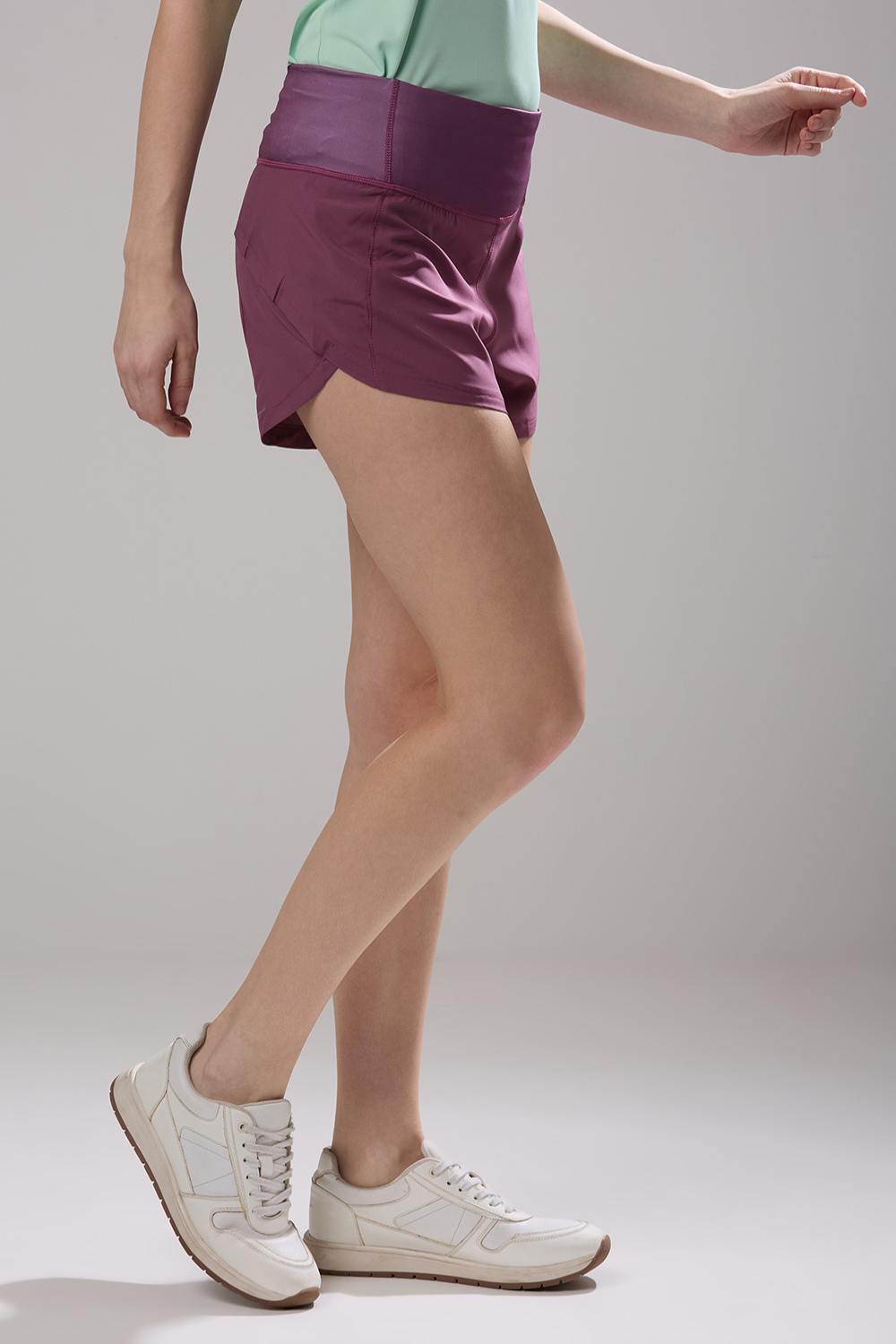
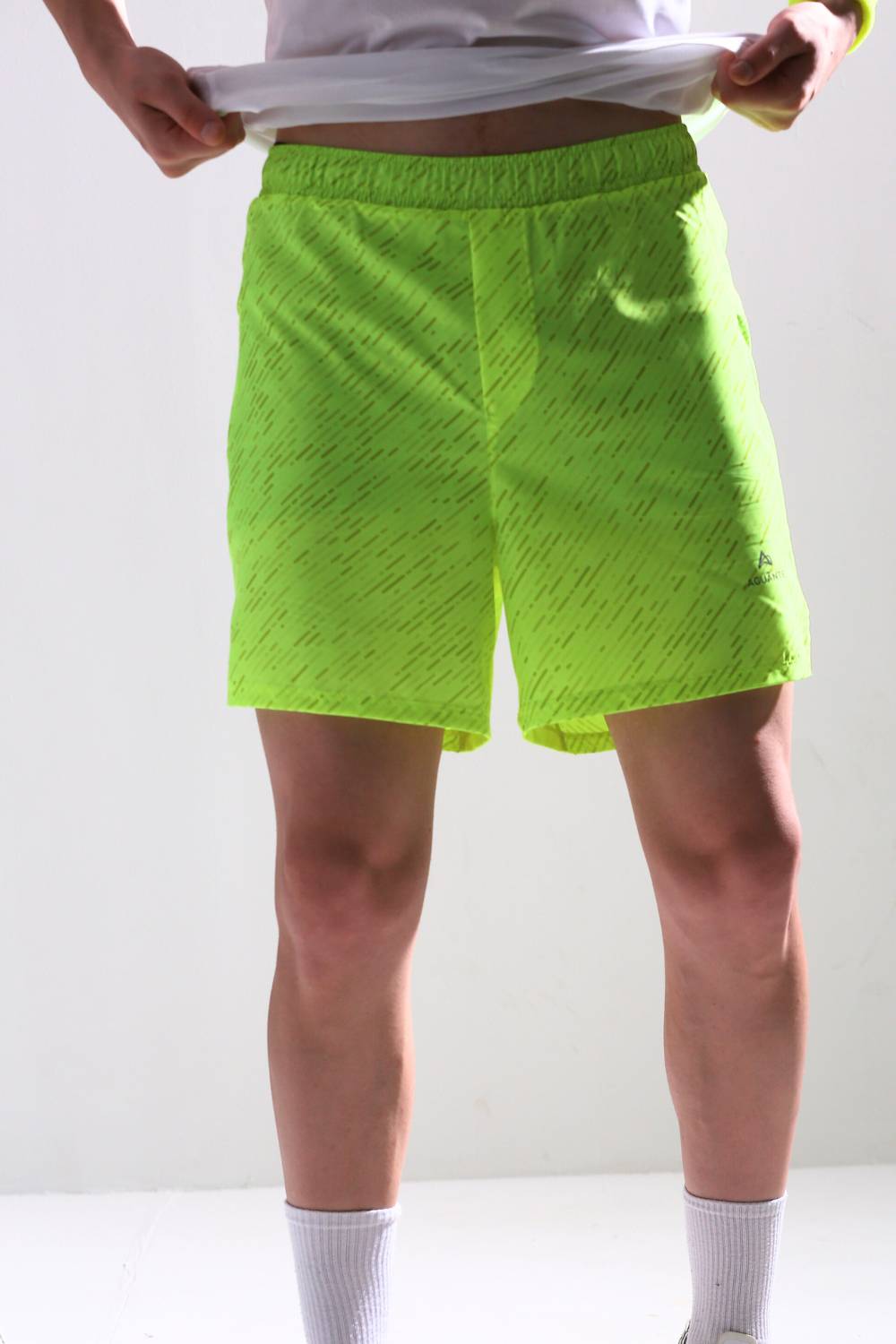
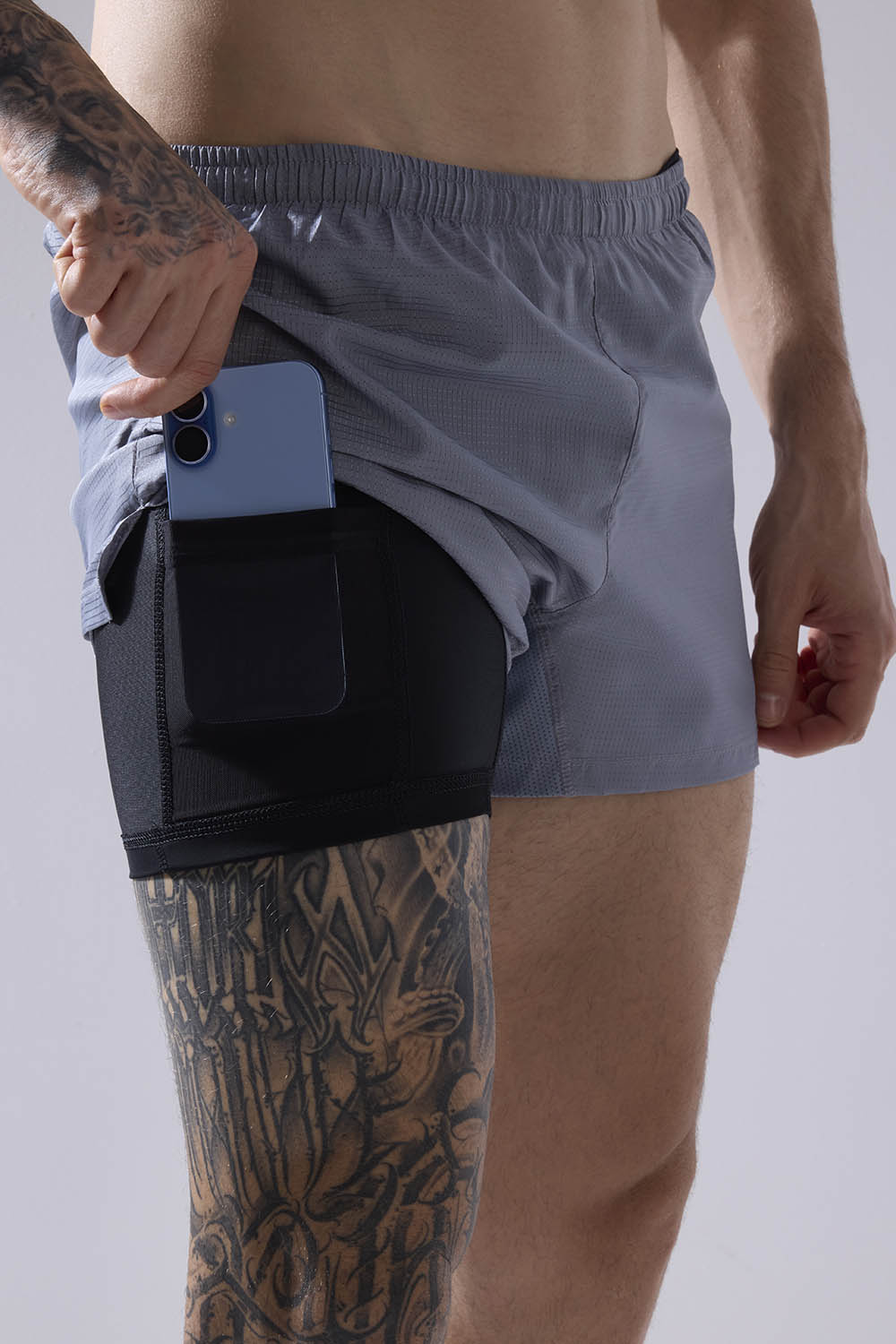

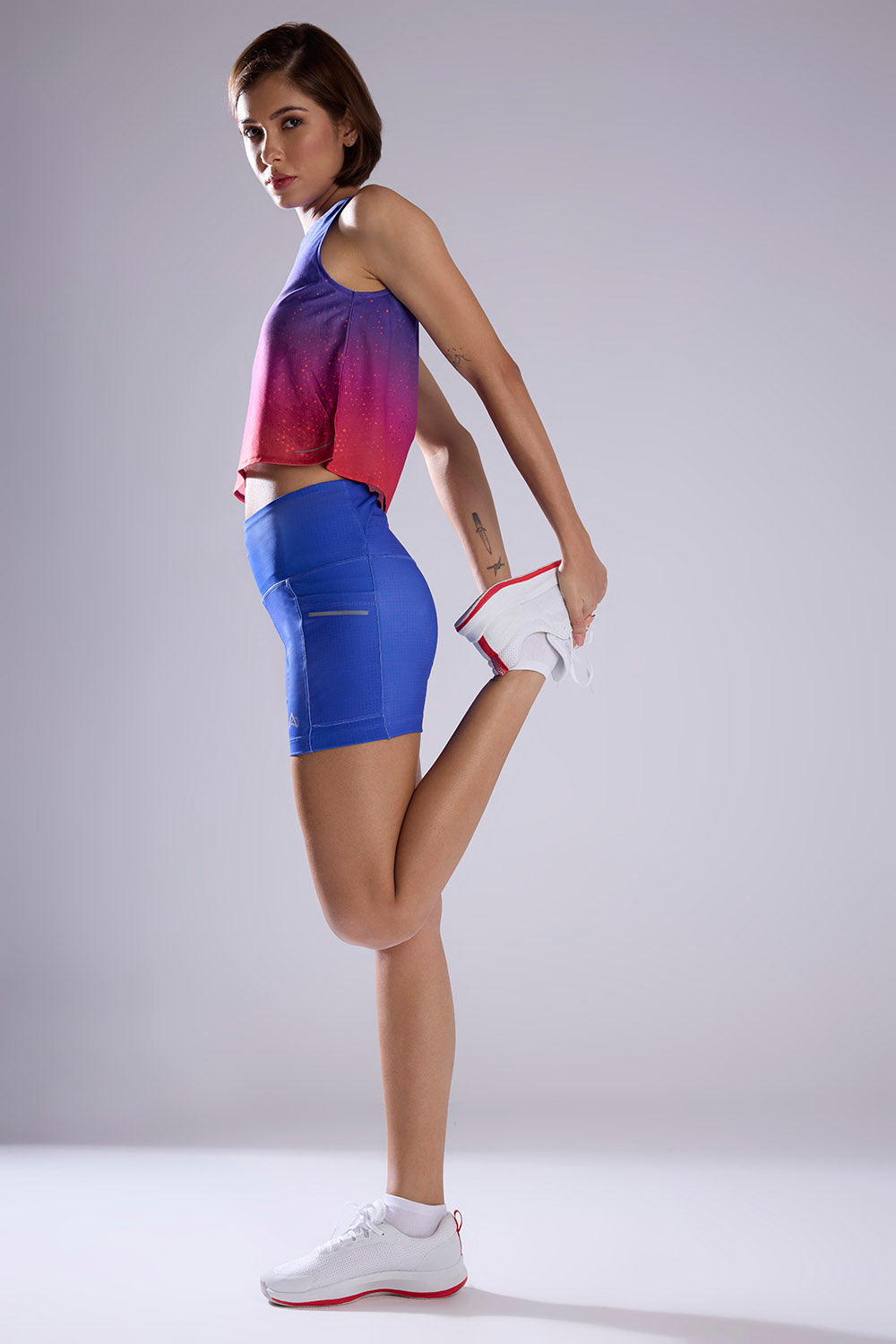
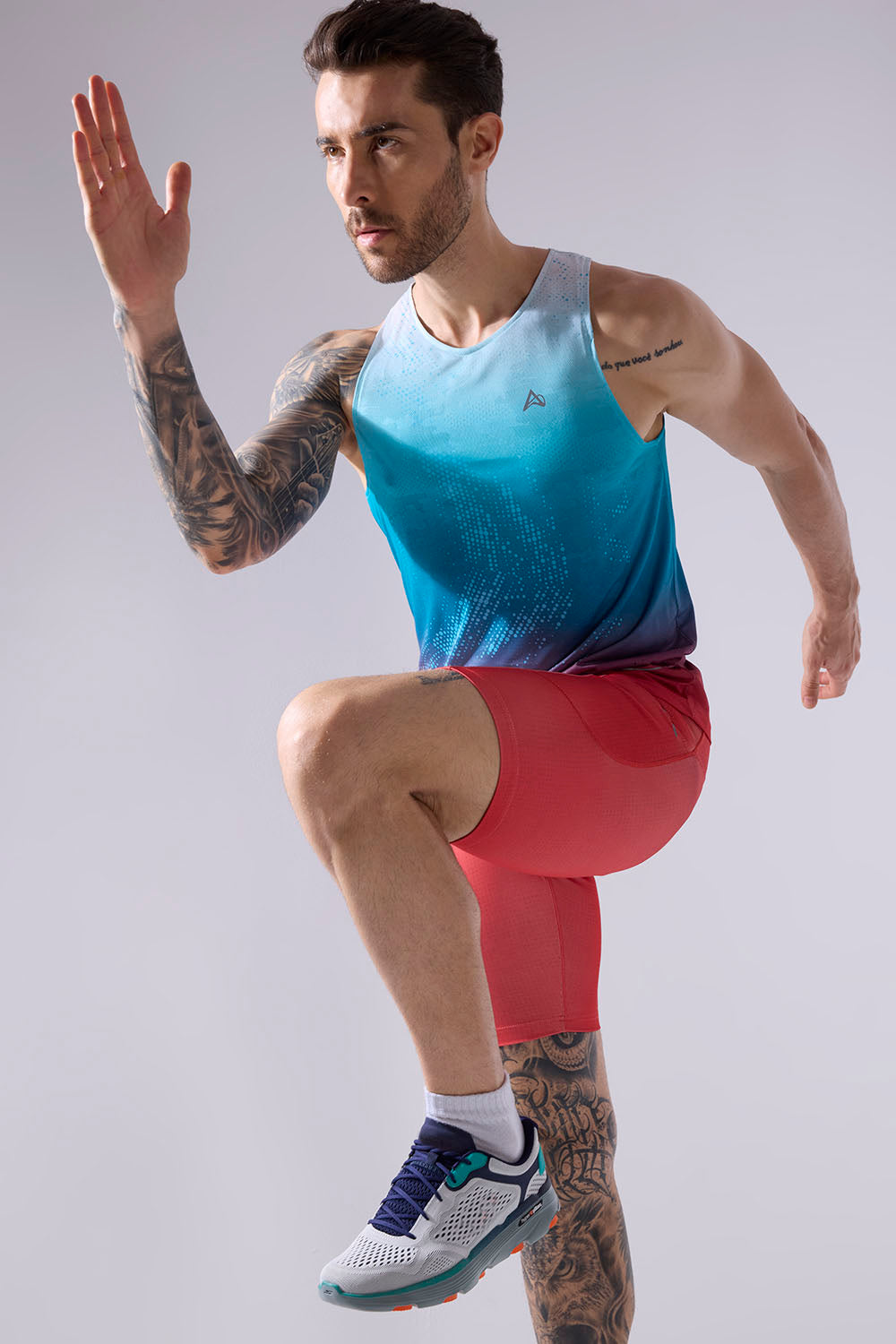

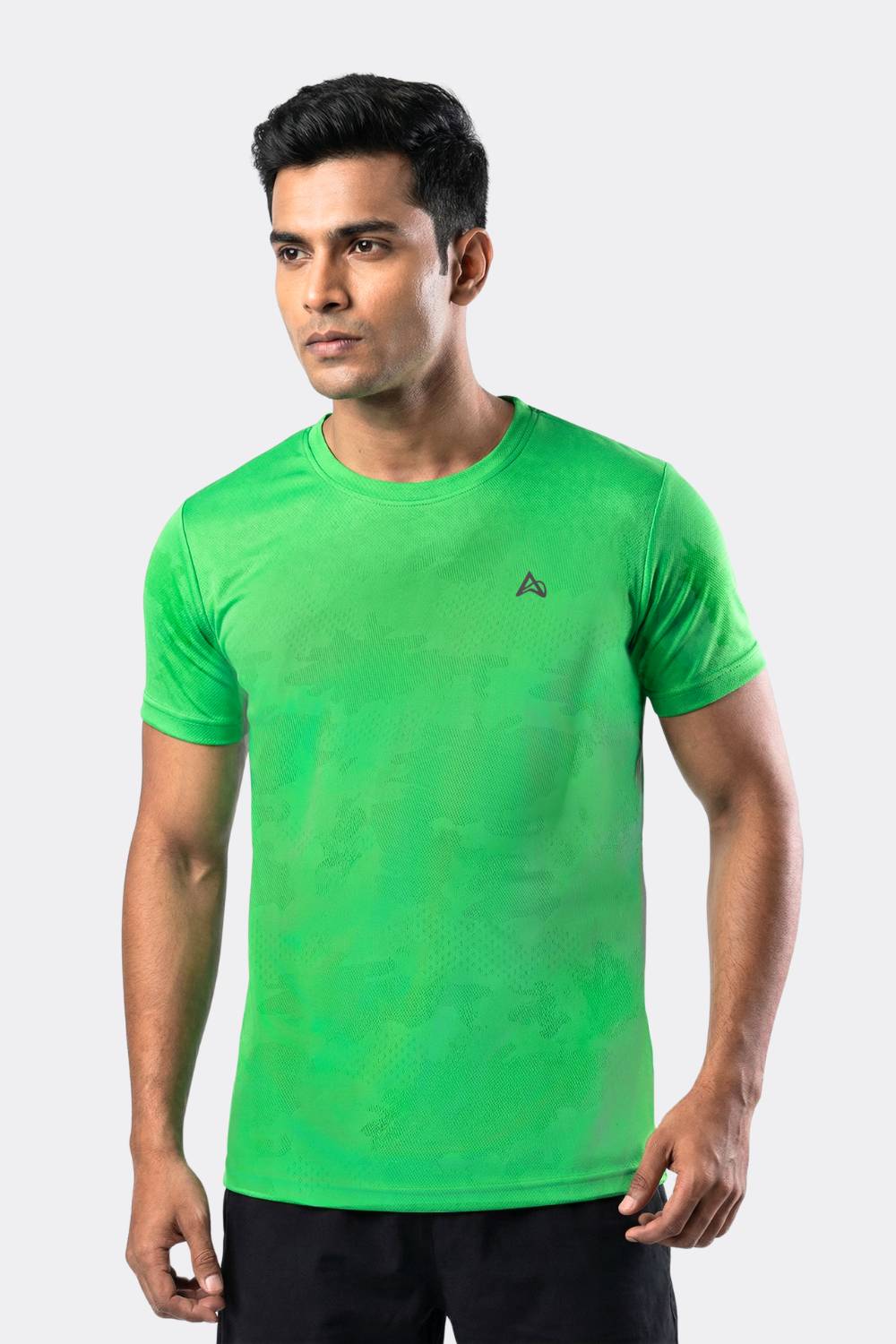
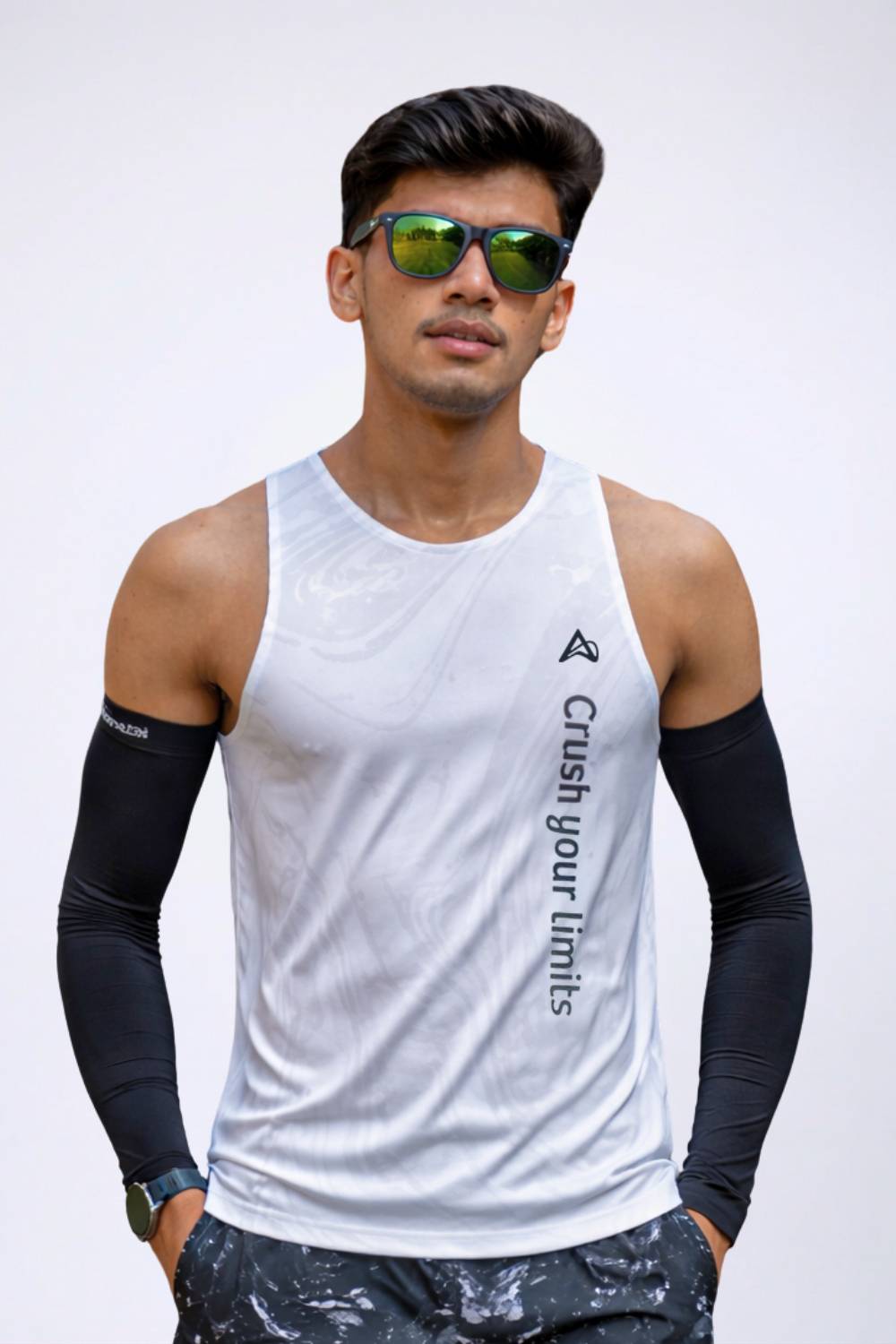

Long-distance running creates a unique challenge for the body: staying comfortable while managing heat, sweat, and changing weather conditions over many kilometres. A runner's clothing choices can influence how easily they regulate moisture, maintain movement, and avoid distractions caused by damp fabric or irritation. Staying dry does not mean eliminating sweat completely. Instead, effective moisture management for runners is about moving perspiration away from the skin, allowing airflow, and choosing gear that supports comfort throughout the entire run.
For runners preparing for endurance events or regular long sessions, the right approach combines clothing, preparation, and awareness of conditions. Whether training on warm roads, humid mornings, or unpredictable weather days, understanding how different fabrics and layers work can make long-distance running more enjoyable and sustainable.
Tired of gear that slows you down? Chafing, soggy fabrics, and missing pockets kill your run's momentum. At Aguante, we're runners who get it. Our high-performance activewear features moisture-wicking fabrics, ergonomic designs, and smart storage to keep you focused. Shop Now!
Why Managing Moisture Matters During Long Distance Runs
Sweating is a natural part of running. As intensity increases, the body releases heat through perspiration, helping maintain a stable temperature during exercise. The challenge begins when moisture remains trapped against the skin for extended periods. Wet fabric can create discomfort, increase friction, and make a runner more aware of every movement.
Short runs may not reveal these problems because there is limited time for discomfort to build. During longer distances, however, small issues can become significant. A shirt that feels slightly heavy after a few kilometres or shorts that restrict movement when damp may affect focus and performance later in the session.
The goal is not to stay completely sweat-free. Instead, runners should focus on how to stay dry during long distance runs by managing moisture effectively. This involves selecting breathable materials, wearing a suitable fit, and testing .
Choose Fabrics Designed for Sweat Control
The fabric closest to the skin plays an important role in comfort. Cotton absorbs moisture but tends to hold onto it, which can leave runners feeling heavier and less comfortable as a workout continues. Technical running fabrics are designed differently, helping move moisture away from the skin and supporting faster evaporation.
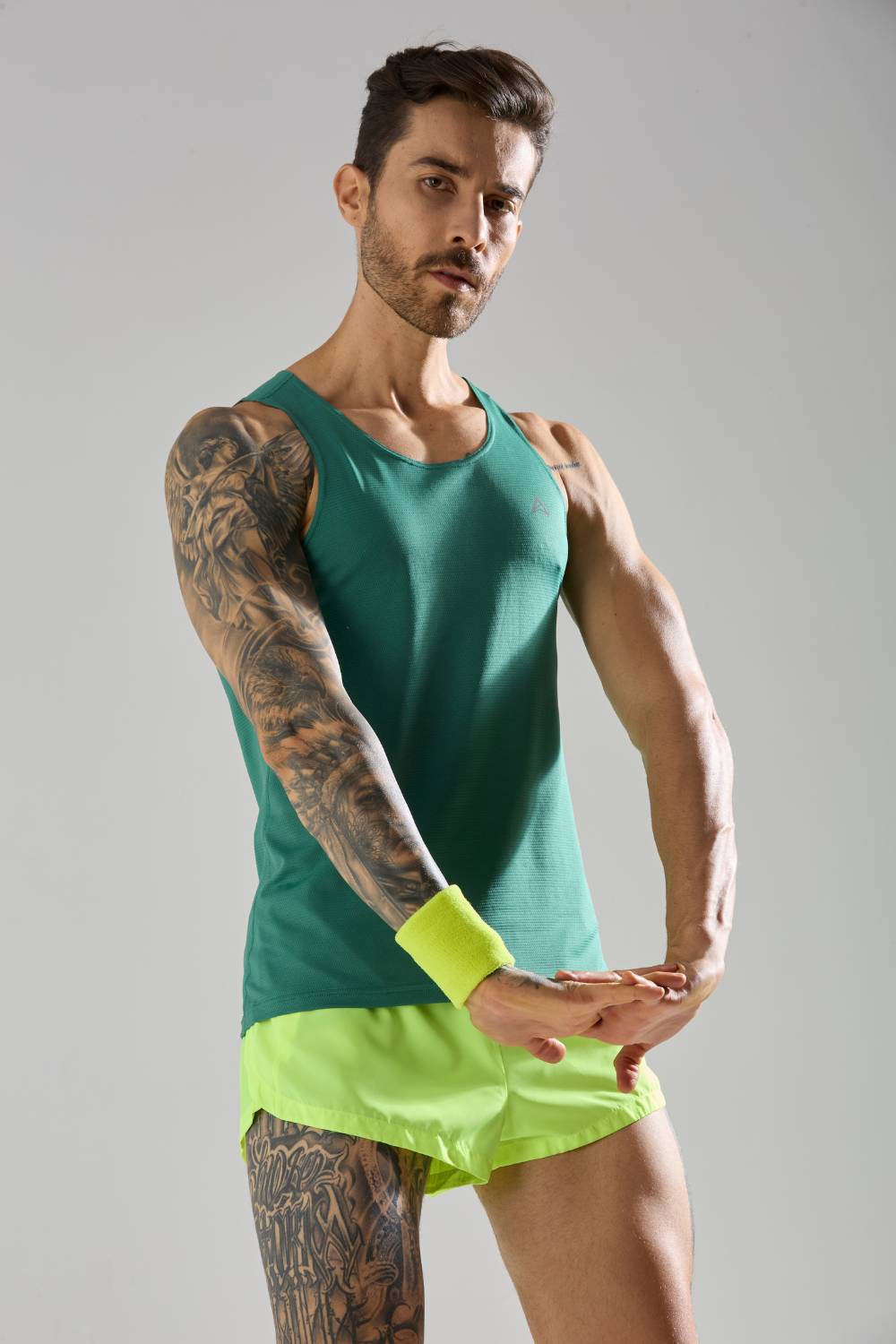
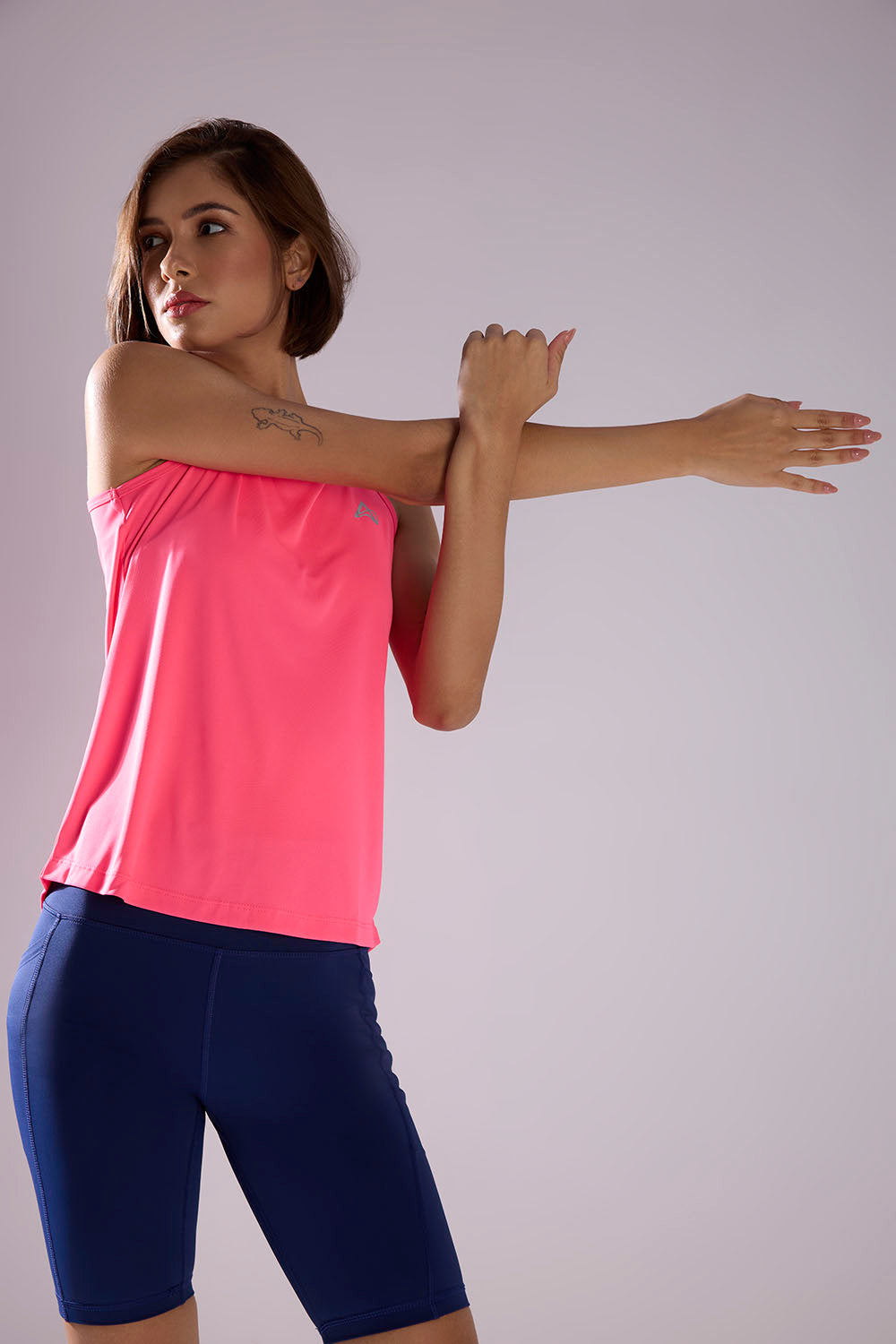
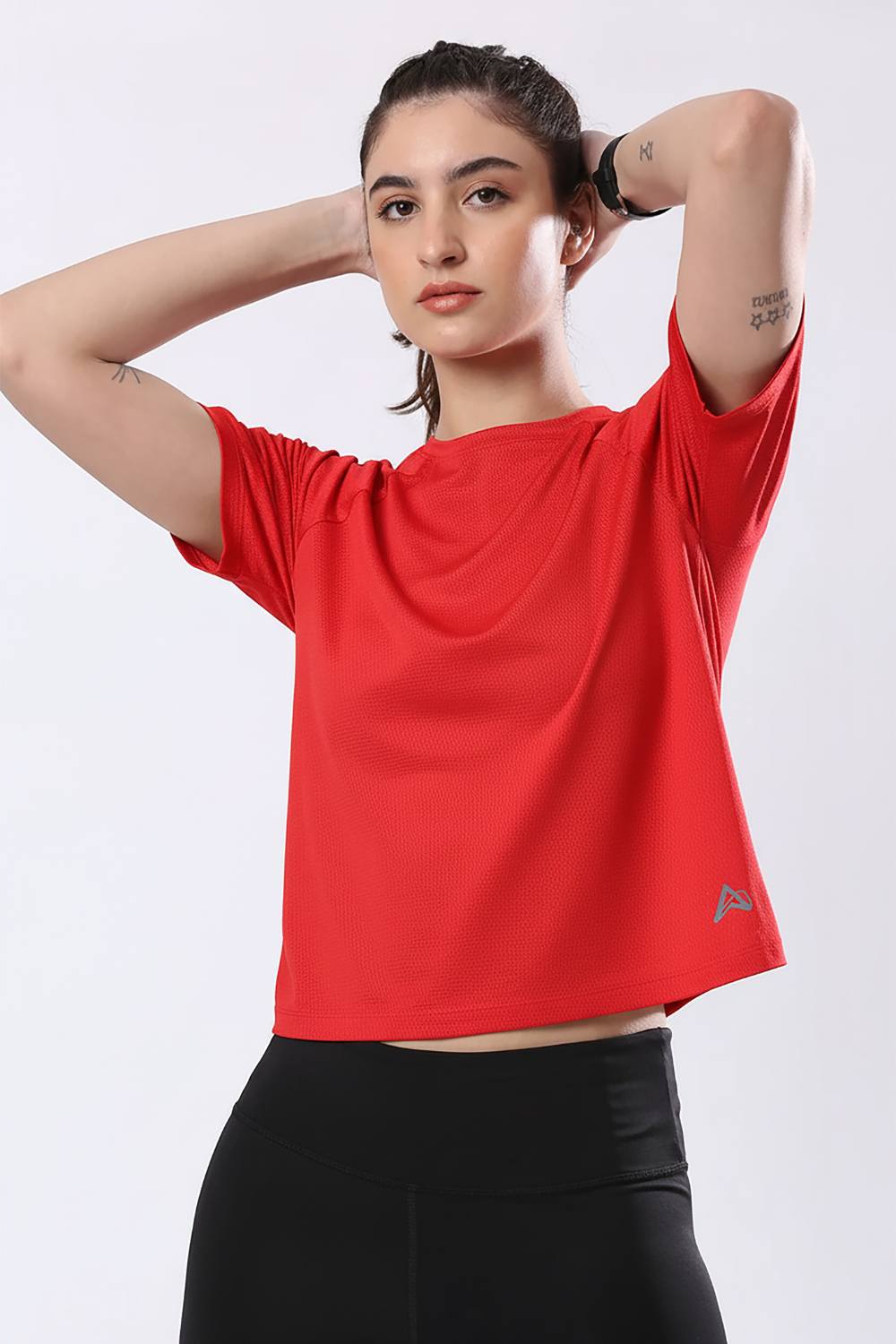
For runners searching for the best running clothes for sweat control, the focus should be on lightweight materials that allow airflow while maintaining flexibility. A good running top should feel comfortable during the first few minutes of a run and continue performing as body temperature rises.
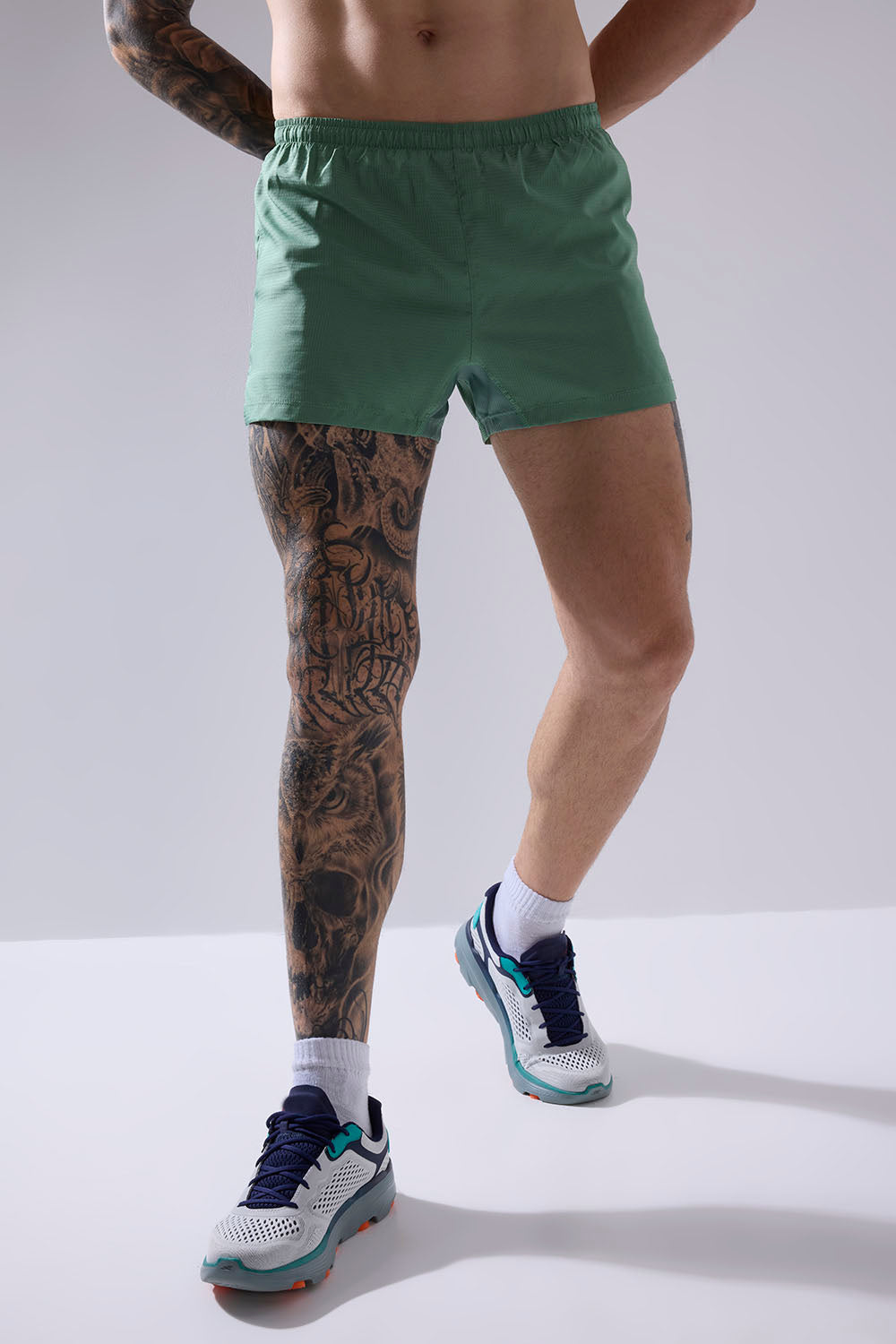
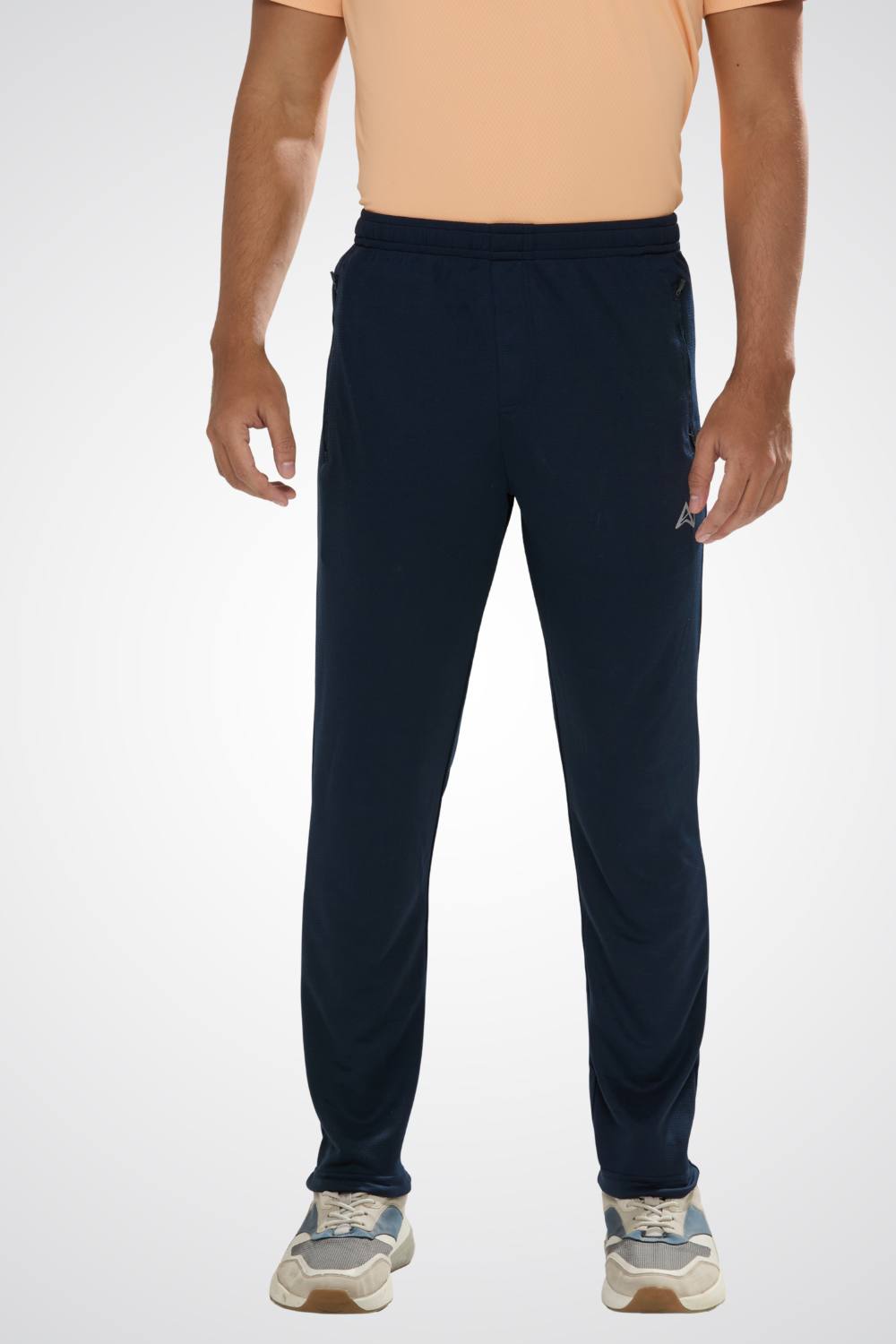
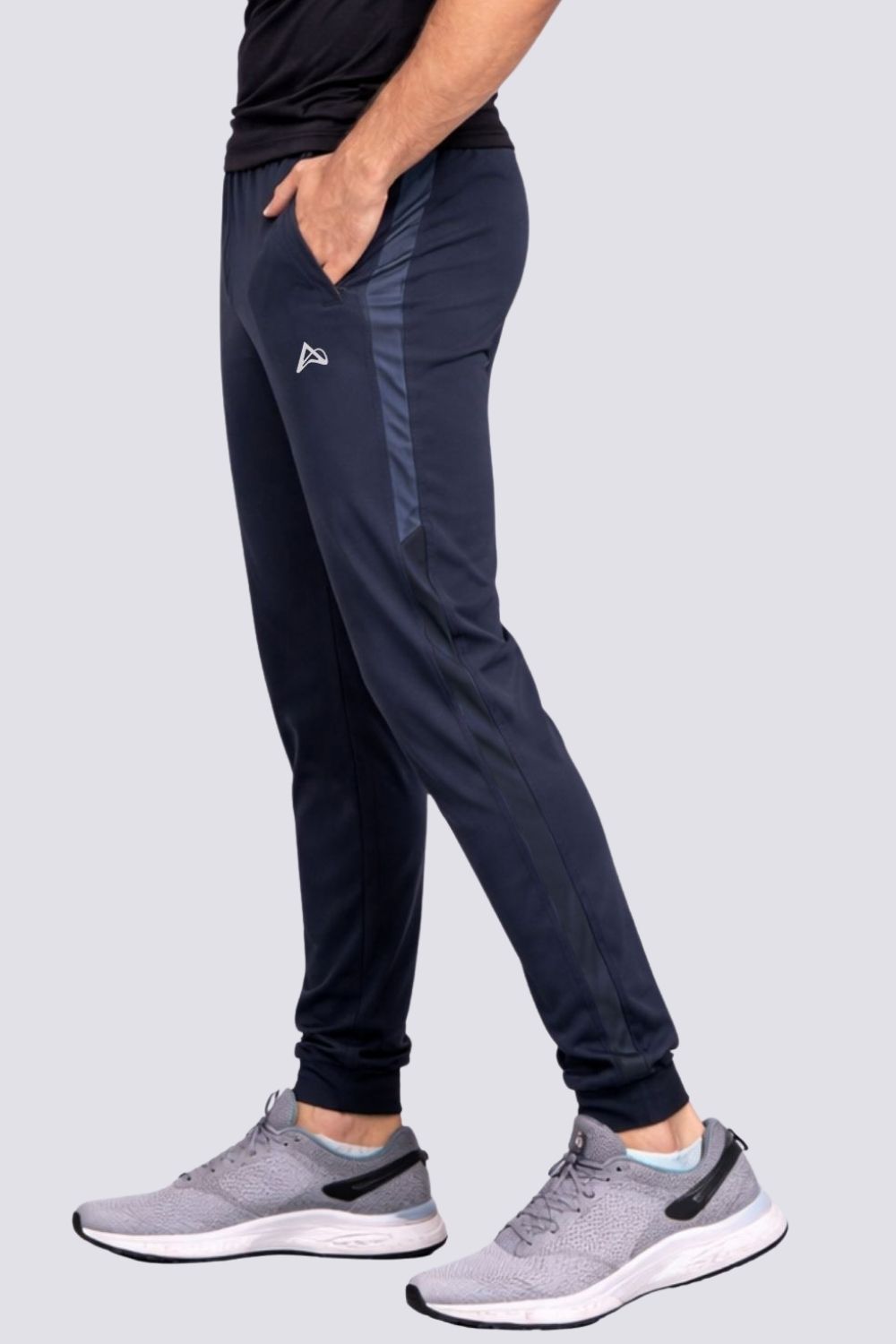
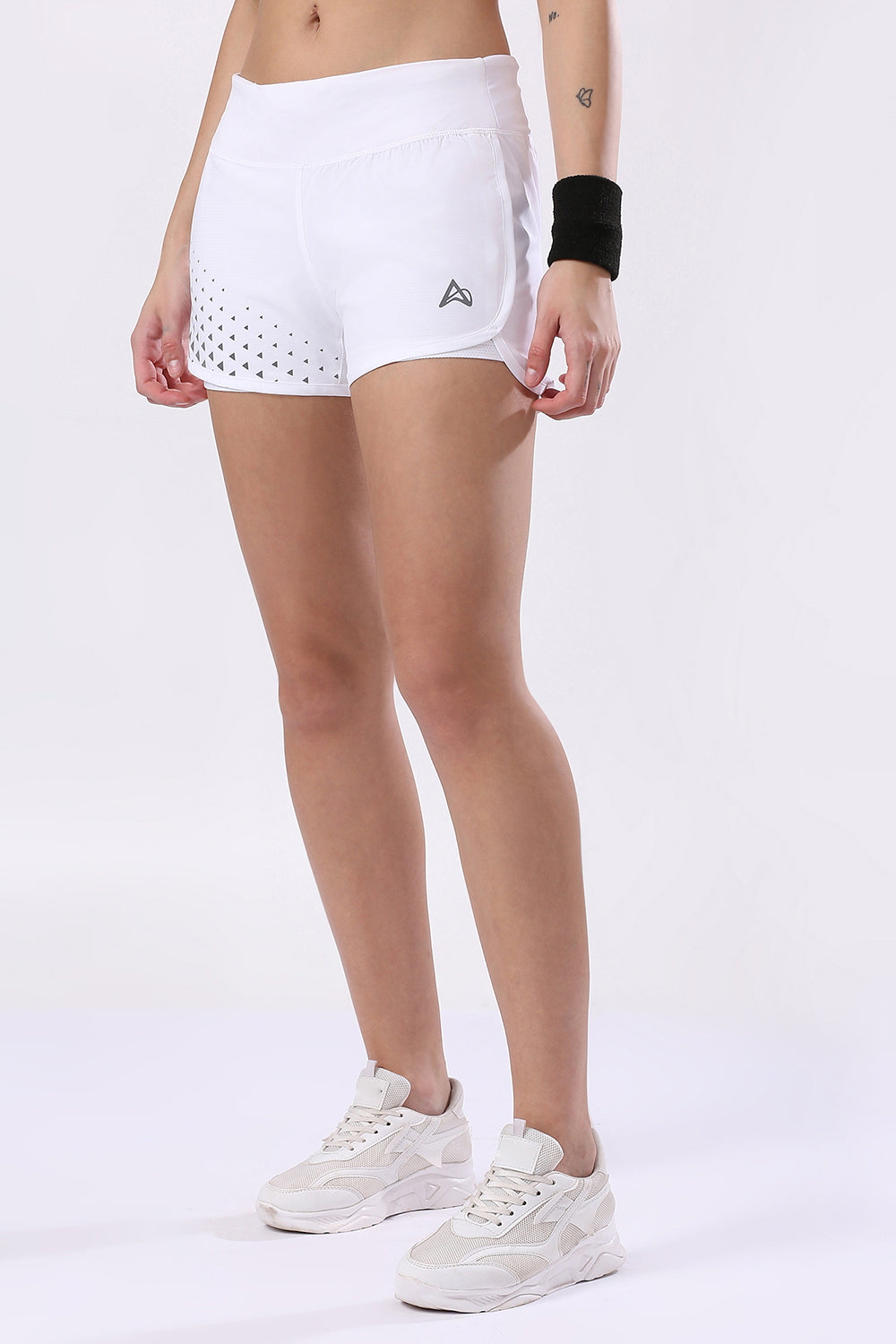
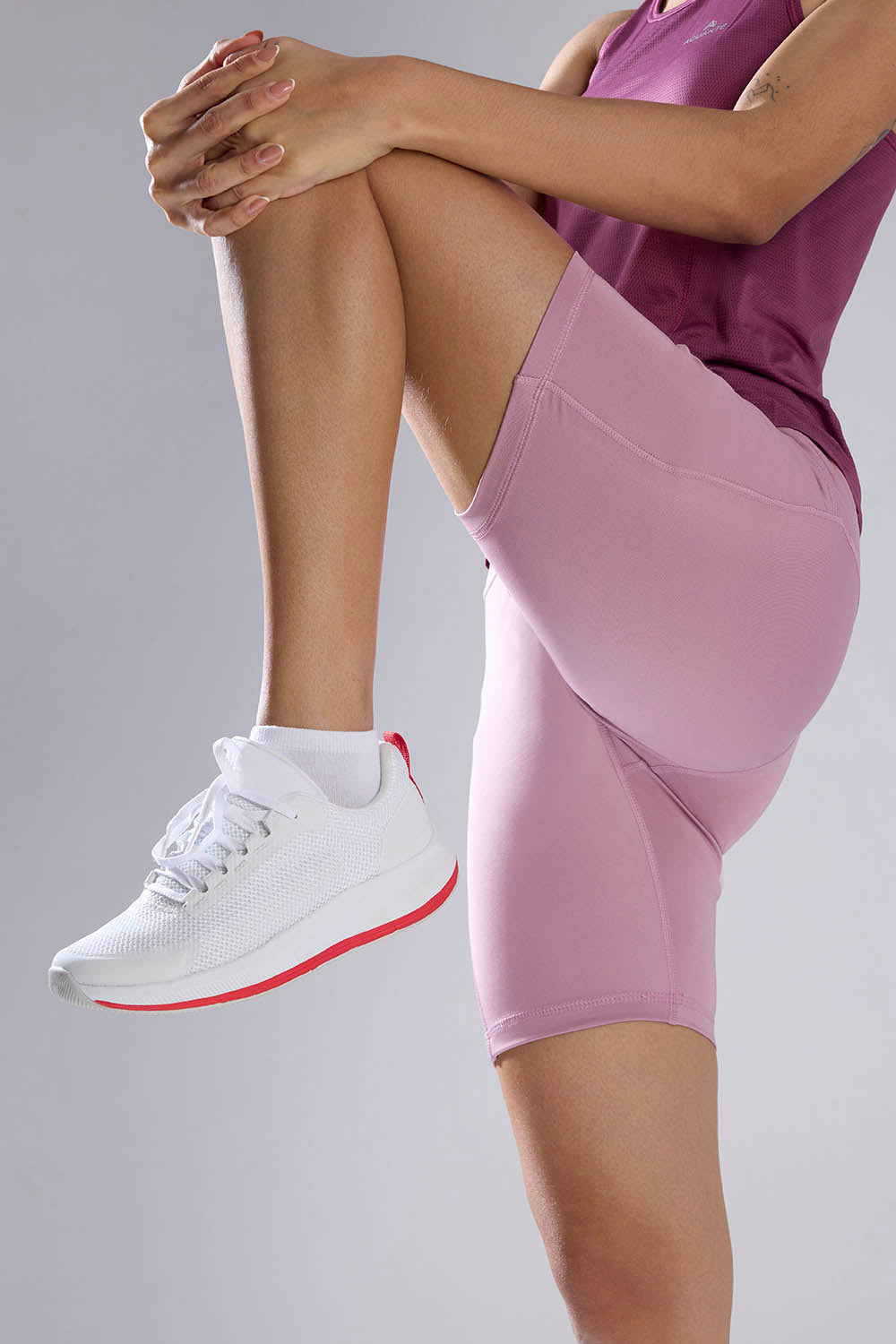
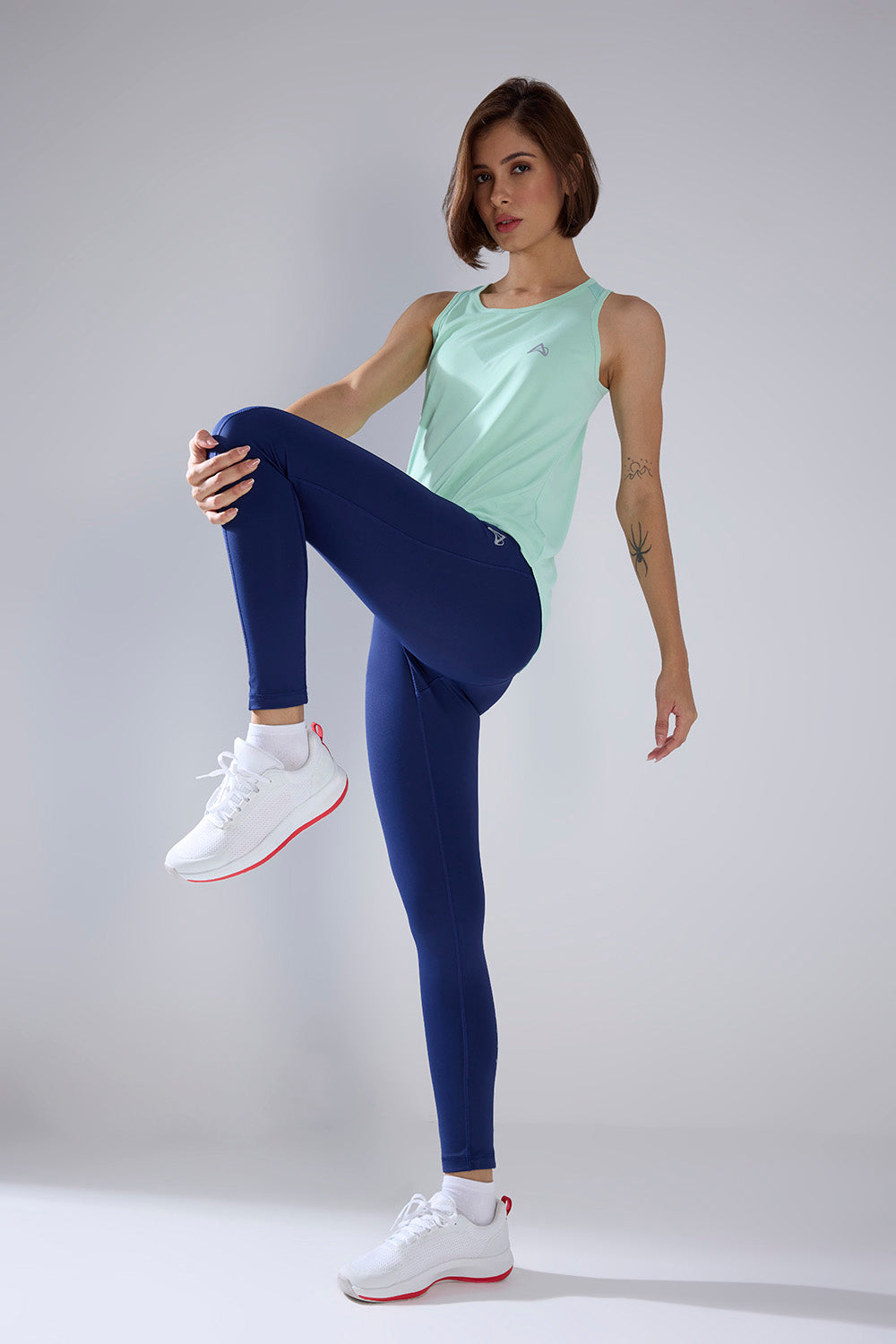
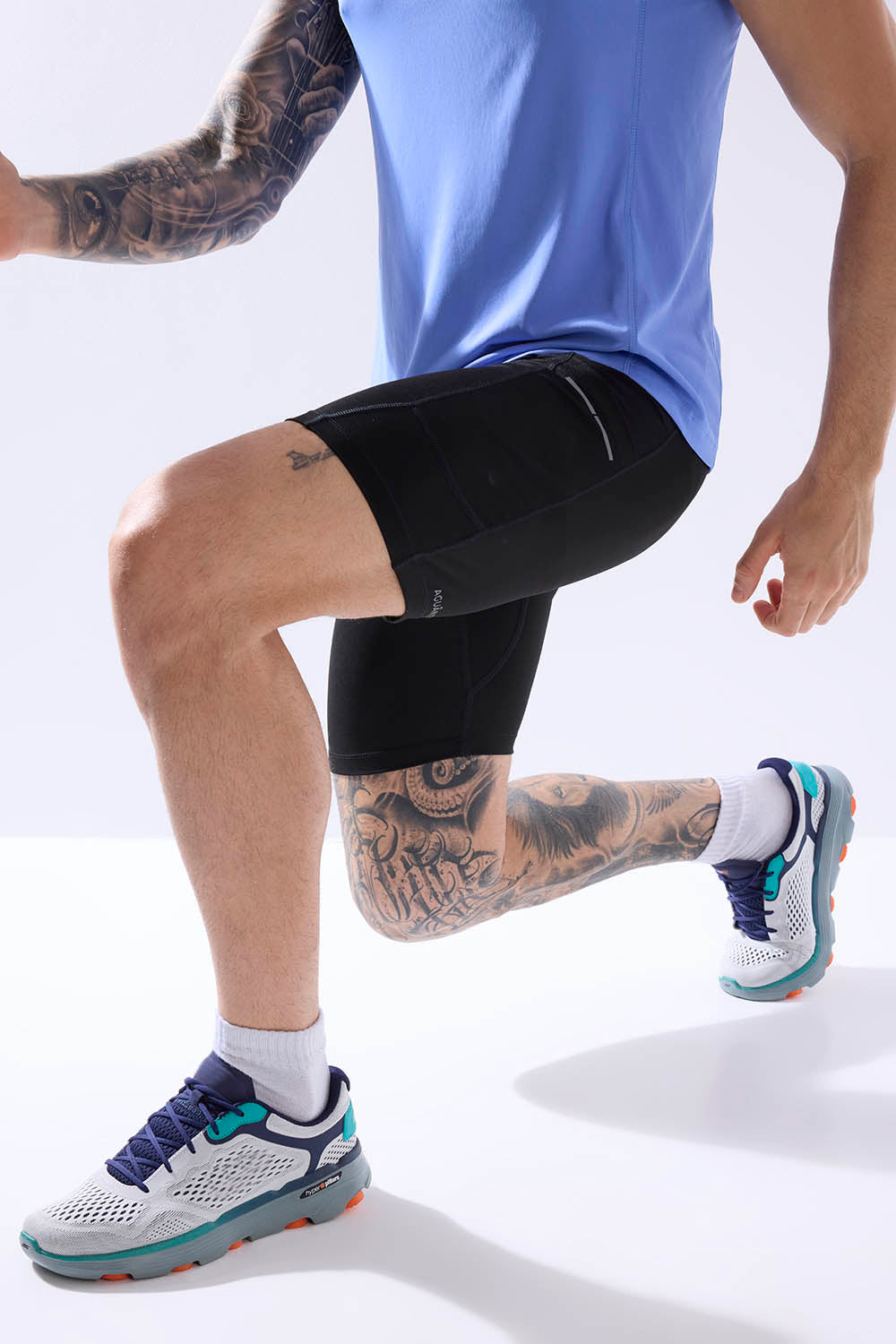
Moisture-wicking clothing works best when combined with a practical overall system. A breathable top, comfortable shorts or tights, and suitable socks each contribute to reducing the impact of sweat during longer sessions. The objective is to create a clothing setup that manages moisture without adding unnecessary weight or restriction.
Look Beyond the Fabric Label
Fabric technology is only one part of the equation. Fit also matters. Clothing that is too loose may create unwanted movement and friction, while overly tight garments can feel restrictive during extended runs. Runners should look for apparel that allows natural stride movement and supports repeated motion over time.
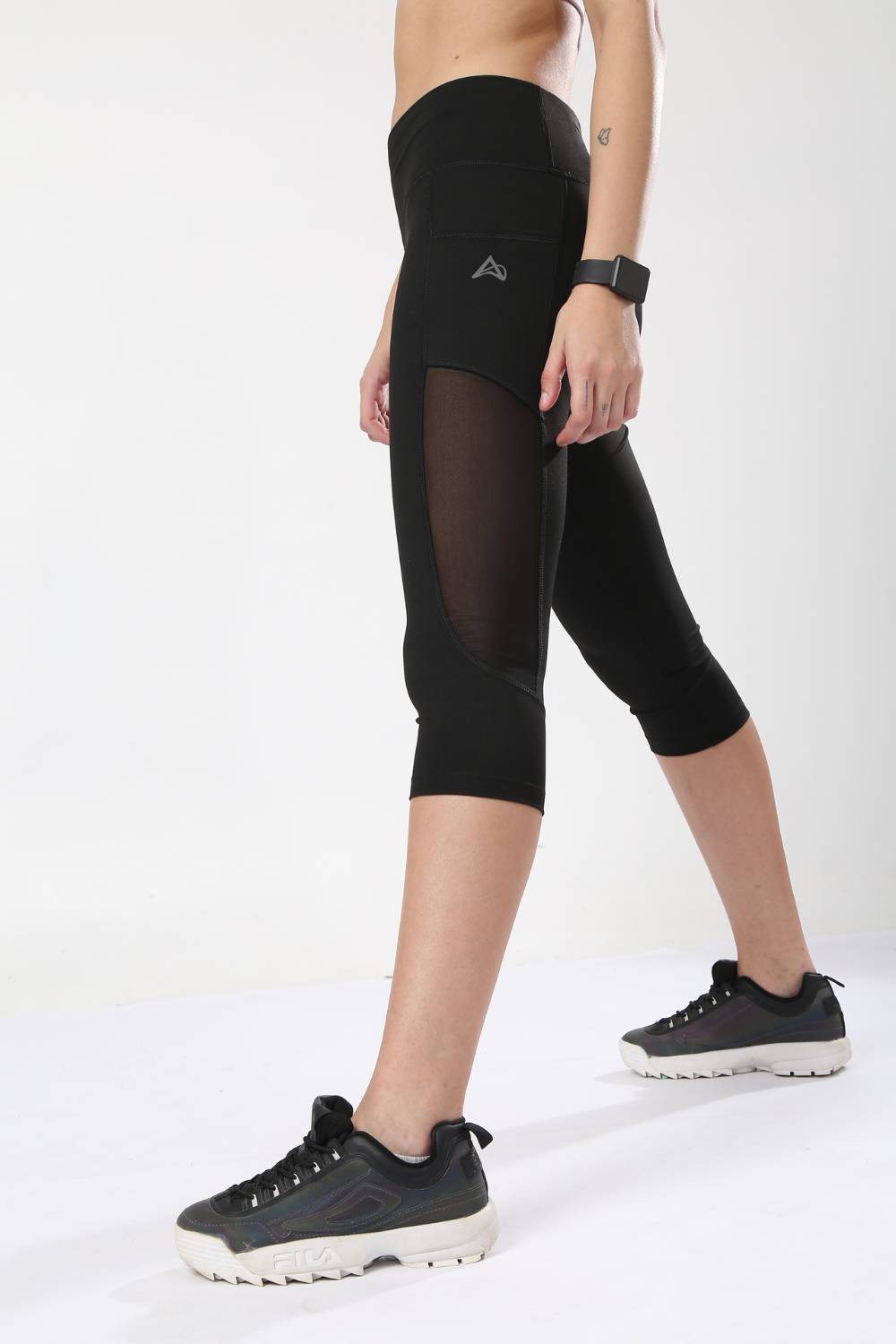
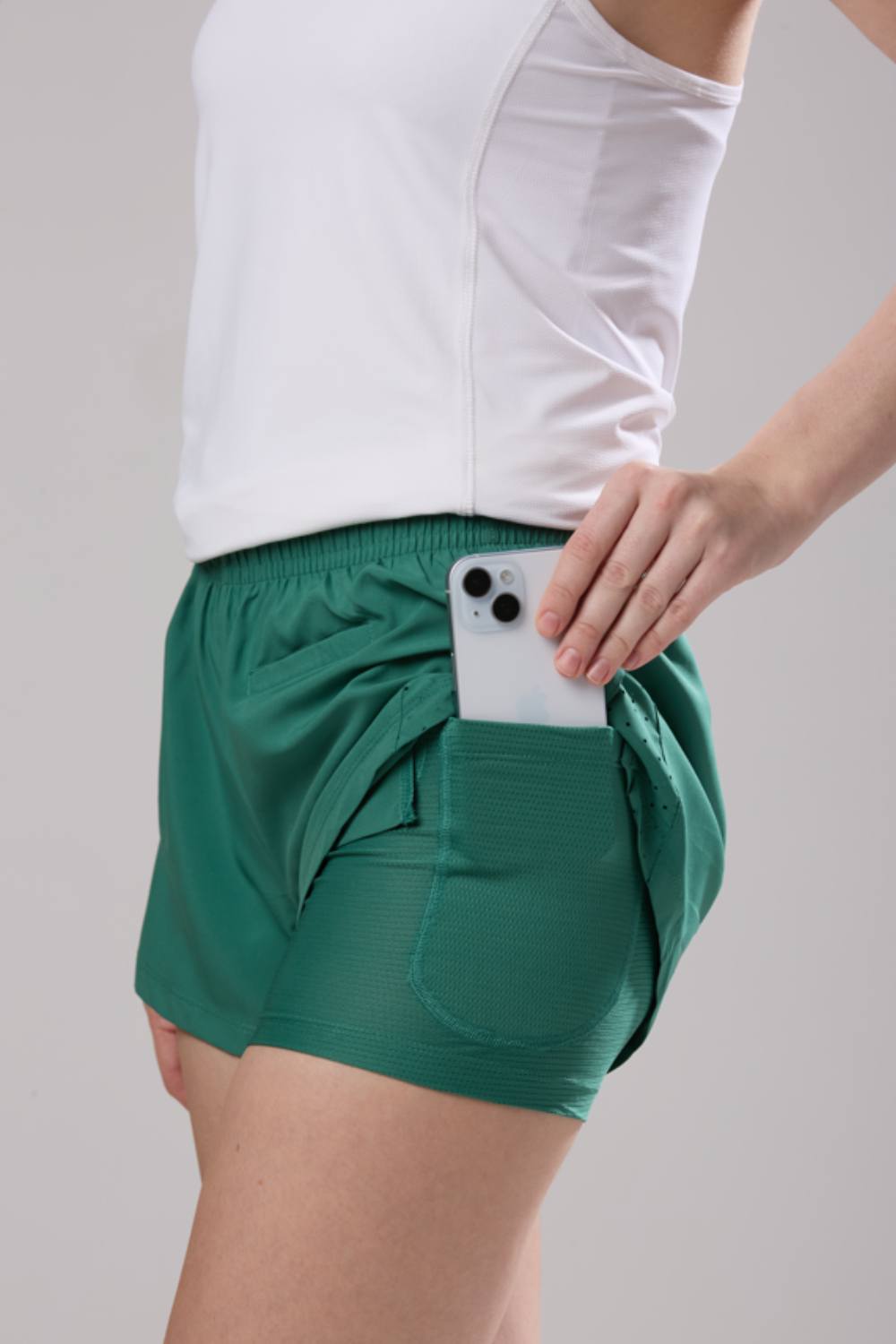
Features such as ventilation panels, lightweight construction, and practical storage can also improve the running experience. For endurance runners, small design choices often become more noticeable as distance increases.
Build a Running Outfit for Hot and Humid Conditions
Running in warm conditions requires a different approach from running in cooler weather. Heat and humidity can make sweat evaporate more slowly, leaving moisture on the skin for longer periods. In these situations, runners benefit from clothing choices that encourage airflow and reduce heat buildup.
When running in hot and humid weather, consider lightweight layers that allow the body to release heat. A breathable running top paired with comfortable bottoms can help create a more manageable environment during training. Wearing darker or heavier fabrics that trap heat may increase discomfort during longer sessions.
Accessories also play a role. A lightweight cap or visor can help manage rain or sunlight exposure, while suitable socks can reduce irritation caused by prolonged moisture. These details may seem minor at the beginning of a run but become increasingly important over longer distances.
Weather conditions should also influence expectations. A runner may not remain completely dry during a challenging workout, and that is normal. The focus should be maintaining comfort, preventing unnecessary irritation, and keeping clothing performance consistent from start to finish.
Prevent Sweat-related Discomfort Before It Starts
Many running problems are easier to prevent than solve during a long session. Clothing that performs well during a short workout should still be tested during longer efforts because endurance running exposes weaknesses that may not appear immediately.
One common issue is friction caused by repeated movement and damp fabric. Runners can reduce discomfort by selecting properly fitting apparel and avoiding clothing combinations that create pressure points. Testing gear during training helps identify what works before race day or a major endurance goal.
Learning how to prevent sweat discomfort while running also involves understanding personal preferences. Some runners prefer lighter materials with maximum airflow, while others prioritise additional coverage or storage options. There is no single setup that works for everyone, so experimentation remains an important part of preparation.
Test Your Gear Before Important Runs
New apparel should be introduced gradually rather than used for the first time during a long-distance event. A training run provides an opportunity to understand how fabric feels after extended movement, how pockets perform when carrying essentials, and whether any areas create irritation.
Rain and changing weather conditions require the same preparation. A runner may need to balance protection from external moisture with the ability to release heat and sweat. Rain-ready running gear should consider water resistance, breathability, mobility, and comfort rather than focusing only on keeping water out.
Use Layering Strategies for Changing Weather
Weather can shift during a long run, especially during early morning or extended outdoor sessions. A layering strategy gives runners more flexibility by allowing them to adjust based on temperature, wind, and precipitation.
A lightweight outer layer can provide protection during wet conditions, while breathable inner layers help manage perspiration. The right balance depends on the environment and the runner's pace. A layer that feels comfortable at the beginning of a run should also remain practical later when body heat increases.
For longer distances, convenience matters. Extra layers should be easy to remove or carry without becoming a distraction. Runners should practise these adjustments during training so they know how their clothing system behaves over distance.
Preparation is especially valuable when conditions are unpredictable. Running safely in the rain requires more than simply adding waterproof clothing. The right approach involves understanding how temperature, wind, footwear, and clothing choices affect comfort throughout the run.
How Performance Running Apparel Supports Better Comfort
Running apparel is not only about appearance. For endurance runners, clothing becomes part of the overall training system. Well-designed gear can support movement, manage moisture, and reduce distractions so runners can focus on their goals.
This is where purpose-built performance apparel becomes valuable. Clothing designed specifically for runners considers the demands of repeated movement, changing weather, and longer training sessions. Details such as breathable materials, practical storage, comfortable construction, and reflective elements can make everyday runs easier to manage.
Brands focused on runners often approach apparel design by considering real training experiences. The needs of someone completing a short recovery run are different from those of someone preparing for a marathon, and endurance-focused clothing aims to support these varied requirements.
Create a Personal Moisture Management Routine
Every runner develops preferences through experience. The most effective approach to staying comfortable is creating a routine that matches individual needs, running conditions, and training goals.
- Choosing breathable running apparel: Select clothing that supports airflow and helps move sweat away from the skin.
- Checking weather conditions: Adjust clothing choices based on heat, humidity, wind, and possible rain.
- Testing gear during training: Avoid introducing unfamiliar clothing during important events.
- Paying attention to comfort signals: Address irritation, trapped moisture, or restricted movement early.
- Building a reliable kit: Use clothing combinations that have already proven comfortable over distance.
The best solution is rarely the most complicated one. Consistency comes from understanding what works and preparing accordingly.
Final Thoughts: Staying Comfortable Over Every Distance
Staying dry during long-distance runs is about managing moisture, not eliminating it. Sweat is part of endurance exercise, but the discomfort associated with it can often be reduced through thoughtful clothing choices, preparation, and testing.
Runners who understand how fabrics, fit, weather, and layering work together can create a more comfortable experience on every route. Whether training for a race or building a regular running habit, effective moisture management helps ensure that clothing supports the journey rather than becoming a distraction.
Frequently Asked Questions
How can I stay dry during long distance runs?
To stay dry during long distance runs, focus on moisture management rather than trying to eliminate sweat completely. Choose breathable, moisture-wicking running apparel, wear a comfortable fit, and test your clothing setup during training sessions before longer events.
What are the best running clothes for sweat control during endurance runs?
The best running clothes for sweat control are made with lightweight, breathable materials that help move moisture away from the skin. A practical combination of a moisture-wicking top, comfortable shorts or tights, and suitable socks can improve comfort during extended runs.
How can I prevent sweat discomfort while running in hot and humid weather?
To prevent sweat discomfort while running in hot and humid weather, choose clothing that supports airflow and reduces heat buildup. Adjust your layers based on conditions, avoid unfamiliar gear on important runs, and create a moisture management routine that matches your personal needs.
Disclaimer: The above helpful resources content contains personal opinions and experiences. The information provided is for general knowledge and does not constitute professional advice.
You may also be interested in: How Reflective Running Clothing Supports Low-light Training
Tired of gear that slows you down? Chafing, soggy fabrics, and missing pockets kill your run's momentum. At Aguante, we're runners who get it. Our high-performance activewear features moisture-wicking fabrics, ergonomic designs, and smart storage to keep you focused. Shop Now!
Powered by flareAI.co