



Running comfort is shaped by details that are easy to overlook, and socks are one of the most important parts of a runner's gear system. While regular socks may cover the foot, high-performance running socks are designed around the repeated movement, heat, sweat, and pressure created during training sessions. For runners building consistency, preparing for longer distances, or simply looking for a more comfortable daily run, the right sock choice can influence how the entire footwear setup feels.
The importance of running socks comes from their ability to address common challenges runners experience, including friction, moisture buildup, unwanted movement inside the shoe, and discomfort during extended activity. Understanding the features behind performance-focused designs helps runners make more informed decisions about the equipment they use every day.
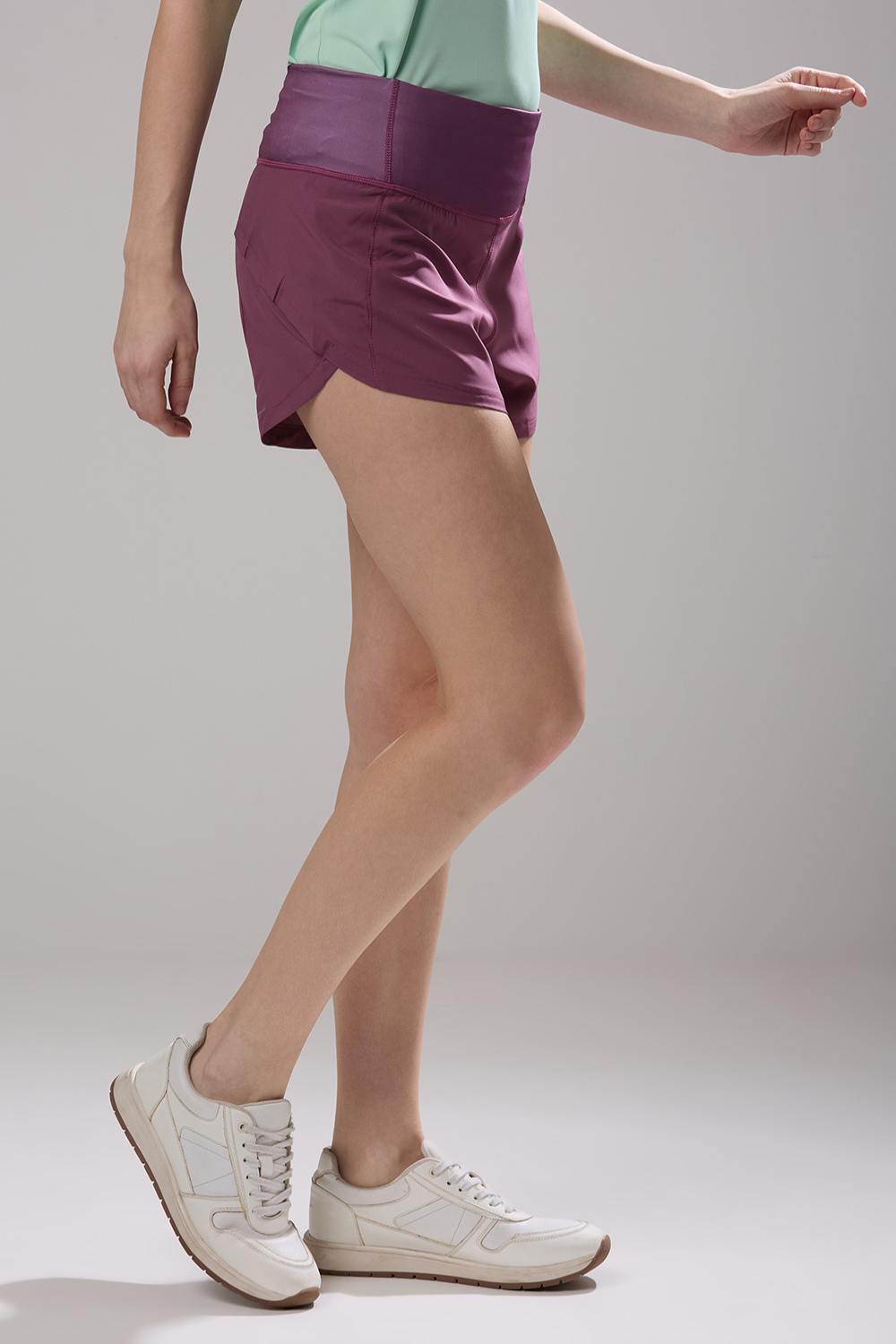
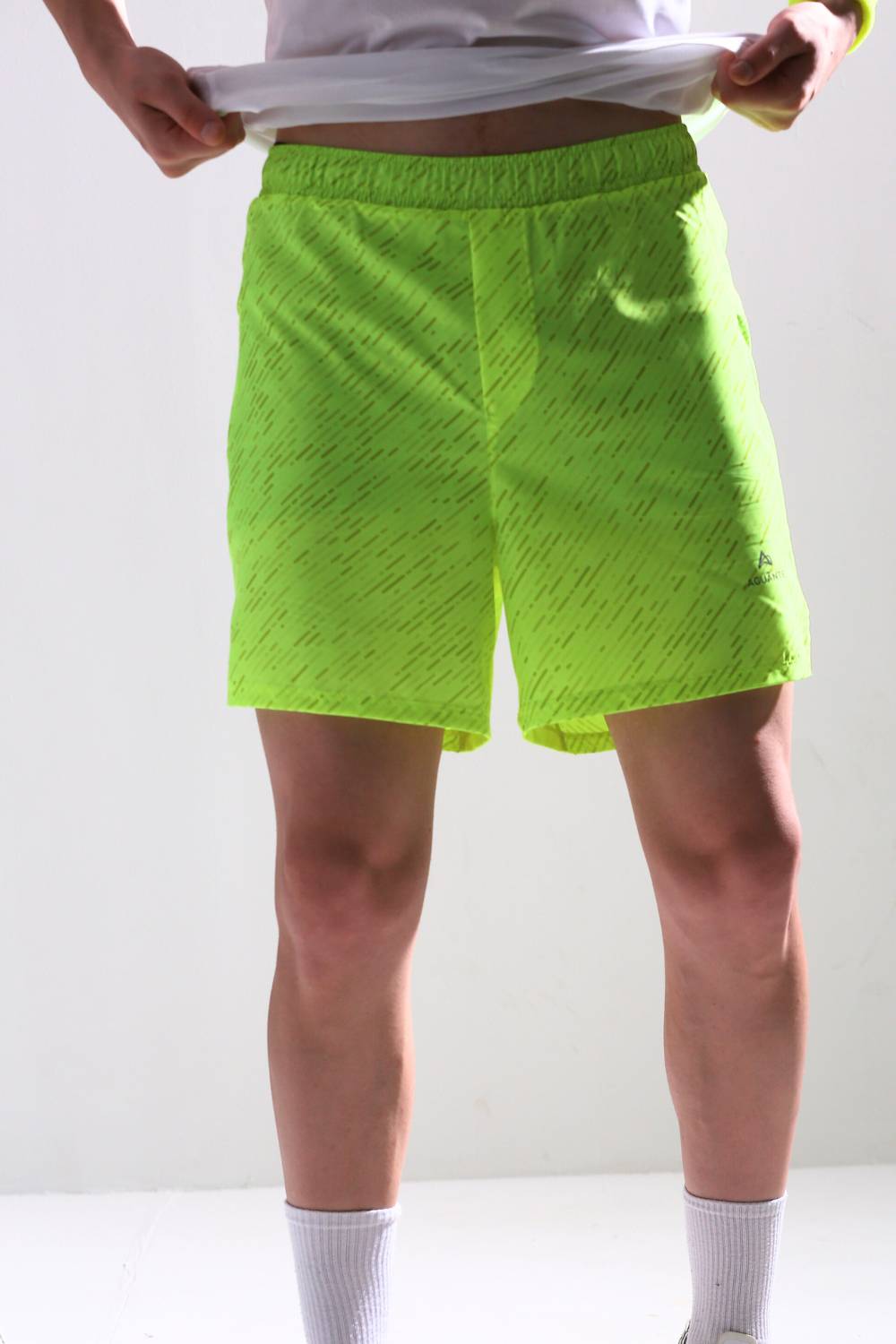
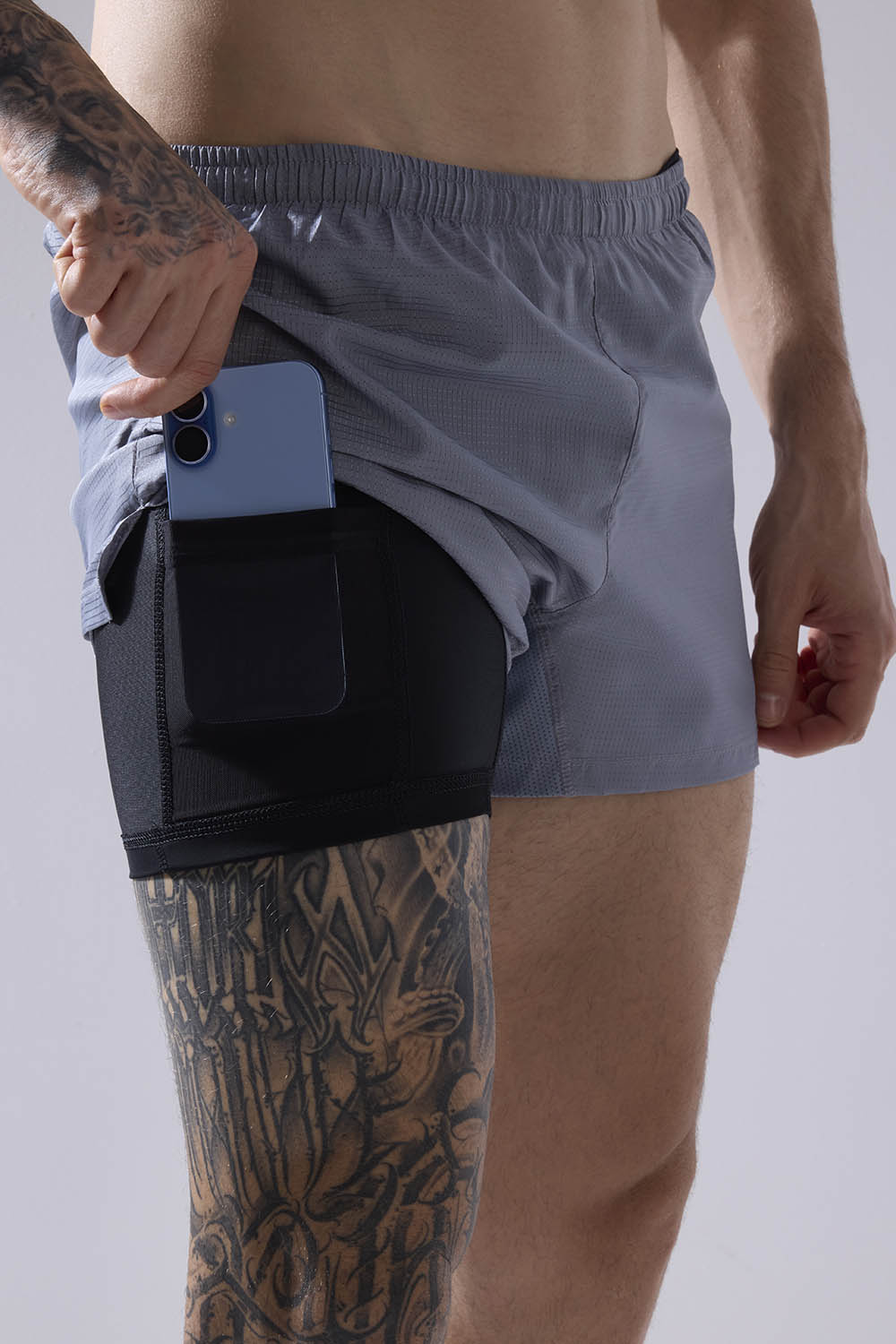
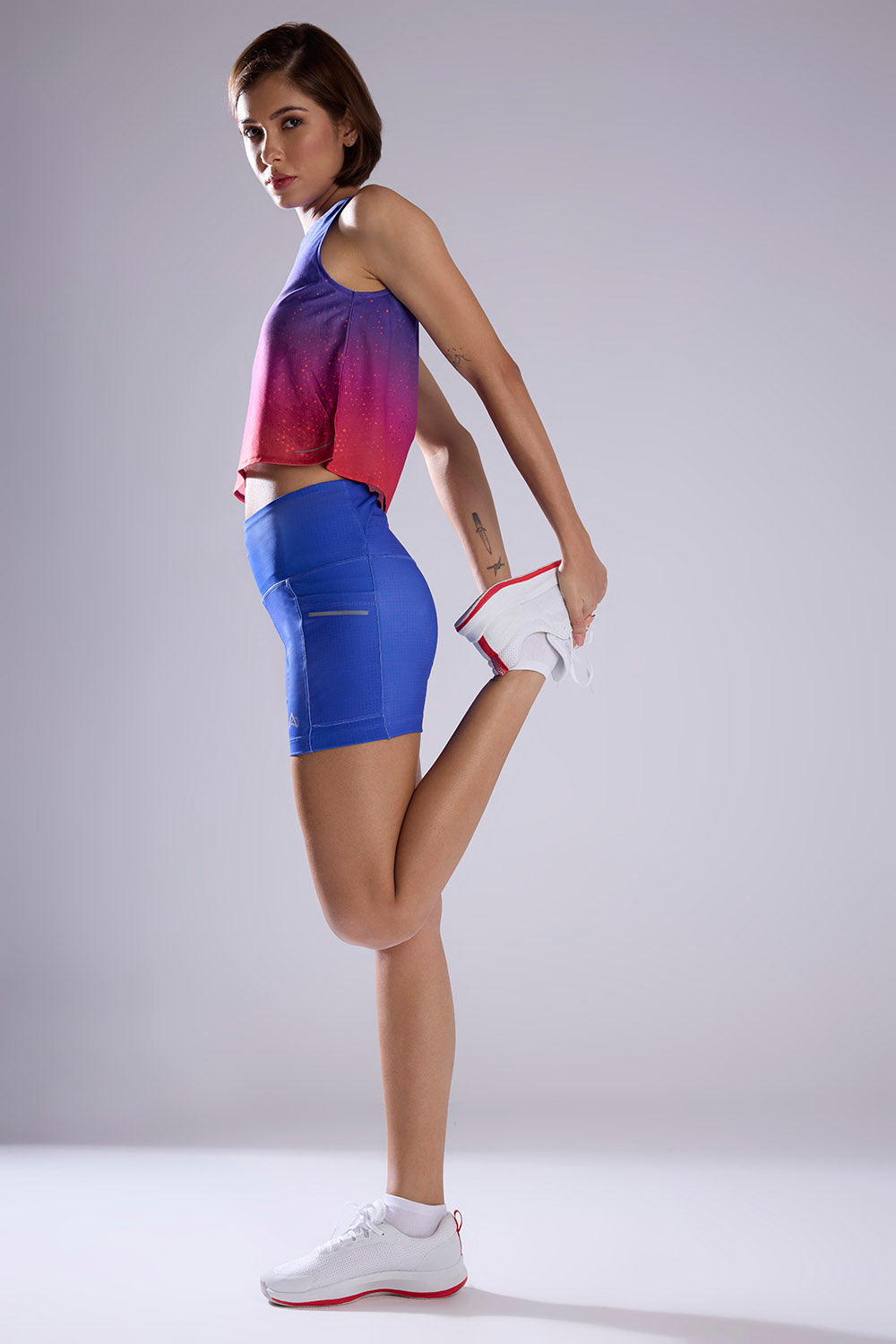
Tired of gear that slows you down? Chafing, soggy fabrics, and missing pockets kill your run's momentum. At Aguante, we're runners who get it. Our high-performance activewear features moisture-wicking fabrics, ergonomic designs, and smart storage to keep you focused. Shop Now!
Why Running Socks Are Different From Everyday Socks
Traditional socks are generally designed for daily comfort, while running socks are created to handle the specific demands of athletic movement. During a run, the feet repeatedly absorb impact, generate heat, and move within the shoe. Even small issues with fit or fabric performance can become noticeable over time.
High-performance running socks are built with features that support these conditions. A secure fit helps reduce unnecessary movement, while carefully selected materials can help manage moisture and maintain comfort. The goal is not simply to provide coverage but to create a more stable connection between the foot and the shoe.
For runners, this difference becomes especially relevant during longer training sessions. A small amount of irritation that feels insignificant during a short run can become distracting when repeated foot strikes, sweat, and movement continue for an extended period.
The Role of Moisture Management in Running Comfort
Managing sweat is one of the biggest reasons runners choose specialized socks. Feet naturally produce heat and perspiration during exercise, and moisture trapped against the skin can contribute to discomfort. This is why moisture wicking running socks are designed to move sweat away from the foot rather than simply absorbing and holding it.
Fabric selection plays an important role in how a sock performs. Performance materials are often chosen because they can help transport moisture and support a drier feeling during activity. This can be particularly valuable during warm-weather runs, longer workouts, and endurance-focused training where comfort becomes increasingly important.
For runners, moisture management is not only about feeling comfortable at the beginning of a session. It is about maintaining a more consistent experience throughout the run by reducing conditions that may contribute to irritation.
How Fit, Cushioning, and Construction Support Runners
A well-designed running sock works with the shape and movement of the foot. Features such as anatomical shaping, targeted cushioning, and secure structures help create a more controlled fit inside the shoe.
According to technical sock design, modern running socks may include details such as anatomical shaping, targeted compression, seamless toe construction, differentiated left-and-right designs, cushioning zones, and supportive heel structures. These elements are intended to reduce common sources of discomfort caused by excess material, friction, and movement during repeated foot strikes.
Cushioning is another area where runners have different needs. Some athletes prefer additional padding in areas exposed to higher impact, while others choose thinner designs that provide a closer connection with the shoe. The right choice depends on personal preference, footwear fit, and training conditions.
Why Secure Positioning Matters
A sock that shifts during a run can create friction points and distractions. Performance-focused designs often include features that help maintain positioning around the foot and ankle, allowing runners to focus more on their movement rather than adjusting their gear.
This is especially relevant for people searching for the best socks for long distance running. Longer distances increase the time that feet spend exposed to repetitive motion, making secure construction an important consideration when selecting running equipment.
Reducing Friction and Supporting Longer Training Sessions
Foot discomfort is often the result of multiple factors working together, including shoe fit, sock design, running conditions, and individual foot characteristics. A specialized sock cannot eliminate every challenge, but thoughtful construction can help address common sources of irritation.
Features such as seamless toe areas, supportive zones, and appropriate cushioning are designed to create a smoother experience inside the shoe. For runners preparing for races or increasing their training distance, these details can become more noticeable because the feet experience repeated stress over longer periods.
Research into technical running sock design highlights that reducing unwanted movement inside the shoe is a key consideration for comfort. A sock that follows the foot's shape can help minimize bunching and excess fabric, while the right material and thickness can complement the overall footwear setup.
The relationship between sock and shoe is important. A thicker sock may change how a shoe fits, while a thinner option may provide a different level of comfort and connection. Runners should consider socks as part of their complete running system rather than as an isolated accessory.
Choosing Running Socks for Different Training Needs
Selecting the right pair of socks starts with understanding how and where they will be used. A casual runner completing shorter sessions may prioritise comfort and breathability, while someone training for a marathon may focus more heavily on durability, moisture control, and long-term support.
- Material performance: Look for fabrics designed to manage sweat and support comfort during movement.
- Fit and stability: Choose a design that stays in place without creating unnecessary pressure.
- Cushioning level: Match padding preferences with running style and shoe design.
- Training conditions: Consider climate, distance, and workout intensity when selecting materials and thickness.
- Durability: Select socks that can maintain their shape and performance through repeated use.
For runners exploring running socks for marathon training, these considerations become even more important. Longer sessions require equipment that remains comfortable over time rather than only performing well for short periods.
Why Performance Running Socks Are Part of Better Gear Decisions
Running equipment is often evaluated through major categories such as shoes, clothing, and training technology, but smaller pieces of gear can also influence the overall experience. Socks sit directly between the foot and shoe, making their design particularly relevant to comfort and consistency.
The benefits of performance running socks come from their ability to support the practical needs of runners. They help create a better fit, manage moisture, and provide targeted comfort where everyday socks may not be designed to perform.
For active individuals building a reliable running routine, choosing specialised gear is not necessarily about adding complexity. It is about selecting equipment that matches the demands of the activity. Small improvements in comfort can make training feel more sustainable and enjoyable.
Building a More Comfortable Running Setup
High-performance running socks are an example of how thoughtful design can improve everyday athletic experiences. They demonstrate that every layer of running gear has a purpose, from the clothing worn during movement to the materials supporting the feet inside the shoe.
Runners should consider socks alongside other performance essentials, including footwear, apparel, and training habits. A complete approach to gear selection helps create a setup that supports individual goals, whether the focus is regular fitness, endurance preparation, or improving overall running comfort.
Aguante's focus on runner-focused performance apparel reflects the same principle: effective gear starts with understanding the needs of people who use it. By learning why specialised components such as high-performance running socks matter, runners can make more informed choices about the equipment that supports their journey.
Frequently Asked Questions
Why are high-performance running socks important for runners?
High-performance running socks are designed to support the specific demands of running, including repeated foot strikes, heat, sweat, and movement inside the shoe. They help improve comfort by providing better fit, moisture management, cushioning, and stability compared with regular socks.
What features should I look for in the best socks for long distance running?
The best socks for long distance running typically include moisture-wicking materials, secure fit, targeted cushioning, breathable construction, and designs that reduce friction. Features such as seamless toe areas and supportive structures can help maintain comfort during extended training sessions.
Why do runners need specialized socks instead of everyday socks?
Runners need specialized socks because everyday socks are not usually designed to handle the pressure, movement, and moisture created during exercise. Performance running socks are built to work with running shoes by helping manage sweat, reducing unwanted movement, and supporting a more comfortable running experience.
Disclaimer: The above helpful resources content contains personal opinions and experiences. The information provided is for general knowledge and does not constitute professional advice.
You may also be interested in: How Performance Fabrics Support Long-distance Training in Hot Weather
Tired of gear that slows you down? Chafing, soggy fabrics, and missing pockets kill your run's momentum. At Aguante, we're runners who get it. Our high-performance activewear features moisture-wicking fabrics, ergonomic designs, and smart storage to keep you focused. Shop Now!
Powered by flareAI.co