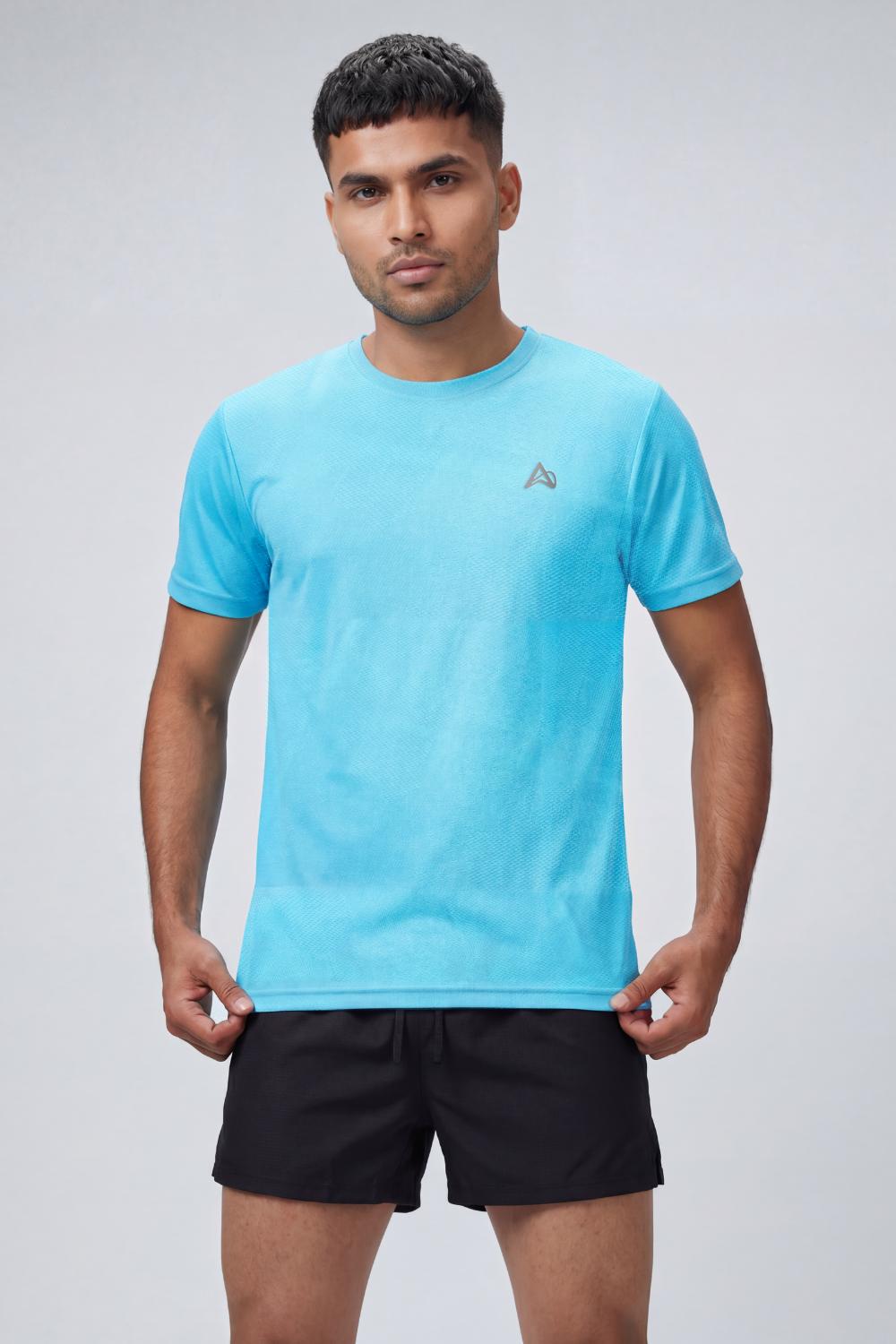
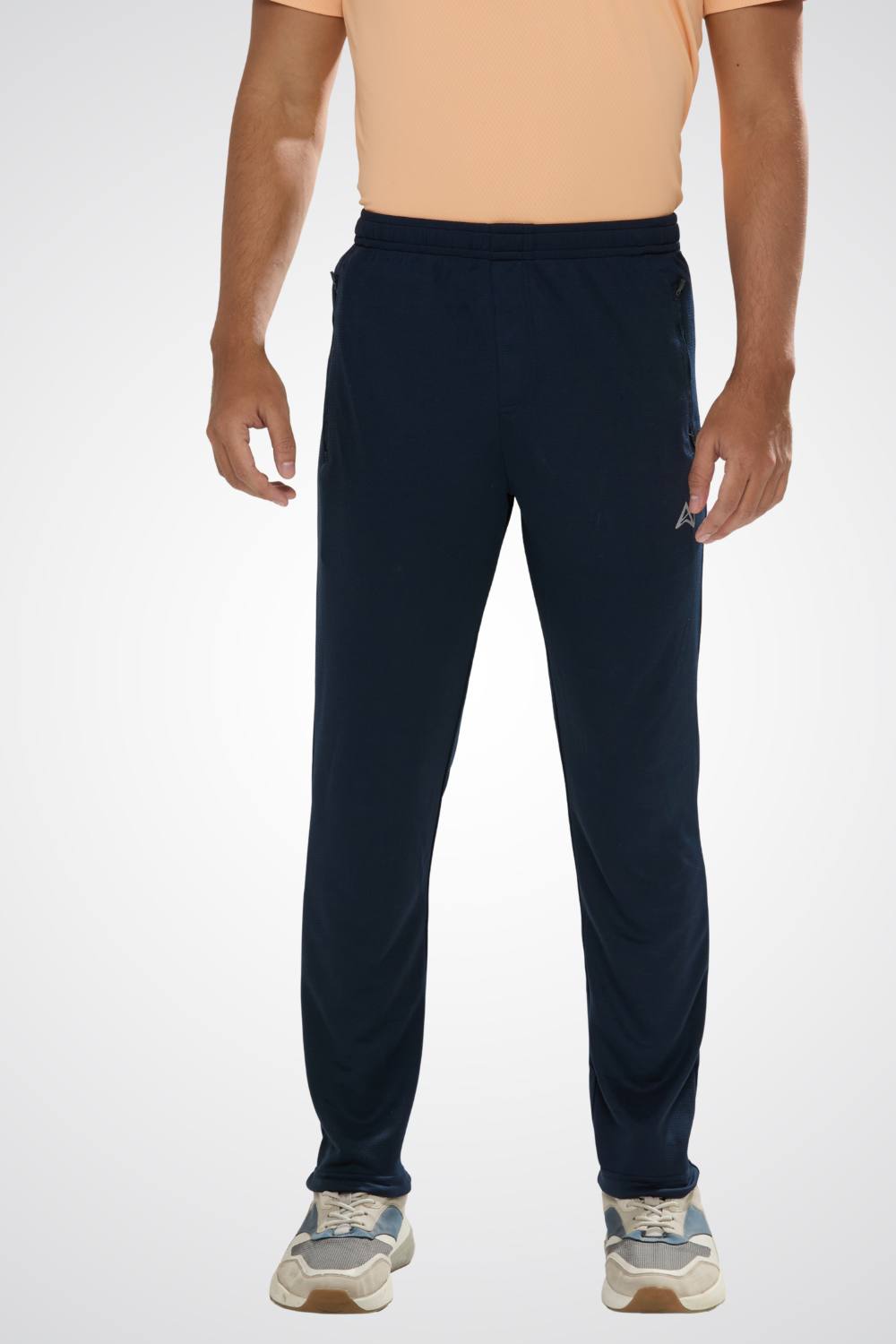
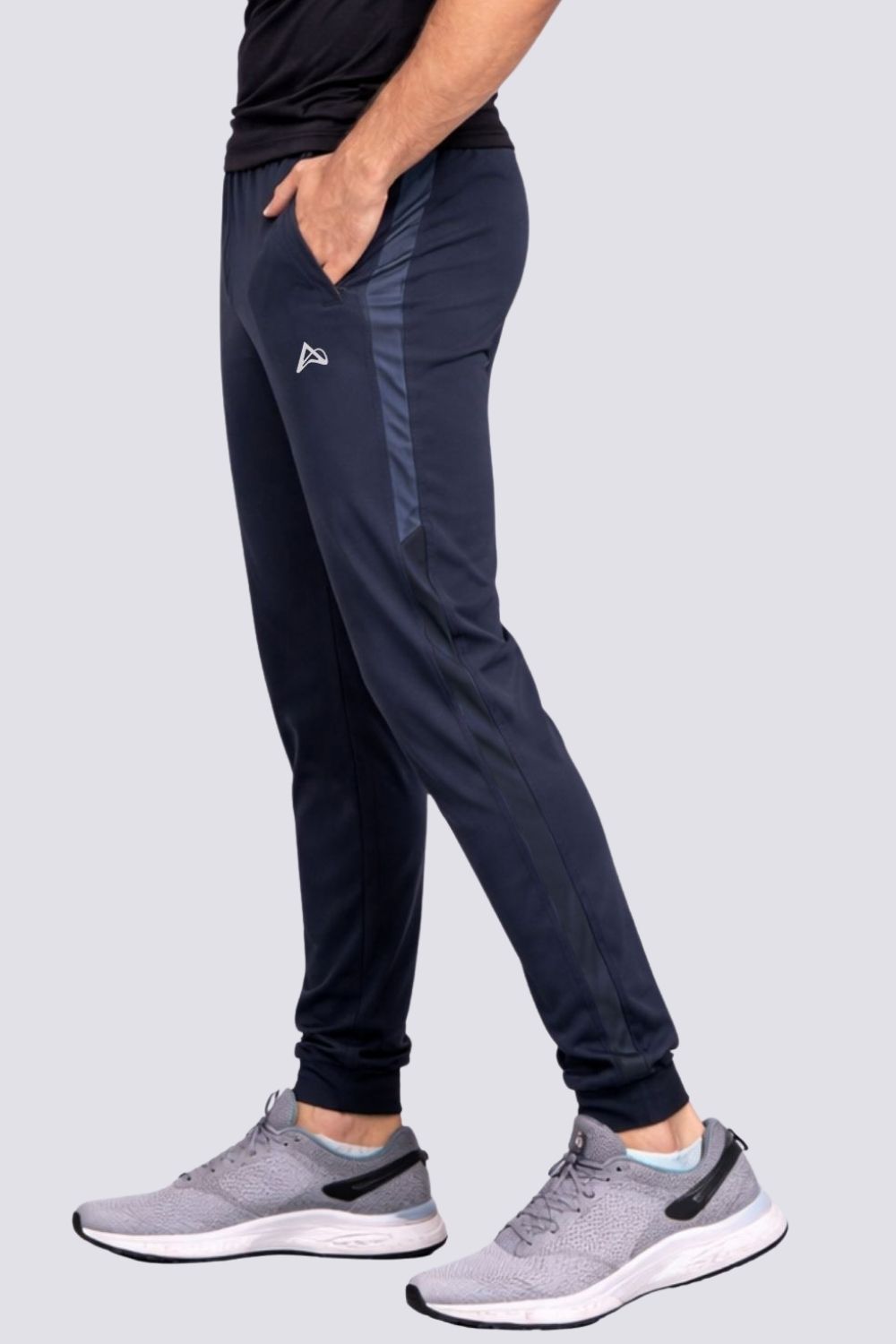
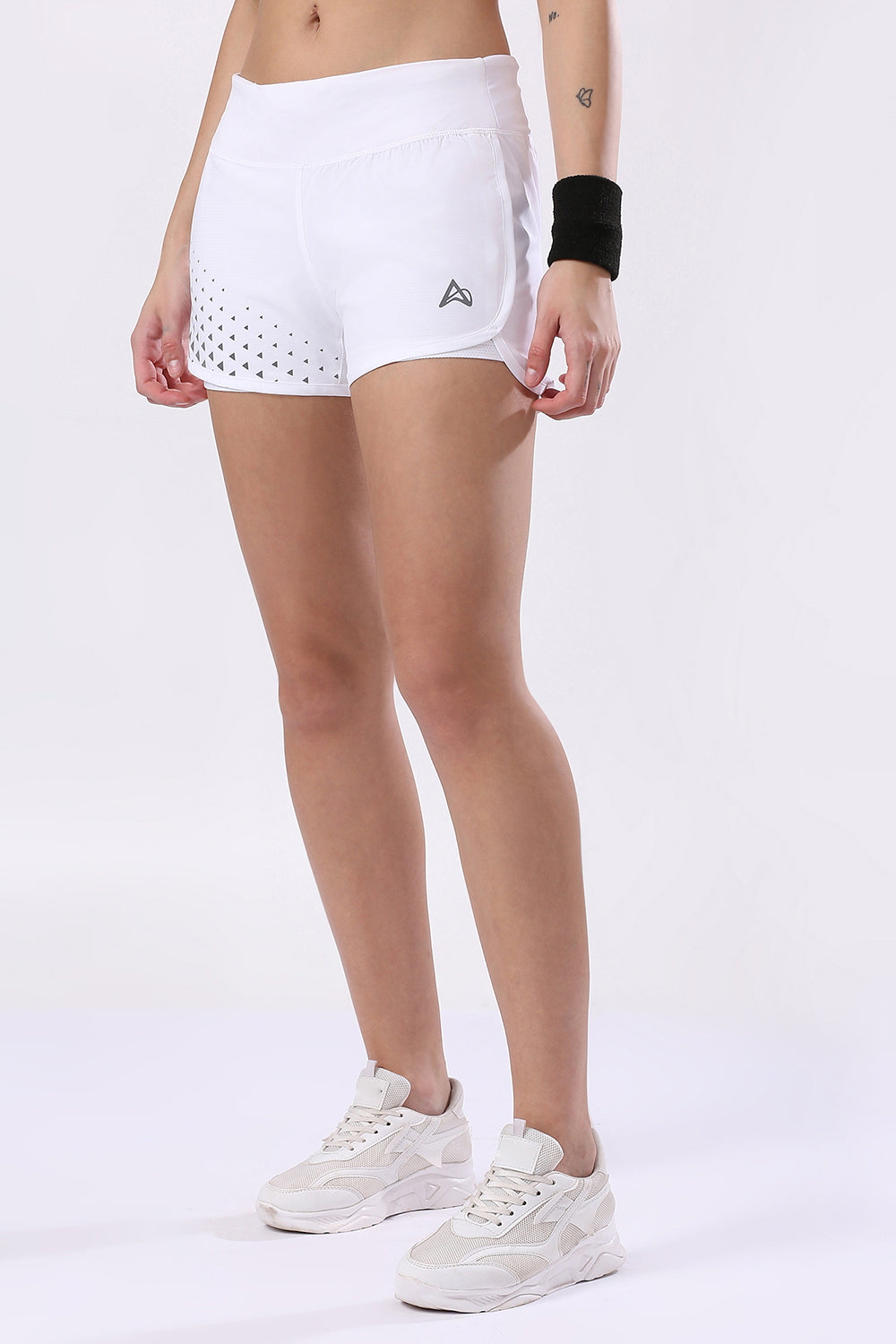
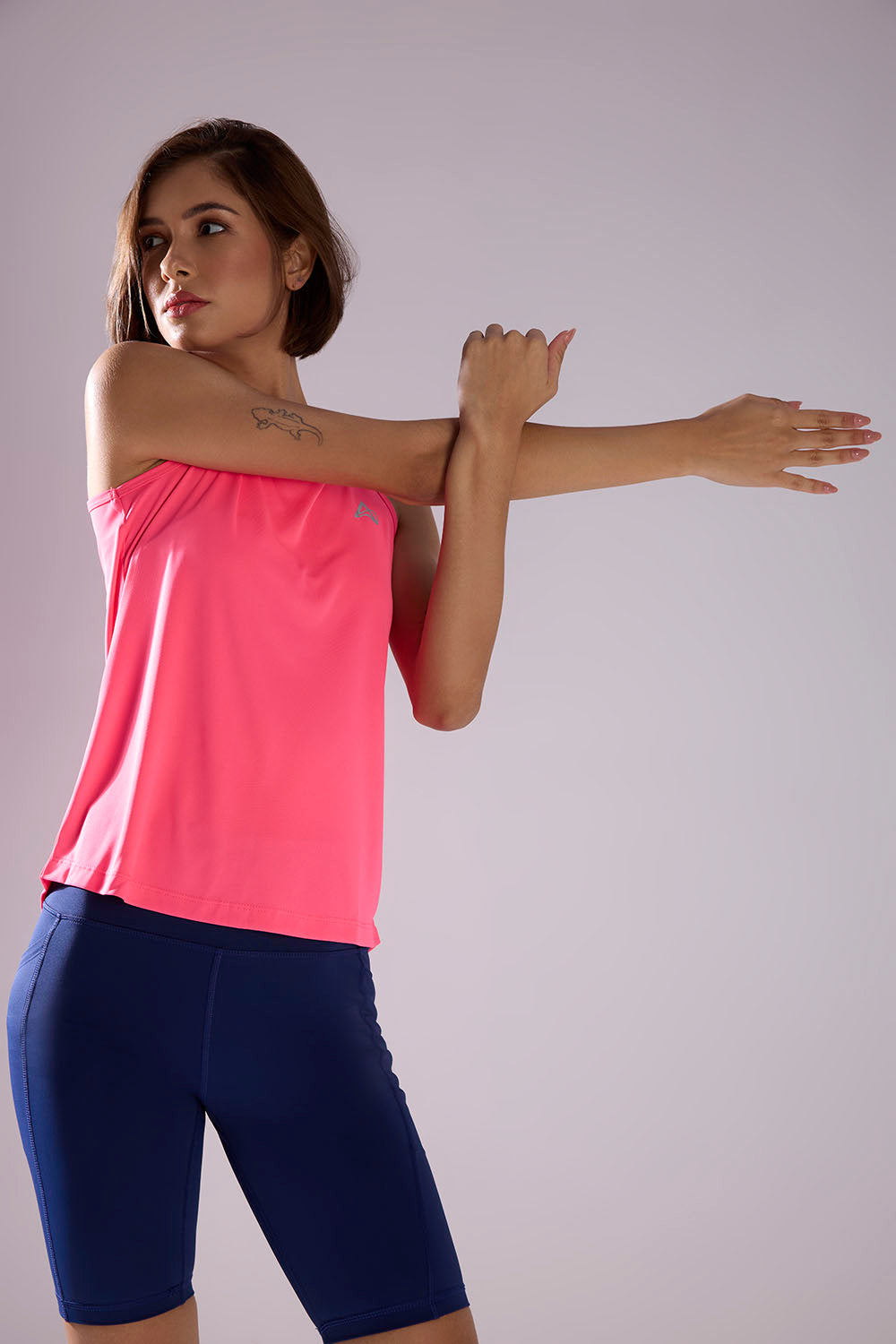
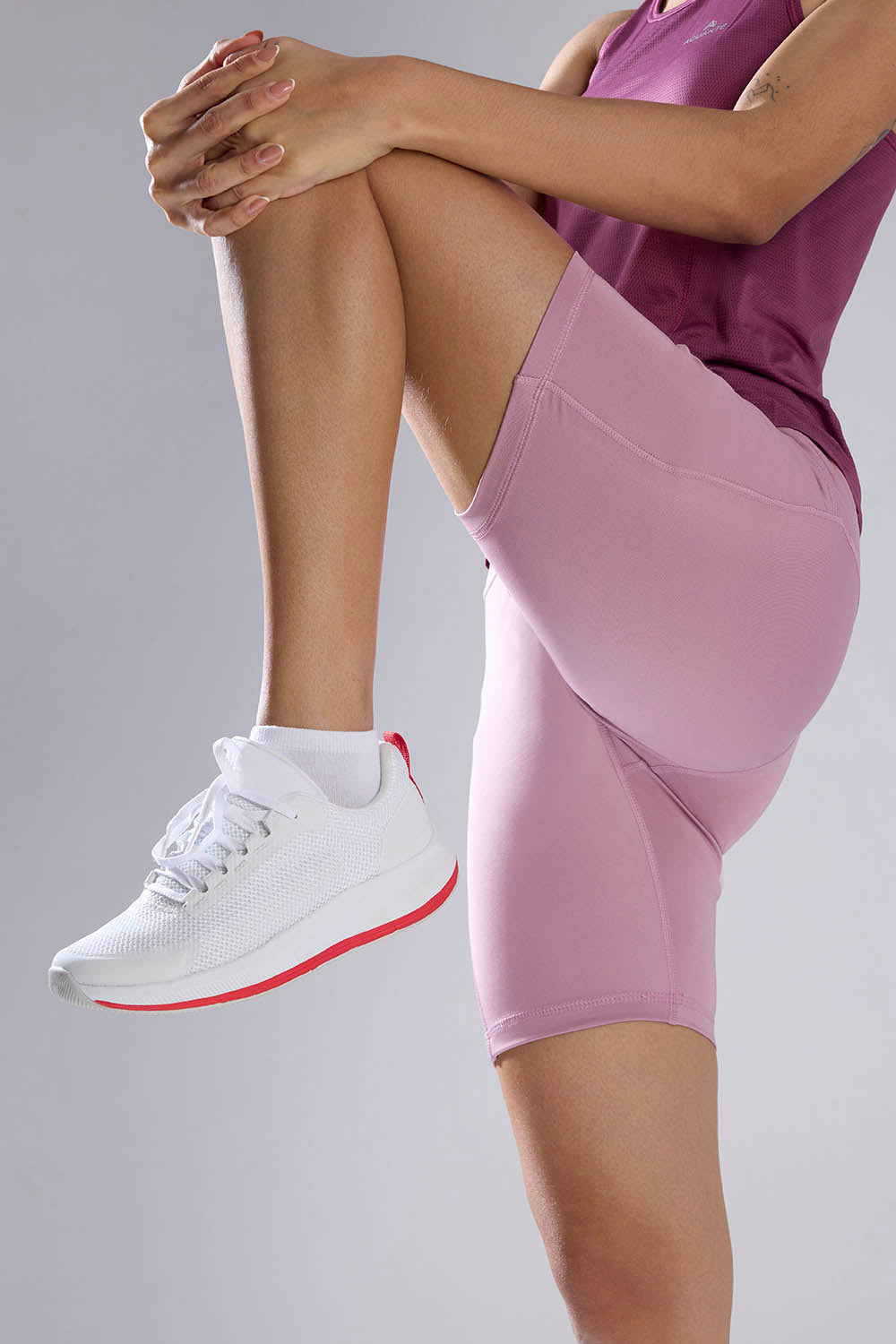
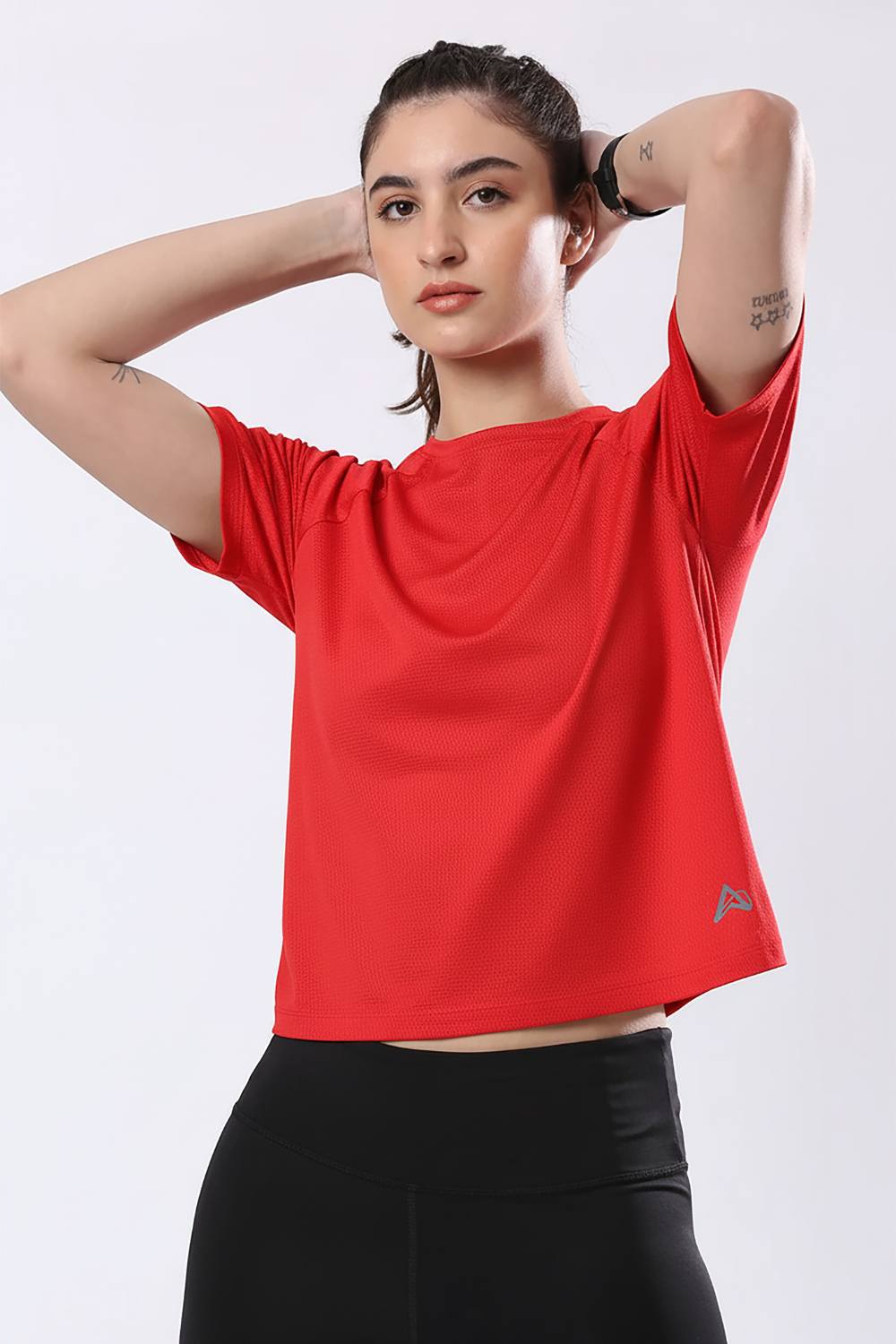
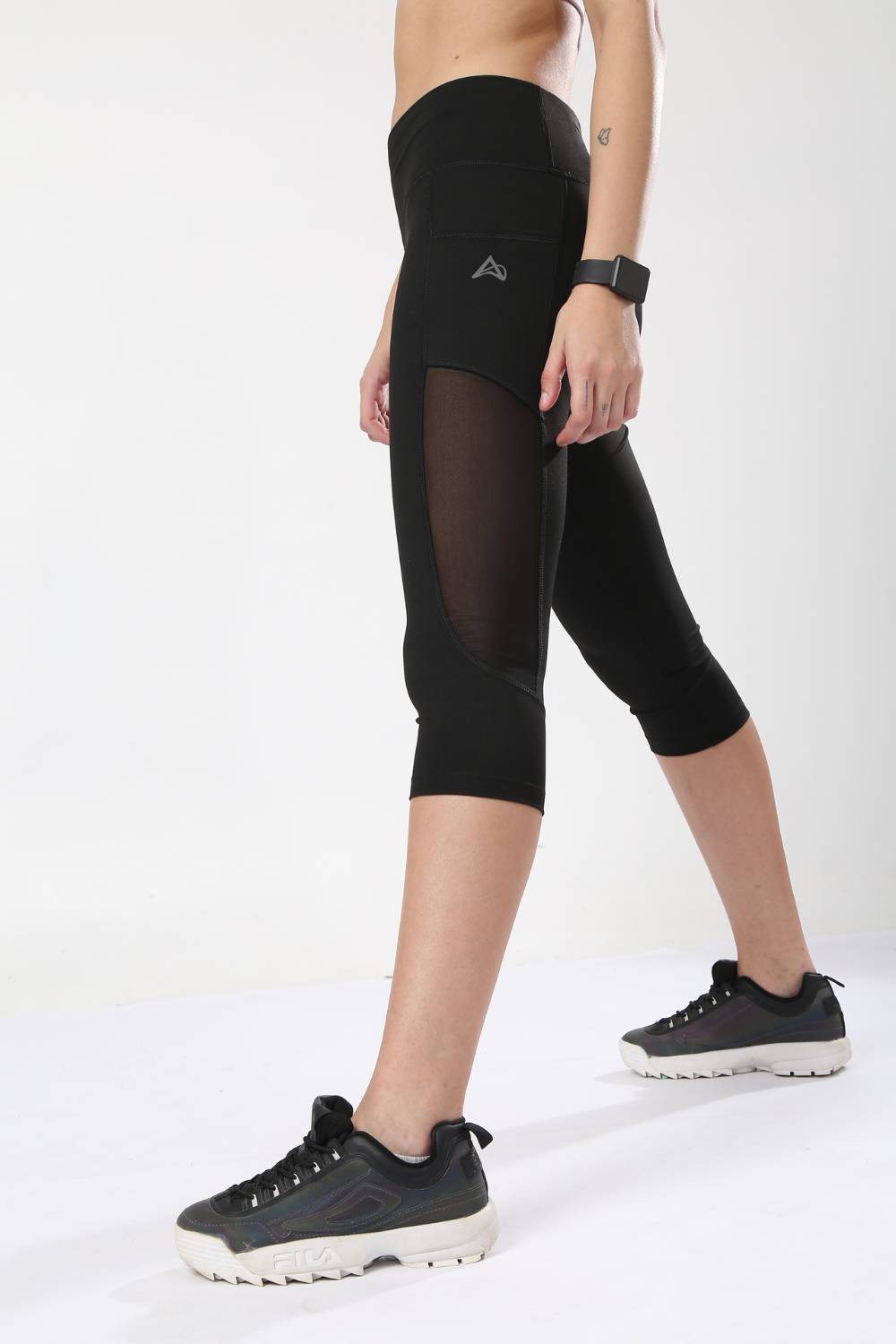
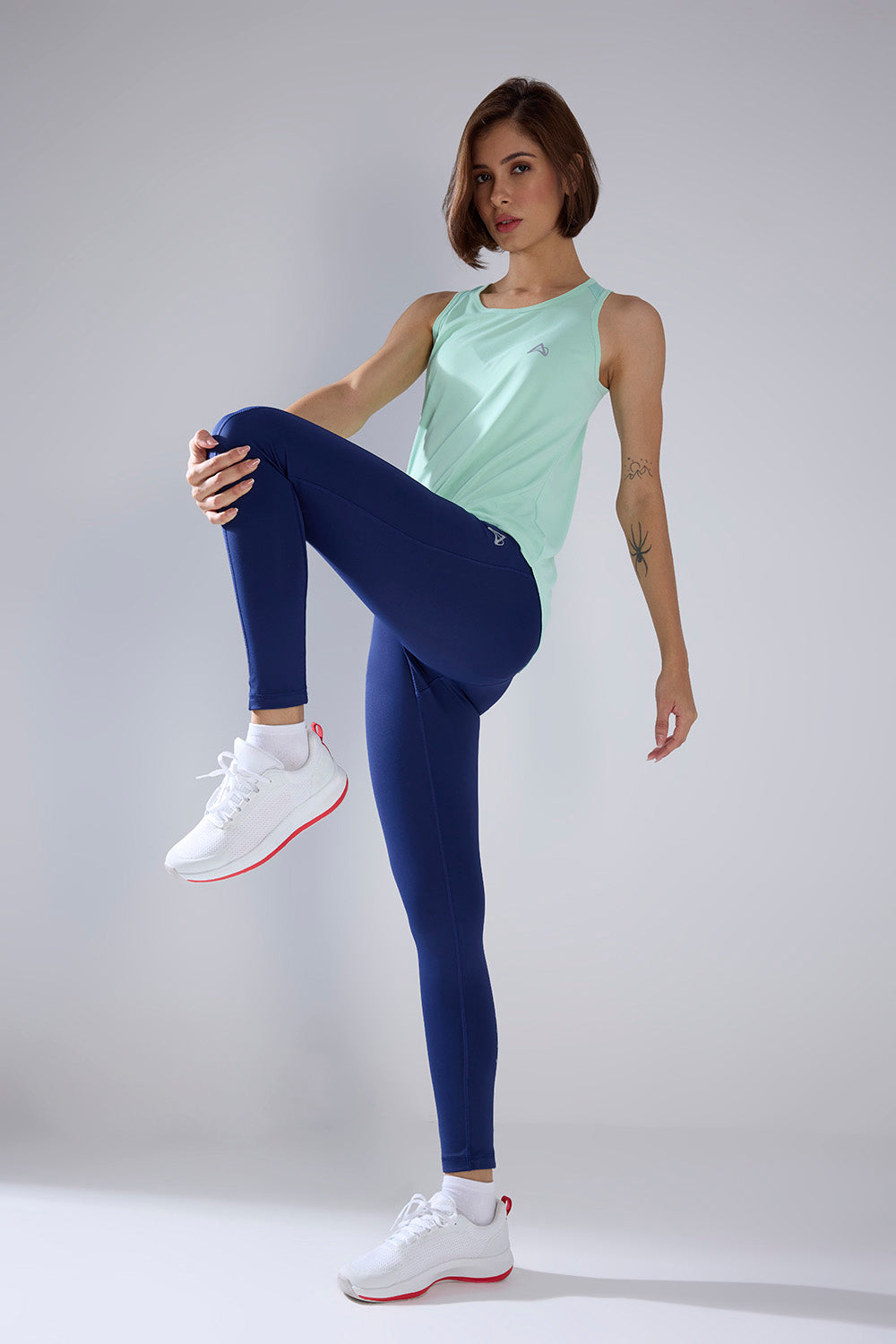

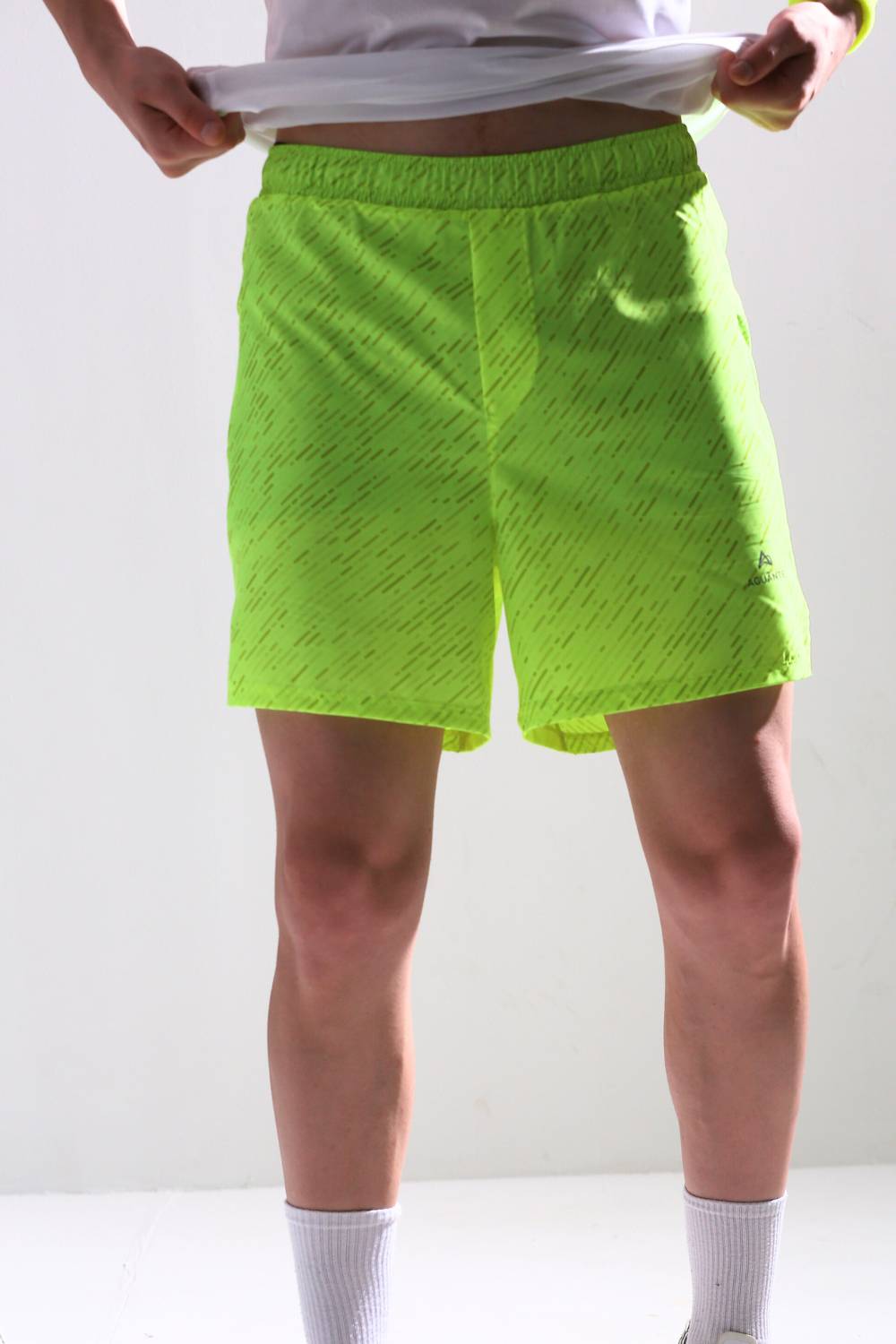

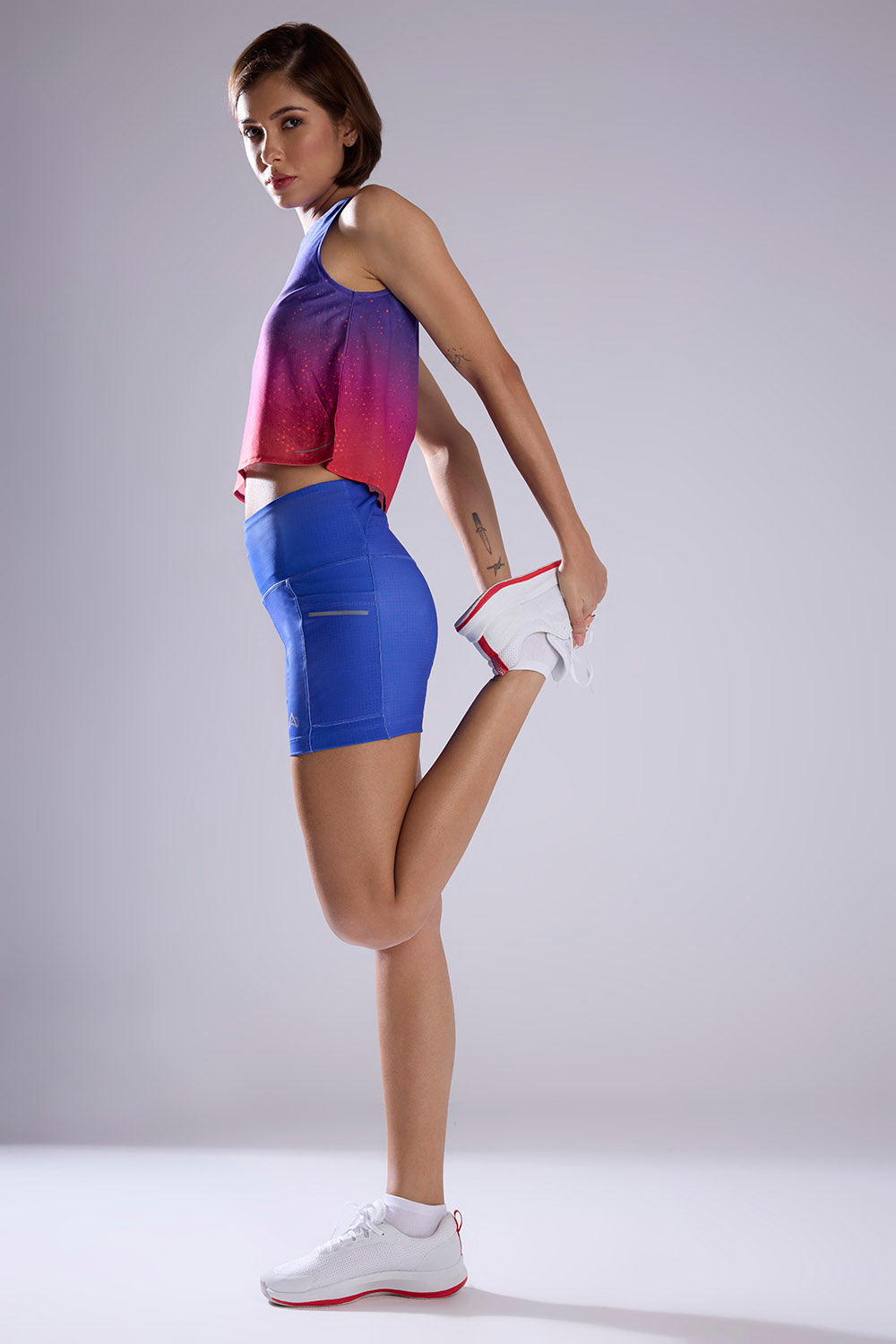
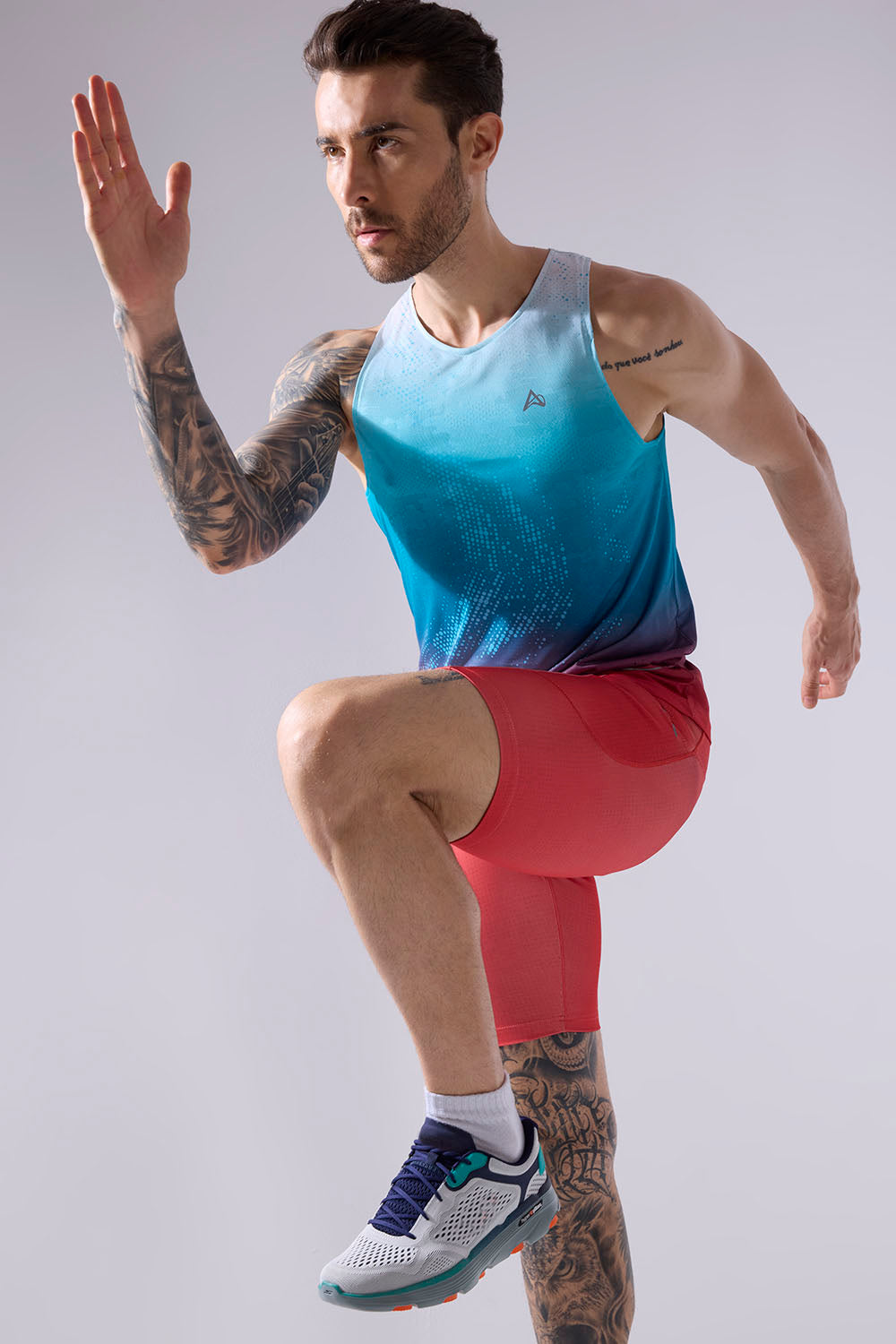

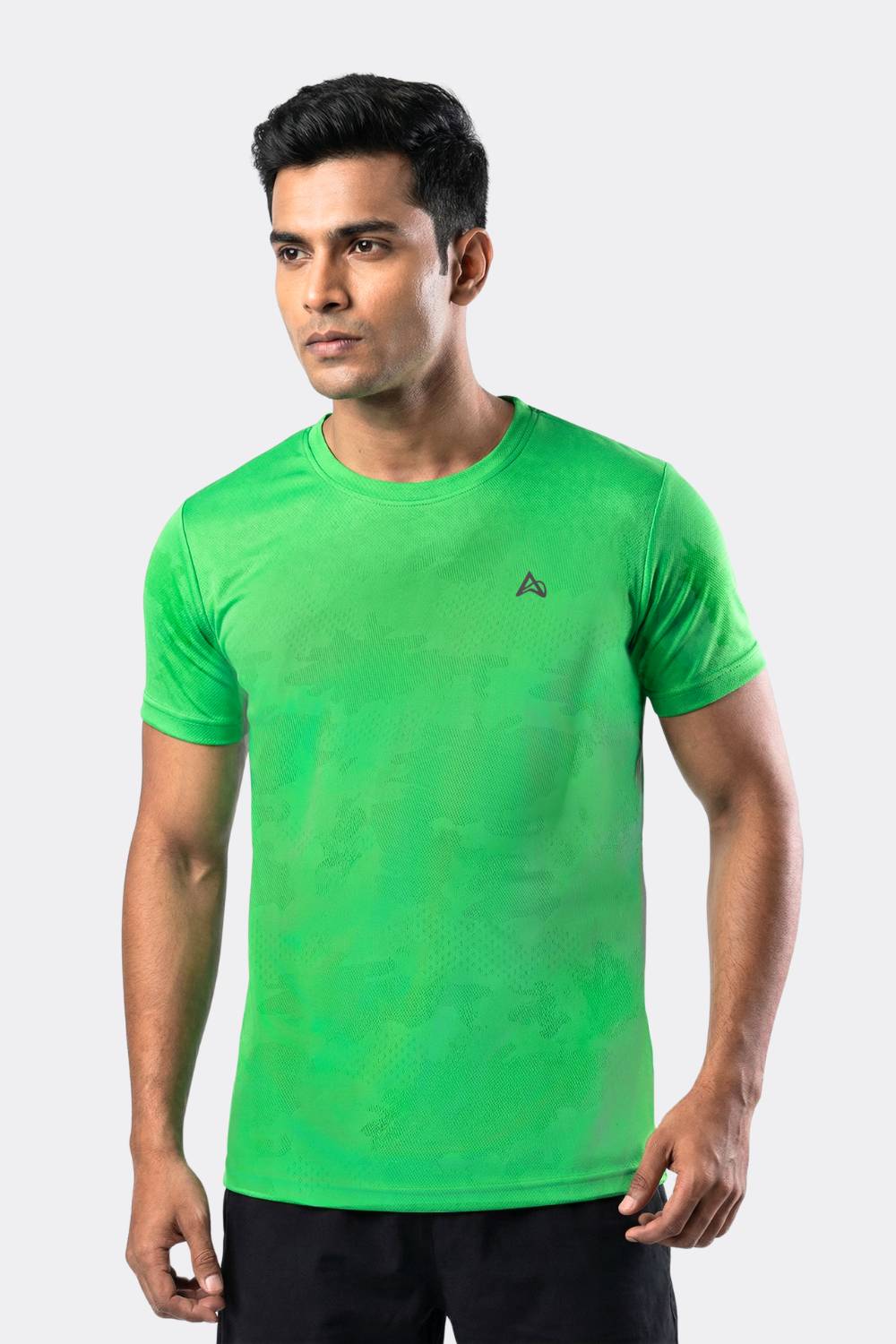
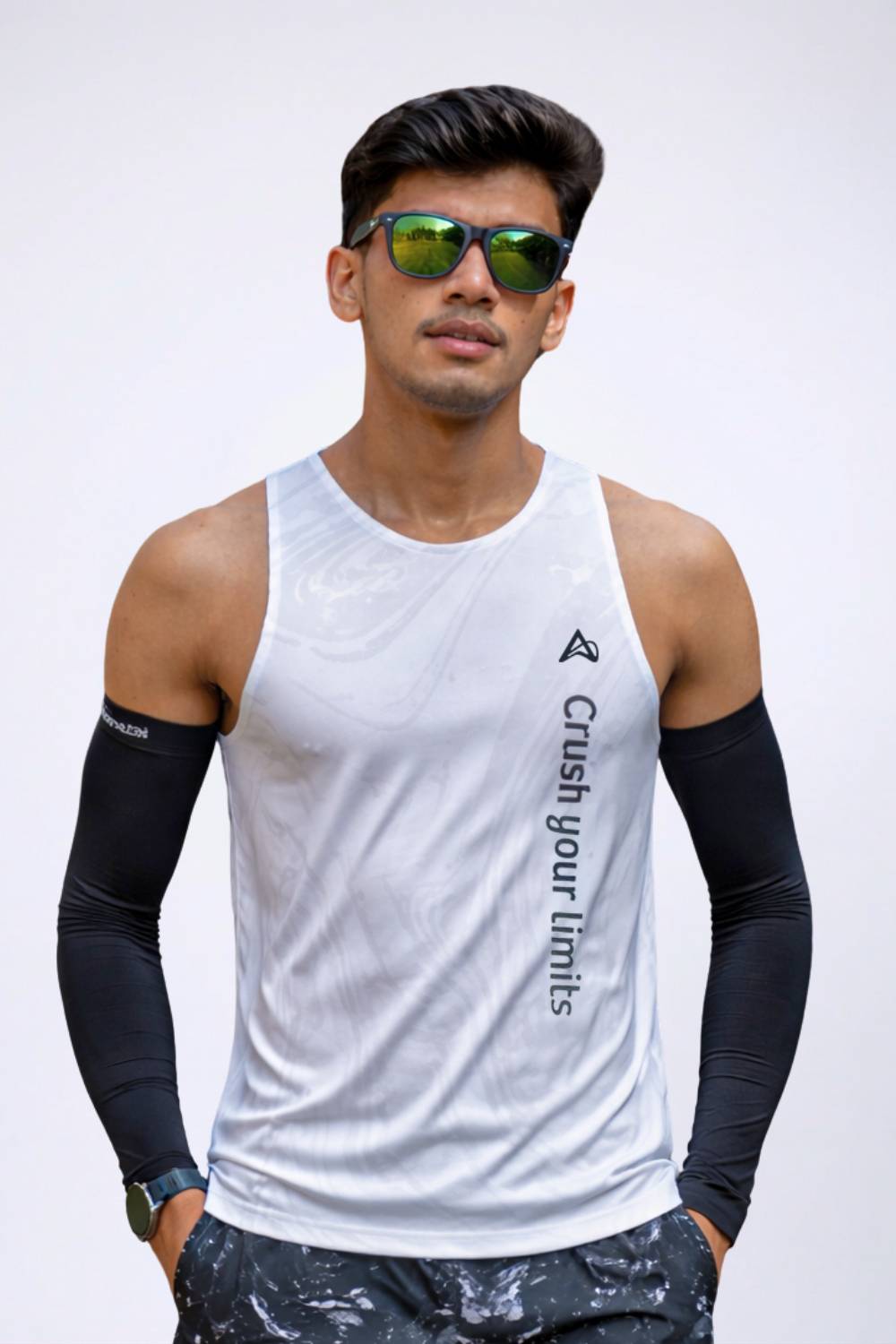

Long runs test more than a runner's fitness. They also test how well clothing supports comfort, movement, and temperature management over extended periods. A shirt or pair of shorts that feels comfortable during a short workout can become distracting after hours of repetitive motion, rising body heat, and continuous sweating. This is why breathable running clothing has become an important consideration for endurance runners, marathon trainees, and anyone building consistency through longer training sessions.
The right apparel does not replace preparation, hydration, or training strategy, but it can reduce avoidable discomfort. Breathable fabrics, lightweight construction, and thoughtful design features help runners stay focused on their effort rather than adjusting to clothing that feels heavy, restrictive, or poorly suited to demanding conditions. For runners evaluating running clothes for long runs, understanding how breathability works can make the decision process more practical.
Tired of gear that slows you down? Chafing, soggy fabrics, and missing pockets kill your run's momentum. At Aguante, we're runners who get it. Our high-performance activewear features moisture-wicking fabrics, ergonomic designs, and smart storage to keep you focused. Shop Now!
Why Breathability Matters During Long Runs
During an extended run, the body continuously produces heat and sweat as muscles work and energy expenditure increases. Clothing plays an important role in how effectively moisture and heat are managed. When fabric traps sweat against the skin, runners may experience a heavier feel, increased friction, and general discomfort that becomes more noticeable over distance.
Breathable running clothing is designed to support airflow and moisture movement. Instead of simply covering the body, technical running apparel is created to work with the body's natural cooling process. Materials that allow sweat to move away from the skin and dry more efficiently can help runners maintain a more comfortable experience during longer sessions.
Research into sportswear performance highlights that clothing selection can influence comfort during prolonged exercise, particularly in warm conditions where sweat production and body temperature management become greater challenges. Studies examining different running shirts have found that athletes can perceive differences in cooling performance between garment technologies, especially when comparing specialised moisture-management fabrics with less technical alternatives. Sportswear heat research explores how apparel characteristics can affect the experience of exercising in demanding environments.
For endurance runners, this means breathability is not simply about wearing lighter clothing. It is about choosing apparel that supports the body's effort throughout the entire run.
How Moisture-wicking Fabrics Improve Running Comfort
Sweat management is one of the most important functions of modern running apparel. As runners spend more time on the road or trail, fabrics that absorb and hold moisture can become uncomfortable. A saturated garment may feel heavier, reduce freedom of movement, and create distractions during training.
Moisture wicking running apparel is designed to move sweat away from the skin and encourage faster drying. This process helps create a more comfortable layer between the runner and the environment. Instead of allowing moisture to remain concentrated in one area, technical fabrics help distribute and release it more effectively.
The difference becomes especially noticeable during longer efforts. A runner completing a short recovery run may tolerate minor clothing discomfort, but someone preparing for a marathon or endurance event spends much longer dealing with the same fabric conditions. Small issues can become significant when repeated over many kilometres.
When considering the best fabric for long distance running, runners should look beyond appearance and focus on how the material performs during movement. Fabric weight, drying ability, airflow, and construction all influence whether apparel remains comfortable as intensity and duration increase.
The Role of Ventilation and Fabric Design
Breathability depends on more than the type of material used. Garment construction also influences how air moves around the body. Strategic ventilation areas, lightweight panels, and designs that support unrestricted movement can improve the overall running experience.
Technical performance fabrics often combine specialised weaves, synthetic fibres, and ventilation zones to improve airflow and drying speed compared with everyday clothing materials. These design choices help explain why dedicated running apparel is different from casual sportswear or general-purpose clothing.
For runners training in warm weather, ventilation becomes even more important. Running apparel for hot weather needs to help manage the combination of heat exposure, physical exertion, and sweat production. Clothing that allows better airflow can help reduce the uncomfortable feeling of heat and moisture building up during a session.
Breathable apparel is therefore not defined by a single feature. It is the result of multiple design decisions working together, including fabric selection, fit, and placement of performance-focused details.
Choosing Running Clothes for Marathon Training and Endurance Sessions
Long-distance training requires consistency, and clothing choices can influence how easily runners maintain that consistency. A garment that performs well over time allows athletes to focus on pacing, technique, and training goals instead of managing avoidable distractions.
When selecting lightweight running clothes for marathon training, runners should consider several practical factors:
- Fabric performance: Look for materials designed to manage sweat and support quick drying during extended activity.
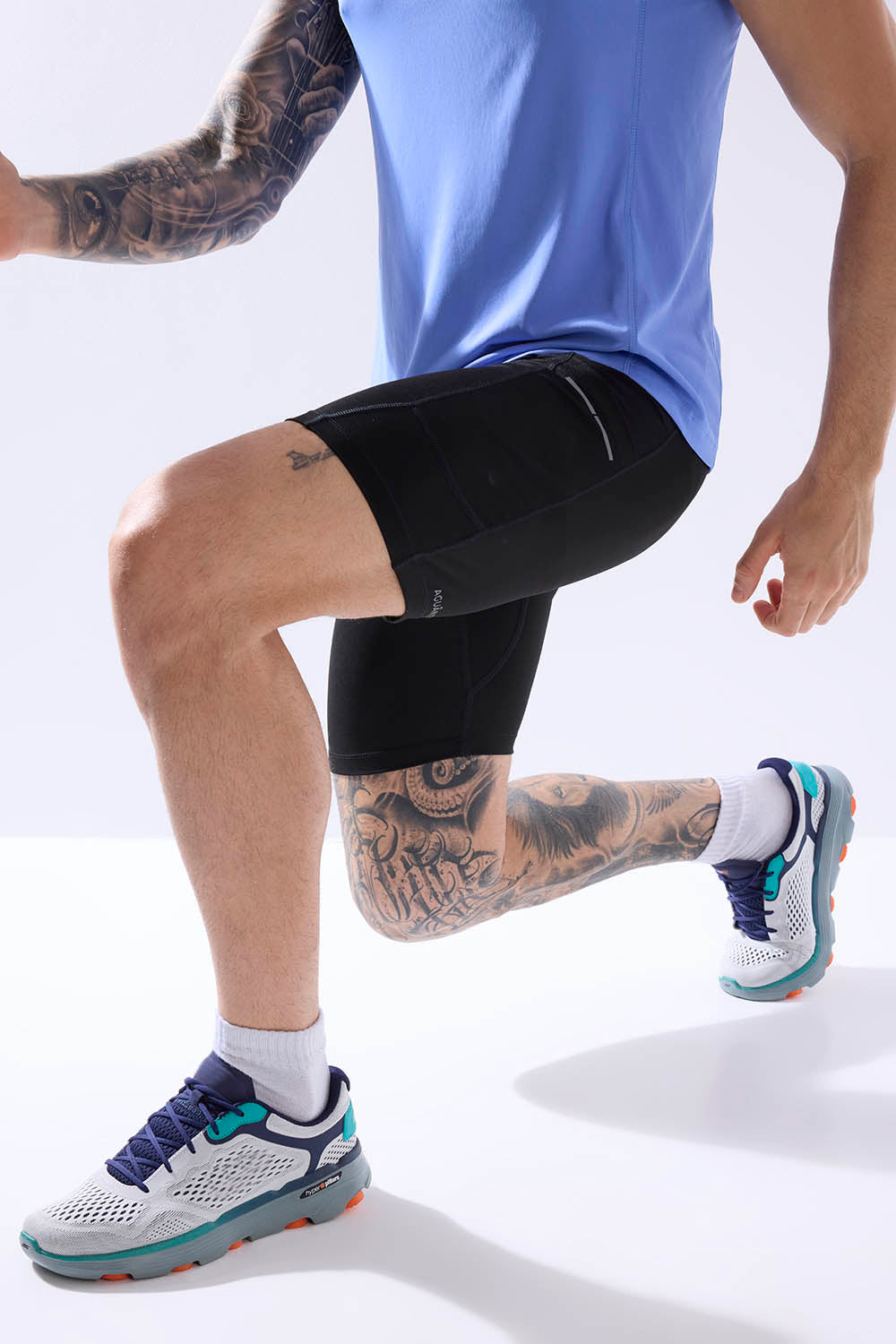
- Comfort during movement: The fit should allow natural stride mechanics without unnecessary restriction.
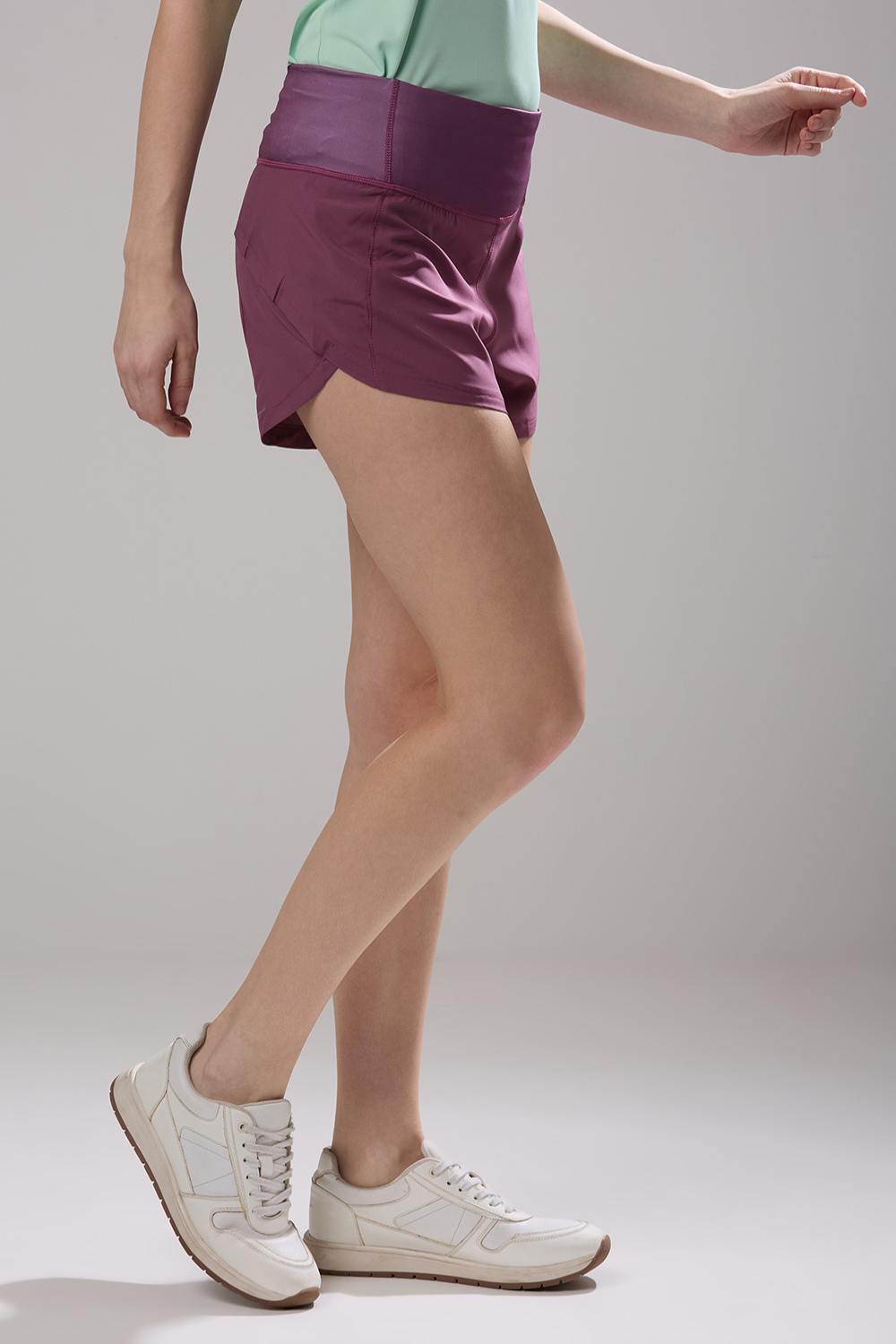
- Weight and layering: Lightweight designs can help runners feel less burdened during longer sessions.
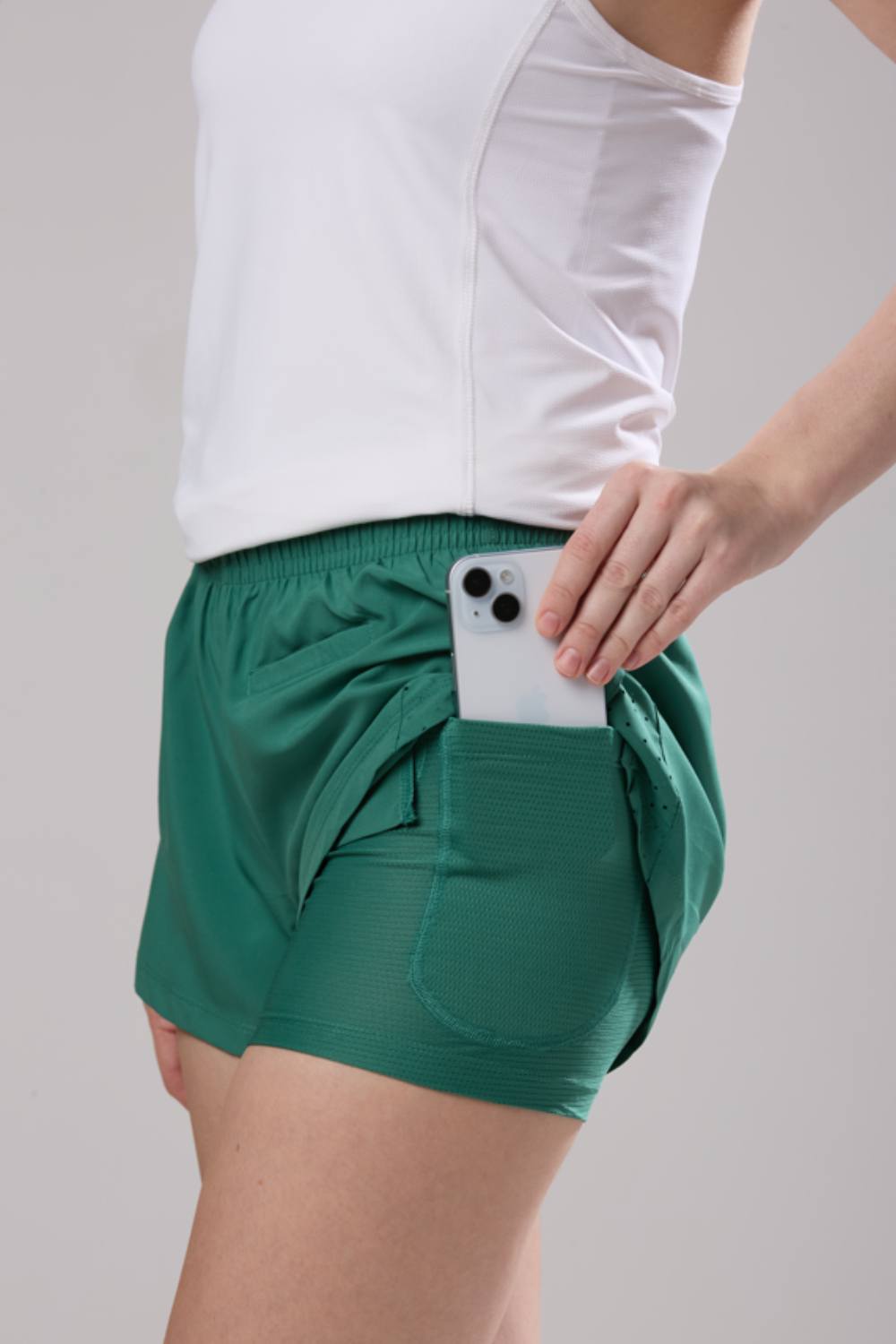
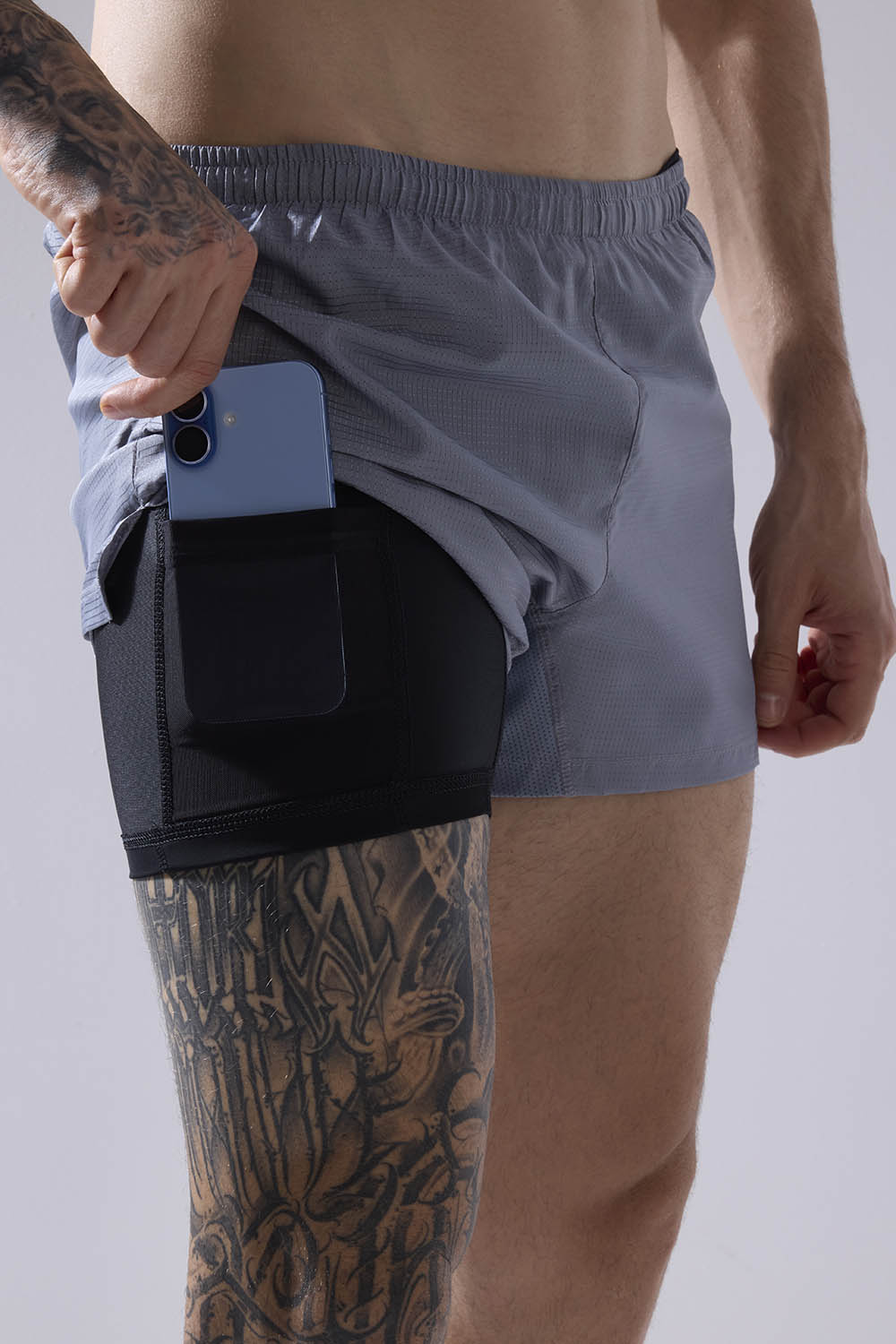
- Practical features: Details such as secure storage, reflective elements, and runner-focused construction can improve usability.
The best choice is not always the garment with the most features. It is the one that matches the runner's training environment, distance goals, and personal comfort preferences.
For runners preparing for races, testing apparel during training is also important. Long runs provide valuable feedback because they reveal how clothing performs after extended exposure to sweat, movement, and changing conditions.
Why Comfort Becomes a Performance Consideration
Comfort and performance are closely connected during endurance activities. When clothing causes irritation, excessive heat retention, or restricted movement, runners may find it harder to maintain focus. Comfortable apparel helps create conditions where athletes can concentrate on their training objectives.
Breathable clothing supports this by reducing common sources of distraction. It helps manage moisture, encourages airflow, and provides a more consistent feel throughout a run. These benefits are especially valuable because endurance running depends on maintaining rhythm and efficiency over time.
The relationship between fabric technology and comfort reflects a broader shift in activewear design. Running apparel is increasingly developed around practical athlete needs rather than appearance alone. Fabric heat management highlights how airflow, moisture movement, and fabric construction influence comfort during prolonged physical activity.
For everyday runners, this means clothing selection can become part of training preparation. Just as runners consider footwear, nutrition, and recovery routines, apparel can also support a more reliable experience.
How Breathable Running Apparel Supports Different Types of Runners
Not every runner has the same requirements. A recreational runner completing weekend distance sessions may prioritise comfort and ease of movement, while a marathon trainee may focus more heavily on durability, sweat control, and performance consistency.
Urban runners often face changing conditions, including warm temperatures, indoor training environments, and busy schedules that require adaptable gear. Breathable clothing provides a practical solution by helping runners stay comfortable across different types of workouts.
For beginners, choosing suitable running apparel can also improve confidence. Clothing that feels comfortable encourages runners to spend more time training without being distracted by preventable discomfort. For experienced athletes, reliable apparel becomes part of a broader preparation system that supports repeatable performance.
Brands focused on performance running apparel, such as Aguante, approach activewear design around these practical needs. Features such as moisture management, functional construction, and runner-focused details are aligned with the expectations of athletes who want clothing that supports their training rather than simply completing their outfit.
Making a Smarter Choice When Buying Running Apparel
Choosing breathable running clothing does not require chasing every new trend in sportswear. A better approach is to understand personal needs and evaluate whether a garment provides meaningful benefits for the type of running being performed.
Runners should consider where they train, how long their sessions usually last, and which clothing issues they have experienced in the past. Someone regularly completing long outdoor runs may value ventilation and sweat control, while another runner may prioritise flexibility and lightweight comfort.
The most suitable running clothes are those that support consistency. When apparel fits well, manages moisture, and allows comfortable movement, runners can dedicate more attention to their training goals.
Breathability is ultimately about creating better conditions for endurance. It helps runners manage the physical demands of longer distances and makes each training session feel more manageable. As runners spend more time building endurance, thoughtful apparel choices become an important part of the overall running experience.
Frequently Asked Questions
Why is breathable running clothing better for long runs?
Breathable running clothing helps manage heat and sweat during extended sessions by allowing better airflow and supporting moisture movement away from the skin. This can reduce discomfort caused by heavy, damp fabrics and help runners stay focused throughout longer distances.
What features should I look for in running clothes for long runs?
Running clothes for long runs should offer moisture management, lightweight construction, comfortable movement, and effective ventilation. Features such as quick-drying fabrics, a supportive fit, and practical design details can improve comfort during endurance training.
How does moisture-wicking running apparel improve running comfort?
Moisture-wicking running apparel helps move sweat away from the body and encourages faster drying, creating a more comfortable experience during physical activity. This is especially useful for marathon training and longer workouts where sweat buildup can become a distraction.
Disclaimer: The above helpful resources content contains personal opinions and experiences. The information provided is for general knowledge and does not constitute professional advice.
You may also be interested in: How Reflective Running Clothing Supports Low-light Training
Tired of gear that slows you down? Chafing, soggy fabrics, and missing pockets kill your run's momentum. At Aguante, we're runners who get it. Our high-performance activewear features moisture-wicking fabrics, ergonomic designs, and smart storage to keep you focused. Shop Now!
Powered by flareAI.co