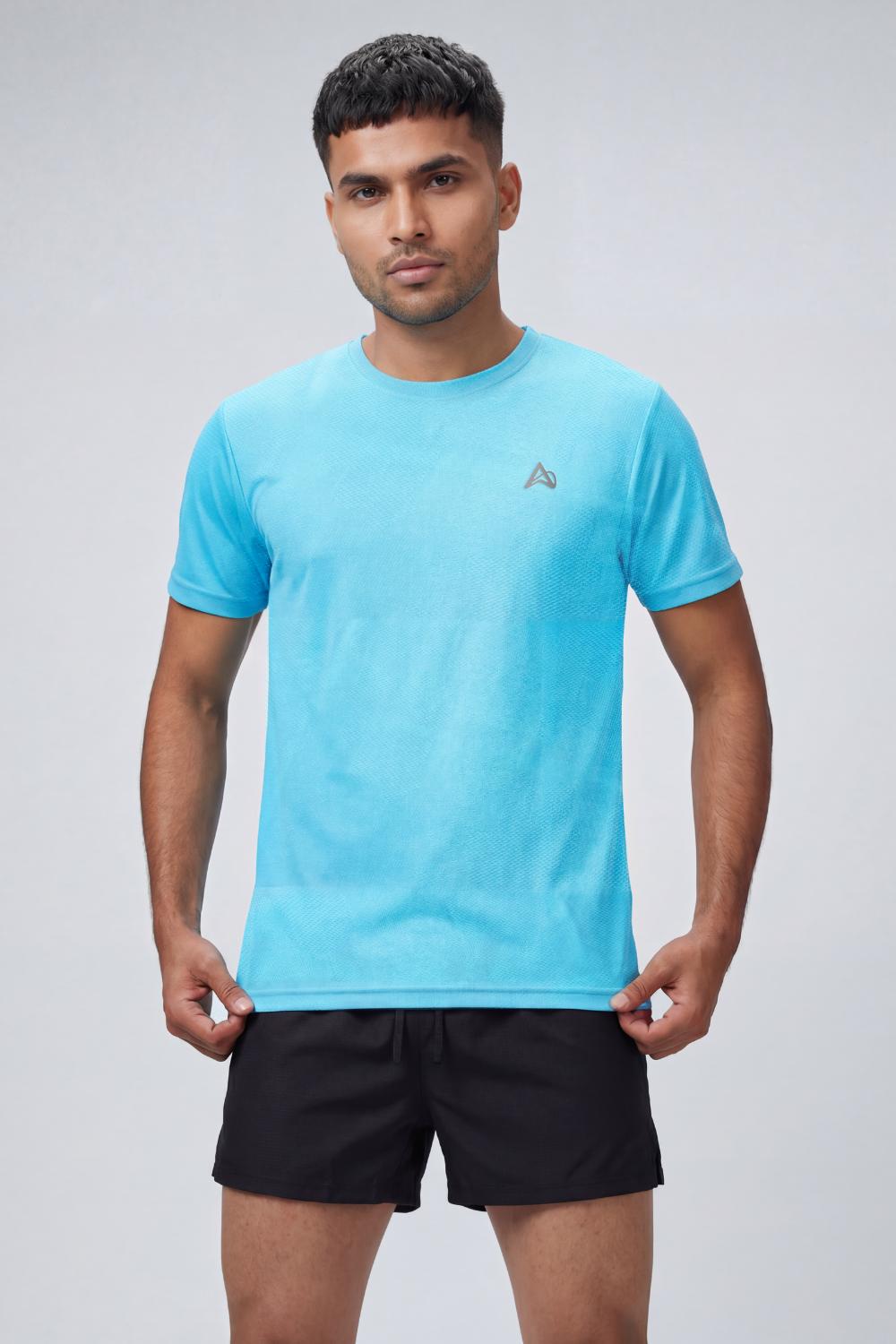
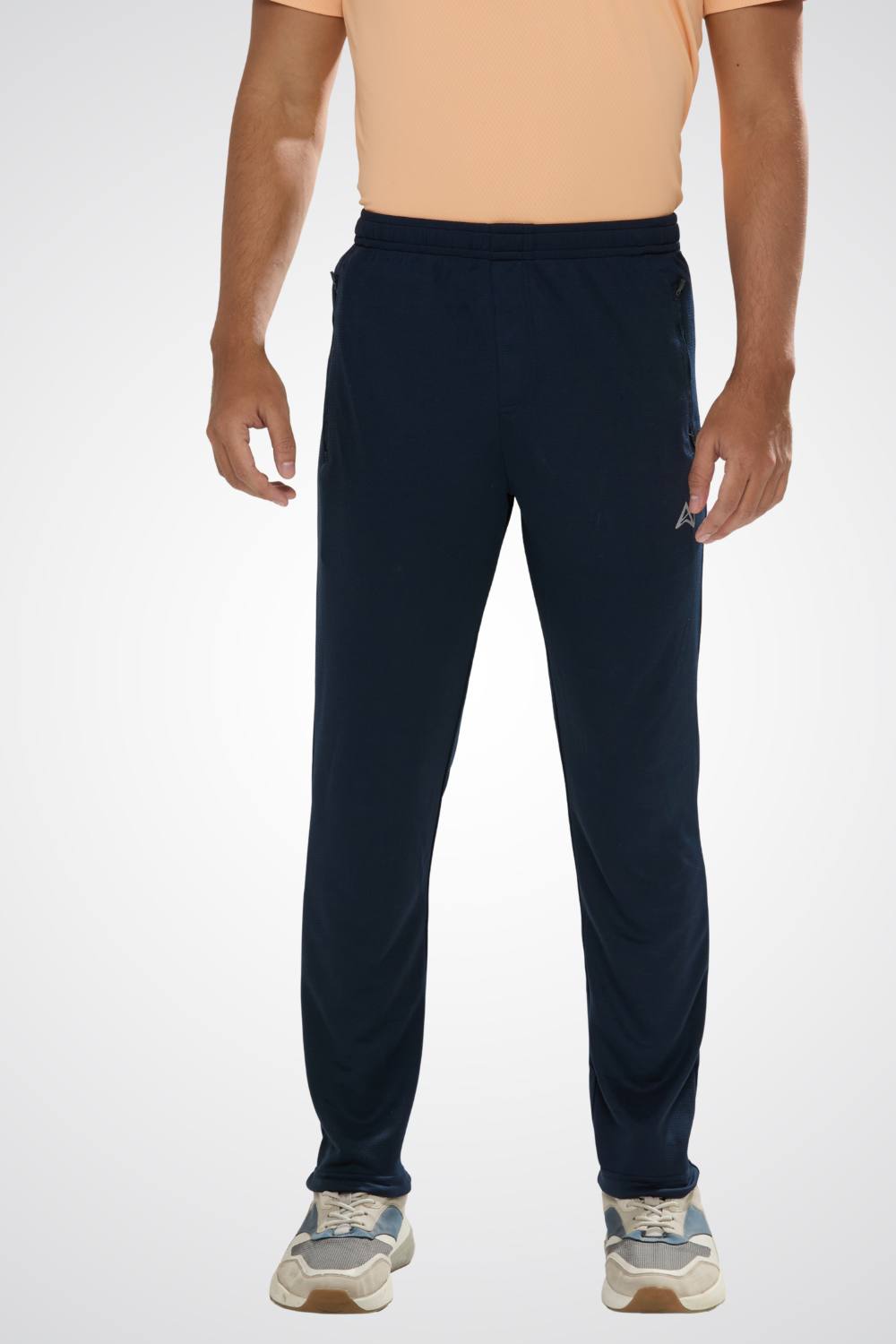
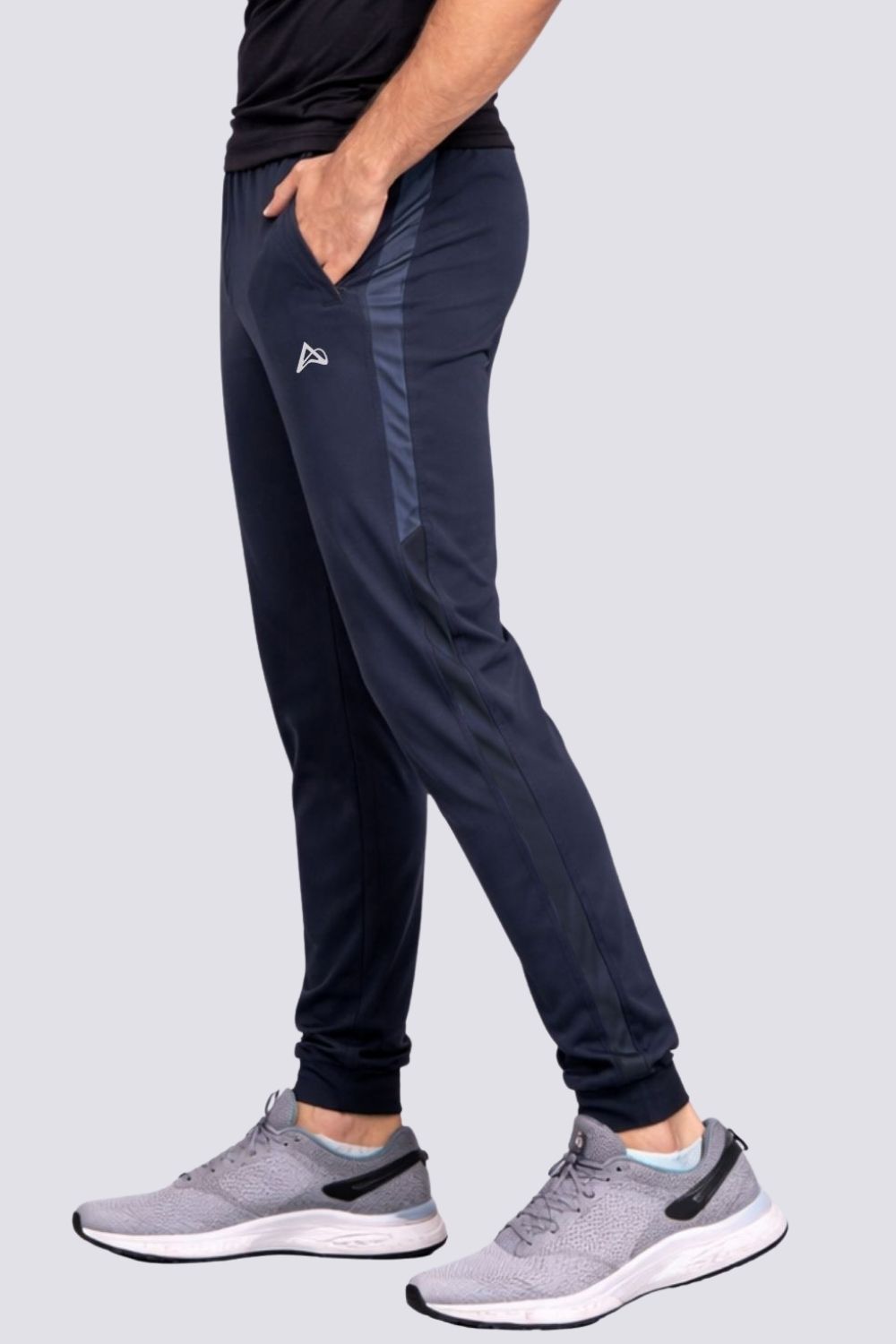
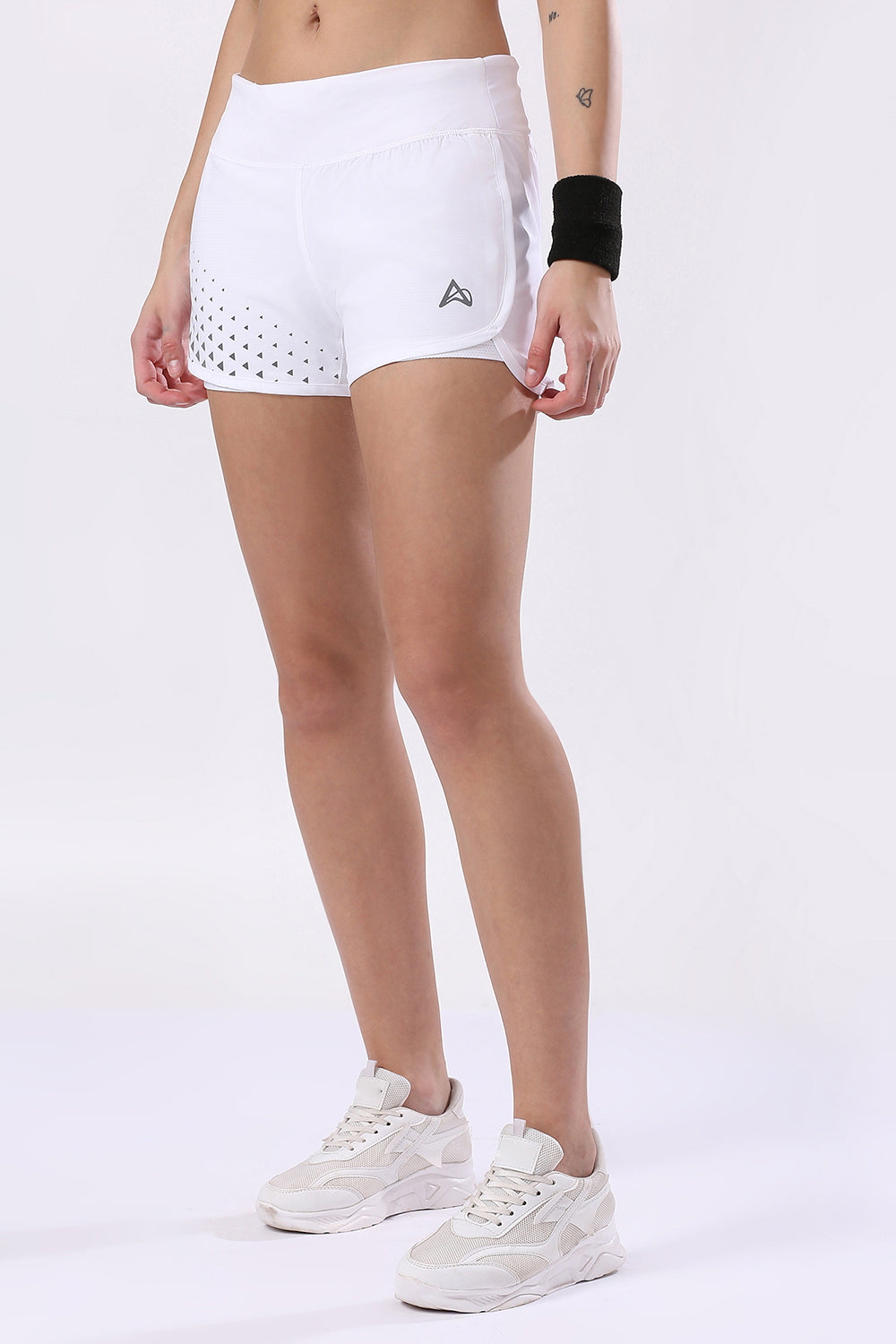
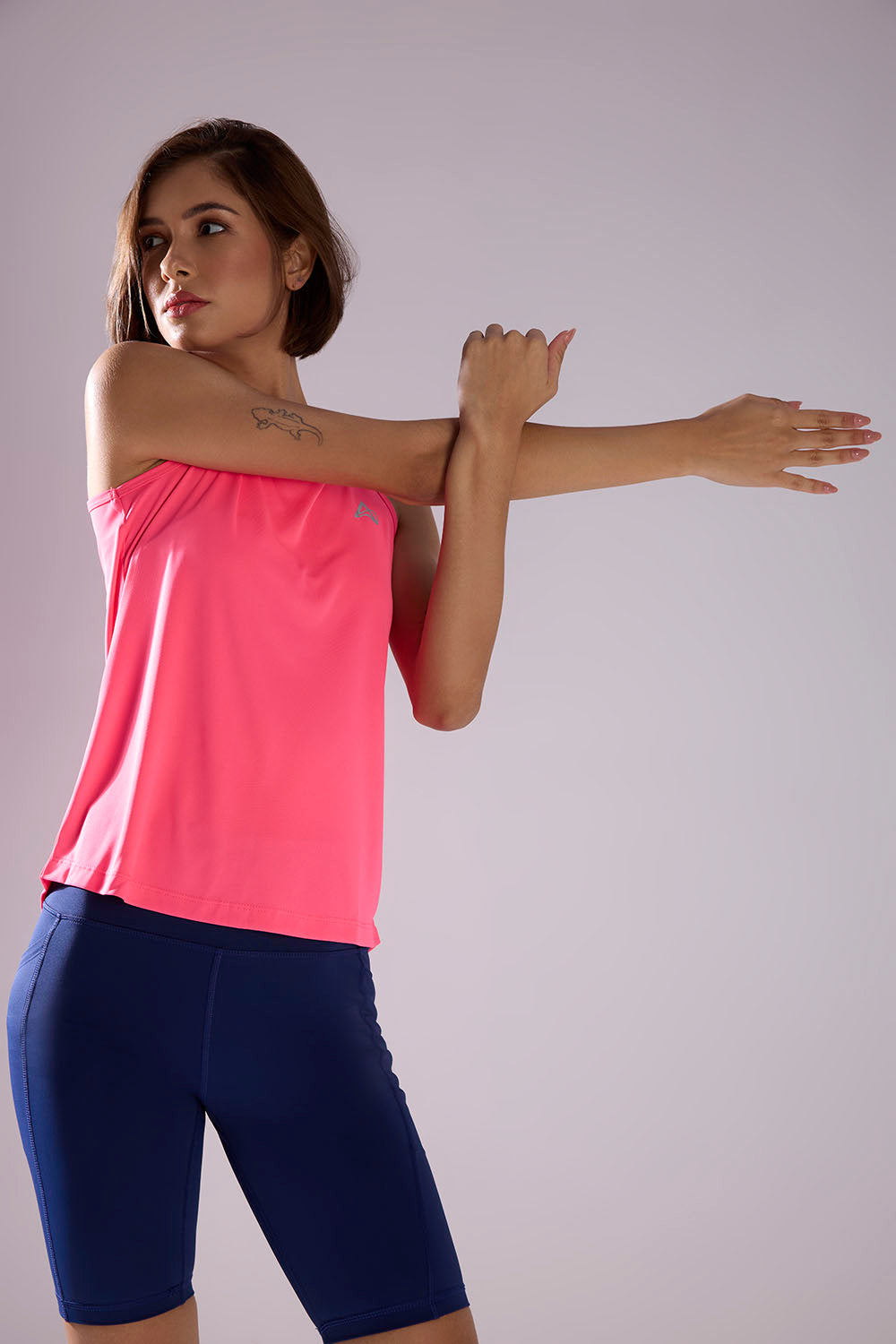
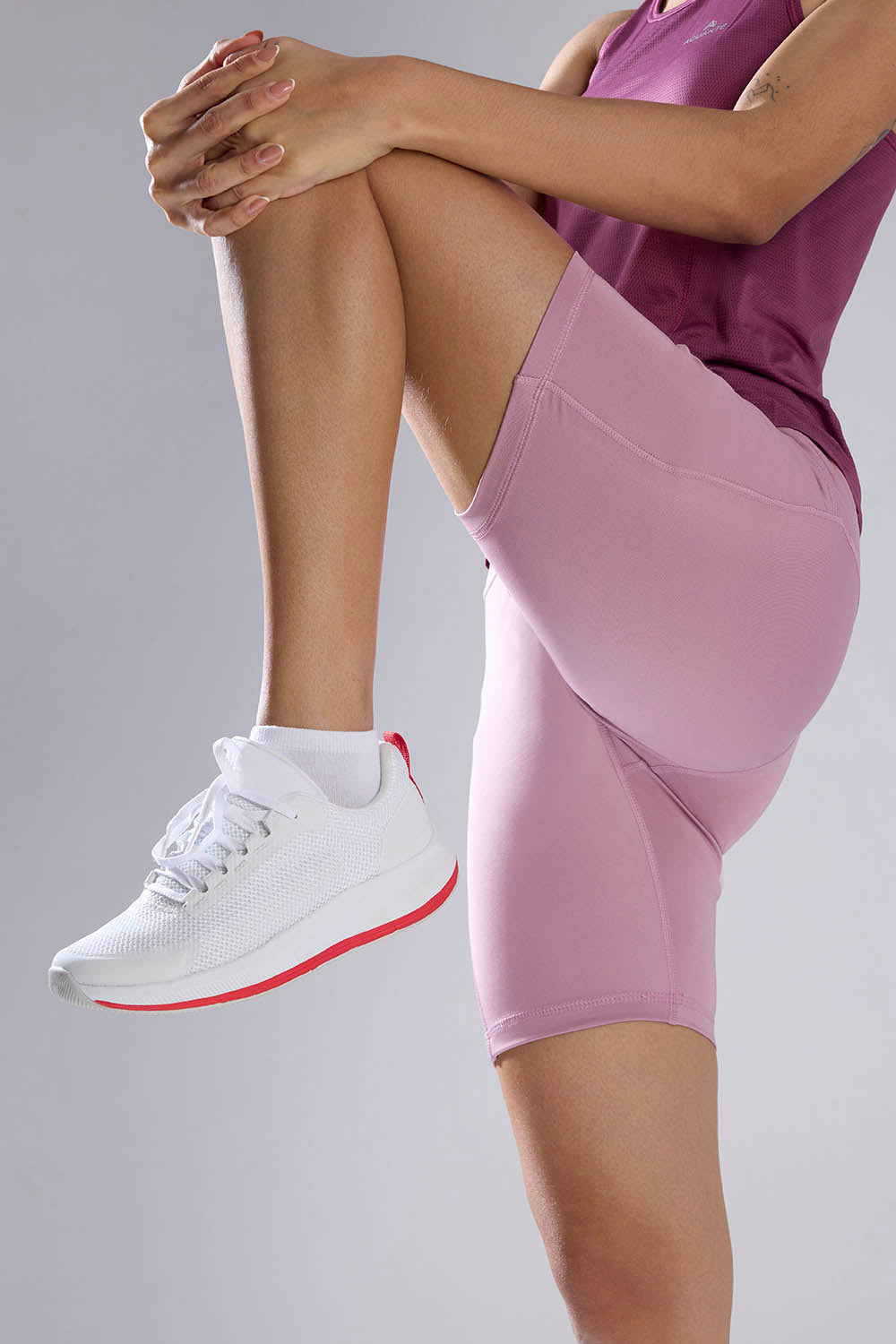
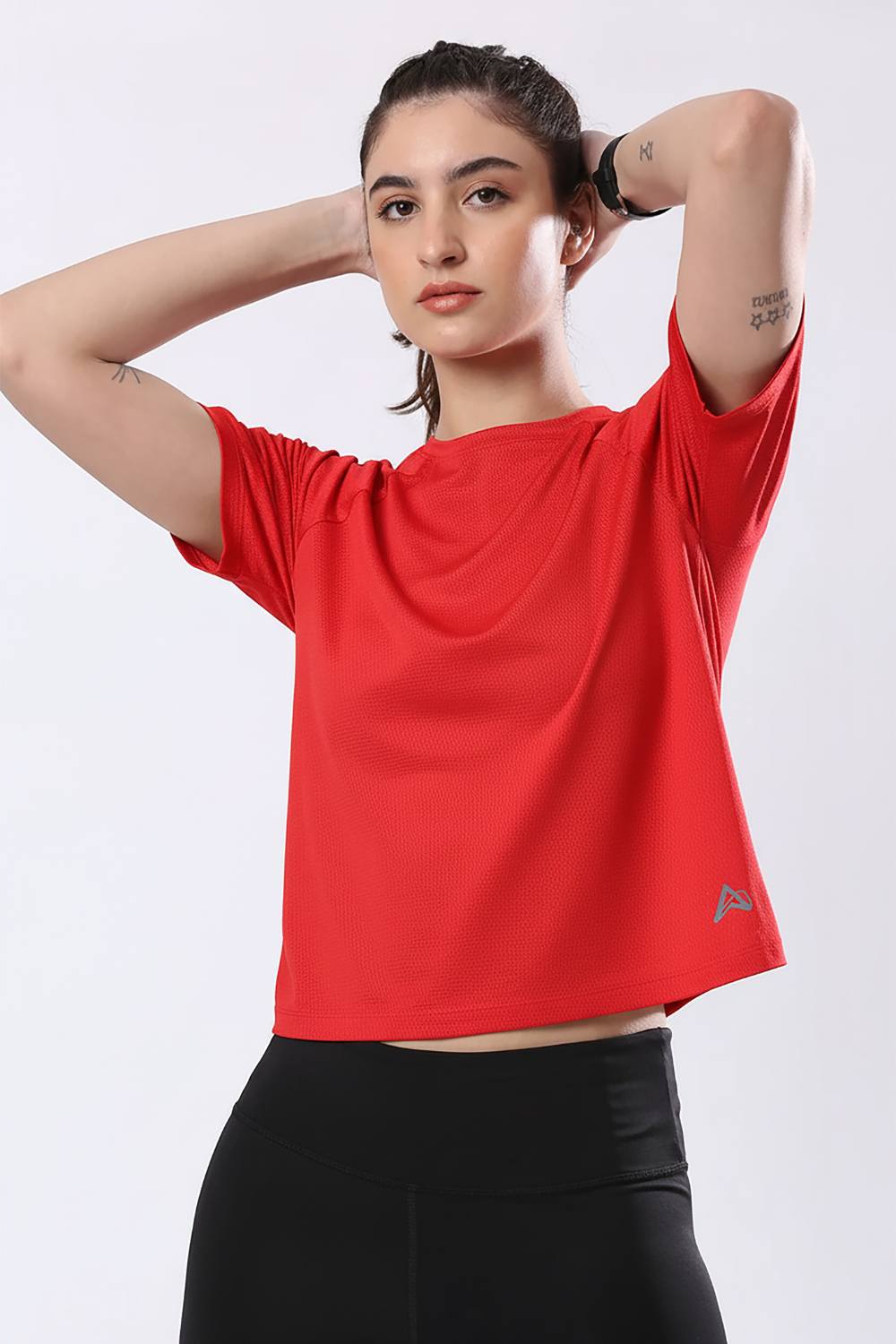
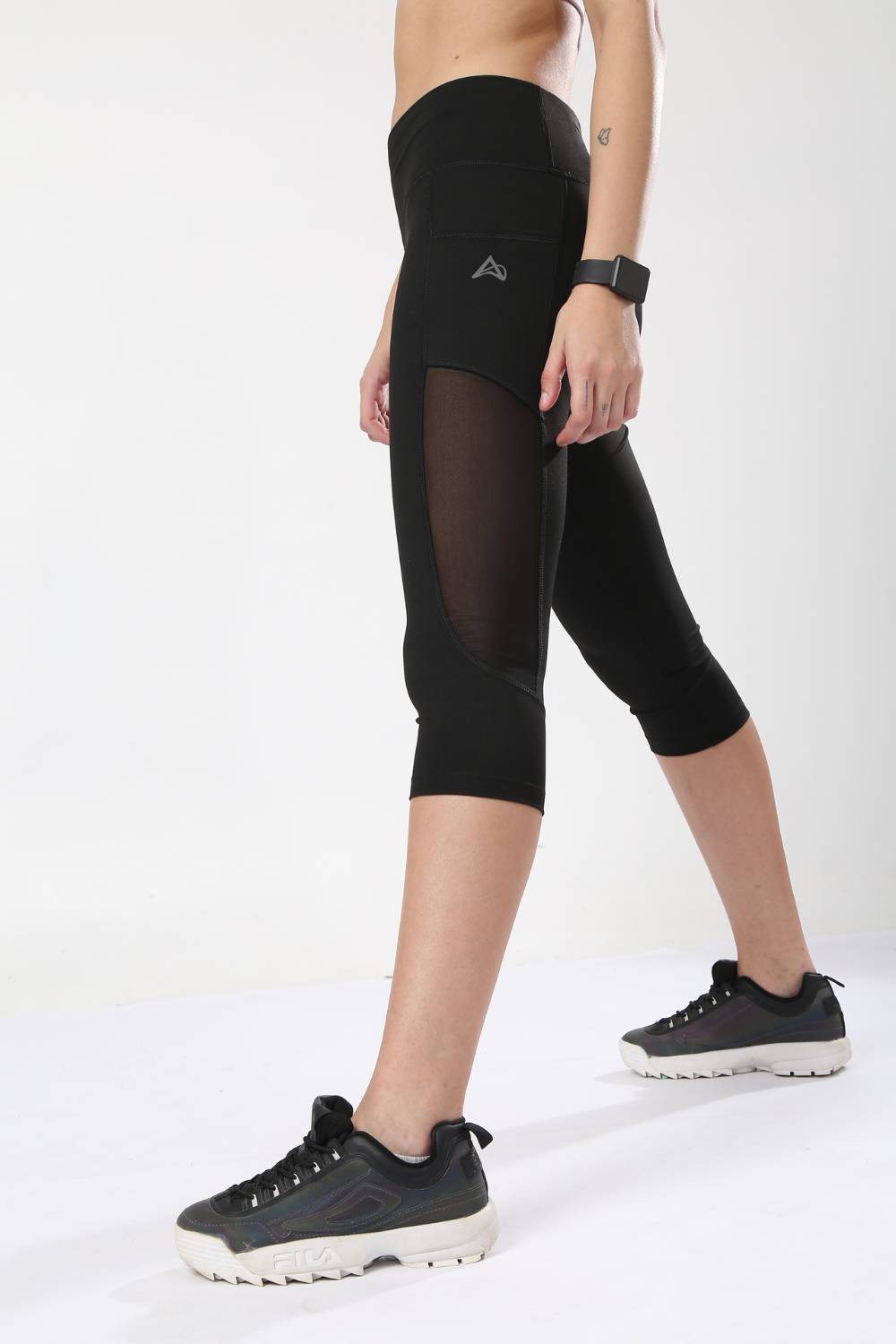
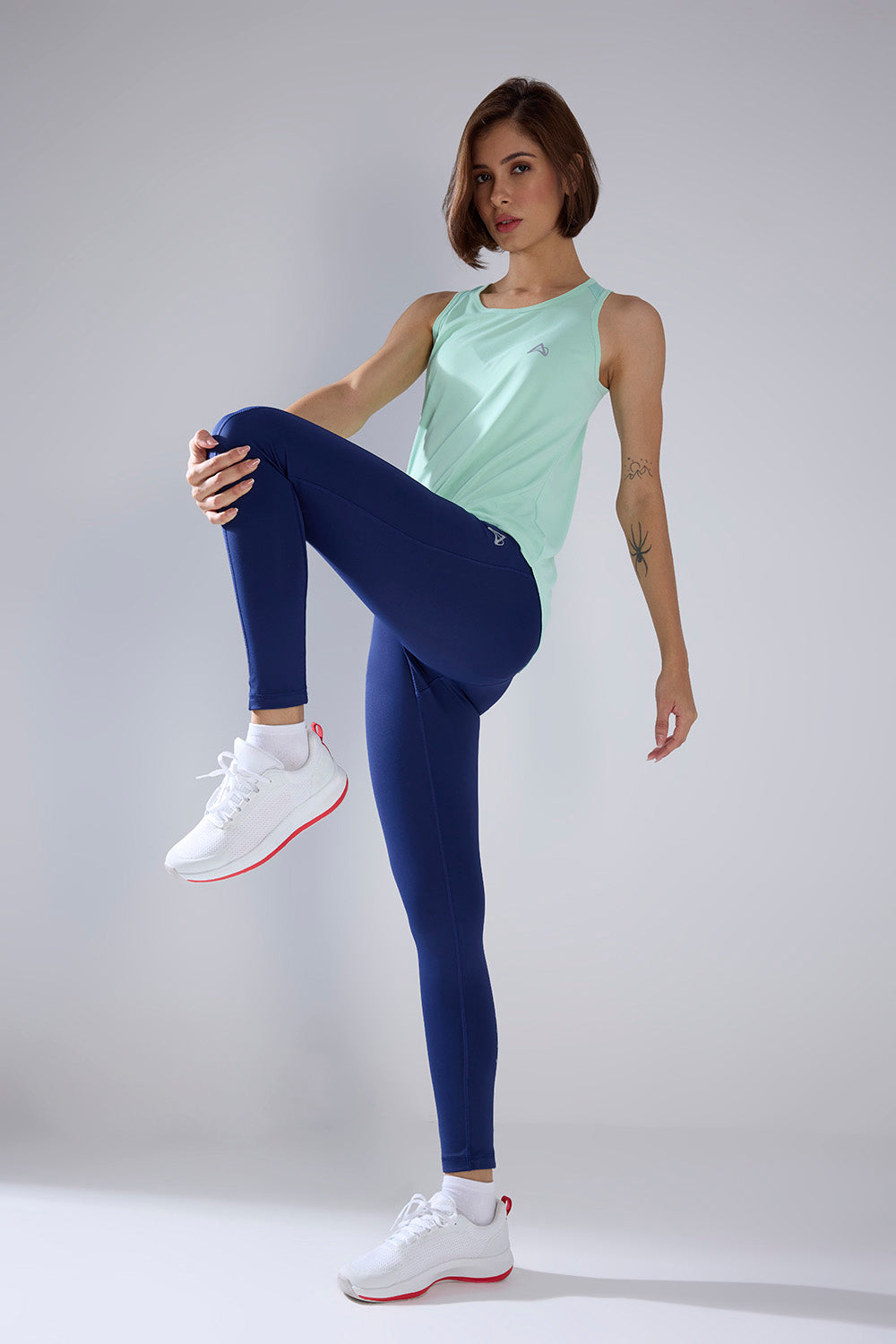

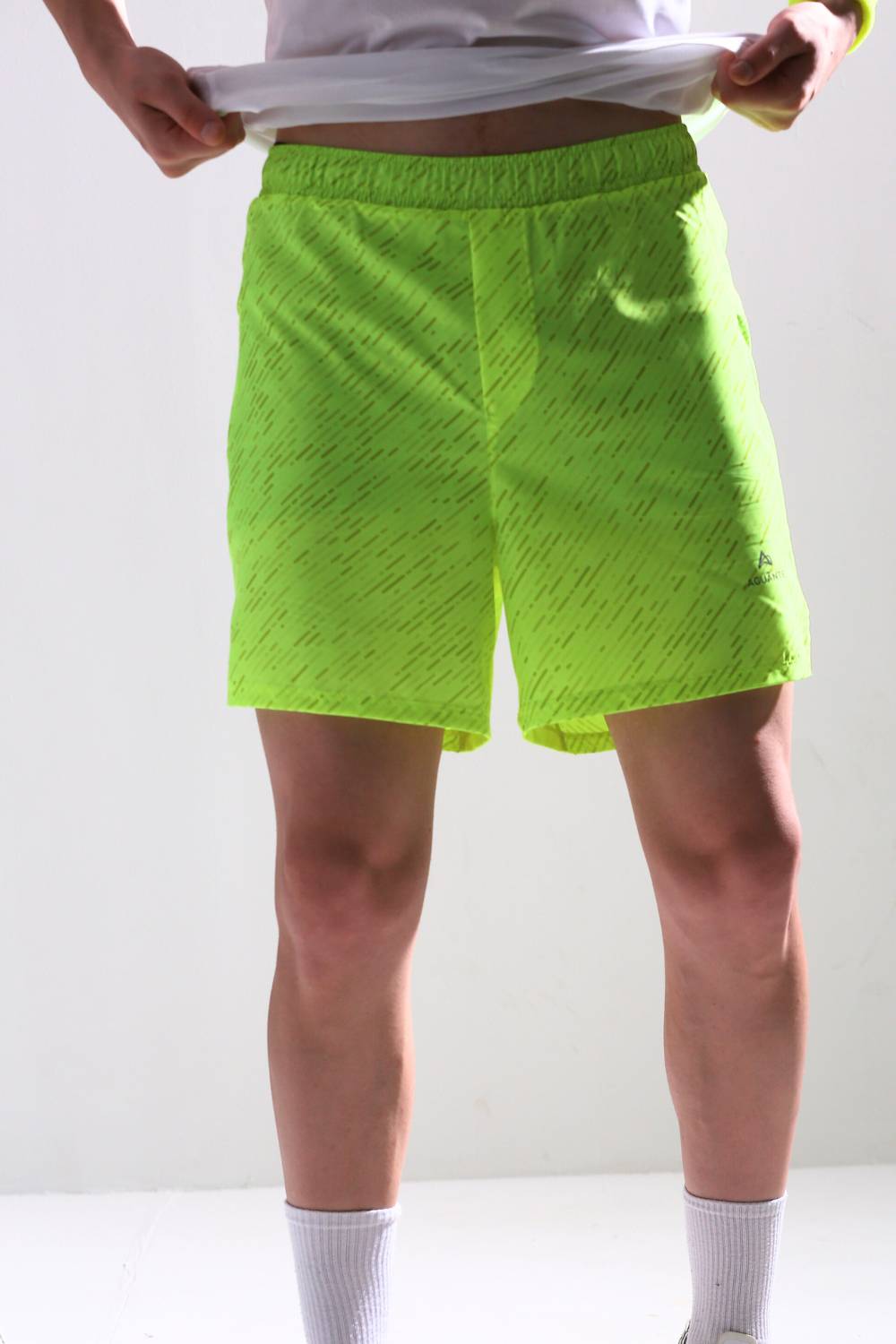
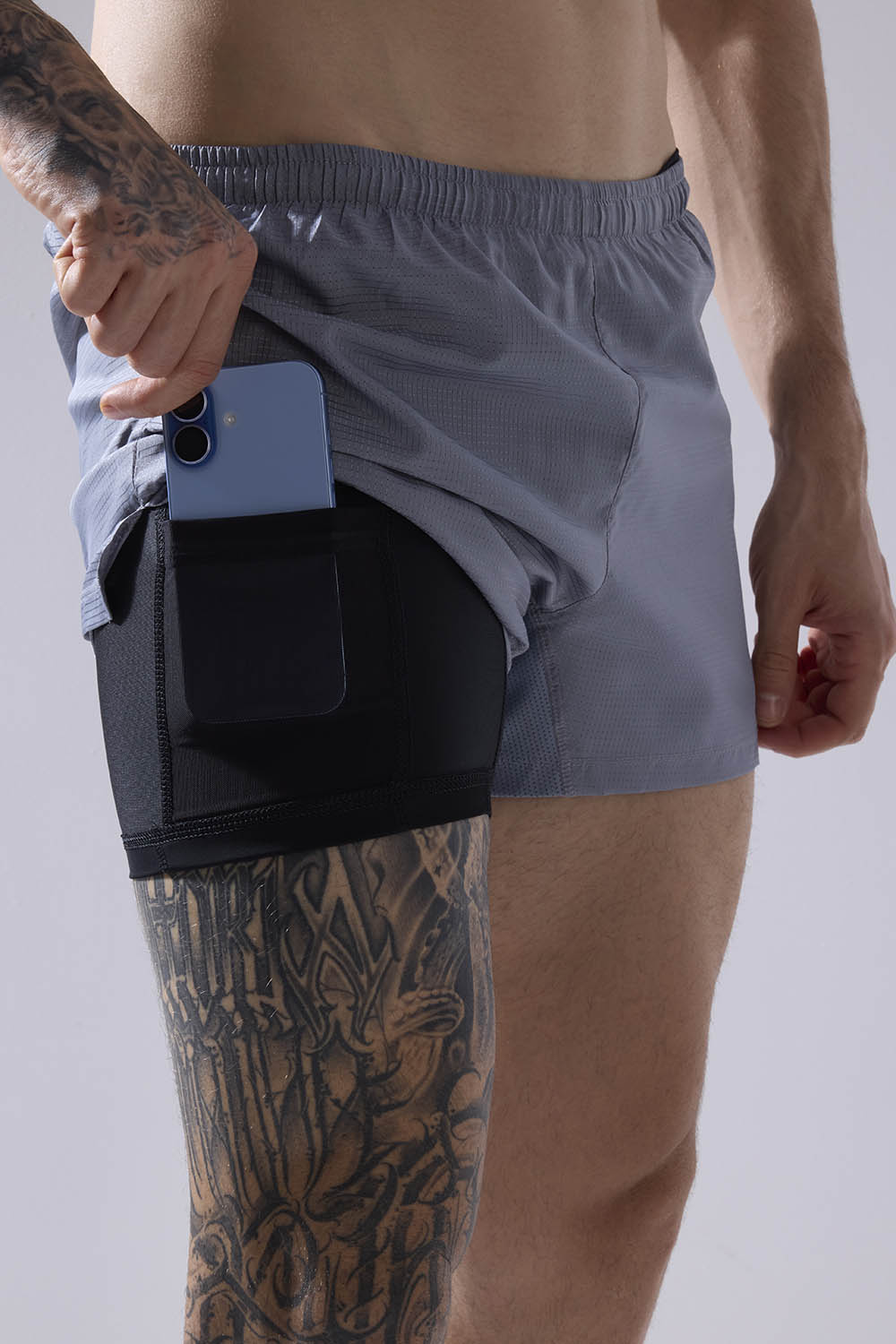

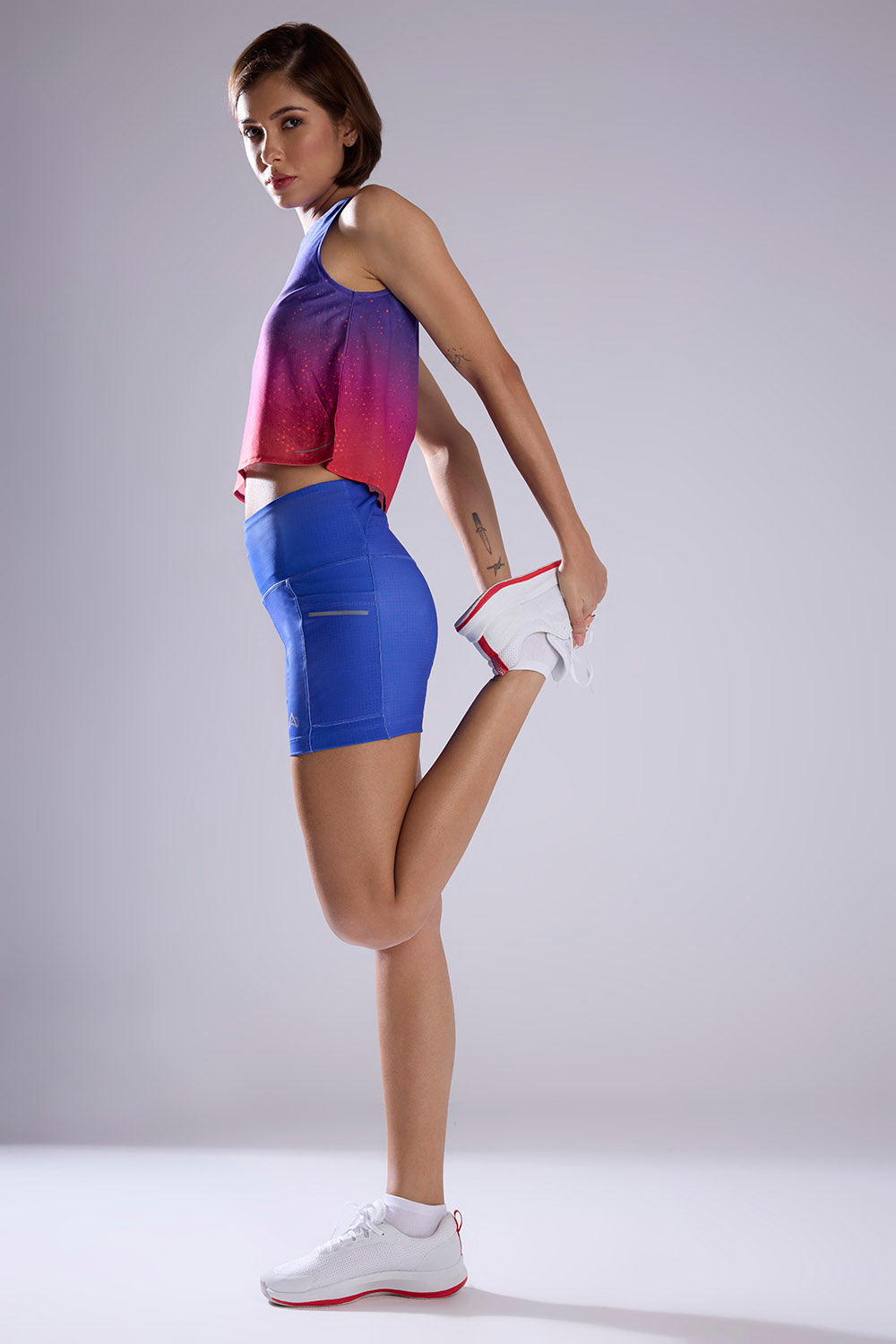
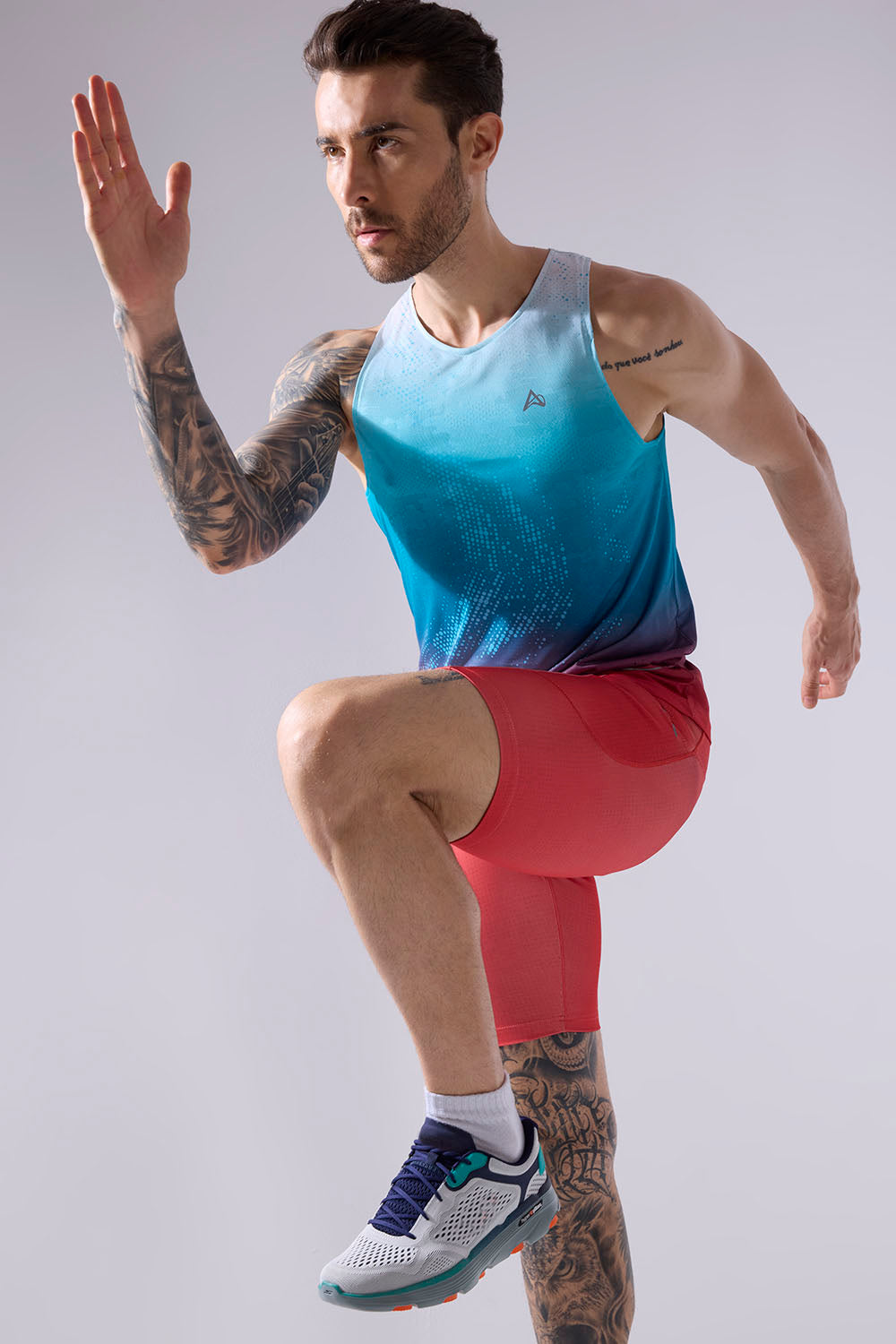

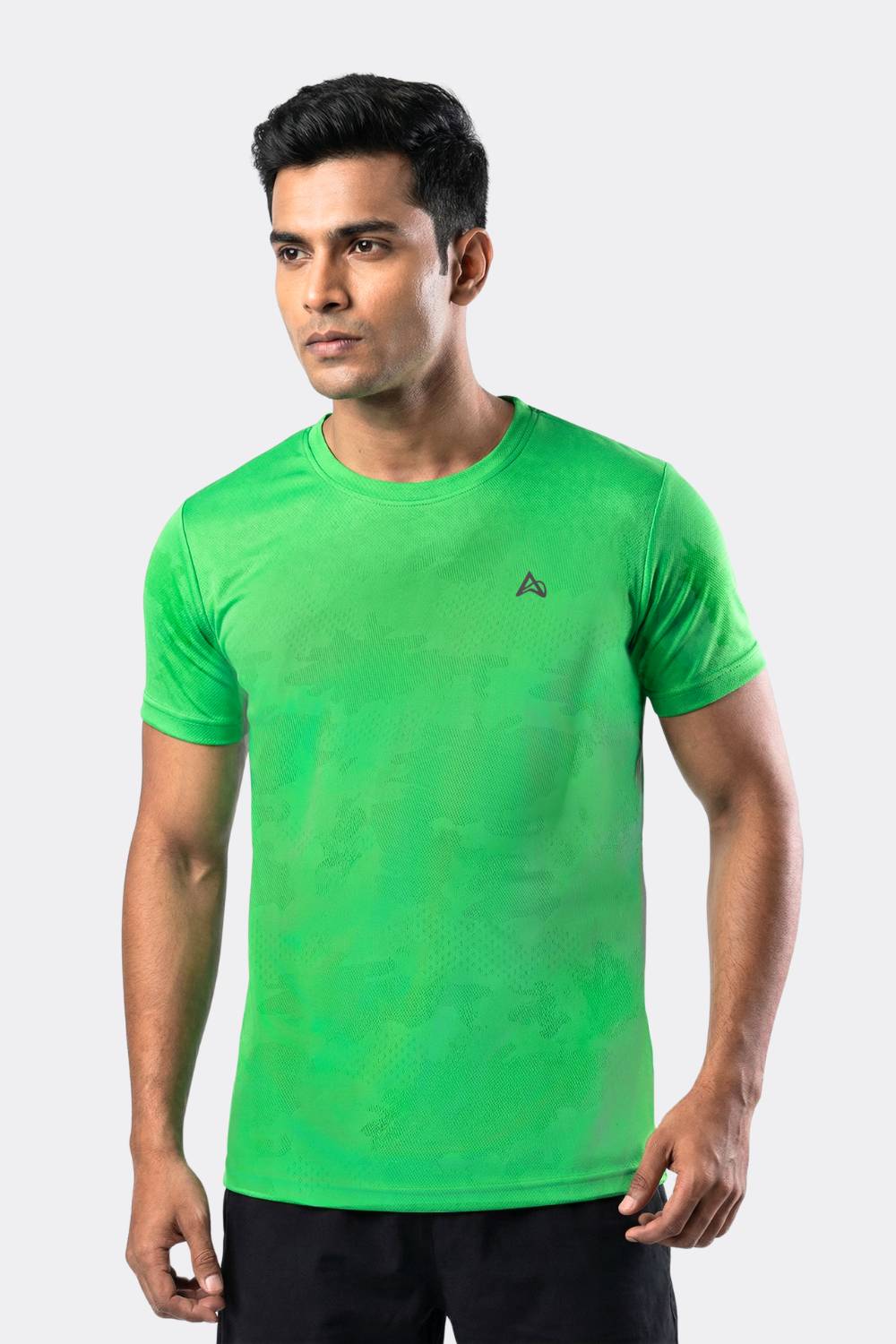
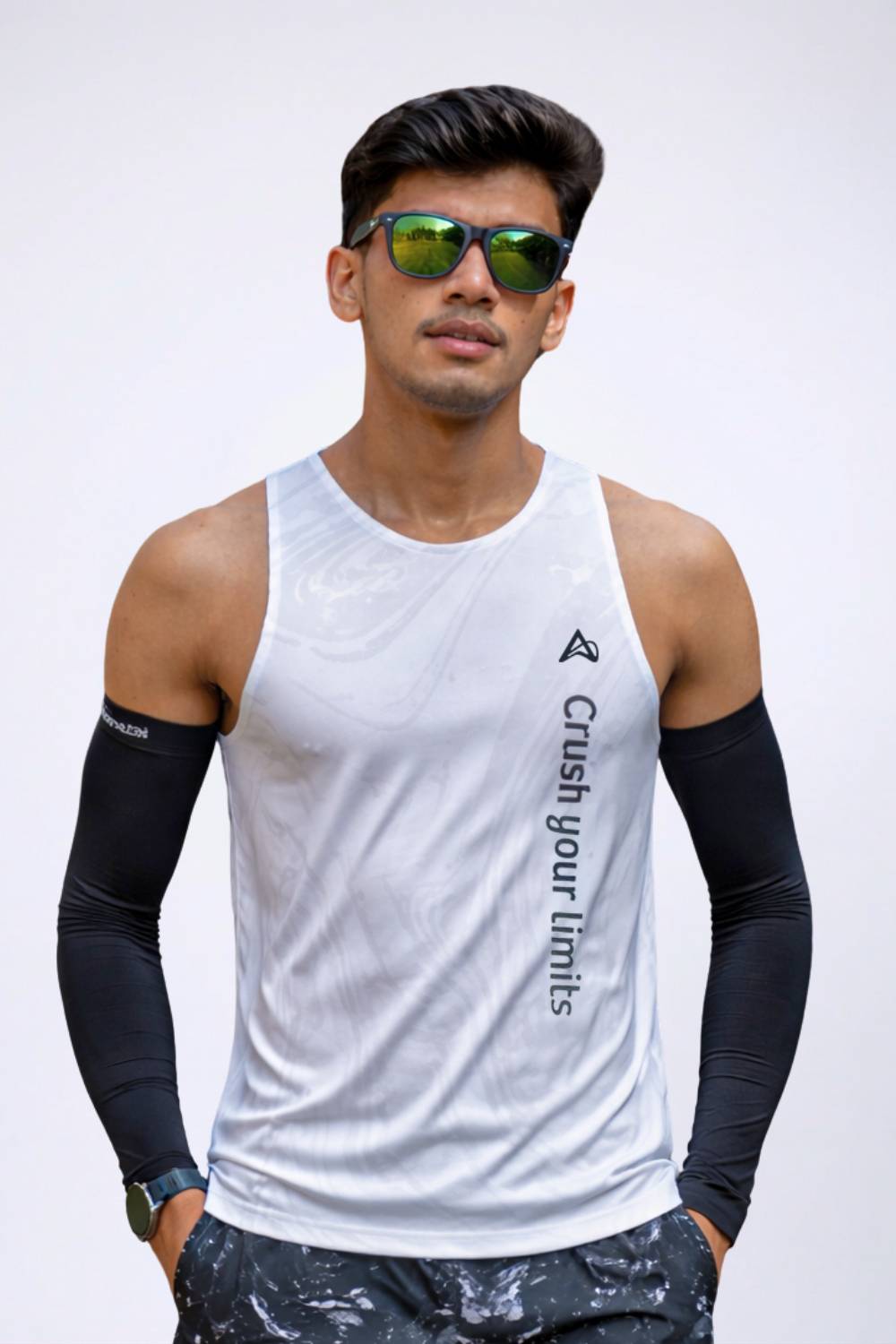

How to Evaluate Running Apparel for Long-term Durability starts with looking beyond appearance and short-term comfort. Runners who train regularly need clothing that can handle sweat, repeated washing, movement, and outdoor conditions while continuing to provide the support and comfort expected from performance gear. A durable running wardrobe is not simply about buying more advanced-looking products; it is about understanding how materials, construction, and care practices influence how apparel performs over time.
For runners evaluating their next purchase, durability can be a deciding factor between a garment that remains useful through consistent training and one that quickly loses its shape, feel, or functionality. Features such as fabric recovery, stitching quality, breathability, and resistance to wear all contribute to long-term value. A thoughtful evaluation process helps athletes choose running apparel that supports their routines while making more informed decisions.
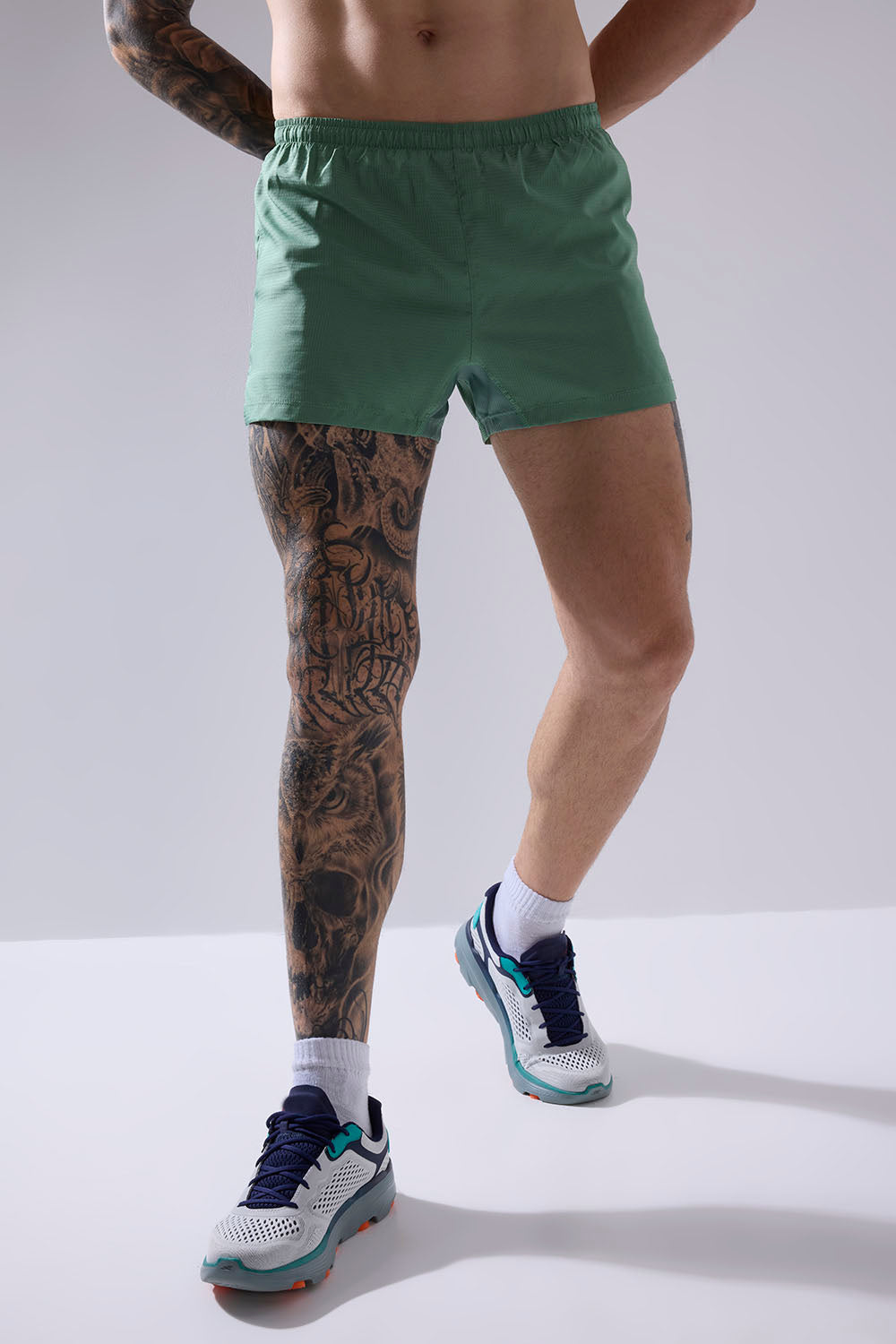
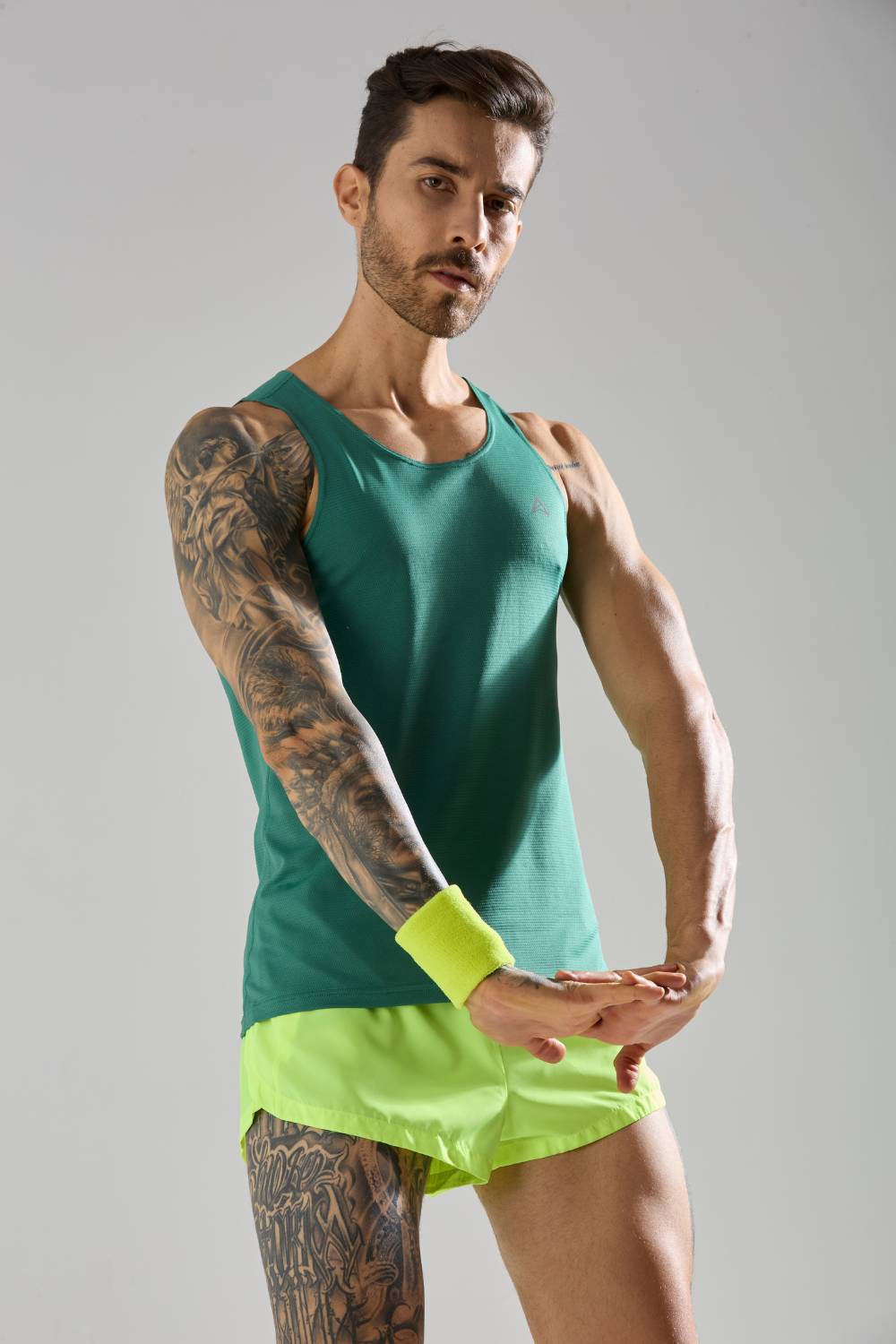
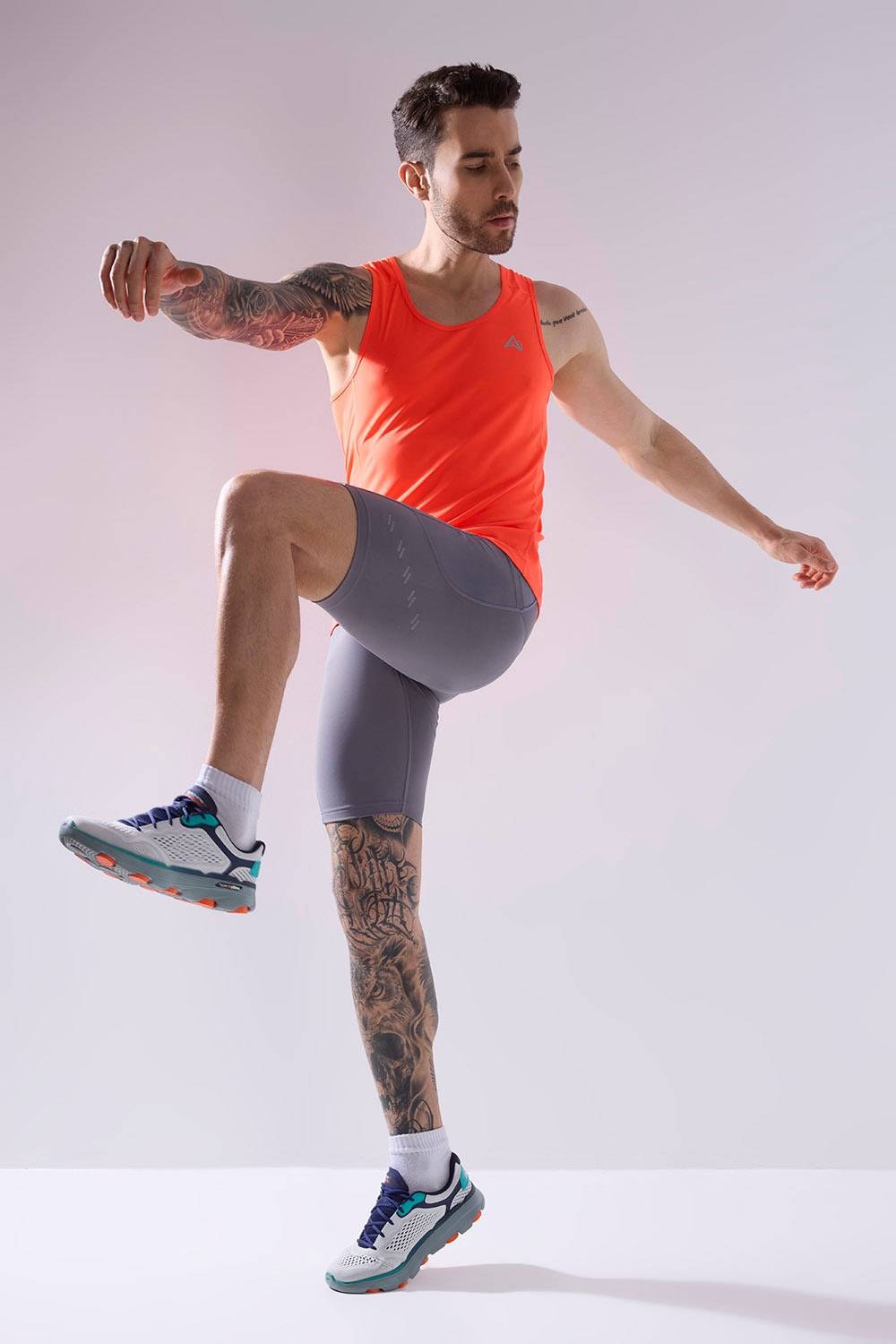
Tired of gear that slows you down? Chafing, soggy fabrics, and missing pockets kill your run's momentum. At Aguante, we're runners who get it. Our high-performance activewear features moisture-wicking fabrics, ergonomic designs, and smart storage to keep you focused. Shop Now!
Why Durability Matters When Choosing Running Apparel
Running clothing experiences more stress than many everyday garments. Each training session exposes apparel to moisture, friction, stretching, and movement patterns that can gradually affect fabric performance. A lightweight running top, shorts, or tights may feel comfortable when new, but its real quality becomes clearer after repeated use.
Durability is closely connected to consistency. Runners depend on apparel that maintains its fit and function across different sessions, whether they are completing daily runs, preparing for endurance events, or building a regular fitness habit. Clothing that retains its original performance characteristics can reduce the need for frequent replacement and provide better value over its useful life.
The focus on extending clothing lifespan has also changed how consumers think about performance apparel. Rather than replacing garments because of minor changes in appearance, more attention is being placed on selecting products that remain functional through better materials, construction, and maintenance practices. This approach reflects a broader shift toward choosing products designed for longer use, as discussed in .
Start with Fabric Quality and Performance Characteristics
The fabric is one of the most important indicators of running apparel durability. Technical running garments are designed to manage conditions that everyday clothing may not encounter, including sweat accumulation, repeated stretching, and frequent washing. Understanding the role of fabric helps runners evaluate whether a product is built for regular training.
Look for Stable Performance Over Time
A durable fabric should maintain important characteristics after multiple uses. Runners should consider whether the material is likely to keep its stretch recovery, breathability, and comfort after regular wear. A garment that performs well only during the first few sessions may not deliver the long-term value an active runner needs.
Material information can provide useful clues during the buying process. Clear descriptions of fabric composition, construction methods, and intended use can help runners understand how a garment is designed to perform. When evaluating the best fabric for running apparel, focus on how the material supports repeated movement rather than choosing based only on how it feels in a store or online image.
Consider Resistance to Common Wear Issues
Repeated use can reveal weaknesses that are not immediately visible. Runners should examine whether apparel appears capable of resisting issues such as pilling, loss of shape, fading, or reduced elasticity. These details matter because performance clothing is often washed more frequently than casual wear.
Durability also includes how materials respond to different environments. Outdoor runners may experience changing temperatures, humidity, and varying levels of exposure during training. A well-designed garment should continue to support comfort and movement across different running conditions.
Examine Construction Details Before Purchasing
Fabric quality is only one part of durable running apparel. The way a garment is constructed has a major impact on how long it can remain functional. Seams, panels, waistbands, pockets, and finishing details all influence the overall strength of a product.
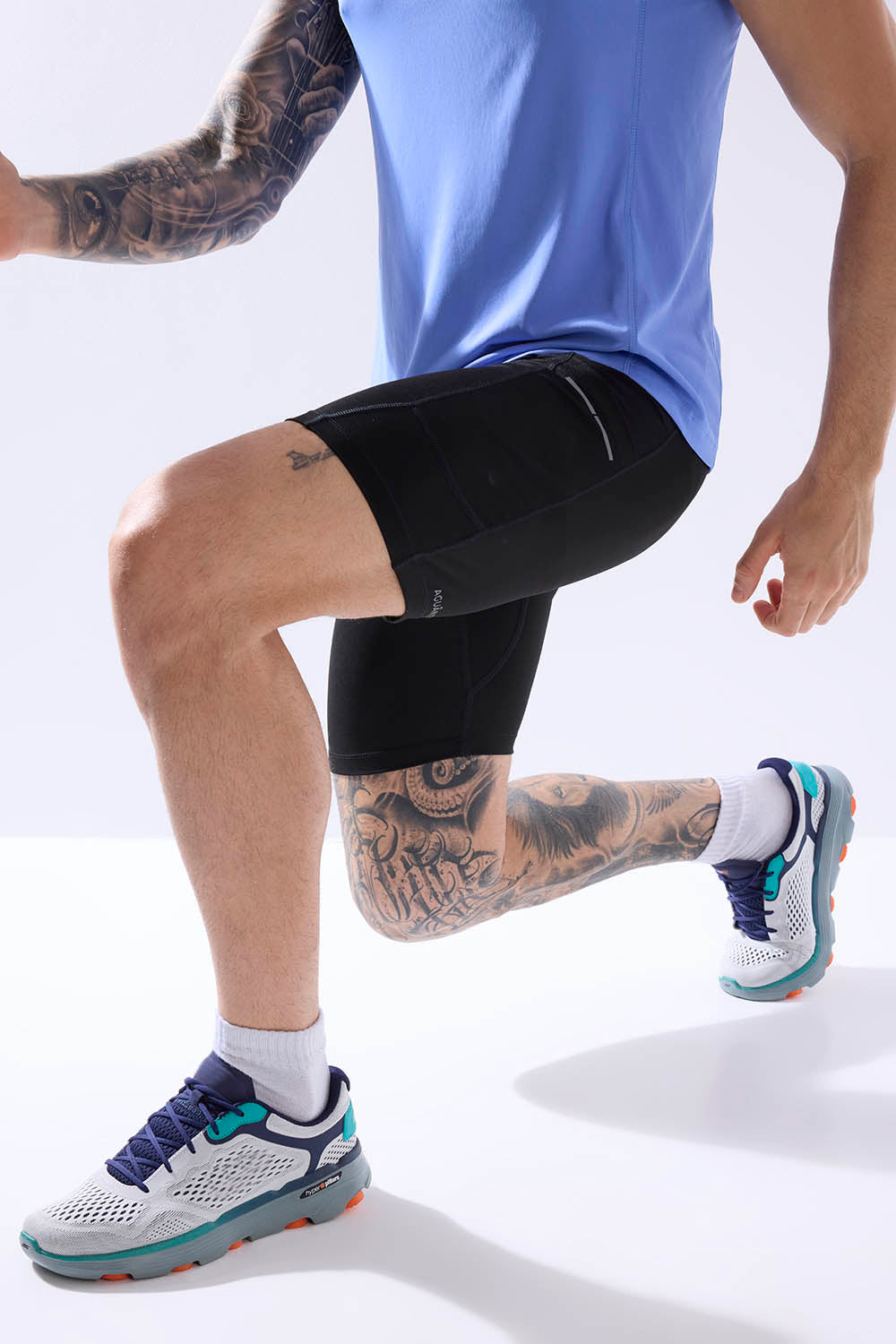
Strong seam construction is especially important in areas that experience frequent movement or tension. Runners should look for consistent stitching, secure joins, and designs that allow natural movement without creating unnecessary stress points. Small construction details often determine whether apparel remains comfortable after months of use.
- Does the garment maintain its shape after stretching?
- Are seams designed for repeated movement?
- Does the fit support running without restricting motion?
- Are functional features positioned for everyday training needs?
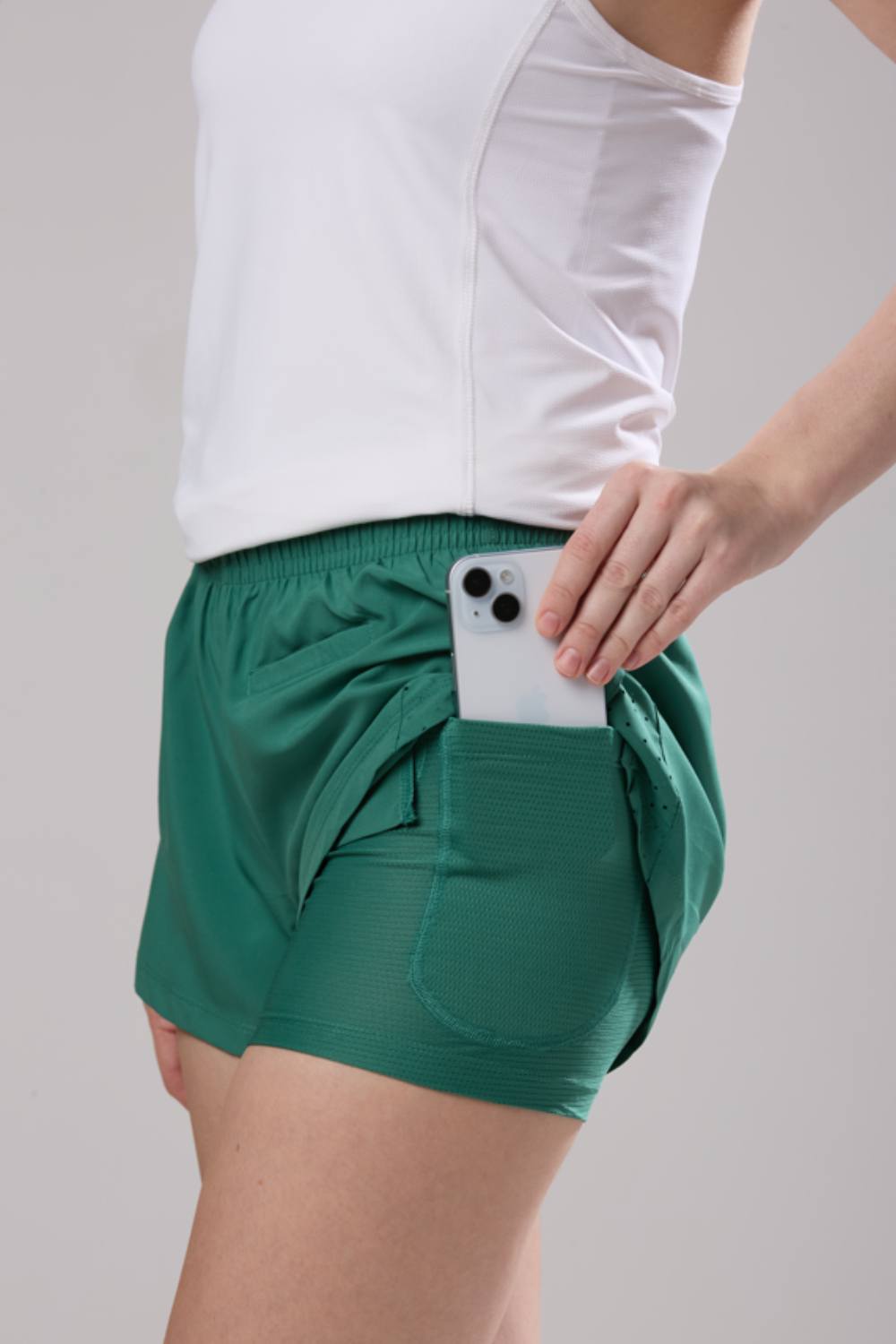
Details such as pockets, reflective elements, and ergonomic design features can also influence long-term usefulness. A garment that fits naturally into a runner's routine is more likely to remain a preferred choice over time.
Evaluate Comfort, Fit, and Functionality Together
Durability is not only about how long clothing lasts physically. It is also about whether the garment continues to meet the runner's needs. A product may remain intact but become less useful if it does not provide the comfort, mobility, or functionality required for regular training.
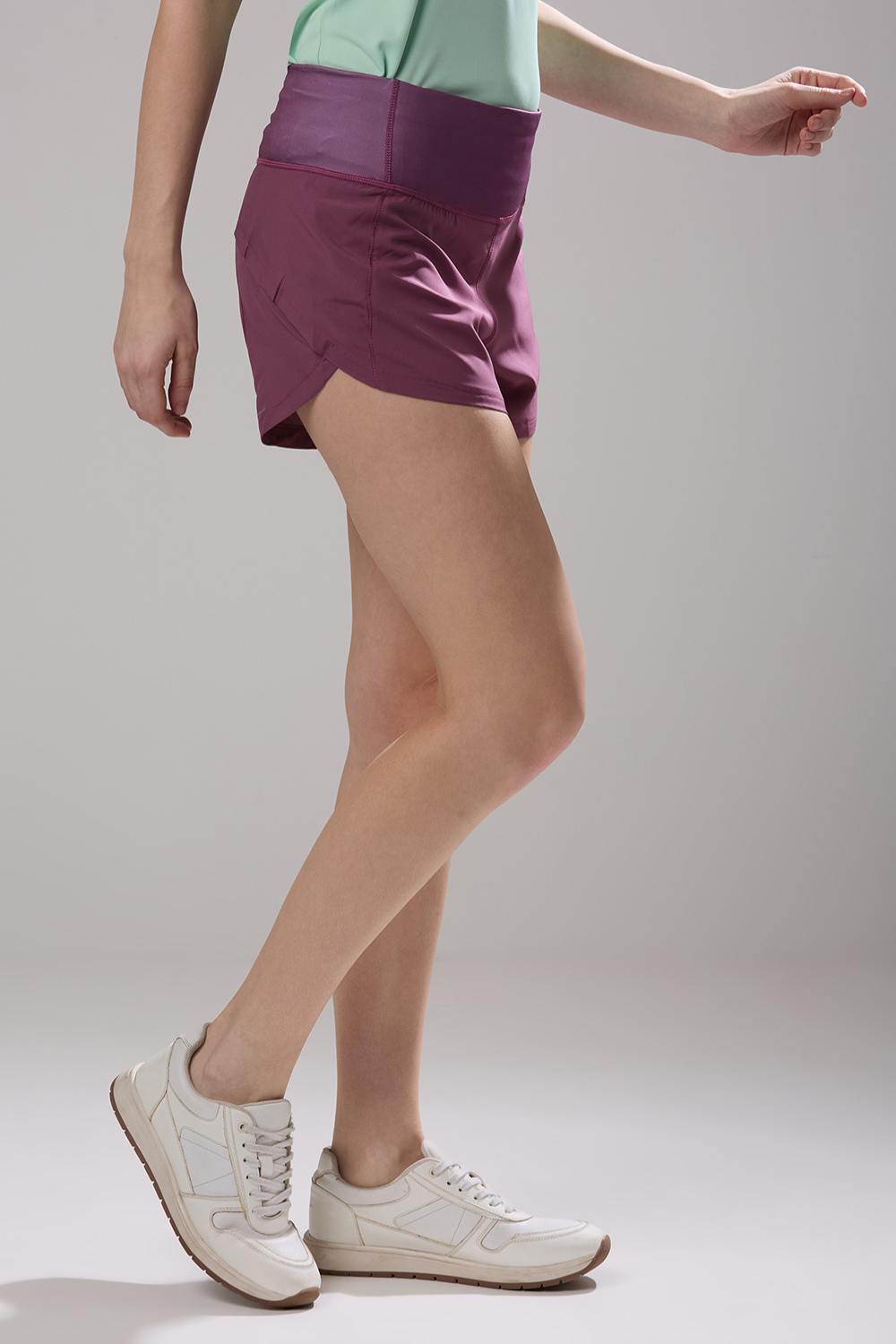
Fit plays an important role in long-term performance. Running apparel should allow freedom of movement while staying secure during activity. Poor fit can increase friction, create discomfort, and reduce how often a runner chooses to wear the garment.
Functional features should also be assessed based on actual running habits. A runner who carries essentials during training may value practical storage solutions, while someone training in low-light conditions may consider visibility features important. The right combination of design and function helps apparel remain useful beyond its first few uses.
Understand the Role of Care and Maintenance
Even high-quality running apparel requires proper care. Maintenance habits influence how technical fabrics, stitching, and performance features hold up over time. Runners evaluating how long should running clothes last should consider not only the original quality of the garment but also how it will be washed, dried, and stored.
Following care instructions can help preserve fabric performance. Excessive heat, unsuitable cleaning methods, or rough handling may affect the characteristics that make running apparel effective. Simple habits, such as using appropriate washing practices and allowing garments to dry correctly, can support longer use.
Care is also part of a more thoughtful approach to consumption. Selecting durable apparel and maintaining it properly allows runners to get more value from each purchase while reducing unnecessary replacement. For performance clothing, longevity depends on both product design and user habits.
Use a Practical Evaluation Process Before Buying
Choosing running apparel does not require focusing on one single feature. A better approach is to evaluate multiple factors together and understand how they contribute to everyday performance. A runner comparing options should consider materials, construction, comfort, functionality, and expected usage patterns.
Before purchasing, ask whether the garment matches the demands of the intended activity. Someone running several times a week may need different durability characteristics compared with someone purchasing occasional training clothing. Understanding personal usage helps create a more realistic expectation of performance and lifespan.
When considering durable running apparel, look for evidence of thoughtful design rather than relying only on marketing descriptions. Information about materials, construction, and intended use can help runners identify products that are created for repeated activity.
- Checking fabric composition and performance features
- Reviewing construction quality and finishing details
- Considering comfort during actual running movement
- Understanding care requirements
- Assessing whether the design fits long-term training needs
Building a Smarter Approach to Running Apparel Choices
The value of running clothing is measured over time, not only at the moment of purchase. Apparel that maintains comfort, performance, and fit through regular use becomes a dependable part of a runner's training routine. This makes durability an important consideration for anyone investing in performance clothing.
For active consumers, evaluating running apparel means looking deeper than colour, style, or initial feel. The most reliable choices are based on understanding how materials behave, how garments are constructed, and how well products support real training demands.
Brands and runners are also paying greater attention to product quality and responsible production considerations. Some discussions around athletic wear materials highlight why understanding garment composition, treatments, and manufacturing choices matters when selecting performance clothing, including concerns around .
By focusing on durability features in sportswear, runners can make decisions that support both performance goals and practical everyday needs. A careful evaluation process helps ensure that running apparel remains comfortable, functional, and valuable throughout its lifecycle.
Long-lasting Gear for Runners
Long-term durability is one of the most important factors when selecting running apparel. The right choice comes from understanding fabric quality, construction, fit, functionality, and maintenance requirements together. For runners, durable clothing is not simply about lasting longer; it is about having reliable gear that continues to support training, movement, and performance over time.
Frequently Asked Questions
How can I evaluate running apparel for long-term durability?
To evaluate running apparel durability, look at fabric quality, seam construction, fit, and performance features that support repeated use. Durable running clothes should maintain comfort, shape, breathability, and functionality through regular training sessions and washing cycles.
What features should I look for when choosing durable running apparel?
When choosing durable running apparel, consider technical fabrics, strong stitching, ergonomic fit, functional storage, and resistance to common wear issues such as pilling or loss of elasticity. These durability features in sportswear help ensure the garment remains useful throughout its lifecycle.
How do I know if running clothes are made with the best fabric for performance and longevity?
The best fabric for running apparel should maintain stretch recovery, moisture management, comfort, and breathability after repeated use. Checking material details and understanding how the fabric performs under regular running conditions can help you choose long lasting running clothes.
Disclaimer: The above helpful resources content contains personal opinions and experiences. The information provided is for general knowledge and does not constitute professional advice.
You may also be interested in: The Role of Apparel Fit in Reducing Discomfort During Marathon Preparation
Tired of gear that slows you down? Chafing, soggy fabrics, and missing pockets kill your run's momentum. At Aguante, we're runners who get it. Our high-performance activewear features moisture-wicking fabrics, ergonomic designs, and smart storage to keep you focused. Shop Now!
Powered by flareAI.co