

















Quick Listen:
Starting a running routine can be both exciting and intimidating for beginners in India. Urban life in cities like Bangalore, Mumbai, Delhi, Hyderabad, and Pune often comes with busy schedules, unpredictable weather, and pollution concerns, all of which can affect how you approach running. For those looking to improve fitness, manage weight, or simply cultivate a sustainable wellness habit, understanding key factors like pacing, safety, hydration, and proper gear is essential. This guide offers practical insights tailored to Indian cities, helping newcomers start running confidently while building a consistent routine.
Tired of gear that slows you down? Chafing, soggy fabrics, and missing pockets kill your run's momentum. At Aguante, we're runners who get it. Our high-performance activewear features moisture-wicking fabrics, ergonomic designs, and smart storage to keep you focused. Shop Now!
Understanding the Basics of Running for Beginners
Before lacing up your shoes, it's important to set realistic expectations. Running is a high-impact activity that requires proper body mechanics to prevent injuries and ensure long-term adherence. Beginners should focus on gradual progression rather than immediate intensity. Starting with brisk walking or walk-run intervals can help the body adapt to the impact stresses, particularly on urban roads in cities like Gurugram or Pune where hard surfaces dominate public running paths.
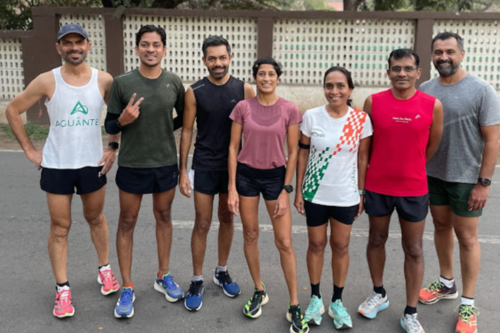
Equally important is recognizing your motivation. Whether the goal is improving cardiovascular health, weight management, or mental well-being, a clear objective helps maintain consistency. Local running communities in cities such as Bangalore and Hyderabad often provide structured beginner programs that offer accountability, social motivation, and guidance on pacing and distance.
Choosing the Right Running Schedule
Consistency is key when developing a beginner running routine in India. Early mornings often offer cooler temperatures and lower pollution levels in cities like Delhi and Mumbai, making 5:30–7:00 AM an optimal window for running. Evening runs can also work, especially in areas with well-lit parks and running tracks. However, beginners should be mindful of high heat and humidity in regions such as Surat or Ahmedabad, adjusting intensity and duration to prevent heat stress.
Structuring your schedule around three to four running sessions per week with rest days in between allows adequate recovery. A typical beginner running plan for 5K distances could start with 20–30 minutes per session, gradually increasing the running intervals while reducing walking breaks. Integrating cross-training activities like yoga, cycling, or bodyweight exercises can enhance endurance and reduce injury risk.
Selecting Appropriate Running Gear
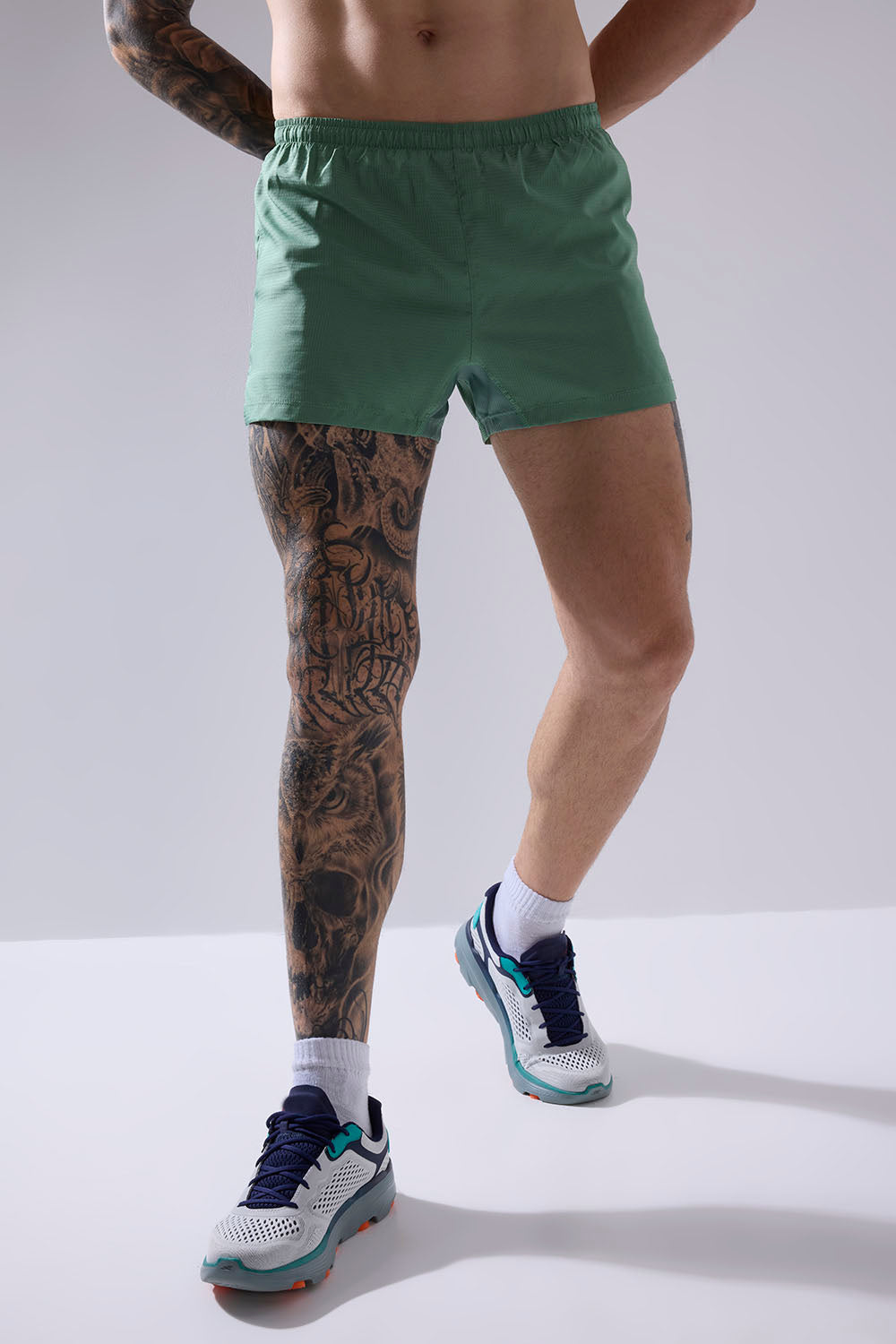
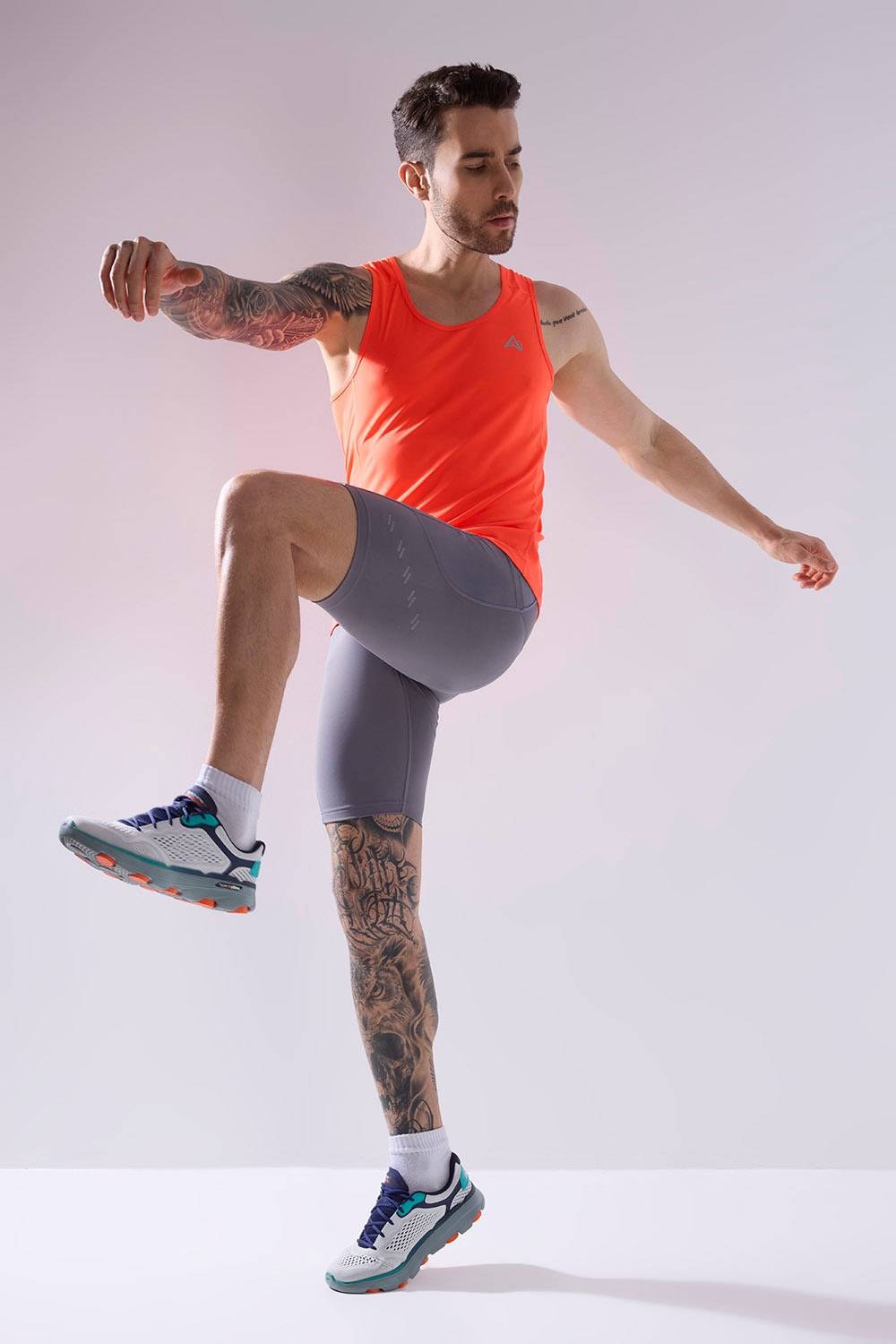
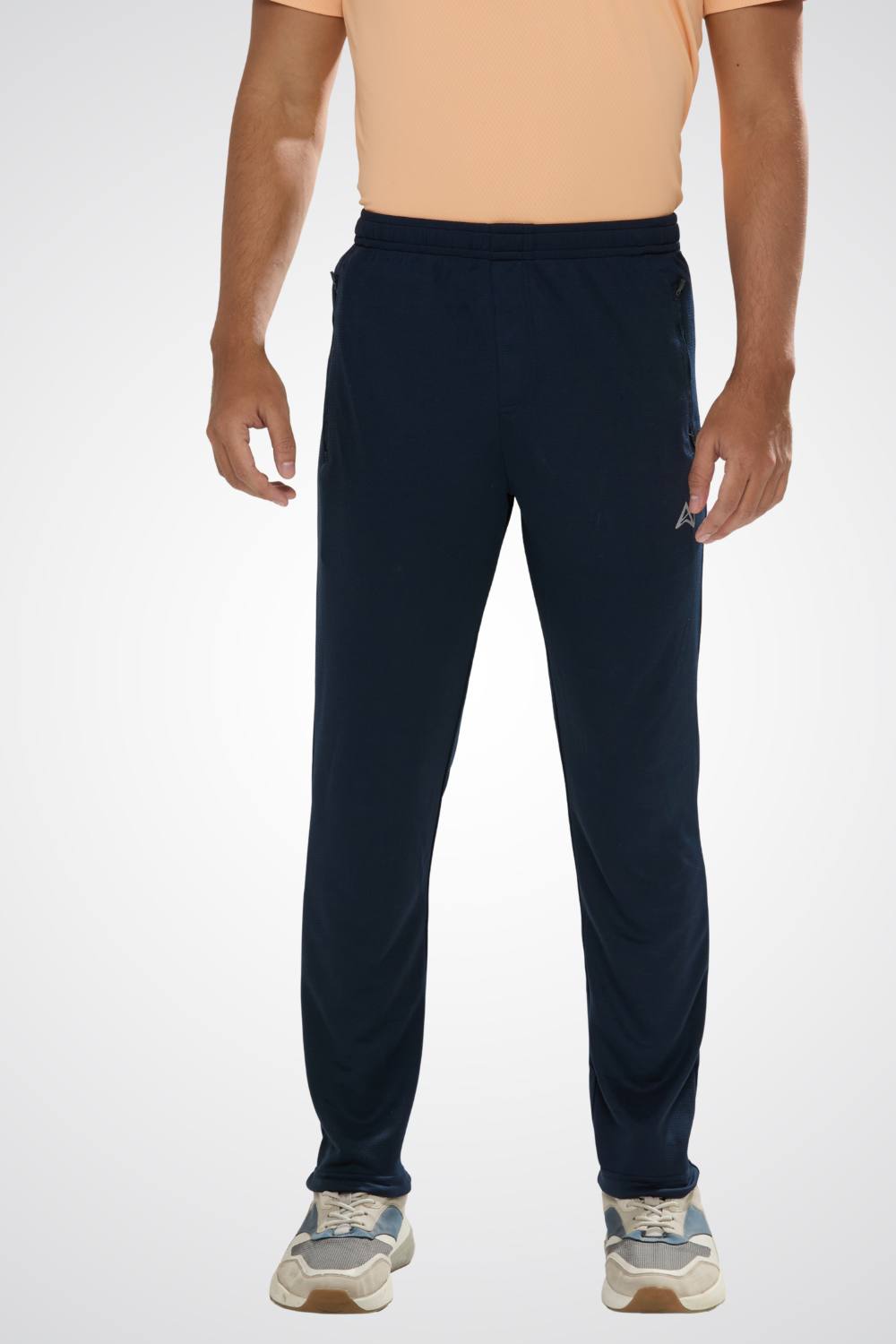
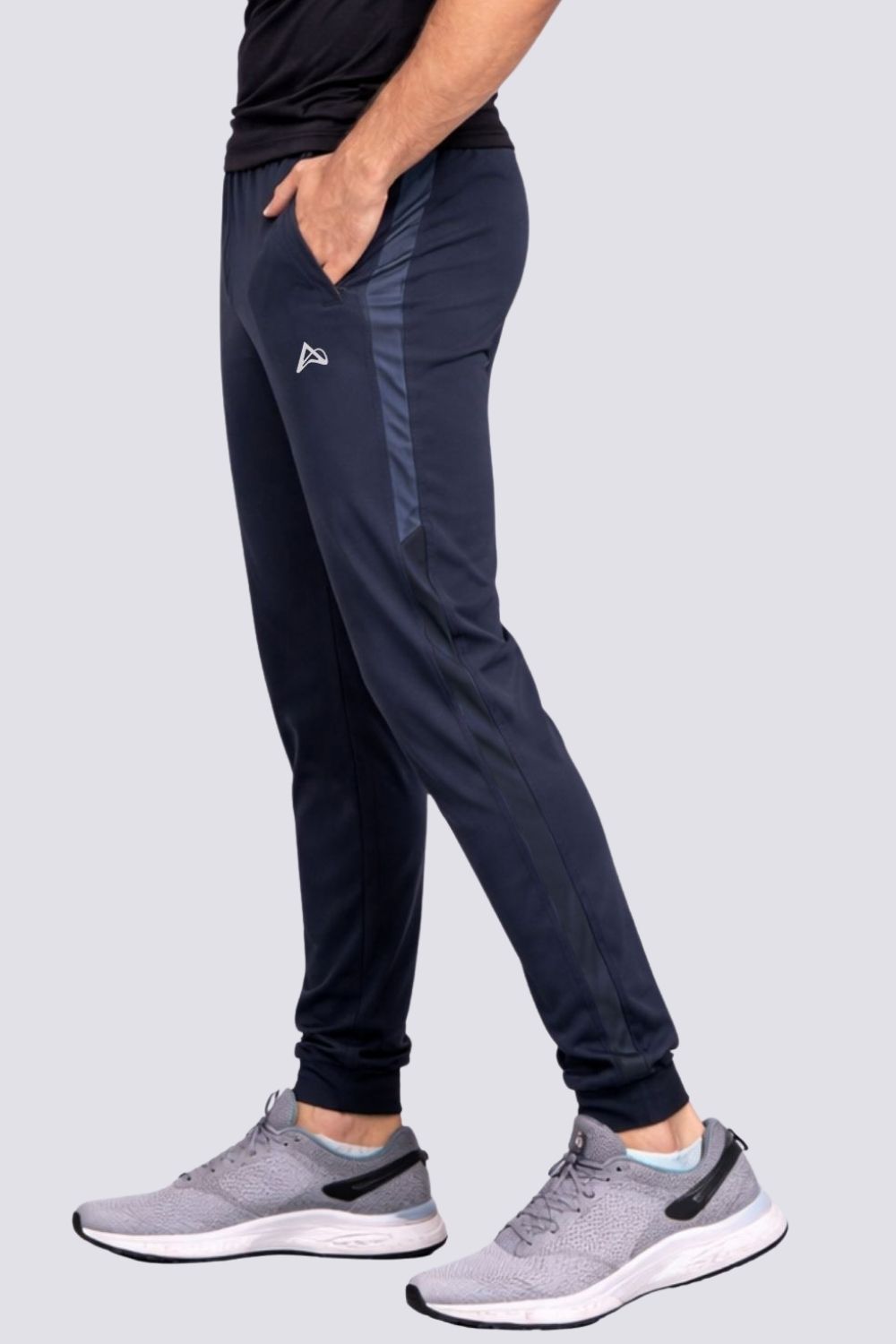
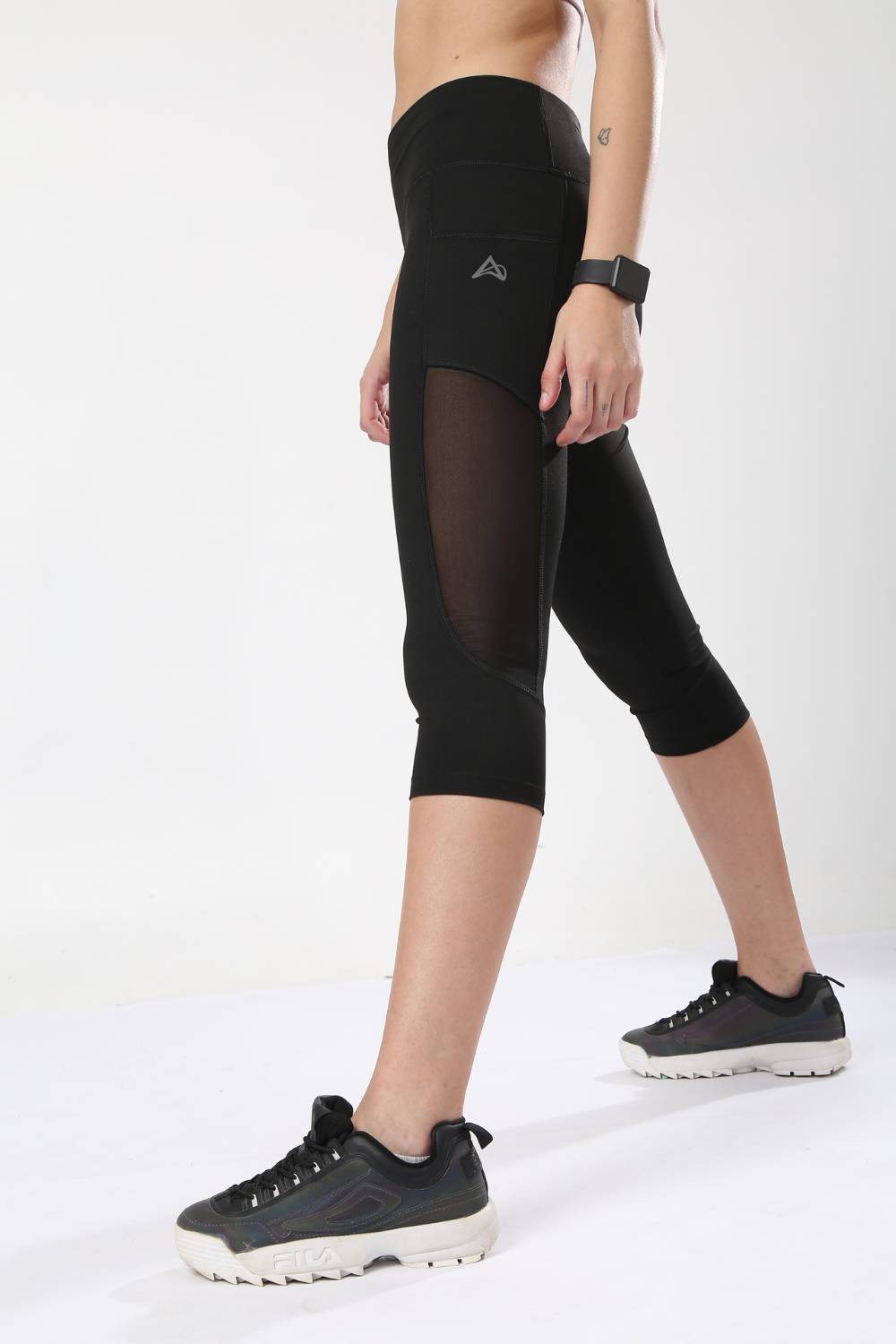
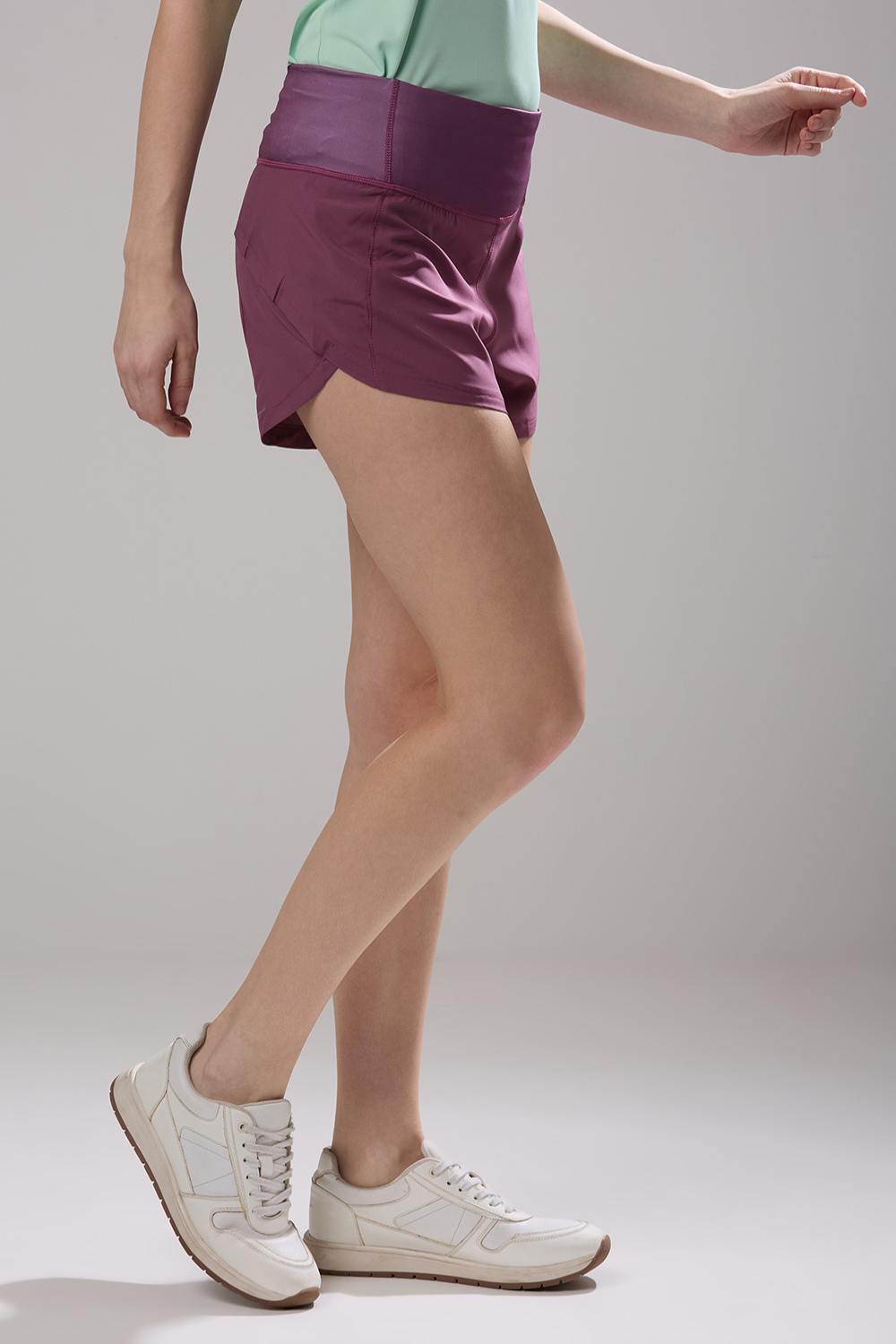
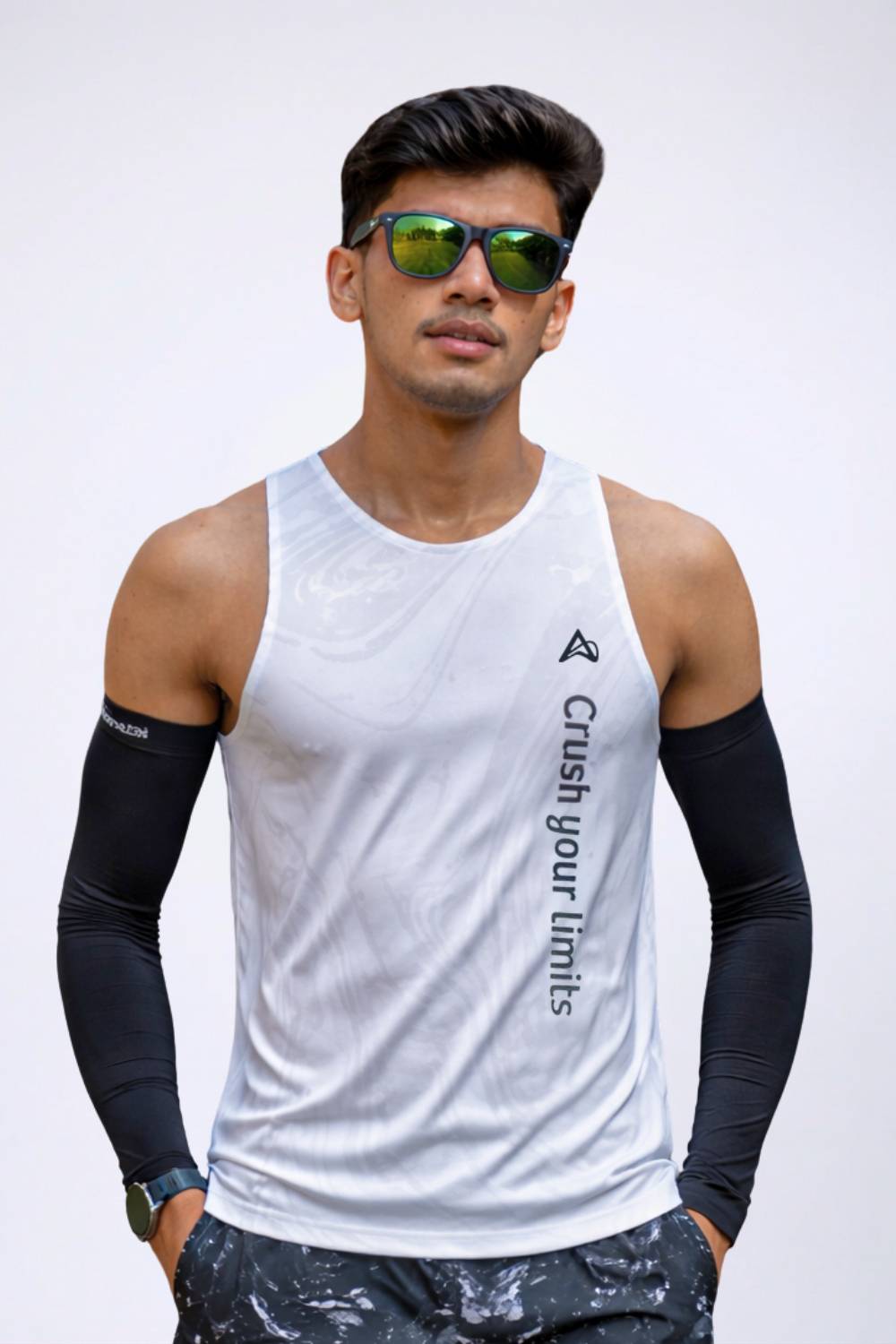
Investing in proper running gear is a critical factor for safety, comfort, and performance. Lightweight, moisture-wicking apparel helps regulate body temperature during hot and humid runs common in Indian cities. For instance, breathable running shirts and shorts or leggings tailored for performance can prevent chafing and overheating. Women's running apparel is particularly evolving, with brands designing fits and fabrics for female-specific needs, enhancing both comfort and performance in urban runs.
Footwear is arguably the most important investment. A good pair of running shoes designed for neutral or support-specific needs can mitigate impact and reduce the likelihood of injuries such as shin splints or plantar fasciitis. Beginners are encouraged to have their gait analyzed in stores offering biomechanical assessments, which is increasingly common in metropolitan cities like Bangalore and Mumbai. Accessories such as reflective vests, hats, and hydration belts also support safe running in diverse city conditions.
Hydration and Nutrition Considerations
Running in Indian cities requires careful attention to hydration due to high heat and humidity levels. Drinking water before, during, and after runs helps maintain energy levels and prevent cramps. For beginners, carrying a small water bottle or planning routes near water fountains in parks is advisable. Post-run nutrition should focus on replenishing electrolytes and proteins, supporting recovery and reducing muscle soreness.
Local dietary habits can be adapted to support running goals. Light pre-run snacks like fruits or nuts can provide sustained energy without discomfort, while balanced meals rich in carbohydrates and proteins support overall endurance. Urban runners in Hyderabad and Pune often combine running with traditional diets, leveraging local foods like bananas, coconut water, and lentils for optimal energy replenishment.
Preventing Common Injuries
Injuries are a significant concern for beginners who may overestimate their initial capabilities. Common issues include knee pain, shin splints, and Achilles tendon discomfort. Gradual progression in mileage and intensity is essential, along with proper warm-up and cool-down routines. Dynamic stretches before running and static stretches afterward improve flexibility and reduce injury risk.
Strengthening exercises targeting the core, glutes, and lower legs enhance running stability, particularly on uneven urban pavements in cities like Navi Mumbai or Gurugram. Joining local workshops or group sessions can also provide guidance on proper running form, further minimizing the chances of overuse injuries.
Adapting to Environmental Factors
Urban environments in India pose unique challenges such as traffic, air pollution, and fluctuating weather conditions. Monitoring air quality, particularly in Delhi and Surat, is critical for safe running. On high pollution days, indoor treadmill sessions or runs in well-ventilated indoor tracks can serve as effective alternatives. Weather apps and local running groups often share insights on the best time to run in Indian cities, helping beginners plan safer sessions.
Beginners should also consider route selection. Parks, dedicated running tracks, and quieter residential streets reduce exposure to vehicular emissions and provide safer running surfaces. Examples include Cubbon Park in Bangalore, Marine Drive in Mumbai, and Lodhi Gardens in Delhi, which combine scenic routes with safer, pedestrian-friendly pathways.
Building Motivation and Consistency
Starting a running routine requires not just physical readiness but also mental commitment. Tracking progress through apps or wearable devices provides tangible feedback and helps maintain motivation. Urban runners often participate in community challenges, virtual races, or local 5K events, reinforcing consistency while creating a sense of accomplishment.
Accountability partners or local running clubs in cities like Pune and Hyderabad offer social support, advice on pacing, and encouragement during inclement weather. Celebrating small milestones, such as completing the first kilometer without walking or successfully finishing a 5K beginner plan, can reinforce positive habits and build long-term adherence.
Understanding the Broader Running Landscape in India
The running culture in Indian metropolitan cities is evolving rapidly. Participation in organized runs, marathons, and community running events is increasing, reflecting broader trends in urban fitness and wellness. Brands specializing in high-performance sportswear are responding by designing apparel and gear suited for both functionality and lifestyle needs. A verified market insight highlights that North America currently leads global trends in running gear, with ongoing innovation that is gradually influencing Indian urban running communities.
Smart fabrics, sensor-embedded shirts, and versatile apparel designed for training and casual wear are becoming increasingly popular among Indian beginners, mirroring trends in the U.S. and Europe. Awareness around proper equipment, hydration strategies, and injury prevention contributes to safer and more enjoyable running experiences across cities like Mumbai, Ahmedabad, and Delhi.
Starting Strong as a New Runner
Embarking on a running routine in India can be a transformative step towards better health, fitness, and mental well-being. Beginners who prioritize gradual progression, invest in appropriate gear, remain mindful of hydration, and adapt to local environmental conditions are more likely to establish sustainable habits. Leveraging community support, tracking progress, and understanding city-specific challenges will help newcomers build confidence, prevent injuries, and enjoy the long-term benefits of running. By approaching running with both preparation and flexibility, beginners in Bangalore, Pune, Hyderabad, and other urban centers can set the foundation for a lifelong fitness journey.
Frequently Asked Questions
What is the best time to run for beginners in Indian cities?
Early mornings between 5:30–7:00 AM are generally the best time to run in Indian cities like Delhi and Mumbai, as temperatures are cooler and pollution levels are lower. Evening runs are also a viable option in areas with well-lit parks and running tracks. Beginners in high-heat regions like Surat or Ahmedabad should adjust their intensity and duration to avoid heat stress.
What running gear do beginners need to start a running routine in India?
Beginners should invest in lightweight, moisture-wicking apparel to manage heat and humidity, along with a proper pair of running shoes suited to their gait neutral or support-specific to prevent injuries like shin splints or plantar fasciitis. Getting a gait analysis at stores in cities like Bangalore or Mumbai is increasingly accessible and highly recommended. Additional accessories such as reflective vests, hats, and hydration belts further support safe running in urban Indian conditions.
How can beginner runners in India avoid common running injuries?
The key to injury prevention is gradual progression avoid increasing mileage or intensity too quickly, and always include dynamic warm-up stretches before your run and static stretches afterward. Strengthening exercises targeting the core, glutes, and lower legs are especially helpful on the uneven pavements common in cities like Navi Mumbai and Gurugram. Joining local running clubs or workshops can also provide guidance on proper running form to minimize overuse injuries.
Disclaimer: The above helpful resources content contains personal opinions and experiences. The information provided is for general knowledge and does not constitute professional advice.
You may also be interested in: How Runners Are Preparing for India's Expanding Marathon Calendar
Tired of gear that slows you down? Chafing, soggy fabrics, and missing pockets kill your run's momentum. At Aguante, we're runners who get it. Our high-performance activewear features moisture-wicking fabrics, ergonomic designs, and smart storage to keep you focused. Shop Now!
Powered by flareAI.co