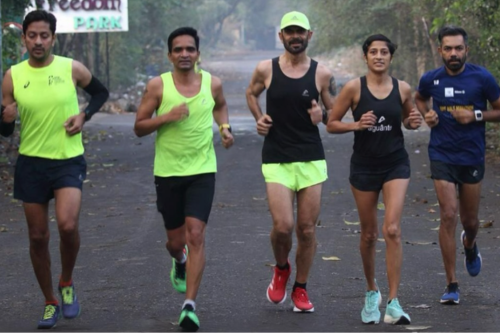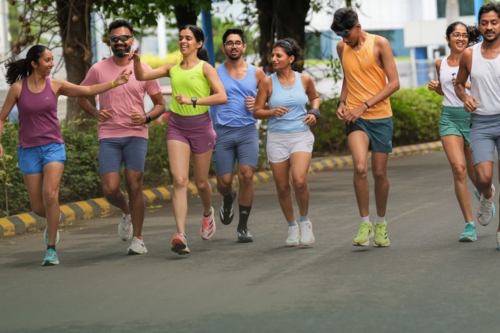




















In recent years, Indian runners have embraced a growing trend: leveraging data to optimize their training, improve performance, and achieve personal milestones. With urban centers like Bangalore, Mumbai, Delhi, and Pune seeing an increase in fitness-oriented lifestyles, technology has become an integral part of how runners monitor their progress. From GPS-enabled watches to smartphone apps and wearable sensors, athletes of all levels are tapping into detailed metrics that once belonged exclusively to elite sports professionals.
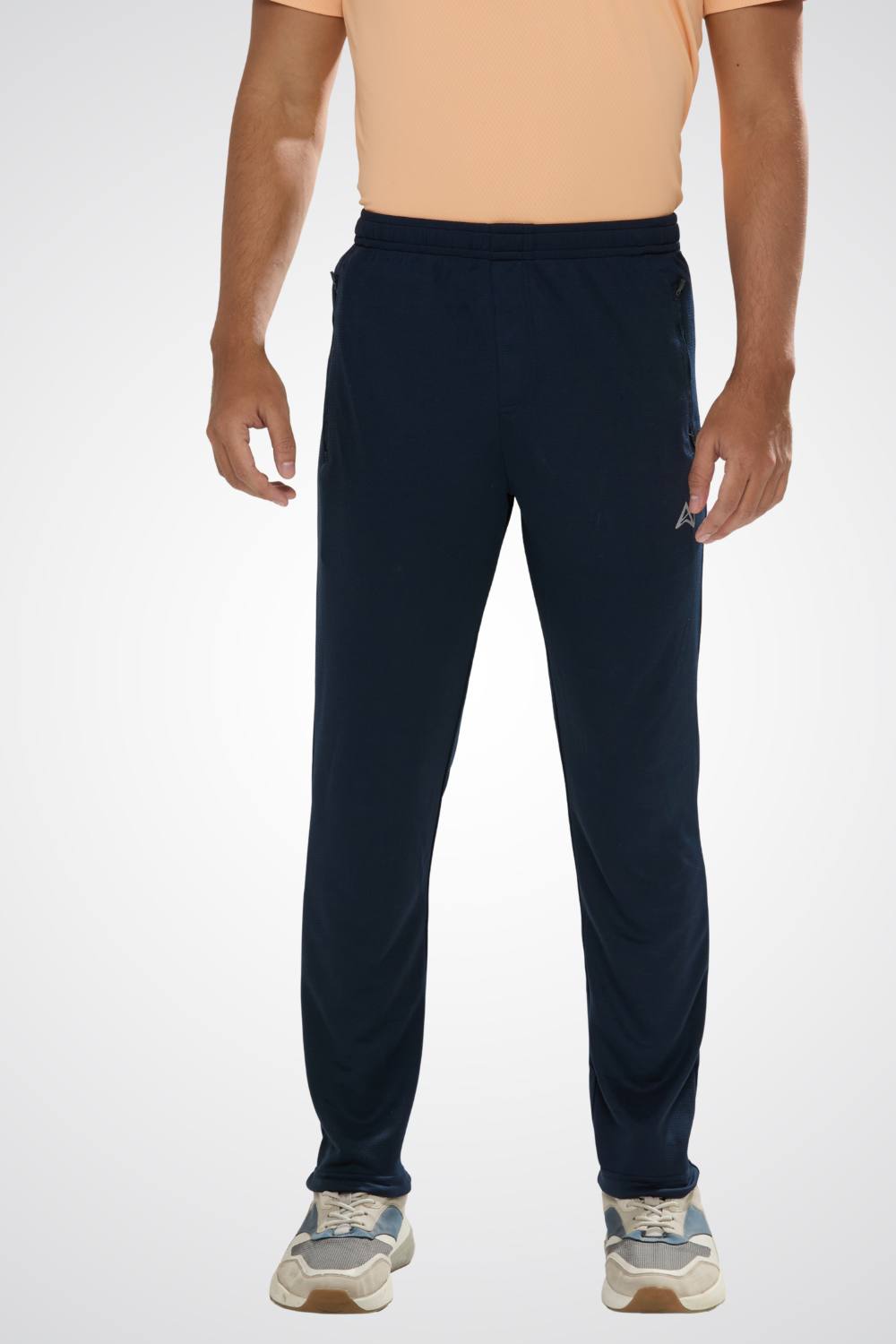
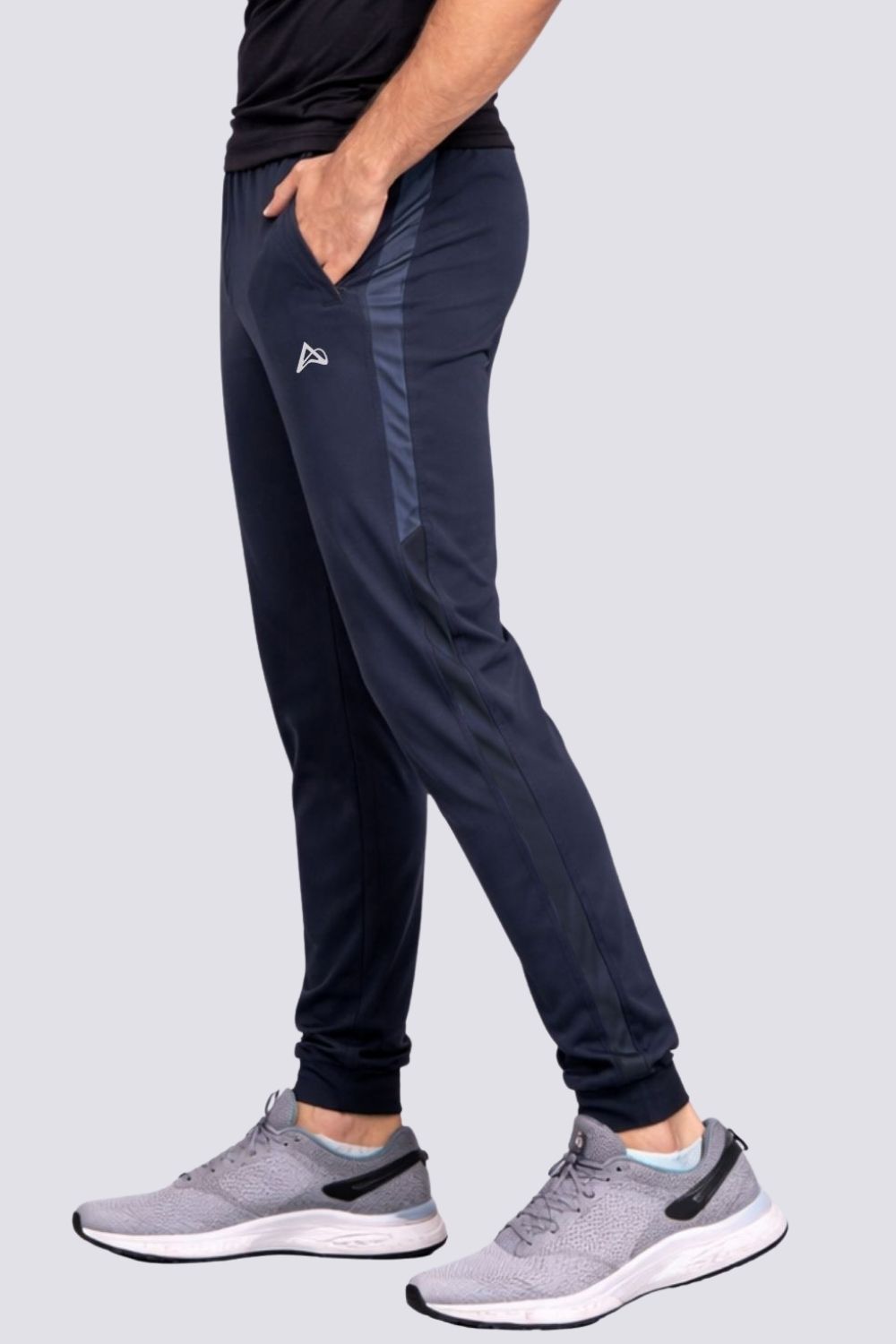
Tired of gear that slows you down? Chafing, soggy fabrics, and missing pockets kill your run's momentum. At Aguante, we're runners who get it. Our high-performance activewear features moisture-wicking fabrics, ergonomic designs, and smart storage to keep you focused. Shop Now!
Embracing Technology: The Rise of Data-Driven Running in India
Across cities like Hyderabad and Gurugram, running enthusiasts are increasingly turning to digital tools to quantify their workouts. By tracking variables such as pace, distance, heart rate, and cadence, runners can make informed adjustments to their routines. This shift reflects a broader trend in which fitness is no longer solely about intuition but also about measurable outcomes. Indian runners data tracking has become a key part of training, enabling athletes to identify patterns, manage fatigue, and optimize recovery schedules.
Fitness tracking apps for runners, such as Strava, Garmin Connect, and Nike Run Club, have found substantial adoption in metropolitan areas. These platforms offer detailed dashboards, route mapping, and social sharing features, helping runners in Delhi or Pune compare performance metrics with peers, set goals, and celebrate milestones. By visualizing trends over weeks and months, athletes can see the tangible impact of incremental improvements, fostering motivation and adherence to training plans.
Understanding Performance Metrics
Running performance metrics India enthusiasts monitor include pace consistency, elevation gain, and stride efficiency. In Bangalore, where urban marathons have gained popularity, runners analyze split times and average speed to evaluate endurance and pacing strategies. Wearables and smart shoes now provide insights into ground contact time and vertical oscillation, allowing athletes to fine-tune form and reduce injury risk. Such granular data transforms abstract notions of effort into actionable insights, giving even amateur runners a competitive edge.
Beyond physical performance, technology also enables monitoring of recovery and physiological stress. Heart rate variability, sleep patterns, and fatigue indicators collected via smartwatches help runners in Mumbai and Ahmedabad adjust intensity levels for optimal performance. By integrating this information with daily activity logs, runners can balance training load and recovery, preventing overtraining while maximizing progress. This analytical approach to training represents a shift from traditional methods, where intuition guided workouts, to a more structured, evidence-based practice.
Case Studies: Data-Driven Training in Indian Cities
In Pune, community running clubs have adopted analytics to enhance group training sessions. Local runners share performance data to tailor intervals and long-distance plans according to individual capabilities. Similarly, Hyderabad's urban marathon participants use running analytics tools to prepare for events, adjusting hydration strategies, split timing, and route choices based on historical performance. These examples highlight how technology not only informs personal improvement but also fosters collaborative learning within local running communities.
Meanwhile, in Gurugram and Navi Mumbai, runners participating in corporate wellness programs utilize wearable devices to track step counts, running cadence, and active minutes. By comparing data across teams, organizers can create challenges that motivate employees to maintain consistent training routines. Such integration of performance metrics into everyday routines demonstrates how Indian runners are making data a central part of both personal fitness and community engagement.
Wearables and Smart Apparel
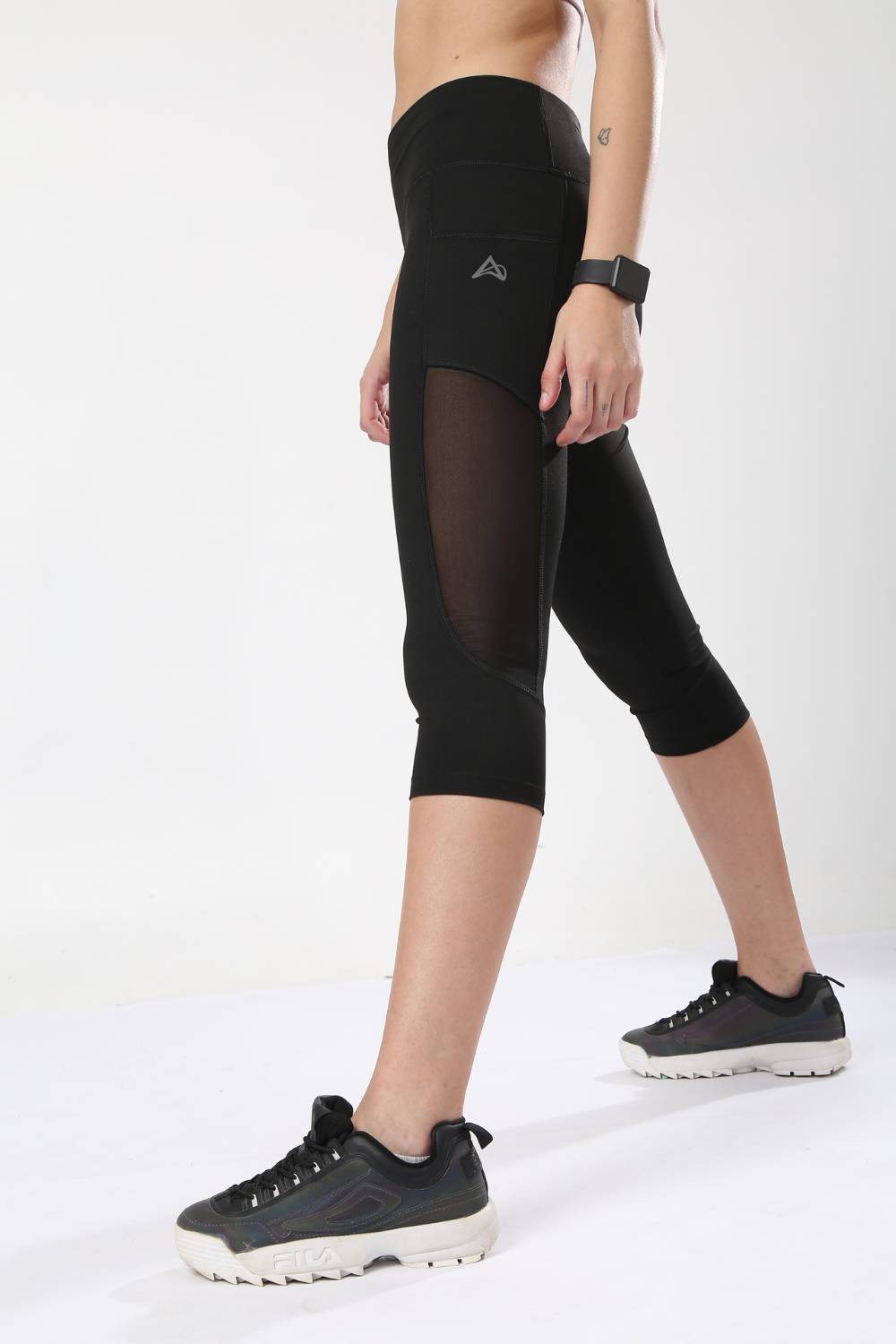
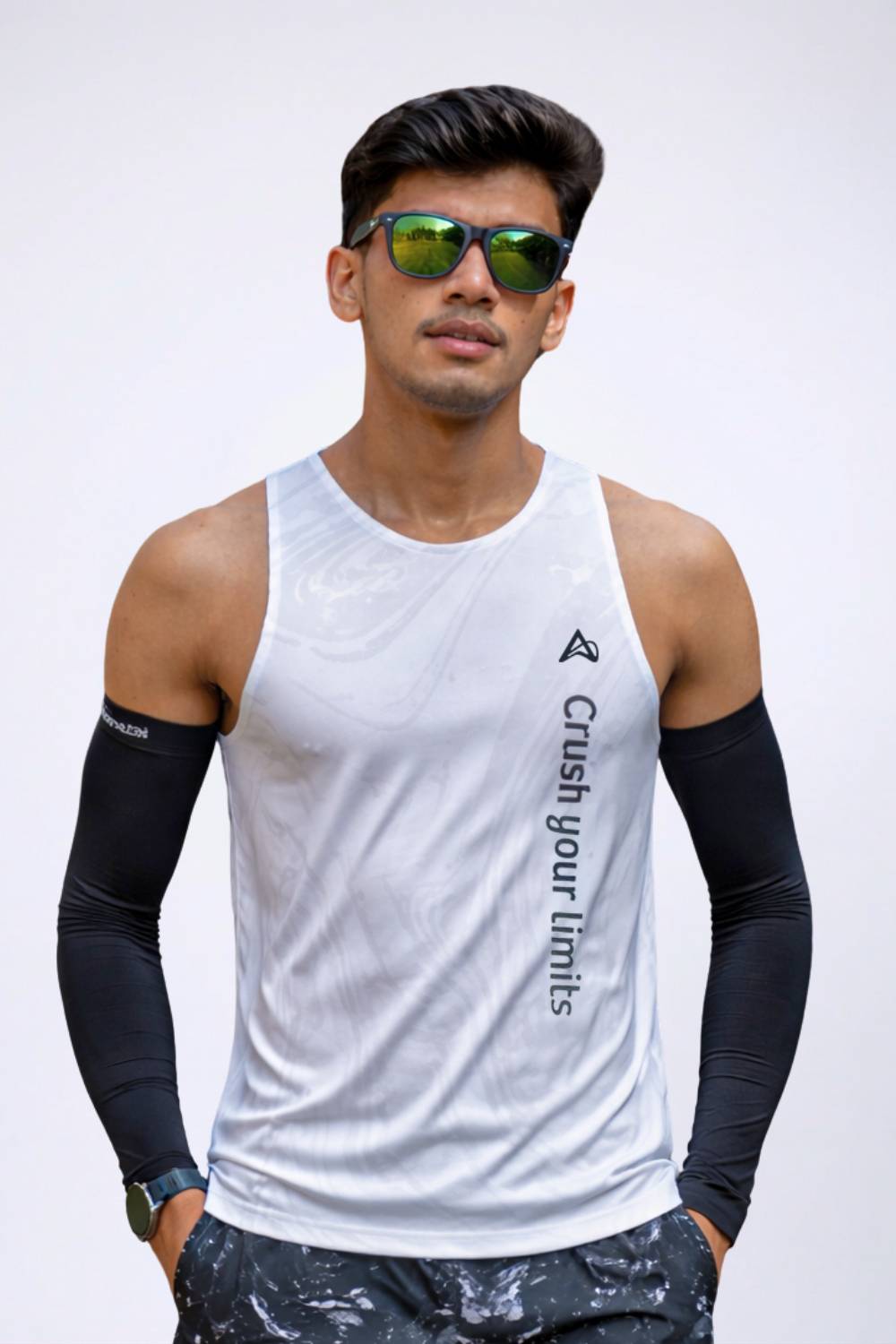
Advances in running wearables India have expanded beyond traditional watches and sensors. High-performance sports apparel now incorporates motion tracking, temperature regulation, and moisture-wicking fabrics, offering runners real-time feedback and comfort simultaneously. For instance, compression shorts and shirts with embedded sensors can provide insights into muscle activation patterns, aiding recovery and performance optimization. The integration of technology into apparel reflects a growing recognition that data-driven insights are most effective when combined with supportive, ergonomic gear.
Brands specializing in activewear, such as Aguante, have responded by designing performance-focused clothing that complements data-driven routines. In Delhi and Surat, runners often pair analytics-enabled wearables with high-performance clothing engineered to reduce chafing, manage sweat, and enhance mobility. These innovations highlight a holistic approach where apparel and technology work in tandem to improve both comfort and measurable outcomes during training sessions.
Personalized Training and AI Insights
Artificial intelligence and algorithm-driven coaching are becoming more prevalent among Indian runners. Apps and platforms analyze historical performance data to generate customized training plans, recommending pace adjustments, recovery days, and interval workouts. In cities like Ahmedabad and Mumbai, marathon aspirants use AI-generated insights to simulate race conditions, optimizing endurance and energy expenditure. This personalization allows runners to focus on strategies that align with their unique physiology and goals, rather than following generic programs.
Moreover, AI-driven analytics help in injury prevention by flagging irregular patterns, such as sudden spikes in mileage or inconsistent cadence, which can indicate heightened risk. By translating raw data into actionable guidance, runners in Bangalore and Hyderabad are not only improving performance but also extending the longevity of their training journey. This proactive, evidence-based approach marks a significant evolution in how athletes approach running in India.
Community Engagement and Motivation
Social features integrated into running analytics tools amplify motivation and accountability. Mumbai-based runners often participate in virtual challenges, sharing progress with peers and receiving feedback in real time. Community engagement through apps enables knowledge exchange, where strategies for pacing, hydration, and recovery are discussed, providing a collective learning environment. These interactions make data meaningful beyond individual metrics, reinforcing commitment and fostering a sense of belonging within the urban running community.
Local events and running clubs in Pune and Gurugram further illustrate the impact of community-oriented data use. By combining tracked performance with shared goals, participants cultivate healthy competition while supporting each other's progress. This model transforms personal data into a motivational tool, aligning with the growing trend of socially informed, technology-driven fitness practices among Indian runners.
Challenges and Opportunities
Despite widespread adoption, Indian runners face challenges in maximizing data utility. Devices and apps vary in accuracy, and improper use of metrics can lead to misinformed training decisions. Additionally, data privacy and personal information protection are critical, especially when using cloud-based platforms across regions such as the United States, Canada, and Europe. Awareness of GDPR and similar regulations ensures that runners maintain control over their personal data while benefiting from analytics-driven insights.
Opportunities abound for innovation in running analytics tools tailored to Indian users. By incorporating local terrain data, climate considerations, and culturally relevant training guidance, developers can enhance the precision and applicability of performance insights. Moreover, collaborations between fitness brands and technology providers can yield integrated solutions, pairing high-performance apparel with wearable analytics to deliver a seamless, data-informed training experience.
The Business Impact of Data-Driven Running
Organizations in the retail activewear and performance apparel industry are recognizing the value of supporting runner's data-centric practices. For instance, investment in smart clothing, ergonomic designs, and integration with wearable devices can influence purchasing decisions among tech-savvy consumers. The anti-chafing shorts market exemplifies how products designed to improve comfort during prolonged physical activity are increasingly in demand, highlighting a growing intersection between apparel performance and measurable athletic outcomes.
By understanding how Indian runners use technology to track progress, brands can refine product development, marketing strategies, and community engagement initiatives. Insights gleaned from usage patterns inform decisions on material innovation, garment ergonomics, and compatibility with popular fitness tracking apps. This alignment with user behaviour underscores the strategic advantage of embracing data-driven consumer insights in the performance apparel sector.
Data Driven Running Success in India
Data is reshaping running culture in India, offering unprecedented opportunities for athletes to optimize training, prevent injuries, and achieve personal bests. From urban centers like Delhi, Bangalore, and Mumbai to emerging running hubs such as Surat and Ahmedabad, technology empowers runners to translate metrics into meaningful improvements. By integrating wearables, analytics tools, and performance apparel, Indian runners are adopting a comprehensive, evidence-based approach to fitness that reflects a broader global trend while remaining locally relevant. As the intersection of technology, apparel, and community continues to evolve, runners who embrace data are poised to experience measurable gains, sustainable motivation, and enhanced athletic achievement.
Frequently Asked Questions
What are the best fitness tracking apps for runners in India?
Popular fitness tracking apps among Indian runners include Strava, Garmin Connect, and Nike Run Club. These platforms offer detailed dashboards, route mapping, and social sharing features that help runners in cities like Delhi, Pune, and Bangalore monitor pace, distance, heart rate, and cadence. They also allow athletes to compare metrics with peers and visualize progress over weeks and months to stay motivated.
How do Indian runners use wearables and smart apparel to improve performance?
Indian runners are increasingly pairing GPS-enabled smartwatches with high-performance smart apparel to get a more complete picture of their training. Wearables track metrics like ground contact time, vertical oscillation, and heart rate variability, while sensor-embedded clothing provides insights into muscle activation and recovery. Brands are designing gear that reduces chafing, manages sweat, and enhances mobility all while integrating seamlessly with popular running analytics tools.
Can AI-driven running apps help prevent injuries and personalize training plans?
Yes AI-powered platforms analyze a runner's historical performance data to generate customized training plans, recommending pace adjustments, recovery days, and interval workouts tailored to individual physiology. They also flag warning signs like sudden mileage spikes or inconsistent cadence that may indicate injury risk. For marathon aspirants in cities like Mumbai and Ahmedabad, this evidence-based approach helps optimize endurance while extending the longevity of their training journey.
Disclaimer: The above helpful resources content contains personal opinions and experiences. The information provided is for general knowledge and does not constitute professional advice.
You may also be interested in: Affordable High-Performance Shorts Attract Indian Marathon Runners
Tired of gear that slows you down? Chafing, soggy fabrics, and missing pockets kill your run's momentum. At Aguante, we're runners who get it. Our high-performance activewear features moisture-wicking fabrics, ergonomic designs, and smart storage to keep you focused. Shop Now!
Powered by flareAI.co