Quick Listen:
For runners preparing for a marathon, establishing a consistent and progressive training plan is fundamental. Indian runners in urban centers like Pune and Hyderabad emphasize the importance of gradually increasing mileage while incorporating rest days to prevent overuse injuries. Many athletes leverage a combination of weekday runs and longer weekend sessions to build stamina without overloading their bodies. Tracking progress using wearable devices or running apps allows runners to fine-tune their intensity, monitor heart rate zones, and ensure gradual improvement.
Local running clubs in cities such as Bangalore and Mumbai provide structured programs that cater to diverse skill levels. These clubs often integrate endurance-building sessions with technique-focused workouts, helping runners maintain proper form while increasing distance. By adhering to a structured schedule, runners can reduce the risk of burnout, maintain motivation, and approach race day with confidence.
Tired of gear that slows you down? Chafing, soggy fabrics, and missing pockets kill your run's momentum. At Aguante, we're runners who get it. Our high-performance activewear features moisture-wicking fabrics, ergonomic designs, and smart storage to keep you focused. Shop Now!
Incorporating Long-Distance Workouts
Long-distance workouts are central to enhancing aerobic capacity and muscular endurance. Runners preparing for marathons in Gurugram and Delhi typically include weekly long runs that extend beyond their comfort zone, progressively increasing in length over several weeks. These runs not only condition the cardiovascular system but also train the mind to sustain effort over prolonged periods. Many Indian runners report that completing long routes in urban environments, such as the Marine Drive promenade in Mumbai or Cubbon Park in Bangalore, provides both practical distance training and scenic motivation.
Strategic variation in pace is also recommended. By combining slow, steady runs with intermittent faster intervals, athletes can simulate race conditions and improve their ability to handle changes in terrain or unexpected speed surges during competition. This approach enhances both endurance and adaptability, preparing runners for the varied conditions they may encounter on marathon courses.
Strength Training and Cross-Conditioning
While running builds cardiovascular fitness, targeted strength training is crucial for injury prevention and overall performance. Indian runners often incorporate body weight exercises, resistance training, and plyometrics into their weekly routines. Core strengthening exercises, such as planks and rotational movements, stabilize the torso and reduce the risk of fatigue-related form breakdown during long runs. Similarly, leg-focused workouts, including lunges and squats, improve muscular endurance and power output.
Cross-conditioning activities like swimming, cycling, or yoga are popular among urban runners in Navi Mumbai and Ahmedabad. These low-impact exercises enhance aerobic capacity without placing excessive strain on joints, offering active recovery while maintaining fitness. Runners report that integrating strength and cross-training components creates a more resilient and balanced training regimen, supporting consistent mileage accumulation and sustainable performance.
Nutrition and Hydration Strategies
Optimizing nutrition is a cornerstone of effective marathon preparation. Experienced Indian runners emphasize the importance of carbohydrate-loading, balanced protein intake, and adequate hydration in the days leading up to long runs and race day. Incorporating locally available foods, such as complex grains, legumes, fruits, and vegetables, helps sustain energy while supporting overall health. Timing meals and snacks around training sessions ensures that glycogen stores are replenished, enhancing endurance and reducing fatigue.
Hydration strategies are particularly critical in India's humid urban climates, such as in Surat and Mumbai. Runners often plan water and electrolyte intake before, during, and after runs to prevent dehydration and maintain optimal performance. Experimenting with hydration and fueling routines during training enables athletes to identify what works best for their body, reducing the likelihood of gastrointestinal issues or energy slumps during marathons.
Leveraging Community and Social Support
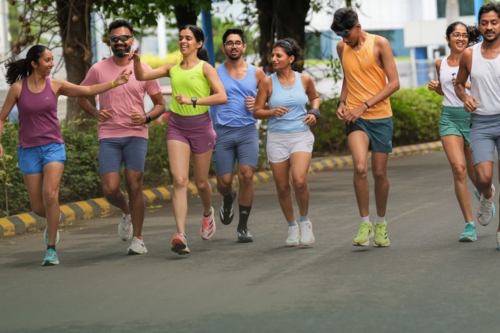
Running communities across India provide not only motivation but also practical insights into training strategies. For instance, local clubs in Hyderabad and Pune organize group long runs, interval sessions, and recovery meet-ups that allow runners to exchange tips on pacing, gear selection, and mental preparation. These interactions foster accountability, encourage consistency, and create opportunities for mentorship from more experienced athletes.
Many urban runners also engage with social media platforms to share progress, challenges, and victories. This virtual community aspect extends support beyond local neighborhoods, connecting athletes from Delhi to Gurugram and Mumbai. Peer learning and shared experiences enhance knowledge about endurance running techniques, urban route planning, and race-day logistics, which are particularly valuable for first-time marathon participants.
Optimizing Running Gear and Performance Apparel
High-performance sportswear plays a significant role in enhancing comfort and efficiency during training. Indian runners increasingly adopt specialized running apparel that prioritizes moisture management, breathability, and ergonomic fit. Performance-oriented shoes are carefully selected to match individual gait patterns, terrain, and training volume, with many athletes in the U.S., Canada, and Europe drawing inspiration from international standards for long-distance footwear. Verified industry findings highlight that the running apparel market continues to evolve with technological innovations that blend lifestyle aesthetics with functional performance.
Urban runners in Bangalore and Delhi benefit from apparel designed for heat and humidity, featuring lightweight fabrics that wick sweat and reduce chafing. Layering strategies for early morning or late evening runs, along with compression garments, support muscle recovery and maintain circulation during intensive training periods. Prioritizing the right gear not only enhances comfort but also contributes to overall performance by reducing fatigue and preventing injuries.
Mental Preparation and Race Strategy
Endurance running is as much a mental challenge as a physical one. Experienced marathoners in Mumbai and Hyderabad emphasize visualization techniques, goal-setting, and mindfulness practices to build resilience. Mental rehearsal of the course, pace management, and coping strategies for hitting the “wall” during long runs can significantly improve confidence and race-day execution. Consistently practicing positive self-talk and mental pacing helps runners maintain focus and composure under fatigue.
Strategic race planning is equally important. Understanding terrain, weather patterns, and hydration points in cities like Ahmedabad or Surat allows runners to anticipate challenges and adjust their effort accordingly. Many Indian athletes integrate tempo runs and interval training into their schedules to develop speed endurance and enhance their ability to respond to mid-race pacing shifts. By combining physical preparation with mental readiness, runners can approach marathons with both resilience and adaptability.
Recovery Techniques and Injury Prevention
Effective recovery practices are essential to sustain long-term training and avoid setbacks. Indian runners in Pune and Gurugram incorporate active recovery, foam rolling, stretching routines, and adequate sleep to facilitate muscle repair. Monitoring fatigue levels and adjusting training loads prevent overtraining, which is a common challenge during intensive marathon preparation periods. Local physiotherapy centers and sports medicine clinics provide additional support for injury prevention, offering guidance on mobility, flexibility, and rehabilitation techniques.
Runners also focus on listening to their bodies, adjusting mileage or intensity when signs of strain appear. Incorporating regular rest days and recovery runs ensures steady progress without compromising health. This emphasis on proactive recovery allows athletes to maximize performance potential while reducing the likelihood of long-term injuries.
Building Marathon Success Across India
Marathon training in India is evolving into a structured, evidence-informed practice that integrates endurance workouts, strength training, nutrition, mental conditioning, and community support. By adopting strategies shared by experienced runners from cities like Bangalore, Hyderabad, Mumbai, and Delhi, athletes can build resilience, improve performance, and approach race day with confidence. Incorporating proper training plans, leveraging local running communities, prioritizing performance apparel, and focusing on recovery ensures that marathon preparation is both effective and sustainable. These insights not only empower runners to achieve personal milestones but also foster a culture of disciplined, informed, and performance-driven long-distance running across India.
Frequently Asked Questions
What is the best marathon training plan for intermediate runners in India?
A structured marathon training plan for Indian runners should combine progressive mileage increases with scheduled rest days to prevent overuse injuries. Weekday runs paired with longer weekend sessions help build stamina steadily. Joining local running clubs in cities like Bangalore, Mumbai, or Pune can provide guided programs that balance endurance-building with proper technique, keeping you consistent and motivated leading up to race day.
What should Indian runners eat and drink during marathon training?
Nutrition for marathon training should focus on carbohydrate-loading, balanced protein intake, and consistent hydration especially in India's humid urban climates. Locally available foods like complex grains, legumes, fruits, and vegetables are excellent for sustaining energy and replenishing glycogen stores. Runners should also experiment with water and electrolyte intake before, during, and after runs during training to fine-tune a race-day hydration strategy that minimizes fatigue and gastrointestinal issues.
How important is strength training for marathon runners, and what exercises should they do?
Strength training is essential for marathon runners as it improves injury prevention, muscular endurance, and overall performance. Key exercises include core work like planks and rotational movements to stabilize form during long runs, along with leg-focused movements like lunges and squats to build power. Cross-conditioning activities such as swimming, cycling, or yoga also complement running by enhancing aerobic capacity without adding stress to the joints.
Disclaimer: The above helpful resources content contains personal opinions and experiences. The information provided is for general knowledge and does not constitute professional advice.
You may also be interested in: How Runners Are Preparing for India's Expanding Marathon Calendar
Tired of gear that slows you down? Chafing, soggy fabrics, and missing pockets kill your run's momentum. At Aguante, we're runners who get it. Our high-performance activewear features moisture-wicking fabrics, ergonomic designs, and smart storage to keep you focused. Shop Now!
Powered by flareAI.co