















Quick Listen:
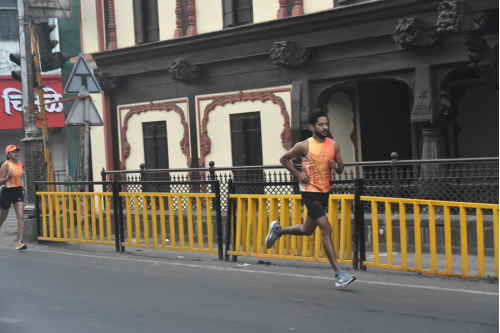
As temperatures climb and humidity climbs with it across Indian cities, runners face a different kind of challenge than ever before. The body has to work harder to cool itself when sweat evaporates more slowly, and the risk of heat stress rises quickly. This is especially true in places like Bangalore, Hyderabad, Mumbai, Pune, Navi Mumbai, Delhi, Gurugram, Surat, and Ahmedabad, where summers push limits for outdoor activity.
Tired of gear that slows you down? Chafing, soggy fabrics, and missing pockets kill your run's momentum. At Aguante, we're runners who get it. Our high-performance activewear features moisture-wicking fabrics, ergonomic designs, and smart storage to keep you focused. Shop Now!
Why Heat and Humidity Demand Special Attention
Running in these conditions raises core body temperature faster and increases the chance of overheating. Sweat production rises, but the air holds more moisture, so evaporation slows. The result is less efficient cooling, higher heart rate, and quicker fatigue. Even seasoned runners notice the difference when conditions turn extreme.
Climate patterns in the region have amplified these effects in recent years, making consistent training more demanding. The key is shifting from pushing hard to protecting the body through smart timing, preparation, and clothing choices.
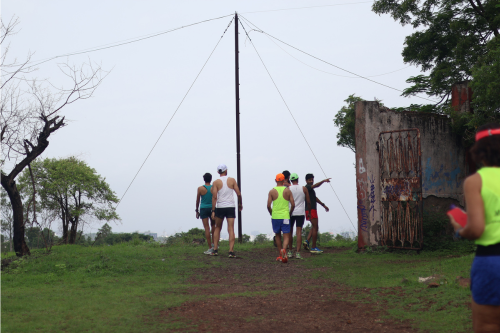
Runners training in India's intense heat and humidity during summer months need practical strategies to stay safe and perform at their best, especially as climate patterns push temperatures higher. Drawing from the experiences of seasoned athletes who have mastered extreme conditions like desert treks, key insights emphasize starting runs early in the morning or late evening to avoid the peak heat of the day when humidity spikes and heat stress is greatest. This timing allows the body to adapt gradually and prevents premature fatigue from the combination of solar radiation and moisture in the air. Hydration remains critical, with runners advised to drink water or electrolyte solutions before, during, and after activity to replace losses through sweat and maintain blood volume for efficient cooling and muscle function. Clothing choices play a vital role too, favoring lightweight, moisture-wicking, light-colored fabrics that promote air circulation and reflect heat rather than absorbing it.
Adding layers like a hoodie during training sessions can simulate heat exposure for passive acclimatization without overdoing intense efforts. Experts stress the importance of a gradual approach, avoiding sudden spikes in intensity or distance that could lead to dehydration or overheating, and monitoring personal signs such as excessive fatigue, dizziness, or nausea to back off immediately if needed. For Indian runners, where conditions can feel even more challenging due to local microclimates, these methods help counteract the natural trade-off in hot humid environments where sweat evaporates less efficiently, forcing the body to work harder to maintain core temperature. By integrating these practices into regular routines, athletes build both physiological tolerance and mental resilience, turning potential risks into opportunities for improved endurance and recovery. This not only supports safer training but also enhances long-term fitness, allowing runners to compete effectively in events across varying weather patterns while prioritizing health over pushing limits.
Timing Your Runs for Cooler Conditions
The single most effective strategy is to run when the day is coolest. In Indian summers, this usually means early morning or late evening, when temperatures sit lowest and humidity has not yet spiked. Starting before 7 a.m. or after 6 p.m. lets the body adapt gradually instead of fighting peak heat.
Many runners in Bangalore and Hyderabad report feeling more comfortable on these sessions, with less post-run soreness. Similarly, evening runs in Mumbai and Pune help avoid the midday peak when both heat and humidity combine to create the harshest conditions.
Listening to local weather patterns and adjusting accordingly keeps sessions enjoyable rather than exhausting. The goal is consistency without pushing the body past safe limits.
Heat Acclimatization: Building Tolerance Over Time
Body acclimatization is one of the best ways to handle rising temperatures. Gradual exposure over 7 to 14 days helps lower resting core temperature, increase sweat production earlier, and expand blood plasma volume for better circulation.
Start with shorter sessions in warmer conditions and build slowly. This process reduces strain on the heart and improves endurance, even on challenging days. For runners in Gurugram and Delhi, incorporating these sessions into regular routines makes hotter months feel more manageable.
The benefits last as long as exposure continues. Skipping days can mean losing the edge quickly, so consistency matters more than intensity during this phase.
As temperatures continue to climb and heatwaves become more frequent across India and beyond, runners face increasing risks when hitting the trails or roads during peak heat and humidity. One of the most effective ways to stay safe and keep running consistently is through heat acclimatization, a process where your body adapts over time to handle higher temperatures without compromising performance or safety. Experts recommend gradually increasing exposure to heat by starting with shorter sessions in warmer conditions and building up slowly over 7 to 14 days, which helps lower core body temperature at rest, increase sweat production earlier, and expand blood plasma volume for better circulation and oxygen delivery to muscles. This adaptation reduces the strain on the heart and improves overall endurance, allowing runners to push harder even on challenging days. However, these benefits are temporary, so consistent exposure is key to maintaining them. For those living in India's varied climate, incorporating early morning runs when it's cooler or using shaded paths can complement acclimatization efforts.
Pre-cooling strategies like consuming ice slurries before workouts provide an extra buffer by lowering starting body temperature, while smart cooling techniques such as applying water to the skin or rotating cold wet towels over limbs enhance heat dissipation without disrupting training flow. It's equally important to check local weather conditions, including the heat index that combines temperature and humidity, and to shorten or ease intensity on the hottest days. By listening to your body and taking breaks in air-conditioned spaces or under shade when needed, runners can avoid heat exhaustion or more serious issues while enjoying the benefits of consistent activity. This approach not only prevents heat-related illness but also builds resilience, making long-term training safer and more enjoyable in humid environments common during India's summers. Ultimately, balancing adaptation with practical precautions ensures runners can train year-round without sacrificing health, supporting better performance and injury prevention.
Hydration Strategies That Actually Work
Hydration is non-negotiable. Drink water or electrolyte solutions before, during, and after every run. Pre-cooling with ice slurries before a workout provides an extra buffer by lowering starting body temperature.
Runners should aim to replace fluids lost through sweat. In high humidity, this loss can exceed what many expect. Carrying a bottle and sipping steadily prevents dehydration, which impairs cooling and quickens fatigue.
Adding a small amount of electrolytes helps maintain blood volume and muscle function. The difference shows up in how long you can sustain effort without crashing.
Clothing Choices That Support Performance
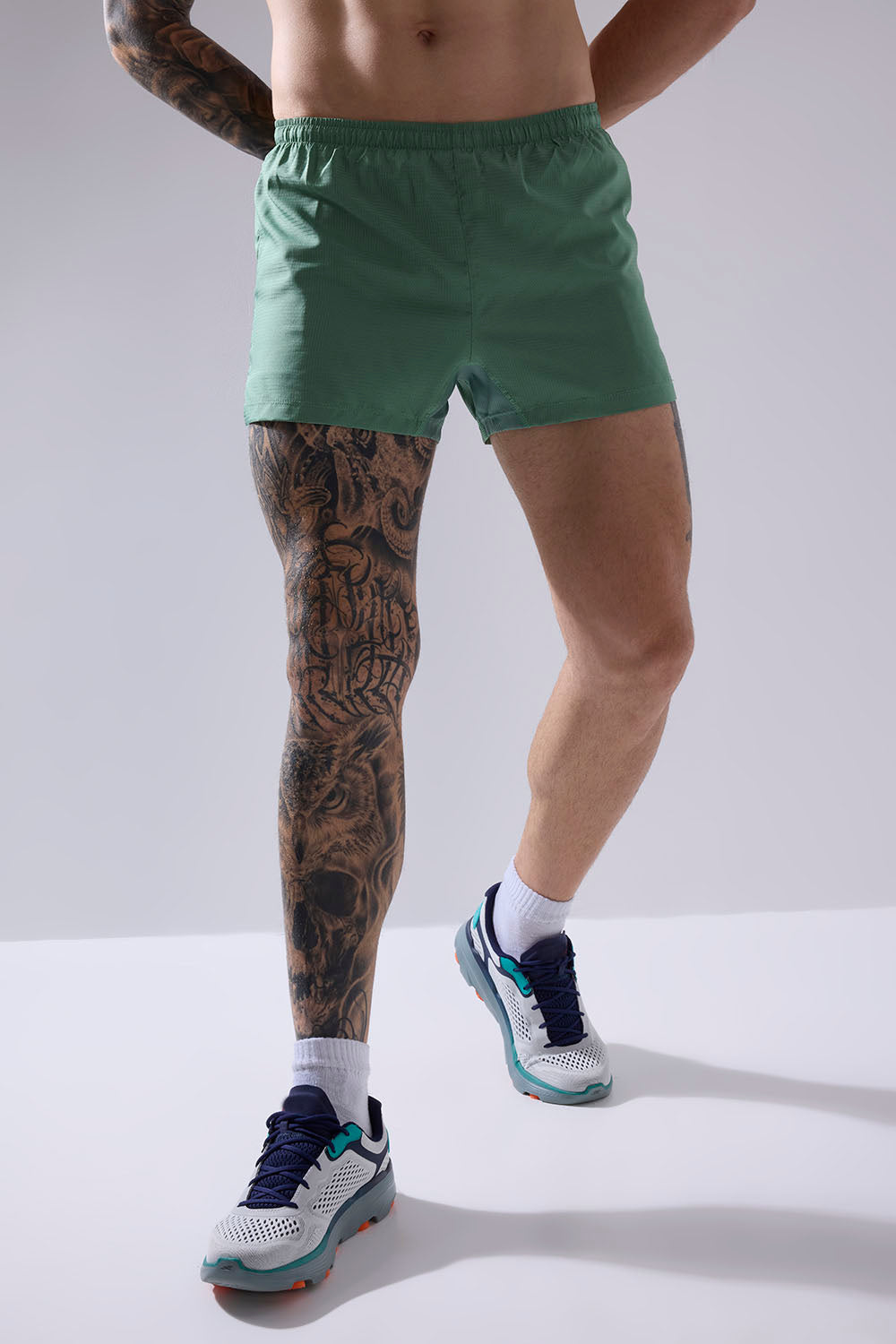
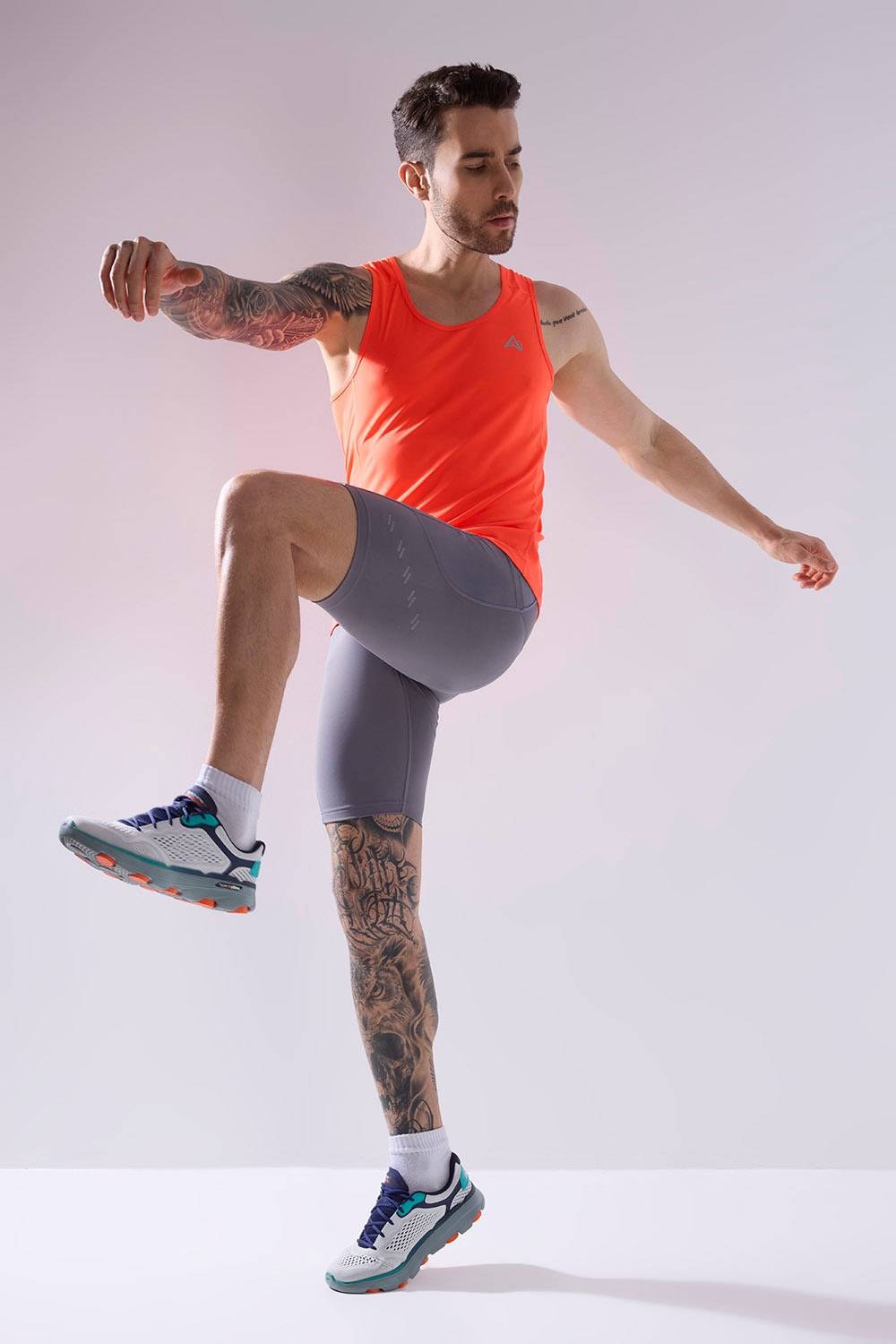
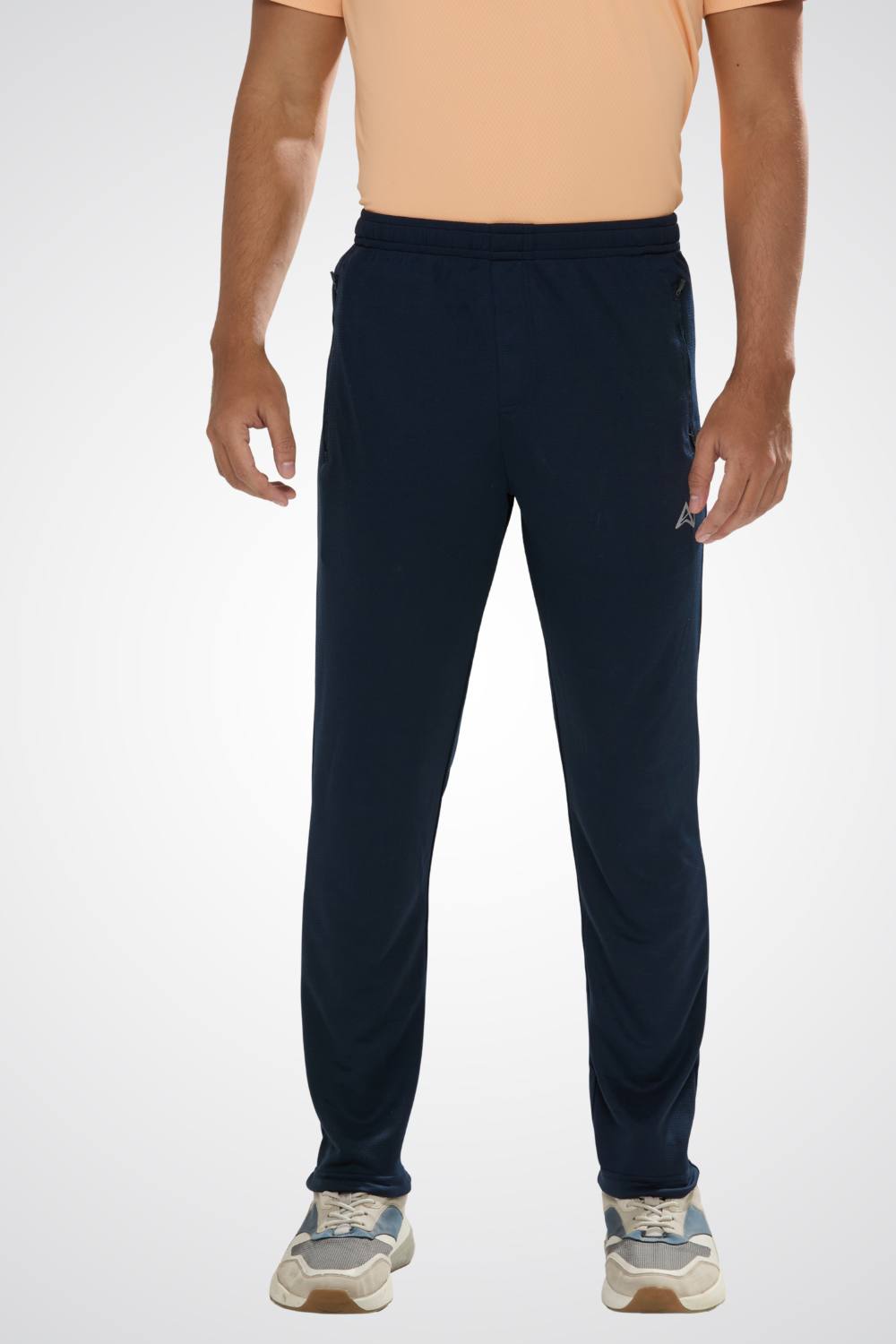
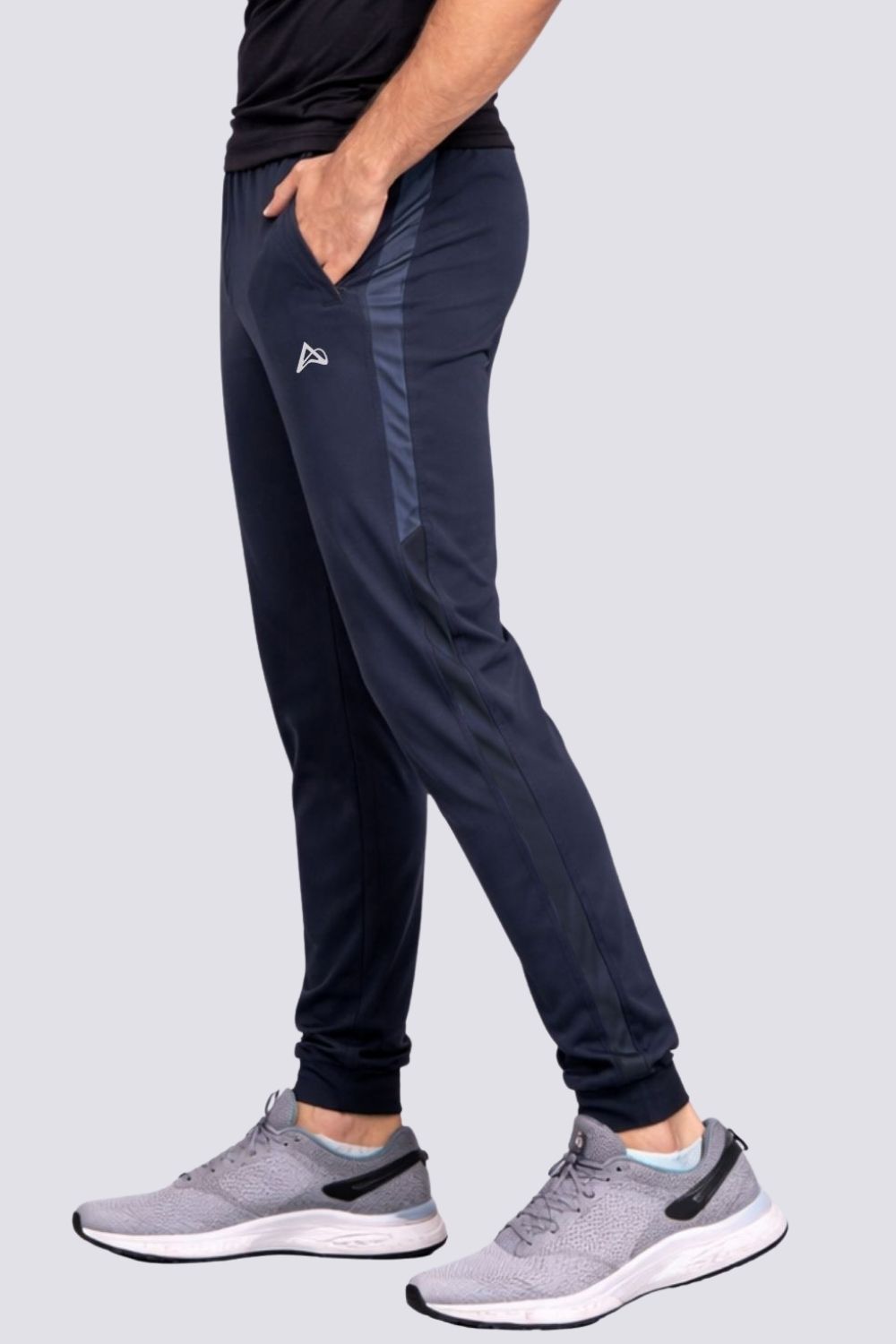
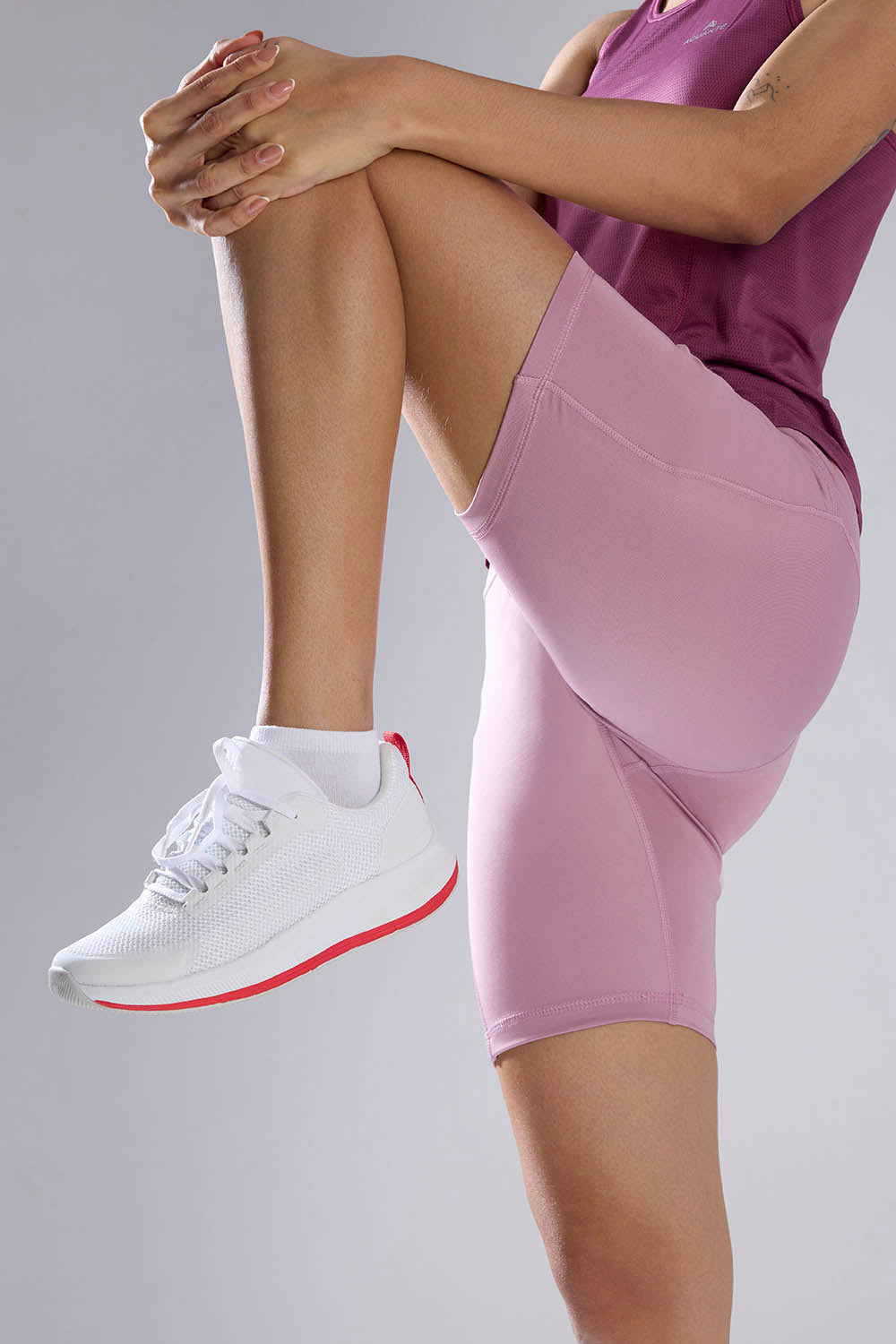
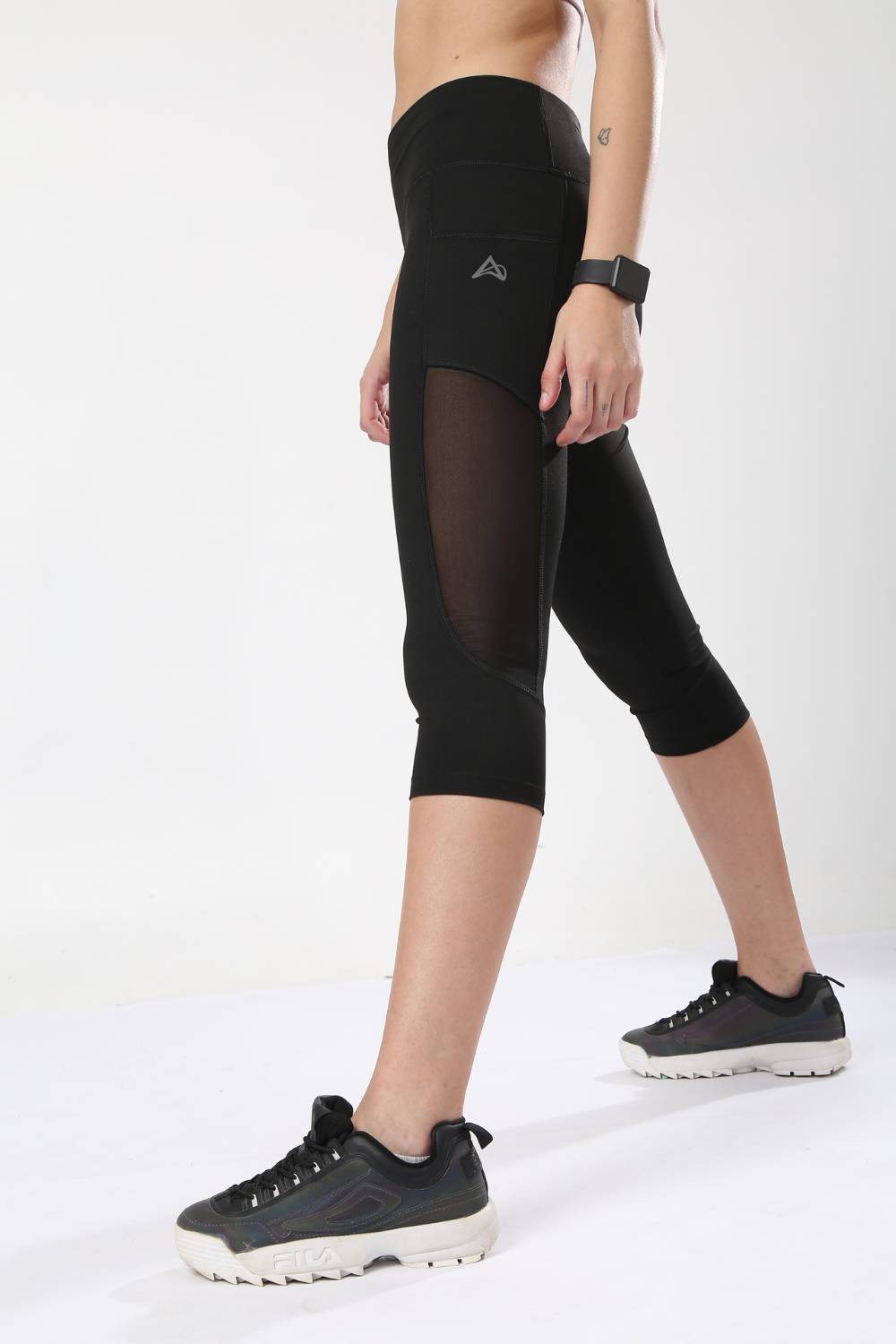
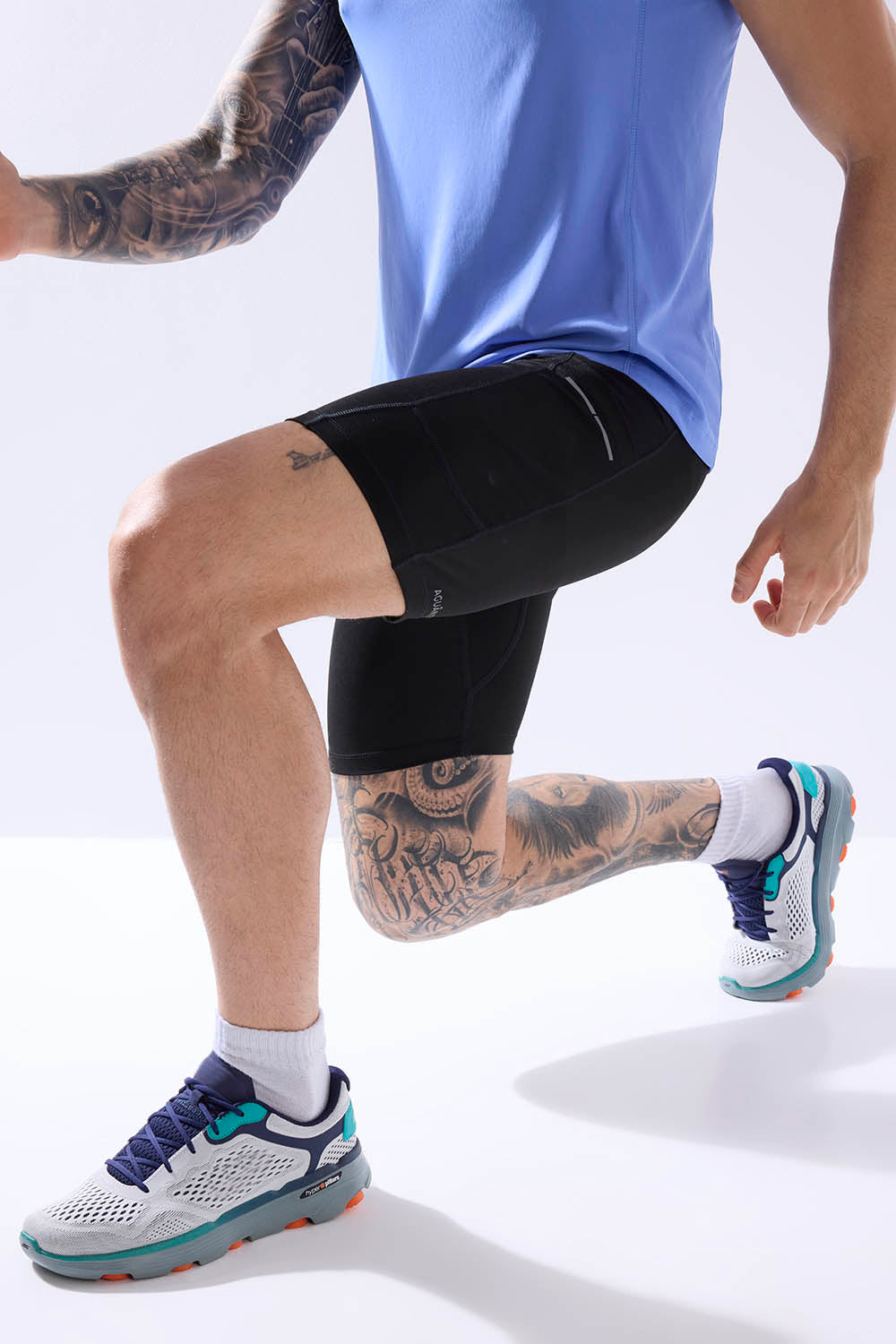
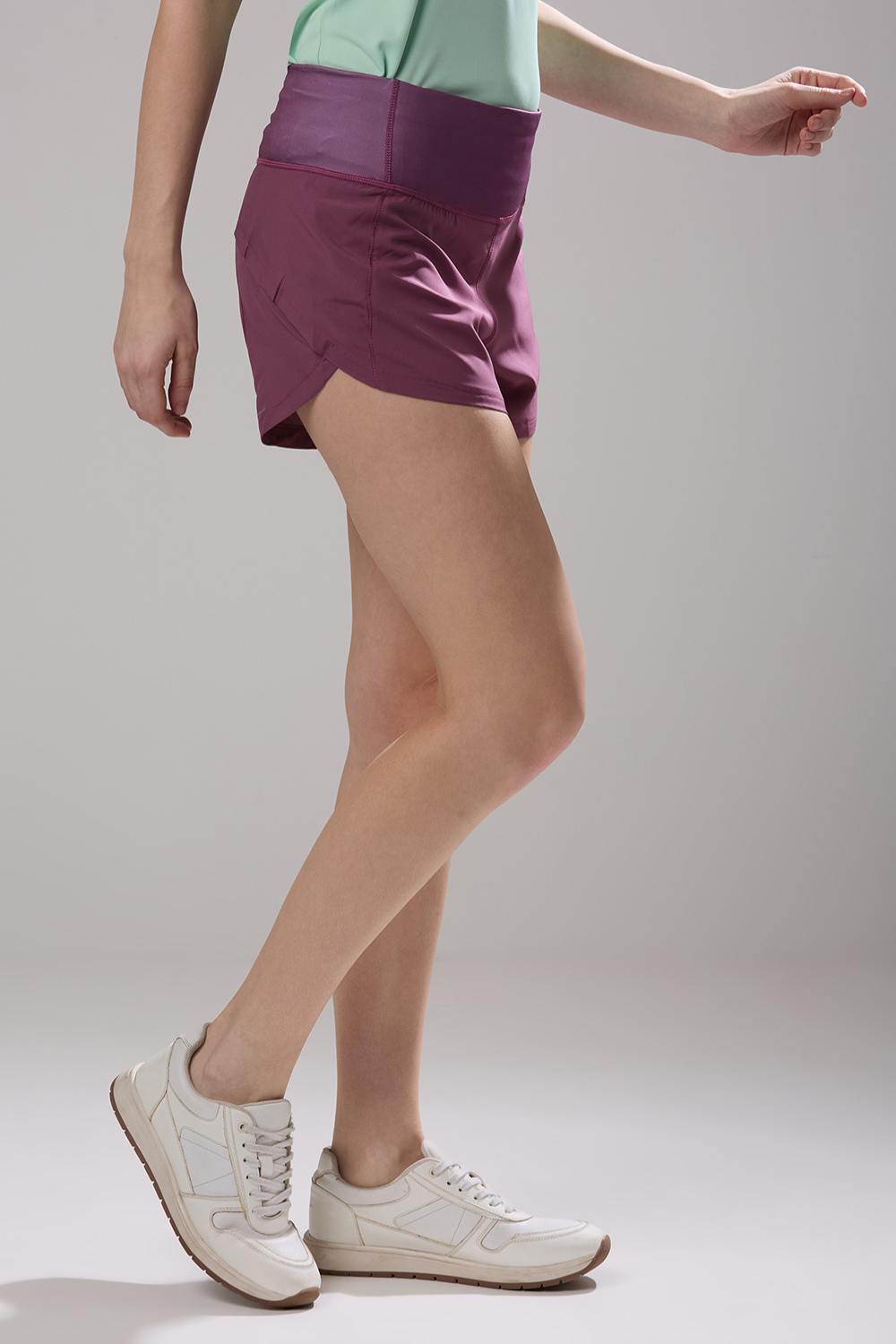
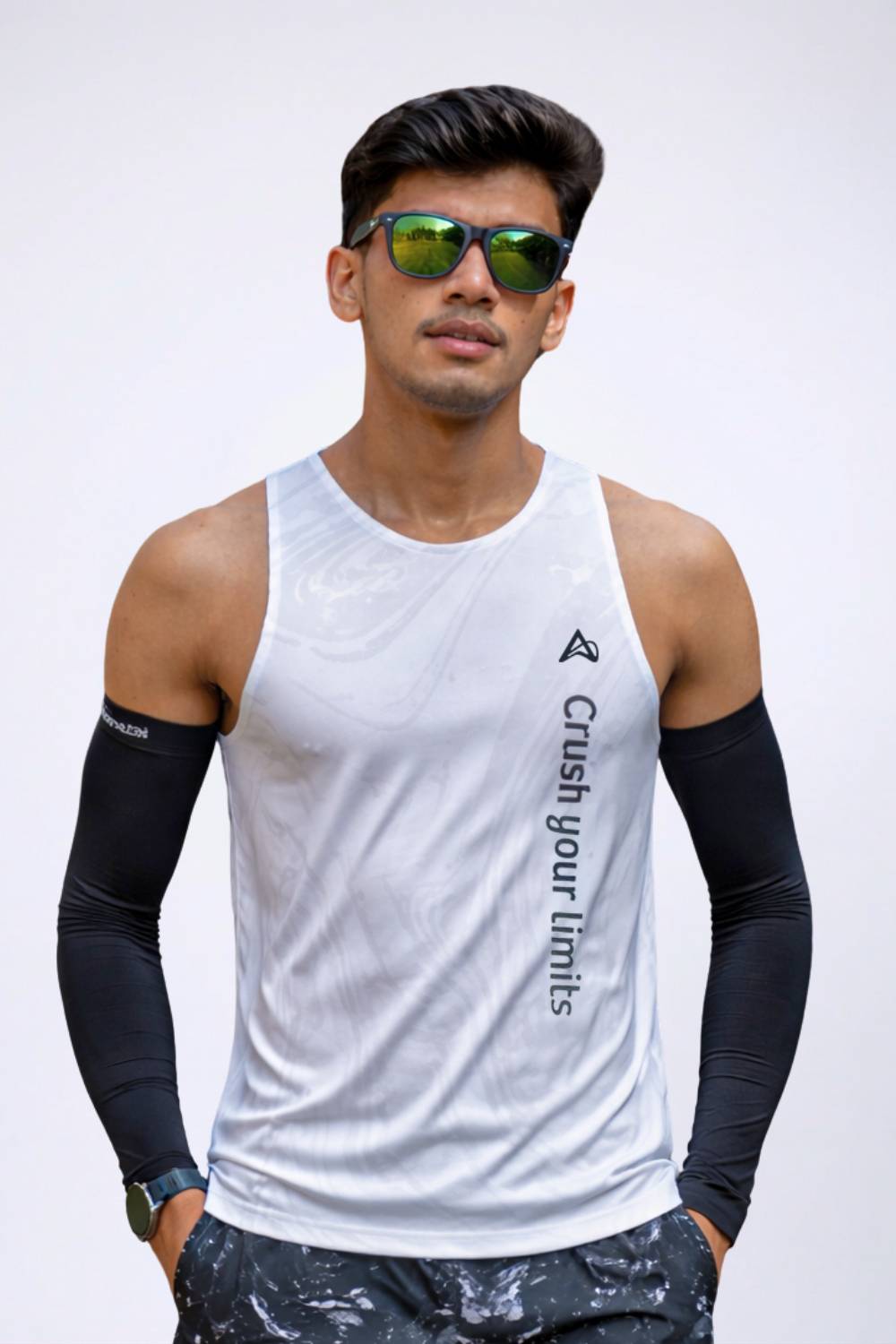
Lightweight, moisture-wicking, light-colored fabrics promote air circulation and reflect heat instead of absorbing it. Avoid dark or heavy materials that trap warmth.
Adding layers, such as a hoodie during training, can simulate heat exposure for passive acclimatization without overdoing intense efforts. This approach helps the body adjust gradually.
Many runners in Navi Mumbai and Surat find that breathable options make a noticeable difference in how they feel after the run. Proper gear reduces the physical toll and lets focus stay on performance.
Monitoring Your Body and Adjusting on the Fly
Pay attention to signs of heat stress. Excessive fatigue, dizziness, nausea, or confusion are red flags to slow down or stop immediately. If these appear, seek shade and cool water right away.
Check local heat index conditions before heading out. Shorten distance or ease intensity on the hottest days. Rotating cold wet towels over limbs or applying water to skin enhances heat dissipation without disrupting flow.
Taking breaks in air-conditioned spaces or under shade when needed prevents serious issues. This flexible approach turns potential risks into manageable adjustments.
Protecting Long-term Running Health
Treating heat and humidity as opportunities for adaptation rather than barriers builds both physiological tolerance and mental resilience. Over time, runners gain the ability to train year-round without sacrificing health.
Integrating these practices into routines supports safer training and enhances long-term fitness. Whether in urban spaces across Delhi or open trails near Ahmedabad, the focus stays on listening to the body and making smart choices.
By prioritizing these strategies, runners turn challenging conditions into a strength. The result is better endurance, quicker recovery, and the freedom to enjoy running through India's summers with confidence.
Protecting yourself in high heat and humidity is not about avoiding the season entirely but about running smarter. These proven approaches help maintain consistency, reduce risk, and keep the joy of running alive year after year.
Frequently Asked Questions
What is the best time to go for a run in hot and humid weather?
The best time for running in heat and humidity is early in the morning or late in the evening when temperatures and humidity levels are at their lowest. Starting before 7 a.m. or after 6 p.m. helps reduce heat stress and allows the body to perform more comfortably. Avoiding midday runs is important because peak heat significantly increases the risk of overheating and fatigue.
How can I stay properly hydrated while running in hot and humid conditions?
Staying hydrated during running in heat and humidity requires drinking water or electrolyte solutions before, during, and after your run. In humid weather, sweat does not evaporate efficiently, so fluid loss can be higher than expected. Carrying fluids and sipping regularly helps maintain performance and prevents dehydration and early fatigue.
What are the signs of heat exhaustion while running and what should I do if I experience them?
Common signs of heat exhaustion during running include dizziness, nausea, excessive fatigue, and confusion. If you experience any of these symptoms, you should immediately slow down or stop running and move to a shaded or cool area. Rehydrating and cooling the body quickly, such as using water or wet towels, is essential to prevent more serious heat-related illness.
Disclaimer: The above helpful resources content contains personal opinions and experiences. The information provided is for general knowledge and does not constitute professional advice.
You may also be interested in: Breathable Fabrics Help Urban Runners Beat the Heat - Aguante
Tired of gear that slows you down? Chafing, soggy fabrics, and missing pockets kill your run's momentum. At Aguante, we're runners who get it. Our high-performance activewear features moisture-wicking fabrics, ergonomic designs, and smart storage to keep you focused. Shop Now!
Powered by flareAI.co