



Quick Listen:
Runners and fitness enthusiasts across major Indian cities face a unique challenge when selecting running apparel: the weather shifts rapidly and dramatically. From the humid mornings in Mumbai to the cooler evenings in Delhi, and the intense heat in Hyderabad or Ahmedabad, what works today can leave you overheating or chilled tomorrow. Smart choices in fabrics, fit, and layering turn these fluctuations into opportunities for better performance, faster times, and fewer injuries.
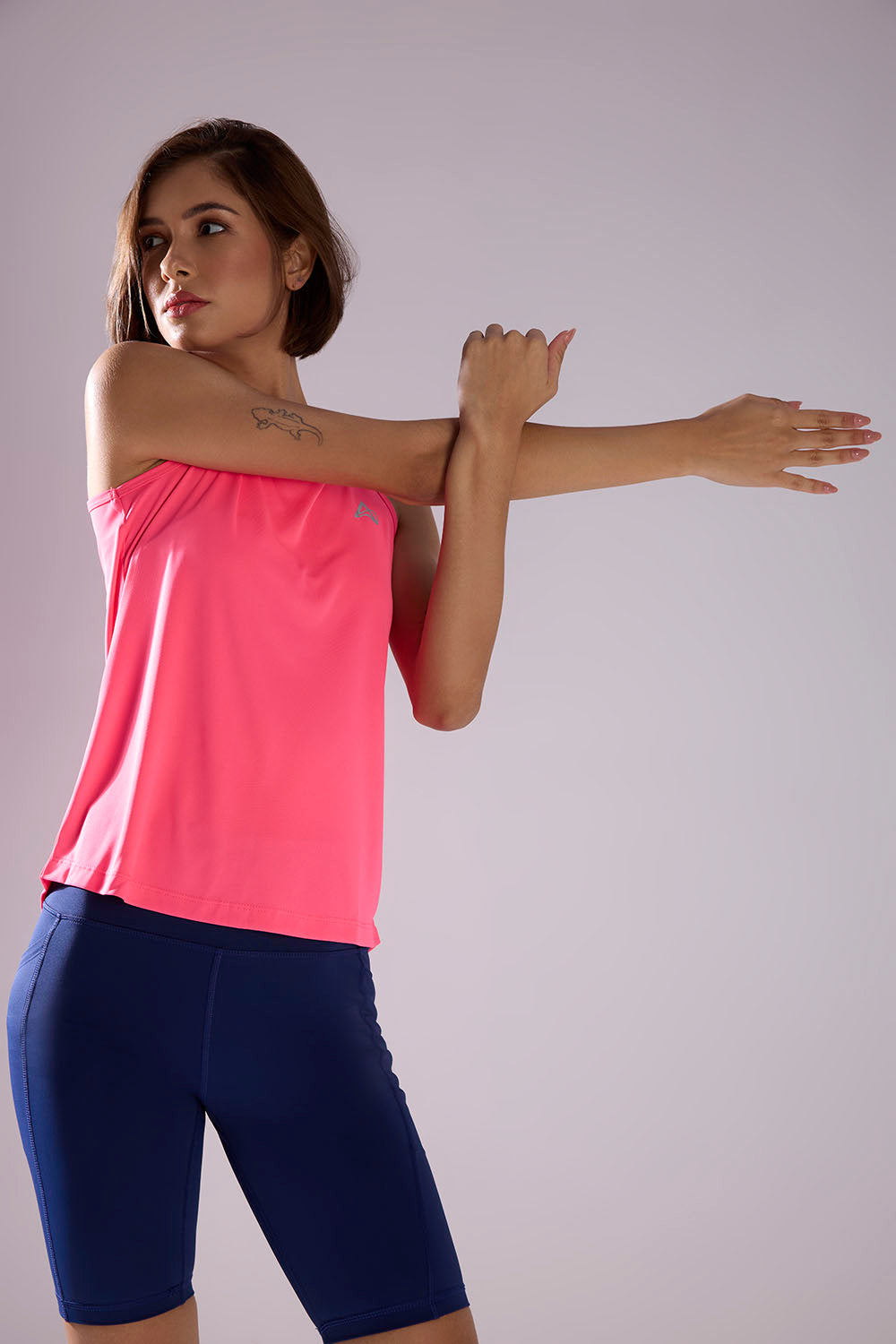
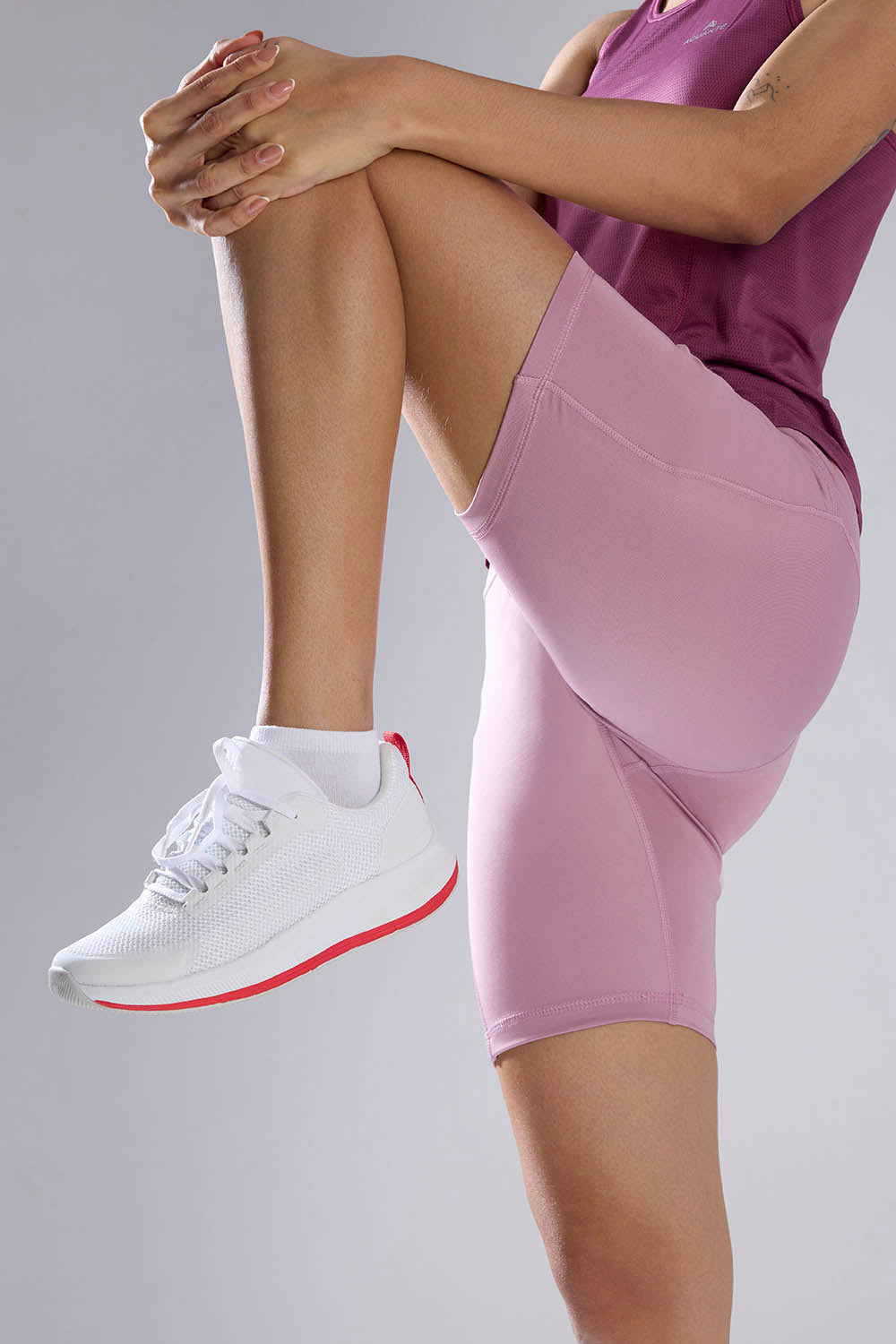
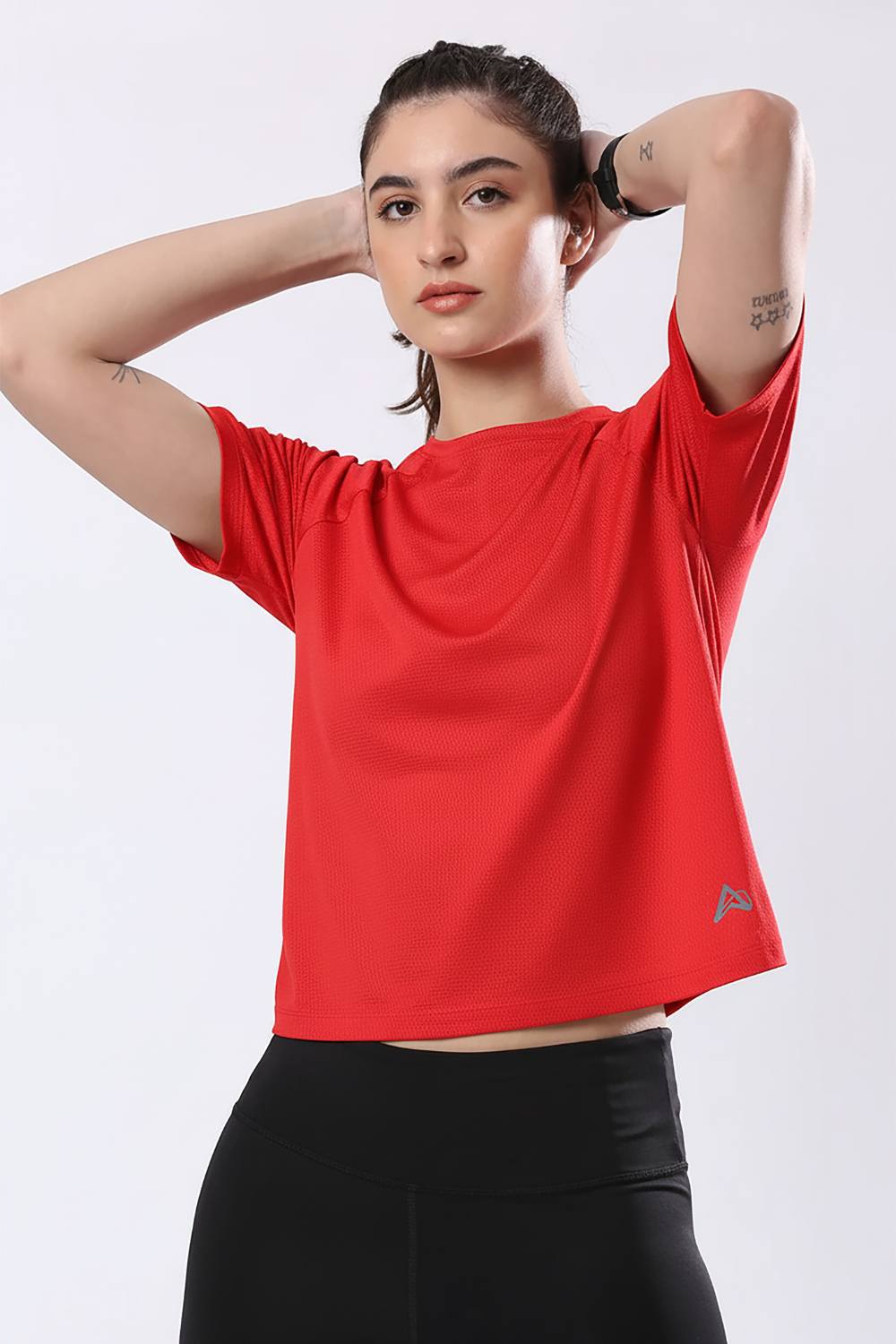
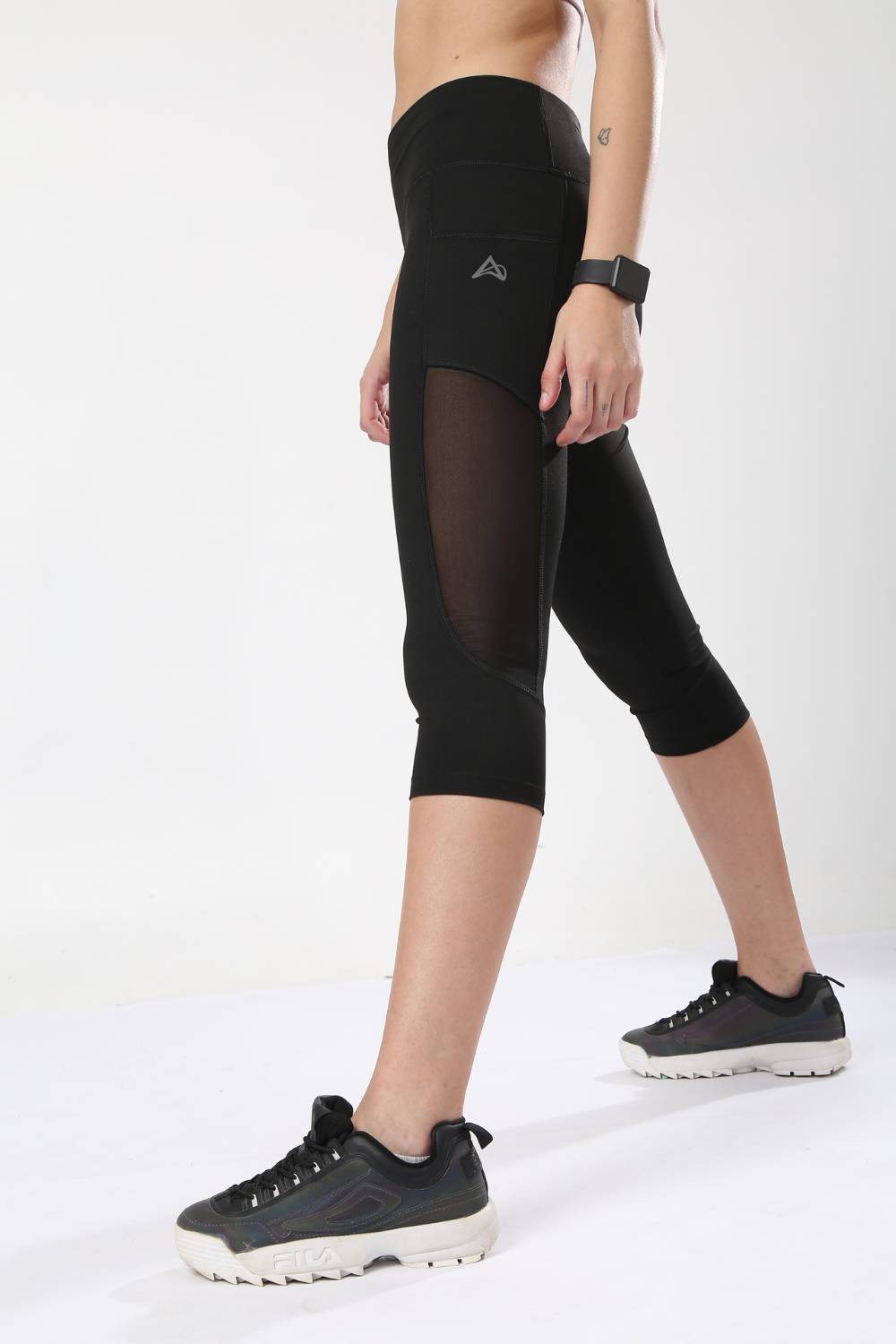
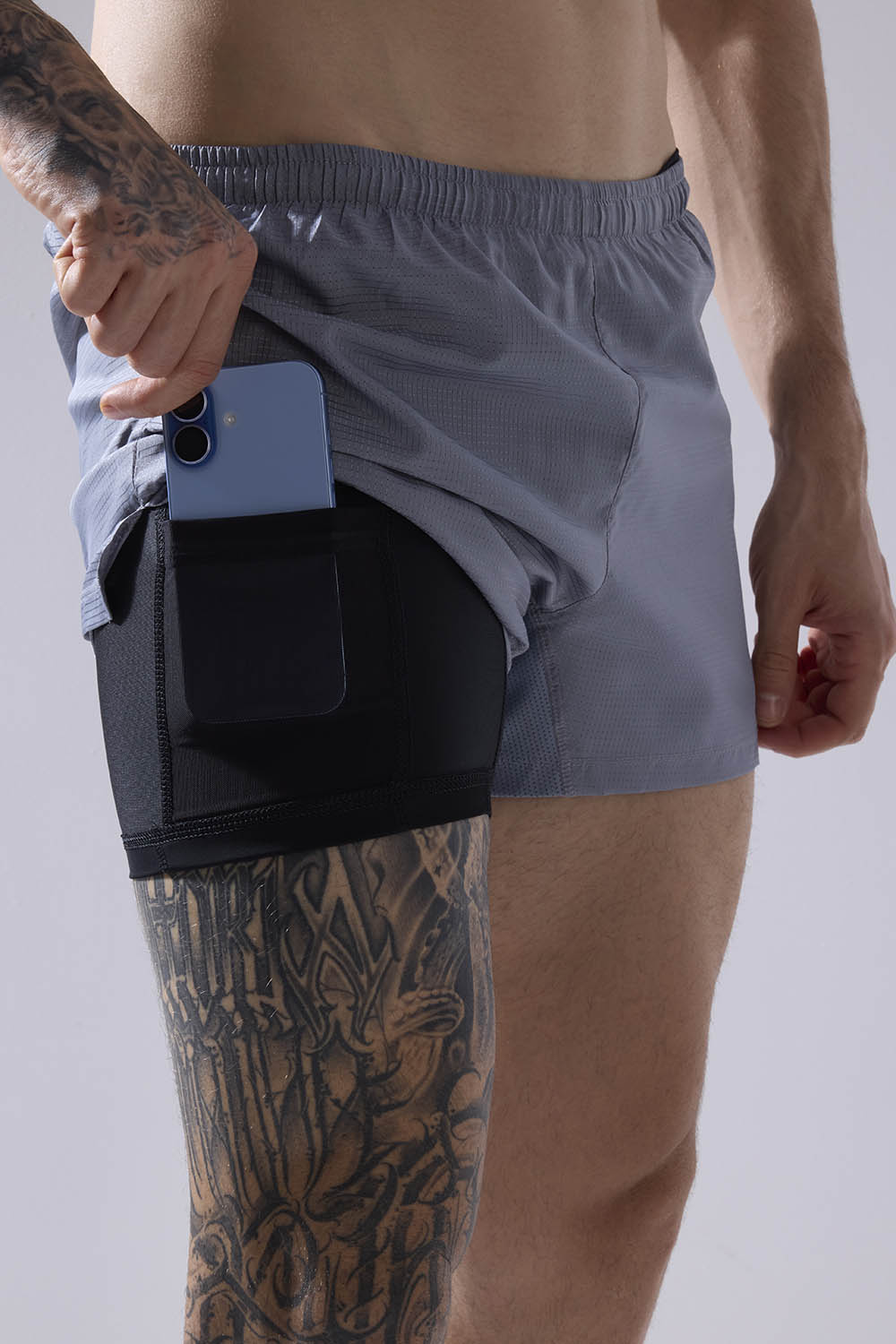
Tired of gear that slows you down? Chafing, soggy fabrics, and missing pockets kill your run's momentum. At Aguante, we're runners who get it. Our high-performance activewear features moisture-wicking fabrics, ergonomic designs, and smart storage to keep you focused. Shop Now!
The Science of Climate and Comfort in Running
Climate directly shapes how your body responds to exertion. In warmer conditions, sweat production rises sharply, and the right fabrics must pull moisture away from the skin to prevent clammy discomfort. Cooler or variable weather demands options that trap and regulate heat without adding bulk. This is not a one-size-fits-all situation runners who ignore local conditions risk slowing down, overheating, or compromising safety during longer sessions.
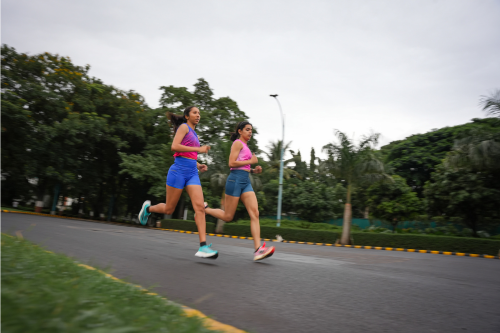
Think about the daily rhythm of urban training. A professional runner in Gurugram starting at dawn might benefit from lightweight, breathable pieces, while the same athlete in monsoon season in Pune needs durable, quick-dry materials to handle sudden downpours without losing grip or comfort.
Running Clothes for Hot Weather
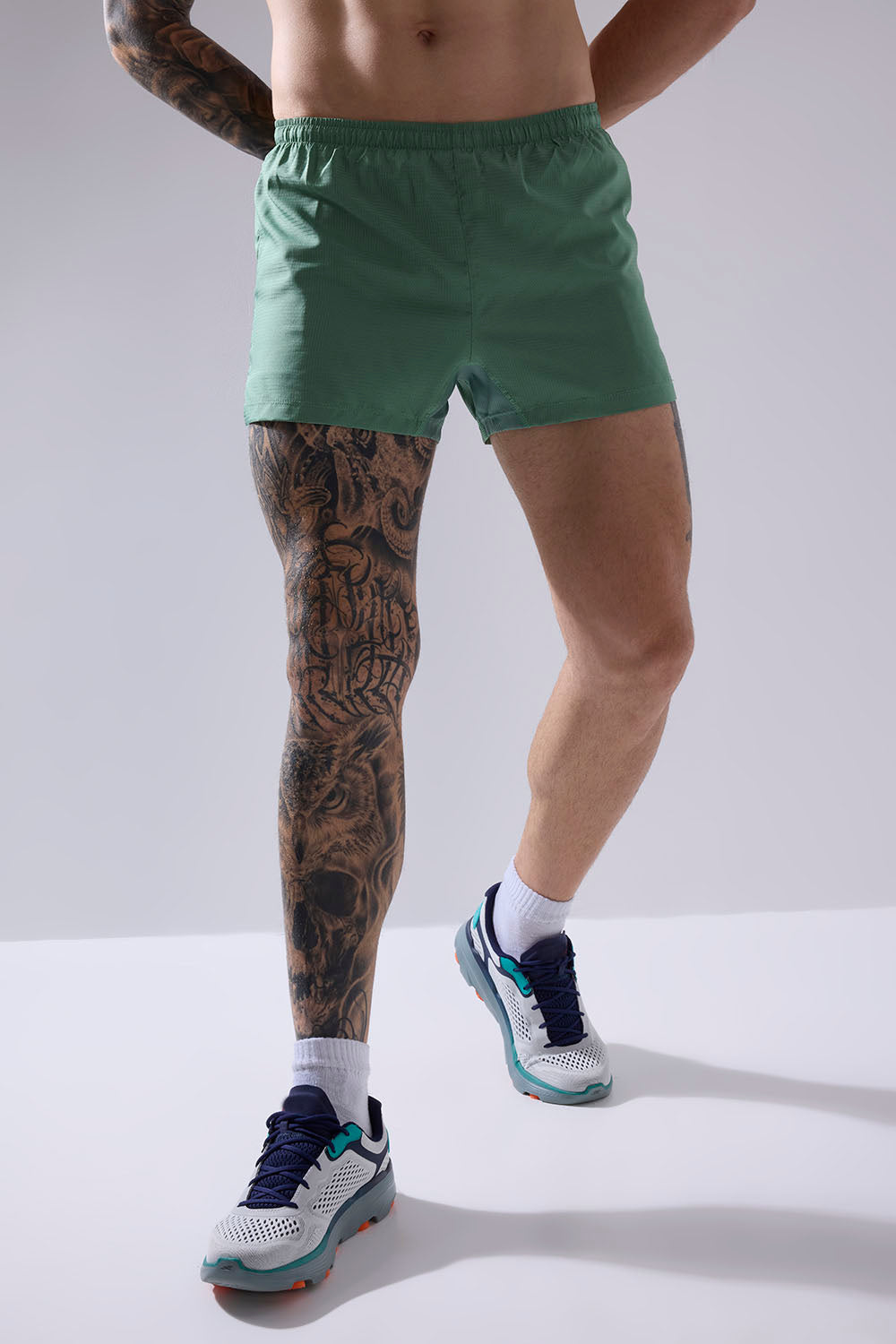
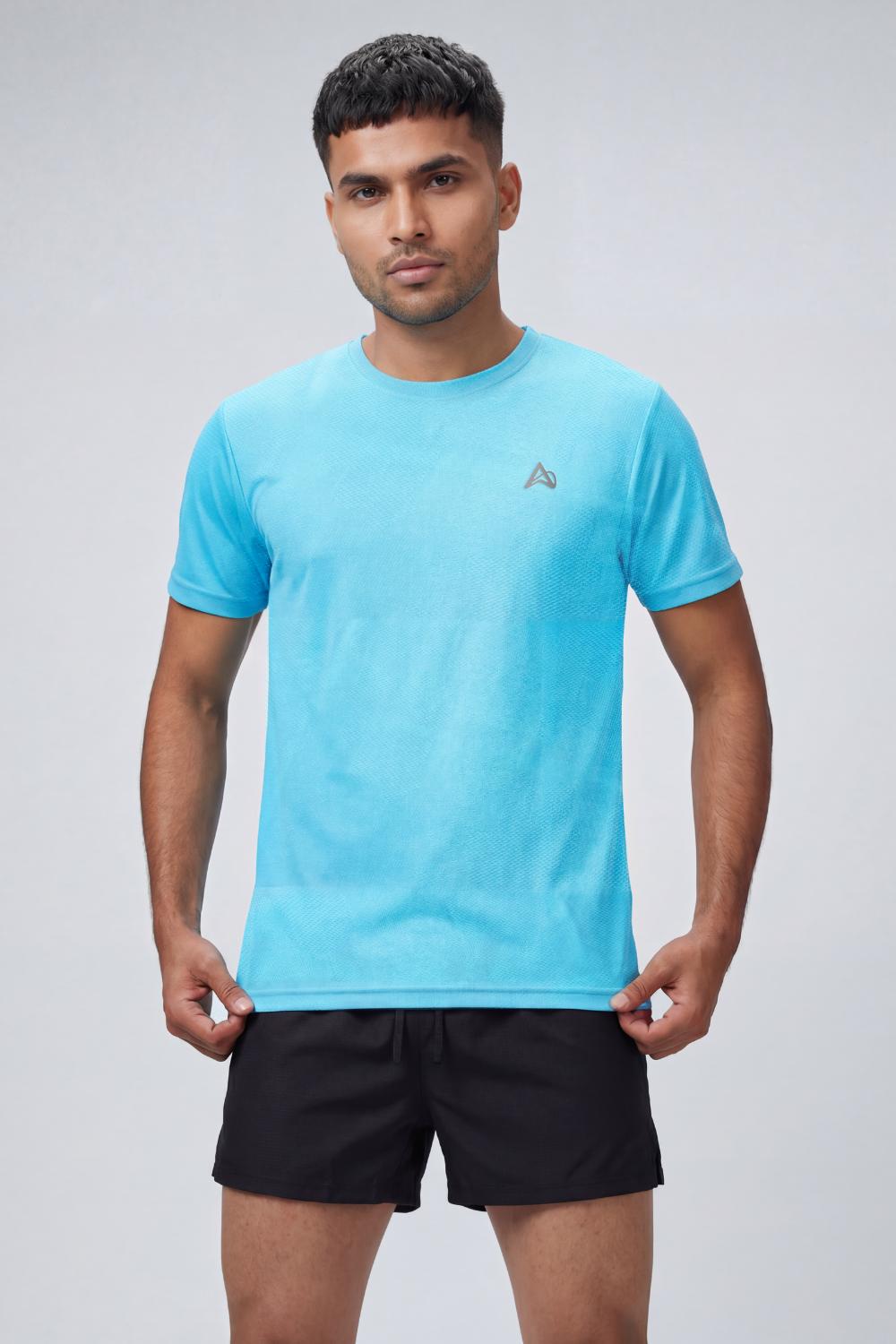
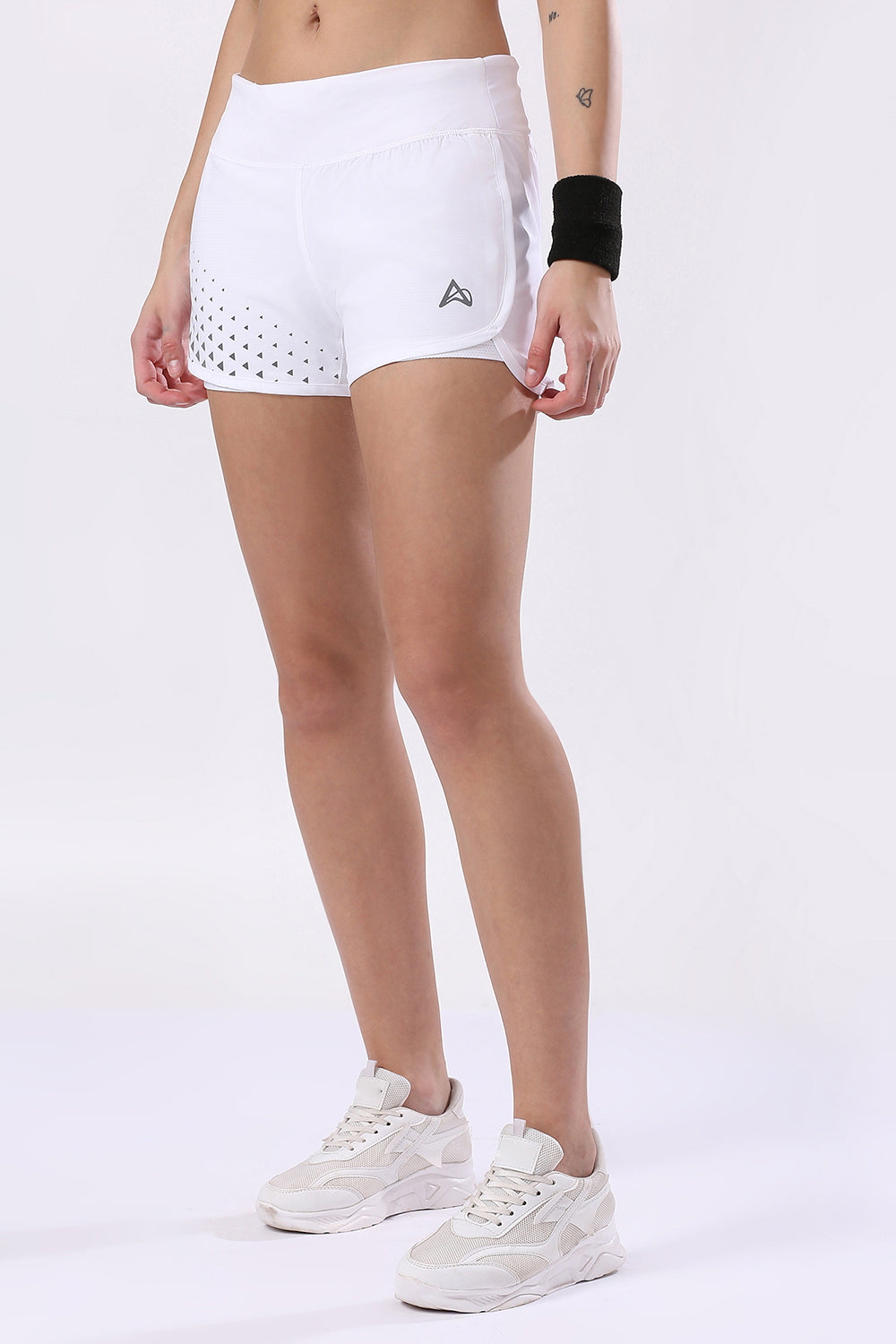
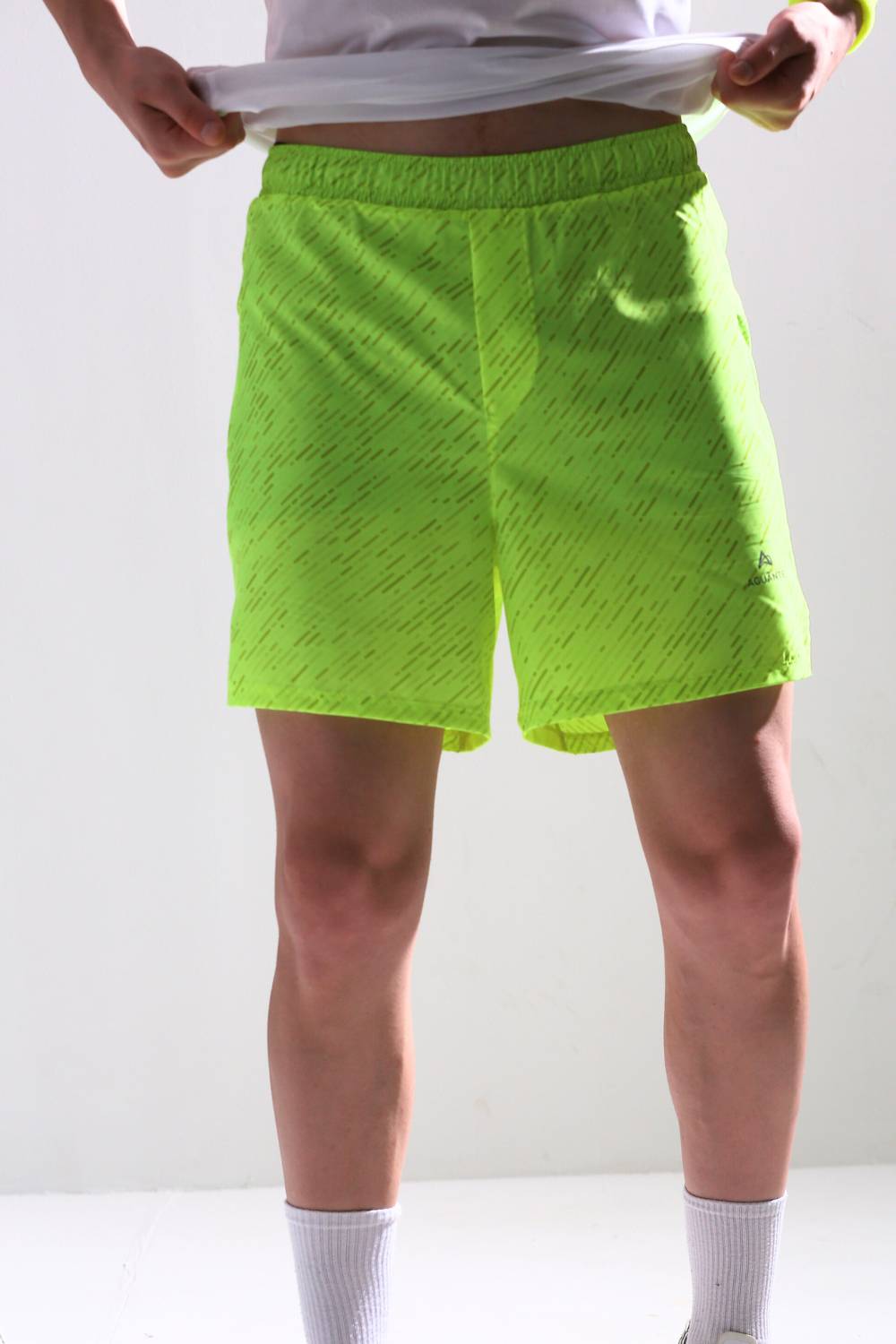
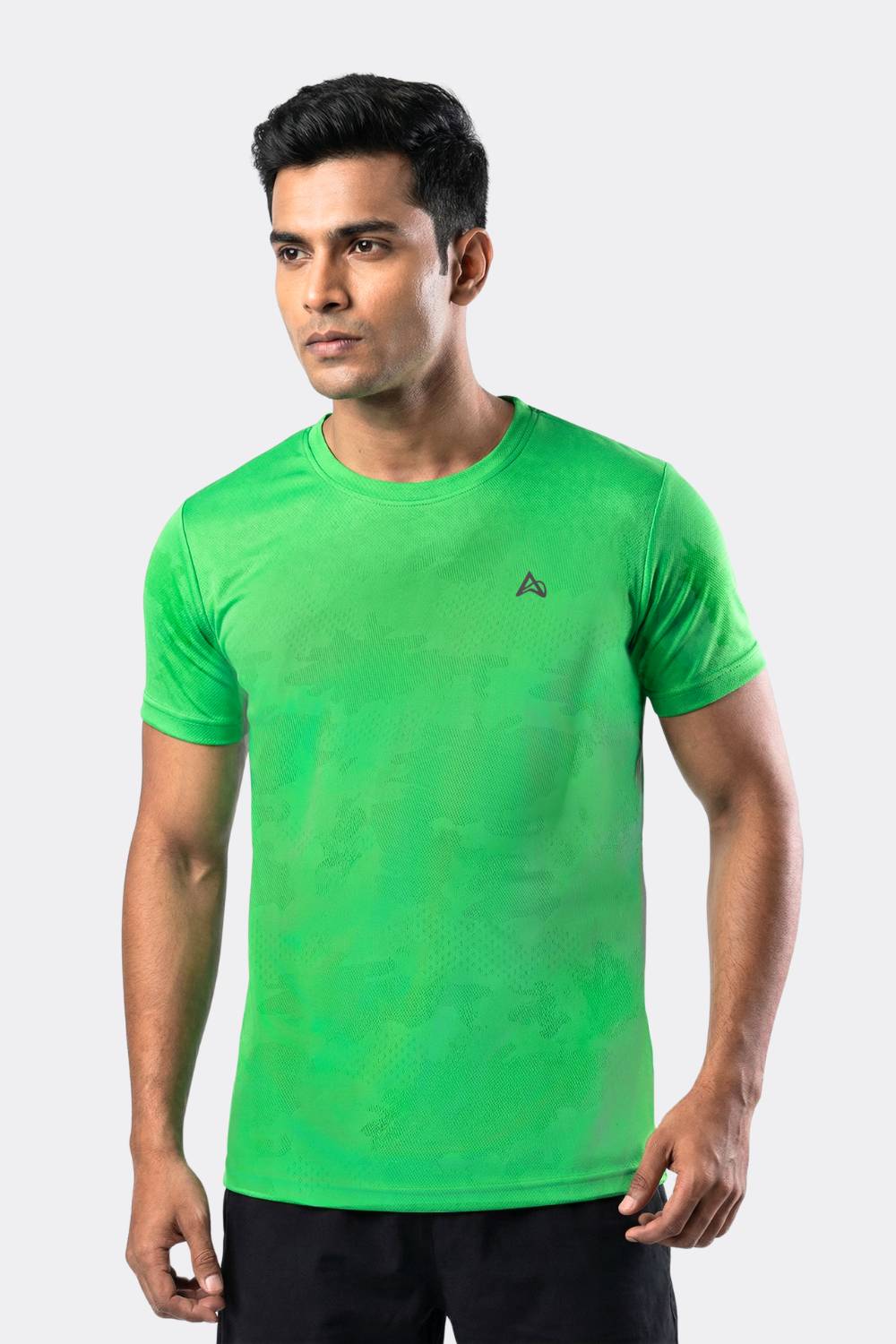
Hot conditions demand fabrics engineered for maximum breathability and moisture management. Look for blends that wick sweat away from the body and allow air to circulate freely, keeping skin dry even during intense intervals or long runs. Reflective details on these pieces add visibility during early morning or evening sessions when visibility can drop.
In regions like Bangalore or Hyderabad, where temperatures climb quickly, prioritize quick-dry materials that dry fast between workouts. Brands increasingly incorporate these technologies to support consistent training regimens year-round, reducing the risk of dehydration or slowdowns on hot days.
Humidity Running Gear That Performs
High humidity complicates everything. Moisture clings to skin and slows evaporation, making even moderate runs feel heavier. The solution lies in synthetic blends or advanced fibers that handle both heat and dampness. These fabrics pull sweat off the body while remaining lightweight, preserving stride efficiency over miles.
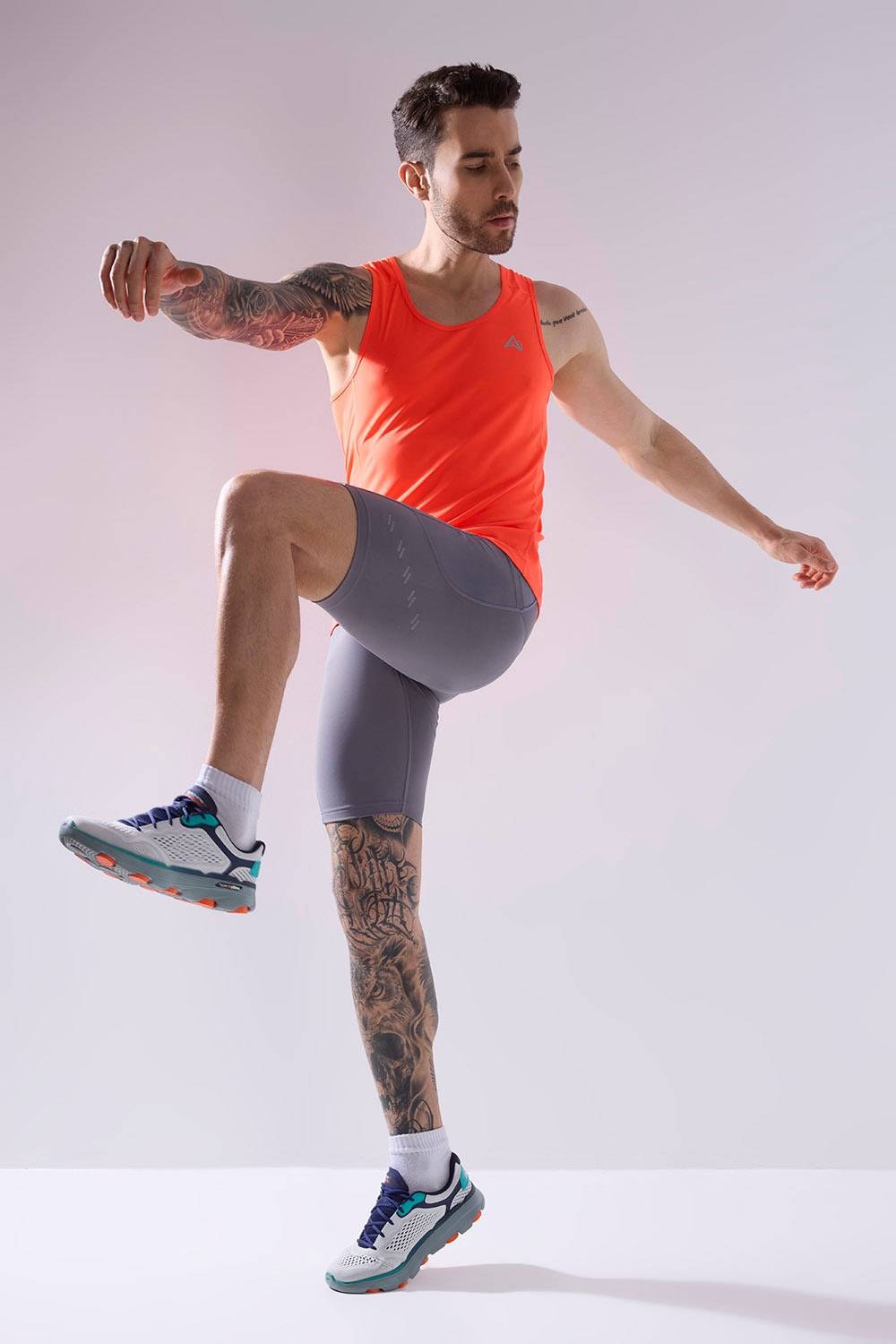
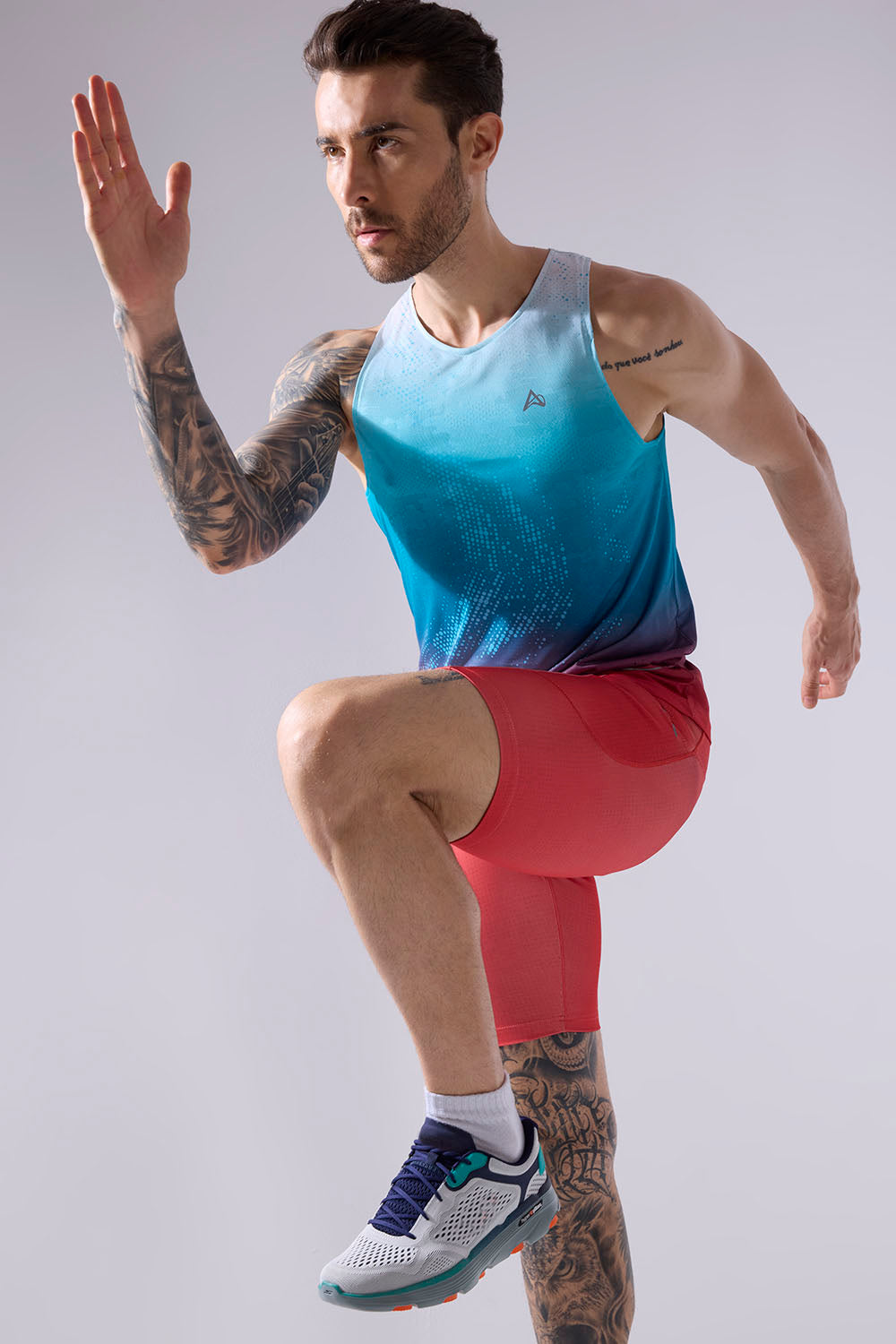
For endurance athletes in India, where daily temperature swings and humidity combine in many cities, versatile pieces become essential. A moisture-wicking top paired with supportive bottoms can perform across multiple climates without sacrificing style or functionality. This adaptability means stronger, more resilient runners who train smarter through all seasons.
Monsoon Running Clothing for Wet Conditions
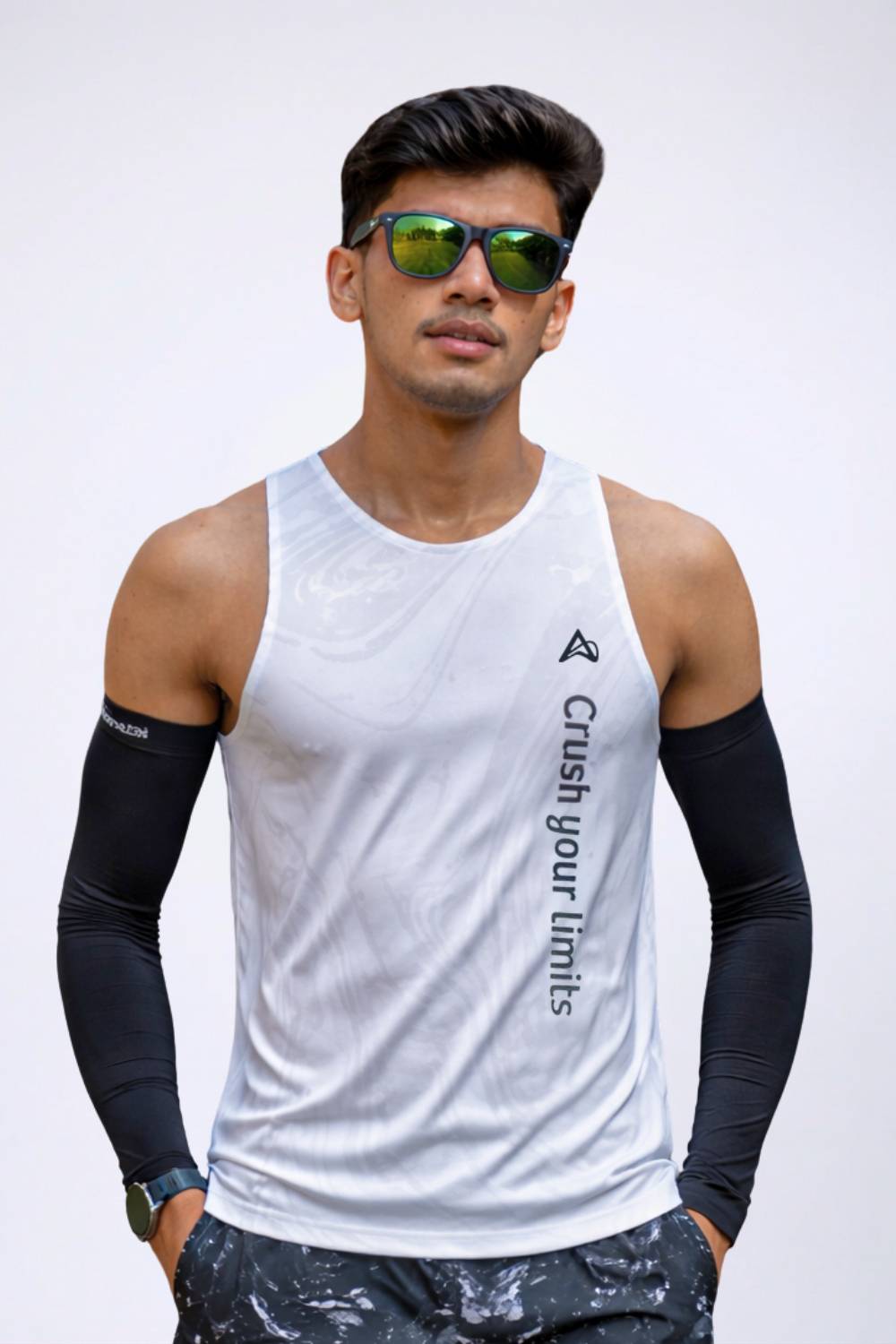
Indian monsoons bring rain, humidity, and sudden temperature drops that test even the best gear. Waterproof or water-resistant running jackets and pants are game-changers here lightweight shells that shed water without trapping heat. Layer these over breathable base layers to maintain core temperature while staying dry.
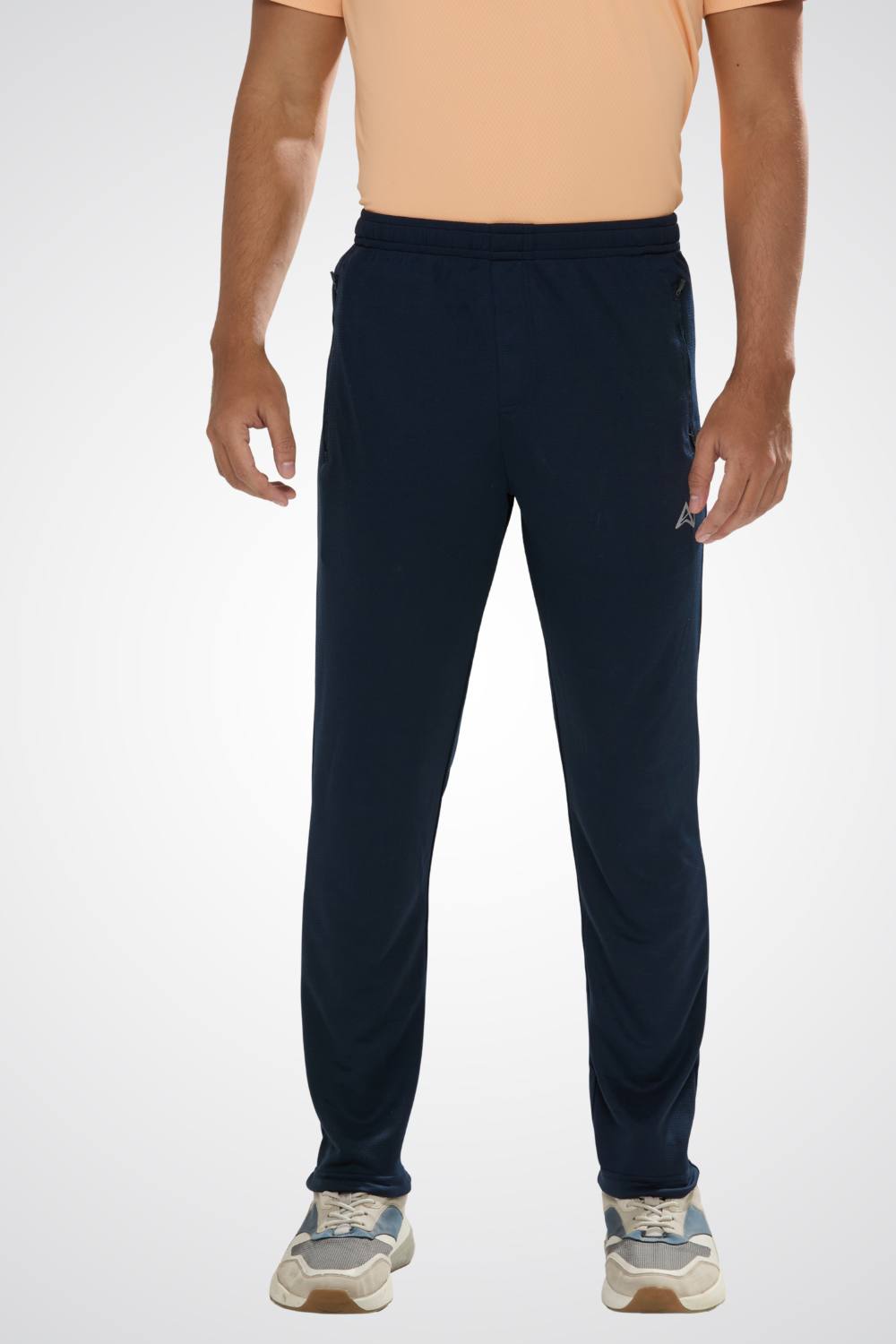
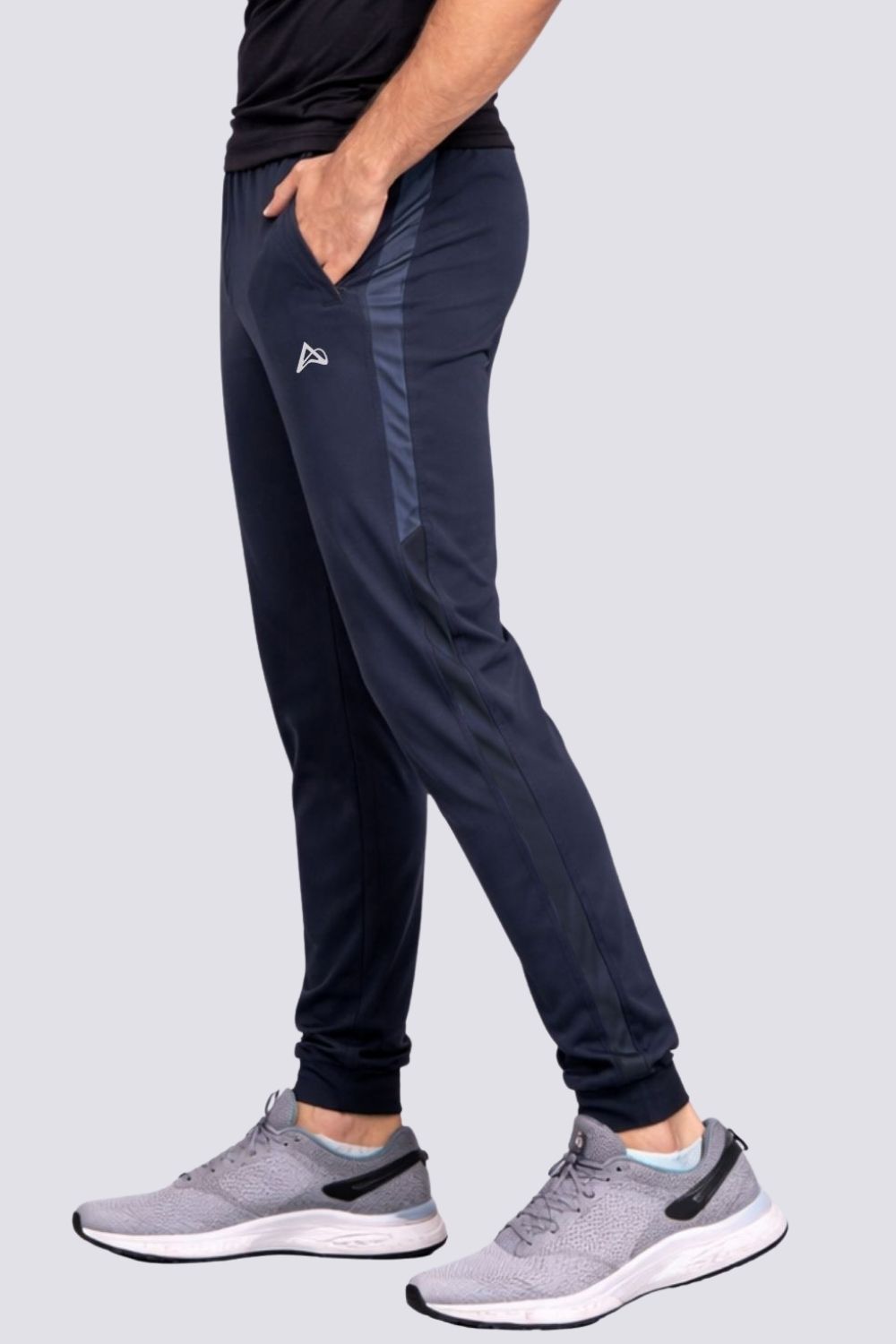
Quick-dry bottoms prevent weight buildup from wet fabric, and reflective elements help maintain visibility in low-light monsoon conditions. The result? Runners can continue sessions consistently, avoiding the common pitfalls of slipping or feeling chilled after rain-soaked runs.
Winter Running Layers for Cooler Climates
When temperatures dip, layering becomes key to staying warm without sacrificing mobility. Start with a sweat-wicking base layer that feels supportive rather than bulky, add a light mid-layer for insulation, and finish with a wind-resistant outer shell. Adjustable options allow you to dial in comfort as your body warms up.
Reflective details remain valuable even in cooler months for early morning or evening runs. This approach not only enhances comfort during long efforts but also builds endurance and reduces injury risk by keeping the body in an optimal temperature zone.
Breathable Running Fabrics That Adapt
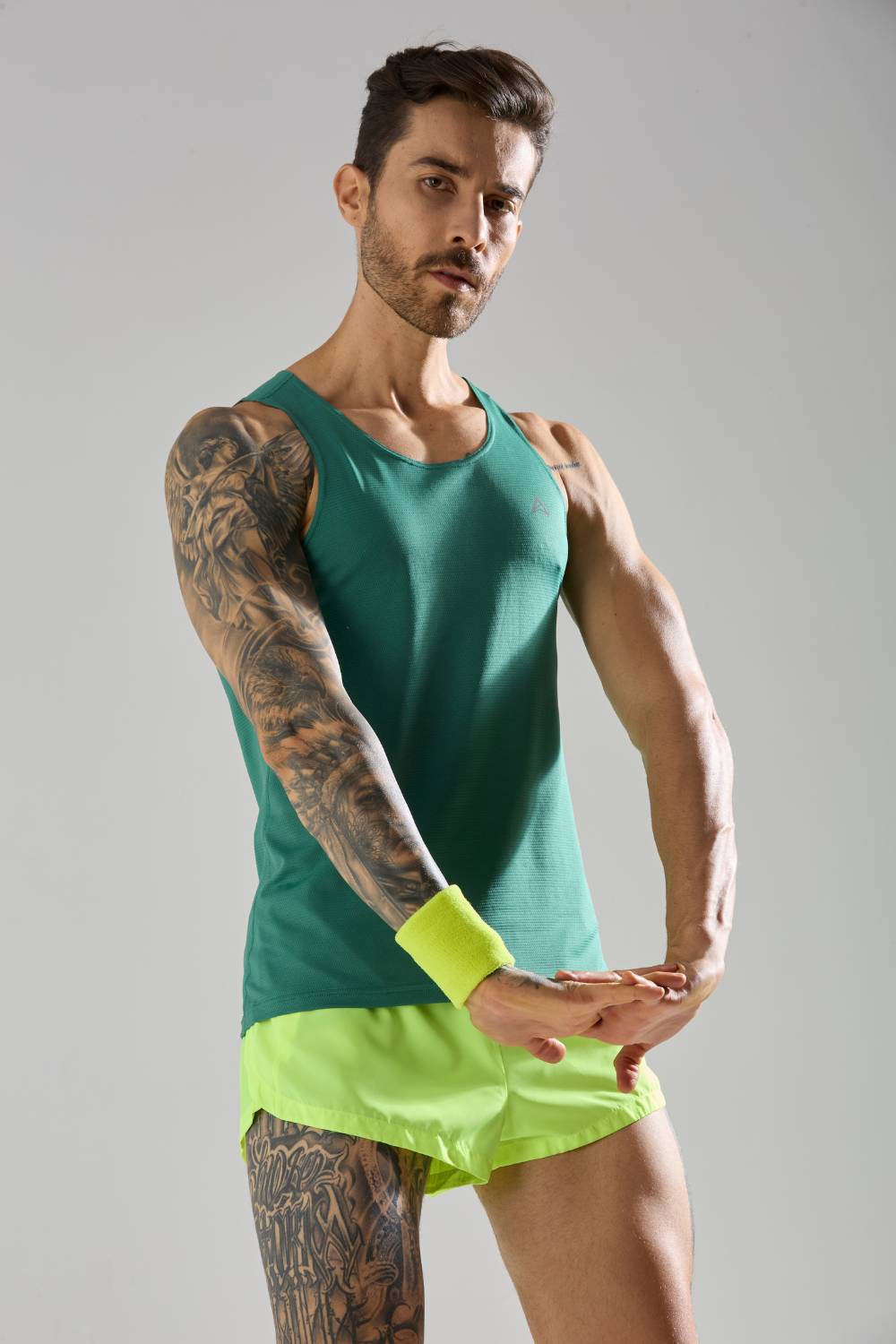
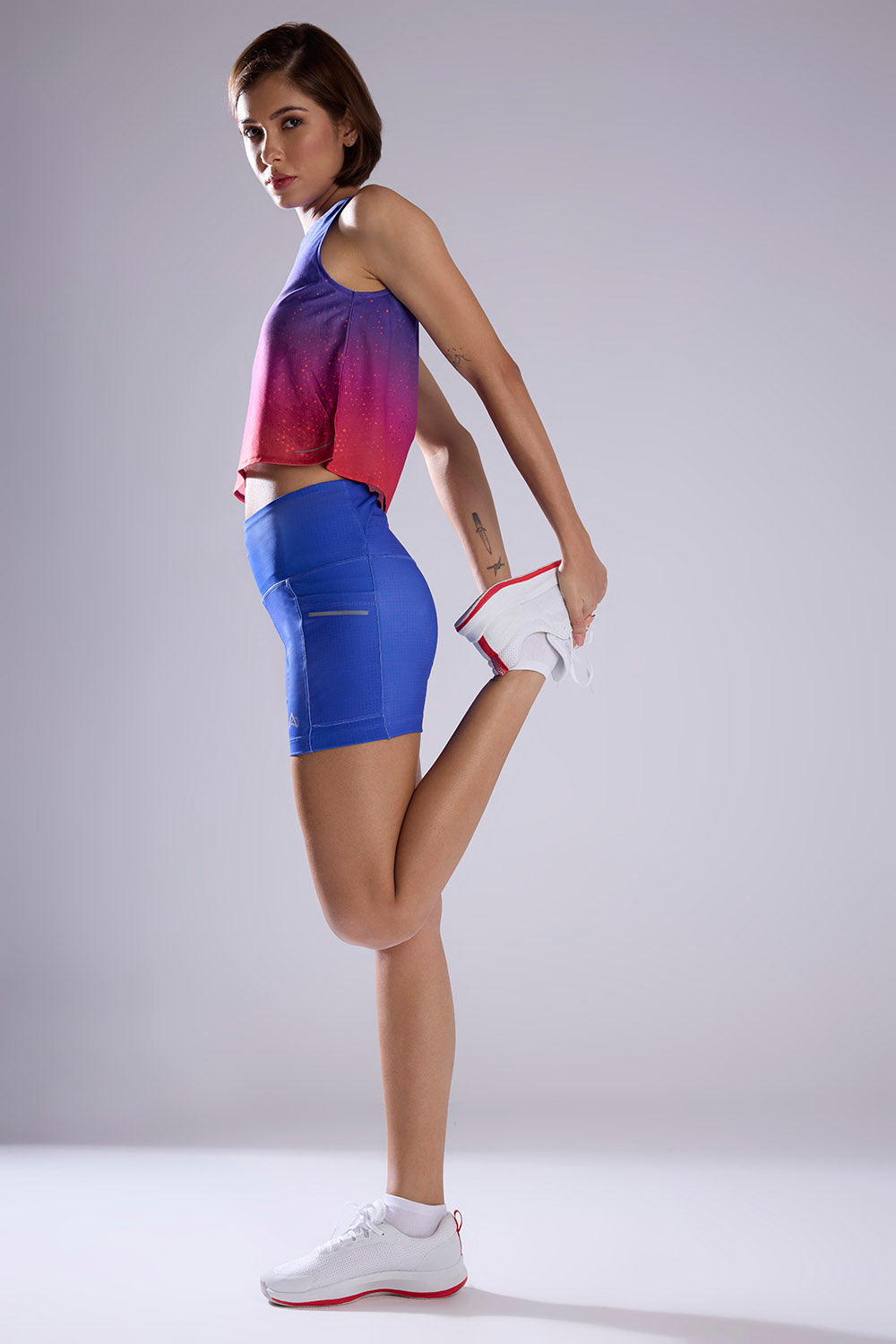
Modern running fabrics prioritize breathability, moisture wicking, and durability across seasons. Look for lightweight synthetics or performance blends that perform in heat, humidity, or rain. These materials often include reflective elements for safety and quick-dry properties that dry fast, making them ideal for the unpredictable Indian climate.
Investing in versatile pieces means fewer items to pack and better performance no matter the conditions. Runners who pair apparel with environmental demands achieve higher paces and lower injury rates, proving that thoughtful selection is a powerful strategy for thriving year-round.
How These Choices Translate to Real-world Benefits
Climates that fluctuate rapidly create opportunities for brands to innovate in apparel. Organizations are responding by developing products that support consistent training regimens, helping athletes build endurance while protecting their bodies from the very conditions they now face more frequently. The result is stronger runners who train smarter, stay healthier, and achieve better race outcomes.
Selecting the ideal running apparel becomes increasingly critical as global temperatures fluctuate due to climate shifts, forcing athletes to adapt gear choices for optimal performance and safety. In hotter conditions, lightweight fabrics with exceptional breathability and moisture-wicking properties are essential to prevent overheating and maintain stride efficiency, while cooler weather demands layered options with adjustable insulation to regulate body heat without excess weight. This adaptive strategy not only enhances comfort during long runs but also supports consistent training regimens that build endurance and reduce injury risk, directly influencing how runners approach their seasonal schedules. For instance, in humid environments, synthetic blends excel at wicking sweat away from the skin, allowing for sustained effort over miles that would otherwise lead to discomfort or slowdowns.
Brands increasingly incorporate technologies like reflective elements for visibility in low-light or variable weather, ensuring safety during early morning or evening sessions when heat peaks differently. For endurance athletes in regions like India, where daily temperature swings are pronounced, this means investing in versatile pieces such as quick-dry tops and supportive bottoms that perform across multiple climates without sacrificing style or functionality. The result is stronger, more resilient runners who train smarter year-round, stay healthier, and achieve better race outcomes as they learn to pair apparel with environmental demands rather than relying on one-size-fits-all solutions. Ultimately, this climate-driven evolution in apparel choices empowers athletes to push their limits while protecting their bodies from the very conditions their sport now faces more frequently.
Climate-driven changes in weather patterns are making traditional marathon conditions rarer, compelling runners to rethink apparel choices to maintain performance and safety in an era of hotter, more variable race days. With fewer optimal cool conditions projected for major events, athletes increasingly select lightweight, highly breathable fabrics that wick moisture and provide UV protection, allowing them to adapt to unpredictable temperature swings and humidity levels that were once manageable. This shift toward versatile, climate-optimized running clothes supports better heat regulation during long efforts, reducing the likelihood of overheating or dehydration that can derail efforts in warmer climates.
For global runners, including those in India where monsoons and dry spells create unique challenges, this means embracing technical apparel that performs reliably across seasons, from early training in cooler months to hot-weather races. Research highlights how apparel influences perceived exertion and actual outcomes, with runners who wear appropriately fitted gear for the day's conditions achieving higher paces and lower injury rates. Furthermore, the move toward sustainable, high-tech materials in running apparel aligns with broader environmental needs, as these pieces often use recycled fabrics that withstand repeated exposure to extreme weather.
Better Gear, Better Running
By prioritizing such gear, the running community not only enhances individual training and racing experiences but also contributes to a more adaptable sport ecosystem where environmental awareness drives innovation in product design. This trend ultimately benefits runners of all levels by promoting health-conscious choices that extend career spans and encourage participation in events less constrained by ideal weather, proving that thoughtful apparel selection is a powerful strategy for thriving in a changing climate.
Ultimately, understanding how climate influences running apparel choices empowers athletes to push their limits while protecting their bodies. In cities across India, where weather patterns vary widely, the right selections turn environmental challenges into performance advantages. Whether chasing a personal best or simply enjoying a morning run, the right gear makes all the difference.
Frequently Asked Questions
What is the ideal winter layering strategy for runners?
The ideal winter running strategy involves layering to balance warmth and mobility. Start with a sweat-wicking base layer, add a light insulating mid-layer, and finish with a wind-resistant outer shell. This system allows runners to adjust to changing body temperature during exercise while staying protected from cold air.
How should runners dress during monsoon or rainy weather?
During monsoon season, runners should opt for water-resistant or waterproof running jackets paired with quick-dry bottoms to stay comfortable in wet conditions. Layering a lightweight, breathable base layer under a rain shell helps regulate body temperature without trapping excess heat. Reflective details are also important for visibility during low-light, rainy runs.
What is the best running apparel for hot and humid weather?
For hot and humid conditions, the best running apparel includes lightweight, breathable fabrics designed to wick moisture away from the skin. Moisture-wicking synthetic blends help keep runners dry by improving sweat evaporation and reducing clinginess. Quick-dry materials are especially useful in humid climates where sweat and moisture linger longer, helping maintain comfort and performance.
Disclaimer: The above helpful resources content contains personal opinions and experiences. The information provided is for general knowledge and does not constitute professional advice.
You may also be interested in: Marathon Growth in India Influences Gear Choices for Endurance
Tired of gear that slows you down? Chafing, soggy fabrics, and missing pockets kill your run's momentum. At Aguante, we're runners who get it. Our high-performance activewear features moisture-wicking fabrics, ergonomic designs, and smart storage to keep you focused. Shop Now!
Powered by flareAI.co