



Quick Listen:
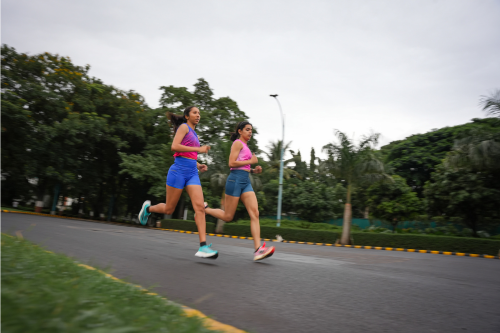
Runners in vibrant cities like Mumbai and Bengaluru know that one of the biggest factors in enjoying consistent outdoor runs is getting the clothing right. As the seasons shift, from the hot and humid stretches of summer to the crisp coolness of winter, the ideal outfit evolves to match how your body generates and dissipates heat. This guide draws on established principles from top running experts to help you select performance apparel that keeps you comfortable, safe, and motivated no matter the weather.
Tired of gear that slows you down? Chafing, soggy fabrics, and missing pockets kill your run's momentum. At Aguante, we're runners who get it. Our high-performance activewear features moisture-wicking fabrics, ergonomic designs, and smart storage to keep you focused. Shop Now!
Understanding Your Body's Heat Regulation During Runs
Core temperature rises quickly once you begin moving, often 15 to 20 degrees warmer than the actual air temperature outside. This means you must dress with that buffer in mind to avoid overheating or chilling too soon. In peak heat, moisture management becomes key, while in cooler months, layers allow for adjustments as your body warms up. Proper choices extend run duration, reduce injury risk, and encourage year-round consistency.
Determining the best running clothes for every season starts with recognizing that performance hinges on matching apparel to how your body generates and dissipates heat, with guidelines recommending you dress as if the temperature is 10 to 20 degrees warmer than reported. In winter temperatures of 40 degrees Fahrenheit and below, the emphasis is on a multi-layer setup: a long- or short-sleeve mid-layer shirt for insulation, lightweight pants or leggings for leg coverage, and a windproof outer shell that vents excess heat. This configuration allows quick adjustments as you warm up, preventing sweat buildup that can lead to chilling. Spring and fall conditions between 40 and 60 degrees offer versatile options like a mid-layer shirt with pants for transitional days or lighter shorts with a tee on warmer spells, providing flexibility without over- or under-insulation.
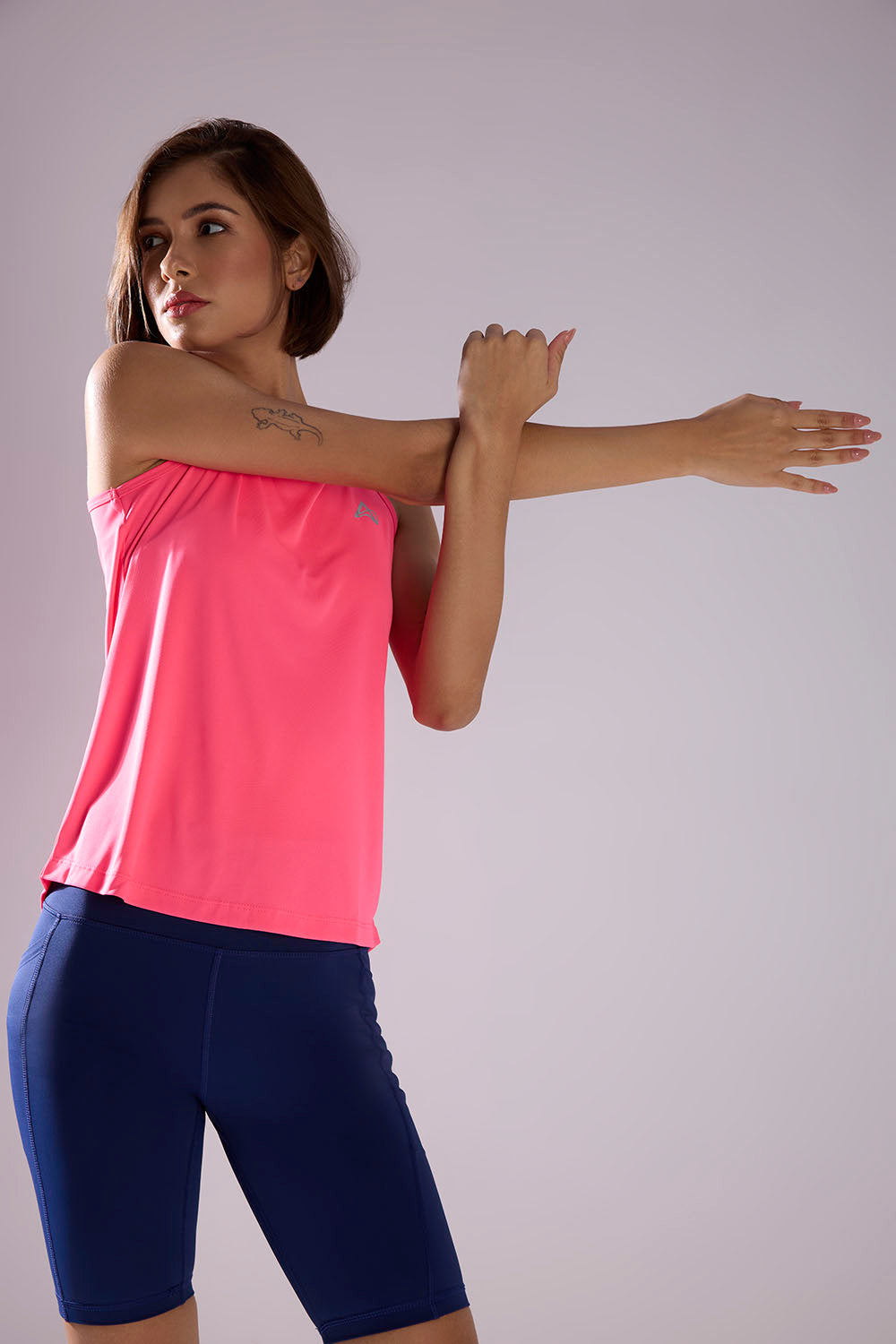
For summer above 60 degrees, the focus shifts to moisture management through highly breathable, quick-dry fabrics that wick sweat away from the body and promote airflow, often paired with shorts or skirts to keep you cool and dry during exertion. Additional considerations include sun protection elements like long sleeves or hoodies in peak heat to shield from UV rays. The overall strategy supports safer and more effective runs by maintaining core temperature regulation, which research links to optimal endurance and reduced fatigue. Whether in harsh cold or intense heat, proper clothing choices extend run duration, lower injury risk, and make outdoor activity more enjoyable and accessible across all months, encouraging a consistent training routine that benefits overall fitness and well-being.
Choosing Running Clothes for Summer Heat and Humidity
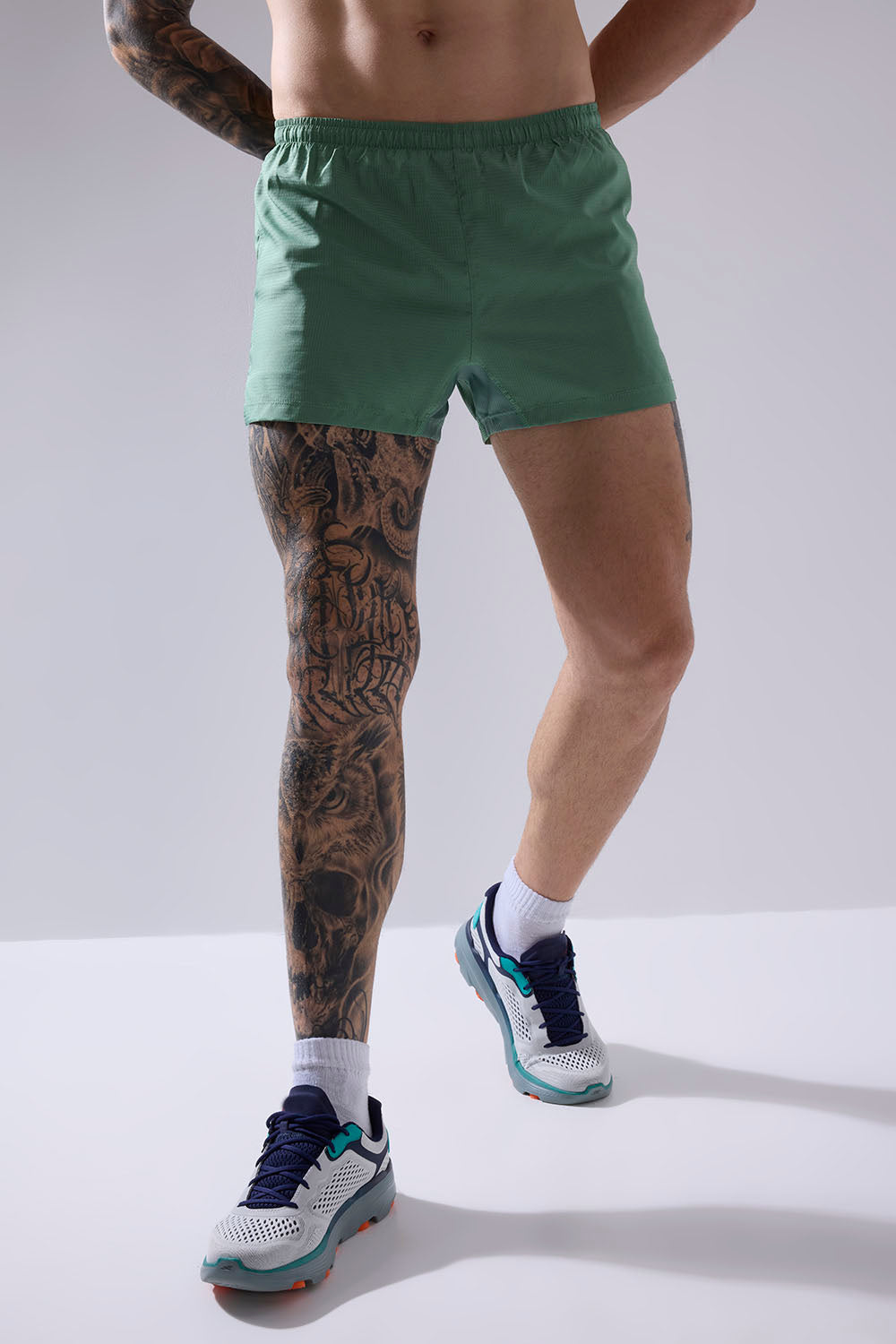
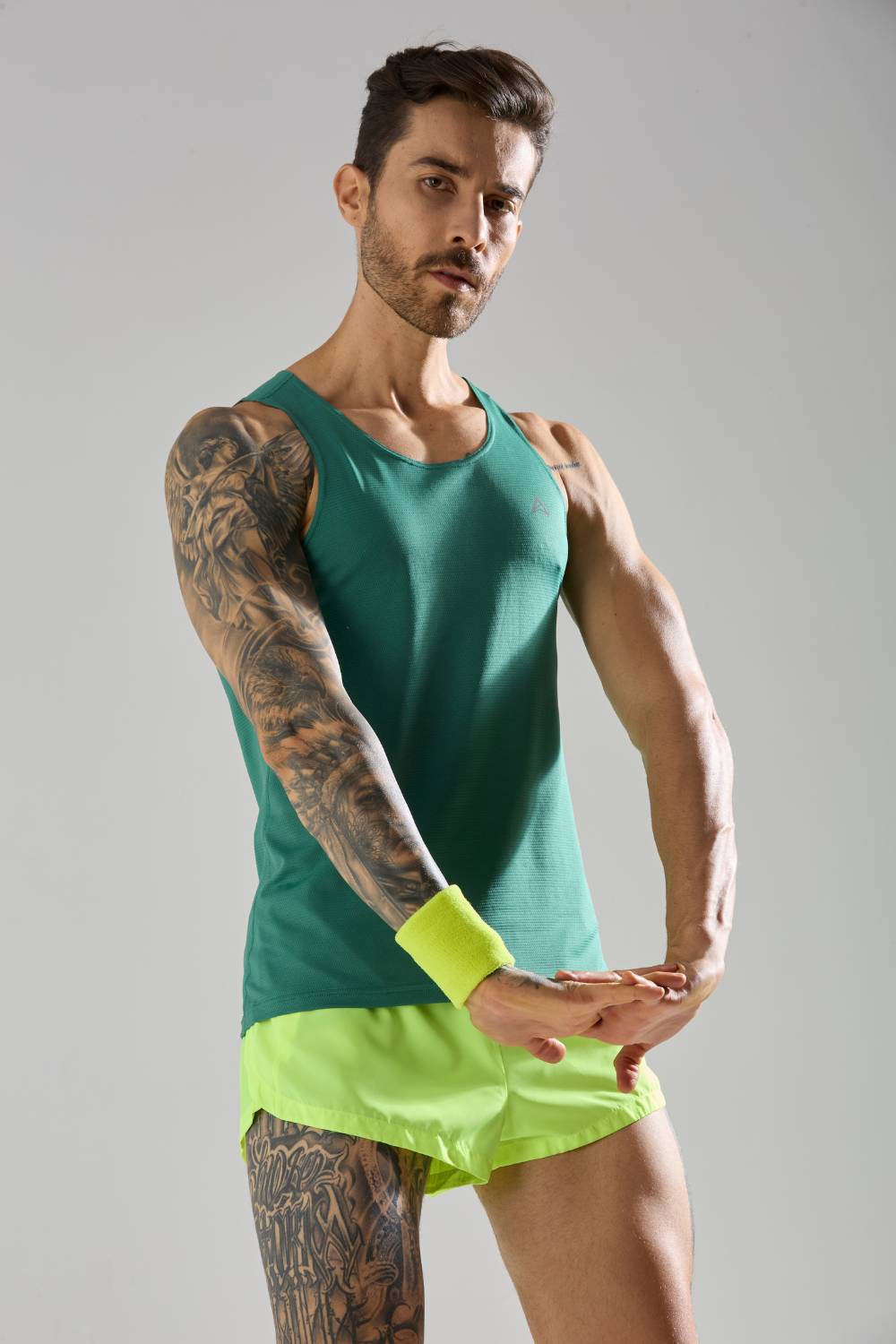
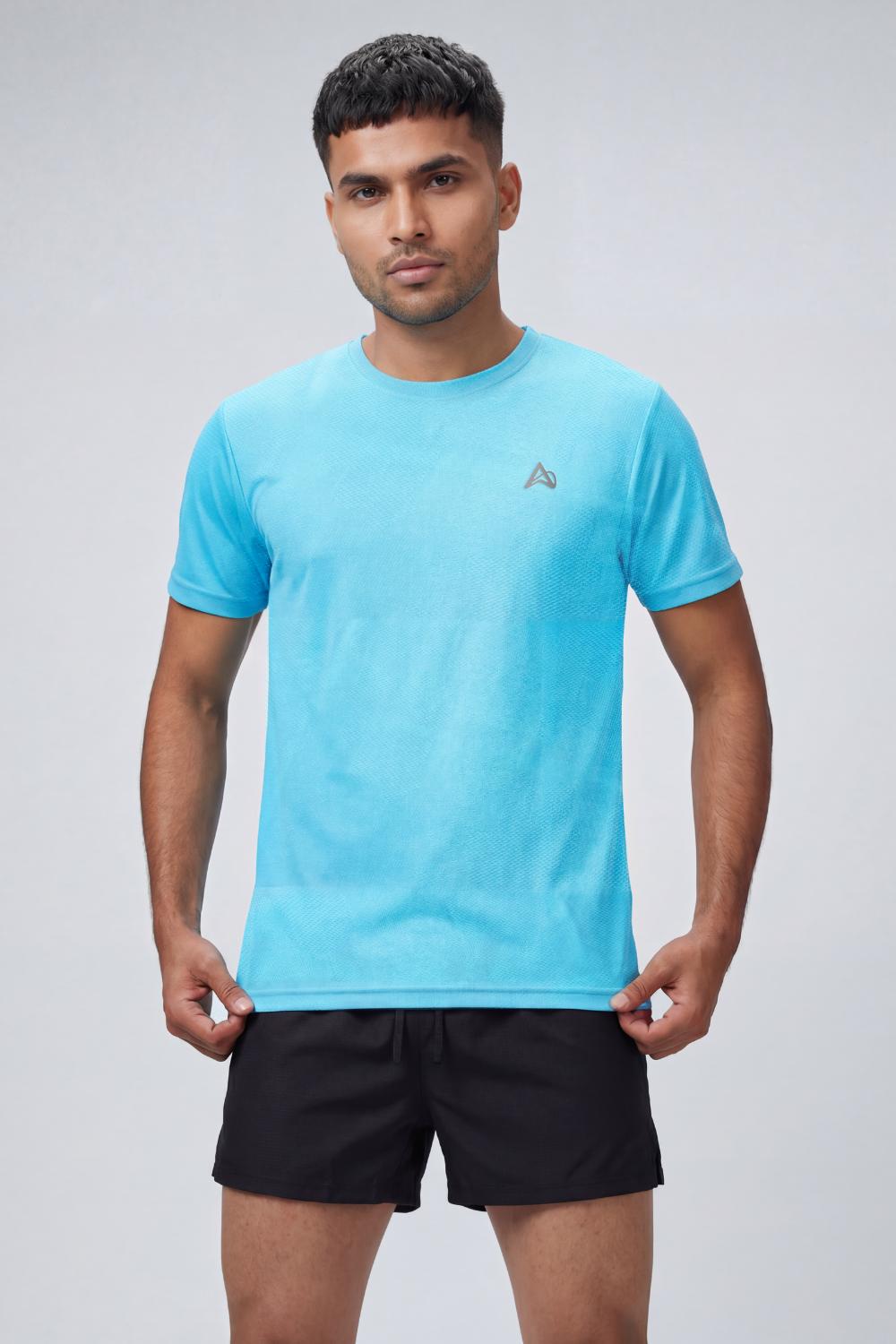
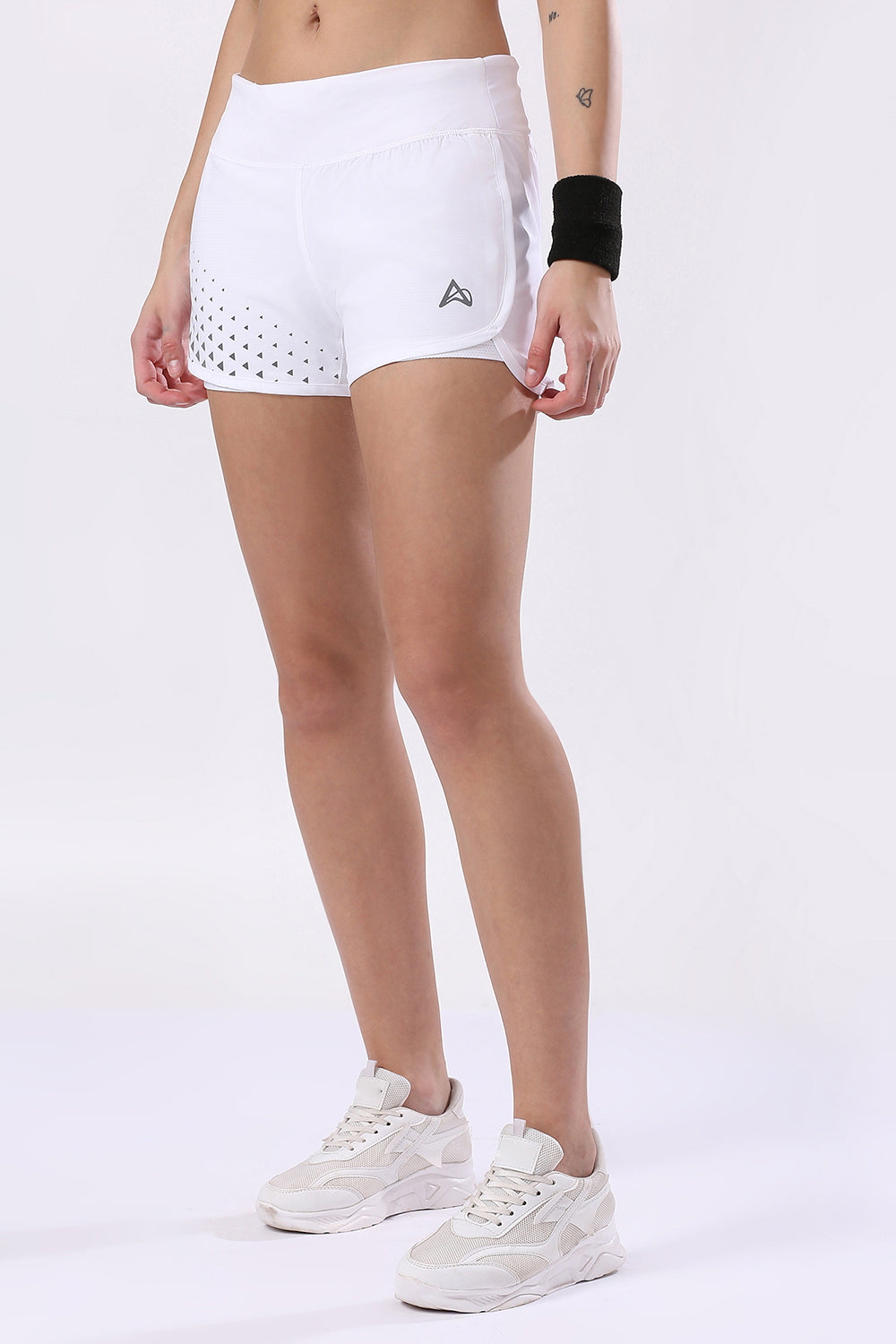
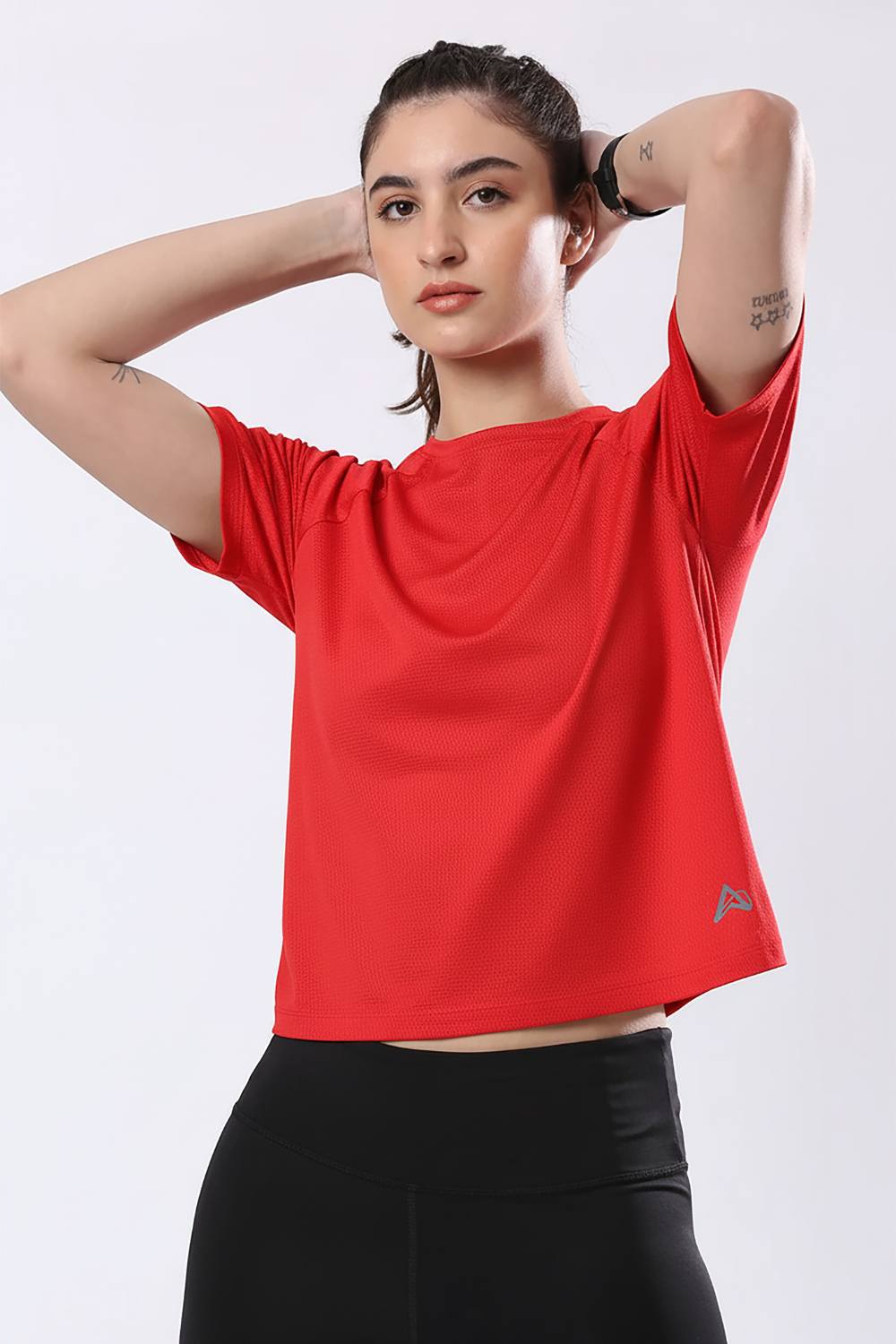
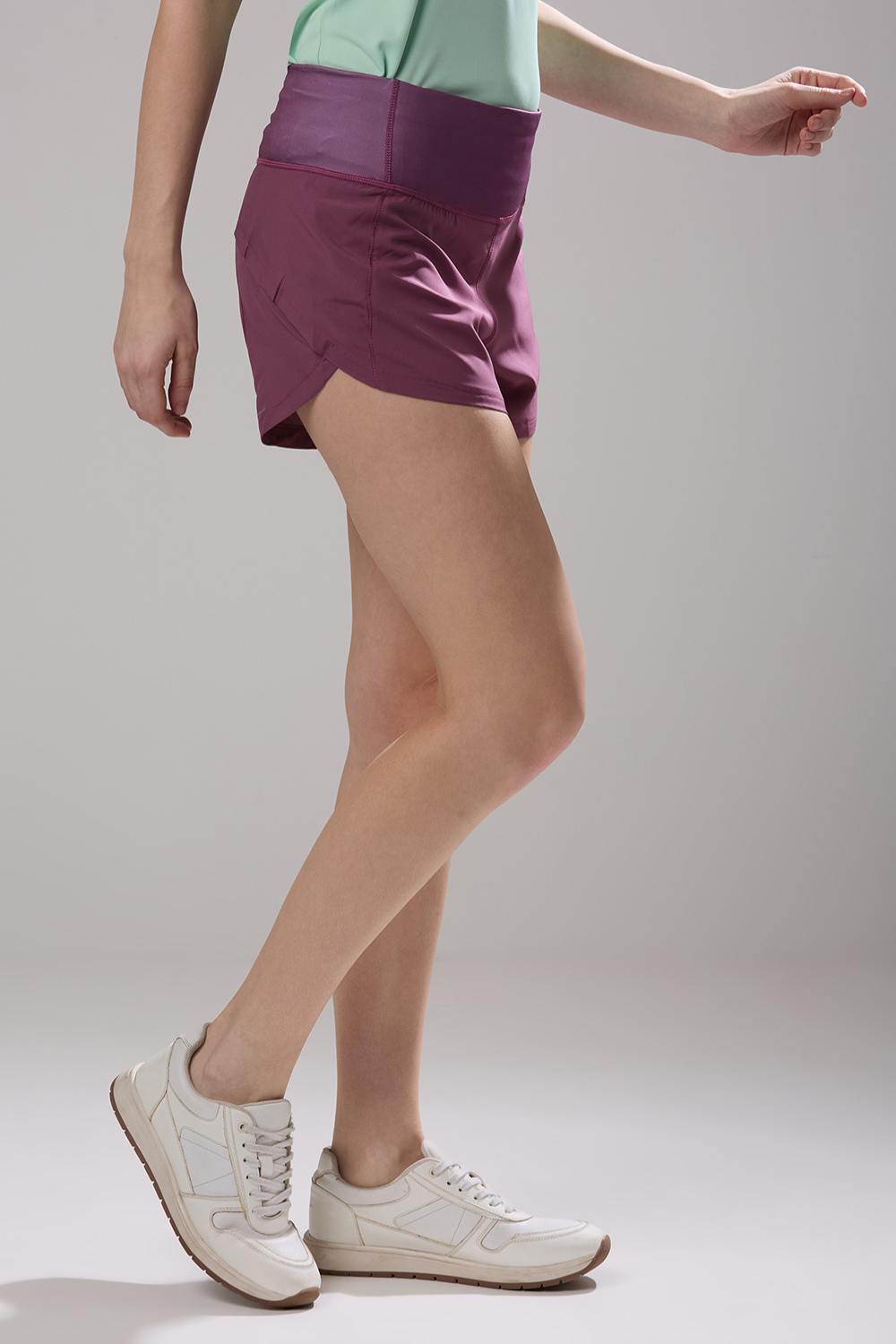
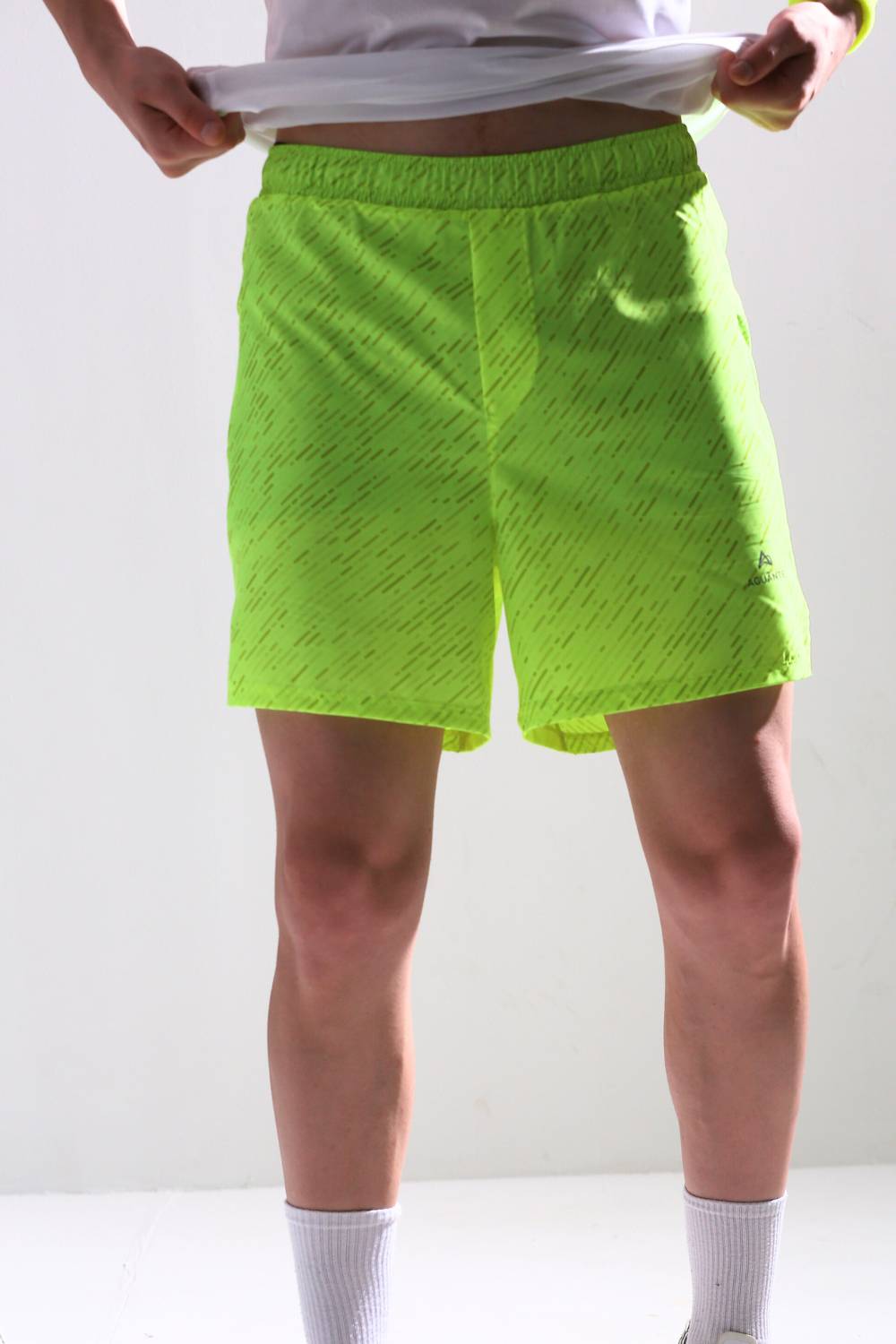
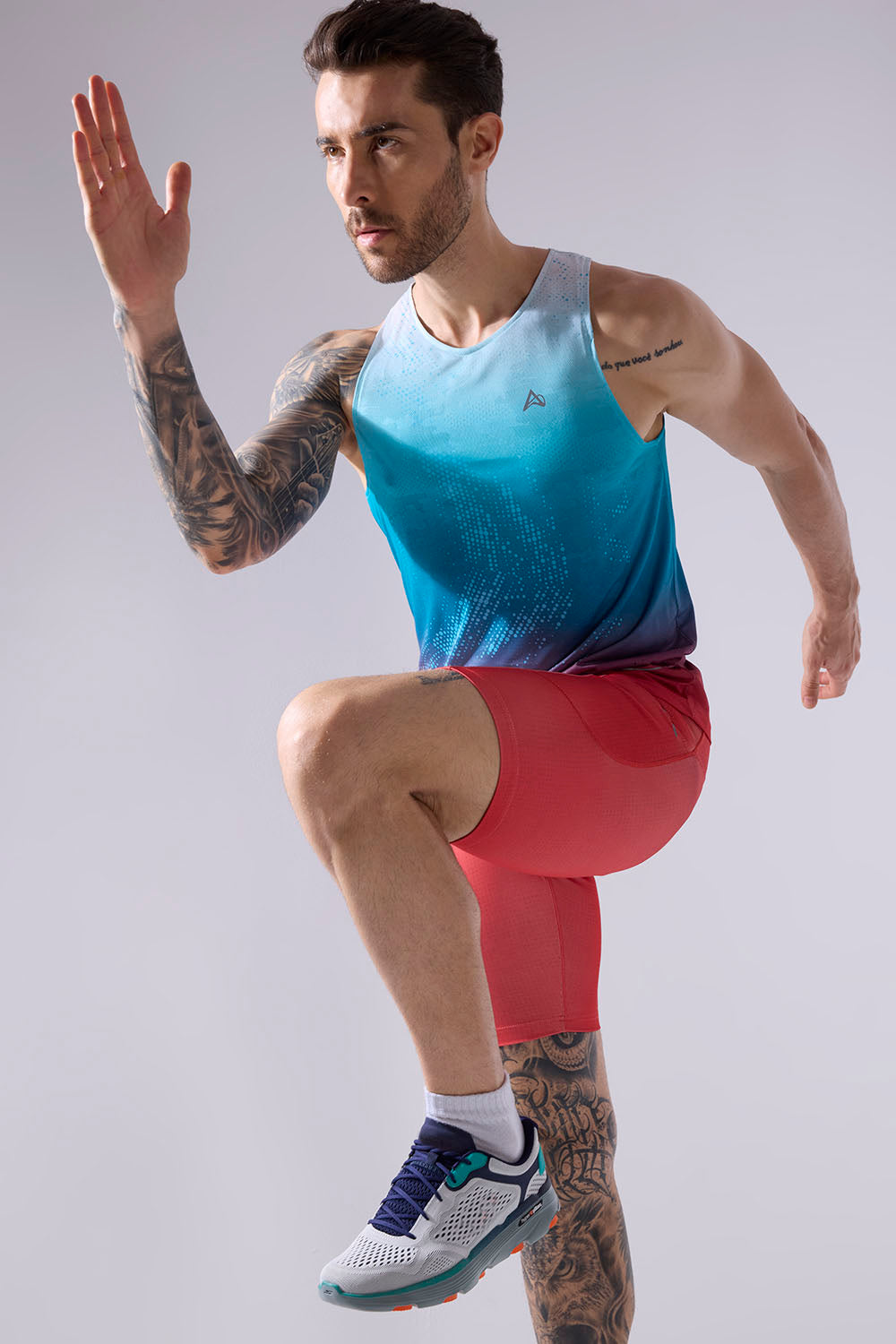
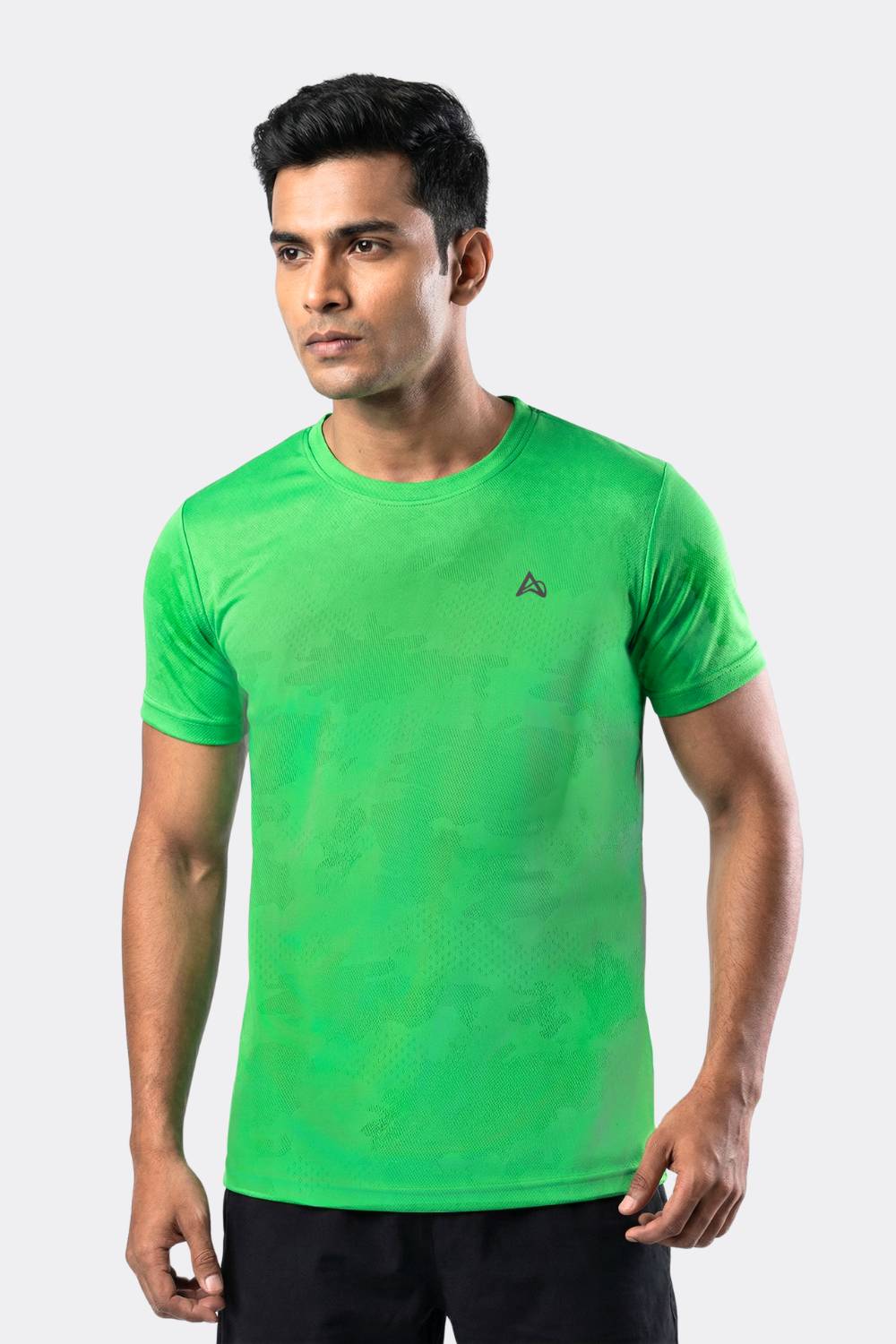
Above 60 degrees Fahrenheit, focus on lightweight, highly breathable fabrics that wick sweat away from the body and promote airflow. Many runners pair short-sleeve tees with shorts or lightweight pants to stay cool and dry during exertion. Sun protection matters too long sleeves or hoodies can help shield from UV rays during peak heat. Quick-dry materials are essential in humid conditions common to many urban areas, keeping you from feeling sticky or restricting.
Experts emphasize that if you feel fine standing outside before your run, you are likely overdressed once moving. Adjust layers and intensity accordingly to maintain core temperature regulation, which research links to optimal endurance and reduced fatigue.
Key Fabric and Fit Tips for Warm Weather
- Opt for moisture-wicking synthetics or blends that pull sweat from skin to fabric surface.
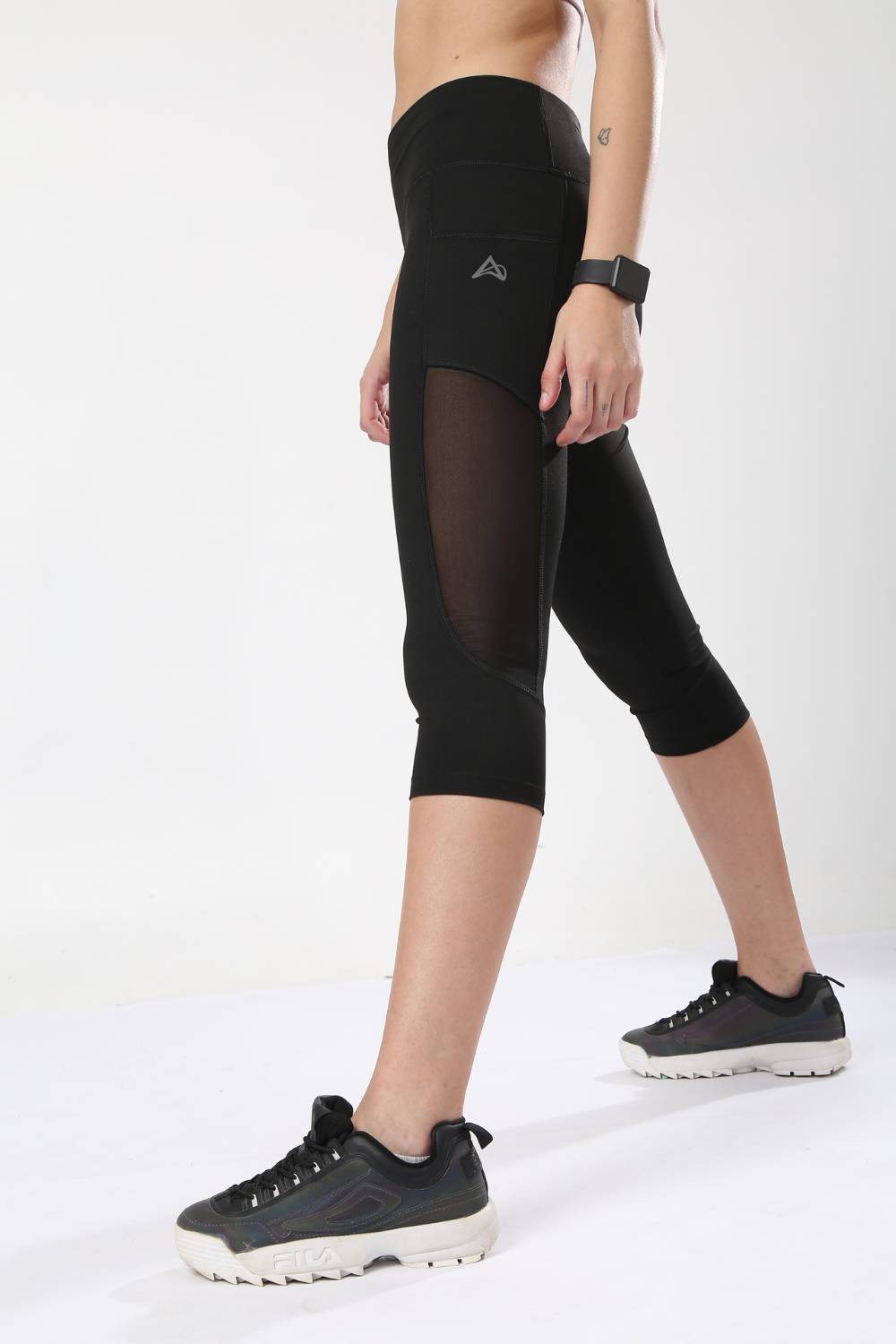
- Look for vented panels or mesh inserts on high-heat zones like the chest and back.
- Choose loose, non-binding fits to allow unrestricted movement and better airflow.
- Include reflective details on garments for added visibility during early morning or evening runs.
Selecting Running Clothes for Spring and Fall
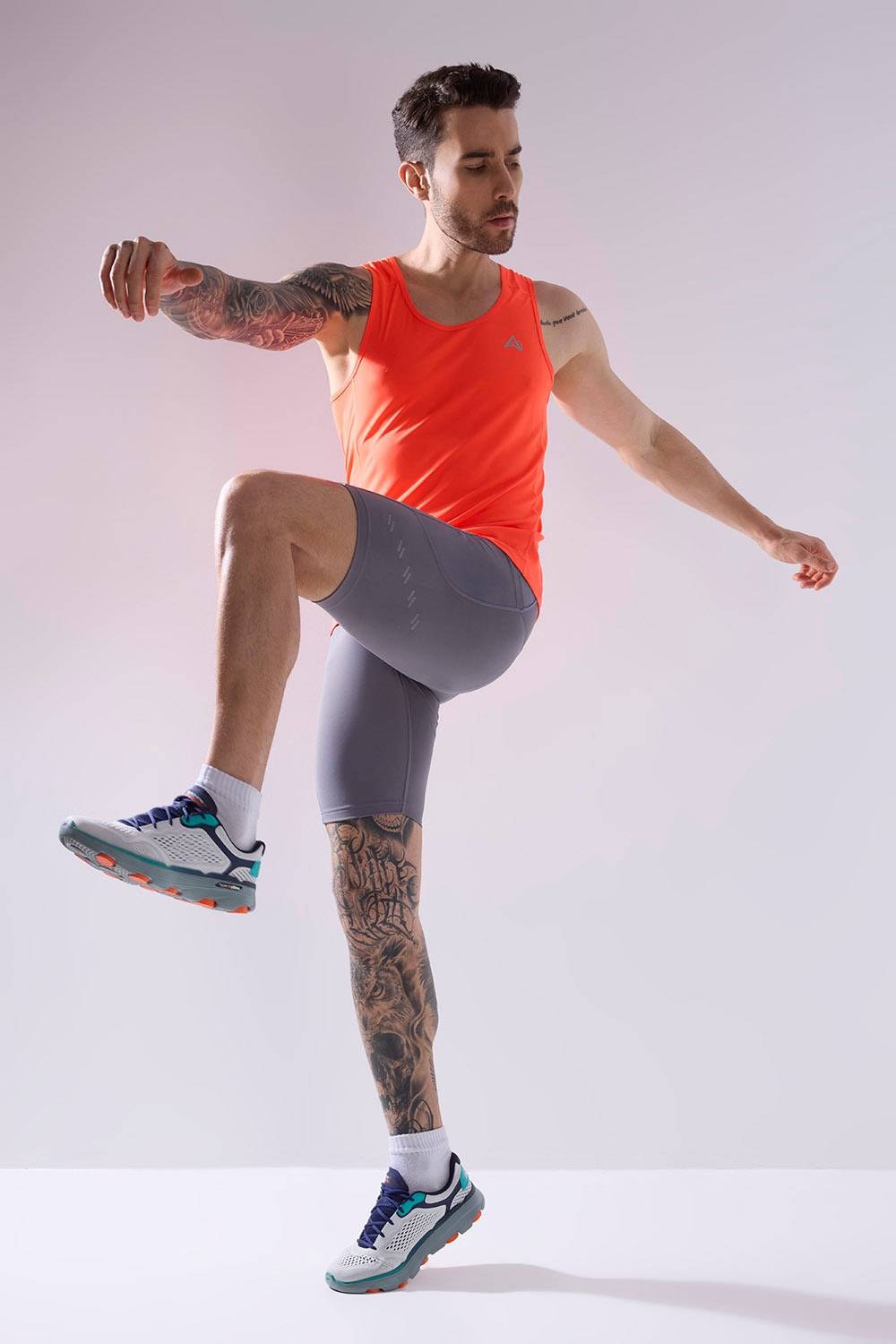
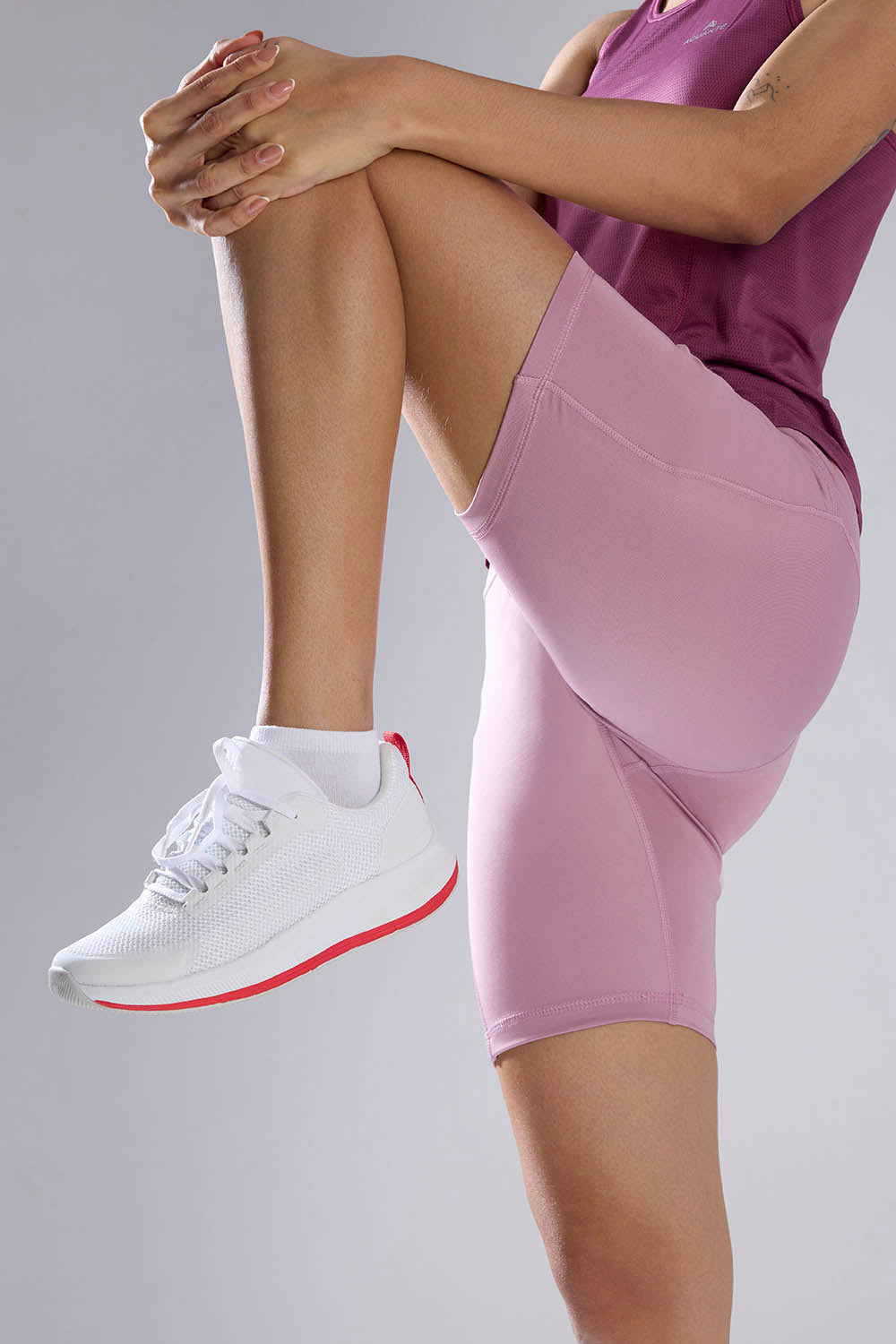
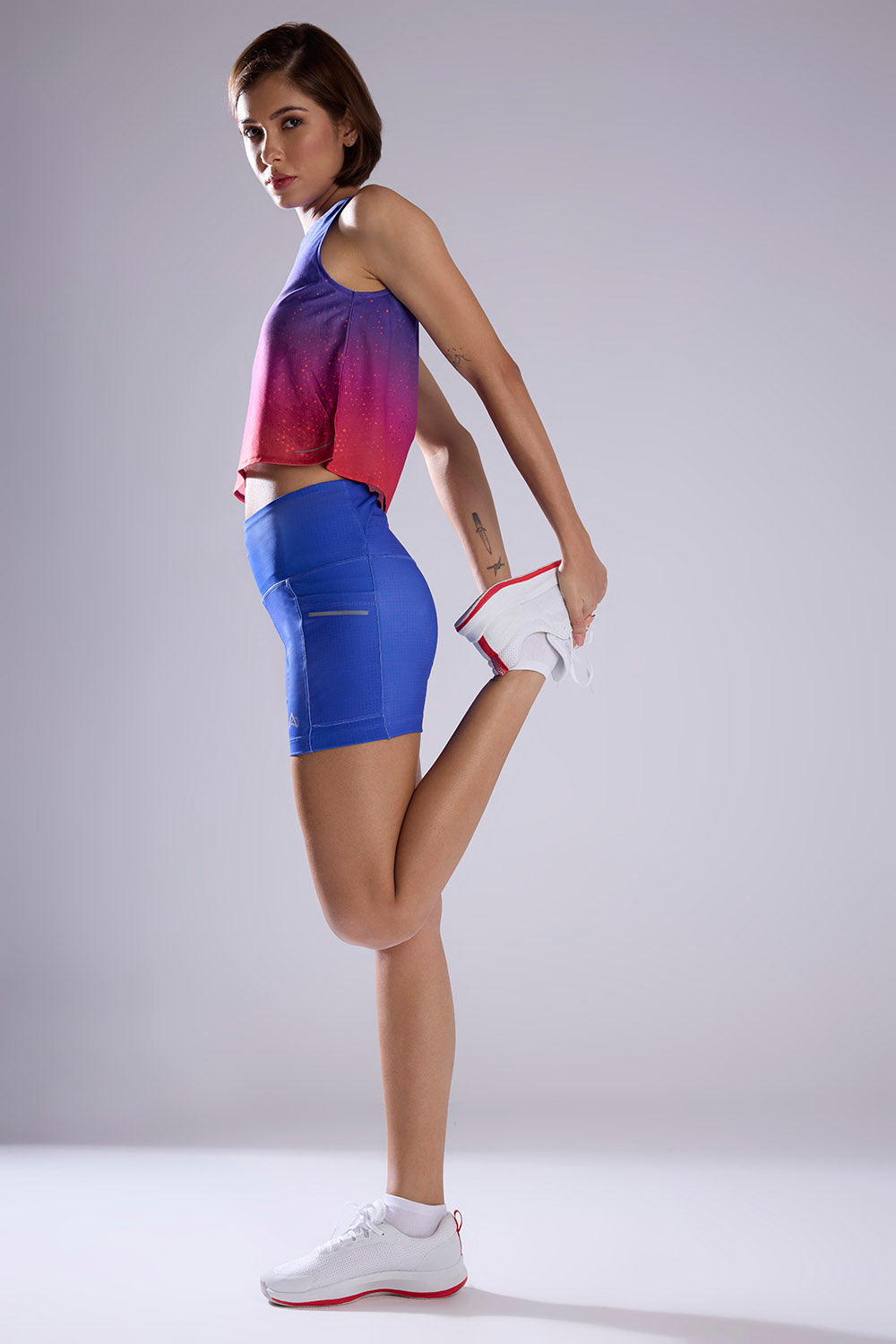
The ideal temperature range of 45 to 59 degrees Fahrenheit supports peak endurance performance for most runners. In this transitional period, a short-sleeve or light base layer with leggings or shorts provides a balanced, versatile option. These conditions often include moderate wind, so windproof outer shells can be added or removed as needed.
Spring and fall days in many cities bring unpredictable weather, making adaptable pieces especially valuable. Start with a breathable base layer to handle sweat, then layer up with a light mid-layer if the breeze picks up. This setup encourages consistent training without the frustration of ill-fitting gear.
Choosing the correct running clothes tailored to each season ensures optimal performance by aligning apparel with how your body responds to changing temperatures and conditions. A reliable guideline is to dress as if the actual temperature feels 15 to 20 degrees warmer, accounting for wind chill and the fact that your core temperature rises quickly once you start moving. In warmer months, prioritize lightweight, highly breathable fabrics that wick moisture effectively, often short-sleeve tees paired with shorts or lightweight pants to manage sweat and prevent overheating during intense efforts. These options also include options for sun protection like long sleeves in peak heat. As seasons shift to spring and fall, the ideal range of 45 to 59 degrees Fahrenheit supports peak endurance performance, where a short-sleeve or light base layer with leggings or shorts balances comfort without excess layers.
For winter, the focus turns to insulation and protection, starting with a breathable base layer to handle sweat, adding mid-layers like thermal fleeces for heat retention, and finishing with windproof shells that can be shed as needed. Experts note that if you feel fine standing outside before your run, you are likely overdressed once moving, so adjust based on your pace and personal tolerance. Accessories like hats, gloves, and reflective gear extend the system, while specialized footwear with traction prevents slips on icy paths. This seasonal approach not only boosts safety by reducing risks of heat stroke or hypothermia but also encourages year-round training consistency, as proper clothing removes barriers to getting outside. By investing in versatile, high-performance pieces that adapt across conditions, runners experience less frustration, better recovery, and sustained motivation to stay active regardless of the time of year.
Versatile Outfit Configurations
- Short-sleeve tee with lightweight pants for cooler mornings or evenings.
- Leggings and a long-sleeve top for windier afternoon runs.
- Layer system that sheds easily once you warm up during the activity.
Preparing for Winter Running with Proper Insulation
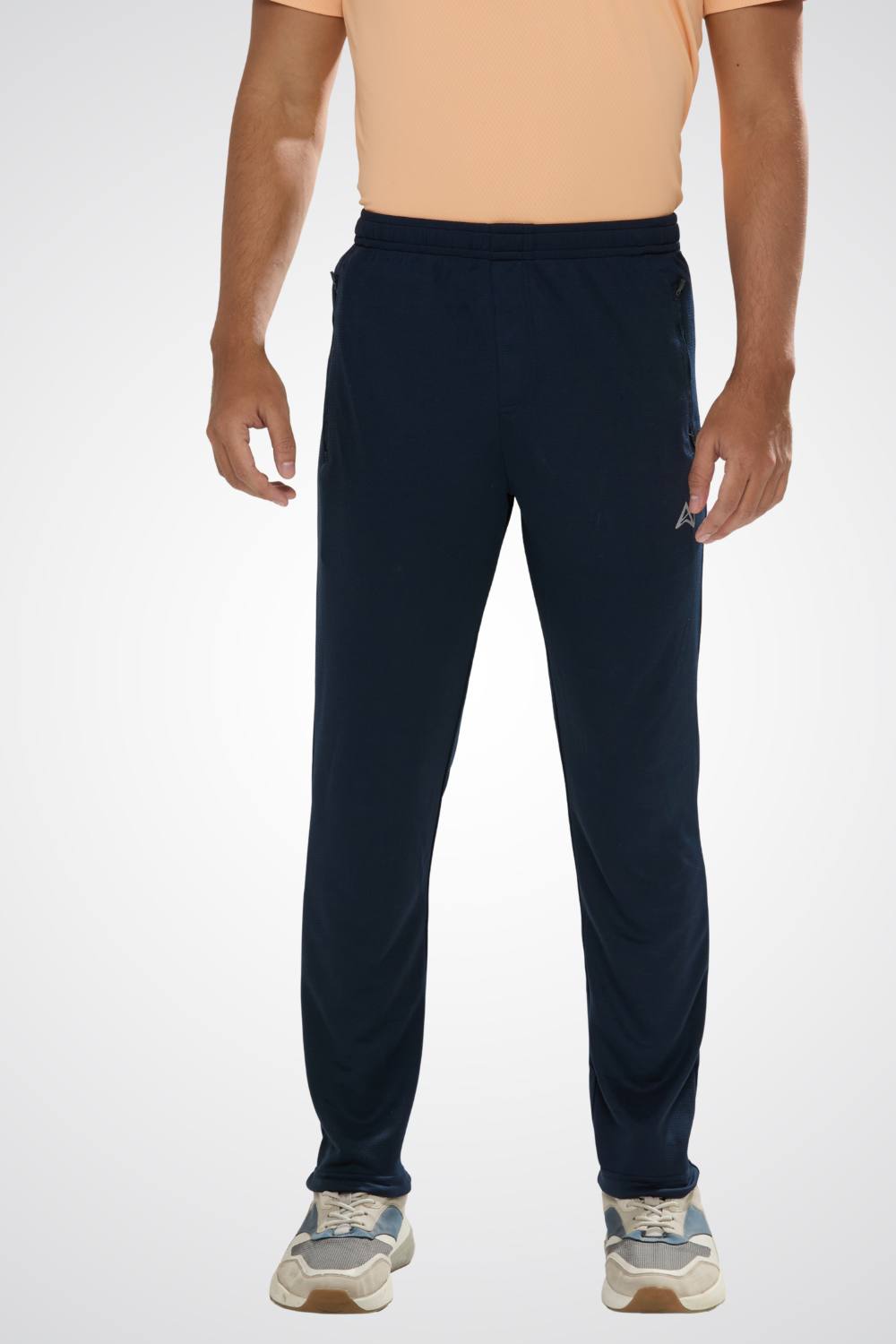
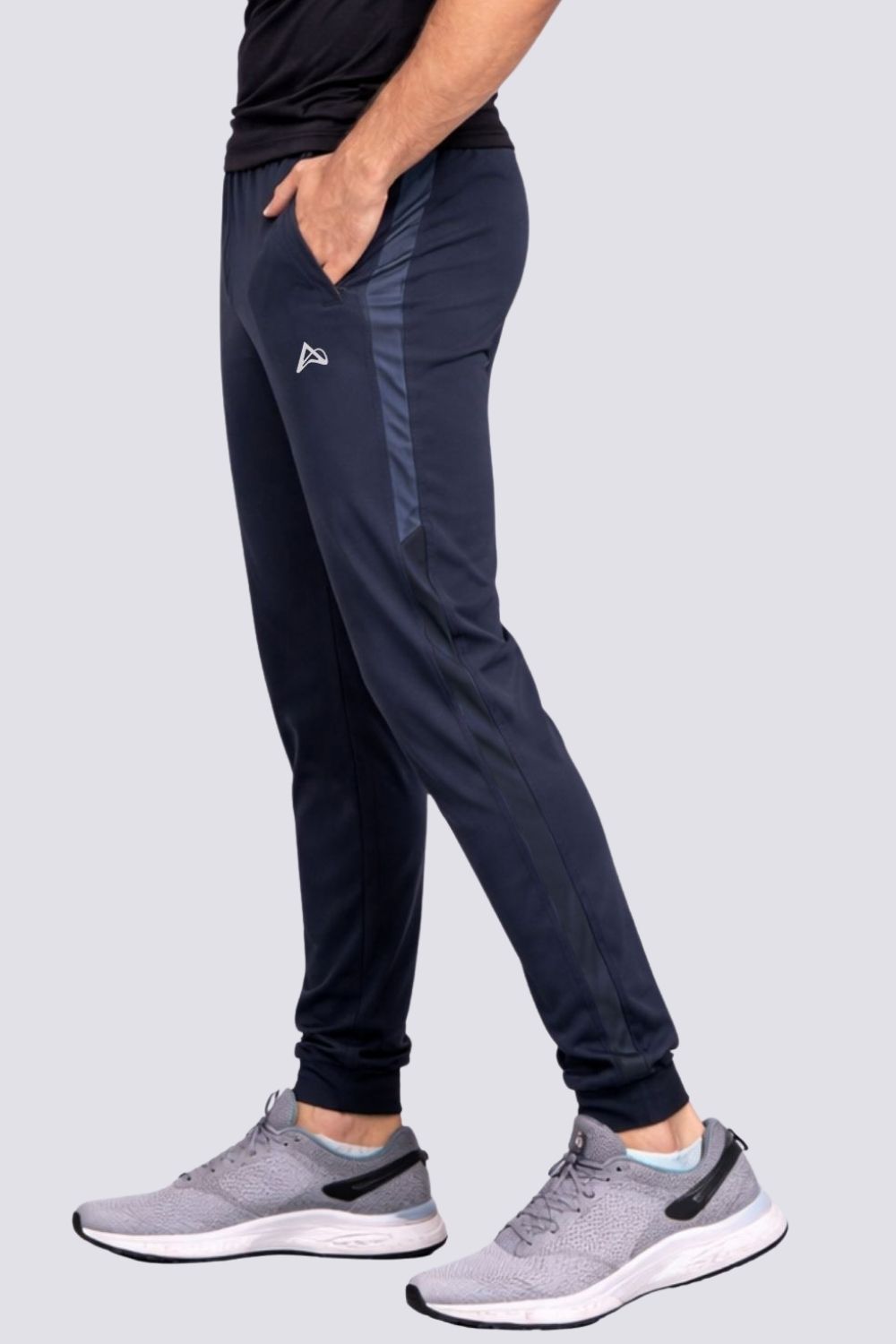
When temperatures drop to 40 degrees Fahrenheit and below, multi-layer setups shine. Begin with a long- or short-sleeve mid-layer shirt for insulation, pair it with lightweight pants or leggings, and finish with a windproof outer shell that vents excess heat. This configuration lets you adjust quickly as your core temperature rises, preventing sweat buildup that can lead to chilling.
Additional considerations include hats, gloves, and reflective gear to extend the system. Specialized footwear with traction prevents slips on icy or wet paths. The overall strategy supports safer and more effective runs by maintaining core temperature regulation.
In winter conditions, the focus shifts to heat retention while allowing moisture escape. Proper clothing removes barriers to getting outside, encouraging runners to maintain year-round training routines that benefit overall fitness and well-being.
Layering Strategy for Cold Weather Runs
- Base layer to wick moisture and keep skin dry.
- Mid-layer fleece or thermal top for insulation.
- Outer windproof jacket that can be shed or vented during the run.
- Accessories like a beanie and gloves for exposed areas.
Practical Tips for Building a Seasonal Running Wardrobe
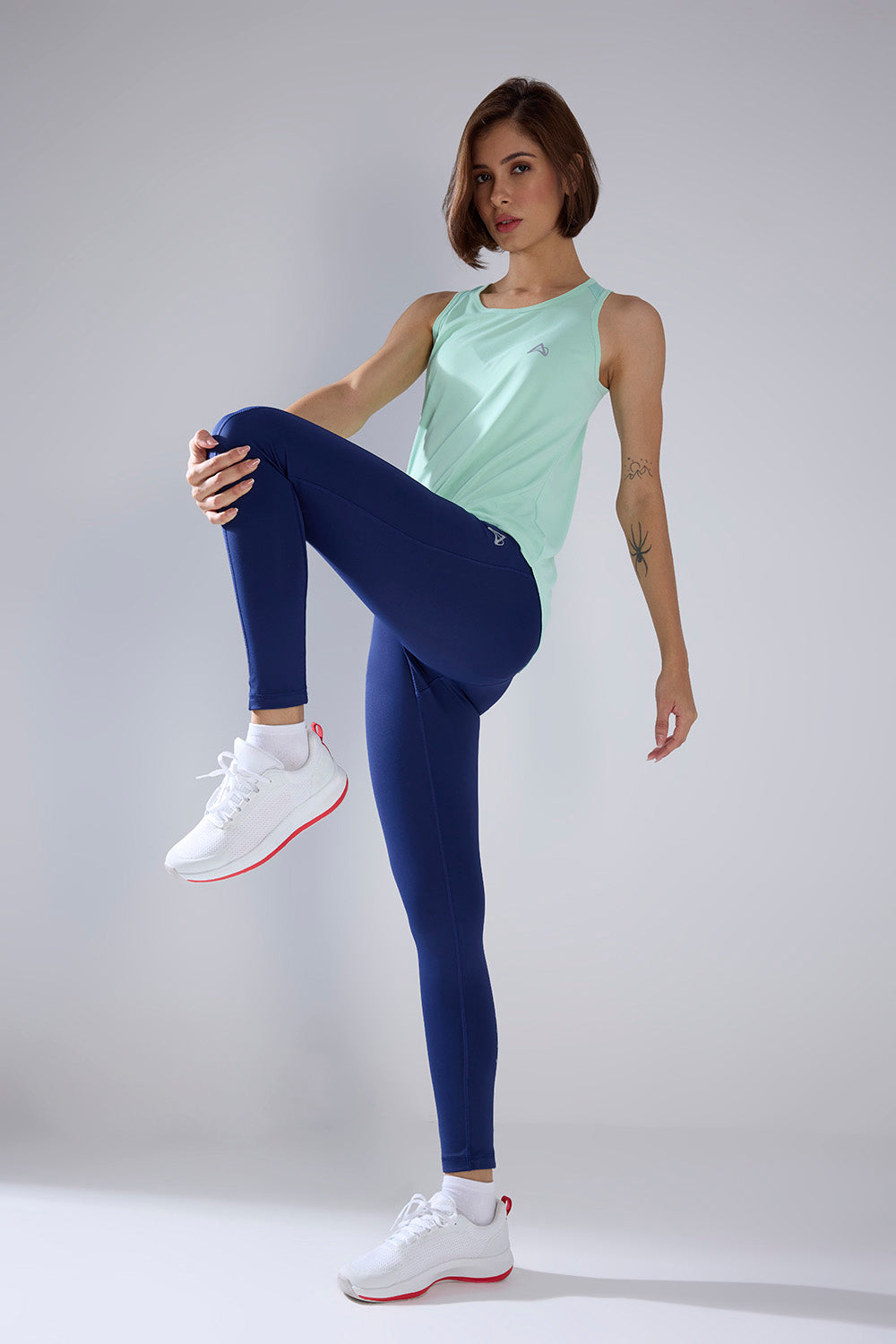
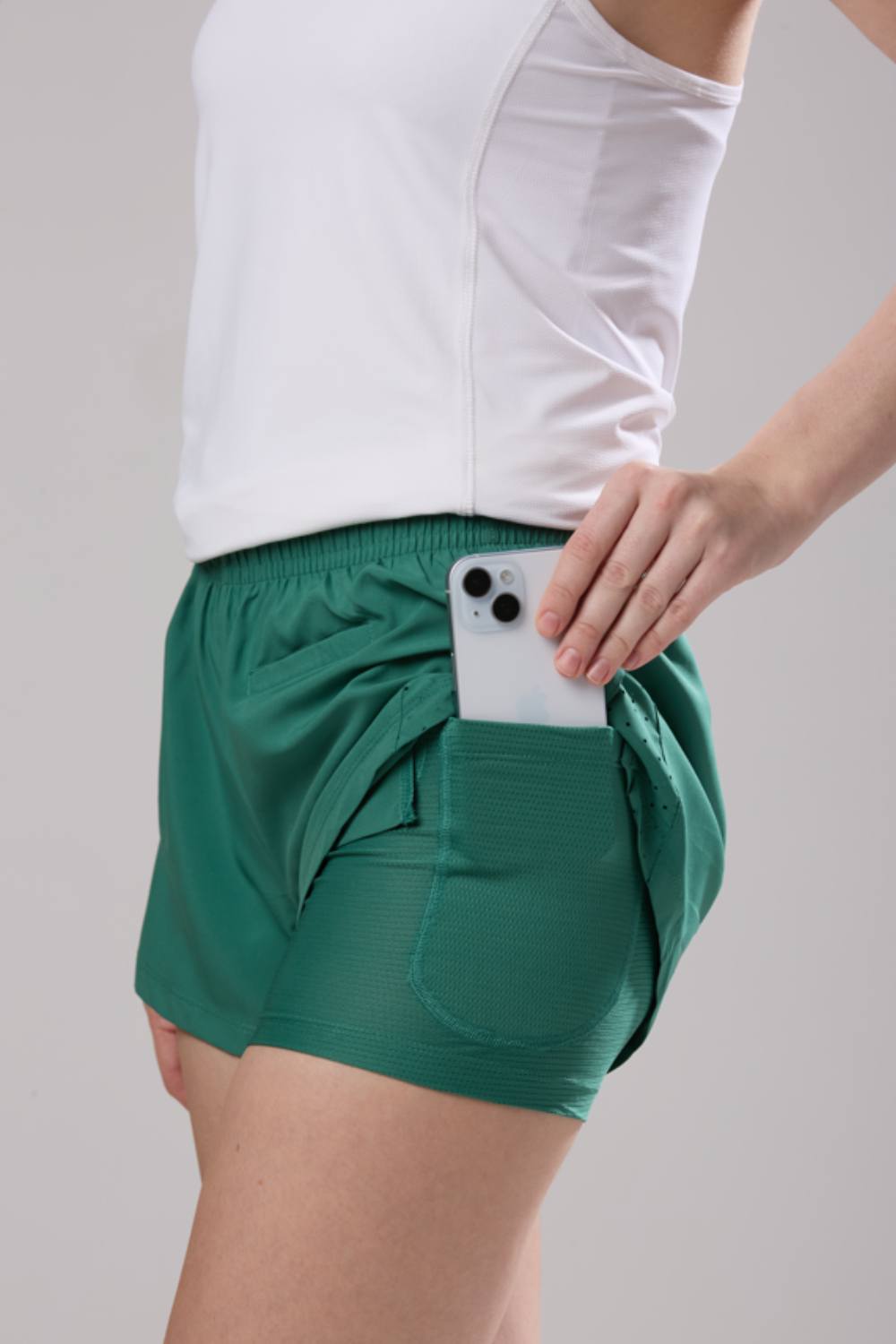
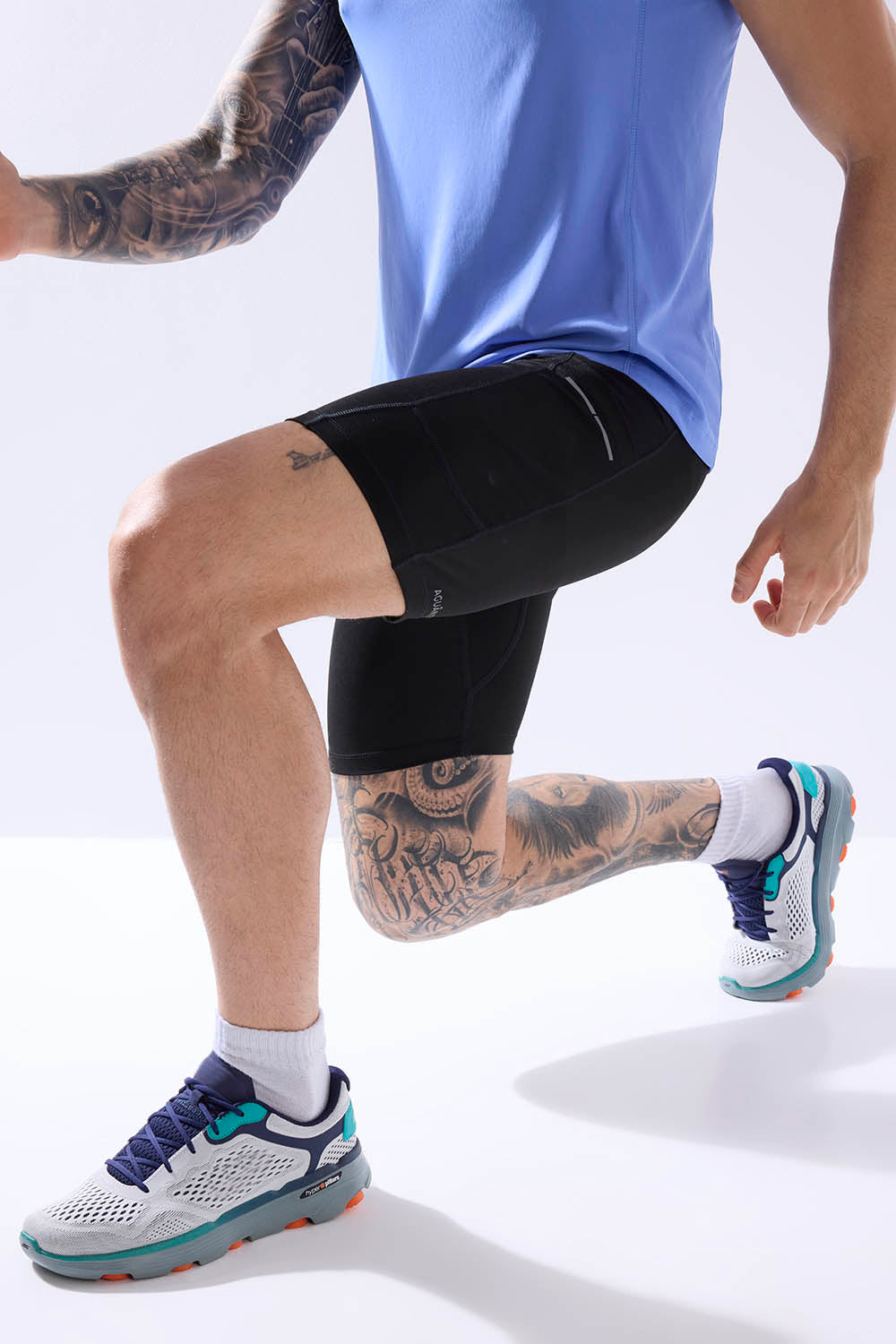
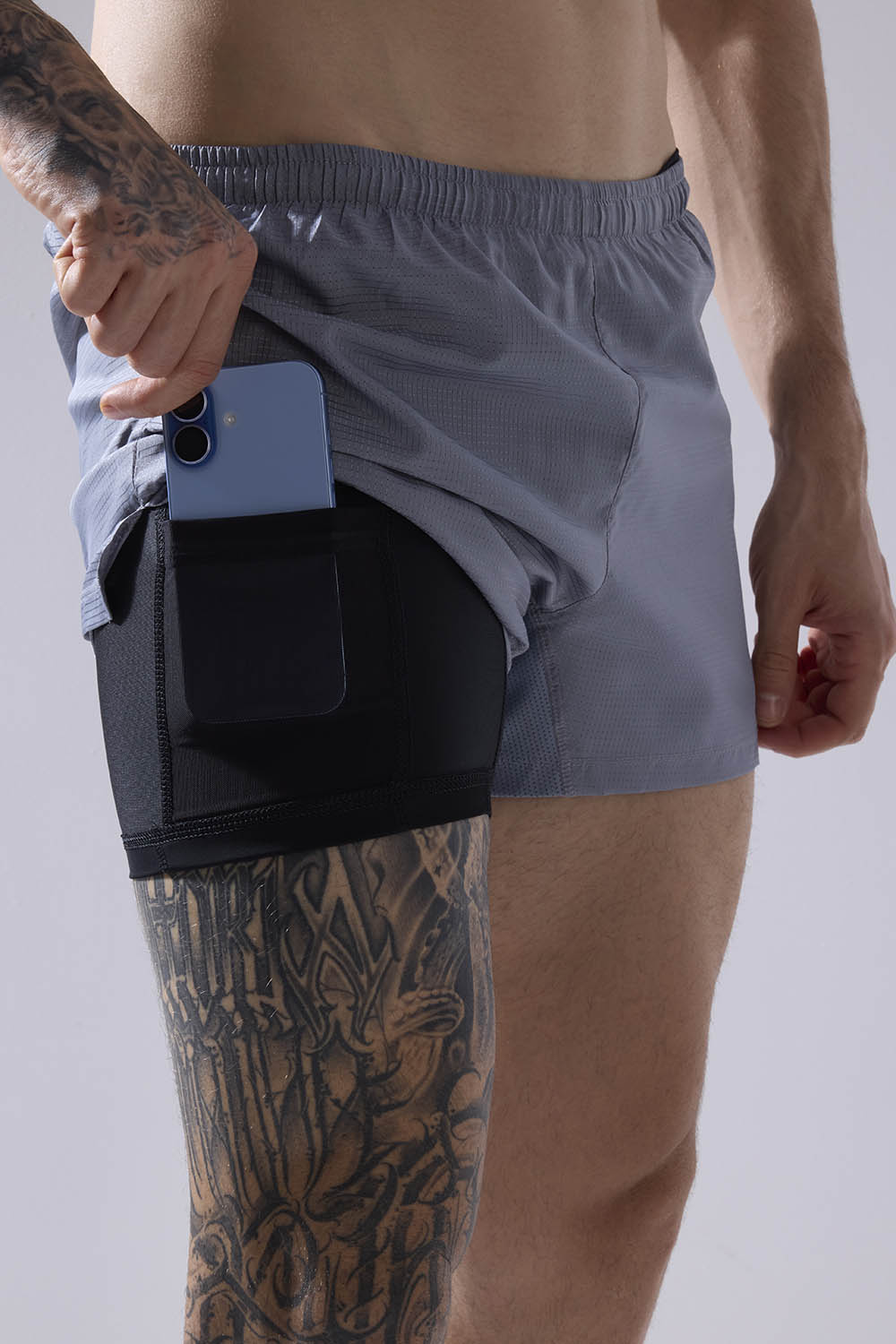
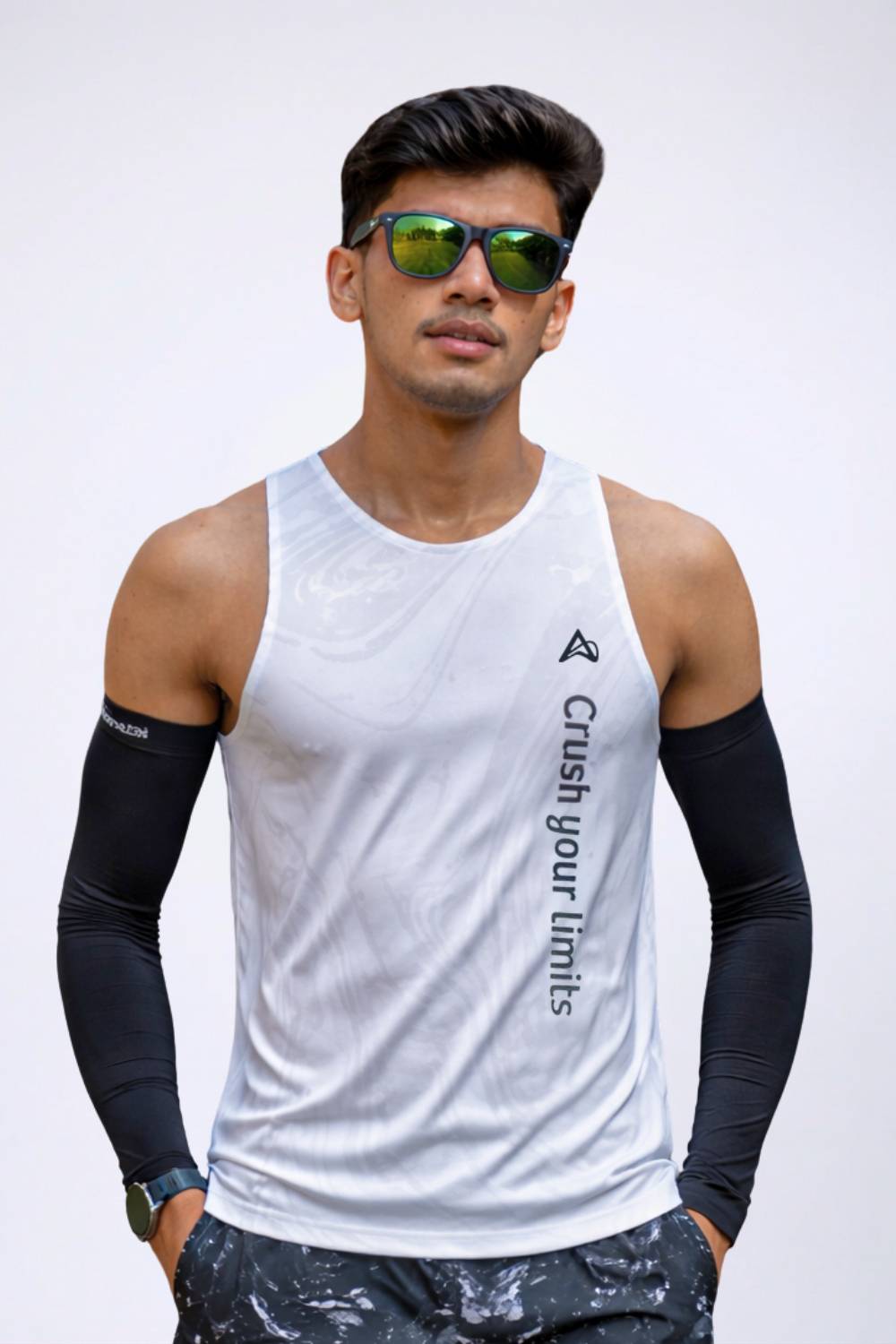
Invest in versatile, high-performance pieces that adapt across conditions. Look for durable fabrics with UPF protection, seamless construction to prevent chafing, and thoughtful details like thumbholes on sleeves or hidden pockets. In the activewear and performance apparel category, prioritizing breathability, quick-dry technology, and fit that moves with you sets the foundation for enjoyable runs regardless of the season.
Many runners report greater satisfaction and fewer missed opportunities when their wardrobe is thoughtfully planned. Start by assessing your typical routes and expected temperatures, then build a core collection of pieces that mix and match easily.
Why Proper Clothing Choices Matter for Runners
Matching apparel to how your body responds to changing temperatures and conditions directly impacts safety, performance, and enjoyment. By dressing as if the temperature feels warmer, runners avoid common pitfalls like overheating in summer or hypothermia in winter. This approach not only extends run duration but also lowers injury risk and makes outdoor activity more accessible across all months.
Whether you're logging easy miles on a Mumbai street or tackling a longer route in Bengaluru's cooler evenings, the right running clothes turn potential discomfort into seamless performance. A well-curated seasonal wardrobe becomes an investment in consistent training, better recovery, and sustained motivation to stay active.
Run Better Through Every Season
Choosing the right running clothes for every season transforms outdoor activity from a chore into a reliable part of your routine. By aligning your gear with body temperature regulation, local weather patterns, and practical needs, runners in any city can enjoy safer, more effective sessions throughout the year. Take time to evaluate fabrics, fits, and layering options, and you'll quickly notice the difference in comfort, confidence, and overall enjoyment of the sport.
Frequently Asked Questions
How should I layer running clothes for winter and cold weather runs?
For winter running, a layered approach is essential to stay warm while managing sweat. Start with a moisture-wicking base layer to keep skin dry, add a mid-layer like fleece or thermal wear for insulation, and finish with a windproof outer shell. Accessories such as gloves, hats, and reflective gear improve comfort and safety. This system allows you to adjust as your body warms up during the run.
What are the best running clothes for hot and humid summer conditions?
In hot and humid weather, the best running clothes focus on moisture management and airflow. Choose lightweight, quick-dry, moisture-wicking fabrics that pull sweat away from the skin and help regulate body temperature. Loose-fitting shorts and breathable tops with mesh or vented panels are ideal for comfort. Adding sun-protective clothing like long sleeves or hoodies can also help protect against UV exposure.
What should I wear when choosing running clothes for different seasons and temperatures?
The best running clothes for every season depend on how your body regulates heat and the outside temperature. A common guideline is to dress as if it feels 10–20 degrees warmer than it actually is to avoid overheating while running. In summer, prioritize lightweight, breathable fabrics, while spring and fall call for adaptable layers. In winter, focus on insulation and wind protection with a proper layering system.
Disclaimer: The above helpful resources content contains personal opinions and experiences. The information provided is for general knowledge and does not constitute professional advice.
You may also be interested in: A Guide to the Best Running Shorts for Long-distance Athletes
Tired of gear that slows you down? Chafing, soggy fabrics, and missing pockets kill your run's momentum. At Aguante, we're runners who get it. Our high-performance activewear features moisture-wicking fabrics, ergonomic designs, and smart storage to keep you focused. Shop Now!
Powered by flareAI.co