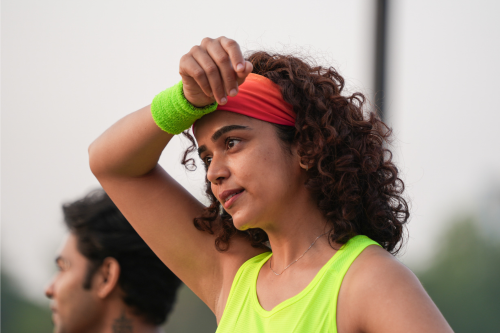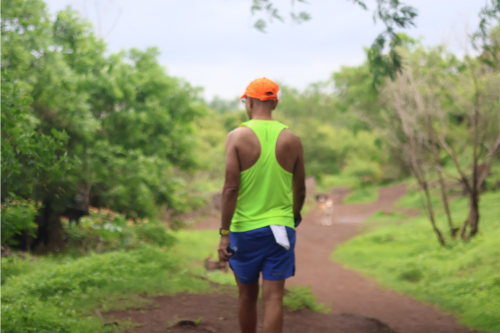















Group running has evolved into more than just a fitness routine in India's major urban centers it has become a social fabric that connects strangers, builds accountability, and reshapes how people experience fitness in everyday life. In cities like Bangalore, Mumbai, Delhi, Pune, and Hyderabad, early morning parks and evening cycling tracks are increasingly filled with organized clusters of runners moving in rhythm, sharing conversations, and building communities that extend far beyond the track. For many participants, these groups are not just about performance they represent belonging, consistency, and shared motivation within fast-paced urban environments.
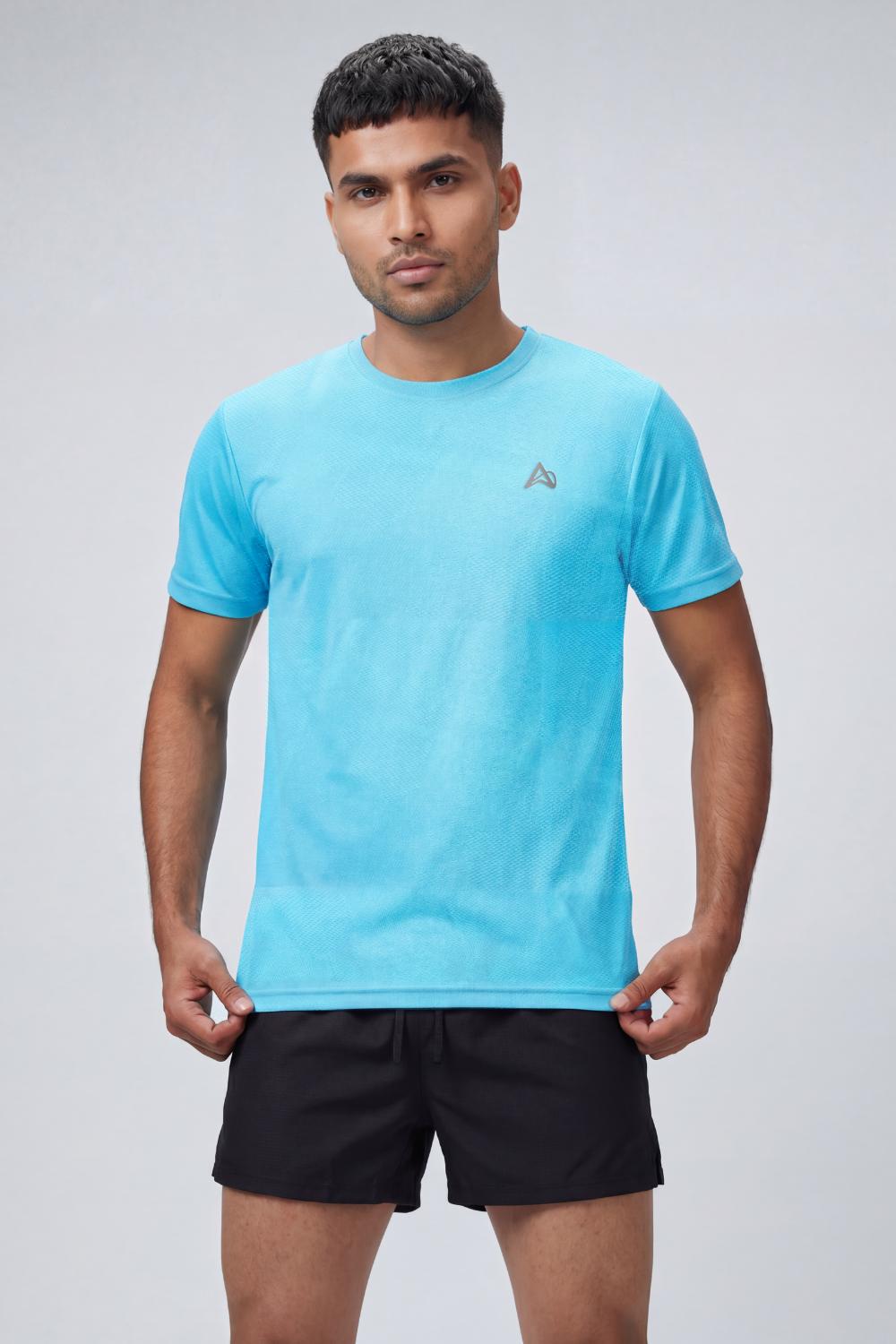
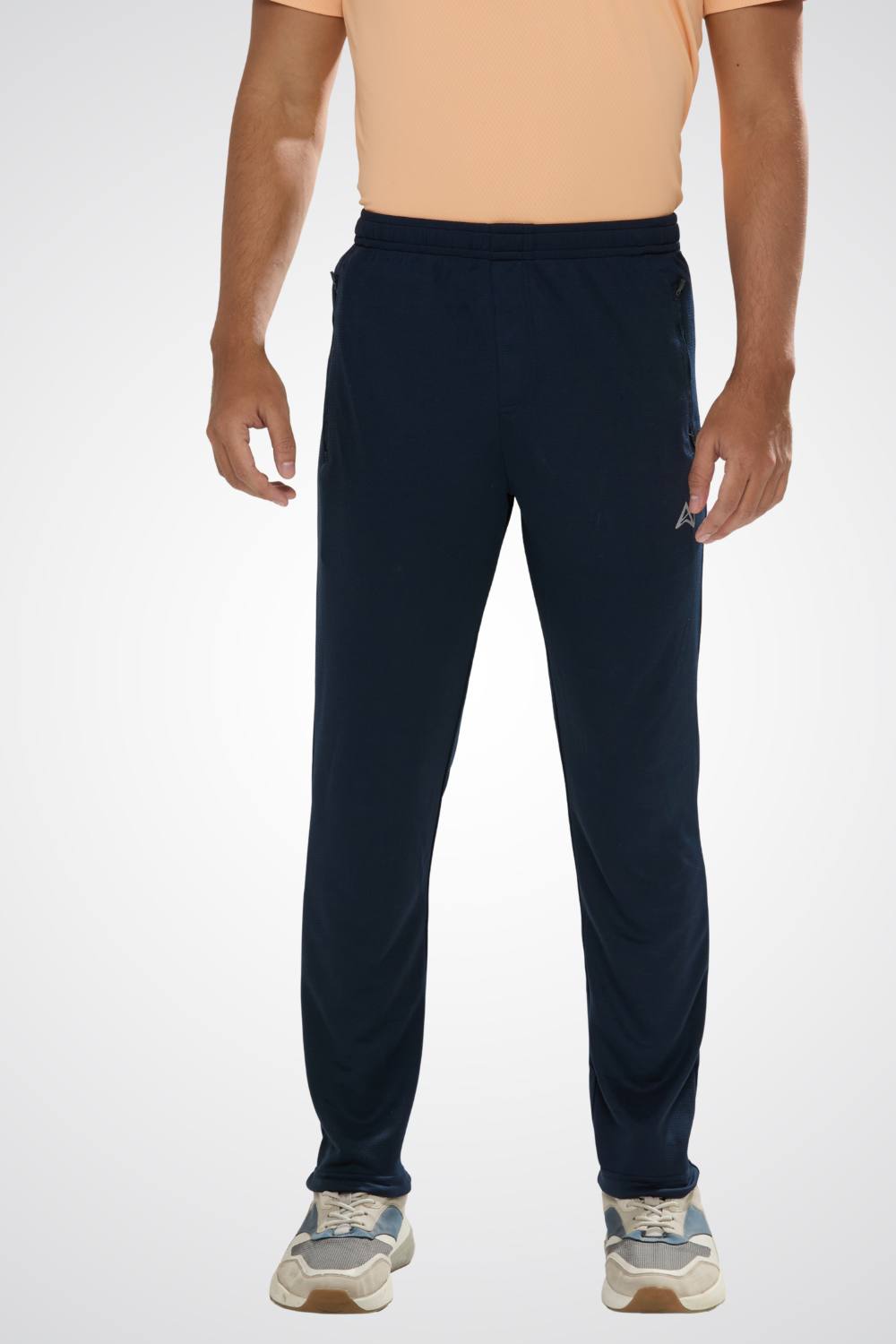
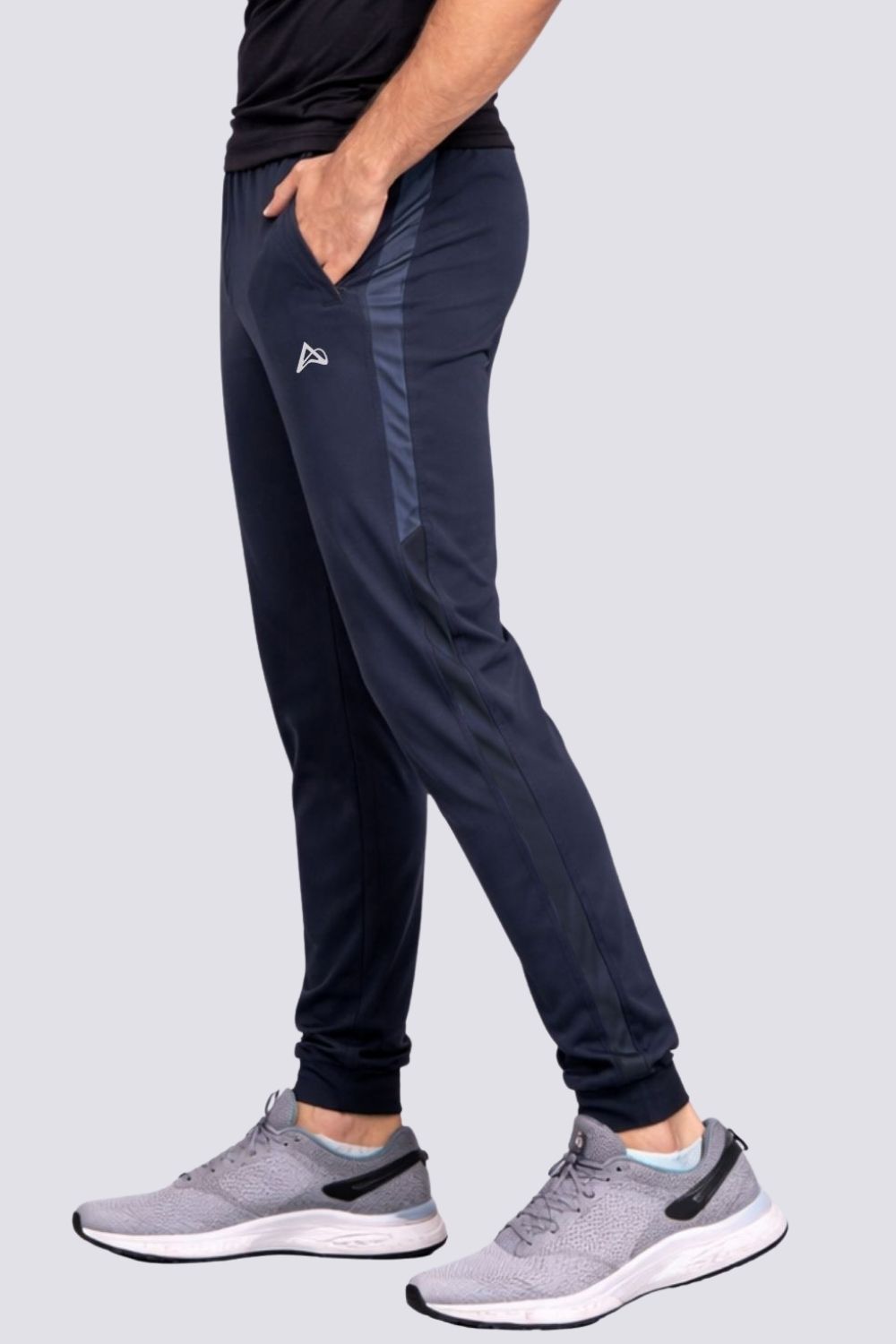
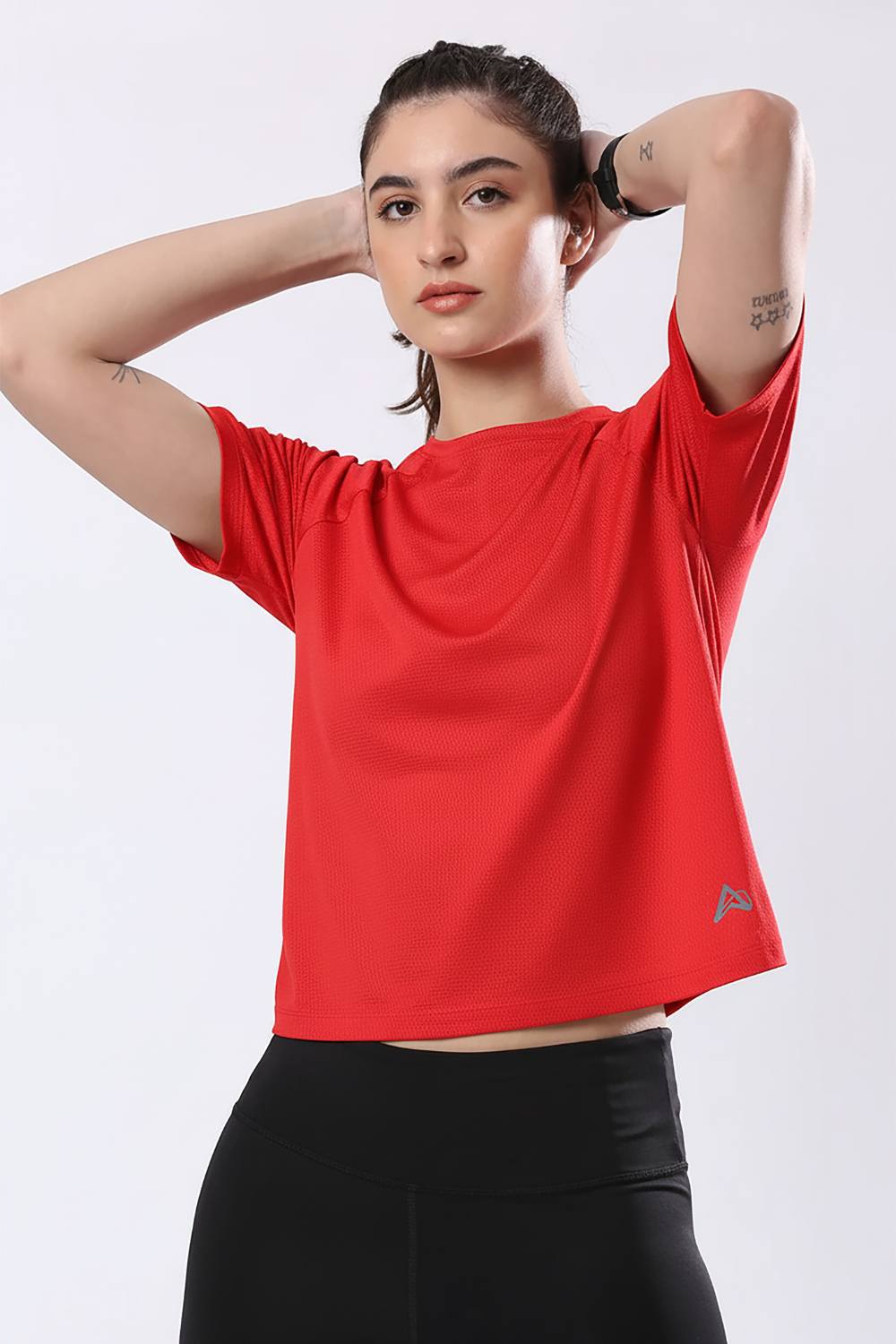
Tired of gear that slows you down? Chafing, soggy fabrics, and missing pockets kill your run's momentum. At Aguante, we're runners who get it. Our high-performance activewear features moisture-wicking fabrics, ergonomic designs, and smart storage to keep you focused. Shop Now!
Rise of Group Running Communities in Indian Cities
Over the past decade, Indian metros have seen a noticeable cultural shift in how fitness is practiced. Running, once considered an individual activity, has transformed into a structured community experience. In Bangalore and Pune, tech professionals often join early morning running groups that meet in parks like Cubbon Park or Koregaon Park stretches, where structured warm-ups and timed runs are followed by informal conversations. Similarly, Mumbai's Marine Drive and Powai Lake have become symbolic gathering points for runners who value both fitness and social connection.
This rise is closely tied to changing urban lifestyles. Longer work hours, digital fatigue, and reduced face-to-face interaction have encouraged people to seek structured yet informal community engagement. Group running clubs in Indian cities now operate through hybrid systems WhatsApp coordination, weekend long runs, and city-based fitness meetups making participation flexible and inclusive. As a result, group running communities India have become an accessible entry point for urban residents looking to combine fitness with meaningful social interaction.
Social Benefits of Running Groups India
One of the strongest drivers behind the popularity of group running is accountability. When individuals commit to running with a group, consistency naturally improves. Members are less likely to skip sessions because the experience is no longer purely personal it becomes relational. This shared commitment builds discipline while also reducing the psychological barrier often associated with starting a fitness journey alone.
Beyond accountability, the emotional and social benefits are equally significant. Many runners report forming friendships that extend into professional networking, travel groups, and lifestyle communities. Conversations during runs often move beyond fitness into career advice, mental well-being, and personal goals. This social layering makes running groups more than just exercise circles they become support systems embedded in daily life. The benefits of group running also include improved mental resilience, as shared effort reduces perceived exertion and increases enjoyment, especially for beginners.
Neighborhood Culture and Community Running Ecosystems
In cities like Delhi, Gurugram, and Ahmedabad, neighborhood parks and lakes have become central hubs for running culture. Early mornings often feature organized warm-ups led by experienced runners, followed by segmented pace groups that cater to beginners, intermediate runners, and advanced athletes. This structured inclusivity ensures that participants of all fitness levels can engage without feeling intimidated.
Community running culture India has also expanded through local events such as weekend 5K and 10K runs, charity runs, and festival-linked fitness events. In Hyderabad's Necklace Road or Navi Mumbai's Palm Beach Road, running groups often collaborate with local fitness coaches, nutritionists, and physiotherapists to create holistic wellness ecosystems. These ecosystems are not just about performance but about creating sustainable fitness habits rooted in neighborhood identity and shared routines.
Inclusivity, Safety, and the Role of Urban Running Groups
One of the most transformative aspects of running clubs in Indian cities is their emphasis on inclusivity. Women runners, in particular, have found group running to be a safer and more empowering way to engage in outdoor fitness. Structured group runs reduce isolation and increase visibility in public spaces, making early morning or late evening runs more accessible and secure.
Beginners also benefit significantly from this environment. Experienced runners often mentor newcomers, helping them adjust pace, understand breathing techniques, and set realistic goals. This mentorship dynamic lowers the entry barrier for those who may otherwise hesitate to begin running alone. Fitness running groups near me searches have grown in urban India precisely because people are seeking these structured, supportive environments that balance safety, motivation, and social interaction.
The Role of Activewear in Group Running Culture
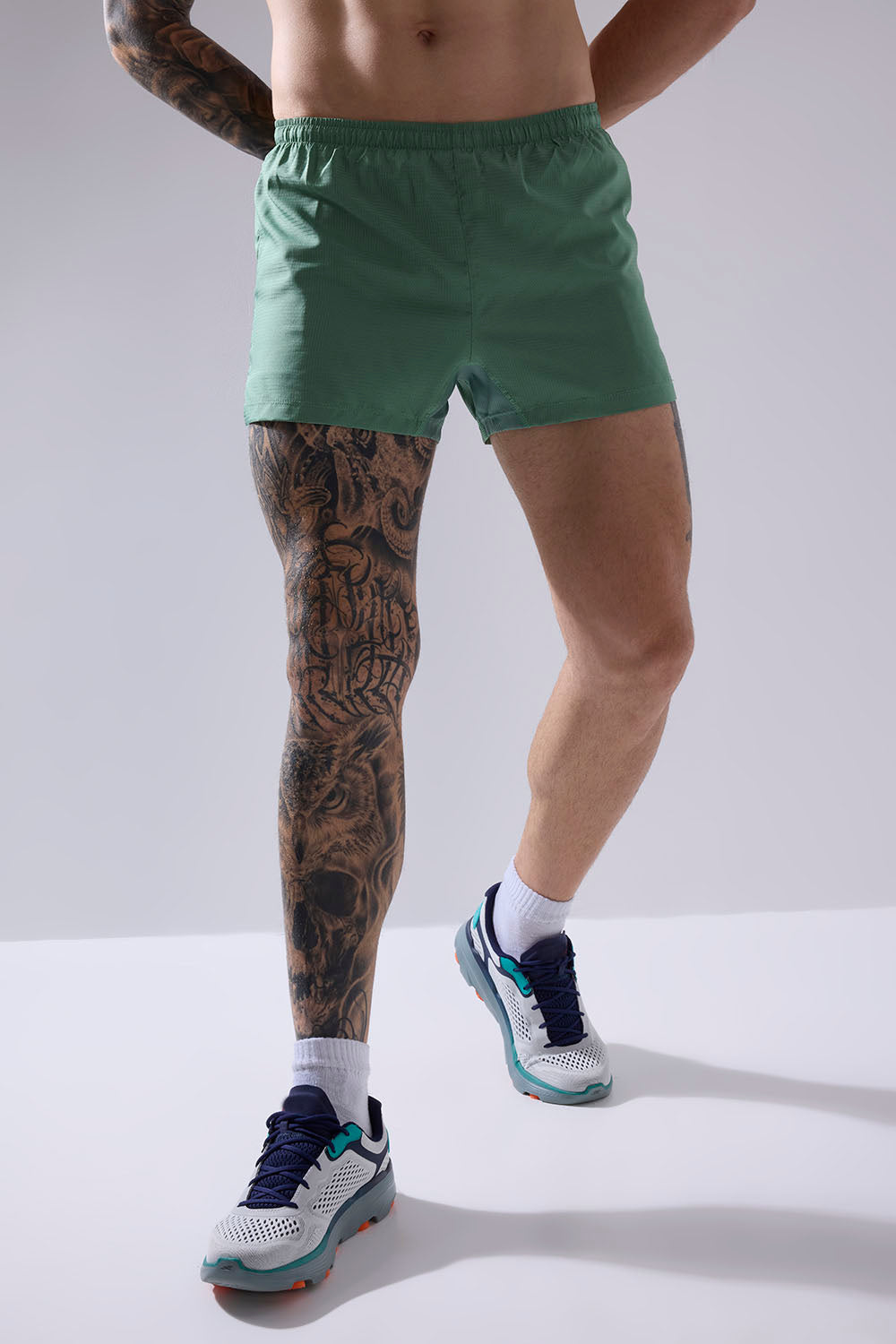
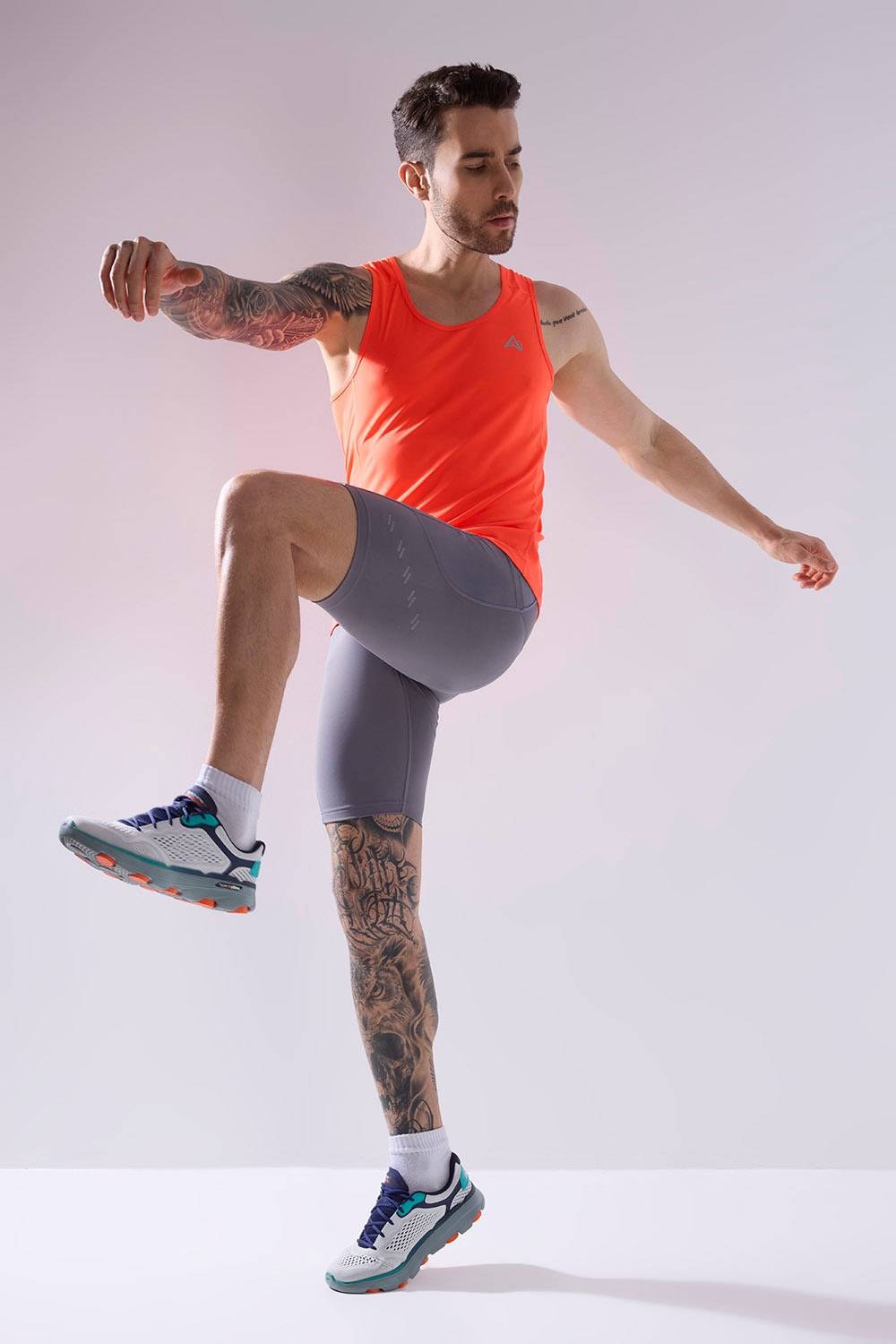
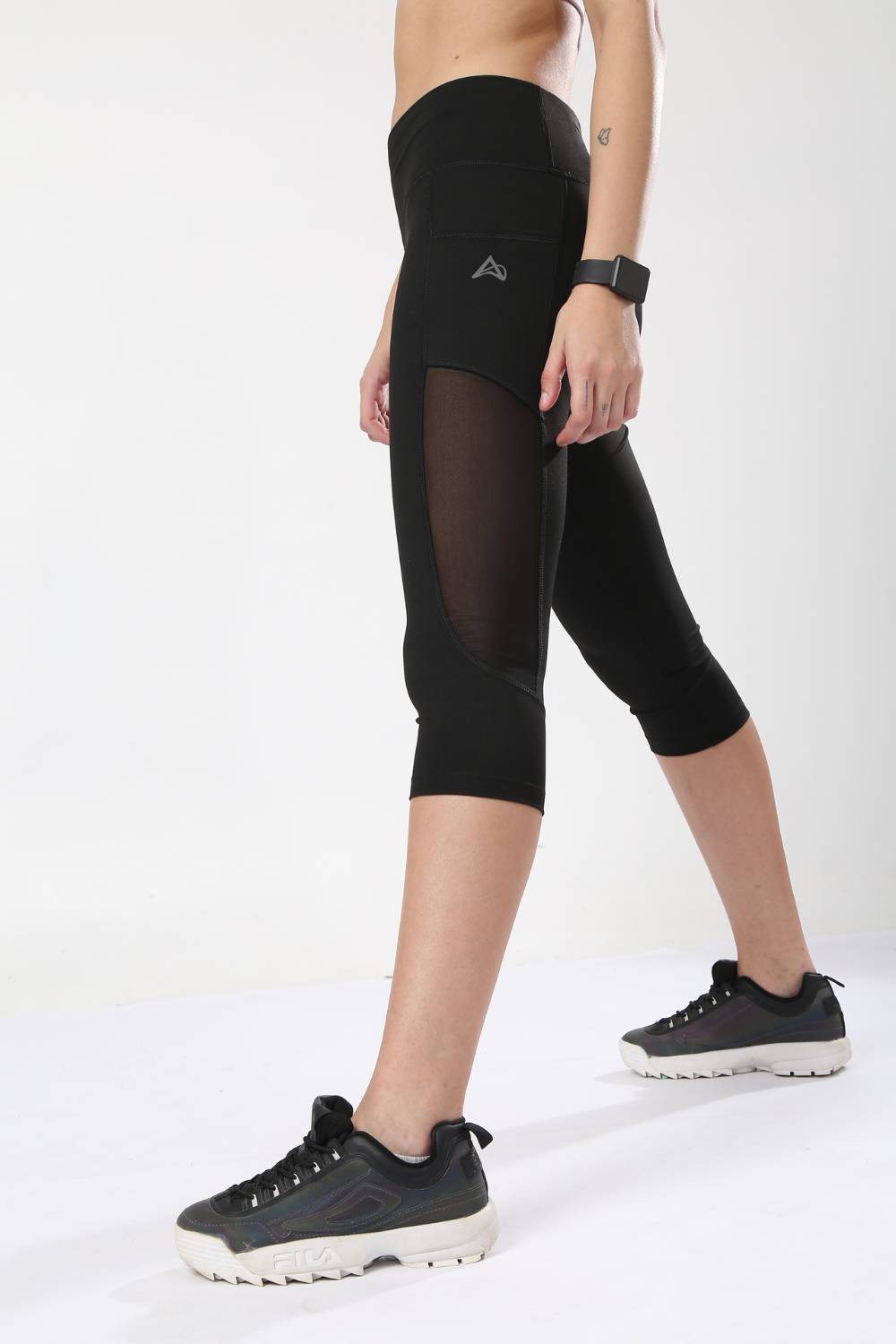
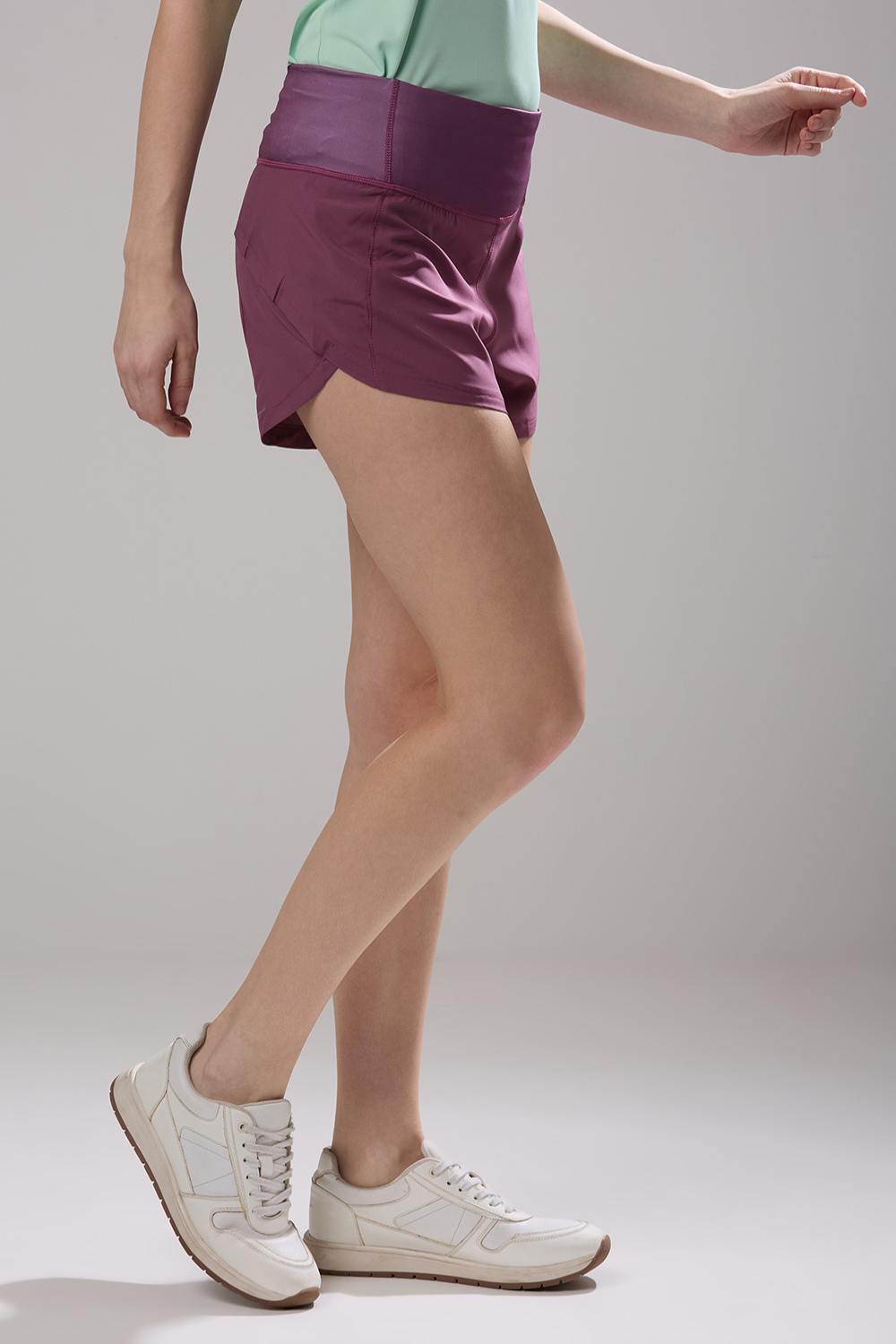
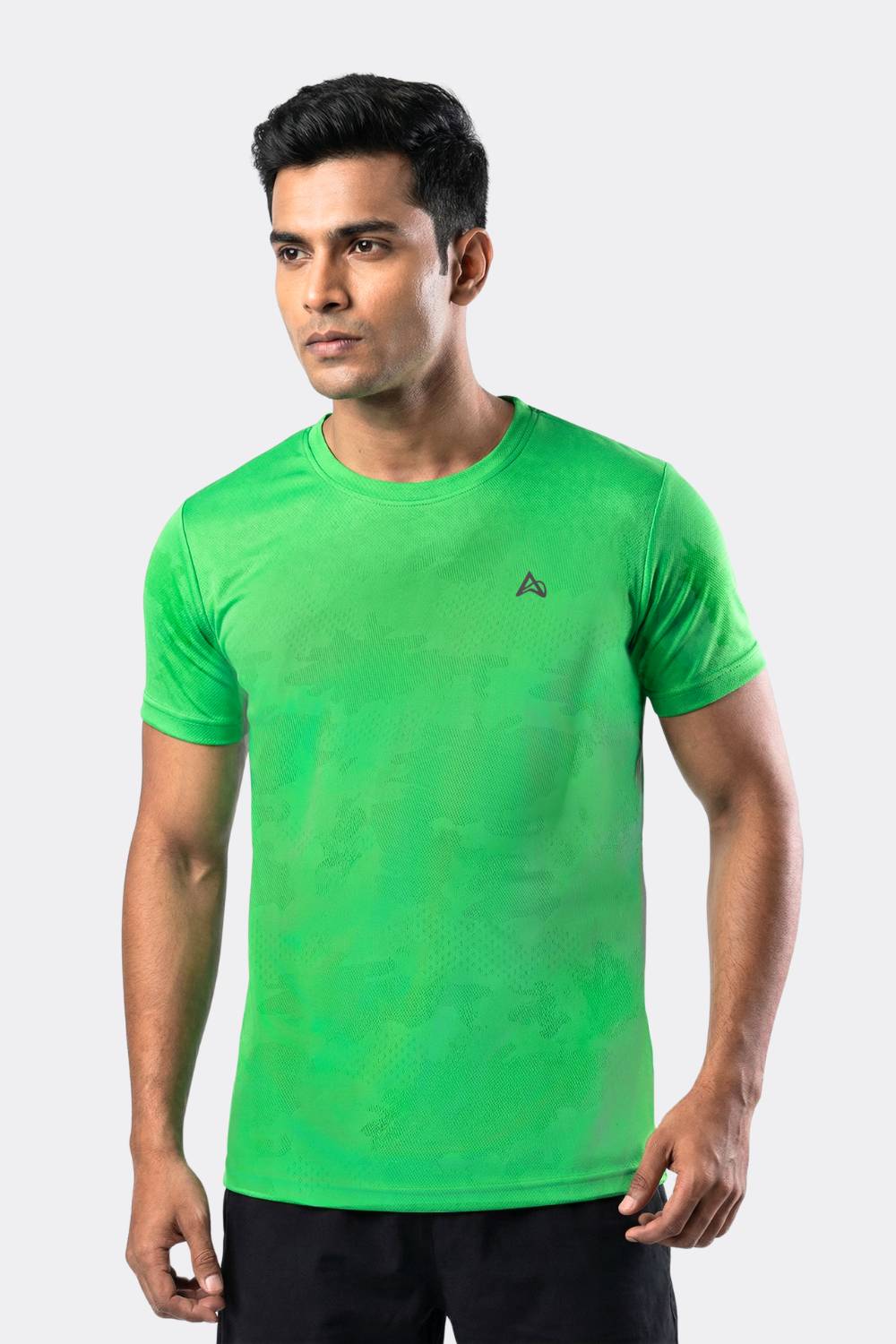
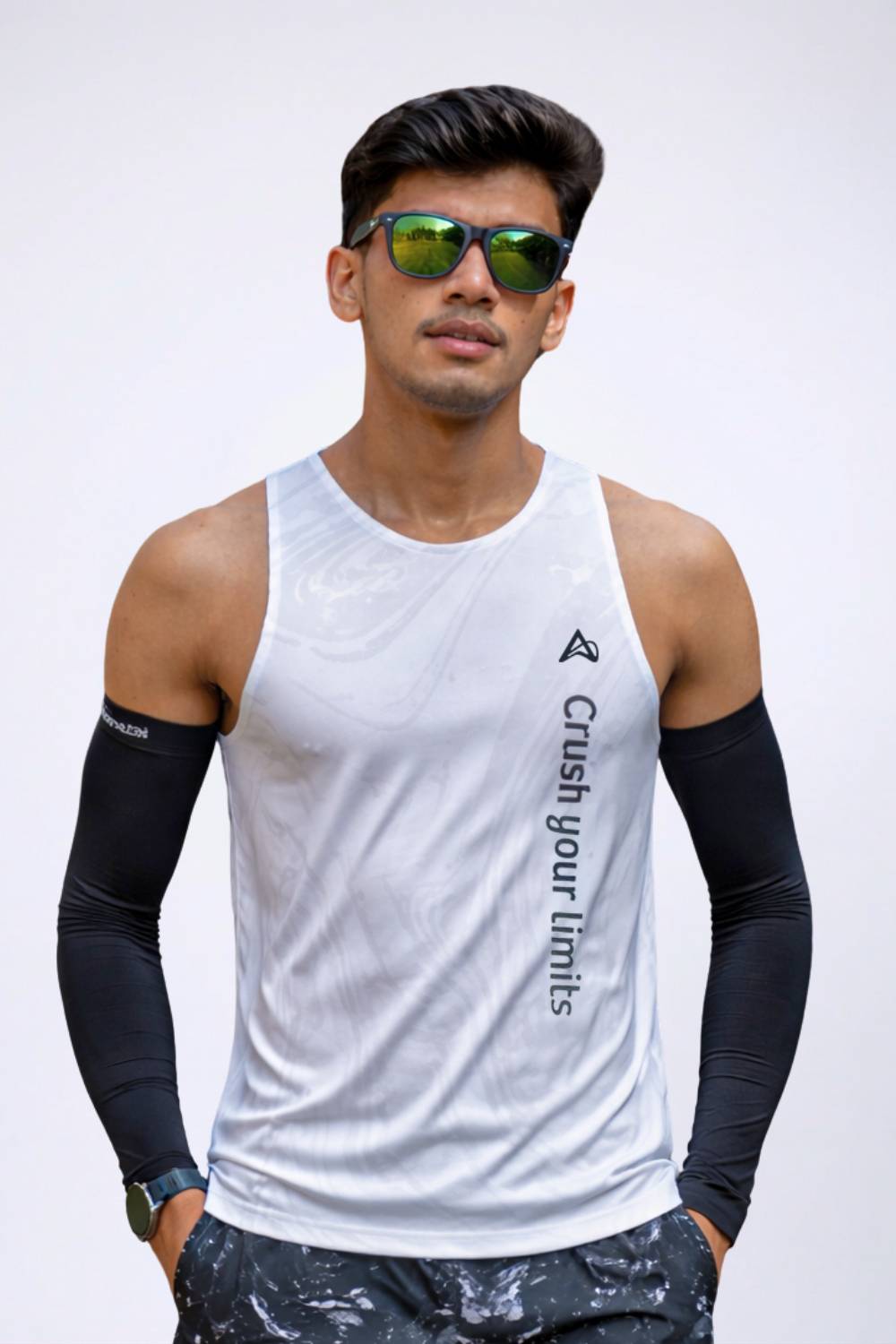
As group running becomes more embedded in urban lifestyles, performance apparel has taken on a functional and social role. Runners increasingly prefer moisture-wicking, breathable, and stretchable clothing that supports longer sessions in India's diverse climate conditions. This shift is not just about comfort it reflects a broader cultural alignment between identity, performance, and community belonging.
The activewear industry in India has responded to this behavioral shift with rapid innovation and expansion. According to a sports apparel market analysis, the India sports apparel market continues to grow strongly, driven by rising health consciousness, urbanization, and increasing participation in fitness activities. This growth reflects how deeply fitness culture including group running is influencing consumer behavior in urban centers. While apparel is not the focus of running communities, it plays a supporting role in enabling comfort, performance, and long-term engagement.
Brands like Aguante, which specialize in high-performance running and sports apparel, align closely with this shift by designing gear suited for both casual group runners and serious athletes. In group settings, apparel often becomes part of shared identity teams coordinate colors, organize event kits, and create visual cohesion that strengthens community identity during runs and races.
How to Join Running Groups in India
For those looking to enter this growing ecosystem, joining is more accessible than ever. Most running groups in Indian cities operate through social media platforms, local fitness apps, or word-of-mouth networks. Morning meetups at public parks, lakes, and promenades are typically open to newcomers, with no formal registration required for trial participation.
Beginners are encouraged to start with shorter distances and slower pace groups, gradually increasing intensity as stamina improves. Many established running clubs in Bangalore, Mumbai, and Delhi also host “open runs” where first-time participants can experience the group dynamic without commitment. Searching for running clubs Bangalore Mumbai Delhi or community running groups online is often the first step toward finding a suitable local community.
What makes these groups particularly effective is their adaptability. Whether someone is training for a marathon or simply trying to build a morning fitness habit, there is usually a subgroup or schedule that aligns with their goals. This flexibility ensures long-term retention and sustained engagement.
The Future of Community Running Culture in India
The future of group running in India is expected to become even more structured, digital, and inclusive. Hybrid models combining in-person runs with app-based tracking and virtual challenges are already gaining traction. These systems allow runners to stay connected even when travel or work schedules prevent physical attendance.
Additionally, the integration of wellness education into running groups covering topics like nutrition, injury prevention, and mental health is expanding the scope of these communities. Rather than focusing solely on distance or speed, modern running groups are evolving into holistic wellness ecosystems that prioritize long-term health and social connection.
As urban life continues to accelerate, the appeal of slowing down together through structured running will likely grow stronger. Group running is no longer just a fitness trend it is a cultural movement that reflects how urban Indians are redefining health, community, and everyday social interaction.
In this evolving landscape, running is not just about movement it is about meaning. And in India's bustling cities, that meaning is increasingly found in shared footsteps, collective effort, and the simple joy of running together.
Frequently Asked Questions
What are the social benefits of joining a running group in Indian cities?
Running groups in Indian cities offer far more than just fitness accountability they create genuine social communities. Members often form friendships that extend into professional networking, travel groups, and mental wellness support. The shared effort of group running also reduces perceived exertion and improves mental resilience, making it especially valuable for beginners navigating urban life.
How can I find and join a running group near me in cities like Bangalore, Mumbai, or Delhi?
Most running groups in Indian cities are easy to find through social media platforms, local fitness apps, or word-of-mouth at popular spots like Cubbon Park (Bangalore), Marine Drive (Mumbai), or neighborhood lakes. Many established clubs host open runs with no formal registration required, making it simple for first-timers to try the experience before committing. Searching "running clubs Bangalore Mumbai Delhi" or "community running groups" online is a great first step.
Are group running communities in India inclusive for women and beginners?
Yes inclusivity is one of the defining features of running clubs across Indian cities. Women runners in particular benefit from the safety and visibility that structured group runs provide in public spaces, making early morning and evening sessions more accessible. Beginners are welcomed into segmented pace groups and often mentored by experienced runners on technique, breathing, and goal-setting, significantly lowering the barrier to starting a fitness journey.
Disclaimer: The above helpful resources content contains personal opinions and experiences. The information provided is for general knowledge and does not constitute professional advice.
You may also be interested in: The Role of Community in India's Running Apparel Market - Aguante
Tired of gear that slows you down? Chafing, soggy fabrics, and missing pockets kill your run's momentum. At Aguante, we're runners who get it. Our high-performance activewear features moisture-wicking fabrics, ergonomic designs, and smart storage to keep you focused. Shop Now!
Powered by flareAI.co