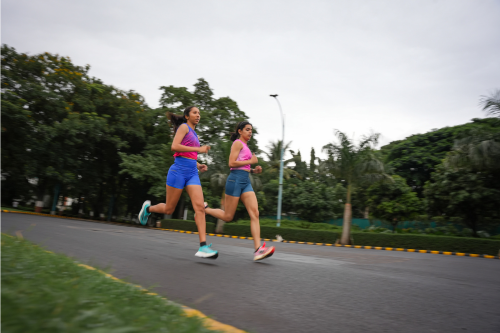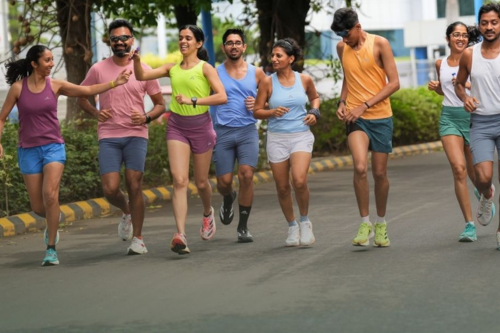














Urban parks across India are rapidly transforming into vibrant hubs for recreational runners, reflecting a growing trend of fitness-conscious city dwellers seeking accessible outdoor spaces. In cities such as Bangalore, Hyderabad, Mumbai, Pune, Navi Mumbai, Delhi, Gurugram, Surat, and Ahmedabad, these green spaces are not only offering an avenue for physical activity but also fostering community connections and supporting wellness-oriented lifestyles. As more urban residents prioritize health and balanced routines, the role of city parks in promoting recreational running has become increasingly significant.
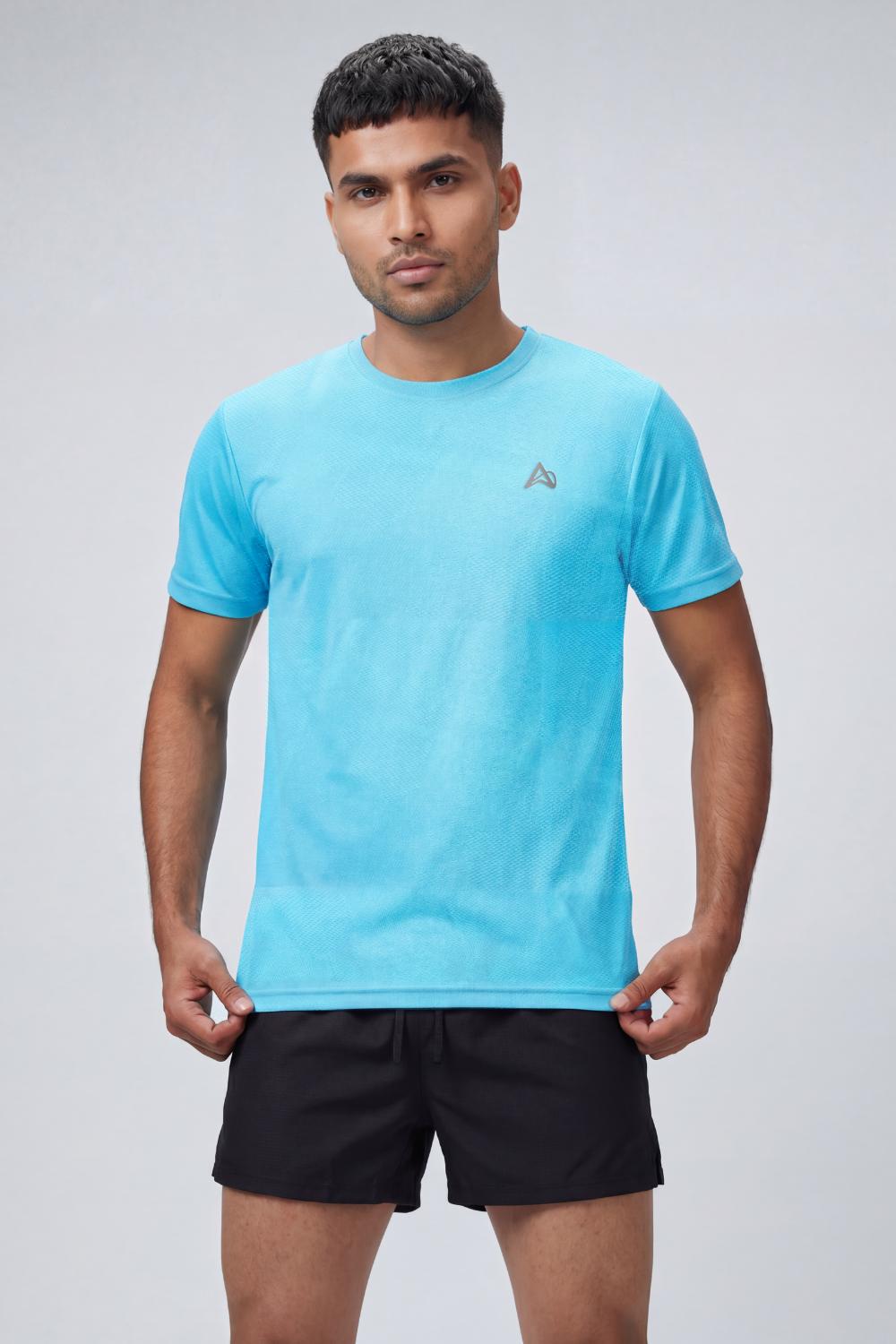
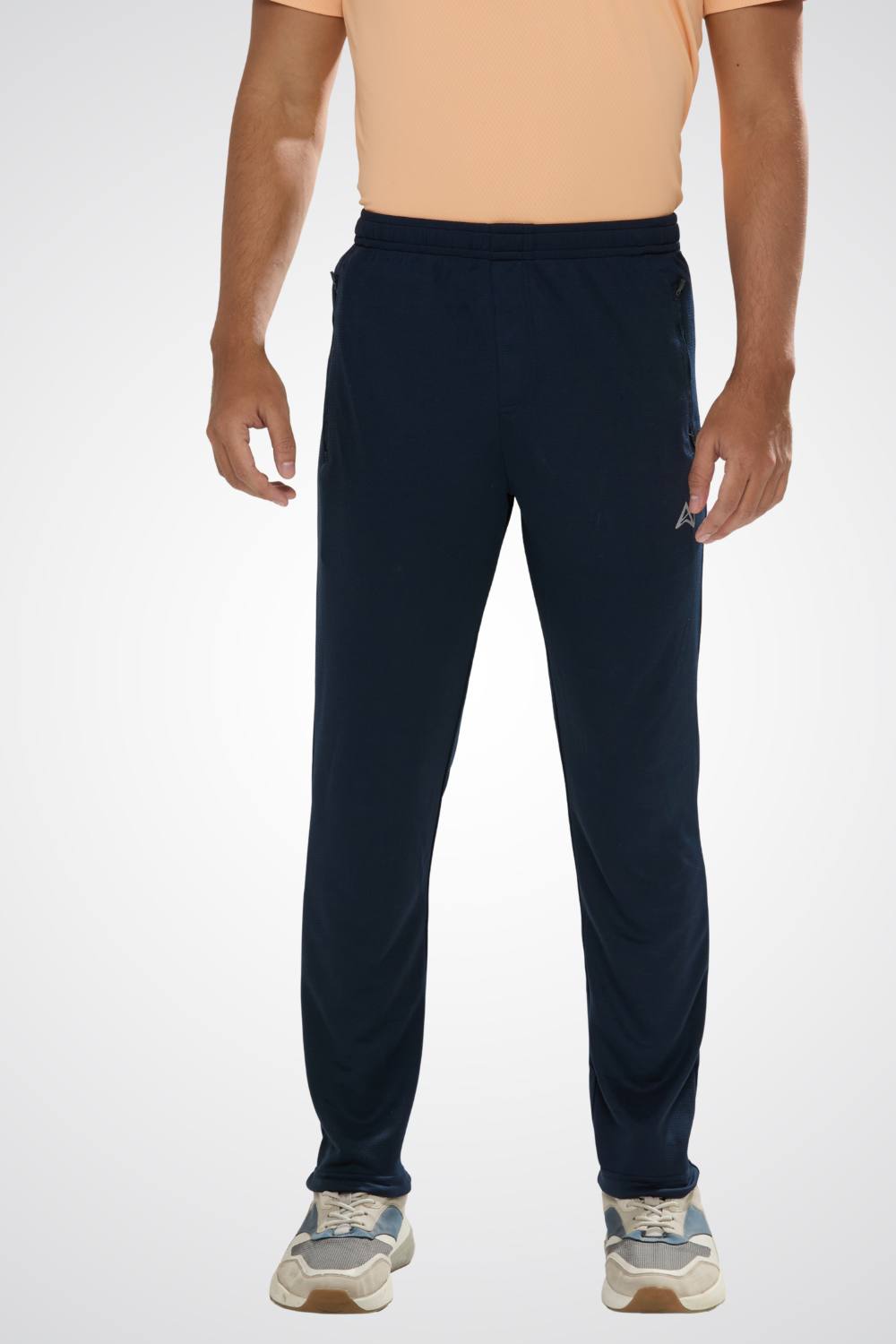
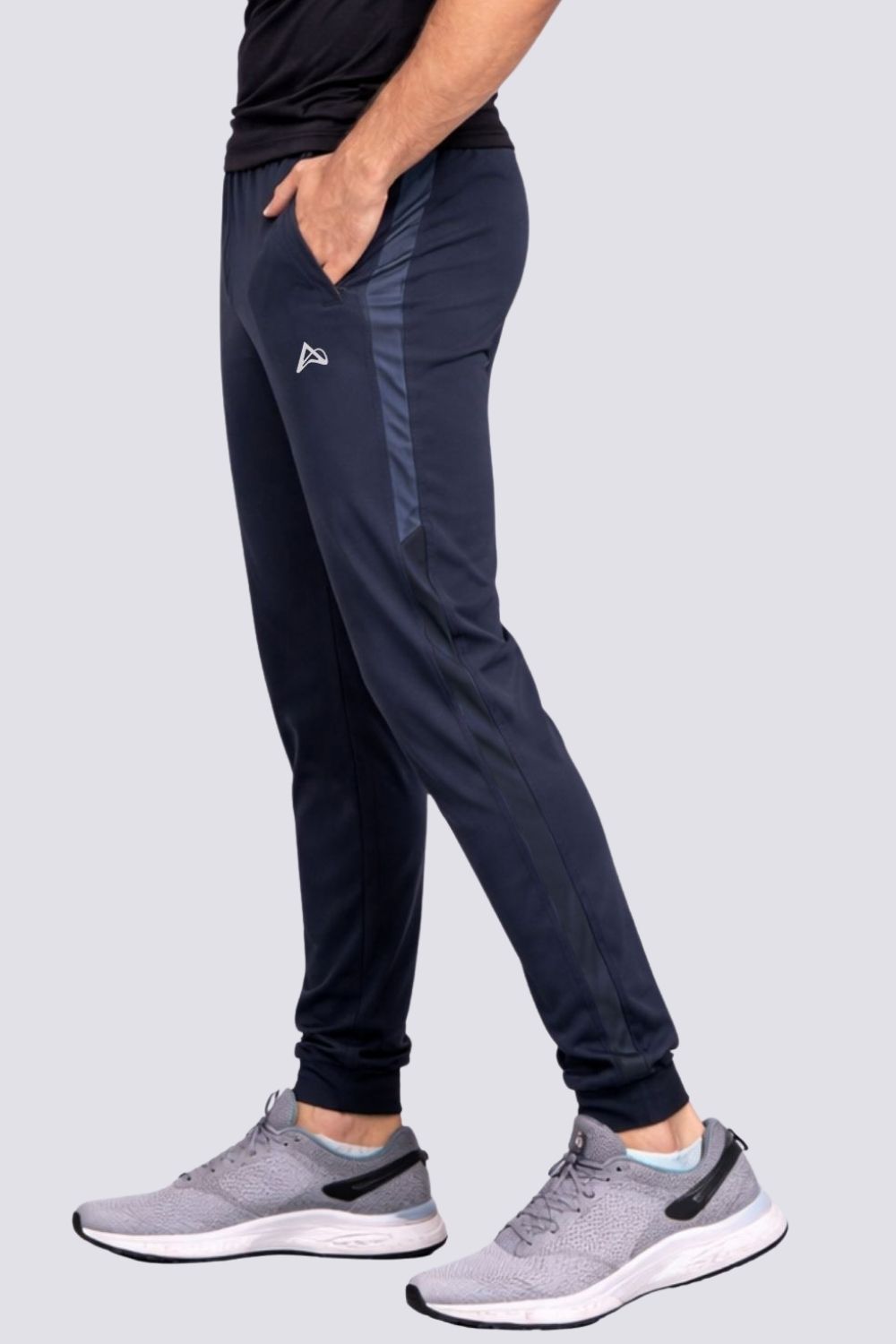
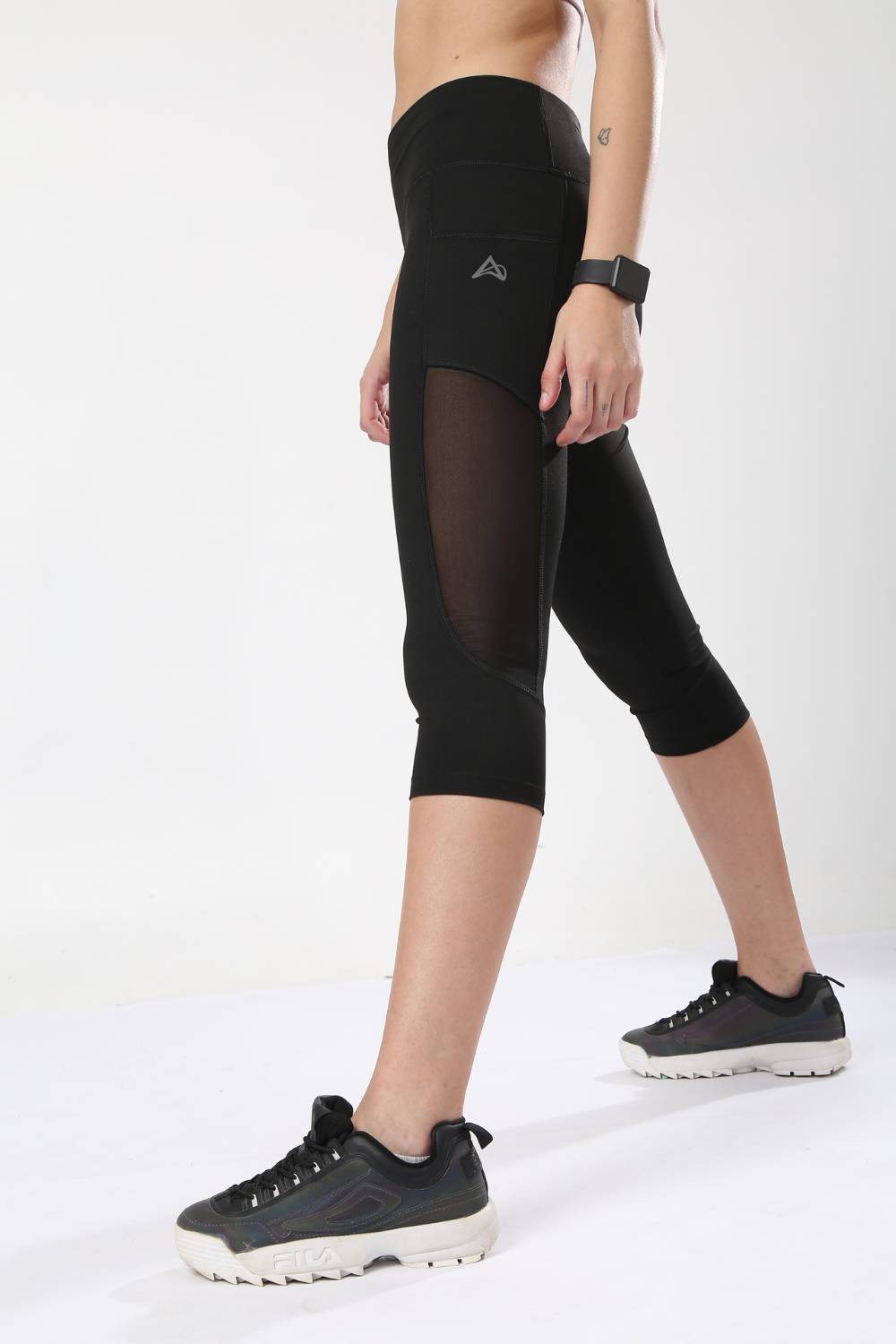
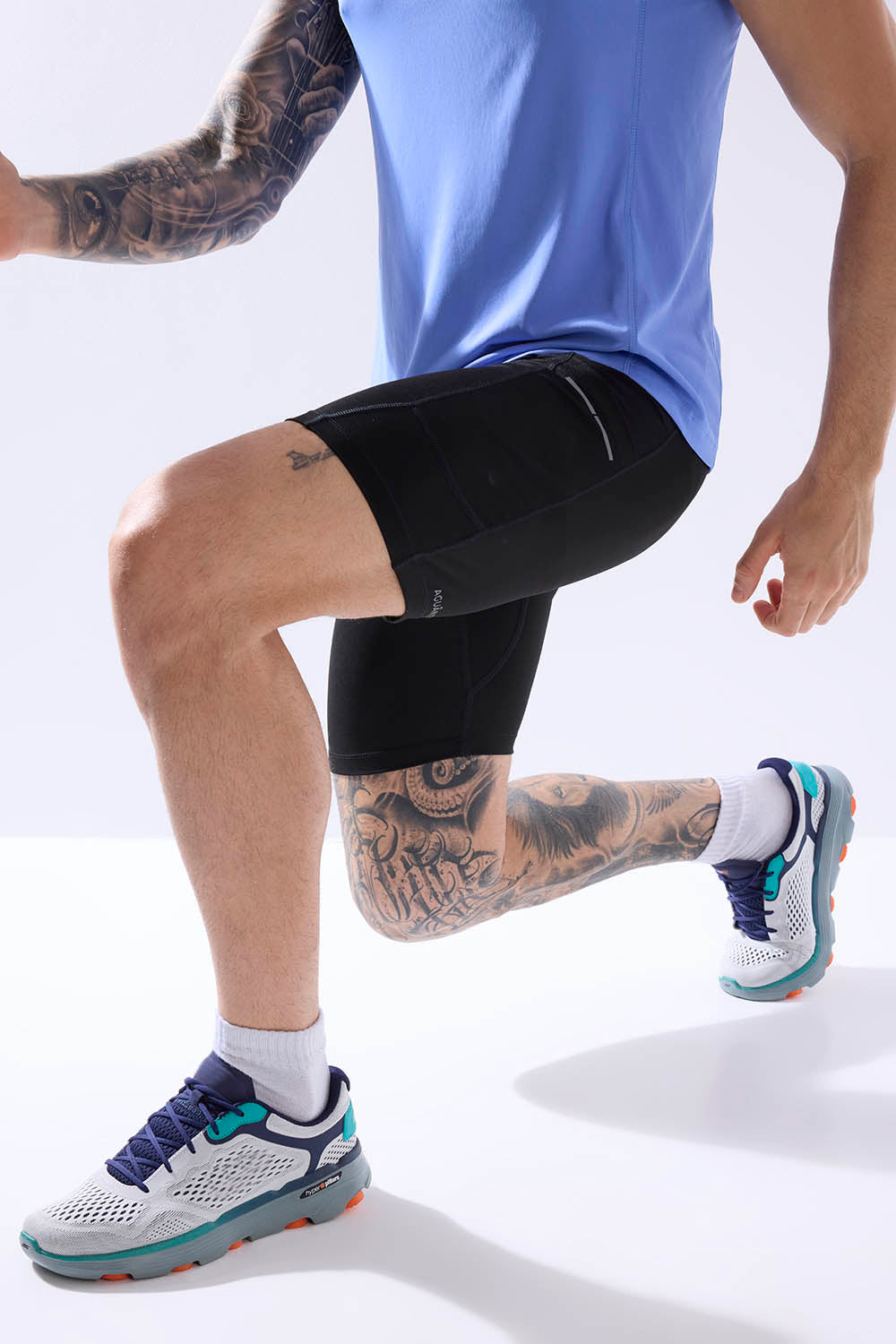
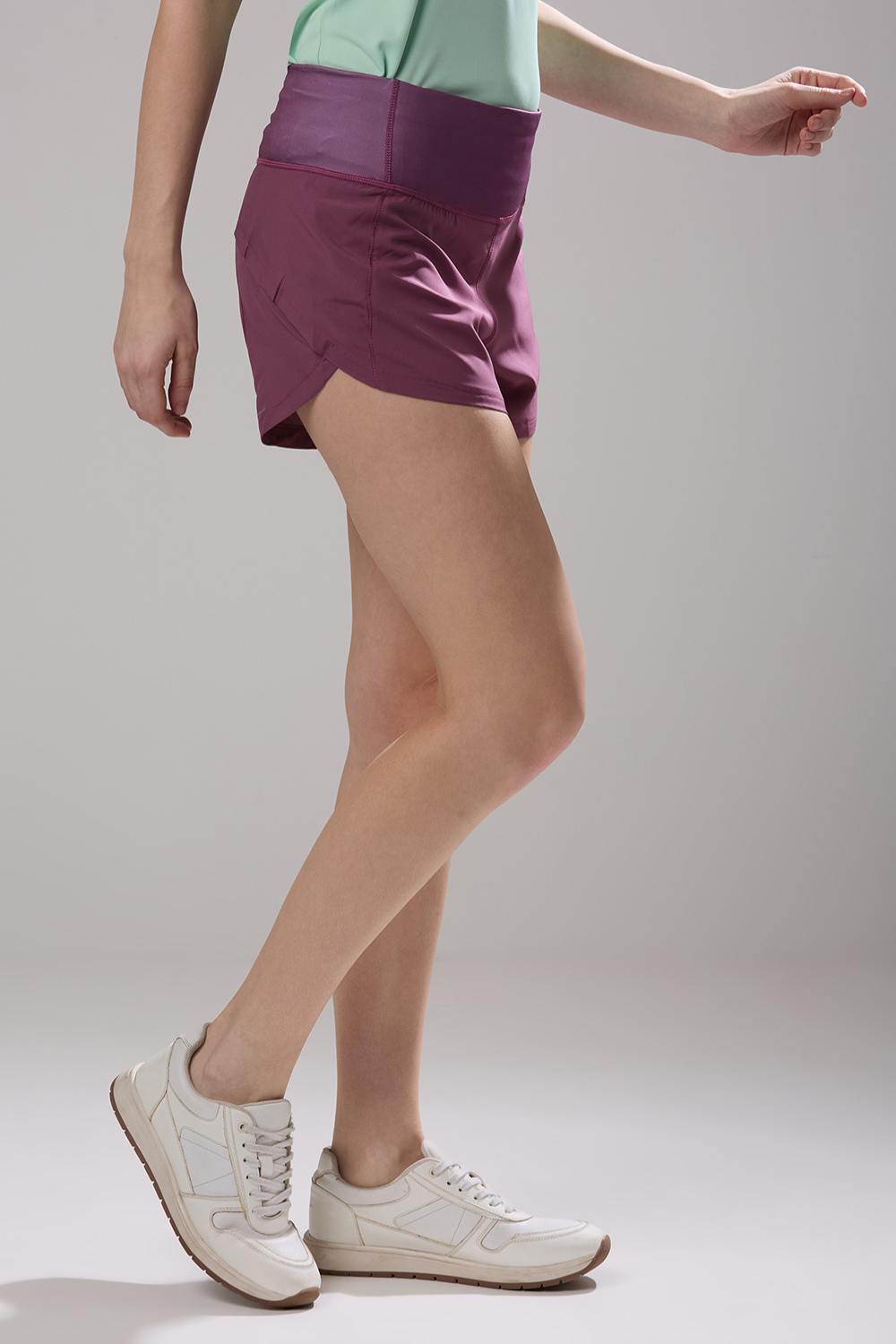
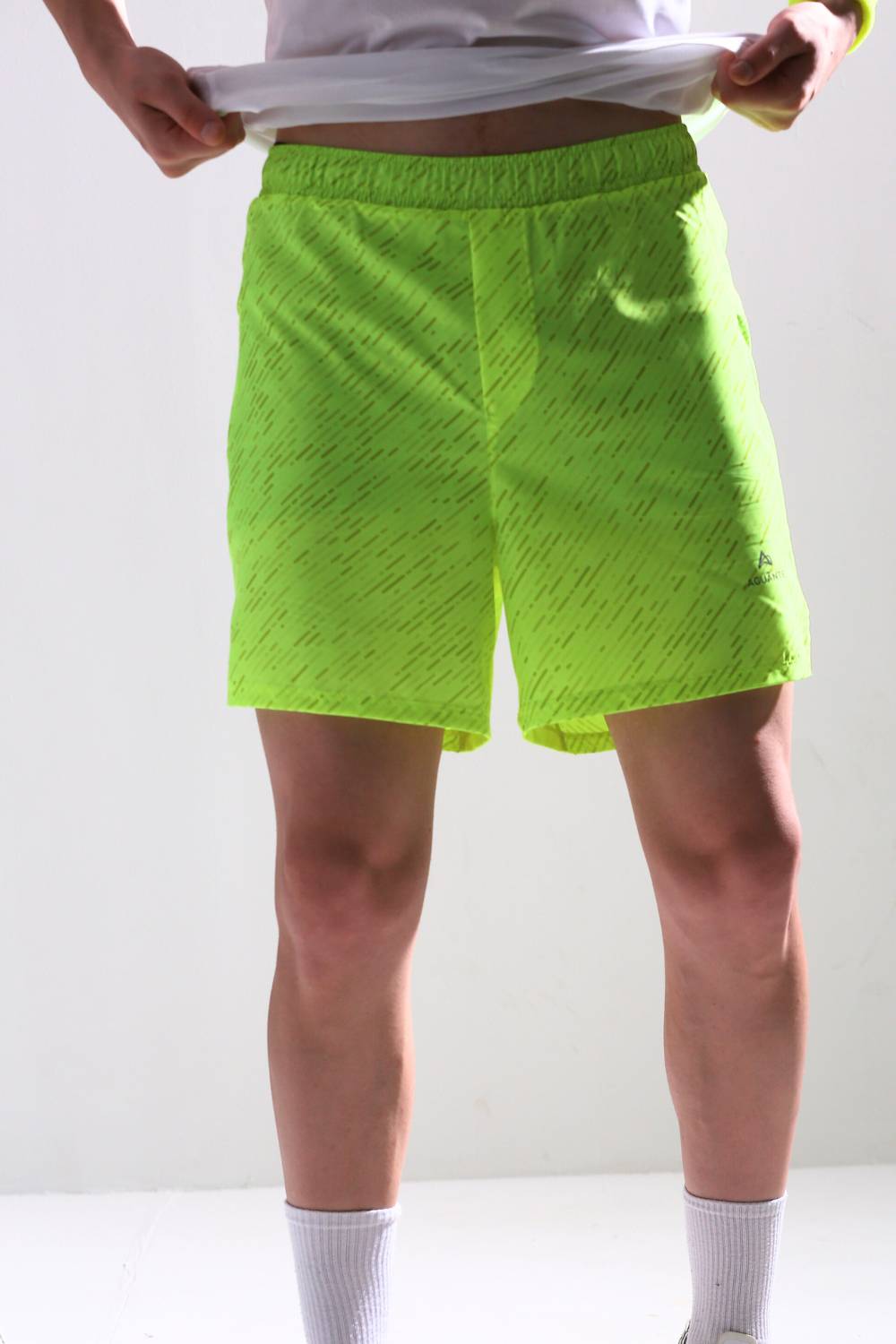
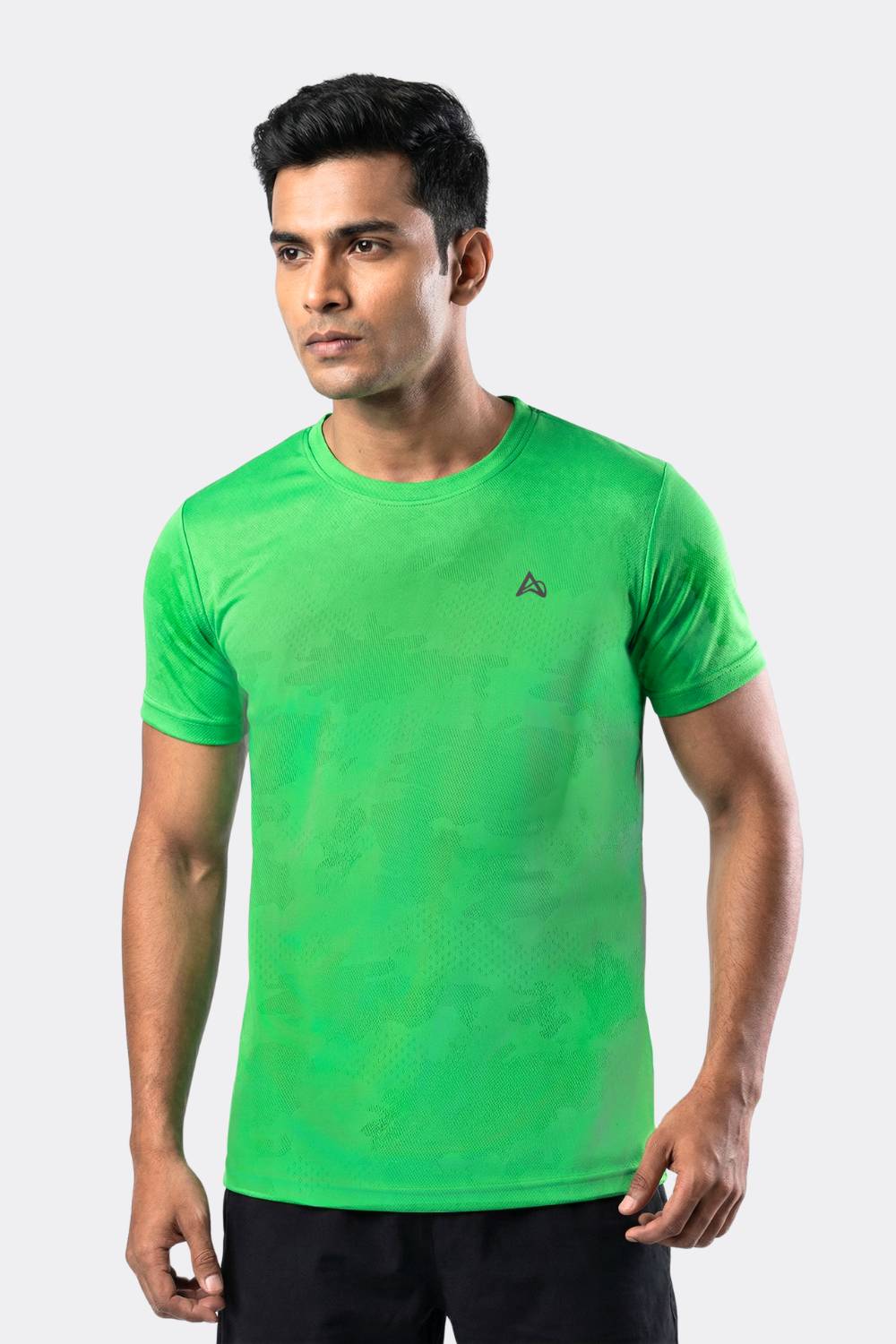
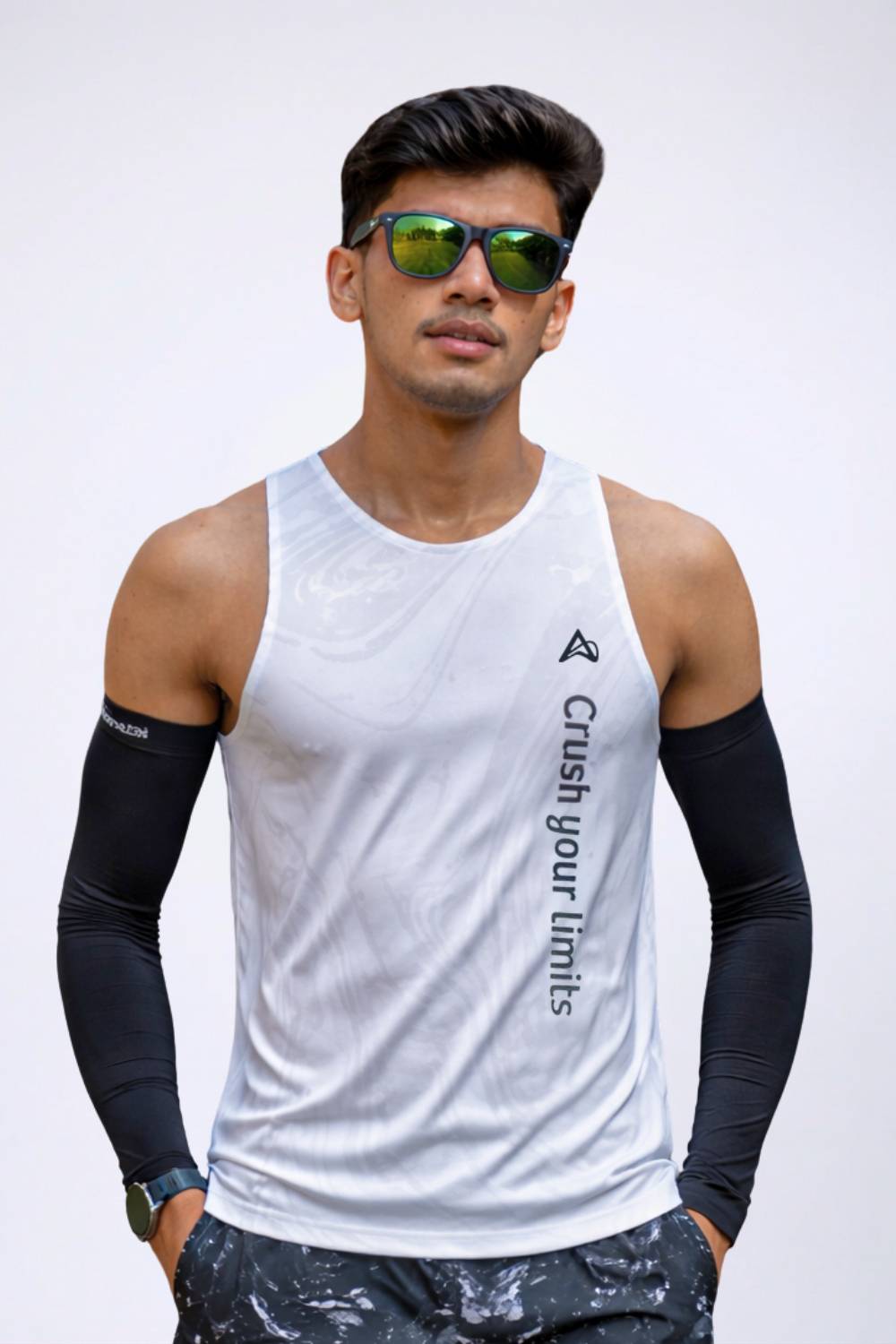
Tired of gear that slows you down? Chafing, soggy fabrics, and missing pockets kill your run's momentum. At Aguante, we're runners who get it. Our high-performance activewear features moisture-wicking fabrics, ergonomic designs, and smart storage to keep you focused. Shop Now!
Emergence of Urban Running Culture
The evolution of urban running in Indian cities is closely linked to the development and modernization of public parks. In Bangalore, for instance, parks like Cubbon Park and Lalbagh Botanical Garden provide wide pathways, shaded routes, and well-maintained grounds, creating ideal conditions for morning and evening jogs. Runners appreciate not only the scenic environment but also the sense of safety and structure that organized park spaces provide. Similar trends are evident in Mumbai, where the Marine Drive promenade and Mahalaxmi Racecourse attract large groups of joggers who value consistency and accessibility in their daily running routines.
Recreational running has also become a socially engaging activity. In Hyderabad, the Necklace Road and KBR National Park are popular spots for community meetups, where local running groups coordinate morning sessions and informal running clubs. This blend of exercise and social interaction has proven effective in motivating participants, particularly among young professionals who balance demanding work schedules with personal wellness goals.
Infrastructure Supporting Recreational Running
Well-designed park infrastructure plays a pivotal role in encouraging recreational running. Pune's Saras Baug and Pune-Okayama Friendship Garden, for example, have incorporated dedicated jogging tracks and clearly marked distances, making it easier for runners to plan their workouts and track progress. The presence of water fountains, rest areas, and lighting further enhances usability, especially for early morning or late evening sessions. These enhancements indicate that city authorities are recognizing the demand for active lifestyle amenities and investing in park improvements accordingly.
In addition to infrastructure, local governance has also facilitated running-friendly environments through cleanliness drives and safety patrols. In Delhi, parks like Lodhi Garden and Nehru Park have seen upgrades in landscaping and lighting, resulting in increased footfall from recreational runners. By combining functional design with aesthetic appeal, these parks cater to both novice and experienced runners, encouraging consistent participation and broader adoption of outdoor fitness routines.
Community and Social Engagement
Running communities in Indian cities play a central role in the growing urban running movement. In Gurugram, organized weekend runs hosted by local clubs have become a routine social activity, bringing together runners across age groups. These gatherings not only foster a sense of belonging but also provide educational opportunities for participants, such as tips on proper footwear, hydration, and pacing strategies. In Navi Mumbai, neighborhood jogging groups leverage parks to establish informal training circuits, enhancing both individual performance and collective motivation.
Social media and mobile applications have further amplified community engagement. Platforms allow runners in cities like Surat and Ahmedabad to coordinate meetups, share route reviews, and track performance metrics. This digital layer complements the physical park spaces, bridging the gap between urban infrastructure and social connectivity, ultimately creating a cohesive running culture within the city environment.
Health and Wellness Benefits
The appeal of urban parks for recreational running is deeply rooted in the health and wellness benefits they offer. Regular outdoor running helps improve cardiovascular health, reduces stress, and supports mental clarity advantages that are especially important for city residents managing high-pressure work and lifestyle demands. Parks provide a safe, clean, and natural environment that encourages consistency, which is key for sustaining long-term fitness habits. For many, the combination of fresh air, greenery, and structured pathways significantly enhances the running experience compared to congested urban streets.
In addition to physical benefits, the mental wellness aspects of park-based running are noteworthy. Bangalore's Cubbon Park and Hyderabad's KBR National Park, for example, offer tranquil environments amidst bustling cities, allowing runners to disconnect from urban noise and focus on mindfulness. This intersection of physical activity and mental rejuvenation reinforces the growing trend of parks as essential urban wellness hubs.
Integration with Lifestyle and Fitness Trends
Urban parks are increasingly aligning with broader fitness and lifestyle trends. In Mumbai and Pune, morning running routines are often combined with yoga sessions, stretching, and calisthenics within park grounds, creating comprehensive wellness circuits. Such integration reflects a shift towards holistic fitness practices, where running is one component of a broader health-conscious lifestyle. Fitness apps and wearable technology complement this trend by providing data-driven insights, route tracking, and goal-setting, enabling runners to maximize the benefits of their park sessions.
Moreover, city parks serve as venues for organized recreational events, including fun runs, charity marathons, and timed races. These events enhance community involvement and elevate public awareness about fitness, while providing motivation for participants to maintain regular training schedules. The structured opportunities for engagement highlight the potential of parks to function as both social and athletic spaces, bridging personal fitness goals with community interaction.
Challenges and Opportunities
Despite the popularity of park-based running, urban cities face challenges related to space constraints, maintenance, and accessibility. High footfall in central parks can sometimes lead to overcrowding, while smaller neighborhood parks may lack proper lighting or safe pathways. Additionally, seasonal factors such as monsoon rains and extreme heat can limit running opportunities. Cities like Delhi and Ahmedabad are exploring solutions through staggered park access, shaded tracks, and timed slots for running communities, enhancing safety and usability.
Opportunities for expanding recreational running are significant. Public-private partnerships can enable the development of specialized tracks, fitness amenities, and interactive signage within parks. In addition, promoting local awareness campaigns and educational programs about proper running techniques, injury prevention, and the benefits of consistent outdoor exercise can help further embed recreational running within urban lifestyles.
Urban Parks Power India's Running Culture
Urban parks across Indian cities are rapidly establishing themselves as essential infrastructure for recreational runners. By combining accessible design, community engagement, and health-focused amenities, these spaces support a growing culture of outdoor fitness and wellness. From Bangalore to Mumbai and Delhi to Ahmedabad, the emergence of organized running routes, neighborhood groups, and digital coordination platforms demonstrates how urban parks are evolving into dynamic, inclusive environments that inspire both casual joggers and committed athletes. As urban populations continue to prioritize health, social engagement, and outdoor recreation, these parks are poised to remain central to India's evolving fitness landscape, offering safe, scenic, and community-oriented spaces for recreational runners to thrive.
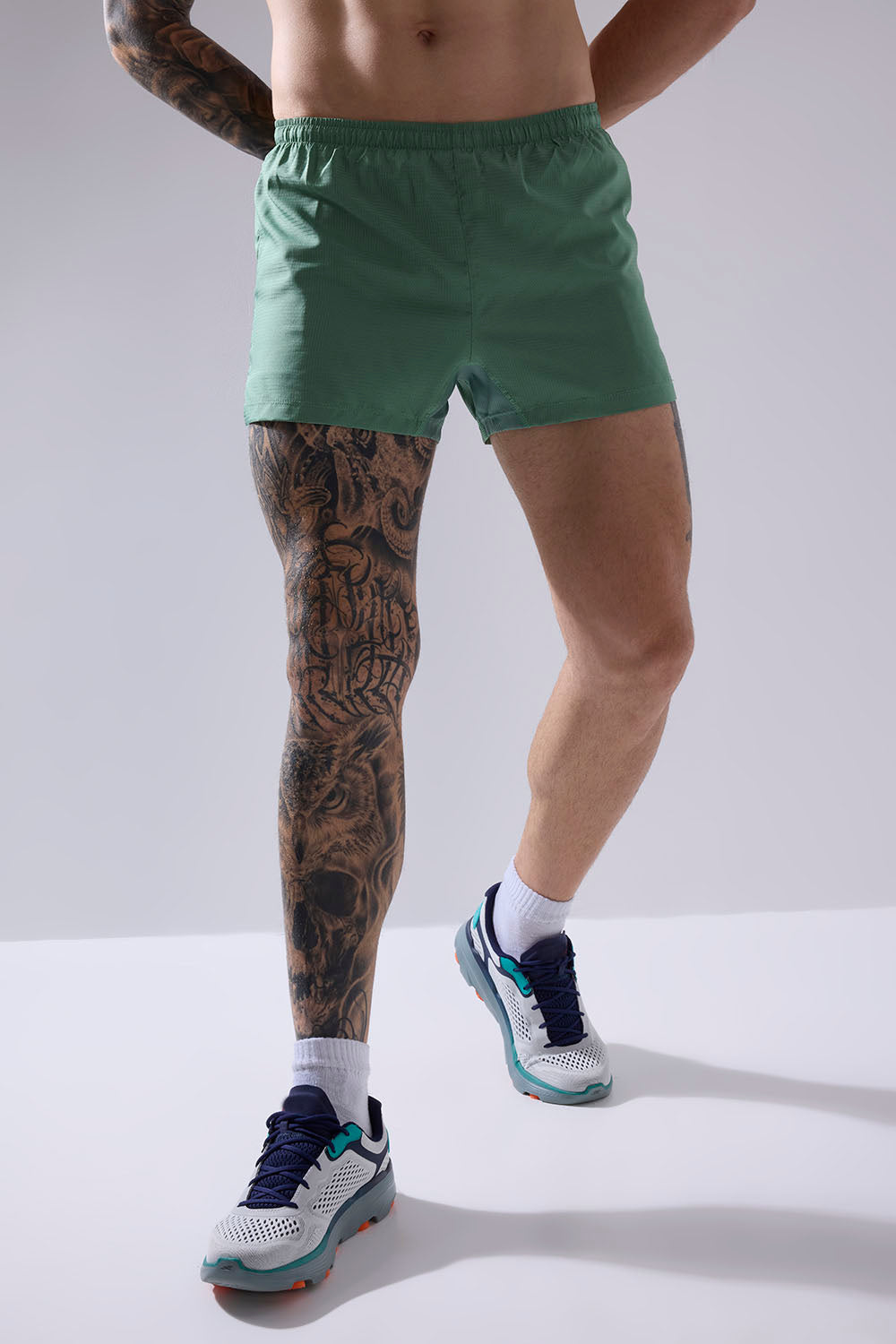
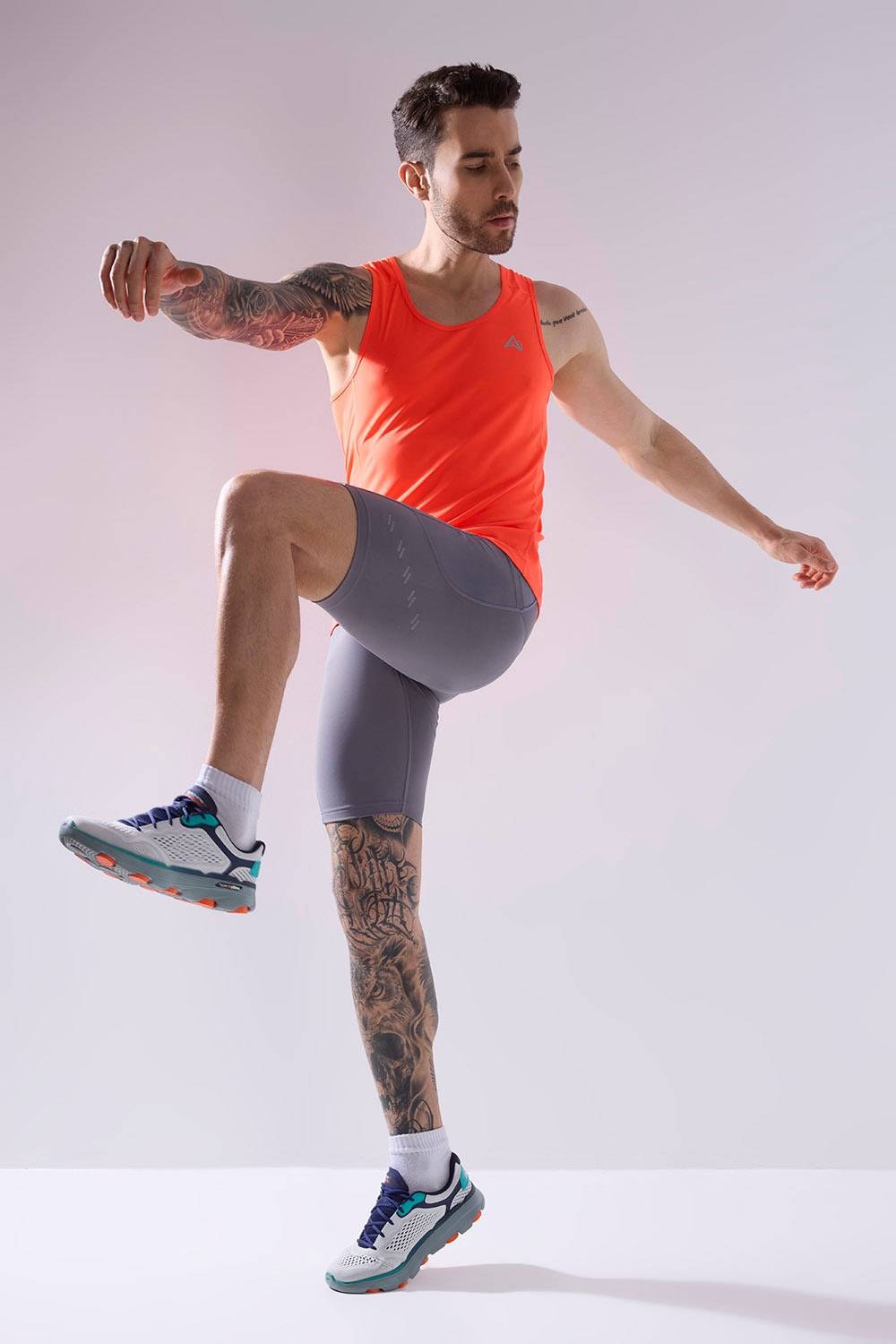
With the rise of athleisure wear and performance apparel, recreational runners in India now have access to gear that supports endurance, comfort, and style. Brands focusing on high-performance sports clothing can capitalize on the visibility of urban parks, aligning product offerings with the evolving needs of a diverse, fitness-oriented urban population, and reinforcing the connection between outdoor running habits and functional apparel preferences. For verified insights on global athleisure trends relevant to performance running, see athleisure market findings.
Frequently Asked Questions
Which urban parks in India are best for recreational running?
Several Indian cities have standout parks for runners. In Bangalore, Cubbon Park and Lalbagh Botanical Garden offer shaded, well-maintained routes, while Mumbai's Marine Drive promenade and Mahalaxmi Racecourse are popular among daily joggers. Hyderabad's KBR National Park and Necklace Road are known for community running meetups, and Delhi's Lodhi Garden and Nehru Park have seen recent upgrades in lighting and landscaping to support outdoor fitness.
How are running communities using urban parks in Indian cities?
Running communities across cities like Gurugram, Hyderabad, and Navi Mumbai use parks as gathering points for weekend runs, informal training circuits, and social meetups. Social media platforms and mobile apps further support these groups in cities like Surat and Ahmedabad, helping runners coordinate routes, share reviews, and track performance creating a strong, digitally connected outdoor fitness culture.
What infrastructure features make Indian city parks runner-friendly?
Parks like Pune's Saras Baug and Pune-Okayama Friendship Garden have introduced dedicated jogging tracks with clearly marked distances, water fountains, rest areas, and improved lighting for early morning and evening runs. Across Delhi and other metros, local governance initiatives such as cleanliness drives and safety patrols have further enhanced park usability, making them accessible and safe for both beginner and experienced runners.
Disclaimer: The above helpful resources content contains personal opinions and experiences. The information provided is for general knowledge and does not constitute professional advice.
You may also be interested in: Compression Wear Moves From Elite to Everyday Runners - Aguante
Tired of gear that slows you down? Chafing, soggy fabrics, and missing pockets kill your run's momentum. At Aguante, we're runners who get it. Our high-performance activewear features moisture-wicking fabrics, ergonomic designs, and smart storage to keep you focused. Shop Now!
Powered by flareAI.co