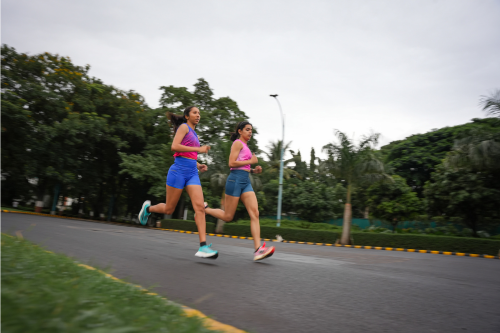















Training effectively throughout the year requires careful adaptation to local weather conditions, particularly in regions with pronounced seasonal variations. For athletes and running enthusiasts in India, cities like Bangalore, Hyderabad, Mumbai, Pune, Navi Mumbai, Delhi, Gurugram, Surat, and Ahmedabad present unique climatic challenges. Temperature fluctuations, humidity levels, and monsoon patterns can significantly affect performance, recovery, and overall training outcomes. Understanding these seasonal impacts and adjusting training plans accordingly is essential for maintaining consistency, preventing injury, and achieving fitness goals.
Tired of gear that slows you down? Chafing, soggy fabrics, and missing pockets kill your run's momentum. At Aguante, we're runners who get it. Our high-performance activewear features moisture-wicking fabrics, ergonomic designs, and smart storage to keep you focused. Shop Now!
Understanding Seasonal Weather Patterns in Indian Cities
India's diverse geography results in distinct weather patterns across its major urban centers. In Bangalore and Pune, the climate is generally moderate, but seasonal rainfall during the monsoon can create high humidity levels that affect endurance training. In contrast, Delhi and Gurugram experience extreme temperatures, with scorching summers exceeding 40°C and cold winters that drop below 10°C. Coastal cities like Mumbai and Navi Mumbai face high humidity year-round, coupled with intense rainfall during the monsoon months.
Recognizing these patterns allows athletes to schedule high-intensity workouts during optimal periods and adjust activity levels during less favorable conditions. For example, runners in Hyderabad may prioritize early morning or late evening sessions during summer months to avoid heat-related fatigue, while those in Ahmedabad might focus on indoor conditioning during peak summer periods to maintain performance without risking dehydration or heatstroke.
Adapting Training to Monsoon Conditions
The monsoon season, which typically spans June to September, introduces significant challenges for outdoor training. Heavy rainfall, slippery surfaces, and increased mosquito activity can disrupt running schedules and reduce training intensity. Athletes need to modify their plans to accommodate these environmental factors, prioritizing safety and maintaining consistency.
Practical strategies include transitioning to indoor training sessions using treadmills or indoor tracks, incorporating cross-training activities like swimming or cycling, and adjusting footwear to prevent slips. In cities like Mumbai and Navi Mumbai, where monsoon rains can last for extended periods, community fitness centers and covered running tracks provide valuable alternatives, enabling athletes to maintain regularity without compromising safety or performance quality.
Managing Heat and Humidity During Summer Months
High temperatures and humidity, common in Delhi, Gurugram, and Ahmedabad, can significantly affect endurance and cardiovascular performance. Heat stress increases perceived exertion and can lead to dehydration, cramping, and reduced stamina. Adapting training schedules to cooler periods, typically early mornings or late evenings, helps minimize heat exposure while maintaining intensity.
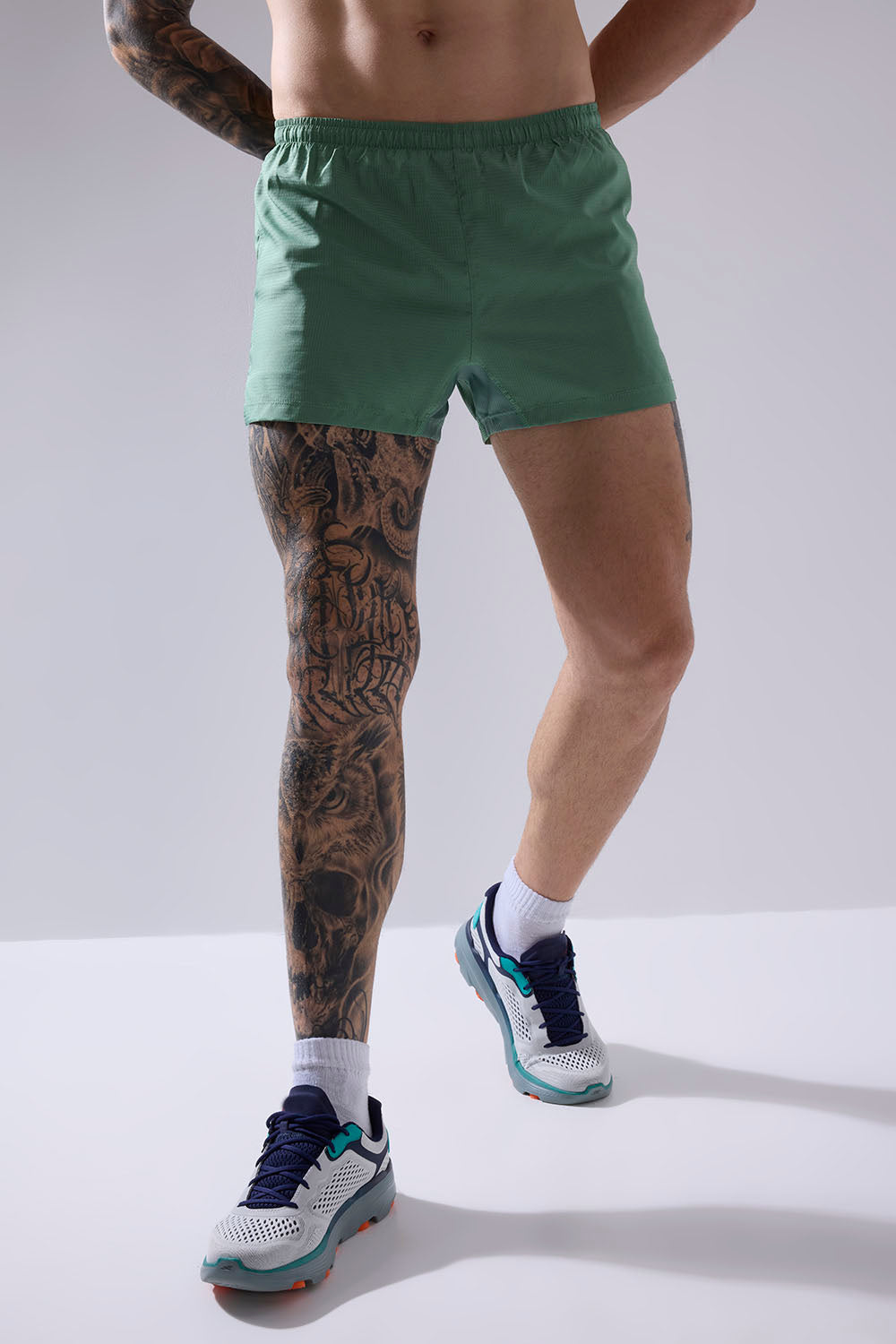
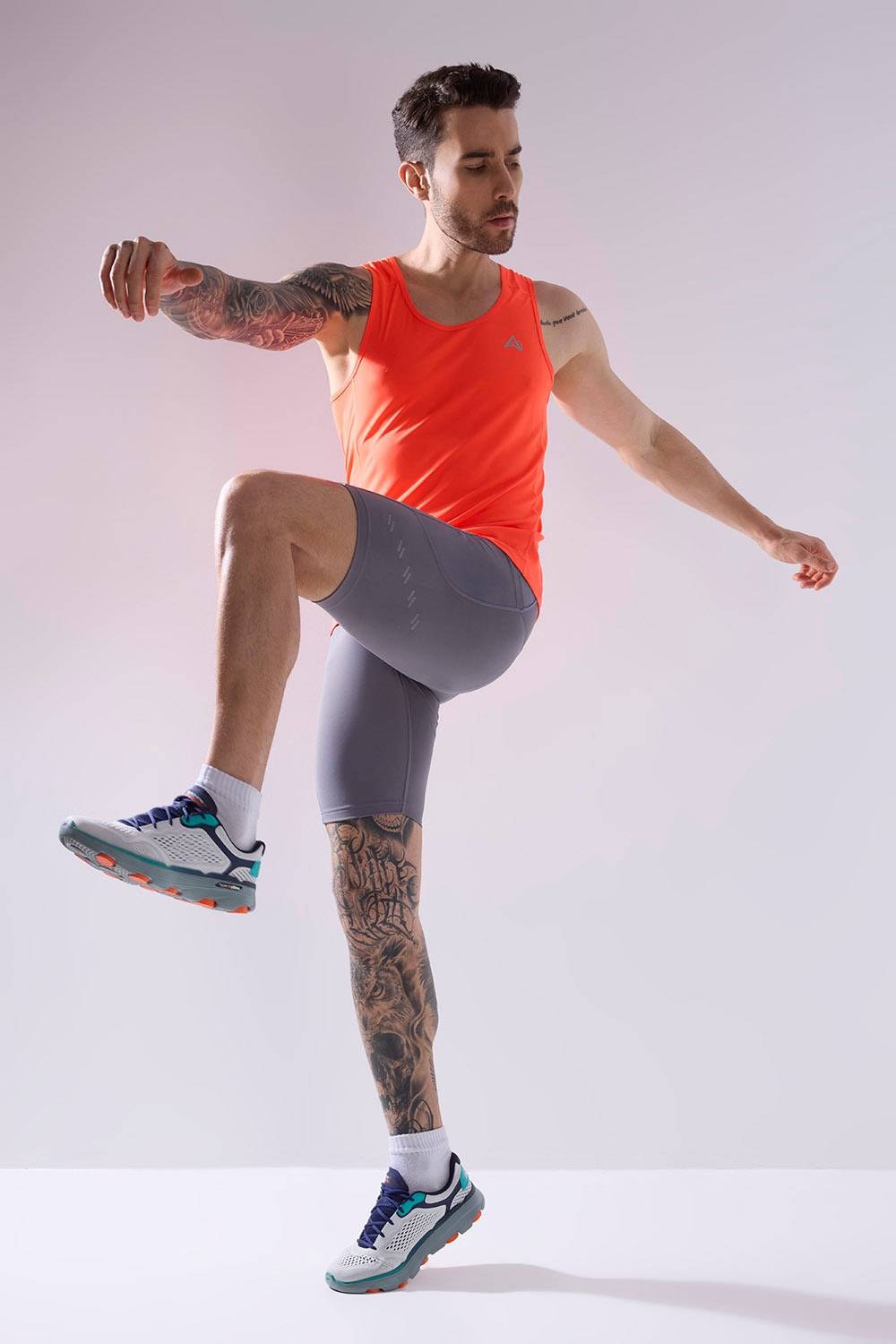
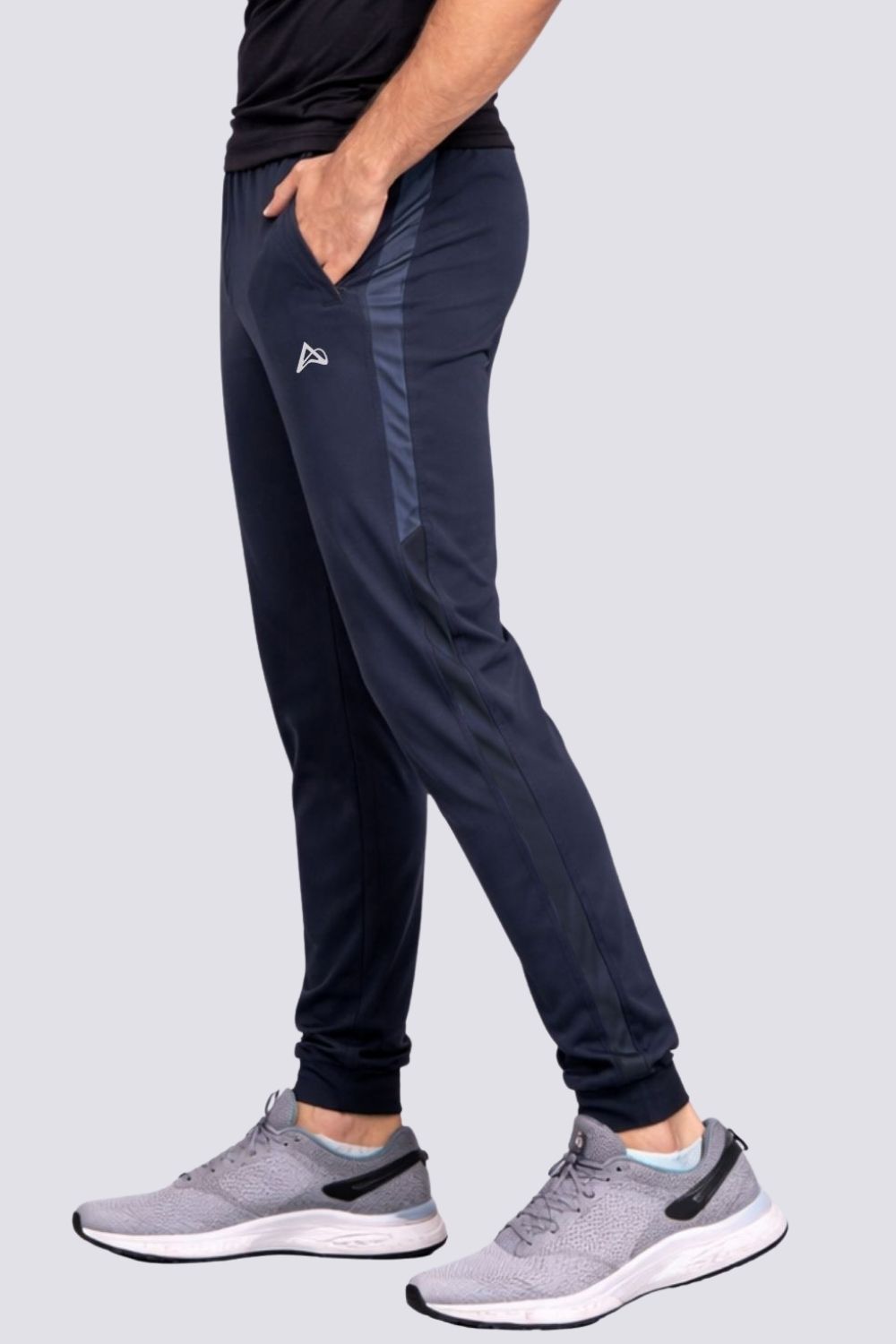
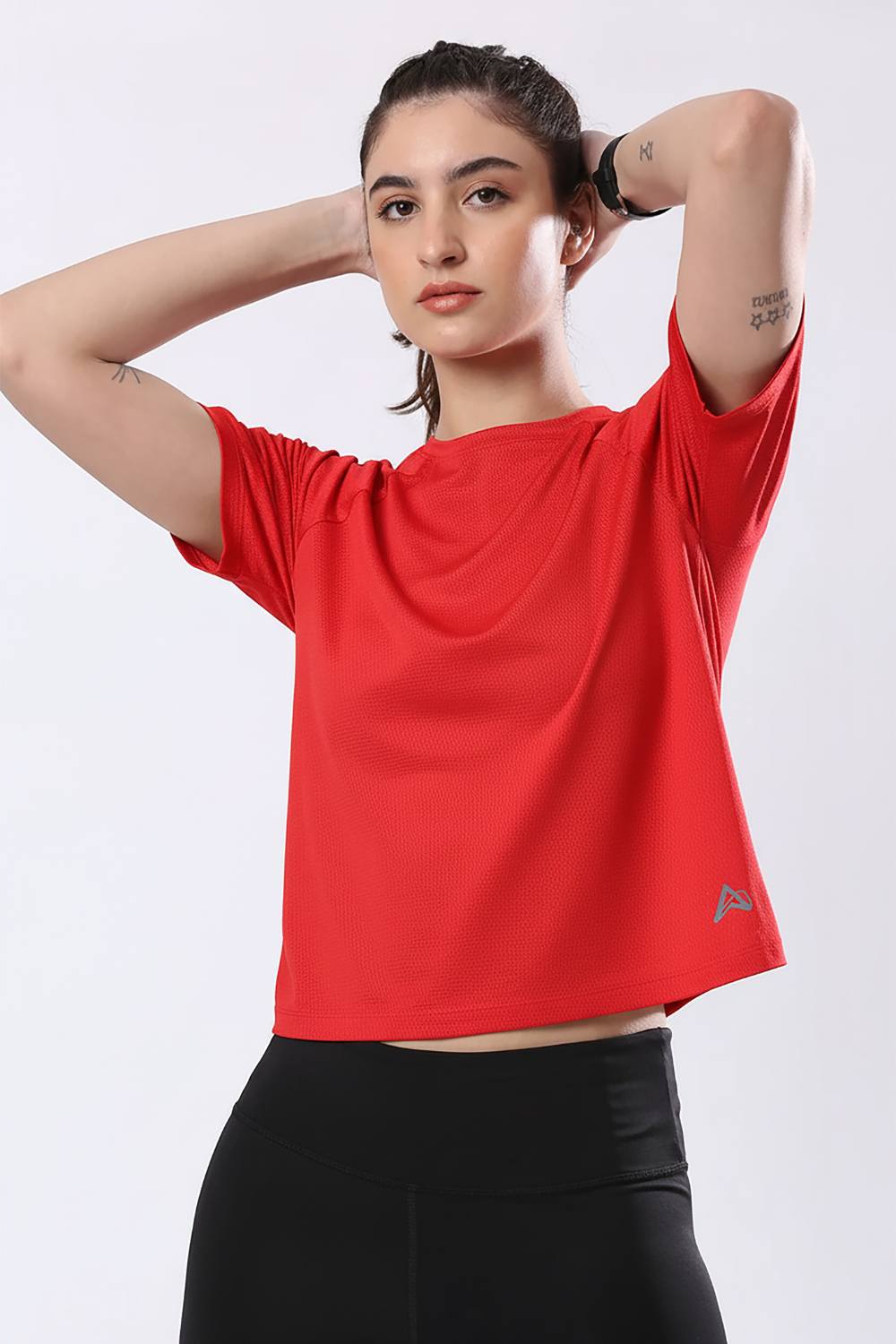
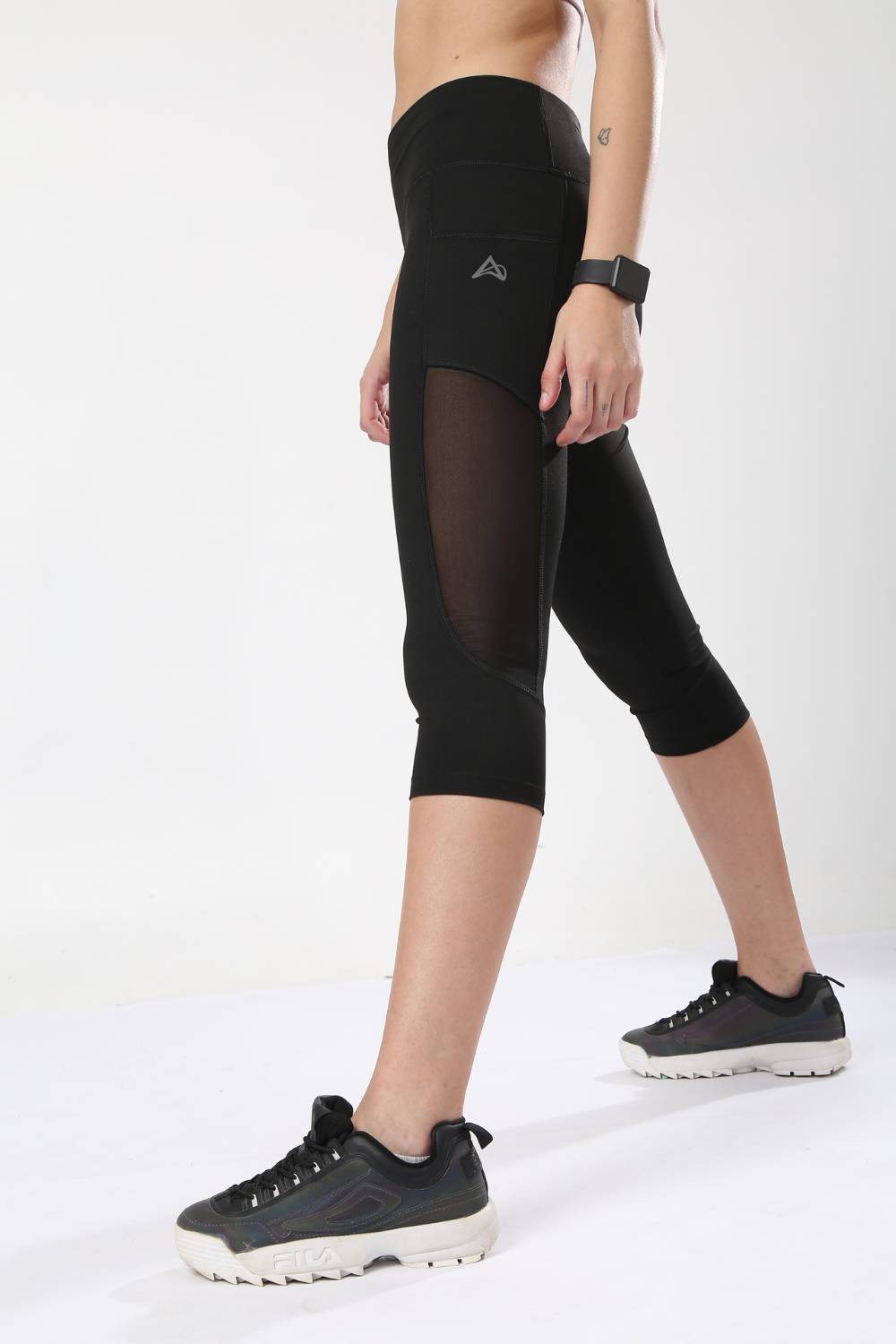
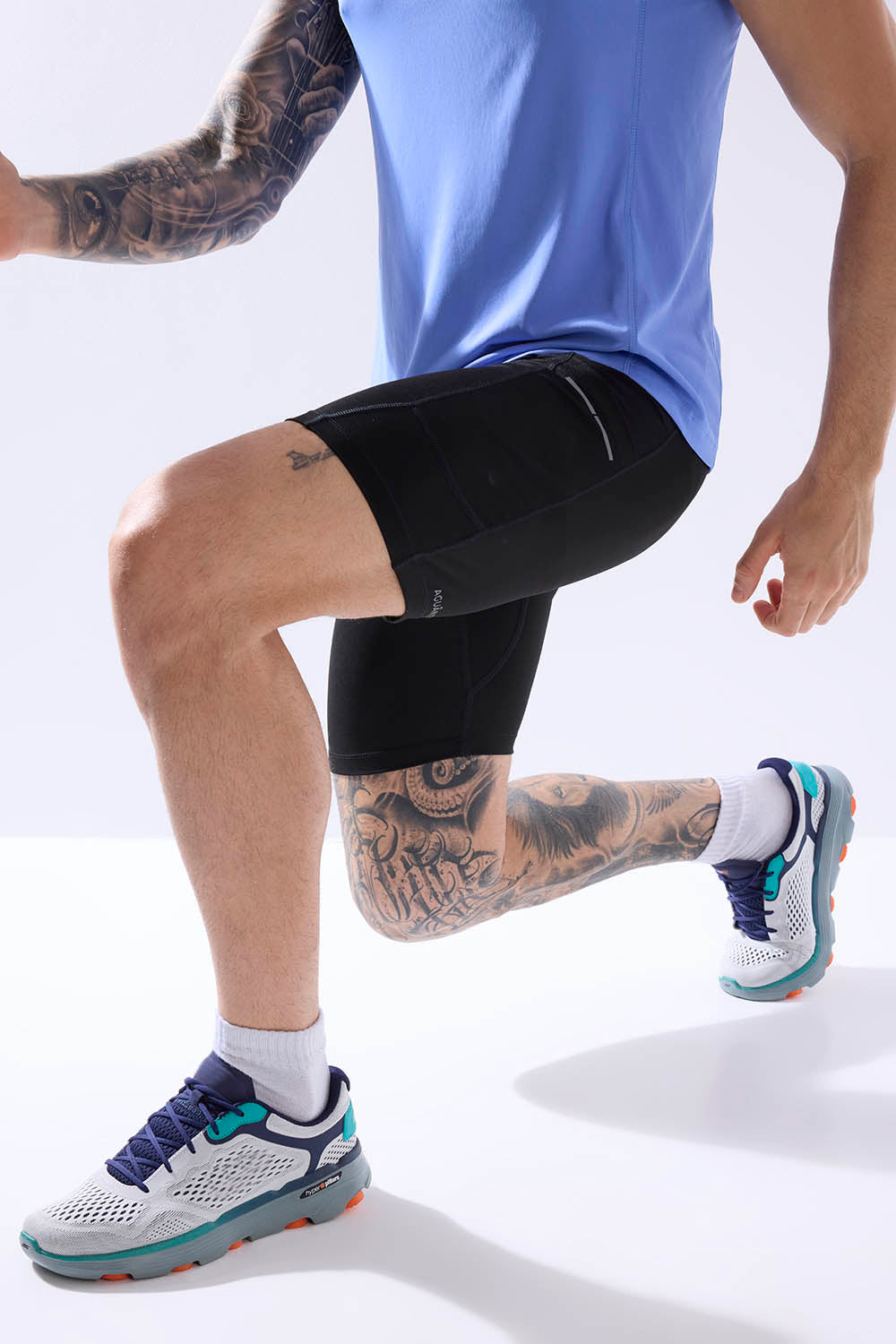
In addition to timing adjustments, athletes can incorporate lightweight, moisture-wicking apparel designed for high-performance sports, which facilitates sweat evaporation and enhances comfort. Strategic hydration practices, electrolyte replacement, and gradual acclimatization to heat are essential measures to sustain long-term training in these conditions. This proactive approach supports both performance and recovery, ensuring that seasonal extremes do not derail fitness objectives.
Winter Training Adjustments
While winter in southern cities like Bangalore and Pune is mild, northern cities such as Delhi and Gurugram experience cold snaps that can impact flexibility, muscle function, and overall comfort during outdoor sessions. Cold-weather exposure can reduce blood flow to muscles, increasing the risk of strains and delayed onset muscle soreness. Athletes should incorporate dynamic warm-ups, layering techniques, and insulated activewear to maintain core temperature and mobility.
Indoor training options, including gym-based circuits, resistance training, or treadmill running, provide effective alternatives during colder months. Local running groups in Delhi and Gurugram often schedule short, high-intensity sessions in controlled environments, enabling athletes to maintain consistency while mitigating cold-related risks. Layered clothing strategies using performance fabrics also allow for easy adaptation as outdoor temperatures fluctuate throughout the day.
Incorporating Seasonal Recovery Strategies
Recovery is a critical component of any training plan, particularly when environmental stressors vary seasonally. High humidity and heat can increase fatigue and delay muscle repair, while cold conditions may require longer warm-up and cool-down periods to prevent stiffness. Athletes in cities like Hyderabad and Pune can benefit from structured recovery routines, including foam rolling, stretching, and active recovery sessions tailored to current weather conditions.
Nutrition and hydration adjustments also play a vital role. For example, incorporating electrolyte-rich fluids during hot, humid months or warming, nutrient-dense meals in colder months supports optimal energy balance and muscular recovery. Paying attention to sleep quality and environmental comfort such as air-conditioned recovery spaces during extreme heat or heated rooms in winter further enhances recovery outcomes, enabling sustained training performance year-round.
Using Local Infrastructure to Support Seasonal Training
Urban infrastructure and community resources significantly influence how athletes can adapt to seasonal weather. Cities like Bangalore and Pune offer covered running tracks and indoor sports complexes, while Delhi and Gurugram feature well-equipped gyms and climate-controlled fitness centers. Leveraging these facilities allows athletes to maintain consistent training schedules irrespective of external weather challenges.
Moreover, outdoor urban planning in cities such as Mumbai and Navi Mumbai provides parks and promenades that facilitate flexible training routines. Scheduling workouts in shaded areas, along riversides, or on elevated tracks helps mitigate environmental stressors, allowing runners and performance athletes to maintain outdoor sessions even during warmer or wetter periods. Integrating these local options into a structured seasonal training plan enhances both safety and training efficiency.
Practical Apparel Considerations for Seasonal Adaptation
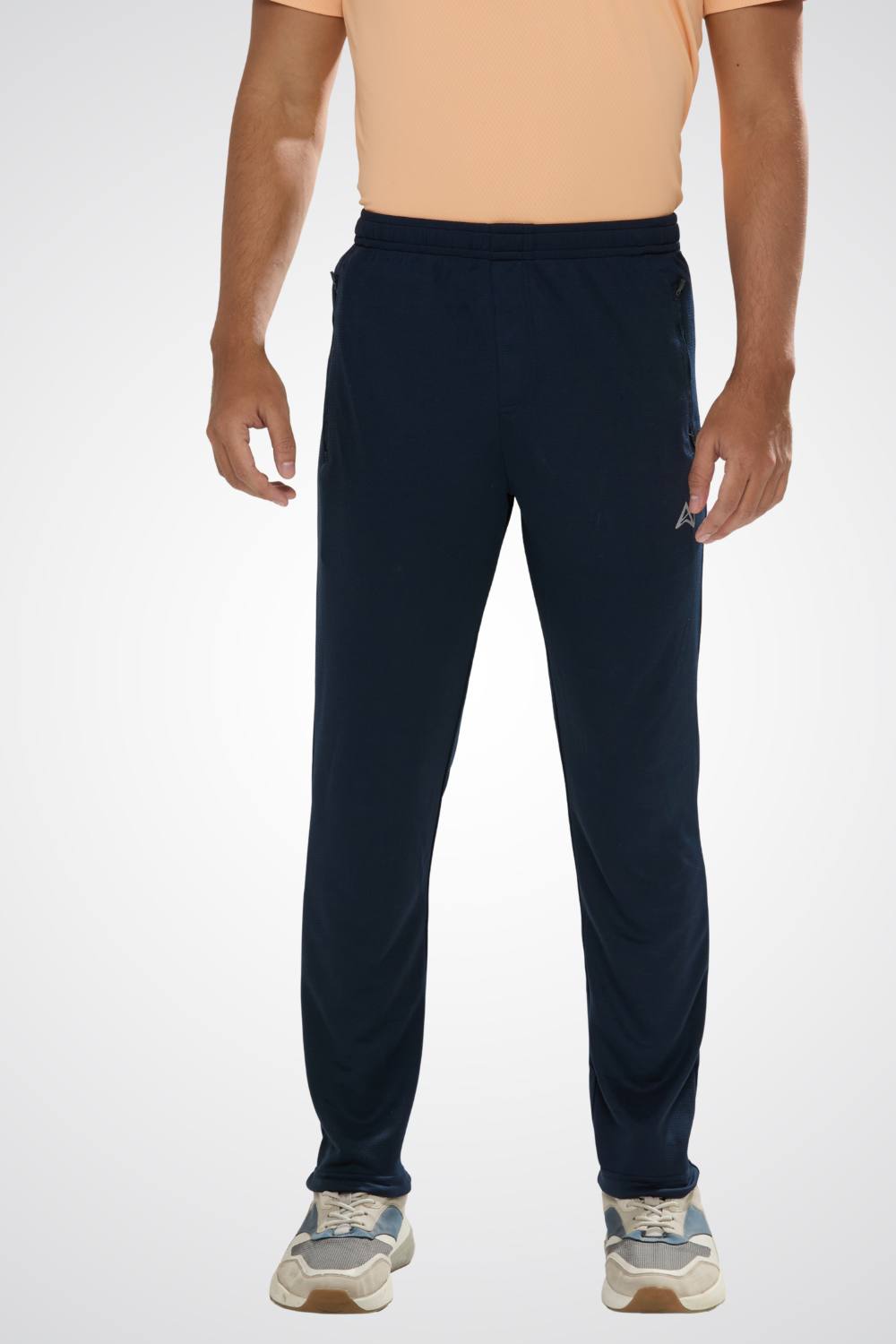
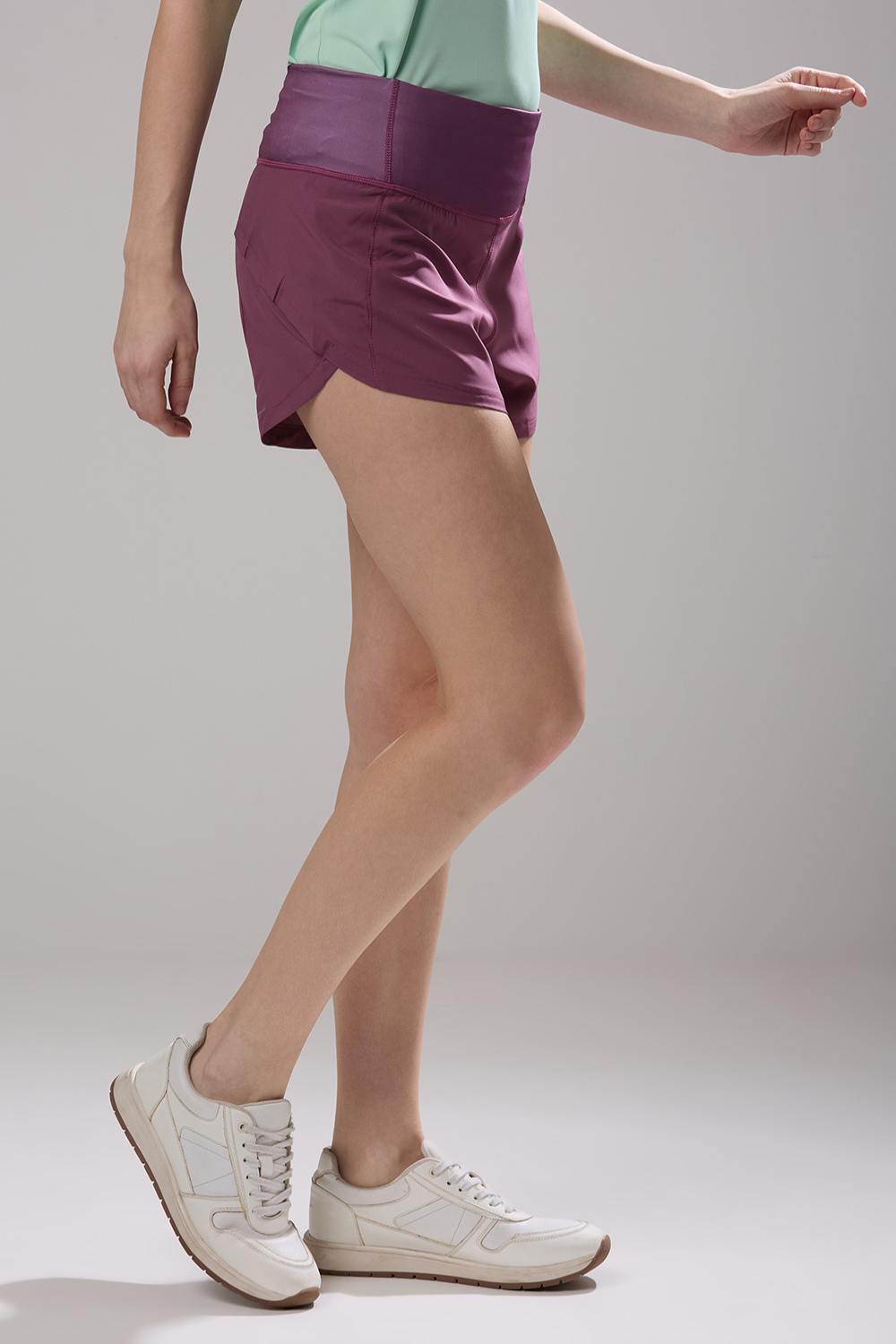
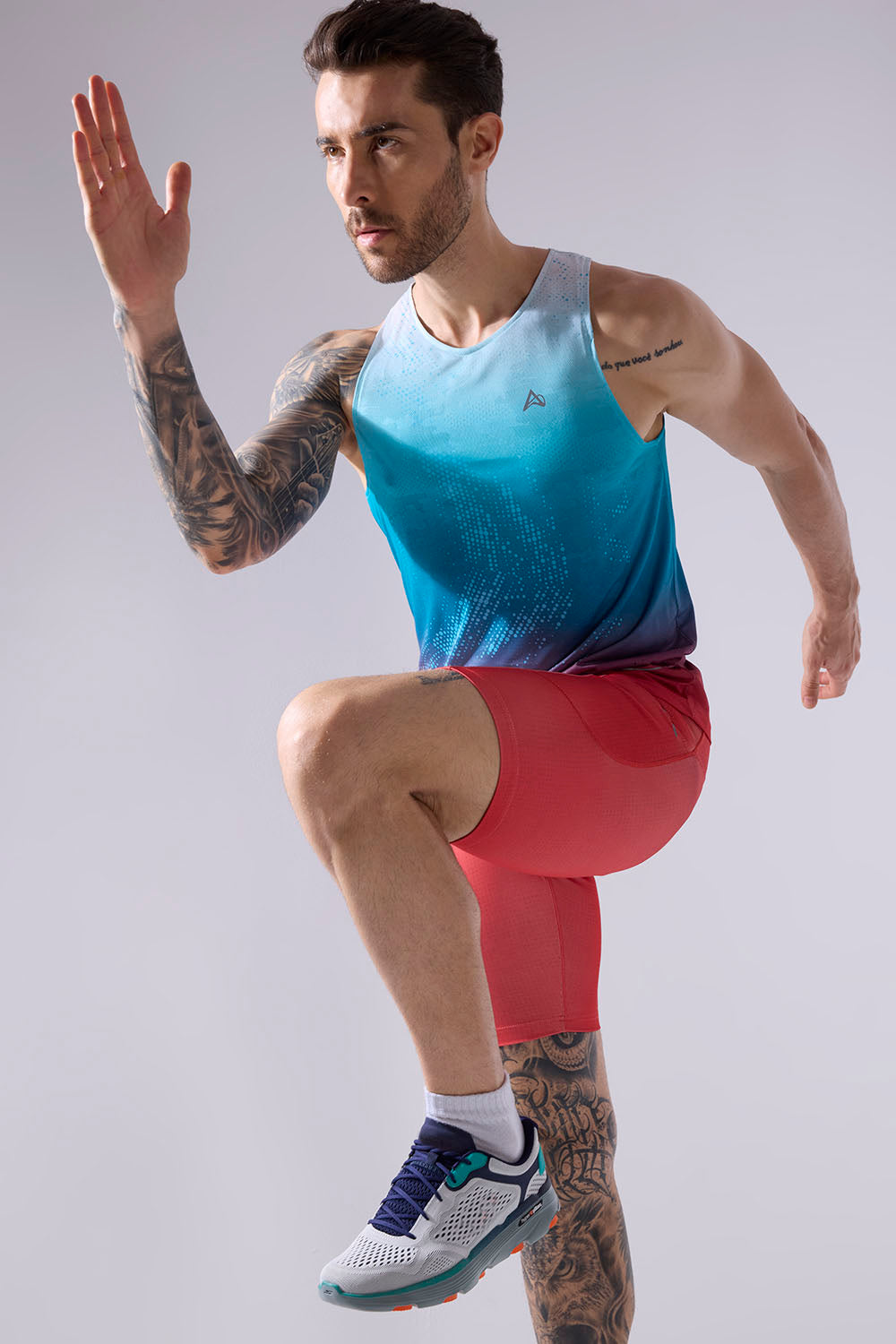
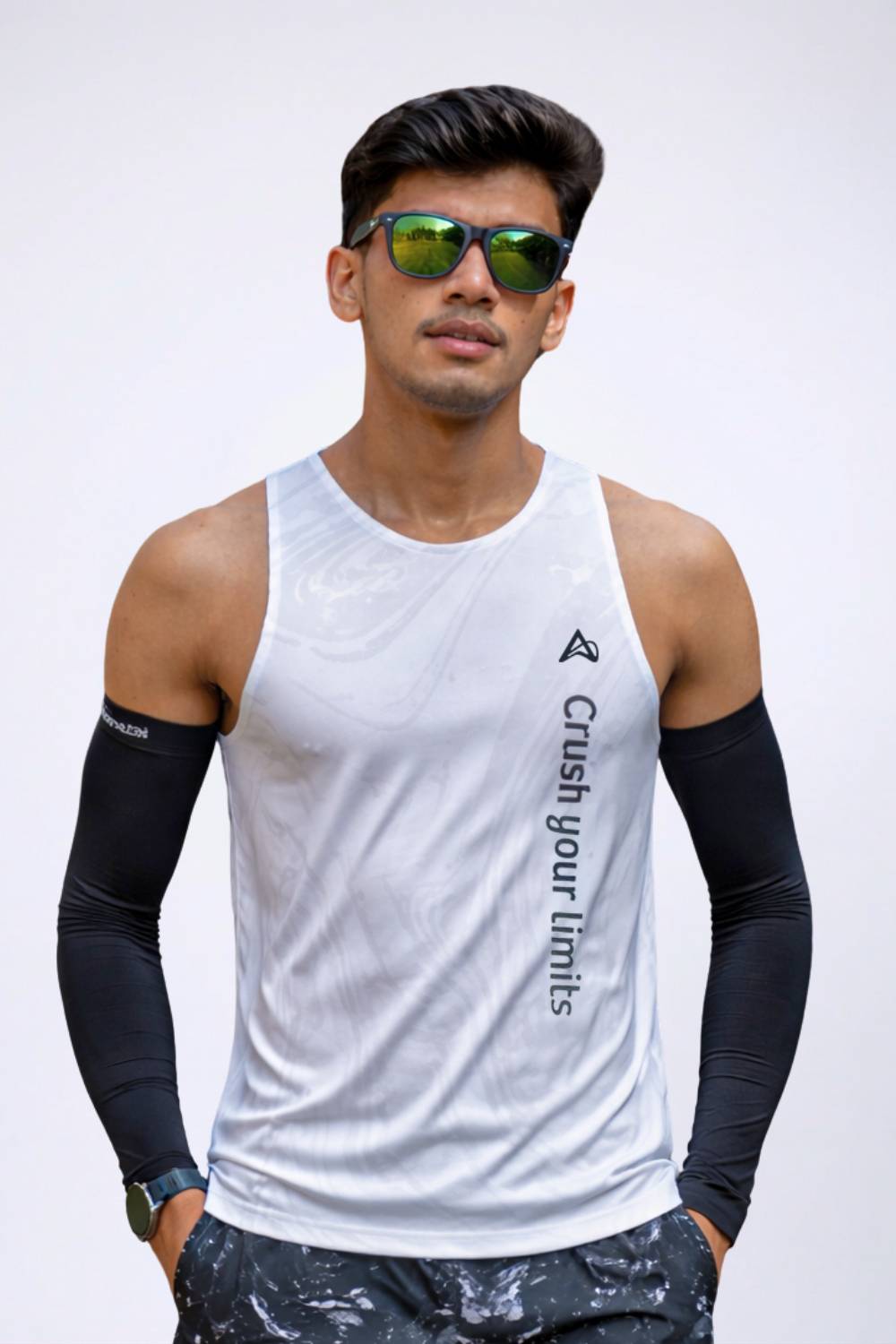
Performance apparel plays a crucial role in managing seasonal challenges. Lightweight, breathable fabrics are essential during hot and humid months, while moisture-resistant and insulating layers support comfort during monsoon and winter seasons. Athletic wear that blends functionality with durability, including stretchable fabrics and reinforced seams, helps athletes maintain optimal movement patterns across varying conditions.
Urban runners in Hyderabad and Delhi increasingly prioritize apparel that accommodates weather transitions, such as jackets with ventilation panels or quick-drying tops for post-monsoon workouts. Brands focusing on performance-oriented clothing, designed for both high-intensity training and day-to-day wear, provide athletes with the flexibility needed to sustain consistent routines. The intersection of seasonal adaptation and performance apparel underscores the importance of strategic clothing choices in maintaining year-round training effectiveness.
Expert Insights and Behavioral Trends
Observations from fitness experts and urban running communities indicate a rising preference for structured, weather-aware training programs. Athletes in Mumbai, Pune, and Bangalore report scheduling workouts around local climate patterns, often using apps and wearables to monitor temperature, humidity, and exertion levels. This data-driven approach enables informed decisions on session intensity, recovery needs, and apparel selection.
Furthermore, research into North American urban fitness trends highlights a parallel in consumer behavior: the North America athletic wear market is driven by a health-conscious population increasingly integrating exercise into daily routines. The emphasis on functional, durable, and stylish athletic apparel aligns with observed trends in Indian cities, where weather-adapted clothing choices are becoming a key factor in training consistency and overall performance.
Mastering Training Through Seasons
Adapting training plans to India's seasonal weather variations is a multifaceted process that combines awareness of local climatic conditions, strategic scheduling, appropriate recovery practices, and performance-oriented apparel. By understanding city-specific challenges from monsoon disruptions in Mumbai to extreme heat in Delhi athletes can maintain consistent, safe, and effective training routines. Leveraging indoor facilities, community resources, and data-driven planning ensures that environmental factors enhance rather than hinder athletic development. Ultimately, integrating seasonal adaptation into training strategies enables athletes across Bangalore, Hyderabad, Mumbai, Pune, Navi Mumbai, Delhi, Gurugram, Surat, and Ahmedabad to achieve sustainable performance goals while navigating India's diverse climatic landscape.
Frequently Asked Questions
How should runners in Indian cities like Delhi and Mumbai adapt their training plans during summer and monsoon seasons?
Runners in Delhi and Gurugram should shift workouts to early mornings or late evenings to avoid peak heat above 40°C, and prioritize hydration, electrolyte replacement, and gradual heat acclimatization. During the monsoon (June–September), athletes in Mumbai and Navi Mumbai can transition to indoor treadmills, covered tracks, or cross-training activities like swimming and cycling to stay consistent while avoiding slippery outdoor surfaces.
What type of activewear is best for training in India's hot and humid weather conditions?
Lightweight, breathable, moisture-wicking fabrics are essential for training in high-heat cities like Hyderabad, Ahmedabad, and Chennai, as they promote sweat evaporation and keep the body cool. For monsoon and winter seasons, moisture-resistant and insulating layers including quick-drying tops and ventilated jackets help athletes maintain comfort and performance across changing weather conditions.
How can athletes in Bangalore and Pune maintain consistent training during winter months?
While winters in Bangalore and Pune are milder than in northern India, cooler temperatures can still reduce muscle flexibility and increase the risk of strains. Athletes should incorporate dynamic warm-ups, layered performance clothing, and indoor alternatives like gym circuits or treadmill sessions to maintain training intensity and prevent cold-related injuries.
Disclaimer: The above helpful resources content contains personal opinions and experiences. The information provided is for general knowledge and does not constitute professional advice.
You may also be interested in: The Impact of India's Weather Diversity on Apparel Design - Aguante
Tired of gear that slows you down? Chafing, soggy fabrics, and missing pockets kill your run's momentum. At Aguante, we're runners who get it. Our high-performance activewear features moisture-wicking fabrics, ergonomic designs, and smart storage to keep you focused. Shop Now!
Powered by flareAI.co