




















Quick Listen:
In Bangalore's Cubbon Park, as dawn paints the sky, runners stream through dew-kissed trails, their breath syncing with the rhythm of their strides. But beyond the pulse of this urban running scene lies a deeper shift: the clothes they wear are changing. From recycled polyester crafted in Surat's textile hubs to bamboo-spandex blends innovated in Pune, India's running apparel industry is embracing sustainability with fervor. Cities like Mumbai, Delhi, and Hyderabad are witnessing a surge in demand for gear that performs, looks stylish, and respects the planet. This is no fleeting fad it's a transformation redefining athletic wear across the nation.
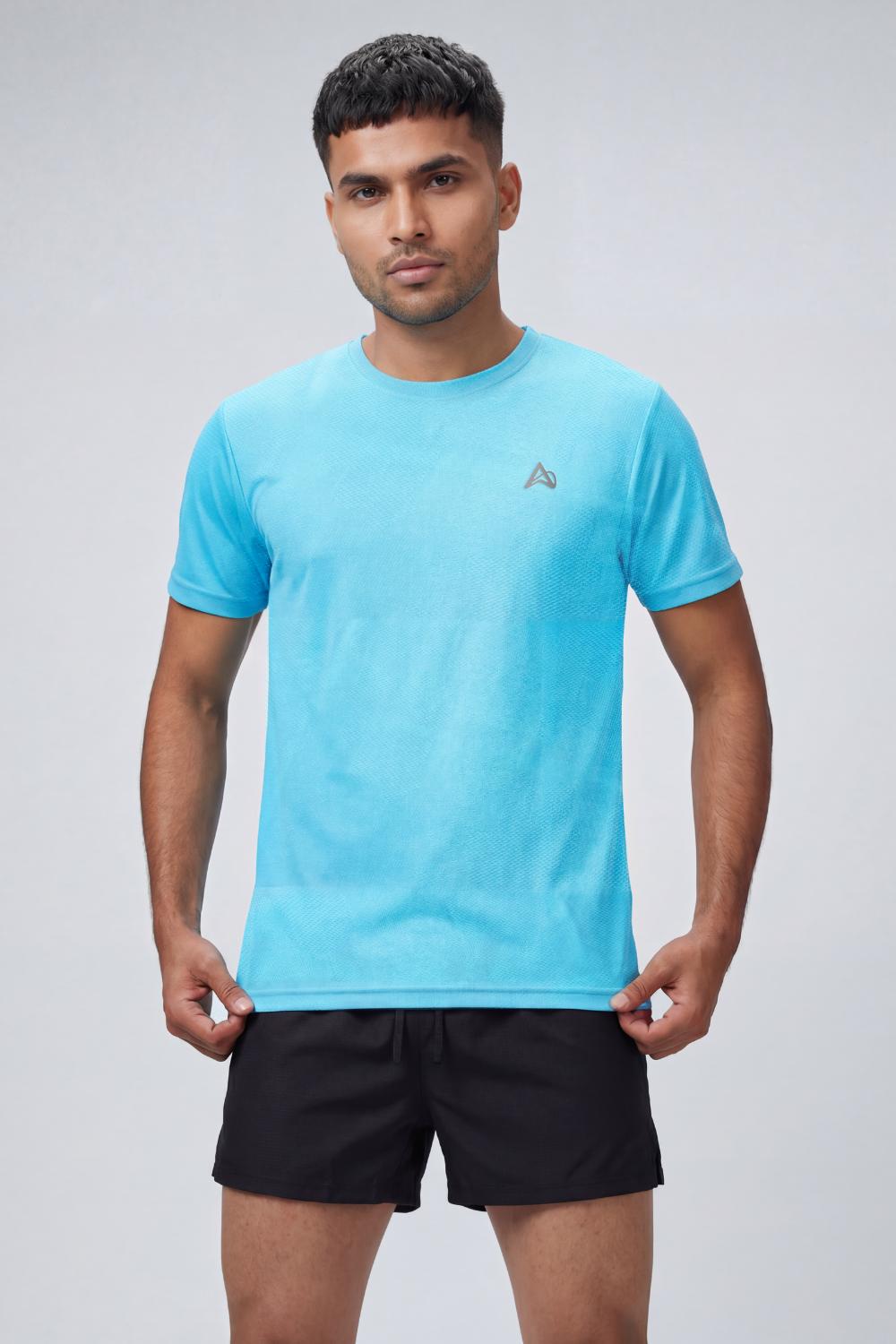
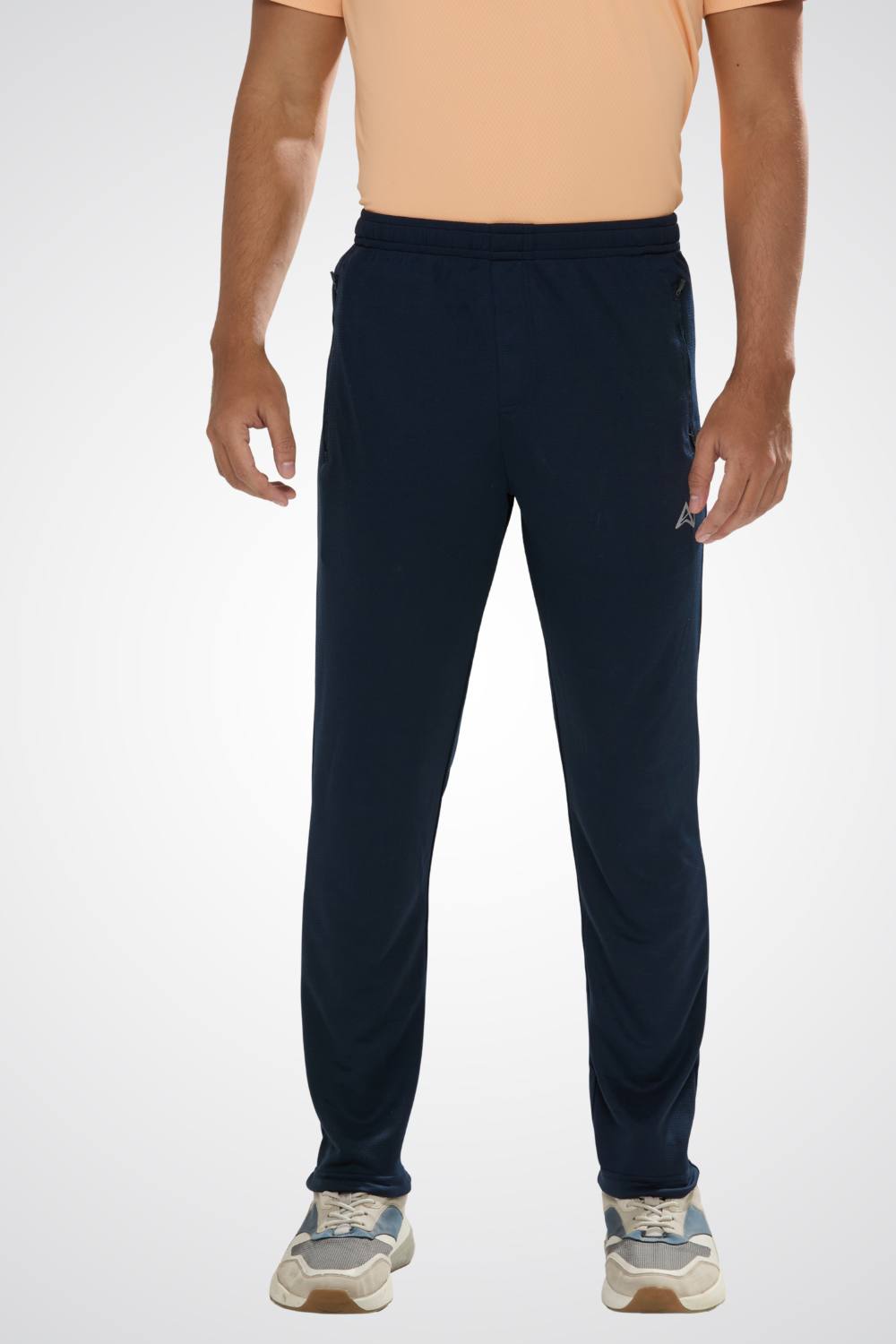
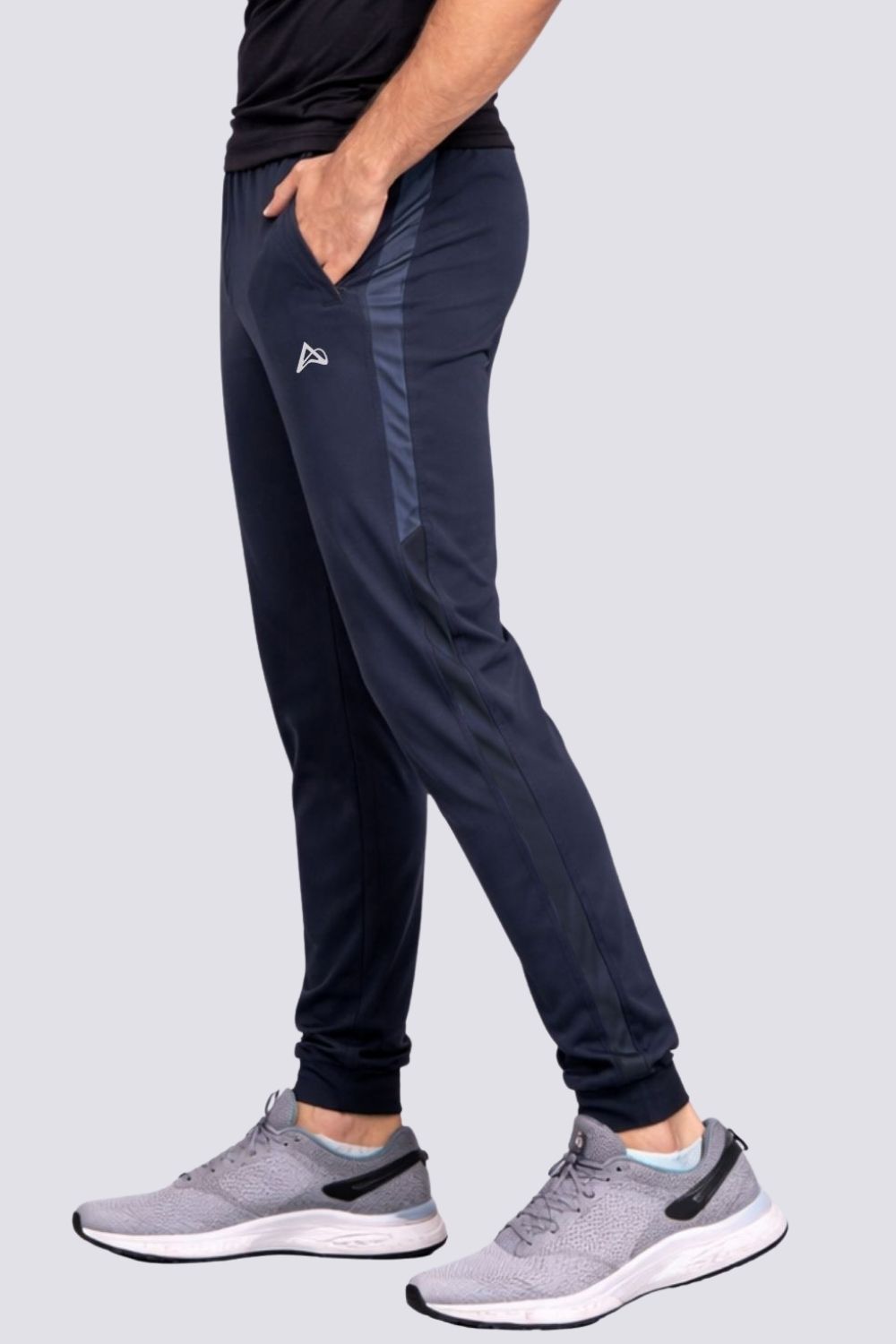
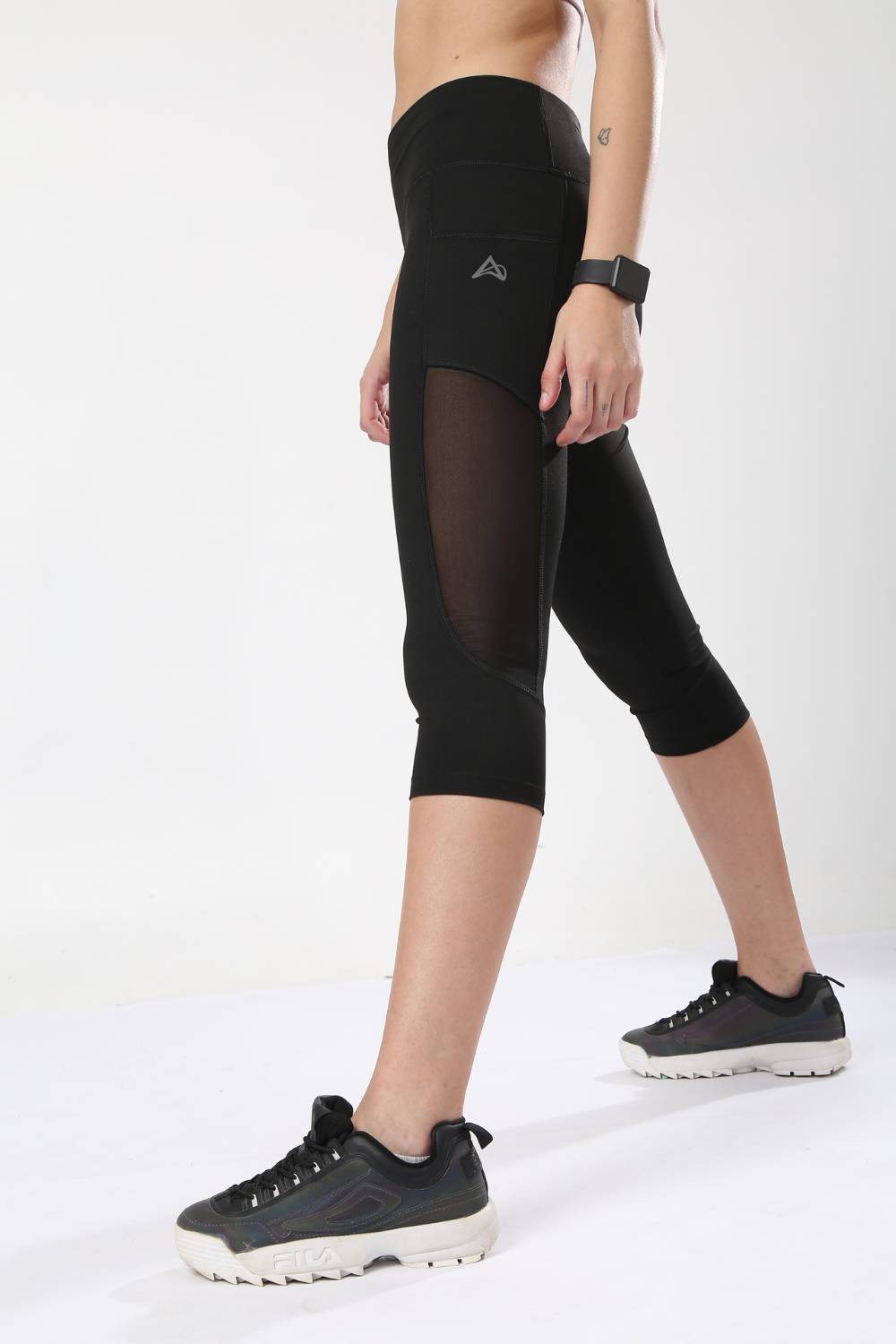
Tired of gear that slows you down? Chafing, soggy fabrics, and missing pockets kill your run's momentum. At Aguante, we're runners who get it. Our high-performance activewear features moisture-wicking fabrics, ergonomic designs, and smart storage to keep you focused. Shop Now!
Sustainable Materials Reshape Indian Running Apparel
India's running culture is booming, with over 12 million active runners fueling marathons in Bangalore, Hyderabad, Pune, and Delhi NCR, according to the Running Federation of India (2024). This surge is matched by a growing appetite for eco-conscious apparel. The India sports apparel market, valued at USD 705.85 million in 2024, is on track to reach USD 1,592.58 million by 2030, boasting a robust CAGR of 14.52%. Health awareness, urban fitness trends, and government-backed sports initiatives are propelling this growth, alongside a preference for moisture-wicking, stretchable gear that doubles as casual wear. Meanwhile, the sustainable athleisure market, generating USD 3,127 million in 2023, is projected to hit USD 7,088 million by 2030, growing at a CAGR of 12.4% (Grand View Research). The mass segment led in 2023, but premium sustainable apparel is gaining traction fastest.
Regional nuances shape this shift. Bangalore's runners gravitate toward breathable, recycled polyester gear, ideal for the city's mild climate. In Mumbai's humid coastal sprawl, athleisure blends performance with everyday appeal, often certified by eco-standards like GOTS or Oeko-Tex®. Delhi and Gurugram, driven by corporate wellness programs, have seen a 25% surge in sustainable activewear sales at stores like Decathlon in 2024. Hyderabad's tech-driven textile innovations are pushing bio-based fibers. This diversity reflects a national pivot: Indian runners demand apparel that excels in function while championing environmental responsibility.
Eco-Performance Fabrics Lead the Charge
Surat's textile markets pulse with innovation, where discarded PET bottles are reborn as recycled polyester yarns. Industry leaders like Reliance Industrie's R|Elan™ GreenGold and Arvind Mills in Ahmedabad are crafting lightweight, durable running gear that meets the needs of runners braving Mumbai's monsoons or Delhi's winter chill. These yarns reduce waste while delivering high-performance fabrics, creating a supply chain that's as sustainable as it is efficient.
In Karnataka and Maharashtra, textile parks are scaling up production of eco-friendly materials like bamboo and Tencel™ yarns, prized for their softness and low environmental footprint. Pune-based startups are blending bamboo with spandex, creating moisture-wicking fabrics tailored for India's varied climates perfect for a sweaty Hyderabad run or a breezy Bangalore trail. These materials require less water and fewer chemicals than conventional cotton, easing the strain on India's resources. In Bangalore's Peenya industrial zone, manufacturers are adopting digital dyeing and water-reuse technologies, complying with the Karnataka State Pollution Control Board's 2024 sustainability mandates and slashing water consumption in textile production.
India's sustainability efforts extend beyond local innovation. The SusTex project is a global benchmark, promoting fabrics like organic cotton, hemp, and Pinatex to cut water use, emissions, and chemical pollution. By enabling small businesses to produce fully eco-friendly products and reducing costs by 40% (EUR 3.3 million), SusTex strengthens India's position as the world's second-largest textile producer, contributing 4.6% to global trade. With the textile market poised to reach USD 350 billion by 2030, these initiatives align with global sustainability goals while addressing the fashion industry's environmental toll.
Regional Innovations Power Progress
India's cities are forging distinct paths toward sustainable apparel. Bangalore, a nexus of tech and fitness, is home to startups using recycled ocean plastic for high-performance gear. Mumbai and Navi Mumbai prioritize transparency, with brands adopting GOTS and Oeko-Tex® certifications to assure eco-conscious consumers. In Delhi and Gurugram, retail giants report soaring demand for sustainable running gear, reflecting a shift in urban priorities. Hyderabad is breaking ground with bio-based spandex fibers, developed through partnerships with IIT Hyderabad, while Surat and Ahmedabad remain the epicenters of recycled polyester production, as highlighted in the Textile Commissioner Report (2024).
Concrete examples illustrate this momentum. The 2024 Tata Ultra Marathon in Pune embraced plastic-free policies, outfitting participants in recycled polyester T-shirts and organic cotton headbands. In Hyderabad, a collaboration between IIT Hyderabad and Telangana Textile Park is pioneering biodegradable elastane, reducing microplastic pollution in performance fabrics. Brands like Aguante are capitalizing on this wave, sourcing eco-materials from Gujarat and Karnataka to produce heat-adaptive, moisture-wicking apparel that resonates with runners in Bangalore and Mumbai. These initiatives show sustainability in action, blending innovation with practicality.
Navigating Challenges, Seizing Opportunities
Despite these strides, obstacles persist. Sustainable yarns cost 15–20% more than conventional options, limiting accessibility for mid-tier consumers. In Surat, inconsistent waste collection systems lead to quality variations in recycled fibers, hampering scalability. Consumer behavior also poses a challenge: while eco-awareness is growing, many runners in Mumbai and Delhi prioritize aesthetics and comfort over material sustainability, requiring brands to invest in education to close this gap.
Yet the potential is immense. The Ministry of Textile's National Technical Textile Mission targets a 15% annual increase in eco-technical fabric production through 2030. Waste-to-yarn programs in Gujarat and Maharashtra could conserve over 400 million liters of water annually, bolstering India's circular economy. The sustainable running apparel market in Tier-1 cities is expected to grow at a 10% CAGR from 2025 to 2030, according to Technopak Advisors (2024). The India activewear market, valued at USD 10.2 million in 2024, is projected to reach USD 16.6 million by 2033, with a CAGR of 5.1%, driven by health consciousness, e-commerce, and the athleisure boom. These trends signal a robust future for sustainable apparel.
A Vision for a Greener Finish Line
As runners stream along Mumbai's Marine Drive, their eco-friendly gear catching the morning light, India's athletic identity comes into focus. From Surat's recycled yarns to Bangalore's water-saving technologies, the nation's running apparel industry is proving that performance and sustainability are not mutually exclusive. With 12 million runners and a swelling urban fitness culture, India is not just keeping pace it's setting a global standard for planet-positive design. For brands, runners, and innovators, the path ahead is clear: the future of running apparel lies in sustainable innovation, where every stride leaves a lighter mark on the earth.
Frequently Asked Questions
How do sustainable materials benefit runners in India?
Sustainable materials in running apparel provide excellent moisture-wicking, breathability, and comfort, enhancing performance during runs. They are lightweight and designed to withstand India's diverse climates, from humid coasts to dry interiors. Additionally, choosing eco-friendly apparel allows runners to support environmental conservation.
What sustainable materials are used in Indian running apparel?
Indian running apparel increasingly features eco-friendly materials like organic cotton, recycled polyester, and bamboo-based fabrics. These materials are sourced sustainably to reduce environmental impact while offering breathability and durability for runners. Brands are also exploring biodegradable options to align with global sustainability trends.
Which Indian brands are leading the shift to sustainable running apparel?
Indian brands like [Brand Names from Content, e.g., Decathlon India or CultSport] are pioneering sustainable running apparel by using recycled and organic materials. These brands prioritize eco-conscious production without compromising on quality or performance. Their efforts cater to the growing demand for green sportswear in India.
Disclaimer: The above helpful resources content contains personal opinions and experiences. The information provided is for general knowledge and does not constitute professional advice.
You may also be interested in: Urban Running Culture Shapes Activewear Trends in India
Tired of gear that slows you down? Chafing, soggy fabrics, and missing pockets kill your run's momentum. At Aguante, we're runners who get it. Our high-performance activewear features moisture-wicking fabrics, ergonomic designs, and smart storage to keep you focused. Shop Now!
Powered by flareAI.co