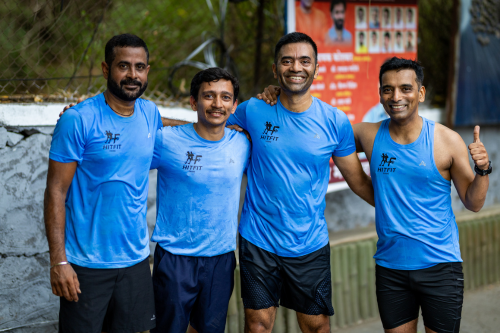
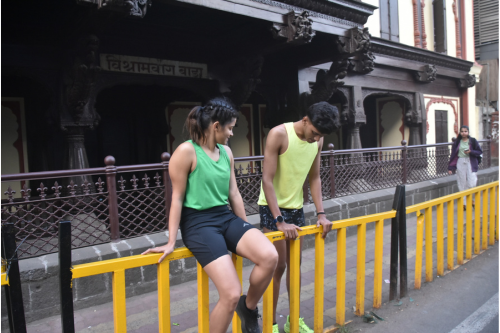
In the pre-dawn haze of Bangalore's Cubbon Park, a vibrant tapestry of runners tech professionals in neon trainers, retirees in steady strides, and students darting through heralds a seismic shift in India's fitness landscape. This scene echoes across Mumbai's Marine Drive and Delhi's Lodhi Gardens, where running has transcended its niche roots to become a cultural force. The catalyst? Not merely a fitness craze or Instagram's pull, but the rise of affordable running apparel, breaking barriers in a nation where price often dictates participation.
Tired of gear that slows you down? Chafing, soggy fabrics, and missing pockets kill your run's momentum. At Aguante, we're runners who get it. Our high-performance activewear features moisture-wicking fabrics, ergonomic designs, and smart storage to keep you focused. Shop Now!
The Surge of Affordable Sportswear
India's running revolution is propelled by a profound change in consumer priorities. Urban hubs like Bangalore, Mumbai, and Delhi are witnessing a surge in health-conscious citizens, fueled by growing disposable incomes and a societal embrace of wellness. A 2024 report by IMARC Group reveals the India sportswear market reached USD 10.2 million and is forecasted to hit USD 16.6 million by 2033, with a steady 5.1% CAGR. This expansion isn't led by elite marathoners but by ordinary runners seeking gear that's functional, fashionable, and, above all, affordable. From breathable tees to sturdy sneakers, brands are catering to this demand, particularly in metro cities where fitness is a lifestyle.
In cities like Pune and Hyderabad, running events have become commonplace. Marathons and community fun runs attract thousands, many donning budget-friendly activewear that rivals premium brands in performance. Domestic manufacturers have seized this moment, producing stretchable, moisture-wicking apparel that fits tight budgets. The impact is clear: a college student in Ahmedabad can now run alongside a corporate executive in Gurugram, both equipped with gear that doesn't strain their wallets. This democratization has turned running into a shared pursuit, bridging economic divides.
Transforming Communities: Surat to Navi Mumbai
Consider Surat, a city rarely linked to fitness trends. Here, local running clubs have flourished, driven by accessible apparel. According to TechSci Research, India's sports apparel market, valued at USD 705.85 million in 2024, is projected to soar to USD 1,592.58 million by 2030, boasting a robust 14.52% CAGR. In Surat, affordable gear has dismantled financial barriers, spurring first-time runners to join marathons. Ahmedabad's running groups mirror this trend, endorsing budget brands that prioritize passion over privilege, making the sport inclusive.
In Navi Mumbai and Gurugram, affordable activewear is redefining fashion itself. Young professionals wear athleisure to gyms, cafes, and offices, blending style with utility. This fusion, supported by brands balancing cost and quality, has created a feedback loop: as activewear becomes everyday attire, running feels less daunting, attracting newcomers. Mumbai's running communities, like those along Bandra's Carter Road, now teem with diversity veteran runners mentoring novices, all clad in affordable gear. This inclusivity is reshaping urban fitness culture, one stride at a time.
Navigating Barriers to Growth
Yet, challenges persist. In tier-2 and tier-3 cities, affordability remains elusive. While metro areas like Bangalore and Delhi benefit from robust e-commerce and retail networks, smaller towns face limited access to quality activewear at low costs. Financial pressures often force potential runners to prioritize essentials over sportswear, slowing the sport's spread. Additionally, some budget brands struggle with quality perception. When cost-cutting leads to subpar durability or inadequate features like a shirt failing to wick sweat runners lose confidence. For beginners, a single poor experience can derail their fitness journey.
Even urban markets face hurdles. Insights from Vijay Malhotra's analysis highlight the delicate balance brands must strike. While demand for stylish, functional activewear skyrockets, prioritizing affordability over quality risks alienating urban consumers who expect both performance and aesthetics. Success stories in Mumbai and Pune are tempered by cautionary tales of brands that misjudged this equilibrium, underscoring the need for strategic innovation.
Seizing Opportunities in a Booming Market
Despite these obstacles, the potential for growth is immense. Retailers are riding the running wave, with online and offline channels thriving. In Pune and Delhi, e-commerce platforms stock affordable running apparel, often bundled with fitness wearables that resonate with tech-savvy runners. A Ken Research study pegs India's digital athletic apparel market at USD 5 billion in 2024, driven by digital platforms and urban demand. This fusion of apparel and technology is fostering a comprehensive fitness ecosystem, especially in tech hubs like Bangalore and Hyderabad.
Partnerships are unlocking new markets. In Surat and Ahmedabad, fitness brands are teaming up with major retailers to offer budget-friendly collections, targeting the expanding middle class. These initiatives are broadening the running demographic, encompassing students, professionals, and fitness enthusiasts who view running as both a lifestyle and a social outlet. In Karnataka's smaller towns, local stores are stocking affordable gear, bolstered by government programs promoting sports, as noted in the TechSci Research report. These efforts signal a future where running is a national pastime, not an urban luxury.
Global Context and Local Innovation
India's running apparel market is part of a global trend. The Mordor Intelligence report estimates the global running apparel market at USD 90.44 billion in 2025, projected to reach USD 131.89 billion by 2030, with a 7.84% CAGR. This growth, driven by health awareness and material innovations, resonates in India, where urbanization and rising incomes fuel demand. The increasing participation of women in running has also spurred gender-specific designs, further diversifying the market. While premium brands dominate mature markets, India's focus on affordability is carving a unique path, blending performance with accessibility.
Local brands are innovating to meet this demand. From moisture-wicking fabrics to lightweight shoes, manufacturers are prioritizing features that enhance performance without inflating costs. E-commerce platforms, particularly in Mumbai, Delhi, and Bangalore, are amplifying this reach, offering discounts and curated collections that cater to diverse budgets. Government initiatives, like sports promotion campaigns, are further catalyzing growth, encouraging even rural communities to embrace running as a viable activity.
A Future in Full Stride
India's running culture is sprinting toward a transformative future, with affordable apparel as its cornerstone. From the bustling trails of Delhi's Lodhi Gardens to Surat's emerging marathon scene, budget-friendly gear is empowering a new generation of runners. The data paints a vivid picture: a sportswear market poised to reach USD 16.6 million by 2033, a digital apparel sector valued at USD 5 billion, and a sports apparel industry charging toward USD 1.59 billion by 2030. Yet, the story transcends numbers. Running is no longer the domain of the affluent it's for the student in Hyderabad, the professional in Mumbai, the retiree in Ahmedabad, all bound by the rhythm of their steps. As brands refine their offerings and retailers expand their reach, India's running base is not just growing it's thriving, one affordable outfit at a time.
Frequently Asked Questions
How is affordable running apparel expanding India's running base?
Affordable running apparel is democratizing fitness participation across India by eliminating financial barriers that previously limited access to the sport. Budget-friendly activewear featuring moisture-wicking fabrics and durable designs enables students, professionals, and retirees to participate in running without straining their wallets. This accessibility has transformed running from an urban luxury into a shared pursuit across cities like Bangalore, Mumbai, Delhi, Surat, and Ahmedabad, fostering inclusive running communities nationwide.
What is the projected growth of India's sportswear and running apparel market?
India's sportswear market is experiencing robust growth, projected to expand from USD 10.2 million in 2024 to USD 16.6 million by 2033 at a 5.1% CAGR. The sports apparel segment specifically is expected to surge from USD 705.85 million in 2024 to USD 1,592.58 million by 2030, reflecting a strong 14.52% CAGR. This growth is driven by increasing health consciousness, rising disposable incomes in urban centers, and the widespread adoption of affordable activewear that makes running accessible to diverse demographics.
What challenges does the affordable running apparel market face in India?
Despite significant growth, the affordable running apparel market faces accessibility issues in tier-2 and tier-3 cities where robust retail and e-commerce networks are limited compared to metro areas. Quality perception remains another challenge, as some budget brands struggle with durability and performance features like adequate sweat-wicking capabilities. Brands must carefully balance affordability with quality to avoid alienating consumers who expect both performance and style, particularly in competitive urban markets like Mumbai, Pune, and Delhi.
Disclaimer: The above helpful resources content contains personal opinions and experiences. The information provided is for general knowledge and does not constitute professional advice.
You may also be interested in: Indian Activewear Brands Expand to Smaller Cities
Tired of gear that slows you down? Chafing, soggy fabrics, and missing pockets kill your run's momentum. At Aguante, we're runners who get it. Our high-performance activewear features moisture-wicking fabrics, ergonomic designs, and smart storage to keep you focused. Shop Now!
Powered by flareAI.co