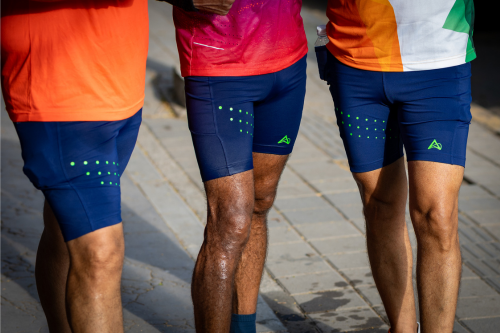







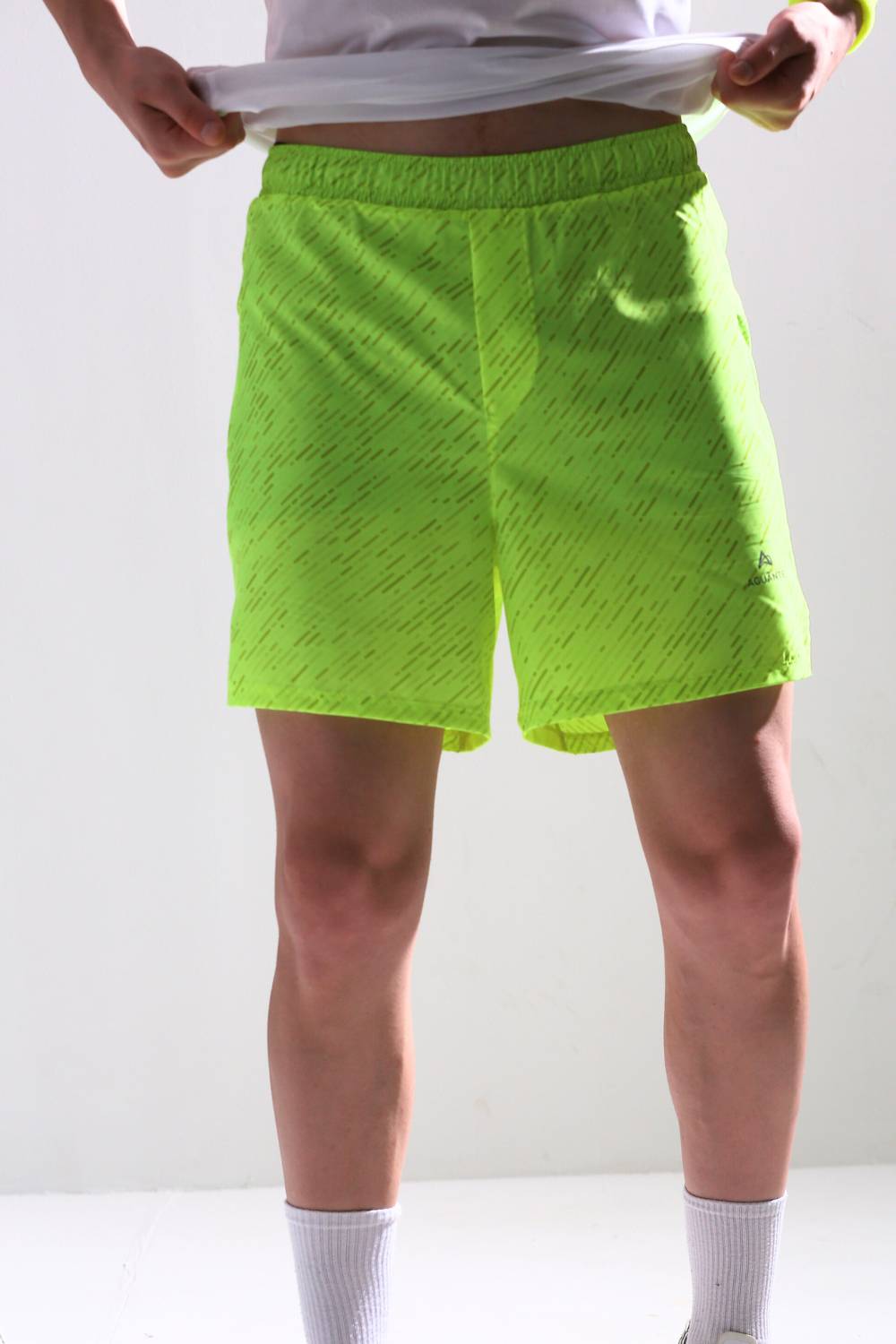





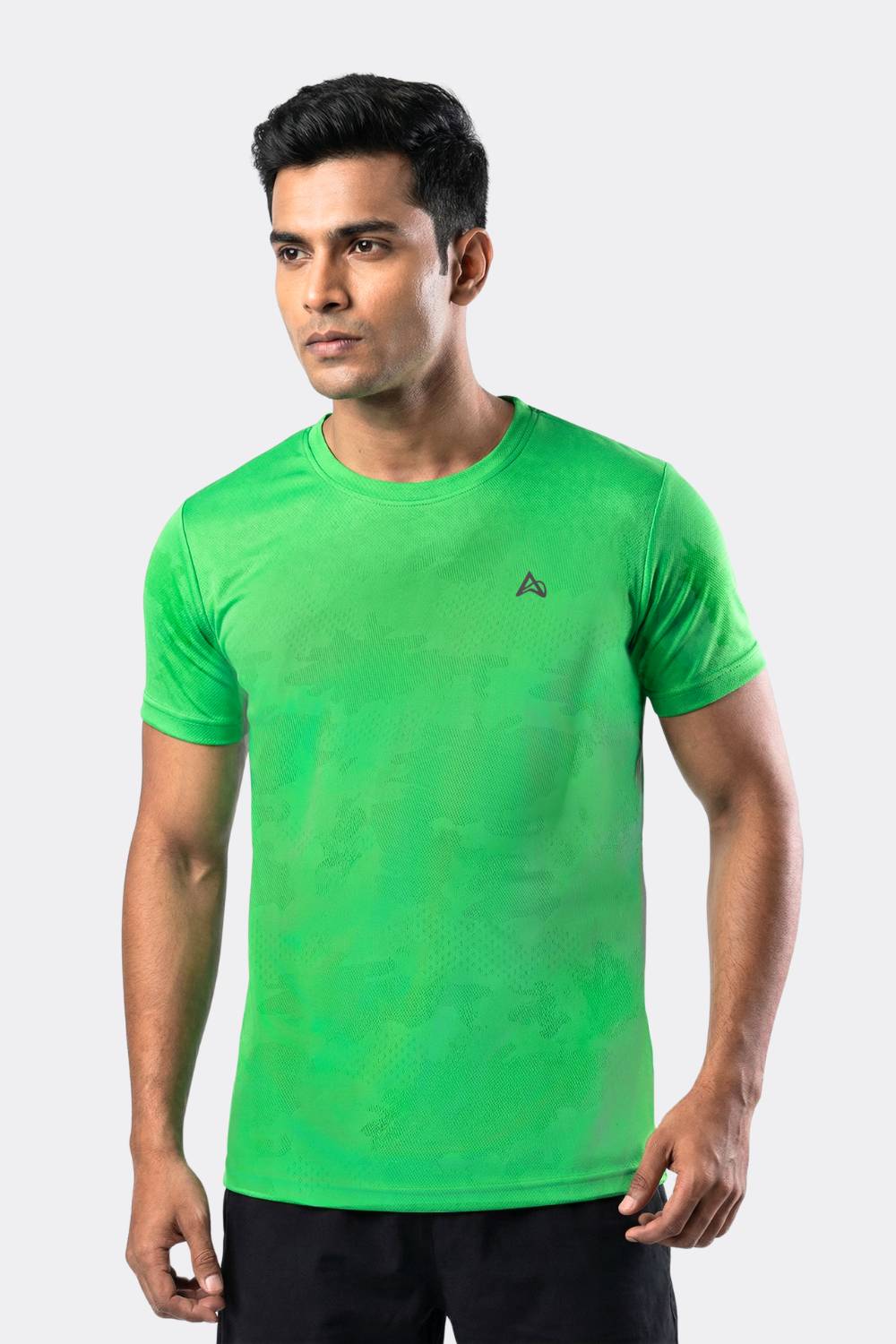
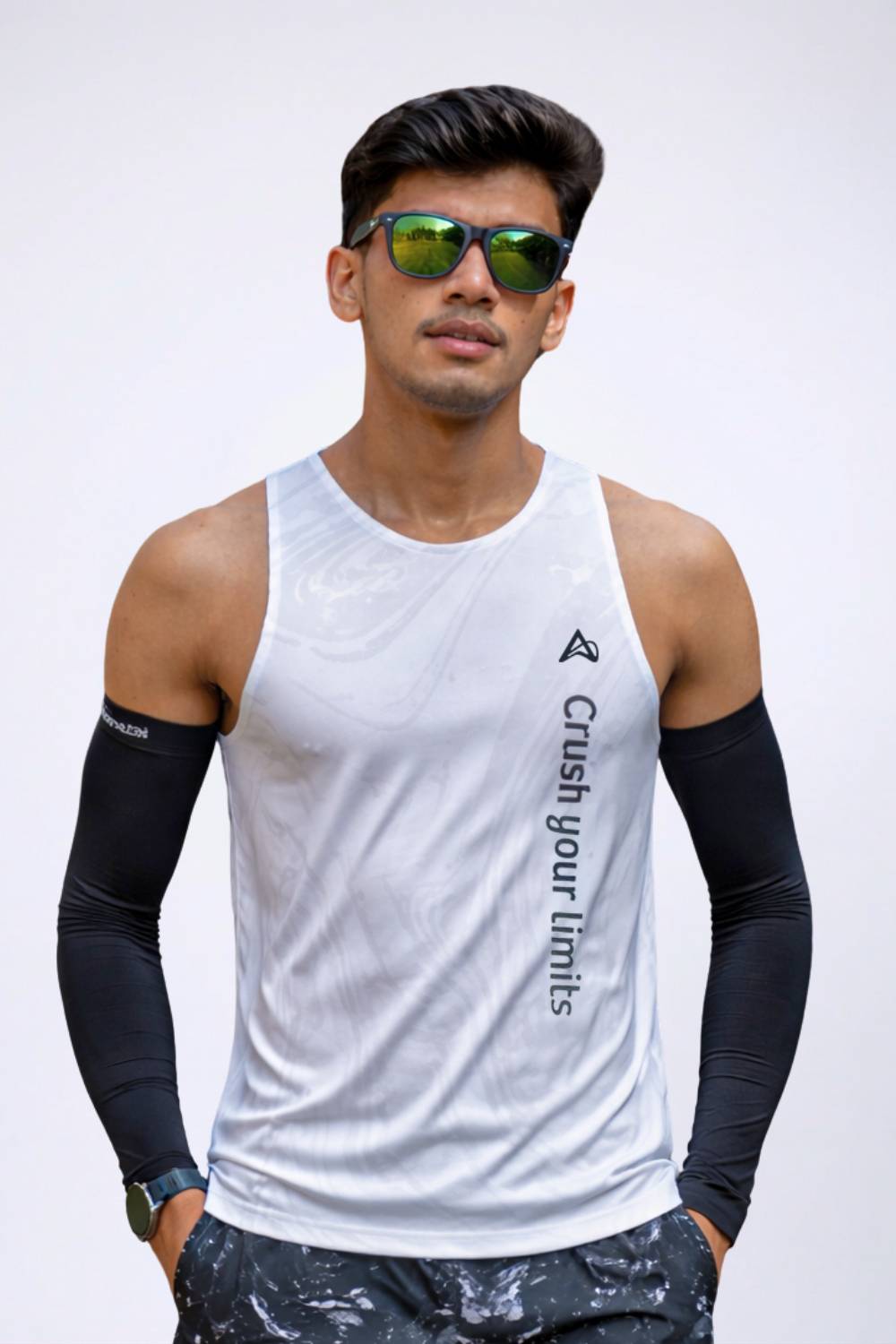

Before dawn breaks over Bangalore, where a cool mist clings to the streets and the city stirs with quiet energy, thousands of runners slip into their gear and take to the roads. From the humid shores of Mumbai to the arid trails of Delhi, a running revolution is sweeping India, reshaping urban life and redefining what athletes demand from their activewear. This isn't just a fitness trend it's a call for clothing that thrives in India's varied climates while honoring the planet's limits.
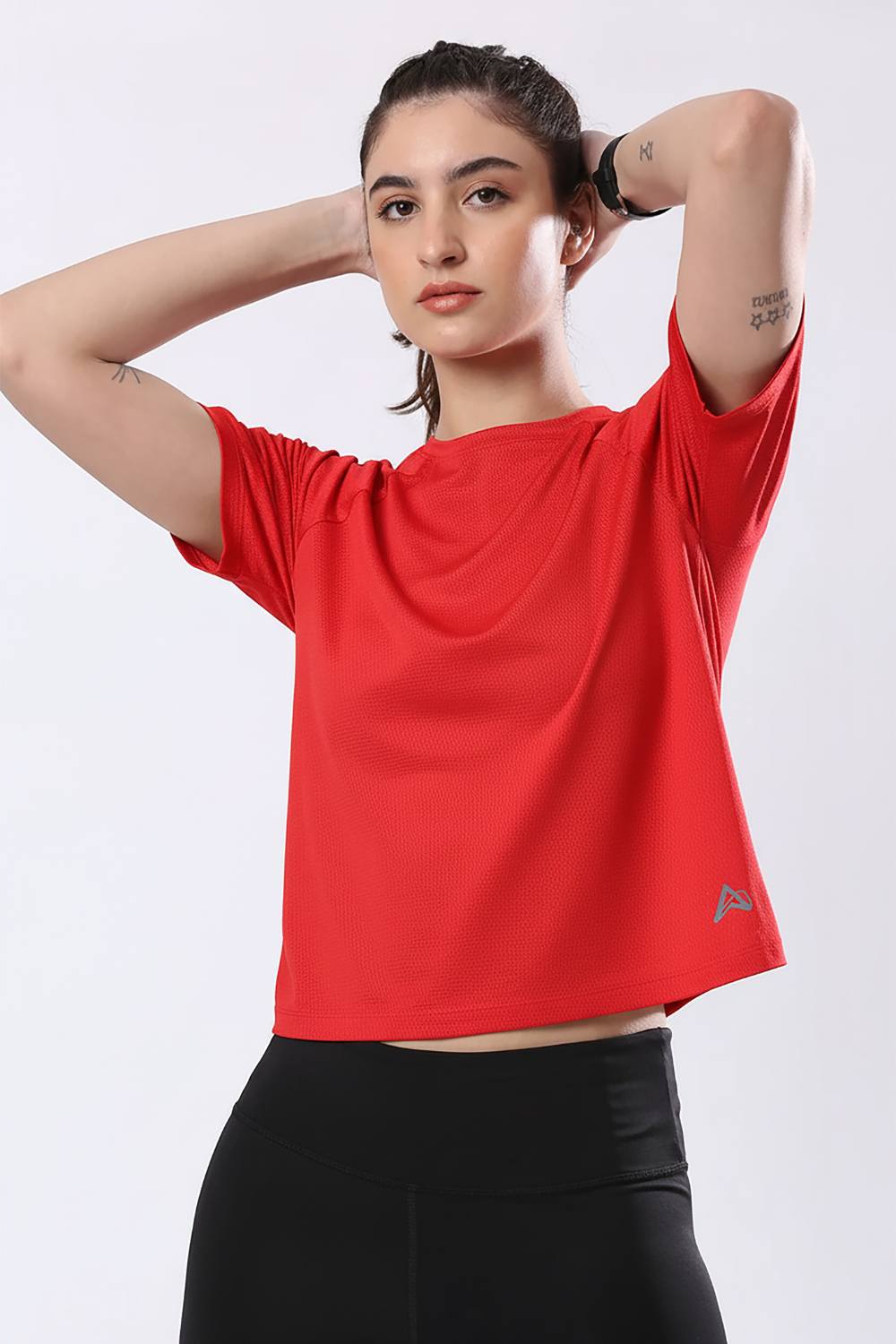
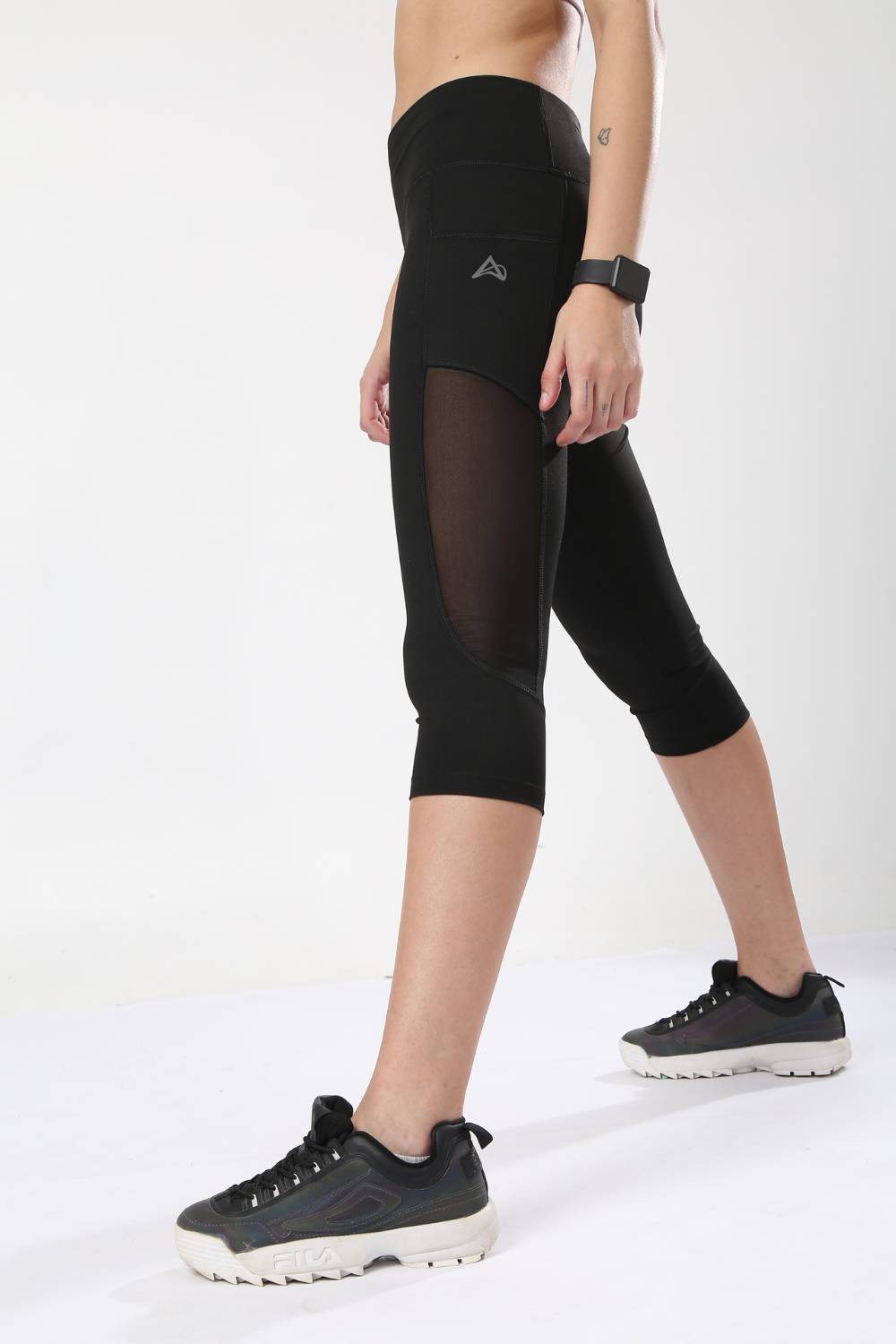
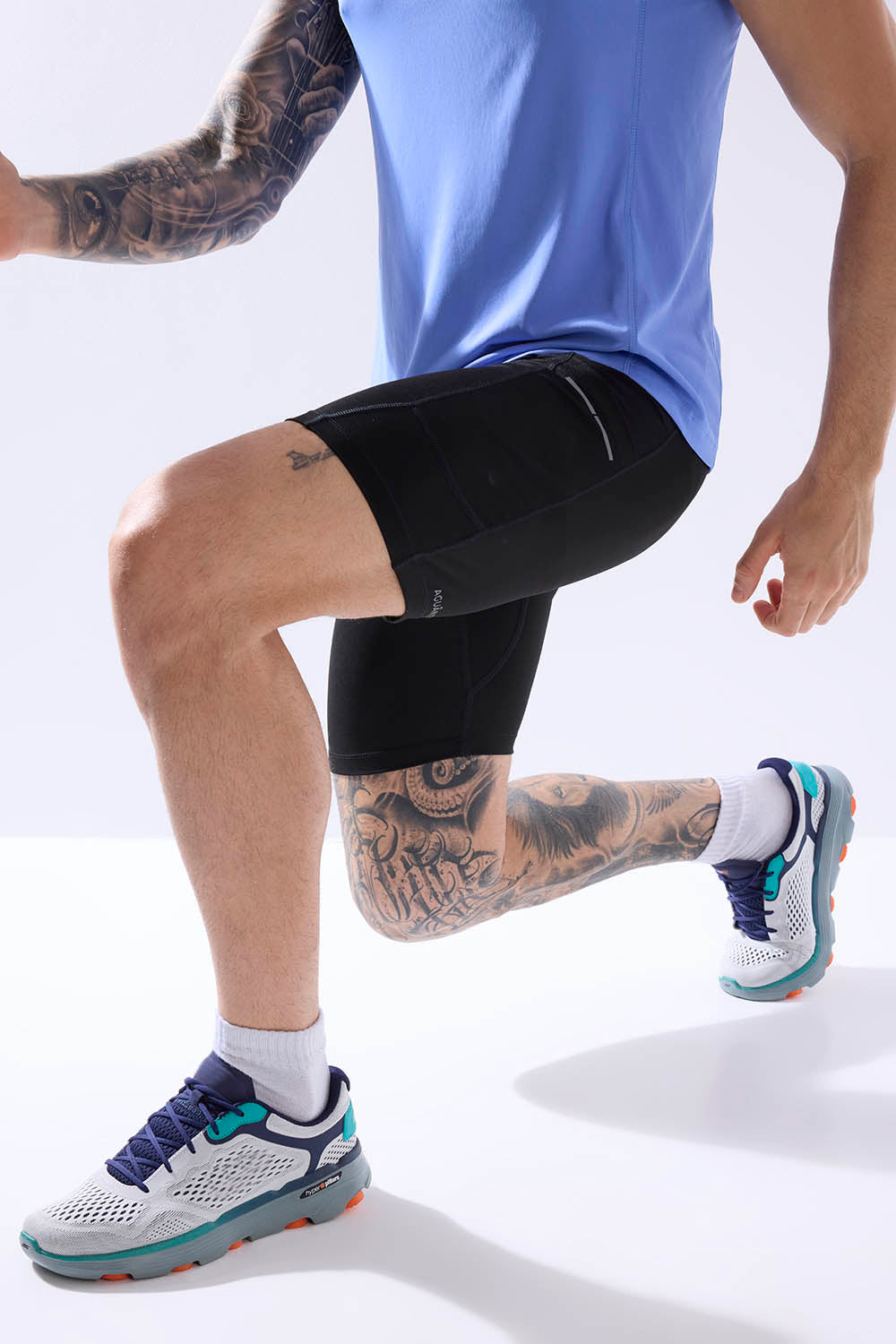
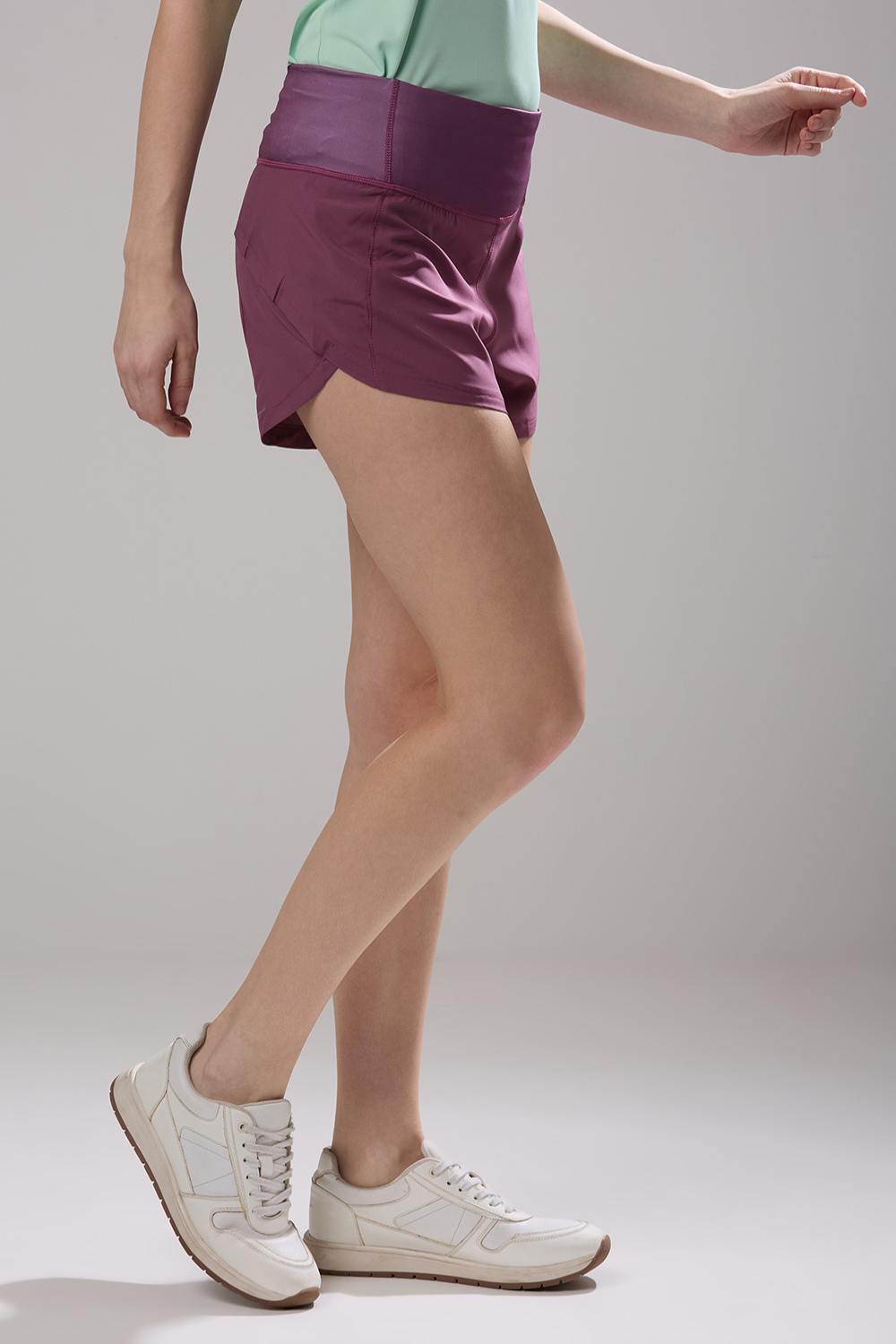
Tired of gear that slows you down? Chafing, soggy fabrics, and missing pockets kill your run's momentum. At Aguante, we're runners who get it. Our high-performance activewear features moisture-wicking fabrics, ergonomic designs, and smart storage to keep you focused. Shop Now!
A Nation on the Move
India's fitness culture is sprinting forward. Marathons, once niche, are now marquee events in cities like Bangalore, Mumbai, Pune, and Delhi, drawing unprecedented crowds. The 2024 TCS World 10K in Bangalore alone attracted over 28,000 runners, a vivid sign of running's ascent as a way of life. This surge is reshaping consumer expectations. Runners navigating Mumbai's sticky air or Delhi's searing heat need fabrics that keep them cool, dry, and focused. The India sports fabric market, valued at USD 1.66 billion in 2024, is on track to reach USD 3.47 billion by 2033, with a compound annual growth rate of 7.87%, fueled by a thirst for breathable, high-performance materials.
This shift transcends mere utility. With rising health awareness spurred by booming gym memberships, yoga studios, and local running groups athleisure has erased the boundary between workout gear and everyday wear. Runners crave apparel that wicks sweat, fights odors, and transitions seamlessly from trail to café. This demand is pushing brands to innovate, merging performance, style, and a growing commitment to sustainability.
The Rise of Climate-Smart Fabrics
At the heart of this transformation are climate-smart fabrics, engineered to tackle heat, humidity, and sweat with precision. In Bangalore, a local activewear brand has gained traction by crafting gear from recycled polyester and organic cotton, offering runners relief during sultry morning runs while reducing environmental harm. Athletes describe feeling unburdened, even in the city's humid pre-monsoon air, thanks to these eco-conscious materials.
The market reflects this enthusiasm. In Pune, a sportswear retailer reported a 30% surge in sales of sustainable running apparel in 2023, with organic cotton and recycled blends leading the pack. Global giants like Nike and Puma are following suit, rolling out collections that prioritize green materials. Yet, sustainability is only half the story technology is the other. The India smart textiles market, worth USD 160.20 million in 2024, is projected to climb to USD 857.91 million by 2033, boasting a 20.50% growth rate. These fabrics, infused with responsive fibers or sensors, adapt to body heat or wick moisture instantly, giving runners a measurable edge.
Globally, the trend is accelerating. The global smart fabrics market, valued at USD 2.48 billion in 2022, is expected to reach USD 21.85 billion by 2030, growing at a 31.3% rate. While North America holds the lead, India's fusion of ancient textile traditions handwoven craftsmanship and modern innovation positions it as a global contender.
Navigating the Roadblocks
Still, the path to sustainable activewear is fraught with challenges. Crafting climate-smart fabrics that endure India's extreme conditions monsoon rains, desert heat, or coastal humidity is a complex task. These materials must remain robust through repeated washes while staying true to their eco-friendly promise, a balancing act that inflates costs. For smaller brands, scaling production to meet soaring demand without sacrificing quality is a daunting hurdle.
Consumer education poses another obstacle. While runners in cosmopolitan hubs like Mumbai and Bangalore readily adopt sustainable gear, those in tier-2 cities like Surat or Ahmedabad often hesitate at the premium prices. Convincing them of the long-term benefits superior performance, reduced environmental footprint requires effort. An Ahmedabad retailer summed it up: “Customers admire sustainable fabrics, but they need to feel the value to justify the cost.”
Seizing New Opportunities
Despite these hurdles, the potential is vast. The India sports apparel market, valued at USD 705.85 million in 2024, is forecasted to hit USD 1,592.58 million by 2030, with a 14.52% growth rate. As running gains traction in tier-2 and tier-3 cities, brands can tap into untapped markets. Surat, a textile powerhouse, and Ahmedabad, with its budding fitness culture, are prime targets for affordable, sustainable activewear.
Innovation will set the pace. Brands that pioneer lighter, more breathable fabrics or smart textiles that adjust to body temperature will dominate. Picture a running shirt that cools you in Delhi's summer heat or a jacket that warms you during a Himalayan trail run. These are no longer distant dreams but tangible prospects, with India's textile industry, employing over 45 million workers, ready to lead the charge. Rooted in centuries-old traditions of cotton and silk craftsmanship, yet embracing modern fibers like polyester and viscose, this sector is uniquely equipped to blend heritage with innovation.
A Sustainable Finish Line
As dawn paints Mumbai's Marine Drive in hues of gold, runners weave through the morning bustle, their gear a testament to India's evolving priorities. Sustainability is no longer a sideline concern but a central force, with eco-conscious athletes demanding apparel that aligns with their values. By 2025, industry experts predict over half of India's activewear brands will embrace sustainable materials, a shift already rippling through mass-market labels.
For brands, the stakes are clear: adapt or fade. Investing in climate-smart fabrics is not just about environmental stewardship it's about thriving in a market where consumers, from Bangalore's tech professionals to Surat's business owners, are choosing with purpose. As India's running boom charges forward, the fusion of technology, sustainability, and performance will shape the future of activewear. For the runners hitting the streets, it's more than a race to the finish it's a stride toward gear that feels exceptional, performs flawlessly, and leaves the earth a little better.
Frequently Asked Questions
What are climate-smart fabrics and why are they important for runners in India?
Climate-smart fabrics are high-performance materials engineered to manage heat, humidity, and sweat, often made from sustainable sources like recycled polyester and organic cotton. For runners in India, these fabrics are essential because they address the country's diverse and extreme weather conditions from Mumbai's humid coastal air to Delhi's searing heat while providing moisture-wicking properties that keep athletes cool, dry, and comfortable. As India's fitness culture grows, with events like the TCS World 10K drawing over 28,000 runners, the demand for apparel that performs in challenging climates while reducing environmental impact has become a priority.
How fast is India's sustainable activewear market growing?
India's sustainable activewear market is experiencing explosive growth across multiple segments. The sports fabric market, valued at USD 1.66 billion in 2024, is projected to reach USD 3.47 billion by 2033 with a 7.87% annual growth rate, while the smart textiles market is set to surge from USD 160.20 million to USD 857.91 million by 2033 at a remarkable 20.50% growth rate. The overall sports apparel market is forecasted to more than double from USD 705.85 million in 2024 to USD 1,592.58 million by 2030, driven by rising health awareness, expanding fitness culture in tier-2 and tier-3 cities, and increasing consumer preference for eco-conscious performance wear.
What are the main challenges facing sustainable running apparel brands in India?
Sustainable running apparel brands in India face three primary challenges: developing fabrics that can withstand extreme and varied climate conditions (monsoons, desert heat, coastal humidity) while remaining durable through repeated washing, managing higher production costs that lead to premium pricing, and educating consumers especially in tier-2 cities like Surat and Ahmedabad about the long-term value of sustainable materials. While runners in metropolitan areas like Mumbai and Bangalore readily adopt eco-friendly gear, convincing price-conscious consumers in emerging markets to invest in sustainable activewear requires demonstrating tangible benefits in both performance and environmental impact.
Disclaimer: The above helpful resources content contains personal opinions and experiences. The information provided is for general knowledge and does not constitute professional advice.
You may also be interested in: Affordable Running Gear Fuels India's Fitness Movement
Tired of gear that slows you down? Chafing, soggy fabrics, and missing pockets kill your run's momentum. At Aguante, we're runners who get it. Our high-performance activewear features moisture-wicking fabrics, ergonomic designs, and smart storage to keep you focused. Shop Now!
Powered by flareAI.co