
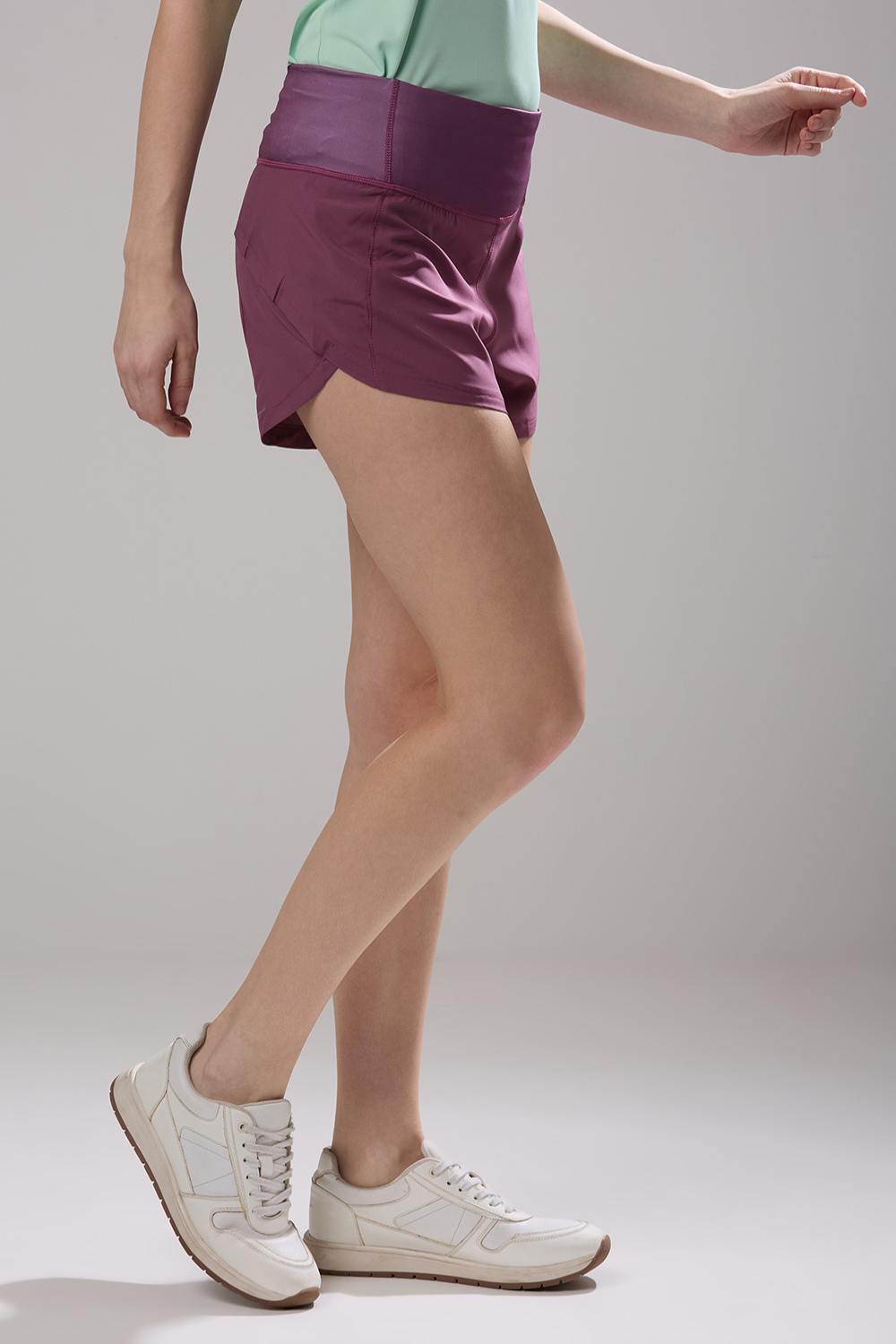
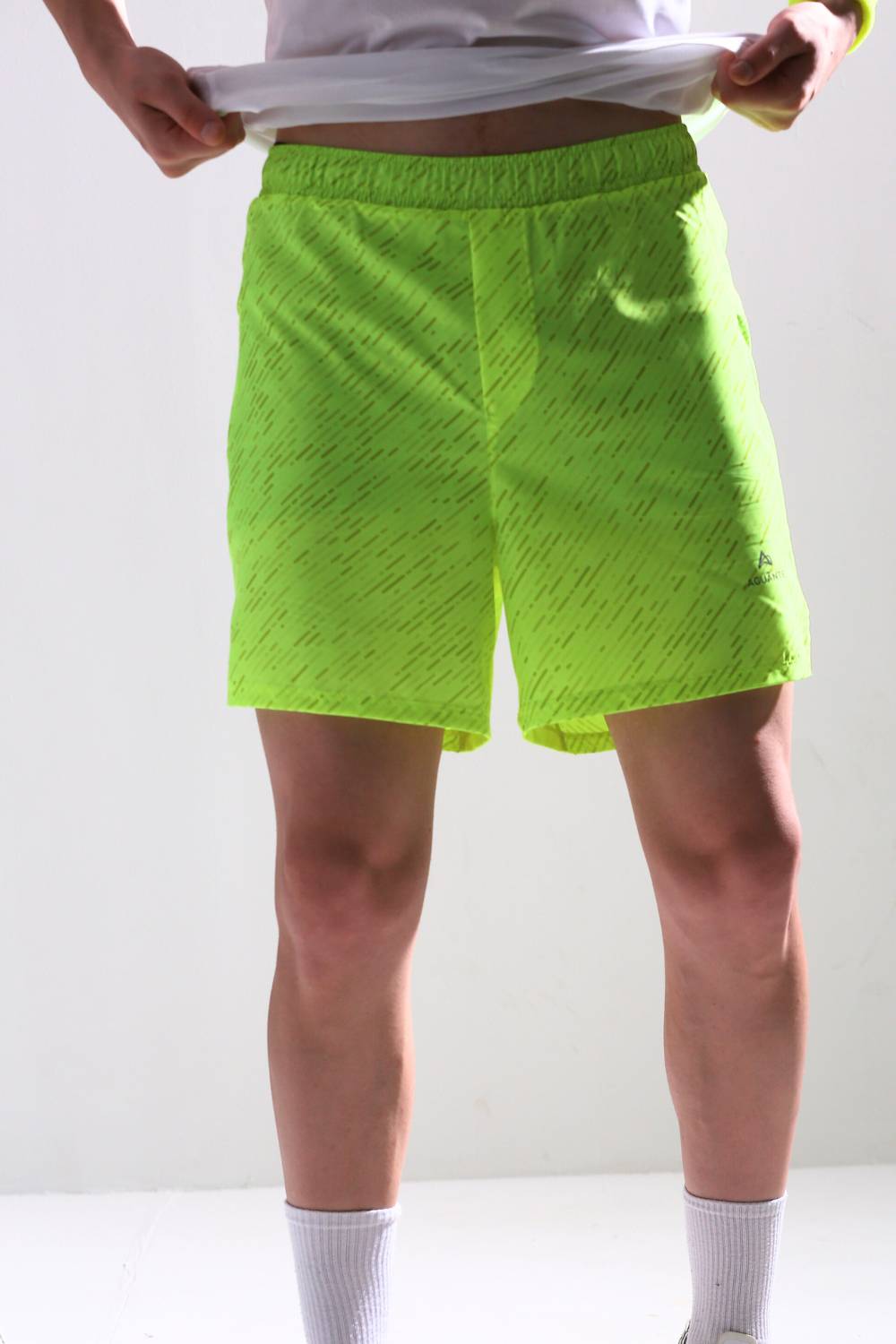

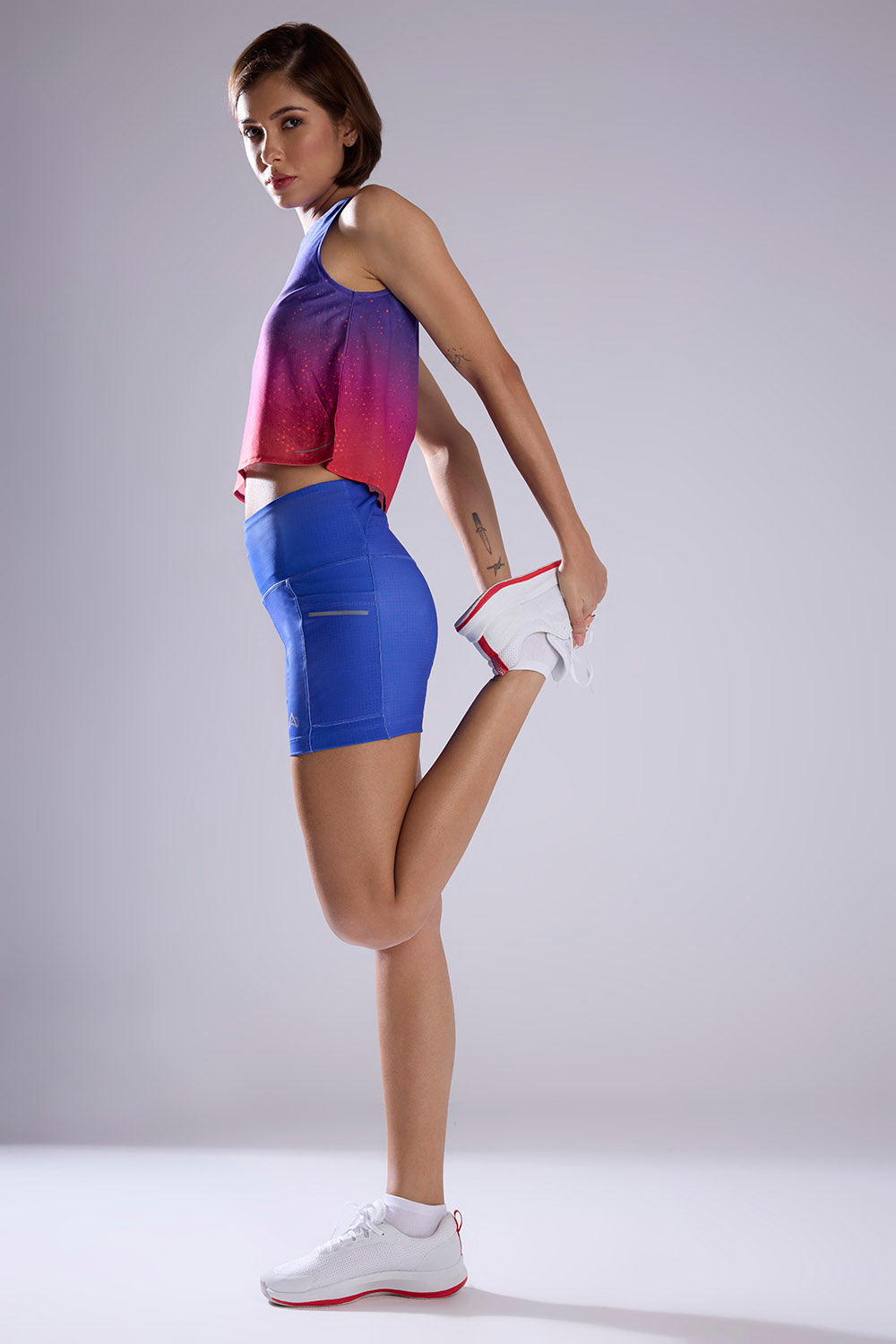
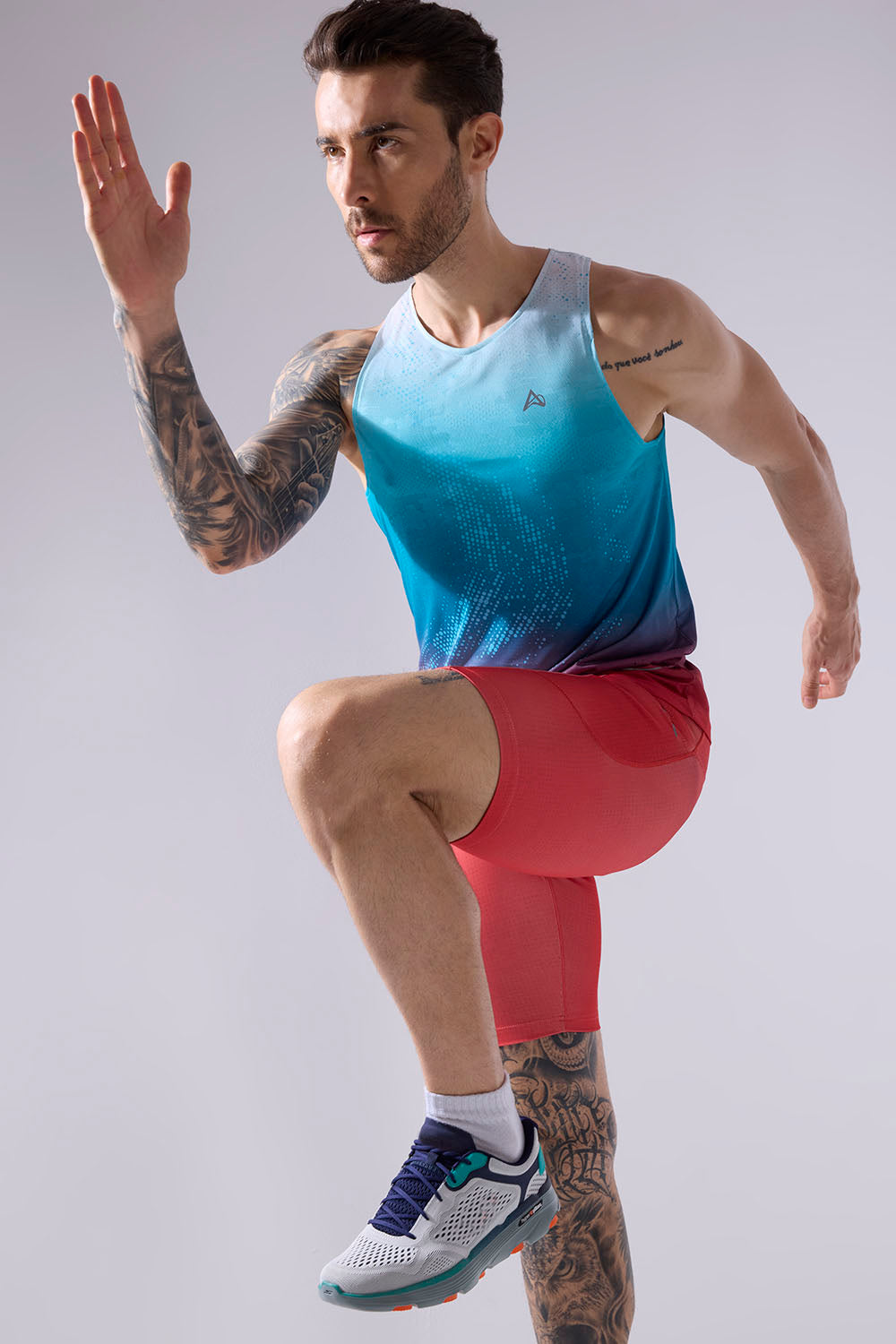

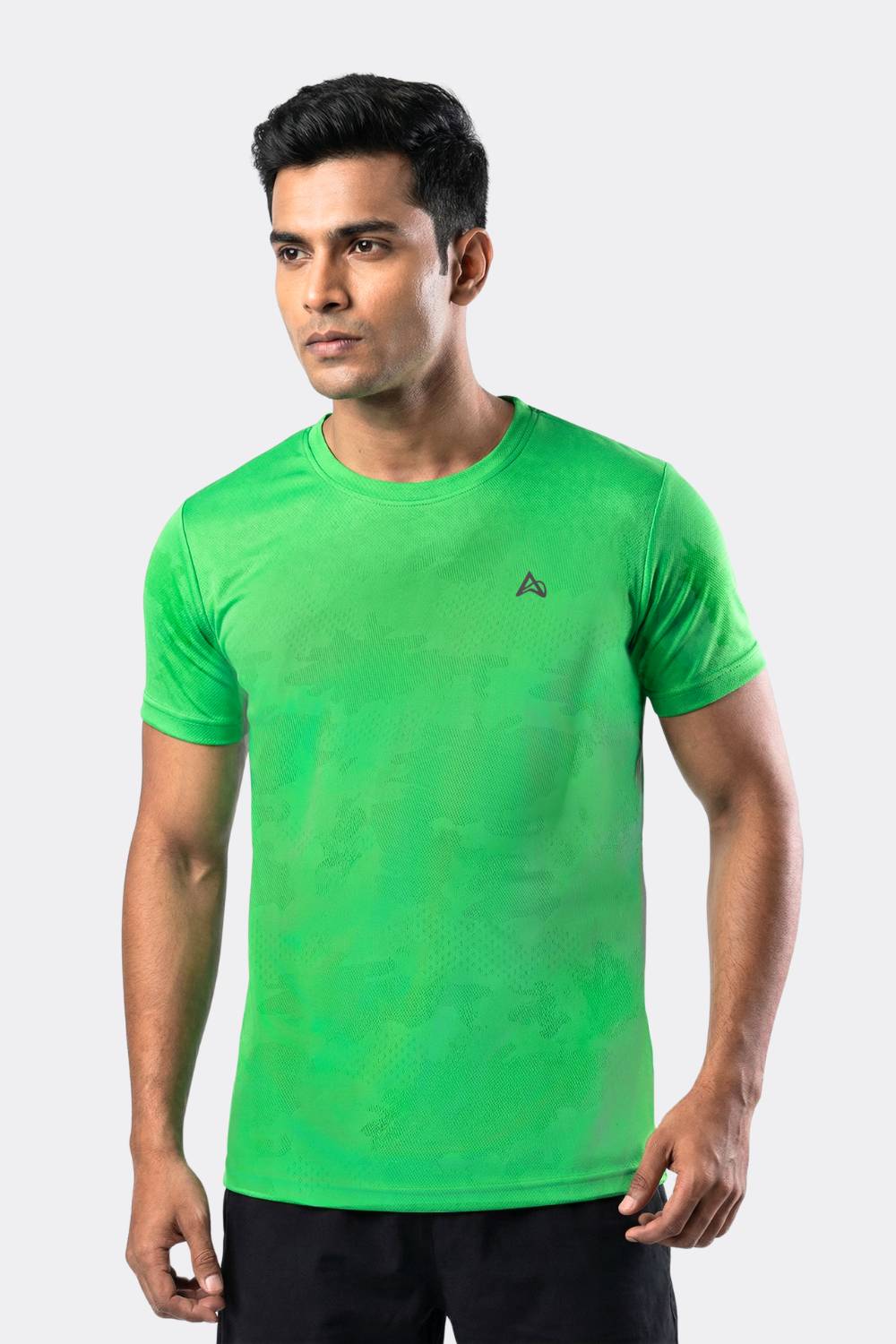
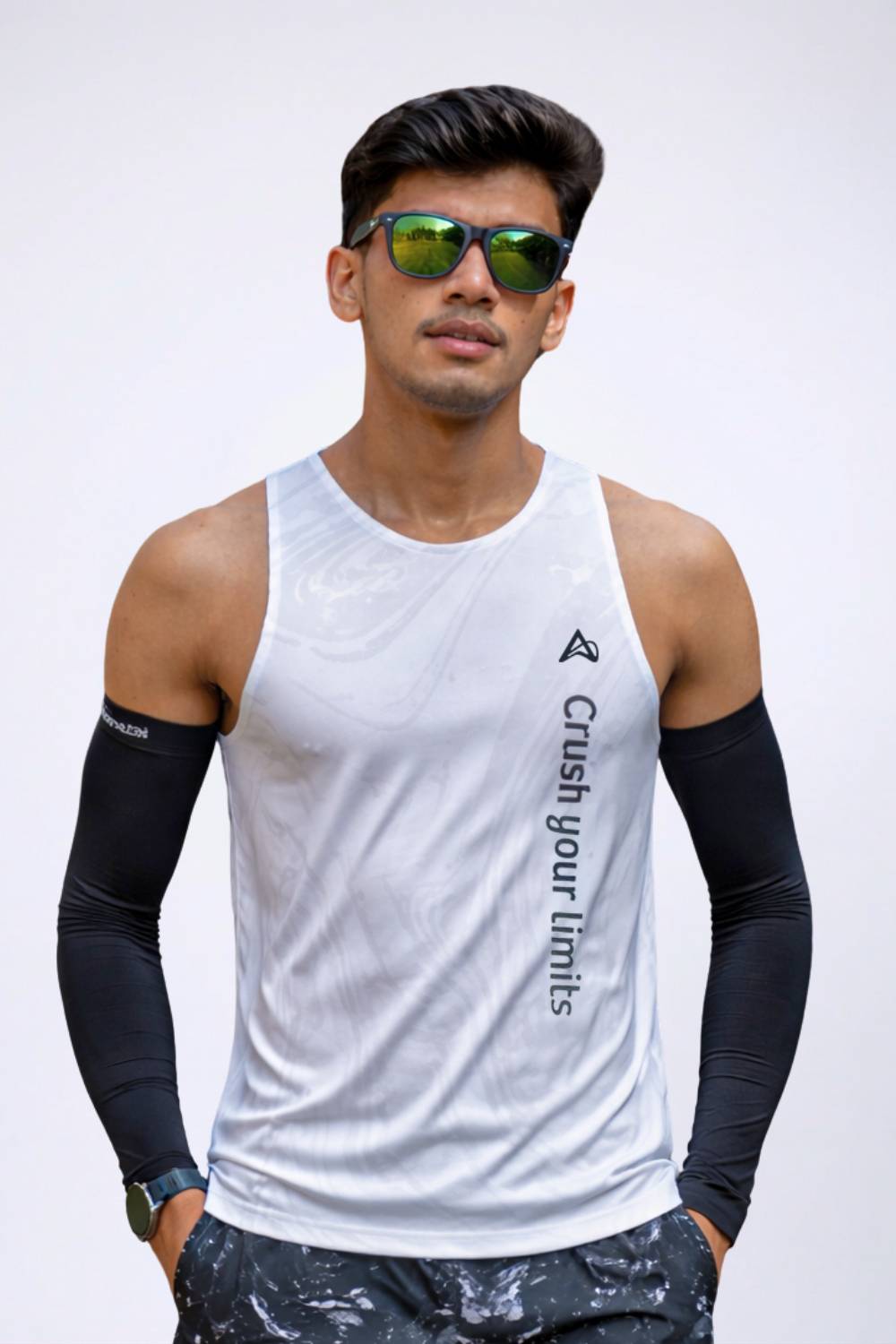

The rise of homegrown activewear brands has reshaped how serious runners in India and other emerging fitness markets think about performance apparel. What was once a category dominated by global sports giants is now being actively challenged by agile, locally rooted brands that understand regional climates, training habits, and the evolving expectations of runners who demand more than just aesthetic sportswear.
Across cities like Bangalore, Hyderabad, Mumbai, Pune, Navi Mumbai, Delhi, Gurugram, Surat, and Ahmedabad, running communities are expanding rapidly. This shift is not just about participation in fitness it reflects a deeper cultural movement toward structured training, marathon preparation, and data-driven performance goals. In this environment, homegrown brands are stepping in with fabrics, fits, and product design choices tailored specifically for endurance athletes rather than casual gym-goers.
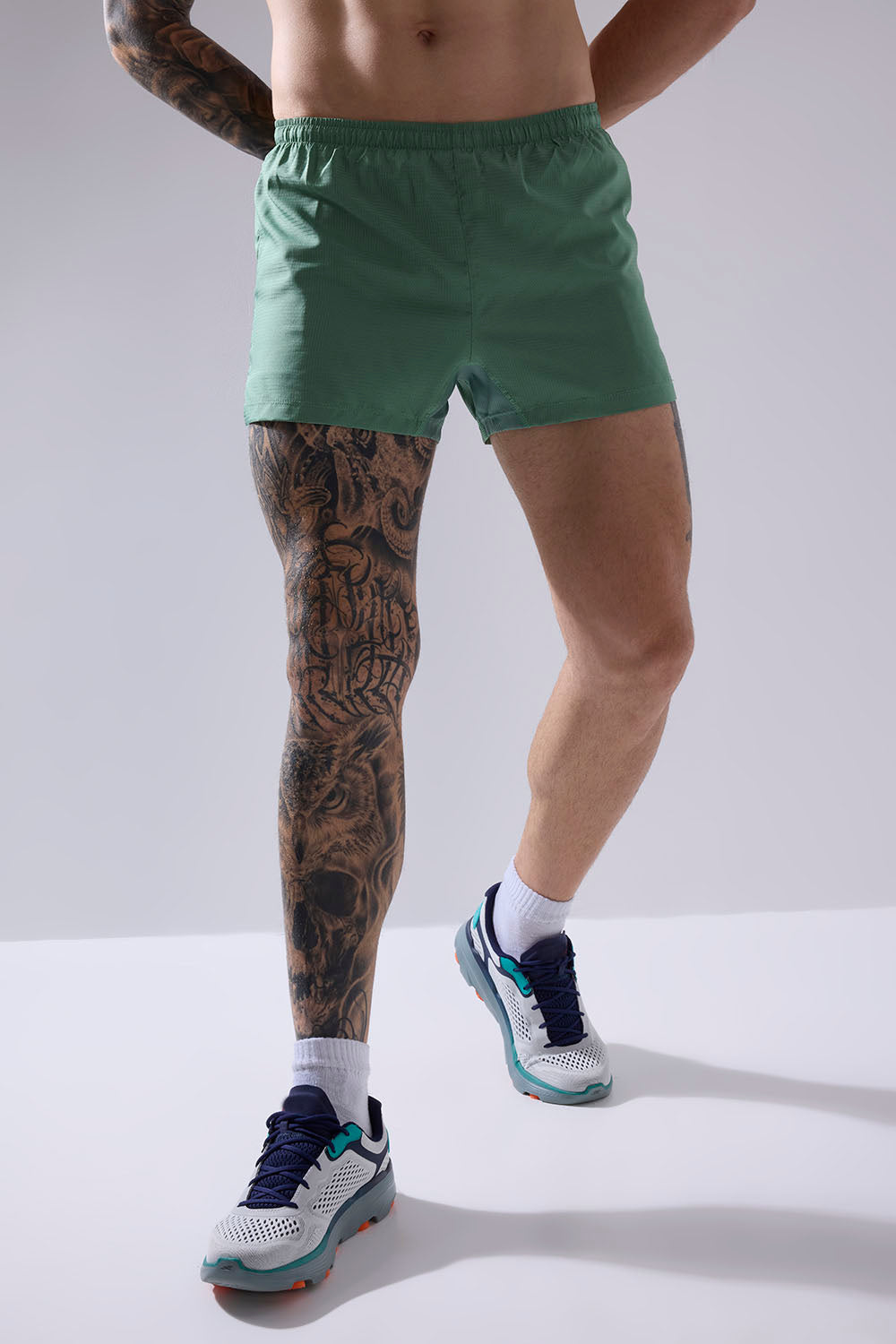
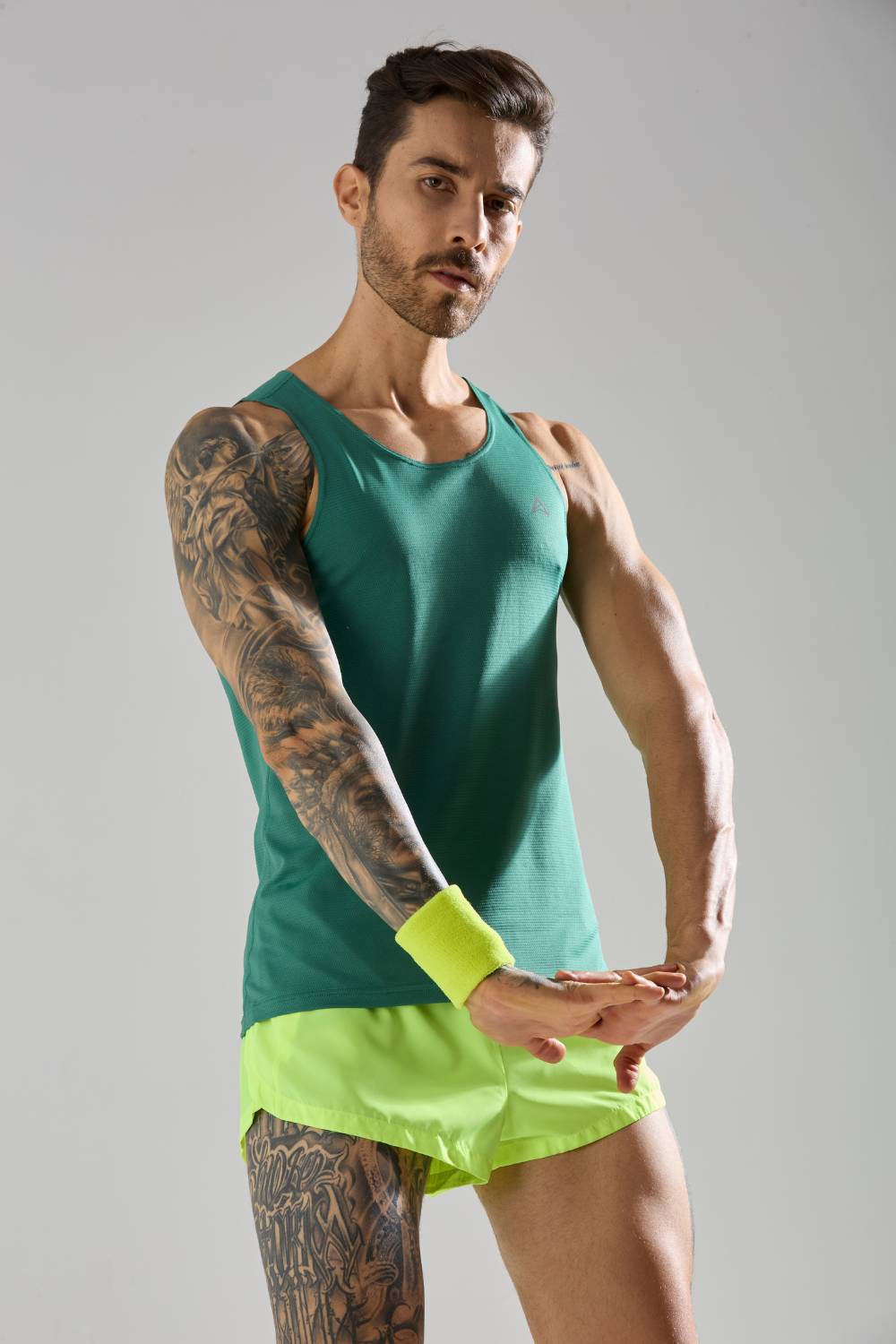
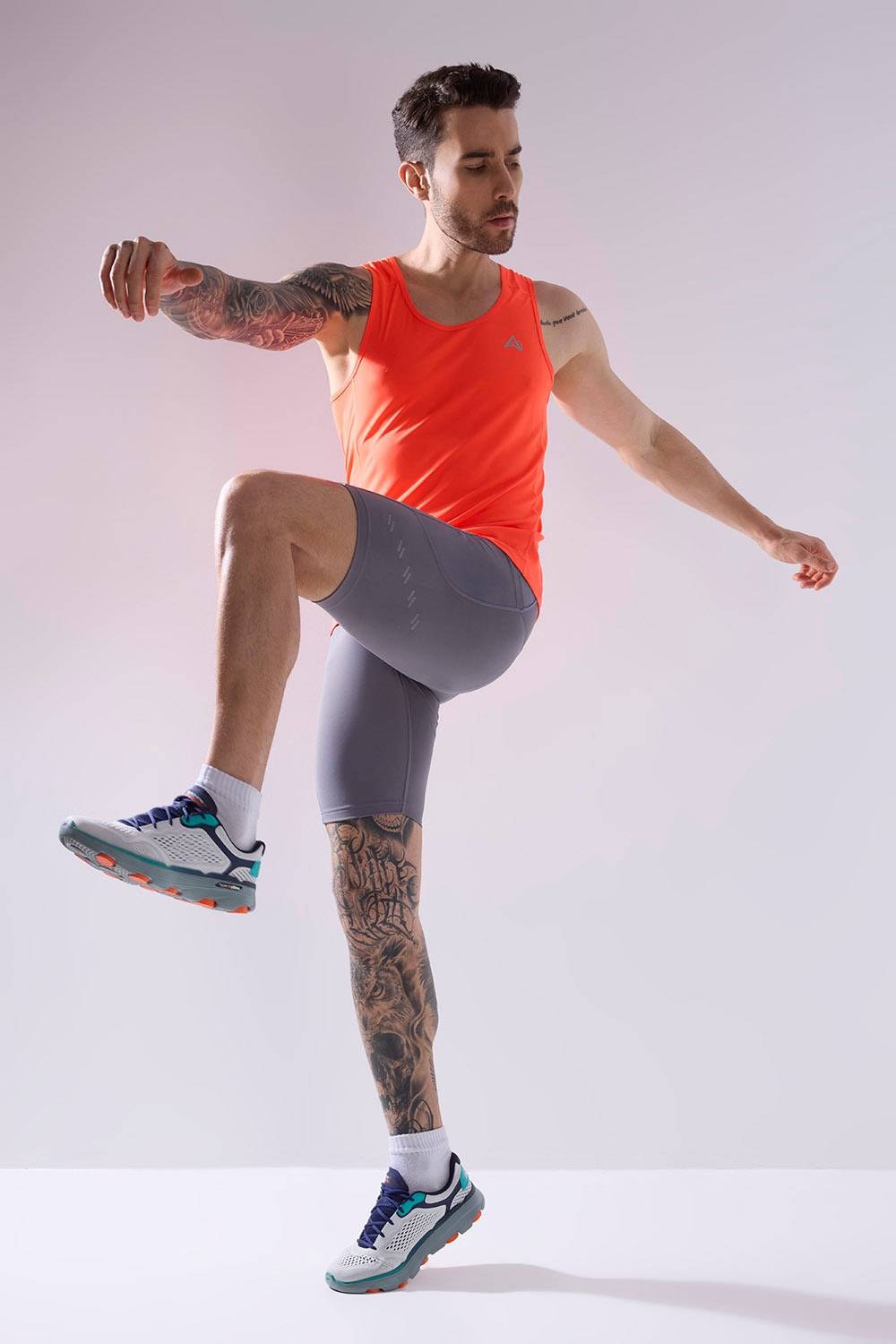
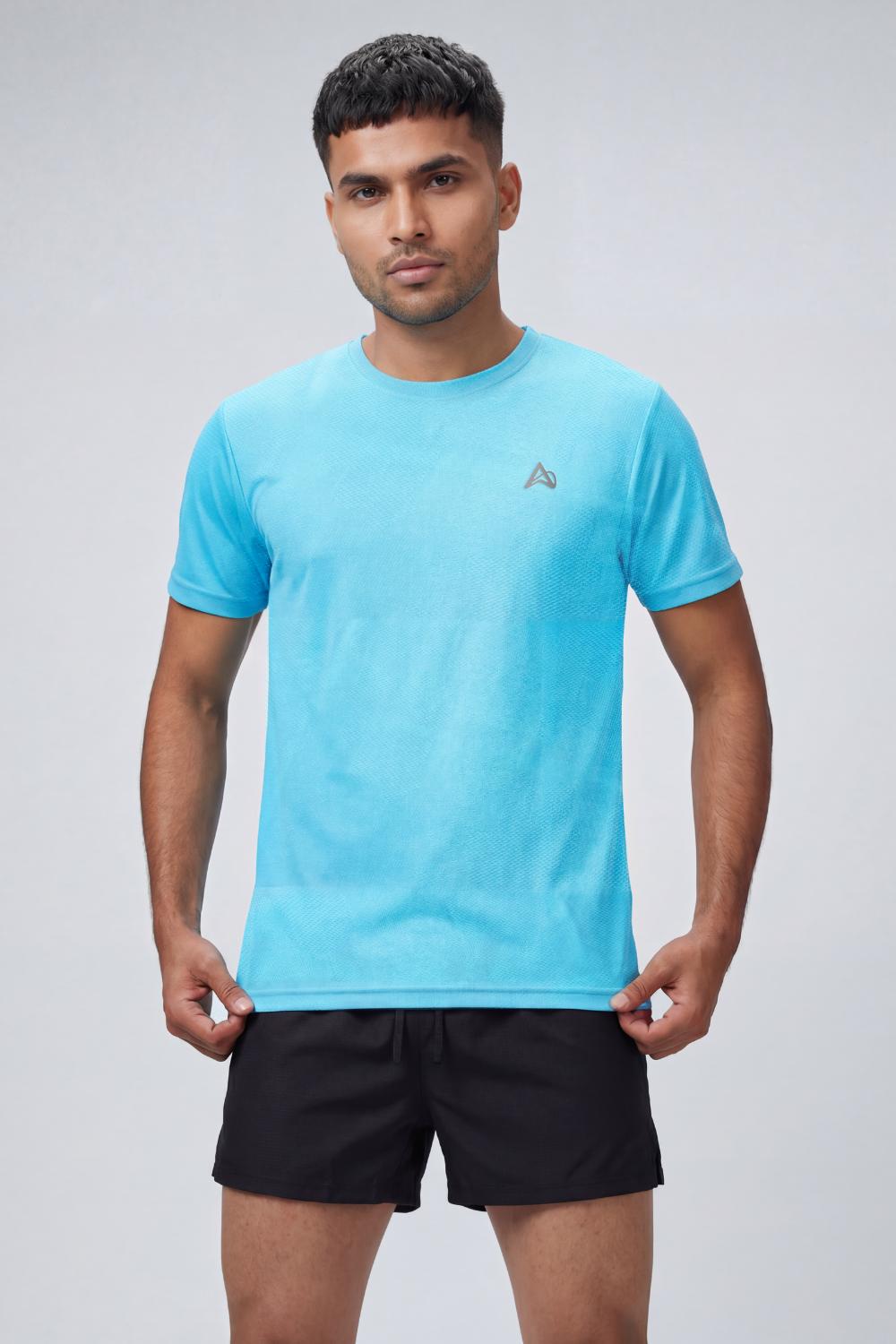
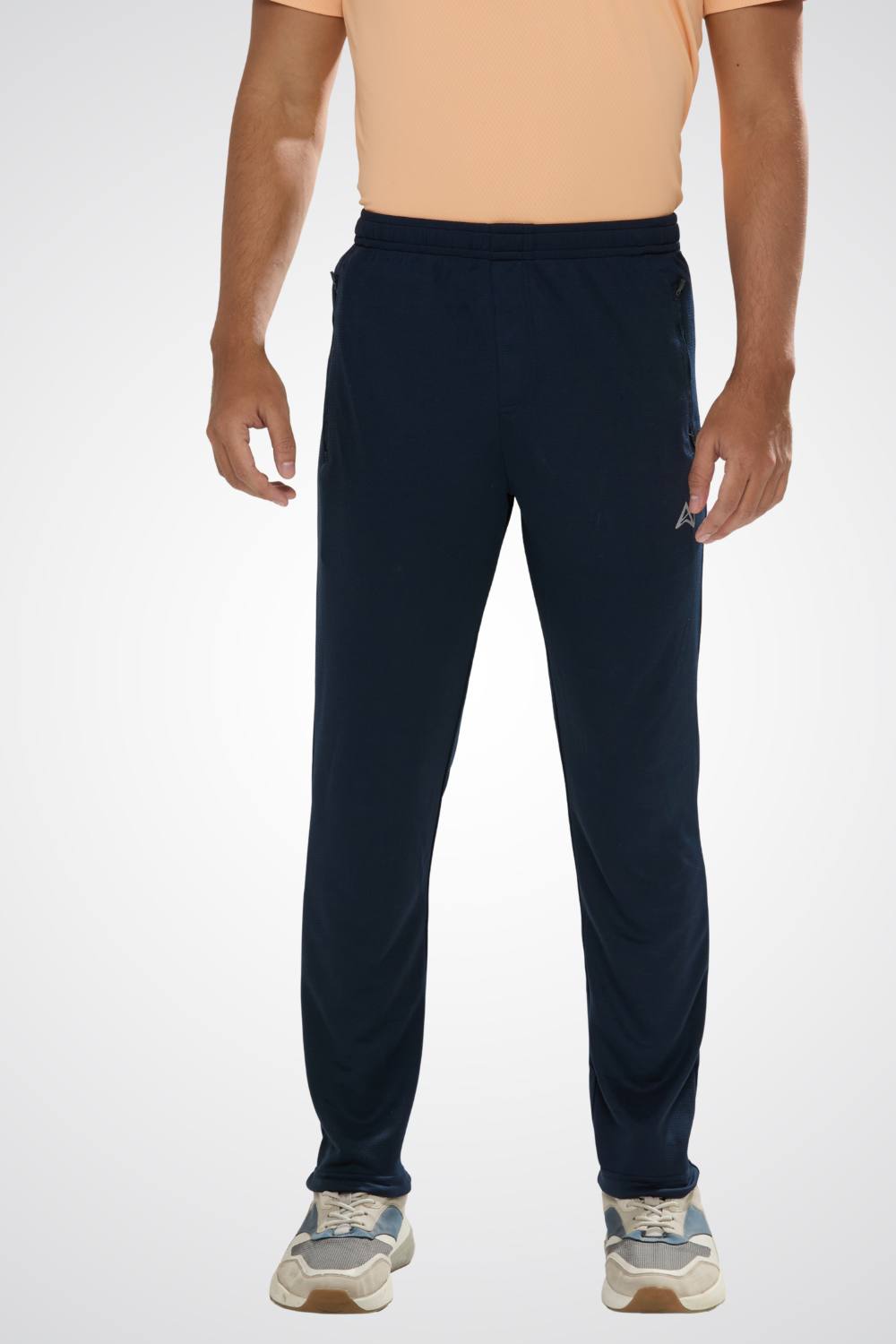
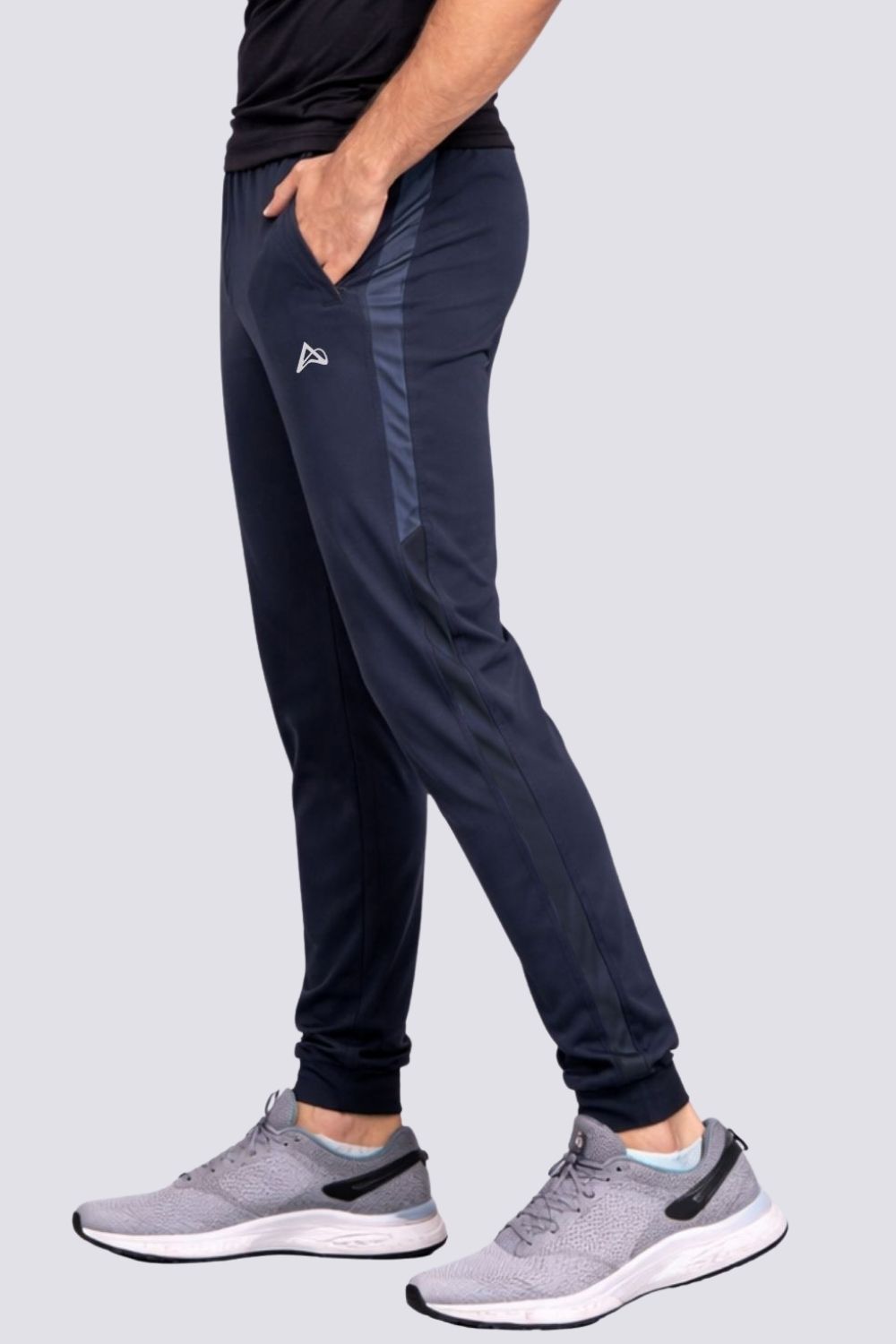
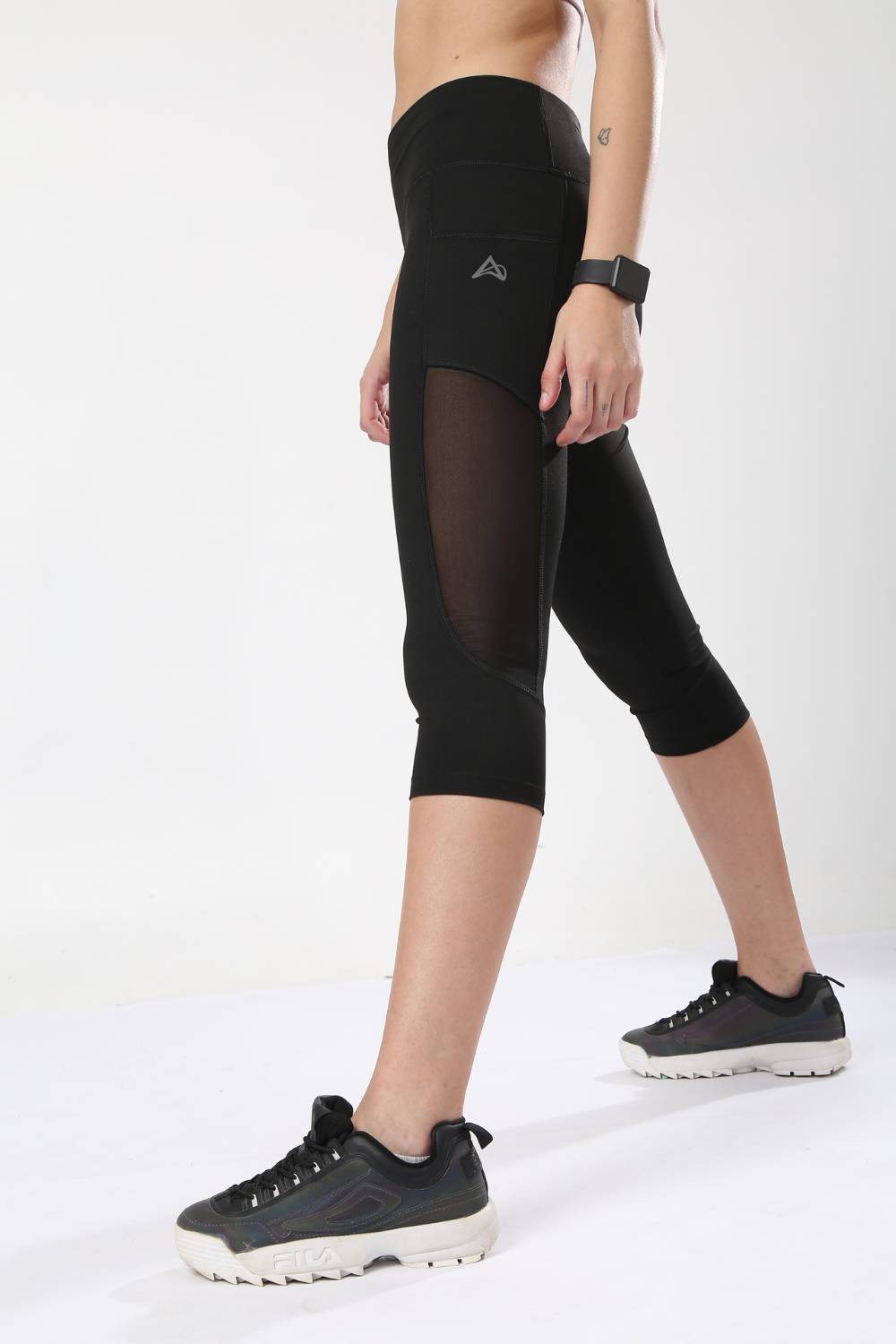
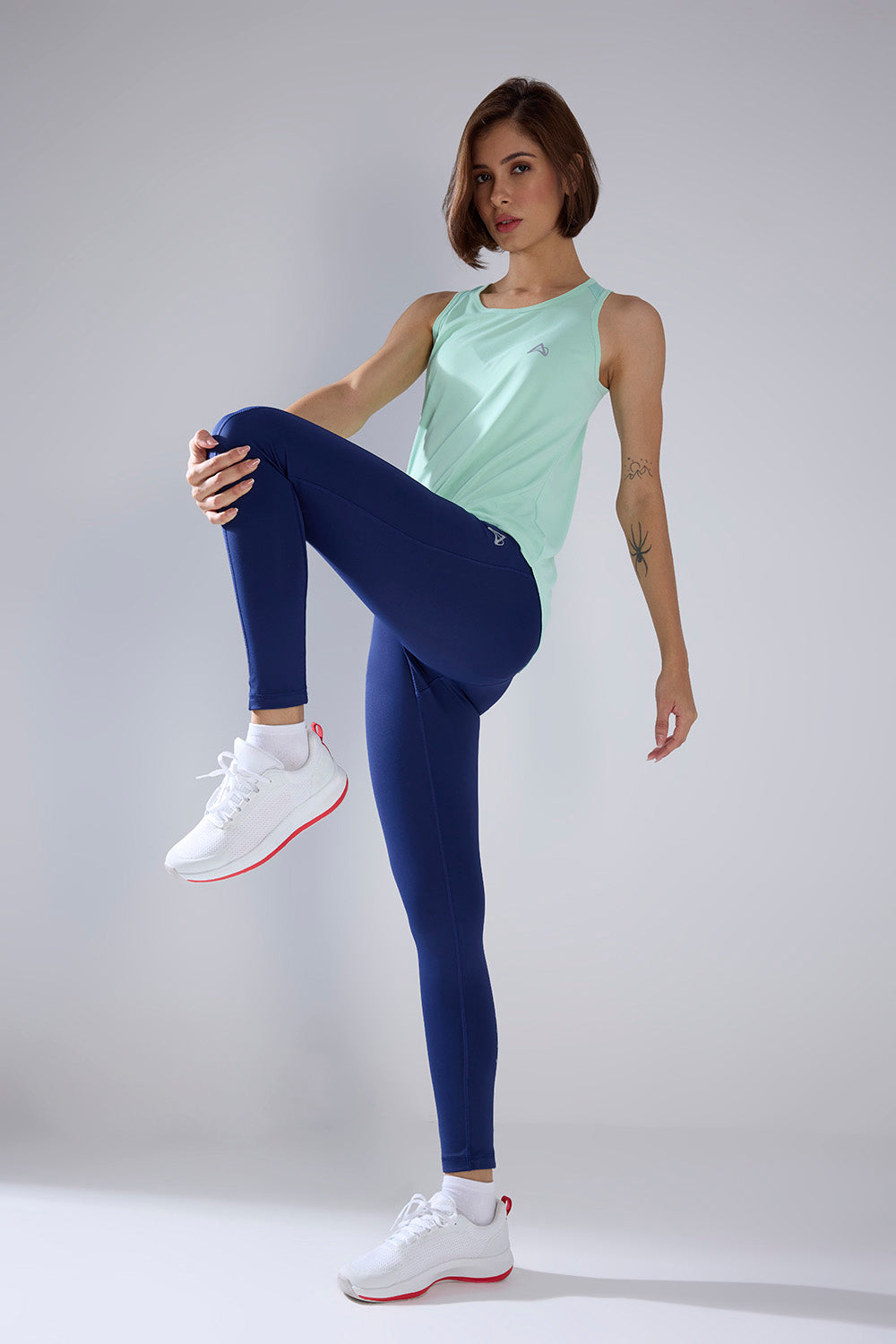
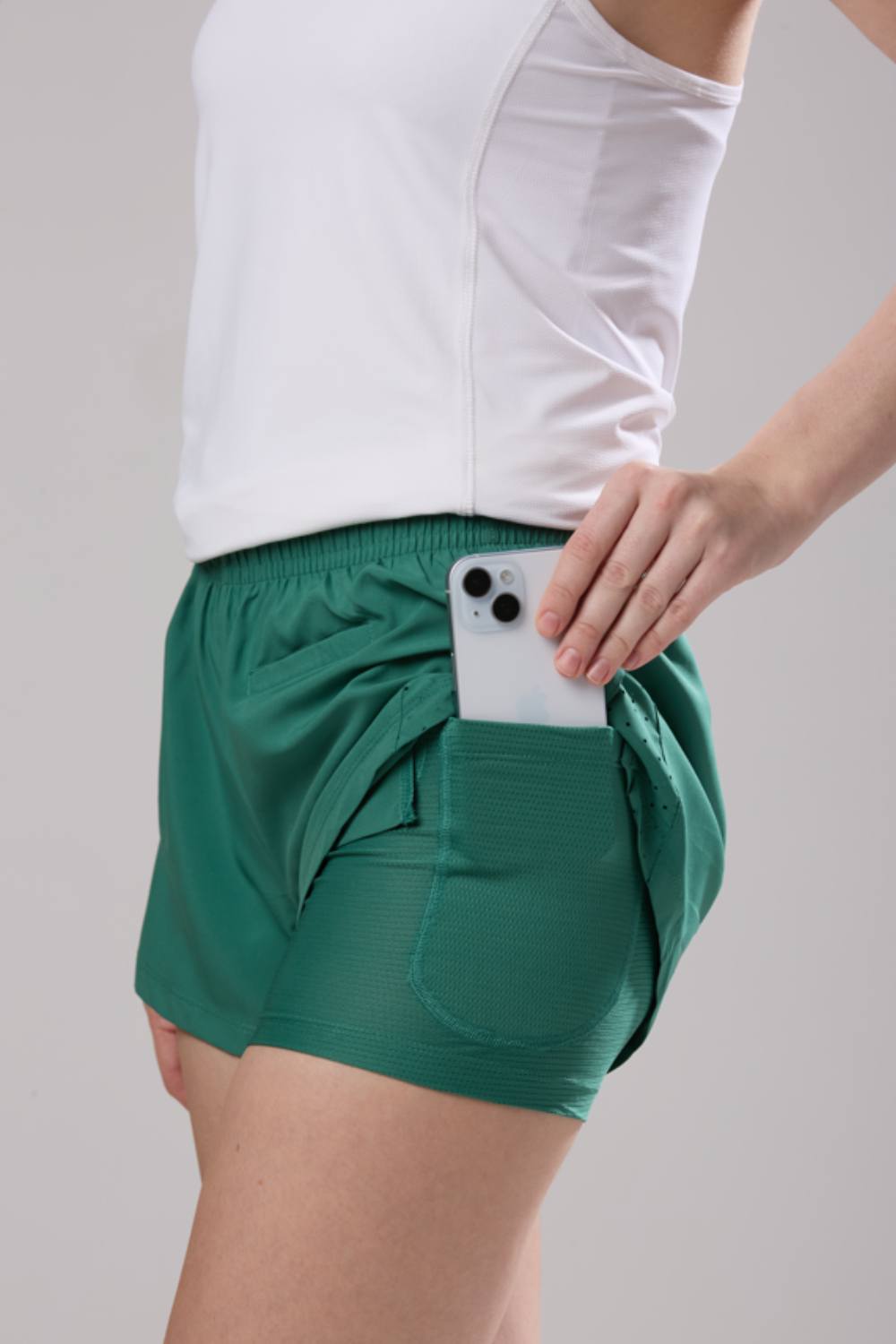
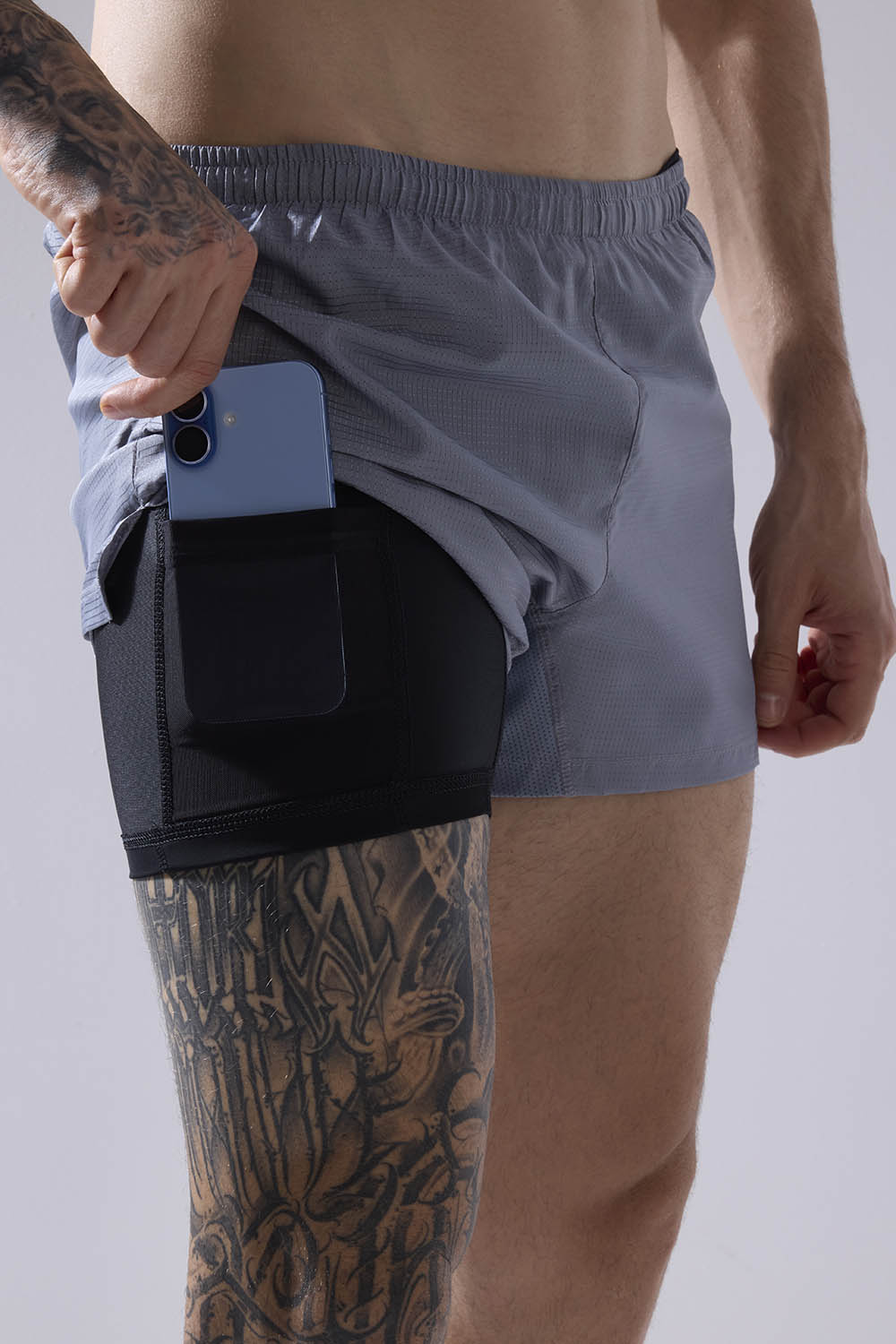
Tired of gear that slows you down? Chafing, soggy fabrics, and missing pockets kill your run's momentum. At Aguante, we're runners who get it. Our high-performance activewear features moisture-wicking fabrics, ergonomic designs, and smart storage to keep you focused. Shop Now!
Serious Running Culture Is Redefining Activewear Demand
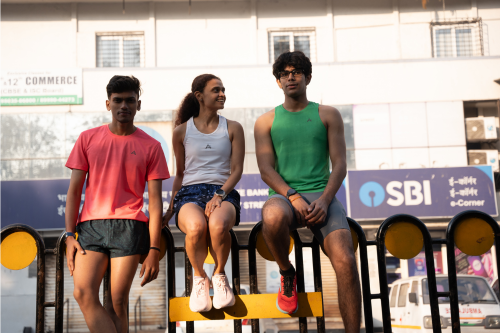
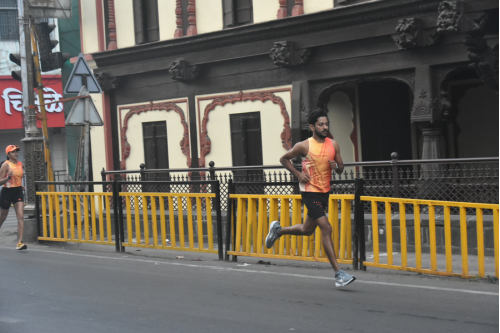
In major urban hubs such as Mumbai and Delhi, running has evolved from a weekend hobby into a disciplined lifestyle. Early morning running groups in Bengaluru's Cubbon Park, long-distance training circuits in Pune, and coastal route runs in Navi Mumbai illustrate how structured endurance training has become a social and personal performance practice. This shift has created a new type of consumer: the serious runner who evaluates apparel based on breathability, sweat control, durability, and long-run comfort rather than brand visibility alone.
Unlike casual fitness consumers, serious runners are highly sensitive to friction points such as chafing, heat retention, and moisture buildup. This is where local brands have begun to outperform traditional imports by designing apparel specifically for Indian and similar climates. The demand for performance-focused materials has grown alongside rising health awareness and participation in endurance sports. For example, the India sports fabric market has expanded significantly, reflecting how increasing fitness participation and athleisure adoption are shaping material innovation and product design choices in the country.
Why Homegrown Brands Are Gaining Competitive Ground
Homegrown activewear brands are no longer positioned as budget alternatives they are increasingly seen as performance specialists. One of their key advantages lies in proximity to the end user. Brands operating within India's fitness ecosystem can directly observe how runners in cities like Hyderabad or Ahmedabad adapt their training to heat, humidity, and air quality challenges. This leads to product development cycles that are more responsive than global supply chains optimized for multiple climates at once.
Another major factor is material innovation aligned with performance expectations. Modern runners demand garments that actively manage moisture, regulate body temperature, and remain lightweight over long distances. The broader shift toward such performance-centric apparel is visible in the growth of the performance fabric market, which highlights how functionality rather than fashion alone is now driving purchasing decisions. For homegrown brands, this creates an opportunity to build credibility through engineering-led design rather than legacy branding.
The Influence of Urban Running Ecosystems
Each city in India's urban landscape contributes differently to the evolution of running culture. Bengaluru's tech workforce often integrates running into structured wellness routines, while Mumbai's coastal routes support long-distance endurance training. In Delhi and Gurugram, marathon preparation groups have created a competitive ecosystem where runners actively compare gear, training methods, and recovery tools.
These ecosystems are not just social they are product testing environments. Runners regularly share feedback on apparel performance in real conditions, influencing purchasing behavior across peer networks. A shirt that performs well during a humid 10K in Surat or a winter half-marathon in Delhi quickly gains credibility within local running communities. This feedback loop has allowed homegrown brands to refine their products based on real-world usage rather than laboratory assumptions, making them more relevant to serious athletes.
Material Science and the Shift Toward Performance-First Apparel
One of the most significant drivers behind the rise of local activewear brands is the advancement of performance fabrics. Modern running apparel is no longer defined by cotton or generic polyester blends but by engineered textiles designed for endurance stress. Features such as moisture management, UV protection, and stretch recovery are now baseline expectations rather than premium differentiators.
This evolution aligns with global industry trends, where performance-oriented textiles are becoming central to sportswear innovation. The global performance fabric industry reflects this shift, with brands increasingly investing in materials that enhance comfort and efficiency during physical activity. For serious runners in India's diverse climate zones, these advancements translate into tangible improvements in race-day performance and training consistency.
Homegrown brands are also experimenting with localized fabric engineering optimizing ventilation zones for humid coastal cities like Mumbai while prioritizing thermal regulation for inland cities like Delhi. This adaptability is becoming a key differentiator in a market where one-size-fits-all solutions are no longer sufficient for performance athletes.
Consumer Expectations Are Moving Beyond Branding
Today's runners are more informed than ever. They evaluate apparel through peer reviews, running club recommendations, and real-world testing rather than advertising alone. This shift has significantly reduced the influence of legacy brand dominance and opened space for emerging players who can demonstrate functional superiority.
In cities like Pune and Bangalore, running clubs frequently act as informal product review networks. Members discuss gear performance after long runs, comparing breathability, fit stability, and sweat-wicking efficiency. These conversations often carry more weight than traditional marketing campaigns. As a result, homegrown brands that consistently deliver reliable performance gain trust organically within these communities.
At the same time, consumers expect transparency. They want to understand what materials are used, how garments are tested, and whether products are designed for real endurance conditions. This demand for clarity has pushed brands to communicate more openly about design philosophy and product engineering.
The Future of Homegrown Activewear in Serious Running Markets
The future of activewear in India and similar markets is increasingly defined by specialization. Rather than competing solely on aesthetics or price, brands are now competing on performance outcomes. This includes reducing fatigue during long runs, improving thermoregulation, and ensuring consistency across different training environments.
As participation in running continues to grow across cities like Hyderabad, Mumbai, and Delhi, the demand for technically advanced apparel will only intensify. Homegrown brands are well positioned to lead this shift because they operate closer to the consumer reality where climate, infrastructure, and training culture intersect in unique ways.
Brands like Aguante are part of this broader movement, contributing to a new category of performance apparel that prioritizes function, endurance, and real-world usability. As the industry matures, the distinction between global and local will matter less than the ability to consistently meet the expectations of serious runners who demand gear that performs as hard as they train.
Frequently Asked Questions
Why are homegrown activewear brands becoming popular among serious runners in India?
Homegrown activewear brands are gaining traction because they design performance apparel specifically for Indian climates, training habits, and endurance athletes. Unlike global brands that optimize for multiple climates at once, local brands can directly observe how runners in cities like Hyderabad, Mumbai, and Bangalore train in heat and humidity leading to faster, more relevant product development. Their proximity to local running communities also enables real-world feedback loops that help refine gear for actual race and training conditions.
What performance features should serious runners look for in activewear?
Serious runners should prioritize apparel with advanced moisture management, UV protection, stretch recovery, and lightweight construction designed for endurance stress. Features like ventilation zone optimization and thermal regulation are especially important in India's diverse climate zones for example, breathability for humid coastal cities like Mumbai versus thermal control for inland cities like Delhi. Modern performance fabrics have moved well beyond cotton or generic polyester blends, and these engineering-led improvements have a direct impact on race-day performance and training consistency.
How are urban running communities in India influencing activewear trends?
Running clubs and groups across cities like Pune, Bengaluru, and Delhi have become informal product testing networks, where members openly compare apparel performance after long runs evaluating breathability, fit stability, and sweat-wicking efficiency. This peer-driven feedback often carries more weight than traditional brand marketing, creating organic credibility for brands that consistently deliver in real conditions. As structured marathon training and endurance culture continue to grow in India's major urban hubs, consumer demand is increasingly shifting toward technically advanced, performance-first apparel over aesthetics alone.
Disclaimer: The above helpful resources content contains personal opinions and experiences. The information provided is for general knowledge and does not constitute professional advice.
You may also be interested in: Why Indian Runners Are Moving Beyond Imported Activewear
Tired of gear that slows you down? Chafing, soggy fabrics, and missing pockets kill your run's momentum. At Aguante, we're runners who get it. Our high-performance activewear features moisture-wicking fabrics, ergonomic designs, and smart storage to keep you focused. Shop Now!
Powered by flareAI.co