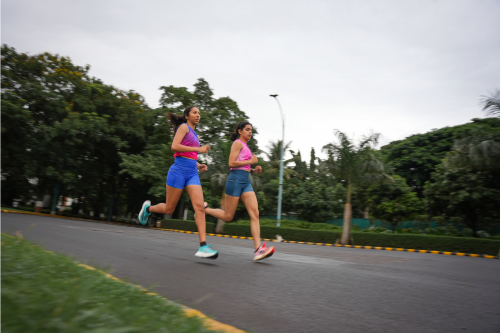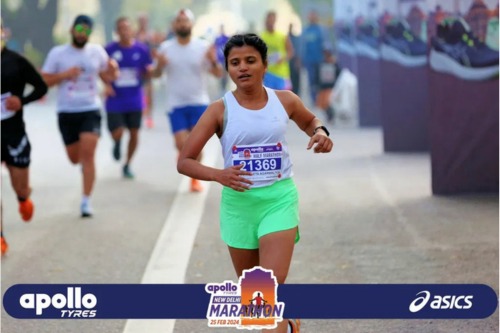

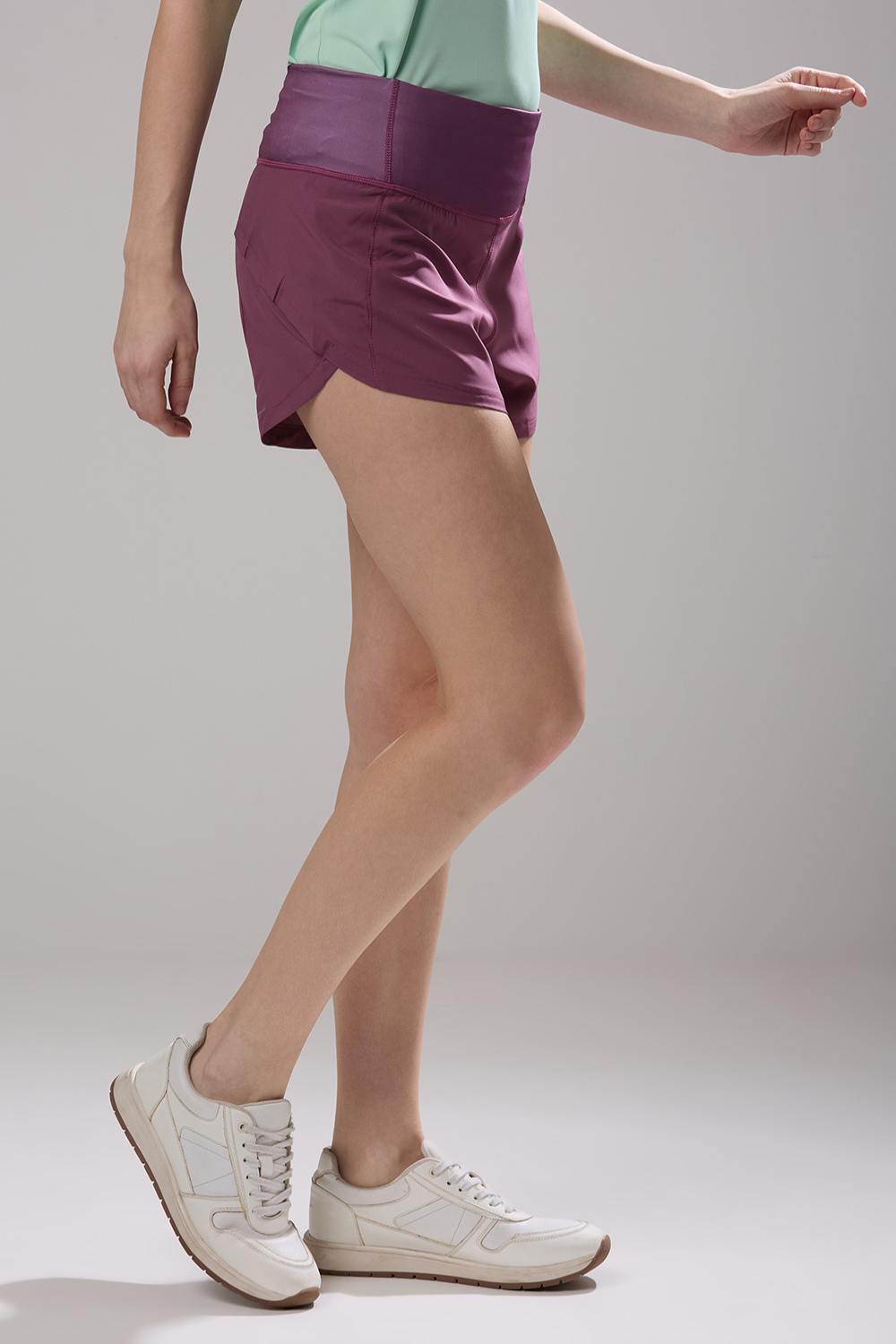
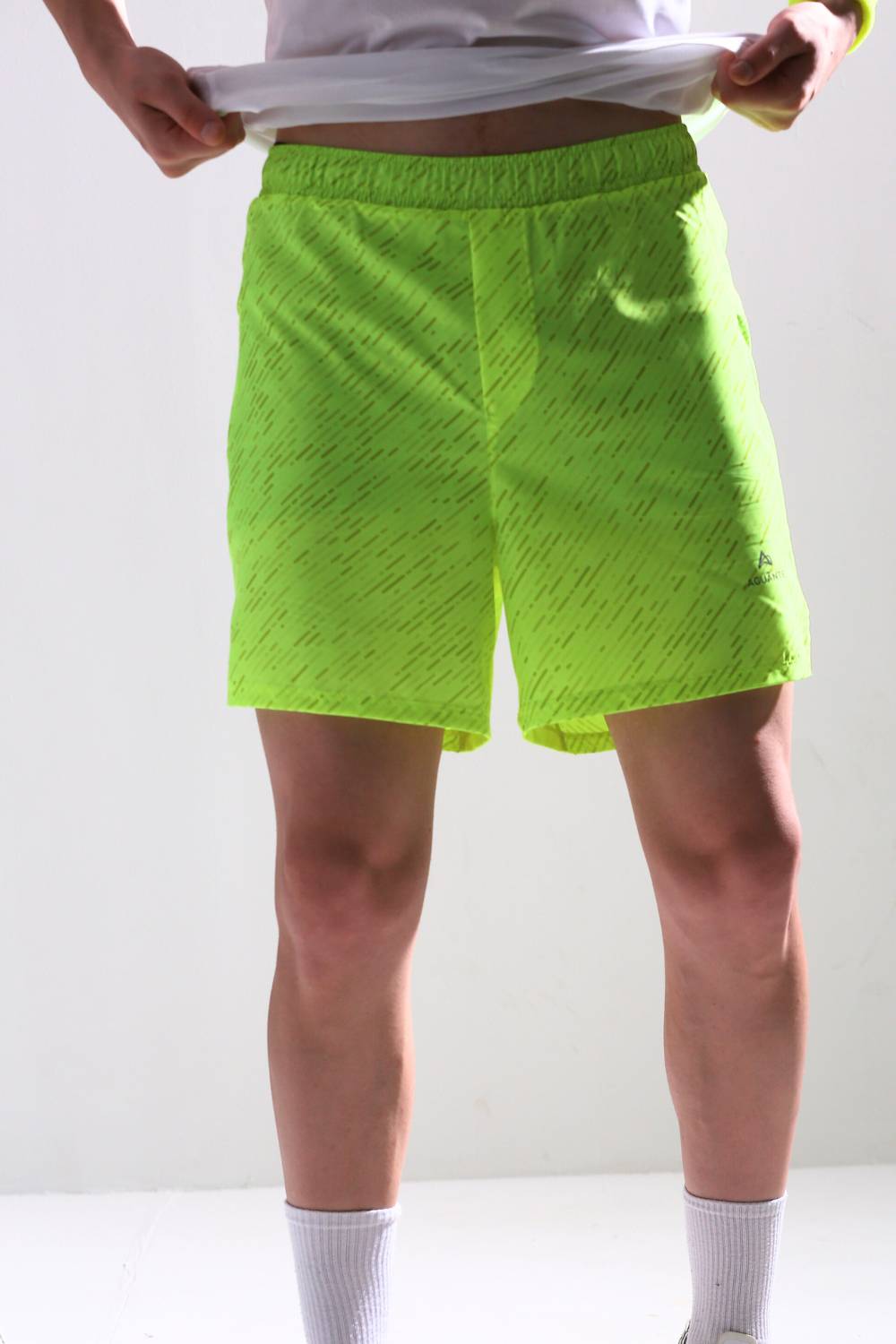
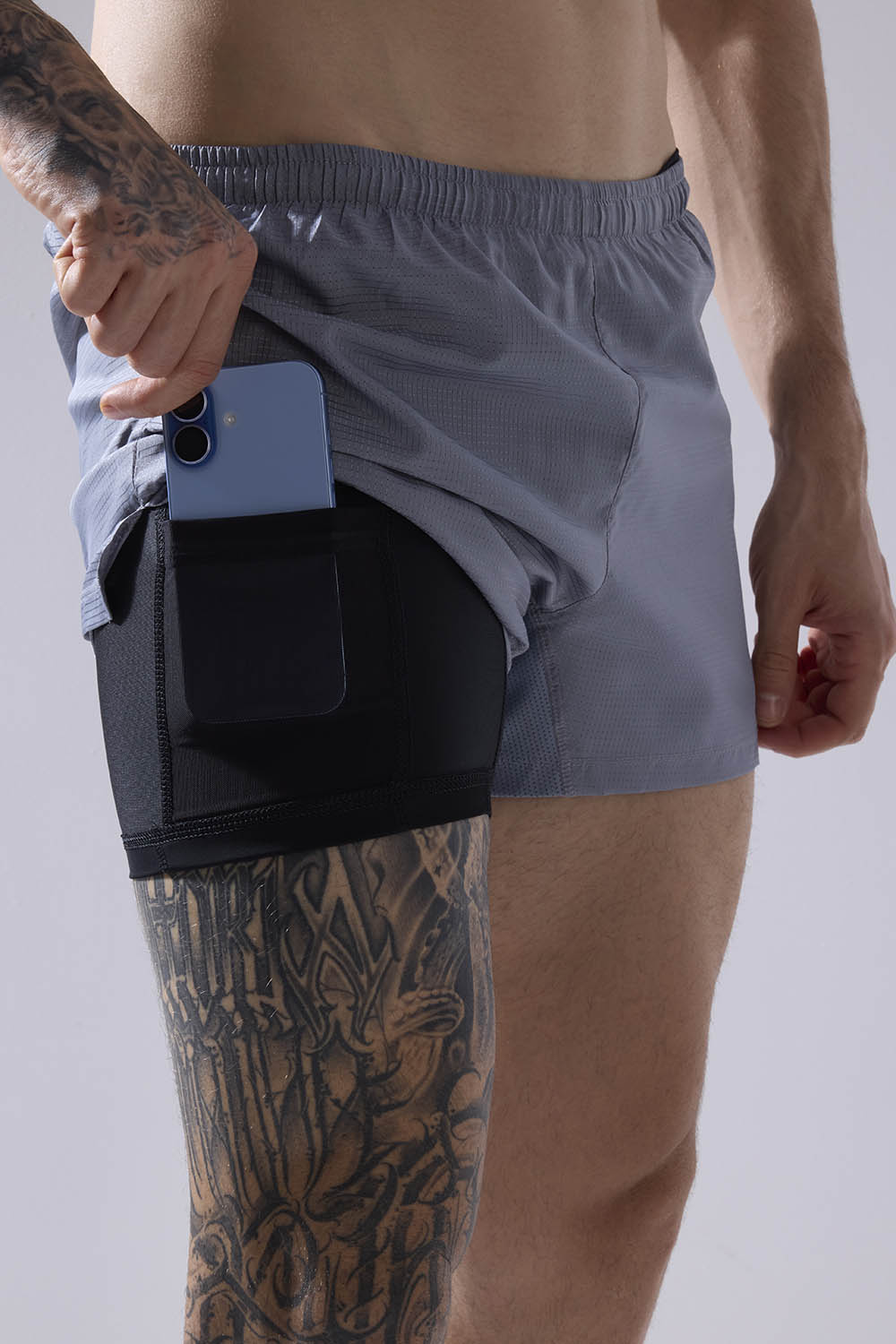


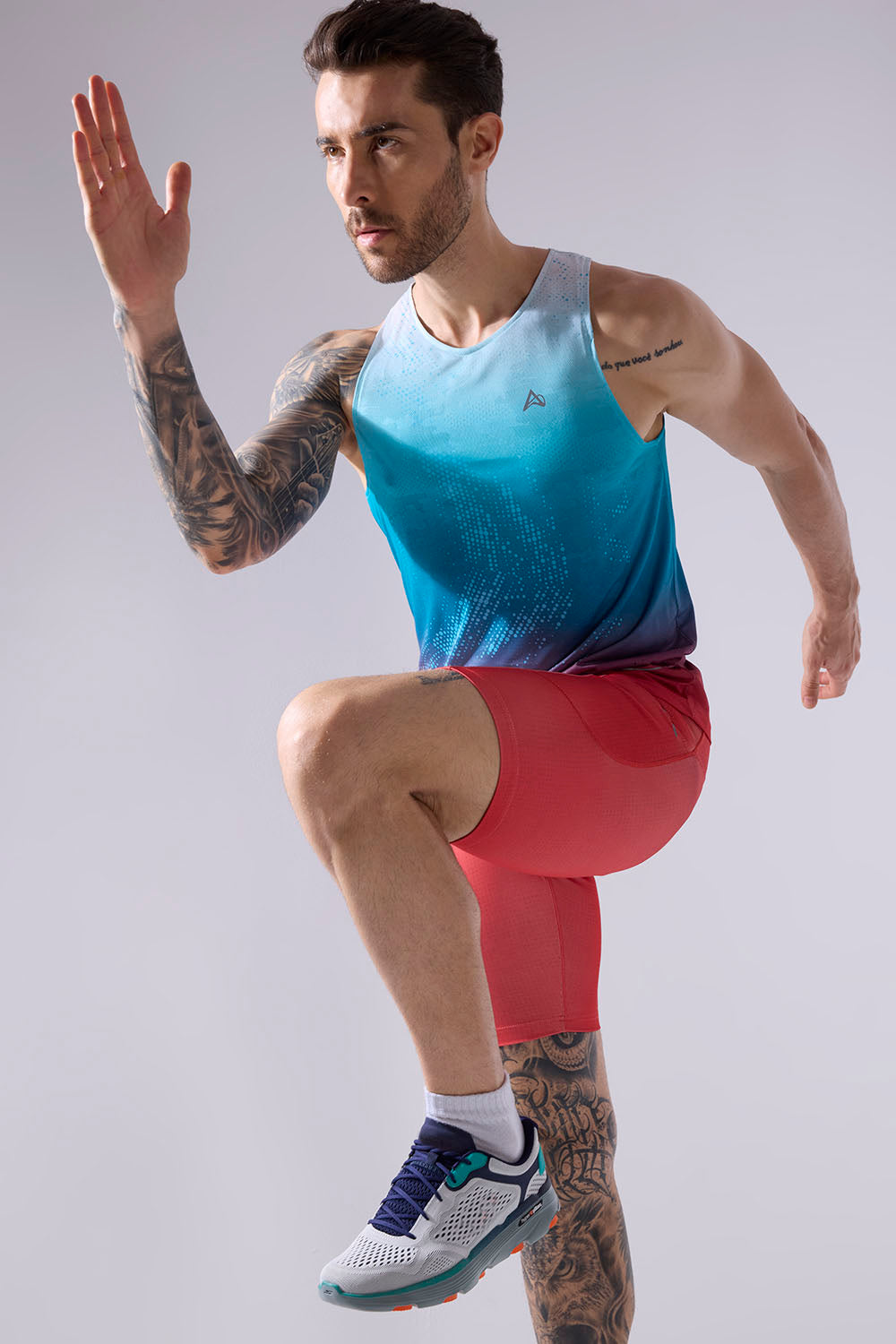


The performance running apparel category in India is undergoing a quiet but meaningful transformation. What was once a niche driven by professional athletes and marathon enthusiasts has evolved into a broader urban lifestyle segment shaped by fitness-first consumers, hybrid work culture, and rapidly expanding city-based running communities. Across major metros like Mumbai, Bengaluru, Delhi, Hyderabad, Pune, and Ahmedabad, running is no longer just an activity it is becoming a daily ritual tied to wellness, identity, and social connection.
Within this shift, brands in the high-performance apparel space are navigating a more complex competitive landscape. Success is no longer defined only by technical fabrics or product durability, but also by how well brands understand local climates, city-specific running cultures, and evolving consumer expectations around comfort, breathability, and design versatility.
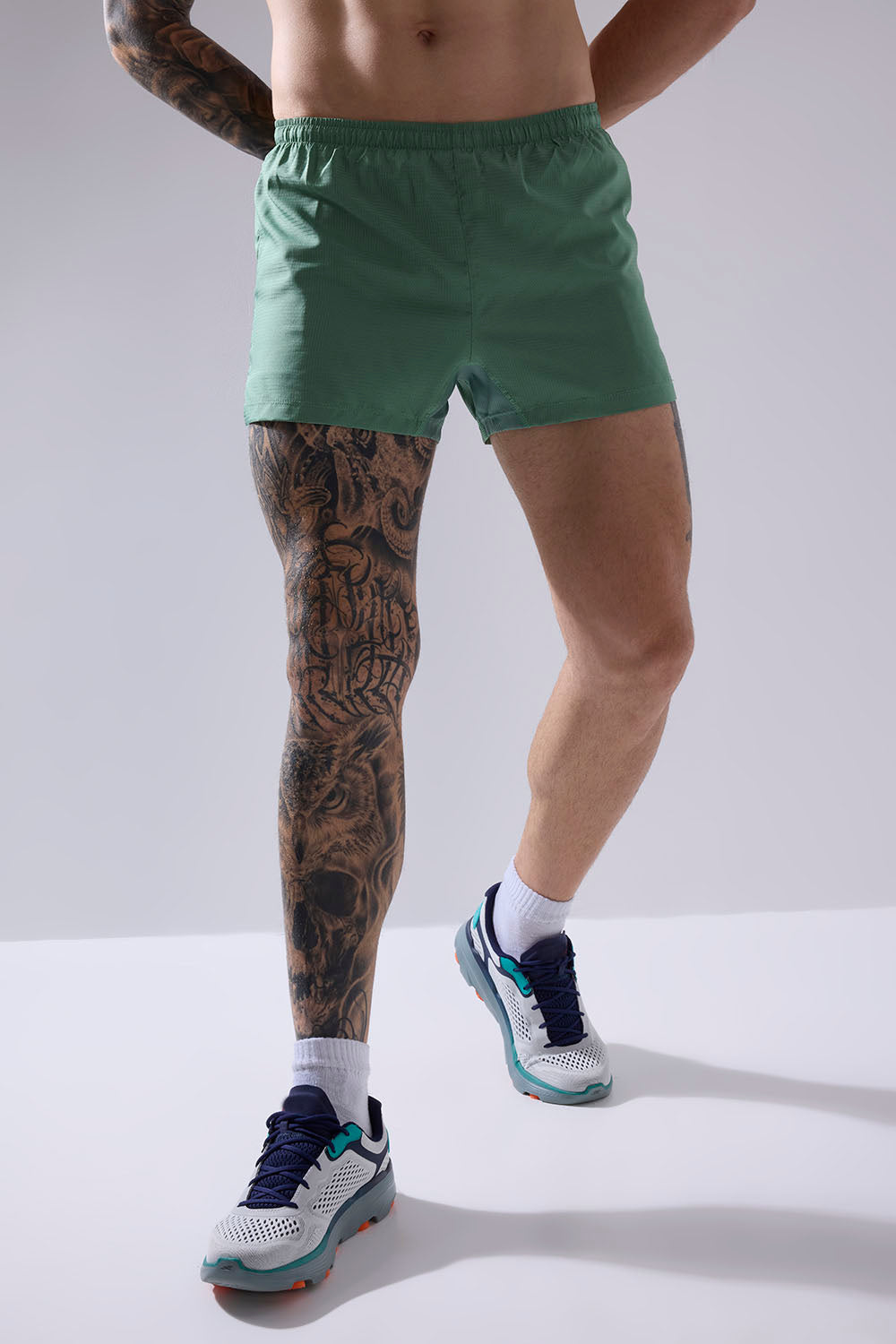
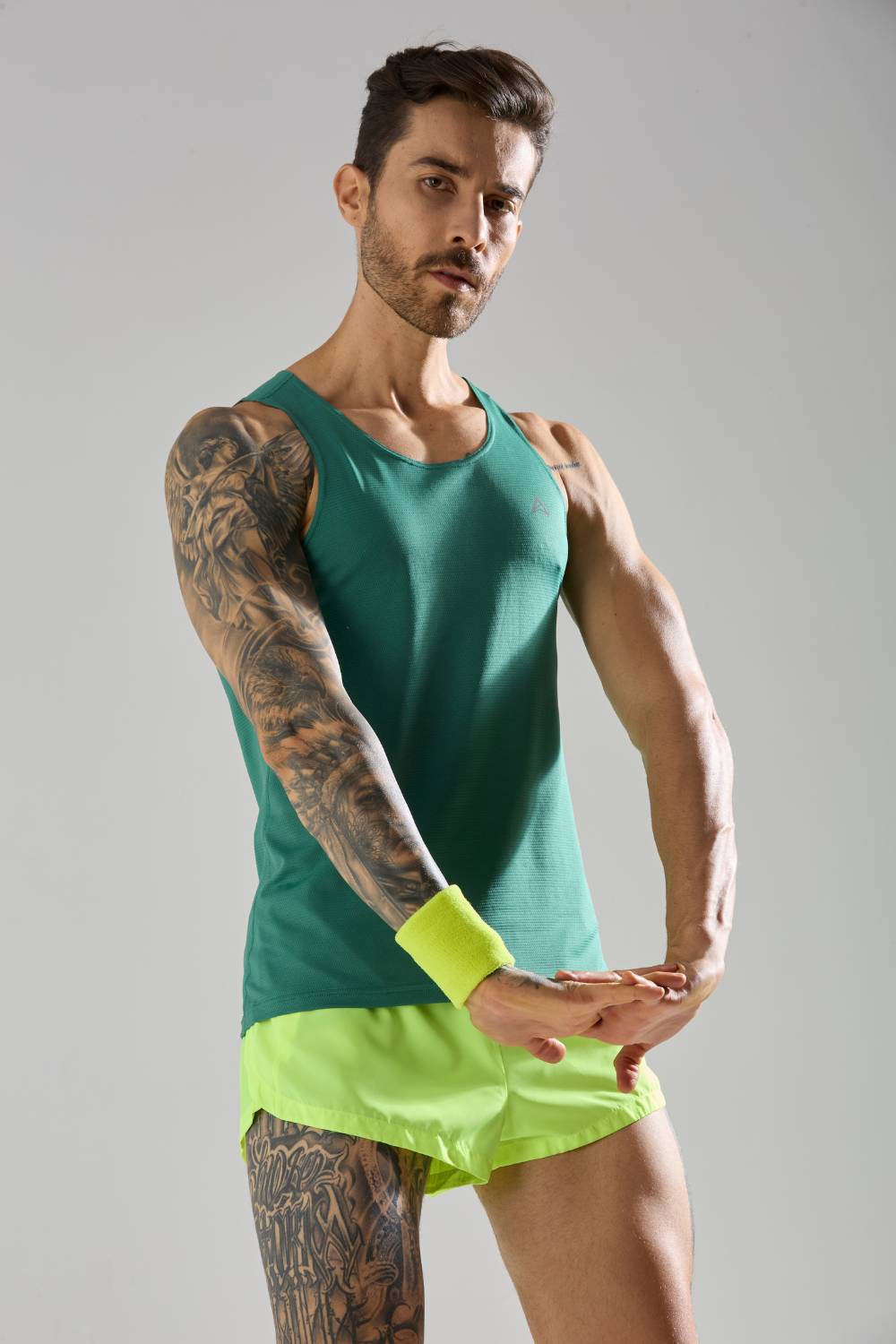
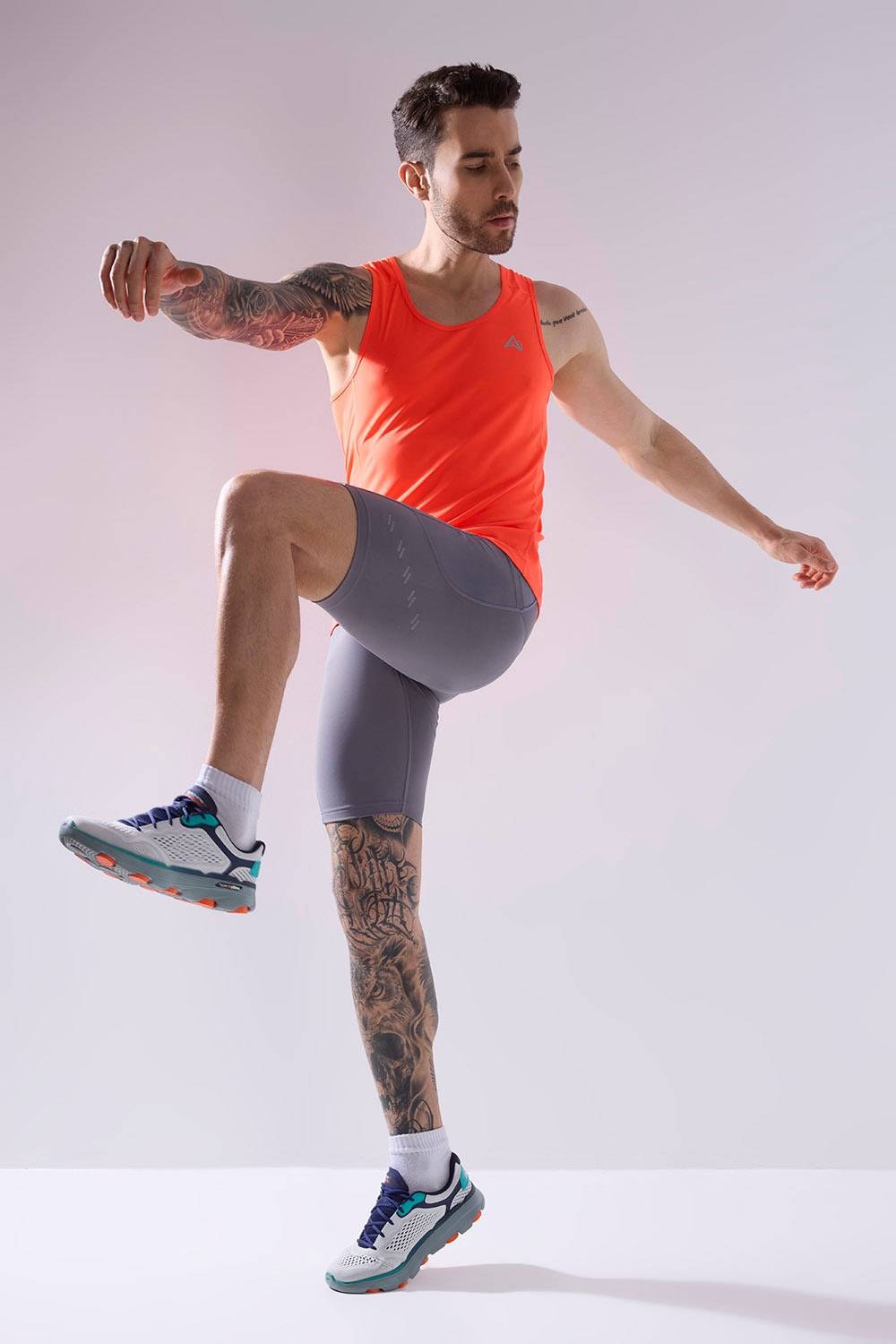
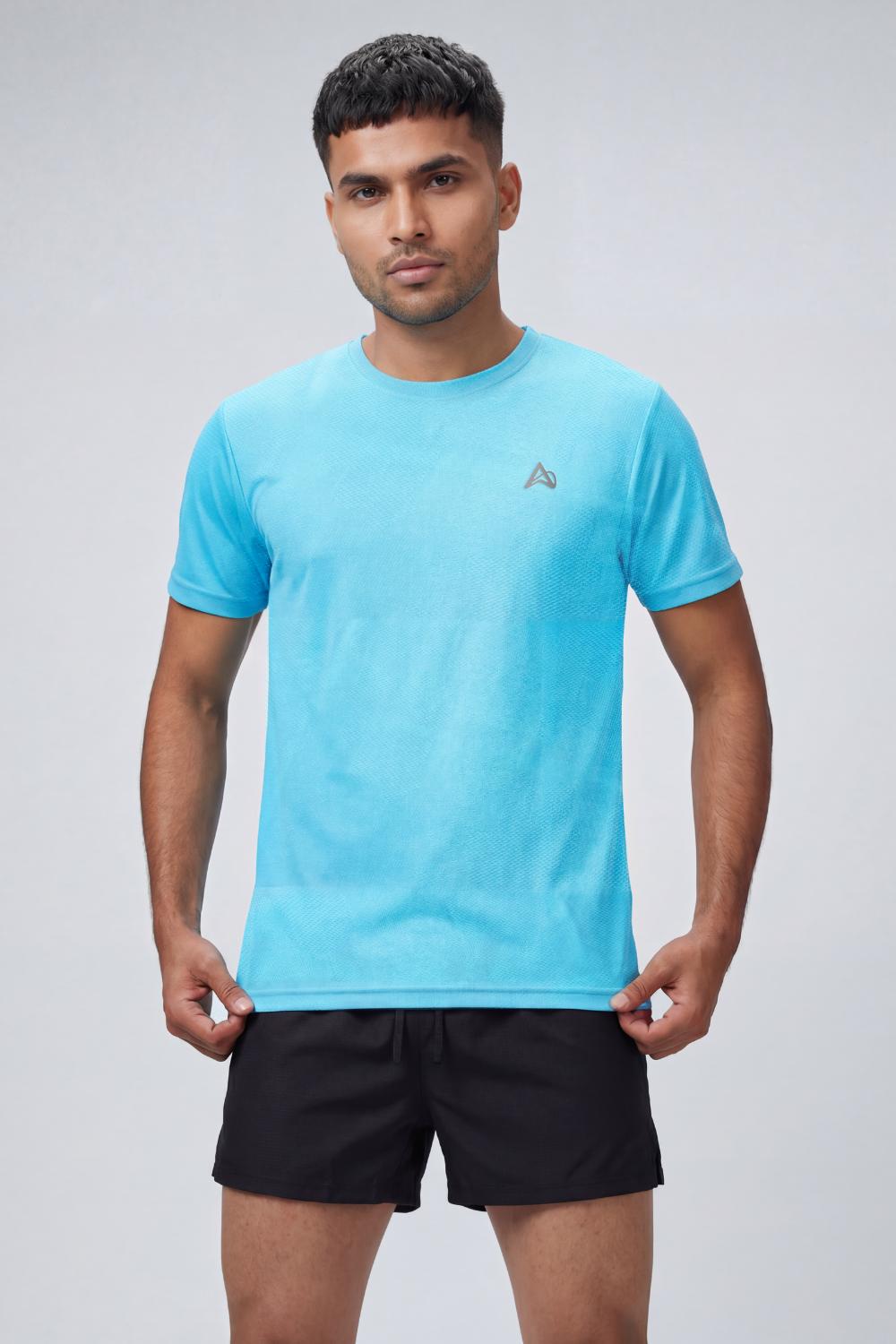
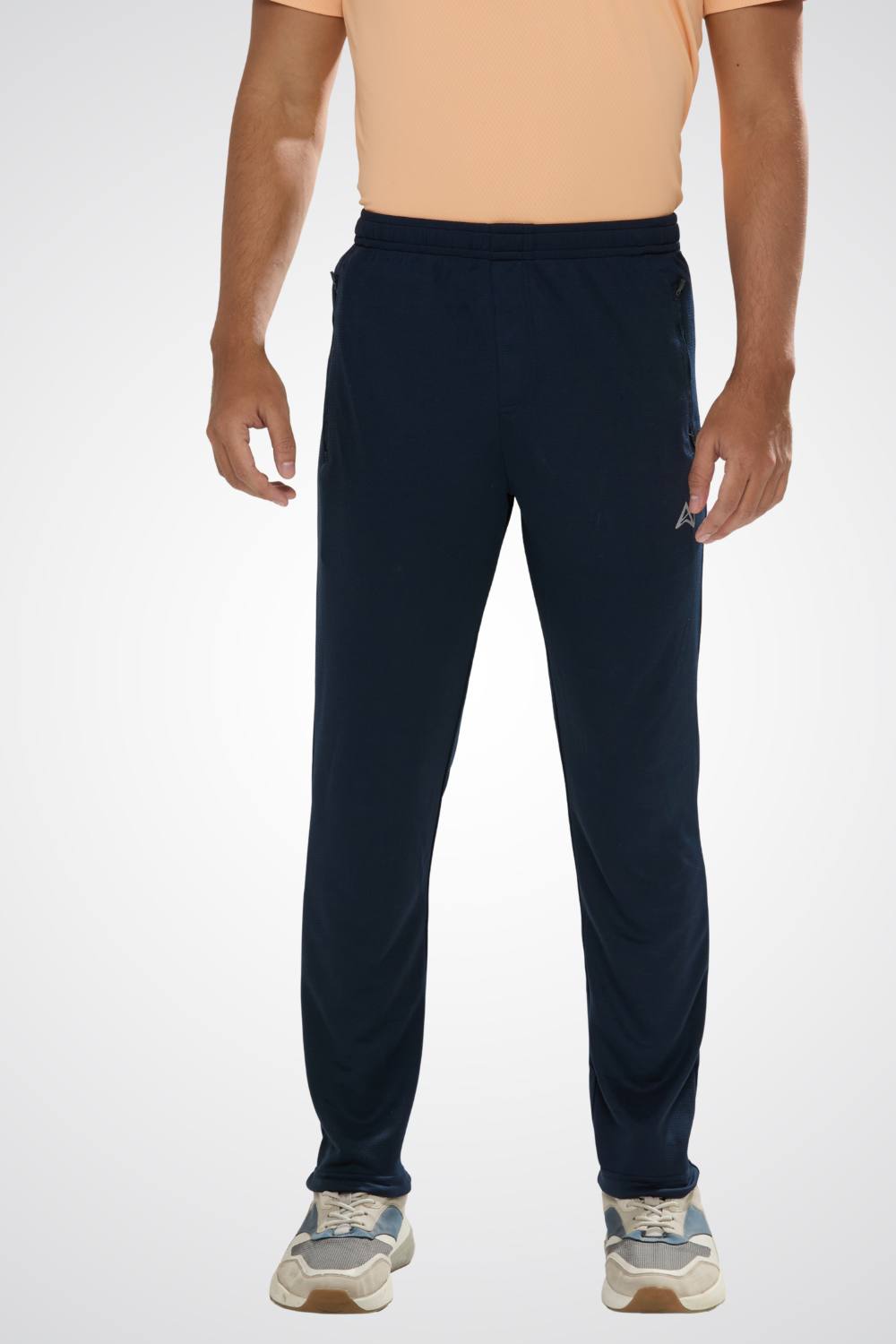
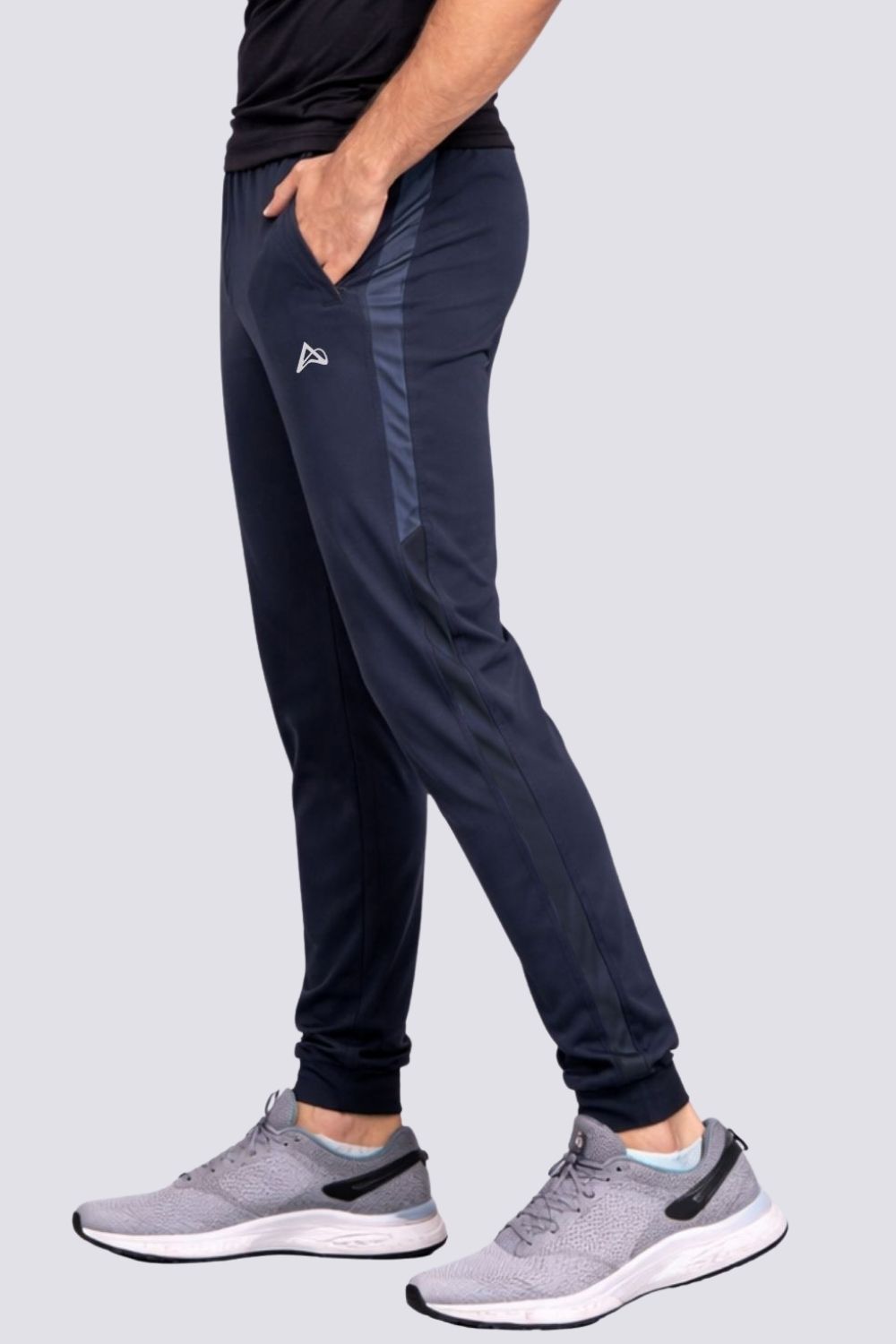
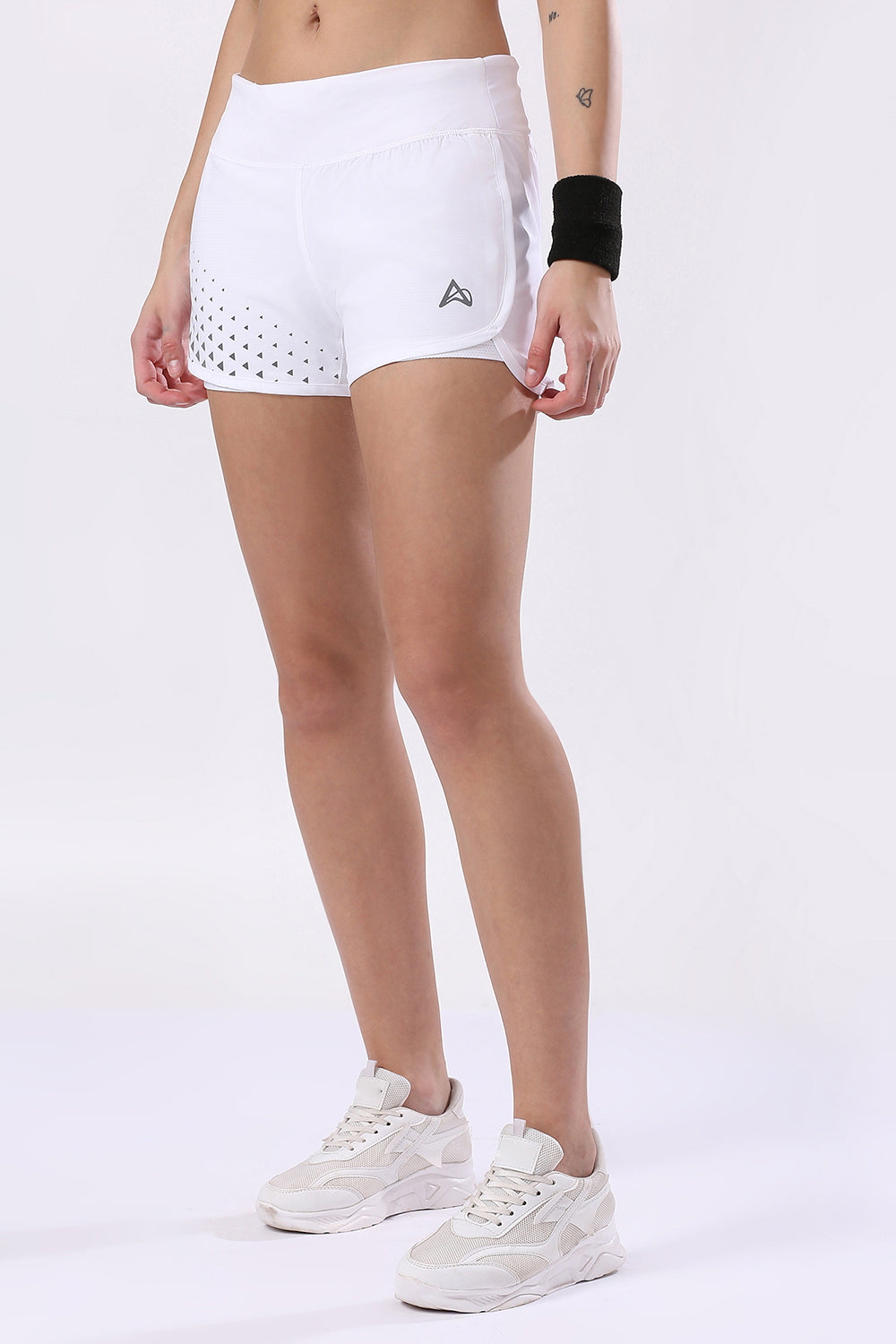
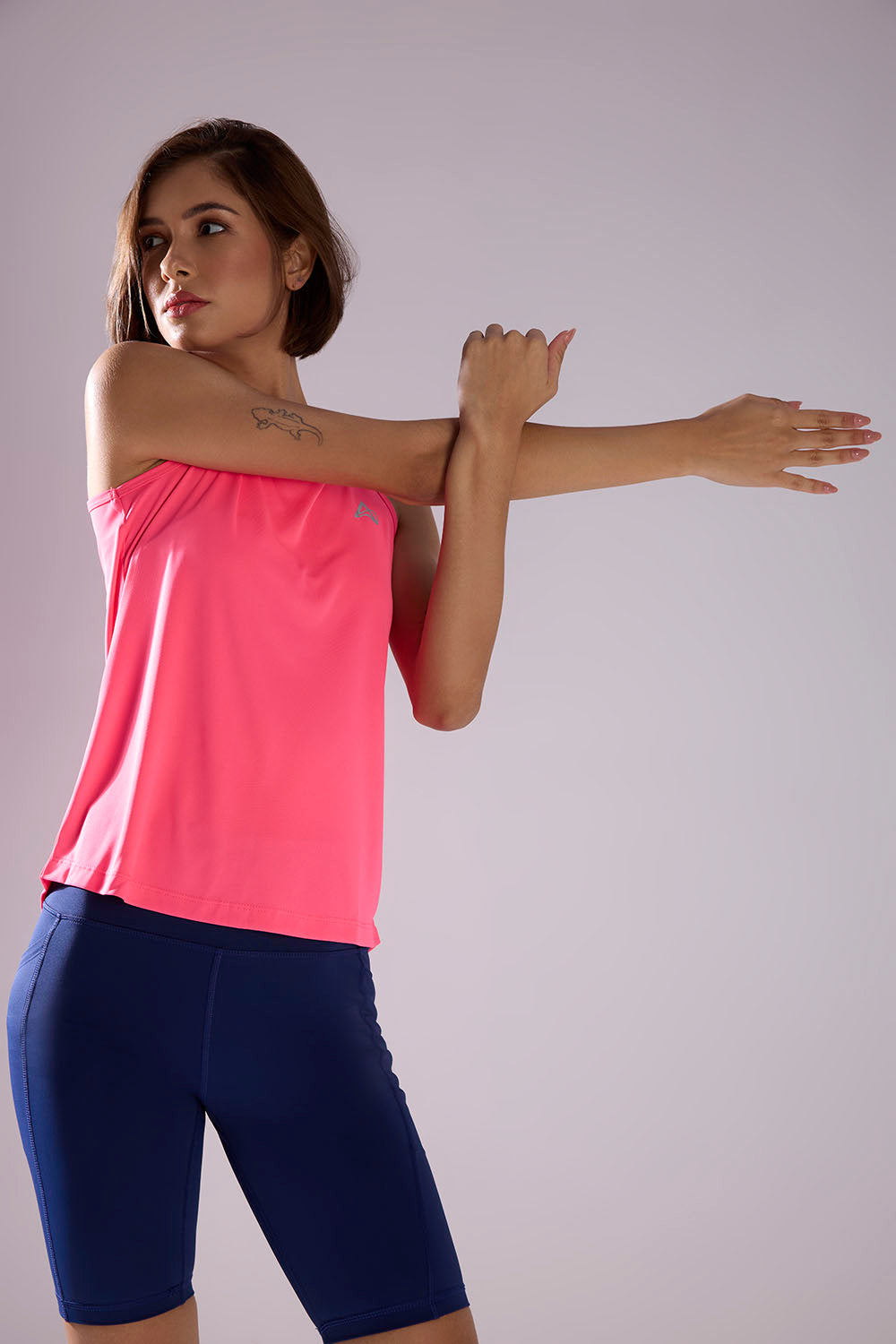
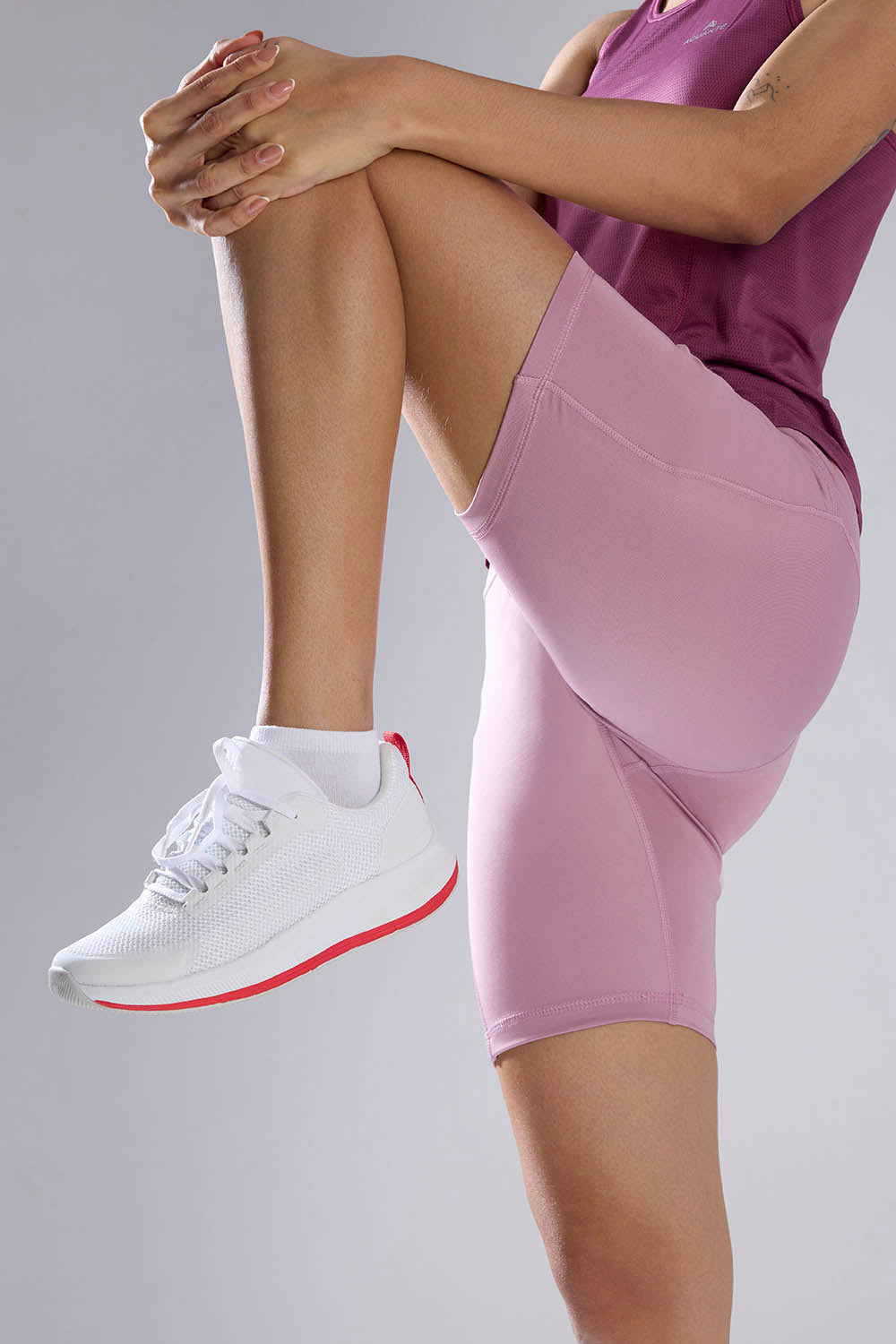
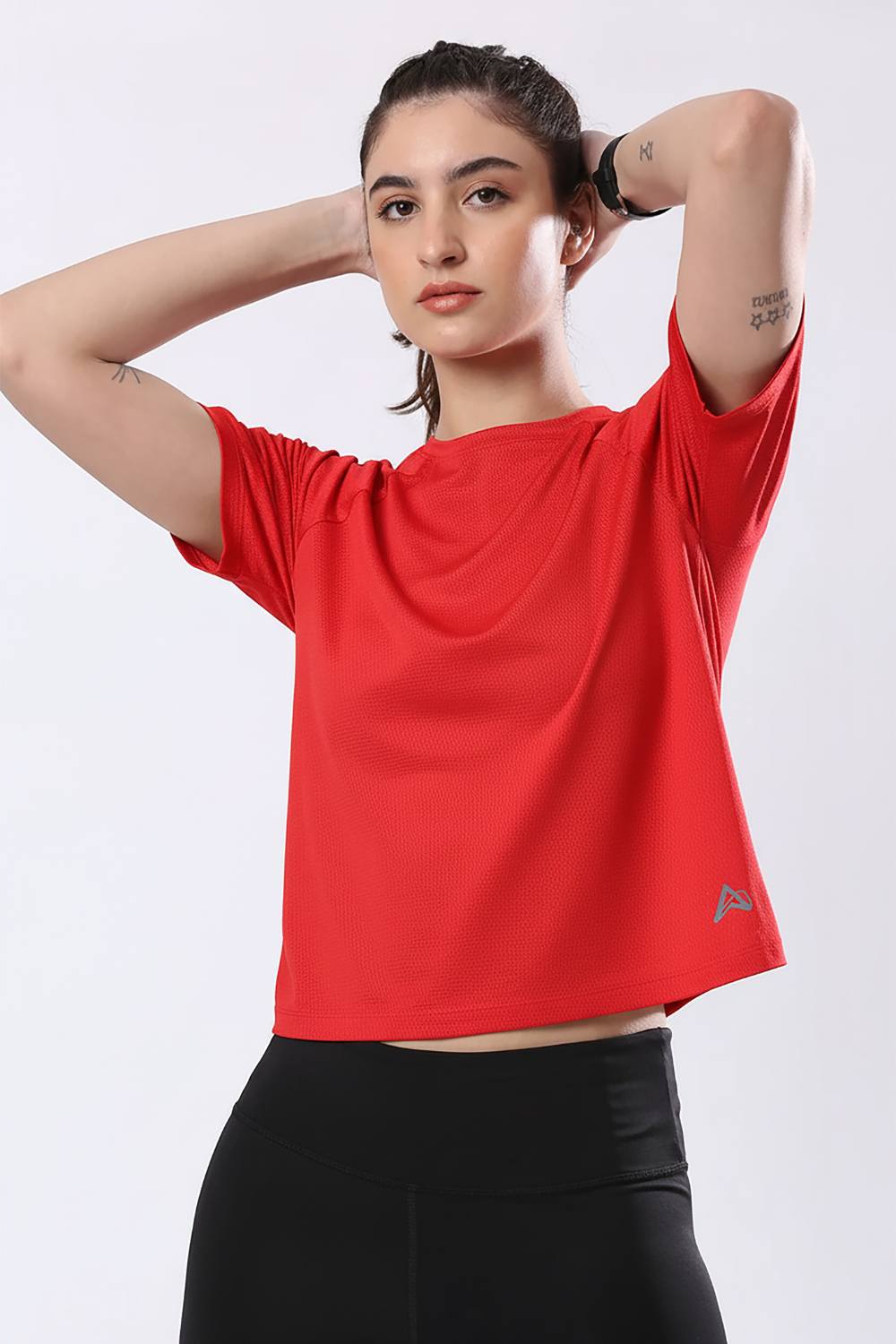
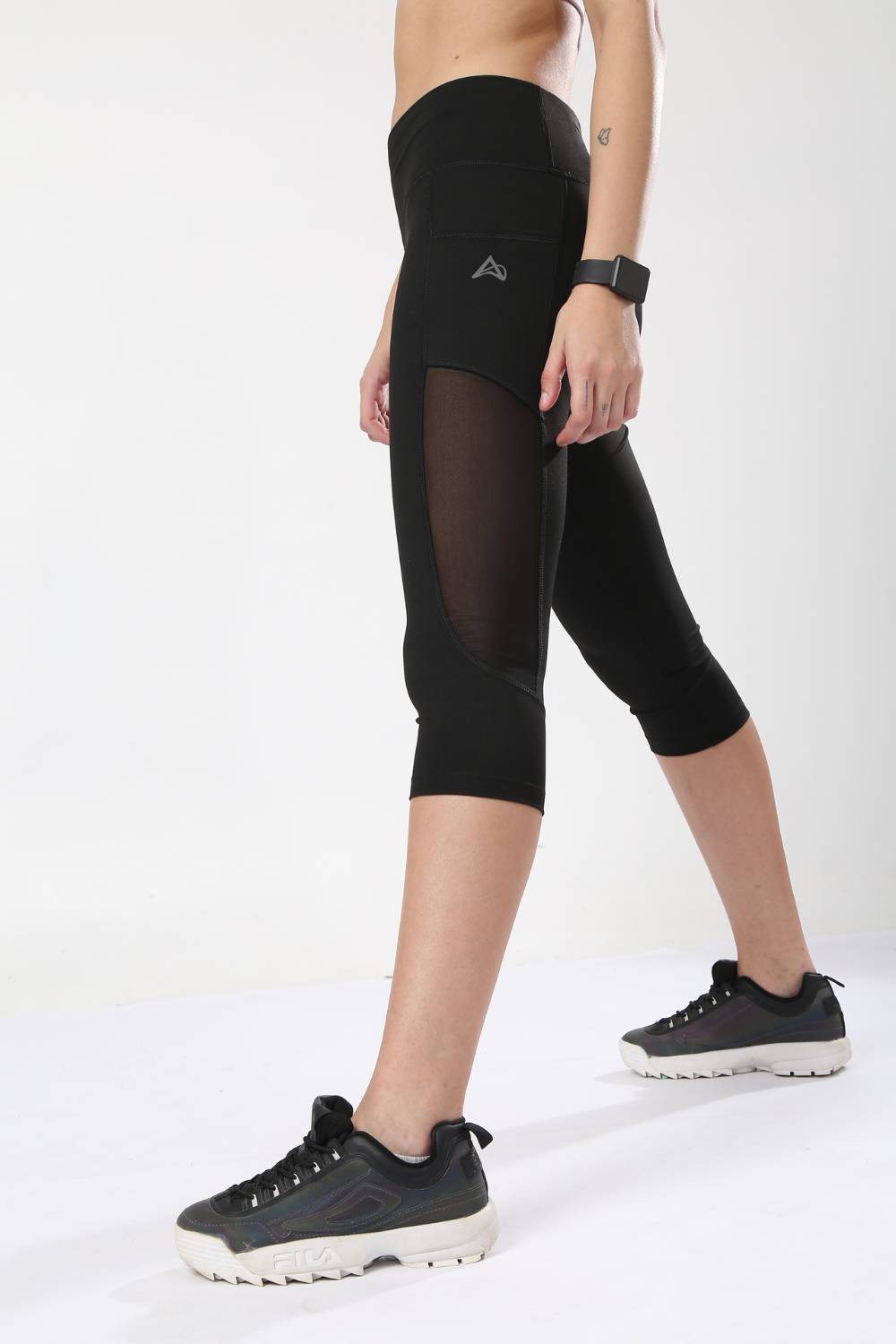
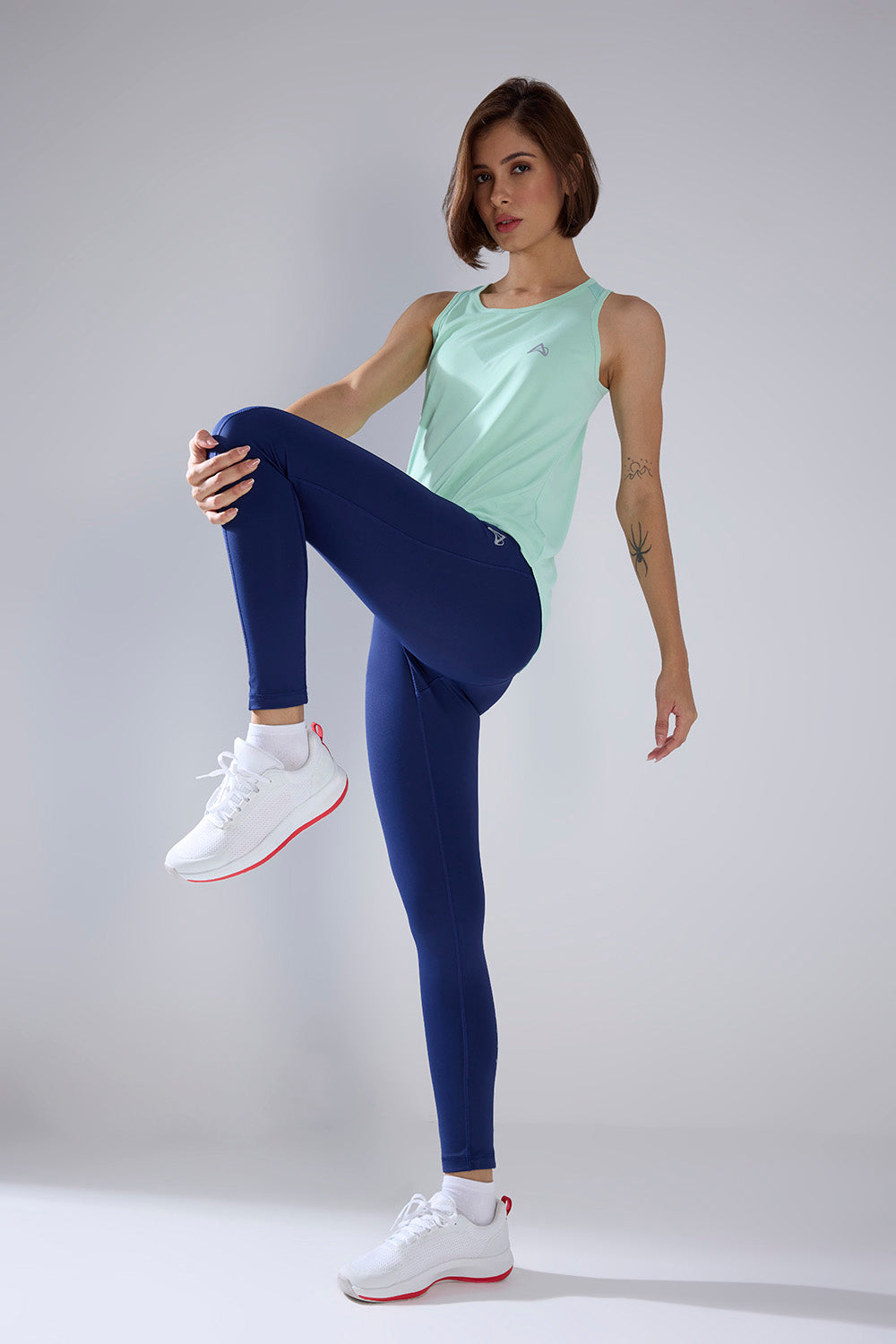
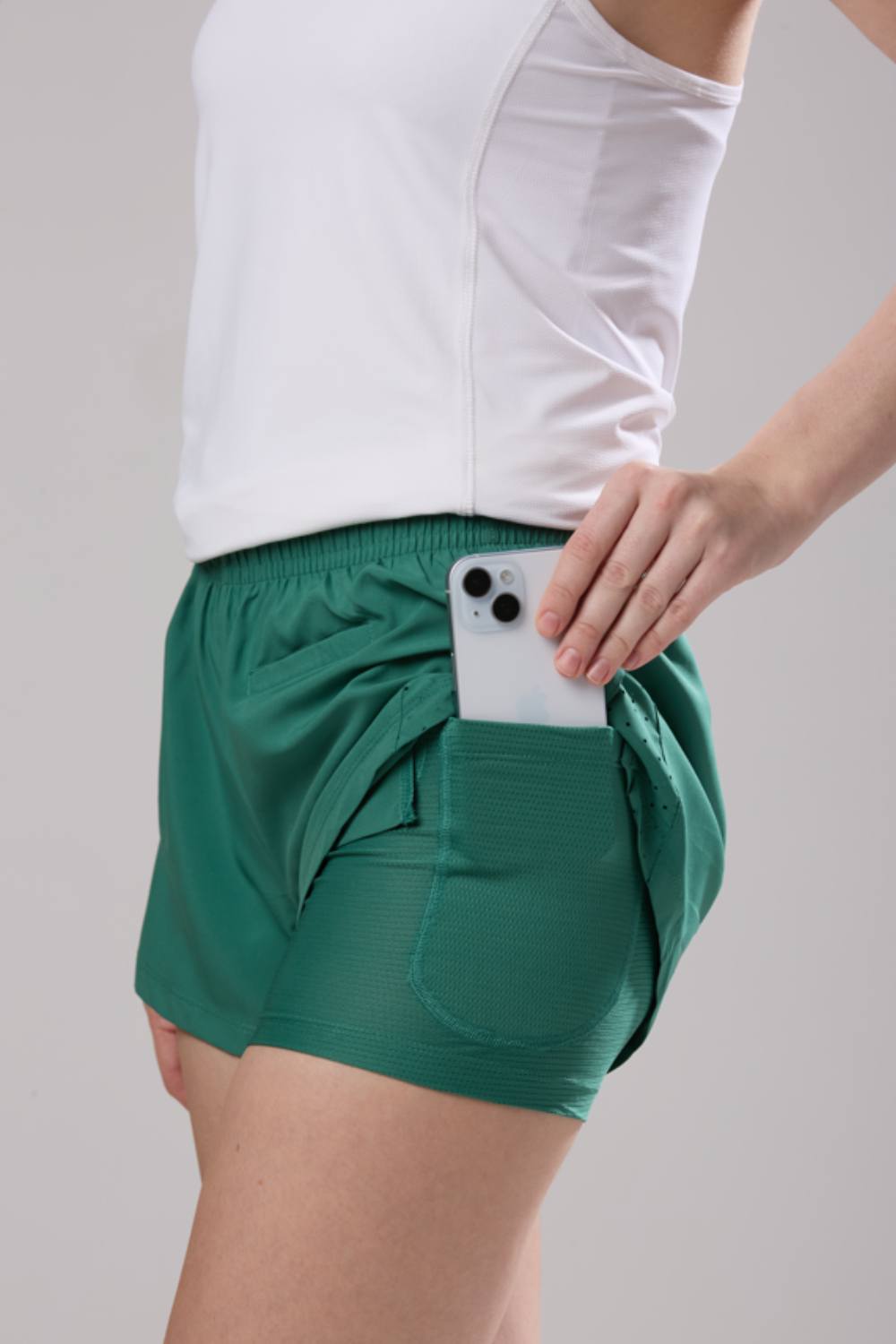
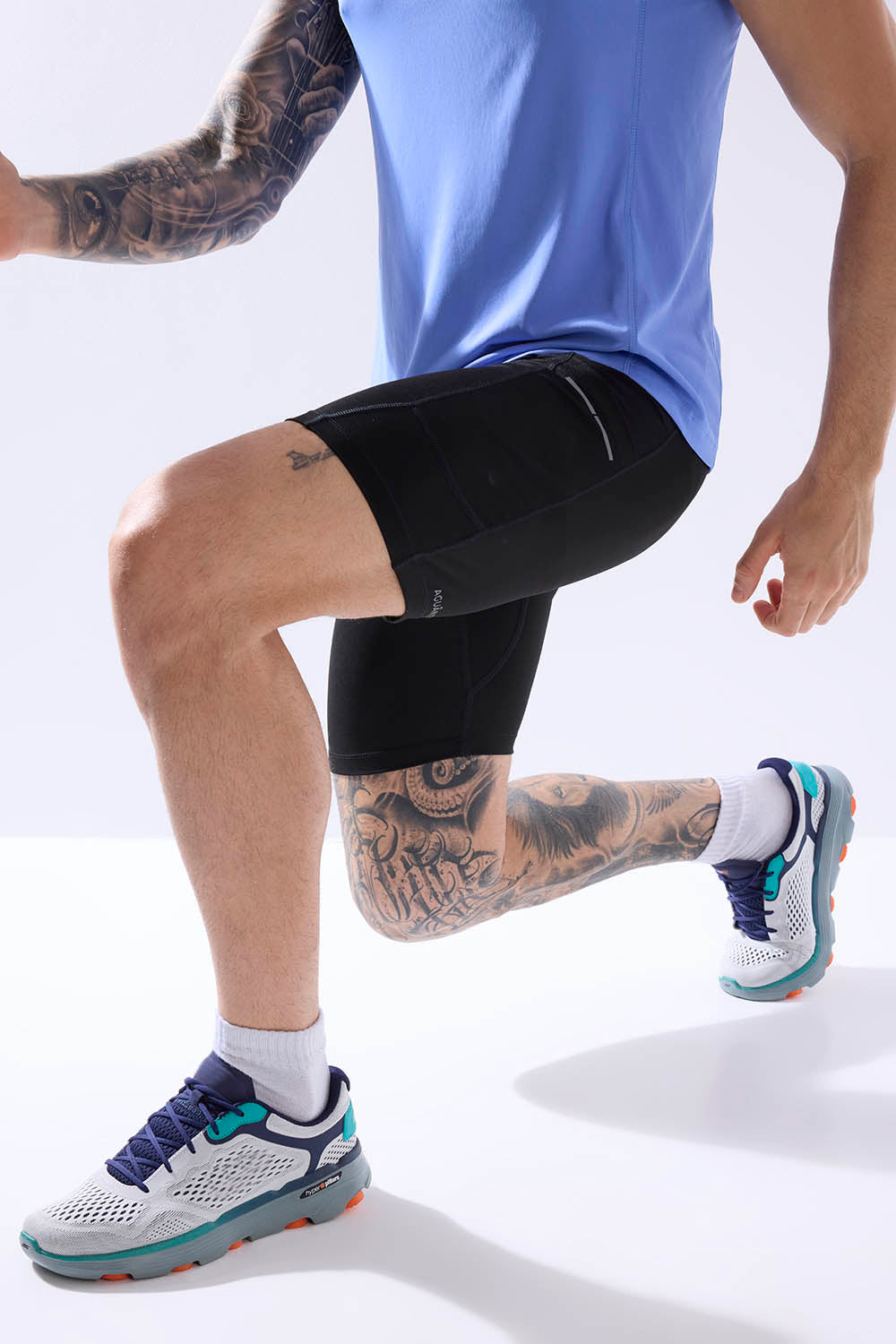
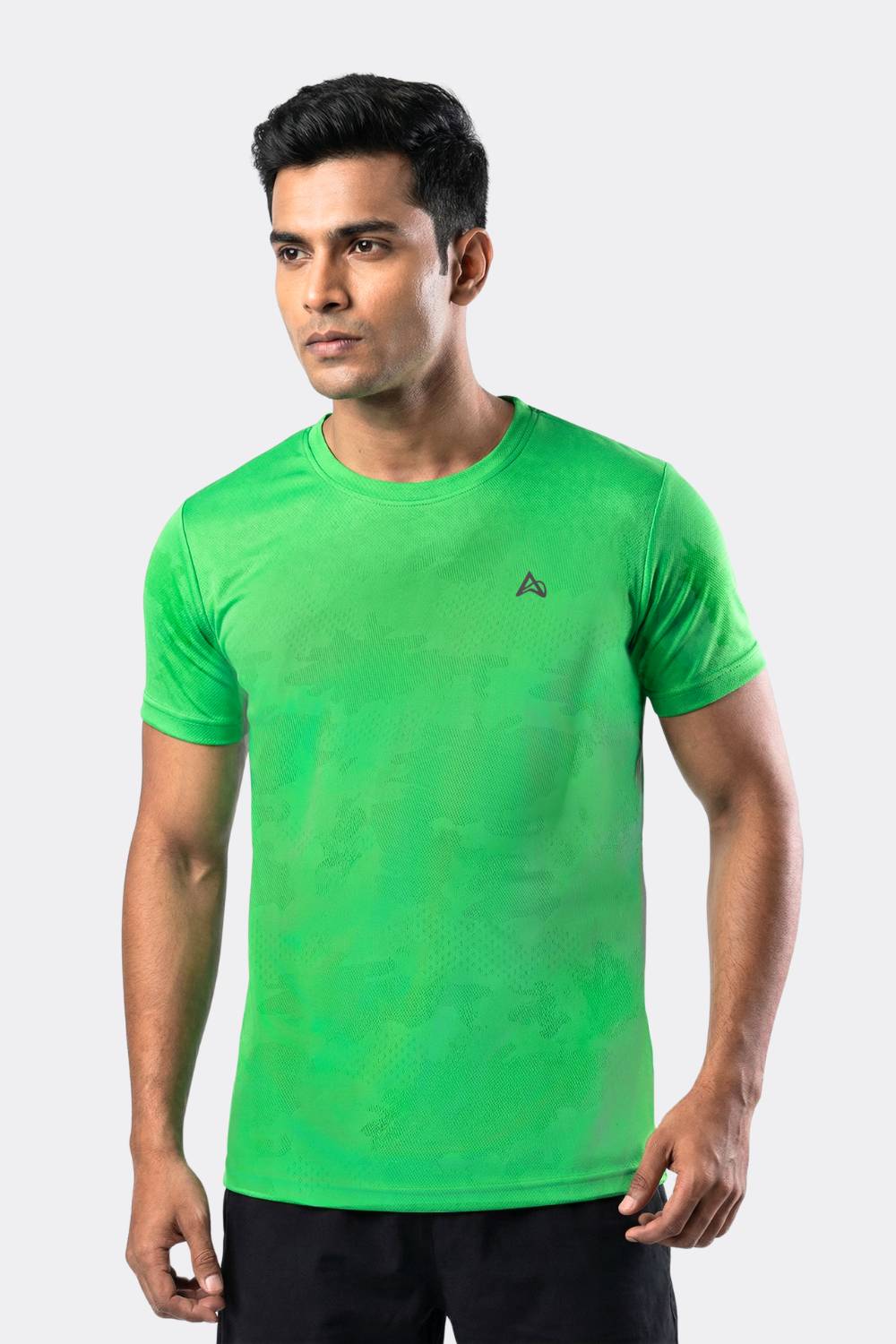
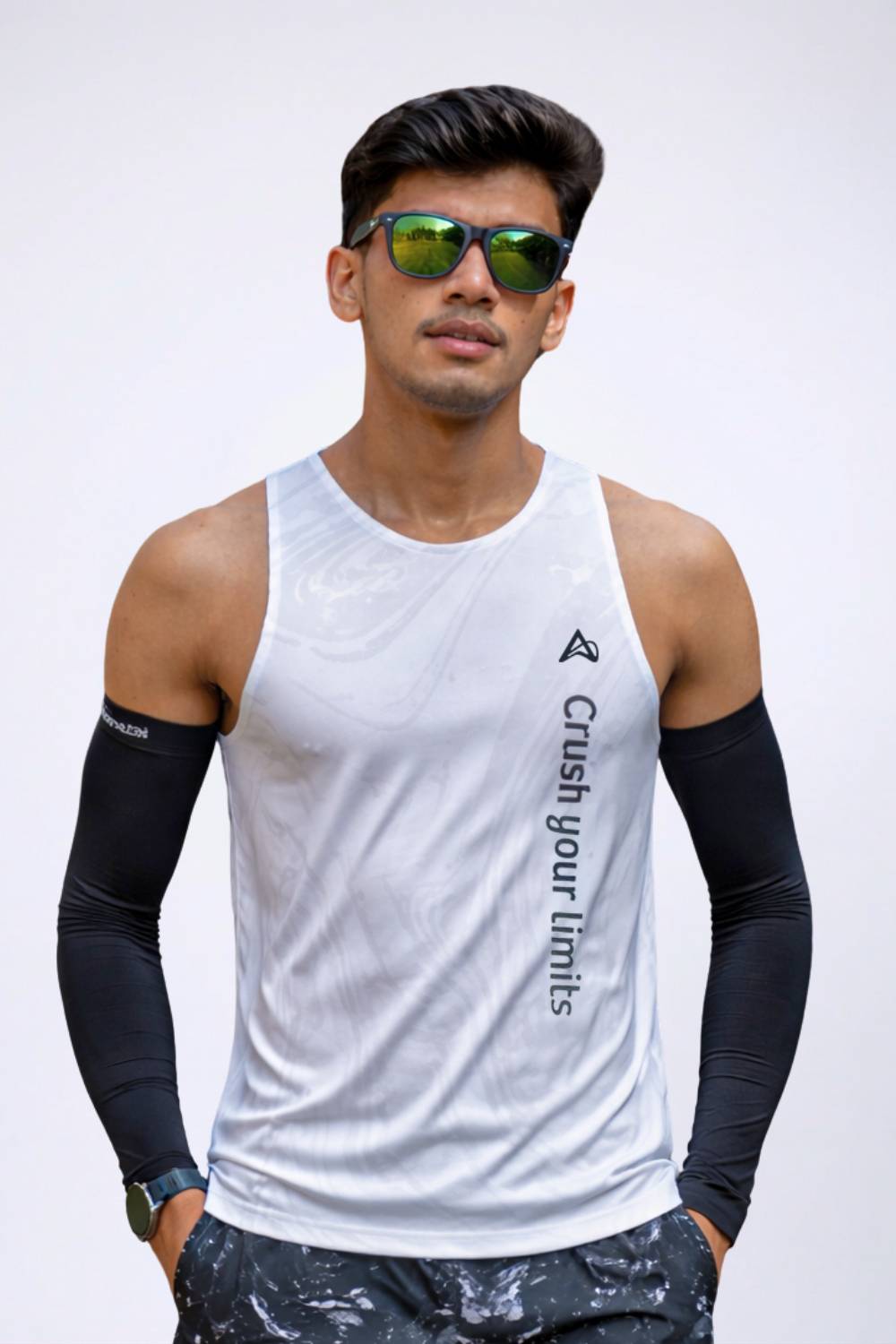
Tired of gear that slows you down? Chafing, soggy fabrics, and missing pockets kill your run's momentum. At Aguante, we're runners who get it. Our high-performance activewear features moisture-wicking fabrics, ergonomic designs, and smart storage to keep you focused. Shop Now!
Urban Running Culture Is Reshaping Apparel Demand
One of the most significant drivers behind the growth of performance running apparel in India is the rapid expansion of urban fitness participation. Cities like Bengaluru, Pune, and Hyderabad have seen a noticeable rise in early-morning running groups, weekend endurance events, and informal community fitness networks. These ecosystems are not just social they are shaping purchasing decisions in subtle but powerful ways.
In Bengaluru, for instance, tech professionals are increasingly integrating short runs into hybrid work schedules, driving demand for lightweight, sweat-wicking apparel that performs equally well in humid mornings and indoor training environments. Meanwhile, in Mumbai and Navi Mumbai, coastal humidity has created strong preference patterns for quick-dry fabrics and anti-chafing designs that support longer endurance sessions along promenades and open public spaces.
This shift aligns with broader structural changes in India's sports ecosystem. The broader sports industry reflects increasing consumer participation and investment in fitness infrastructure, with strong momentum driven by urban engagement and lifestyle adoption. According to a sports market report, India's sports economy is estimated at around USD 52 billion, reflecting how deeply fitness and athletic participation are embedding themselves into everyday life.
Market Fragmentation and the Rise of Performance Segmentation
The performance running apparel category is becoming increasingly segmented, with consumers now differentiating between casual running gear, endurance-focused apparel, and hybrid athleisure performance wear. This fragmentation is pushing brands to refine product strategies rather than rely on broad “sportswear” positioning.
In cities like Delhi and Gurugram, where air quality and seasonal weather variability affect outdoor training patterns, consumers tend to prioritize layered performance systems light base layers, breathable mid-layers, and wind-resistant outerwear. In contrast, Surat and Ahmedabad present strong demand for heat-adaptive apparel designed for high-temperature conditions and intense sweat management.
This evolution is also reflected in the scale of the running gear ecosystem. The category is expanding as more consumers adopt structured fitness routines and participate in organized events such as city marathons and community races. The India running gear market reached USD 2.4 billion in 2024, driven by rising health awareness, urbanization, and increasing participation in recreational running activities.
Rather than signaling a purely volume-driven market, these dynamics indicate a shift toward specialization. Brands are increasingly required to address micro-needs humidity control, muscle compression, odor resistance, and adaptive fit systems rather than simply offering general-purpose sportswear.
Distribution Channels Are Becoming Experience-Driven
The competitive landscape is also being reshaped by how performance apparel is distributed and experienced by consumers. While online retail continues to expand rapidly, physical touchpoints still play a critical role in influencing purchasing decisions, particularly for performance-focused categories where fabric feel, fit precision, and mobility testing matter.
In Bengaluru and Pune, specialty running stores and pop-up fitness retail formats are gaining traction by offering curated product assortments and community engagement experiences. These spaces often double as meeting points for running groups, creating a hybrid model where retail and fitness culture overlap.
Meanwhile, Mumbai and Delhi have seen growth in omnichannel strategies where consumers research products online but complete purchases after trying apparel in-store. This behavior reflects a broader expectation shift consumers are no longer satisfied with static product listings; they expect immersive validation of performance claims.
For brands in the performance apparel space, this means distribution strategy is becoming a core competitive differentiator. The ability to combine digital storytelling with tactile retail experiences is increasingly central to conversion and brand loyalty.
City-Level Competition and Climate-Driven Design Needs
Unlike more homogeneous apparel markets, India's performance running category is deeply shaped by regional climate diversity. Each major urban center effectively behaves as a distinct micro-market with its own apparel requirements and usage patterns.
In Hyderabad and Bengaluru, humidity management and all-day comfort dominate product preferences, making breathable mesh fabrics and moisture-wicking technologies essential. In contrast, Delhi and Gurugram demand seasonal adaptability, particularly during winter training cycles and transitional weather periods when layering becomes critical.
Mumbai and Navi Mumbai present unique coastal conditions that prioritize salt-resistant fabrics, quick-dry capabilities, and odor control features due to high humidity and frequent exposure to sea air. Meanwhile, Pune's strong running community culture places greater emphasis on endurance apparel designed for long-distance training and marathon preparation cycles.
These localized differences are influencing how brands approach product development. Instead of a one-size-fits-all national collection, successful players are increasingly designing modular product lines that can be adapted across climates while maintaining consistent performance benchmarks.
Consumer Expectations Are Shifting Toward Technical Transparency
Today's performance apparel consumer is significantly more informed than in previous years. Exposure to global fitness trends, social media-driven athlete content, and wearable fitness tracking has created a demand for transparency in product performance claims. Consumers now expect clear articulation of what a fabric does, how it performs under stress, and why it is suitable for specific training environments.
In cities like Delhi and Bengaluru, this has translated into growing interest in compression technology, thermoregulation fabrics, and ergonomic seam construction. Meanwhile, in Ahmedabad and Surat, consumers are prioritizing durability and heat resistance due to consistently high temperatures and prolonged outdoor exposure.
This shift is not just about product features it is about trust. Brands that can clearly communicate technical benefits in relatable, non-technical language are gaining a stronger foothold in the market. The ability to translate fabric science into everyday performance benefits is becoming a key differentiator in consumer decision-making.
Competitive Landscape: From Global Giants to Emerging Specialists
The competitive landscape for performance running apparel in India is characterized by a mix of global sportswear giants, established domestic brands, and emerging niche players focused on high-performance innovation. However, competition is no longer defined solely by brand size. Instead, it is increasingly shaped by specialization, storytelling, and regional relevance.
Global brands often bring advanced R&D capabilities and strong international branding, but they sometimes struggle to localize product design for India's diverse climate conditions. Domestic brands, on the other hand, are leveraging deeper regional insights, faster product adaptation cycles, and stronger alignment with local running communities.
Emerging performance-focused brands like Aguante are positioning themselves within this gap by focusing on technical specificity and athlete-driven design philosophy. Rather than competing on broad lifestyle appeal, these brands are increasingly emphasizing performance engineering, fabric innovation, and real-world usability across India's varied running environments.
The competitive tension in this market is not simply about visibility it is about relevance. Brands that can align product innovation with the lived realities of runners in cities like Mumbai, Bengaluru, and Delhi are gaining disproportionate attention within the performance segment.
The Future of Performance Running Apparel in India
Looking ahead, the performance running apparel market in India is expected to become even more specialized, with deeper segmentation across climate zones, training intensity levels, and lifestyle integration. The growing popularity of community running events and fitness challenges across cities such as Pune, Hyderabad, and Delhi will continue to drive demand for technically advanced apparel solutions.
At the same time, sustainability considerations and material innovation are likely to play a more central role in product development. Consumers are increasingly aware of environmental impact and are beginning to evaluate performance apparel not just on functionality, but also on production ethics and material sourcing transparency.
As the category evolves, brands that succeed will be those that combine technical credibility with cultural fluency. The future of performance running apparel in India will not be defined by a single dominant player, but by a network of brands that understand how running culture differs from one city to another and design accordingly.
In this landscape, the opportunity is not just to sell apparel, but to become part of the running ecosystem itself supporting training, community building, and performance progression across India's most active urban centers.
Frequently Asked Questions
What is driving the growth of the performance running apparel market in India?
The growth is being fueled by the rapid expansion of urban fitness culture, rising health awareness, and the proliferation of city-based running communities in metros like Bengaluru, Mumbai, Pune, and Hyderabad. Hybrid work culture has also pushed more professionals to integrate running into daily routines, increasing demand for technical apparel. India's running gear market reached USD 2.4 billion in 2024, reflecting strong momentum across recreational and endurance segments.
How do India's regional climates affect performance running apparel choices?
India's climate diversity means each major city has distinct apparel needs for example, Mumbai and Navi Mumbai runners prioritize quick-dry, salt-resistant, and anti-chafing fabrics due to coastal humidity, while Delhi and Gurugram runners require layered, seasonally adaptive systems for winter training and transitional weather. In Ahmedabad and Surat, heat-resistant and sweat-management fabrics are essential due to consistently high temperatures. Successful brands are responding with modular product lines designed to perform across these varied environments.
How are Indian consumers choosing between global and domestic performance running apparel brands?
Indian consumers are increasingly favoring brands that demonstrate technical transparency clearly explaining fabric performance, thermoregulation, and fit over those that rely solely on global brand recognition. While international brands bring strong R&D and marketing, they often struggle to localize designs for India's diverse conditions. Domestic and emerging performance-focused brands are gaining ground by leveraging regional insights, faster product adaptation, and deeper integration with local running communities.
Disclaimer: The above helpful resources content contains personal opinions and experiences. The information provided is for general knowledge and does not constitute professional advice.
You may also be interested in: Why Pocket Design Matters in Running Shorts for Urban Athletes
Tired of gear that slows you down? Chafing, soggy fabrics, and missing pockets kill your run's momentum. At Aguante, we're runners who get it. Our high-performance activewear features moisture-wicking fabrics, ergonomic designs, and smart storage to keep you focused. Shop Now!
Powered by flareAI.co