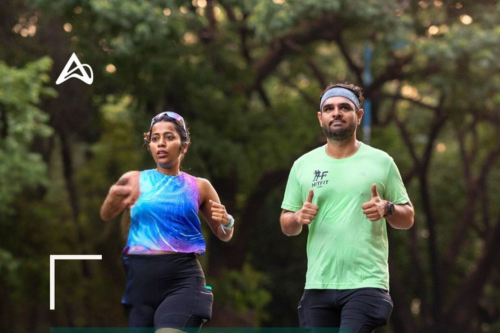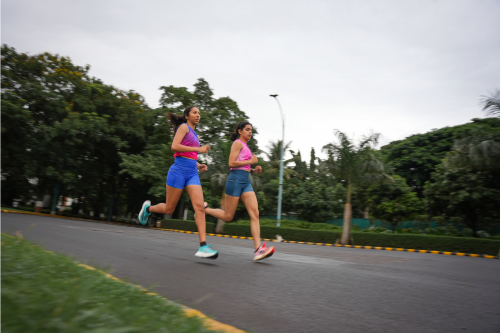

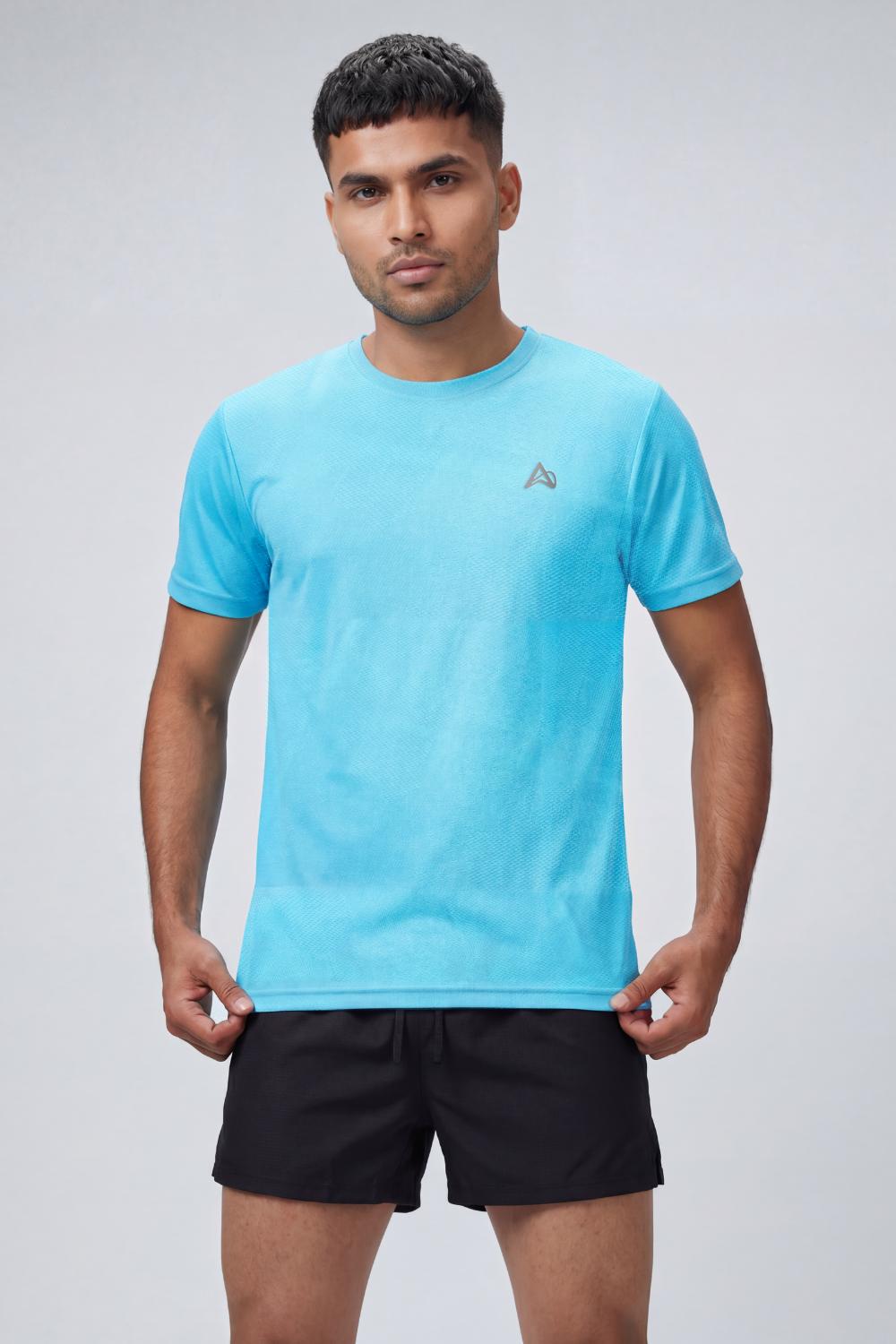
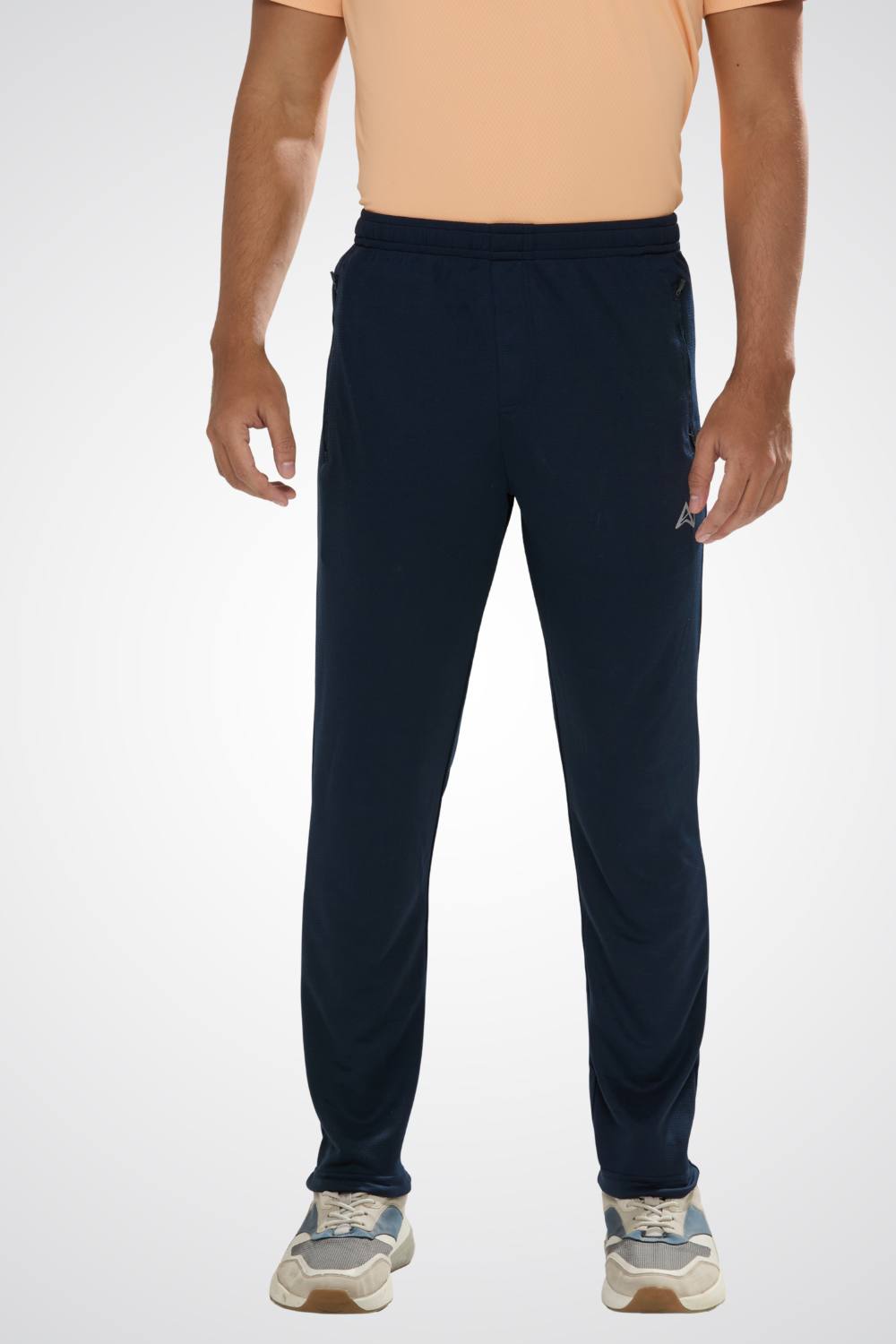
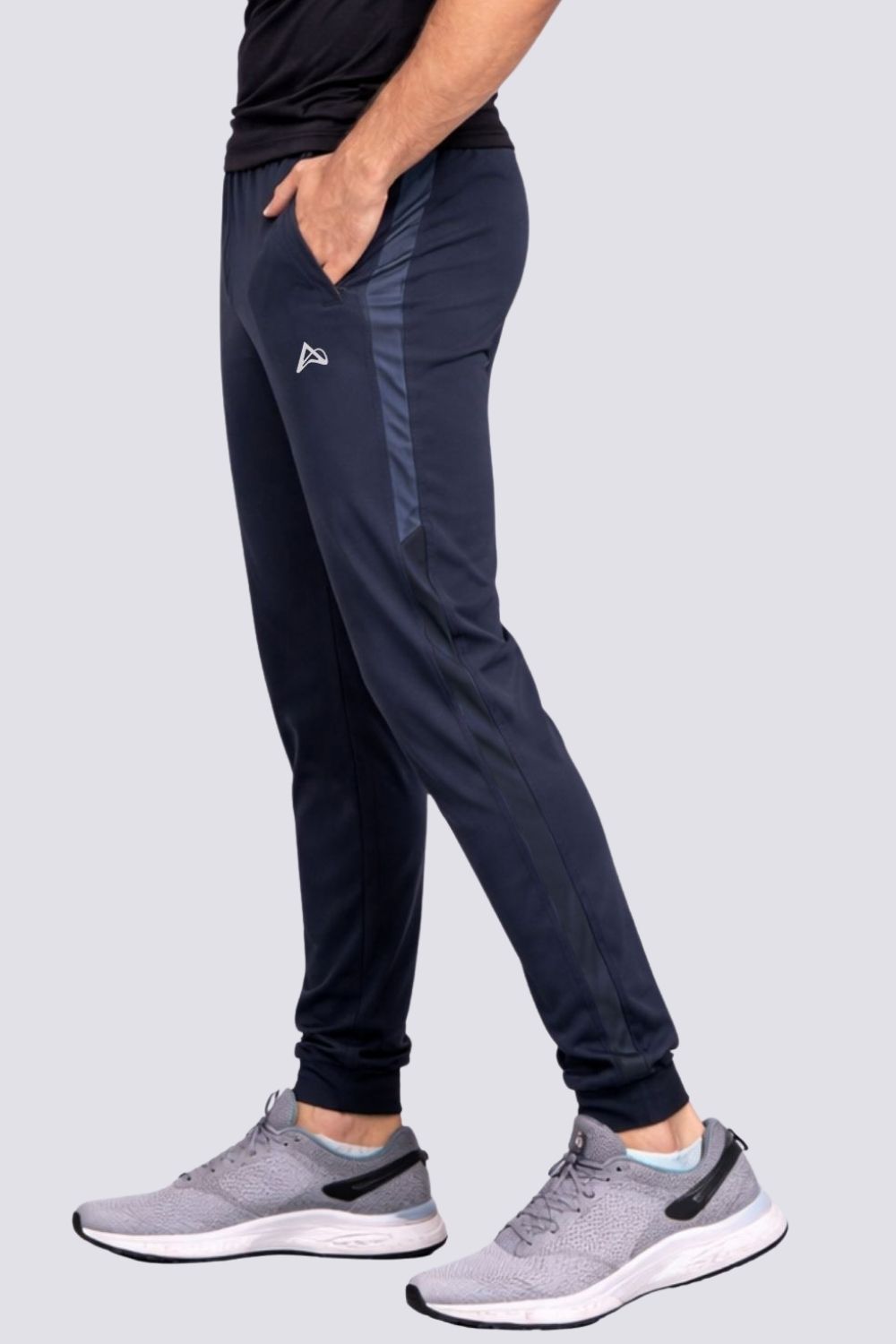
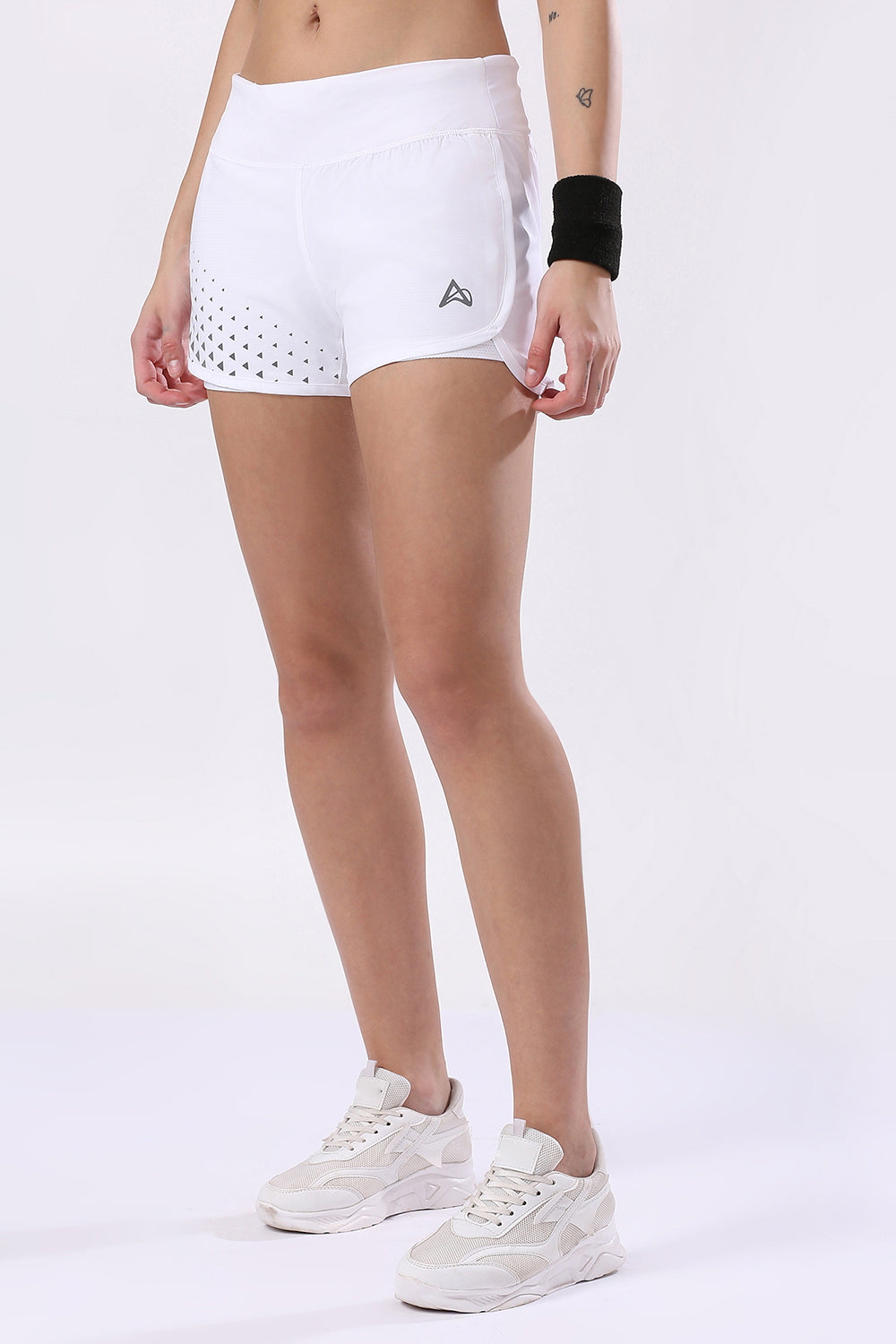
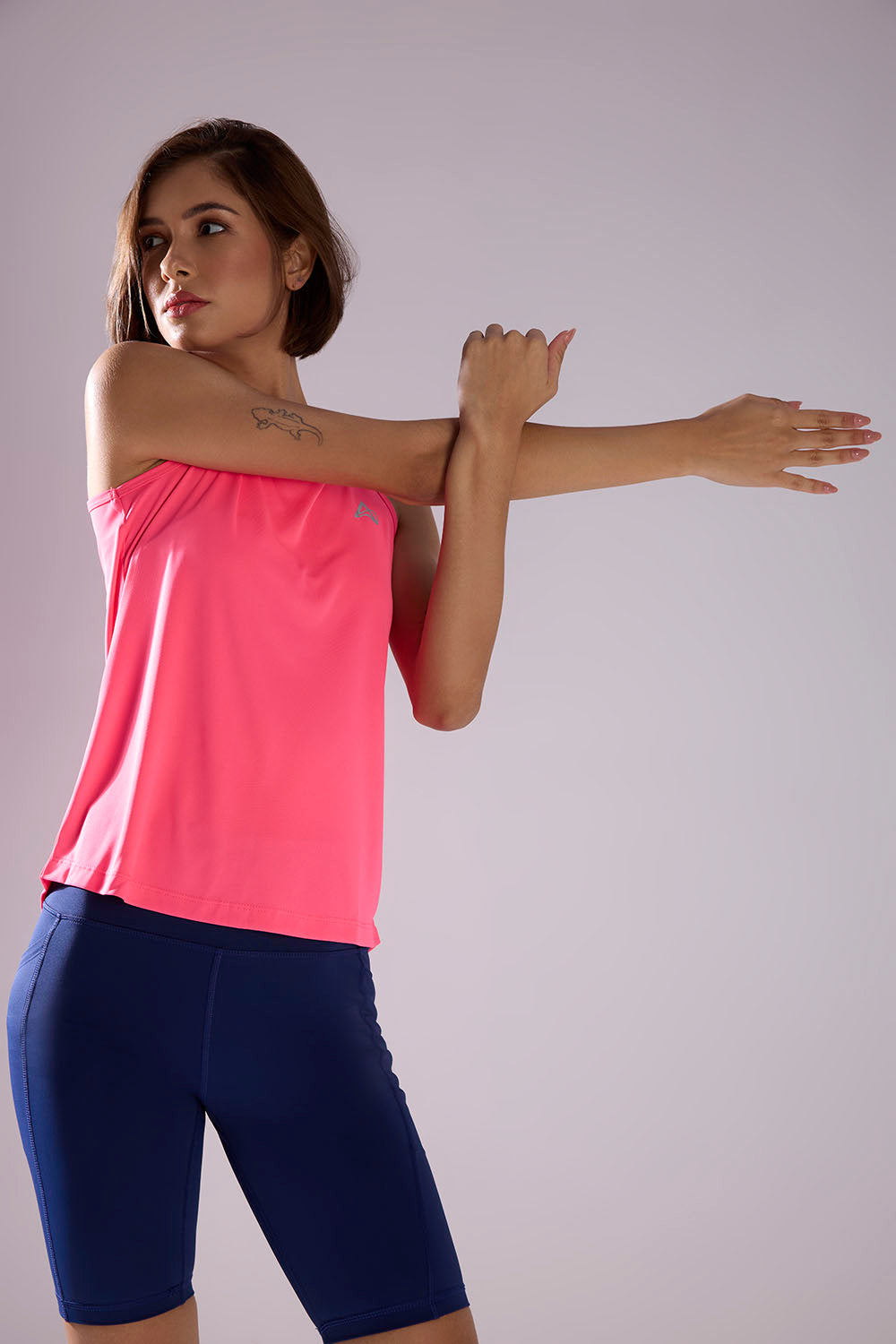
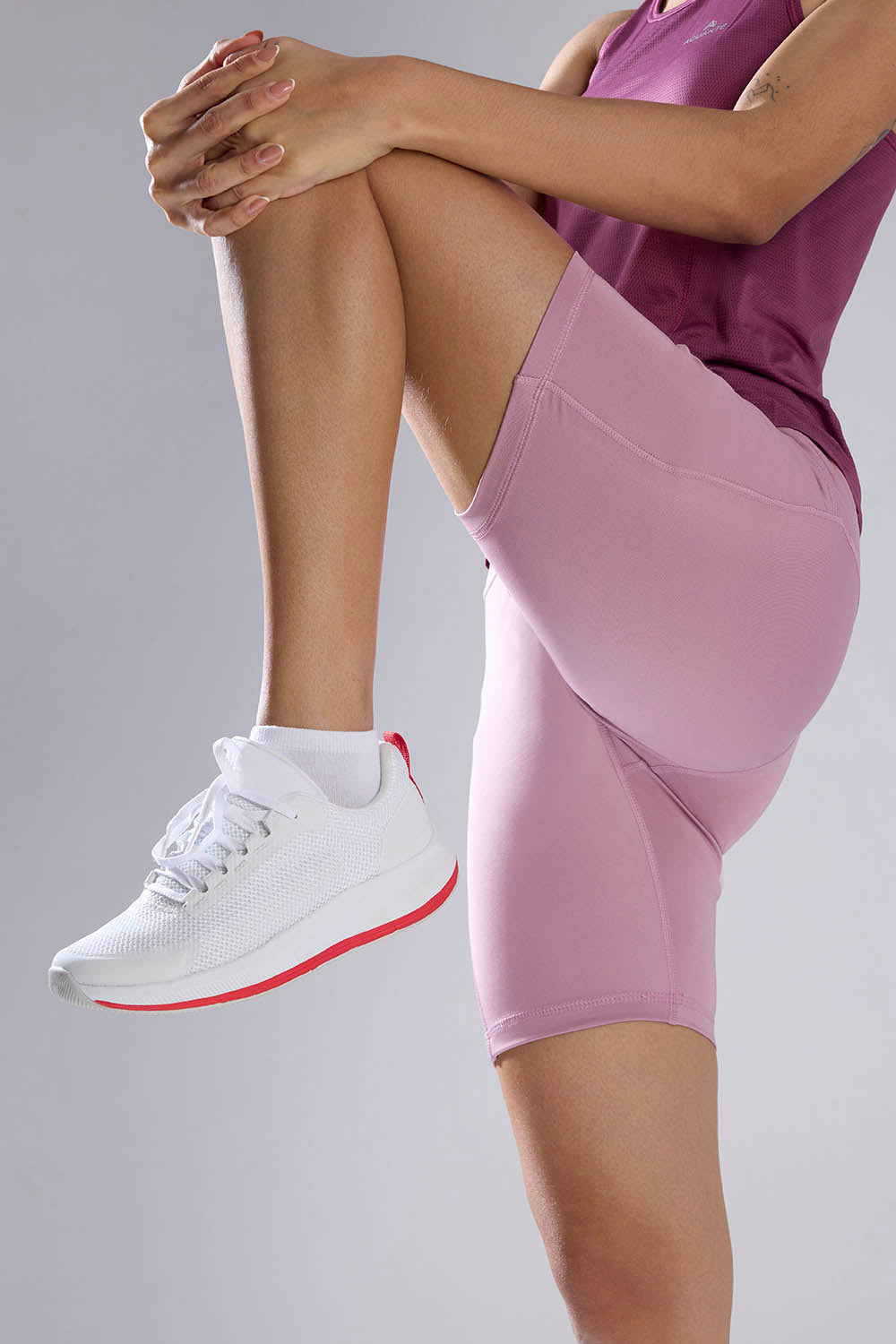
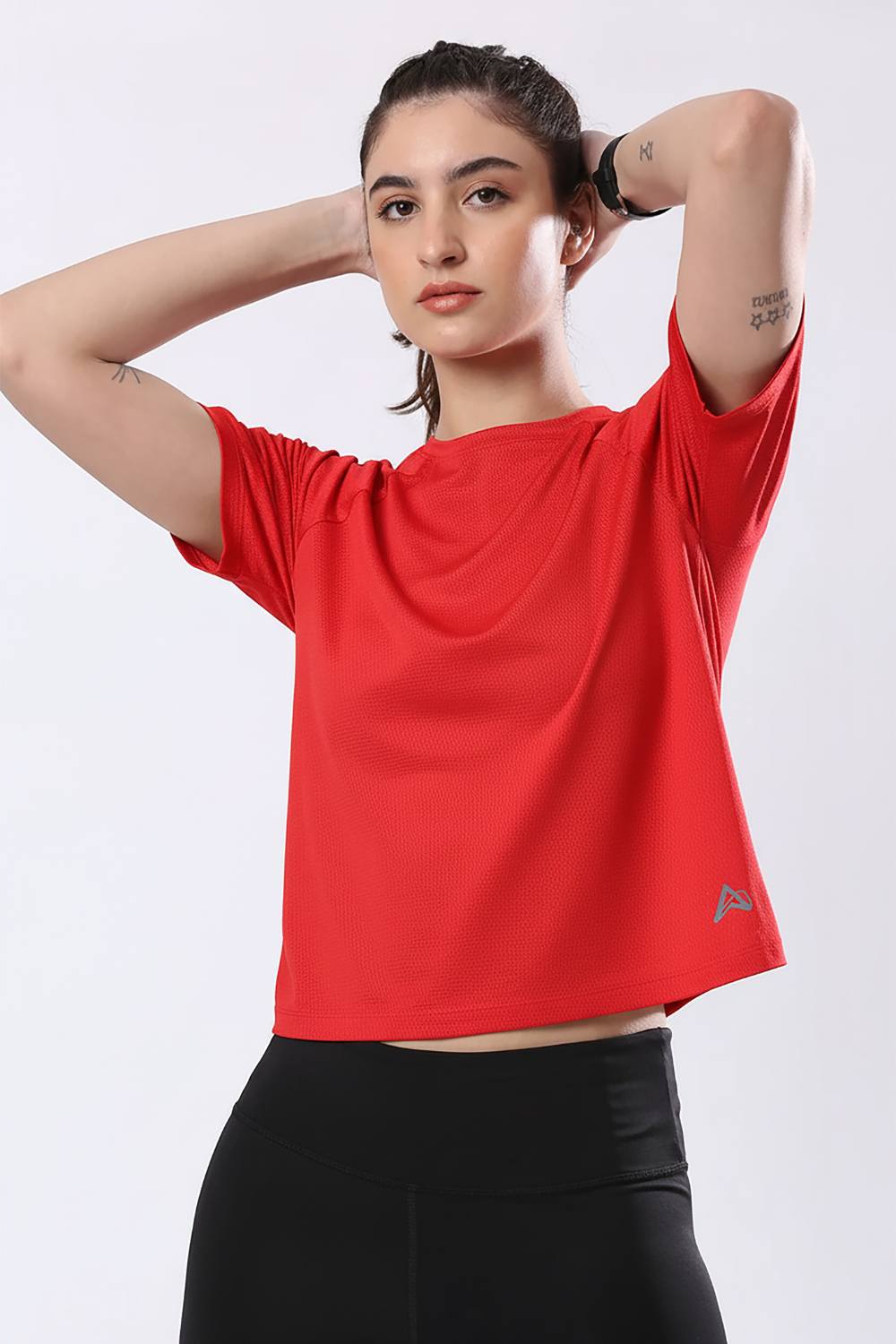
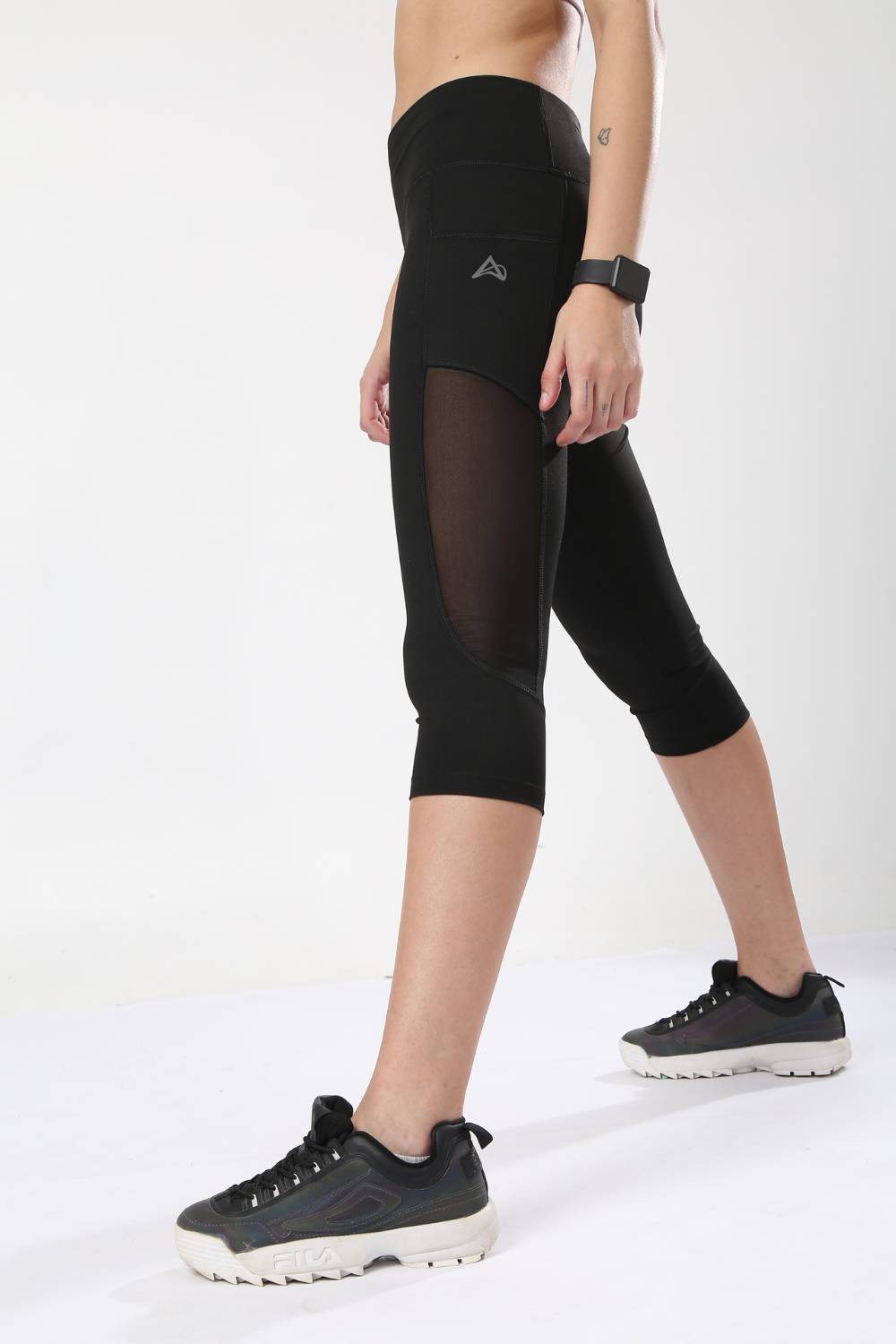







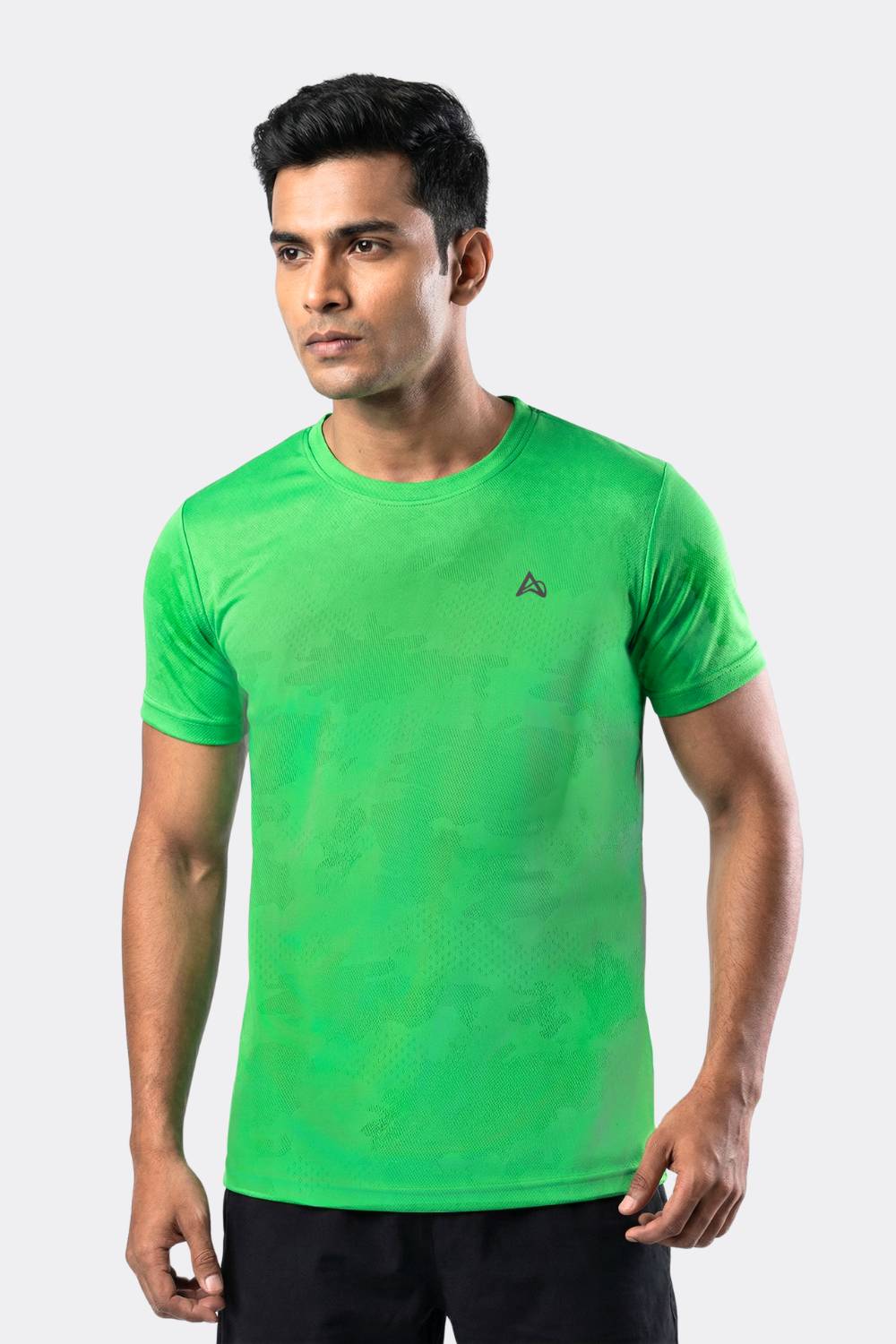
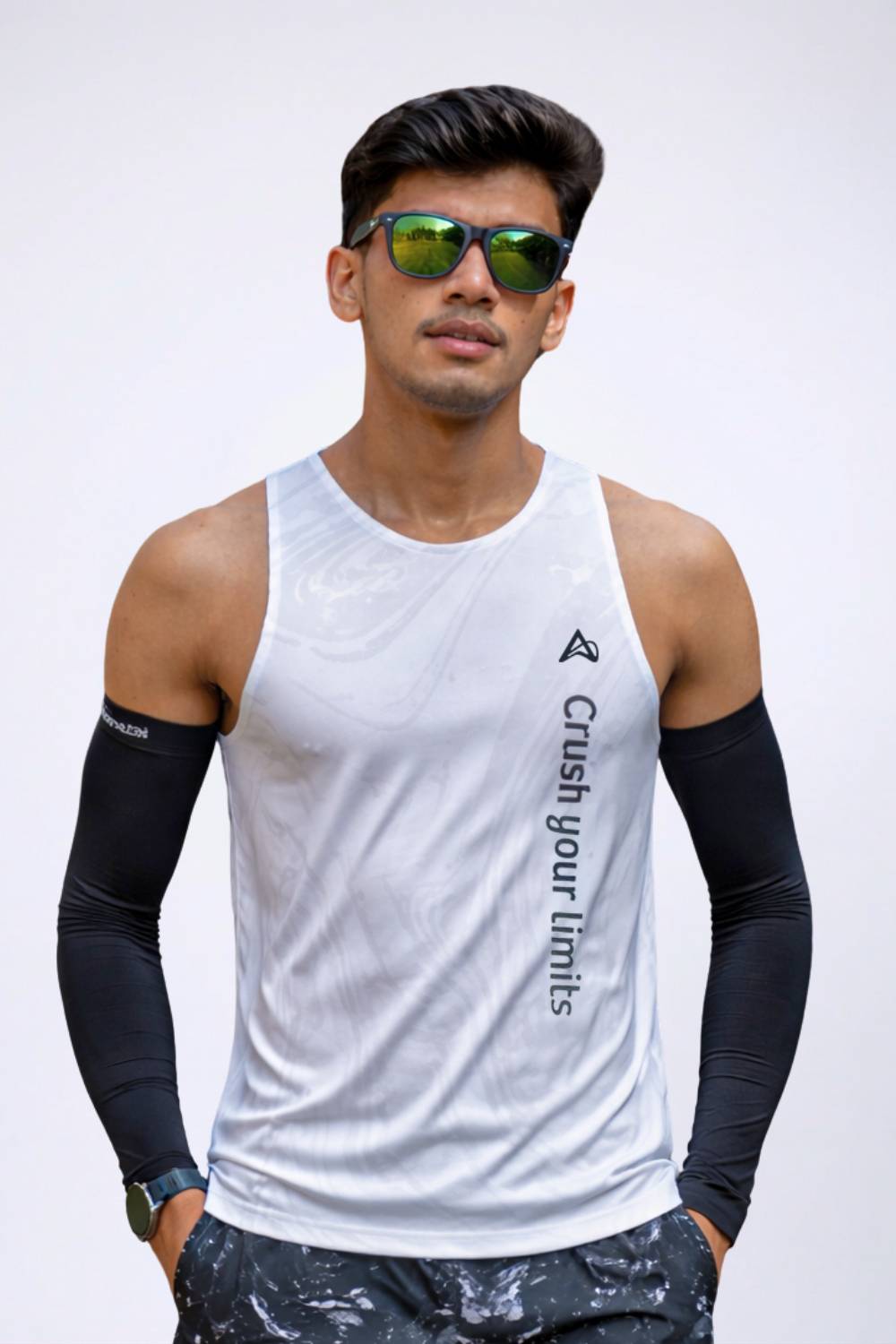

The landscape of running apparel in India has undergone a remarkable transformation over the past two decades. From basic cotton T-shirts and shorts, Indian runners now have access to performance-driven activewear designed to enhance endurance, comfort, and overall experience. This evolution reflects not only advances in fabric technology but also a growing appreciation for the intersection of functionality and style, shaped by diverse Indian climates and urban running cultures.
Tired of gear that slows you down? Chafing, soggy fabrics, and missing pockets kill your run's momentum. At Aguante, we're runners who get it. Our high-performance activewear features moisture-wicking fabrics, ergonomic designs, and smart storage to keep you focused. Shop Now!
From Cotton Comfort to Technical Fabrics
Early running attire in cities like Bangalore and Mumbai prioritized comfort over performance. Cotton T-shirts, while breathable, retained moisture and limited thermoregulation, challenging runners during humid monsoon months. Over time, brands have introduced moisture-wicking synthetic fabrics, often blending polyester with elastane, that allow for better sweat management and stretch. This shift has improved both daily training and long-distance events, particularly in urban areas such as Pune and Hyderabad where humidity and heat can be significant factors.
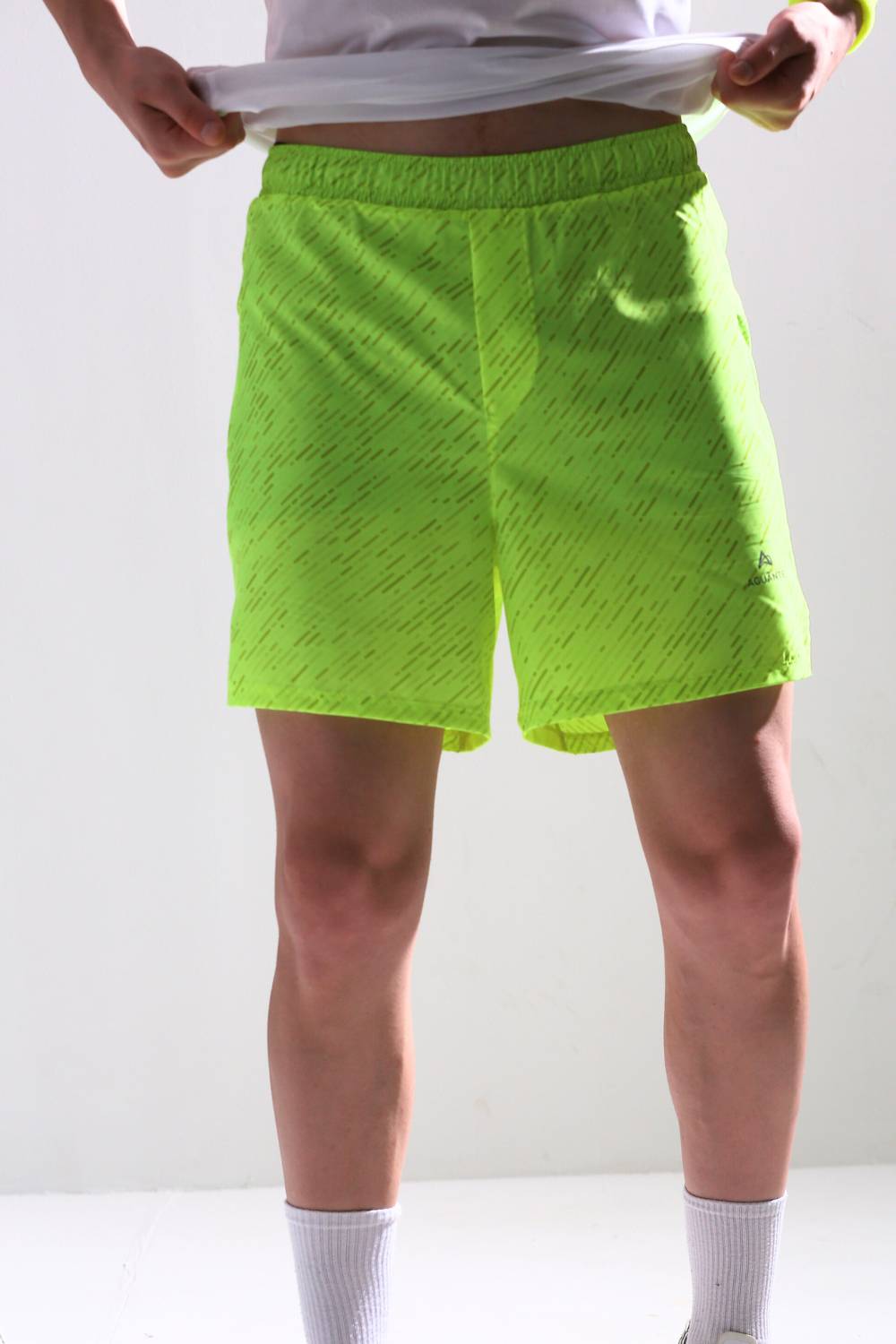
Modern activewear in India increasingly incorporates mesh panels, strategic ventilation, and quick-dry fabrics. These features help runners maintain optimal body temperature while providing freedom of movement. Designers are also integrating reflective elements and ergonomic seams, addressing safety and comfort for early-morning and late-evening runs in cities like Delhi and Gurugram.
Performance Design Tailored to Indian Conditions
Design innovations now consider local climates, terrain, and urban infrastructure. In coastal cities such as Surat and Navi Mumbai, lightweight, breathable garments combat high humidity, whereas in northern regions like Delhi, layering options accommodate temperature fluctuations. Footwear and apparel brands are experimenting with fabrics that balance insulation and ventilation, providing functionality without compromising style.
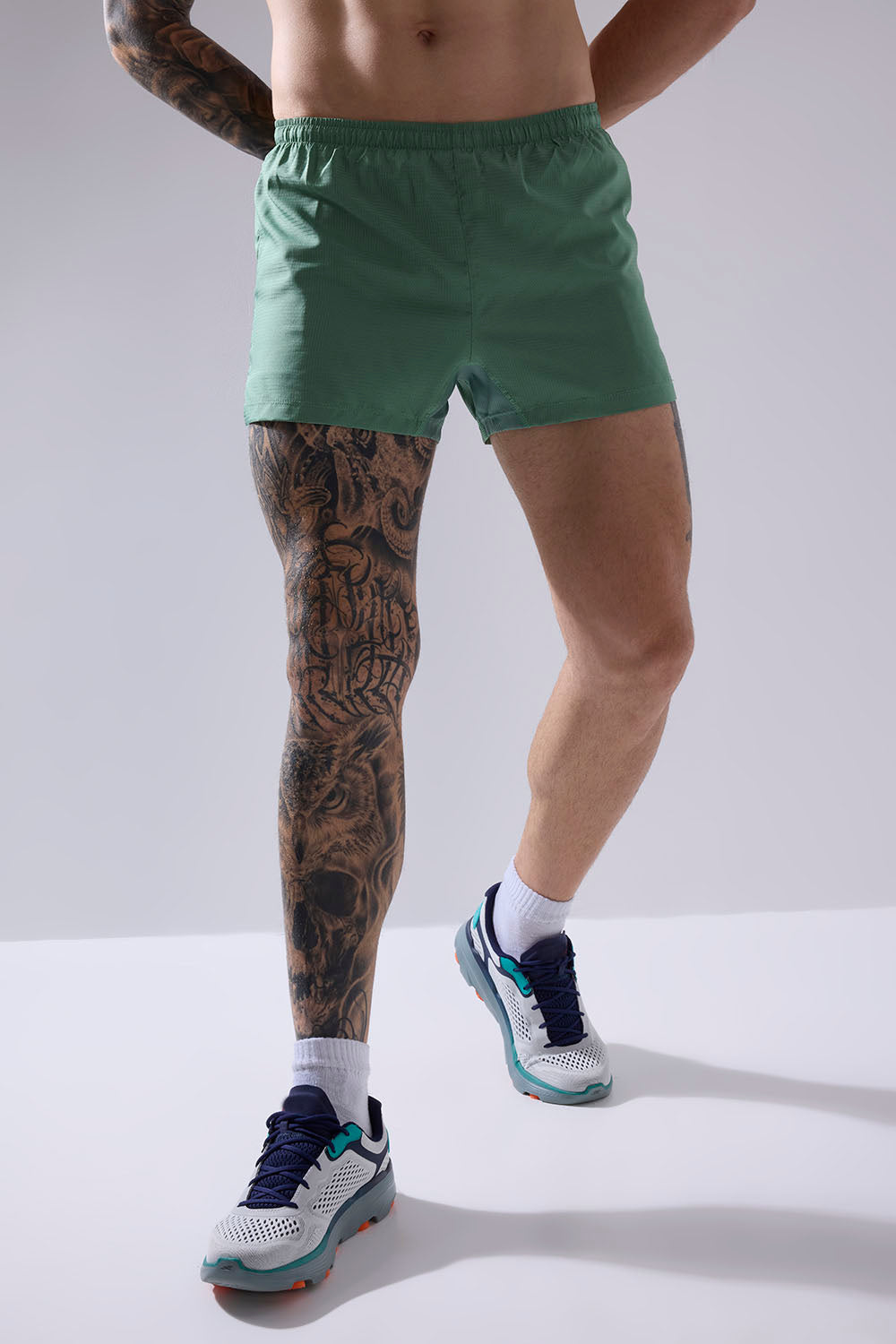
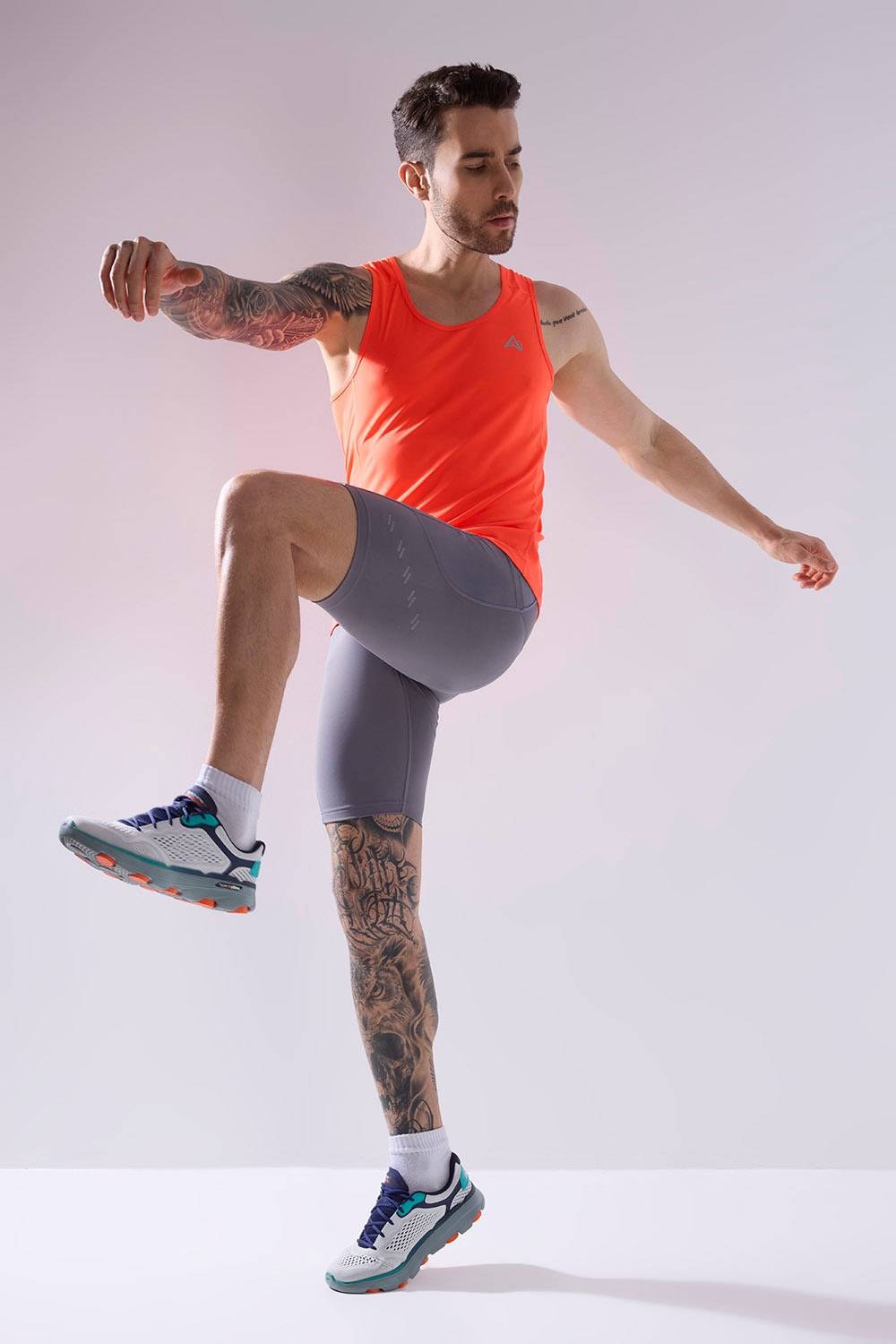
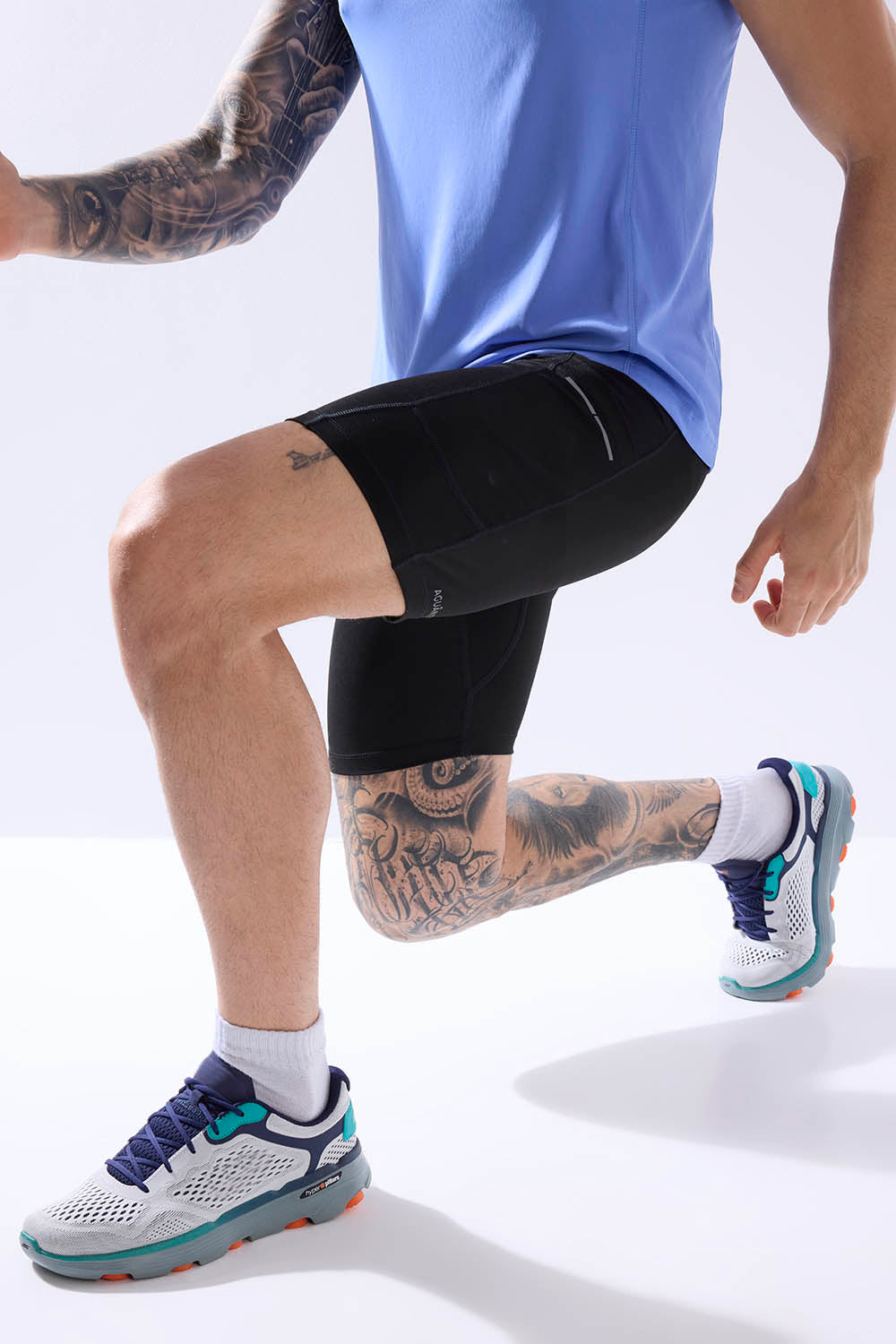
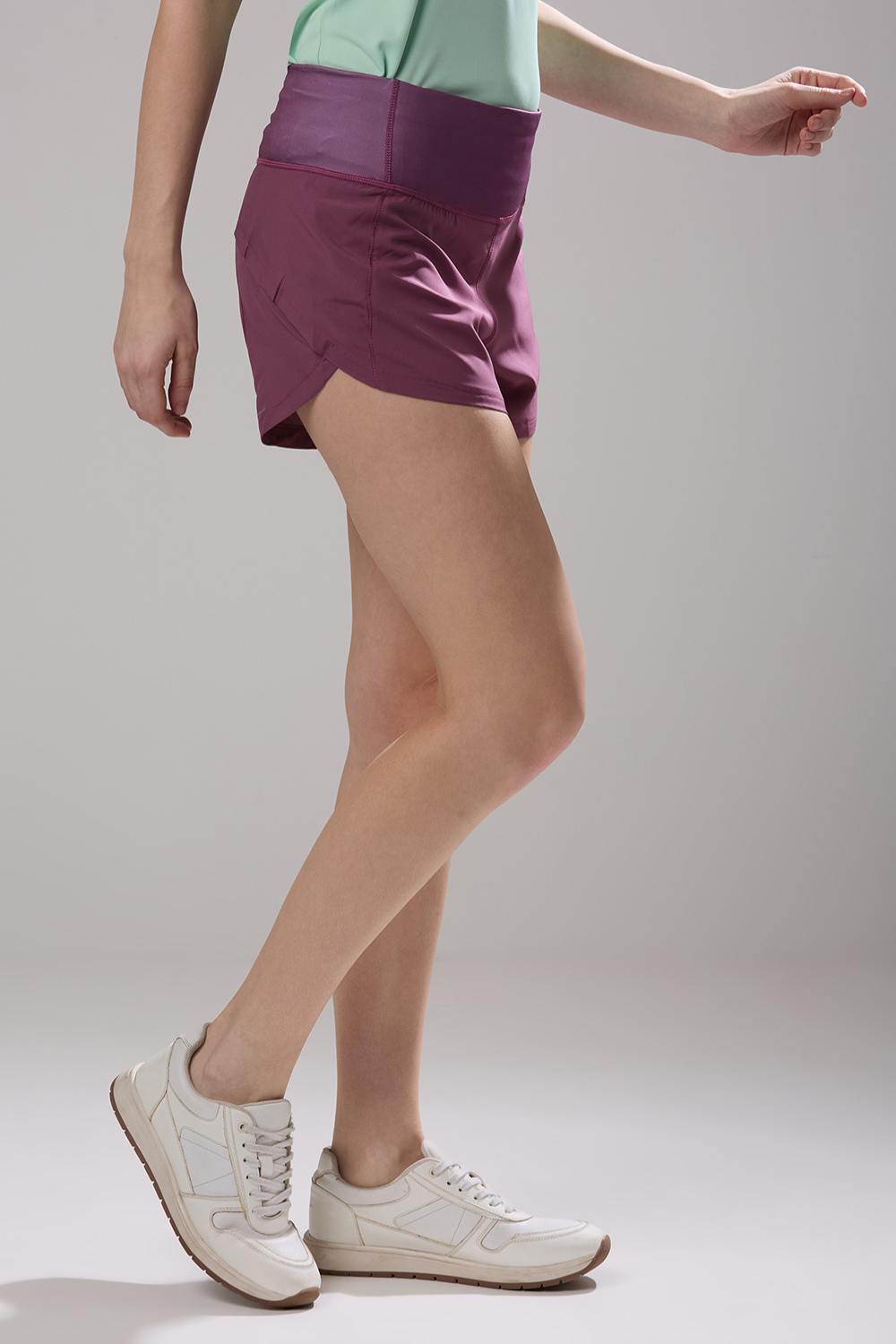
Indian runners also encounter crowded streets and varied surfaces, necessitating apparel that enhances mobility and durability. Technical shorts with stretchable waistbands, compression garments that support muscles during high-intensity runs, and lightweight jackets for monsoon protection are increasingly standard among enthusiasts. Such thoughtful design reflects an understanding of the practical challenges urban runners face.
The Influence of Global Trends and Local Communities
While global innovations in running apparel have informed Indian designs, local running communities drive adoption and feedback. Groups in Mumbai and Ahmedabad have become testbeds for new fabrics and gear, providing insights into comfort, endurance, and aesthetic preferences. Community-led events, including timed runs and urban marathons, expose apparel to real-world conditions, influencing future iterations of performance clothing.
Brands are also leveraging social media and influencer collaborations within India to highlight these innovations, demonstrating performance benefits through relatable, localized content. These campaigns often feature runners navigating cityscapes, sharing experiences that resonate with local athletes while aligning with broader trends in sportswear.
Emphasis on Comfort and Sustainability
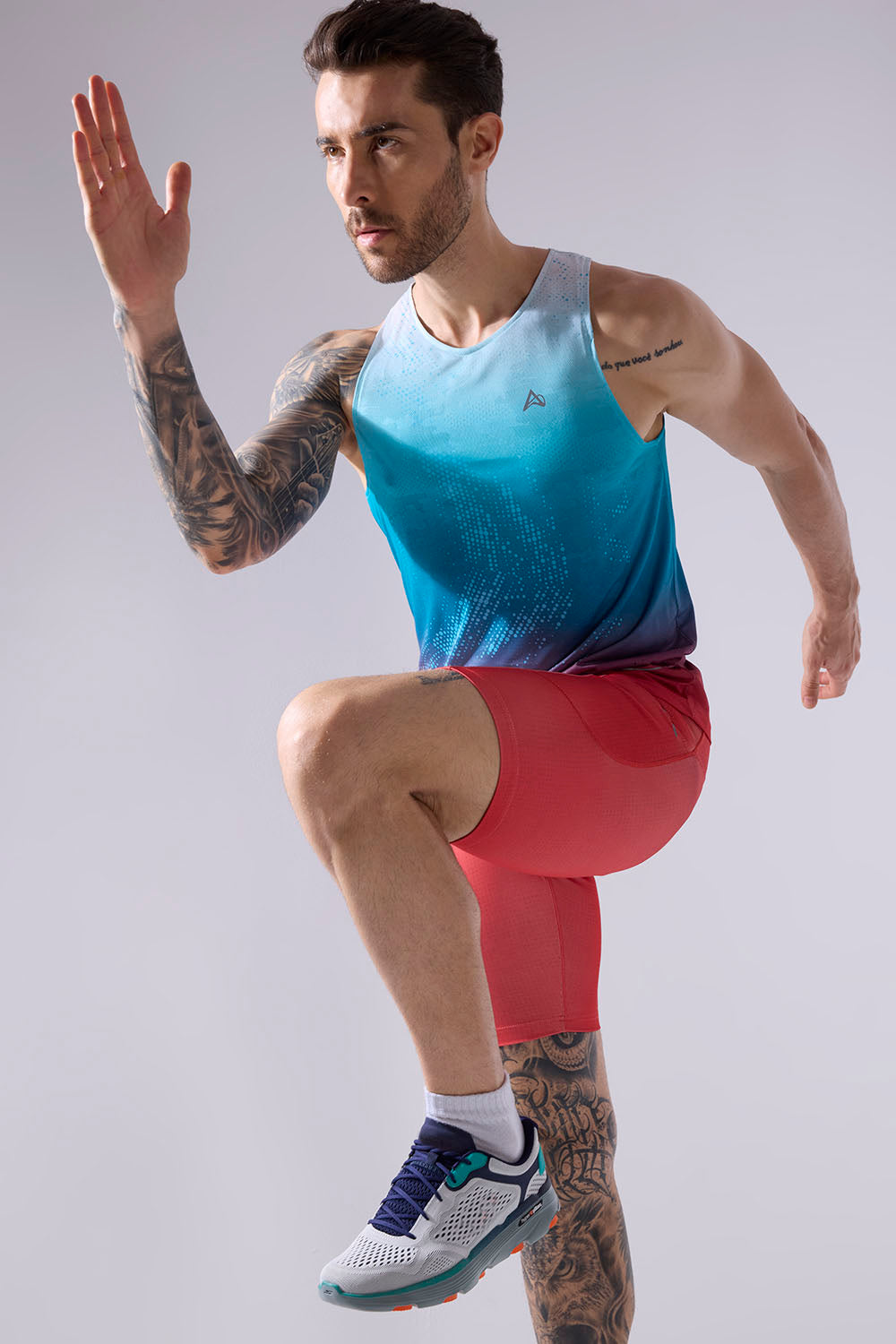
Comfort has emerged as a central design criterion alongside performance. Soft, lightweight fabrics, ergonomic cuts, and seamless construction minimize chafing and irritation, crucial for both novice and seasoned runners. Technical T-shirts and shorts now offer moisture management and odor control, enhancing long-distance training comfort across Indian urban environments.
Sustainability is also becoming a consideration, with brands exploring recycled fabrics and eco-conscious manufacturing. While not yet widespread, these initiatives appeal to environmentally conscious consumers, particularly in metropolitan areas like Pune and Bangalore where lifestyle choices often intersect with fitness habits.
Integration of Technology and Smart Apparel
Innovation in performance apparel extends beyond fabrics. Some Indian brands are experimenting with wearable sensors and smart textiles that track heart rate, motion, and muscle activity. While adoption is currently niche, early feedback from urban running communities in Mumbai and Delhi indicates growing interest in data-driven training support. These garments provide real-time insights, helping runners optimize performance and reduce injury risk.
Even without advanced technology, apparel now often features design cues inspired by biomechanics, such as compression zones for improved circulation and posture support. These elements reflect an emphasis on functional design informed by both local athlete experiences and global research.
Fashion Meets Function
Modern Indian running apparel successfully merges aesthetics with performance. Vibrant colorways, urban-inspired prints, and stylish silhouettes make it socially acceptable to wear activewear outside training sessions, reflecting a global athleisure trend adapted for Indian cities. This dual functionality supports a lifestyle where fitness is integrated into daily routines, whether commuting, participating in community runs, or attending social events.
Women's performance apparel in India has similarly evolved, offering inclusive sizing, modesty options, and gender-specific design considerations. These improvements ensure that technical clothing meets both cultural preferences and athletic requirements, enabling broader participation in urban running events.
Practical Takeaways for Runners
For athletes seeking to optimize their training experience, understanding local apparel trends is essential. Selecting fabrics suited to regional climates, considering ergonomics for crowded urban streets, and evaluating moisture-wicking and stretch properties can enhance performance and comfort. Participation in community runs provides a practical way to assess gear in real conditions, bridging the gap between design intention and functional benefit.
Ultimately, the evolution of performance activewear for Indian runners illustrates how apparel can respond to environmental, cultural, and lifestyle factors. By prioritizing comfort, functionality, and sustainability, brands are not only supporting individual athletic goals but also fostering stronger, more engaged running communities across cities like Hyderabad, Ahmedabad, and Delhi.
As Indian runners continue to demand innovative, localized solutions, the intersection of technology, design, and community insight will shape the next generation of performance activewear. This evolution underscores the importance of apparel that is not only high-performing but also culturally resonant and practically tailored for the diverse conditions faced by urban runners throughout India.
For more insights on how industry trends are shaping running apparel, explore the global apparel market analysis, which highlights regional growth and evolving consumer preferences driving innovation in clothing and activewear.
Frequently Asked Questions
What types of fabrics are best for running apparel in India's hot and humid climate?
Moisture-wicking synthetic fabrics typically polyester-elastane blends are ideal for Indian runners, as they manage sweat and allow stretch far better than traditional cotton. Modern performance activewear also incorporates mesh panels, strategic ventilation zones, and quick-dry materials to help regulate body temperature during runs. For coastal cities like Mumbai or Surat where humidity is high, lightweight and breathable garments are especially recommended.
How has performance activewear for Indian runners evolved over the years?
Indian running apparel has shifted dramatically from basic cotton T-shirts to technically engineered garments designed for local climates, terrains, and urban conditions. Innovations now include compression garments for muscle support, ergonomic seams, reflective safety elements for low-light runs, and lightweight monsoon-ready jackets. Local running communities in cities like Bangalore, Pune, and Ahmedabad have played a key role in testing and shaping these advancements.
Is sustainable or eco-friendly activewear available for runners in India?
Yes, sustainability is an emerging trend in Indian performance activewear, with some brands beginning to explore recycled fabrics and eco-conscious manufacturing processes. While still niche, these options are gaining traction among environmentally aware consumers, particularly in metropolitan areas like Pune and Bangalore where fitness and lifestyle values often align. As demand grows, more brands are expected to integrate sustainable practices into their performance apparel lines.
Disclaimer: The above helpful resources content contains personal opinions and experiences. The information provided is for general knowledge and does not constitute professional advice.
You may also be interested in: Indian Runners Favor Locally Designed Performance Wear - Aguante
Tired of gear that slows you down? Chafing, soggy fabrics, and missing pockets kill your run's momentum. At Aguante, we're runners who get it. Our high-performance activewear features moisture-wicking fabrics, ergonomic designs, and smart storage to keep you focused. Shop Now!
Powered by flareAI.co