




Quick Listen:
In the sweltering heat of Mumbai's marine drive, where joggers dodge potholes and humidity clings like a second skin, a subtle shift is underway in what runners slip into before hitting the pavement. Bamboo-based fabrics, once a niche whisper in sustainable fashion, are weaving their way into India's activewear scene, promising breathability without the environmental guilt of synthetics.
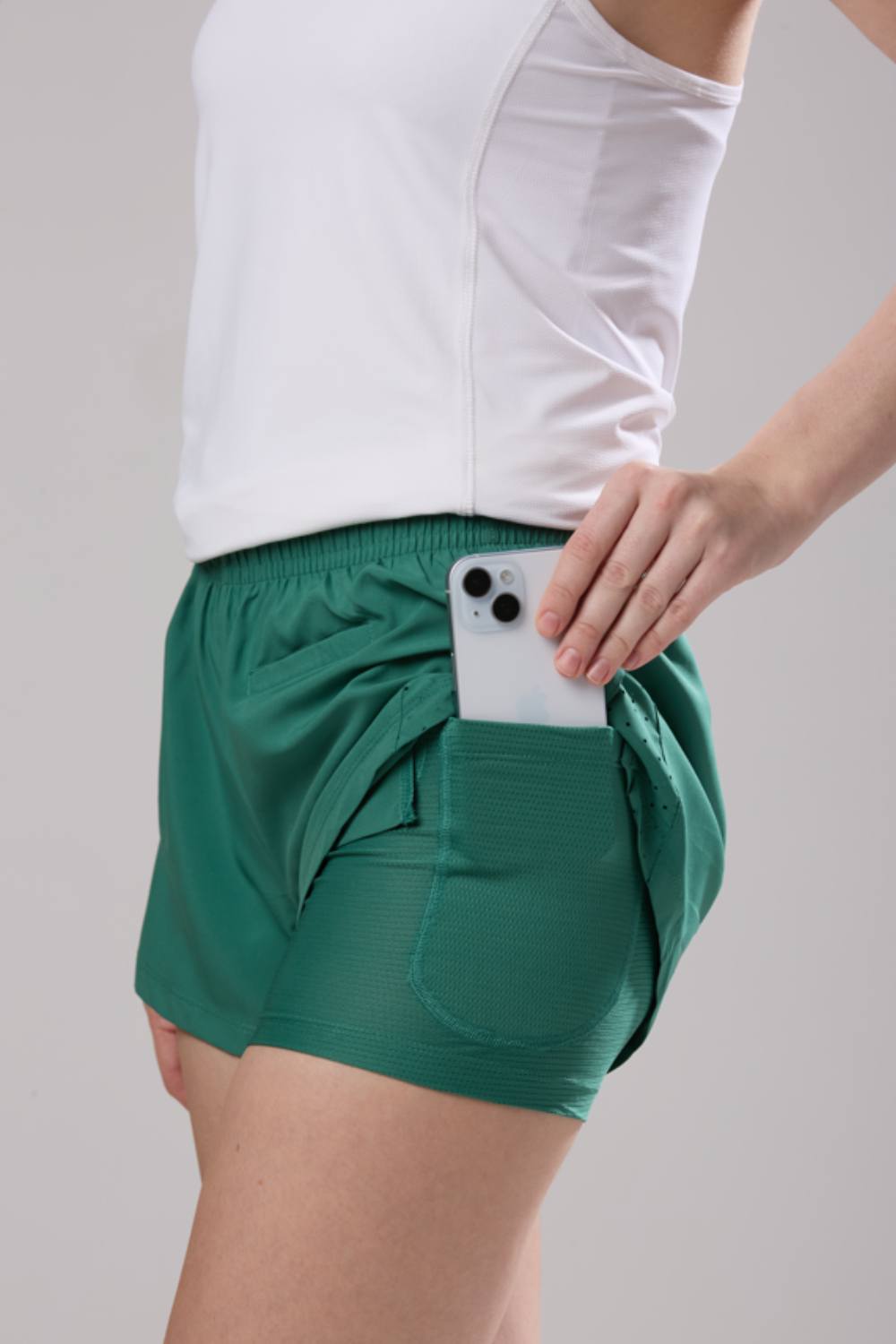
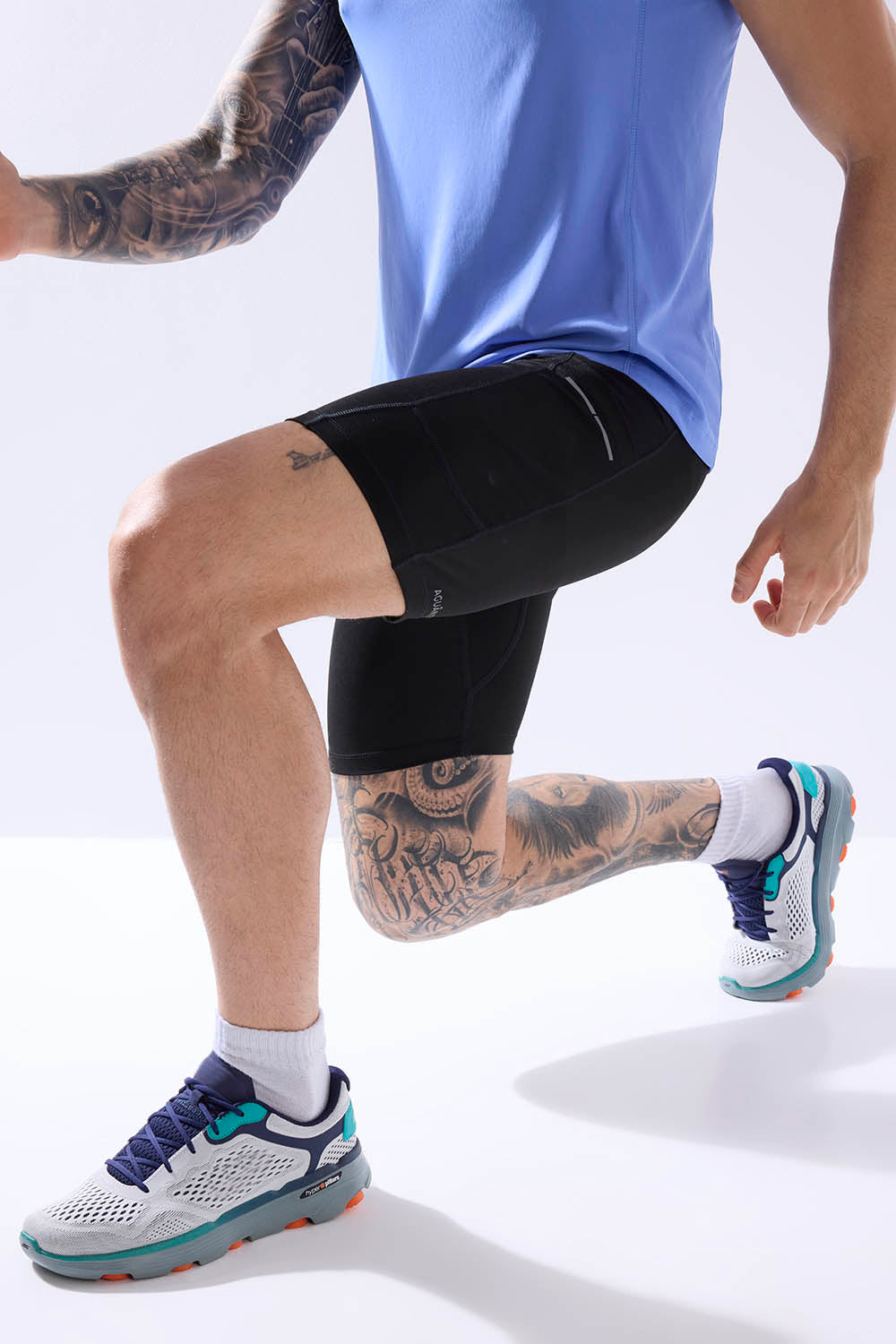
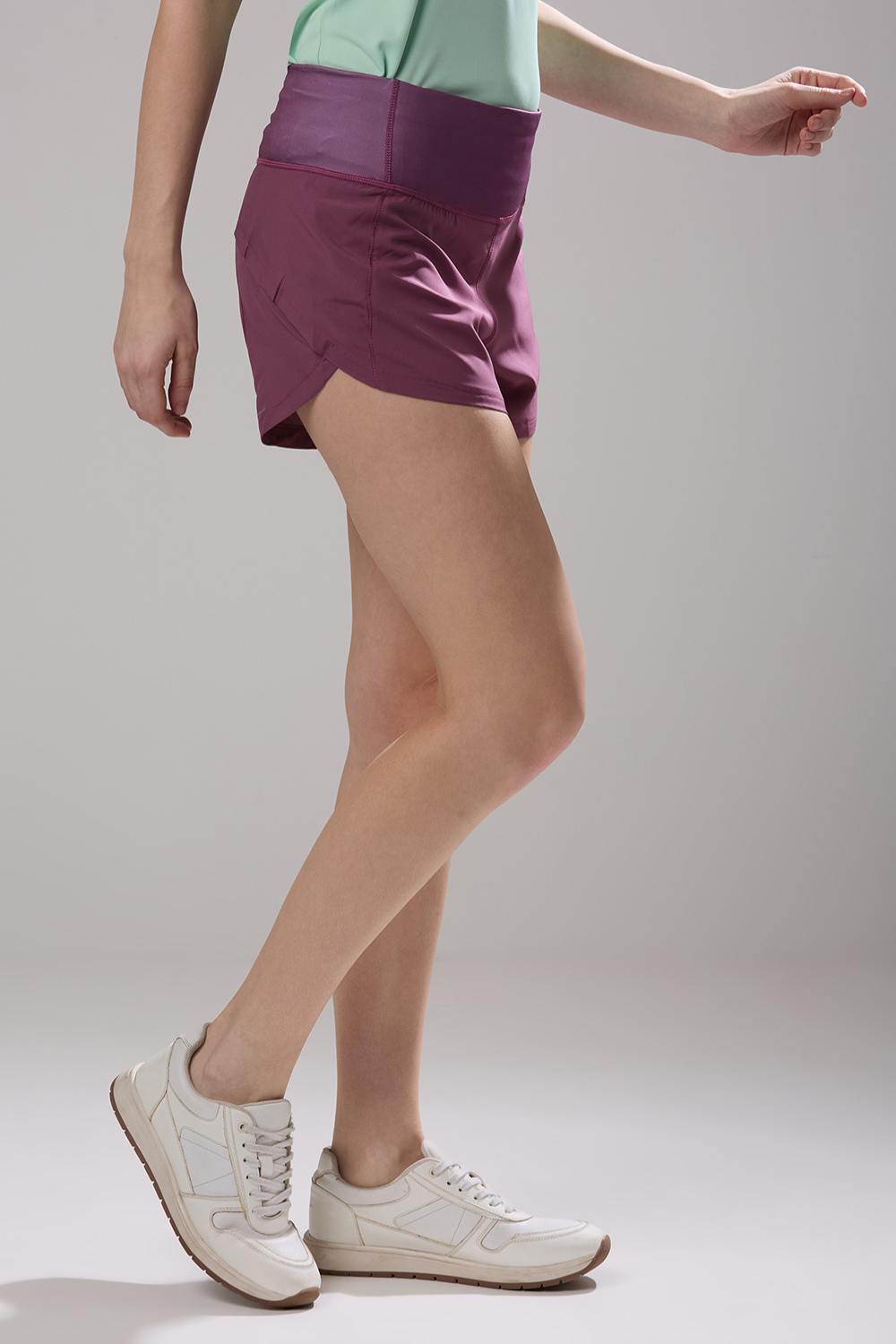
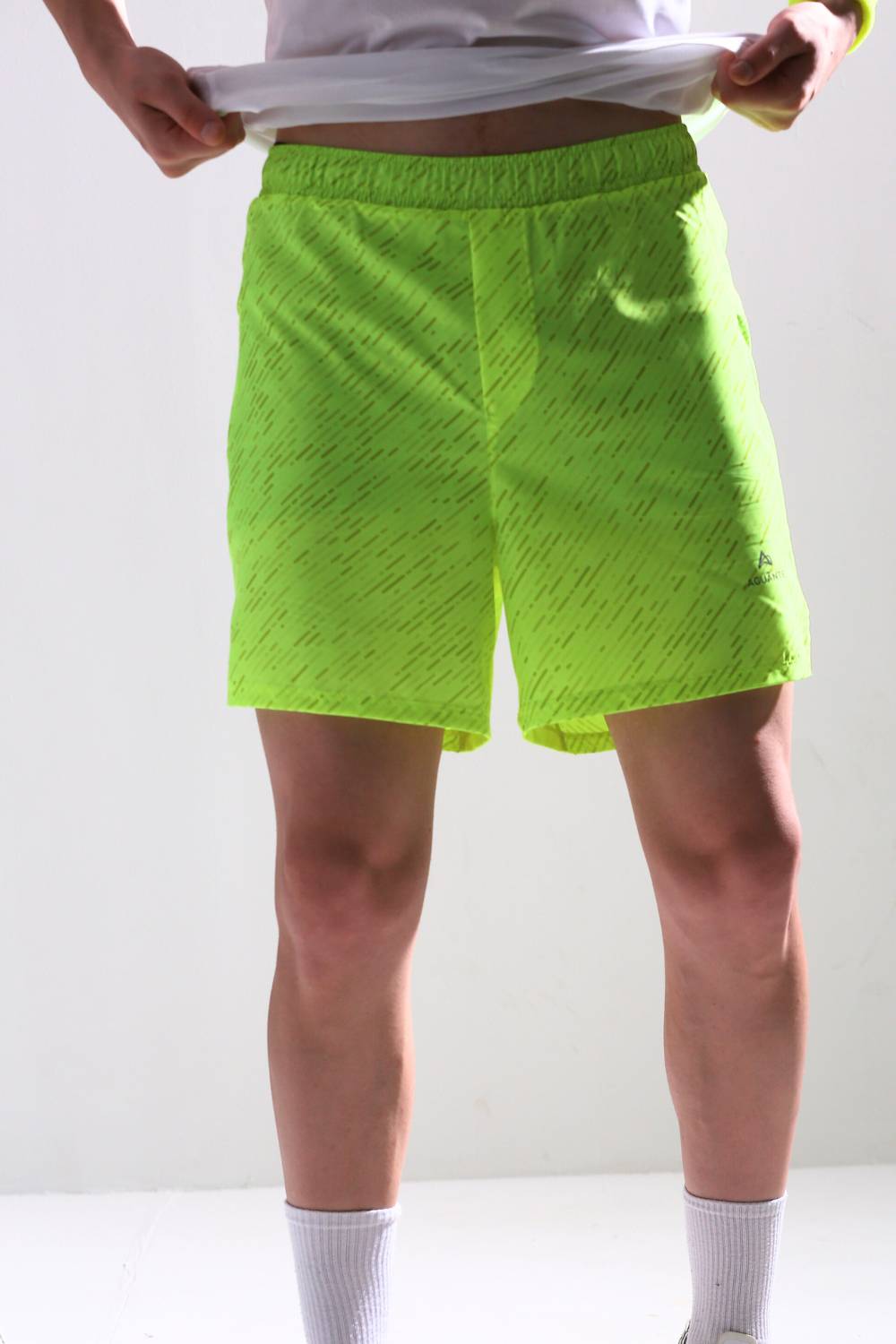
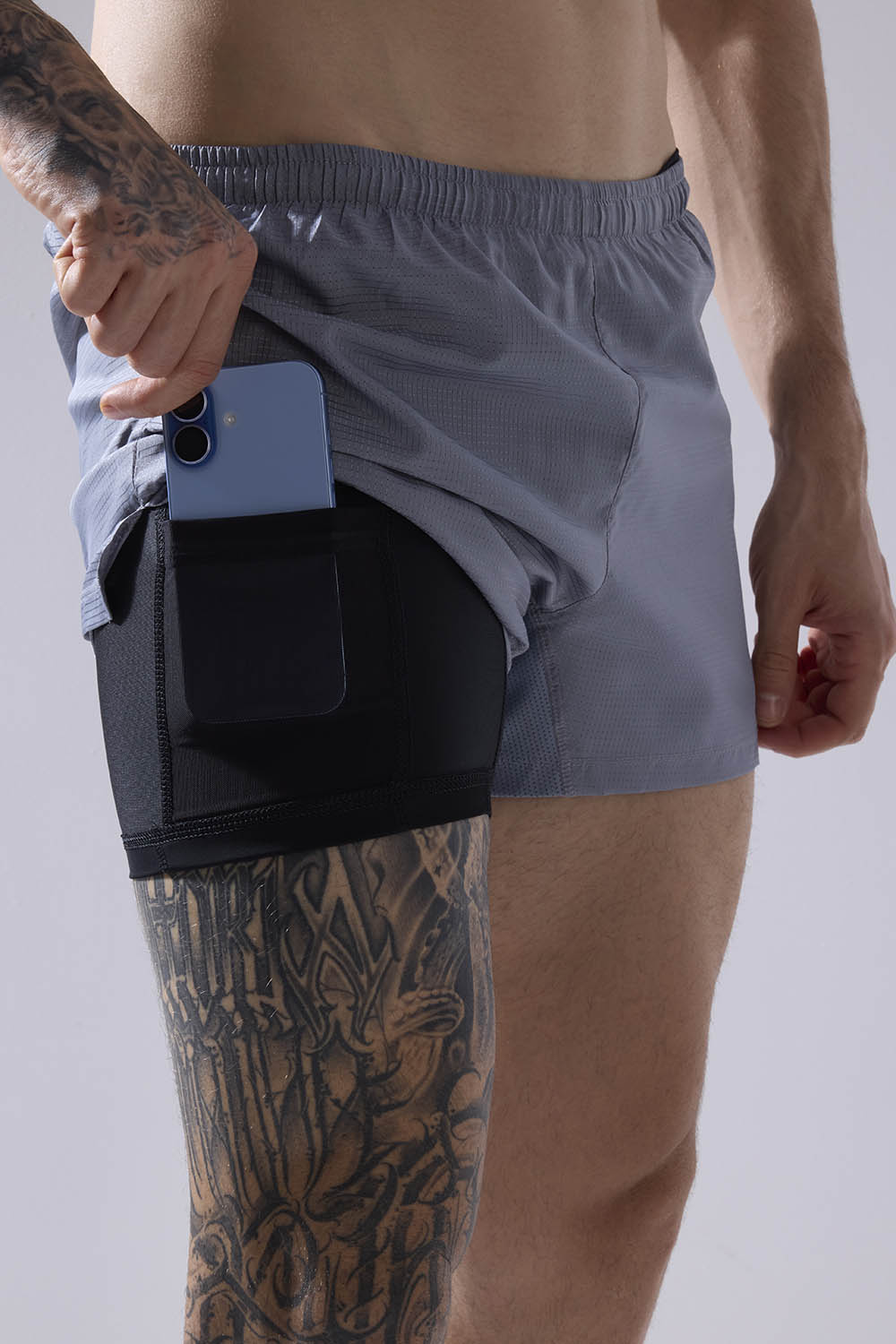
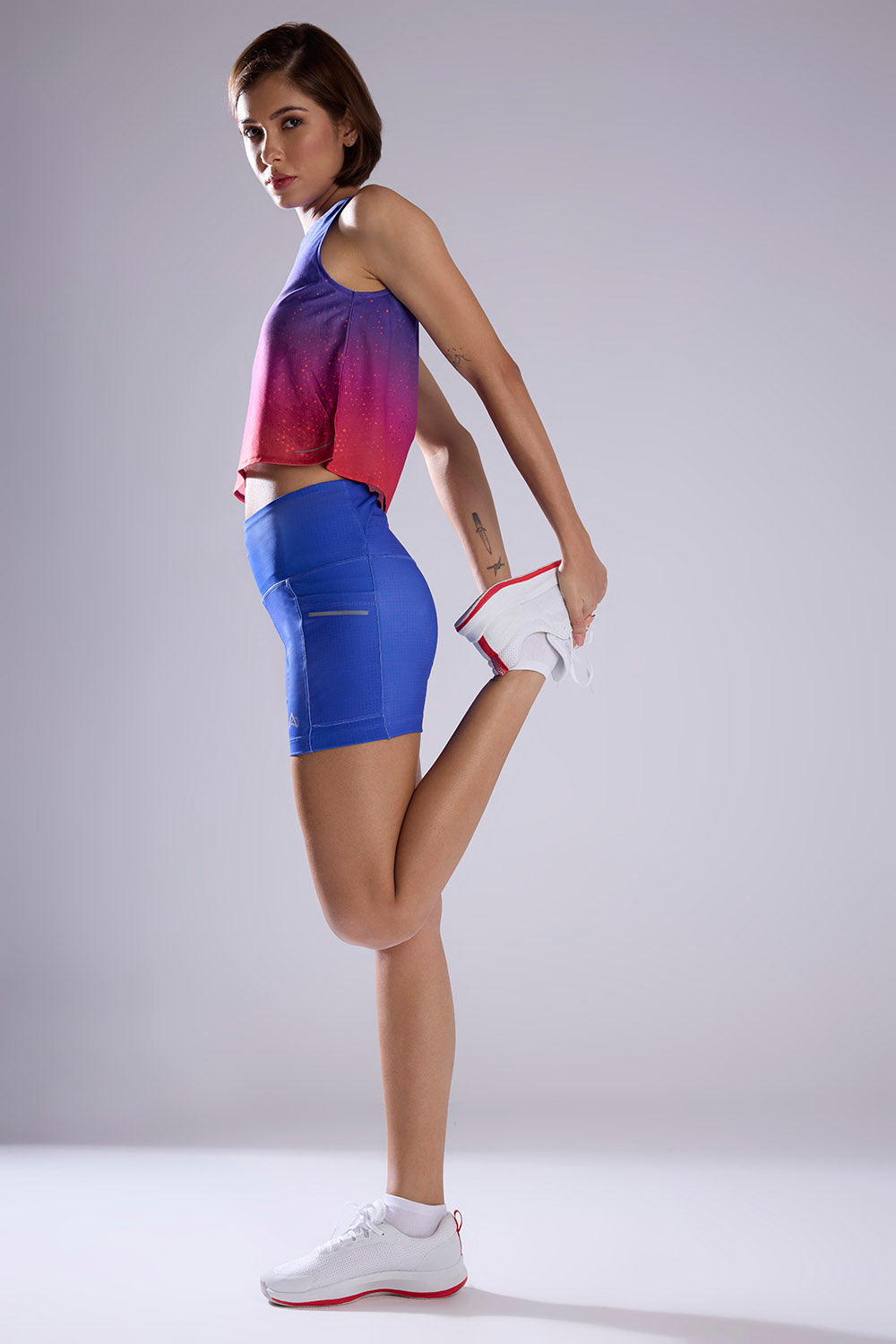
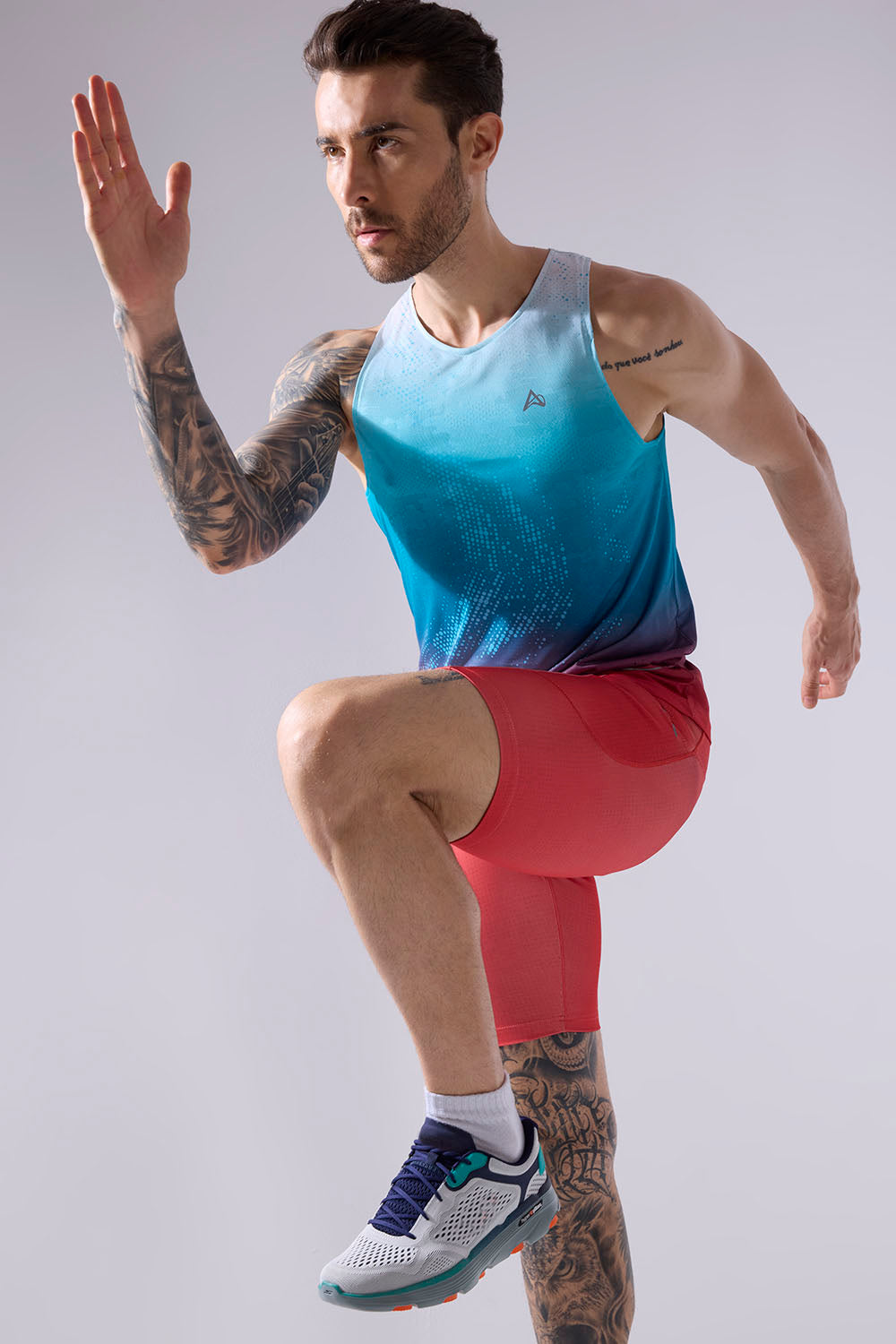
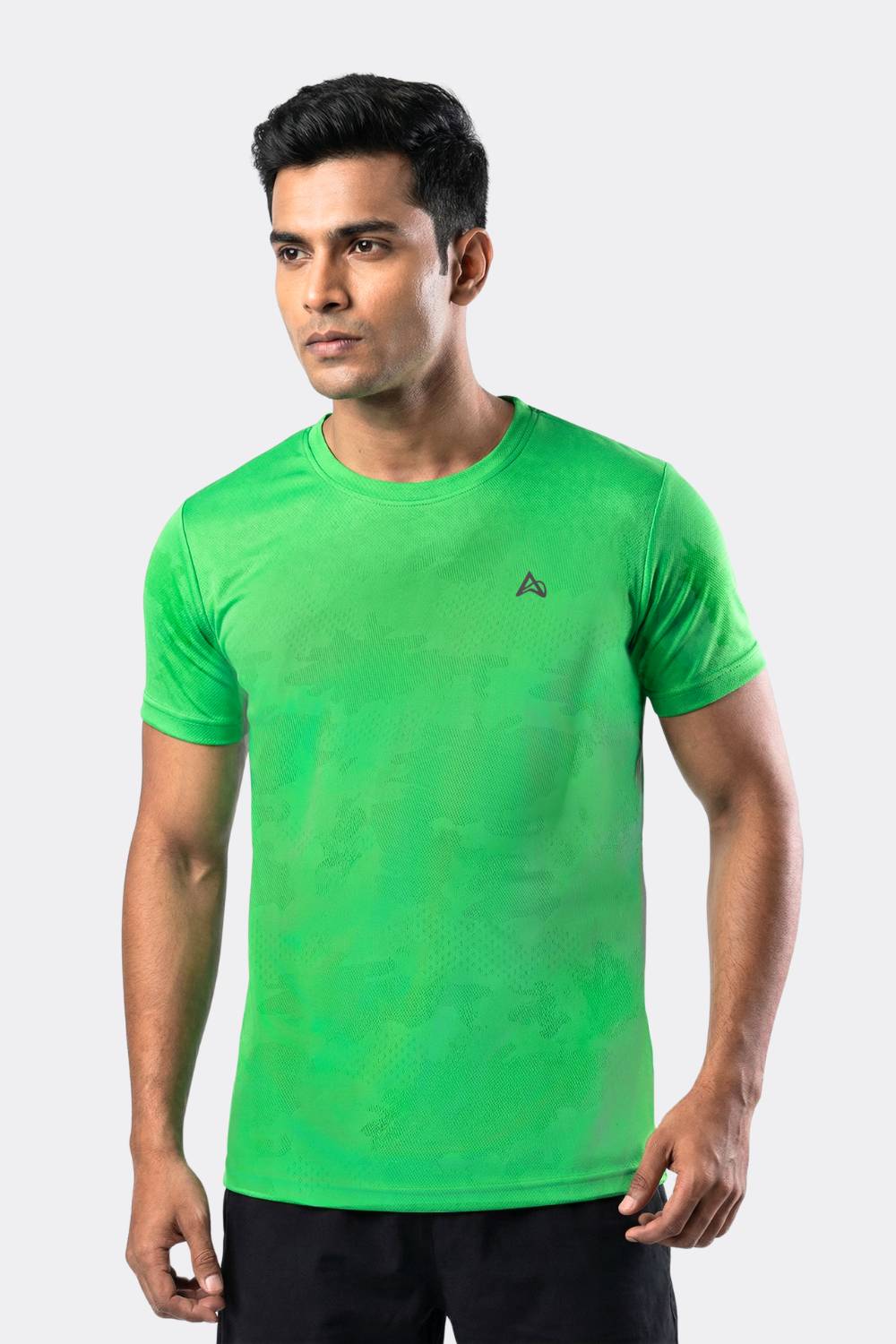
Tired of gear that slows you down? Chafing, soggy fabrics, and missing pockets kill your run's momentum. At Aguante, we're runners who get it. Our high-performance activewear features moisture-wicking fabrics, ergonomic designs, and smart storage to keep you focused. Shop Now!
The Quiet Rise of Bamboo-Based Fabrics in Indian Activewear: Comfort Meets Sustainability
How cities like Bangalore, Pune, and Delhi are driving a new wave of eco-conscious sportswear innovations rooted in natural fiber technology.
India's New Activewear Revolution
Picture this: It's monsoon season in Chennai, where the air hangs heavy at 75% relative humidity, according to India Meteorological Department records, turning every workout into a steamy ordeal. Across Mumbai at 80% and Kolkata at 78%, the story repeats bodies sweat, fabrics fail, and discomfort reigns. Enter bamboo-based apparel, the unassuming hero stepping up in India's booming activewear market.
Local startups in Bangalore and Pune are ditching traditional cotton for bamboo viscose and bamboo-cotton blends. These materials wick away moisture faster, fight odors naturally, and feel like a soft drape against the skin. In gym hubs like Gurugram, where corporate warriors blend Zoom calls with yoga sessions, demand surges for gear that handles both boardrooms and burpees. Bamboo's rise isn't just hype; it's rooted in the plant's inherent perks hypoallergenic, antibacterial thanks to a natural agent called "bamboo kun," and antifungal, as noted in textile industry analyses. Clothing from this fabric launders easily, resists irritation even on sensitive skin, and boasts a sheen akin to silk but at a fraction of the cost and with more durability.
This revolution brews in tech-savvy cities. Bangalore's fitness enthusiasts, Pune's marathon trainers, and Delhi's wellness crowds are fueling it. Why bamboo? It aligns with a growing eco-awareness, where consumers shun pesticide-heavy cotton for something biodegradable. The global bamboo clothing market backs this up, projected to grow at a CAGR of 8.8% from 2024 to 2030, driven by demands for sustainable textiles and awareness of traditional production's environmental toll.
Eco-Friendly Fibers Gain Ground in Athleisure
Shift your gaze to the policy push: The Textile Commissioner's Office in Mumbai and Karnataka Textile Policy 2023–28 are pouring resources into sustainable fiber R&D. In Surat's looms, manufacturers experiment with bamboo-linen blends for quick-dry tees that dry faster than you can say "namaste."
Studies from the Indian Institute of Technology in Delhi highlight bamboo's UV-resistant and antibacterial edges perfect for India's blistering suns and monsoon molds. Fibre2Fashion reports from Mumbai project sustainable activewear growing at about 15% CAGR through 2029 in Tier 1 metros. Brands in Navi Mumbai craft yoga tops that feel opulent, like cashmere but born from a grass that regenerates without toxic fertilizers.
Bamboo thrives rainfed, pest-free, covering 15 million hectares in India, with Madhya Pradesh leading at 1.84 million hectares. It's a catalyst for change, cultivated mainly in China, India, Indonesia, and Vietnam India's climate primes it for boom. Processed mechanically or chemically with evolving eco-methods, it minimizes impact while maximizing softness.
City-Wise Hotspots of Adoption
Bangalore leads the pack, its R&D hubs blending biodegradable composites into gear for marathon clubs. Community runners swear by the fabric's temperature regulation during humid dawns.
In Hyderabad and Pune, boutique labels flood Ajio and Myntra with bamboo athleisure. High humidity makes the moisture-wicking a godsend socks stay dry, leggings don't chafe. Mumbai's coastal cyclists grab anti-odor vests from Bhiwandi producers switching to bamboo yarn. Delhi and Gurugram see corporate gyms stocking compression gear for hybrid lifestyles, where commutes double as cardio.
Surat and Ahmedabad's clusters spin bamboo alongside polyester cuts, exporting leggings that blend comfort with conscience. T-shirts and shirts lead growth in product types, while women's wear sees the fastest uptake in end-uses.
The Tech Behind the Fabric
How does it work? Pulping the bamboo, extracting viscose, spinning into yarn insights from Bangalore's Textile Research Association show advancements slashing chemical use. The result: Fibers with round, smooth structures that caress skin, resist bacteria, and wick sweat effortlessly.
In running tees and training socks, it shines in hot zones. North America dominates globally, but India's urban metros adapt it locally, turning bamboo into performance wear for yoga, cycling, and gym sessions.
Local Innovators in the Spotlight
A Bangalore brand pilots 100% bamboo lines with marathon groups, testing endurance in real sprints. Pune startups partner with NIFT Mumbai for comfort studies, measuring how the fabric cuts irritation mid-workout.
Surat SMEs export bamboo-blend leggings, while Gurugram digital brands hype "skin-safe, sweat-smart" via influencers. These players redefine green performance, one stitch at a time.
Hurdles on the Horizon
Challenges persist. India imports much of its bamboo pulp to Mumbai and Surat, hiking costs over polyester rivals. Awareness lags beyond metros consumers need education on certifications like OEKO-TEX. Chemical processing raises eco-eyebrows, though innovations curb harms. Pricing pressures keep it premium, limiting mass appeal.
Opportunities That Shine
Yet the upside gleams. D2C channels in Hyderabad and Pune open doors, backed by Make in India incentives for technical textiles. Retailers Association of India surveys show 65% of millennials in Bangalore and Mumbai favoring sustainable brands. Eco-credentials build loyalty, cutting churn in a fickle market.
Looking Ahead to 2030
Surat and Bangalore could anchor bamboo spinning hubs soon. With FICCI and NITI Aayog frameworks, bamboo might claim a slice of India's Rs. 60,000+ crore activewear pie, going mainstream in sports uniforms and wellness wear. Cost drops and local sourcing will accelerate it.
The Silent Strength of Natural Innovation
As urban heat islands intensify in Delhi and Mumbai, bamboo's quiet virtues comfort, sustainability, innovation stitch a new fabric into Indian activewear. It's not just clothing; it's a nod to a planet-friendly sweat session, proving that going green can feel effortlessly good.
Frequently Asked Questions
Why is bamboo fabric becoming popular for activewear in India?
Bamboo-based fabrics are gaining traction in Indian activewear due to their superior moisture-wicking properties and natural antibacterial qualities, making them ideal for India's high-humidity climate. Cities like Bangalore, Mumbai, and Pune are driving this trend as eco-conscious consumers seek sustainable alternatives to synthetic fabrics and pesticide-heavy cotton. The fabric's hypoallergenic nature, combined with its silk-like softness and durability, makes it perfect for everything from yoga sessions to marathon training in India's challenging weather conditions.
What are the main benefits of bamboo fabric for workout clothing in humid climates?
Bamboo fabric excels in humid conditions because it wicks moisture away faster than traditional cotton, naturally fights odors through an agent called "bamboo kun," and offers UV resistance and antifungal properties. In cities like Chennai (75% humidity), Mumbai (80%), and Kolkata (78%), these features translate to clothing that stays dry, doesn't chafe, and resists the mold growth common during monsoon season. The fabric's temperature-regulating properties and breathability make it particularly valuable for Indian fitness enthusiasts dealing with intense heat and humidity.
Which Indian cities are leading the bamboo activewear trend and where can I buy it?
Bangalore, Pune, and Hyderabad are at the forefront of India's bamboo activewear revolution, with local startups and boutique labels creating innovative products available on platforms like Ajio and Myntra. Mumbai's Bhiwandi producers are crafting anti-odor cycling vests, while Gurugram and Delhi corporate gyms stock bamboo-based compression gear for hybrid work-fitness lifestyles. Surat and Ahmedabad manufacturing clusters are also producing bamboo-blend leggings and performance wear, with the market projected to grow at 15% CAGR through 2029 in Tier 1 metros.
Disclaimer: The above helpful resources content contains personal opinions and experiences. The information provided is for general knowledge and does not constitute professional advice.
You may also be interested in: How Runner Feedback Drives Indian Activewear Innovation
Tired of gear that slows you down? Chafing, soggy fabrics, and missing pockets kill your run's momentum. At Aguante, we're runners who get it. Our high-performance activewear features moisture-wicking fabrics, ergonomic designs, and smart storage to keep you focused. Shop Now!
Powered by flareAI.co

