




Quick Listen:
As twilight drapes Mumbai's iconic Marine Drive, runners glide past promenaders, their garments catching headlights in brief, lifesaving flashes. Across India's throbbing urban landscapes, where traffic hums around the clock, reflective clothing has transcended novelty to become an indispensable shield for evening exercisers navigating dimly lit streets and chaotic intersections.
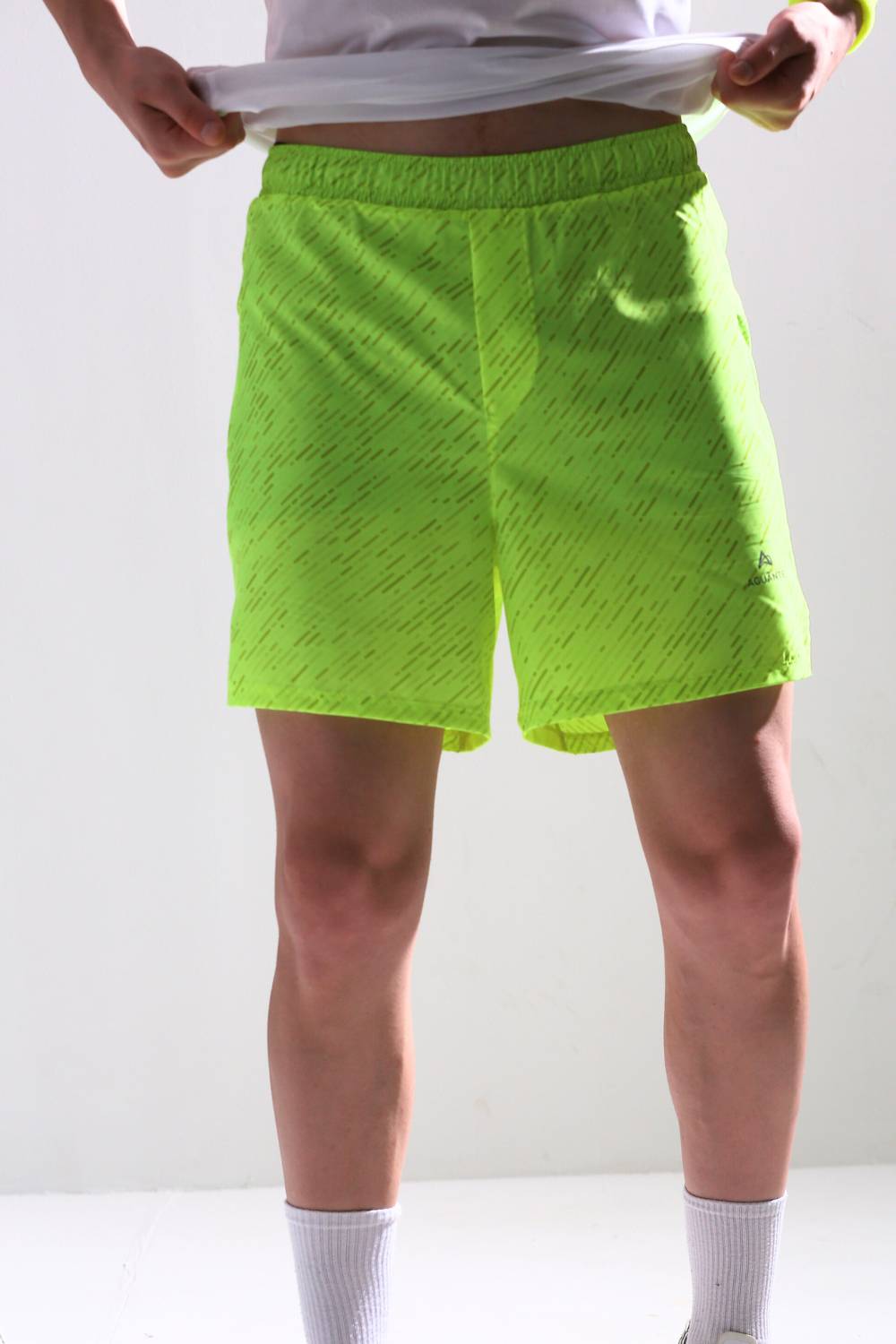
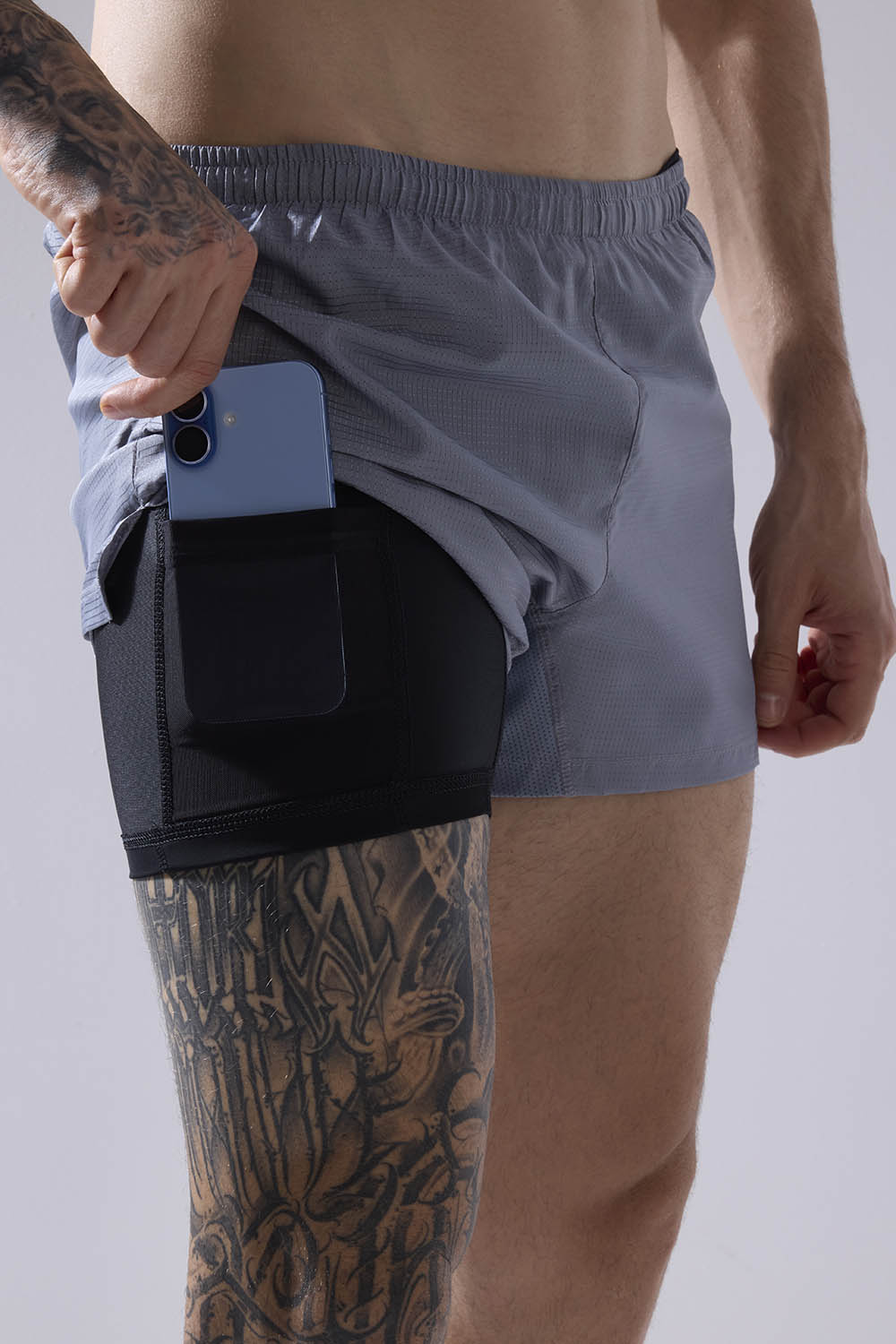
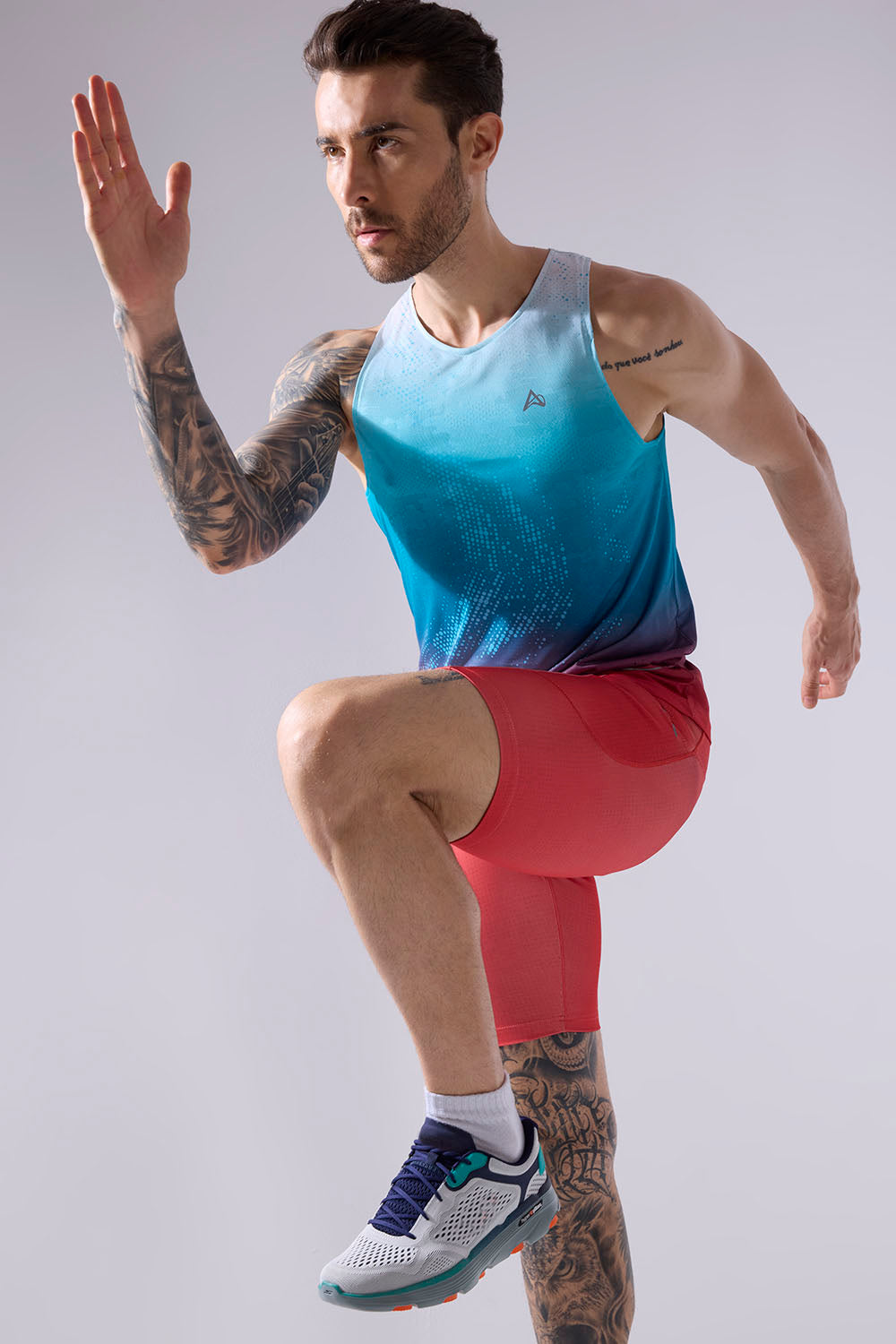
Tired of gear that slows you down? Chafing, soggy fabrics, and missing pockets kill your run's momentum. At Aguante, we're runners who get it. Our high-performance activewear features moisture-wicking fabrics, ergonomic designs, and smart storage to keep you focused. Shop Now!
Reflective Apparel: The Subtle Urban Safety Revolution in India's Running Communities
Runners across Bangalore, Mumbai, and Delhi increasingly turn to reflective equipment, merging heightened visibility with contemporary flair amid congested nocturnal roadways.
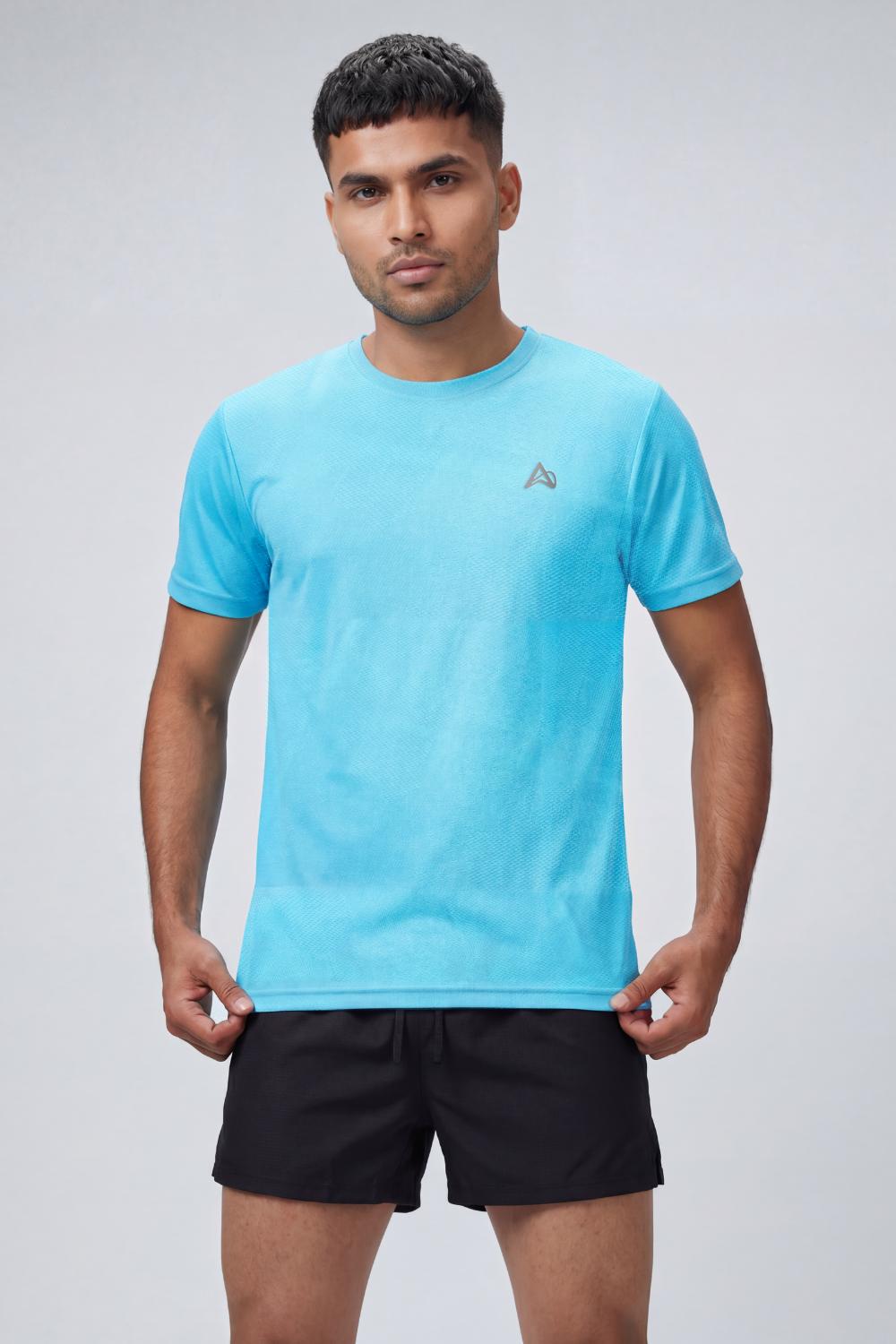
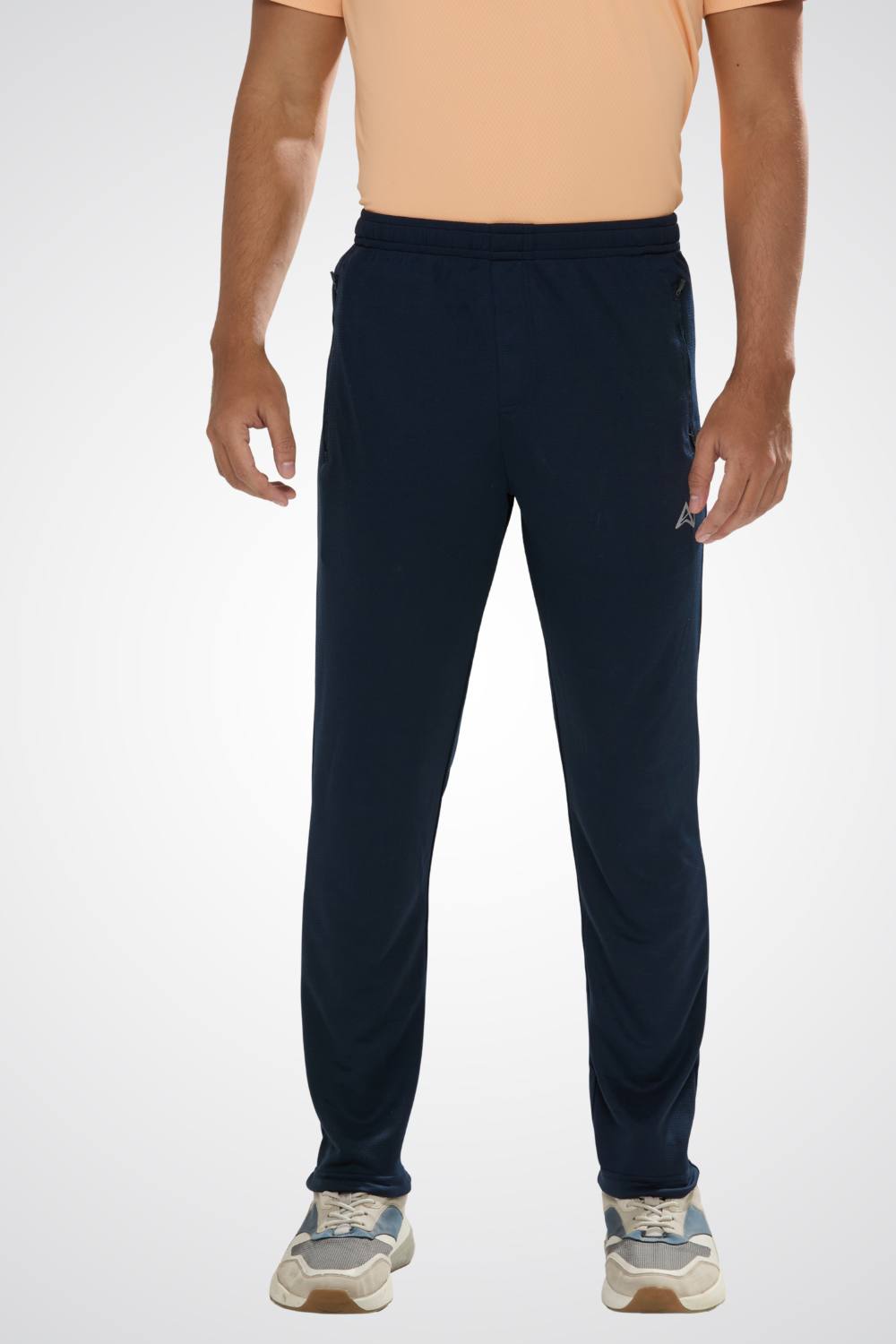
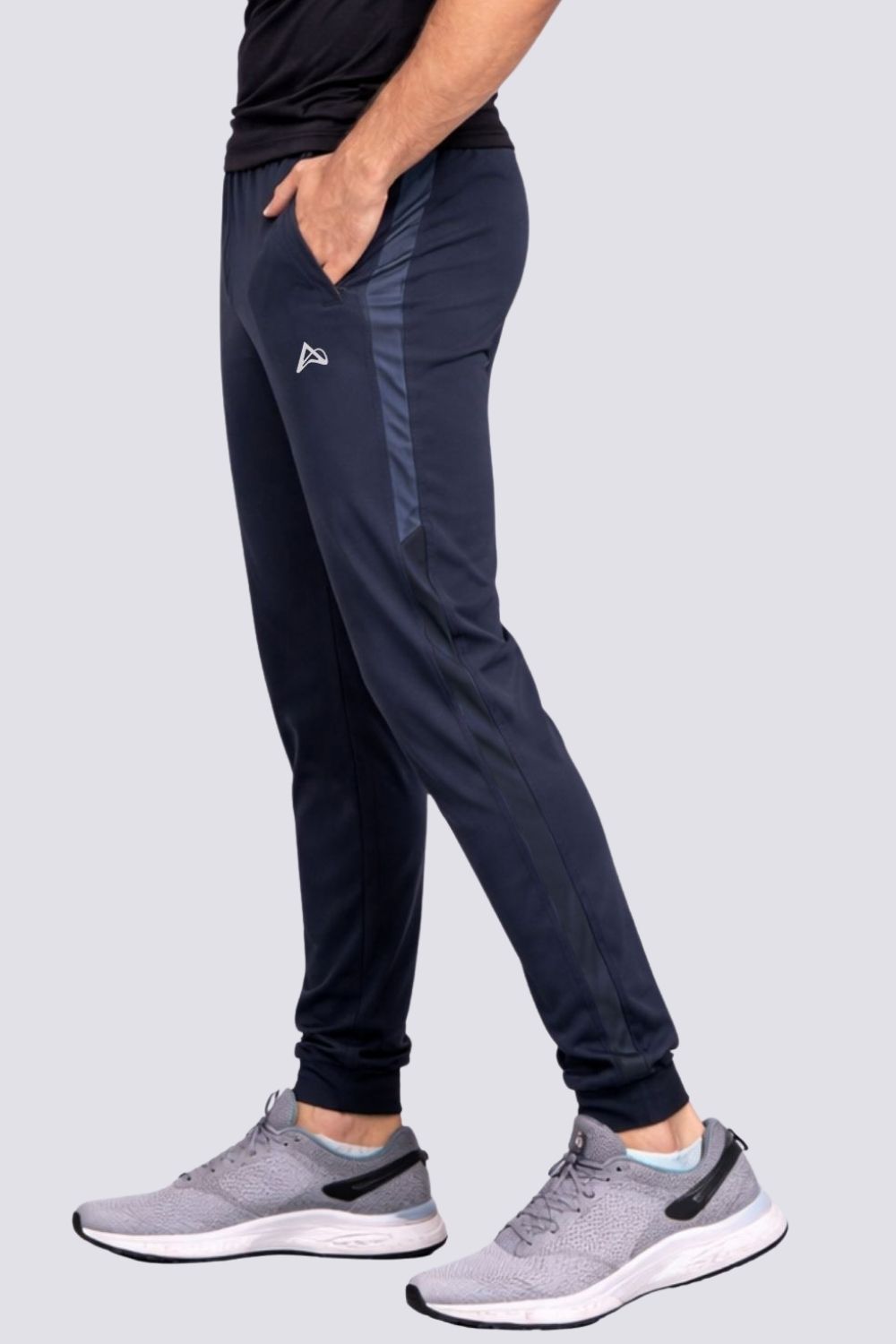
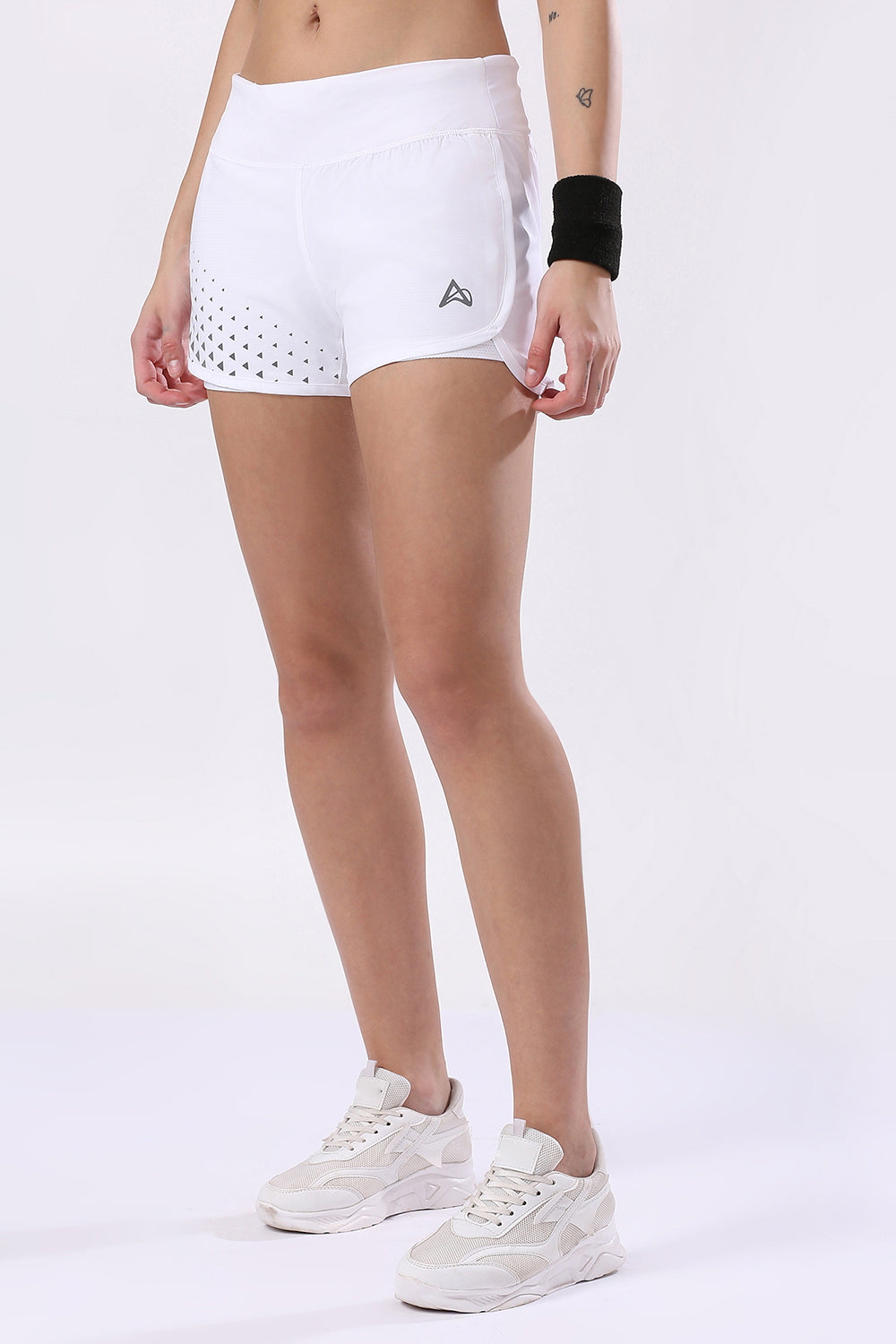
Bangalore's silicon valleys and Delhi's polluted arteries witness a fitness renaissance among city dwellers. Reports like the Decathlon India 2024 survey underscore this boom, revealing escalated running involvement in major hubs following the pandemic's wake-up call to health. Scorching afternoons and fluctuating air purity flagged in Pune municipal warnings and Delhi NCR contamination updates compel shifts to dawn or dusk outings. Reflective gear emerges as a clever fusion of protection and practicality here. Aguante, a brand dedicated to advanced athletic attire optimized for India's steamy environments, leads by producing moisture-managing items that illuminate under artificial beams.
This domestic surge aligns with worldwide expansion. The international reflective clothing industry, pegged at USD 2.68 billion in 2024, anticipates reaching USD 5.77 billion by 2035 via a 7.22% compound annual growth rate starting 2025, fueled by rising enthusiasm for outdoor activities such as biking, trekking, and jogging. In parallel, the high visibility apparel sector valued USD 1,814.0 million in 2024, targets USD 2,695.1 million by 2030 at a 6.9% CAGR from 2025, propelled by stricter worker safety protocols in sectors like building, logistics, and extraction. Asia Pacific commanded 34.0% of global shares in 2024, with India's segment forecasted to advance at 8.4% CAGR. Stateside, the U.S. high-vis market grows at 7.3% CAGR, while reflective fabrics exceed USD 800 million in 2024 alone. In India, adaptations suit regional patterns, from Hyderabad park sprints to Navi Mumbai bike commutes.
Expanding further, the reflective fabric market hit USD 1.809 billion in 2024, slated for USD 1.952 billion in 2025 and USD 3.587 billion by 2033, marking a consistent 7.9% yearly rise from 2025 to 2033. This expansion stems from rigorous safety demands in construction, transit, and urgent response fields, alongside urban high-vis needs and trendy reflective styles. Similarly, aligned figures from another analysis show the arena at USD 1.81 billion in 2024, aiming for USD 3.59 billion by 2033 under the same 7.9% pace. America drives this through regulations, but India's urban professionals echo the call, customizing for heat and hustle.
Unpacking the Technology of Illumination
Imagine headlights striking your arm and rebounding directly to the driver, cutting through darkness like a beacon. This phenomenon relies on retroreflective principles, where tiny glass spheres or prism films in textiles return light to its origin. Institutions like IIT Delhi and NIFT Mumbai explore these polymers, blending them into intelligent cloths. Effectiveness gauges in candela per square inch, quantifying reflected luminosity from sources like beads, prisms, or metallic layers, rendering wearers prominent in faint light or nighttime voids.
For Gurugram pothole evaders or Surat traffic navigators, it's essential engineering. In India, fusing this with ventilated fabrics counters oppressive humidity, creating versatile shields for jammed roads. Aguante incorporates them discreetly, preserving comfort. Beyond mechanics, it's about preservation: dim settings in Ahmedabad peripheries or Pune mists elevate accident risks, with visibility aids potentially slashing incidents by significant margins based on regional road data. The broader market thrives on such necessities, with Asia Pacific's swiftest growth in reflective gear tied to sports popularity, forecasting heightened need for glowing outfits in cycling and running circles.
Delving deeper, retroreflectivity centers on directional light return, making materials ideal for low-natural-light scenarios. Indian research at premier tech centers refines integrations, ensuring durability in tropical downpours. This tech not only alerts motorists but integrates seamlessly into daily activewear, elevating routine gear to proactive safety tools amid rising urban velocities.
Surge in Metro Adoption Patterns
Cubbon Park in Bangalore awakens to rhythmic paces, with local clubs noting a 30% rise in protective equipment acquisitions post-2023. Pune's running collectives, including Pune Running, endorse luminous edges on apparel, guarding against unpredictable vehicles. Mumbai's 2024 retail analytics disclose a 28% annual increase in such sportswear, dominated by desk-bound adults aged 25-40 balancing careers and cardio.
Delhi-NCR and Gurugram pioneer, where fog and congestion necessitate amplified caution. Outlets from Decathlon to Adidas deplete stocks of glowing-addition products rapidly, as local labels like Aguante field escalating inquiries. Hyderabad and Navi Mumbai see hybrid users merging fitness with chores, favoring multifunctional coats. The U.S. counterpart surges past USD 800 million in reflective fabrics for 2024, blending industry mandates with fashion, a model India refines for cost and climate. Globally, demands escalate from safety norms, expanding high-vis applications into leisure, with vests claiming 37.2% market dominance in 2024.
This momentum builds on broader shifts: post-2023, clubs in Bangalore and Pune report gear upgrades, while Mumbai data highlights professional demographics driving sales. In Surat and Ahmedabad, industrial echoes influence athletic spillovers, where worker's high-vis habits bleed into personal fitness. Delhi's smog forces early adaptations, making reflective trims standard in wardrobes. Across these nodes, the fusion of global projections like the 8.4% Indian high-vis CAGR with local retail spikes paints a robust picture of evolving consumer priorities.
Real-World Narratives from Asphalt Warriors
A Navi Mumbai marathon prep crew outfits in Aguante's luminous range for pre-dawn drills on tree-lined avenues. One participant notes, "The bands activate subtly, avoiding overt safety signals yet ensuring notice." Mumbai influencers spotlight this on social platforms, lauding prominence along wave-lashed drives where vehicles whirl. Bangalore corporate gyms commend the moisture control in sweltering conditions, keeping focus on form over fade.
Pune instructors distill the essence: "In shadowed zones, those gleams grant vital moments key for evading wanderers or sudden swerves." Such accounts pulse through communities, signaling a transformation where Aguante's offerings marry elegance and efficacy, converting ordinary trots into assured ventures. These stories amplify market drivers, like the post-pandemic outdoor surge propelling reflective demands, as seen in global forecasts tying leisure pursuits to billions in growth.
Expanding these insights, groups in Hyderabad share similar testimonials, blending commutes with training under Aguante's versatile lines. In Gurugram, corporate wellness sessions incorporate such gear, echoing U.S. trends where regulations spur innovation. These grounded experiences underscore statistical booms, humanizing the shift from niche to norm.
Obstacles and Sectoral Constraints
Awareness gaps persist; Surat and Ahmedabad joggers often select fundamentals ignorant of reflection benchmarks. Longevity falters post-launders, with elements dimming against habitual scrubbing. Ventilation compromises in thicker builds, while prices deter thrifty shoppers yet Surat textile clusters innovate slim prints, trimming costs 15-20%.
Absent national BIS norms for sports variants, unlike workwear, complicates uniformity. Producers juggle lightness, economy, and potency. Aguante counters via domestic procurement, fortifying against rains without sheen loss. These hurdles mirror global nuances, where industrial growth outpaces leisure standardization, but India's textile prowess in Ahmedabad offers solutions, like cost-effective integrations boosting accessibility.
Further, supply chains in these hubs grapple with raw material consistency, yet advancements in bead tech promise resilience. Consumer education lags in non-metro tiers, but urban spillovers accelerate change, aligning with Asia Pacific's rapid trajectory.
Pathways for Advancement and Market Prospects
Prospects abound for Aguante to infuse cultural nuances muted bands on ethnic-cut tops or emblem shines honoring local motifs. Initiatives like Delhi's Smart City illuminated paths heighten uptake. Merge with antimicrobial, rapid-dry materials for humid mastery.
Mumbai night races and Gurugram health schemes will catalyze surges. Karnataka's impending 2025 sports framework vows amenities, nurturing groups. Reflectivity emerges as a standout in saturated arenas, with global opportunities from rising sports engagement pushing luminous demands.
Collaborations with Surat innovators could yield sustainable beads, cutting environmental footprints while scaling. This synergy positions brands to capture the 7.22% global climb, localizing for India's diverse climates and paces.
Fusing Protection with Panache in Urban Nights
Reflective features debuted as understated enhancements for city trails but now assert as bold declarations. Spanning Bangalore verdancy to Delhi murkiness, they embed security into India's fitness tapestry. With sectors ballooning fabrics to USD 3.587 billion by 2033 this functional origins morph into chic, acute athlete enablers. Aguante, partnering Ahmedabad and Surat pioneers, spearheads, affirming that in dense metropolises, targeted reflection illuminates paths to vigorous, vivid futures.
Frequently Asked Questions
How does reflective clothing work to improve visibility for runners at night?
Reflective clothing uses retroreflective technology, where tiny glass spheres or prism films embedded in the fabric return light directly back to its source, such as vehicle headlights. This creates a bright, beacon-like effect that makes runners highly visible in low-light conditions or darkness. The effectiveness is measured in candela per square inch, and this technology can significantly reduce accident risks by alerting drivers to a runner's presence well in advance.
Why is reflective running gear becoming popular in Indian cities like Mumbai, Bangalore, and Delhi?
Urban runners in India are increasingly adopting reflective gear due to safety concerns on congested, dimly lit roads, combined with the need to run during cooler dawn or dusk hours to avoid scorching heat and poor air quality. Post-pandemic fitness booms have led to a 28-30% increase in protective equipment purchases in cities like Mumbai and Bangalore since 2023. Indian brands like Aguante are designing reflective apparel specifically for India's humid climate, merging moisture-wicking fabrics with visibility features for practical, all-weather protection.
What is the expected growth of the reflective clothing market globally and in India?
The global reflective clothing market is projected to grow from USD 2.68 billion in 2024 to USD 5.77 billion by 2035, with a compound annual growth rate of 7.22%. In India specifically, the high-visibility apparel segment is forecast to grow at 8.4% CAGR, outpacing many global markets. This growth is driven by increasing outdoor fitness activities, stricter workplace safety regulations, and rising awareness of road safety, particularly in rapidly urbanizing areas across Asia Pacific.
Disclaimer: The above helpful resources content contains personal opinions and experiences. The information provided is for general knowledge and does not constitute professional advice.
You may also be interested in: How Runner Feedback Drives Indian Activewear Innovation
Tired of gear that slows you down? Chafing, soggy fabrics, and missing pockets kill your run's momentum. At Aguante, we're runners who get it. Our high-performance activewear features moisture-wicking fabrics, ergonomic designs, and smart storage to keep you focused. Shop Now!
Powered by flareAI.co