



Quick Listen:
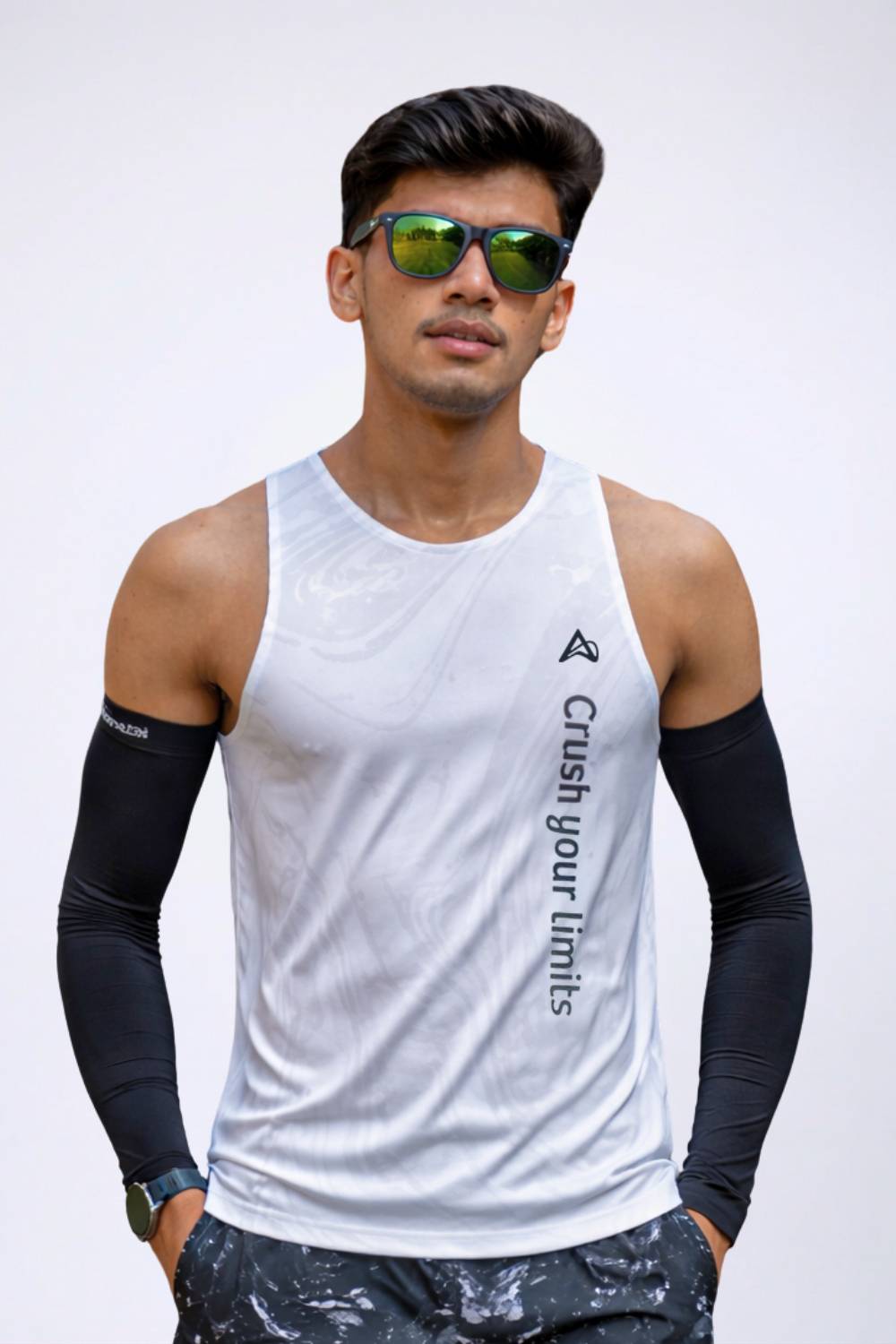
On a humid dawn breaking over Mumbai's Marine Drive, runners slice through the heavy air, their singlets clinging yet releasing sweat with engineered precision. In India's tropical crucible where temperatures climb beyond 35°C and humidity chokes at 80% these garments aren't mere apparel. They're survival tools, woven from innovations that combat the drenched reality of training. From Bengaluru's bustling tech corridors to Pune's undulating paths, a fitness revolution demands gear attuned to local torments. This isn't fleeting trend; it's market forces at play, with activewear ballooning and singlets emerging as humidity's nemesis, empowering athletes to push limits without melting down.
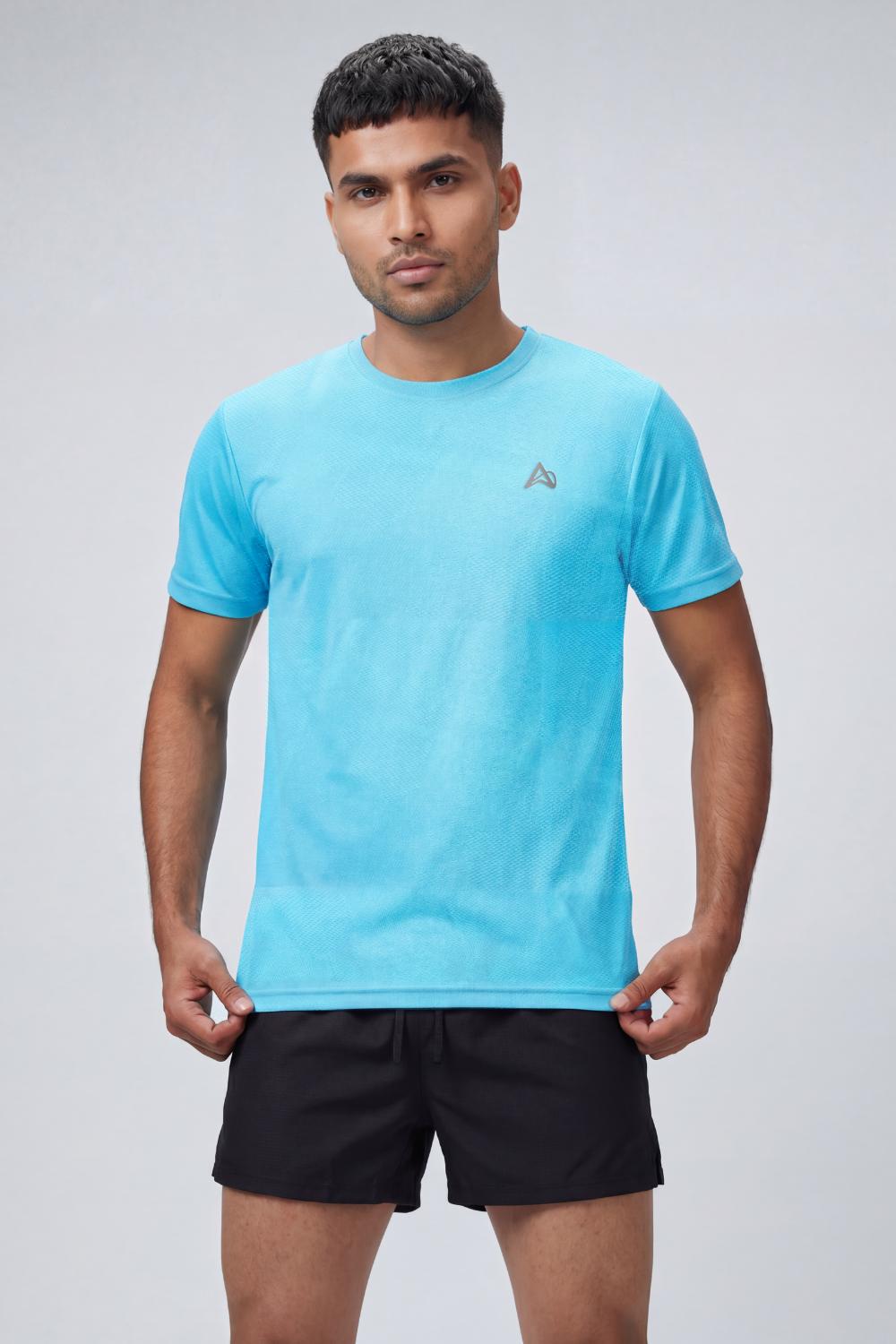
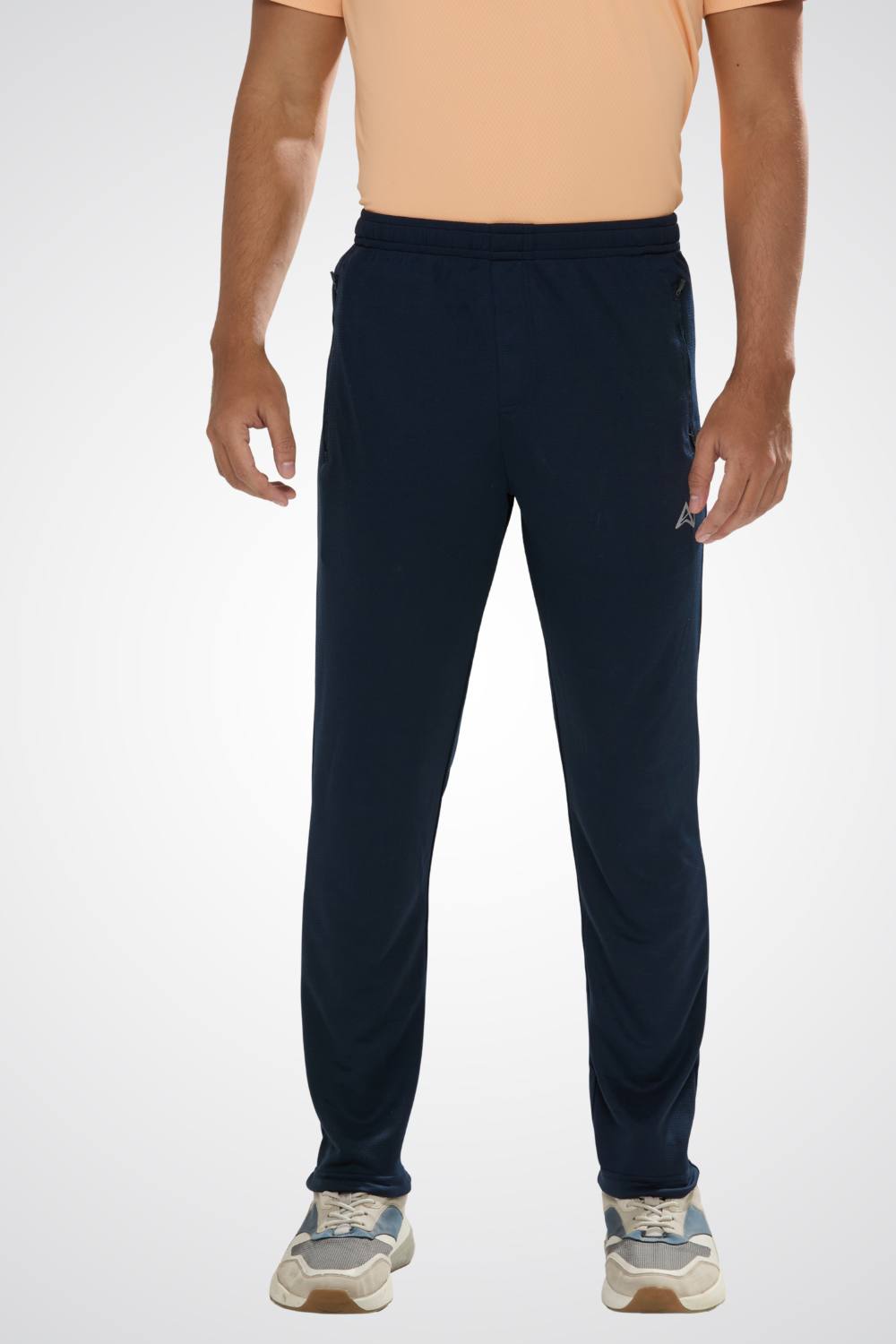
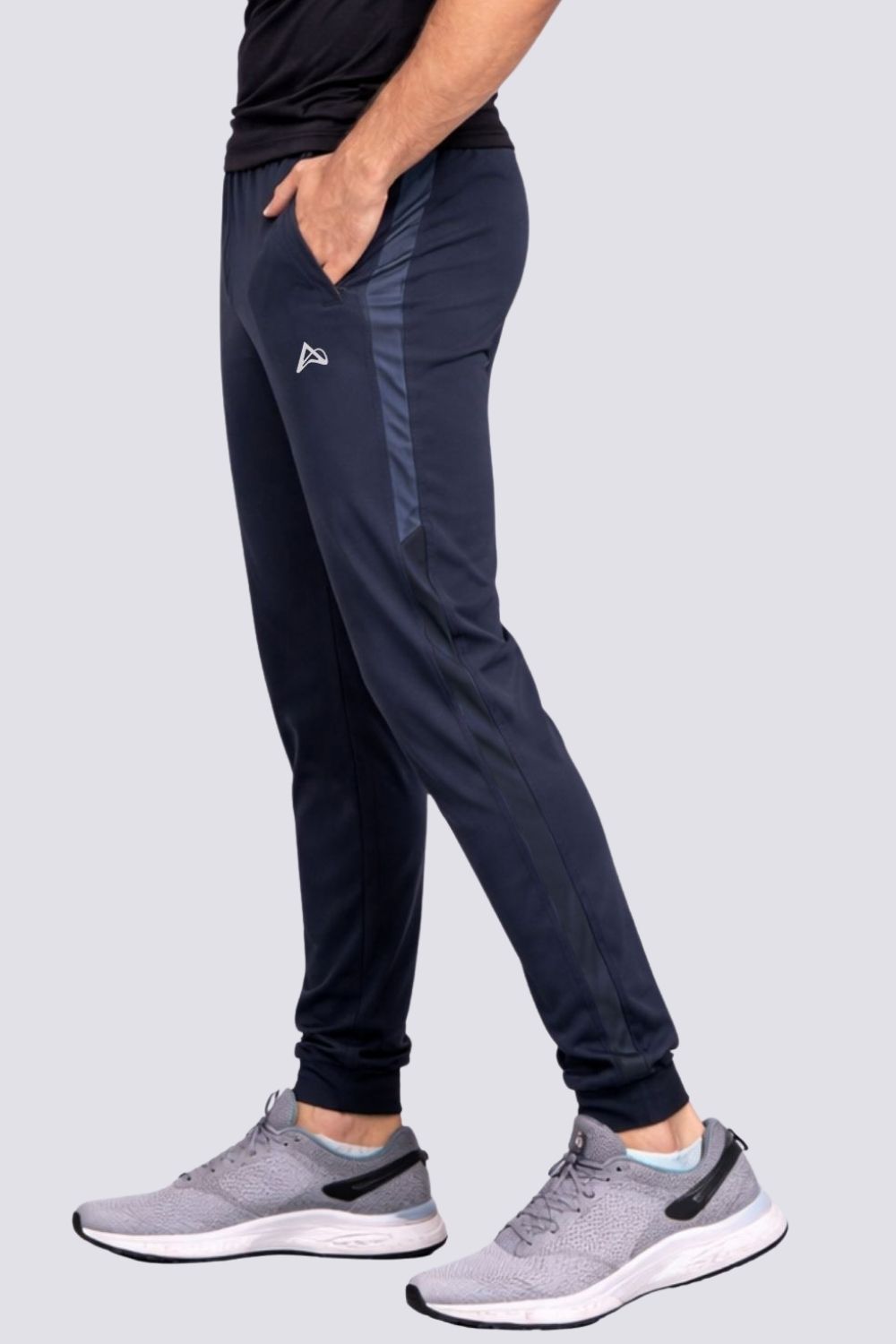
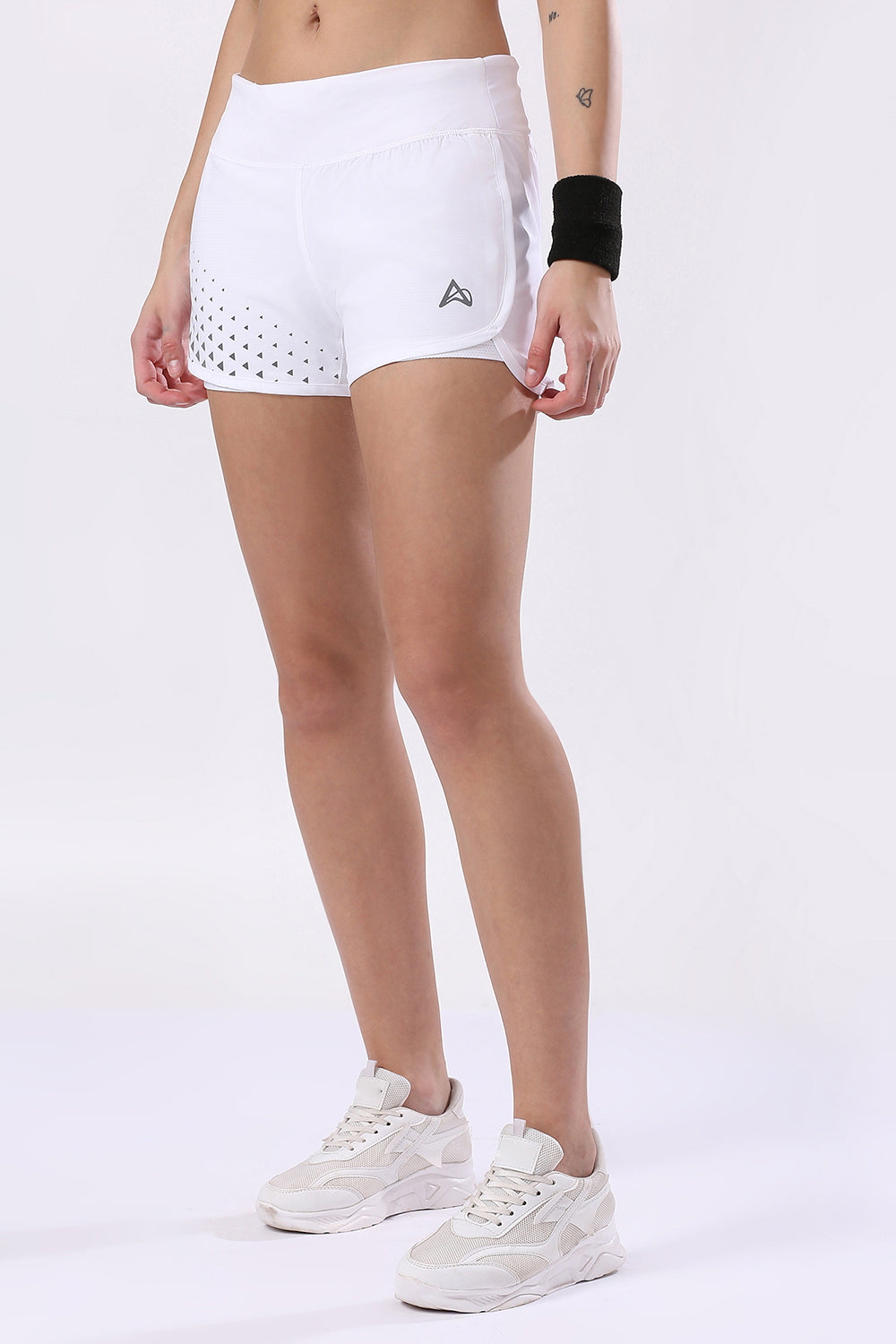
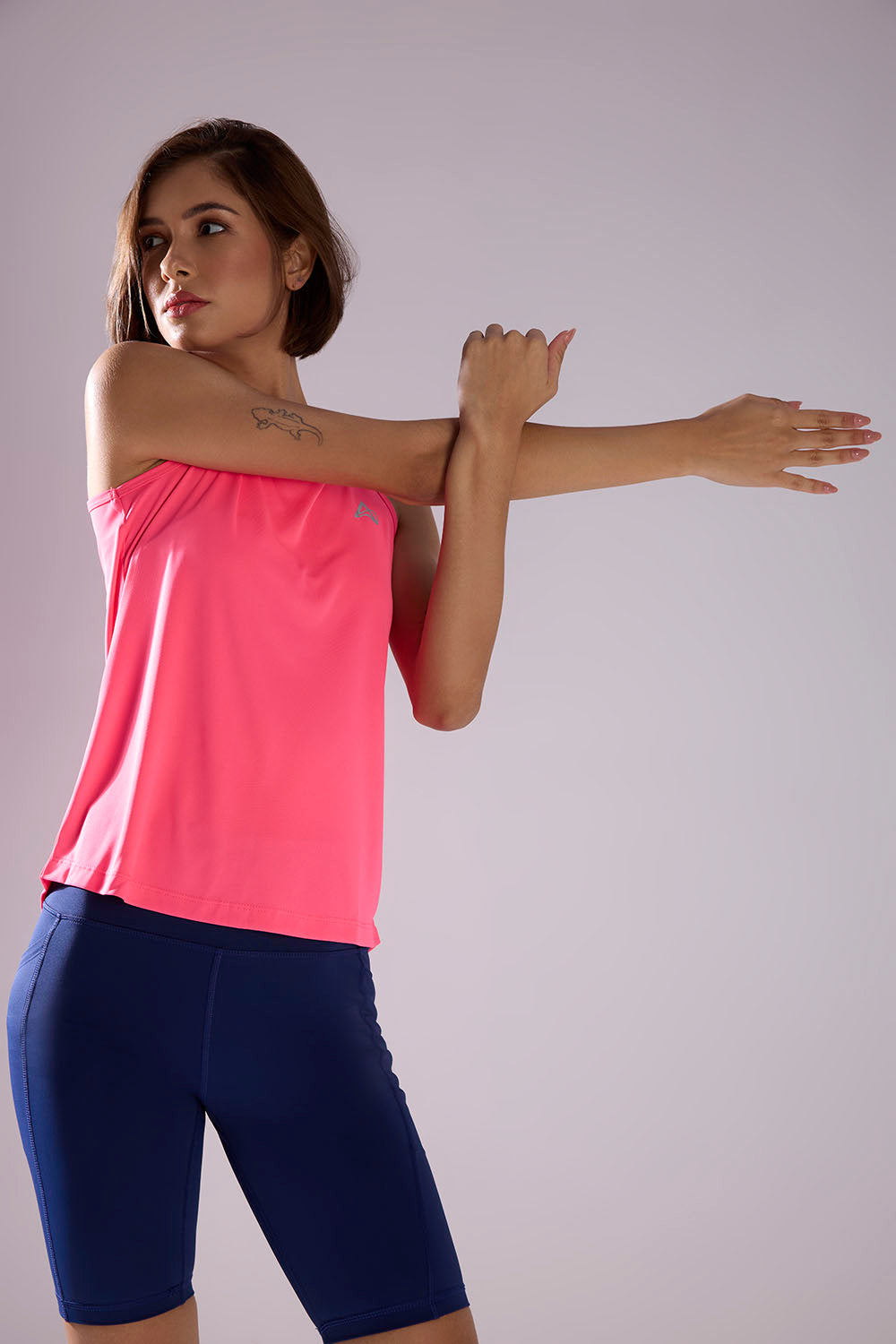
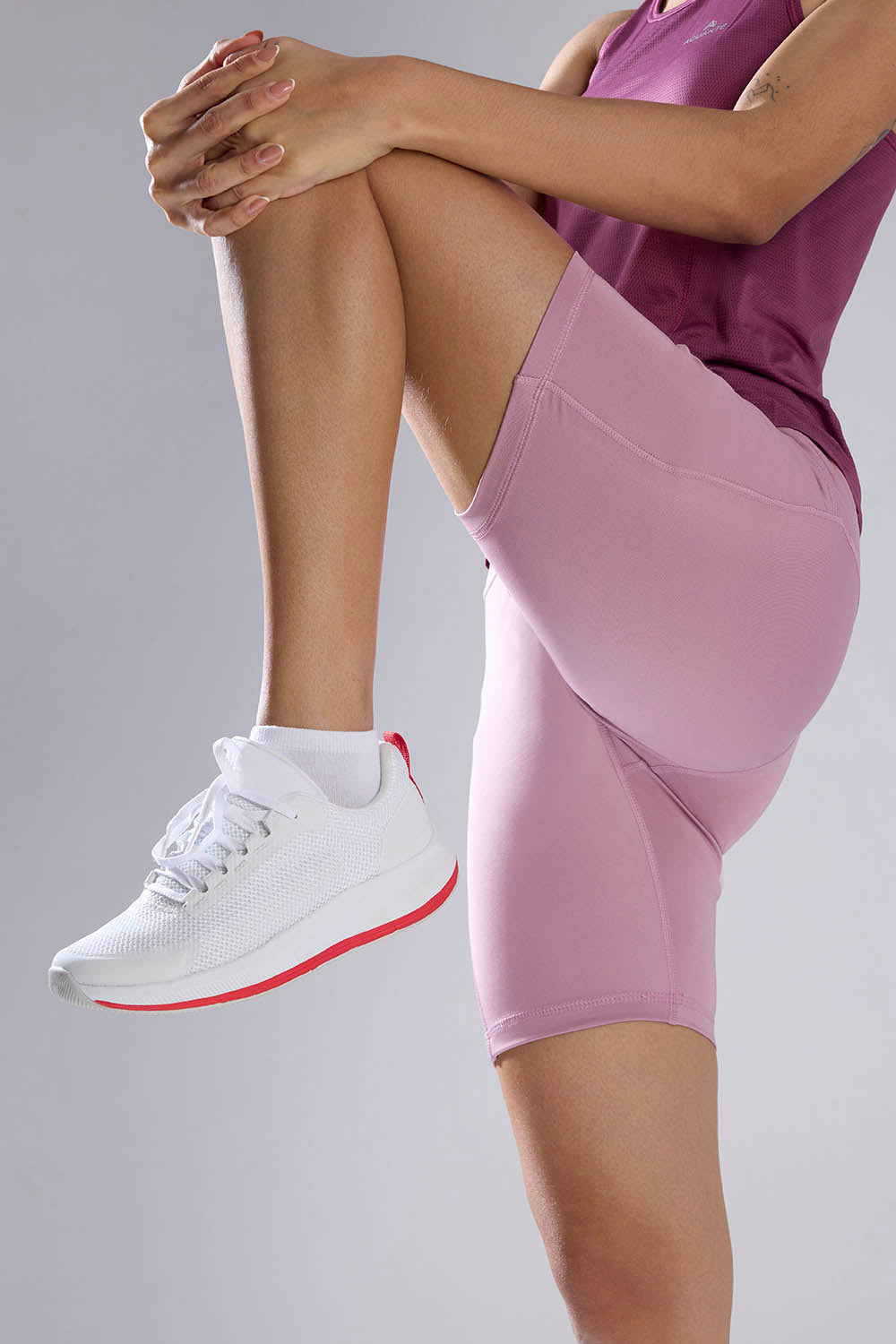
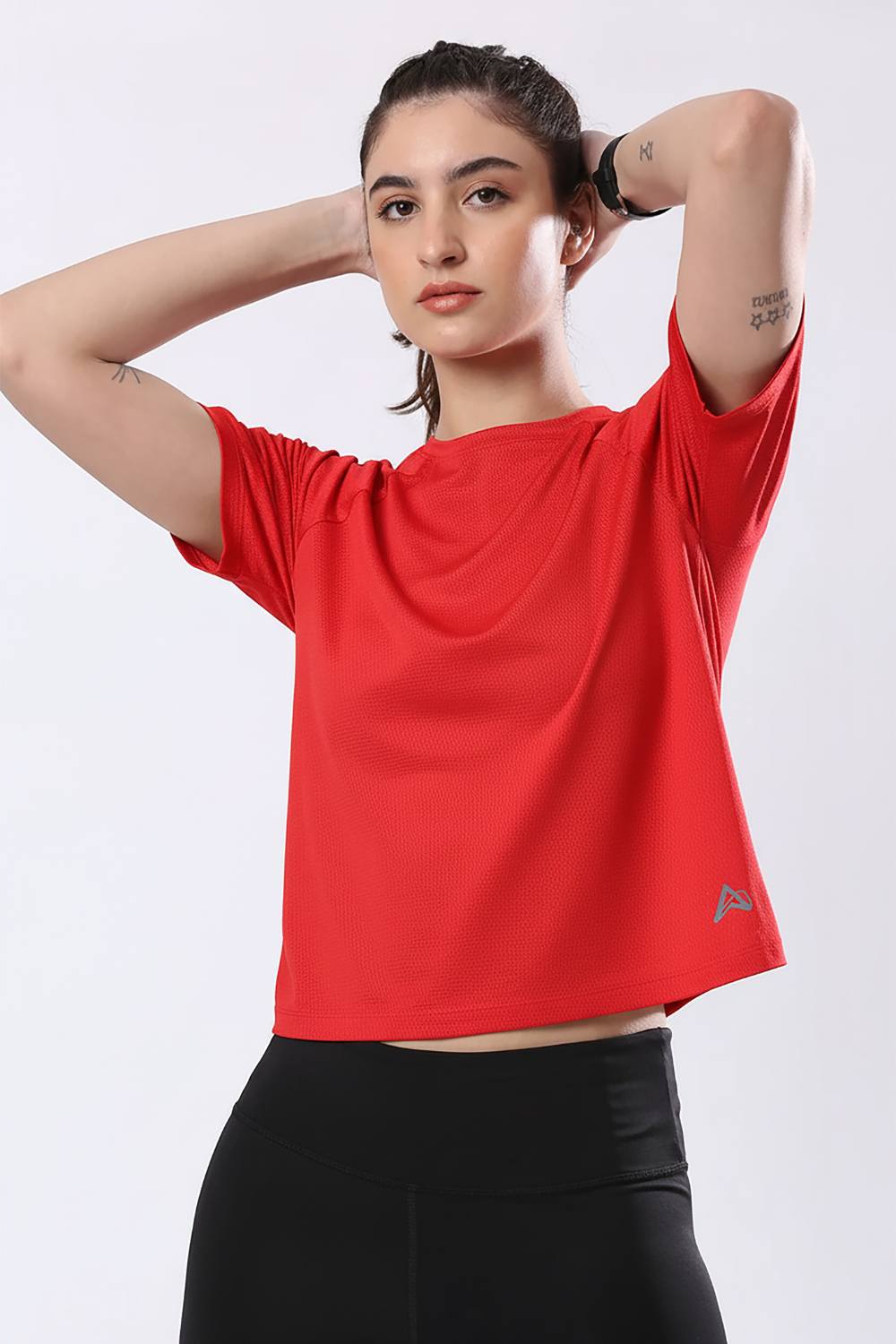
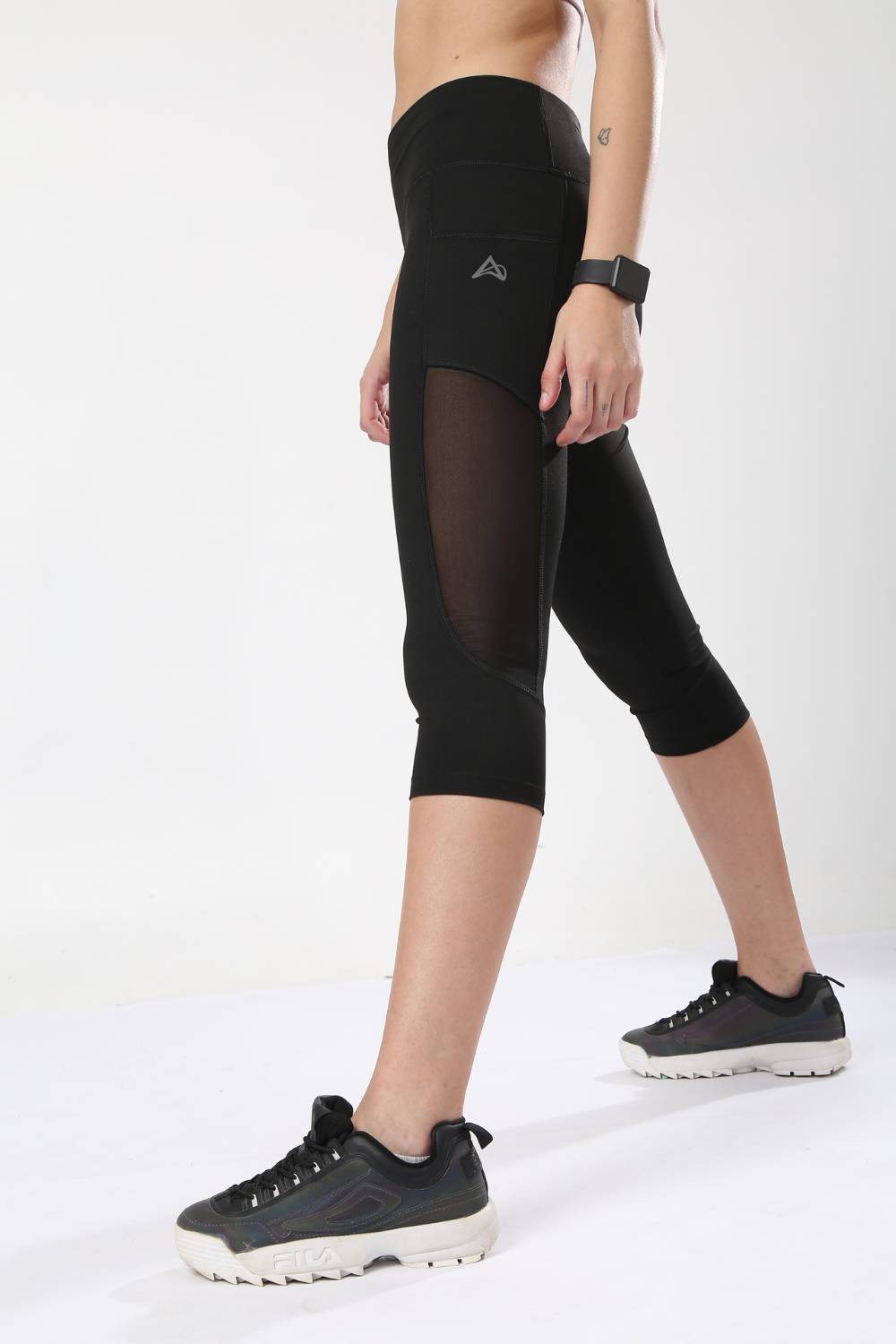
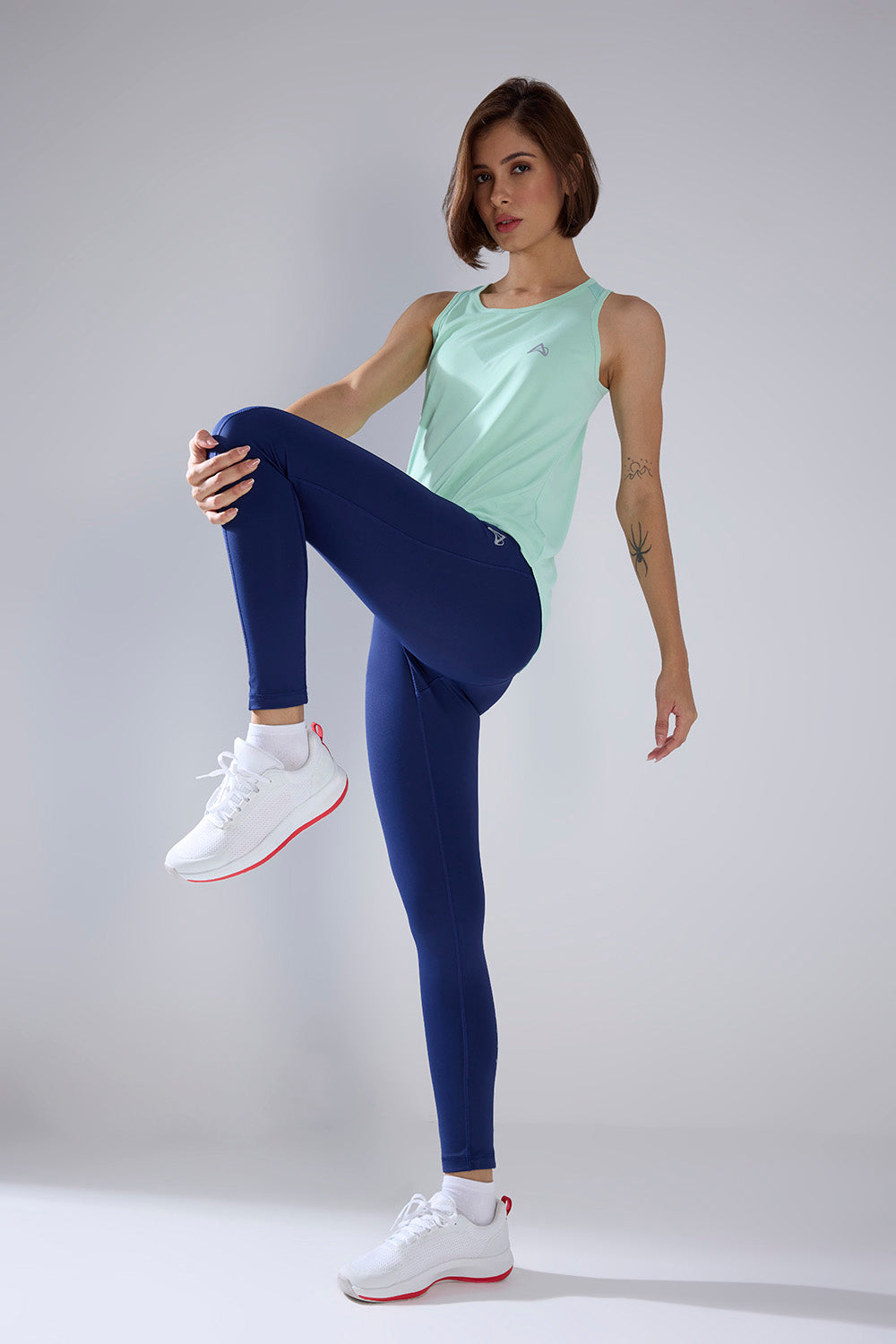
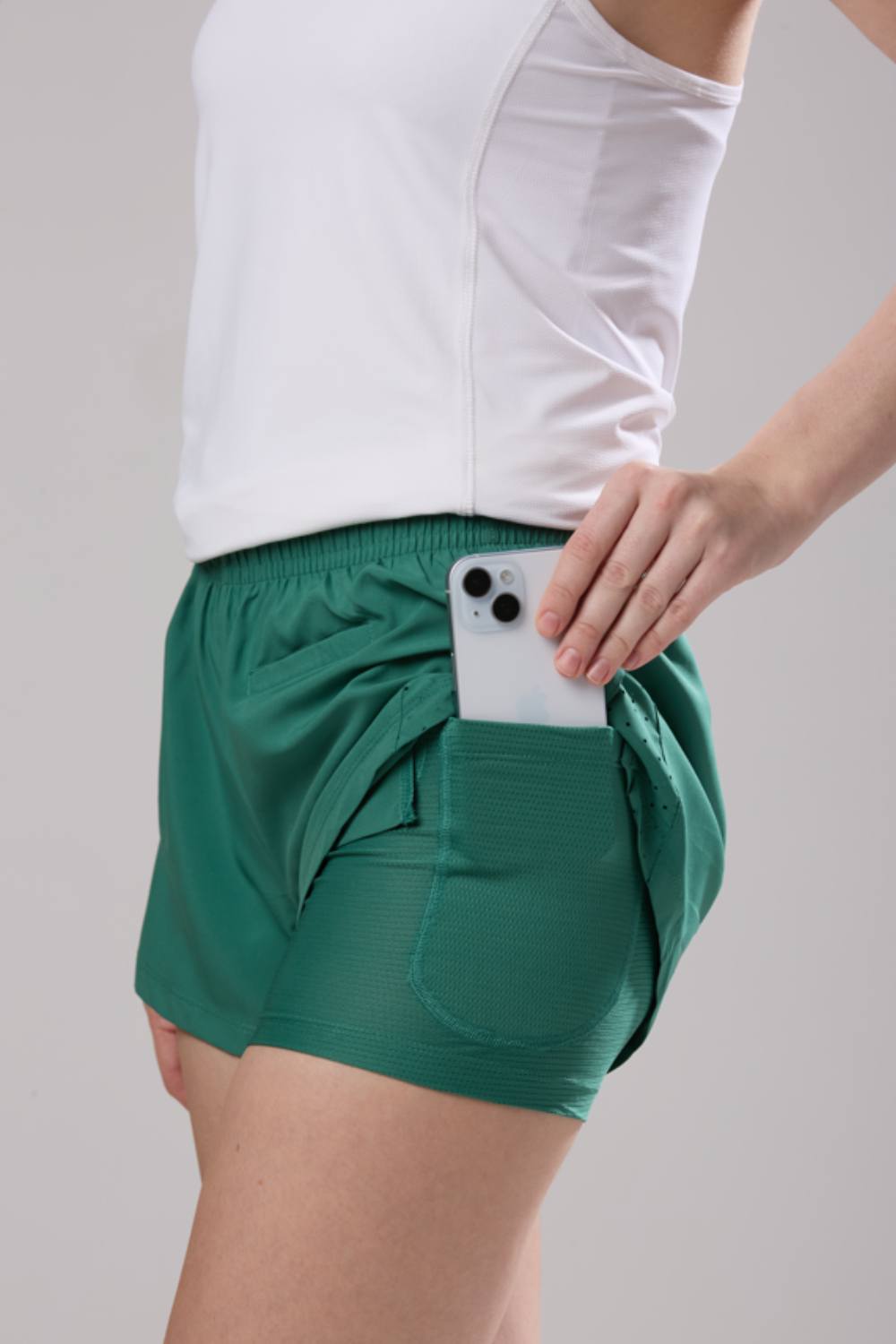
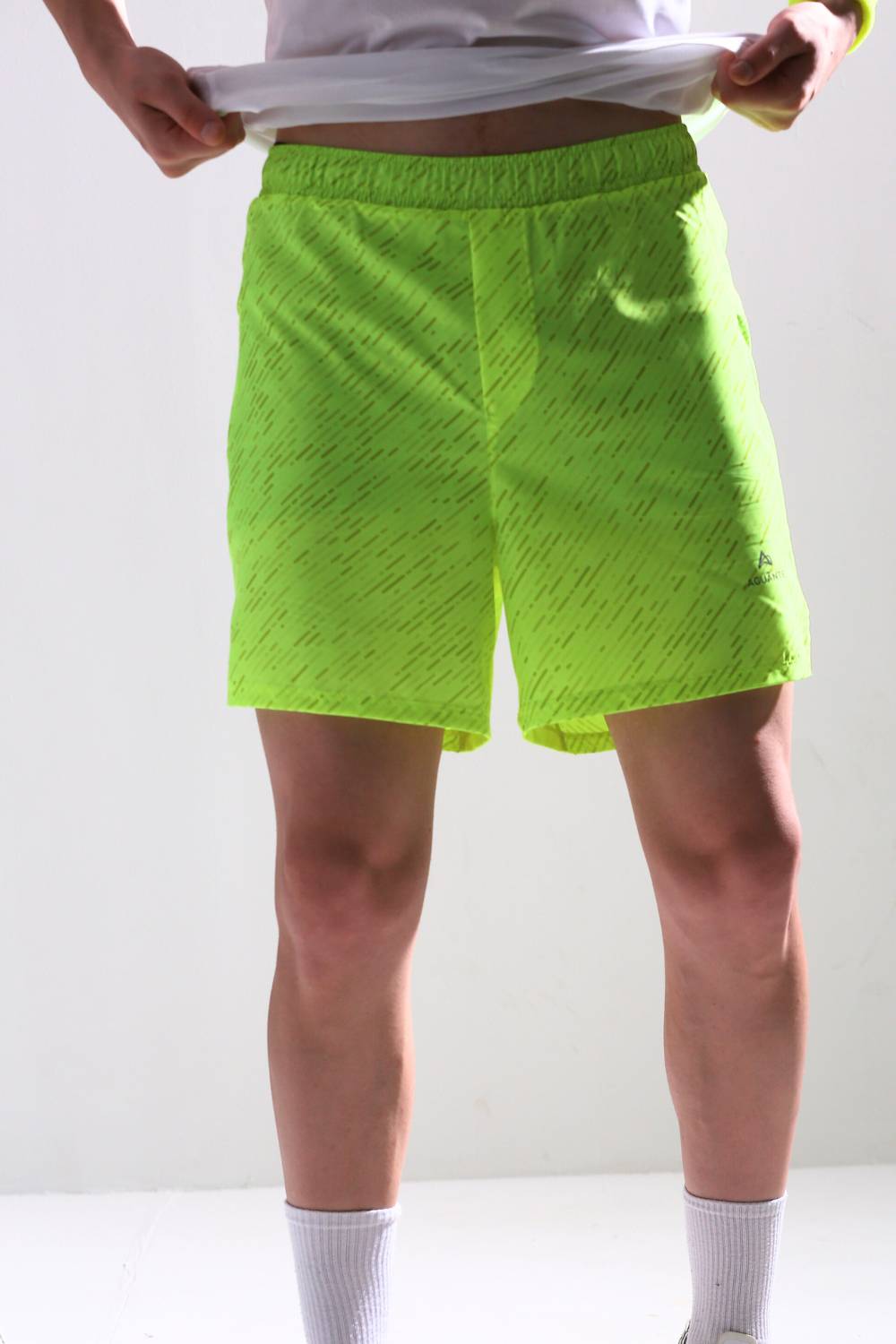
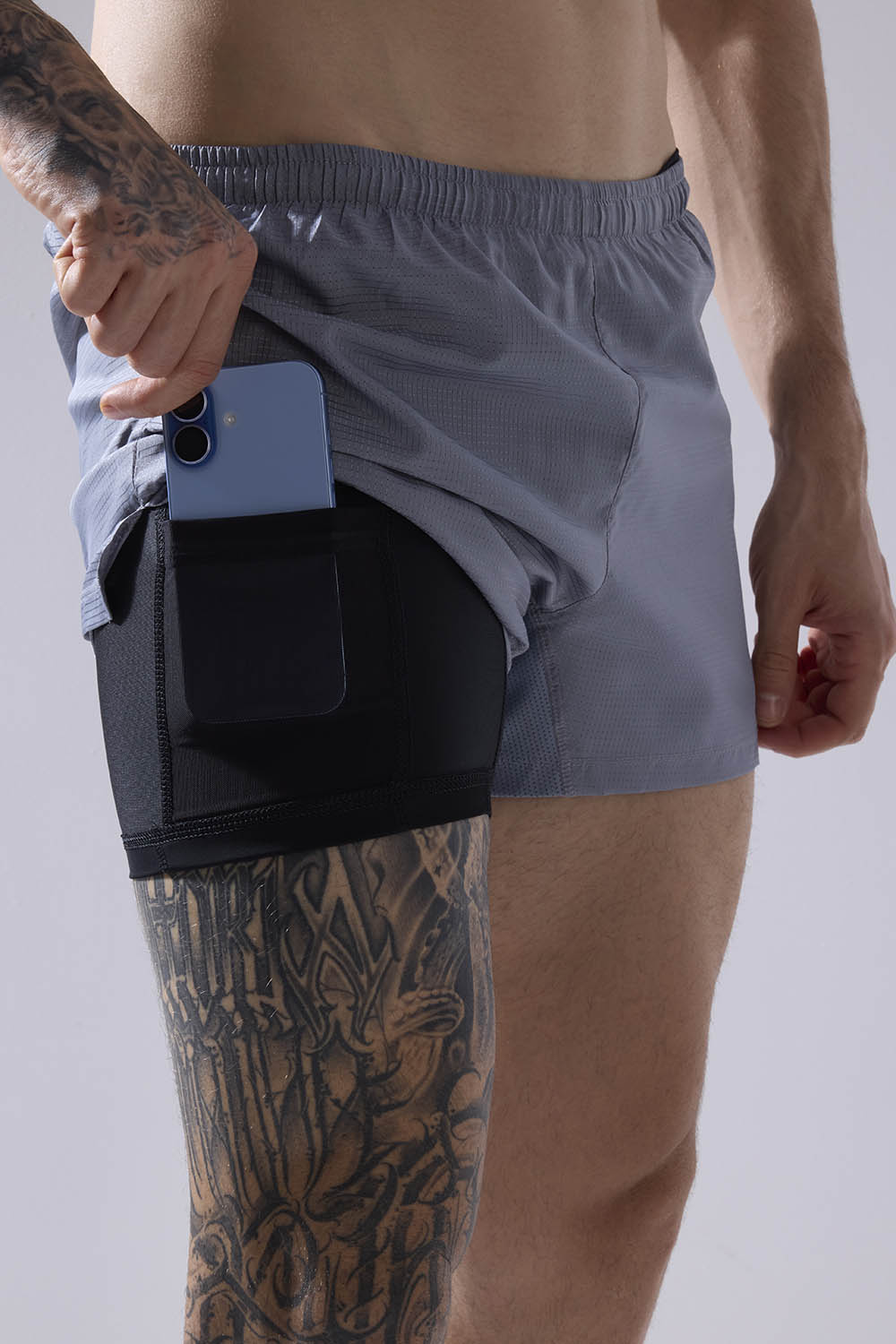
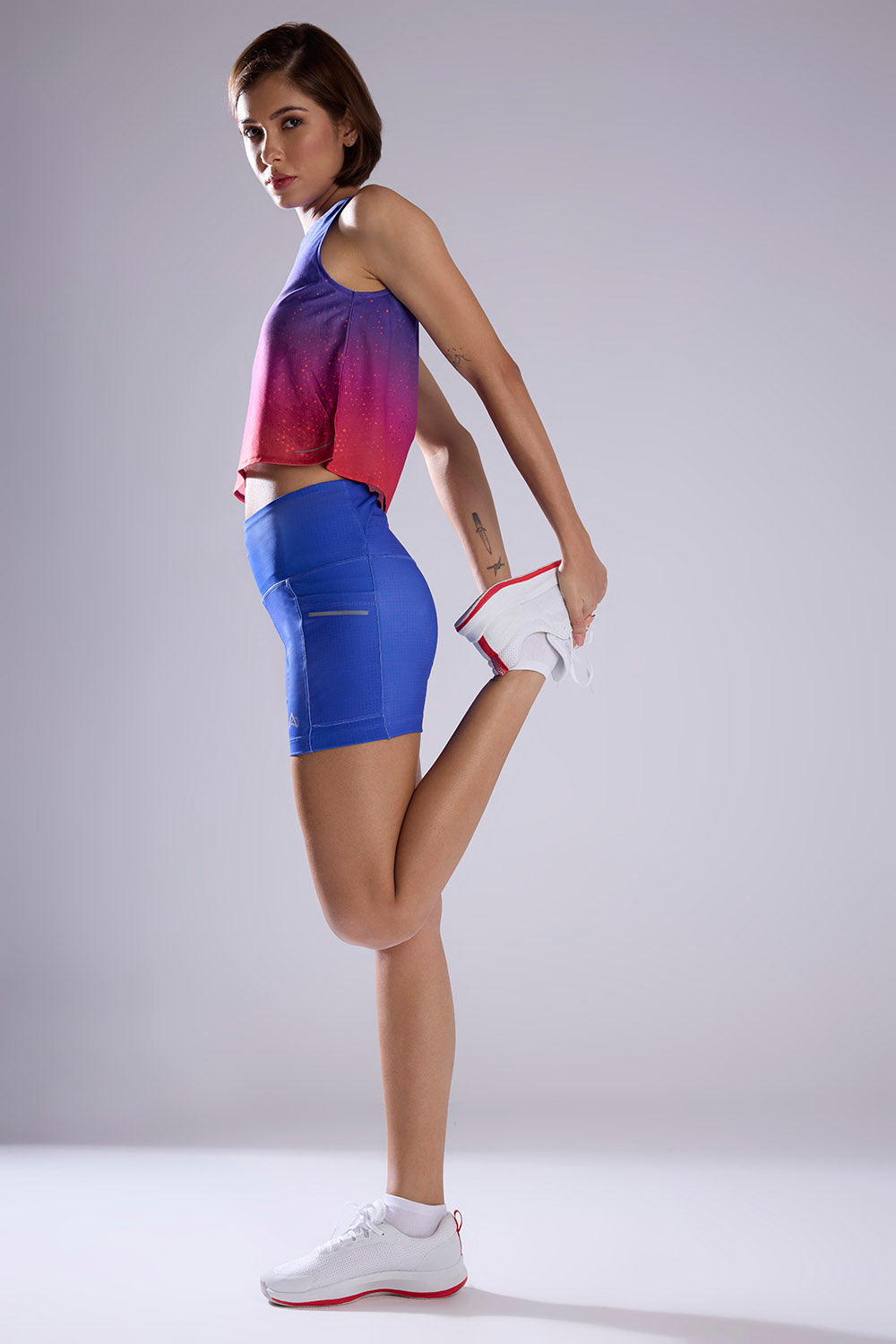
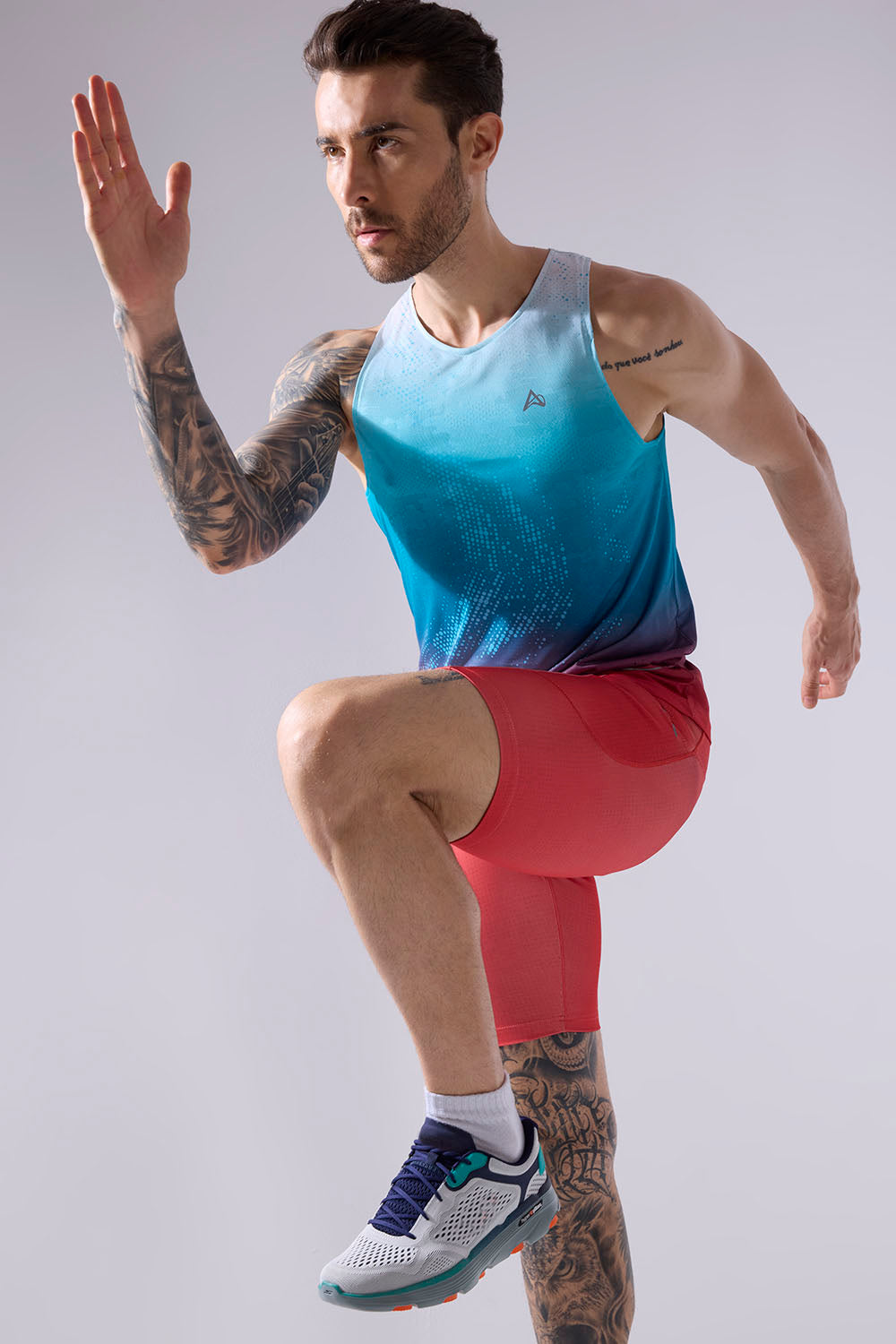
Tired of gear that slows you down? Chafing, soggy fabrics, and missing pockets kill your run's momentum. At Aguante, we're runners who get it. Our high-performance activewear features moisture-wicking fabrics, ergonomic designs, and smart storage to keep you focused. Shop Now!
Engineered for the Heat: Singlets Tailored to India's Humid Training Environments
Across Bengaluru's steamy athletics fields and Mumbai's coastal jogs, Indian sportspersons increasingly opt for high-performance singlets equipped with advanced moisture-absorbing, air-permeable, and rapid-drying features specifically suited to tropical settings. Envision urban centers like Mumbai, Chennai, and Hyderabad enduring averages above 30°C, coupled with humidity levels routinely surpassing 70% across extended periods. Data from the Indian Meteorological Department underscores how the heat index in these areas spikes to daunting highs during peak training months, turning routines into tests of resilience against exhaustion and fluid loss.
Such environmental pressures are igniting demand for customized athletic wear. Singlets, essential sleeveless pieces, are advancing rapidly, shifting from off-the-shelf imports to locally optimized creations prioritizing humidity control. The timing aligns with exploding engagement in endurance events and fitness centers in hubs such as Bangalore, Pune, and Gurugram. India's activewear sector mirrors this momentum, generating USD 15,107.3 million in 2024 revenues and forecasted to climb to USD 29,972.9 million by 2030, advancing at a compound annual growth rate of 12.2% over 2025-2030, according to insights from Grandview Research. Within sports apparel specifically, the market stood at USD 253.0 million in 2022, aiming for USD 399.5 million by 2030 with a 5.9% CAGR from 2023 onward. Women dominate as the primary revenue driver and quickest-expanding category in end-use breakdowns. For the retail landscape, this signals prime potential: equip stores with sweat-resistant singlets, and capitalize on a sector where women fuel expansion amid rising health consciousness.
This growth isn't abstract. Key players like Adidas AG, Nike Inc Class B, and Puma SE compete in this space, alongside Columbia Sportswear Co and Under Armour Inc Class A. Segmentation spans men, women, and kids, with T-shirts and tops leading products like sweat569 sweatshirts, hoodies, jackets, and bottomwear. These figures highlight why singlets fit seamlessly lightweight, versatile for India's year-round warmth, appealing especially to women seeking functional yet affordable options in humid workouts.
Emerging Trends in Heat-Adapted Activewear
Delve deeper into material advancements, and India's innovation hubs shine. In Bangalore and Surat, manufacturers experiment with ventilated mesh inserts that promote airflow akin to natural cooling, combined with featherlight polyester-elastane fusions offering skin-like flexibility. Technologies that activate cooling upon contact with perspiration draw away thermal buildup, proving invaluable in moisture-laden atmospheres that amplify discomfort.
Supporting evidence abounds from dedicated institutions. The Textile Research Institute in Ahmedabad evaluates indigenous resources, determining evaporation efficiencies comparable to international benchmarks yet more economically viable. Similarly, the National Institute of Fashion Technology in Mumbai's investigations reveal these composites disperse moisture 25% quicker under elevated humidity, delivering tangible benefits like reduced risk of overheating for outdoor enthusiasts.
Design philosophies lean minimalist: armless structures with reduced stitching minimize abrasion in saturated conditions. Polls among Hyderabad and Navi Mumbai fitness groups, via FitIndia merchant data from 2024, indicate a marked 30–40% inclination toward sleeveless variants versus covered alternatives lighter loads translate to sustained performance sans drag.
Additional enhancements include hue selections with ultraviolet-blocking layers, vital for Delhi NCR's sun-exposed paths where pollution compounds glare. While T-shirts and tops command the largest share in India's sports apparel market projected as the swiftest-growing product per Grandview Research singlets gain traction through synthetic integrations, aligning with broader shifts toward durable, lab-created fibers in knitwear dominions.
These evolutions extend beyond urban runners. In cycling circuits around Gurugram or yoga sessions in Chennai, breathability dictates choice, pushing brands to incorporate anti-microbial treatments that endure India's microbial-favoring dampness.
Case Studies: India's Hot-Climate Gear Success Stories
Bangalore's entrepreneurial ecosystem pulses with practical breakthroughs. A Koramangala venture embeds nanotechnology threads and silver-infused barriers in singlets, curbing bacterial proliferation in extended humid exposure. As detailed in Startup Karnataka's 2024 Textile Innovation Report, such integrations prolong usability, ideal for consecutive drills amid 32°C mugginess that typically accelerates fabric degradation.
Coastal Mumbai narratives reinforce efficacy. The Marine Drive Runners Club's evaluations demonstrate domestic singlets diminishing moisture hold by 35% against foreign polyester equivalents, yielding reports of maintained body temperatures and enhanced pacing from participants. Echoing patterns surface in Navi Mumbai wellness centers, where users note amplified comfort during peak-hour sweats.
Surat anchors supply chains, fabricating fine-gauge knits with superior porosity dispatched to upscale outlets in Delhi and Pune. Parallel dynamics unfold in Tirupur, commanding 60% of national knitwear shipments and USD 4.5 billion yearly output. This powerhouse targets doubling to USD 10 billion by 2030 via amplified manmade fibre (MMF) adoption, elevating MMF proportion from 10% to 30%. As articulated by Sunil Jhunjhunwala, MD of Techno Sportswear (P) Limited and Vice-Chairman of CII Tirupur, the 'China Plus One' pivot redirects procurement from alternatives like Bangladesh and Vietnam toward India, unlocking avenues in Africa and Latin America per Times of India coverage. These MMF chemically derived unlike organic counterparts bolster quick-dry attributes essential for singlets in sodden regimens. Such locales exemplify scalable models: localized production meets global standards, trimming import reliance while tailoring to desi demands.
Key Challenges and Limitations
Progress encounters hurdles. Premium integrations inflate expenses by 20–30%, alienating budget-conscious segments in Pune despite gym influxes, based on Hyderabad Retail Association's 2024 pricing scrutiny.
Endurance issues persist; Gurugram trainees observe odor-neutralizing finishes diminishing post 15–20 launderings, yielding stale gear prematurely. Pune athlete surveys corroborate: initial prowess wanes, necessitating frequent replacements that strain wallets.
Production bottlenecks aggravate matters. Compact operations in Ahmedabad and Tirupur grapple uniformity in advanced weaves scaled-down setups yield variances absent in overseas giants, demanding capital infusions for tech upgrades and skill enhancements. Supply chain volatilities, from raw MMF sourcing to eco-compliance, further complicate, potentially delaying rollouts in a market craving immediacy.
Opportunities and Business Impacts
Conversely, vistas abound. Bangalore's research infrastructure beckons for humidity-calibrated wicking trials, as advocated in NIFT Delhi's 2023 fabric adaptation treatise emphasizing bespoke evolutions over imported templates.
Commerce booms accordingly. Technopak India's Activewear Market Outlook 2024 registers a 48% year-over-year escalation in heat-appropriate attire requests across metropolises. Search surges for breathable running singlets dominate Google Trends in Mumbai and Delhi NCR into 2025's second quarter, overwhelming e-commerce inventories.
Eco-angle amplifies exports: Surat and Ahmedabad facilities pioneer dye-free recycled polyester variants excelling in muggy foreign climes, cementing India's stance in Southeast Asia. Tirupur's MMF escalation, per the aforementioned strategies, catapults tropical exports, leveraging synthetic prowess for sustained international inroads.
Collaborations with entities like ASICS Corp or Skechers USA Inc Class A could fuse expertise, birthing hybrid lines attuned to segmented needs women's accelerated trajectories merit focused singlet variants blending style and science.
Designing for India's Real Climate
At Karnataka State Sports University, physiologists dissect how textile microstructures govern body heat balance, elevating stamina 10-15% in swelter via pore configurations emulating dermal ventilation. "Precision in fiber architecture replicates natural evaporation," affirms a lead researcher.
Mumbai's styling collectives reconfigure global molds, expanding apertures for indigenous physiologies. Bangalore innovators deploy artificial intelligence-driven sizing scans, charting ventilation paths across disparate builds from elongated northern statures to southern compacts.
The paradigm thrives on symbiosis: field inputs refine prototypes, yielding inclusive, efficacious outcomes that transcend uniform standards into personalized humidity mastery.
Frequently Asked Questions
Why are singlets becoming popular for workouts in India's humid climate?
Singlets are gaining traction in India because they're specifically engineered with moisture-wicking, breathable fabrics that combat the country's extreme heat and humidity often exceeding 35°C with 80% humidity. These sleeveless designs promote better airflow and faster sweat evaporation compared to traditional T-shirts, with studies showing they disperse moisture 25% quicker in high-humidity conditions. Indian fitness enthusiasts in cities like Mumbai, Bangalore, and Hyderabad report 30-40% preference for sleeveless variants as they reduce drag and help maintain optimal body temperature during intense training.
What fabric technologies make singlets effective for India's tropical training environments?
Modern singlets for India incorporate advanced features like ventilated mesh inserts, quick-dry polyester-elastane blends, and cooling-activated materials that respond to perspiration. Manufacturers in Bangalore and Surat are developing innovative composites with anti-microbial treatments and nano-technology threads that prevent bacterial growth in humid conditions. Some designs also include UV-blocking layers for sun protection and silver-infused barriers that extend garment usability particularly valuable in India's moisture-laden atmospheres that typically accelerate fabric degradation.
How is India's activewear market supporting the growth of heat-adapted athletic singlets?
India's activewear sector is experiencing explosive growth, projected to nearly double from USD 15.1 billion in 2024 to USD 30 billion by 2030 at a 12.2% annual growth rate. This expansion is fueled by rising health consciousness, particularly among women who represent the fastest-growing consumer segment. Manufacturing hubs like Tirupur which commands 60% of national knitwear production are shifting toward synthetic manmade fibers (MMF) that offer superior quick-dry properties essential for singlets, while the "China Plus One" trend is positioning India as a competitive alternative for global athletic apparel sourcing.
Disclaimer: The above helpful resources content contains personal opinions and experiences. The information provided is for general knowledge and does not constitute professional advice.
You may also be interested in: What Makes a Running Singlet Ideal for Indian Weather
Tired of gear that slows you down? Chafing, soggy fabrics, and missing pockets kill your run's momentum. At Aguante, we're runners who get it. Our high-performance activewear features moisture-wicking fabrics, ergonomic designs, and smart storage to keep you focused. Shop Now!
Powered by flareAI.co