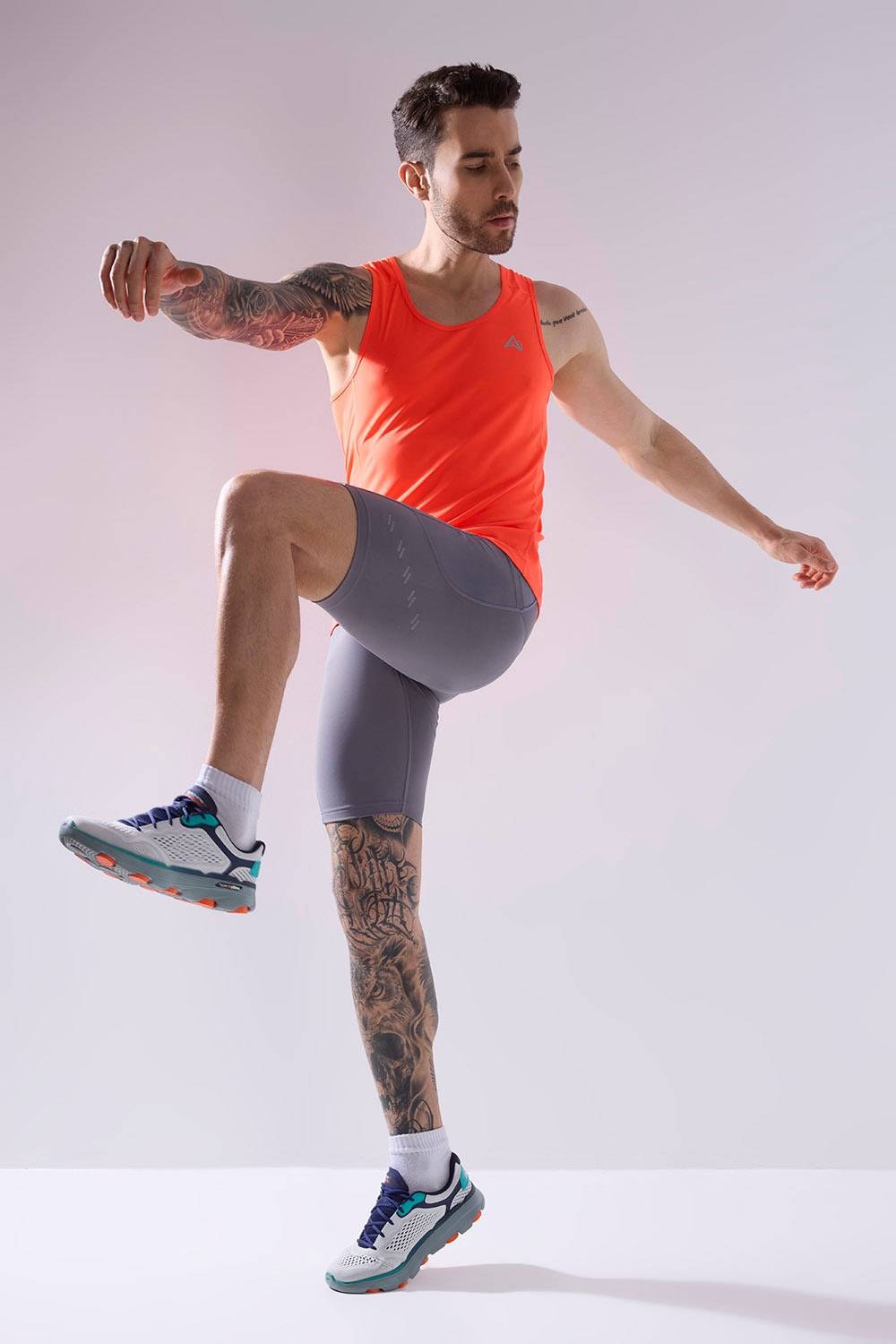
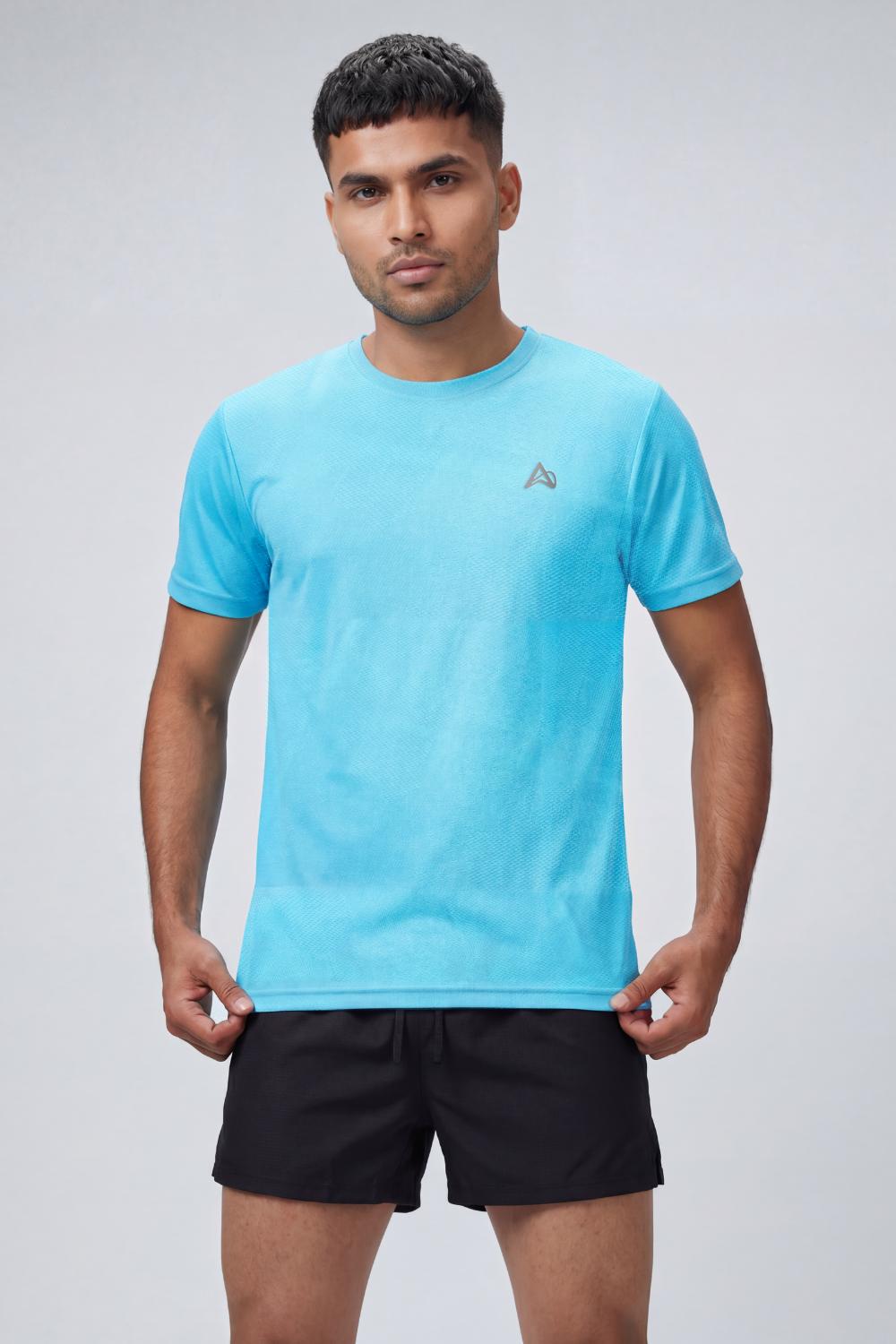
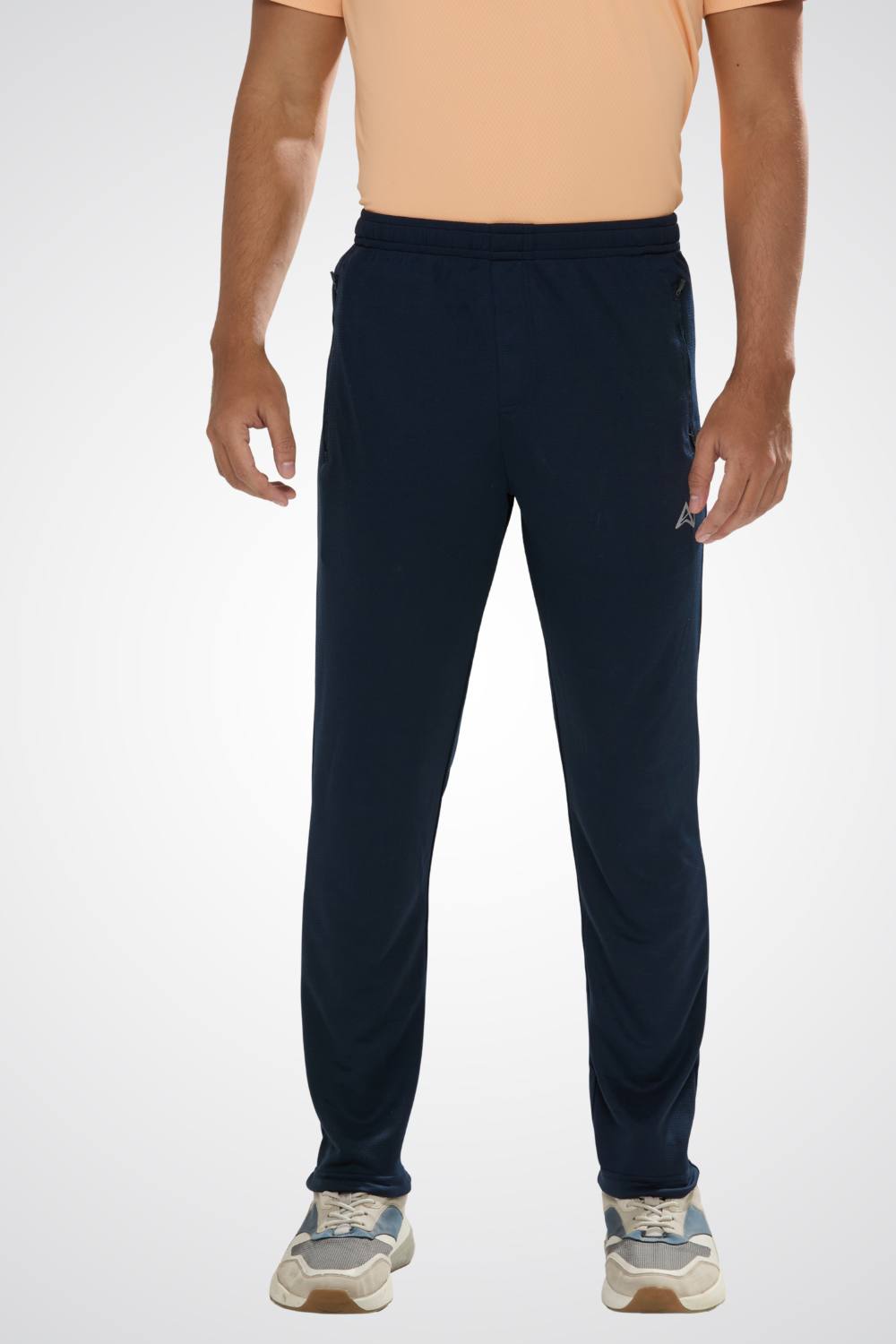
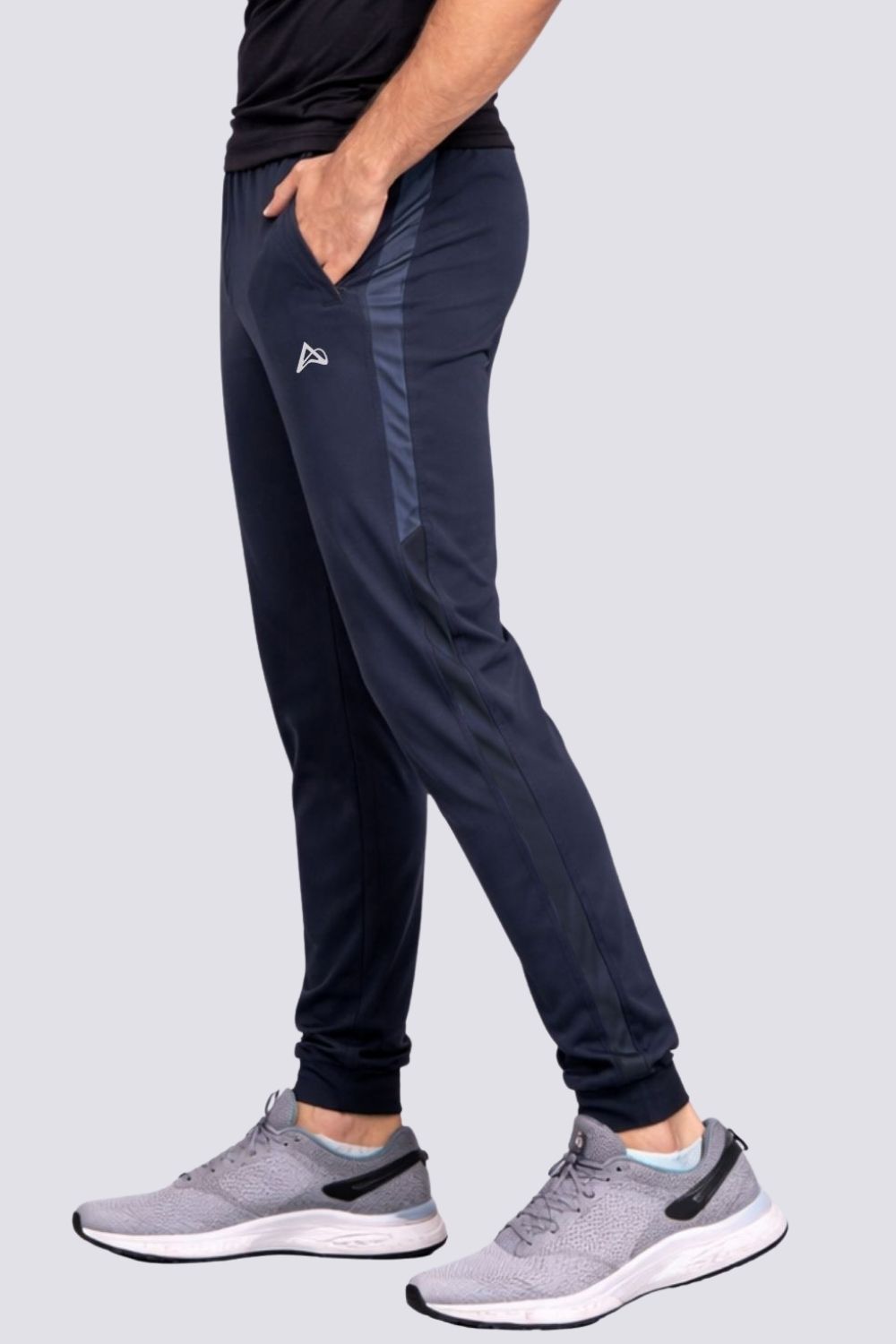




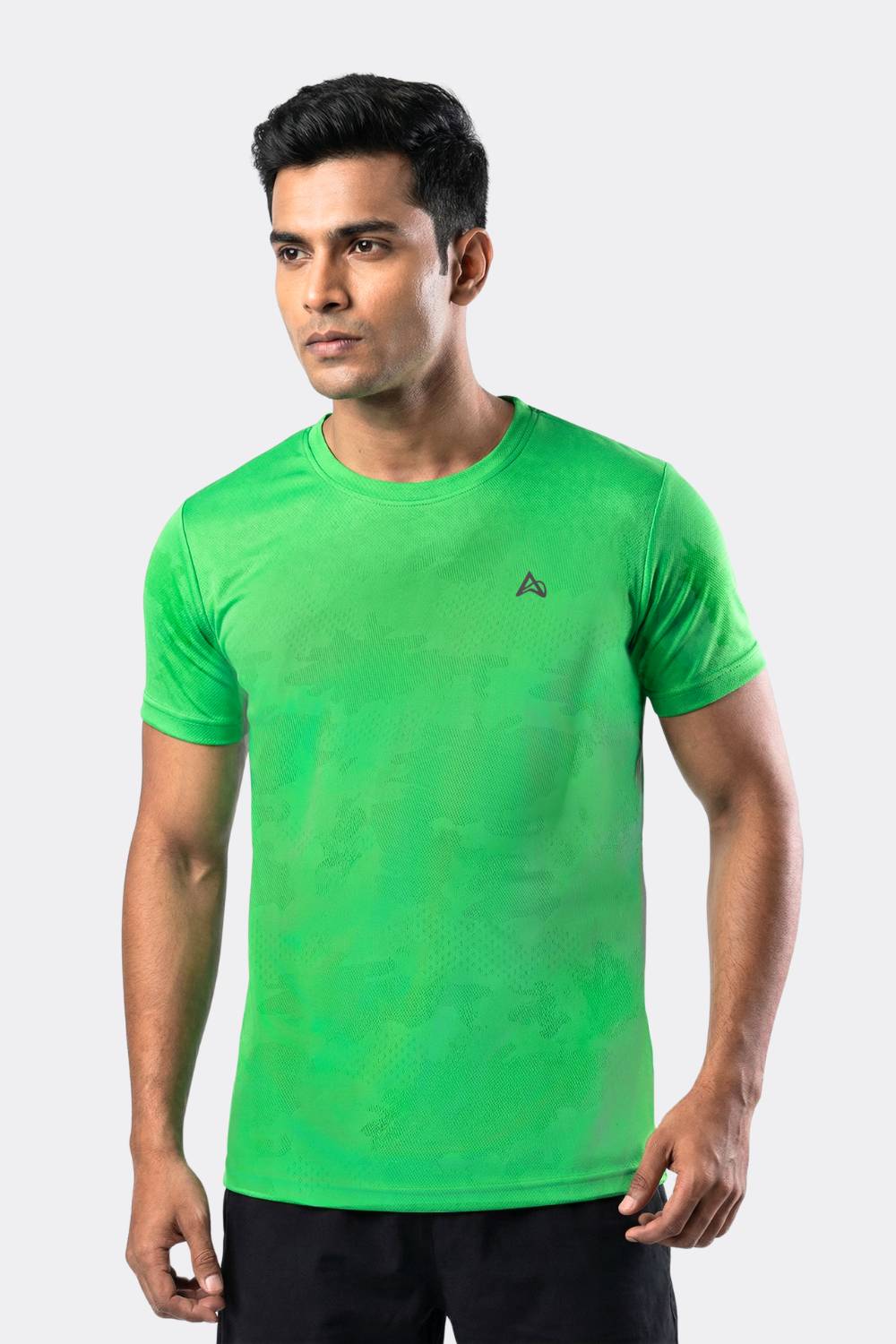
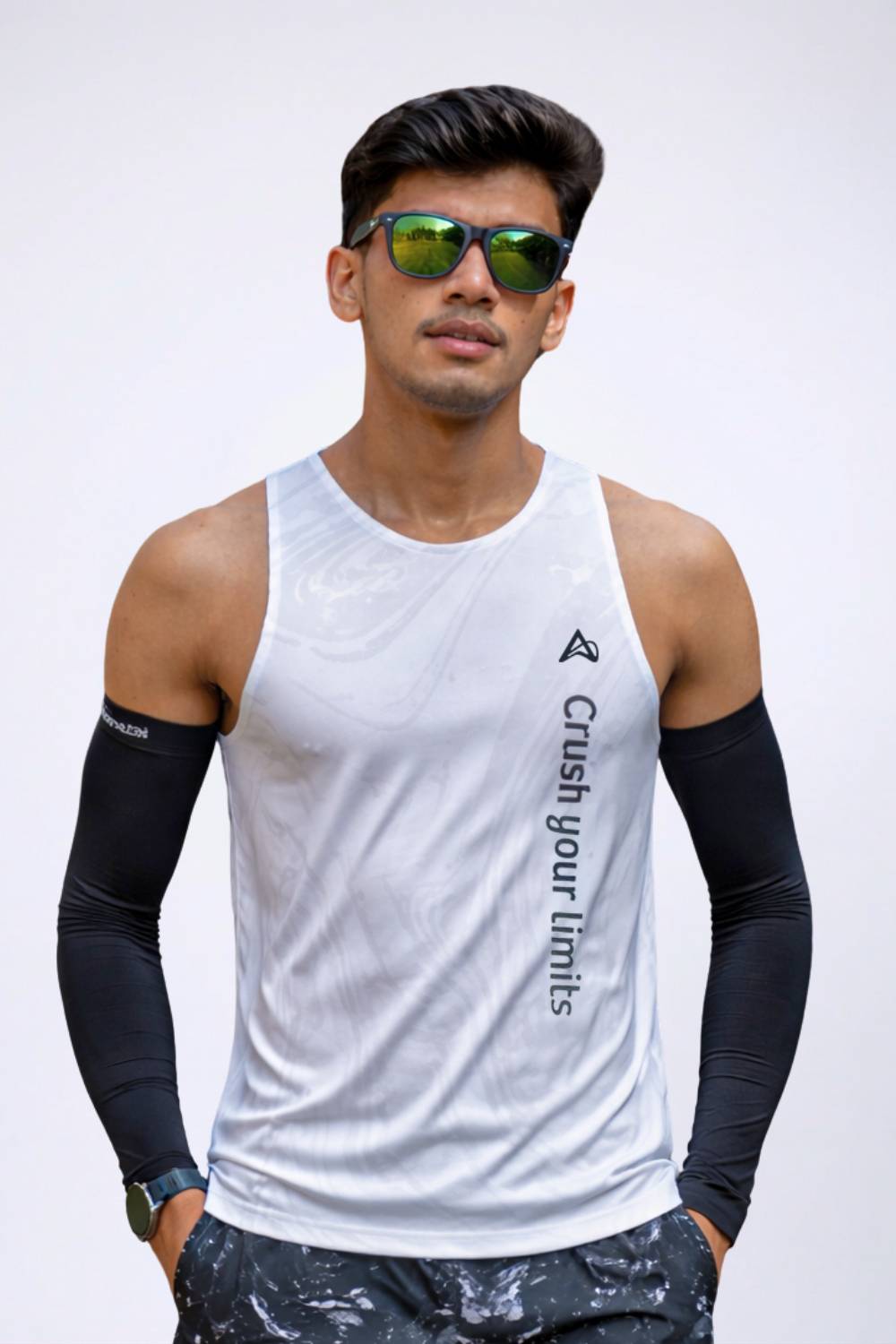

Technology has reshaped nearly every aspect of modern running, from training plans and recovery routines to the apparel athletes wear on race day. While running shoes often receive the spotlight when discussing innovation, performance apparel and wearable-integrated gear have become equally important. Today's runners are increasingly looking for clothing that does more than provide comfort. They want gear that helps regulate temperature, supports movement, delivers performance insights, and adapts to changing training conditions.
For activewear brands serving athletes across the United States, Canada, and Europe, understanding which technology-driven features genuinely matter is essential. At the same time, emerging fitness cultures in cities such as Bangalore, Hyderabad, Mumbai, Pune, Navi Mumbai, Delhi, Gurugram, Surat, and Ahmedabad offer valuable insights into how runners are embracing smarter gear and more data-informed training habits. The future of running apparel is not about adding technology for its own sake. It is about creating meaningful performance advantages that athletes can feel with every stride.
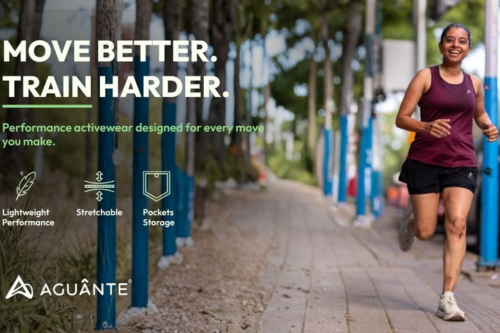
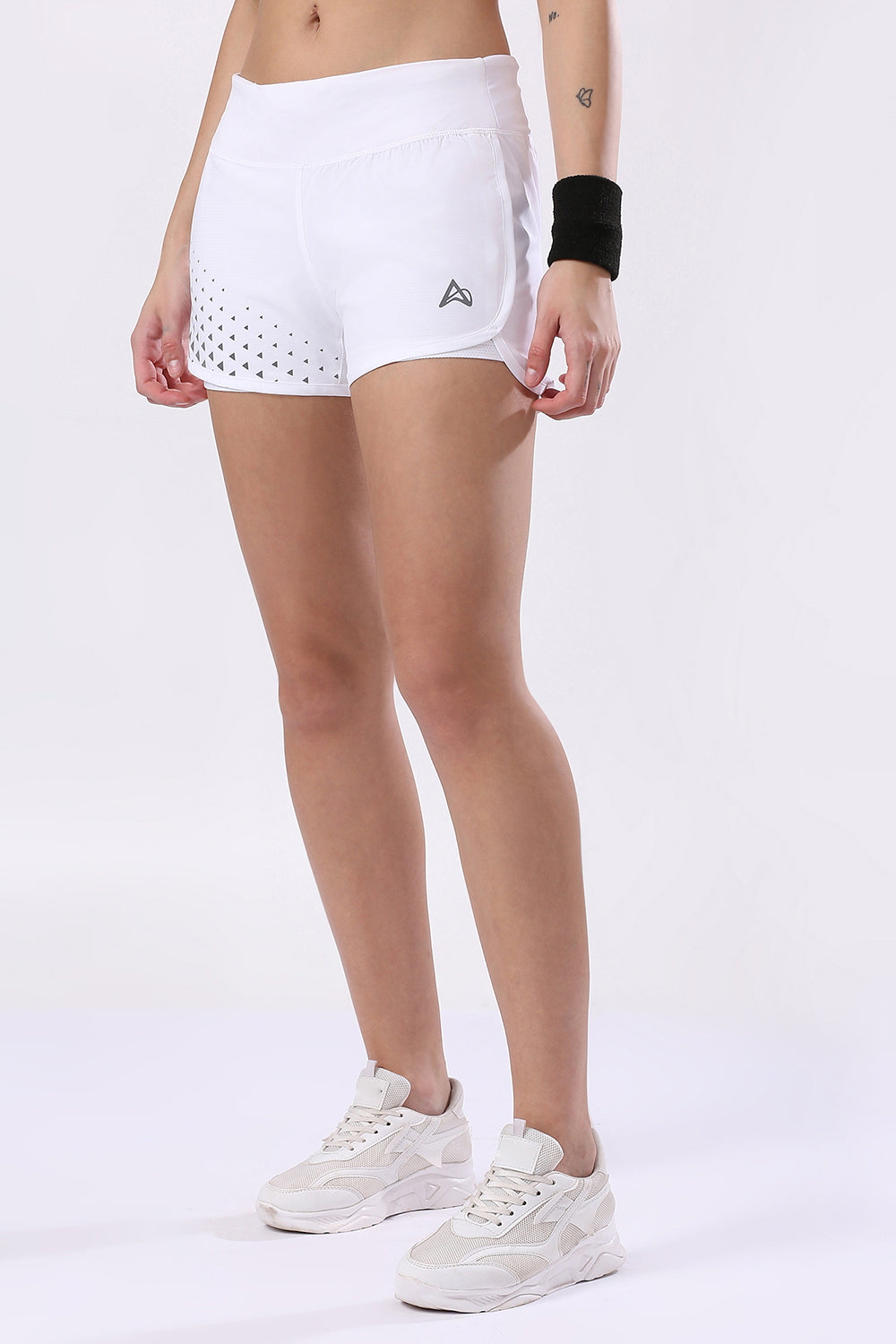
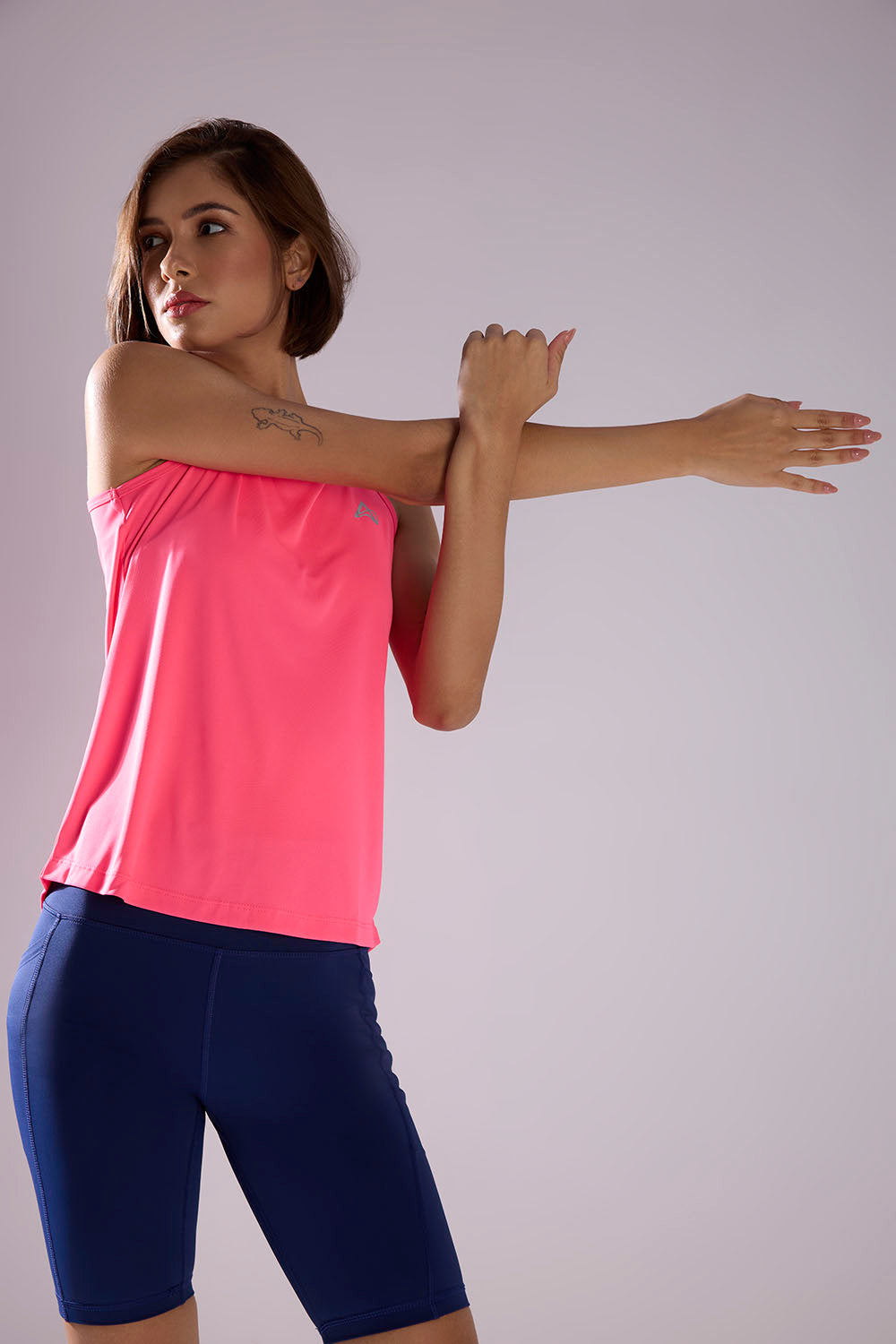
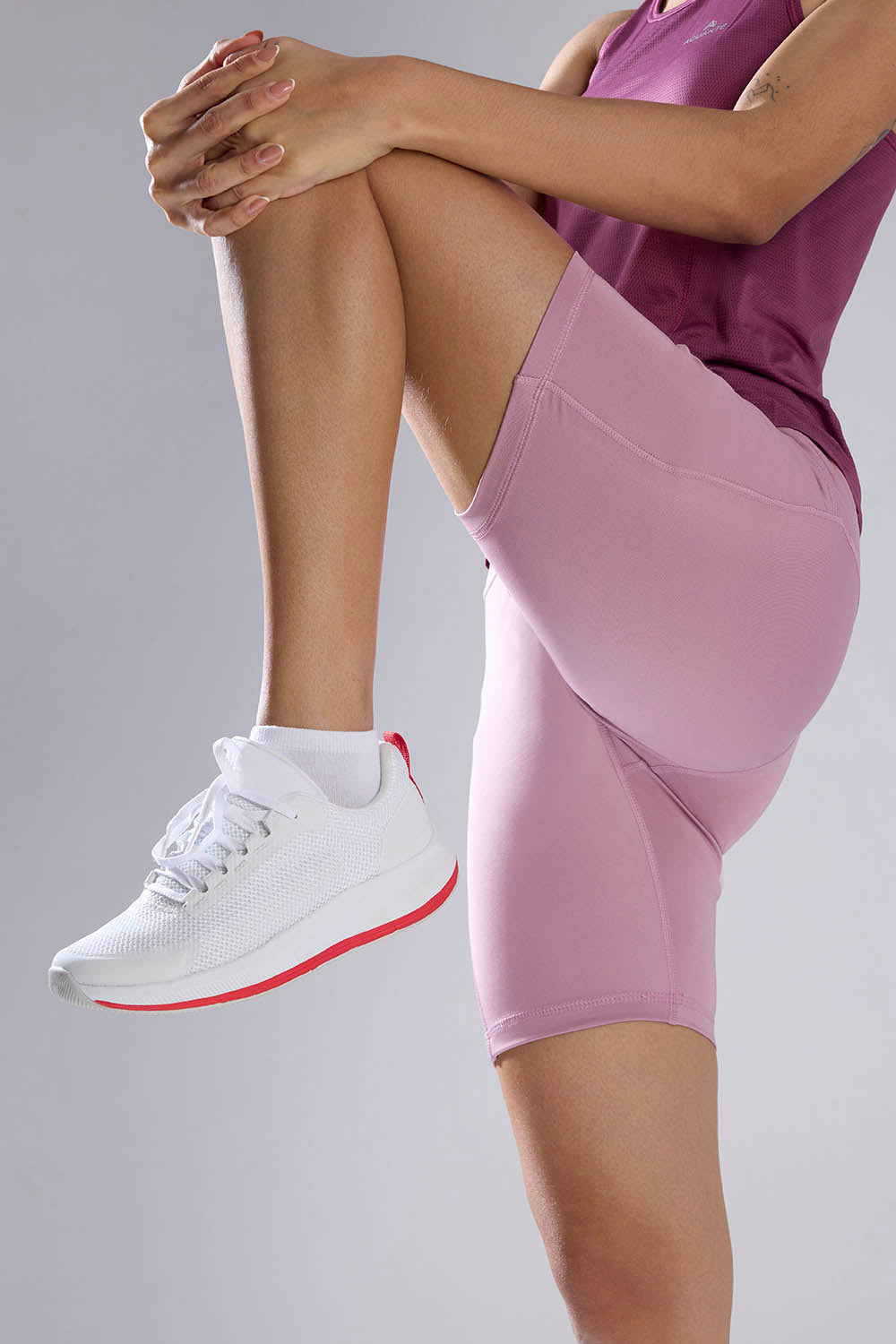
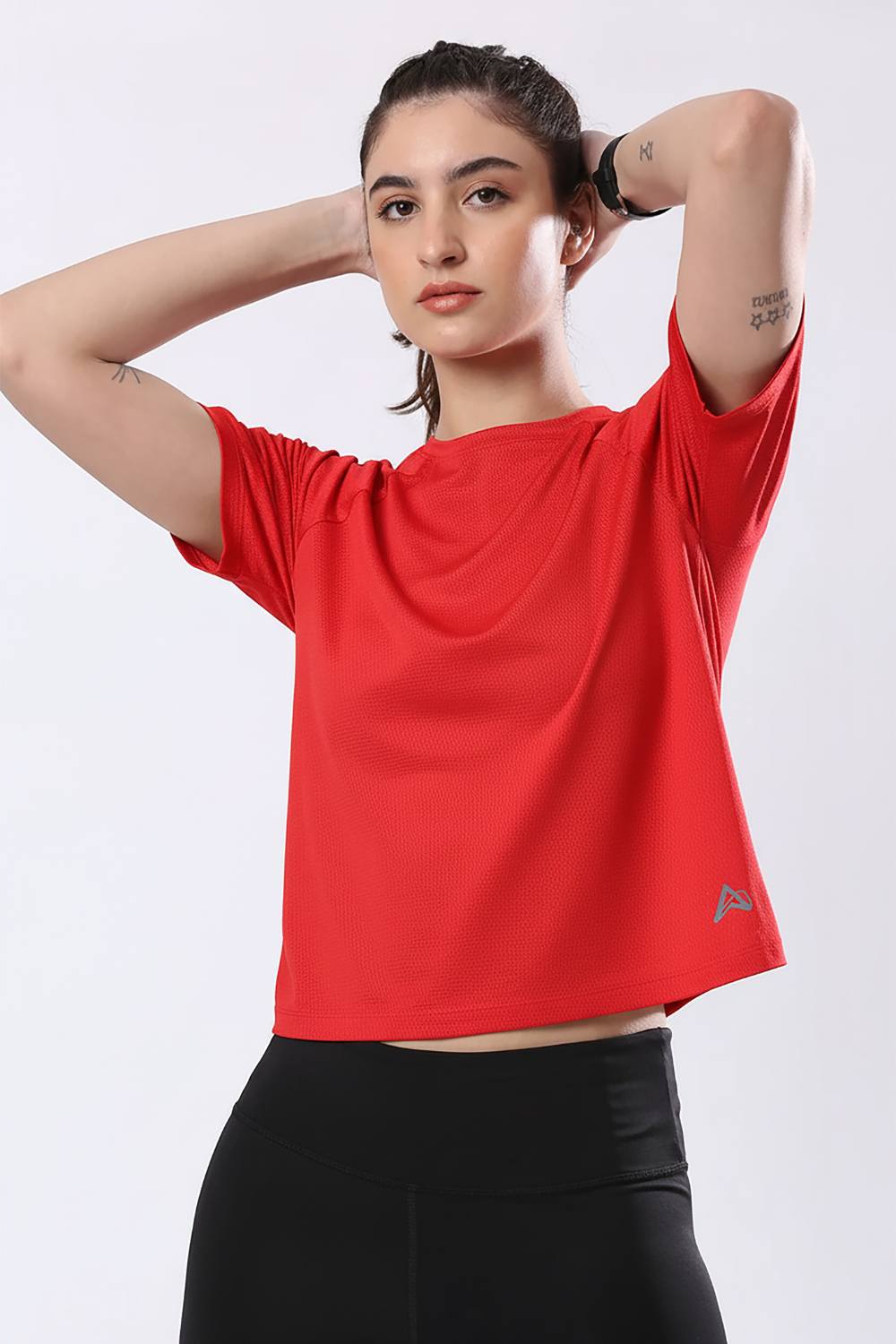
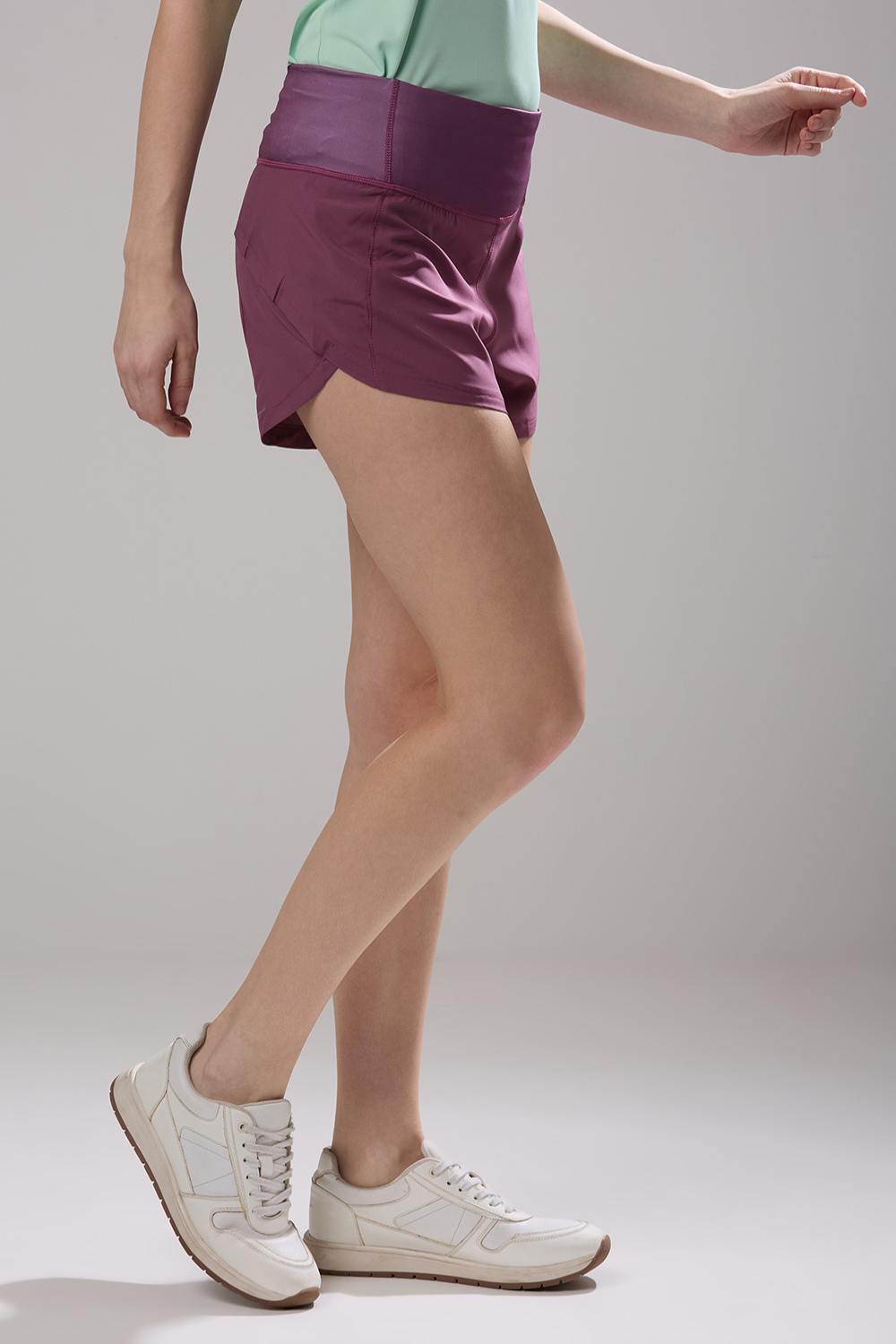
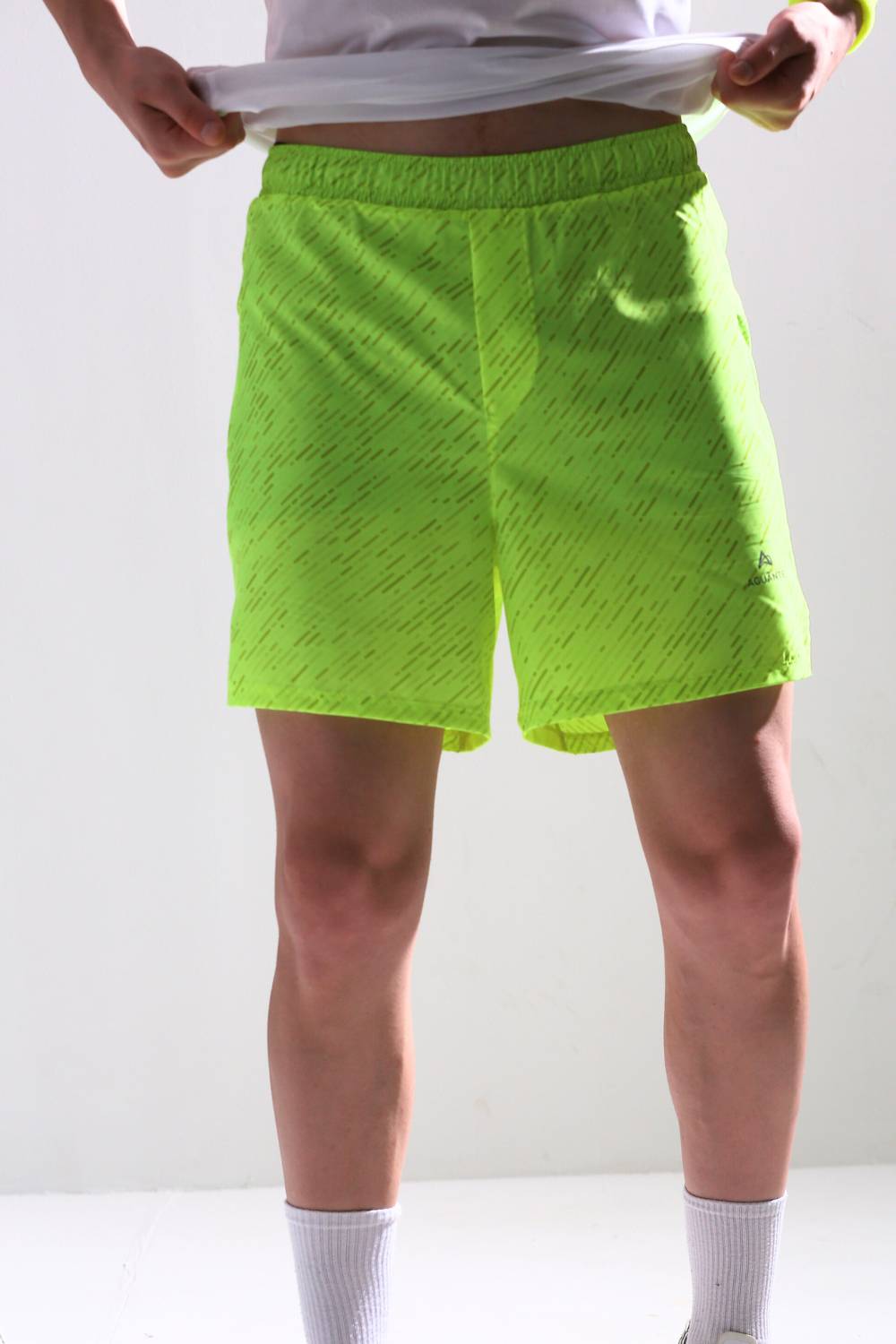
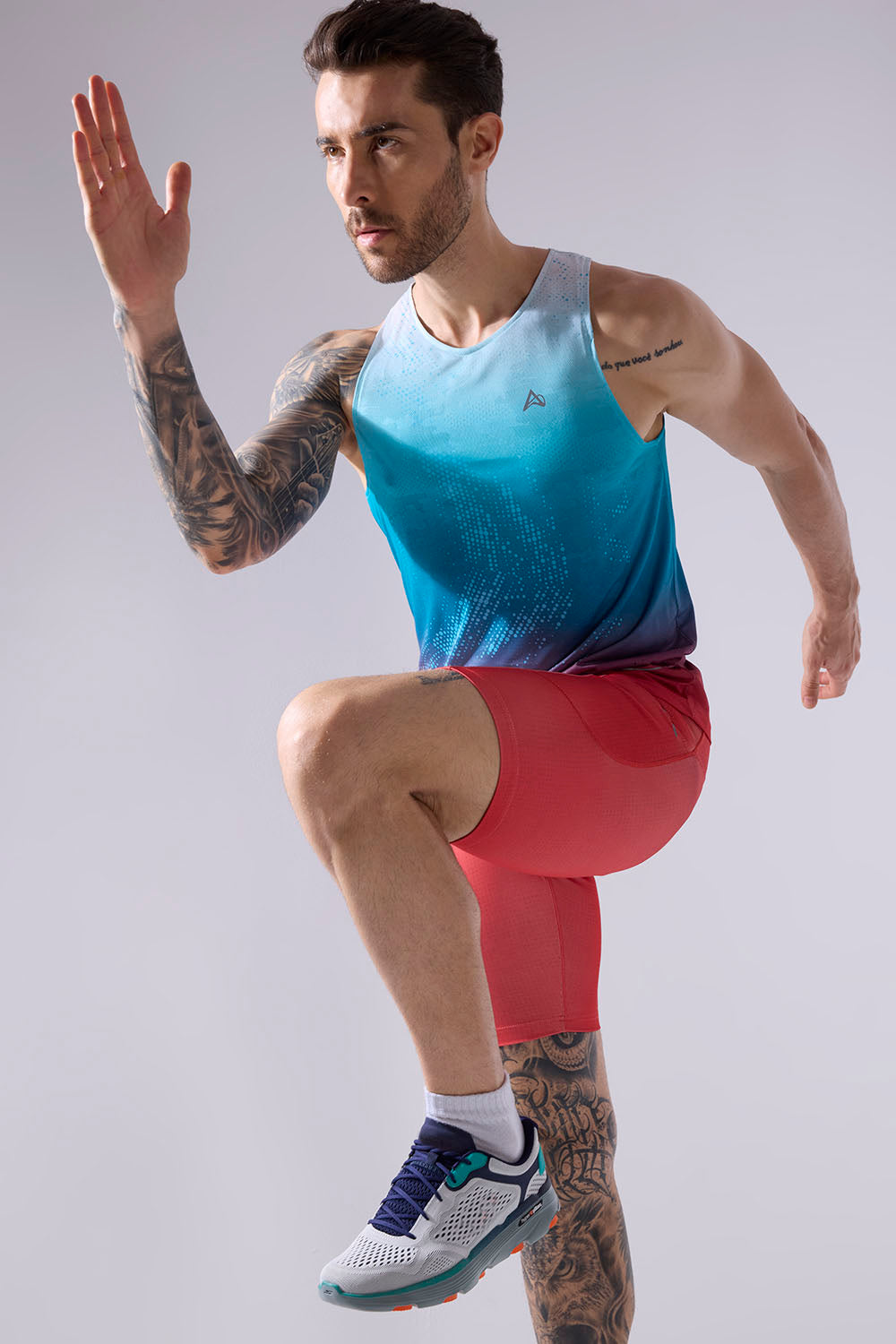
Tired of gear that slows you down? Chafing, soggy fabrics, and missing pockets kill your run's momentum. At Aguante, we're runners who get it. Our high-performance activewear features moisture-wicking fabrics, ergonomic designs, and smart storage to keep you focused. Shop Now!
The Shift from Traditional Apparel to Performance Ecosystems
Running apparel has evolved far beyond lightweight fabrics and basic moisture management. Modern athletes increasingly view their clothing as part of a broader performance ecosystem that includes wearables, training platforms, recovery tools, and personalized coaching applications. This shift has encouraged apparel manufacturers to develop products that seamlessly integrate with the technology runners already use.
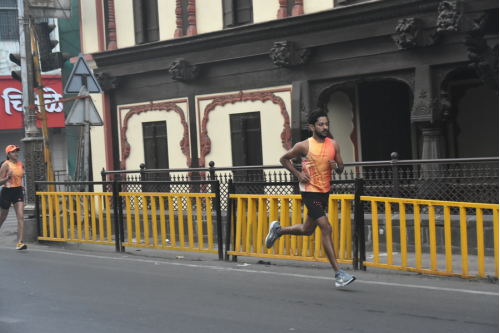
In cities such as Bangalore and Hyderabad, where organized running communities have expanded significantly over the past decade, athletes are becoming more sophisticated in their equipment choices. Many runners now evaluate apparel based on how well it complements GPS watches, heart-rate monitoring systems, and performance tracking applications. Rather than focusing solely on style or brand recognition, they prioritize gear that enhances training efficiency and supports long-term performance goals.
The result is a growing demand for activewear that combines advanced fabric engineering with practical functionality. Athletes increasingly expect their apparel to help them train smarter, recover better, and remain comfortable across a variety of environmental conditions.
Advanced Moisture Management Remains a Top Priority
Despite the excitement surrounding wearable technology and connected devices, moisture management continues to be one of the most important performance features in running apparel. Athletes consistently rank comfort as a critical factor influencing both training quality and race-day confidence. Advanced fabrics that efficiently move sweat away from the skin help runners maintain focus while reducing discomfort caused by excess moisture.
This is particularly relevant in research geographies such as Mumbai, Navi Mumbai, Surat, and Ahmedabad, where runners frequently train in warm and humid conditions. Apparel that dries quickly and promotes airflow can significantly improve the training experience. Rather than becoming distracted by overheating or fabric cling, runners can concentrate on pacing, endurance, and technique.
Modern textile innovations have also improved durability and softness without compromising technical performance. For athletes logging high weekly mileage, these enhancements create a more consistent and comfortable training environment throughout the year.
Temperature Regulation Is Becoming a Competitive Advantage
Athletes increasingly train across diverse weather conditions, making temperature regulation one of the most valuable innovations in performance apparel. Instead of relying solely on layering strategies, runners are seeking garments designed to actively manage body temperature during changing conditions.
In Delhi and Gurugram, where seasonal variations can be dramatic, temperature-responsive fabrics have become particularly relevant. During cooler mornings, runners benefit from apparel that retains warmth without adding bulk. As temperatures rise, the same garments must allow heat to escape efficiently to prevent overheating.
Leading activewear brands are responding with fabric technologies that adapt to environmental conditions while maintaining breathability and mobility. These innovations help athletes maintain consistent performance across longer training sessions. For competitive runners, even small improvements in thermal comfort can contribute to better pacing, reduced fatigue, and greater overall training consistency.
Smart Storage and Accessibility Matter More Than Ever
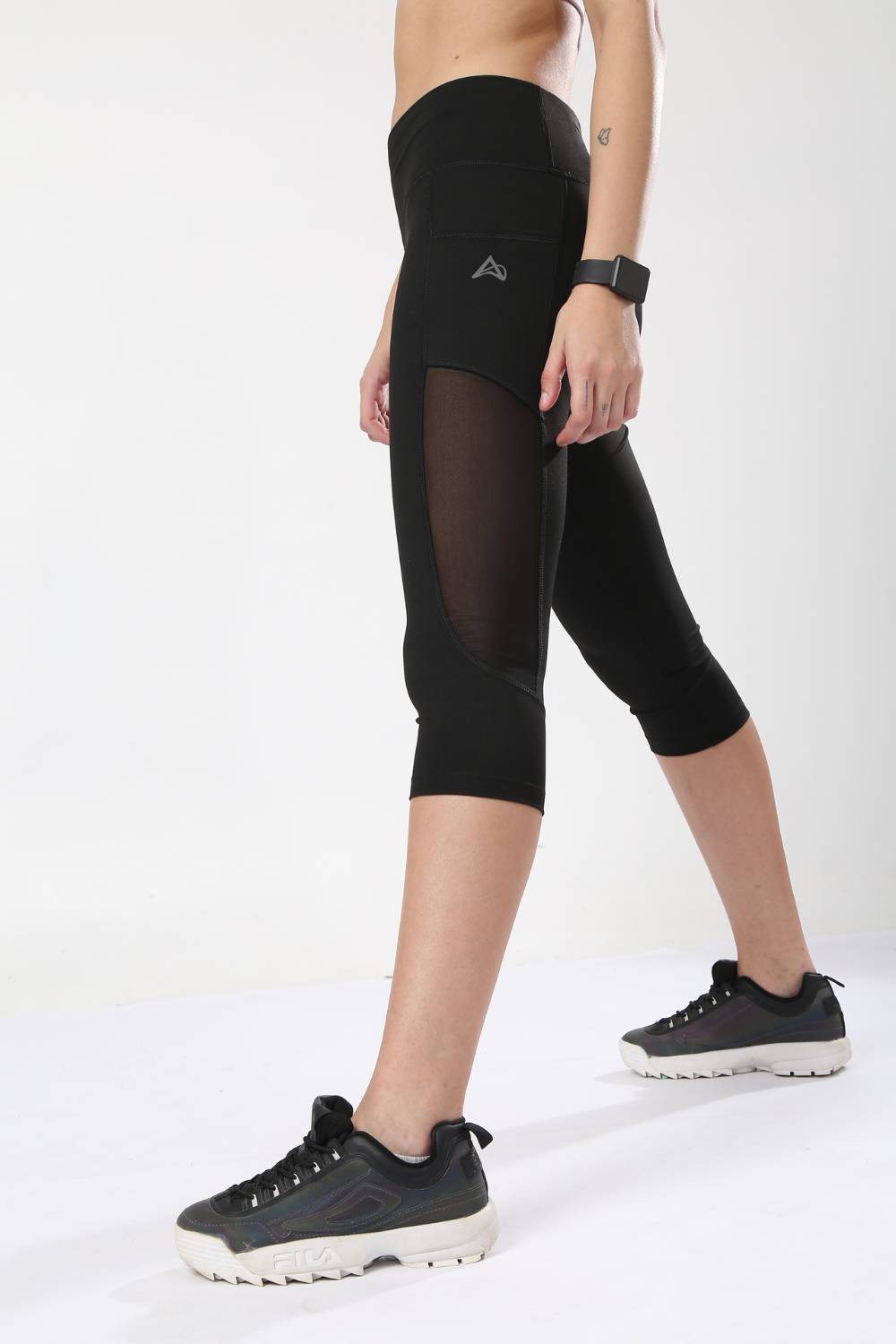
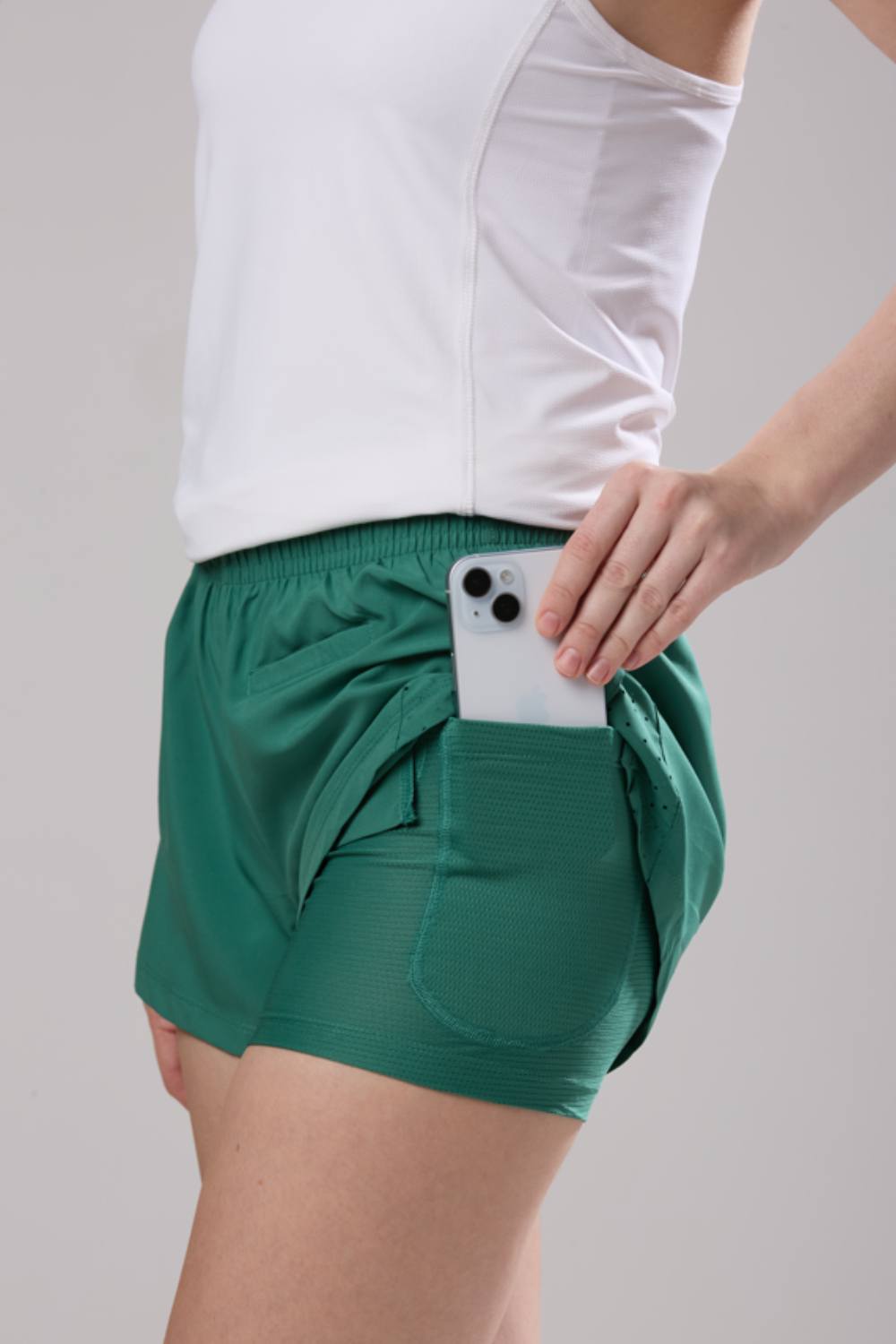
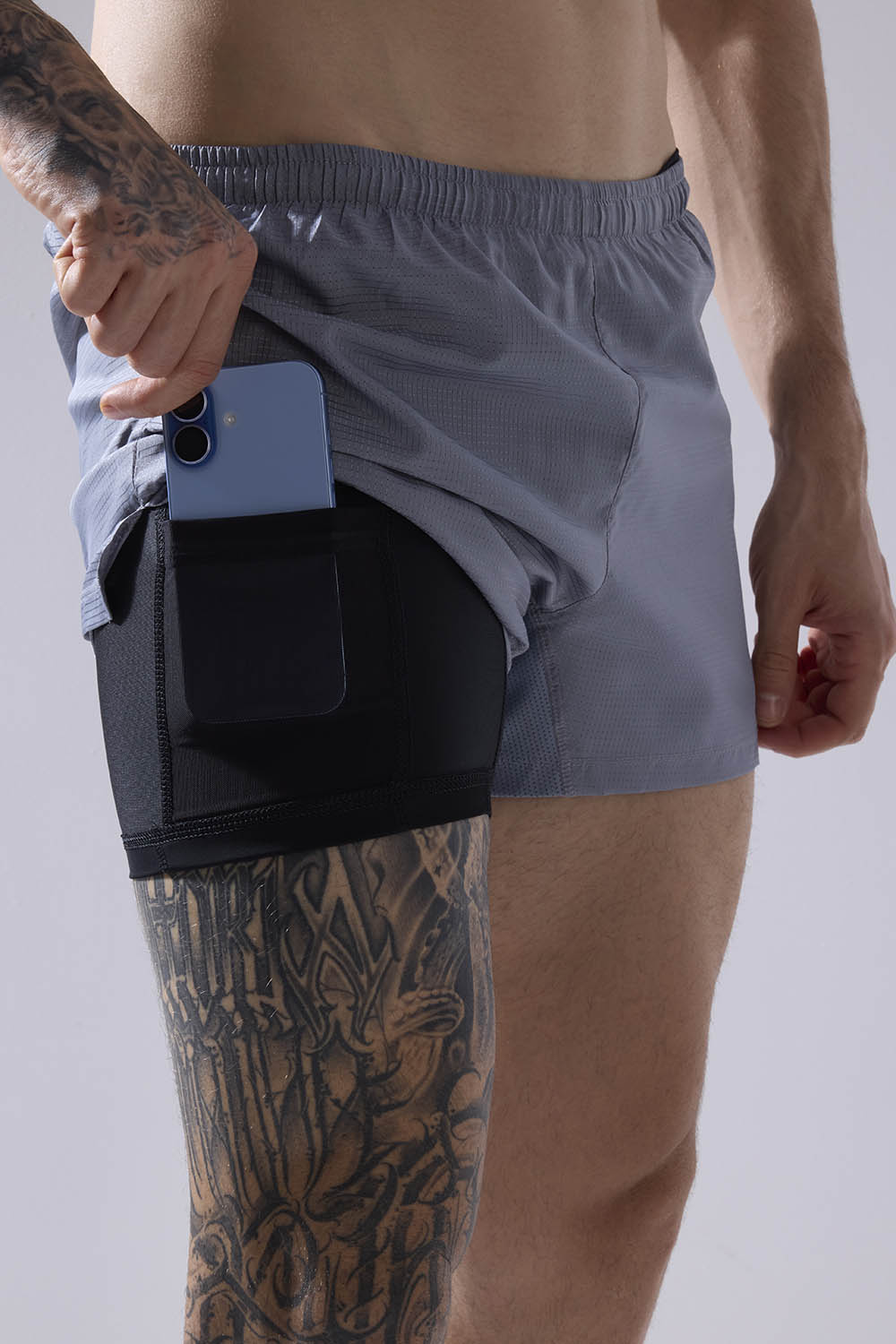
As runners increasingly carry smartphones, nutrition products, identification cards, and safety equipment, apparel design has expanded beyond traditional fit considerations. Smart storage solutions have become a highly valued feature among both recreational and competitive athletes.
In major urban centers such as Pune and Bangalore, many runners train before work or combine workouts with daily commuting routines. Apparel that incorporates secure, low-profile storage pockets allows athletes to carry essentials without disrupting natural movement patterns. Well-designed storage systems can reduce bounce, improve weight distribution, and eliminate the need for additional accessories.
The most successful designs integrate storage functionality without sacrificing comfort or aerodynamics. Athletes appreciate apparel that solves practical challenges while maintaining a sleek and performance-oriented profile. This balance between convenience and efficiency has become an important differentiator within the premium activewear category.
The Growing Influence of Data-Driven Training
The rise of connected fitness platforms has transformed how runners evaluate performance. While most performance data continues to come from watches and sensors, apparel manufacturers are increasingly designing products that complement data-driven training environments.
Running communities across Hyderabad, Mumbai, and Delhi have embraced digital coaching platforms that provide personalized insights into pace management, recovery, and training progression. This broader shift toward measurable performance has influenced apparel expectations as well. Athletes want clothing that supports unrestricted movement, accurate sensor placement, and consistent performance throughout long training cycles.
The growing popularity of activewear also reflects wider lifestyle changes. According to an India activewear market analysis, increasing health consciousness and expanding e-commerce accessibility are contributing to stronger consumer interest in performance-focused apparel. While the article's target markets are North America and Europe, these developments across Indian metropolitan regions demonstrate how technology-enabled fitness behaviors are influencing purchasing decisions globally.
For activewear brands, the lesson is clear: technology integration should enhance the athlete's broader training ecosystem rather than function as a standalone feature.
Fit Personalization and Movement Optimization
One of the most significant developments in performance apparel is the growing emphasis on individualized fit. Athletes increasingly recognize that even advanced fabrics cannot deliver optimal performance if garments restrict movement or create discomfort during extended activity.
Manufacturers are investing heavily in body-mapping techniques, ergonomic pattern construction, and stretch technologies that accommodate natural movement patterns. These innovations are particularly valuable for runners training on varied terrain around cities such as Pune and Ahmedabad, where athletes often transition between road running, trail routes, and urban fitness environments.
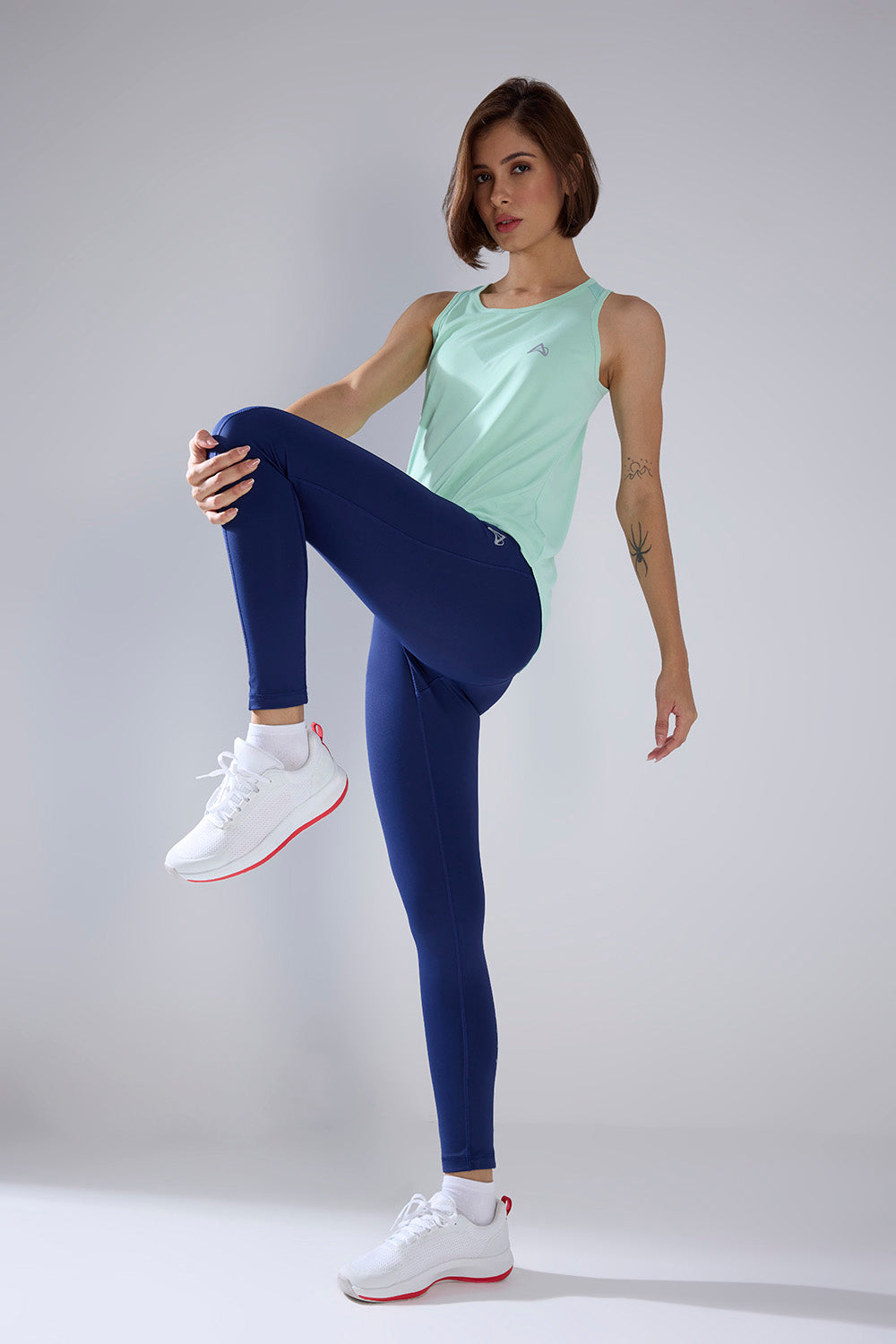
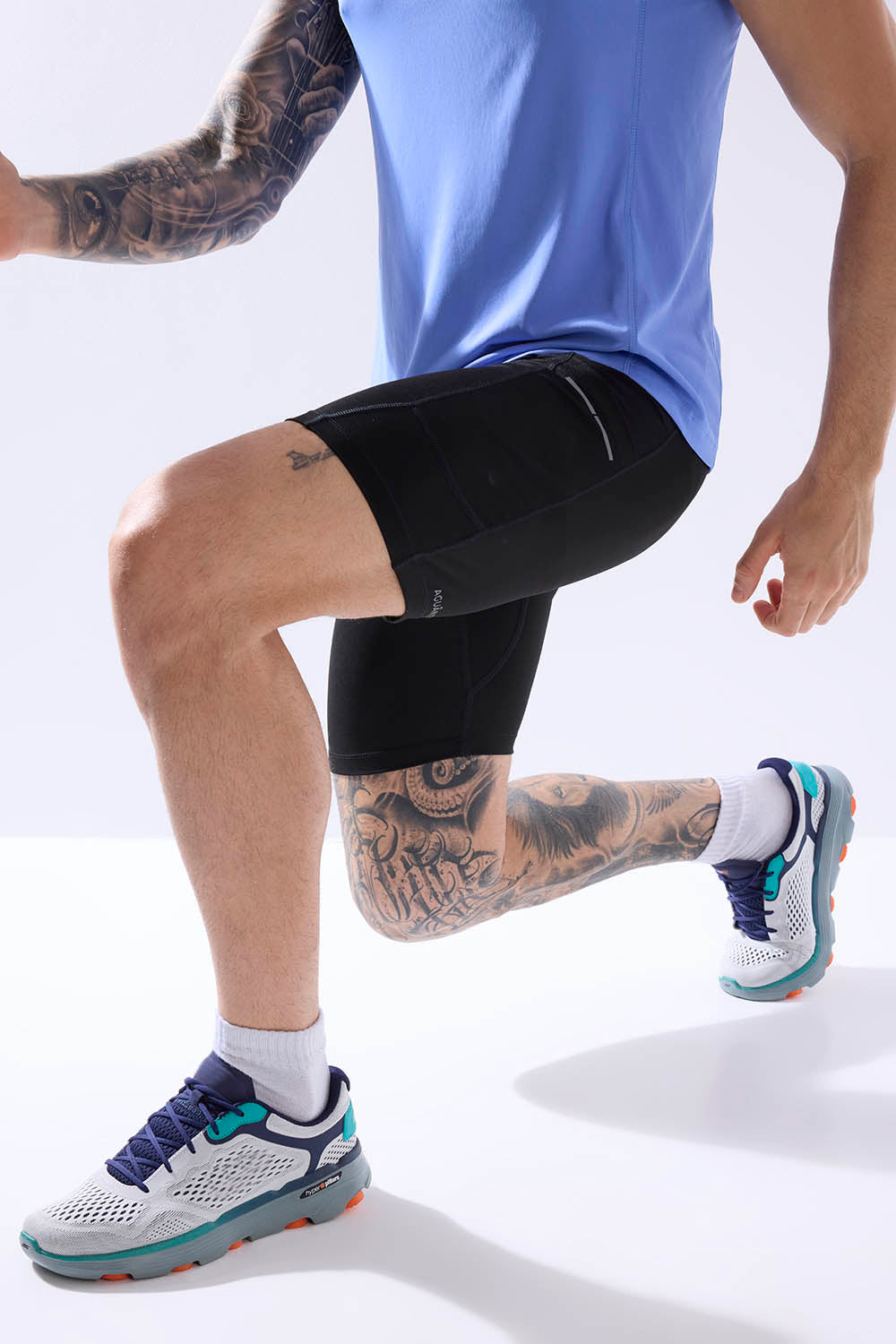
The goal is not simply achieving a better fit but creating apparel that feels almost invisible during movement. Reduced friction, improved flexibility, and enhanced support contribute to a more efficient running experience. For endurance athletes, these seemingly subtle improvements can significantly influence comfort and consistency over time.
As technology continues advancing, personalization is likely to become an increasingly important competitive advantage. Runners are moving away from one-size-fits-all solutions and gravitating toward gear designed around their unique training habits and performance objectives.
Sustainability and Technology Are Converging
Modern athletes are evaluating products through a broader lens that includes environmental responsibility alongside performance benefits. Increasingly, runners want assurance that technological innovation does not come at the expense of sustainability.
This expectation has encouraged activewear brands to develop advanced fabrics using recycled materials, more efficient manufacturing methods, and longer-lasting garment construction. For consumers in the United States, Canada, and Europe, sustainability has become an important factor during product evaluation, particularly within premium performance categories.
Meanwhile, urban running communities across Bangalore, Mumbai, and Delhi are demonstrating similar awareness by seeking products that combine durability, technical functionality, and responsible production practices. The future of running apparel will likely be defined by brands that successfully integrate these priorities rather than treating them as separate initiatives.
Technology and sustainability are no longer competing objectives. Instead, they are increasingly reinforcing one another, creating opportunities for brands to deliver stronger performance outcomes while meeting evolving consumer expectations.
Expert Insights on Running Gear Tech
The most valuable technology in running gear is not necessarily the most complex. Athletes consistently prioritize features that improve comfort, support movement, enhance training efficiency, and integrate naturally into their existing routines. Advanced moisture management, temperature regulation, smart storage, movement optimization, and sustainability-focused innovation are emerging as the features that deliver the greatest real-world value.
For performance apparel brands such as Aguante, the opportunity lies in understanding how technology can solve genuine athlete challenges rather than simply adding complexity. As running communities continue growing across Bangalore, Hyderabad, Mumbai, Pune, Navi Mumbai, Delhi, Gurugram, Surat, and Ahmedabad, their experiences offer meaningful insights into the future of connected performance apparel. The brands that succeed will be those that combine innovation, practicality, and athlete-centric design to create gear that helps runners perform at their best every day.
Frequently Asked Questions
What technology features matter most in running apparel and gear?
The most impactful technology features in running gear include advanced moisture management, temperature regulation, smart storage solutions, and movement optimization through ergonomic fit. Athletes consistently prioritize features that solve real comfort and efficiency challenges over novelty tech. The best performance apparel integrates seamlessly with existing training tools like GPS watches and heart-rate monitors to support a broader performance ecosystem.
How is data-driven training influencing the design of modern running apparel?
The rise of connected fitness platforms has pushed apparel brands to design gear that complements data-rich training environments supporting accurate sensor placement, unrestricted movement, and consistent performance across long training cycles. Runners using digital coaching platforms expect their clothing to work alongside their devices rather than interfere with them. This shift means apparel is now evaluated not just on comfort or style, but on how well it fits into a runner's overall performance ecosystem.
Can running apparel be both high-performance and sustainable?
Yes sustainability and performance technology are increasingly converging in modern activewear. Leading brands are developing advanced fabrics using recycled materials and more efficient manufacturing processes without sacrificing technical functionality like breathability, durability, or moisture management. For athletes in North America, Europe, and growing urban running communities worldwide, eco-conscious production has become an important purchasing factor alongside core performance benefits.
Disclaimer: The above helpful resources content contains personal opinions and experiences. The information provided is for general knowledge and does not constitute professional advice.
You may also be interested in: Sustainable Running Apparel Shapes the Future for Eco-Conscious
Tired of gear that slows you down? Chafing, soggy fabrics, and missing pockets kill your run's momentum. At Aguante, we're runners who get it. Our high-performance activewear features moisture-wicking fabrics, ergonomic designs, and smart storage to keep you focused. Shop Now!
Powered by flareAI.co