





















Amateur marathon running is experiencing a surge in popularity across the United States, Canada, and Europe, with weekend warriors and fitness enthusiasts increasingly taking to city streets, parks, and organized events. As participation grows, so does the attention to injury prevention strategies that allow runners to sustain consistent training while avoiding common setbacks. For runners in cities like Bangalore, Hyderabad, Mumbai, Pune, Navi Mumbai, Delhi, Gurugram, Surat, and Ahmedabad, understanding and integrating practical methods to minimize the risk of injury has become a central concern, shaping training routines, gear choices, and recovery practices.
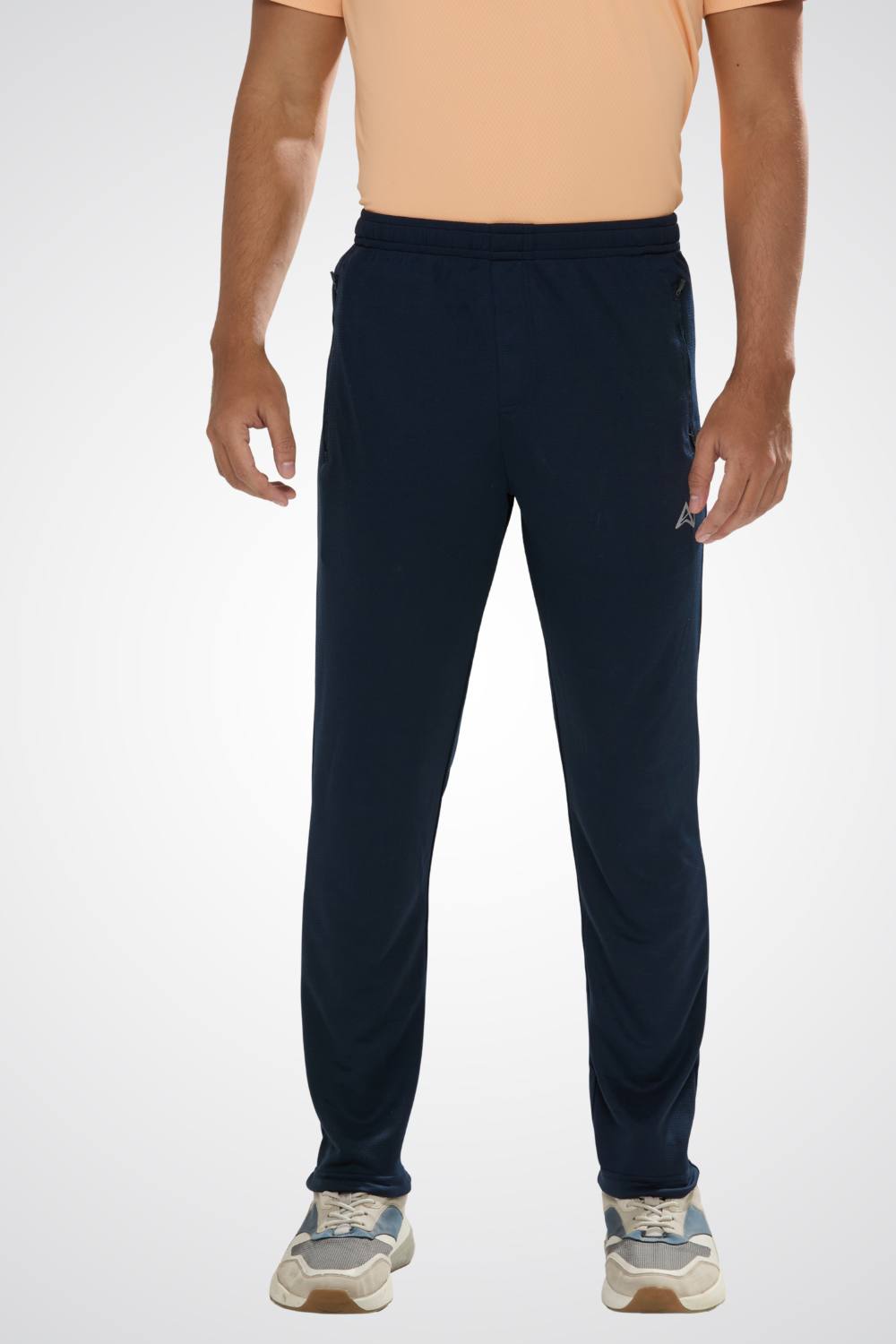
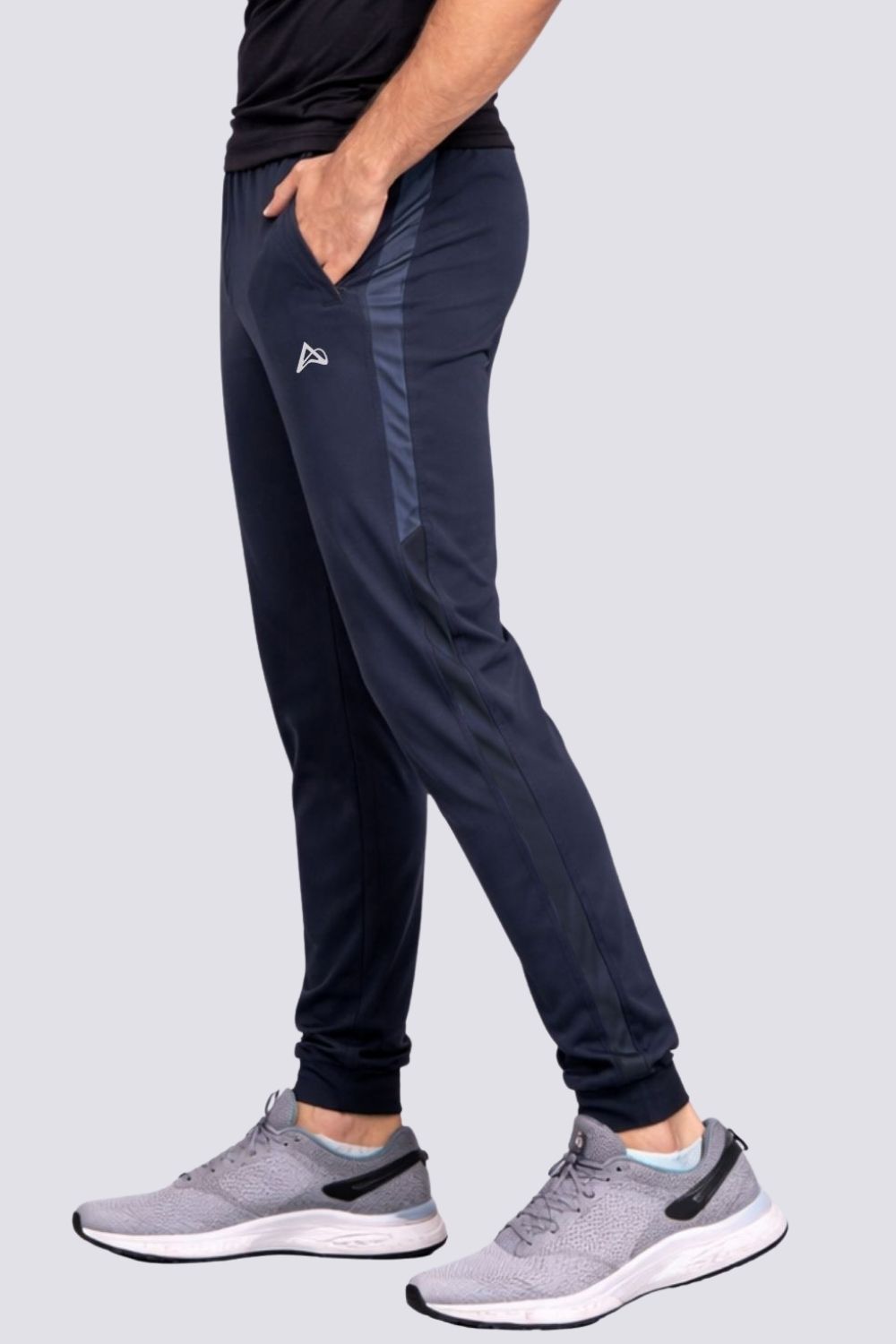
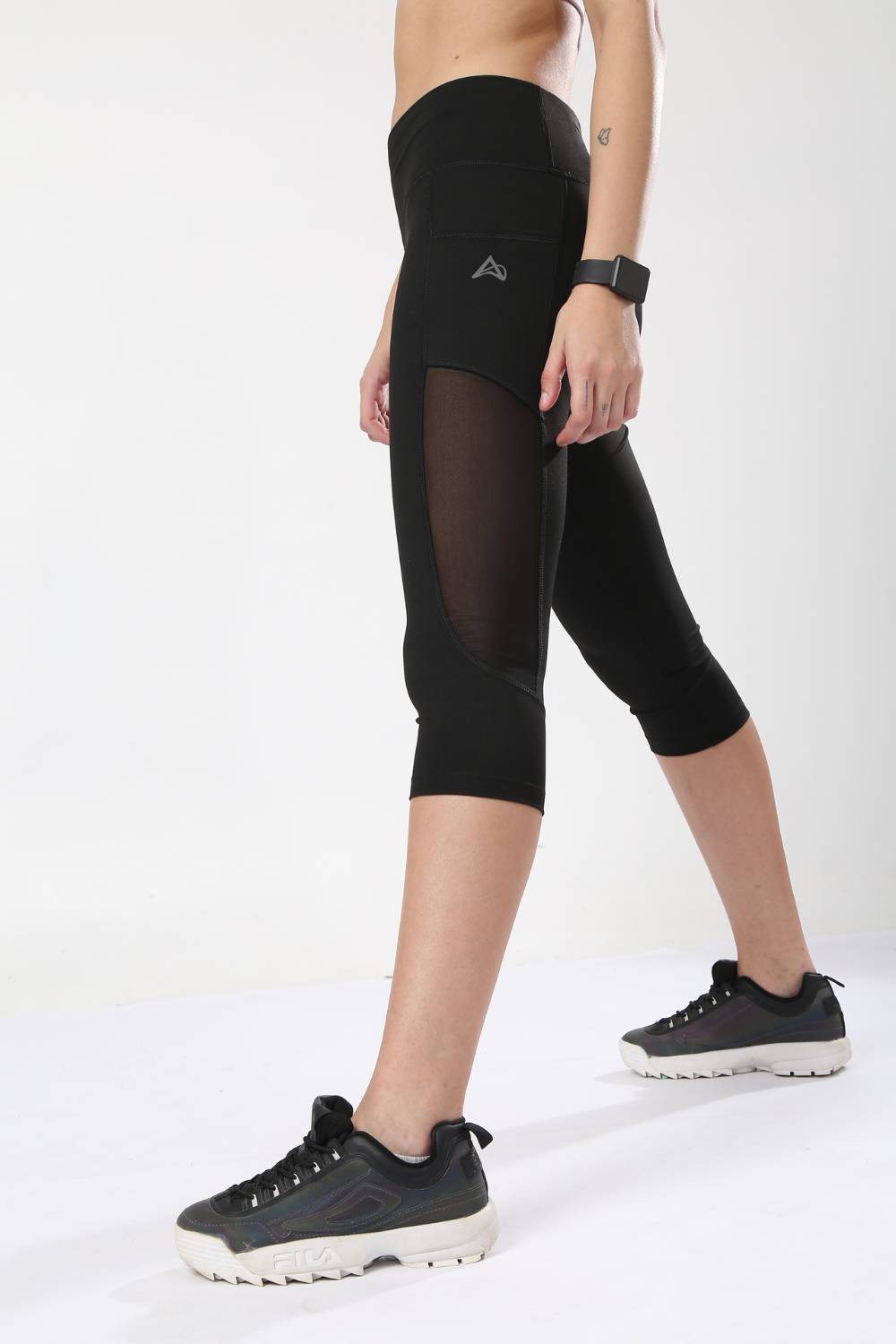
Tired of gear that slows you down? Chafing, soggy fabrics, and missing pockets kill your run's momentum. At Aguante, we're runners who get it. Our high-performance activewear features moisture-wicking fabrics, ergonomic designs, and smart storage to keep you focused. Shop Now!
Understanding the Common Injuries Among Amateur Marathoners
Before implementing injury prevention techniques, it is critical to recognize the types of injuries that frequently affect amateur runners. In urban running communities across Mumbai and Delhi, common ailments include runner's knee, plantar fasciitis, shin splints, and Achilles tendonitis. These injuries often result from overuse, improper footwear, inadequate warm-ups, or insufficient strength conditioning. Understanding the mechanical and physiological causes behind these injuries allows runners to adopt targeted strategies that address their personal risk factors.
Healthcare practitioners in Pune emphasize that many amateur marathoners underestimate the cumulative impact of long-distance training on joints and connective tissues. Micro-injuries can accumulate, leading to chronic discomfort if not addressed early. Identifying early warning signs such as persistent soreness, swelling, or reduced mobility enables runners to intervene proactively, rather than reacting to acute injuries that could sideline them for weeks.
Pre-Run Warmups: Laying the Foundation for Safe Training
Warmup routines are a critical first line of defense against running injuries. Effective pre-run exercises prepare muscles, tendons, and joints for the repetitive stresses of marathon training. Experts in Hyderabad suggest dynamic stretching and mobility drills, such as leg swings, walking lunges, and hip circles, to increase blood flow and enhance range of motion. These routines help prime the lower body for impact, improving stride efficiency and reducing the likelihood of strains or sprains.
Local running clubs in Bangalore have successfully integrated structured warmup sessions into weekly training programs. Participants report fewer incidences of shin splints and knee pain after consistently performing 10–15 minutes of dynamic movements before long runs. By making pre-run warmups a non-negotiable part of the training schedule, amateur runners can establish a preventive habit that significantly improves resilience against common running injuries.
Strength Training for Marathoners
Strength training has emerged as a pivotal component in injury prevention, especially for runners navigating demanding urban routes in cities like Gurugram and Surat. Strengthening the core, glutes, hamstrings, and calves stabilizes key joints and supports efficient running mechanics. Incorporating exercises such as squats, lunges, single-leg deadlifts, and planks into a weekly routine helps reduce stress on the knees, ankles, and lower back.
Sports physiotherapists in Mumbai highlight that runners who complement endurance training with targeted resistance work report enhanced stamina, faster recovery, and fewer overuse injuries. Additionally, strength training provides functional benefits that translate directly to race-day performance, allowing amateur marathoners to maintain form during the later stages of long-distance runs when fatigue increases injury risk.
Monitoring Mileage and Recovery
One of the most overlooked strategies in injury prevention is the careful management of training volume and recovery. In Pune and Ahmedabad, seasoned amateur runners advocate following the 10% rule, which limits weekly mileage increases to no more than 10% of the previous week. This gradual progression minimizes the risk of overuse injuries, particularly in runners who are returning to training after a hiatus.
Equally important is scheduled rest and active recovery. Incorporating low-impact activities such as swimming, cycling, or yoga into the weekly training plan allows muscles and connective tissues to repair while maintaining cardiovascular fitness. Runners in Delhi have found that structured rest days and sleep optimization not only reduce injury risk but also enhance overall performance by improving energy levels and mental focus.
Injury Prevention Gear and Footwear Choices
Equipment selection plays a significant role in mitigating injury risk. Properly fitted running shoes designed for individual gait patterns, foot types, and terrain preferences provide essential support and cushioning. In Navi Mumbai and Hyderabad, specialty running stores offer gait analysis services, allowing amateur marathoners to select footwear that reduces impact stress and prevents alignment-related injuries.
Additionally, performance apparel that promotes muscle support and moisture management can indirectly aid injury prevention. Compression socks and tights improve circulation, reduce muscle vibration, and support joint stability, contributing to quicker recovery and lower incidence of strain. Runners in Bangalore and Surat often pair technical apparel with foam rollers or massage tools to maintain soft tissue health, creating an integrated approach that combines gear and proactive recovery practices.
Education and Community Support
Amateur marathoners benefit greatly from education and peer support, which reinforce safe training habits. In Mumbai, local running communities and coaching groups provide workshops on injury prevention, including proper running technique, nutrition, and hydration strategies. These platforms allow runners to share experiences, discuss setbacks, and collectively explore solutions, fostering a culture of awareness and prevention.
For example, in Gurugram, community-led seminars often include demonstrations on pre-run warmups, stretching routines for marathoners, and strength exercises tailored to common injuries. By participating in these networks, amateur runners not only gain actionable advice but also increase accountability, making it more likely they will adhere to preventive measures consistently.
Integrating Technology for Injury Awareness
Wearable devices and performance-tracking apps have become invaluable tools in injury prevention. Fitness trackers monitor cadence, stride length, heart rate, and fatigue levels, providing runners in Delhi and Ahmedabad with insights into their training load. Adjusting pace, mileage, or recovery based on real-time data helps prevent overtraining and reduces the risk of chronic injuries.
Emerging apps also offer personalized training plans that incorporate rest periods, stretching, and strength sessions, aligning with runner's individual fitness levels and goals. By leveraging technology, amateur marathoners can make informed decisions, detect early signs of injury, and implement corrective measures promptly, creating a data-driven approach to long-term running health.
Expert Take on Marathon Injury Prevention
Injury prevention is no longer an optional consideration for amateur marathoners; it is a fundamental component of sustainable training and performance. From structured warmups and strength training to gear selection, recovery management, and community engagement, runners in cities like Bangalore, Hyderabad, Mumbai, Pune, Navi Mumbai, Delhi, Gurugram, Surat, and Ahmedabad are embracing multifaceted strategies to stay safe and maintain progress. By prioritizing preventive measures, amateur marathoners not only reduce the likelihood of setbacks but also enhance their enjoyment, endurance, and confidence, ensuring that their passion for running remains a long-term and fulfilling pursuit.
For those looking to optimize their training with a focus on safety, integrating these strategies into regular routines supported by appropriate running gear and informed guidance represents the most effective path toward a sustainable and injury-free marathon journey.
Frequently Asked Questions
What are the most common injuries amateur marathoners should watch out for?
Amateur marathoners most frequently deal with runner's knee, plantar fasciitis, shin splints, and Achilles tendonitis. These injuries typically stem from overuse, improper footwear, skipped warm-ups, or weak supporting muscles. Recognizing early warning signs like persistent soreness or swelling allows runners to intervene before minor issues become chronic problems that sideline training for weeks.
How can strength training help prevent running injuries for marathon runners?
Strengthening the core, glutes, hamstrings, and calves stabilizes key joints and supports efficient running mechanics, reducing stress on the knees, ankles, and lower back. Exercises like squats, lunges, single-leg deadlifts, and planks are particularly effective when added to a weekly routine. Runners who combine endurance training with targeted resistance work report fewer overuse injuries, faster recovery times, and better ability to maintain proper form during the later, fatigue-prone miles of a race.
What role does footwear and gear play in marathon injury prevention?
Properly fitted running shoes matched to your individual gait pattern, foot type, and terrain are one of the most impactful tools for reducing impact stress and preventing alignment-related injuries. Many specialty running stores offer gait analysis to help runners make the right choice. Compression socks and performance tights can further support injury prevention by improving circulation, reducing muscle vibration, and aiding faster recovery between training sessions.
Disclaimer: The above helpful resources content contains personal opinions and experiences. The information provided is for general knowledge and does not constitute professional advice.
You may also be interested in: Reflective Gear for Night Runs: Enhancing Safety and Visibility
Tired of gear that slows you down? Chafing, soggy fabrics, and missing pockets kill your run's momentum. At Aguante, we're runners who get it. Our high-performance activewear features moisture-wicking fabrics, ergonomic designs, and smart storage to keep you focused. Shop Now!
Powered by flareAI.co