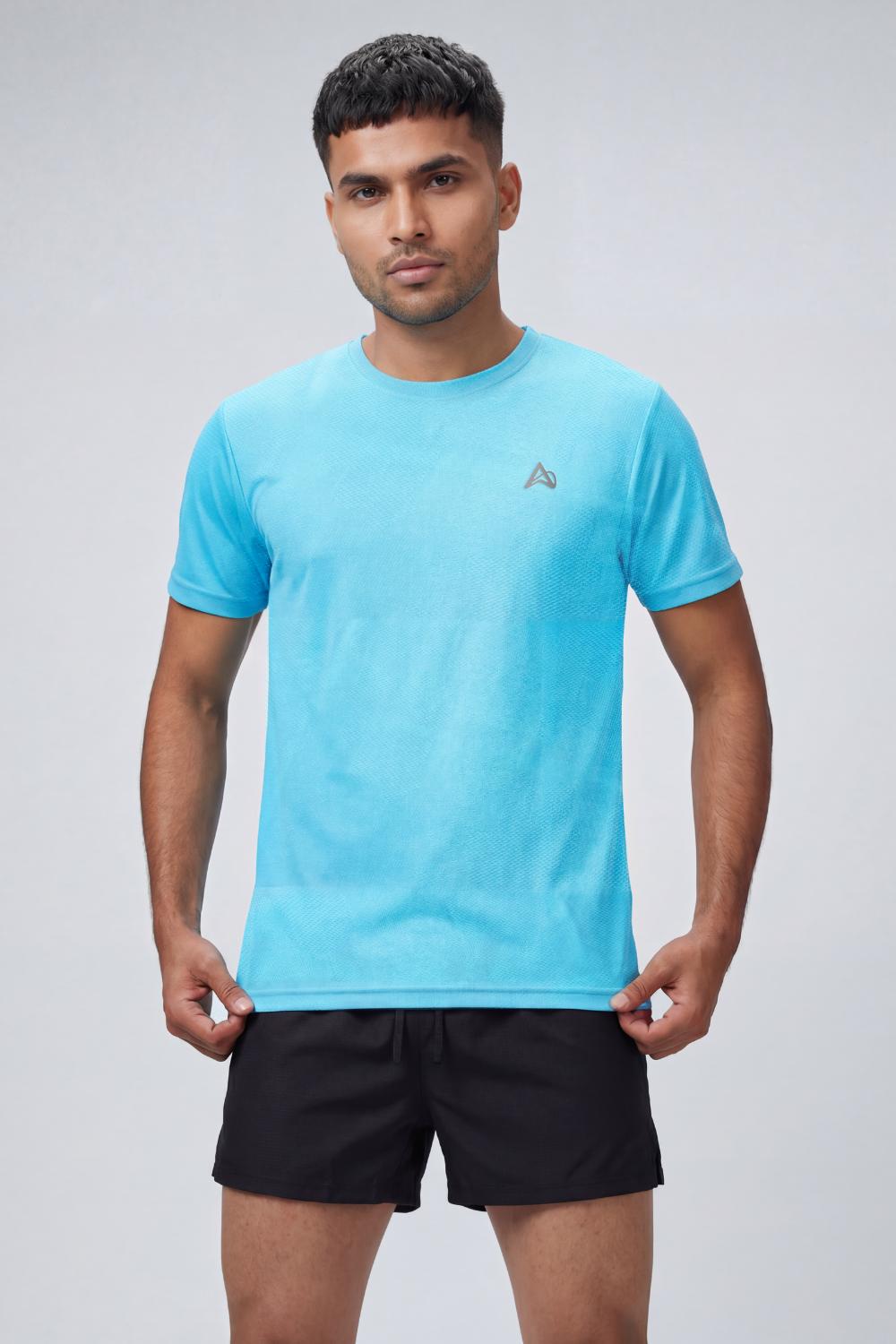
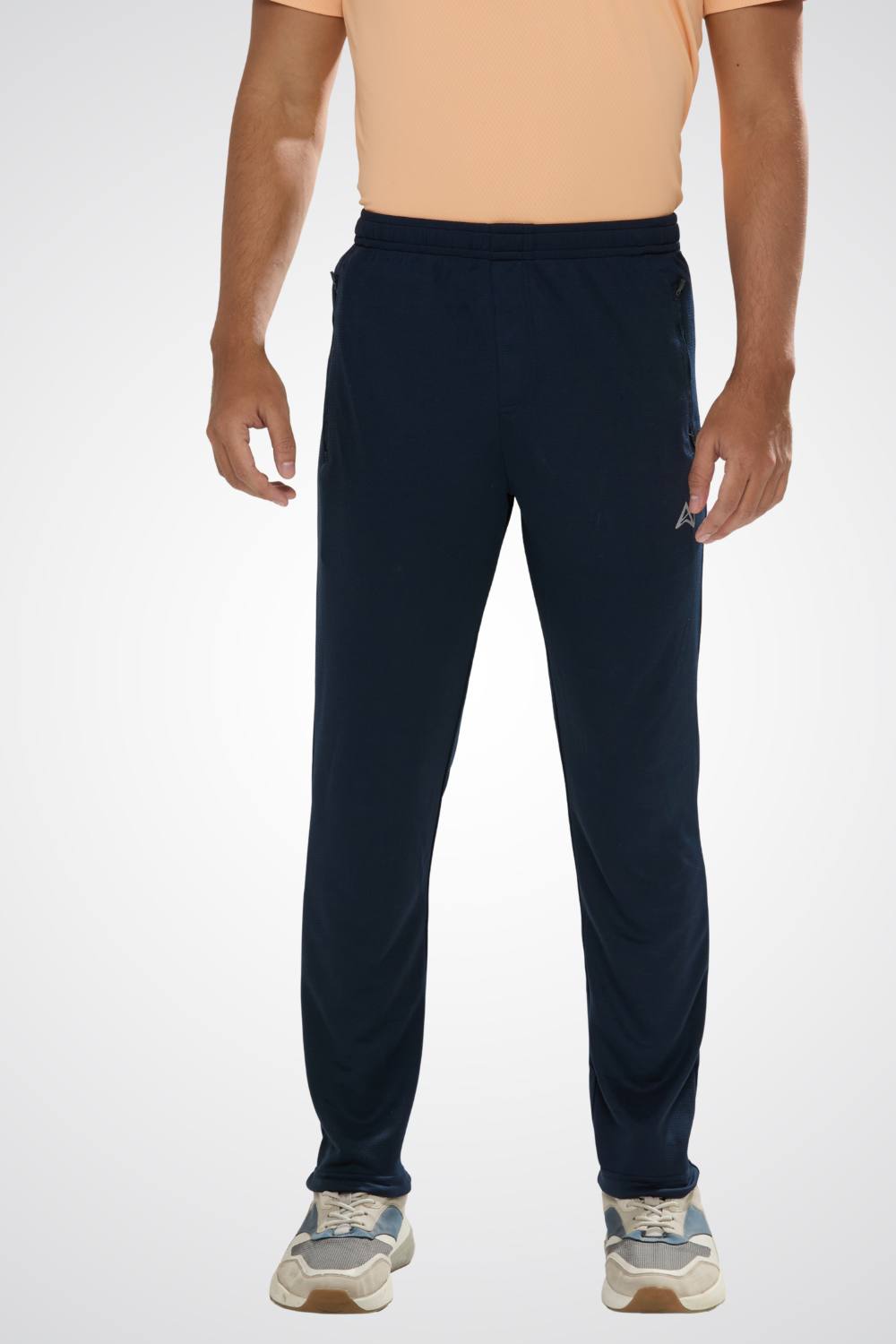
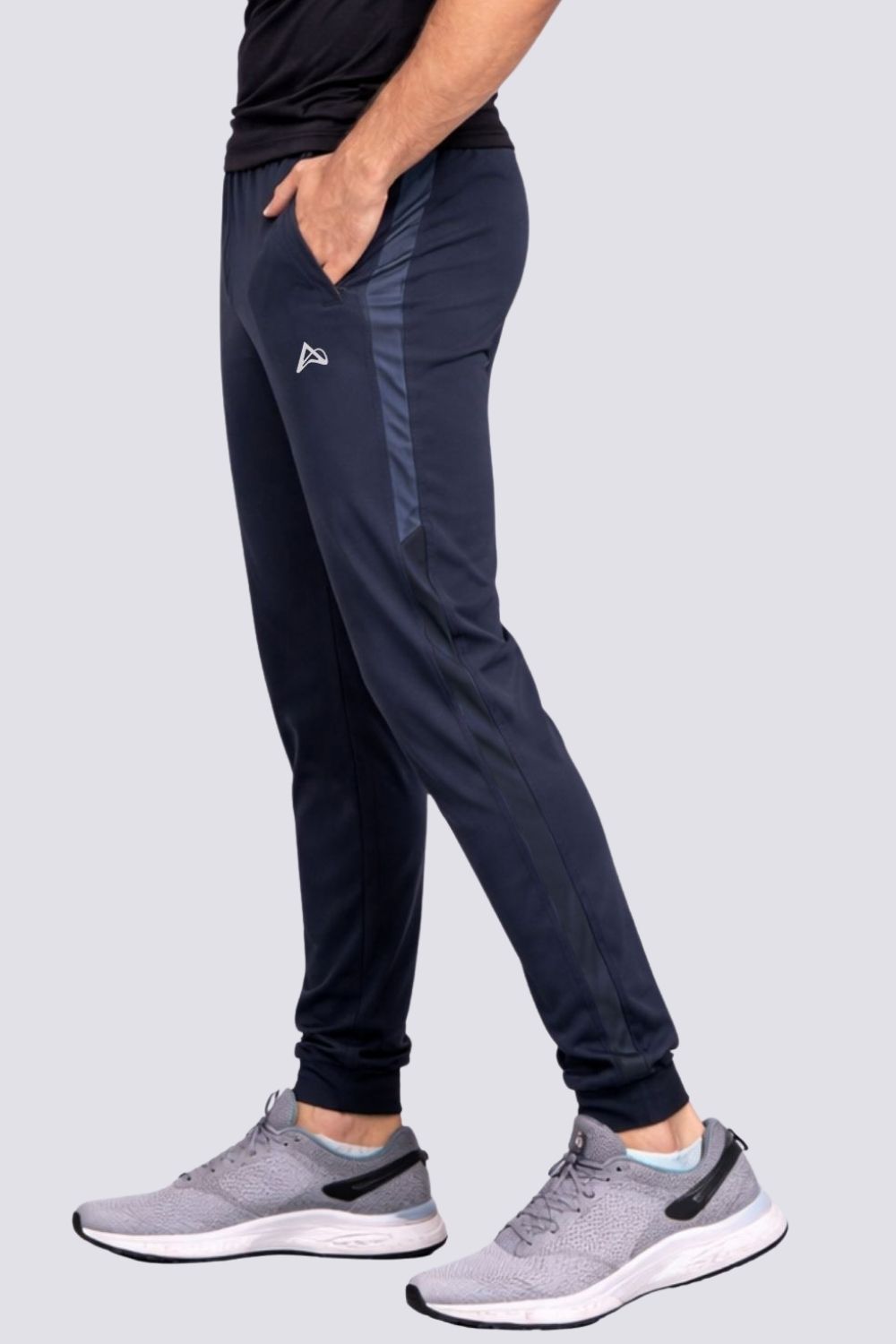
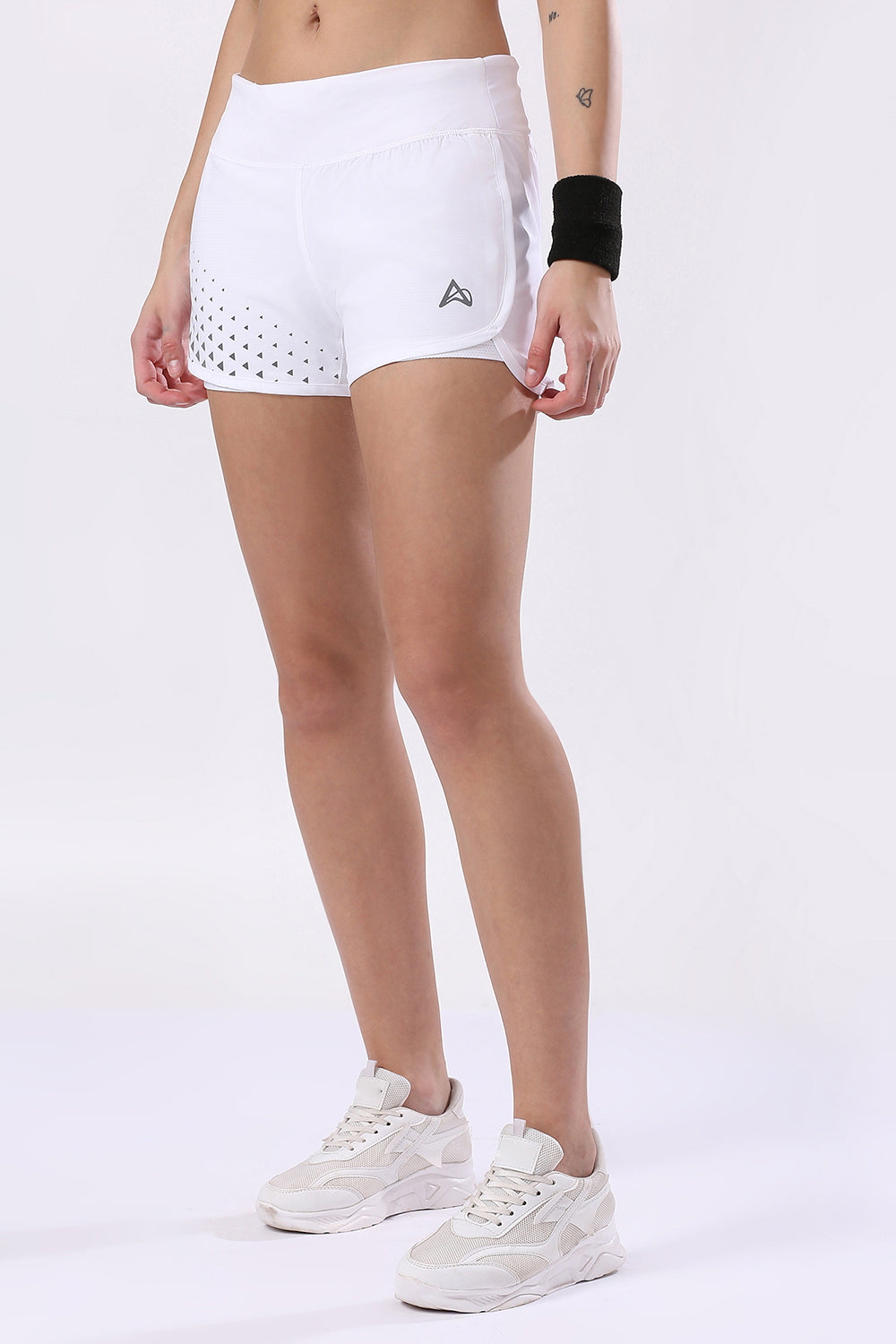
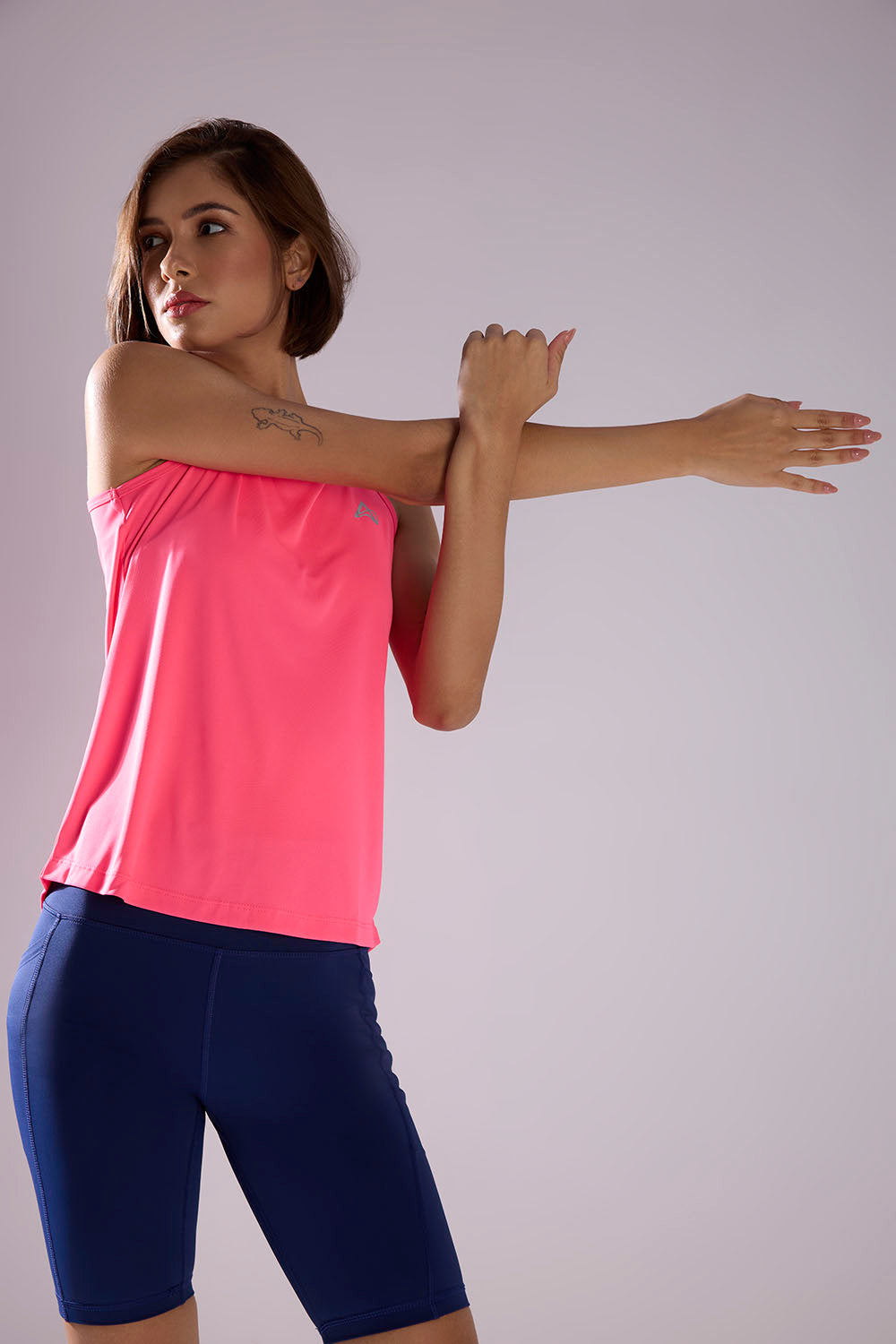
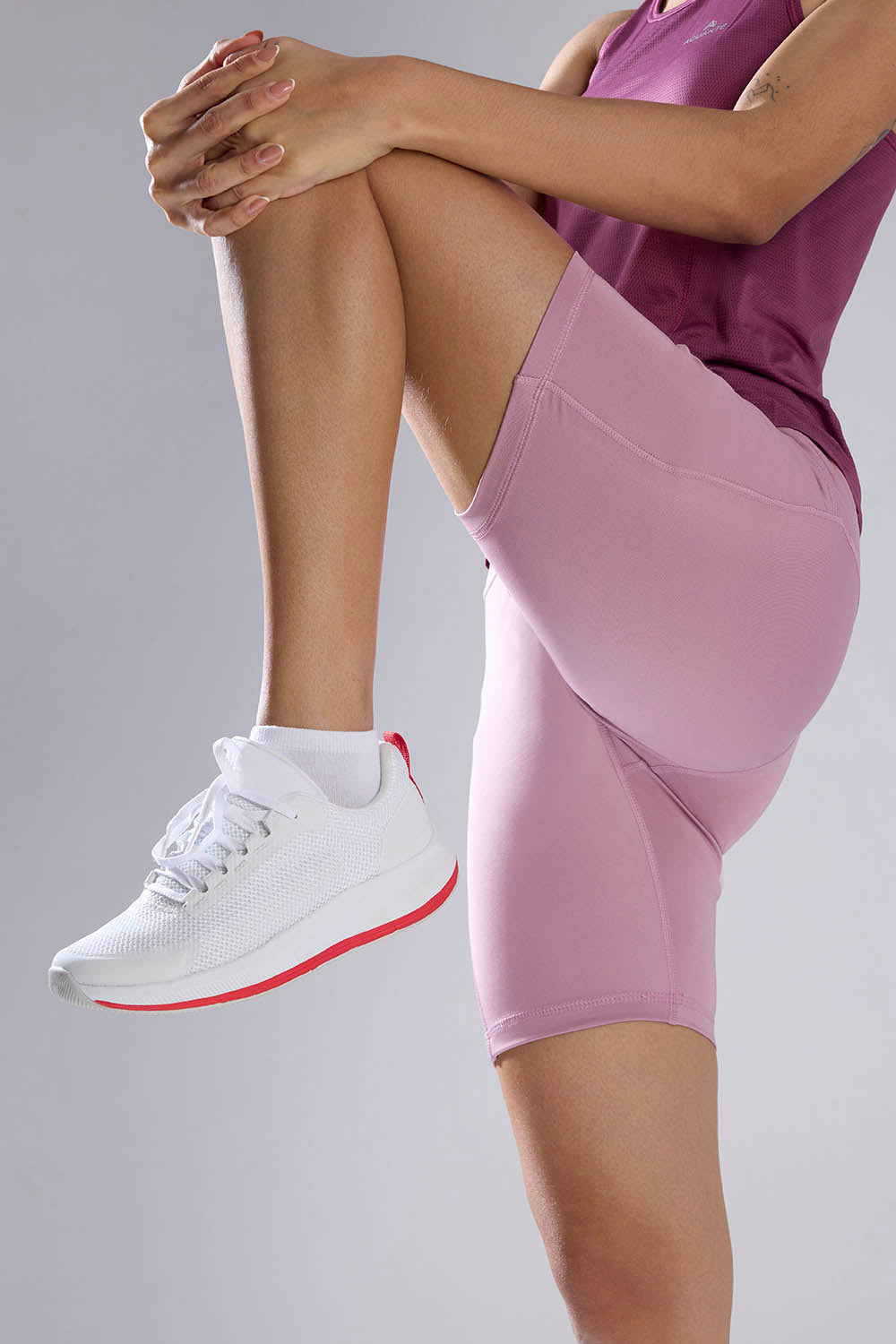
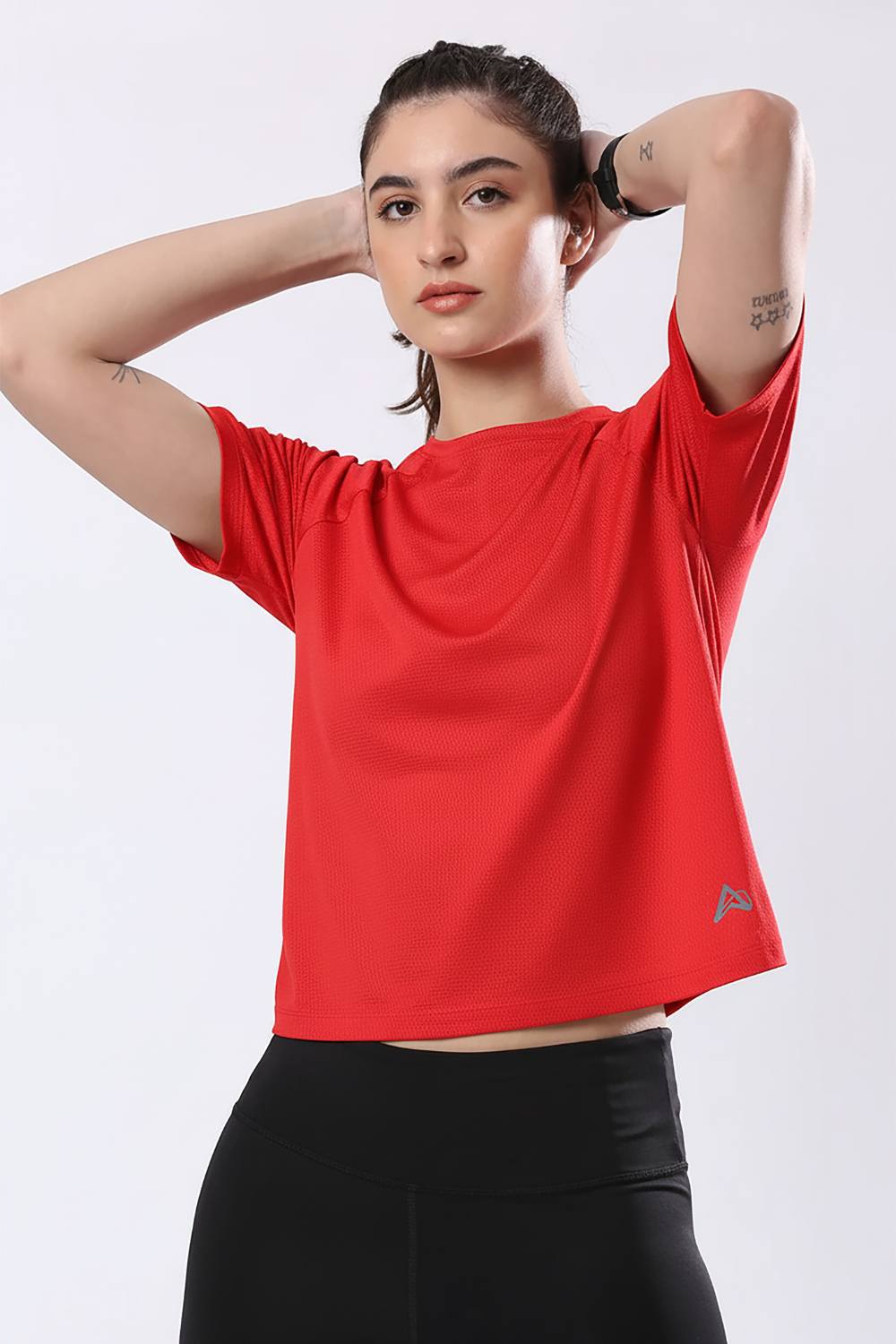
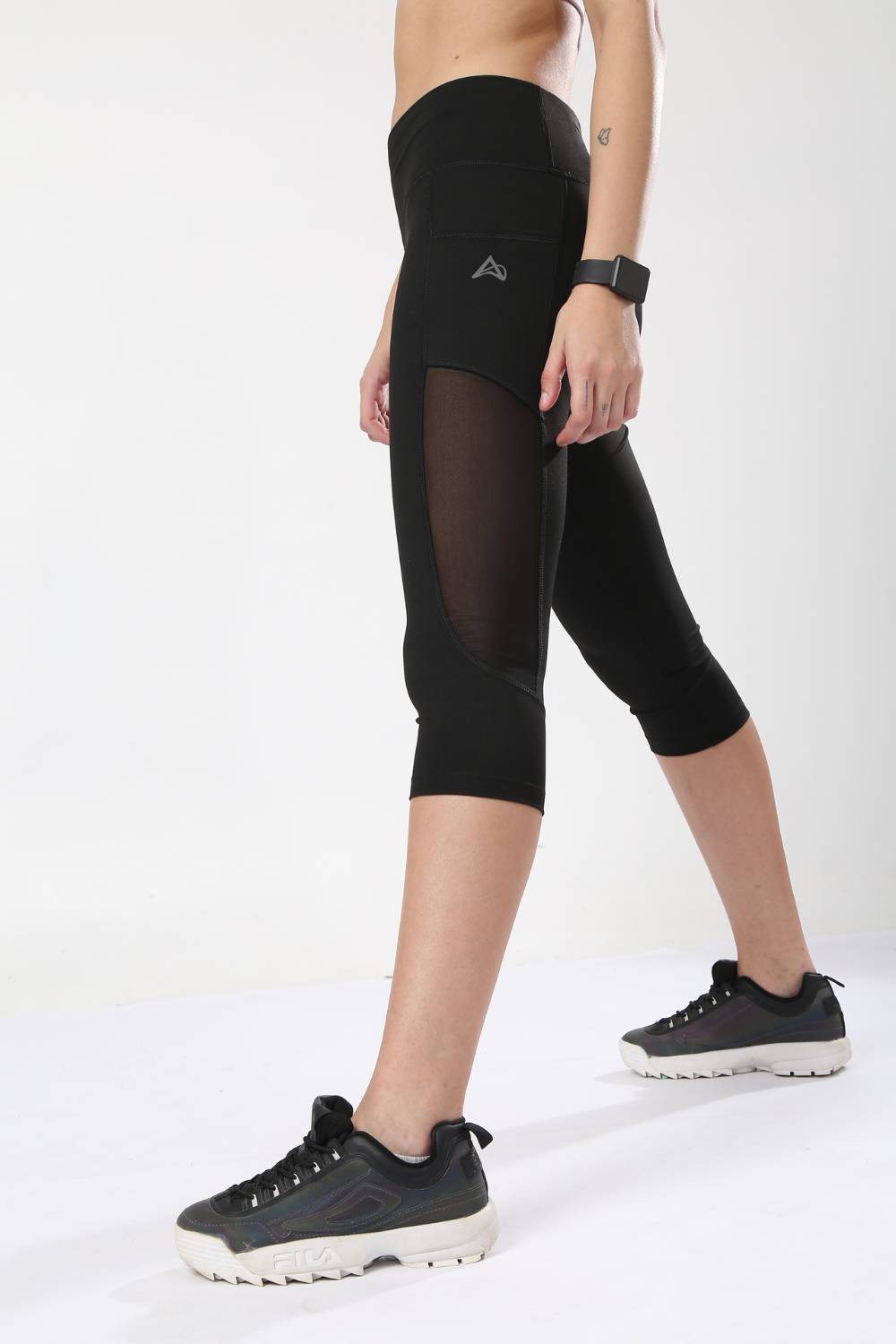
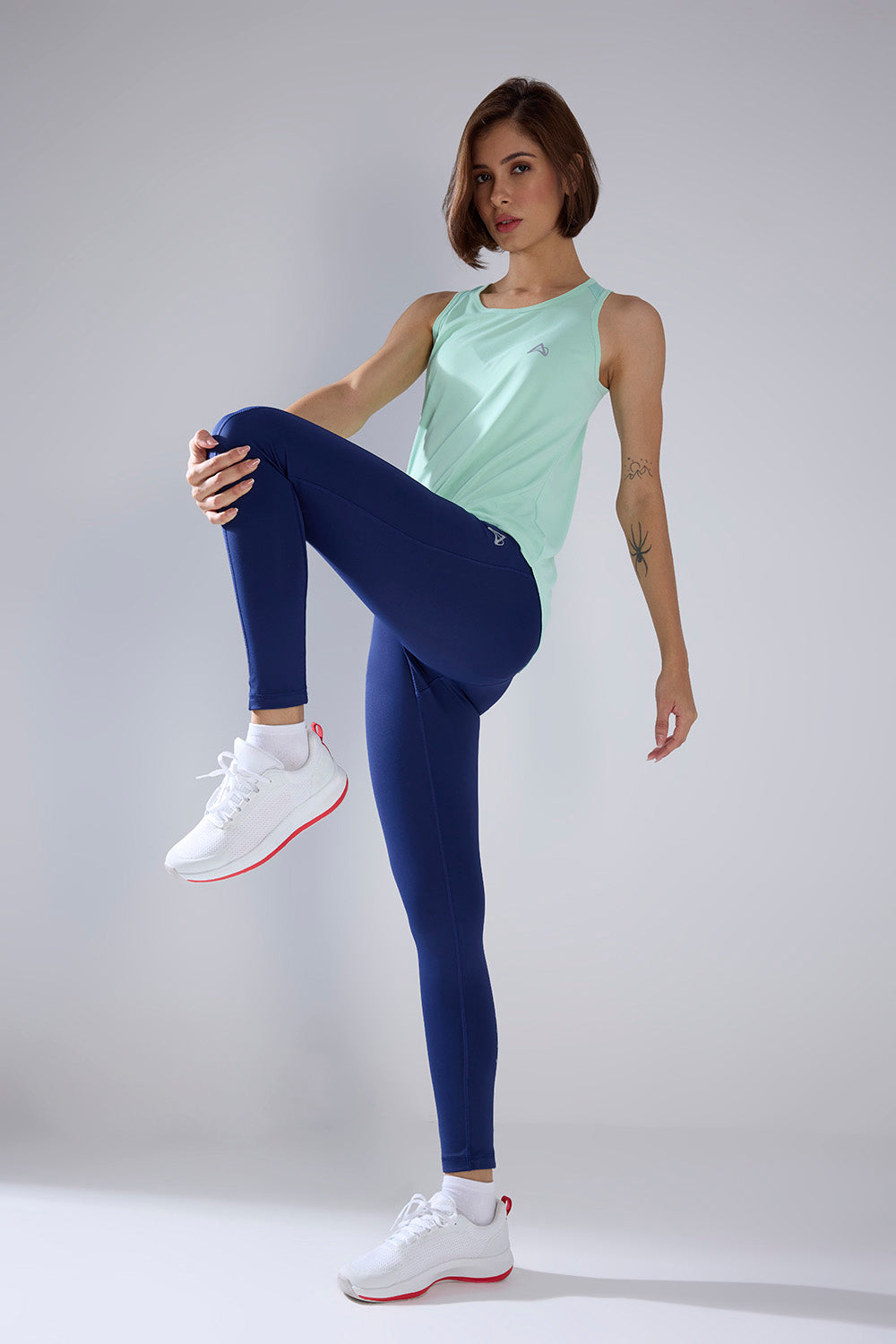

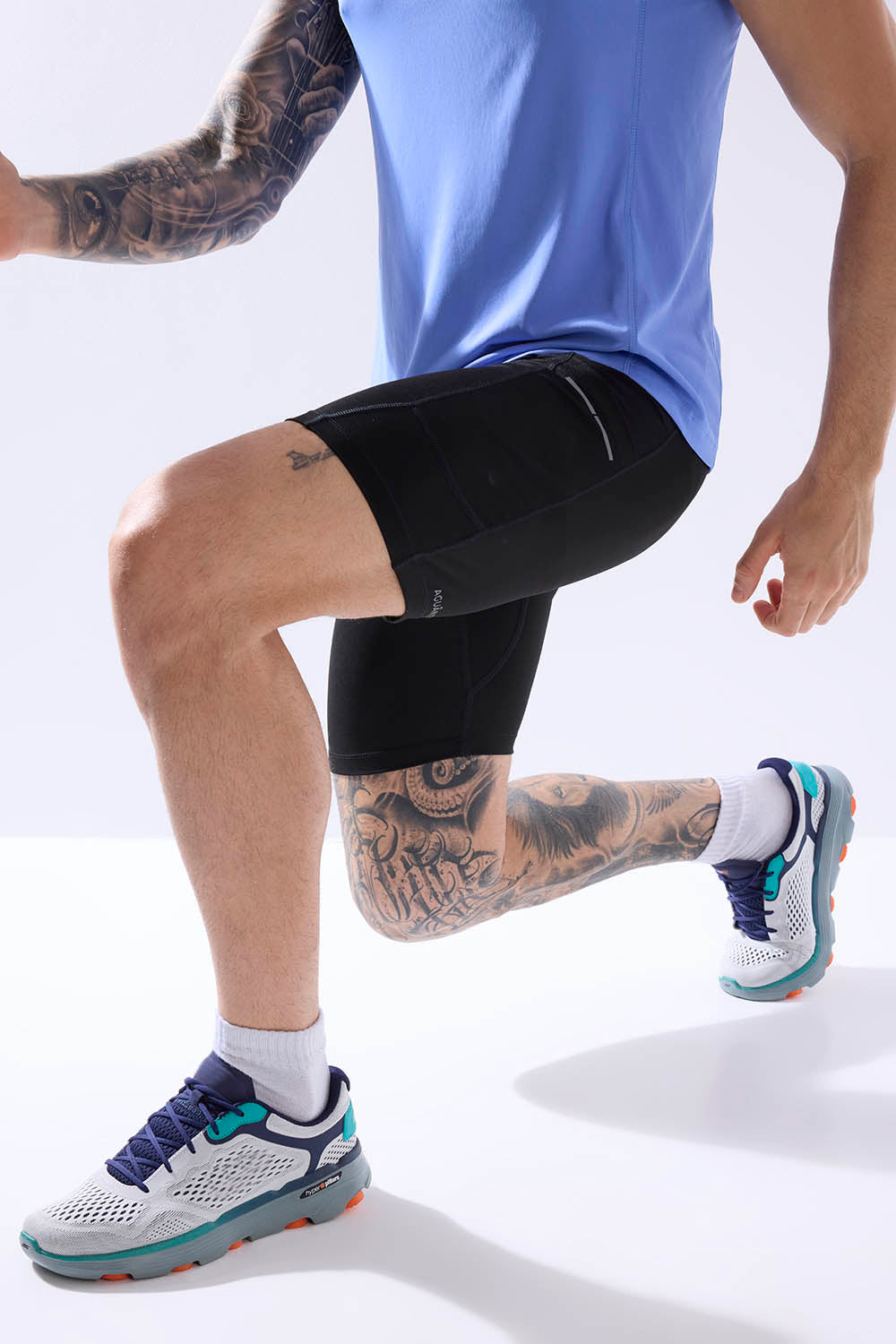
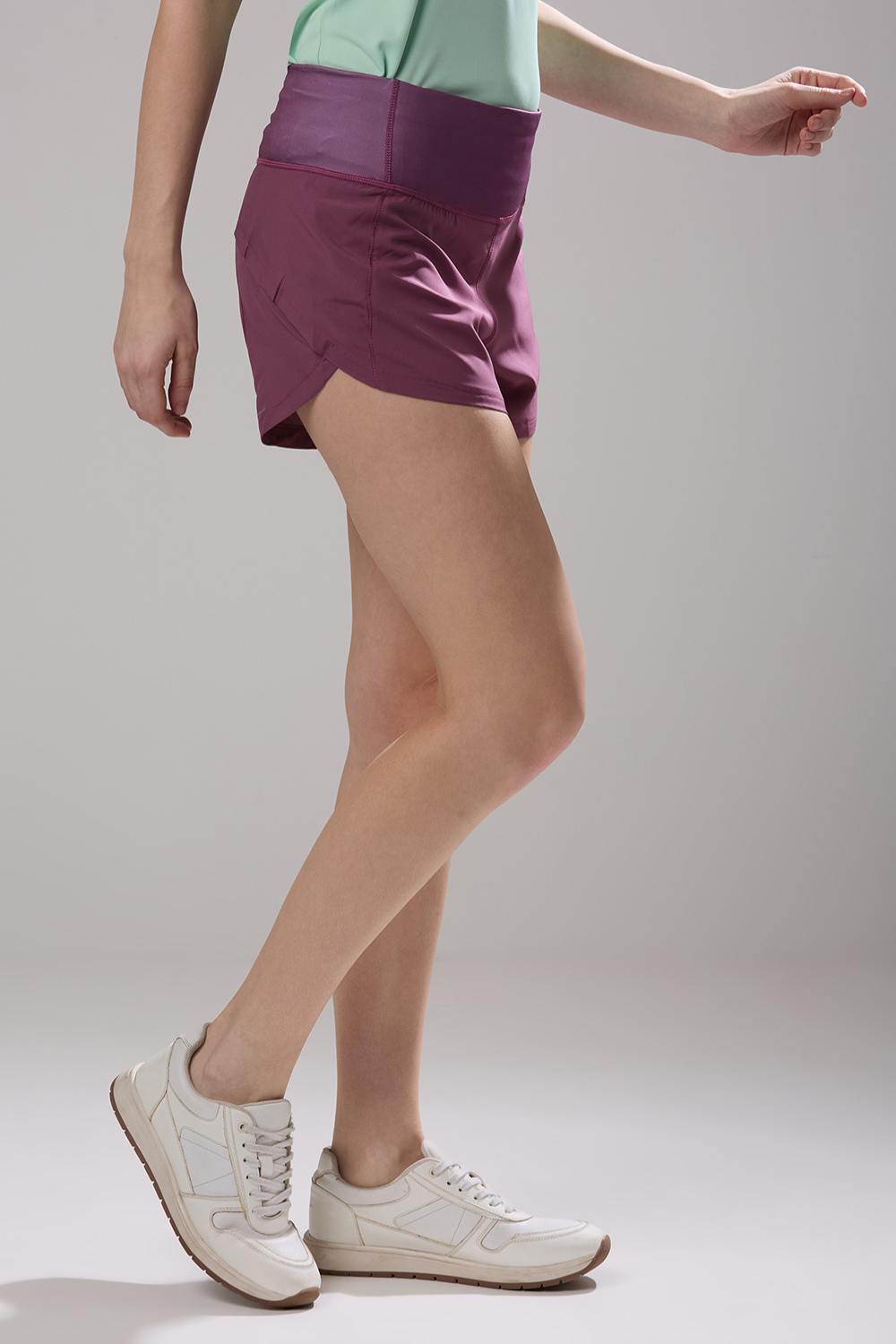
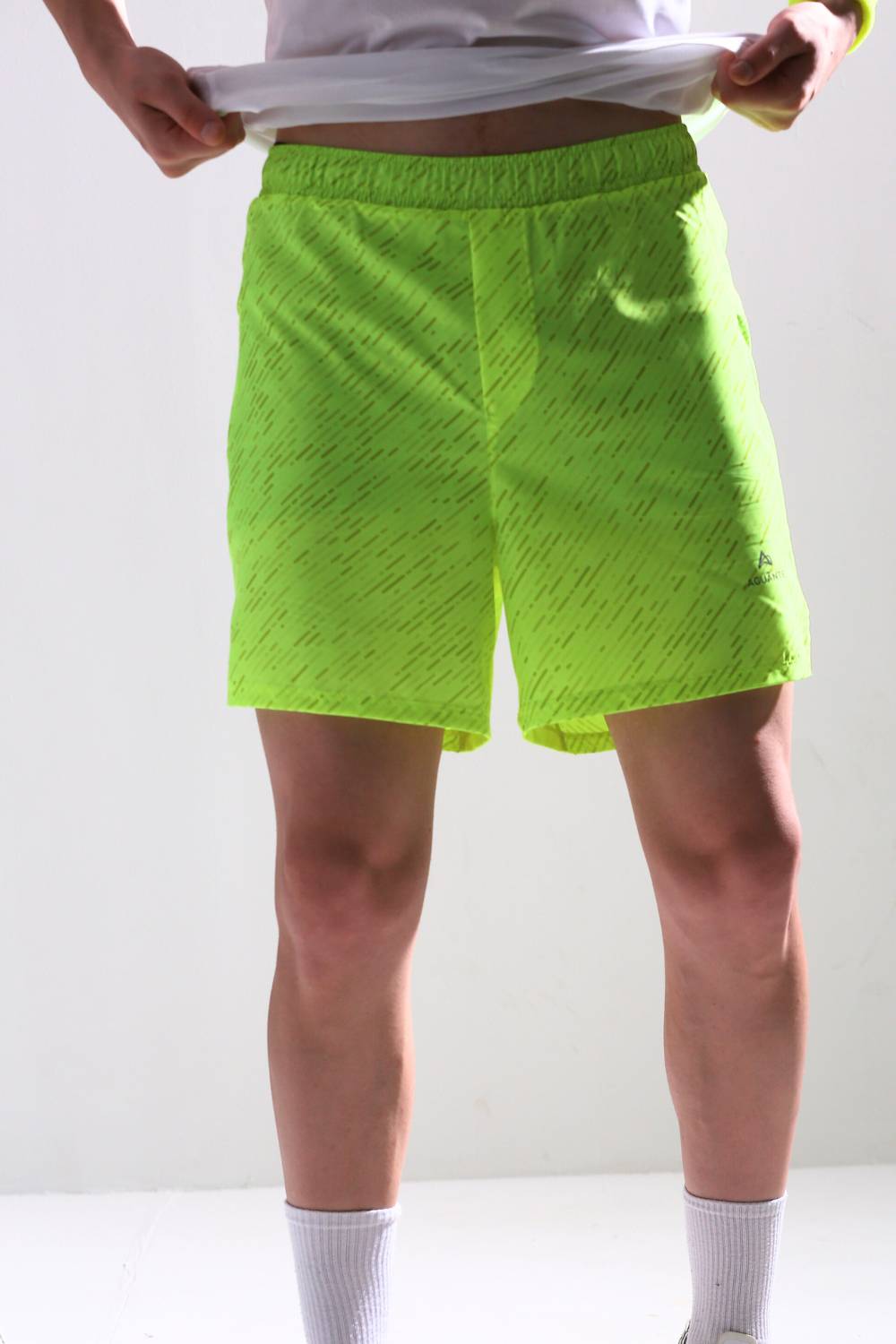
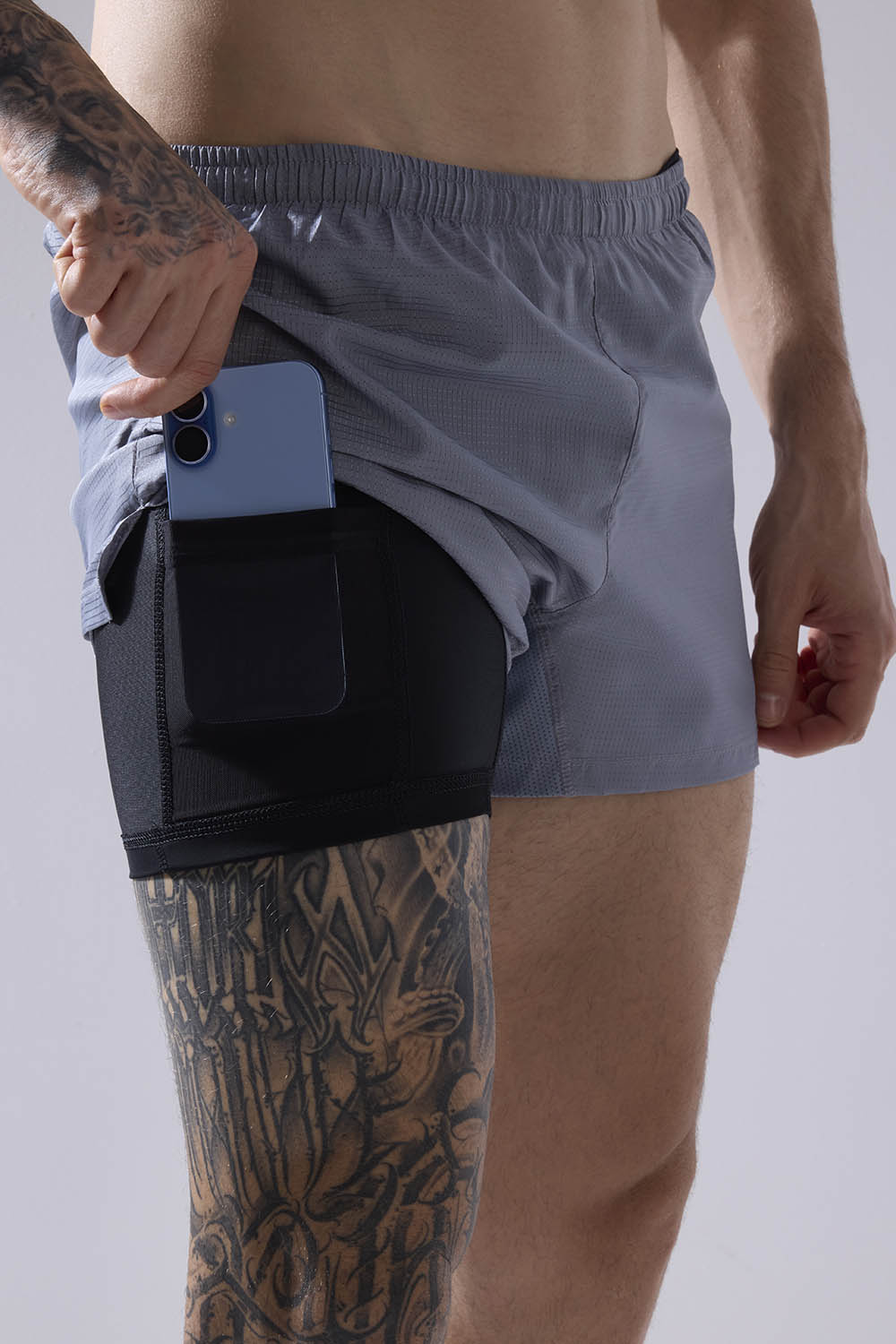

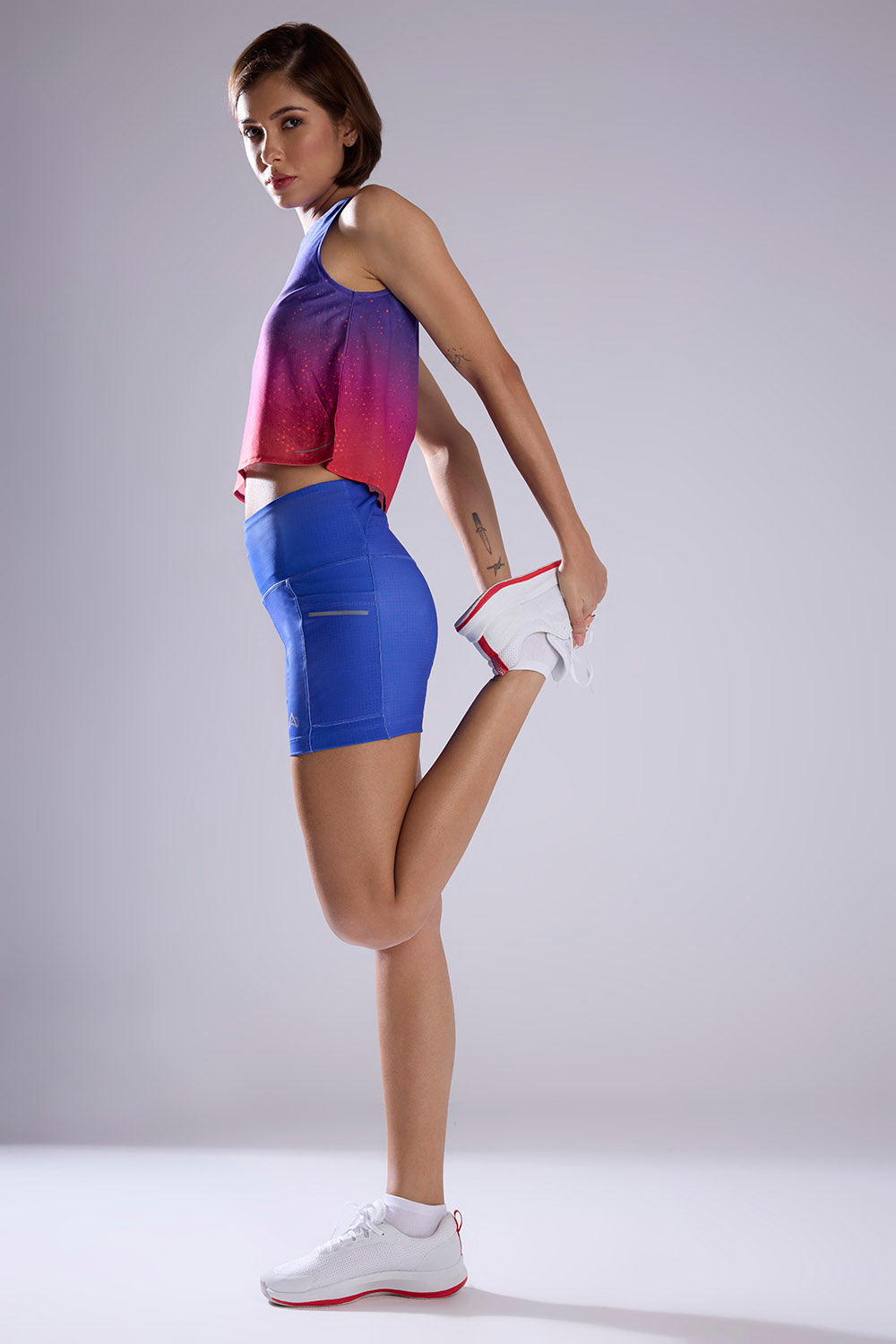
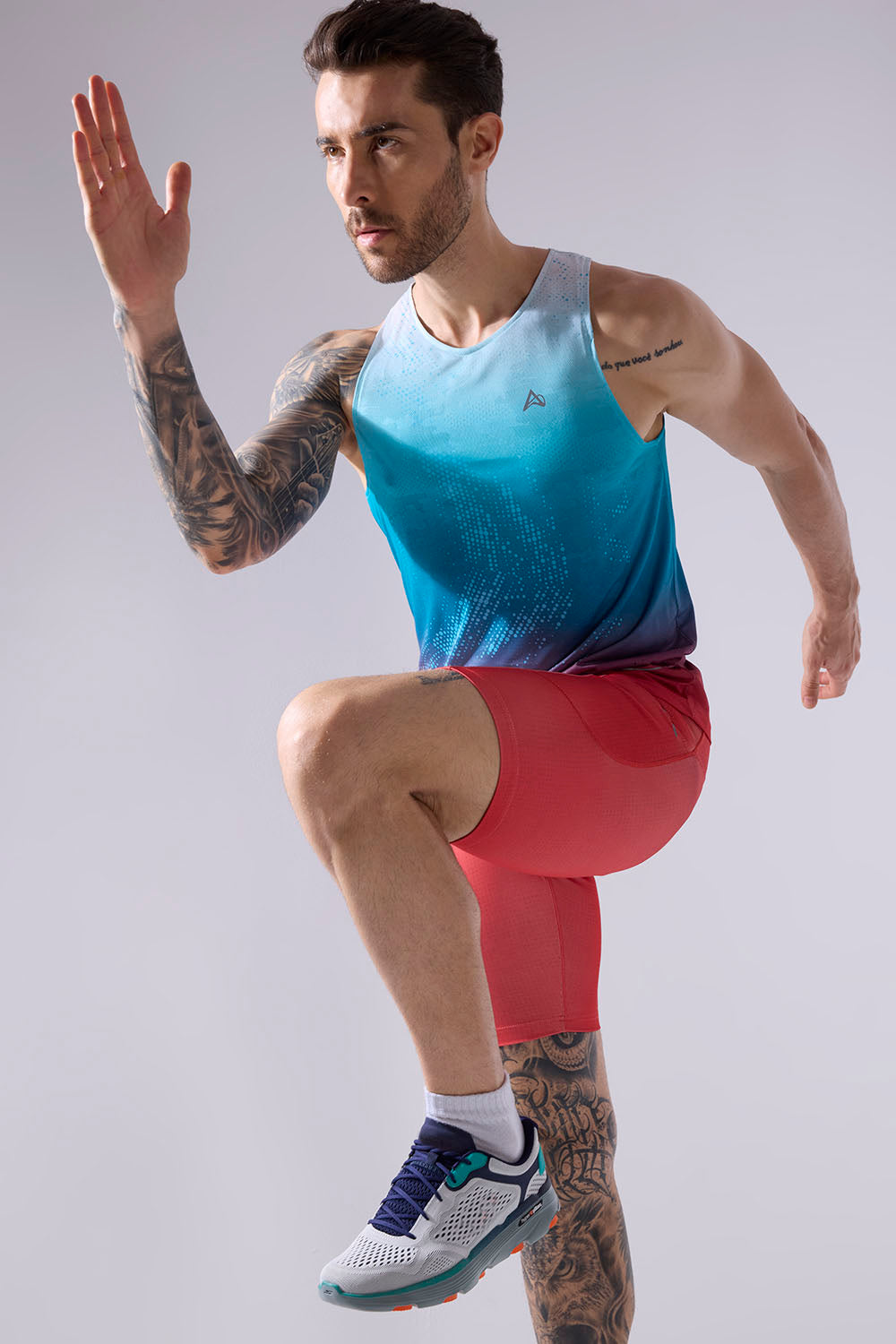

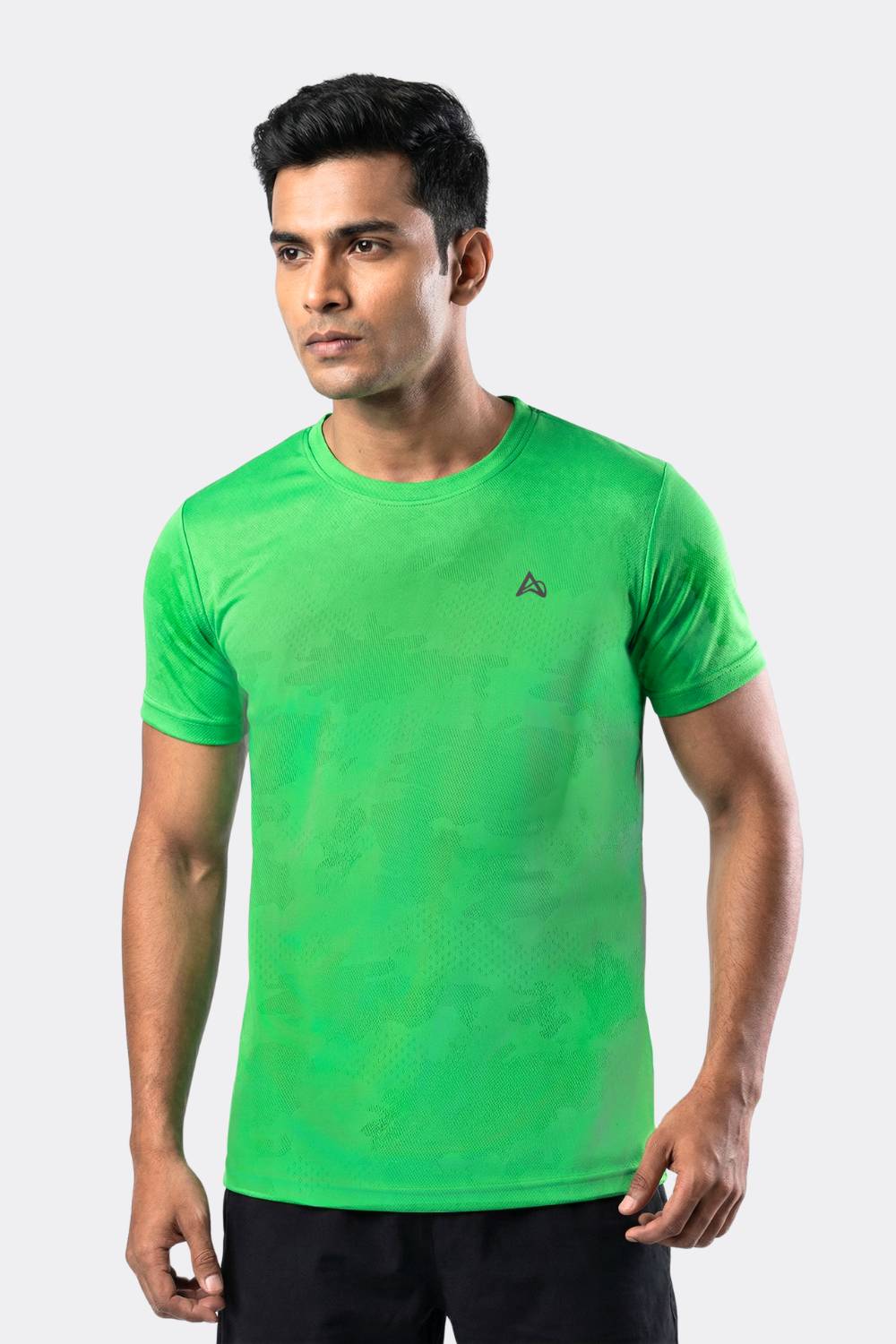
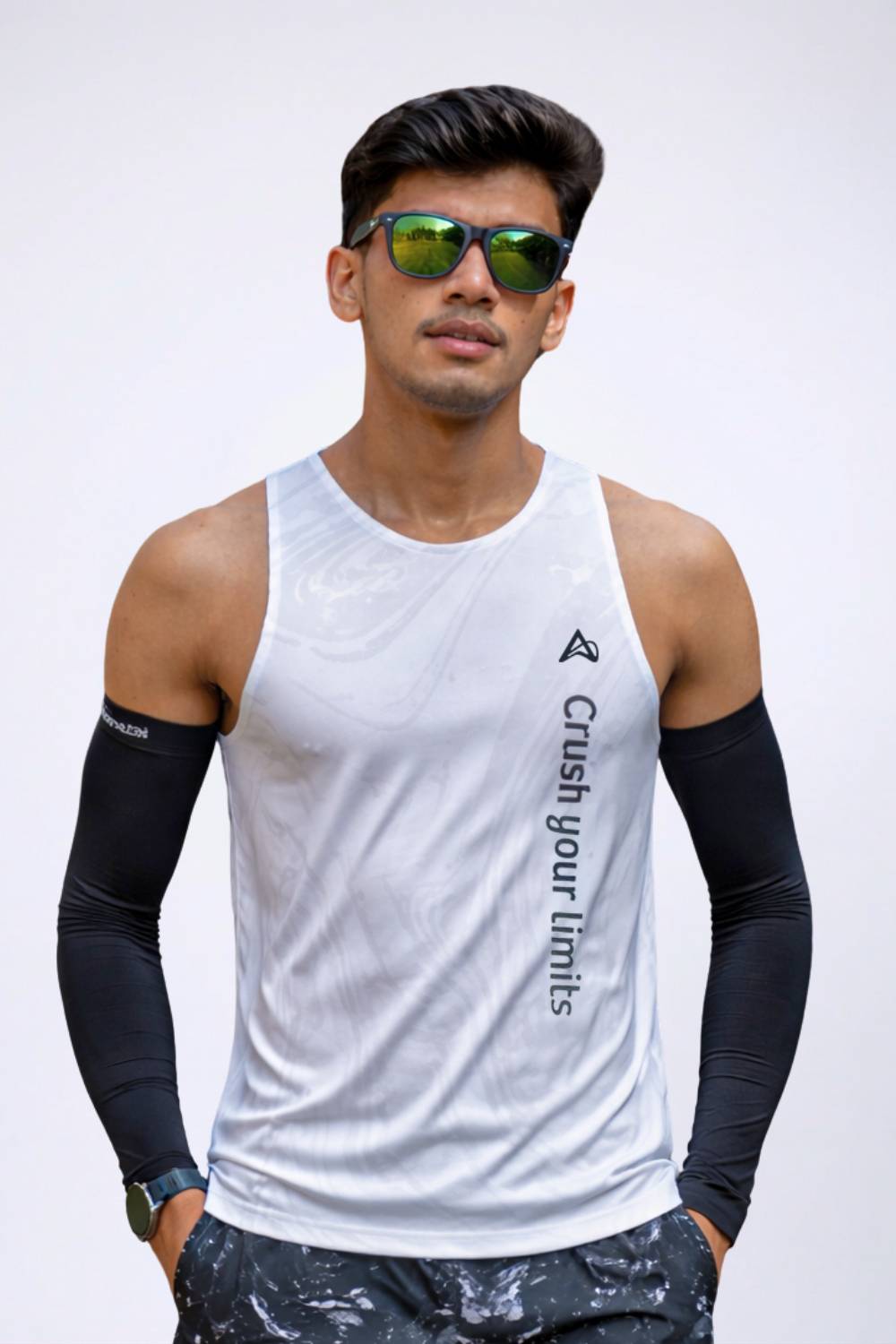

Modern activewear has moved far beyond aesthetics and basic functionality. Today, athletes, runners, and everyday fitness enthusiasts expect apparel that actively supports performance through intelligent material design. Breathability and durability have emerged as two of the most critical benchmarks shaping how sportswear is engineered, tested, and ultimately experienced in real-world conditions. From humid city runs to high-intensity indoor training, fabric innovation is redefining how the human body interacts with clothing.
In parallel, the global running and fitness culture continues to expand across regions, driven by lifestyle shifts and a growing emphasis on health and performance. The demand for technically advanced apparel is reflected in market activity, including a global running gear market valued at USD 44.2 billion in 2024, underscoring how deeply performance wear is integrated into modern fitness ecosystems. As brands respond, innovation is increasingly centered on material science rather than surface-level design changes.
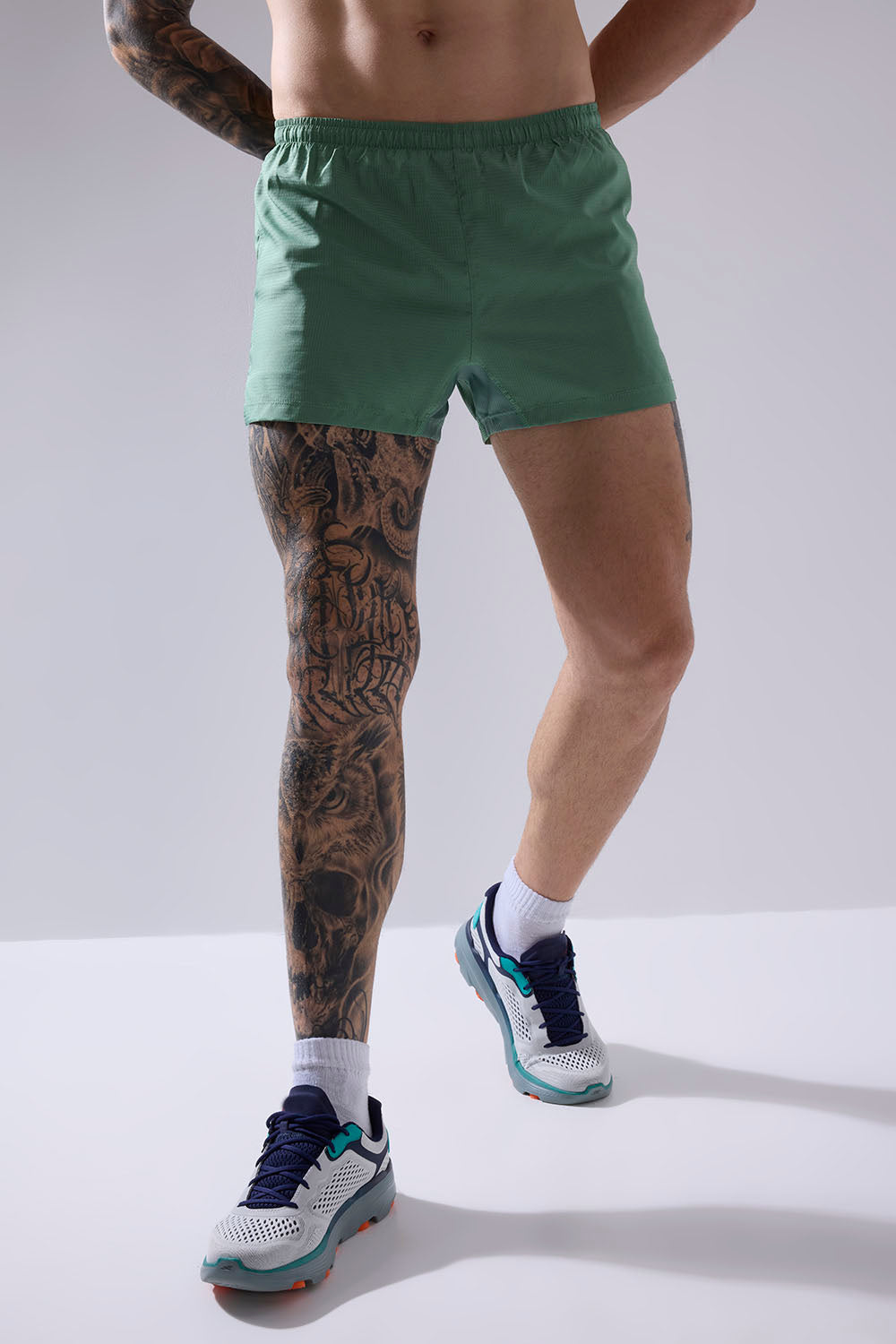
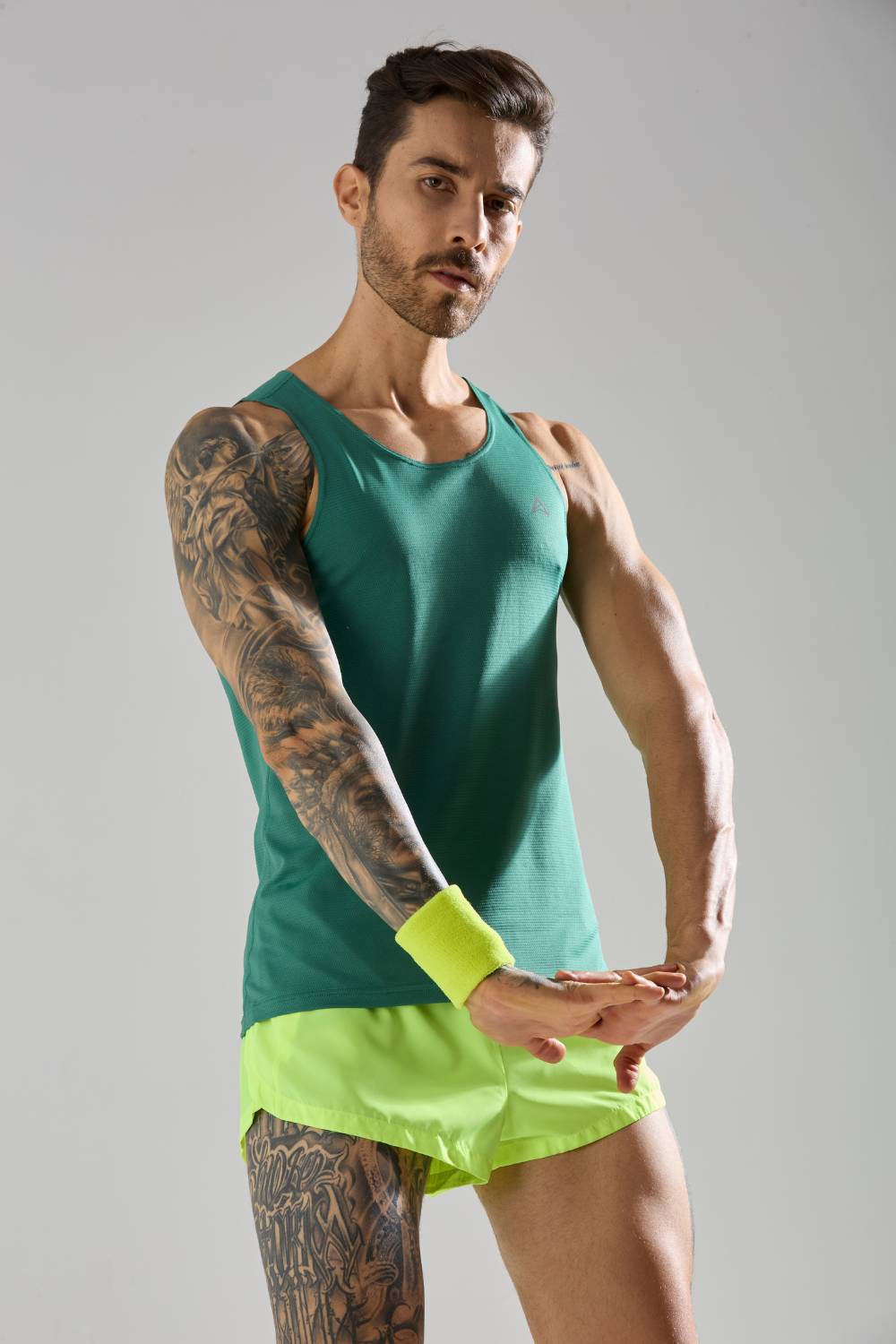
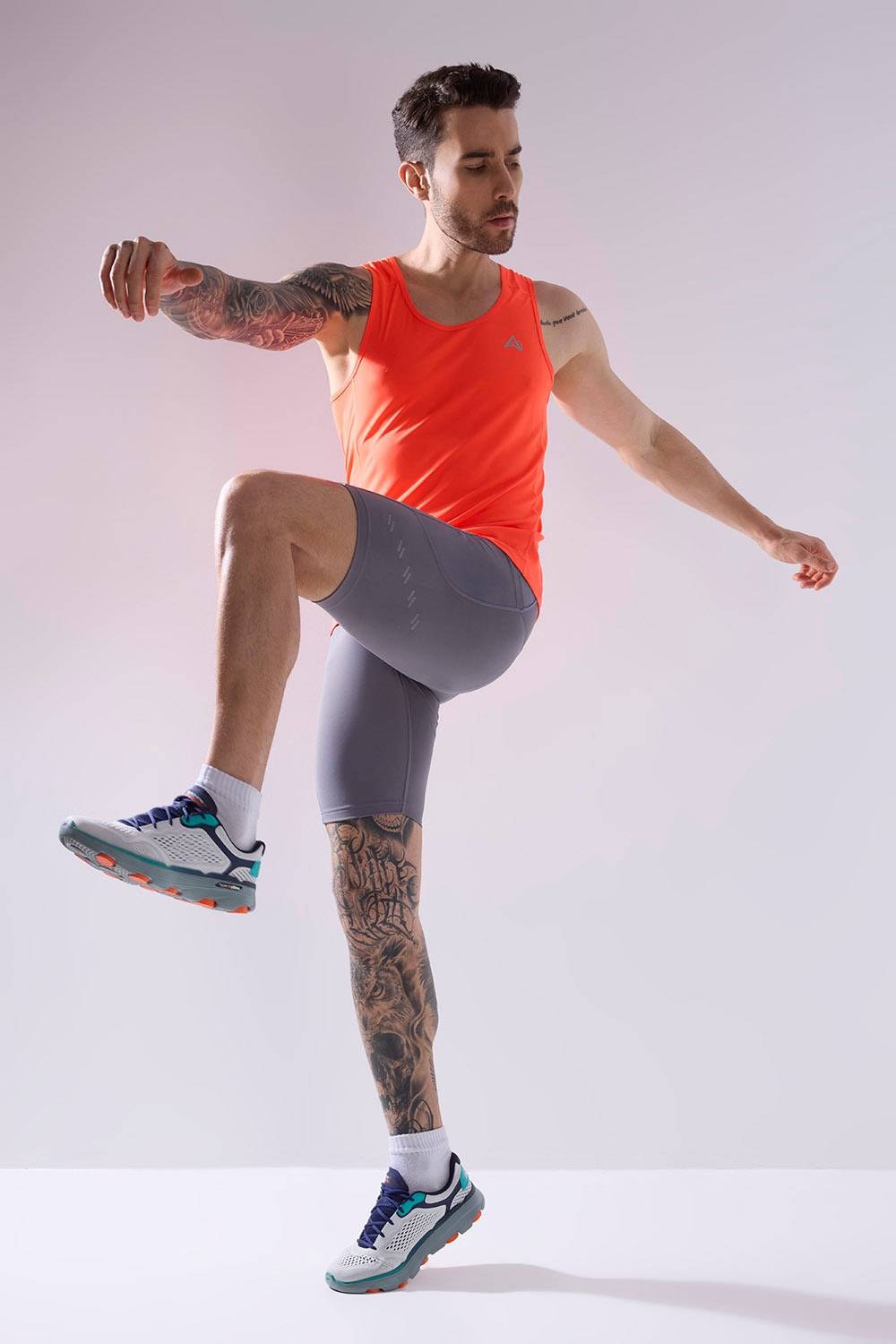
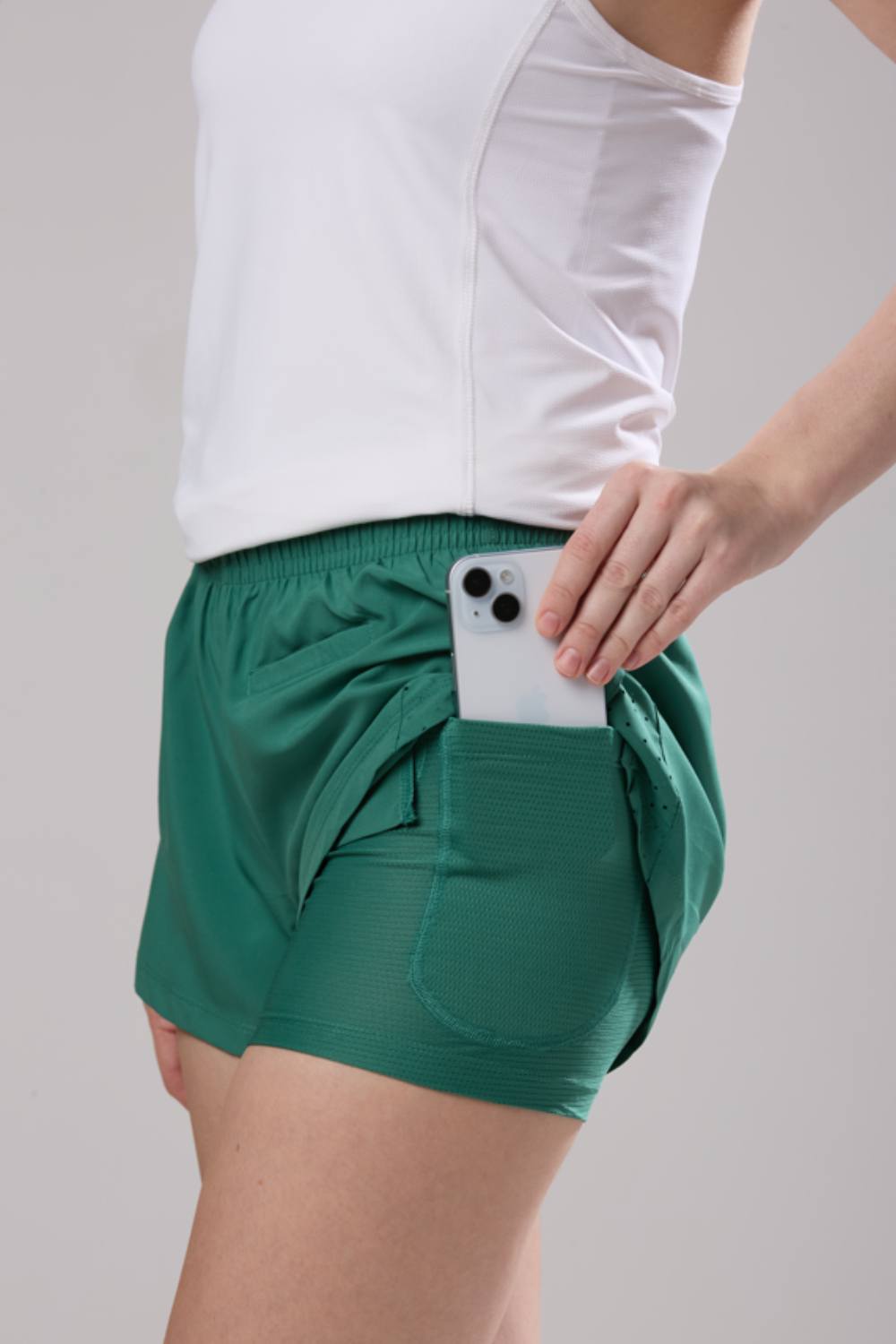
Tired of gear that slows you down? Chafing, soggy fabrics, and missing pockets kill your run's momentum. At Aguante, we're runners who get it. Our high-performance activewear features moisture-wicking fabrics, ergonomic designs, and smart storage to keep you focused. Shop Now!
Why Material Innovation Defines Modern Activewear
Material innovation has become the backbone of competitive differentiation in activewear. Unlike earlier generations of sports clothing that focused primarily on cut and appearance, today's performance apparel must respond dynamically to sweat management, temperature regulation, and mechanical stress. This shift reflects a broader expectation: clothing should enhance physical capability, not merely accommodate it.
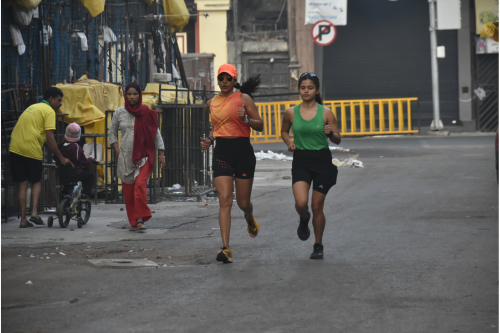
Across major fitness hubs such as New York, London, Toronto, and Berlin, athletes increasingly evaluate apparel based on how it performs during sustained exertion. This includes how quickly fabric dries, how well it resists odor retention, and how it maintains structural integrity after repeated use. In urban environments like Mumbai, Delhi, and Bangalore, where heat and humidity add additional strain, these material demands become even more pronounced.
The rise in demand for advanced sportswear is also reflected in regional market performance. For instance, the Canada sportswear market reached USD 19.35 billion in 2024, illustrating how deeply embedded performance apparel has become in North American consumer lifestyles. This growth is not simply about fashion it reflects a broader behavioral shift toward functional, performance-driven clothing systems.
Breathability: Engineering Comfort Under Pressure
Breathability is one of the most technically complex aspects of fabric engineering. At its core, it refers to a material's ability to allow moisture vapor to escape while maintaining structural coverage and comfort. This balance is critical for athletes engaged in endurance sports, interval training, or high-temperature outdoor activity.
Modern breathable fabrics are often constructed using micro-porous membranes, engineered knit structures, or moisture-wicking fiber blends. These systems work together to transport sweat away from the skin and distribute it across the fabric surface for faster evaporation. The result is not just comfort, but measurable performance stability during prolonged physical activity.
In cities such as Hyderabad and Pune, where runners frequently train in warm early-morning conditions, breathable apparel plays a crucial role in preventing overheating and discomfort. Similarly, in European regions with fluctuating seasonal climates, breathability ensures that athletes can transition between indoor and outdoor environments without needing multiple wardrobe changes.
Durability: Building Apparel That Withstands Real Use
While breathability addresses comfort, durability ensures longevity. Performance apparel must withstand repetitive stretching, friction, washing cycles, and environmental exposure without losing shape or function. This is particularly important for running apparel, where consistent motion places continuous stress on seams, fibers, and elastic components.
High-performance fabrics today often incorporate reinforced stitching patterns, abrasion-resistant fibers, and advanced polymer blends. These innovations are designed to prevent pilling, tearing, and deformation over time. In practical terms, durability directly influences how often consumers replace their activewear, making it both an economic and sustainability concern.
In fast-growing urban fitness communities across Ahmedabad and Gurugram, runners and gym-goers increasingly prioritize apparel that can maintain performance quality over extended usage cycles. This shift reflects a broader consumer expectation: activewear should be a long-term investment rather than a short-term purchase driven by seasonal trends.
The Trade-Off Between Breathability and Durability
One of the most persistent engineering challenges in activewear design is balancing breathability with durability. Highly breathable fabrics often rely on lighter weaves or thinner structures, which can compromise long-term resilience. Conversely, highly durable materials may restrict airflow or increase heat retention.
To address this, manufacturers are increasingly adopting hybrid material systems. These include zoned fabric construction, where different areas of a garment are engineered for specific functions such as high-stretch breathable panels in sweat-heavy regions and reinforced sections in high-friction zones. This approach allows for performance optimization without sacrificing either comfort or lifespan.
Across global fitness markets, this balance is becoming a defining feature of premium activewear. As consumer awareness grows, especially in North American and European markets, buyers are becoming more selective about how garments perform under real-world conditions rather than how they appear in controlled retail environments.
Regional Fitness Trends and Urban Demand Signals
Urban fitness culture plays a significant role in shaping demand for high-performance apparel. In North America and Europe, structured fitness routines, marathon participation, and recreational running communities have contributed to sustained interest in technical sportswear. The expectation is no longer limited to basic functionality but extends to measurable performance benefits during training and recovery.
In India's major metropolitan regions such as Mumbai, Delhi, and Bangalore, running groups and fitness communities are expanding rapidly, particularly among younger demographics. Early-morning and late-evening running sessions in these cities create unique environmental challenges, including heat, pollution exposure, and humidity variations, all of which increase reliance on breathable and durable apparel systems.
At the same time, consumer behavior across these regions is converging toward similar expectations: lightweight comfort, long-term durability, and versatility across training environments. This convergence is pushing global brands to rethink material strategies that can perform consistently across diverse climates and usage conditions.
How Brands Are Rethinking Material Innovation
Activewear brands are increasingly investing in material science partnerships and textile research to develop next-generation fabrics. Rather than focusing solely on product expansion, the emphasis is shifting toward solving functional problems such as sweat retention, heat buildup, and structural fatigue.
Innovations such as engineered mesh zones, recycled polyester blends, and anti-microbial treatments are becoming more common across performance apparel collections. These advancements are not isolated features but part of integrated design systems that prioritize athlete experience across multiple dimensions of movement, climate, and intensity.
For brands like Aguante, the focus on performance-first apparel aligns with the broader industry direction toward function-led design. As consumer expectations evolve, material innovation becomes less about differentiation and more about necessity in a competitive and highly informed marketplace.
The Future of Breathable and Durable Activewear
The next phase of activewear innovation is expected to focus on adaptive materials and intelligent textiles. These fabrics will likely respond in real time to body temperature, movement intensity, and environmental conditions. Such advancements will further blur the line between apparel and performance technology.
Sustainability is also becoming central to material innovation. Recycled fibers, biodegradable textiles, and low-impact dyeing processes are increasingly integrated into product development cycles. This shift is not only environmentally driven but also aligned with consumer expectations for responsible manufacturing practices.
As performance apparel continues to evolve, the intersection of breathability and durability will remain a defining challenge. Brands that successfully balance these two forces will be better positioned to meet the demands of a global, highly active consumer base that values both comfort and longevity in equal measure.
Ultimately, material innovation is no longer an optional enhancement in activewear it is the foundation of performance itself. From urban running communities in Europe to expanding fitness cultures in North America and rapidly growing metropolitan hubs in Asia, the demand for smarter, more resilient fabrics continues to shape the future of the industry.
Frequently Asked Questions
What makes modern activewear fabrics more breathable than traditional sportswear?
Modern activewear uses advanced engineering techniques such as micro-porous membranes, moisture-wicking fiber blends, and engineered knit structures that move sweat away from the skin and spread it across the fabric for faster evaporation. Unlike traditional sports clothing that focused mainly on cut and appearance, today's performance fabrics are designed to regulate temperature and manage moisture dynamically. This is especially important for athletes training in hot, humid environments where overheating can directly impact performance.
How do activewear brands balance breathability and durability in performance apparel?
Balancing breathability and durability is one of the biggest engineering challenges in activewear design, since lightweight breathable fabrics can sacrifice resilience, while highly durable materials may trap heat. Leading brands address this through zoned fabric construction using breathable panels in high-sweat areas and reinforced materials in high-friction zones. This hybrid approach allows a single garment to deliver both comfort during intense activity and long-term structural integrity across hundreds of wash and wear cycles.
Why is material innovation important when choosing durable running and fitness apparel?
High-quality running and fitness apparel must withstand repetitive stretching, friction, and frequent washing without losing its shape or performance properties. Brands are now incorporating abrasion-resistant fibers, reinforced stitching, and advanced polymer blends to prevent pilling, tearing, and deformation over time. Investing in durability-focused activewear is both an economic and sustainability decision, as longer-lasting garments reduce the frequency of replacement and support more responsible consumption habits.
Disclaimer: The above helpful resources content contains personal opinions and experiences. The information provided is for general knowledge and does not constitute professional advice.
You may also be interested in: How Runner Feedback Drives Indian Activewear Innovation - Aguante
Tired of gear that slows you down? Chafing, soggy fabrics, and missing pockets kill your run's momentum. At Aguante, we're runners who get it. Our high-performance activewear features moisture-wicking fabrics, ergonomic designs, and smart storage to keep you focused. Shop Now!
Powered by flareAI.co