


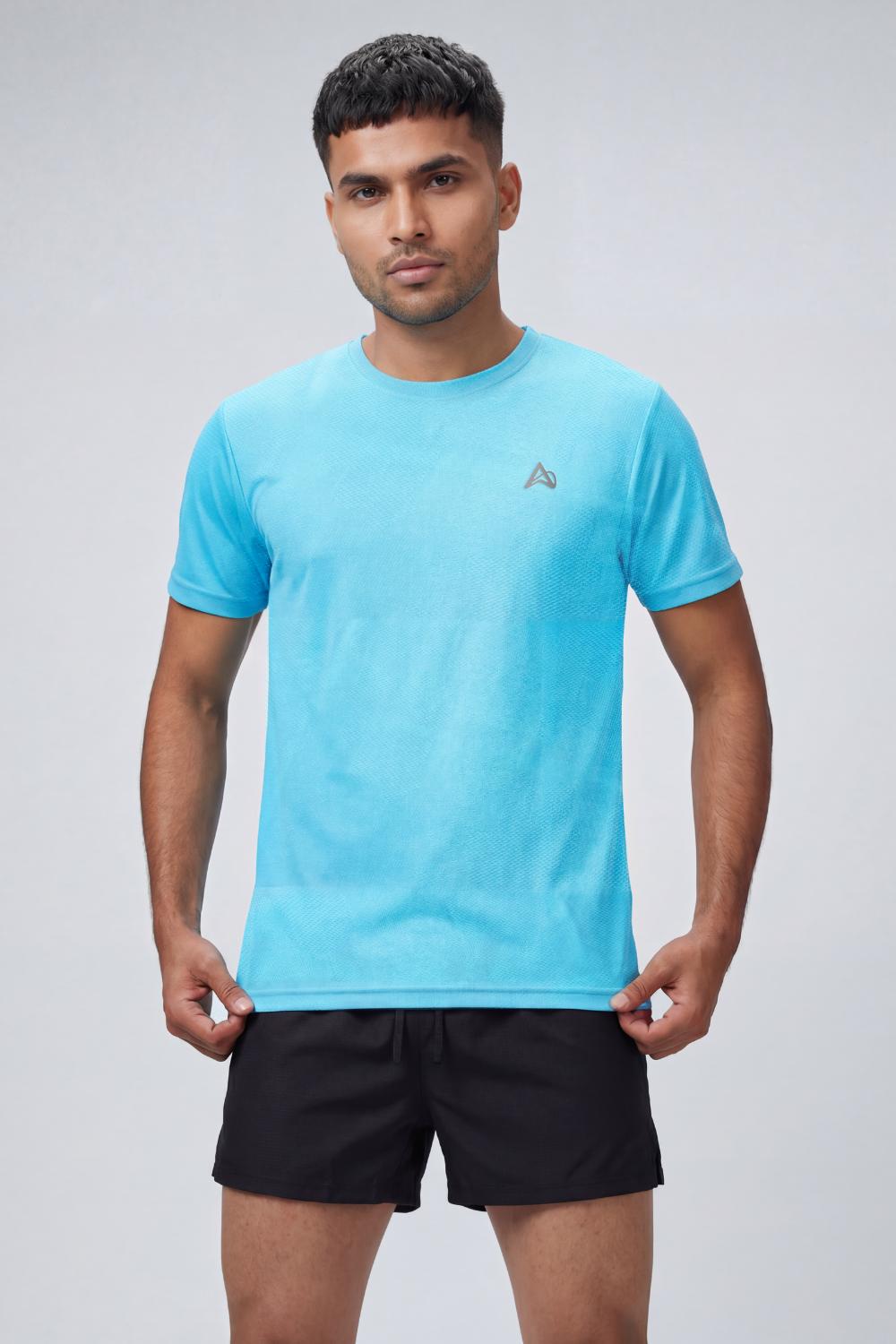
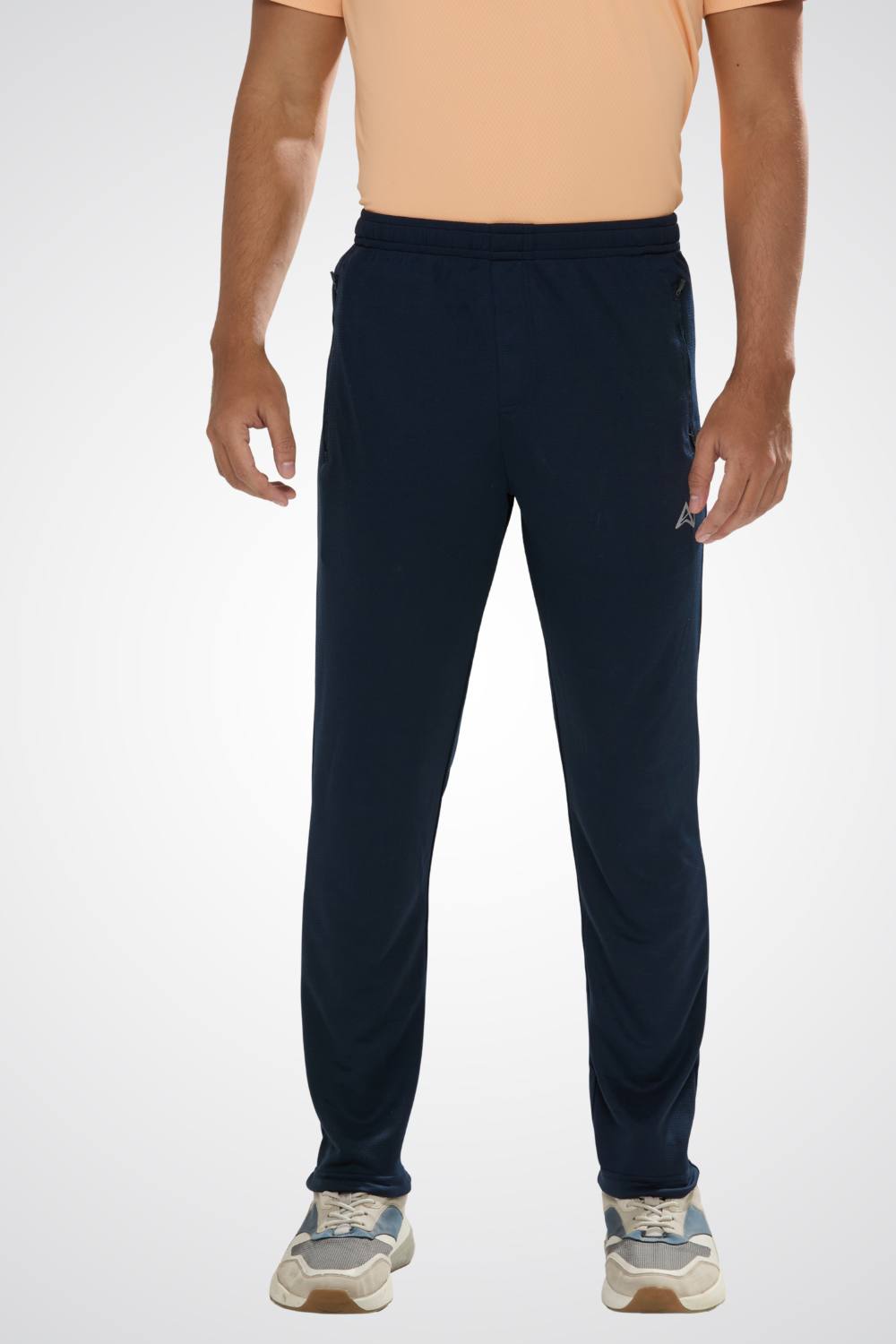
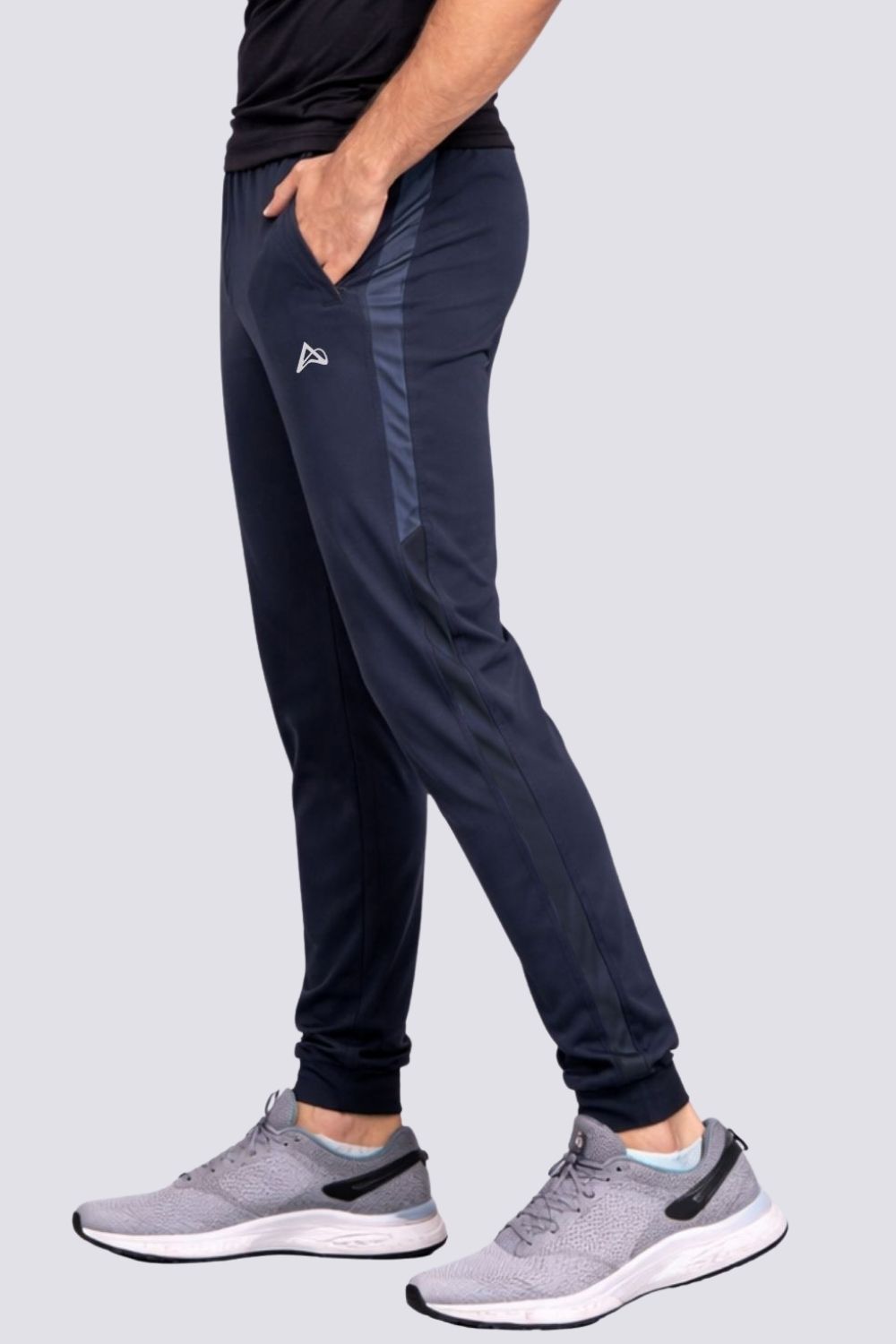




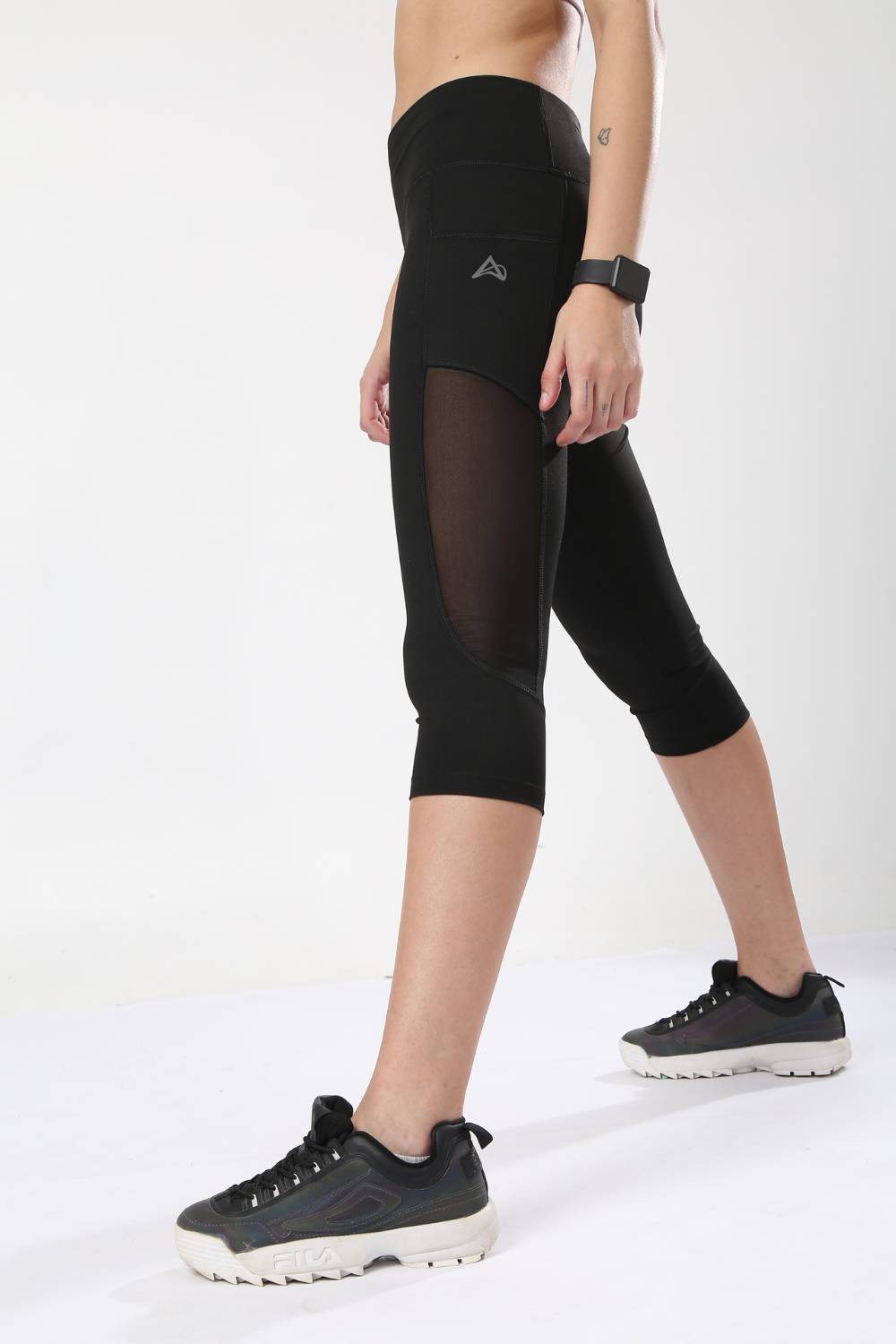












The global shift toward sustainability is reshaping industries across the board, and the performance apparel sector is no exception. For brands specializing in high-performance sportswear and running clothing, such as those catering to athletes in the United States, Canada, and Europe, material choice has become a crucial factor. This transformation is particularly evident in Indian metropolitan hubs like Bangalore, Mumbai, and Delhi, where supply chains, manufacturing practices, and consumer expectations are increasingly aligned with sustainable principles. From sourcing biodegradable fabrics to reducing water-intensive production methods, the industry is navigating a complex landscape where environmental responsibility meets high-performance requirements.
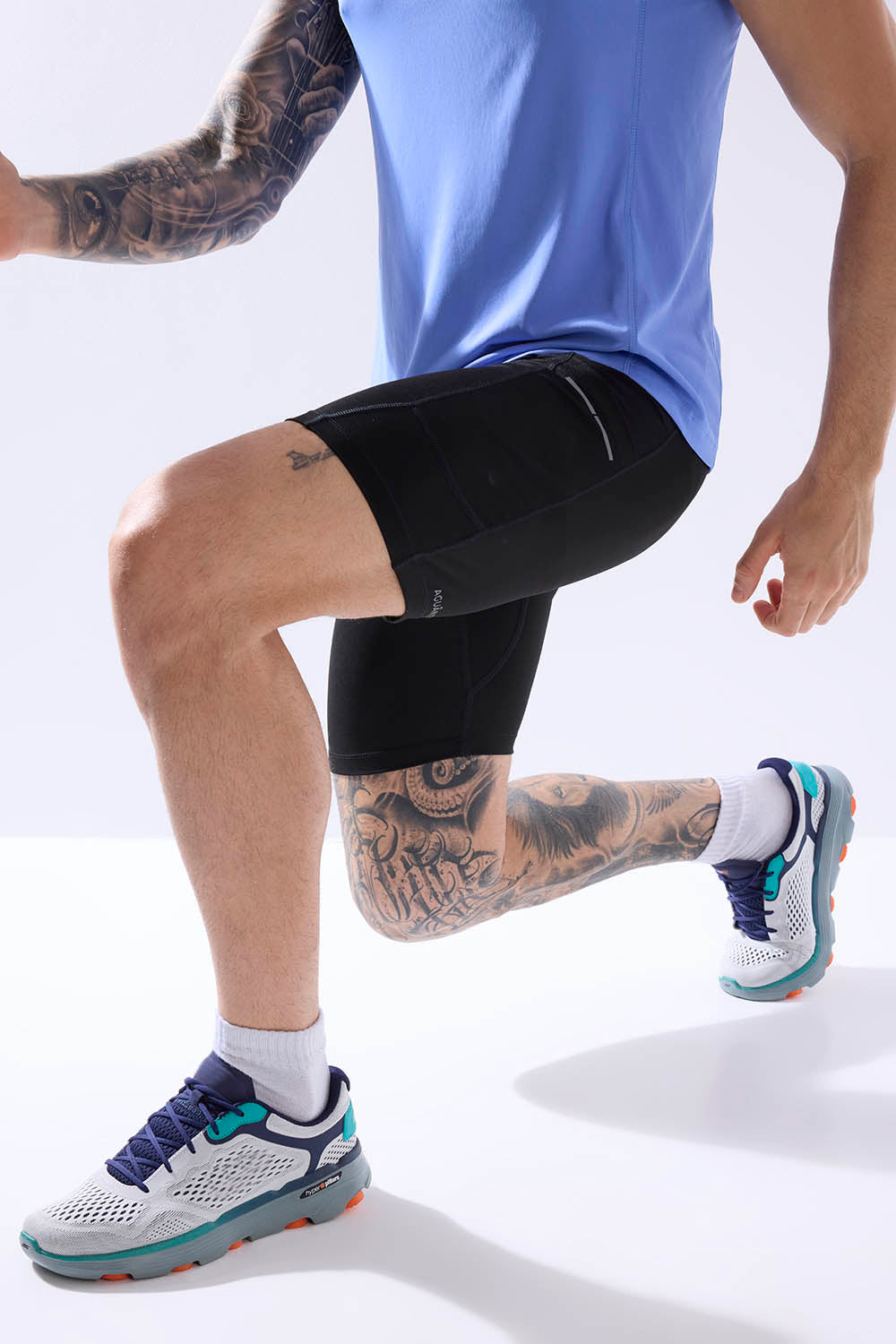
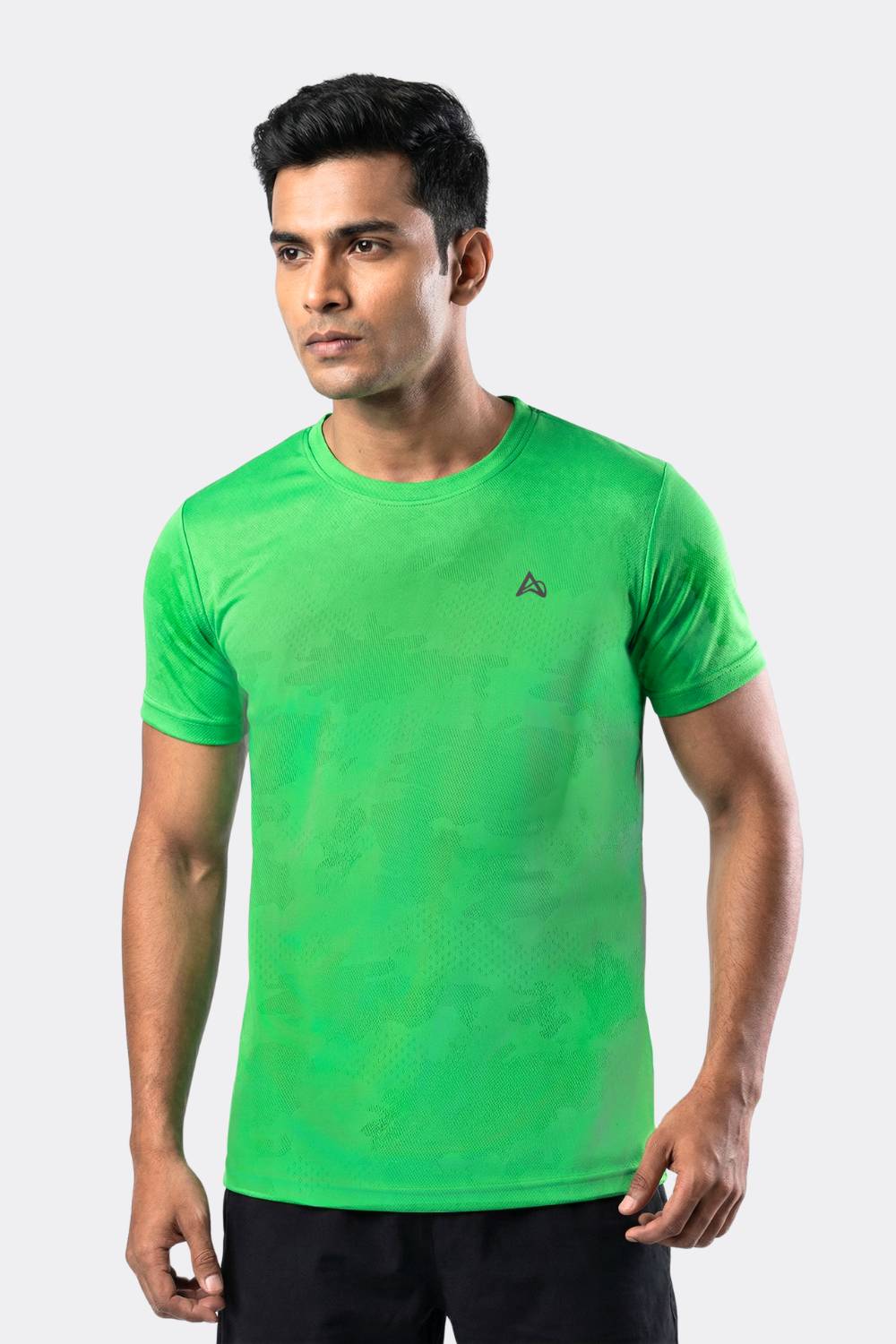
Tired of gear that slows you down? Chafing, soggy fabrics, and missing pockets kill your run's momentum. At Aguante, we're runners who get it. Our high-performance activewear features moisture-wicking fabrics, ergonomic designs, and smart storage to keep you focused. Shop Now!
Rising Consumer Awareness and Demand for Sustainable Apparel
Consumers are no longer satisfied with performance apparel that simply offers comfort and functionality. In cities such as Hyderabad and Pune, athletes and recreational runners are prioritizing eco-conscious options, actively seeking garments made from recycled fibers, organic cotton, or low-impact synthetics. This shift is driven by heightened awareness of climate change, textile waste, and water usage associated with conventional fabric production. Retailers are responding by incorporating sustainability labels, providing transparency about material sourcing, and emphasizing ethical manufacturing practices. These efforts are reshaping product design strategies, ensuring that performance does not come at the expense of environmental responsibility.
In practice, this trend has led brands to re-evaluate their supply chains. For example, sourcing polyester alternatives derived from post-consumer plastic bottles is gaining traction in Delhi and Gurugram-based manufacturing hubs. By repurposing materials that would otherwise contribute to landfill waste, brands can create high-performance fabrics while reducing environmental impact. Beyond materials, consumers are also scrutinizing packaging, shipping methods, and production energy usage, creating a holistic approach to sustainability in performance apparel.
Innovation in Eco-Friendly Fabrics
The development of sustainable materials for sportswear is no longer limited to experimental concepts. In Mumbai and Navi Mumbai, research labs and textile startups are investing in fabrics that combine performance with eco-conscious attributes. Bamboo blends, Tencel fibers, and bioengineered synthetics are being tested for moisture-wicking capabilities, durability, and comfort. These fabrics not only reduce reliance on petroleum-based materials but also offer performance features comparable to traditional athletic wear. Brands that integrate these innovations can appeal to environmentally conscious athletes without compromising on functionality.
Technical advances have also enabled the production of lightweight, breathable, and stretchable fabrics from recycled sources. In Pune, apparel manufacturers are exploring closed-loop systems, where discarded garments are broken down and transformed into new fibers, minimizing waste. This approach exemplifies the intersection of sustainability and high-performance engineering, offering practical pathways for brands to meet the dual demands of eco-friendliness and athletic utility.
Reducing Environmental Impact in Manufacturing
Material choice is only one component of sustainable performance apparel. Cities like Bangalore and Ahmedabad are witnessing factories adopt water-saving dye technologies, low-impact chemical treatments, and energy-efficient machinery to minimize environmental footprints. These practices are particularly relevant for running apparel, where vibrant colors and advanced moisture-management properties are essential. By rethinking the manufacturing process, brands can produce high-quality, durable clothing while reducing resource consumption and emissions.
Moreover, local sourcing and regional manufacturing hubs in Surat and Delhi enable brands to shorten supply chains, cutting transportation emissions and accelerating delivery timelines. The result is a more sustainable production model that aligns with both environmental standards and consumer expectations. Operational improvements, such as lean manufacturing techniques and smart inventory management, further enhance sustainability while maintaining product performance.
Brand Responsibility and Ethical Considerations
Sustainability in performance apparel is also intertwined with corporate responsibility and labor ethics. In cities like Gurugram and Pune, brands are increasingly auditing their factories to ensure safe working conditions, fair wages, and compliance with local labor laws. These ethical commitments resonate with consumers in the United States and Europe, where purchase decisions are increasingly influenced by brand values as much as product features. Ethical sourcing and transparent reporting create a narrative of responsibility that strengthens brand credibility and consumer loyalty.
Performance apparel companies are also leveraging certifications and industry partnerships to reinforce their commitment to sustainability. From OEKO-TEX to Global Recycled Standard (GRS), these certifications signal adherence to rigorous environmental and social criteria. In practice, certified fabrics are being incorporated into running shoes, jackets, and moisture-wicking shirts, demonstrating that environmental responsibility and performance excellence are not mutually exclusive.
Consumer Behavior and Long-Term Value
Consumer expectations are shifting beyond single-use purchases. In Hyderabad and Mumbai, athletes are increasingly seeking durable performance apparel that offers long-term value and minimal environmental impact. This mindset encourages brands to prioritize quality, modularity, and repairability in design. For instance, jackets with replaceable liners or shoes with modular cushioning components extend product lifespan, reduce waste, and resonate with sustainability-conscious consumers. By aligning product innovation with consumer values, brands can differentiate themselves in competitive markets across the United States, Canada, and Europe.
Moreover, community-driven initiatives, such as running clubs and local eco-challenges in Bangalore and Delhi, reinforce sustainable practices. When athletes witness the tangible benefits of environmentally responsible apparel whether through comfort, durability, or performance they are more likely to adopt these products consistently, creating a feedback loop that encourages further industry innovation.
Challenges and Opportunities in Sustainable Material Adoption
Transitioning to sustainable materials presents several challenges. High-performance fabrics often require specific mechanical and chemical properties to withstand rigorous activity. Cities like Surat and Ahmedabad face technical constraints in scaling up production of recycled or organic fibers without compromising quality. Additionally, cost considerations can limit adoption, as eco-friendly materials may carry higher price points compared with conventional fabrics. However, these challenges also present opportunities for innovation and differentiation. Brands investing in research and local partnerships can create proprietary materials that meet performance benchmarks while appealing to eco-conscious markets.
Collaboration between suppliers, textile scientists, and sportswear designers in Indian hubs like Bangalore, Pune, and Delhi is fostering experimentation with hybrid fabrics and new finishing techniques. These innovations not only reduce environmental impact but also enable unique product features such as enhanced breathability, stretch, and moisture control that strengthen a brand's competitive edge. The integration of data-driven design and material science insights ensures that sustainable choices do not compromise athletic performance.
Industry Trends Shaping Future Performance Apparel
The broader performance apparel market continues to evolve rapidly. Verified research indicates that the global running gear market is witnessing notable expansion, driven by consumer demand for comfort, tracking features, and sustainable options. Brands are increasingly adopting recycled fabrics, experimenting with smart textiles, and offering product lines that merge performance with eco-conscious credentials. In cities such as Mumbai, Bangalore, and Delhi, these trends are particularly visible in both retail offerings and local manufacturing strategies.
Moreover, the integration of wearable technology and adaptive fabrics is reshaping expectations. Moisture-wicking shirts, compression wear, and cushioned footwear are being developed with sustainable production techniques in mind. By aligning product innovation with environmental responsibility, performance apparel companies are setting new standards for what athletes expect in high-performance, sustainable gear.
Aligning Performance with Sustainability
Performance apparel brands operating across the United States, Canada, and Europe are at a pivotal juncture where sustainability and athletic excellence intersect. Through thoughtful material selection, ethical manufacturing, and responsive design, companies can meet evolving consumer expectations while mitigating environmental impact. Indian cities such as Bangalore, Pune, Mumbai, and Delhi serve as practical laboratories where innovation in sustainable fabrics, production efficiency, and design experimentation is taking place, providing models for global expansion. By integrating these strategies, brands can deliver high-performance apparel that satisfies athlete's rigorous demands and resonates with a conscientious, eco-aware consumer base.
Frequently Asked Questions
What sustainable materials are being used in performance apparel today?
Performance apparel brands are increasingly turning to eco-friendly alternatives like bamboo blends, Tencel fibers, bioengineered synthetics, and recycled polyester made from post-consumer plastic bottles. These materials offer moisture-wicking, breathability, and stretch comparable to traditional athletic fabrics while significantly reducing environmental impact. Closed-loop systems where old garments are broken down into new fibers are also gaining ground, particularly among manufacturers in cities like Pune and Mumbai.
How are sustainability concerns changing the way running and sportswear brands manufacture their products?
Brands are rethinking every stage of production, from adopting water-saving dye technologies and low-impact chemical treatments to sourcing materials locally to shorten supply chains and cut transportation emissions. Factories in hubs like Bangalore and Ahmedabad are investing in energy-efficient machinery and lean manufacturing techniques to reduce their overall environmental footprint. Certifications such as OEKO-TEX and the Global Recycled Standard (GRS) are being used to verify and communicate these commitments to eco-conscious consumers.
Does choosing sustainable performance apparel mean sacrificing athletic performance?
Not at all advances in textile science have made it possible to produce lightweight, durable, and high-performing fabrics from recycled and organic sources without compromising athletic utility. Features like enhanced breathability, moisture management, and stretch are now achievable through sustainable materials, with ongoing research in Indian manufacturing hubs driving further innovation. Brands investing in hybrid fabrics and ethical production are demonstrating that environmental responsibility and top-tier athletic performance can go hand in hand.
Disclaimer: The above helpful resources content contains personal opinions and experiences. The information provided is for general knowledge and does not constitute professional advice.
You may also be interested in: How Runner Feedback Drives Indian Activewear Innovation - Aguante
Tired of gear that slows you down? Chafing, soggy fabrics, and missing pockets kill your run's momentum. At Aguante, we're runners who get it. Our high-performance activewear features moisture-wicking fabrics, ergonomic designs, and smart storage to keep you focused. Shop Now!
Powered by flareAI.co