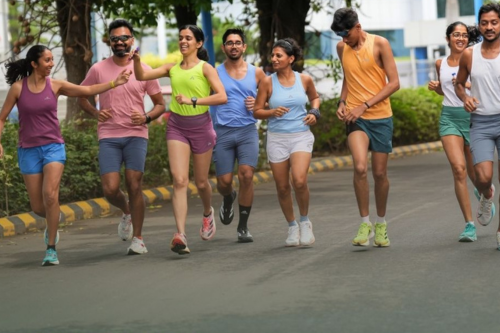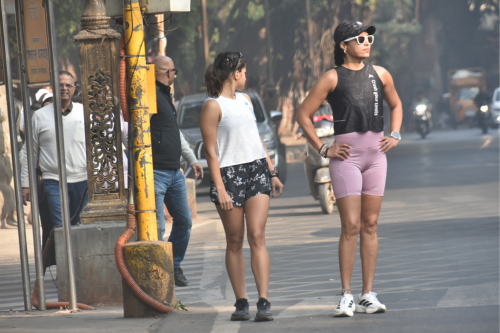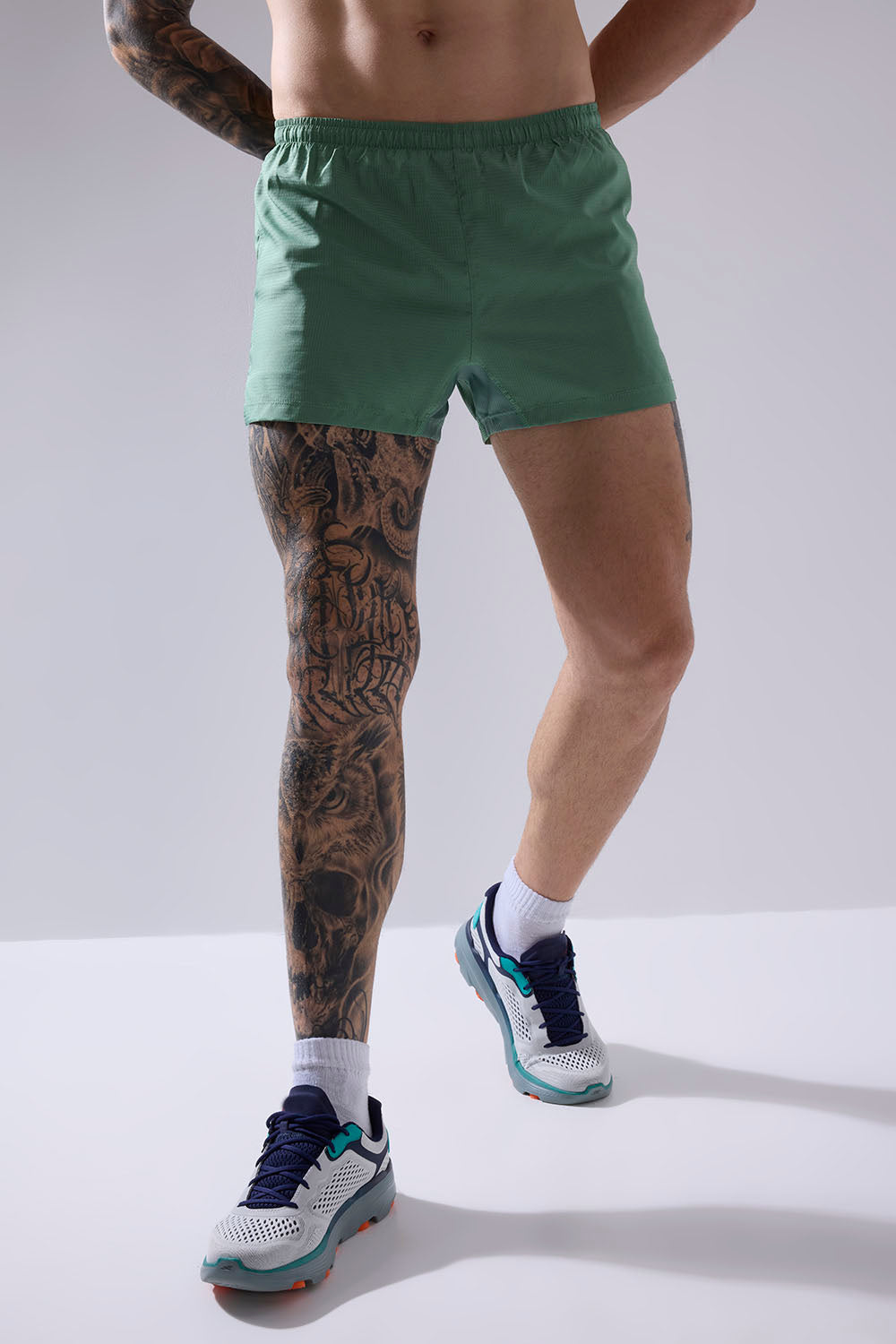
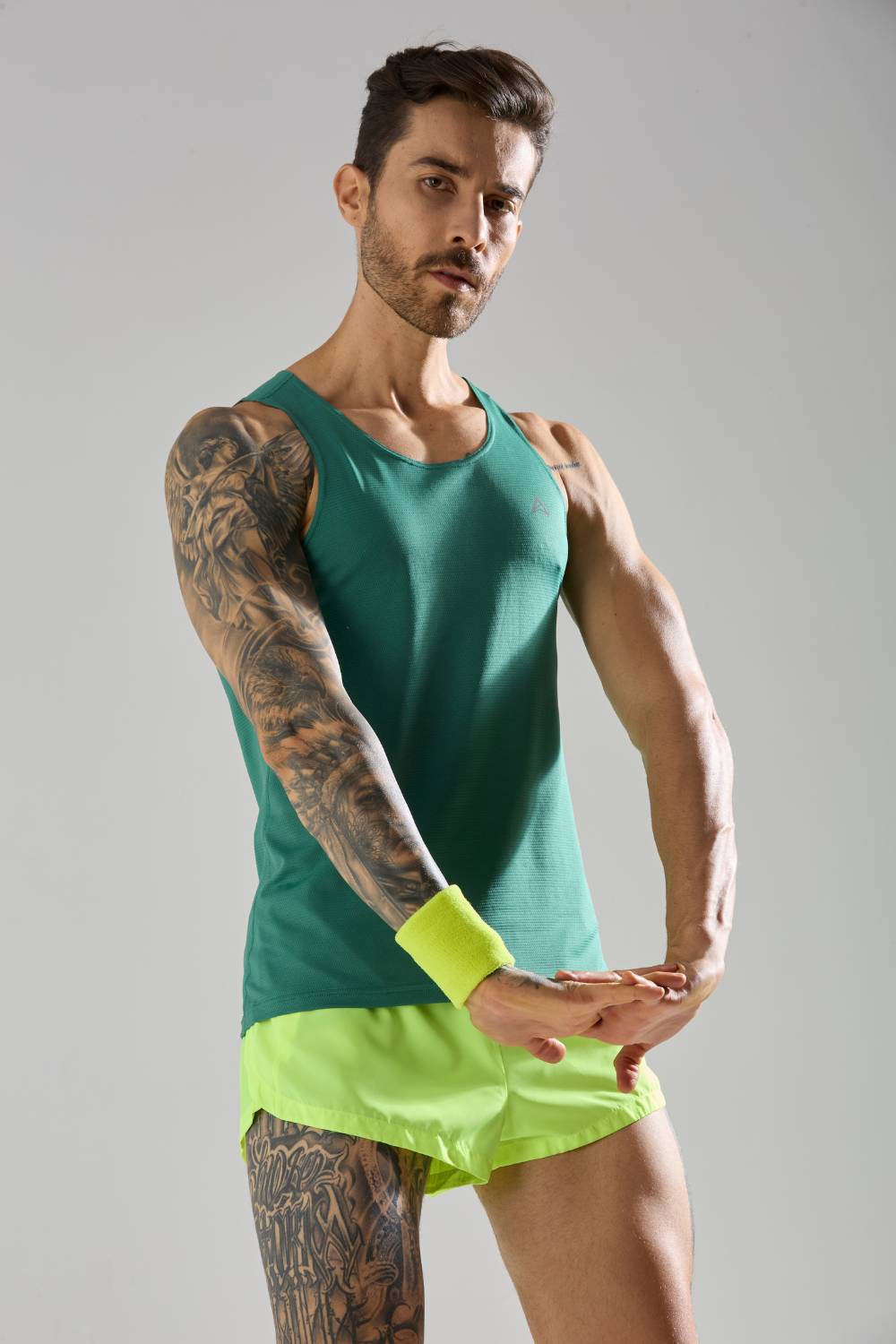
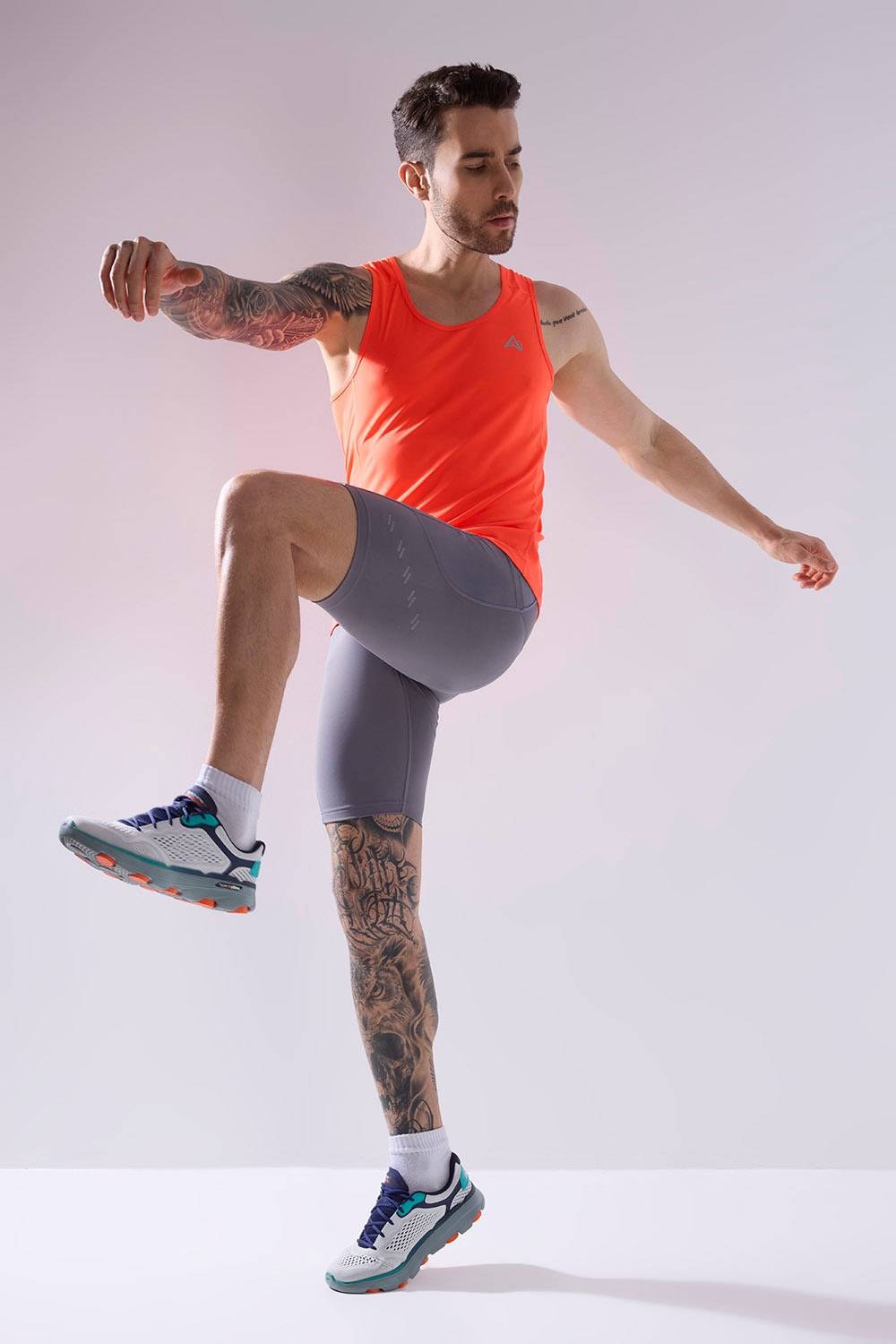
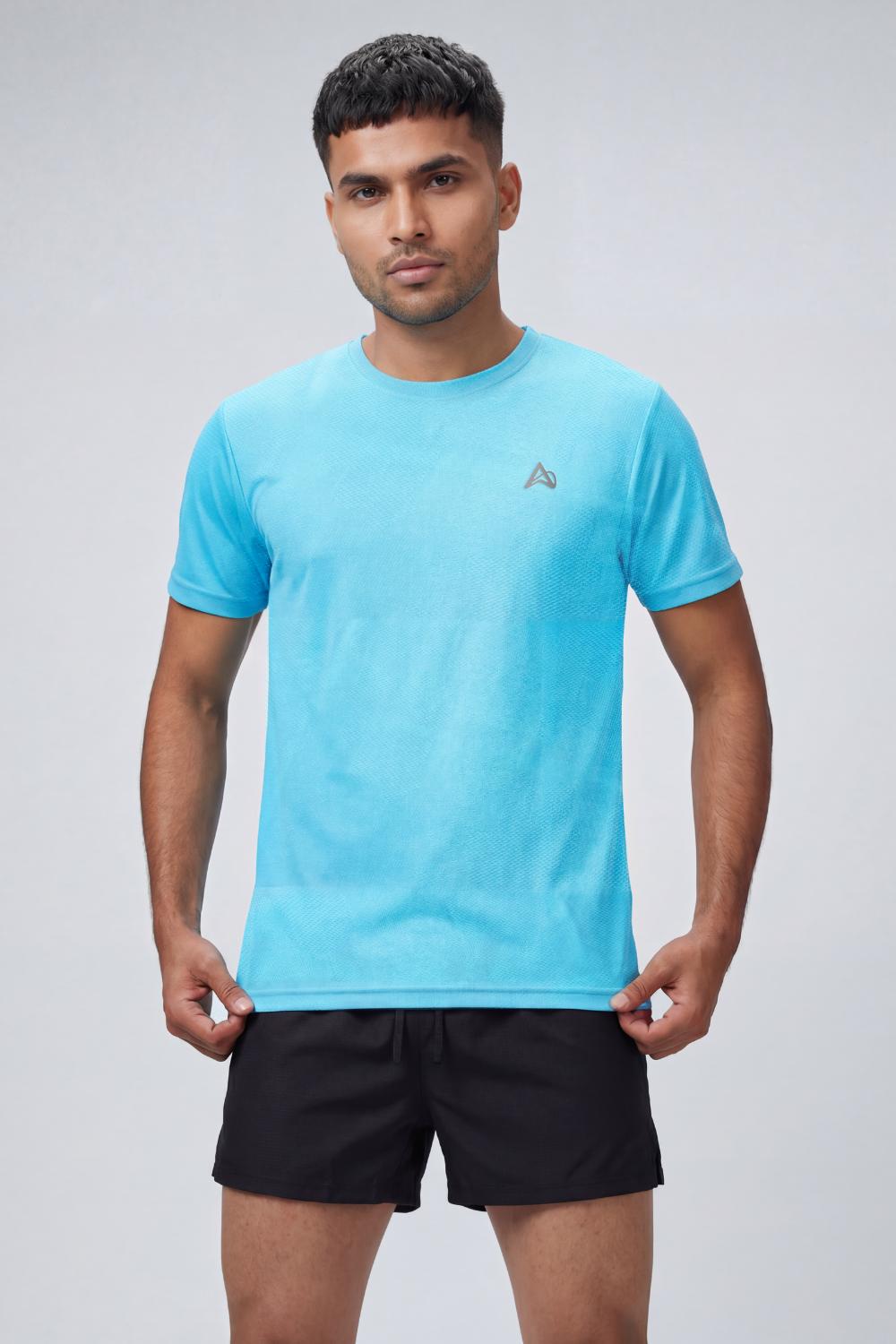
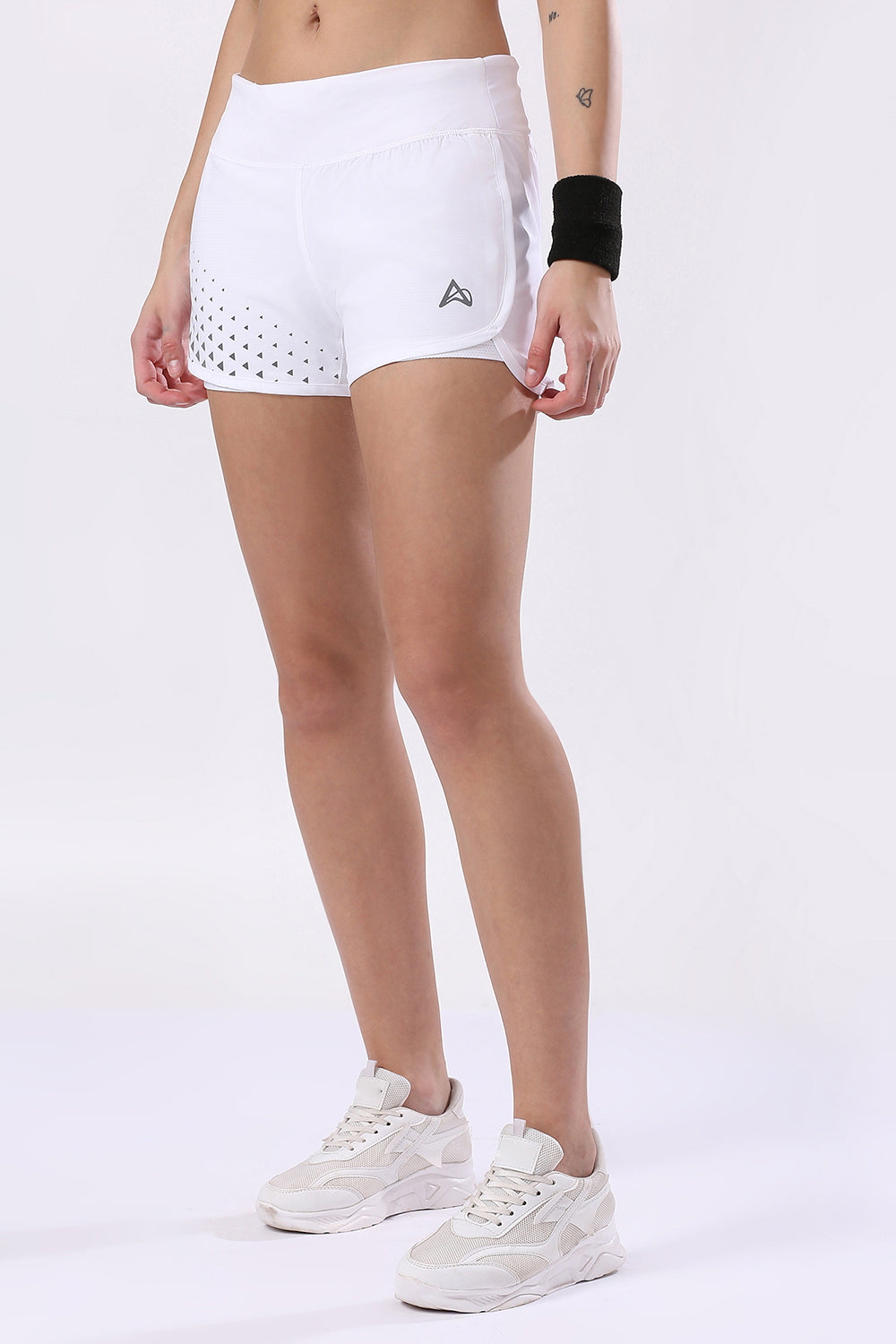
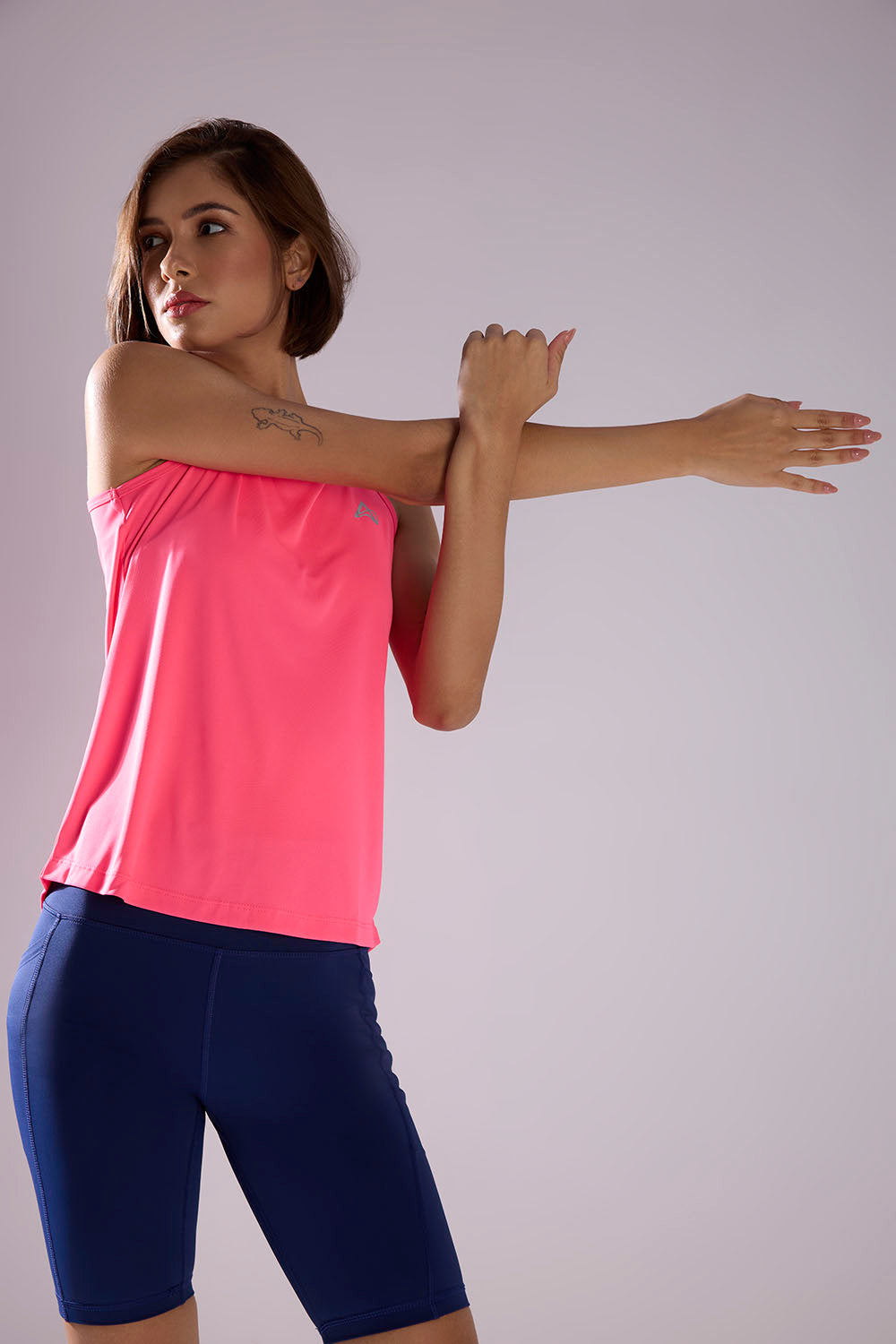
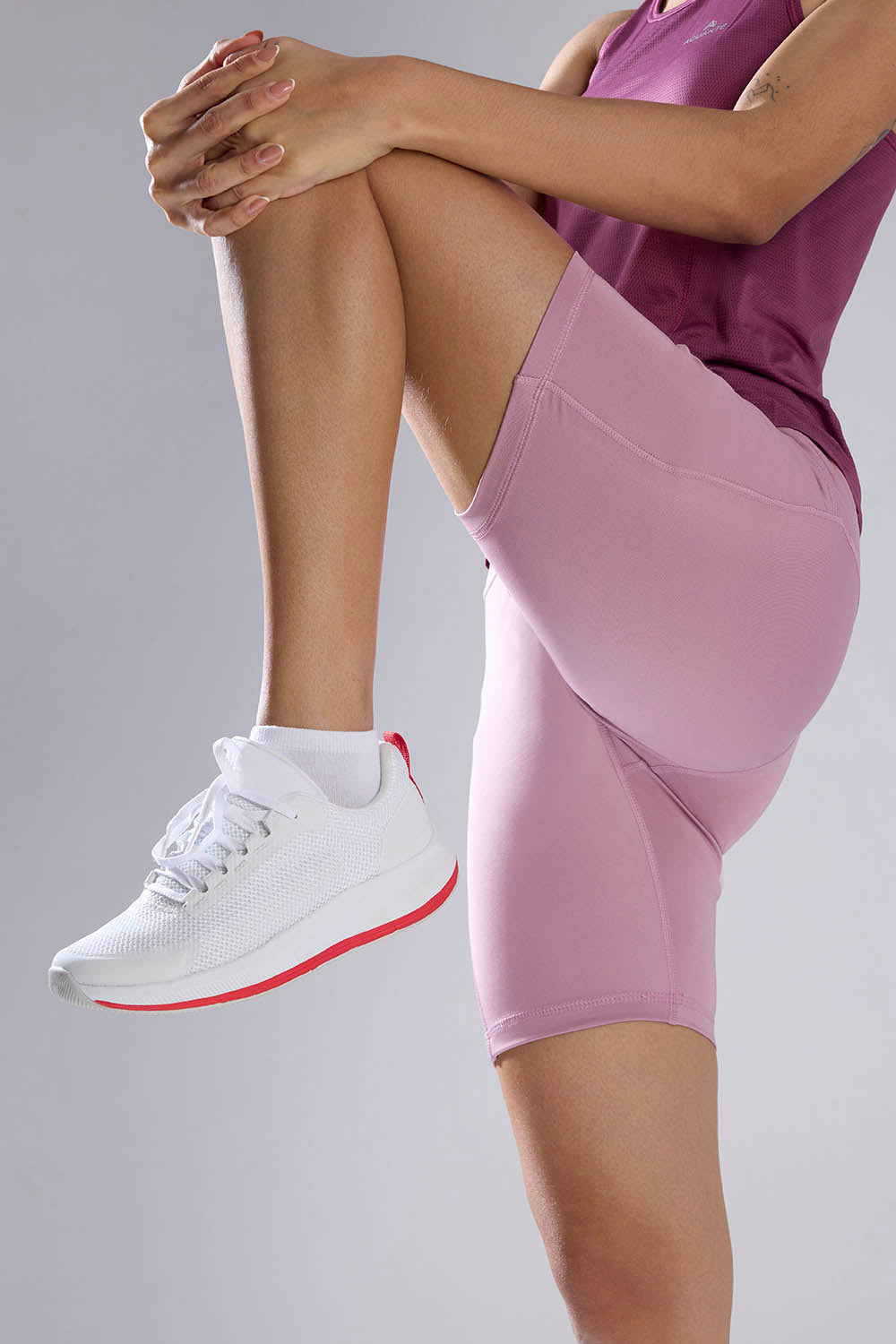
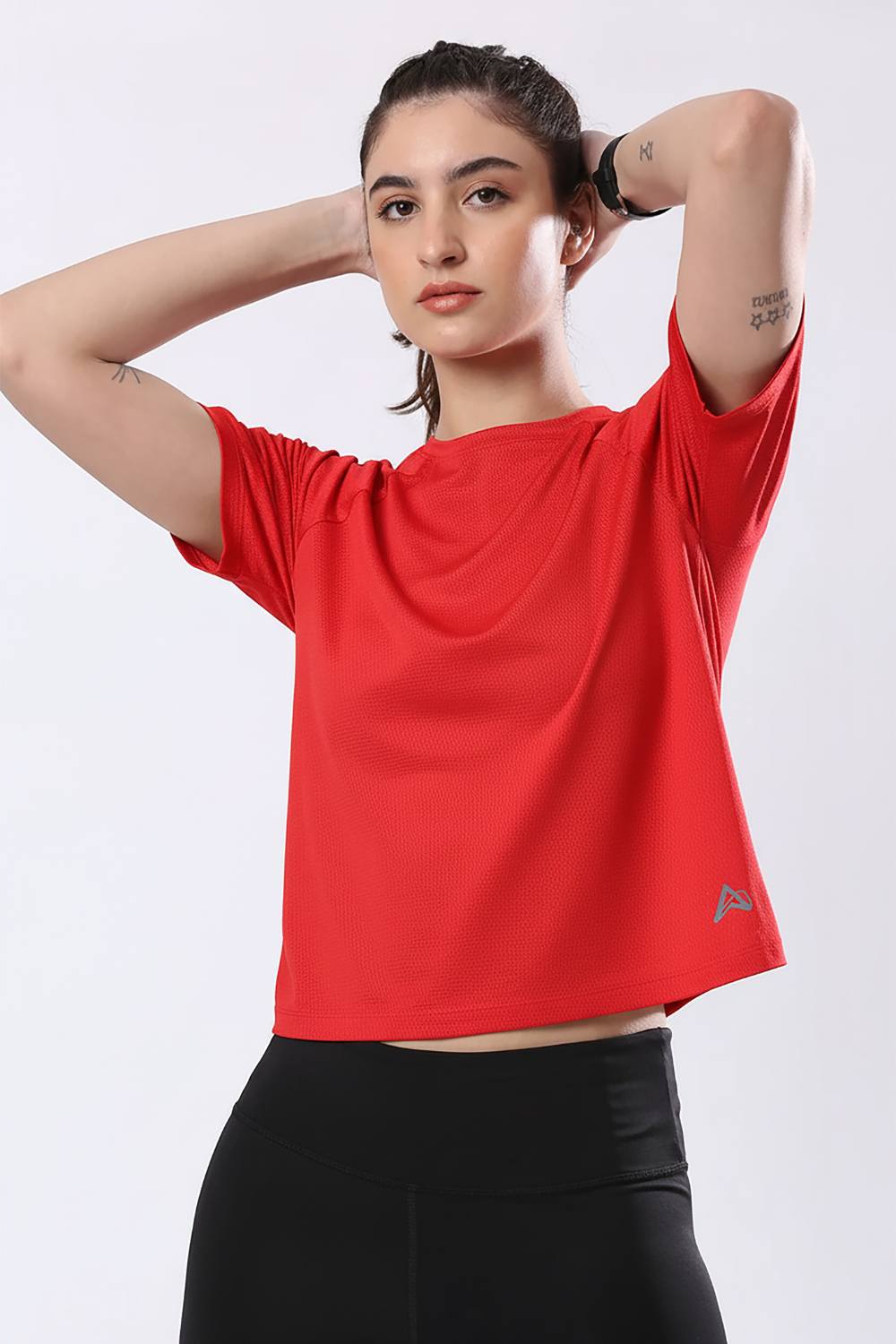

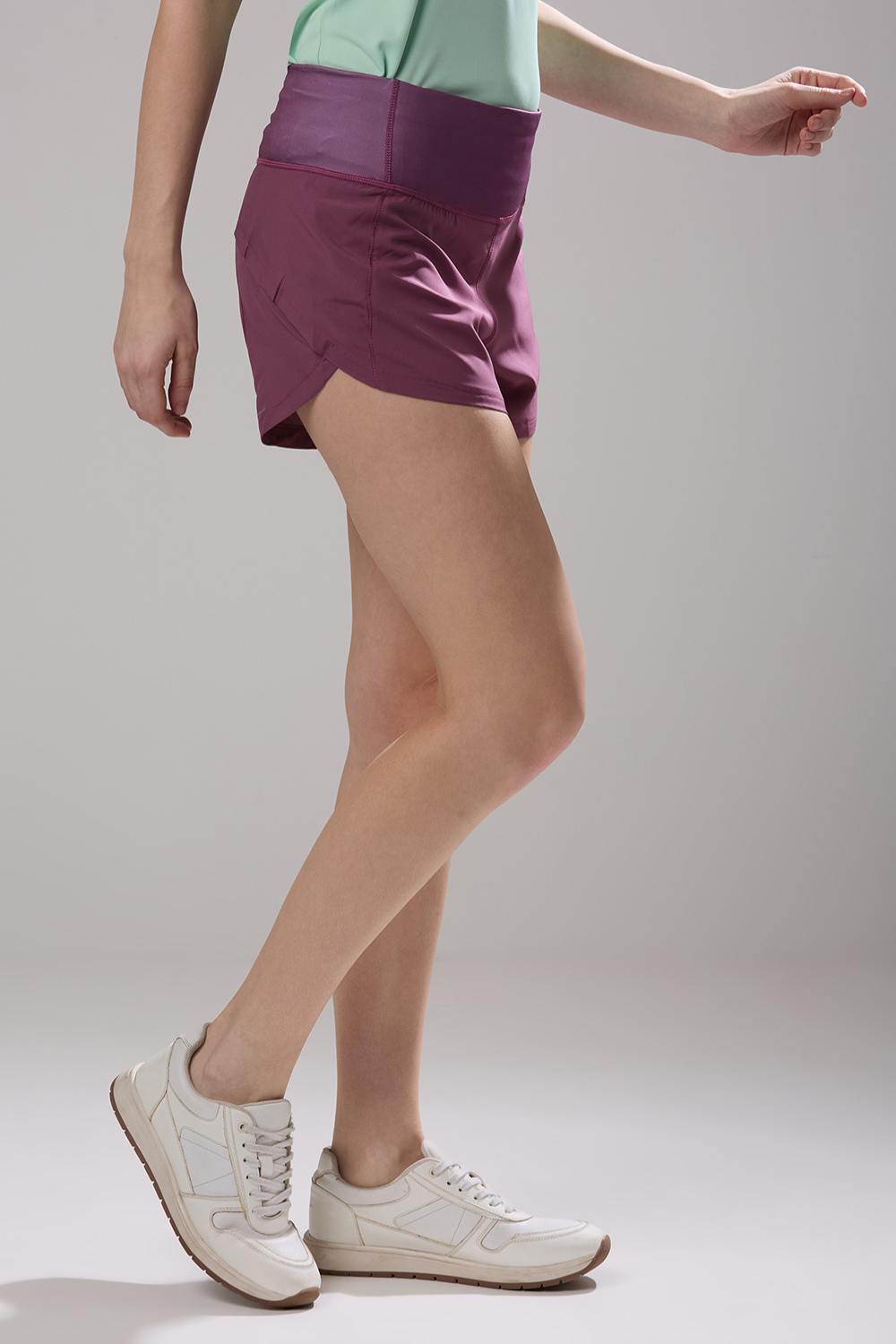
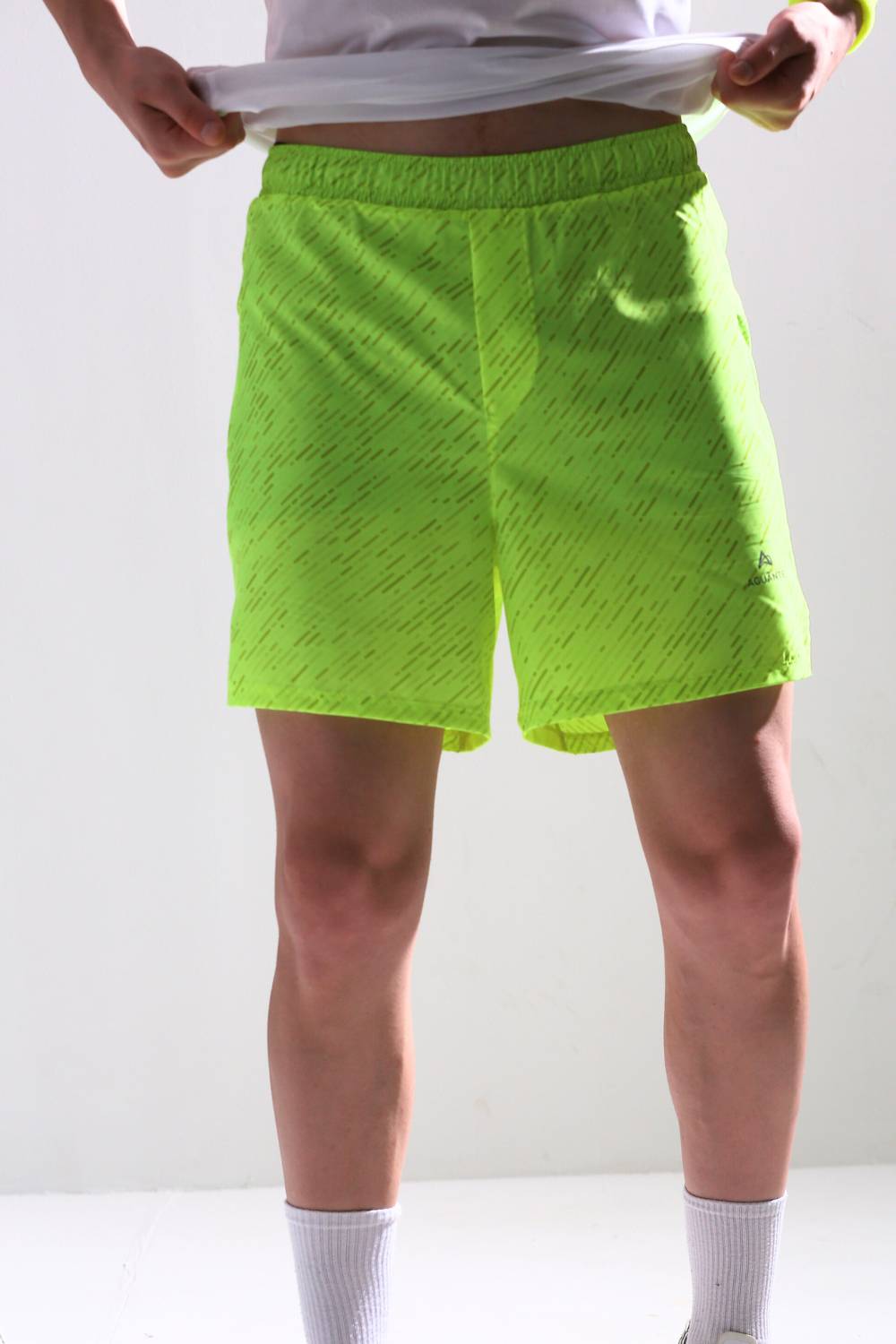
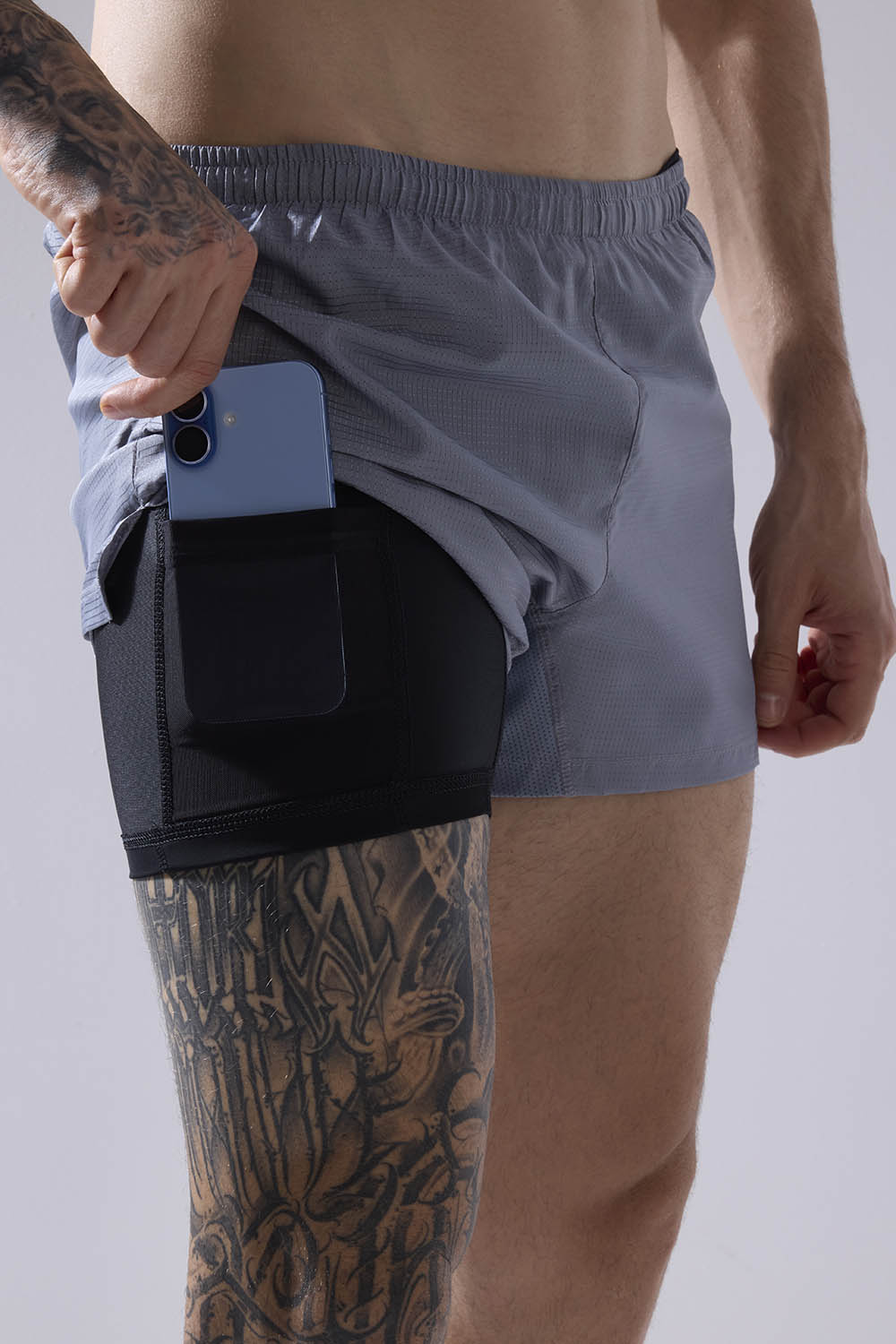

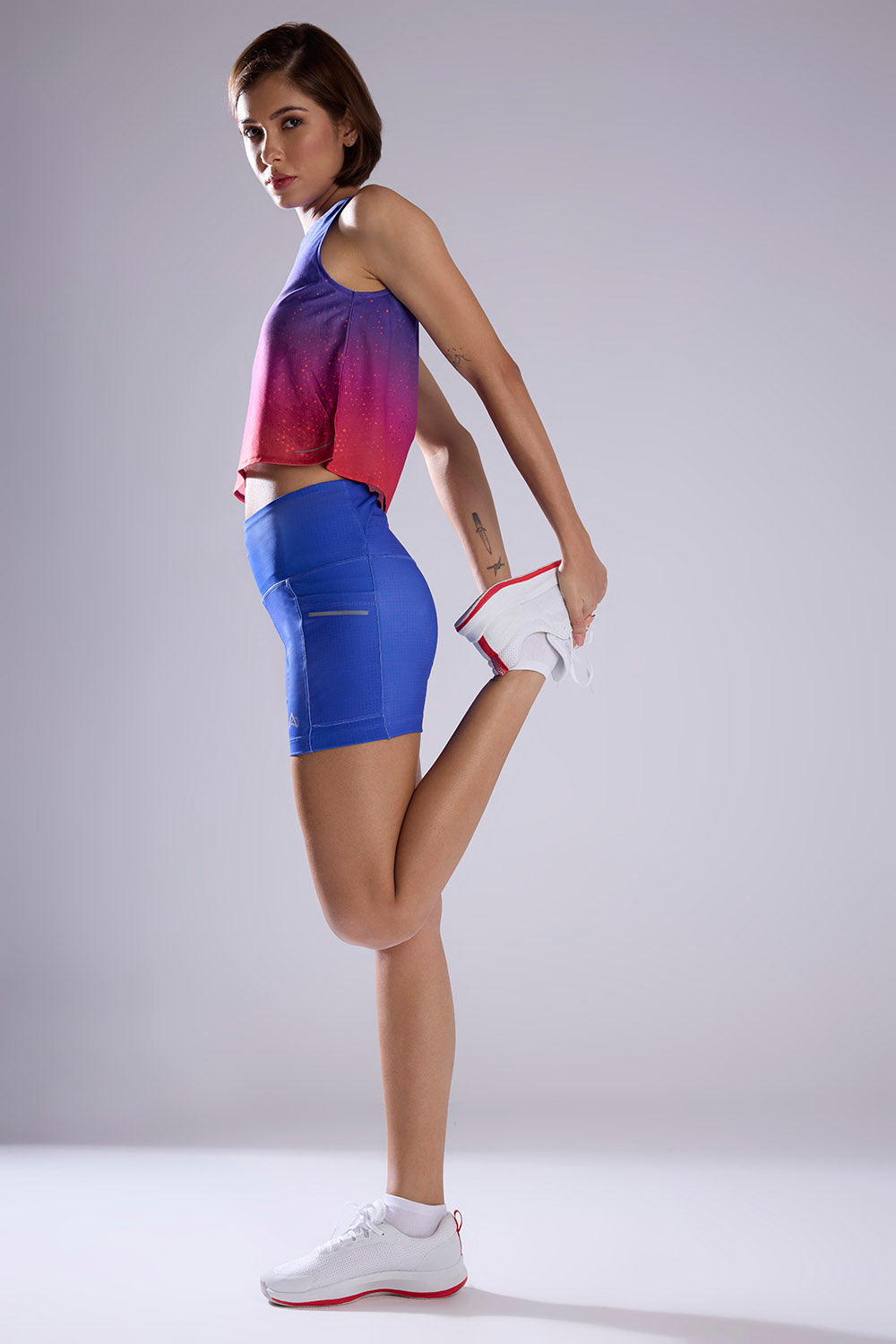
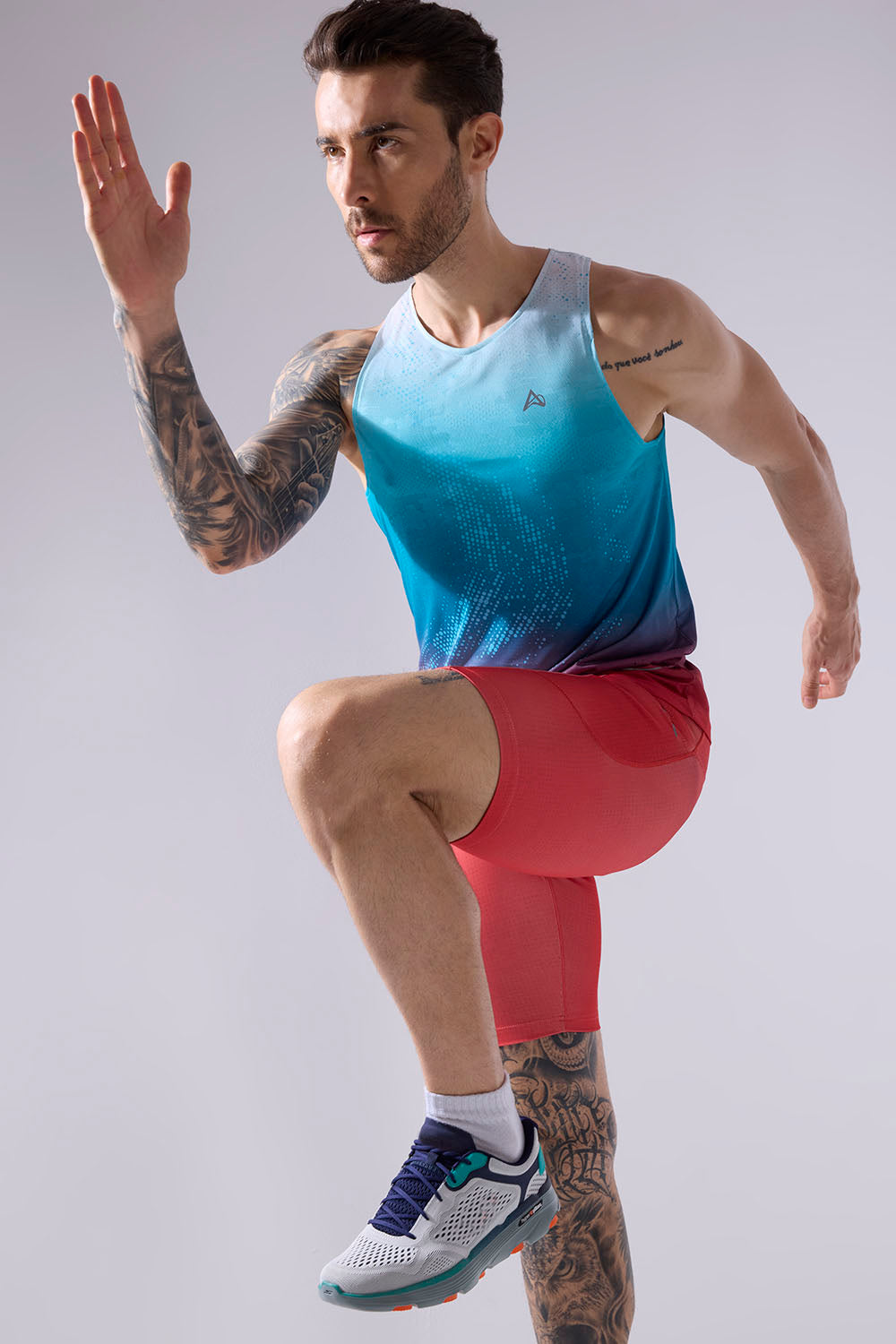

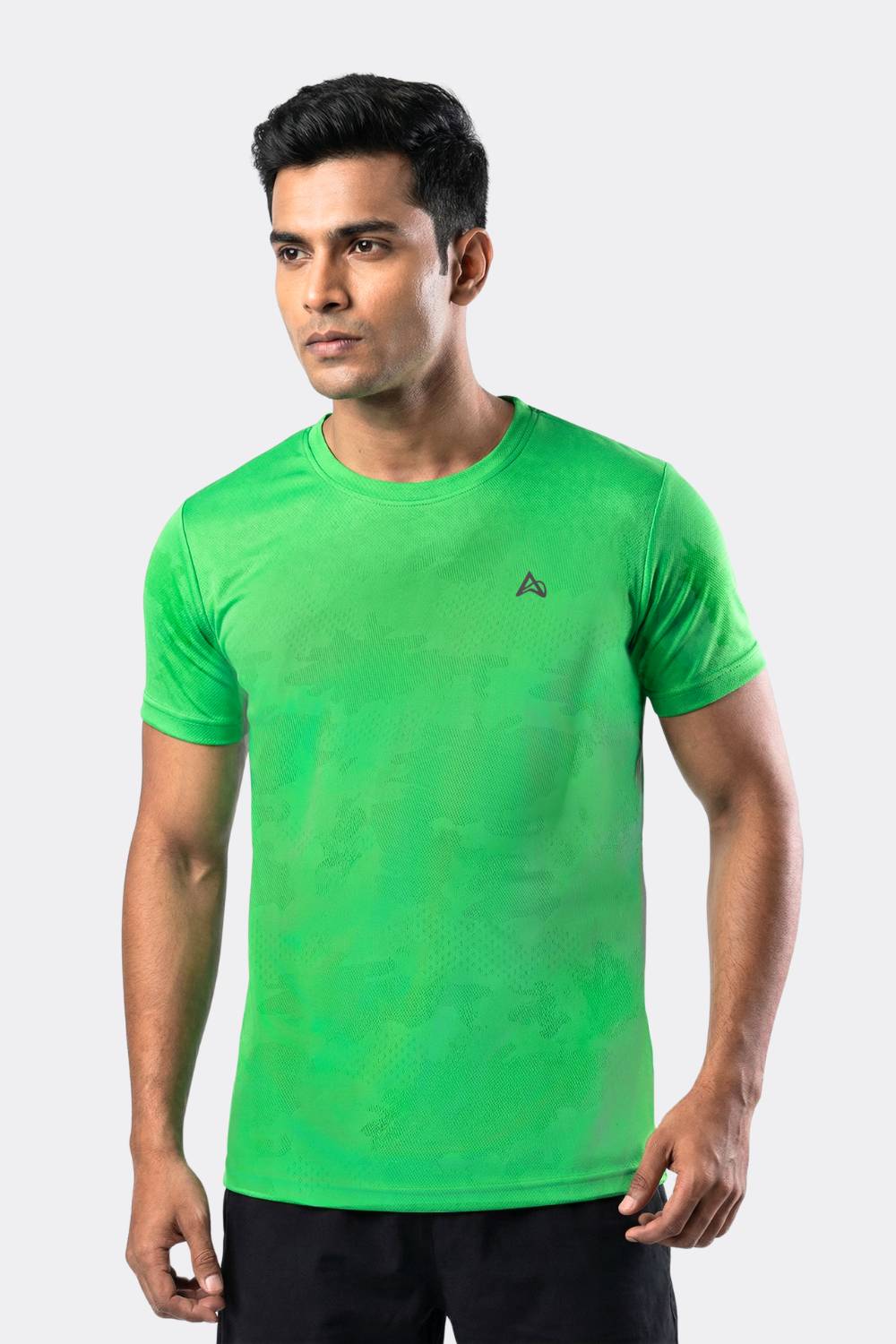
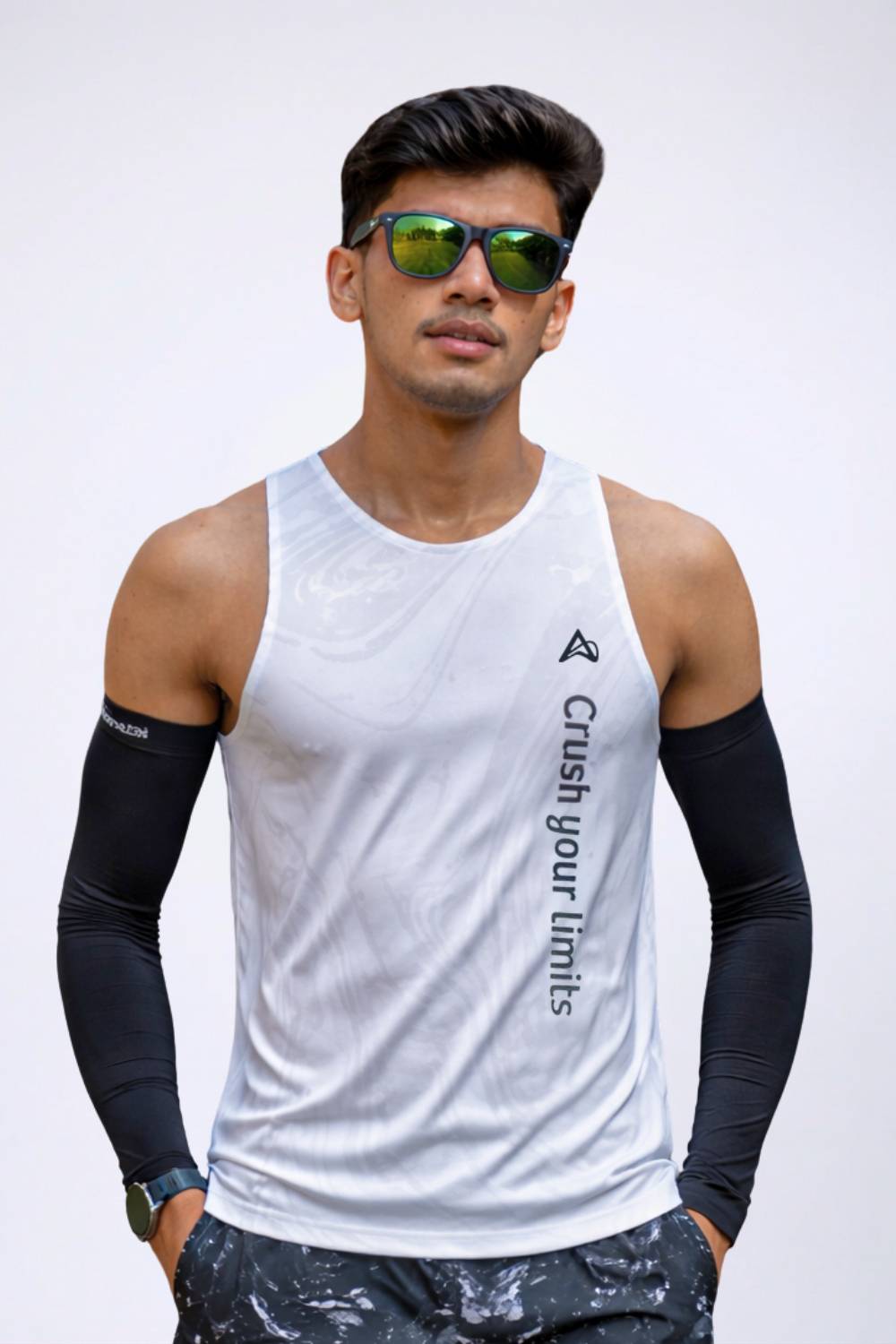

Preparing for a summer marathon is as much about smart apparel choices as it is about mileage and endurance training. When temperatures rise and humidity intensifies, especially during peak summer runs in cities like Delhi, Mumbai, or Hyderabad, the difference between comfort and exhaustion often comes down to what you wear on your upper body. For runners across the United States, Canada, and Europe training through seasonal heat waves, selecting the right moisture management system in clothing becomes essential for maintaining performance, preventing overheating, and sustaining long-distance rhythm. This is where moisture-wicking running shirts for summer marathon preparation play a critical role in modern training strategies.
Tired of gear that slows you down? Chafing, soggy fabrics, and missing pockets kill your run's momentum. At Aguante, we're runners who get it. Our high-performance activewear features moisture-wicking fabrics, ergonomic designs, and smart storage to keep you focused. Shop Now!
Why Moisture-Wicking Running Shirts Matter in Summer Marathon Training
Long-distance running in warm weather places significant stress on the body's thermoregulation system. As core temperature rises, the body responds by producing sweat to cool down, but without efficient evaporation, this cooling mechanism becomes less effective. Moisture-wicking running shirts are designed to solve this challenge by pulling sweat away from the skin and dispersing it across the fabric surface for faster evaporation. This helps runners maintain a stable body temperature and reduces the risk of chafing during extended runs.
In practical training scenarios, such as early morning runs in Mumbai's coastal humidity or midday sessions in Delhi's dry heat, runners often experience different sweat evaporation rates. The same applies to marathon preparation in cities like Los Angeles, Toronto, or Berlin, where fluctuating temperatures demand adaptable gear. Lightweight, sweat-resistant sportswear becomes more than a comfort feature it becomes a performance requirement that directly influences pacing consistency and endurance output.
The Science Behind Breathable Running Apparel
The effectiveness of breathable running apparel lies in fabric engineering. Modern moisture-wicking shirts use synthetic fibers like polyester blends or advanced knit structures that move sweat through capillary action. Instead of absorbing moisture like cotton, these fabrics transport it outward, allowing air to circulate and speed up evaporation. This reduces the sticky, heavy feeling that often leads to fatigue during long training sessions.
The broader running apparel industry reflects this shift toward performance-focused materials. The global running gear sector has been steadily expanding as more athletes prioritize technical apparel designed for endurance training. According to a running gear market overview, the industry reached a valuation of USD 44.18 billion in 2024, driven in part by rising participation in endurance sports and increased awareness of health and fitness. This growing demand underscores how moisture management technology has transitioned from elite athletics into mainstream marathon training culture.
Training Across Hot Climates: Lessons from Global and Regional Running Hubs
Marathon preparation conditions vary widely across geographies, and runners often adapt their apparel strategies accordingly. In European cities such as Madrid or Rome, dry summer heat can cause rapid dehydration, making ultra-light breathable running apparel essential. In contrast, North American runners training in cities like Chicago or Houston must account for both heat and humidity fluctuations that affect sweat retention in clothing layers.
In India's major running hubs such as Bangalore, Pune, and Navi Mumbai, morning group runs are common due to rising daytime temperatures. These environments offer valuable insight into heat adaptation strategies, especially for international runners preparing for summer races. For example, consistent exposure to humid conditions in Mumbai helps athletes understand how sweat-heavy sessions impact clothing performance, reinforcing the importance of selecting heat-resistant running shirts that maintain airflow even during prolonged exertion.
Meanwhile, structured running communities and digital fitness ecosystems continue to shape training behavior worldwide. A runner community analysis highlights how digital platforms are influencing training motivation and accountability among runners, contributing to more consistent preparation cycles. This interconnected approach combining apparel innovation with community-driven training has become central to modern marathon readiness.
How to Choose the Best Running Shirts for Hot Weather
Selecting the right moisture-wicking running shirt involves more than just picking a lightweight fabric. Fit, ventilation zones, seam placement, and fabric elasticity all contribute to performance during long-distance training. A well-designed shirt should minimize friction in high-movement areas such as the underarms and shoulders while allowing unrestricted airflow across the torso.
Runners preparing for summer marathons should prioritize breathable running apparel that balances compression and ventilation. A slightly relaxed fit often performs better in extreme heat, as it allows air circulation without clinging to sweat-heavy skin. Additionally, reflective detailing becomes important for early morning or late evening runs, particularly in urban environments where visibility is a safety concern.
Another key factor is durability. Training cycles for marathon preparation typically span several months, requiring running clothes for summer training that can withstand repeated washing without losing moisture-wicking efficiency. High-performance synthetic blends tend to retain their structure longer than cotton-based alternatives, making them more reliable for consistent use.
Marathon Preparation Strategy: Integrating Apparel with Performance Goals
Apparel choices are often underestimated in structured marathon training plans, yet they directly influence how effectively an athlete can execute long runs, interval sessions, and recovery jogs. Moisture-wicking running shirts contribute to maintaining stable energy output by reducing unnecessary physical strain caused by overheating or fabric discomfort.
For runners in cities like Gurugram or Ahmedabad, where summer temperatures can become intense, training early in the day with sweat-resistant sportswear helps maintain consistency across weekly mileage goals. Similarly, runners in European training cycles often use layered strategies combining lightweight tops with adjustable outer shells to manage unpredictable weather shifts during long base-building phases.
Within this evolving performance ecosystem, brands like Aguante focus on creating technical running apparel designed specifically for endurance athletes. By aligning fabric innovation with real-world training demands, such apparel supports runners through every stage of marathon preparation, from base endurance building to race-day tapering.
Care, Maintenance, and Long-Term Performance of Running Apparel
Proper care of moisture-wicking running shirts is essential to preserve their performance characteristics. Washing in cold water and avoiding fabric softeners helps maintain the integrity of moisture transport fibers. Over time, improper care can reduce the shirt's ability to efficiently wick sweat, diminishing its cooling effectiveness during runs.
Runners should also rotate their training gear regularly to prevent material fatigue. In high-frequency training environments such as marathon buildup phases where runners may train five to six days a week having multiple breathable running apparel options ensures consistent performance output without over-relying on a single garment. This becomes especially important in summer conditions where sweat accumulation is significantly higher than in cooler seasons.
Building Smarter Summer Marathon Preparation Systems
Successful summer marathon training depends on a combination of discipline, strategy, and intelligent gear selection. Moisture-wicking running shirts for summer marathon preparation are no longer optional accessories but essential tools that support thermoregulation, endurance stability, and overall comfort. As running communities continue to grow across North America and Europe, and as athletes draw inspiration from diverse training environments in cities like Mumbai, Delhi, and Pune, the demand for performance-driven apparel continues to rise.
By investing in high-quality breathable running apparel and understanding how fabric technology interacts with environmental conditions, runners can significantly improve their training efficiency. Whether preparing for a first marathon or optimizing performance for a personal best, the right shirt can make every kilometer more controlled, comfortable, and consistent.
Frequently Asked Questions
What makes moisture-wicking running shirts better than regular cotton shirts for summer marathon training?
Moisture-wicking running shirts use synthetic fibers like polyester blends that pull sweat away from the skin through capillary action, dispersing it across the fabric surface for faster evaporation. Unlike cotton, which absorbs and holds moisture, these fabrics keep you feeling lighter and drier during long runs. This helps maintain stable body temperature, reduces chafing, and supports consistent pacing all critical factors during summer marathon preparation.
How do I choose the best moisture-wicking running shirt for hot and humid weather conditions?
Look for breathable running apparel that balances fit, ventilation, and fabric elasticity a slightly relaxed fit tends to perform better in extreme heat by allowing air to circulate without clinging to sweat-heavy skin. Pay attention to seam placement to minimize friction in high-movement areas like the underarms and shoulders. For early morning or evening runs in urban environments, reflective detailing is also worth prioritizing for safety.
How should I care for moisture-wicking running shirts to maintain their performance over a marathon training cycle?
Wash your moisture-wicking shirts in cold water and avoid fabric softeners, which can clog the performance fibers and reduce their ability to transport sweat efficiently. Since marathon training often involves five to six sessions per week in summer, rotating between multiple shirts prevents material fatigue and ensures consistent moisture management throughout your buildup. High-quality synthetic blends generally hold their structure and wicking properties far longer than cotton-based alternatives.
Disclaimer: The above helpful resources content contains personal opinions and experiences. The information provided is for general knowledge and does not constitute professional advice.
You may also be interested in: How Runners Are Preparing for India's Expanding Marathon Calendar
Tired of gear that slows you down? Chafing, soggy fabrics, and missing pockets kill your run's momentum. At Aguante, we're runners who get it. Our high-performance activewear features moisture-wicking fabrics, ergonomic designs, and smart storage to keep you focused. Shop Now!
Powered by flareAI.co