




Quick Listen:
Imagine pushing through a punishing sprint on the crowded streets of Delhi, where the thick humidity wraps around you, sweat streams down, and the last thing you need is lingering bacteria turning your effort sour. Across India, countless runners battle these elements daily what if your apparel could actively combat them, blending cutting-edge fabric tech with the grit of local conditions? This is the reality emerging from homegrown brands revolutionizing activewear for the subcontinent's unique demands.
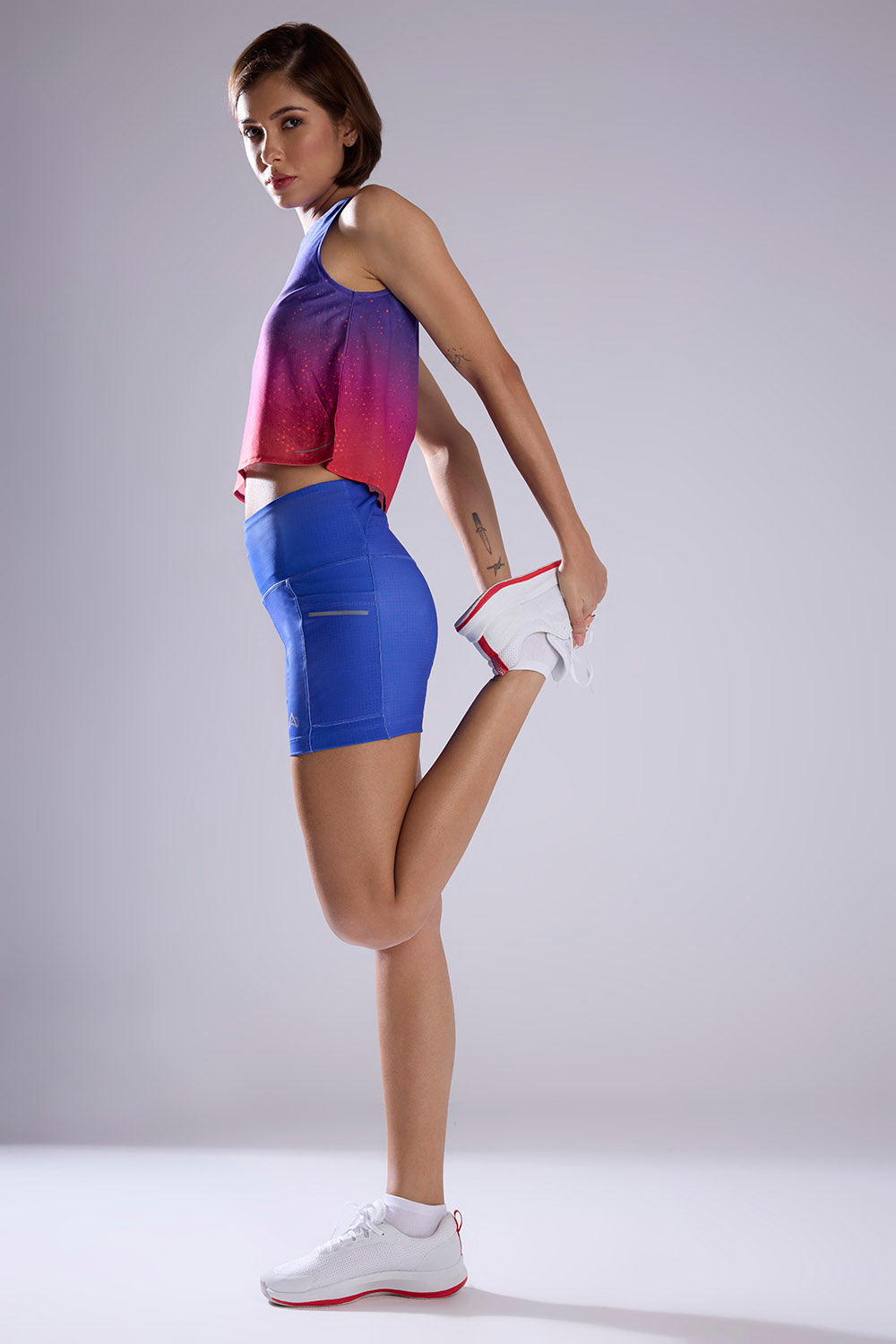
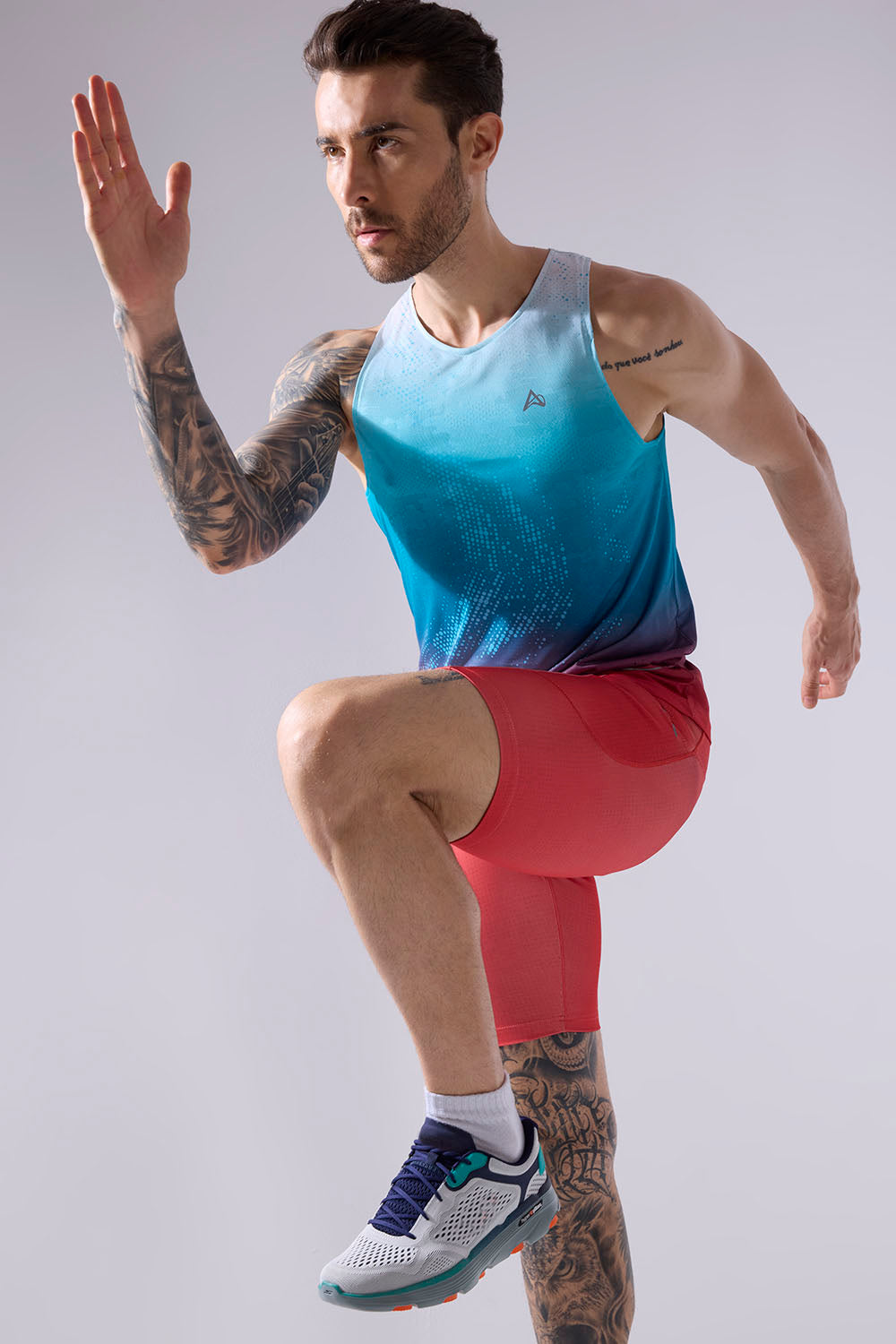
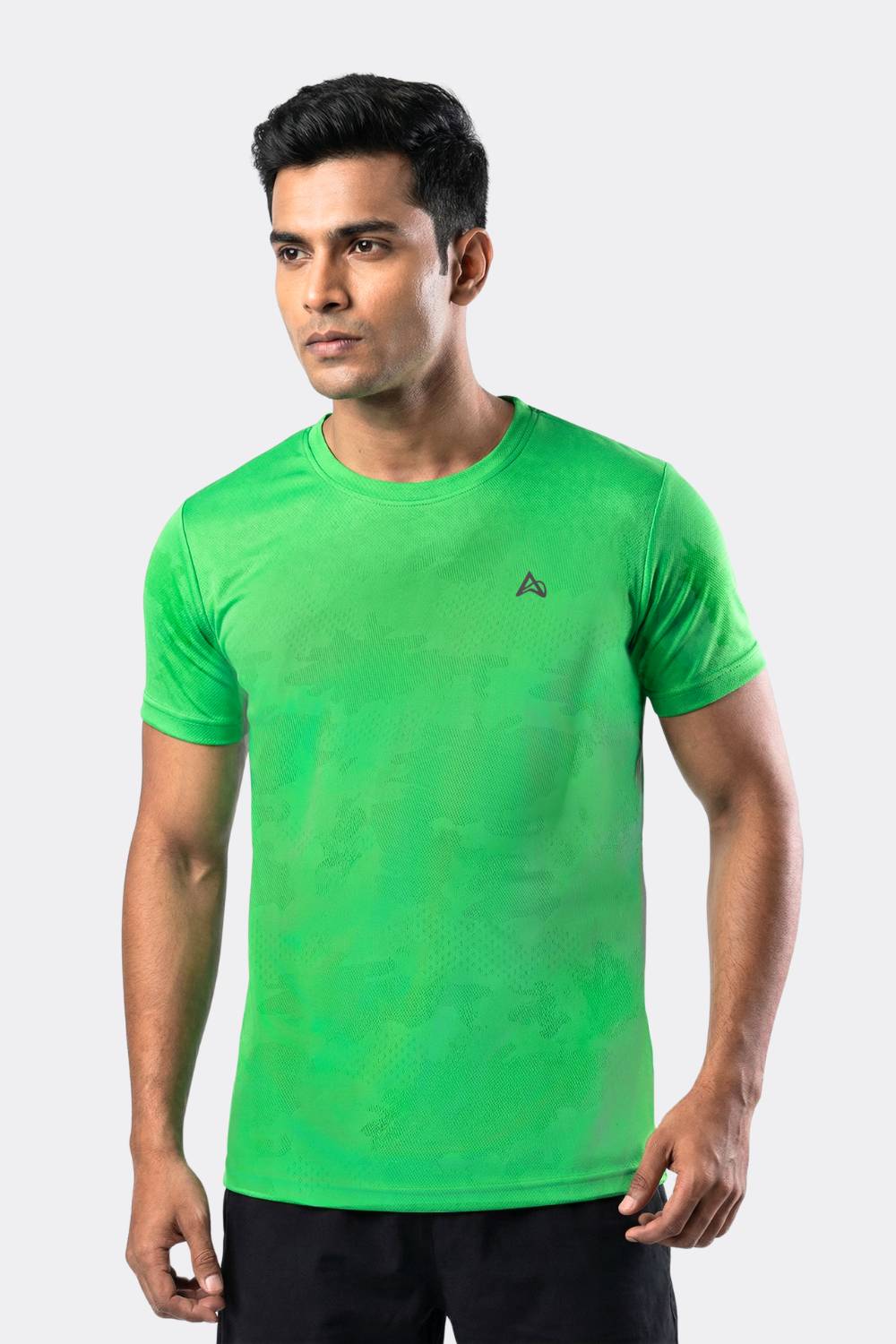
In the intense heat of urban centers such as Bangalore and Hyderabad, runners navigate uneven sidewalks and sudden downpours, demanding gear that goes beyond basics. Indian labels like Aguante are leading the charge, abandoning foreign blueprints to create specialized sportswear infused with antibacterial and odor-managing technologies perfectly suited to the nation's harsh weather patterns. This isn't mere fashion; it's functional armor designed to keep you composed during extended runs in scorching 35-degree temperatures.
At its essence, technical apparel involves clothing crafted with sophisticated materials and textile advancements to elevate performance, ease, and longevity standing in stark contrast to conventional garments that prioritize aesthetics over utility and aren't built for rigorous exertion or adverse environments. Industry insights highlight breakthroughs like fabrics that neutralize odors, antibacterial treatments, eco-friendly options, and even tech-integrated clothing, all aimed at conquering demanding scenarios.
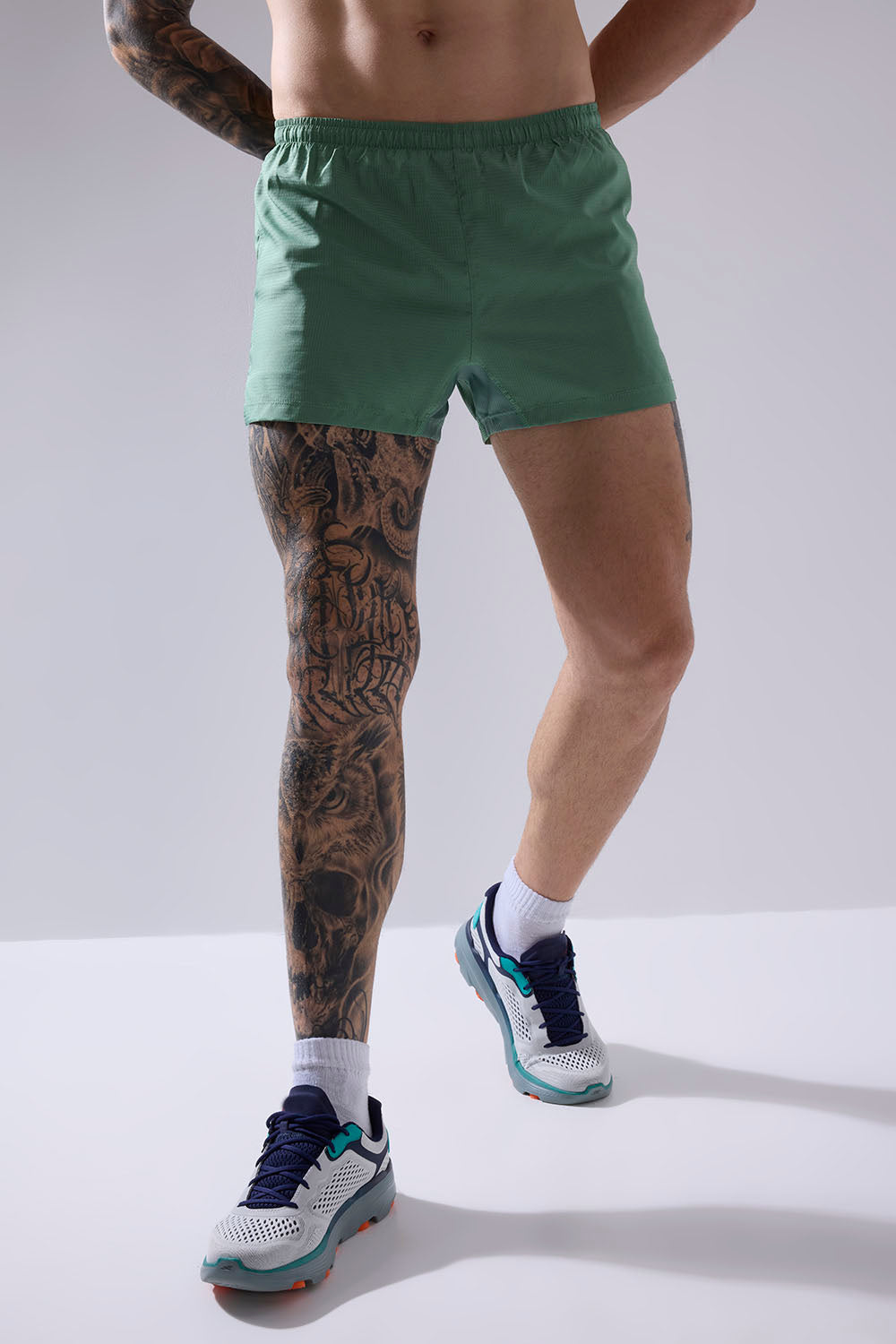
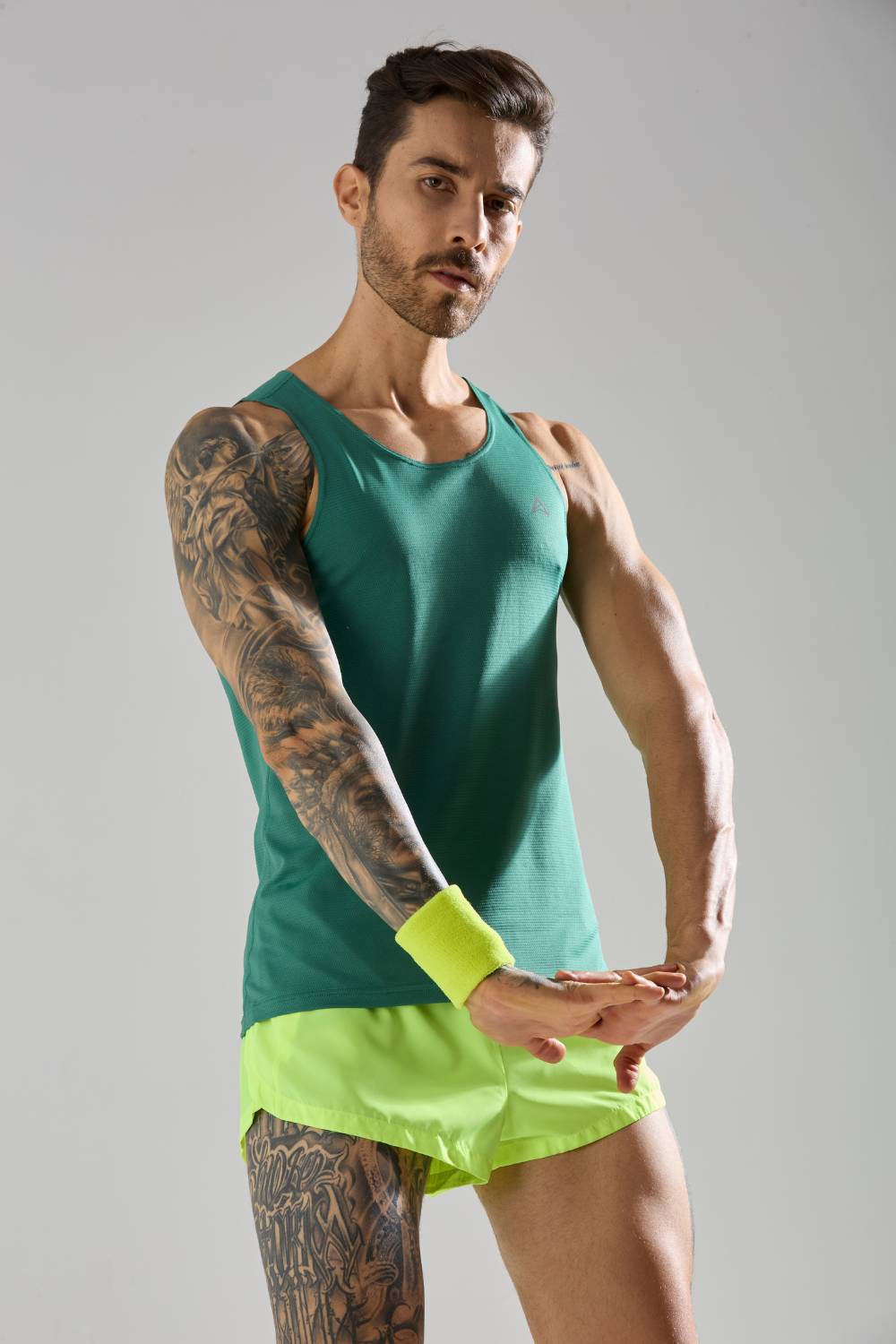
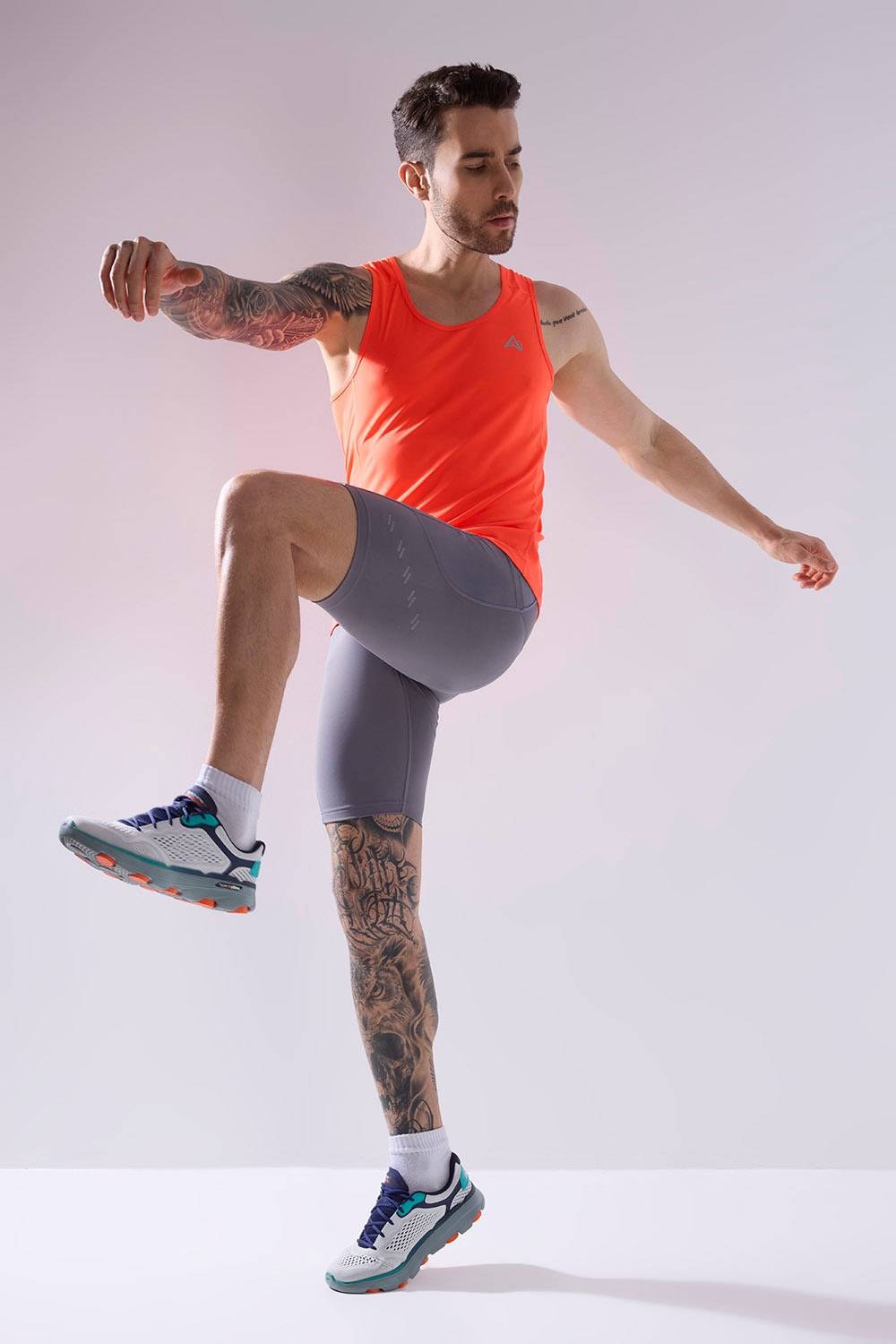
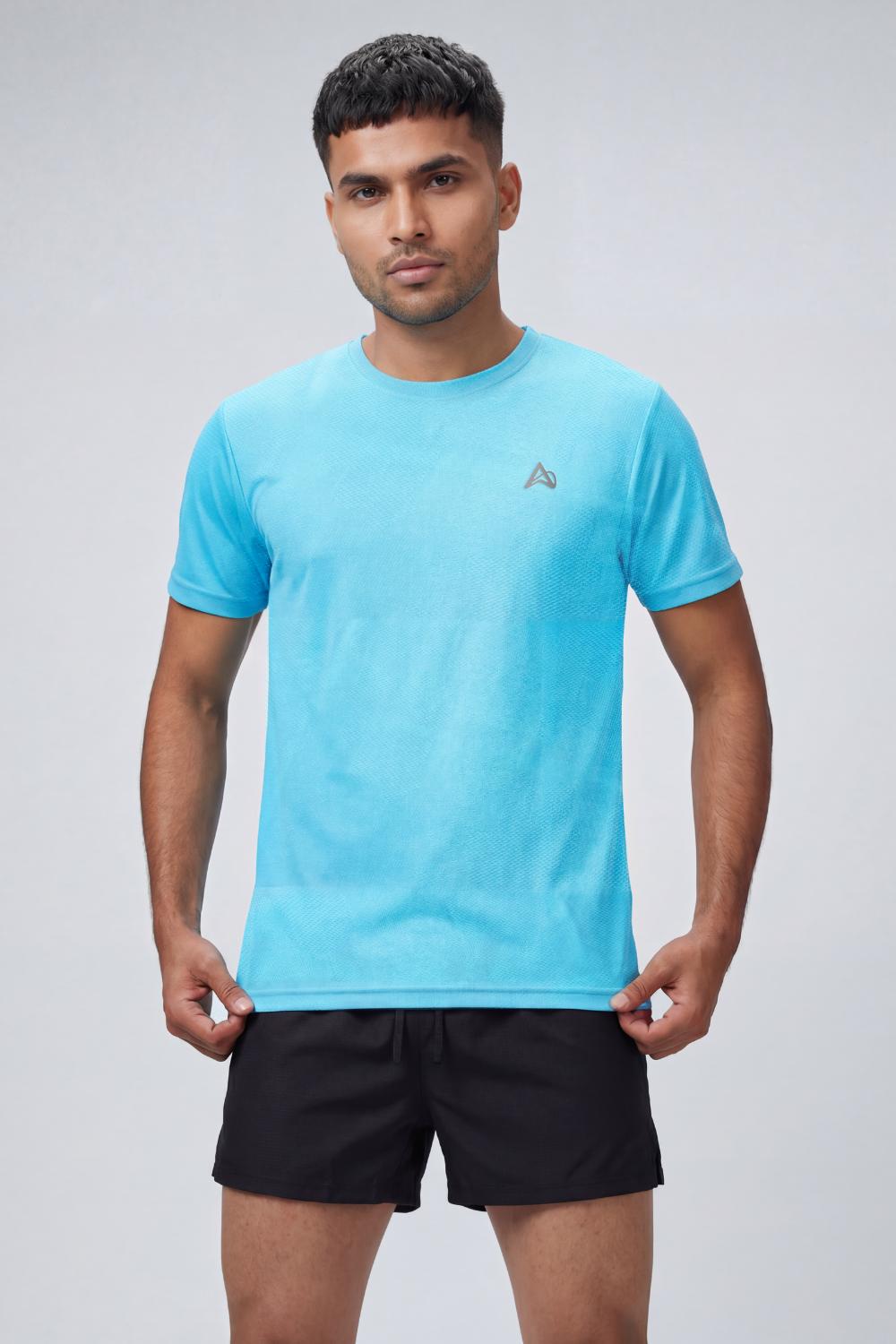
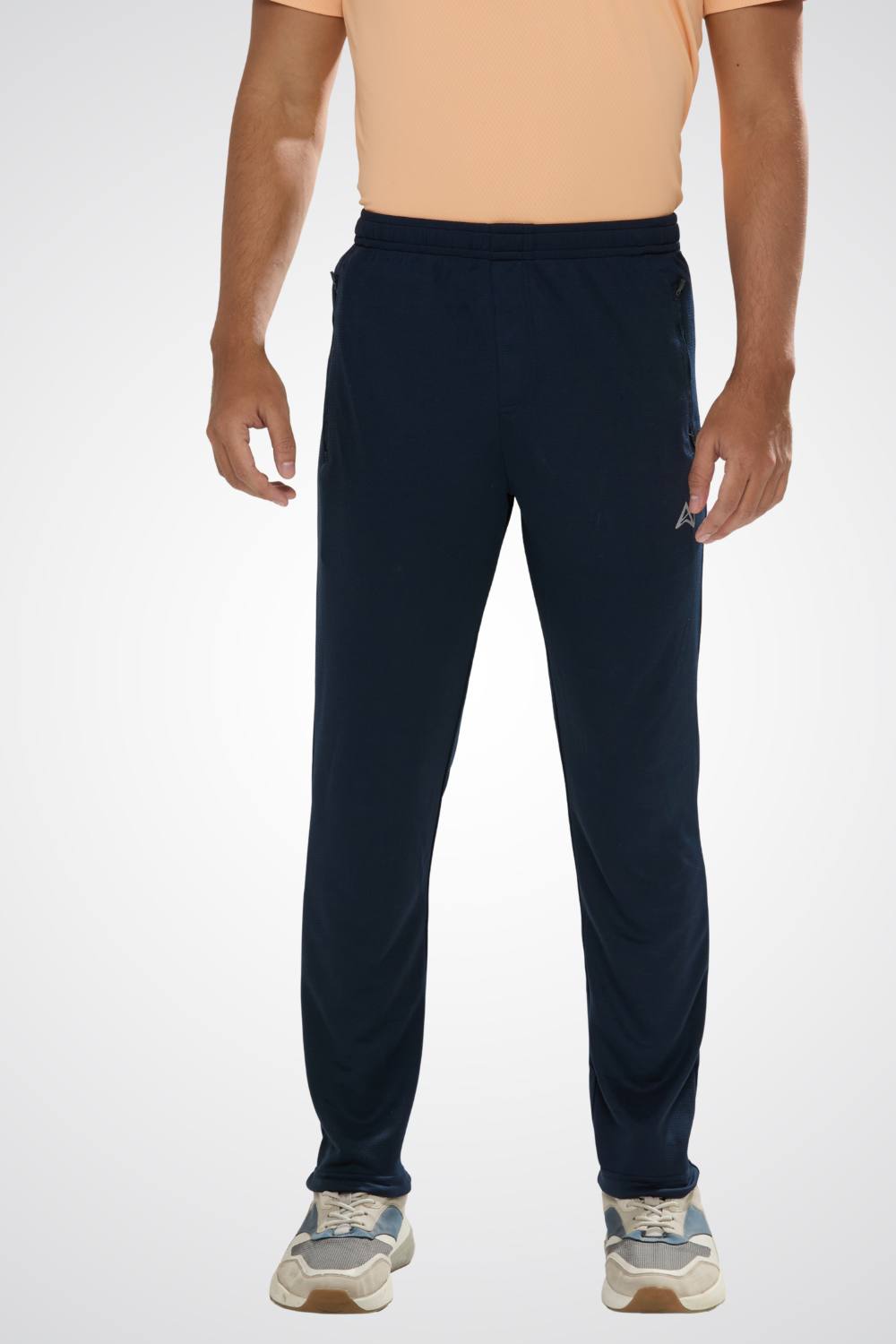
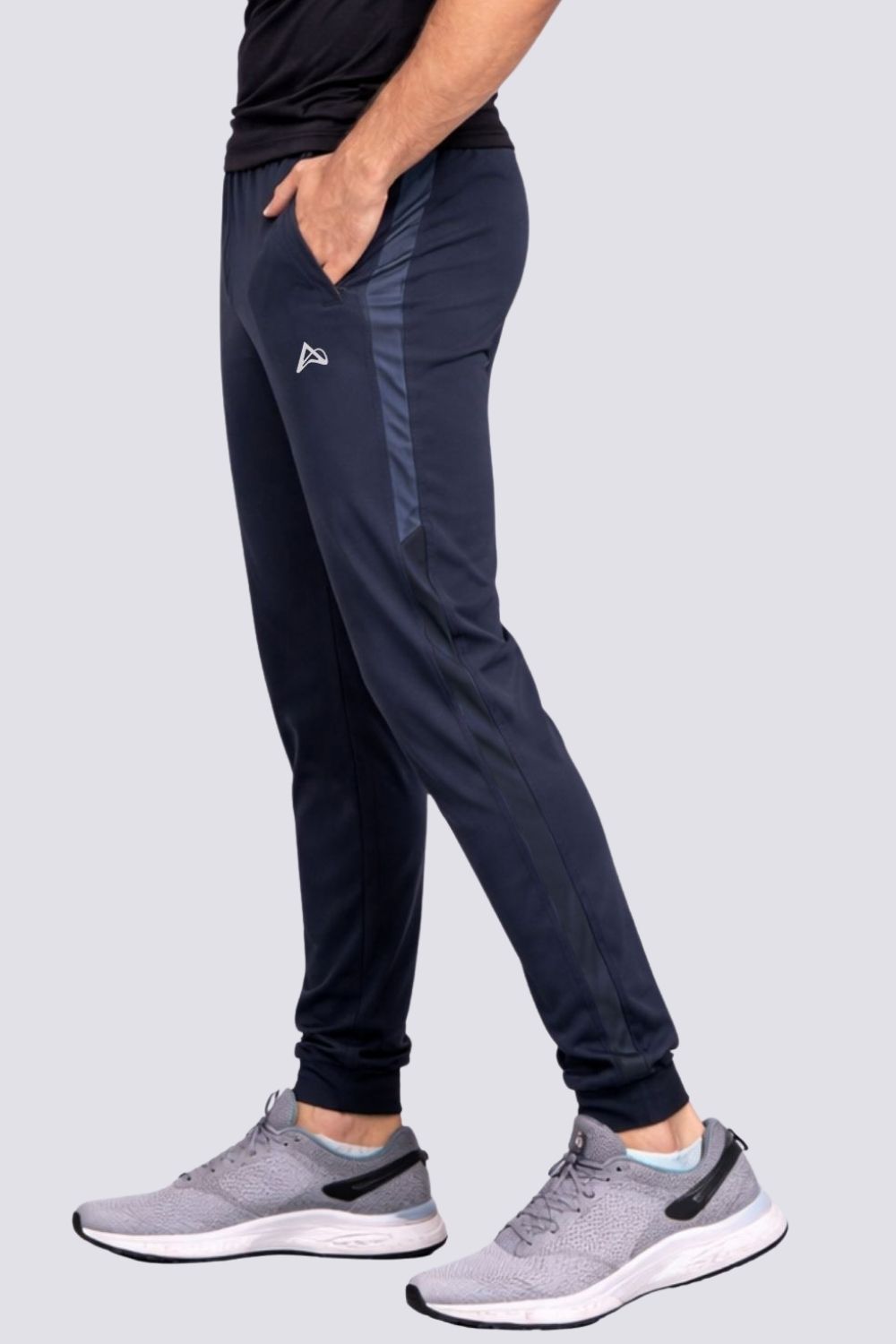
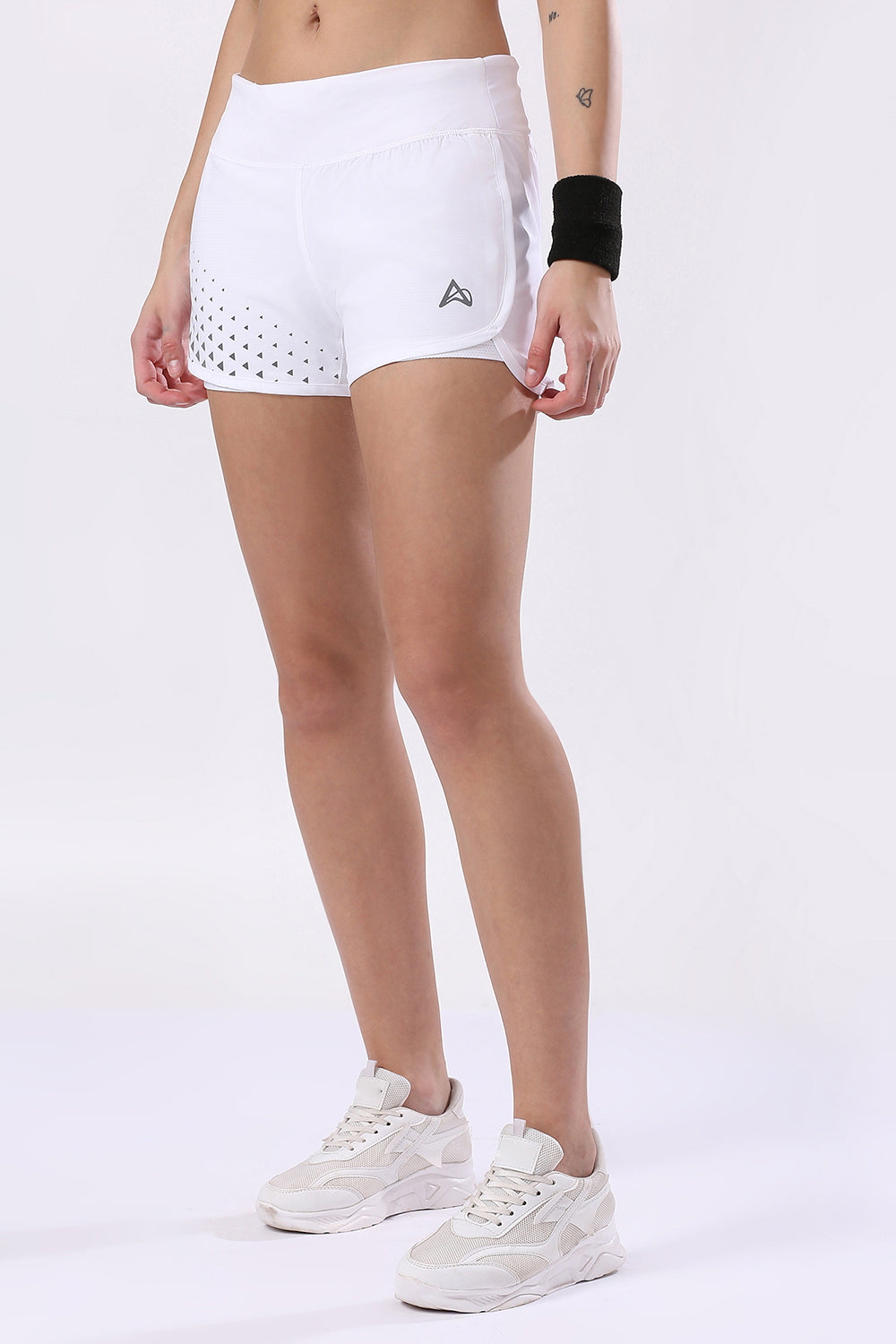
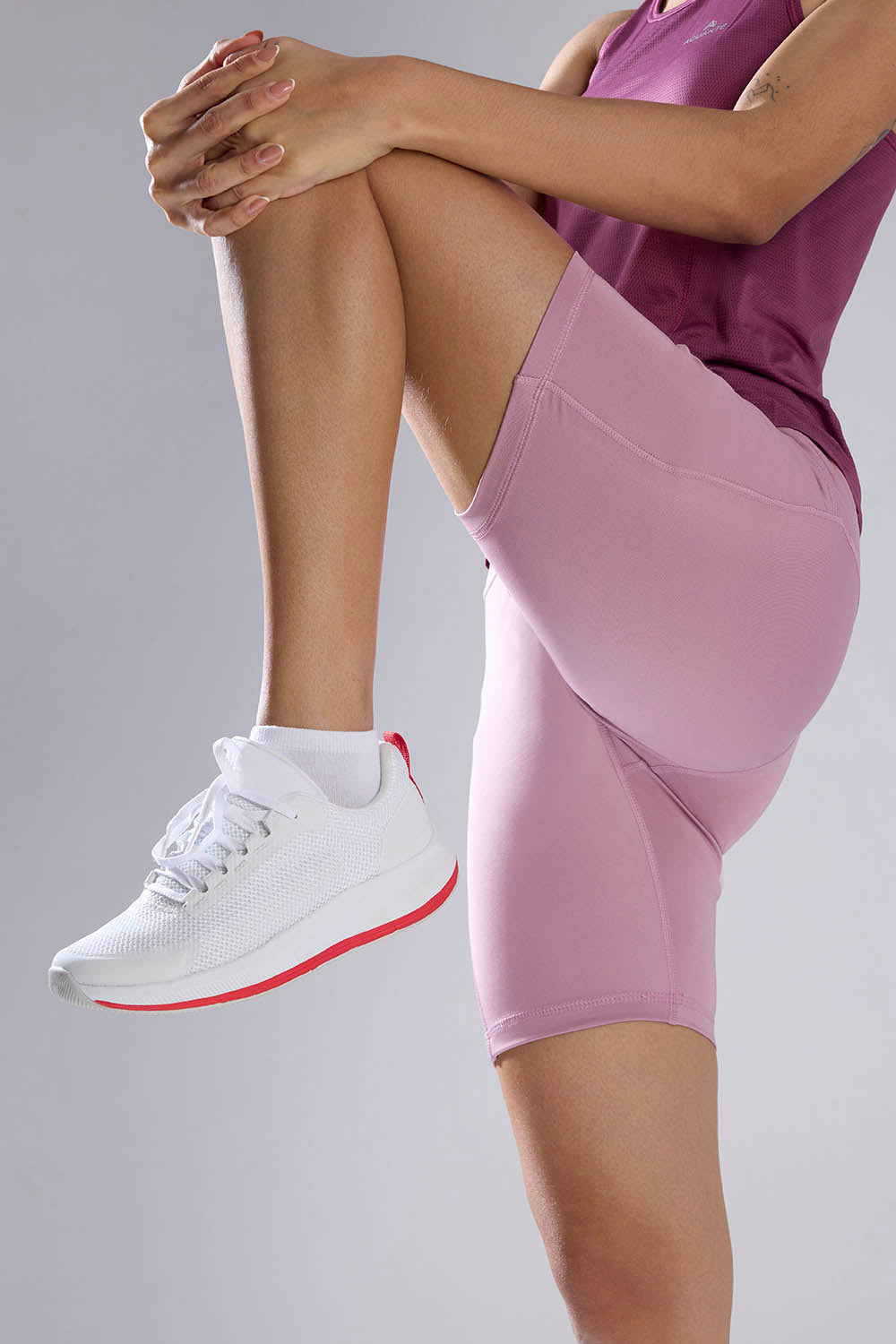
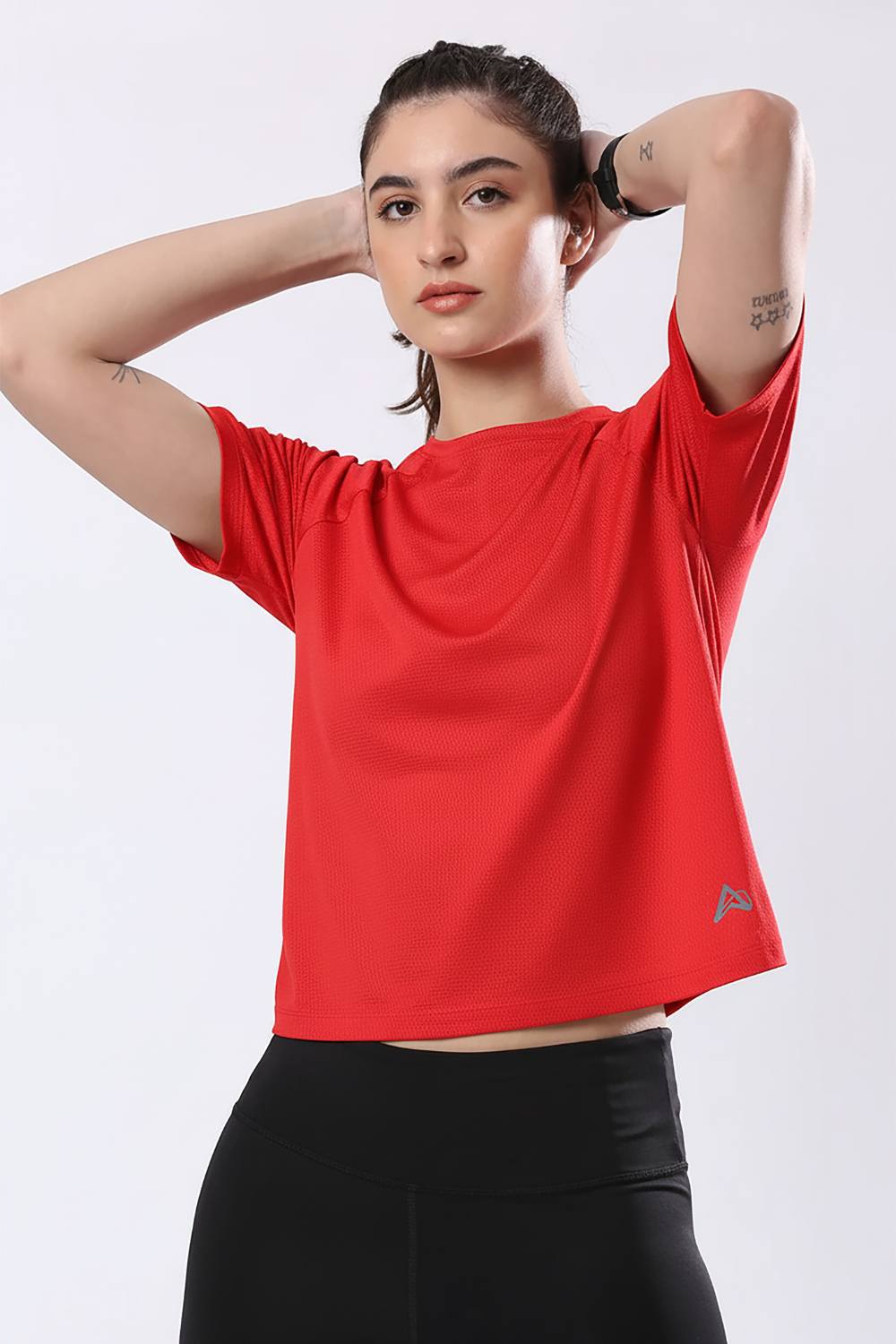
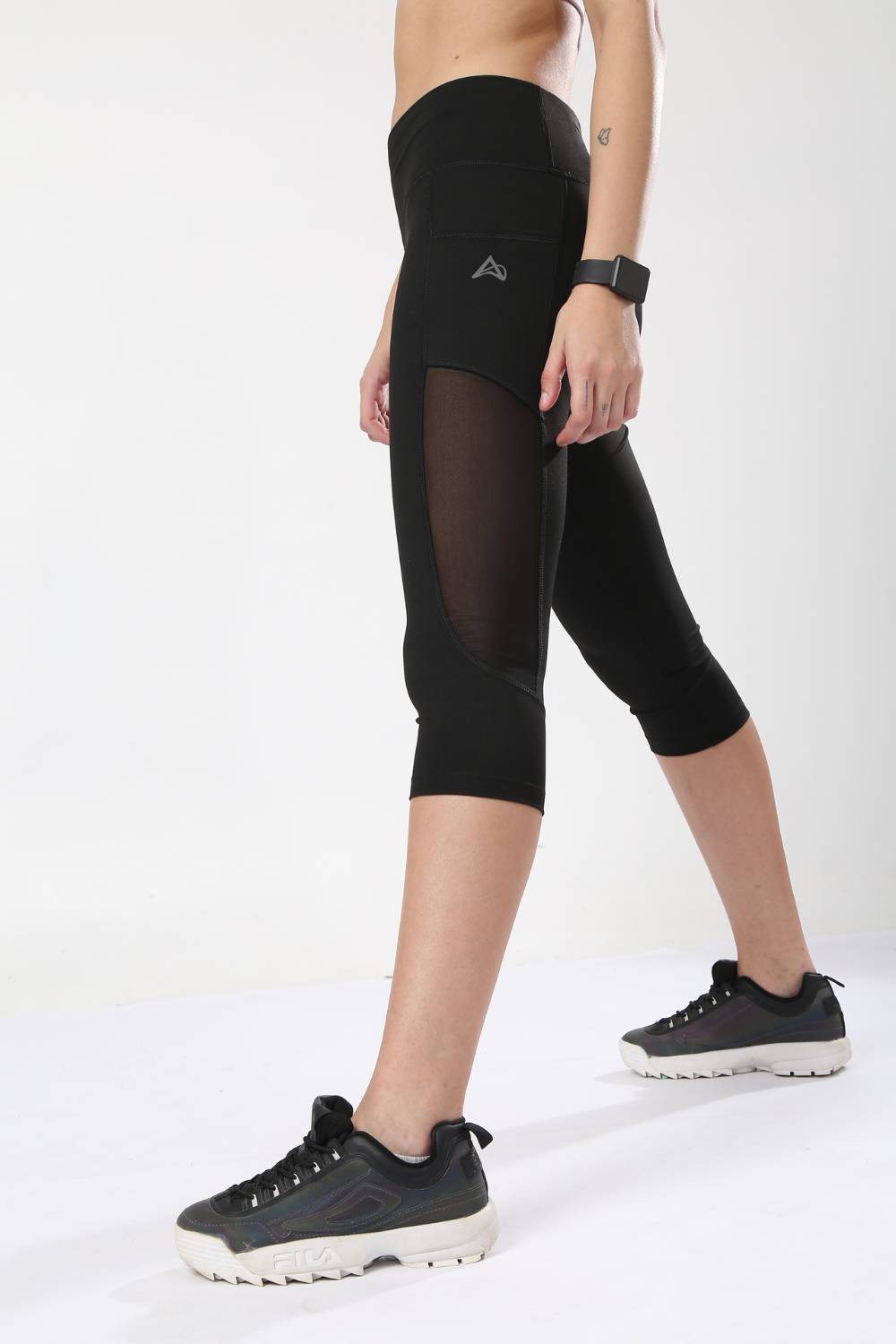
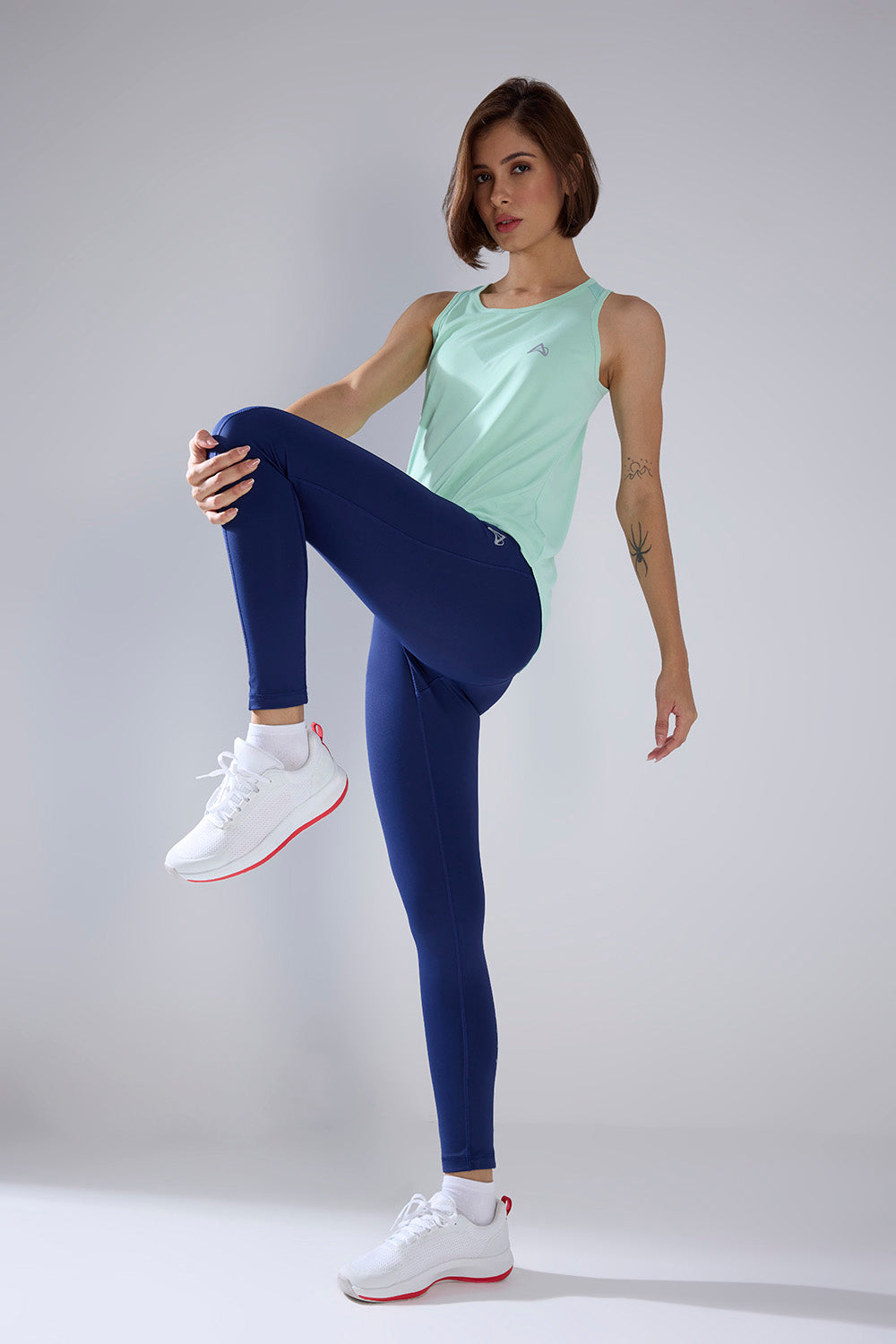
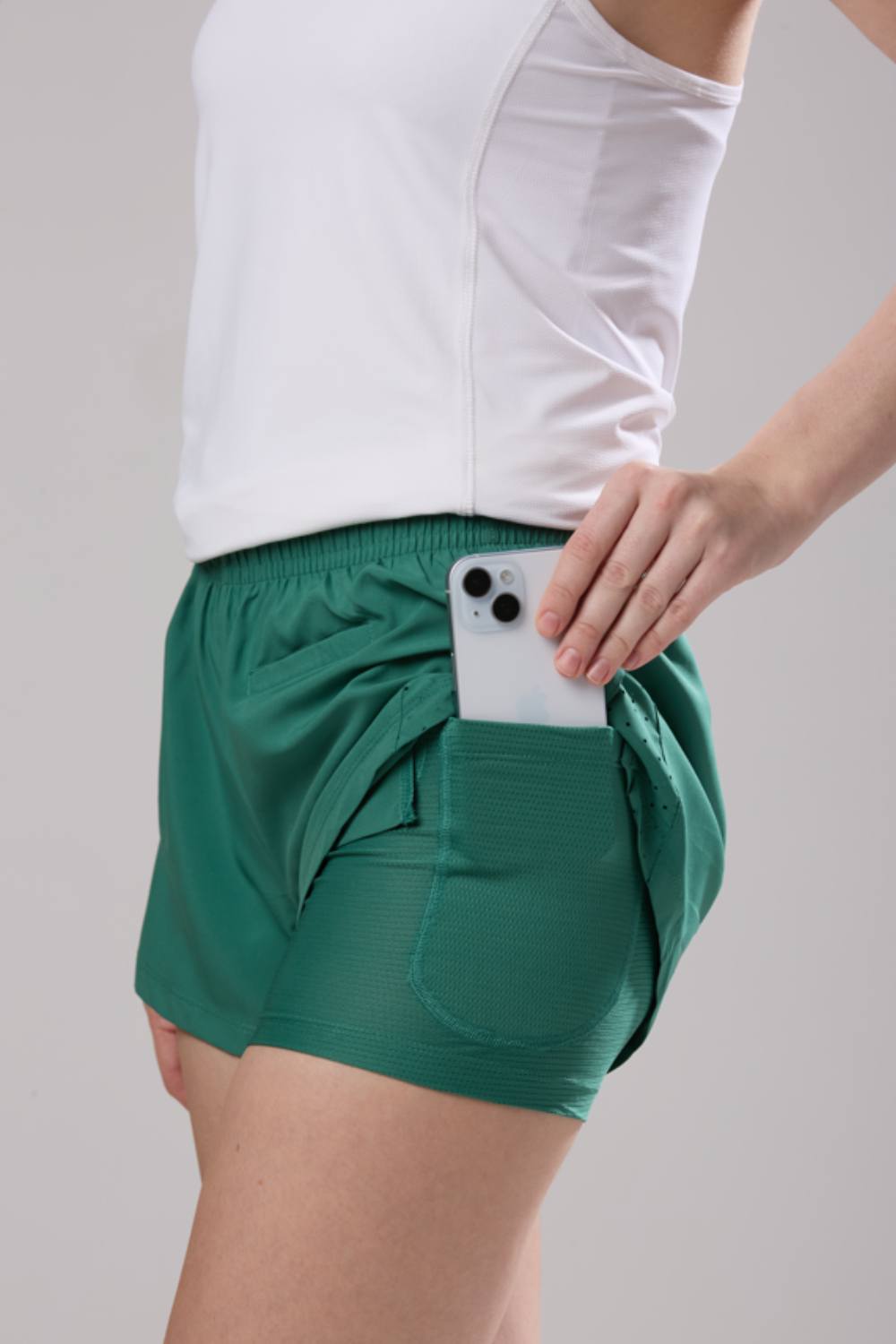
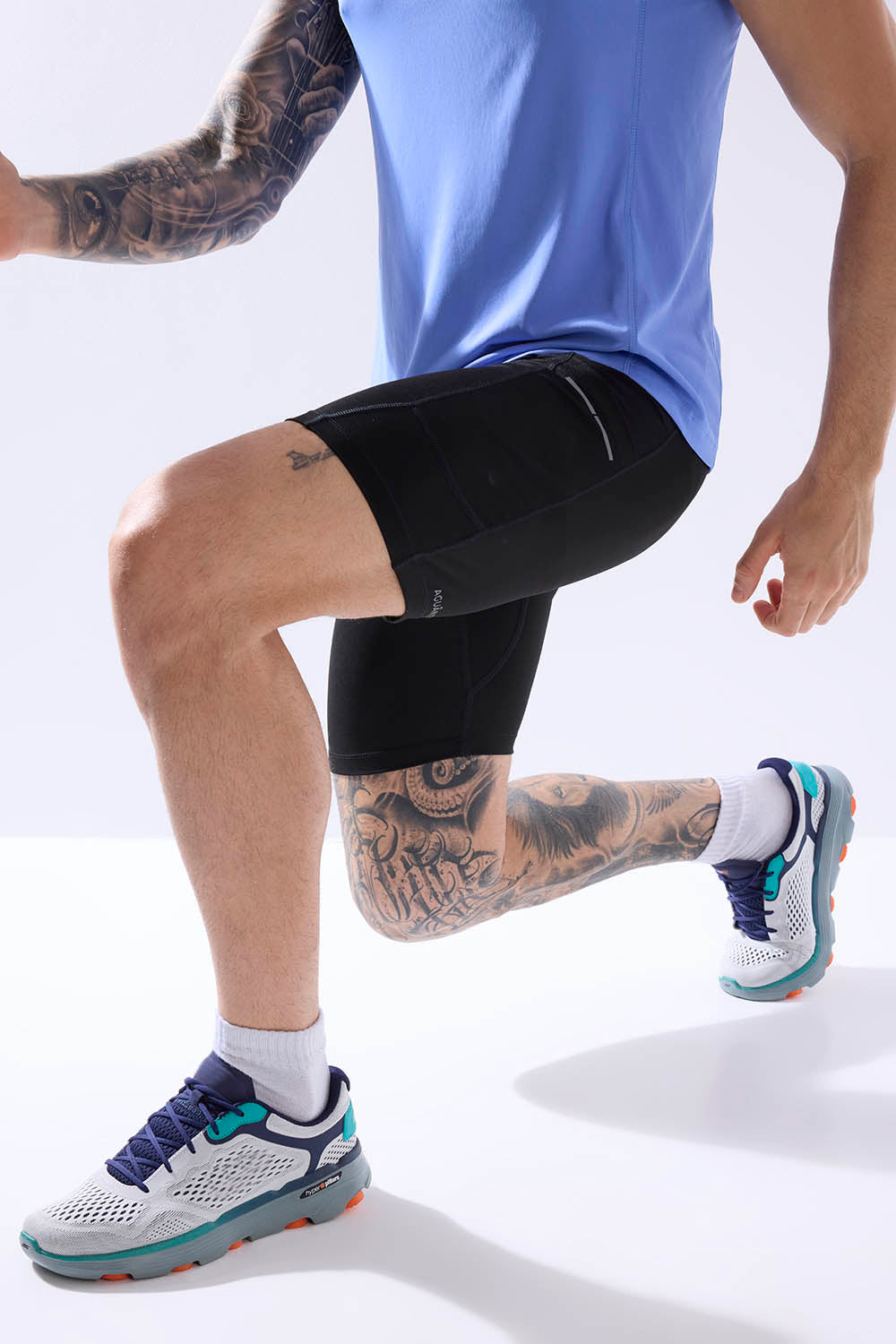
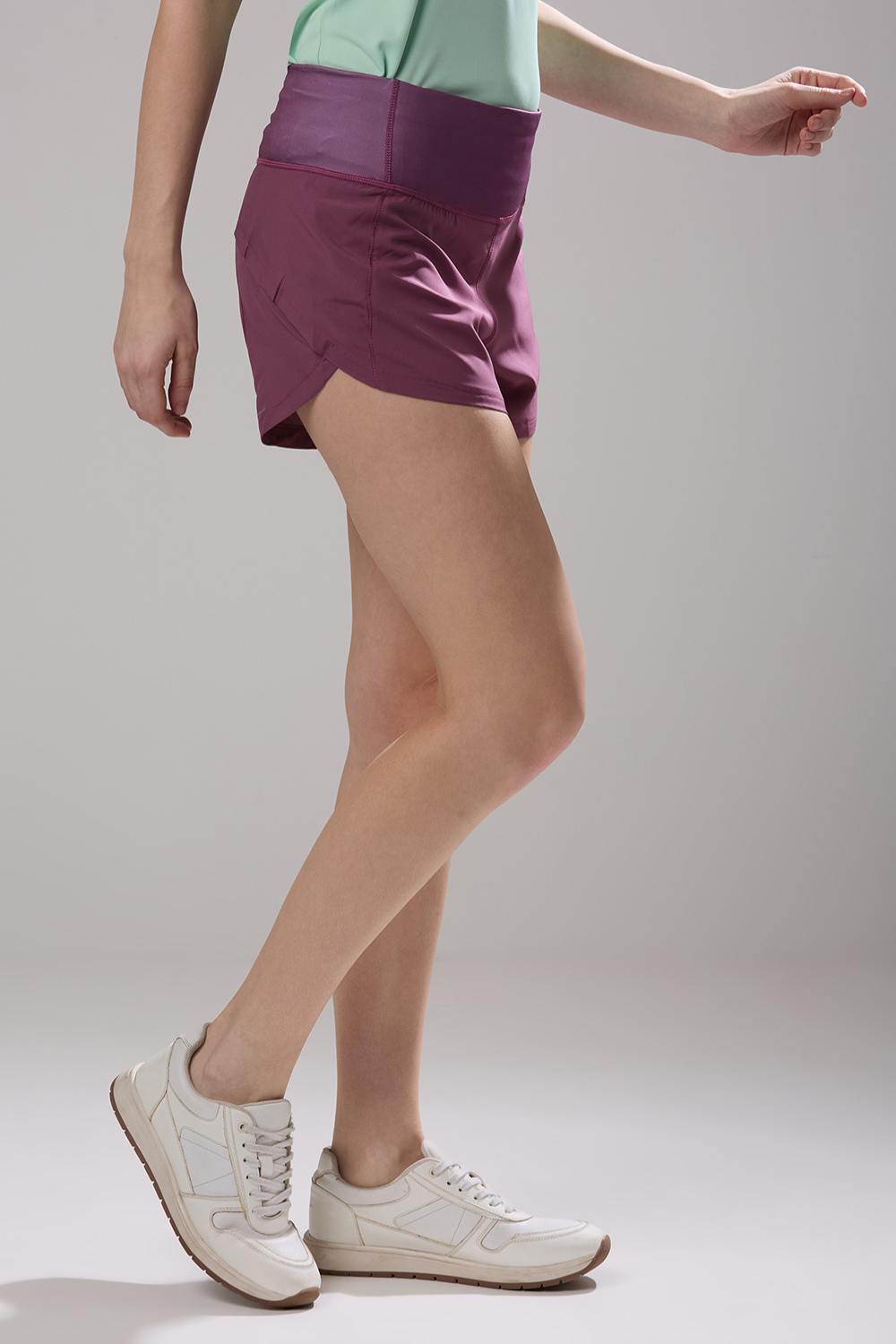
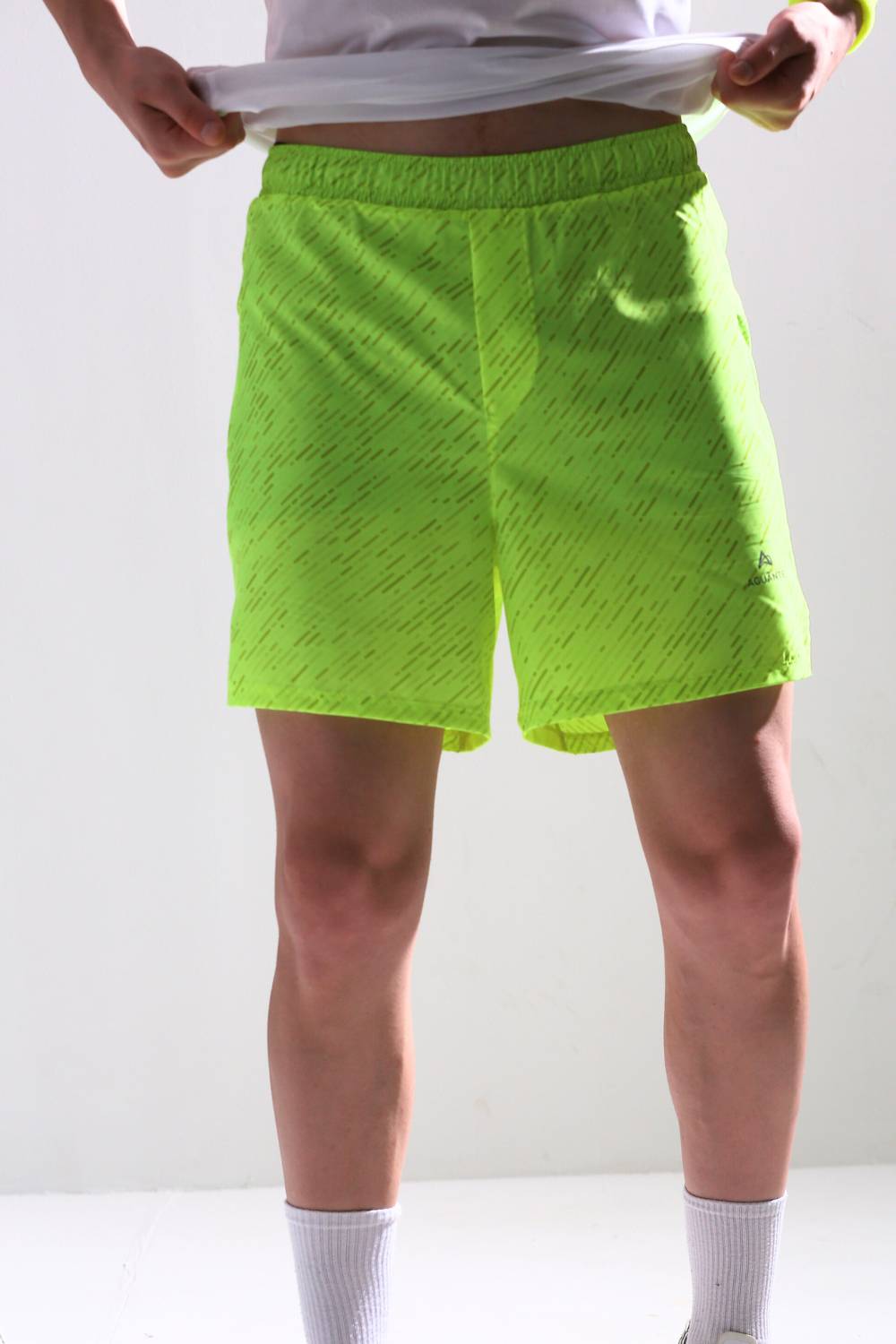
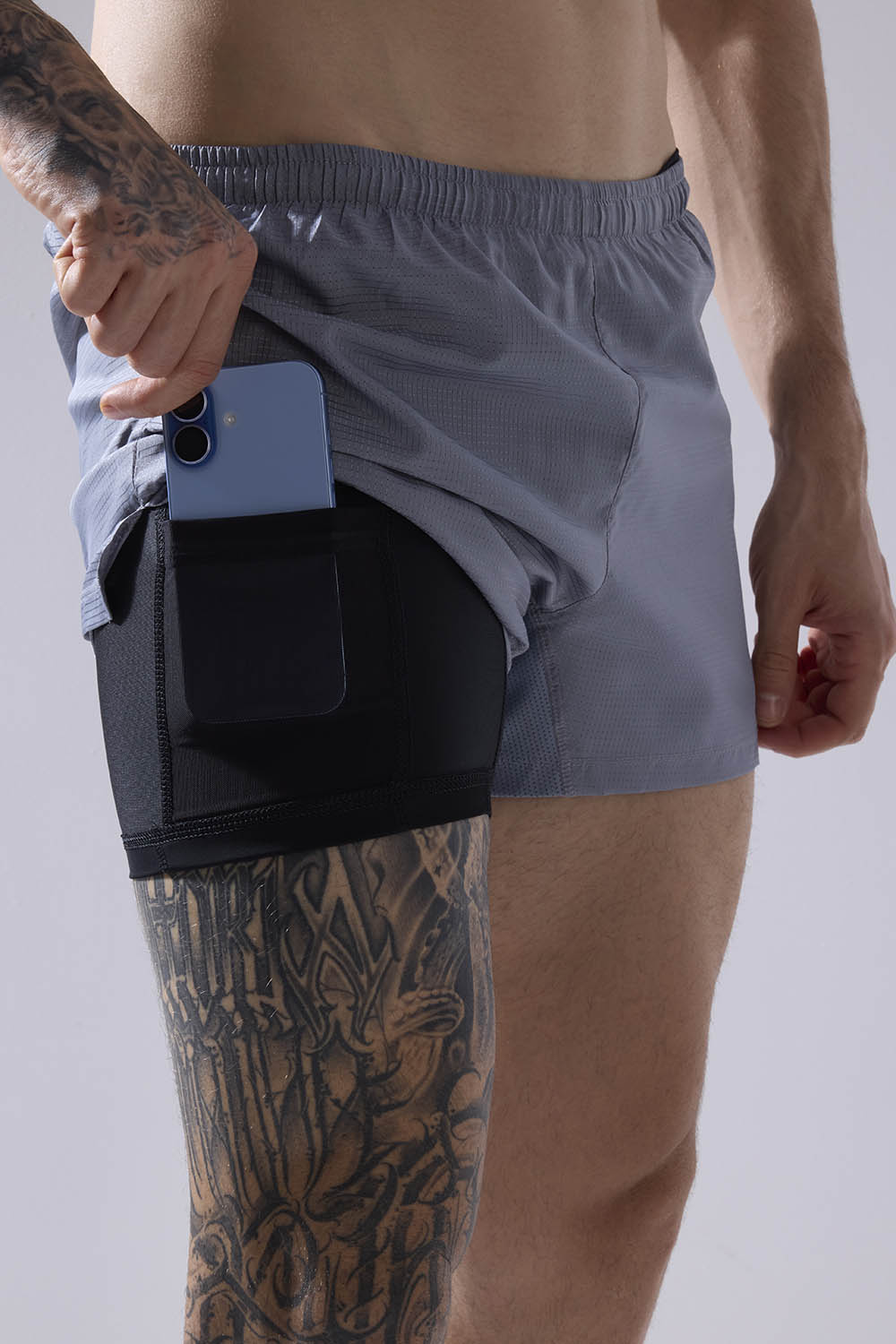
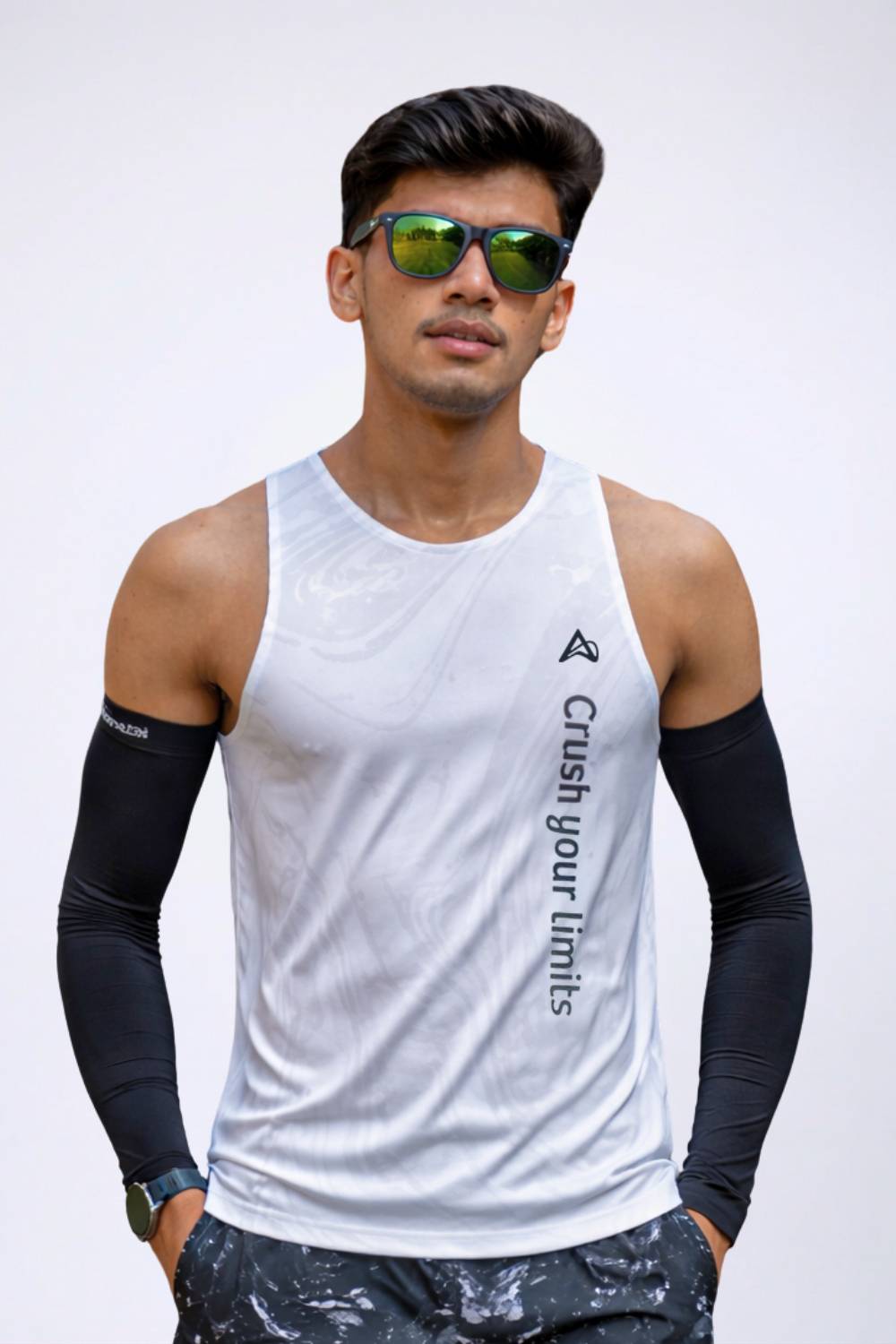
Aguante distinguishes itself by focusing intently on elements runners prioritize: non-bouncing secure storage compartments, linings that prevent irritation from friction, fabrics that draw away moisture efficiently, safety reflectors for dim conditions, and silhouettes honed through feedback from genuine athletes traversing routes in Pune and Delhi. In contrast to international powerhouses that conceptualize overseas and impose steep markups, Aguante engineers products for Indian physiques, pathways, and climates offering world-class efficacy at fair prices. Each item addresses draining humidity and rugged ground, guaranteeing ventilation and uninterrupted focus.
This grounded strategy strikes a chord in key areas including Mumbai, Navi Mumbai, Gurugram, Surat, and Ahmedabad, home to vibrant runner networks active on social channels. Fitness mentors and barefoot running experts disseminate their experiences via profiles like barefoot coach Shanth Koushik, Rajesh Parida, Fit Kaur, and Coach Amit Kumar, showcasing the durability of such equipment in authentic Indian settings.
These influencers, often based in the listed cities, demonstrate through posts and videos how Aguante's designs hold up against monsoon slicks in Mumbai or dust storms in Gurugram, building trust among local communities. On platforms like Instagram, Facebook, and YouTube, their content reaches thousands, emphasizing practical benefits over hype. This organic promotion aligns with Aguante's ethos: innovation rooted in real-world testing, not distant boardrooms.
Tired of gear that slows you down? Chafing, soggy fabrics, and missing pockets kill your run's momentum. At Aguante, we're runners who get it. Our high-performance activewear features moisture-wicking fabrics, ergonomic designs, and smart storage to keep you focused. Shop Now!
The Science Behind the Sweat: Why Odor Control Matters
Dive deeper into the issue: polyester forms the foundation of numerous activewear items, comprising blends in more than 50% of worldwide clothing production. Sourced typically from oil, this material dries rapidly due to its water-repellent nature but also draws skin oils that nourish bacteria, leading to persistent smells. The explosion of quick-turnover fashion has relied heavily on such synthetics, prompting developers to devise eco-conscious, non-metallic odor management solutions integrated directly into textiles for extended freshness.
Polyester's evolution reflects shifting perceptions from a hailed easy-care wonder to a blended staple alongside naturals like cotton or wool in modern garments. Yet its dominance persists across sectors, from clothing to furnishings, underscoring the need for advancements that address bacterial buildup without harmful additives.
Broadening the view, the antimicrobial textiles sector highlights surging interest. It reached an estimated USD 11.93 billion in 2023, poised for a 6.9% compound annual growth rate until 2030, thanks to its ability to curb infection spread in domestic and health settings. The Asia Pacific region commanded 34.83% of global revenue that year, propelled by synthetic organic agents claiming over 47.2% market share and medical uses at more than 45.5%.
Aguante aligns with these progresses, weaving in features echoing biodegradable materials and virus-resistant developments, but with a distinctly Indian twist for cultural and climatic fit. The sector is on track to rise from $12.86 billion in 2024 to $14.15 billion in 2025 at a 10% CAGR, eventually reaching $21.08 billion by 2029 via a 10.5% pace. Past expansion owed to economic progress, heightened hygiene consciousness, premium product demand, fast industrialization, and strict safety standards.
Looking ahead, catalysts include rising medical needs, healthcare spending hikes, aging demographics, and expanded public transit. Prominent directions encompass eco-friendly antimicrobials, intelligent wearable variants, virus-blocking fabrics, odor control textiles, and partnerships with health sectors. For everyday users in India, this translates to reduced washing frequency, conserving water in areas facing scarcity, while maintaining hygiene during commutes or workouts.
Expert analyses, such as those exploring technical clothing guide, stress how additives for odor suppression and cooling activated by moisture are transforming the field. These align with Aguante's moisture-wicking and anti-chafing focus, ensuring runners in Hyderabad's tech corridors or Surat's factories stay productive without discomfort derailing their day.
From Lab to Lane: How Innovation Hits Indian Streets
Think about the routine challenges: tech professionals in Hyderabad weaving through evening congestion for a quick jog, or Delhi residents contending with smog that clings to everything. Aguante combats these by merging international textile expertise with on-ground Indian realities. Gone are the days of irritating seams on sweaty hikes or unstable pockets throwing off your pace; instead, equipment validated on varied landscapes, from Mumbai's seaside dampness to Pune's undulating hills.
Social networks amplify this transformation. Across Instagram, Facebook, and YouTube, enthusiast narratives illustrate the evolution detail how antibacterial properties sustain morale in team sessions or ventilated structures avert heat exhaustion in Ahmedabad's arid intensity. These platforms serve as hubs for the target region's runners, fostering discussions that highlight Aguante's breathability in Gurugram's corporate green spaces or secure fits for Navi Mumbai's coastal paths.
Projections bolster the narrative. Previous booms arose from financial growth and sanitation priorities; today, virus-specific and scent-managing fabrics dominate, with green alternatives rising amid ecological worries. For domestic companies, this levels the field, equipping casual park joggers and marathon trainees with rivals to foreign imports, minus the exorbitant costs.
The personal stories seal the deal. Athletes in these cities recount fabric shifts converting frustration into triumphs extending runs without odor concerns or chafing halts. Aguante's transparent pricing makes this accessible, positioning advanced solutions as essentials for India's varied runners, from Surat's entrepreneurs to Delhi's early-morning enthusiasts.
Delving into market data further, synthetic organic's lead in antimicrobial agents underscores reliability for activewear, while Asia's dominance reflects regional innovation hubs. In medical realms holding nearly half the application share, parallels emerge for sportswear, where infection control mirrors bacteria resistance in gym sessions or outdoor trails.
Industry reports on antimicrobial textiles market confirm growth tied to health benefits, essential in post-pandemic India. For Aguante, this means products that not only perform but endure, tested in the humidity of Bangalore mornings or the pollution of Mumbai evenings.
Beyond the Finish Line: A Fresh Path Forward
With the antimicrobial fabrics industry barreling toward $21.08 billion by 2029, indigenous pioneers like Aguante prove that solutions flourish when addressing proximity issues. In India's blend of scorching heat, urban rush, and passionate pursuits, apparel that eradicates bacteria and eliminates scents transcends novelty it empowers sustained effort and ambitious achievements. As you tackle Bangalore's boulevards or any local track, recognize that your attire could be the astute ally driving victory, emblematic of India's inventive spirit stepping up to the challenge.
This shift extends beyond individual gains. Partnerships with hygiene-focused industries hint at wider applications, from daily commutes in public transport to geriatric care needs fueling market expansion. Economic and regulatory forces continue propelling advancements, ensuring brands like Aguante remain at the vanguard, delivering comfort that resonates deeply in Hyderabad boardrooms or Pune training grounds.
Ultimately, as sustainable anti-odor innovations reshape polyester challenges, Indian runners benefit from gear that's as resilient as their resolve. It's a testament to local ingenuity meeting global standards, fostering a healthier, more active nation one stride at a time.
Frequently Asked Questions
Why do polyester activewear fabrics develop odors more than natural fabrics?
Polyester is water-repellent and dries quickly, but it attracts skin oils that create an ideal environment for bacteria to thrive, leading to persistent odors. Unlike natural fibers, polyester's synthetic nature makes it prone to bacterial buildup, especially during intense workouts in hot and humid conditions. This has driven manufacturers to develop antimicrobial and odor-control technologies that are integrated directly into the fabric to combat this issue.
What is the projected growth of the antimicrobial textiles market?
The antimicrobial textiles market is experiencing significant expansion, valued at approximately $12.86 billion in 2024 and expected to reach $21.08 billion by 2029, with a compound annual growth rate (CAGR) of 10.5%. This growth is driven by increased healthcare spending, heightened hygiene awareness post-pandemic, aging populations, and demand for sustainable odor-control solutions. The Asia Pacific region currently commands over 34% of global market share, making it a key hub for antimicrobial textile innovation.
How do Indian activewear brands like Aguante differ from international competitors?
Indian brands like Aguante design specifically for the subcontinent's unique climate, body types, and terrain, rather than adapting overseas designs. They incorporate features like anti-chafing linings, moisture-wicking fabrics, secure non-bouncing pockets, and reflective safety elements tested by real athletes on Indian streets. Unlike international brands with steep import markups, these homegrown companies offer world-class antibacterial and odor-control technology at accessible prices tailored to conditions like Delhi's humidity, Mumbai's monsoons, and Hyderabad's intense heat.
Disclaimer: The above helpful resources content contains personal opinions and experiences. The information provided is for general knowledge and does not constitute professional advice.
You may also be interested in: The Importance of Moisture-Wicking Fabric for Runners: Why It Matters
Tired of gear that slows you down? Chafing, soggy fabrics, and missing pockets kill your run's momentum. At Aguante, we're runners who get it. Our high-performance activewear features moisture-wicking fabrics, ergonomic designs, and smart storage to keep you focused. Shop Now!
Powered by flareAI.co

