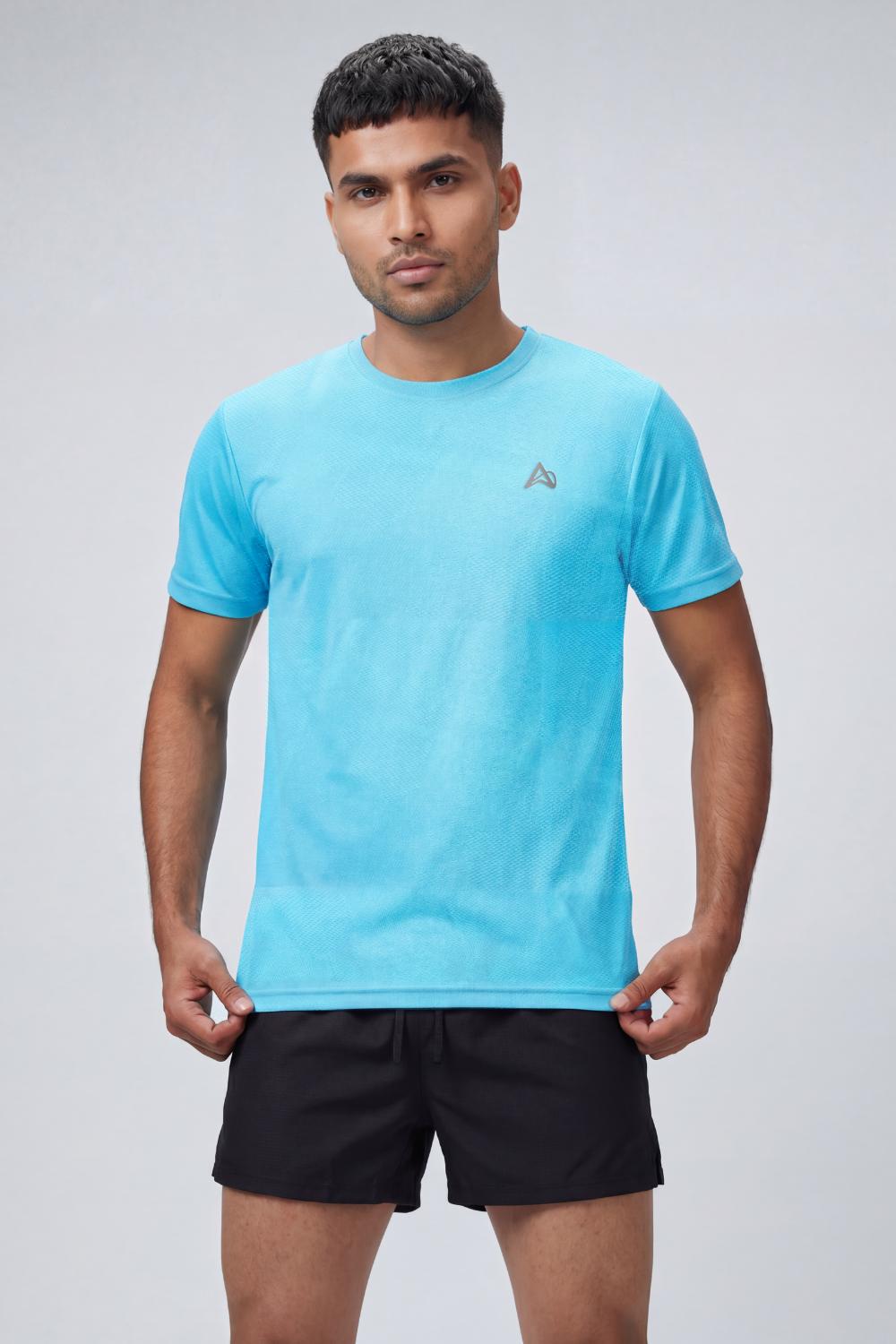
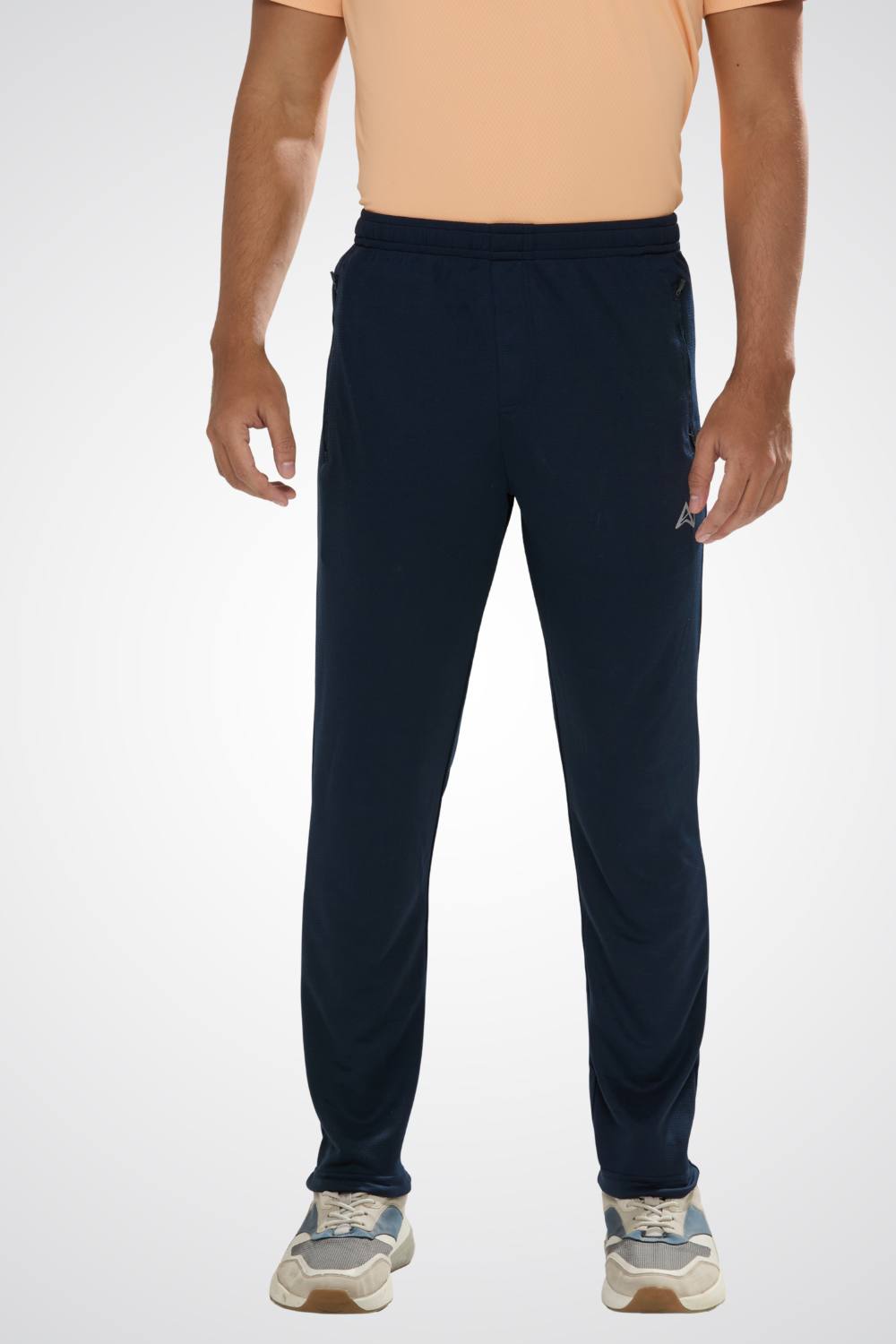
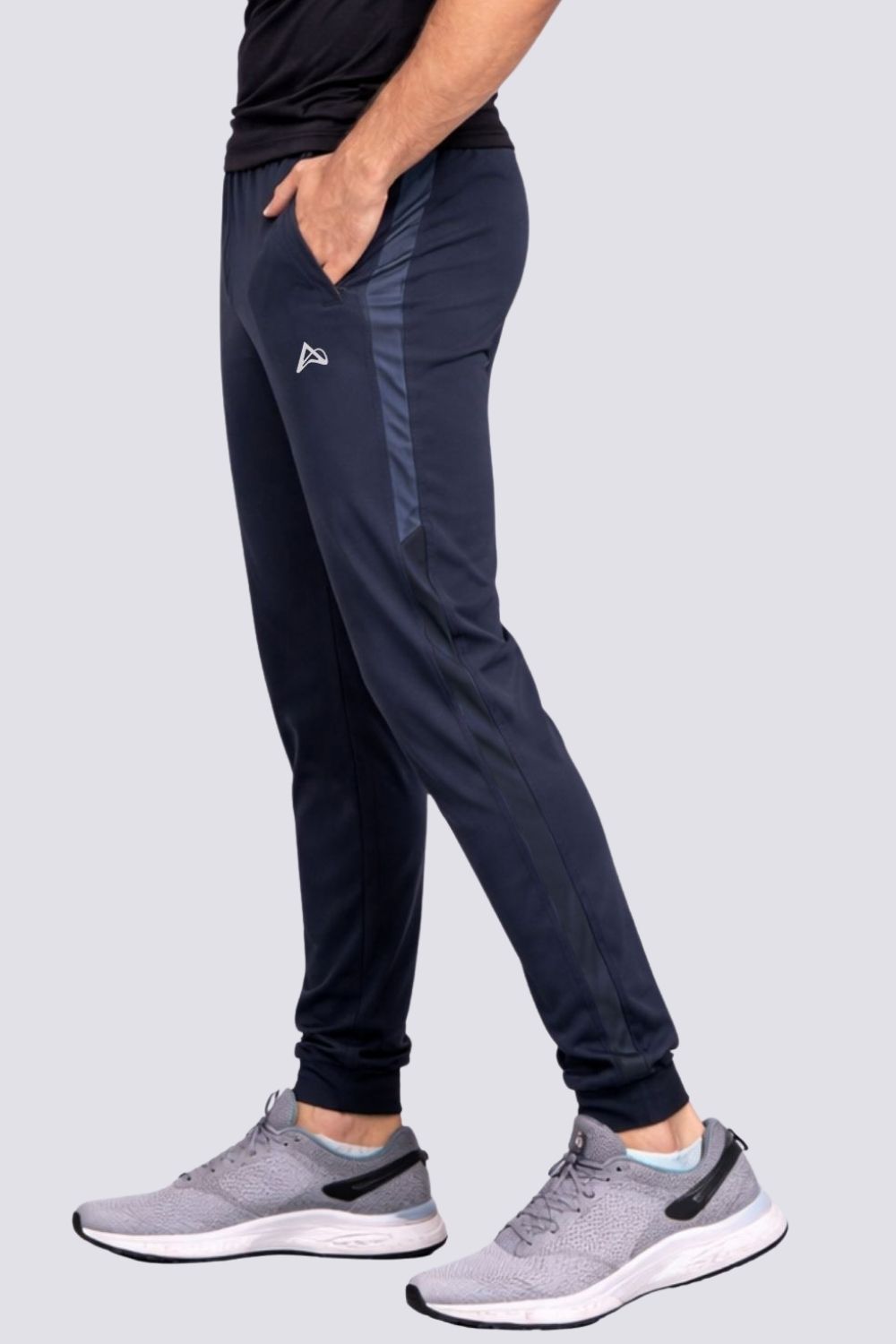
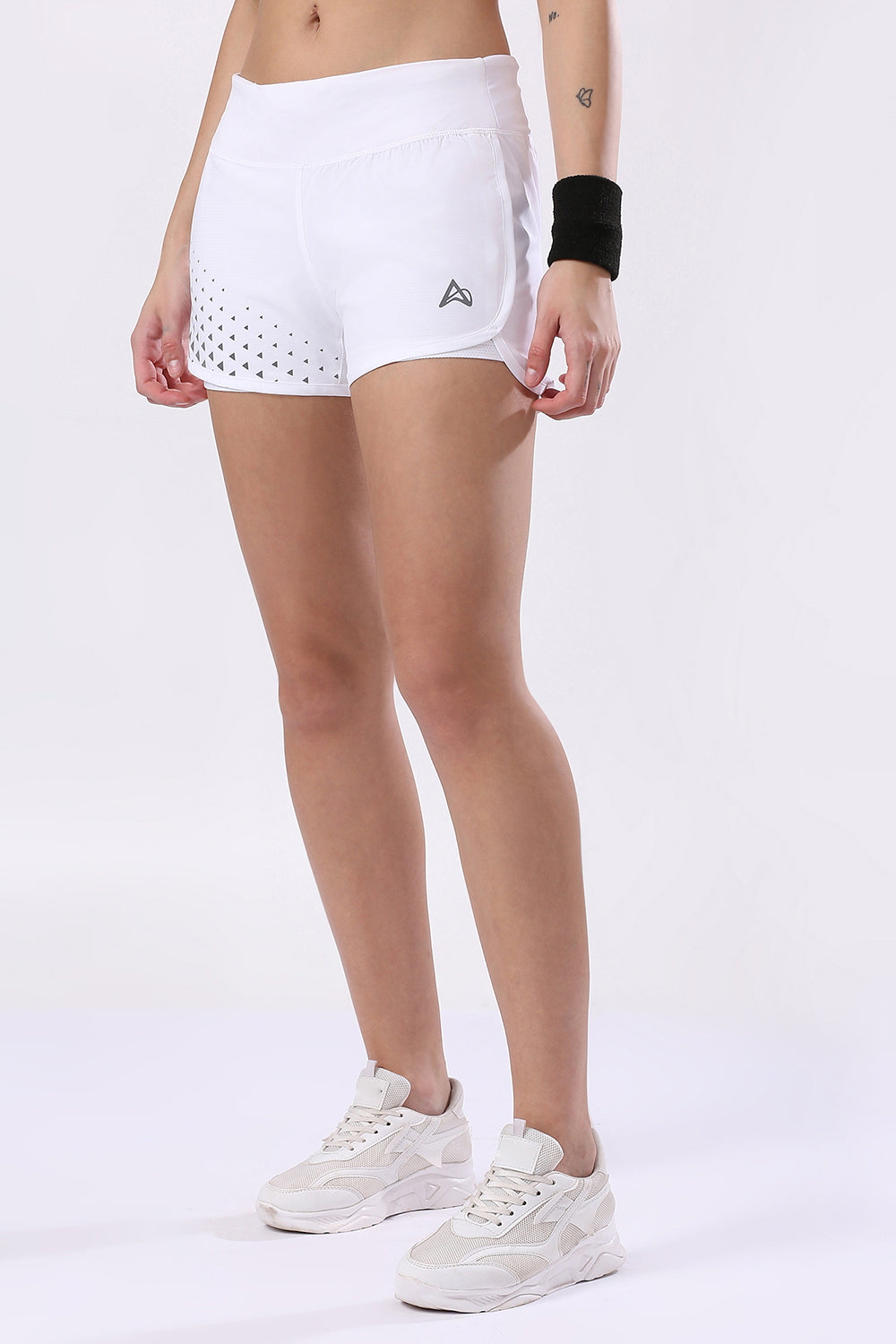
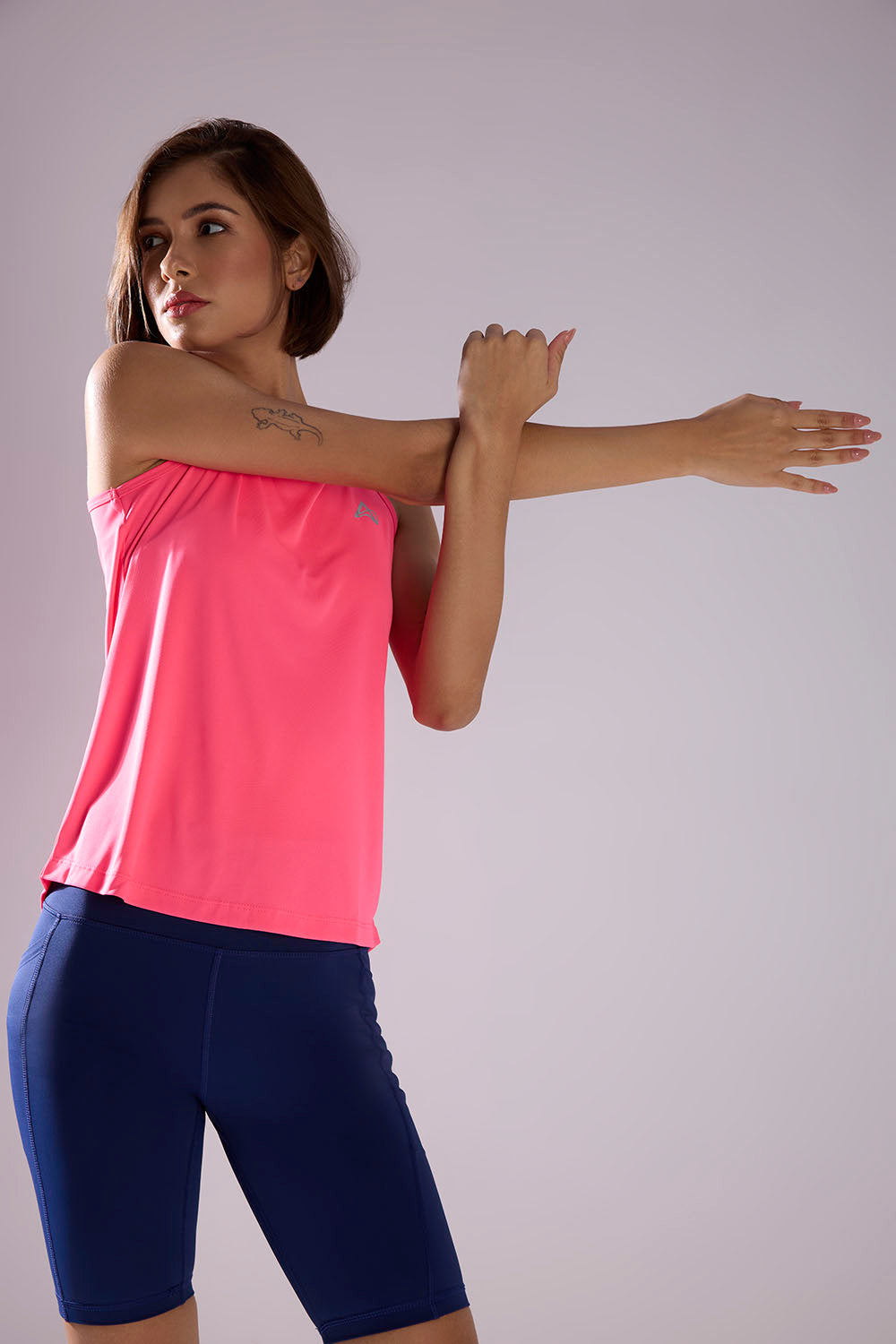
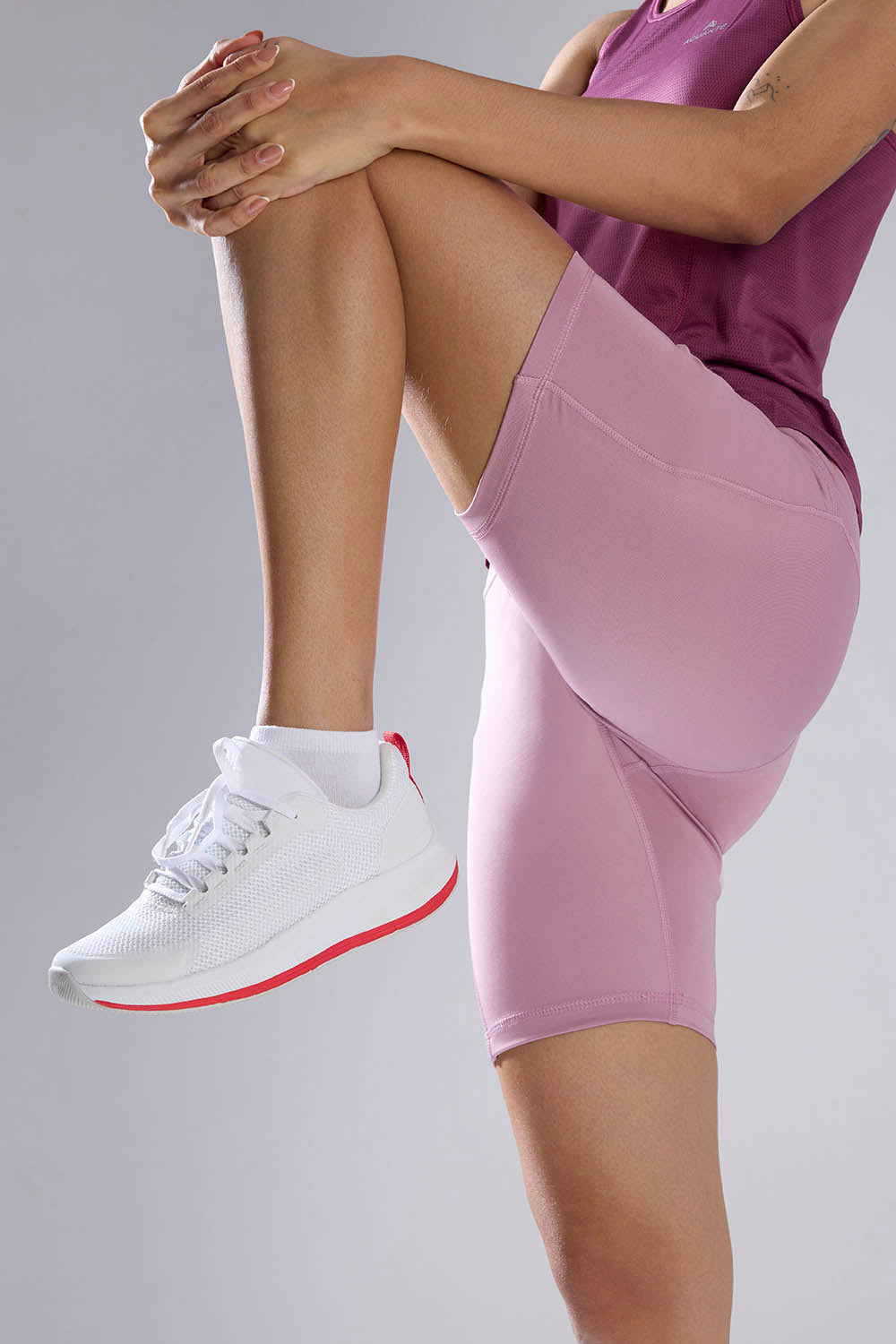
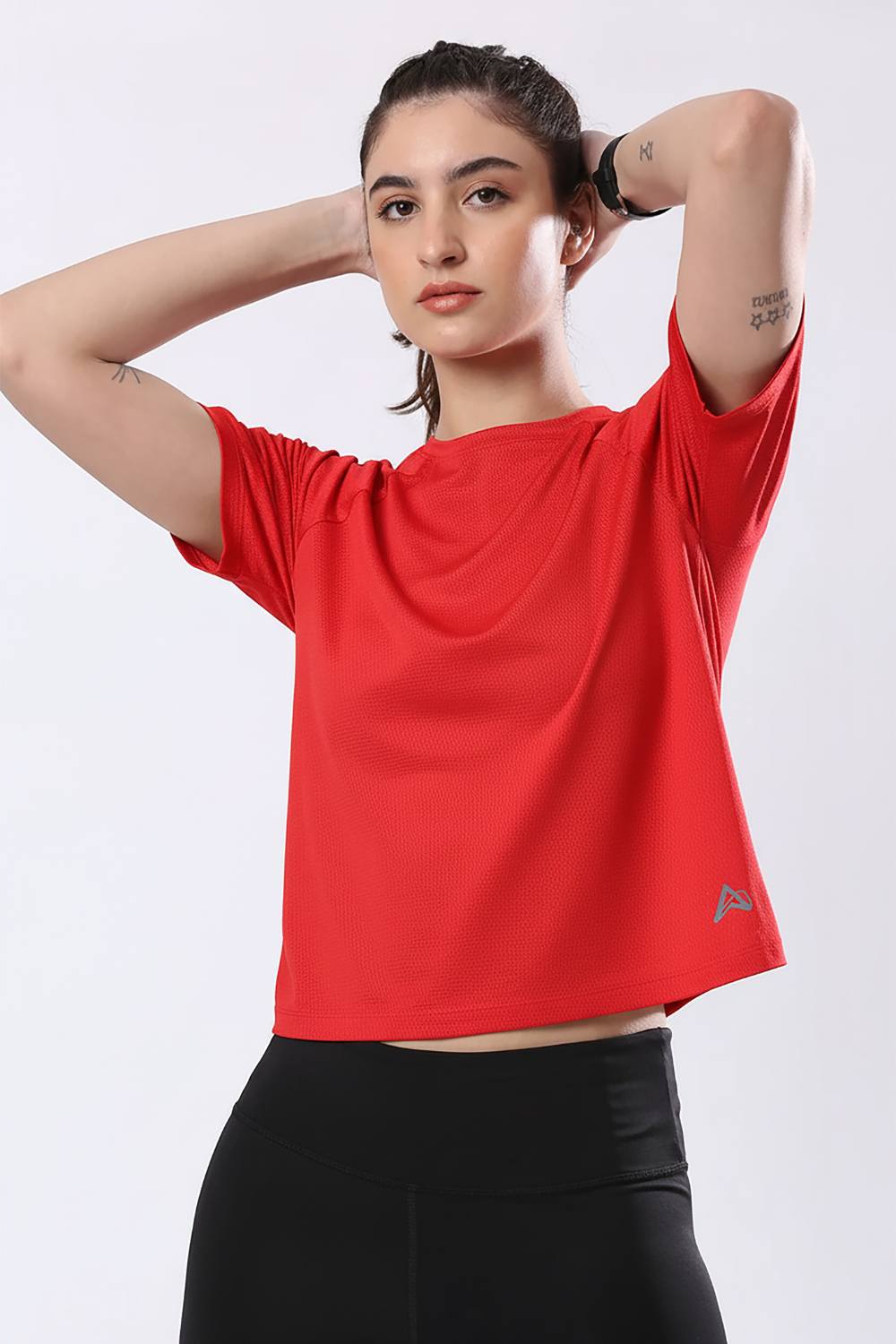
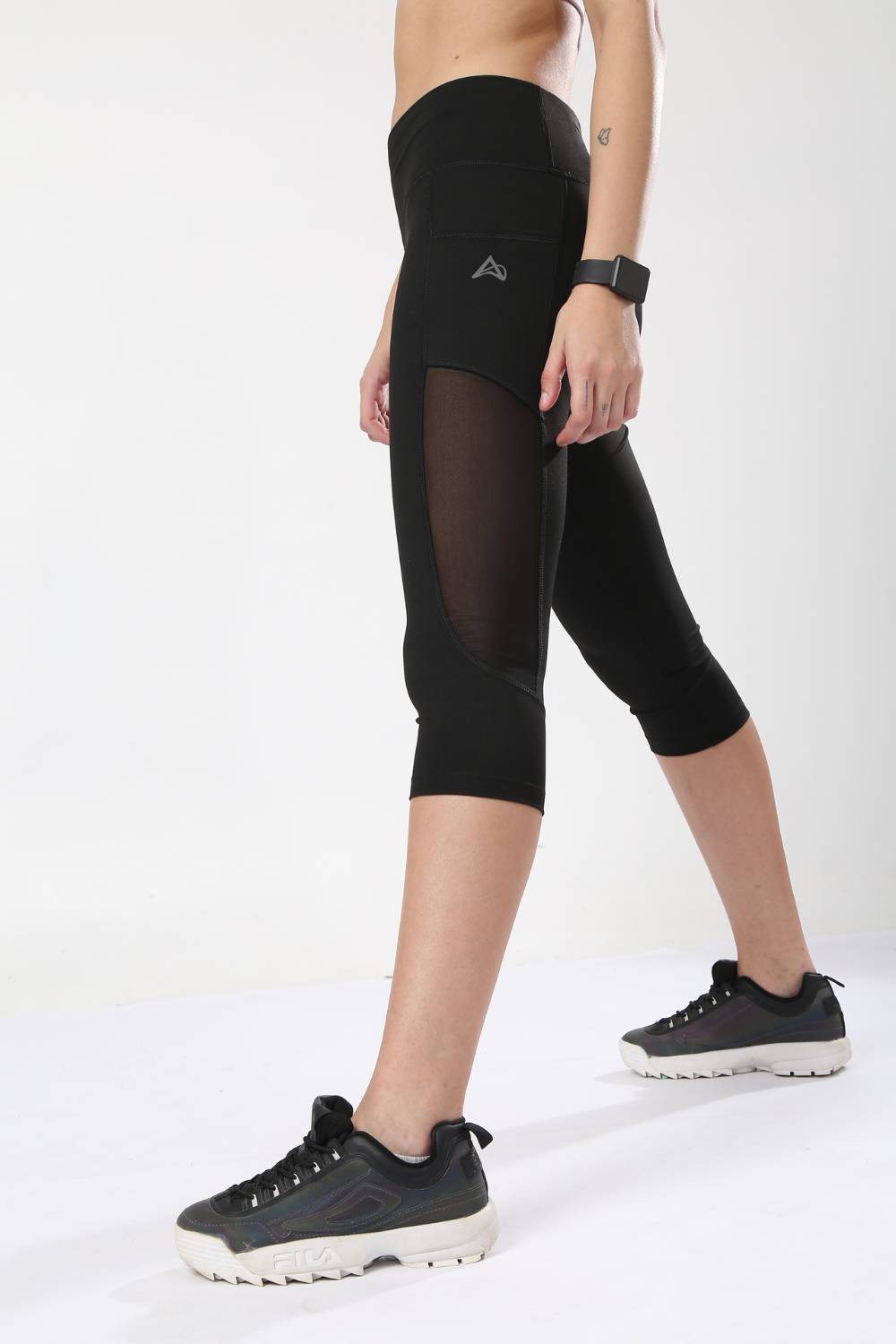



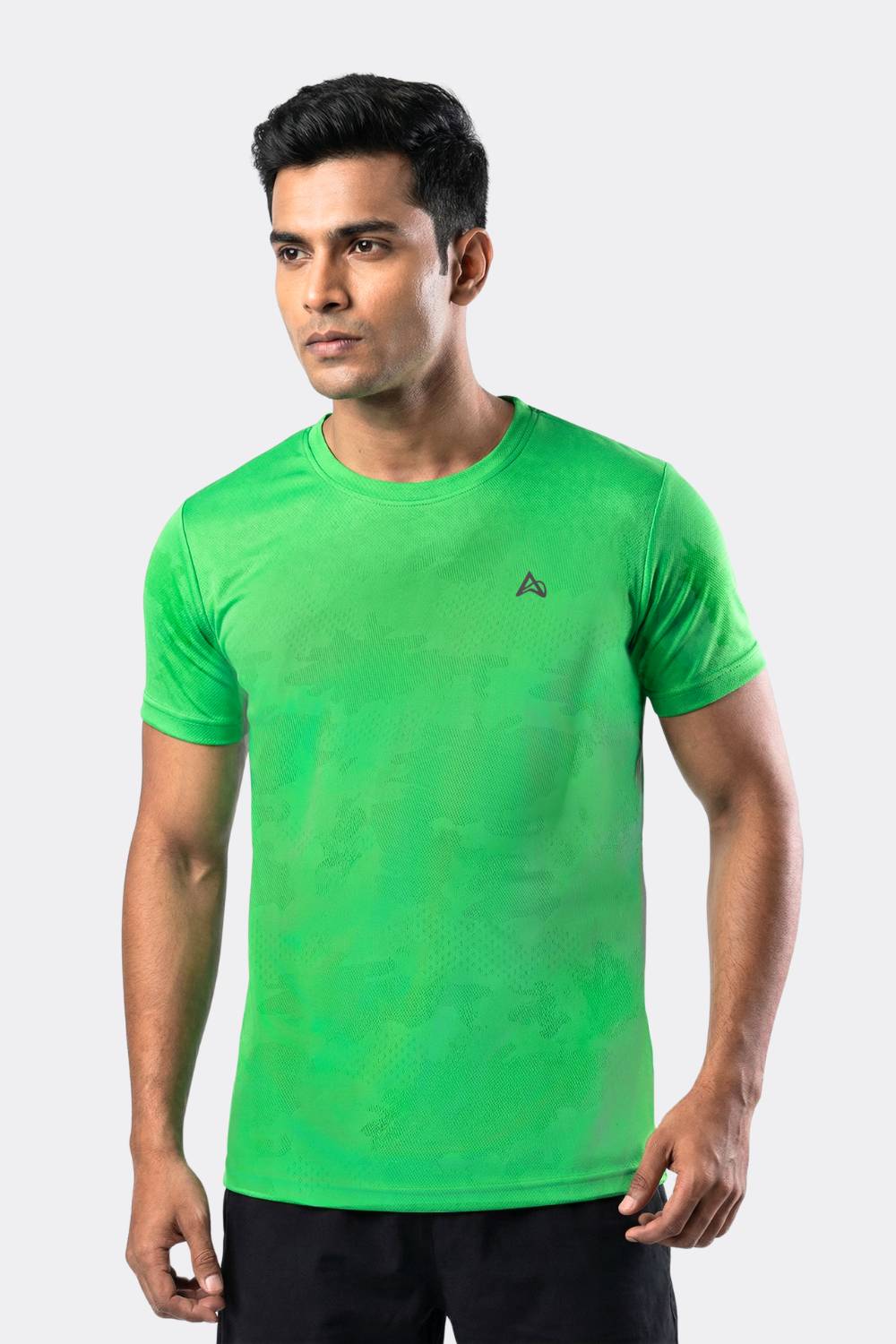
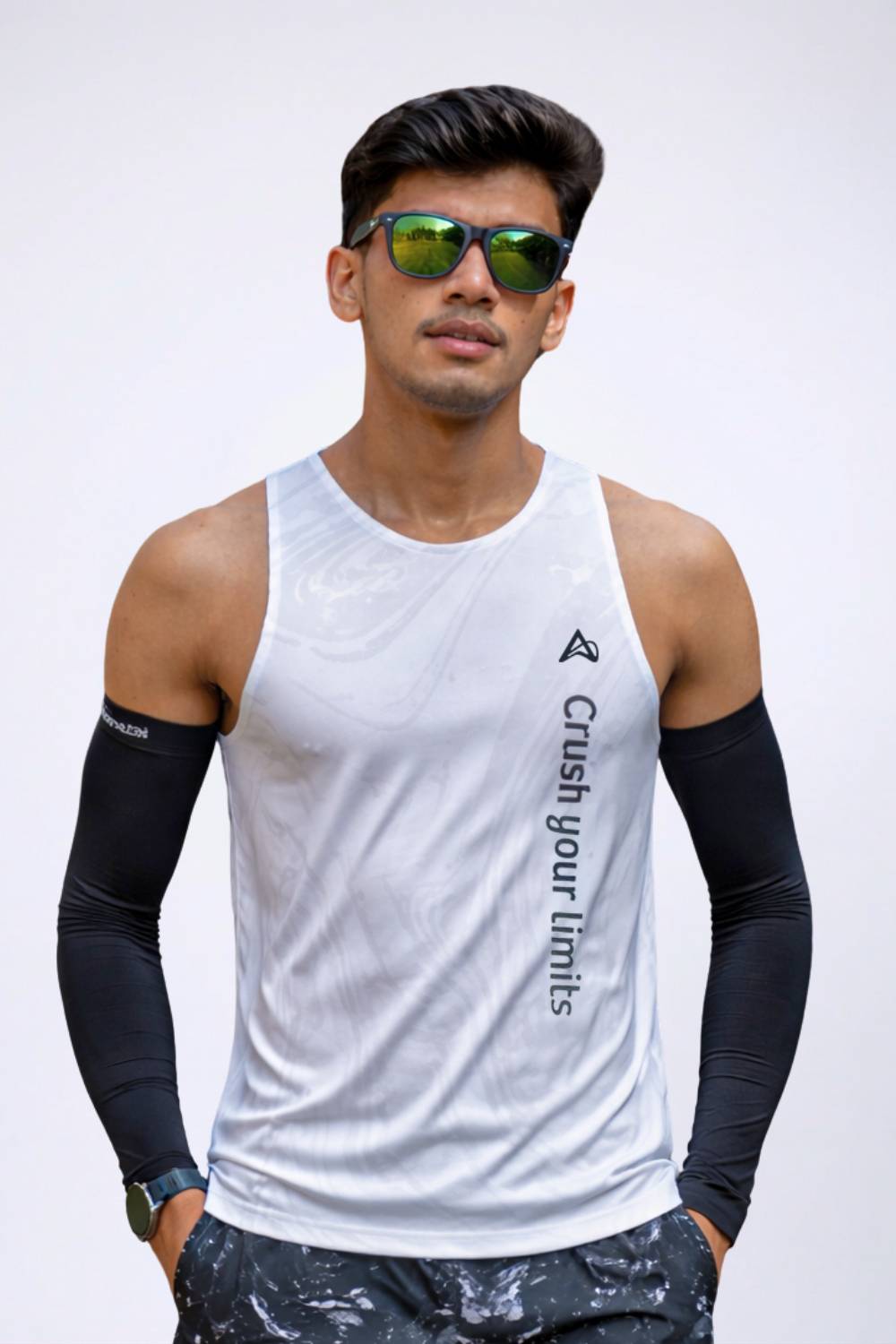

Choosing between running tights and running shorts is one of those seemingly simple decisions that can quietly shape how comfortable, consistent, and confident your runs feel. While both options are designed for performance, they serve slightly different needs depending on weather, training intensity, and personal preference. Instead of treating it as a fixed rule, most experienced runners approach it as a flexible choice that adapts to conditions and goals.
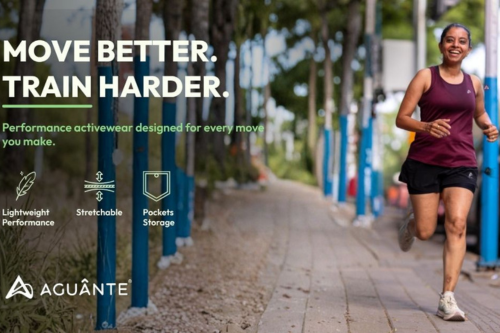
Tired of gear that slows you down? Chafing, soggy fabrics, and missing pockets kill your run's momentum. At Aguante, we're runners who get it. Our high-performance activewear features moisture-wicking fabrics, ergonomic designs, and smart storage to keep you focused. Shop Now!
The Real Question: Comfort vs Practical Performance
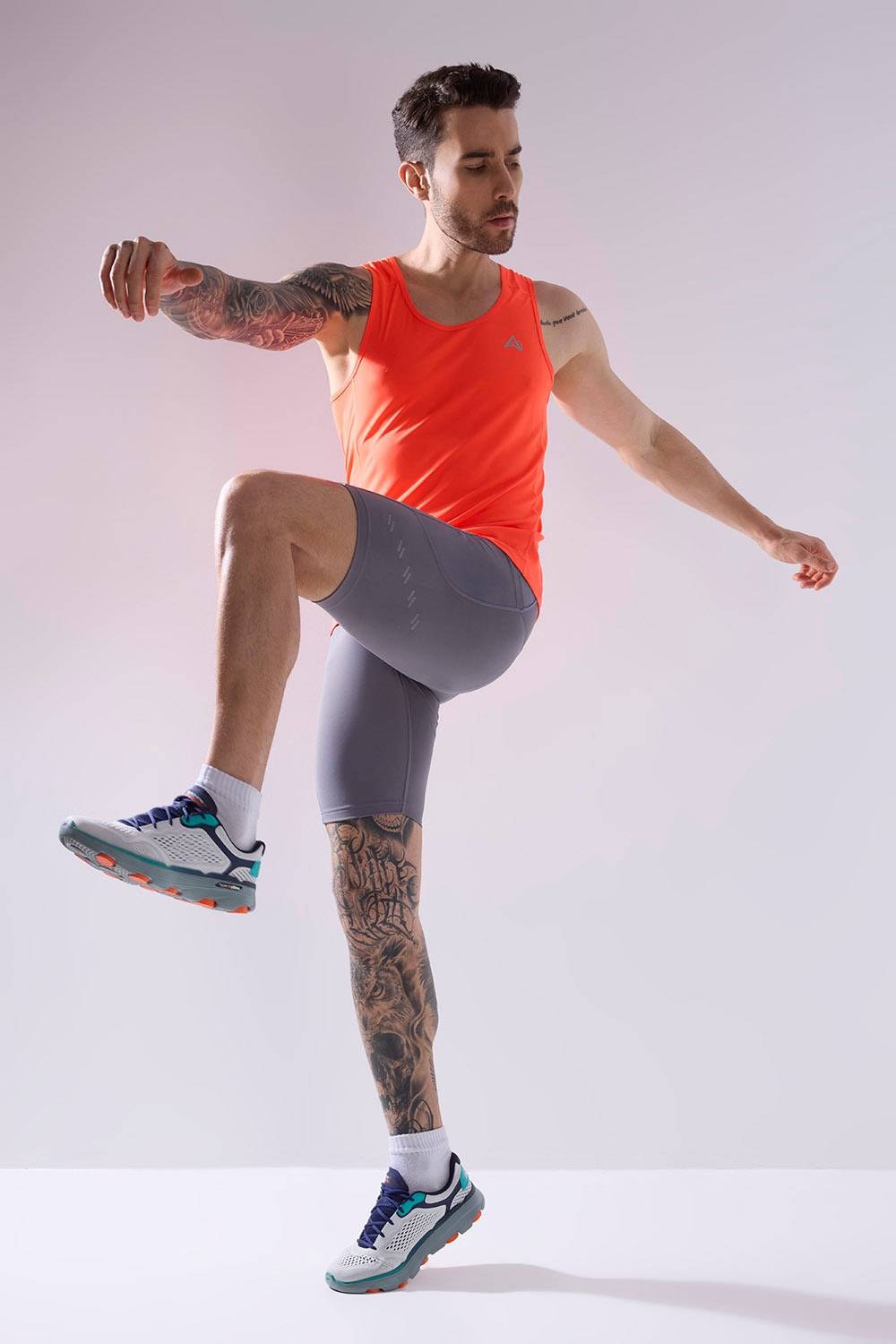
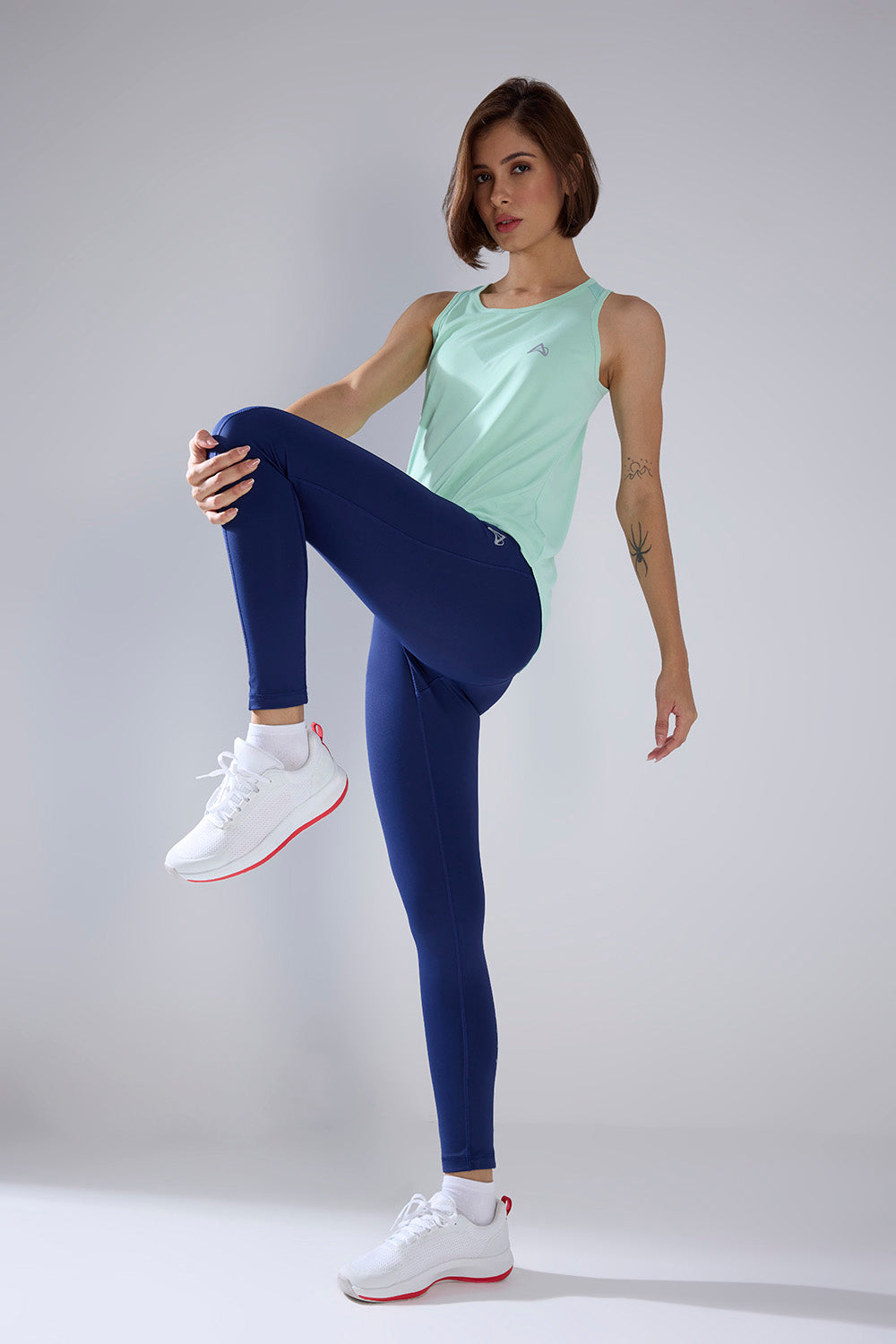
At the heart of the tights-versus-shorts debate is not a question of which is objectively better, but which supports your running experience more effectively on a given day. Running shorts are often associated with breathability and freedom of movement, especially during high-intensity sessions or warm-weather runs. Running tights, on the other hand, are chosen for coverage, muscle support feel, and warmth during cooler conditions.
Modern running apparel design has evolved to reduce friction between these choices. Many runners now rotate between both depending on the training phase, rather than committing to one option year-round. This shift reflects a broader change in performance apparel thinking prioritizing adaptability over rigid gear rules.
What Research Says About Compression Tights
Compression tights have long been marketed as a performance-enhancing layer that improves muscle stability and reduces fatigue. However, controlled research suggests a more nuanced reality. A study examining experienced runners compared performance outcomes across shorts and different levels of compression tights and found no meaningful difference in muscle power, fatigue levels, or endurance output. You can review the findings in the original research summary on compression tights.
Compression tights have gained a reputation among runners as a performance-enhancing tool that promises better muscle support, reduced fatigue, and quicker recovery after intense sessions. Yet a controlled study presented at the American College of Sports Medicine meeting tested this claim directly by having experienced distance runners perform high-intensity runs in shorts compared with low- and high-compression tights. Researchers measured muscle vibration using specialized sensors, tracked changes in leg strength through jump tests, and monitored overall fatigue indicators. The results showed no meaningful improvement in jump height or muscle power regardless of which garment was worn, and the compression did not reduce perceived effort or extend time to exhaustion in any significant way. This finding challenges the long-held assumption that the fabric itself delivers a mechanical advantage during runs.
Instead, it suggests that any perceived benefits may stem more from subjective factors such as warmth, comfort, or the placebo effect rather than measurable physiological gains. For runners who struggle with chafing or feel more stable in full-length tights, the garment can still serve a practical purpose by encouraging consistent training. In hot-weather conditions, however, the added fabric can trap heat and increase discomfort, making shorts a more practical alternative. Choosing between the two ultimately comes down to personal preferences and specific running goals rather than scientific proof of superior speed or endurance. This insight underscores why many athletes experiment with both options and let their own bodies dictate the best fit for each workout.
Interestingly, the same findings highlight that perceived benefits often come from subjective factors rather than measurable physiological changes. Runners may feel more supported or stable, but that sensation does not necessarily translate into improved performance metrics. This distinction matters because it reframes compression tights as a comfort and confidence tool rather than a guaranteed performance enhancer.
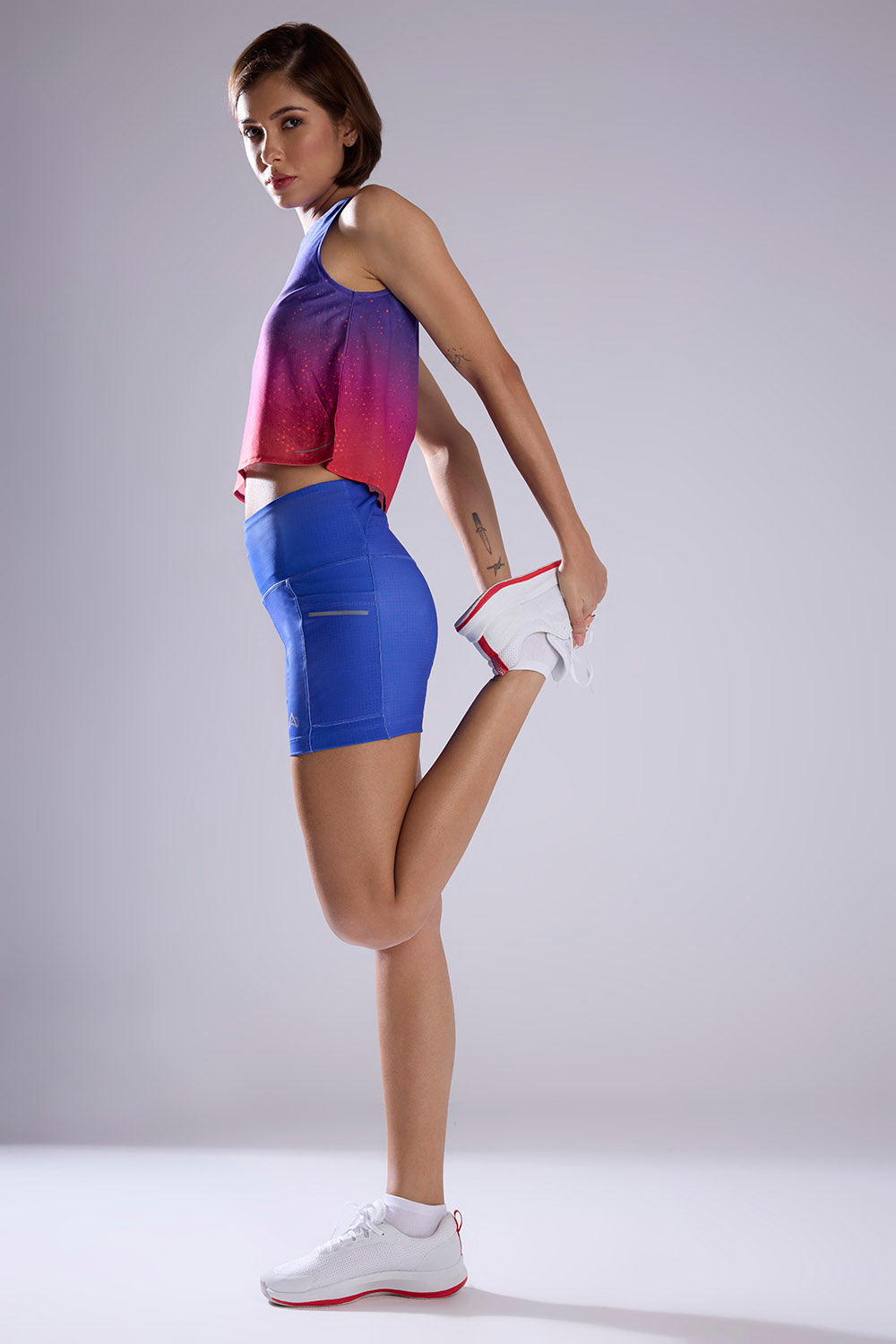
For many runners, tights still serve a valuable role. They can help reduce chafing, provide warmth during early morning runs, and create a secure, “held-in” feeling that some athletes prefer during longer sessions. The key takeaway is that their value is often experiential rather than mechanical.
How Running Shorts Support Everyday Performance
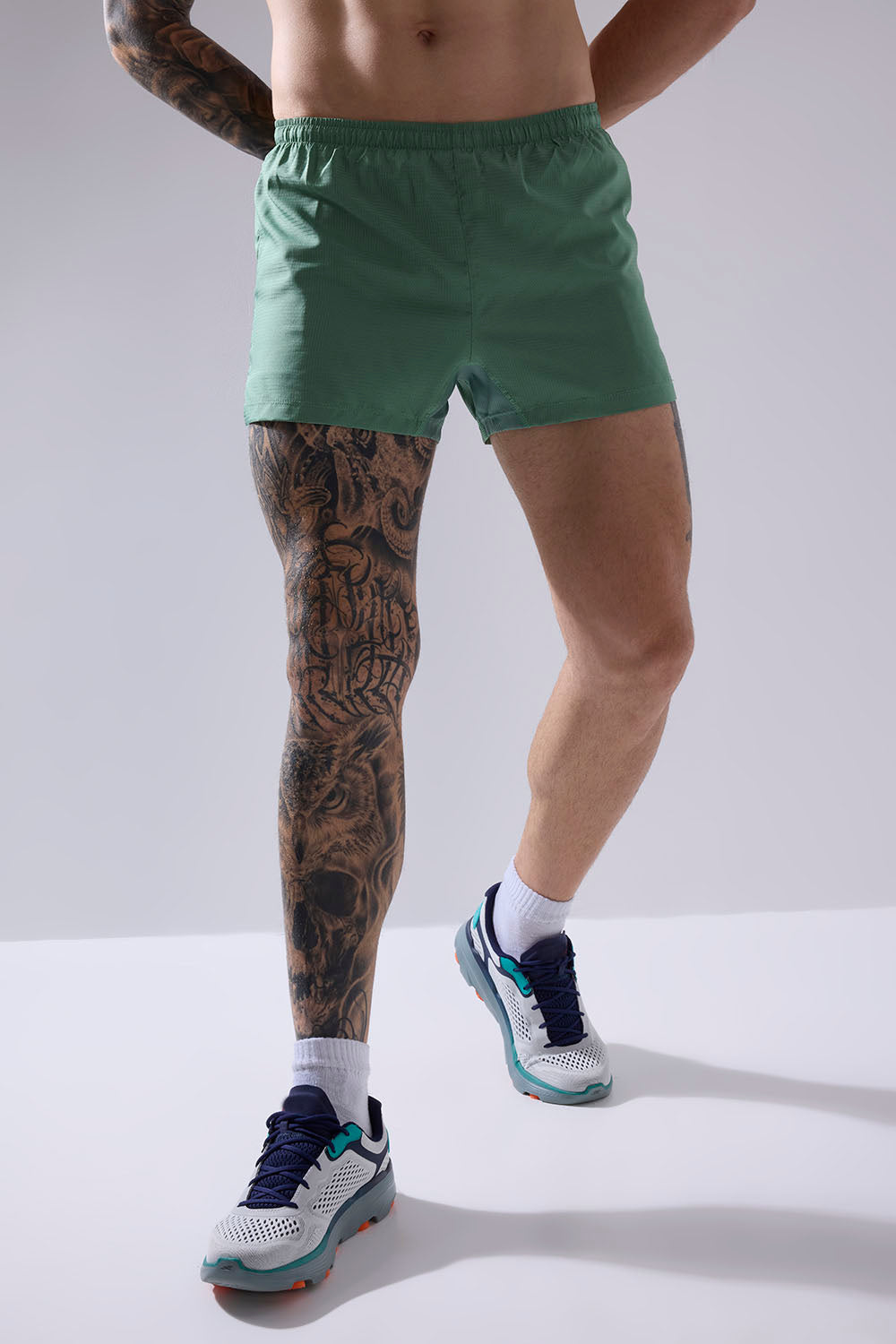
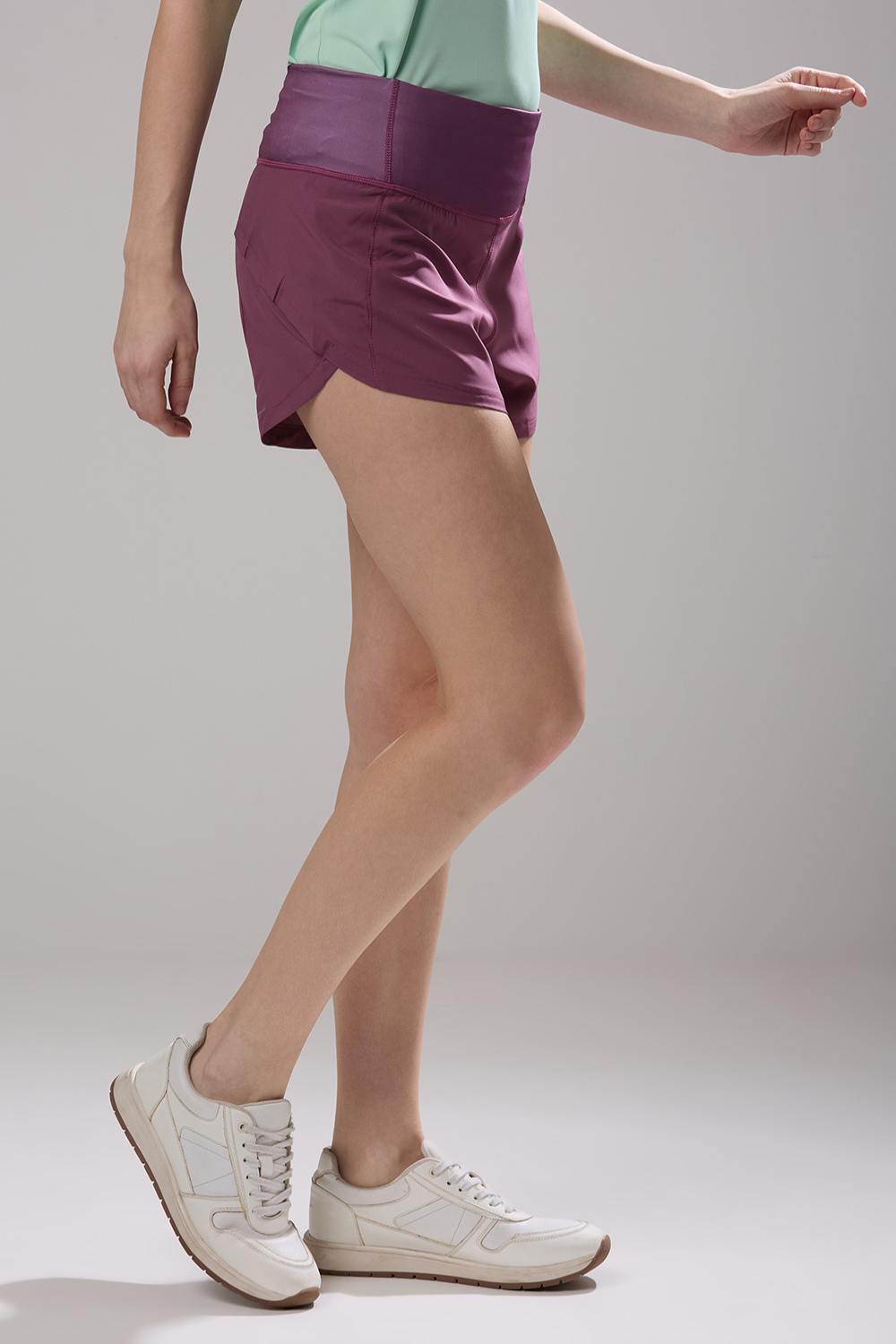
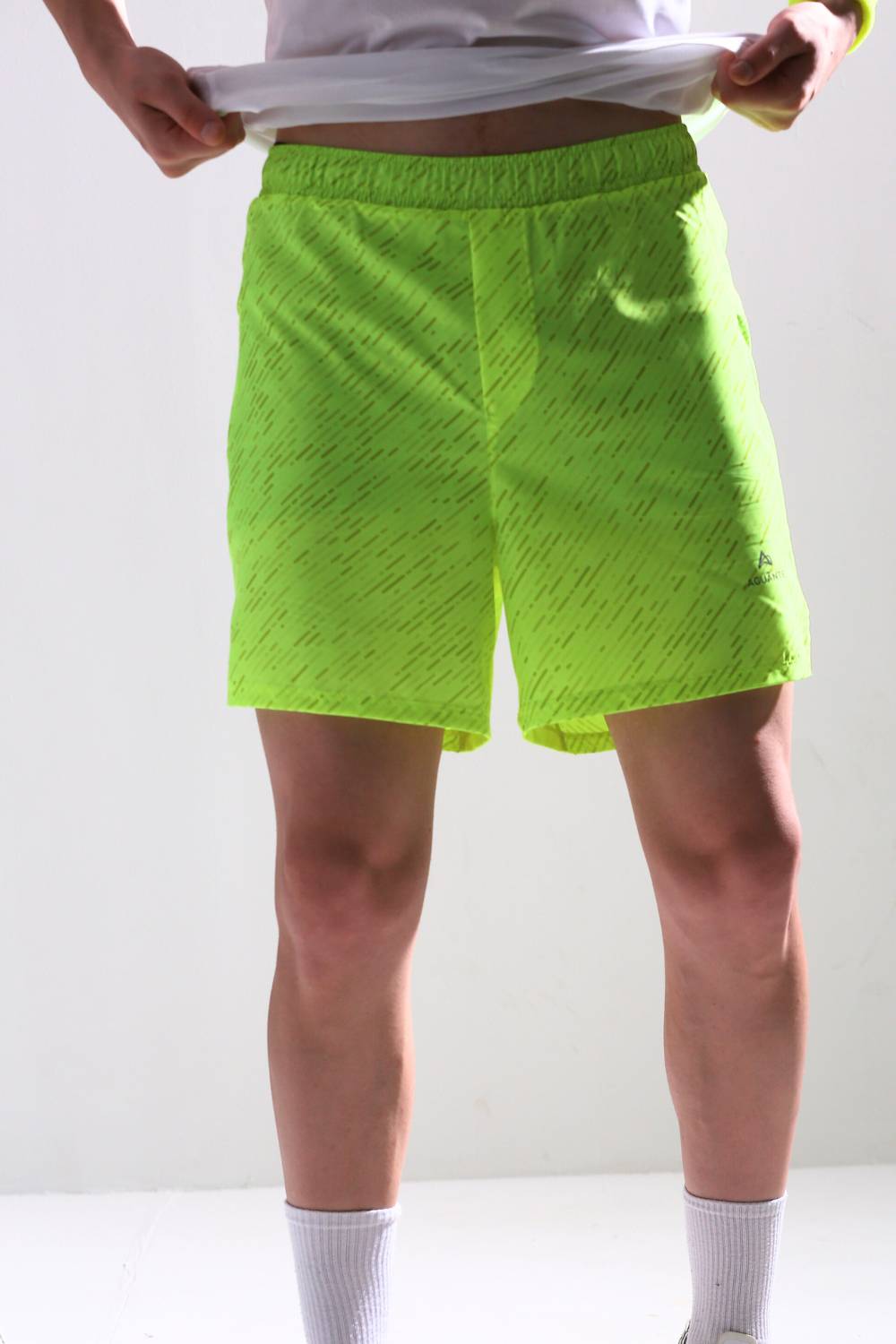
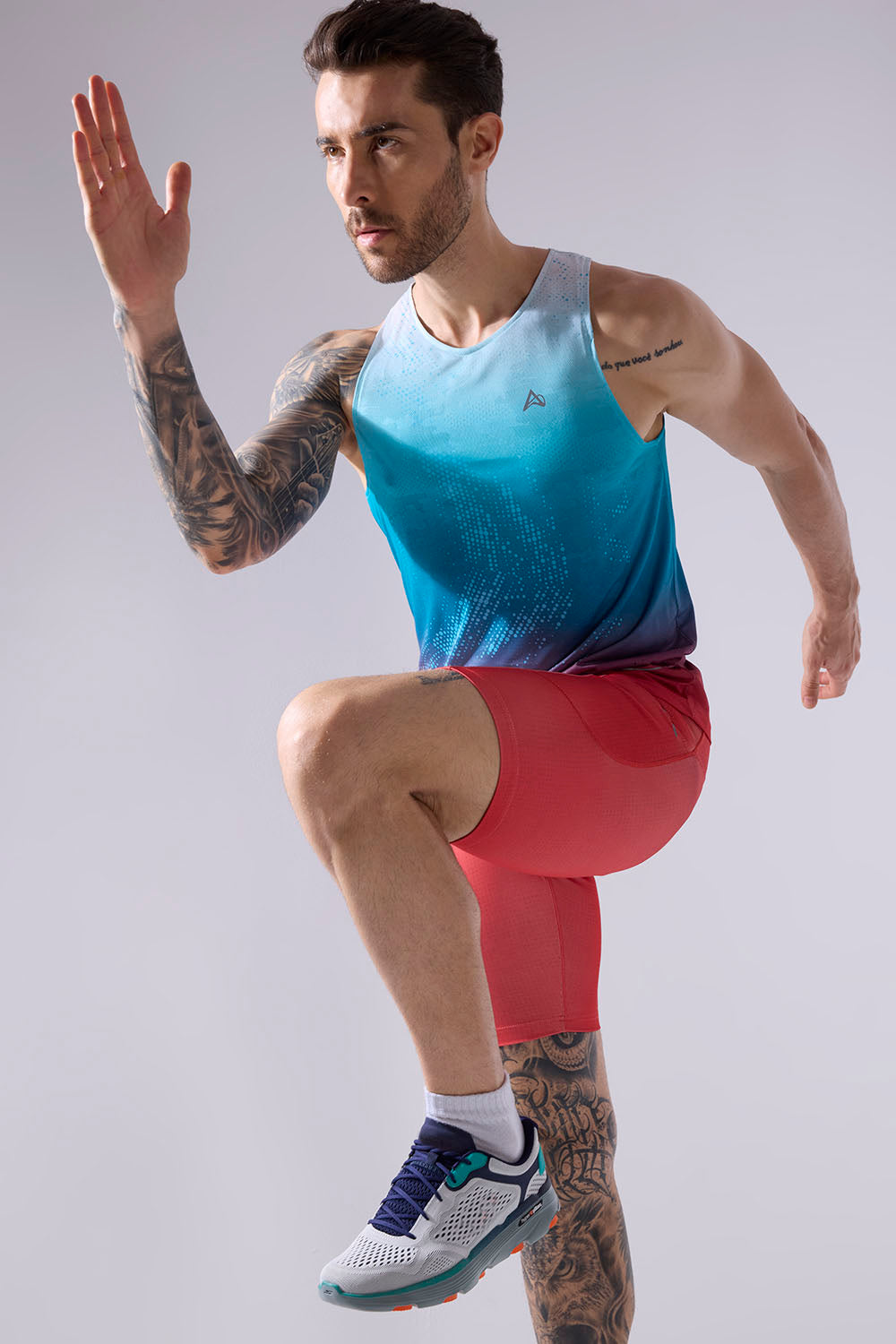
Running shorts continue to remain the default choice for many athletes, particularly in warmer climates or during faster workouts. Their lightweight construction and breathability allow for unrestricted movement and better heat dissipation. This makes them especially useful when training intensity increases or environmental temperatures rise.
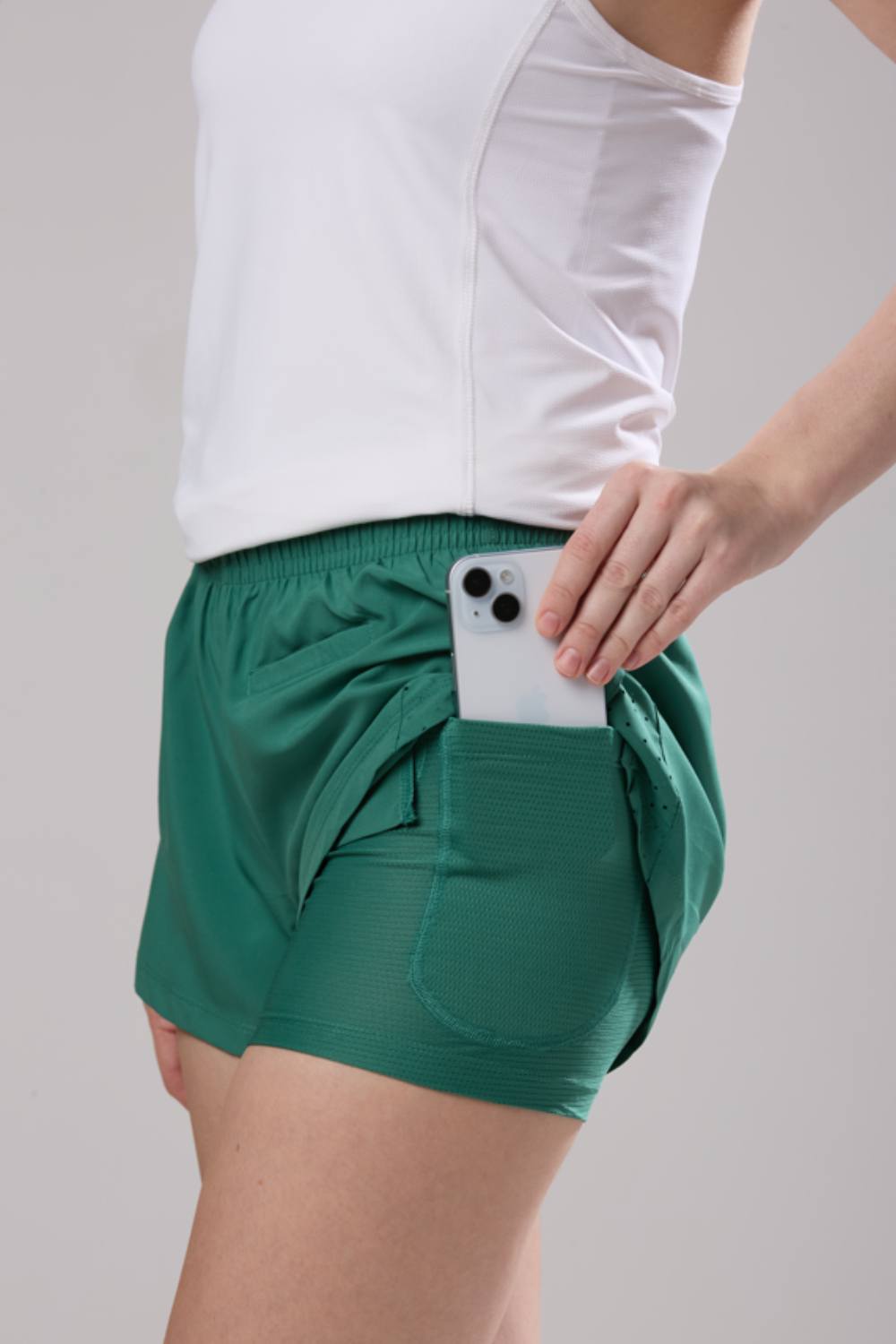
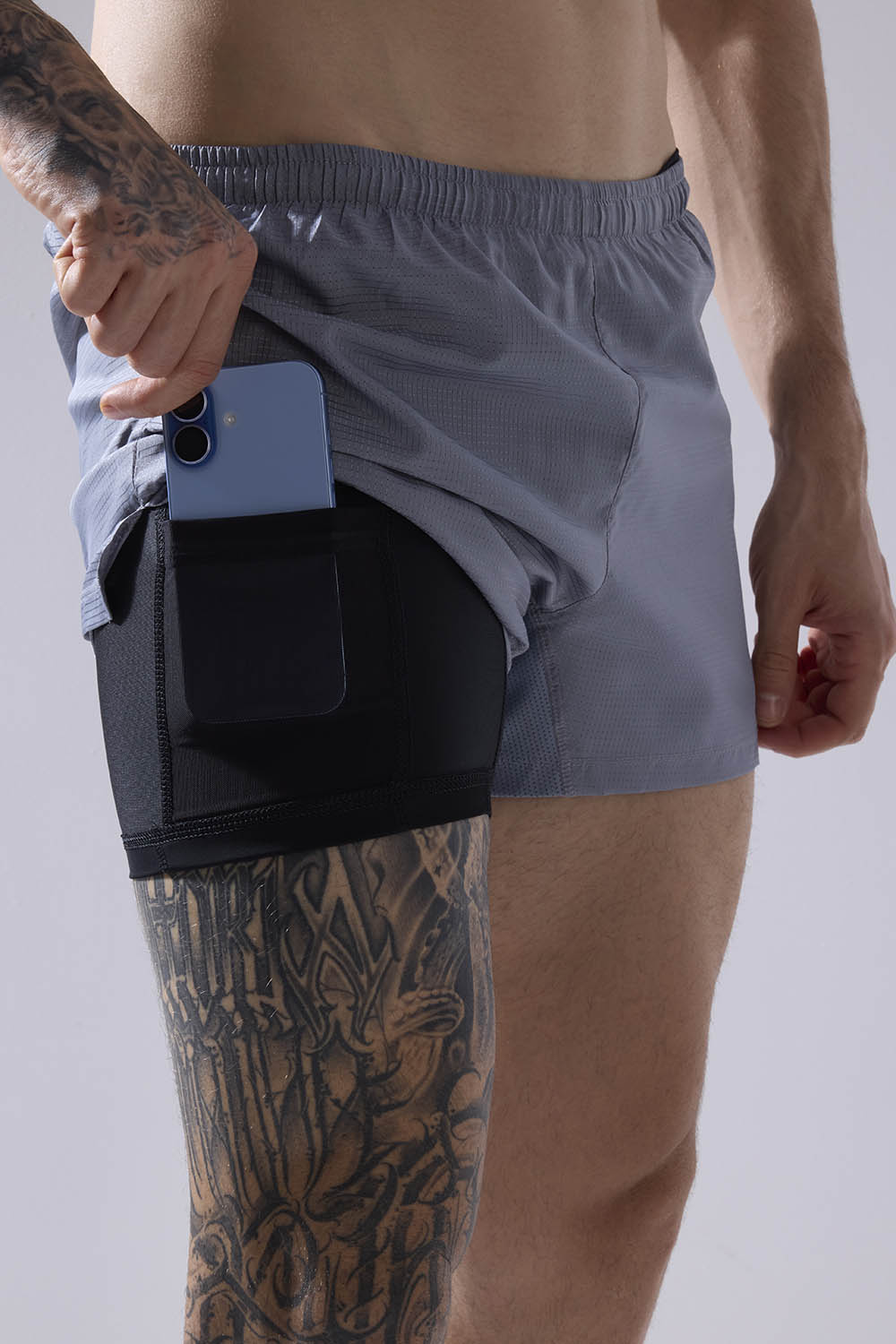
Editorial evaluations of running gear consistently highlight how shorts designed with moisture-wicking fabrics, secure waistbands, and functional storage options enhance everyday usability. Some performance-focused designs even include strategically placed pockets and technical fabrics that stay in place during longer runs, improving convenience without adding bulk.
Expert roundups of running essentials also emphasize that shorts are not just about minimal coverage they are about building consistency through comfort. According to a running gear review, runners often value shorts that balance breathability with practical features like secure fit and sweat management, especially during sustained training cycles.
Expert roundups of the best running gifts and gear emphasize that the right bottoms can transform everyday training into a more enjoyable and effective habit, making the shorts-versus-tights decision central to runner satisfaction. Reviewers highlight shorts made from UV-protective, moisture-wicking Italian-sourced fabrics that stay in place during long efforts and pockets for essentials, noting their popularity among marathoners who race in hot conditions. The piece also covers tights and leggings that deliver compression support and warmth without sacrificing mobility, showing how runners layer or switch based on temperature and workout type.
This editorial approach, free from affiliate bias, provides balanced recommendations that mirror real athlete needs: breathability for high-intensity days and coverage for cooler mornings. The content supports deeper blog discussions by showing that gear choices are not one-size-fits-all but depend on factors like climate, pace, and personal comfort. Runners who invest in thoughtful bottoms report better injury rates and higher mileage consistency, reinforcing why educational content on this topic resonates with readers. Ultimately, the article encourages readers to test different options themselves, aligning perfectly with strategies that position a brand like Aguante as a trusted source of practical, insight-driven running advice.
Temperature, Climate, and Training Conditions
Environmental conditions play a major role in determining whether tights or shorts feel more appropriate. In warmer weather, shorts naturally allow better airflow, helping the body regulate temperature during sustained effort. This becomes particularly important during interval sessions or long runs where overheating can affect pacing and comfort.
In cooler conditions, tights provide coverage that helps maintain warmth without requiring multiple layers. This can make early morning or winter training more manageable, reducing the hesitation that sometimes comes with stepping out into low temperatures. The fabric also helps reduce wind exposure, which can subtly influence perceived effort during longer sessions.
What matters most is not just the temperature itself, but how your body responds to it. Some runners run warm and prefer shorts even in cooler weather, while others prioritize full-leg coverage for comfort and focus. This personal calibration often becomes more important than any general guideline.
Fit, Feel, and the Psychology of Running Gear
Beyond physical performance, clothing plays a psychological role in how runners approach training. The snug fit of tights can create a sense of structure and readiness, while shorts often contribute to a lighter, more relaxed mental state. Neither is inherently better, but each can influence mindset in subtle ways.
The sensation of compression, for example, is frequently associated with support, even when measurable performance benefits are minimal. This does not reduce its value; instead, it highlights how perception and comfort can directly impact training consistency. If a runner feels more confident in tights, they may be more likely to complete a session or maintain a steady routine.
On the other hand, shorts tend to reduce sensory input from clothing, which some runners interpret as freedom. This can be especially helpful during speed-focused workouts where distraction needs to be minimized. The choice often comes down to whether a runner prefers structure or minimalism during movement.
Choosing Based on Training Goals, Not Rules
Rather than treating running tights and shorts as mutually exclusive, most effective training approaches integrate both based on purpose. For recovery runs, long easy sessions, or cold-weather training, tights often provide added comfort and warmth. For speed work, races in warm conditions, or high-intensity intervals, shorts are frequently preferred for breathability and lightness.
This flexible approach aligns with how modern runners build their gear rotation less about fixed identity and more about functional responsiveness. It also reflects a broader understanding that running performance is influenced by a combination of physical readiness, environmental conditions, and psychological comfort.
From a performance apparel perspective, brands continue to refine both categories to reduce compromise. Shorts are becoming more functional, while tights are becoming lighter and more versatile. As a result, the decision is less about choosing one over the other permanently and more about understanding when each option enhances your run.
Ultimately, the most effective choice is the one that helps you show up consistently. Whether that means the unrestricted feel of shorts or the structured comfort of tights, the best gear is the one that supports your rhythm, not defines it.
Frequently Asked Questions
Are built-in liners or compression liners important in running shorts?
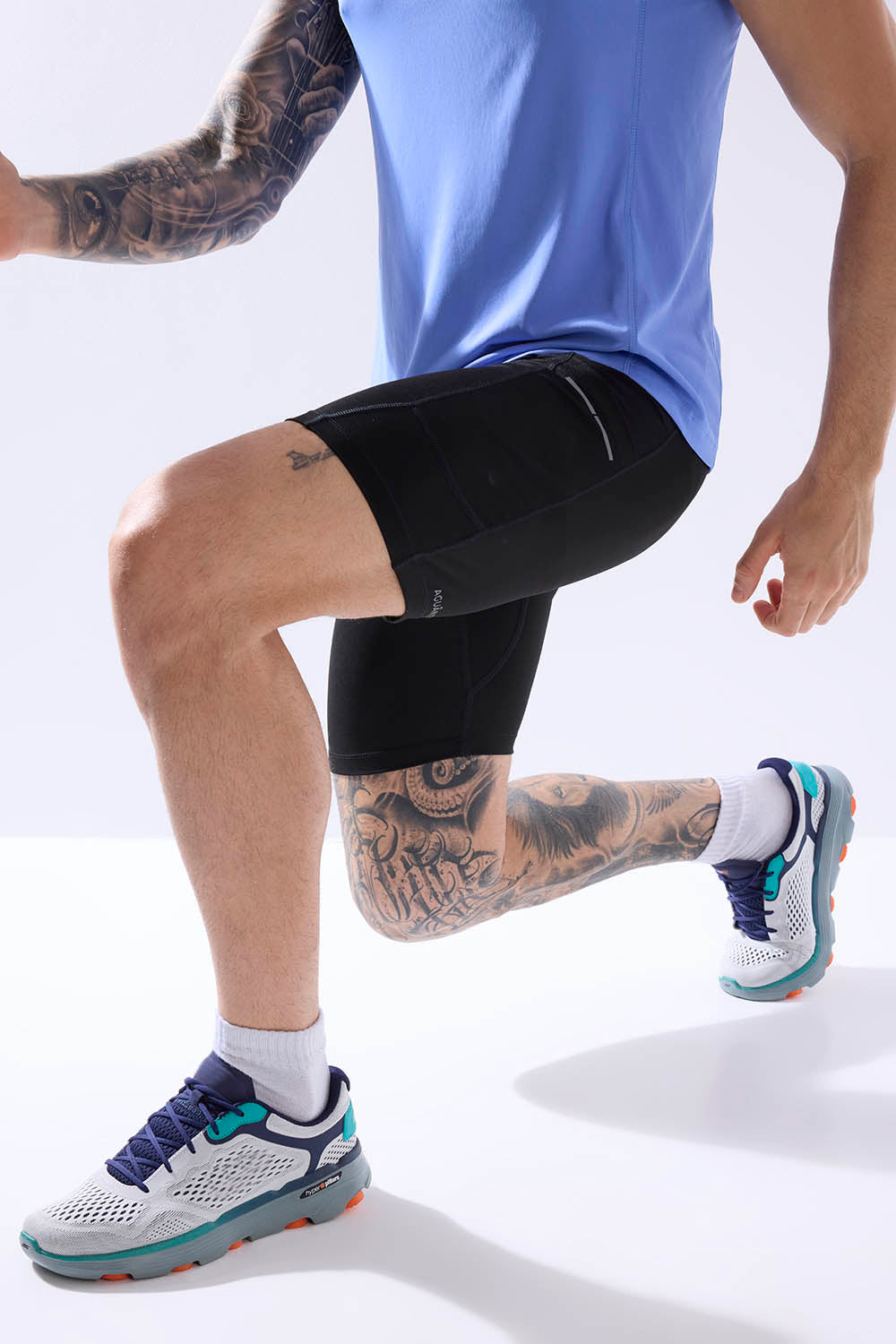
Built-in or compression liners can be very useful depending on your training needs. Compression liners offer muscle support during speed workouts and high-intensity sessions, while lighter or removable liners improve comfort during longer endurance runs. Choosing the right liner depends on whether you prioritize performance support or maximum breathability and freedom.
What features should I look for in running shorts for long-distance running?
For long-distance running, prioritize running shorts with bounce-resistant pockets, breathable materials, and moisture-wicking fabrics to stay comfortable over extended periods. Longer inseams or well-placed panels help reduce chafing during repeated motion. A secure waistband with an adjustable drawstring is also essential to keep the shorts stable as fatigue sets in.
What are the best running shorts for different training styles like speed work, long runs, and recovery runs?
The best running shorts depend on how you train, as different workouts require different features. Speed work benefits from lightweight, minimal shorts with short inseams and minimal distractions, while long runs need secure storage, moisture-wicking fabric, and anti-chafing design. Recovery runs prioritize comfort and a relaxed fit for easy movement and all-day wearability.
Disclaimer: The above helpful resources content contains personal opinions and experiences. The information provided is for general knowledge and does not constitute professional advice.
You may also be interested in: Aguante Sporswear for Men and Women
Tired of gear that slows you down? Chafing, soggy fabrics, and missing pockets kill your run's momentum. At Aguante, we're runners who get it. Our high-performance activewear features moisture-wicking fabrics, ergonomic designs, and smart storage to keep you focused. Shop Now!
Powered by flareAI.co