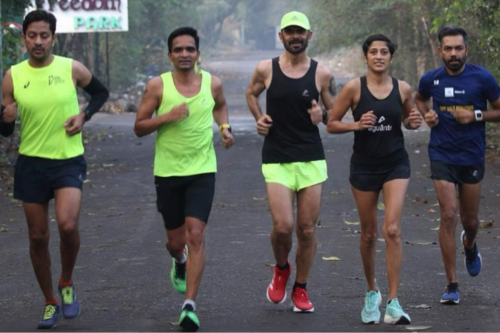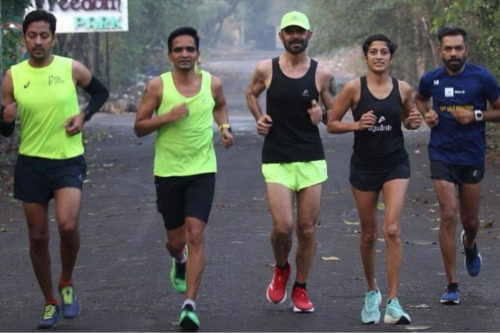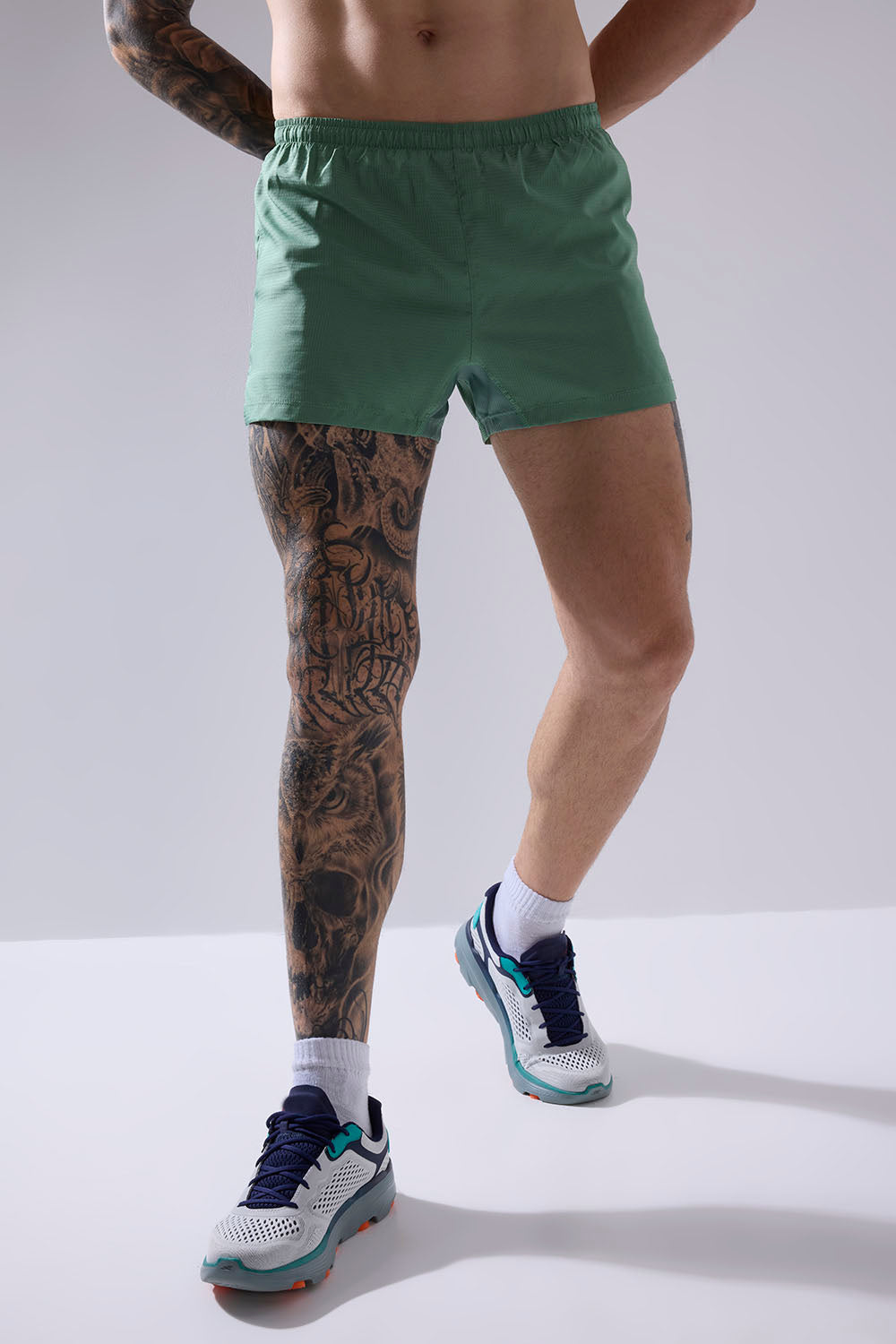
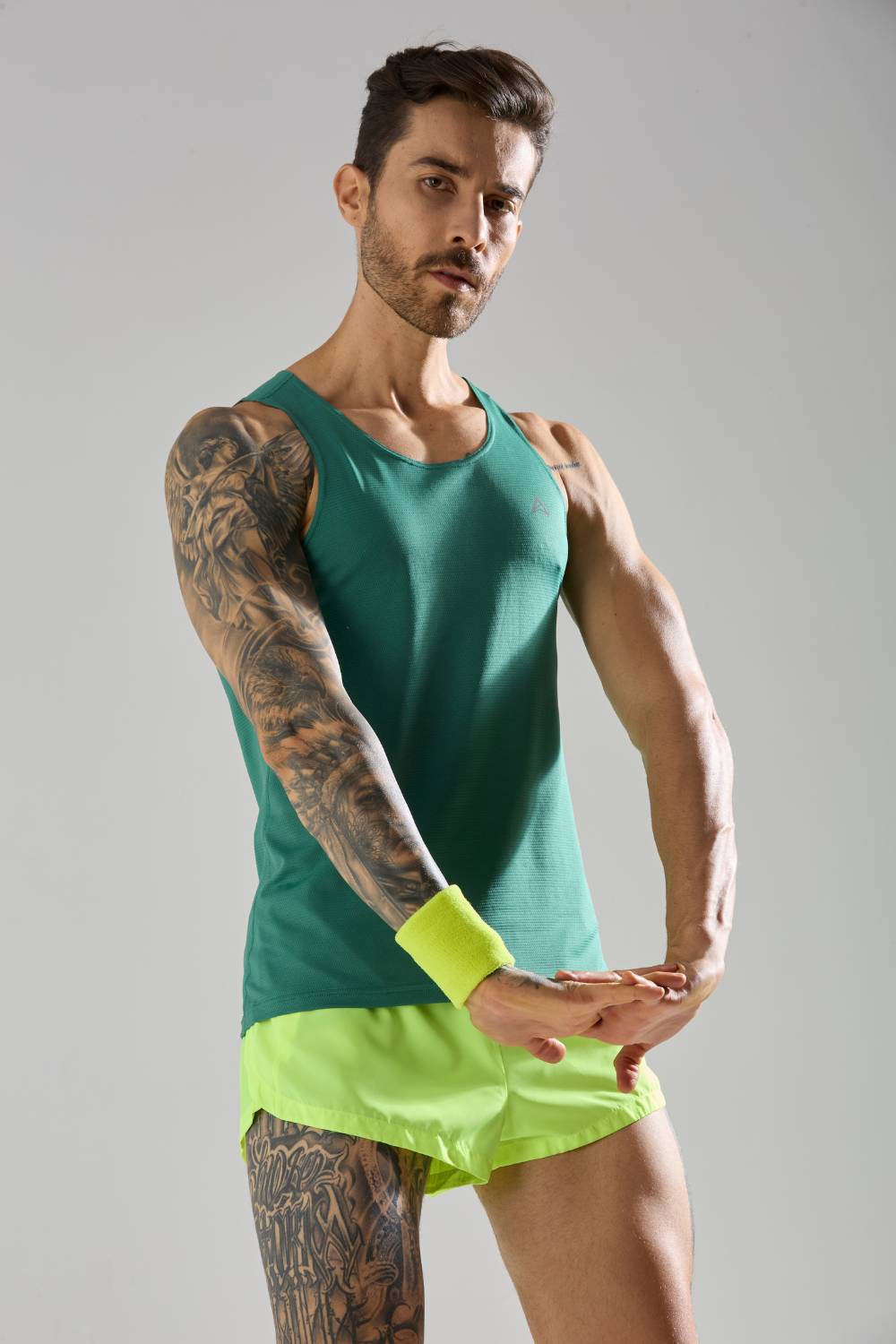
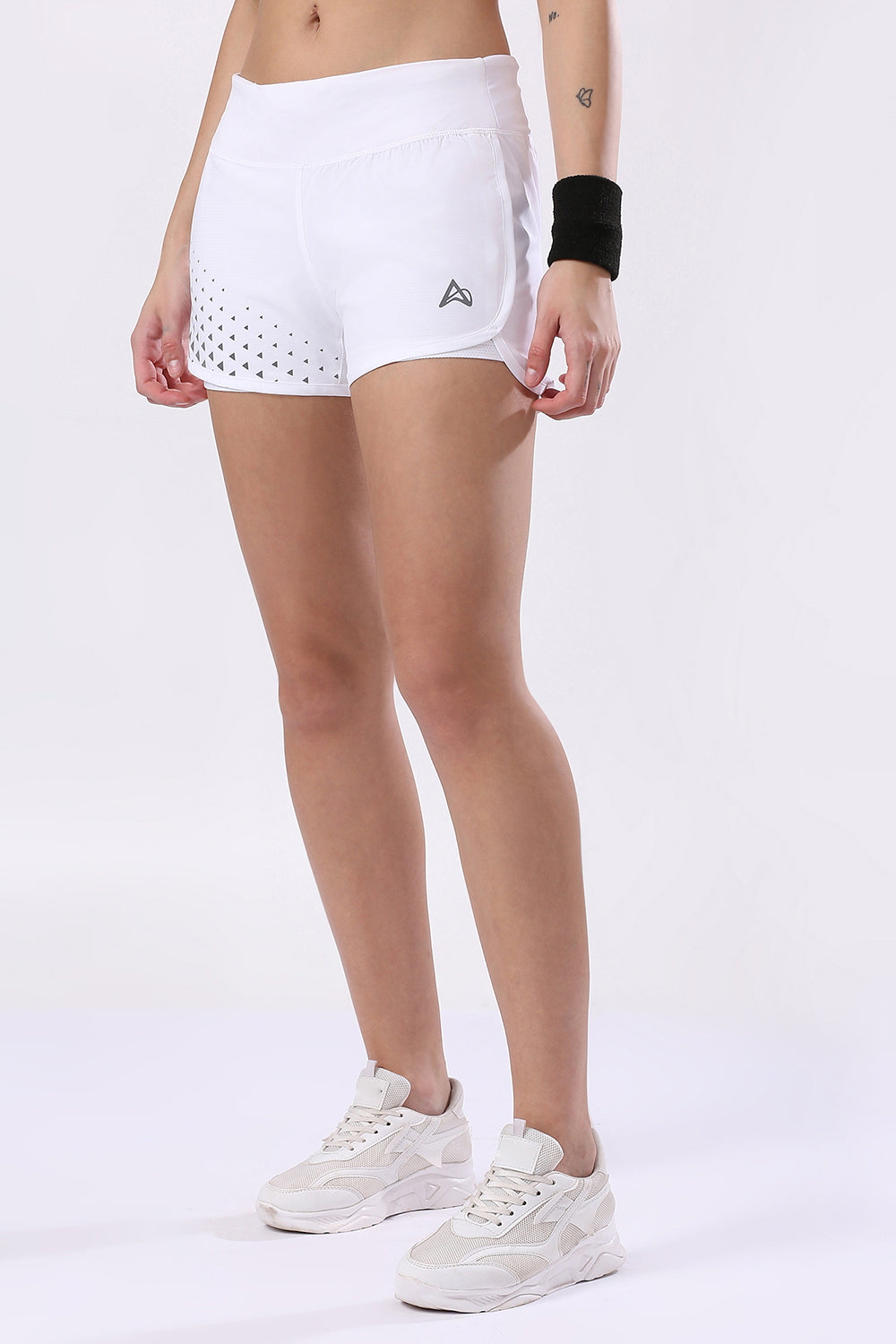
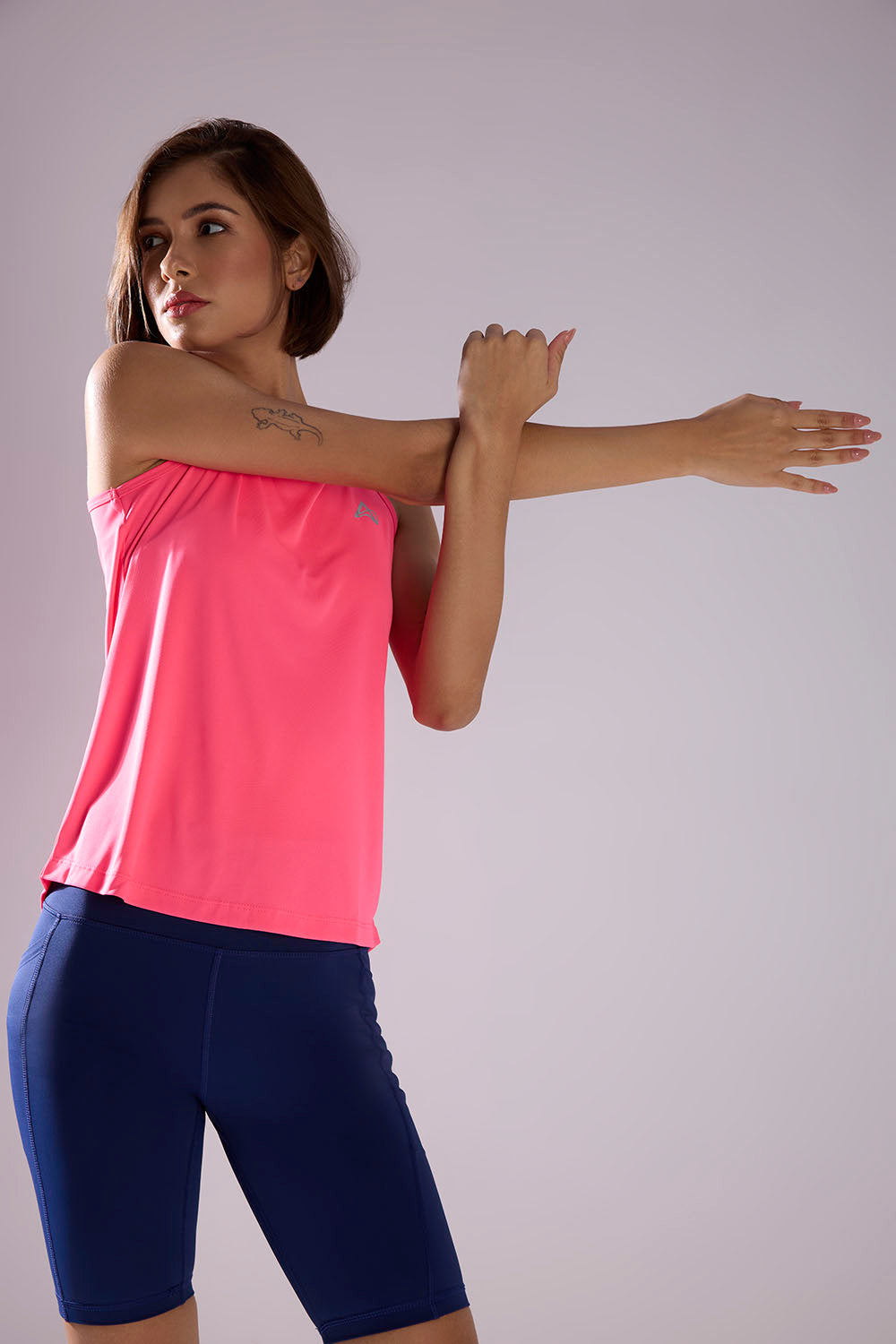
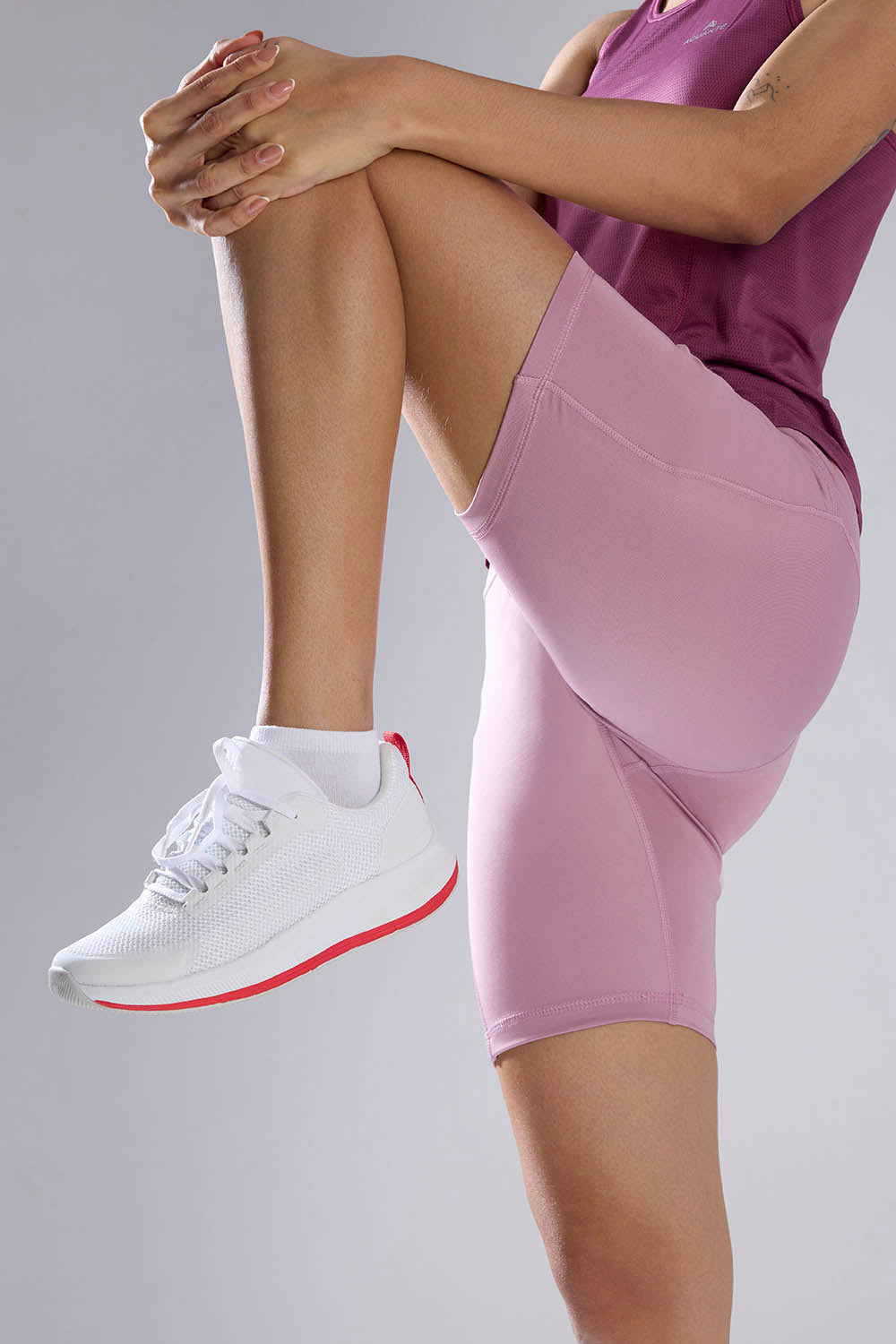
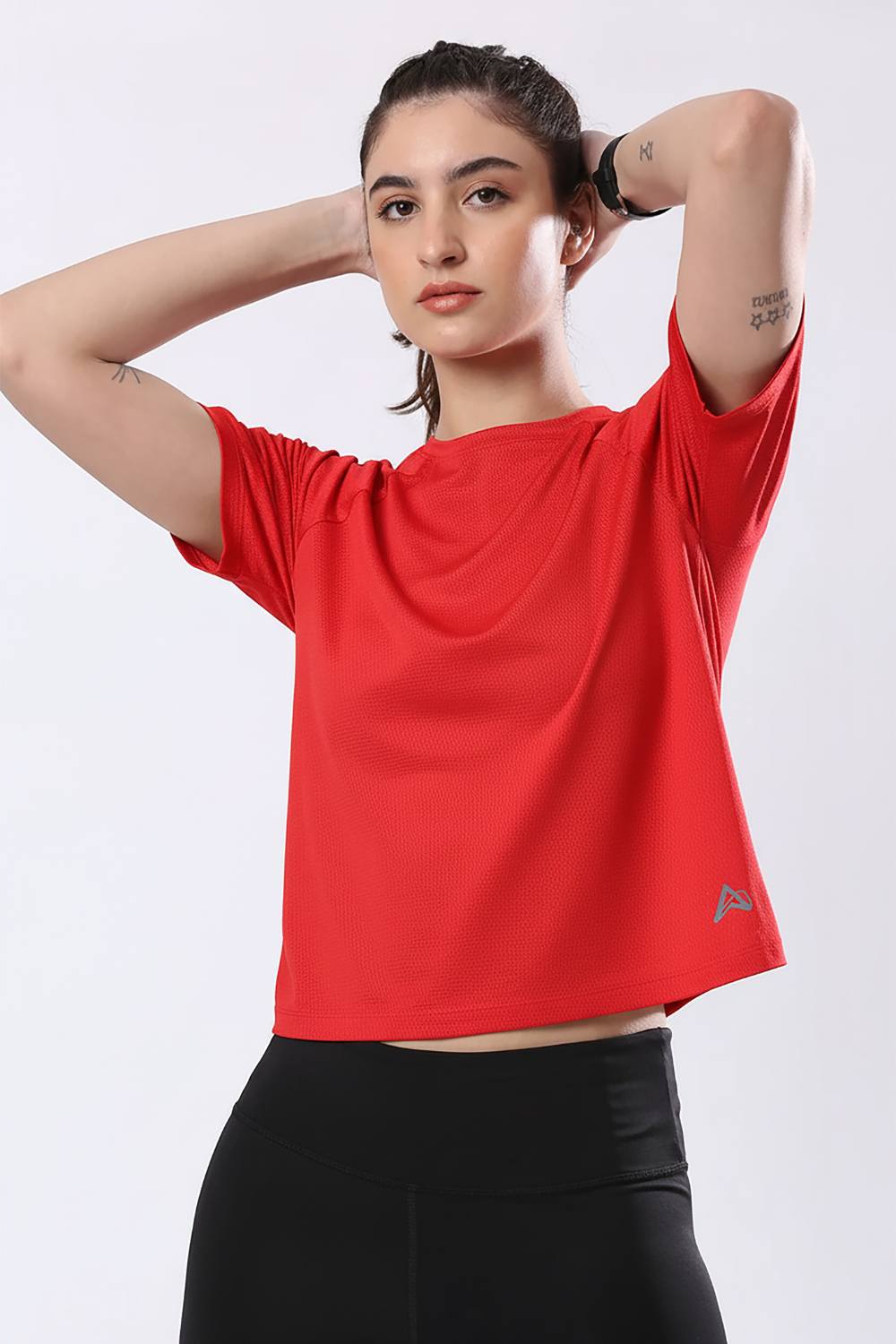

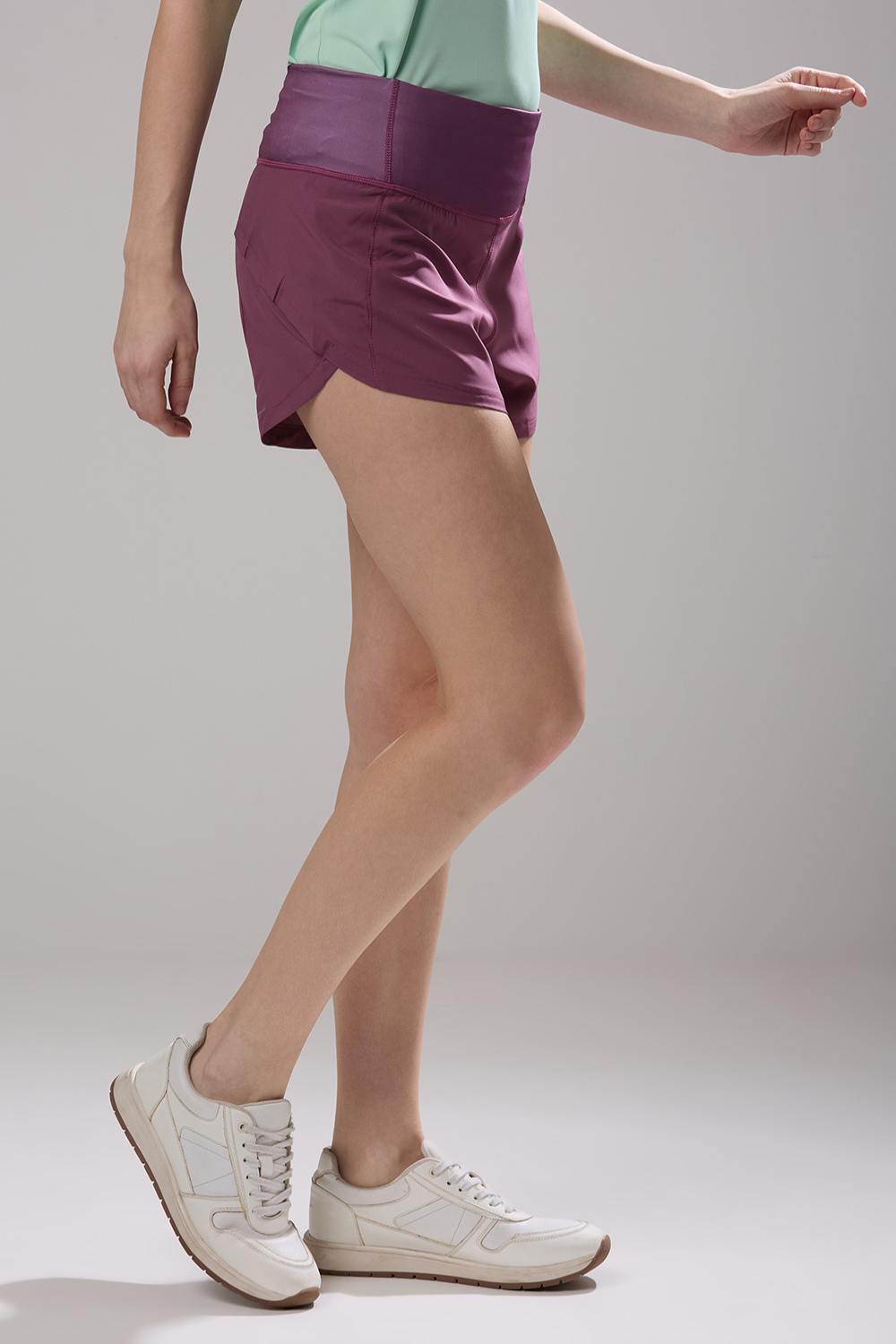
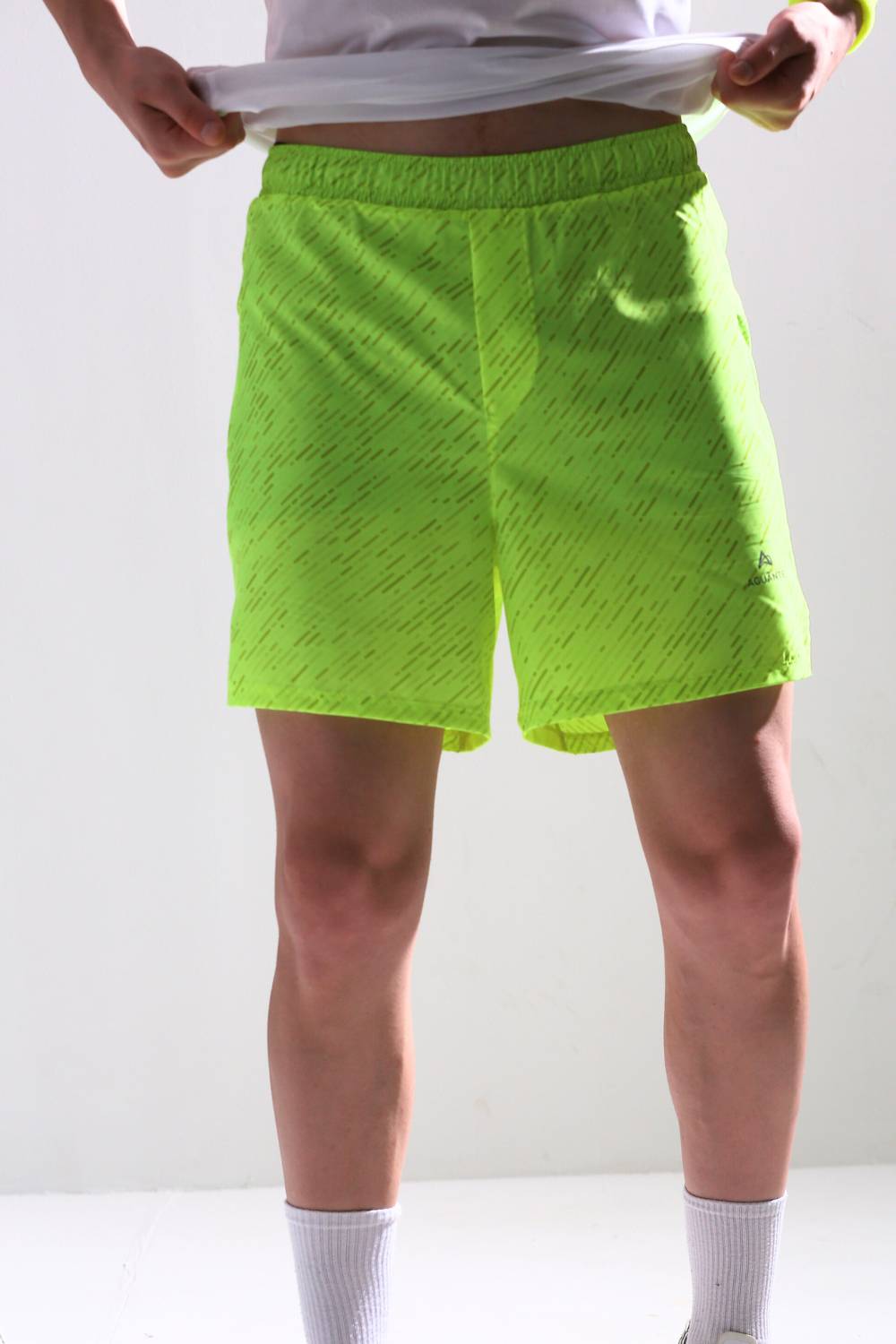
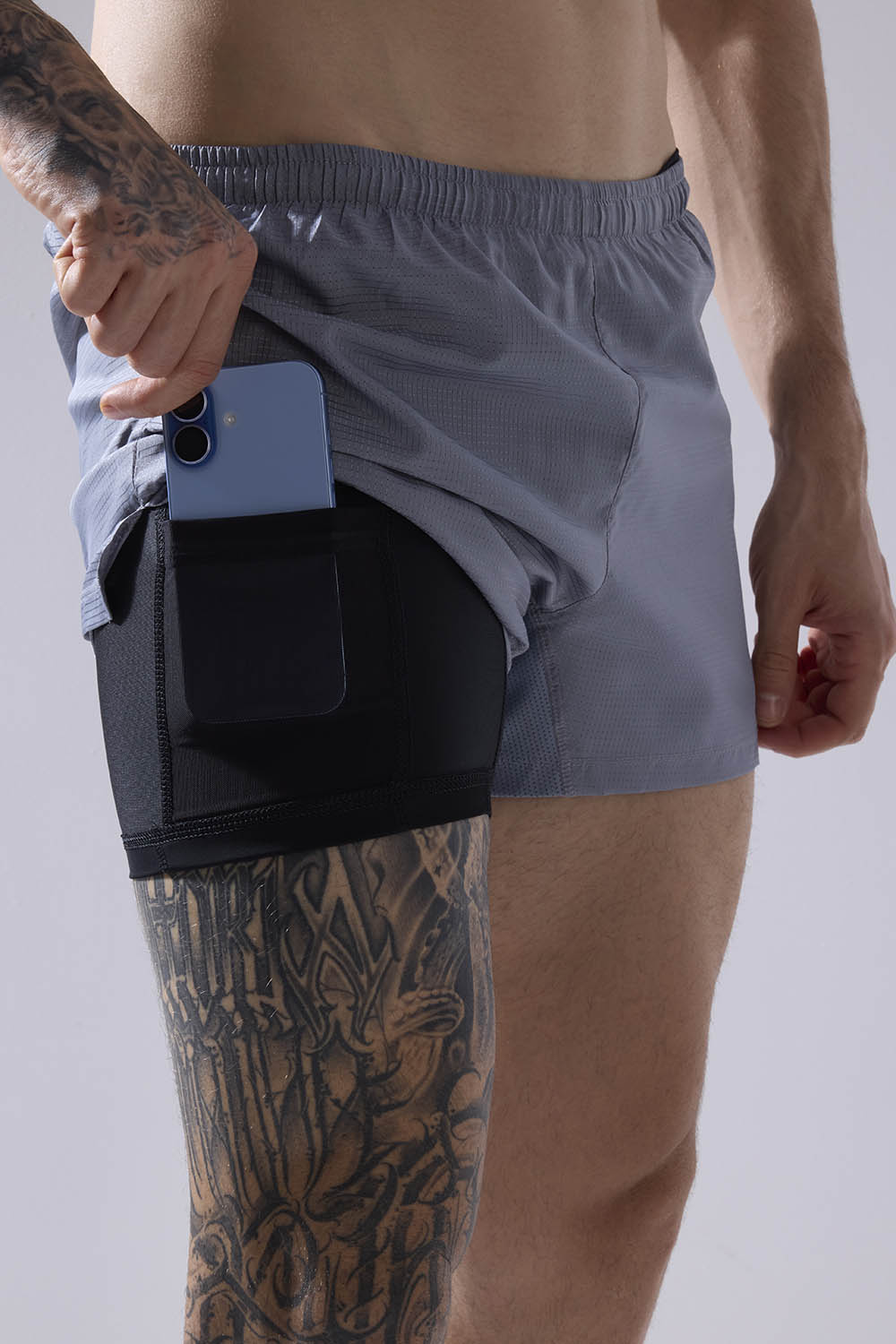

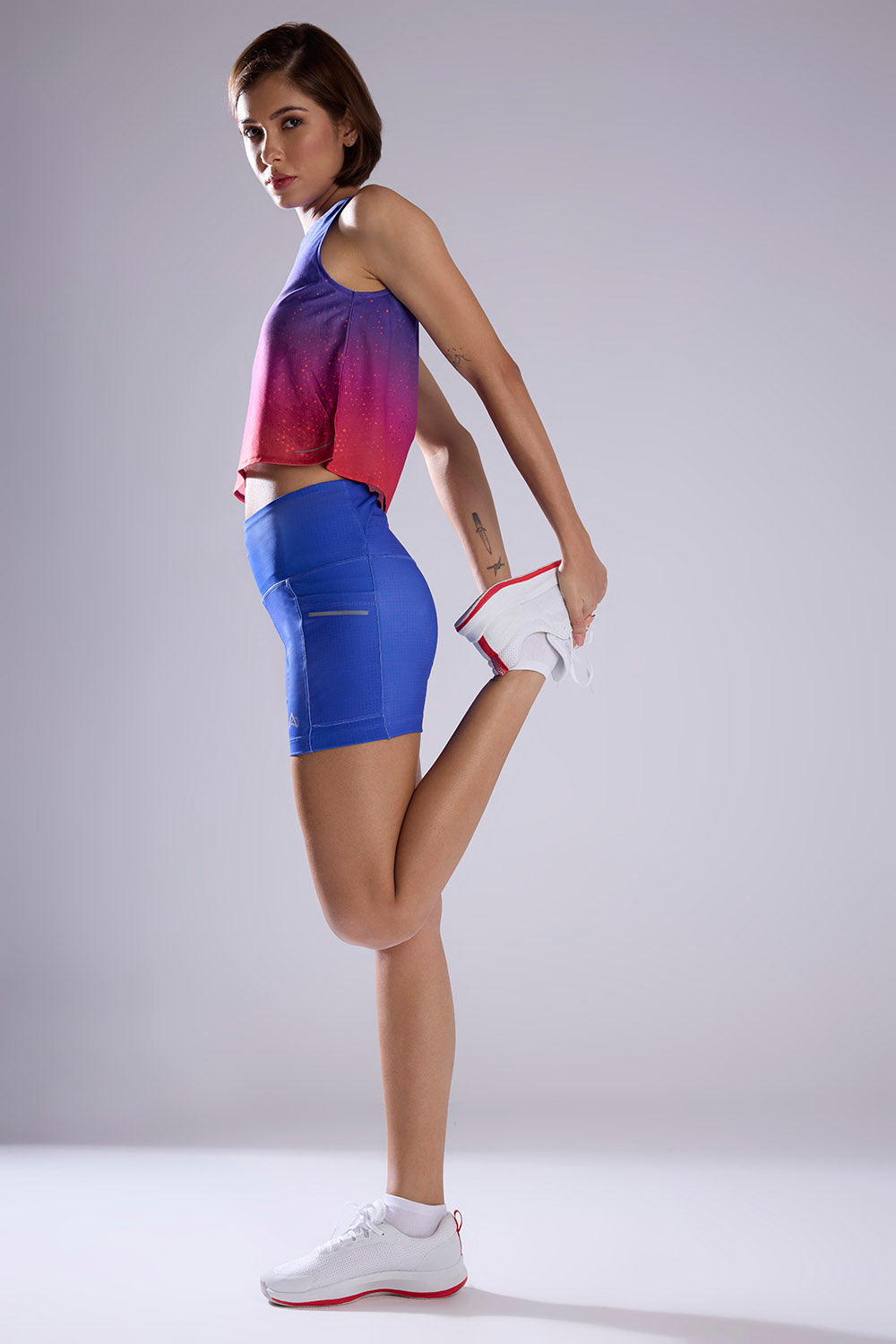
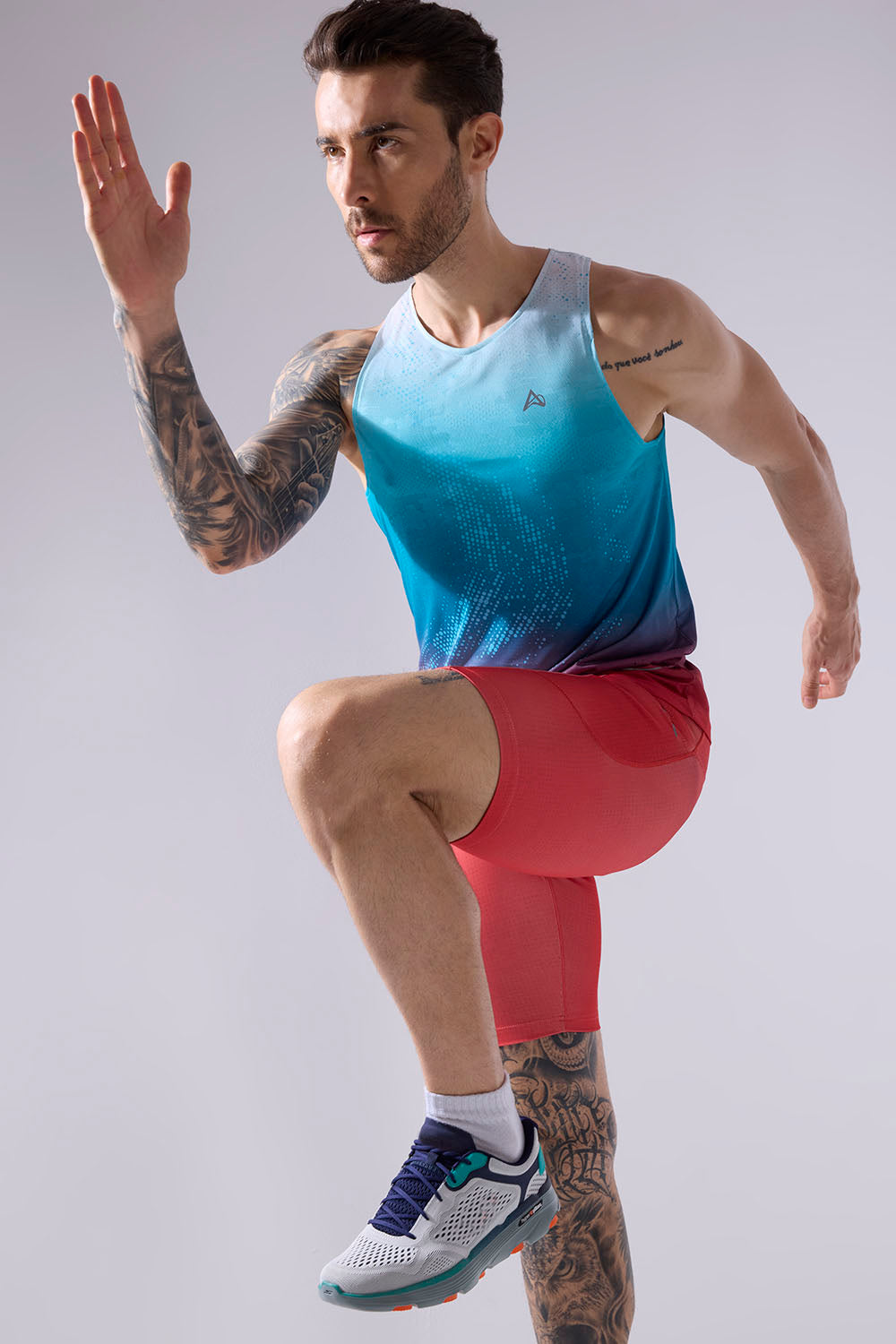

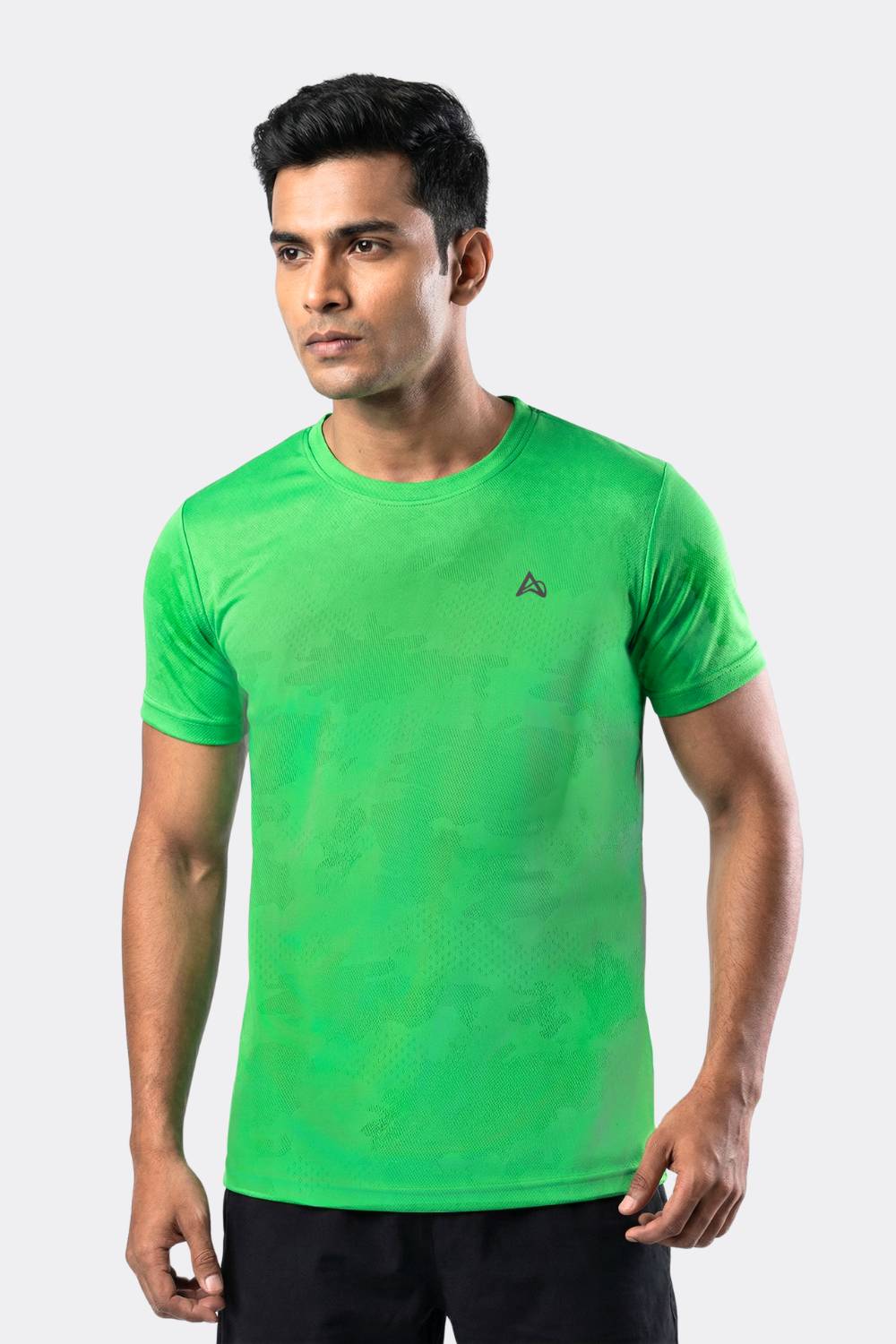
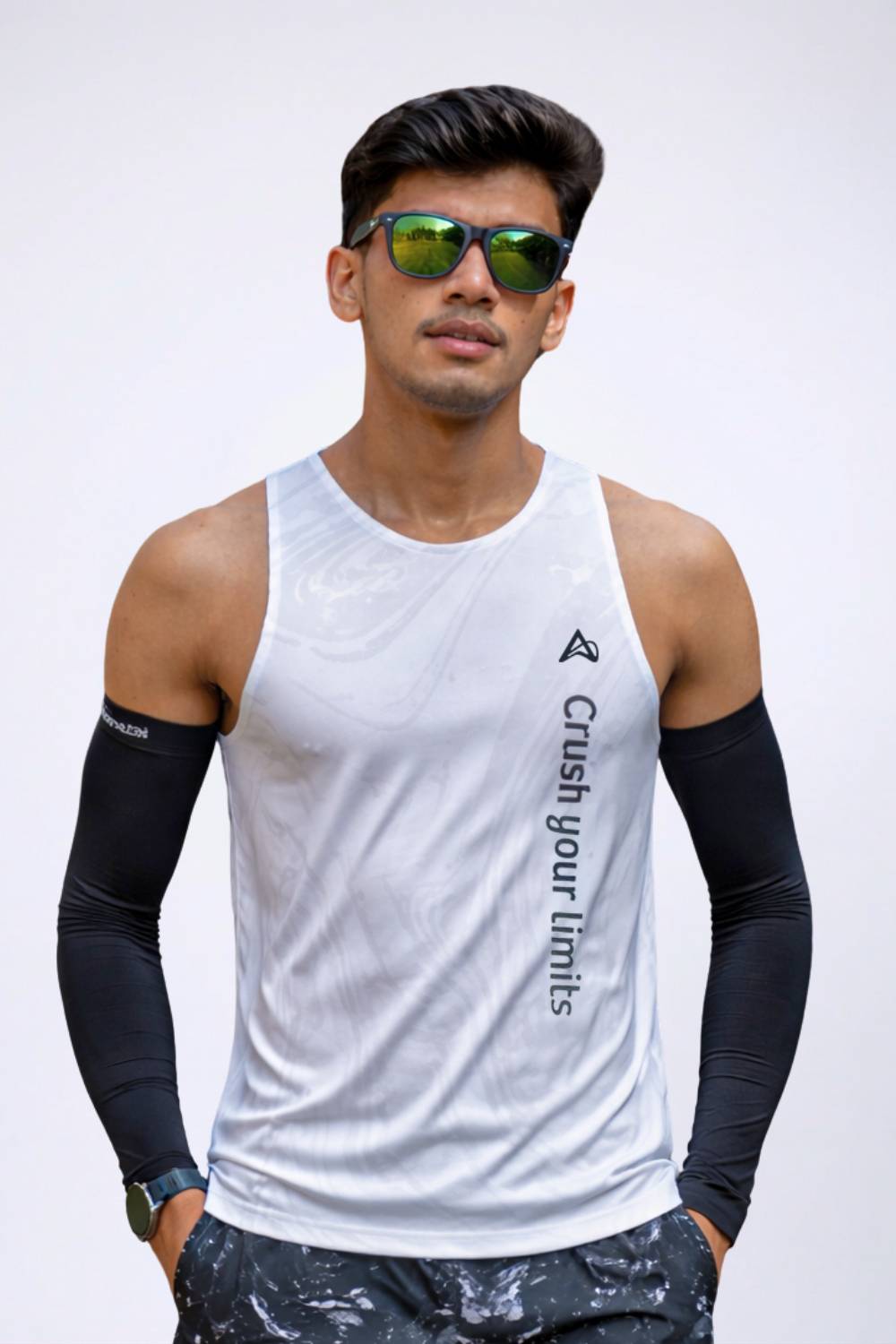

When you're out for a long run in the humid conditions of Mumbai or stretching through a high-intensity session in Hyderabad's gyms, the fabric under your skin can make or break the experience. Performance activewear fabrics aren't just about how they look they determine how quickly sweat evaporates, how well airflow circulates, and whether your garment stays comfortable through the entire workout. Understanding these differences helps runners, gym-goers, and endurance athletes select pieces that support real performance instead of adding to fatigue.
At Aguante, we see this every day in the stores across Bangalore, Delhi, and the other major cities where active lifestyles thrive. The right fabric choice turns good gear into gear that actually performs.
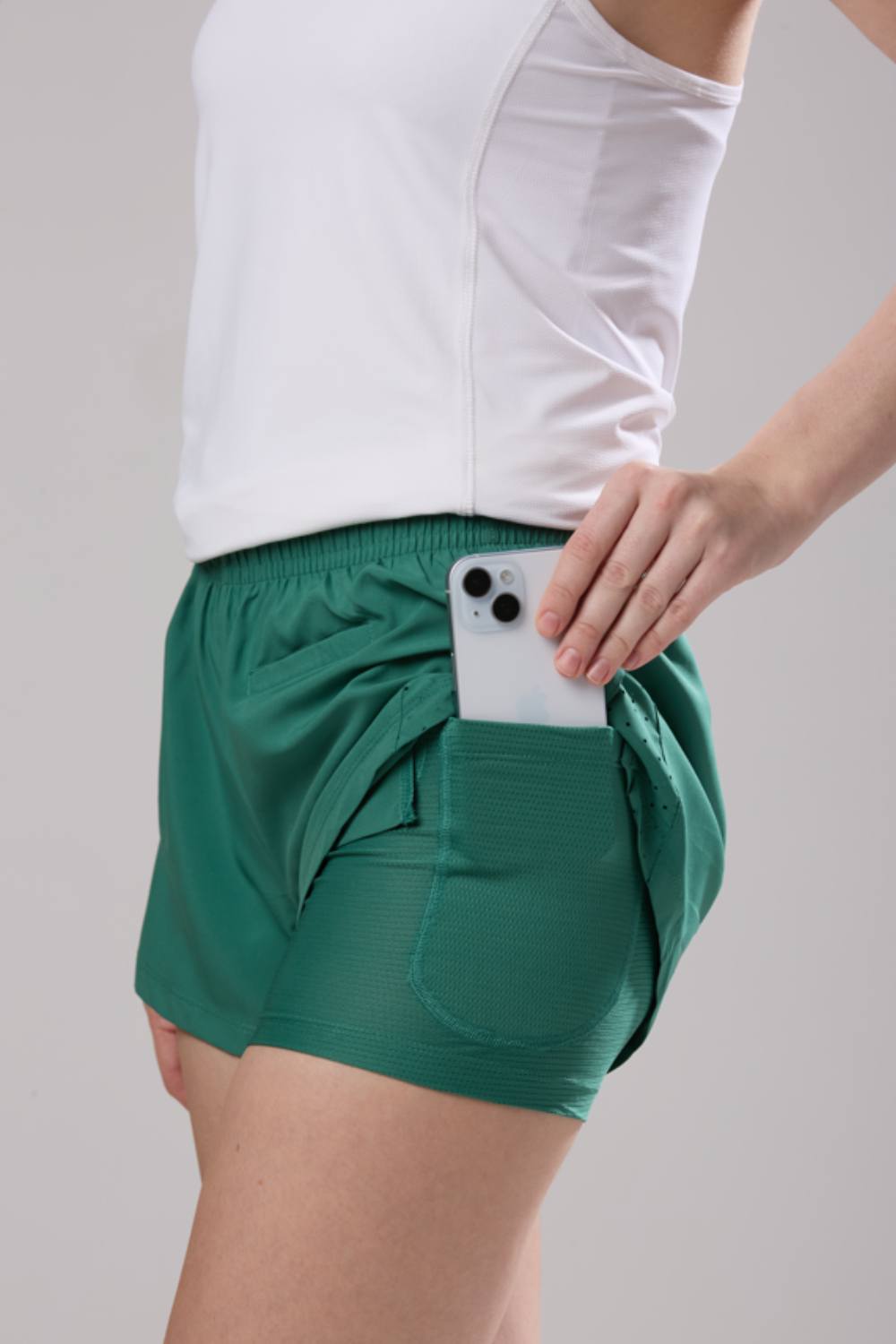
Tired of gear that slows you down? Chafing, soggy fabrics, and missing pockets kill your run's momentum. At Aguante, we're runners who get it. Our high-performance activewear features moisture-wicking fabrics, ergonomic designs, and smart storage to keep you focused. Shop Now!
Key Factors to Evaluate in Any Performance Fabric
Start by looking at four core attributes that separate everyday cotton tees from technical sportswear: construction and weight, moisture management, fit, and any added features like mesh or vents.
- Construction and weight Open knits and looser weaves allow more air to pass through. Thinner yarns and lighter materials generally breathe better than dense, heavy ones.
- Moisture management True performance fabrics use capillary action to pull sweat away from the skin and evaporate it quickly. This is far more effective than materials that simply absorb and hold moisture.
- Fit Close-to-skin contact prevents the fabric from trapping sweat or creating air gaps. Athletic cuts keep garments moving with you without excess bunching.
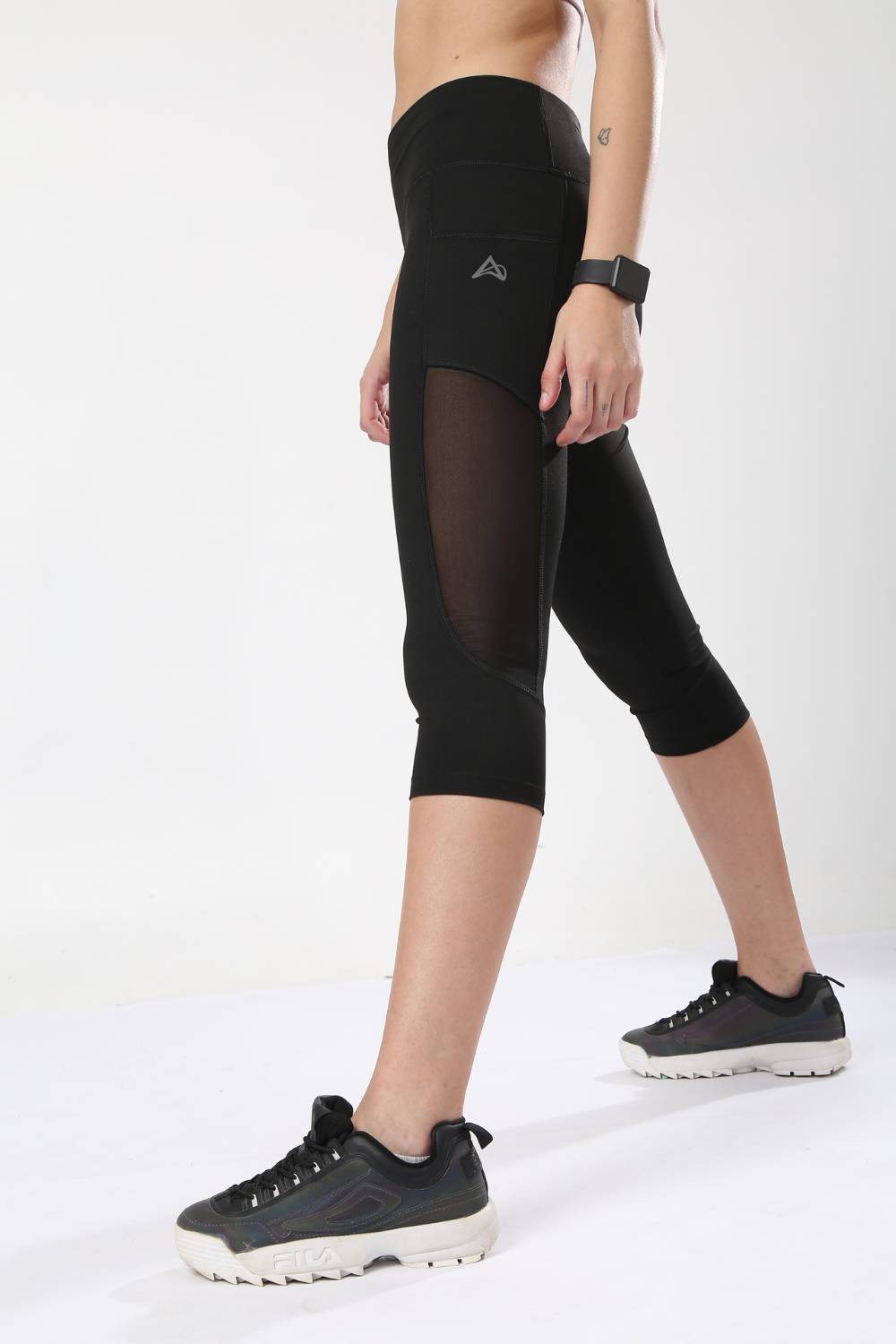
- Extras Mesh panels, strategic perforations, or zippered vents improve ventilation on hot days or during intense efforts.
These factors matter whether you're training in Delhi's summer heat or logging miles in cooler evenings in Pune. Testing them hands-on is the only way to know what will work for your specific body and activity.
Nylon and Polyester: the Performance Workhorses
Most technical activewear relies on nylon and polyester blends because they excel at moisture transport and quick drying. These synthetics wick sweat rapidly, resist pilling, and stay lightweight even after repeated washes. Breathability varies with yarn size and knit looser constructions score higher in airflow tests.
They also handle odor better than cotton once treated, and they recover quickly from sweat exposure. For runners and gym-goers who push hard, this combination keeps you cooler and drier for longer sessions. The trade-off is a slightly less natural feel than plant-based options, but the performance edge is clear in real workouts.
Merino Wool and Natural Options for Breathability
Merino wool stands out when you need temperature regulation across changing conditions. It wicks moisture efficiently, has natural odor resistance, and maintains breathability even when damp. Early versions could feel scratchy, but modern soft merino feels silky and performs well in both hot and cooler climates.
Blends with recycled polyester or plant-based fibers add sustainability without fully sacrificing technical properties. These options appeal to athletes who prioritize environmental impact alongside performance. Brands that test fabrics on real athletes and measure lab metrics consistently deliver gear that reduces chafing, fatigue, and overheating.
Comparing Fabrics for Specific Activities
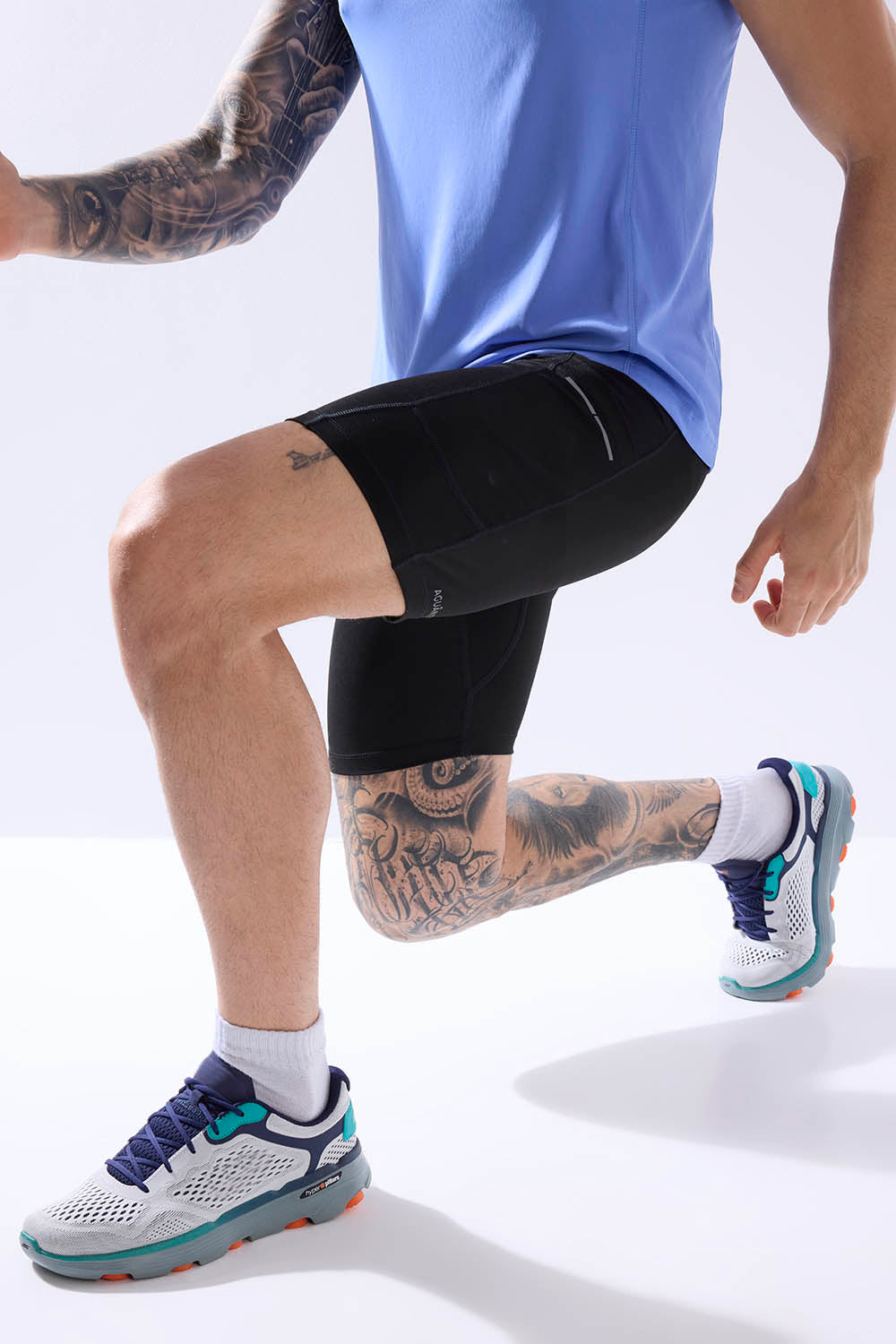
Running clothes need maximum ventilation and quick drying to stay dry during long efforts. Workout shirts benefit from four-way stretch and close fit to prevent fabric from riding up. Compression pieces use controlled stretch for support without restricting blood flow.
One top performer across multiple categories is a recycled-polyester base with spandex. It achieves a 5/5 wicking score while remaining lightweight and durable. Another standout uses strategic perforations to encourage airflow, keeping the wearer comfortable whether lifting, cycling, or hiking. Both styles transition easily from gym to run without losing shape.
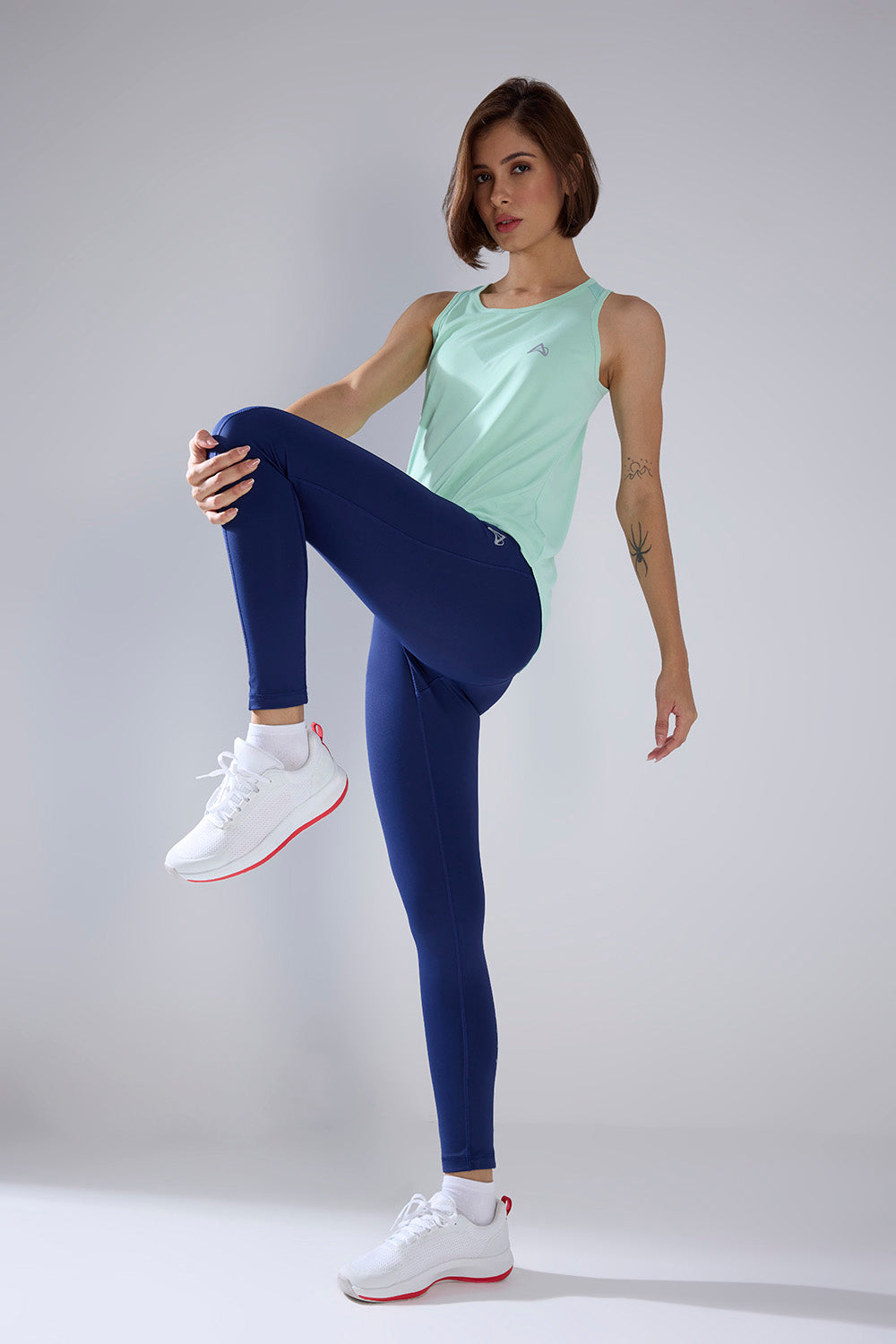
Fit is equally important. Athletic cuts with flatlock seams reduce chafing, while roomier silhouettes suit relaxation-focused days. The right balance of tightness and mobility makes the difference between a great workout and one that feels draining.
Fabric Construction: Weight, Openness, and Airflow
Tighter knits or weaves trap heat and hold moisture. Open weaves and finer yarns allow light to pass through essentially a quick visual test for breathability. Mesh panels and vents add targeted cooling on high-heat days.
Look for garments that pass this light test and feel airy to the touch. Brands that invest in lab testing and real-athlete feedback deliver consistent results. These details separate performance pieces that keep you cool from basic tees that quickly become damp.
Moisture Wicking and Quick-drying Benefits
Moisture-wicking fabrics use the body's natural cooling system by moving sweat away from the skin. Quick-drying materials evaporate it on the surface instead of letting it sit and cause clammy discomfort. This is why synthetics dominate performance lines.
Polyester blends with spandex often score highest in wicking tests. Recycled options maintain the same performance while adding sustainability. The result is gear that stays dry and comfortable from start to finish of any session.
Fabric Fit, Durability, and Real-world Performance
Close-to-skin contact is non-negotiable for wicking to work properly. Excess fabric creates gaps that hinder airflow or trap sweat. Athletic cuts with flatlock seams prevent chafing while allowing full range of motion.
Durability matters too fabrics that resist pilling and abrasion hold up through multiple washes and intense use. Brands that test through real athlete wear and lab metrics consistently produce pieces that perform reliably week after week.
Choosing the right fabric for activewear goes beyond aesthetics to directly impact how your body manages heat and sweat during movement. Lightweight construction and open weaves allow air to circulate freely, while moisture-wicking and quick-drying properties use capillary action to pull sweat away from the skin and evaporate it on the surface for efficient cooling. Fit matters too: close-to-skin contact with technical fabrics prevents the garment from trapping moisture or creating gaps that hinder airflow. Nylon and polyester dominate performance lines because they wick moisture rapidly, resist pilling, and dry in minutes rather than hours. Blends incorporating rayon or viscose add silky softness and moderate breathability but often wrinkle more and require careful care.
Merino wool stands out for its natural odor resistance and temperature regulation, making it ideal for variable conditions where pure synthetics might feel clammy. Sustainability enters the equation as consumers seek fabrics that balance performance with lower environmental impact, favoring recycled synthetics and plant-based options over conventional cotton in high-intensity use. Brands that test fabrics through real athlete wear and lab metrics deliver gear that reduces chafing, fatigue, and overheating. For activewear businesses, prioritizing these performance attributes drives repeat purchases and competitive advantage in a market where users expect garments to stay dry and comfortable from start to finish of a workout.
Testing reveals that the optimal fabric for workout shirts balances moisture-wicking speed, breathability, durability, and odor control to keep athletes comfortable across different activities. Polyester blends with spandex excel in rapid sweat transport and quick drying, often earning top wicking scores while maintaining lightweight construction and four-way stretch. Recycled polyester options add sustainability without sacrificing performance, as seen in fabrics that resist odor through permanent treatments and perform well in hot-weather scenarios. Merino wool blends provide natural temperature regulation and antibacterial benefits, making them suitable for cooler or variable conditions where synthetics might retain moisture longer.
Brands like Patagonia and Ten Thousand demonstrate how these materials translate to real-world results: shirts that stay dry during cycling or hiking, resist chafing, and retain shape through washes. Fit plays a critical role, with athletic cuts preventing excess fabric that could trap heat or create pressure points. Manufacturers investing in lab testing and athlete feedback achieve consistent results that build trust and loyalty. In a competitive market, companies that align fabric choices with user needs for versatility, eco-friendliness, and proven performance gain market share by delivering products that truly support active lifestyles rather than just looking good.
Choosing the Right Fabric for Your Active Lifestyle
Start by identifying your main activities. Long runs in humid weather benefit from maximum wicking and ventilation. Gym sessions may prioritize stretch and odor control. Variable conditions call for merino or smart blends that regulate temperature naturally.
Consider sustainability too recycled synthetics and plant-based options are gaining traction without sacrificing core performance. Test fit in person whenever possible. The right fabric will feel supportive, not restrictive, and keep you focused on the workout rather than discomfort.
At Aguante, we stock technical activewear that matches these priorities. Whether you need a versatile running shirt, a compression piece, or a lightweight long-sleeve for cooler mornings, our selection helps athletes across Bangalore, Hyderabad, Mumbai, Delhi, and beyond make confident choices that support their goals.
Take the time to compare fabrics carefully. The investment pays off in comfort, performance, and the joy of moving without worrying about what's under your clothes.
Frequently Asked Questions
How do I choose the best performance activewear fabric for workouts?
To choose the best performance activewear fabric, focus on breathability, moisture-wicking ability, fit, and construction. Lightweight, open-knit materials with good airflow help regulate temperature during intense workouts. Also consider your activity type running may need maximum ventilation, while gym training may benefit from stretch and support. Recycled synthetics and merino wool blends can also offer strong performance with added sustainability benefits.
Is polyester or nylon better than cotton for activewear and running?
Polyester and nylon are generally better than cotton for activewear and running because they wick sweat quickly and dry much faster. Cotton tends to absorb moisture and hold it, which can lead to discomfort, chafing, and overheating during exercise. Synthetic blends like polyester with spandex also improve stretch, durability, and overall performance. This makes them more suitable for high-intensity and long-duration workouts.
What is moisture-wicking fabric and why is it important in sportswear?
Moisture-wicking fabric is designed to pull sweat away from the skin using capillary action and spread it across the surface for faster evaporation. This helps keep the body dry, cool, and comfortable during exercise. It also reduces the risk of chafing and overheating by preventing sweat buildup. Because of this, moisture-wicking materials are a key feature in high-performance sportswear.
Disclaimer: The above helpful resources content contains personal opinions and experiences. The information provided is for general knowledge and does not constitute professional advice.
You may also be interested in: The Role of Fabric Technology in Activewear Performance - Aguante
Tired of gear that slows you down? Chafing, soggy fabrics, and missing pockets kill your run's momentum. At Aguante, we're runners who get it. Our high-performance activewear features moisture-wicking fabrics, ergonomic designs, and smart storage to keep you focused. Shop Now!
Powered by flareAI.co