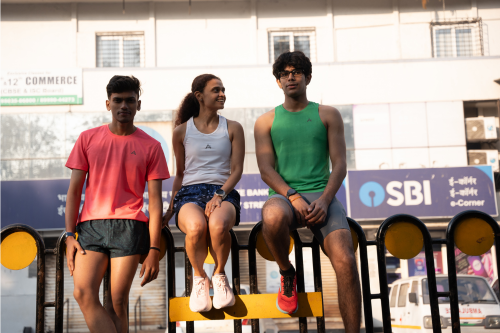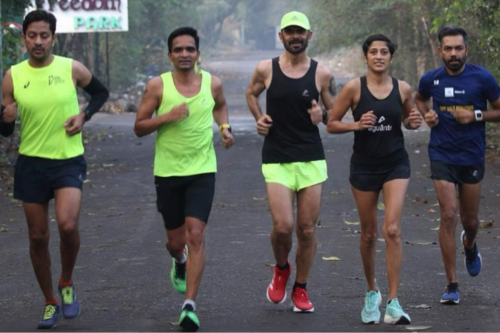
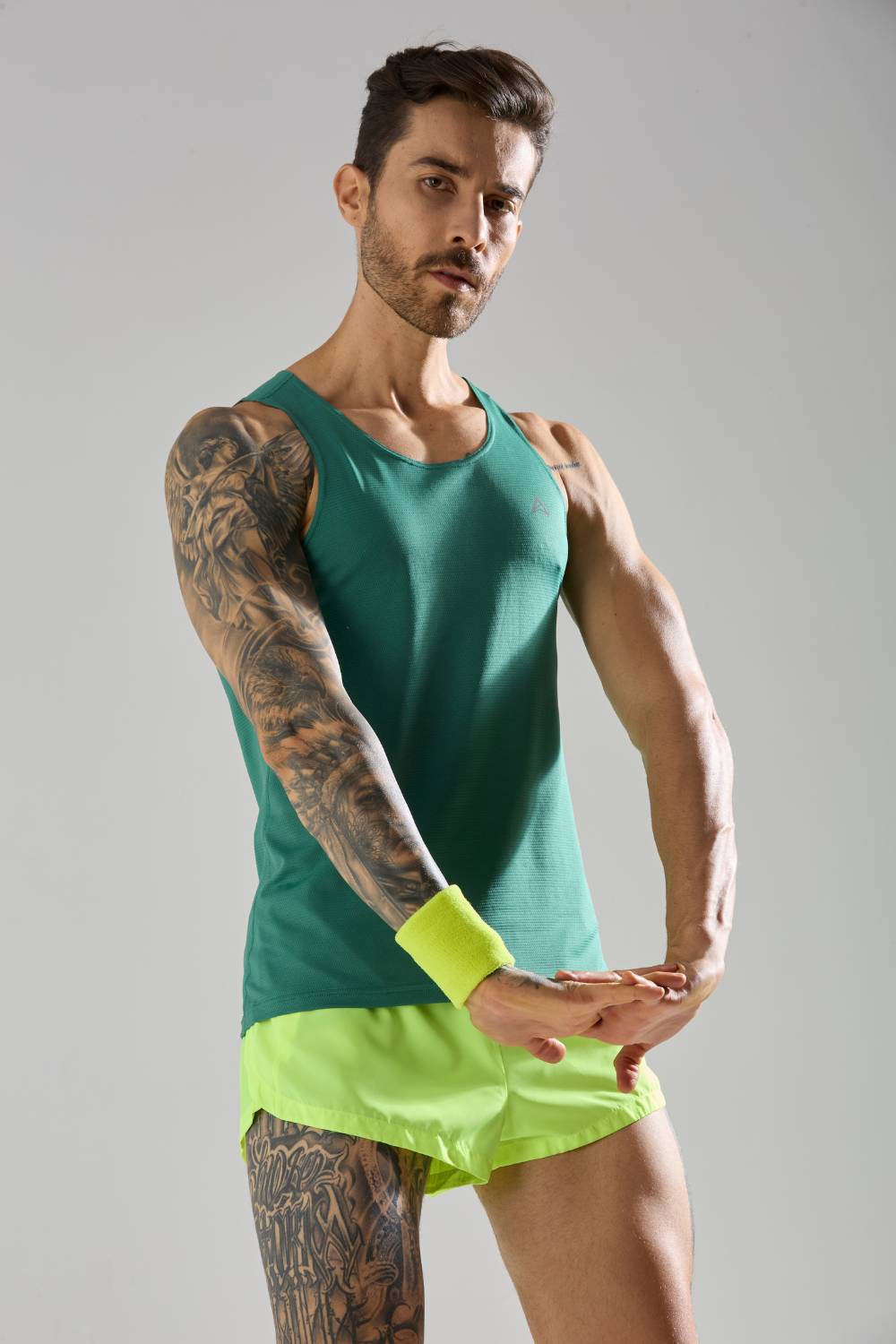
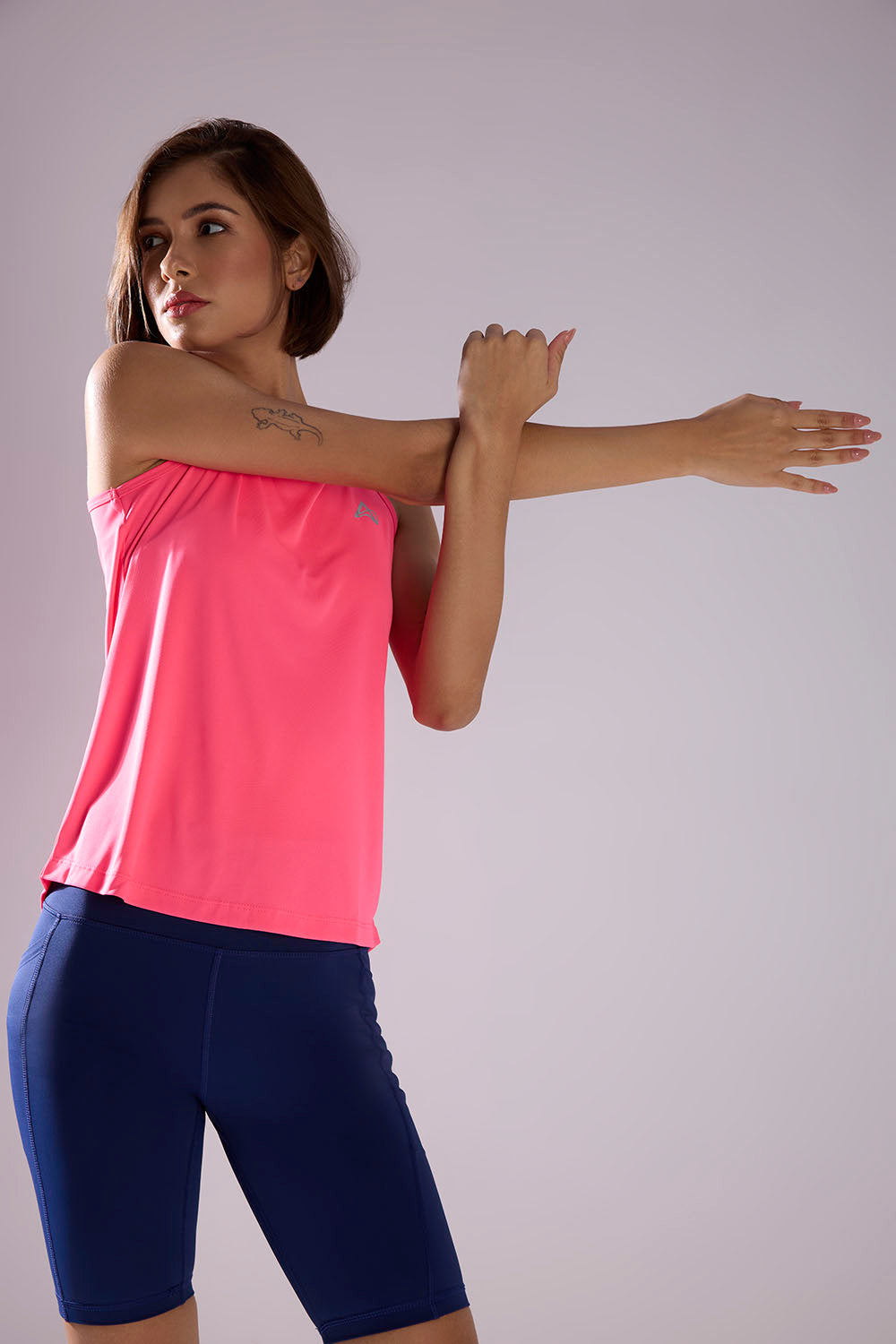

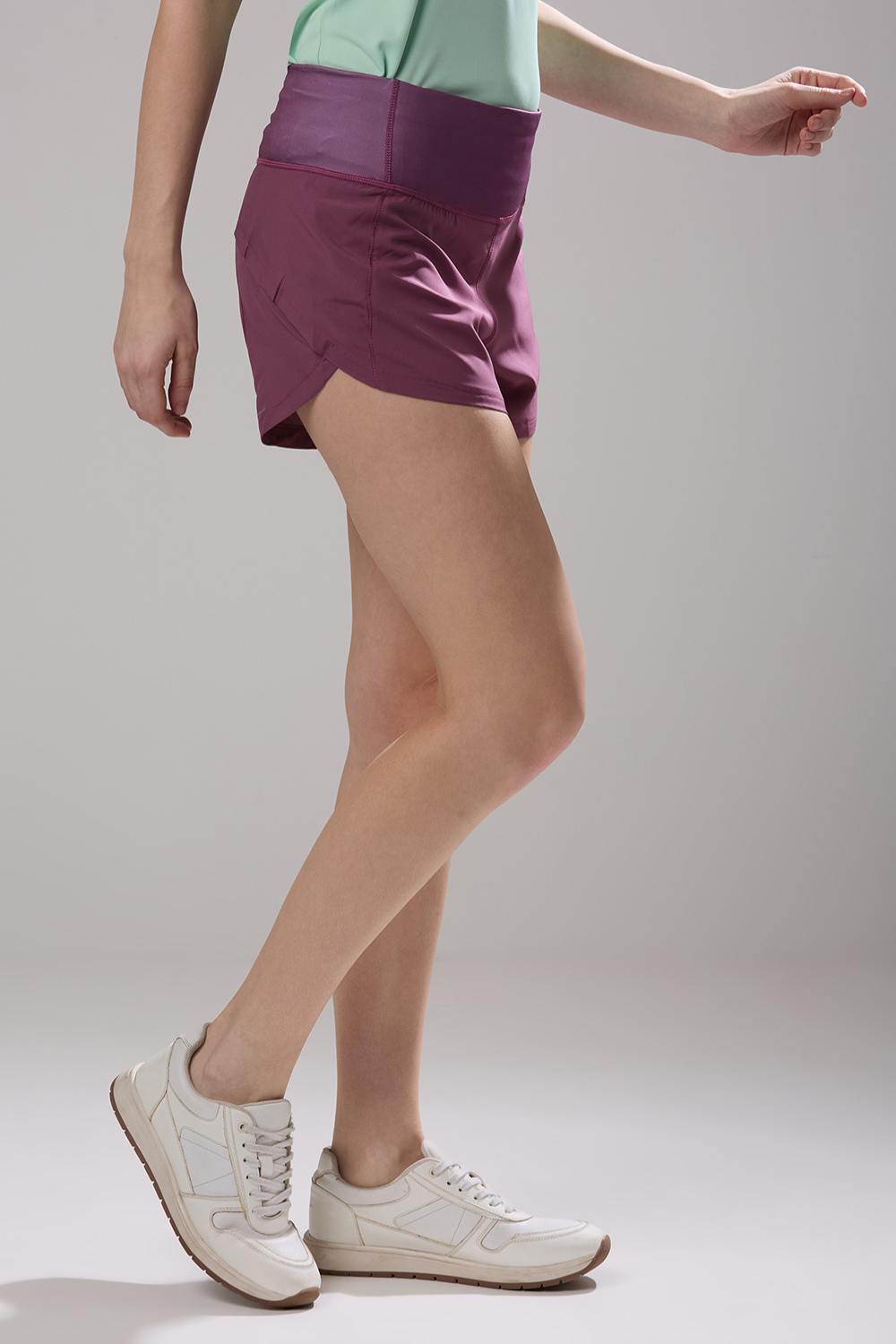
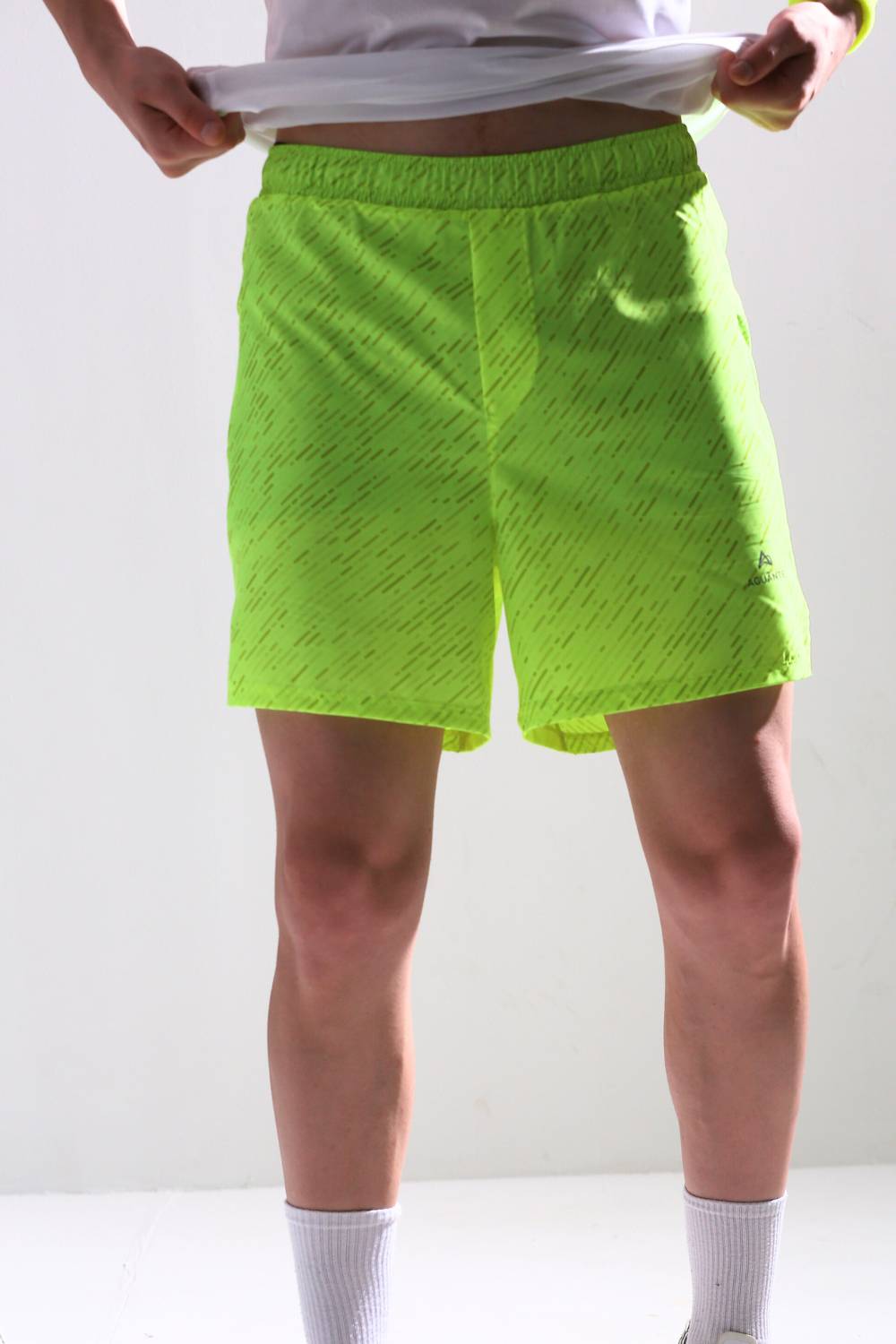

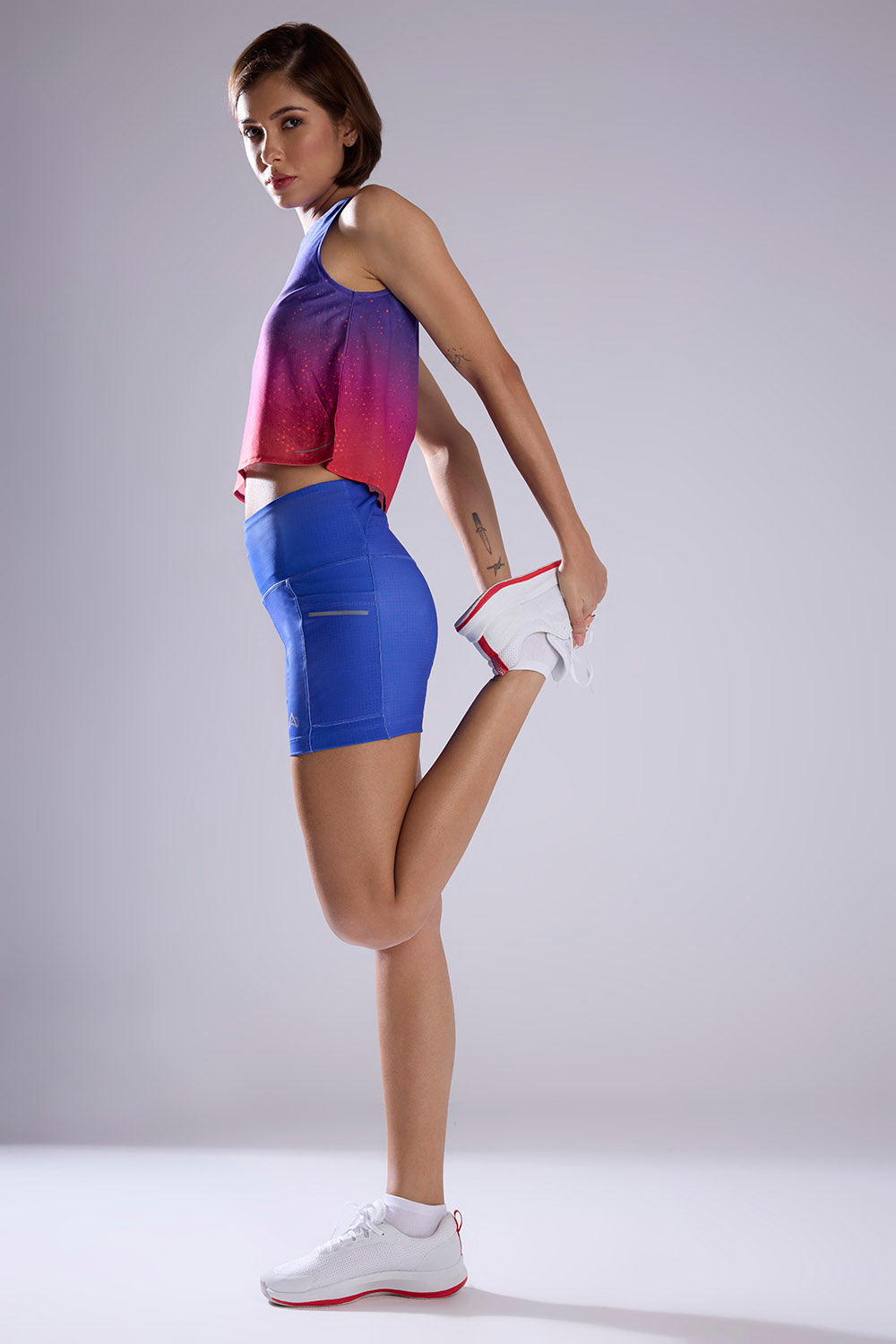
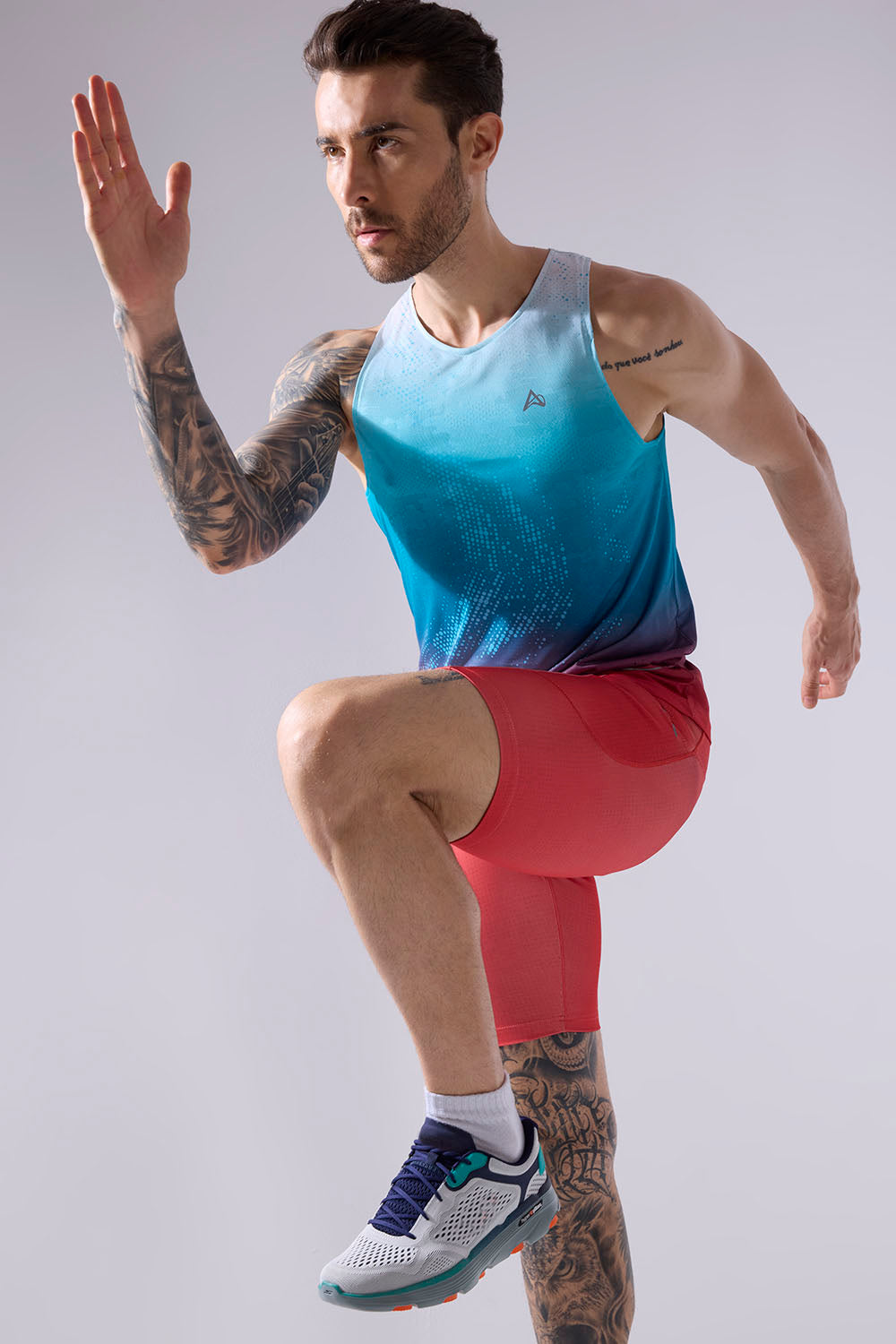


Choosing the right running shorts can transform how you feel during training and how consistently you show up for your runs. Whether you are building speed on a Mumbai track, logging long kilometres through Hyderabad's green spaces, or navigating Pune's undulating routes, the shorts you wear need to match the specific demands of your training style. The difference between gear that supports you and gear that distracts can be the difference between a strong session and one cut short by discomfort.
Tired of gear that slows you down? Chafing, soggy fabrics, and missing pockets kill your run's momentum. At Aguante, we're runners who get it. Our high-performance activewear features moisture-wicking fabrics, ergonomic designs, and smart storage to keep you focused. Shop Now!
Understanding Your Training Style First
Effective running shorts begin with honest self-assessment of how you actually train. Some runners focus on short, intense intervals that demand explosive power and quick recovery between efforts. Others commit to steady long runs where breathability and storage for essentials matter most. Many in cities like Bangalore and Delhi mix gym work, trail outings, and road runs in the same week, requiring versatile pieces that handle transitions smoothly.
Consider the climate you run in as well. Humid mornings in Surat or Ahmedabad reward lightweight, fast-drying fabrics. Early evening runs in Gurugram or Navi Mumbai often benefit from designs that stay comfortable even as temperatures shift. Training style and local conditions together shape what features deserve priority.
Essential Features That Matter Across Styles
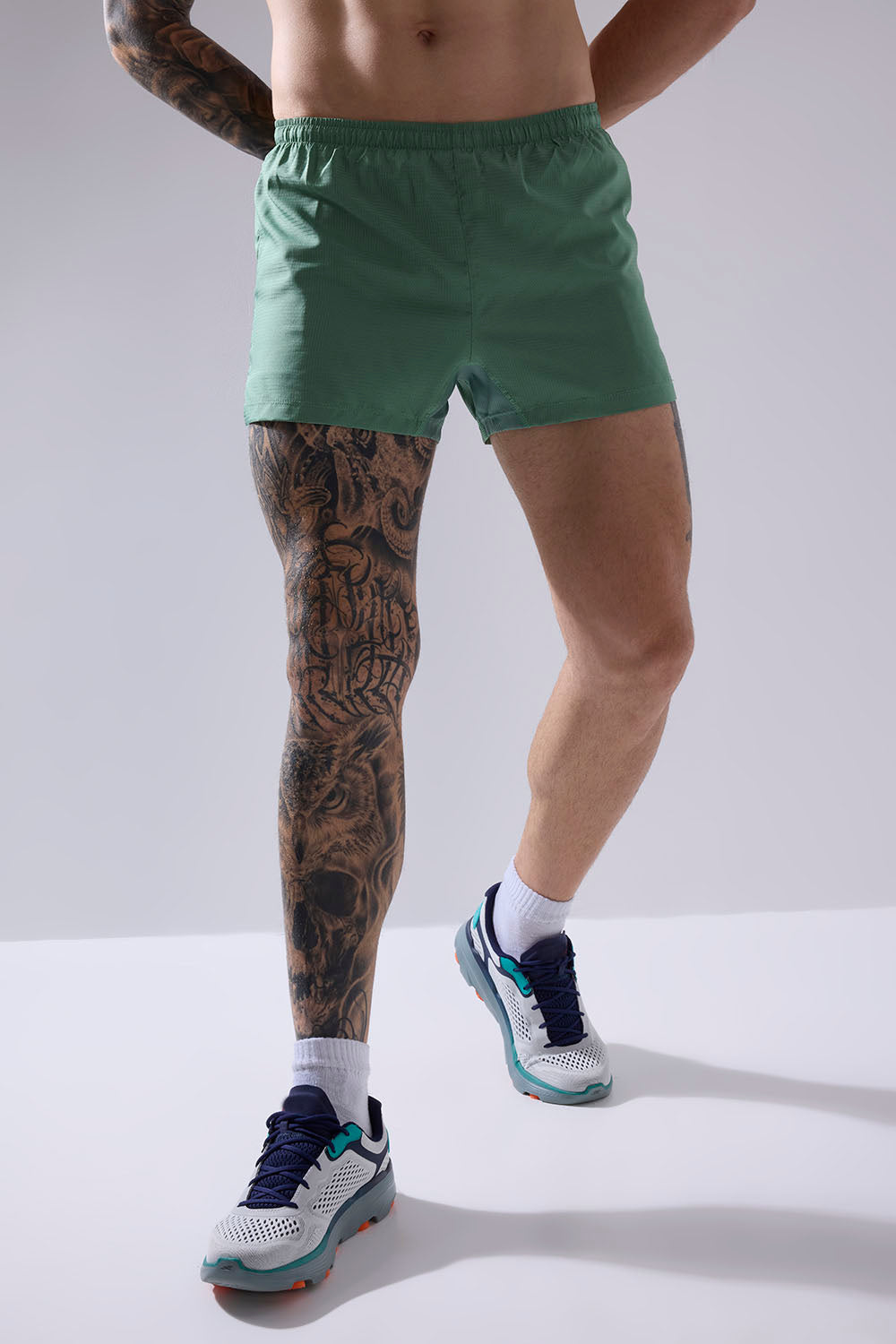
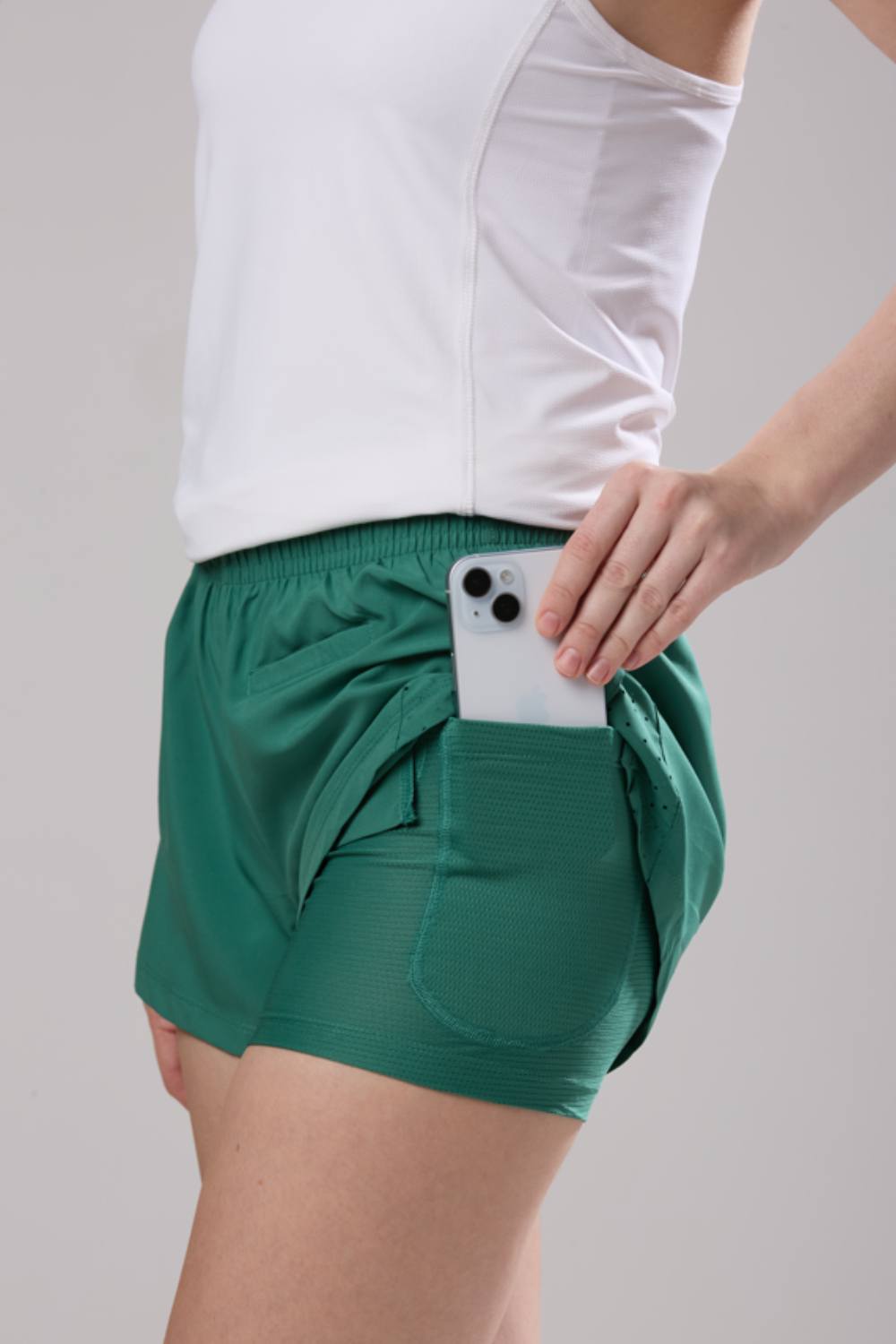
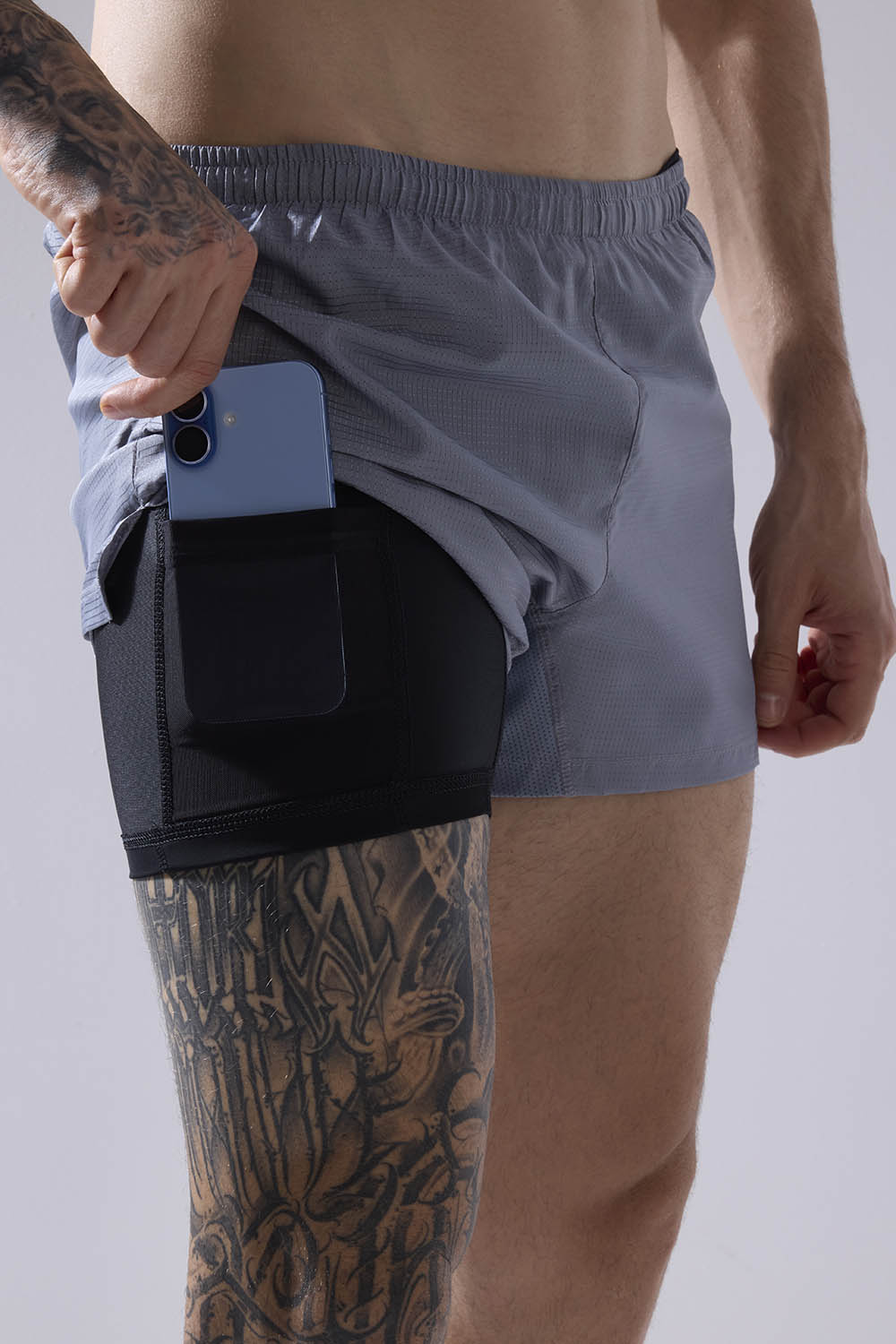
Quality running shorts share several performance characteristics. Look for lightweight, moisture-wicking fabrics that move sweat away from the skin quickly. Secure pockets that prevent items from bouncing are essential once you start carrying gels, keys, or your phone. A waistband that stays put without digging in makes a noticeable difference over longer efforts.
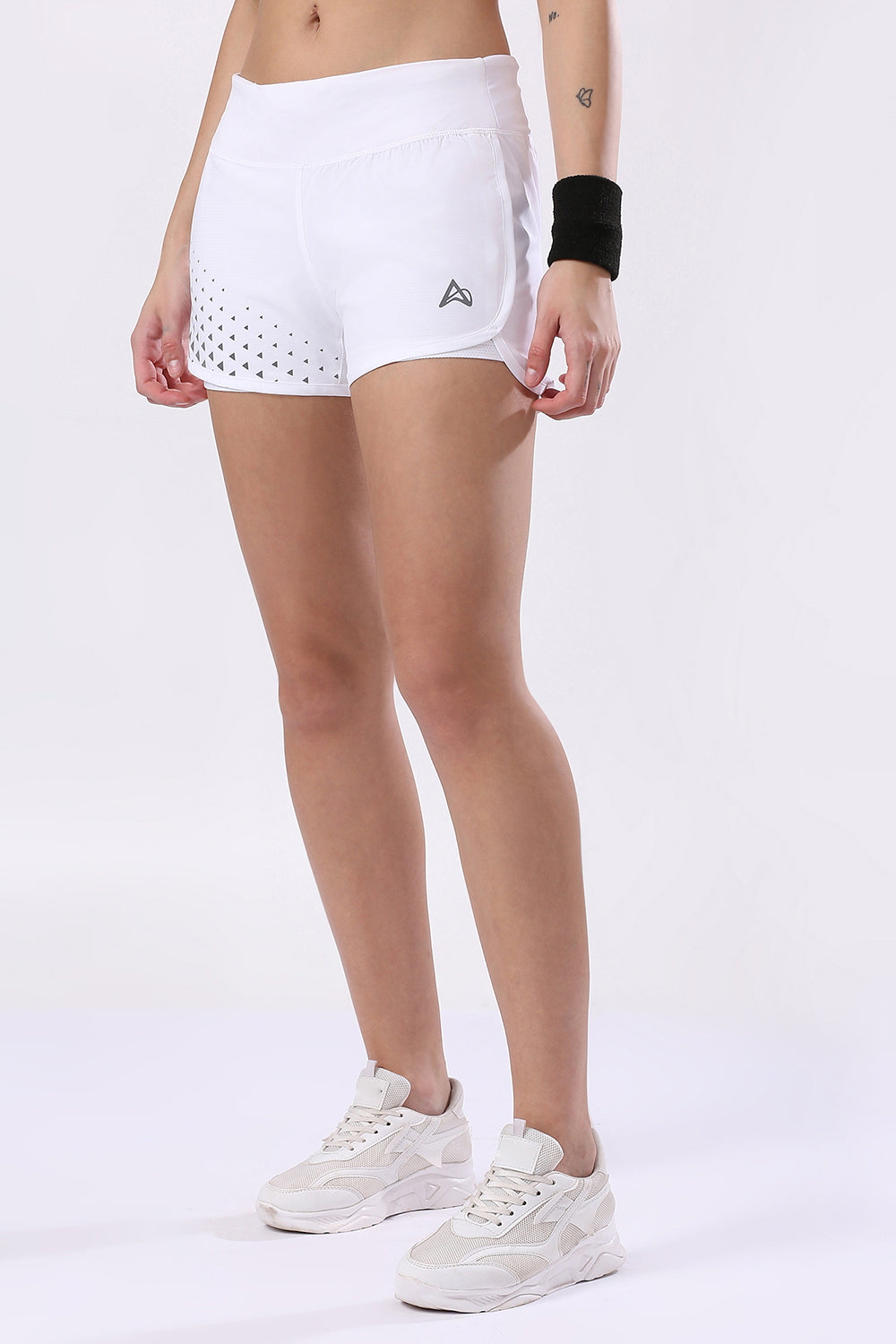
Many runners appreciate optional or built-in liners for light support and chafe prevention. Split hems or strategic cuts improve stride freedom, particularly important for faster-paced work. These details become more or less critical depending on whether your typical session lasts thirty minutes or stretches past two hours.
Running Shorts for Speed Work and Interval Training
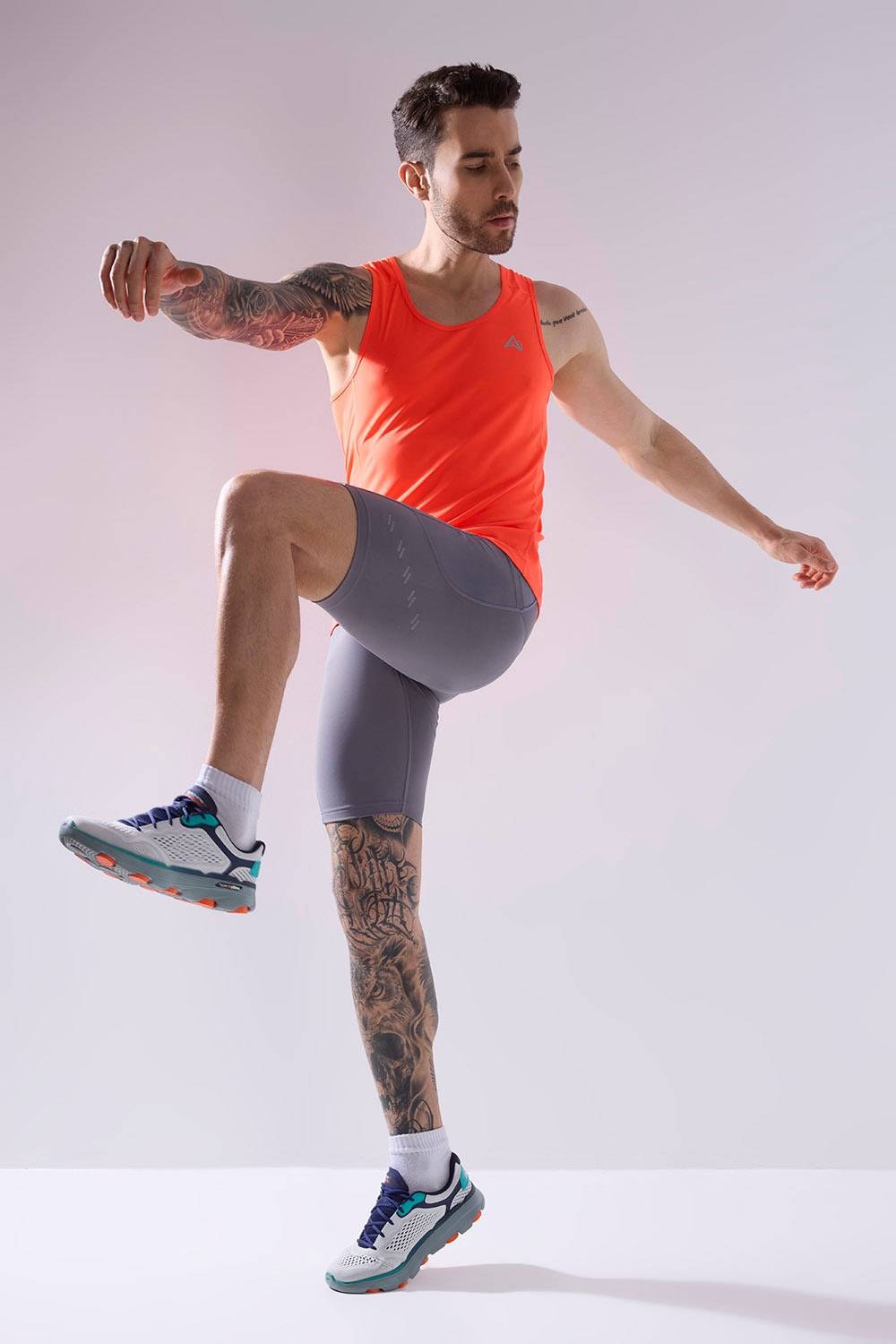
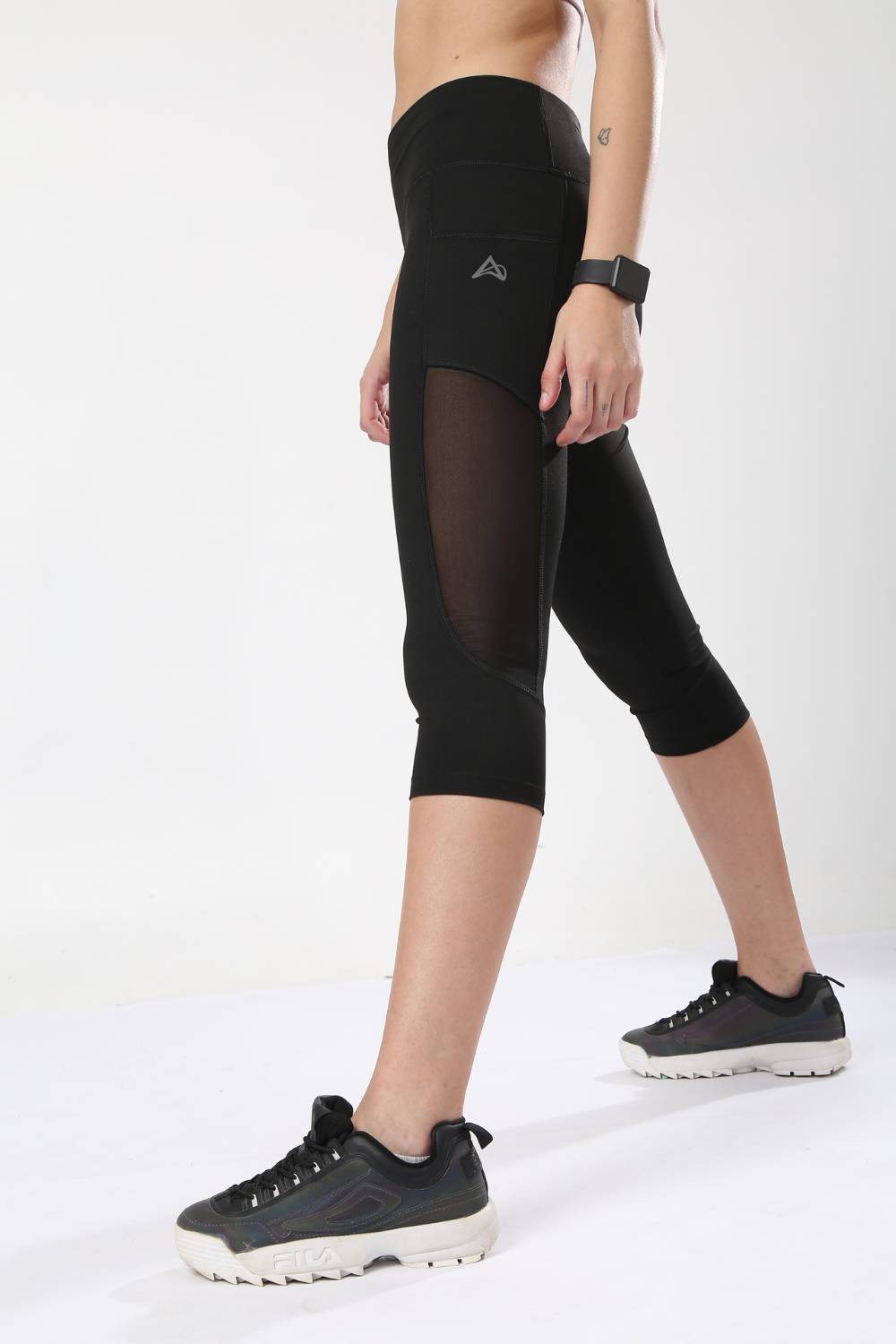
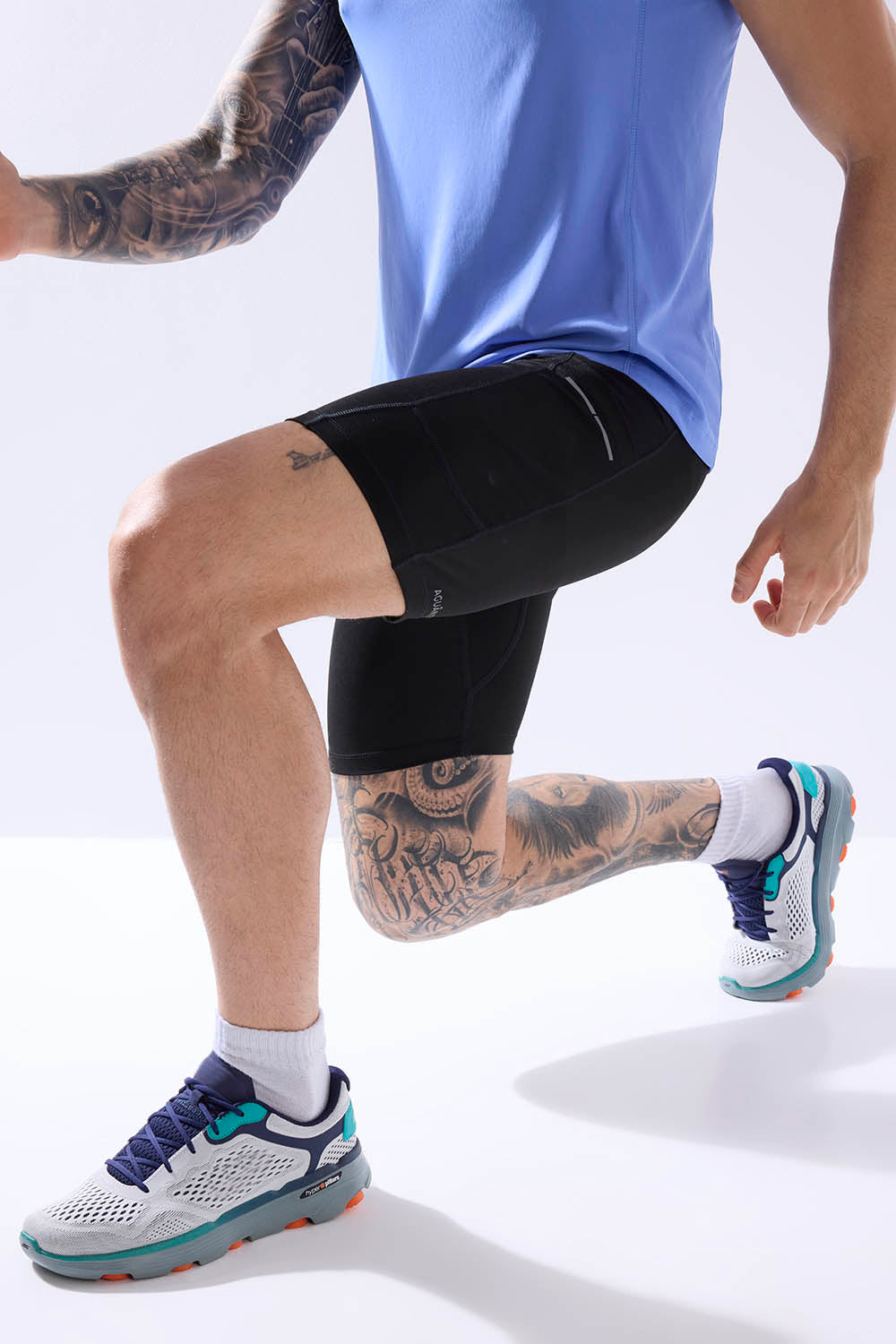
When your training emphasises short, powerful repeats or tempo efforts, minimal weight and maximum freedom of movement take precedence. Shorter inseams and lightweight materials help you maintain quick turnover without extra fabric weighing you down or catching in the wind. Compression-style liners can provide targeted muscle support during high-intensity phases, helping reduce fatigue in later intervals.
Runners who incorporate track sessions or hill repeats in Delhi or Mumbai often prefer designs that feel almost non-existent during hard efforts. A flat waistband and secure yet unobtrusive pockets allow focus on pace rather than adjusting clothing. Breathability becomes especially valuable when repeated sprints raise core temperature quickly.
Choosing Shorts for Long Runs and Endurance Training
Runners preparing for long-distance training and trail adventures benefit most from shorts designed around endurance demands. According to detailed guidance from best running shorts for long runs and trail training, long-run gear should prioritize breathability, unrestricted movement, and secure storage for essentials like gels, keys, and phones. Over extended sessions, bounce-resistant pockets and moisture-managing fabrics help prevent distraction and discomfort, while split-leg designs and lightweight synthetics reduce friction and improve airflow. These combined features ensure that runners can maintain rhythm and focus across longer distances without being disrupted by chafing or shifting gear.
Longer training runs place different demands on your gear. Here, storage and chafe protection rise in importance. Running shorts with deep, bounce-resistant pockets prove invaluable for carrying nutrition and small essentials without interrupting rhythm. Longer inseams or strategic paneling can reduce inner-thigh friction that often appears after the first hour.
Lightweight synthetics or blends with strong moisture management help maintain comfort through varying conditions. Runners preparing for half or full marathons in cities across India benefit from shorts that stay comfortable and secure even when fatigue sets in and form begins to slip. A reliable drawstring waist ensures everything stays in place during the later kilometres when mental focus naturally shifts to finishing strong.
Versatile Options for Mixed Training and Trail Adventures
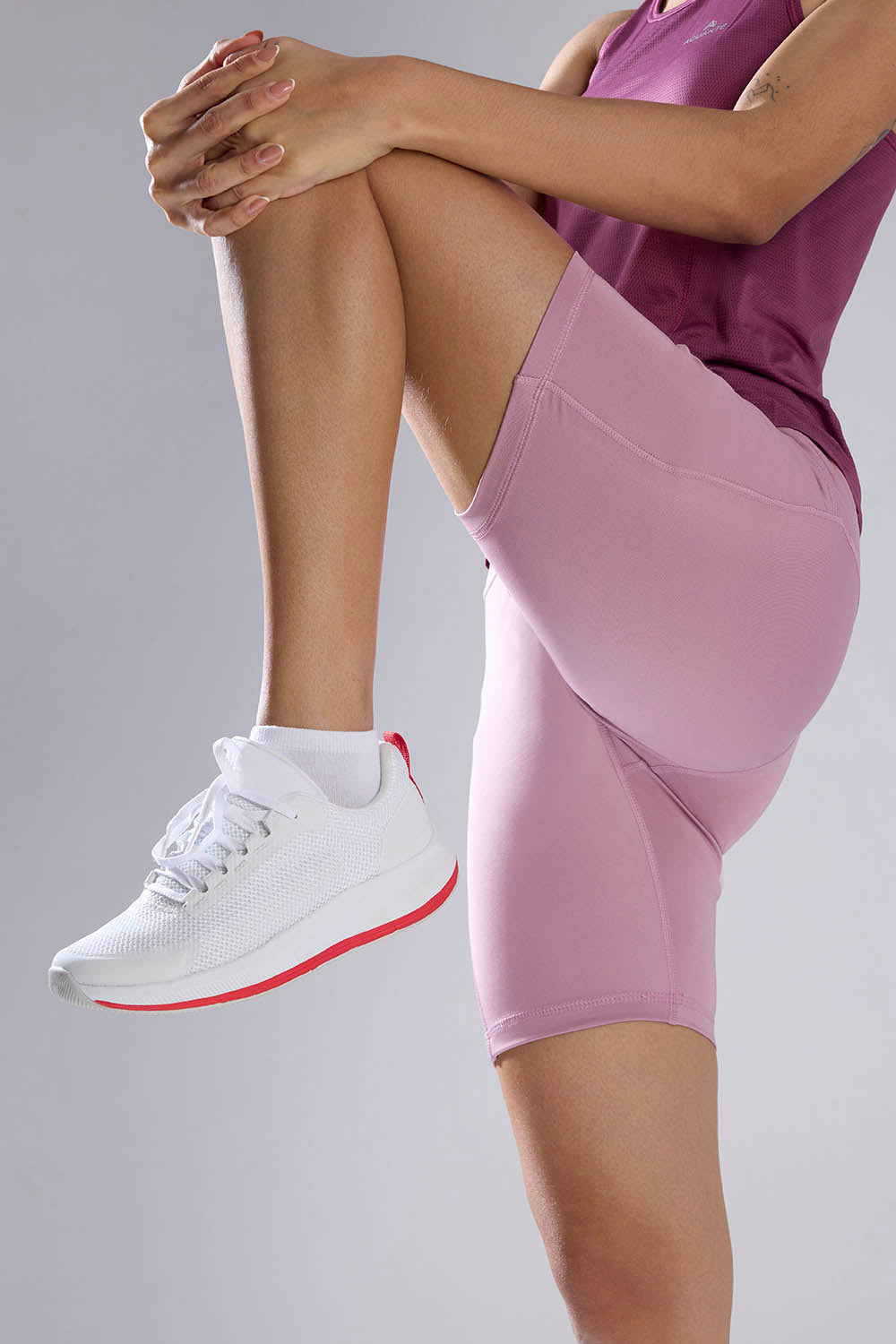
Athletes balancing varied routines across gym workouts, road runs, and trail sessions often choose shorts based on adaptability and overall integration with their training schedule. Insights from expert picks for running shorts in diverse training routines highlight how modern designs blend compression support, stretch fabrics, and secure storage to accommodate shifting demands. Compression liners help stabilize muscles during speed or strength work, while lighter constructions support endurance sessions where breathability and freedom of movement matter more. This balance allows runners to transition seamlessly between indoor and outdoor training without sacrificing comfort or performance.
Many runners follow varied weekly schedules that combine speed work, easy runs, and occasional trail or park explorations. In this scenario, versatility becomes the key performance metric. Shorts designed for diverse training routines balance support with lightness, allowing seamless movement between gym sessions, road miles, and softer surfaces.
Look for stretch fabrics that accommodate different movement patterns and pockets that work whether you are carrying just keys or full trail supplies. Runners in Pune or Bangalore who shift between concrete and dirt paths appreciate designs that handle both without requiring multiple wardrobe changes. This approach supports consistency across a busy training week rather than forcing compromises on any single type of session.
Recovery Runs and Easy Effort Days
Not every run requires maximum performance features. On recovery or easy days, comfort and simplicity often matter most. Looser fits or softer waistbands can feel more forgiving when the goal is active recovery rather than pushing limits. Shorter or more casual styles that transition easily from run to post-run errands suit runners who value multi-purpose gear.
In humid conditions common across many Indian cities, quick-drying properties remain useful even at lower intensities. The ability to wear the same pair comfortably for both a gentle morning loop and the rest of your day adds practical value to your training routine.
Practical Tips for Testing and Selecting Your Next Pair
Try running shorts in conditions that closely match your typical training. A quick lap around the block reveals more than standing in a fitting room. Pay attention to how the waistband feels after ten minutes of movement, whether pockets stay secure when you pick up pace, and if any seams or edges create friction.
Consider your most frequent training scenarios first, then look for gear that performs well there while remaining acceptable for other sessions. Many runners maintain two or three favourite pairs that cover their main needs rather than searching for one perfect option. Washing and wear testing over several runs provides the clearest picture of long-term comfort and durability.
Caring for Your Running Shorts
Proper care extends the life and performance of technical fabrics. Rinse shorts after particularly sweaty runs when possible, and follow manufacturer guidelines for washing temperature and drying. Avoid fabric softeners that can reduce moisture-wicking properties over time. Rotating between pairs prevents excessive wear on any single item.
Small habits like these help maintain the features that matter most to your specific training style, ensuring your gear continues supporting consistent running rather than becoming a source of frustration.
Selecting running shorts based on how you actually train rather than generic recommendations leads to better comfort, fewer distractions, and ultimately more enjoyable and productive kilometres. Take time to evaluate your typical sessions, local running conditions, and personal preferences. The right pair becomes an extension of your effort instead of something you notice for the wrong reasons.
Frequently Asked Questions
Are built-in liners or compression liners important in running shorts?
Built-in or compression liners can be very useful depending on your training needs. Compression liners offer muscle support during speed workouts and high-intensity sessions, while lighter or removable liners improve comfort during longer endurance runs. Choosing the right liner depends on whether you prioritize performance support or maximum breathability and freedom.
What features should I look for in running shorts for long-distance running?
For long-distance running, prioritize running shorts with bounce-resistant pockets, breathable materials, and moisture-wicking fabrics to stay comfortable over extended periods. Longer inseams or well-placed panels help reduce chafing during repeated motion. A secure waistband with an adjustable drawstring is also essential to keep the shorts stable as fatigue sets in.
What are the best running shorts for different training styles like speed work, long runs, and recovery runs?
The best running shorts depend on how you train, as different workouts require different features. Speed work benefits from lightweight, minimal shorts with short inseams and minimal distractions, while long runs need secure storage, moisture-wicking fabric, and anti-chafing design. Recovery runs prioritize comfort and a relaxed fit for easy movement and all-day wearability.
Disclaimer: The above helpful resources content contains personal opinions and experiences. The information provided is for general knowledge and does not constitute professional advice.
You may also be interested in: Running Shorts vs Half Tights - Aguante
Tired of gear that slows you down? Chafing, soggy fabrics, and missing pockets kill your run's momentum. At Aguante, we're runners who get it. Our high-performance activewear features moisture-wicking fabrics, ergonomic designs, and smart storage to keep you focused. Shop Now!
Powered by flareAI.co