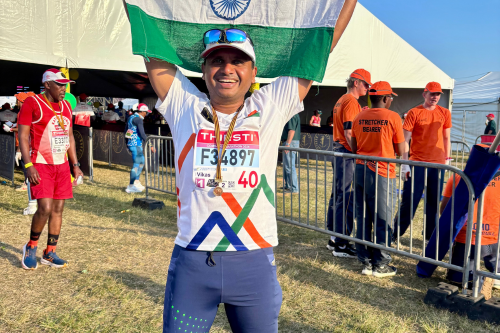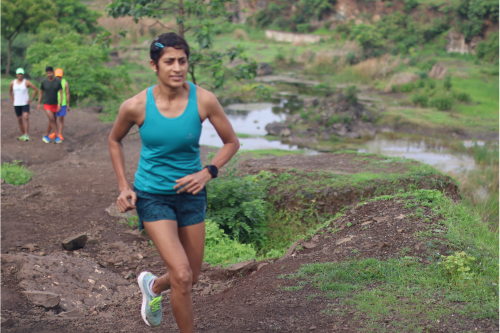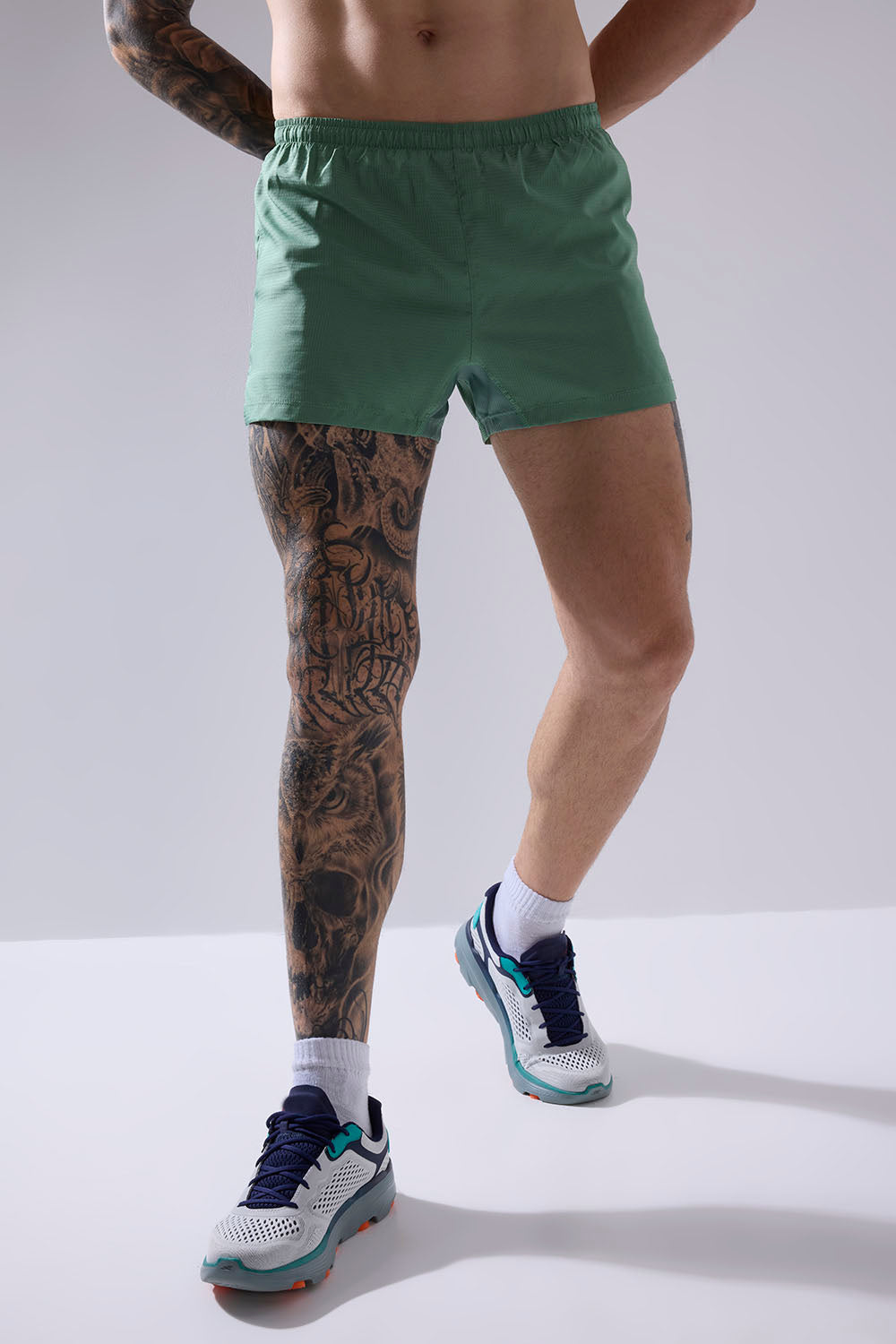
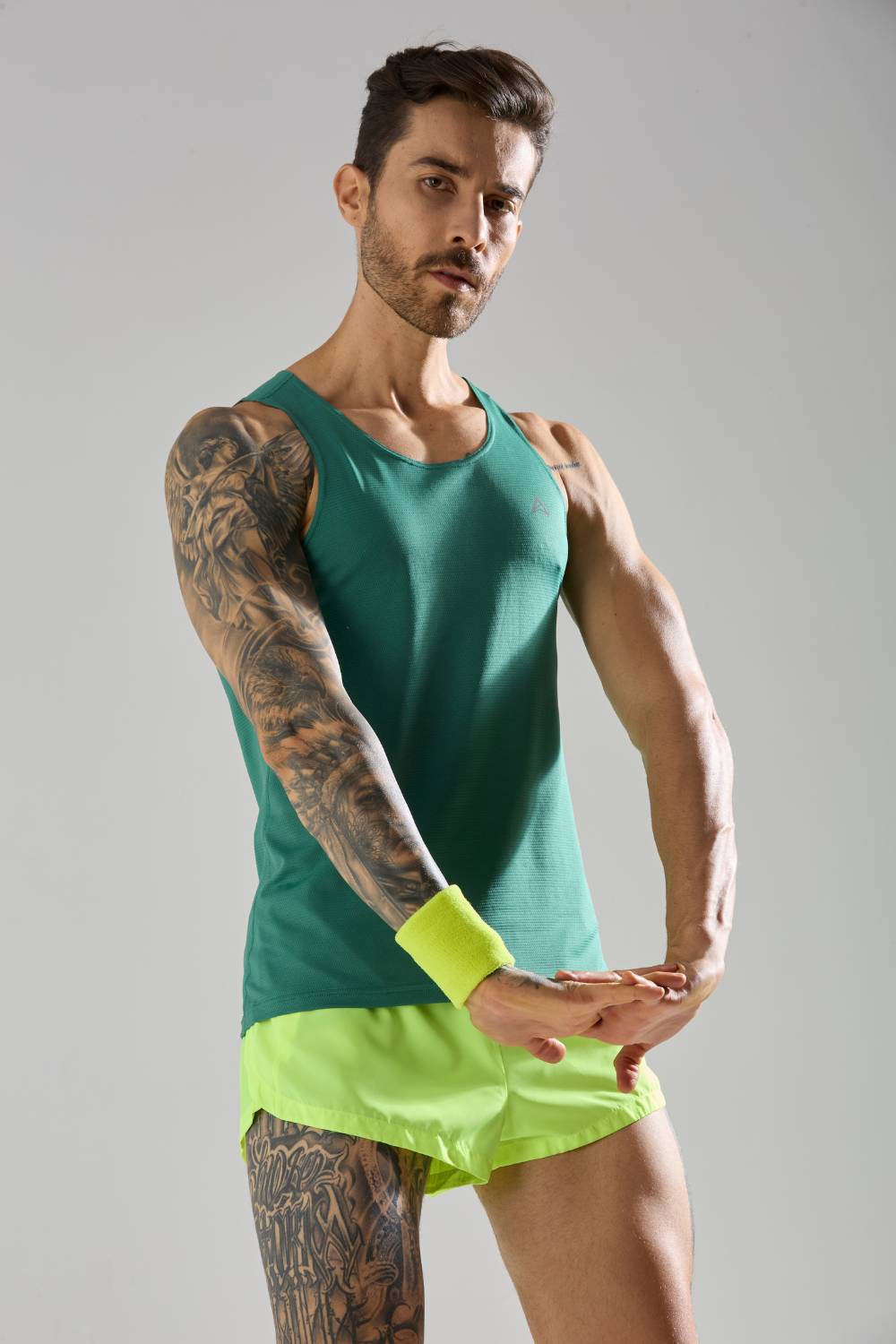
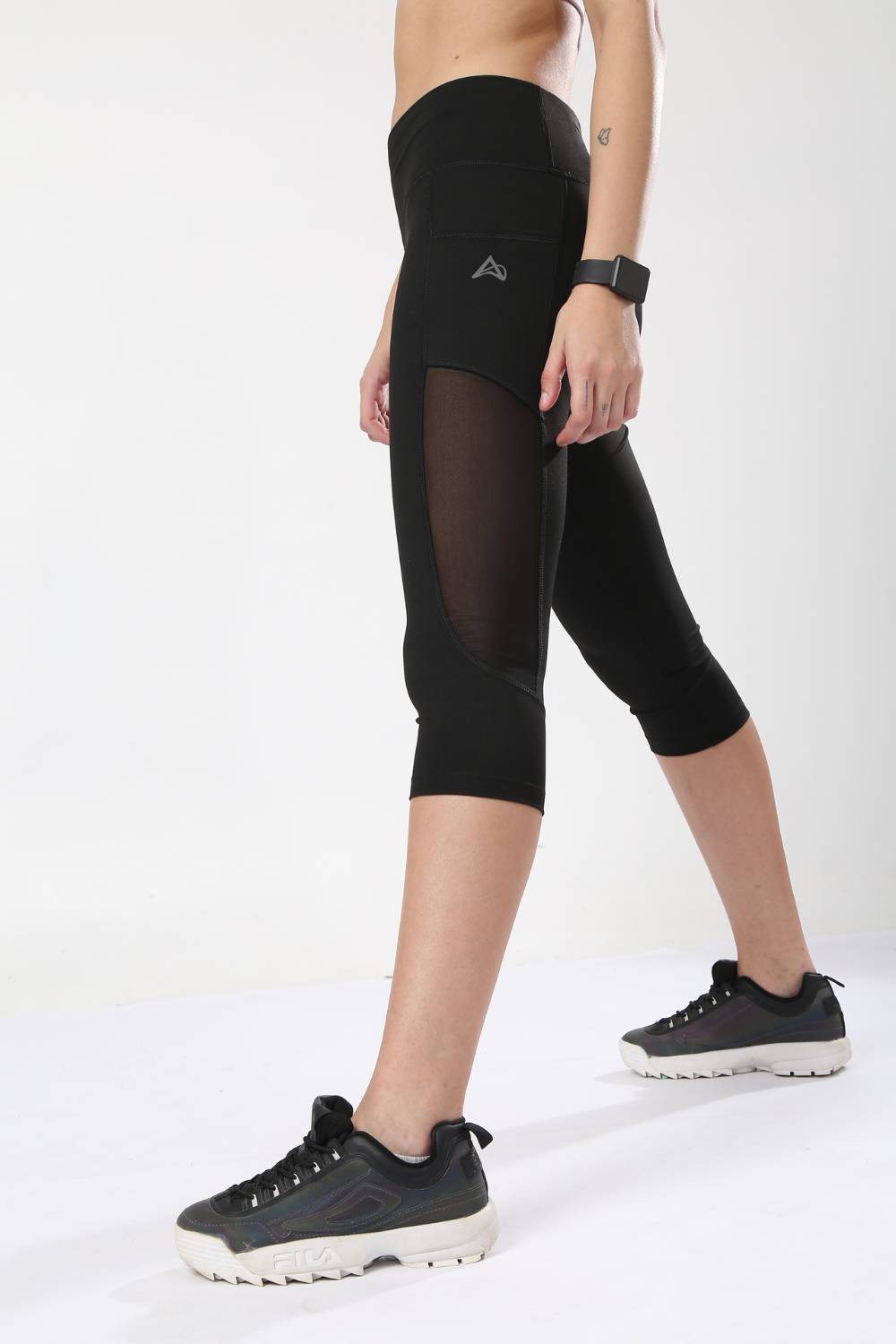
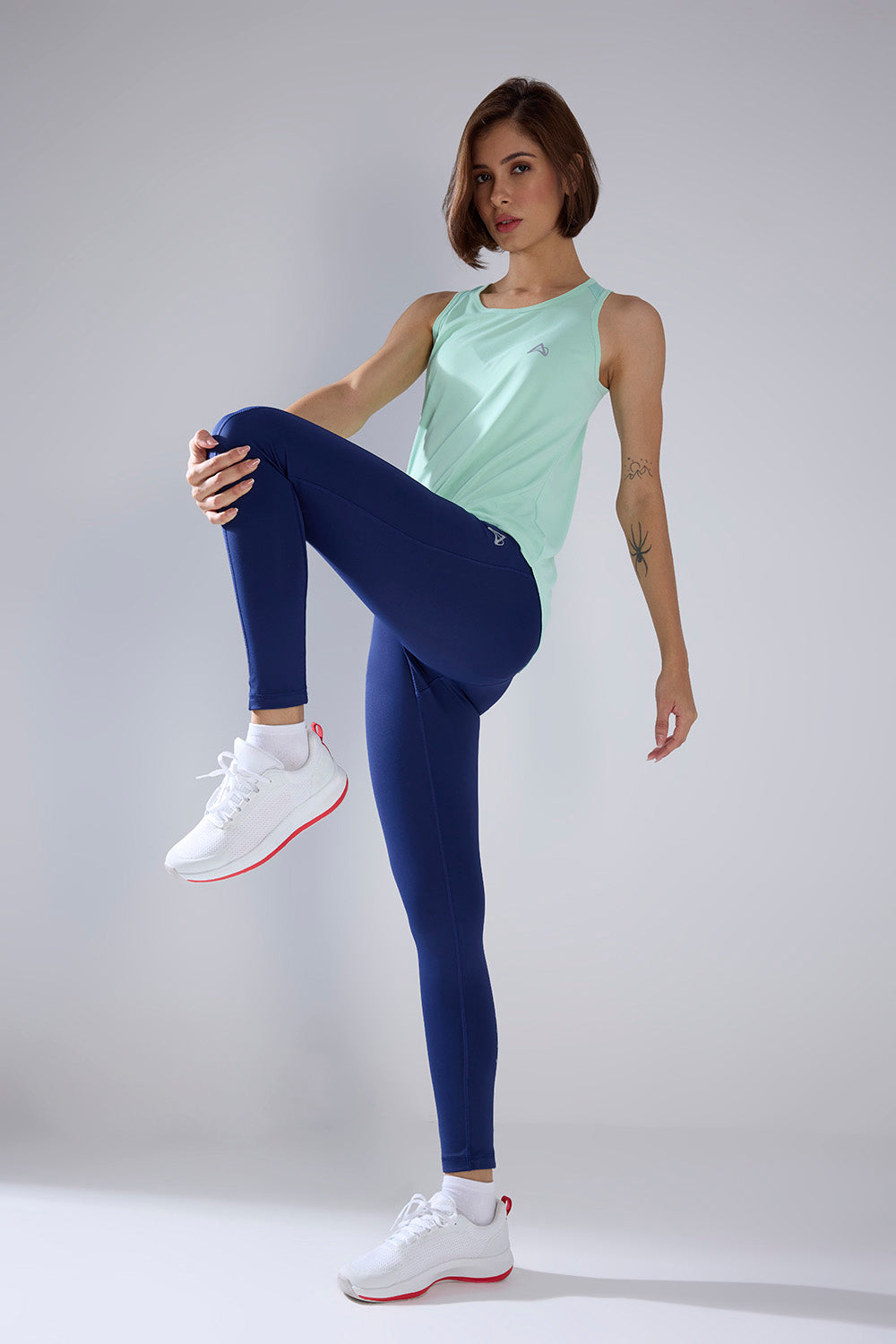

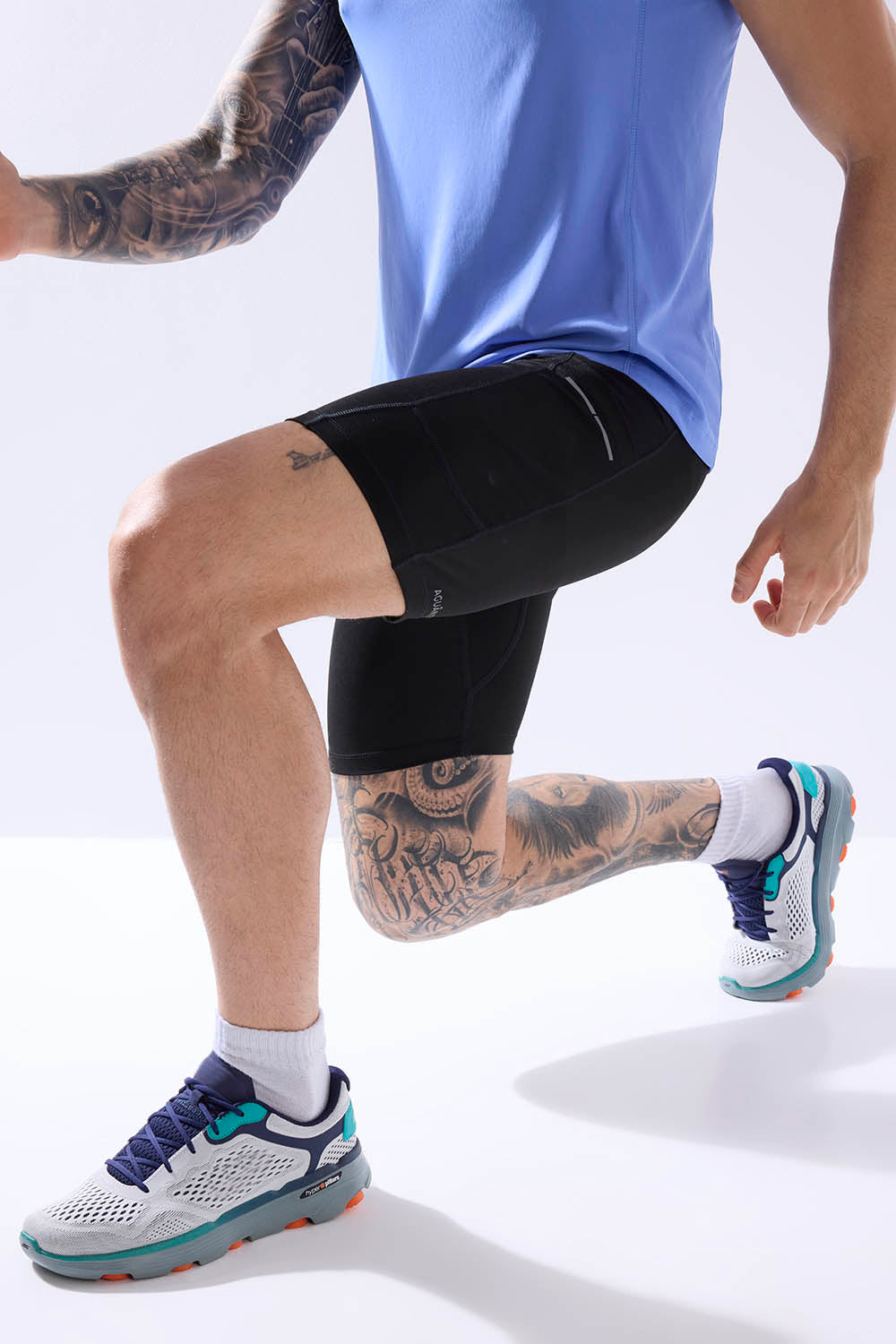



In the pre-dawn haze of Mumbai's Marine Drive or Bangalore's Cubbon Park, runners lace up and step into air so thick with moisture it feels like wading through a warm mist. The sun is barely peeking over the horizon, but already shirts are starting to cling, skin begins to prickle with sweat, and each stride demands more effort than it ought to. For runners across India's bustling urban centers from Hyderabad's scenic Tank Bund to Delhi's verdant Nehru Park humidity isn't merely an atmospheric quirk; it's a formidable challenge that can transform invigorating workouts into exhausting ordeals. This pervasive environmental factor is fundamentally altering how dedicated runners select their attire, emphasizing the critical role of fabric choices, ergonomic designs, and specialized features tailored to India's distinctive climatic demands.
The surge in demand for specialized running gear mirrors a broader global trend in athletic wear. According to recent industry analyses, the running apparel market was valued at USD 90.44 billion in 2025, with projections estimating growth from USD 97.02 billion in 2026 to USD 137.98 billion by 2031, achieving a compound annual growth rate (CAGR) of 7.28% over the forecast period. This expansion is fueled by heightened health awareness worldwide, breakthroughs in fabric technologies, and the blending of high-performance elements with everyday lifestyle clothing that resonates across diverse demographics. Notably, the increasing involvement of women in running and fitness pursuits has spurred demand for tailored, gender-specific apparel lines. In established markets, premium products dominate, while in developing regions like India, rapid urbanization and climbing disposable incomes are accelerating adoption. In India, this growth manifests vividly: city streets and parks are teeming with early-morning joggers and competitive athletes, all seeking gear that excels in sweltering heat and high humidity rather than merely serving as a fashion statement on platforms like Instagram.
Tired of gear that slows you down? Chafing, soggy fabrics, and missing pockets kill your run's momentum. At Aguante, we're runners who get it. Our high-performance activewear features moisture-wicking fabrics, ergonomic designs, and smart storage to keep you focused. Shop Now!
Climate Reality Check: Humidity Across India's Running Corridors
India's diverse geography ensures that no two cities experience humidity in quite the same way, creating unique challenges for runners in each locale. In Mumbai and Navi Mumbai, the coastal influence results in relentless humidity that saturates the air, often leaving behind stubborn salt residues on skin and clothing long after a session ends. Annual humidity averages linger around 75%, with early-morning peaks frequently exceeding that, making even short runs feel laborious. Bangalore and Pune, known for their relatively temperate climates, hide a deceptive layer of morning humidity typically ranging from 65% to 80% that can turn what should be pleasant circuits into uncomfortably sticky affairs.
Further inland, Hyderabad and Ahmedabad grapple with transitions from arid heat to humid monsoon periods, where sudden spikes in moisture levels compound the physical strain. Delhi and Gurugram endure seasonal extremes, including abrupt post-monsoon humidity surges that trap heat and intensify discomfort. Surat's blend of coastal proximity and industrial activity keeps humidity consistently high, seldom dropping below levels that challenge endurance. These variations are more than mere weather trivia; they directly impact physiological responses during exercise. High humidity impairs the body's natural cooling mechanism by hindering sweat evaporation. When the surrounding air is already moisture-laden, perspiration lingers on the skin, elevating core body temperature, hastening fatigue, and heightening the risk of chafing and irritation. Opting for suboptimal gear, such as cotton-based items that absorb and retain moisture, only exacerbates these issues, leading to increased friction, discomfort, and potential performance dips.
Emerging Trends: How Indian Runners Are Rethinking Apparel
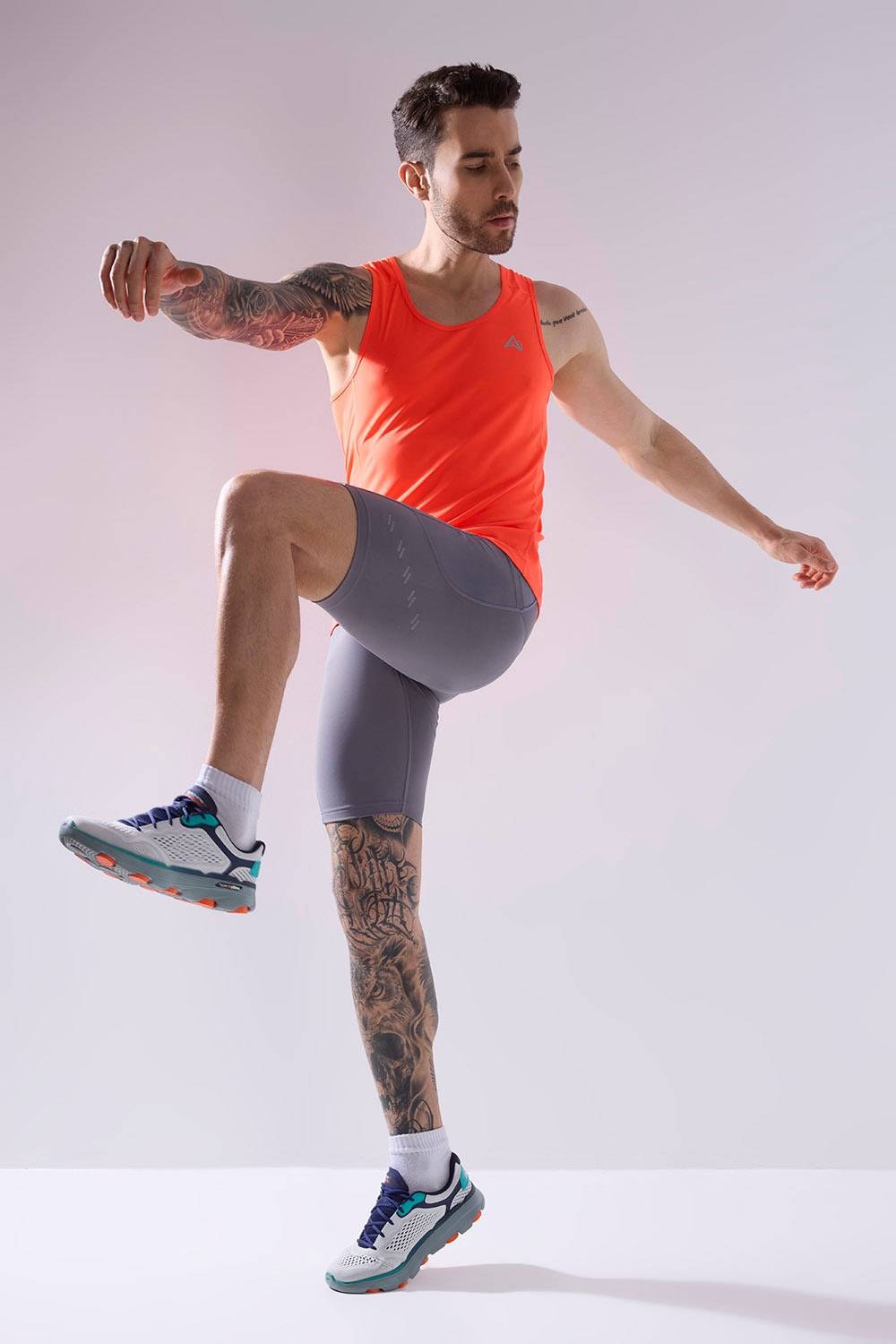
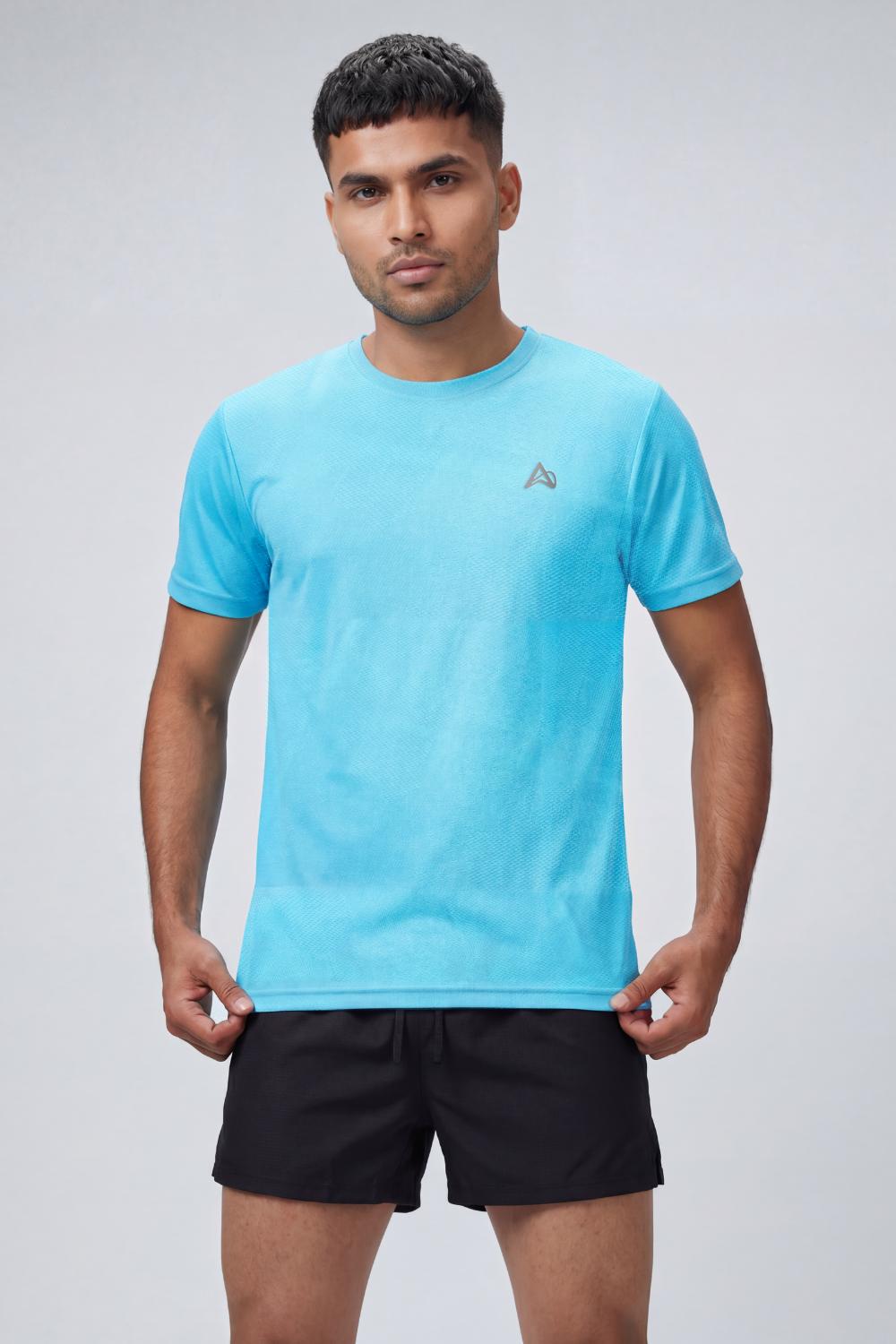
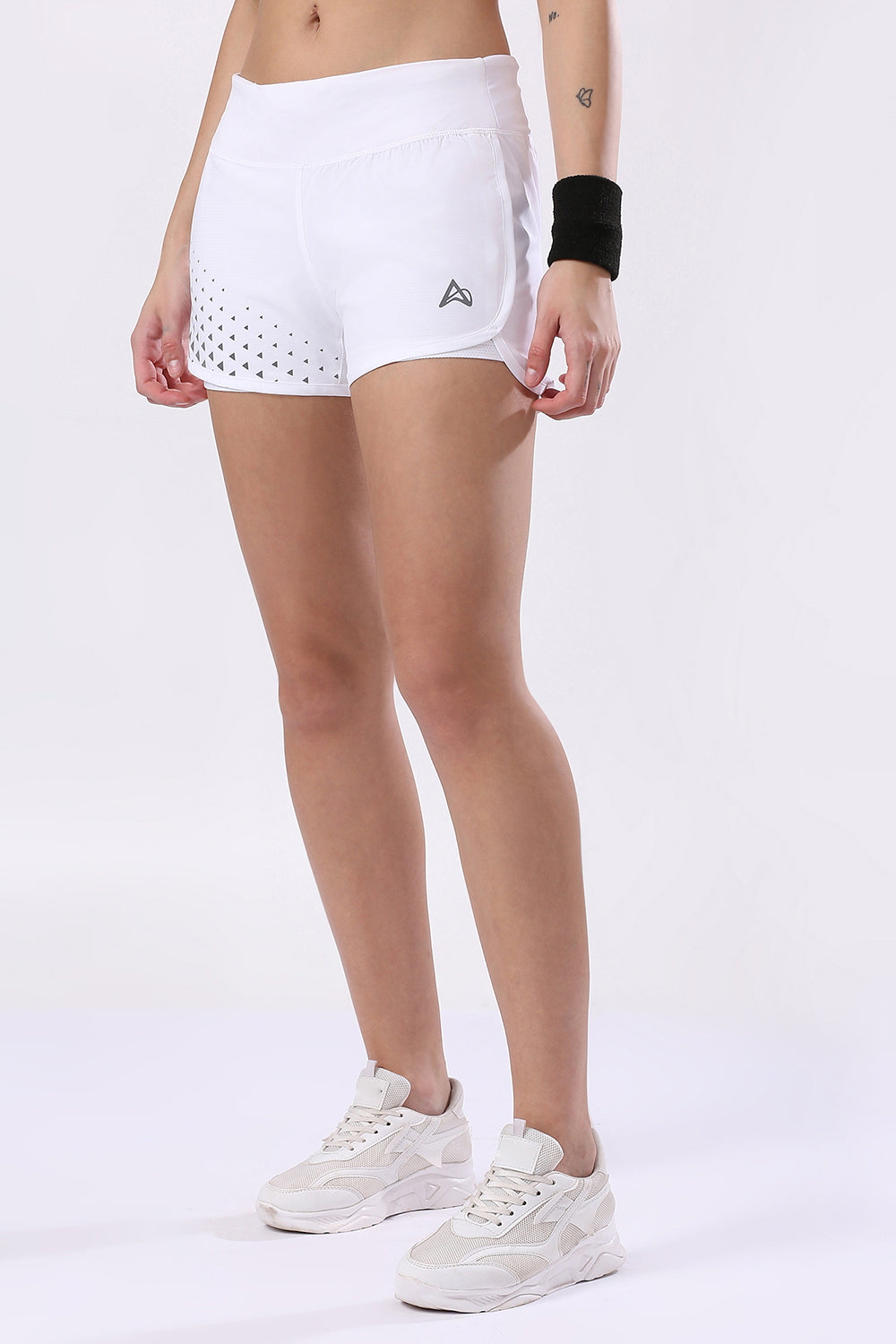
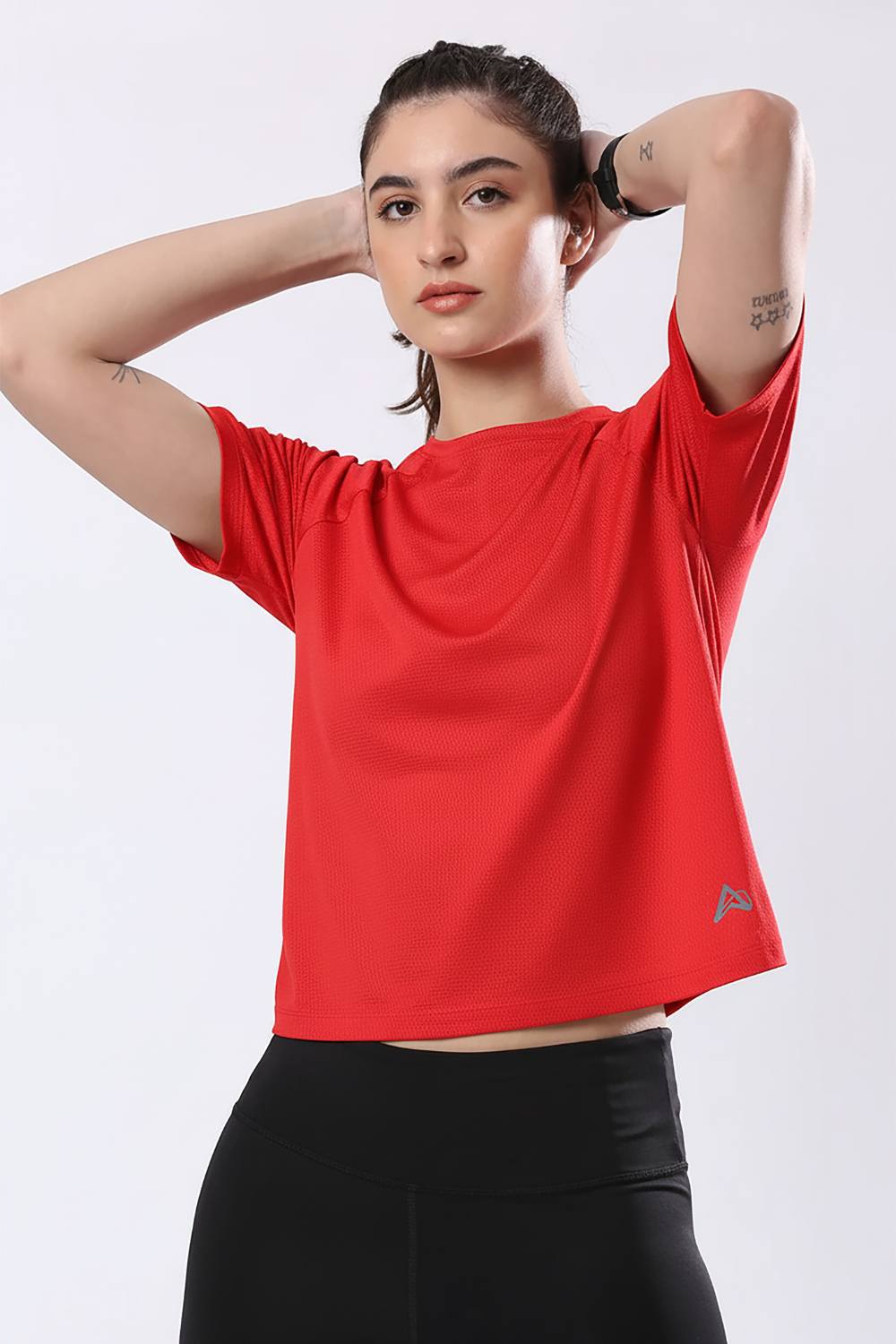
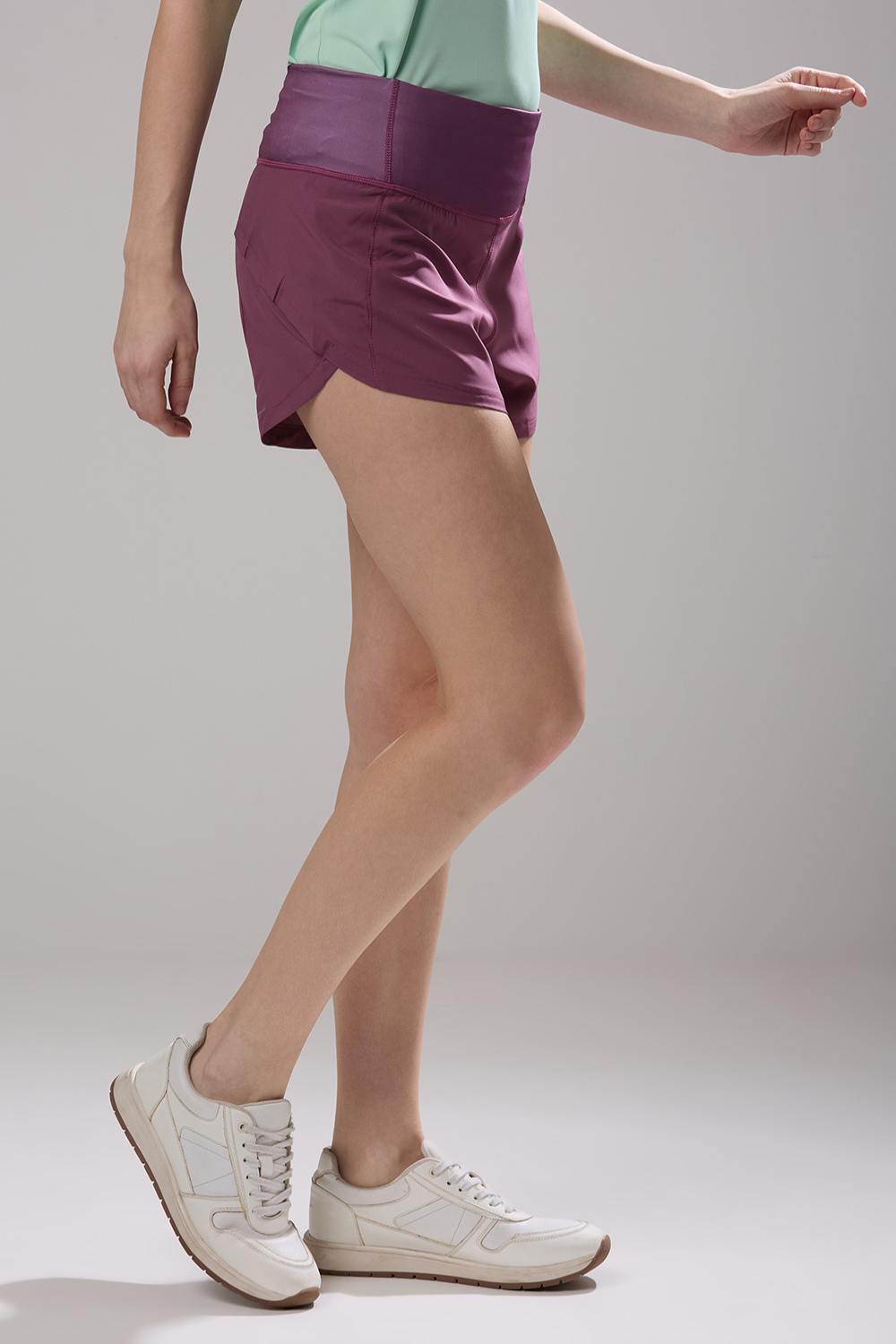
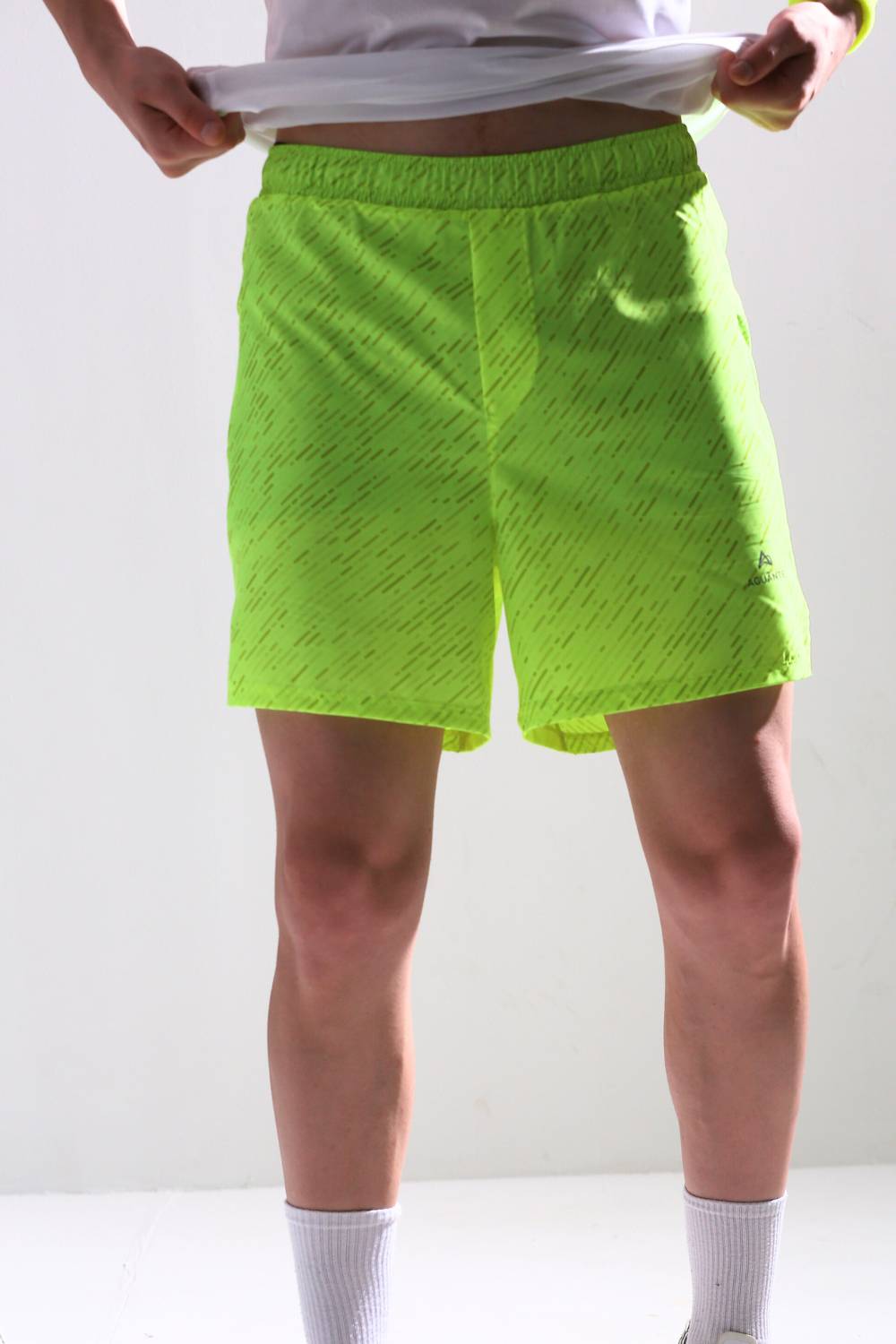
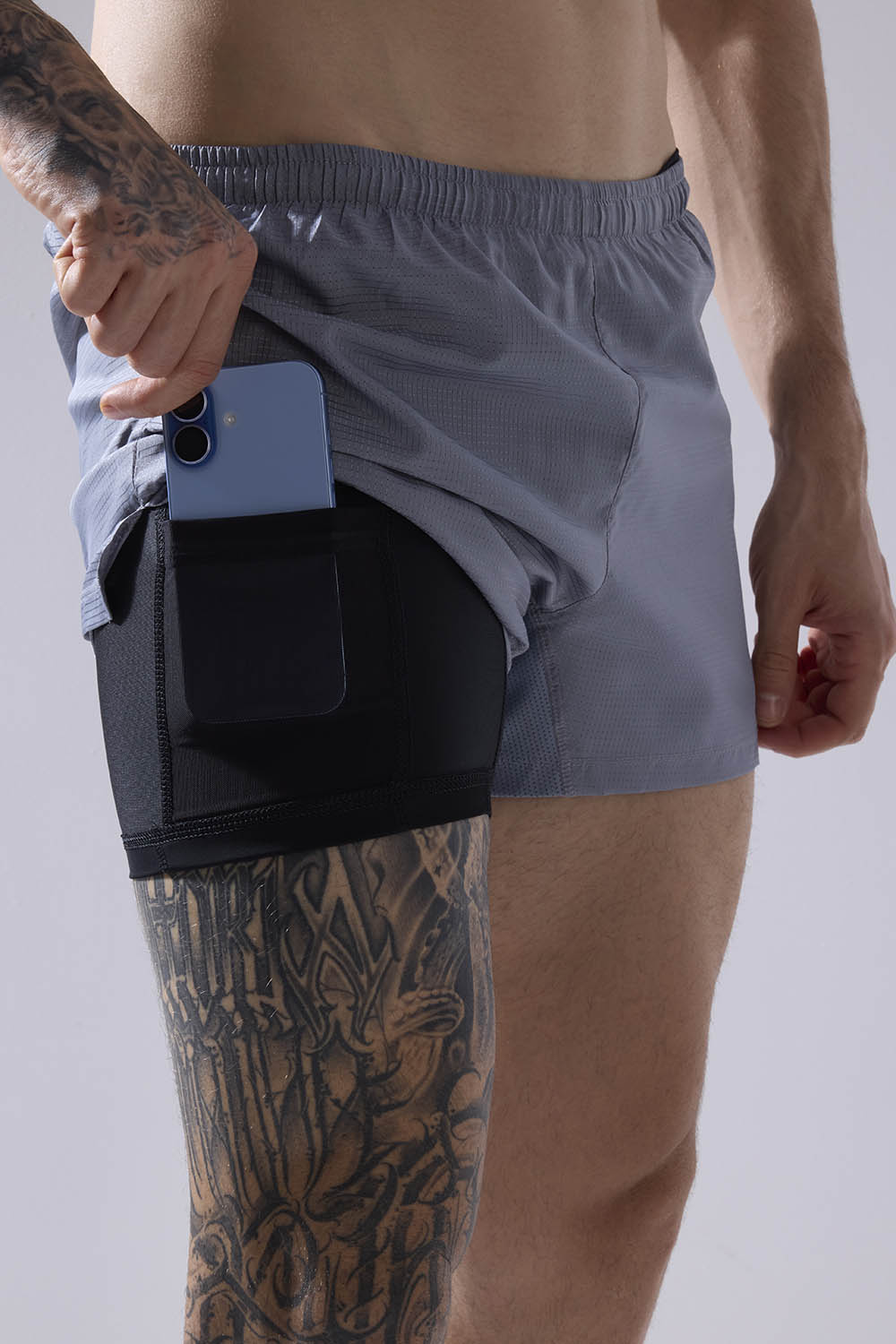
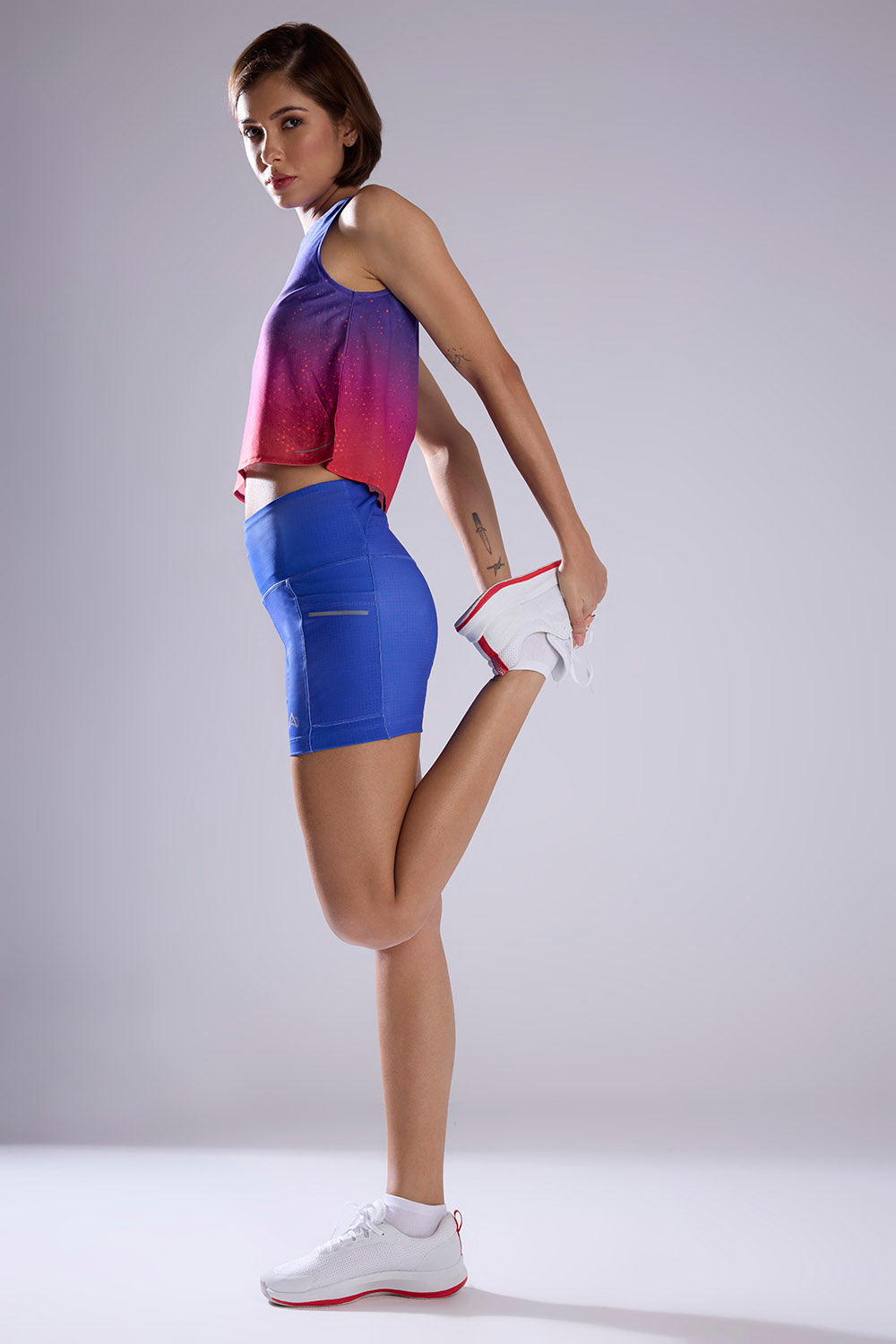
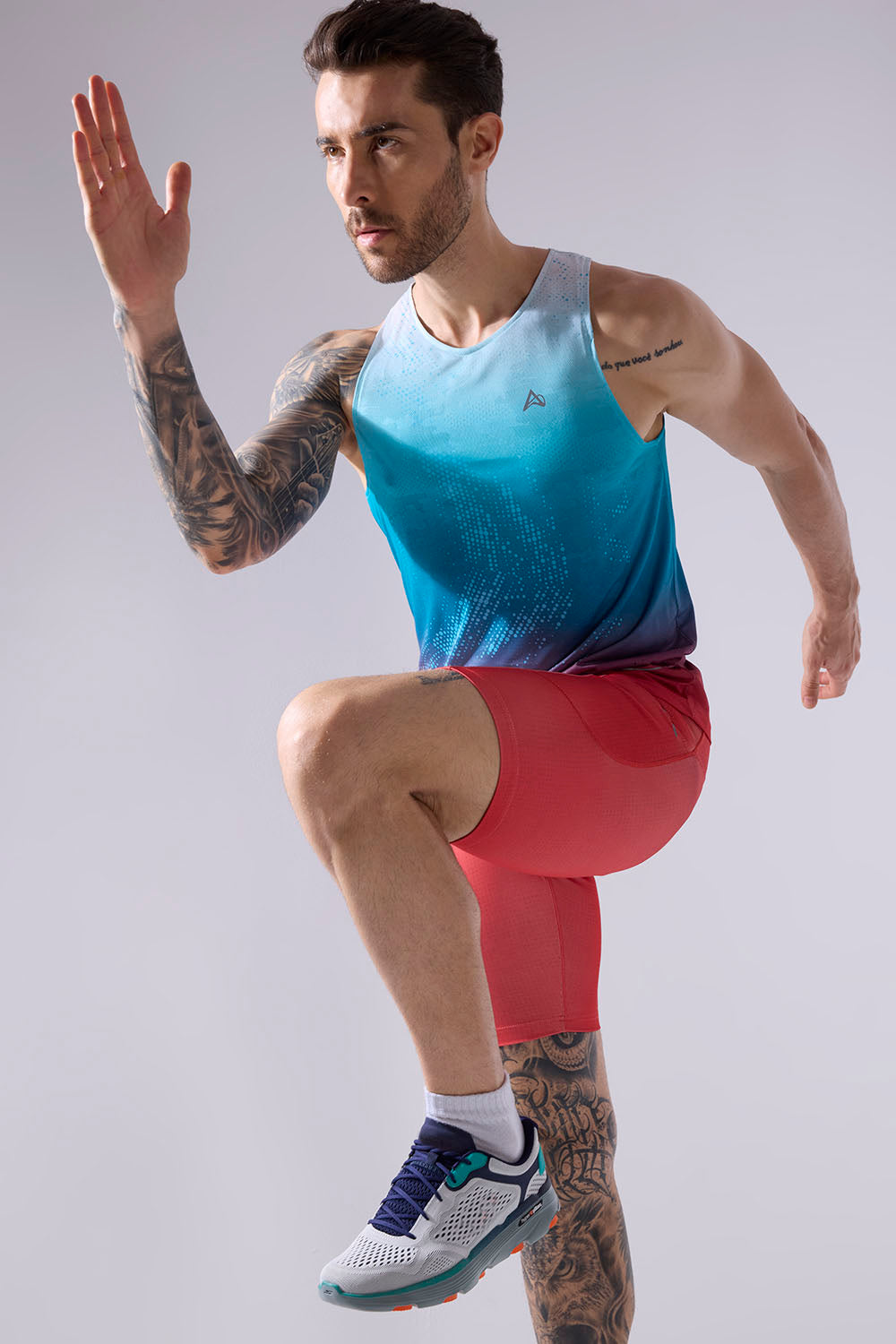
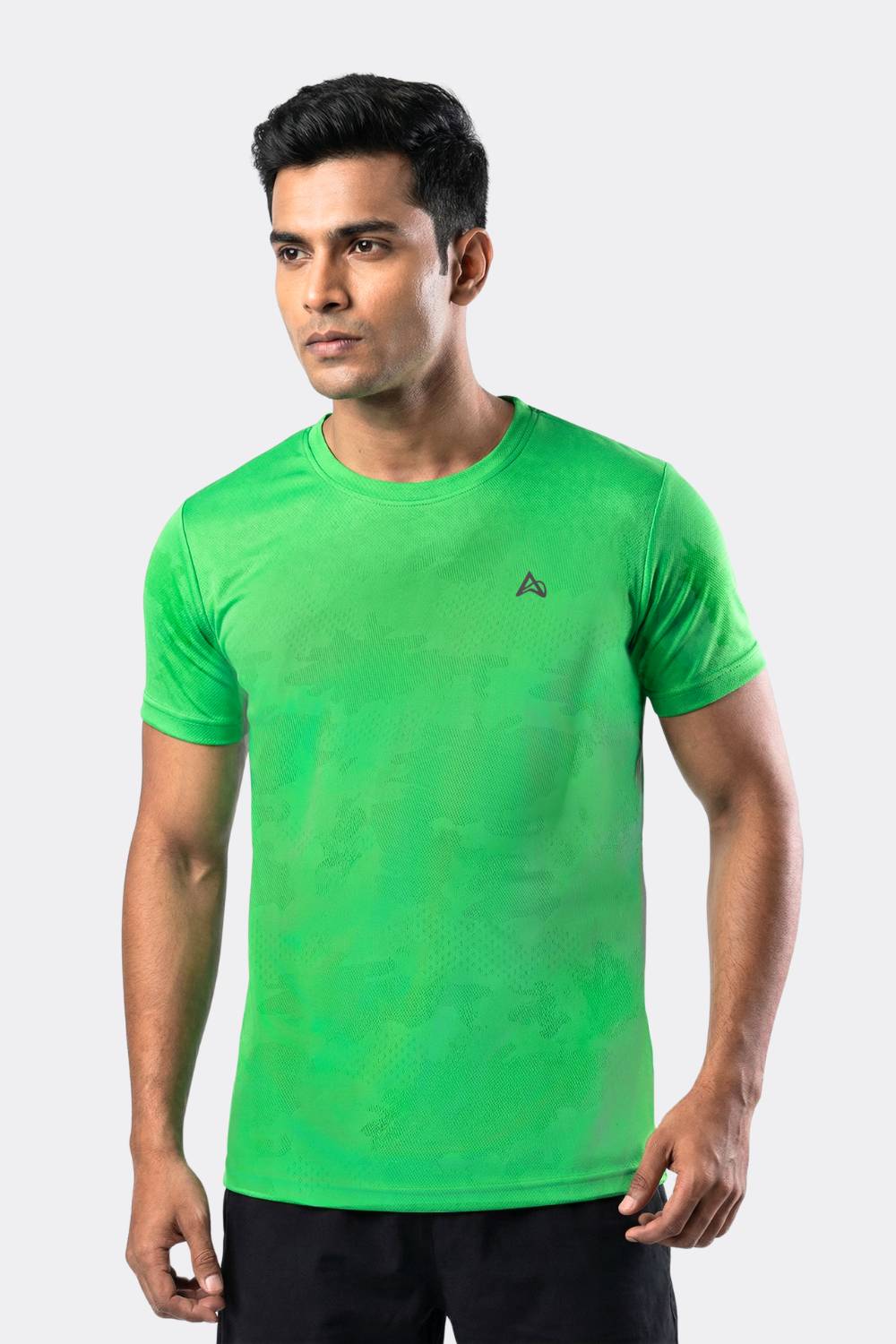
As awareness grows, runners in these humid hotspots are abandoning outdated choices in favor of more sophisticated options. Gone are the days of relying on basic cotton blends or versatile gym attire that fails under intense conditions. Instead, there's a marked shift toward specialized items like moisture-wicking running t-shirts for men and women, lightweight running shorts equipped with strategic ventilation, and half tights featuring anti-chafing inner liners. Social media platforms, particularly Instagram and YouTube channels run by local coaches and running communities in cities like Pune and Hyderabad, are amplifying this change through educational content and motivational stories that prioritize practicality over aesthetics.
This rethinking aligns with explosive growth in running participation across India. Government-backed marathons, corporate wellness initiatives, and the lingering effects of the post-pandemic fitness boom have elevated running from a niche hobby to a mainstream pursuit. Runners now approach apparel selection with the same scrutiny they apply to footwear considering local terrain, prevailing weather patterns, and individual body mechanics. This trend is part of a larger movement where functionality reigns supreme, driven by real-world needs rather than fleeting trends. For instance, in the broader sportswear market, which reached USD 365.81 billion in 2024 and is projected to hit USD 646.01 billion by 2030 at a CAGR of 9.9%, key drivers include advancements in fabrics like those offering moisture management and temperature regulation, alongside the rise of athleisure influenced by social media and sustainability concerns.
Fabric Science in Humid Conditions: What Actually Works
Understanding the science behind effective gear in humid environments reveals why certain materials outperform others. Humidity disrupts sweat evaporation, causing fabrics to become heavy and clingy, which in turn increases skin friction and discomfort. Effective solutions lie in advanced synthetics, such as polyester-based moisture-wicking fabrics that actively draw perspiration away from the body to the outer surface for quicker drying. Incorporating breathable mesh panels in strategic areas enhances airflow, while quick-dry yarn constructions ensure garments recover rapidly from saturation.
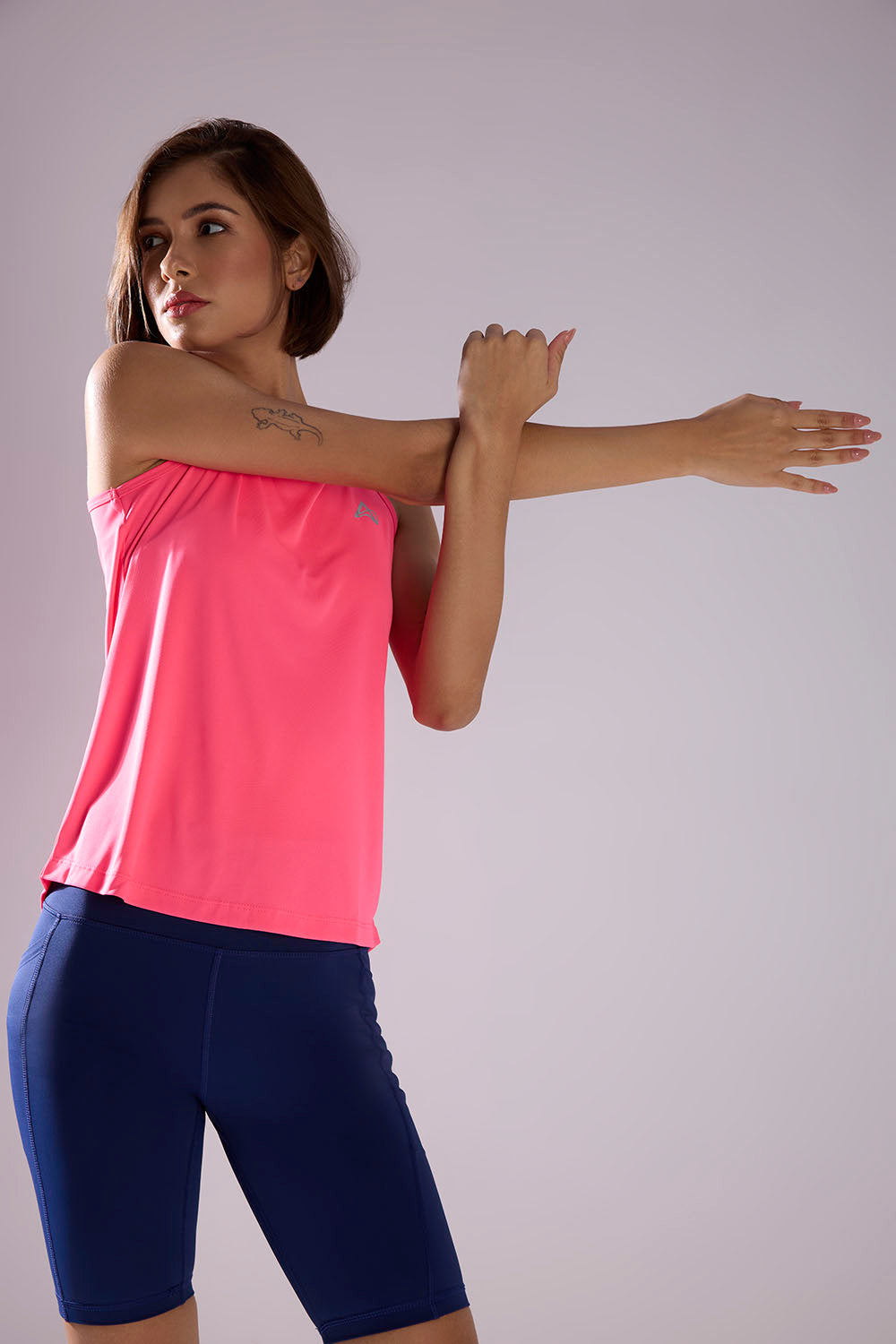
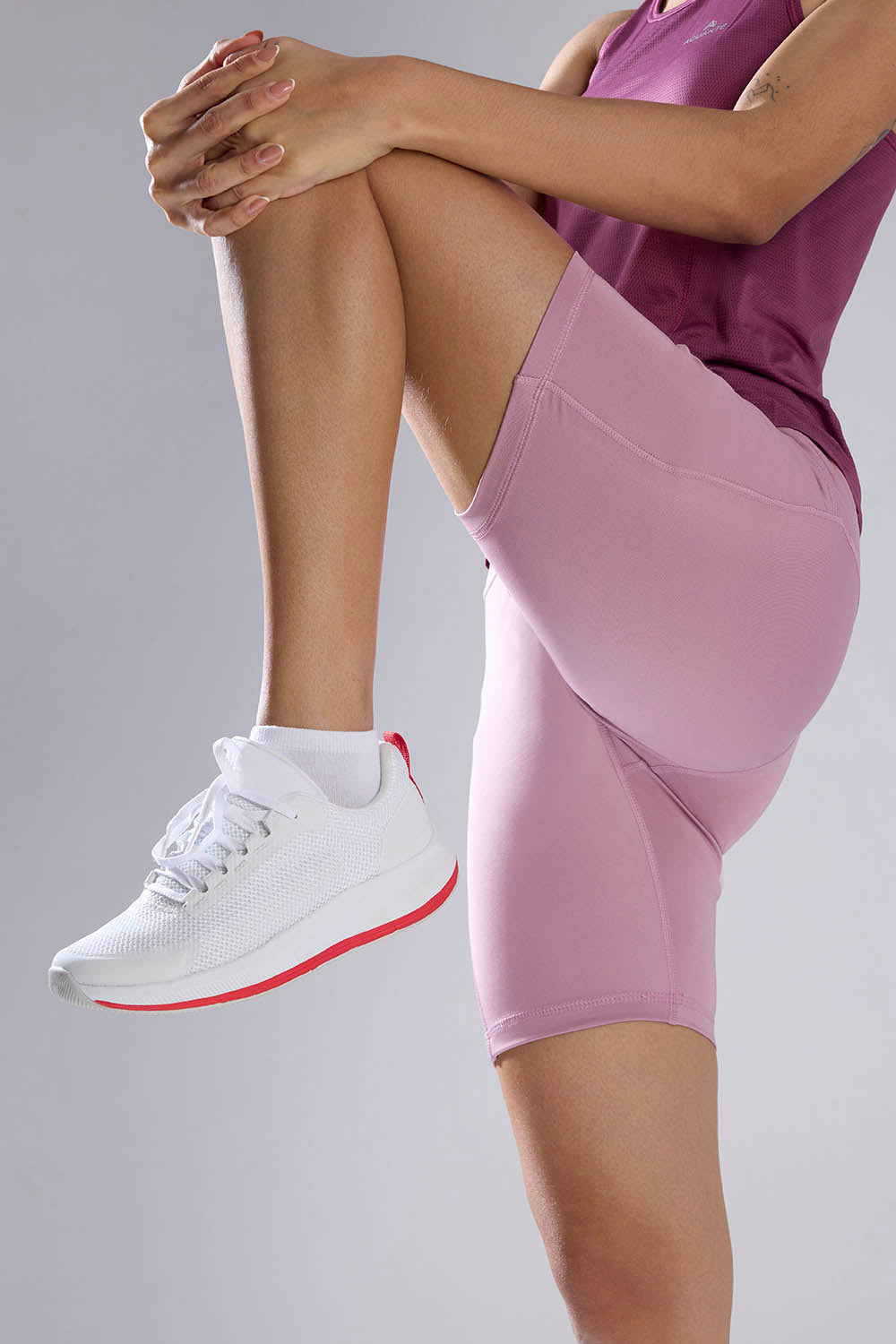
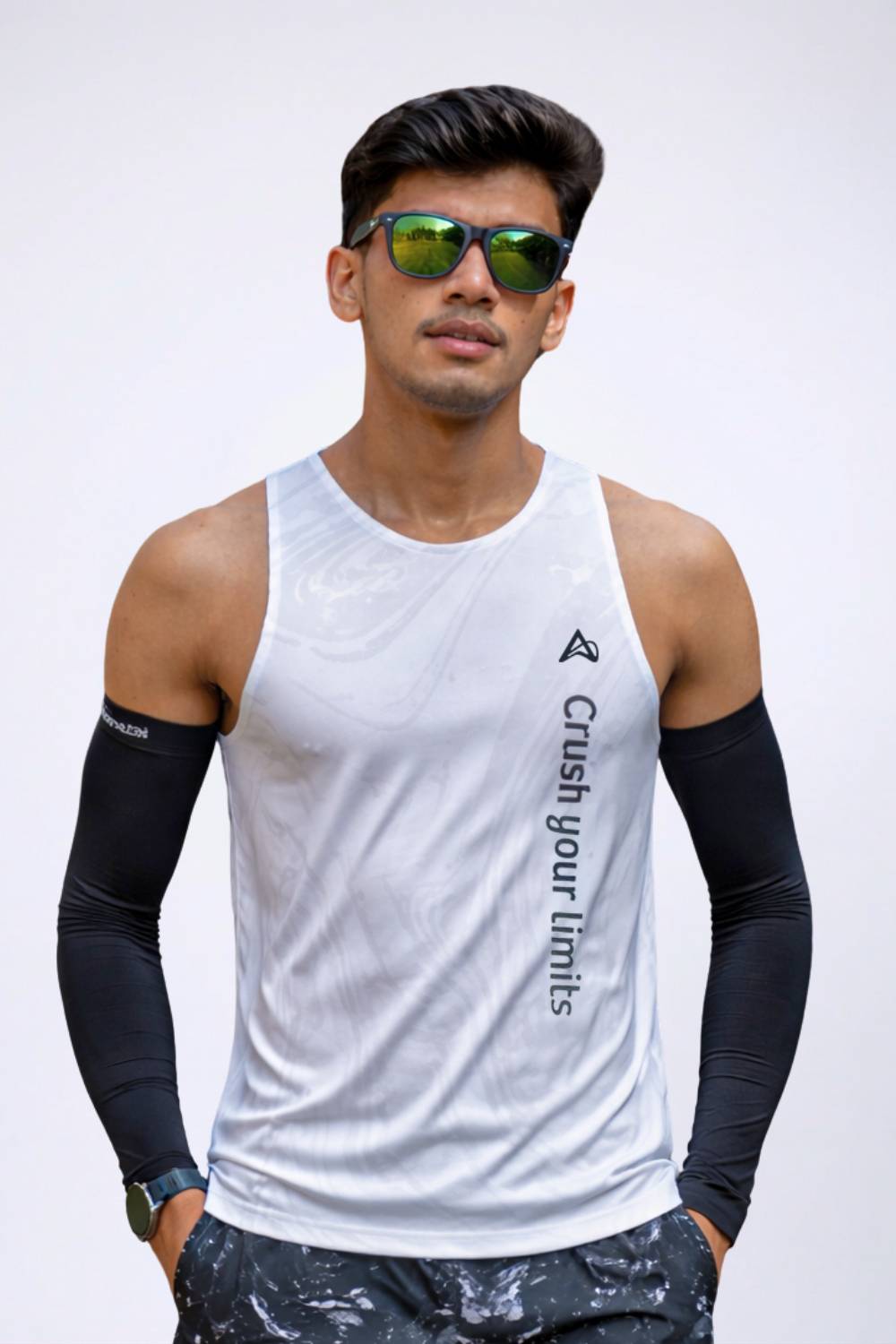
These features are particularly vital for key product categories: running t-shirts and singlets for both men and women, tank tops designed for maximum ventilation, and running shorts or half tights that include supportive elements like anti-chafing liners. What sets superior brands apart is their adaptation to Indian body types and rigorous testing in local climates a differentiator that ensures fits are ergonomic and performance-oriented. The moisture-wicking fabrics market, valued at US$ 1.0 billion in 2023 and anticipated to expand to US$ 2.4 billion by 2034 at a CAGR of 8.0%, underscores this importance. Asia Pacific dominates, propelled by urbanization and a shift toward active, health-focused lifestyles, with polyester leading among fiber types due to its superior performance in sports and athletic wear.
Real-World Examples: Running Through Humidity in Indian Cities
To grasp the practical implications, consider the daily realities faced by runners in these urban settings. Mumbai's marathon aspirants endure long coastal training runs where rapid sweat buildup demands gear that dries swiftly to prevent blisters and maintain focus. In Bangalore, early risers contending with muggy mornings find that ill-chosen layers transform energizing 10K routes into overheated struggles. Delhi-NCR athletes must adapt their kits seasonally, switching from winter warmth to monsoon-ready breathability to handle fluctuating conditions.
Hyderabad and Ahmedabad runners navigate the tricky overlap of heat and humidity during summer peaks, where adequate ventilation becomes non-negotiable for sustained effort. Insights from local running clubs, coaches, and race preparation regimens highlight a universal lesson: apparel must be versatile enough to suit micro-climates. What works flawlessly in one city's dry spell might falter in another's humid downpour, emphasizing the need for adaptable, condition-specific choices that enhance rather than hinder performance.
Key Challenges & Risks of Poor Gear Choices in Humid Conditions
Overlooking humidity's toll invites a host of preventable issues. Chafing from damp, rubbing fabrics can result in painful skin abrasions, sidelining runners for days. Accumulated sweat often conceals dehydration symptoms, leading to overlooked fluid needs and potential health risks. Overheating drains energy reserves, fostering cramps and reduced endurance, while inconsistent gear choices disrupt training routines especially during monsoon seasons when sessions are frequently abandoned.
These challenges, backed by physiological evidence, underscore that such problems aren't inevitable but stem from uninformed selections. By prioritizing informed decisions, runners can mitigate these risks, transforming humidity from a barrier into a surmountable aspect of their regimen.
Opportunities: How the Right Gear Improves Performance & Consistency
The rewards of smart gear investments are substantial and multifaceted. Superior apparel fosters greater training commitment, enabling runners to maintain schedules through adverse weather and achieve sharper race preparedness. Consistency improves as recovery times shorten and enjoyment increases, encouraging longer-term engagement in the sport.
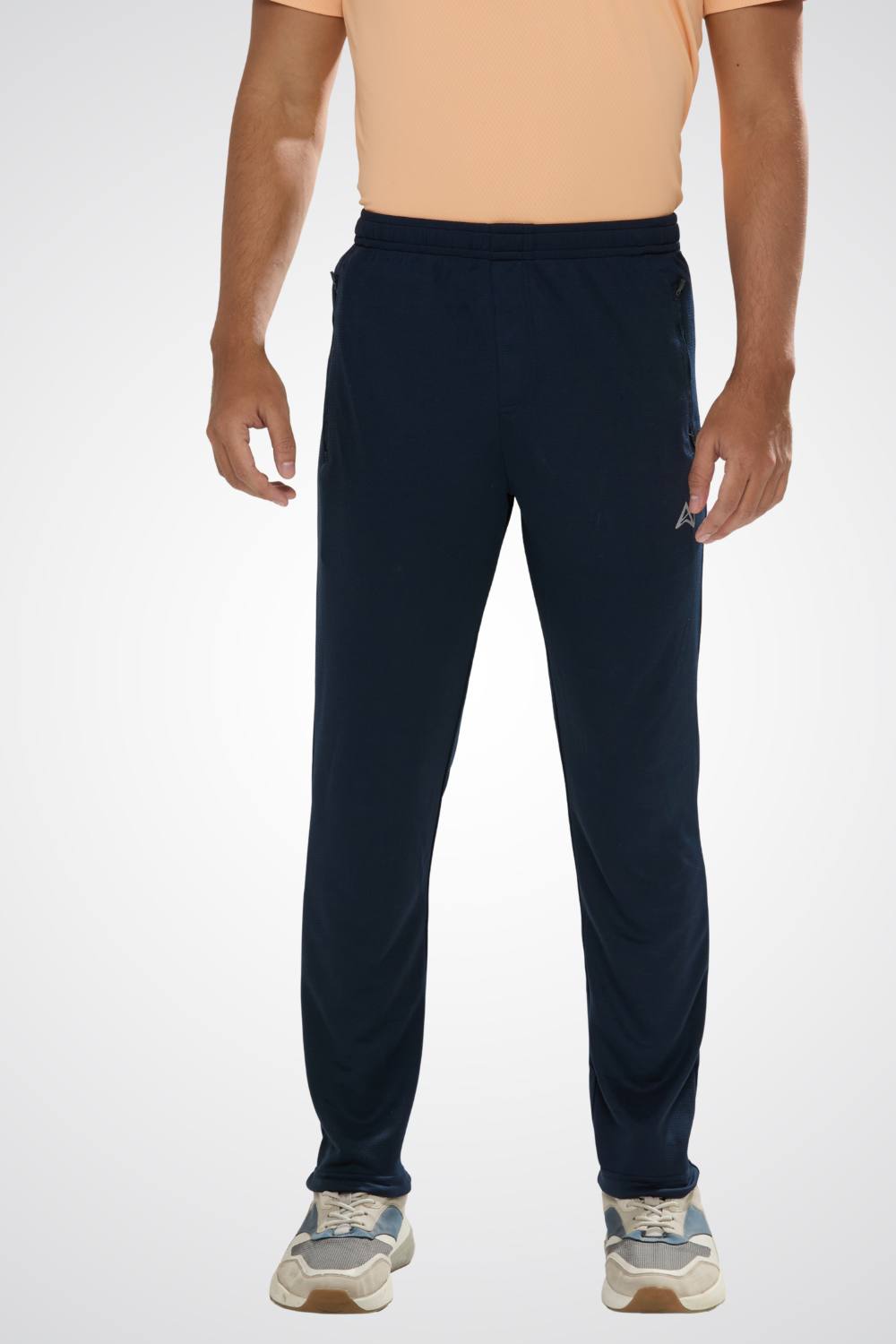
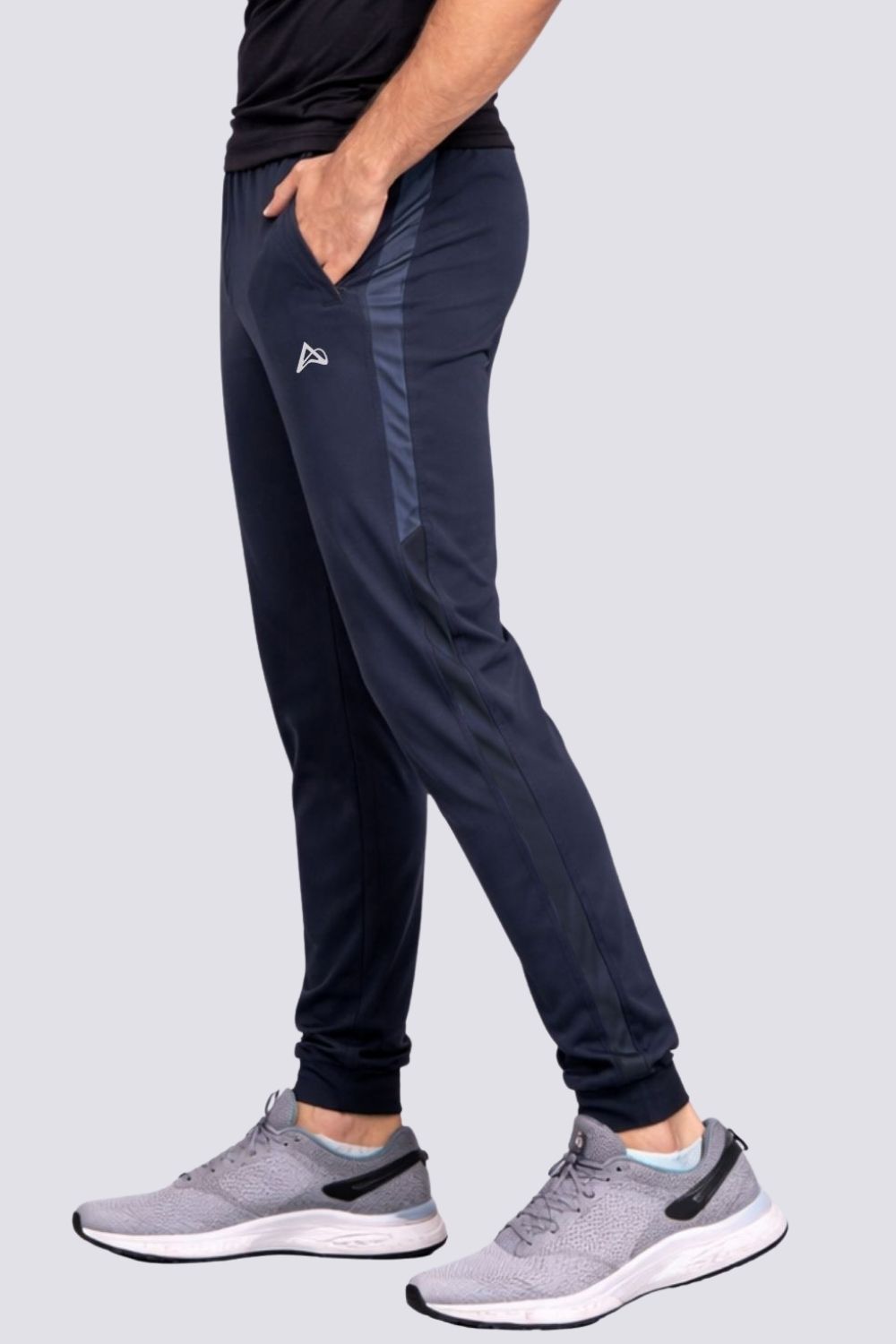
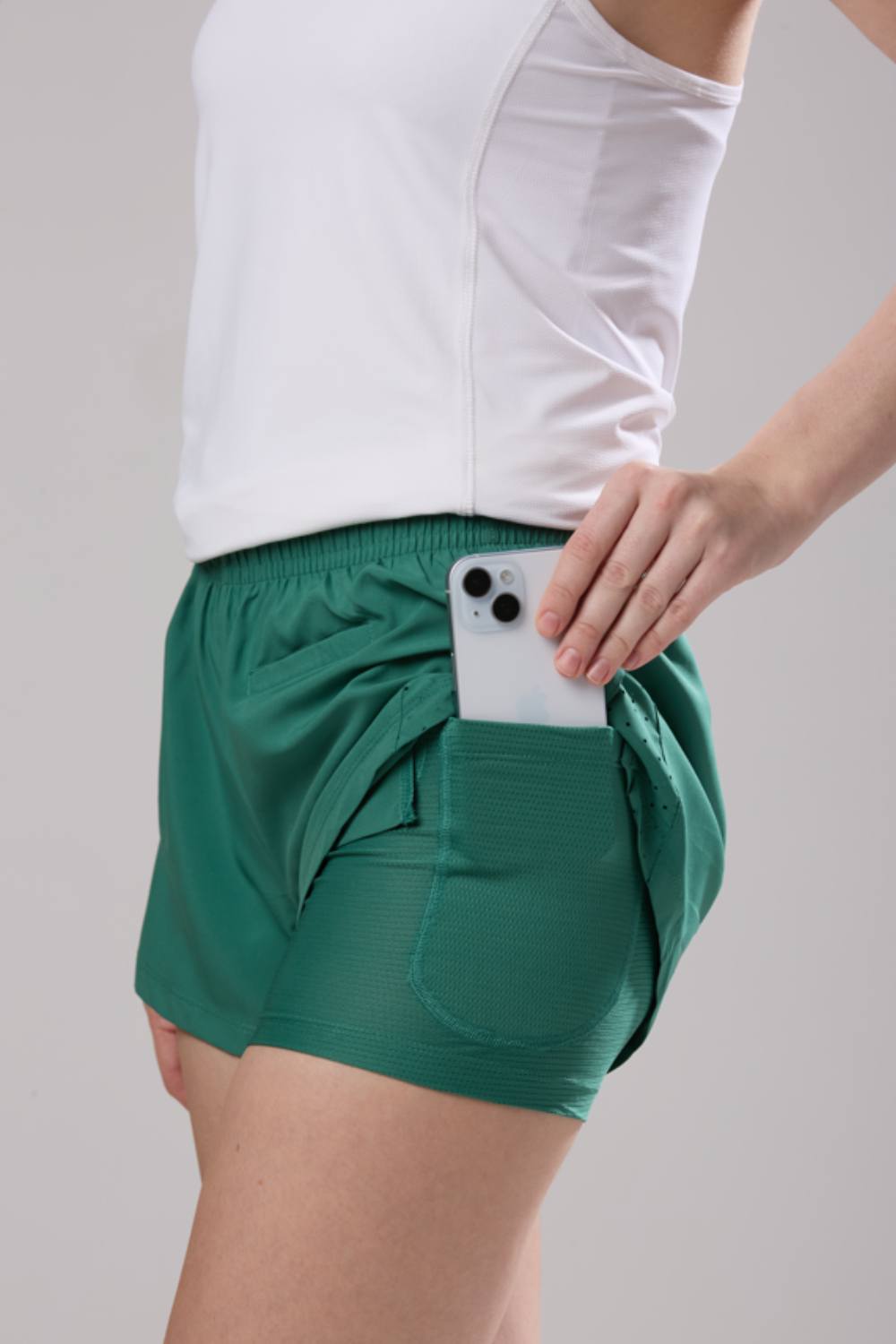
Brands like Aguante exemplify this potential, offering affordable, India-centric performance wear think singlets, shorts, half-tights, and track pants with features like moisture-wicking fabrics, secure pockets, and reflective details. Established in 2018 and crafted by runners for runners, Aguante is available on the Amazon Marketplace and Myntra Marketplace, complete with nationwide free shipping, secure payments, and a 14-day return policy. This accessibility empowers endurance enthusiasts nationwide, aligning with India's running boom by delivering gear that truly enhances every outing.
The Future of Running Apparel in Humid Indian Cities
Peering into the horizon, the landscape for running apparel in India's humid urban environments promises exciting developments. Anticipate heightened emphasis on climate-tailored education, with resources guiding runners on optimal selections. Lightweight, minimalist designs will proliferate, prioritizing efficiency and comfort. Indian running culture is poised to further embrace functionality, diminishing the allure of mere style in favor of proven performance.
Indian brands are at the forefront, merging indigenous insights with international standards to innovate solutions that address local needs. This evolution, supported by global trends in the running gear market valued at USD 46.5 billion in 2025 and forecasted to reach USD 71.6 billion by 2034 at a CAGR of 4.92% highlights drivers like technological advancements in smart wearables and rising participation in organized events, with North America leading but Asia gaining ground rapidly.
Dressing for the Climate Is Now Part of Training
In vibrant hubs like Bangalore, Mumbai, Hyderabad, Pune, Navi Mumbai, Delhi, Gurugram, Surat, and Ahmedabad, humidity is an intrinsic element of the running experience one that demands respect and preparation. Viewing apparel as integral training equipment, rather than a secondary consideration, distinguishes resilient athletes from those who merely participate. For India's expanding cadre of runners, investing in the right gear doesn't just help navigate challenging conditions; it allows them to conquer and thrive within them, turning every humid mile into an opportunity for growth and achievement.
Frequently Asked Questions
What type of fabric is best for running in humid conditions in India?
Moisture-wicking synthetic fabrics, particularly polyester-based materials, work best for running in India's humid cities. These fabrics actively draw perspiration away from your body to the outer surface where it can evaporate quickly, unlike cotton which absorbs and retains moisture. Look for running apparel with breathable mesh panels and quick-dry yarn constructions for optimal performance in high-humidity environments like Mumbai, Bangalore, or Hyderabad.
How does humidity affect running performance and what problems can it cause?
High humidity impairs your body's natural cooling mechanism by preventing sweat from evaporating, which raises core body temperature and accelerates fatigue. This can lead to several issues including painful chafing from damp fabrics rubbing against skin, concealed dehydration symptoms, overheating that drains energy reserves, and increased risk of cramps. Cities like Mumbai with 75%+ humidity levels make these challenges particularly acute for runners.
What features should I look for in running shorts and shirts for Indian weather?
Essential features include moisture-wicking fabric technology, strategic mesh ventilation panels, anti-chafing inner liners (especially in shorts and half-tights), and quick-dry construction. For India's humid climate, avoid cotton blends and instead choose lightweight, breathable synthetic materials designed specifically for high-moisture conditions. Additional practical features like secure pockets for essentials and reflective details for early morning runs can further enhance your running experience.
Disclaimer: The above helpful resources content contains personal opinions and experiences. The information provided is for general knowledge and does not constitute professional advice.
You may also be interested in: Why Choosing High-Performance Gear Is Crucial for Marathon
Tired of gear that slows you down? Chafing, soggy fabrics, and missing pockets kill your run's momentum. At Aguante, we're runners who get it. Our high-performance activewear features moisture-wicking fabrics, ergonomic designs, and smart storage to keep you focused. Shop Now!
Powered by flareAI.co