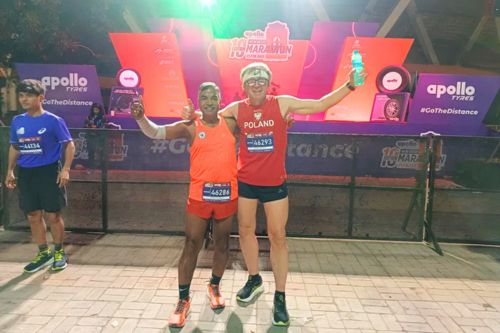
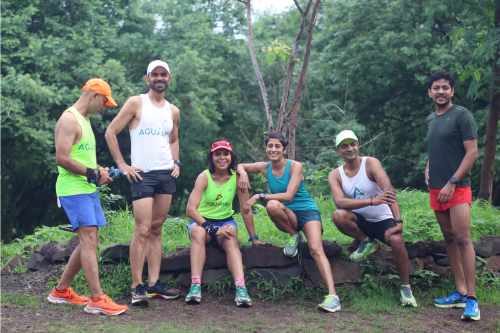
In the predawn haze of Mumbai's bustling streets, where the air hums with the promise of a new day, a quiet revolution unfolds. Women from all walks of life executives dodging traffic, homemakers stealing moments before family duties, and students chasing personal records hit the pavement in growing numbers. This surge isn't just about fitness; it's fueling the rise of female-specific activewear in India, a movement that's transforming how gear is designed for the unique demands of Indian women runners in cities like Bangalore, Hyderabad, Mumbai, Pune, Navi Mumbai, Delhi, Gurugram, Surat, and Ahmedabad.
Tired of gear that slows you down? Chafing, soggy fabrics, and missing pockets kill your run's momentum. At Aguante, we're runners who get it. Our high-performance activewear features moisture-wicking fabrics, ergonomic designs, and smart storage to keep you focused. Shop Now!
Urban India's Women Are Running And They're Demanding Better Gear
Two decades ago, spotting a woman runner on India's roads was as uncommon as finding solitude in a crowded marketplace. Athletes confined their training to stadiums, and road races featured only a handful of professional women. That changed dramatically with the 2004 Mumbai Marathon, organized by Procam International, which ignited a nationwide distance running boom. This event, along with subsequent races like the Delhi Half Marathon in 2005, TCS World 10K Bengaluru in 2008, and Tata Steel Kolkata 25K in 2014, drew global stars and elevated India's profile on the world running map.aims-worldrunning.org
Women's involvement has skyrocketed. Participation in major Procam events more than doubled from their inaugural years to pre-pandemic levels, culminating in a record 11,805 women at the 2020 Tata Mumbai Marathon. Today, running stands as India's fastest-growing participation sport, with over 1,579 timed events and an estimated 2.6 million runners nationwide up from just 10,000 in 2004. Women now comprise nearly 25% of participants in events like the Mumbai Marathon, a stark contrast to earlier times when social prejudices and safety concerns kept many sidelined, aims-worldrunning.org, bloomberg.com.
In tech-savvy hubs like Bangalore and Pune, fitness cultures intertwined with marathon ecosystems draw crowds to events such as the TCS World 10K, where all-women pacer teams have helped runners achieve personal bests since 2018. Delhi and Gurugram pulse with corporate wellness initiatives and weekend groups, while Hyderabad, Surat, and Ahmedabad see explosive growth among recreational and novice women runners. Initiatives like the Pinkathon, launched in 2012 to promote breast cancer awareness, have scaled massively from 2,000 participants in its Mumbai debut to 50,000 in Panipat in 2019, and over 5,300 in Mumbai's 2025 edition, setting a world record with 115 visually impaired runners.aims-worldrunning.org
Globally, women are 62% more likely than men to have begun running in the past year, often driven by goals like weight loss (23% more likely), mood enhancement (27% more likely), and forging connections (52% more likely). In India, this trend aligns with rising health consciousness amid sedentary lifestyles, propelling a shift from unisex apparel to specialized items like women's running shorts, tank tops, and half-tights that cater to search-driven demands.Runninginsight.com.
This boom reflects broader societal shifts. As India's middle class expands with higher disposable incomes, health and fitness have become priorities, amplified by government campaigns like the Fit India Movement. Events such as saree runs in Bangalore, Hyderabad, Ahmedabad, and Chennai further encourage women to embrace running in traditional attire, breaking cultural barriers.Kenresearch.com, bloomberg.com.
Heat, Humidity, and Fit: The India-Specific Design Challenge
Running in India demands resilience against diverse climates. Coastal cities like Mumbai, Navi Mumbai, and Surat grapple with stifling humidity that can turn a jog into a sweat-soaked ordeal. In contrast, Delhi, Gurugram, and Ahmedabad endure dry, scorching heat during long road sessions, while Bangalore, Pune, and Hyderabad navigate mixed terrains battered by monsoons and unpredictable weather.
These conditions expose the flaws in generic activewear, often adapted from men's designs with a "shrink it and pink it" mentality. Women runners require tailored solutions: anti-chafing inner linings to combat irritation in humid climes, advanced moisture-wicking fabrics for quick-drying comfort, secure pockets that resist bouncing for essentials like phones or keys, and ergonomic fits tested on Indian body types for unrestricted movement, runninginsight.com
Brands are responding by prioritizing physiological differences, such as women's preference for motion control outsoles (17% more likely than men) and bold, mix-and-match colors (nearly 20% more likely). Apparel like tank tops and performance underwear tops their lists, emphasizing functionality alongside aesthetics. Local innovation shines here, with products designed for Indian roads rather than imported templates, ensuring breathability, reflective details for low-light safety, and distraction-free performance.runninginsight.com
Inspiration comes from global trends where female-founded brands like Astrid Wild and Kari Traa empower women through inclusive, sustainable designs that address body-specific needs and boost confidence. In India, this means gear that withstands monsoons without compromising style or support. Ispo.com
From Local Run Clubs to City Streets
The movement thrives in grassroots communities. Women-led groups in Bangalore and Mumbai, such as those on Meetup or Instagram's Sisters in Sweat collaboration with Bombay Running, create safe spaces for training and camaraderie. In Delhi NCR, runners emphasize practical comfort over logos, sharing tips via platforms like Instagram, Facebook, and YouTube.Meetup.com, instagram.com.
Influencers like @barefoot_coach_shanth_koushik, @rajesh84parida, @runholic_dev, @fit_kaur23, and @coach_amitkumar amplify these voices, discussing gear that works for Indian conditions. ASICS Running Club offers inclusive sessions with expert-led programs, fostering connections. Facebook.com and asics.co.in
Marketplaces like Myntra and Amazon democratize access, stocking women-specific items nationwide. Yet challenges persist: high costs of global brands, insufficient local testing, and sparse feedback for women's needs.
Where Traditional Activewear Falls Short and Where Opportunity Emerges
Conventional apparel often overlooks women's unique requirements, leading to ill-fitting gear that chafes or restricts. International brands command premium prices misaligned with local budgets, while mass-market options lack endurance for India's terrains.
The global women's activewear market, valued at USD 20.6 billion in 2022, is projected to reach USD 145.6 billion by 2032 at a 21.6% CAGR, driven by fitness interest and health awareness. In India, the sports apparel market stood at approximately USD 706 million in 2024, fueled by health consciousness, athleisure trends, and e-commerce growth. Updated estimates show it reaching USD 1,275.3 million in 2024 and USD 3,298.7 million by 2030 at a 16.58% CAGR.
Metropolises like Mumbai, Delhi, and Bangalore dominate, hosting marathons and boasting premium access. The athleisure segment, valued at USD 13,156.1 million in 2024, is set to hit USD 21,250.2 million by 2033 at 5.5% CAGR, thanks to innovative fabrics, kenresearch.com.
Opportunities abound for brands like Aguante, which prioritize runner-tested features secure pockets, anti-chafing linings, moisture-wicking materials at honest prices, blending local innovation with global quality.
Designed by Runners, Built for Indian Cities
Female-specific activewear has evolved from optional to indispensable, enhancing performance, safety, and enjoyment in India's rigorous environments. As women continue reclaiming streets in Bangalore, Hyderabad, Mumbai, Pune, Navi Mumbai, Delhi, Gurugram, Surat, and Ahmedabad, their demands for superior gear intensify.
Brands that heed real runner's input, like those crafting for Indian bodies and conditions, will thrive. In this empowerment era, apparel doesn't merely follow trends it propels every stride toward a healthier, more inclusive future.
Frequently Asked Questions
Why is female-specific activewear important for women runners in India?
Female-specific activewear addresses the unique challenges faced by Indian women runners, including India's extreme heat, humidity, and monsoons across cities like Mumbai, Bangalore, and Delhi. Unlike generic "shrink it and pink it" designs adapted from men's gear, women-specific activewear offers anti-chafing inner linings, advanced moisture-wicking fabrics, secure pockets, and ergonomic fits tested on Indian body types. This specialized design prevents discomfort, chafing, and restrictions that conventional unisex apparel causes, allowing women to perform at their best in India's demanding climate conditions.
How has women's participation in running grown in India?
Women's involvement in running has skyrocketed since the 2004 Mumbai Marathon, with participation more than doubling to reach a record 11,805 women at the 2020 Tata Mumbai Marathon. Today, women comprise nearly 25% of participants in major Indian marathons, compared to minimal representation two decades ago. India now has over 2.6 million runners across 1,579 timed events annually, with women-focused initiatives like the Pinkathon drawing over 50,000 participants, reflecting a nationwide fitness revolution across cities from Pune to Ahmedabad.
What features should I look for in women's running apparel for Indian weather conditions?
When choosing running gear for India's climate, prioritize moisture-wicking fabrics that dry quickly in humid coastal cities like Mumbai and Surat, anti-chafing inner linings to prevent irritation during long runs, secure pockets that don't bounce for carrying essentials like phones, and ergonomic fits designed specifically for women's body types. Look for breathable materials that can handle both dry, scorching heat in cities like Delhi and Gurugram as well as monsoon conditions in Bangalore and Hyderabad, ensuring comfort across India's diverse terrains.
Disclaimer: The above helpful resources content contains personal opinions and experiences. The information provided is for general knowledge and does not constitute professional advice.
You may also be interested in: The rise of cross-training routines among Indian endurance athletes
Tired of gear that slows you down? Chafing, soggy fabrics, and missing pockets kill your run's momentum. At Aguante, we're runners who get it. Our high-performance activewear features moisture-wicking fabrics, ergonomic designs, and smart storage to keep you focused. Shop Now!
Powered by flareAI.co