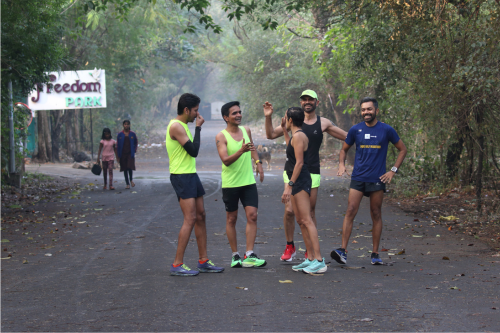

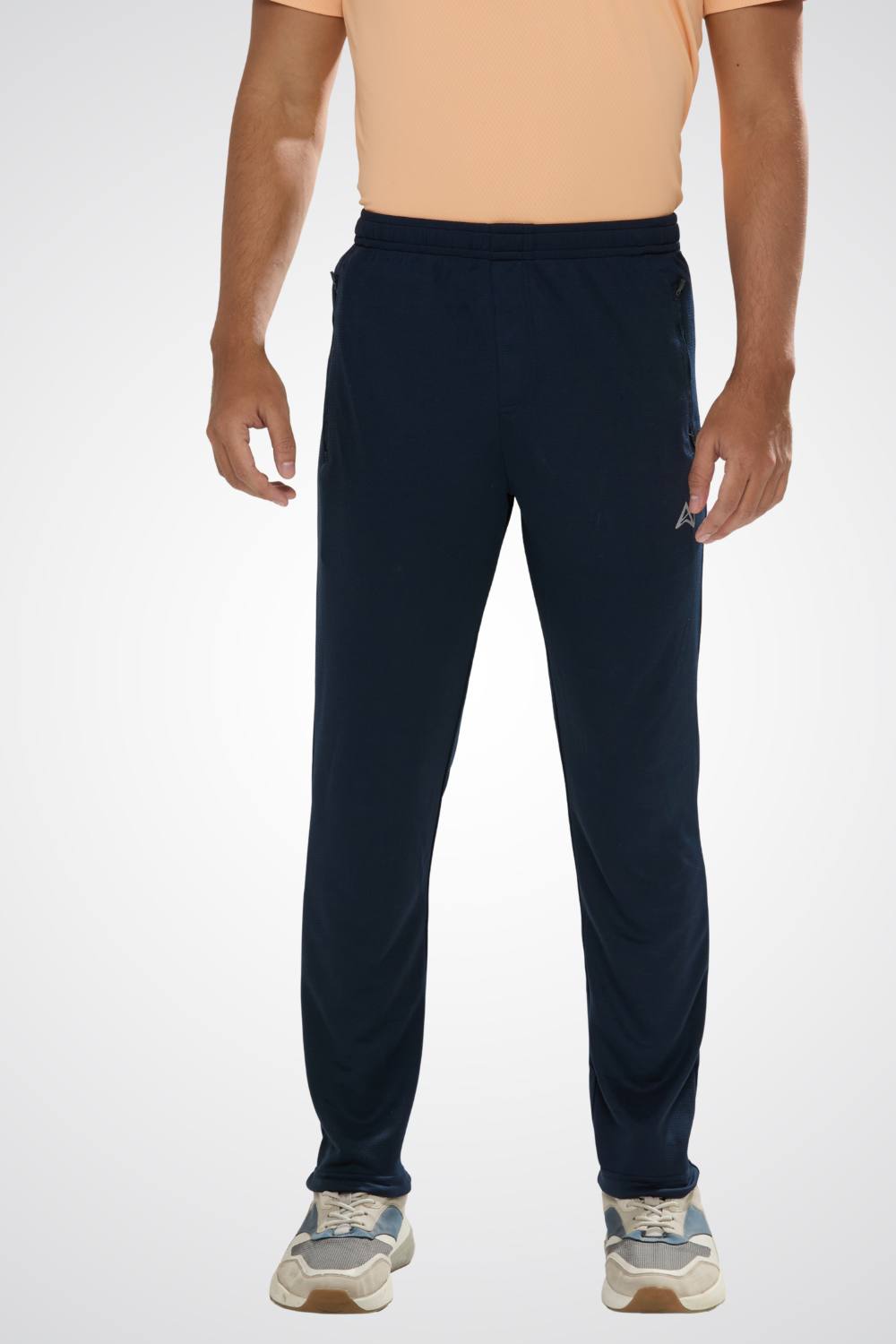
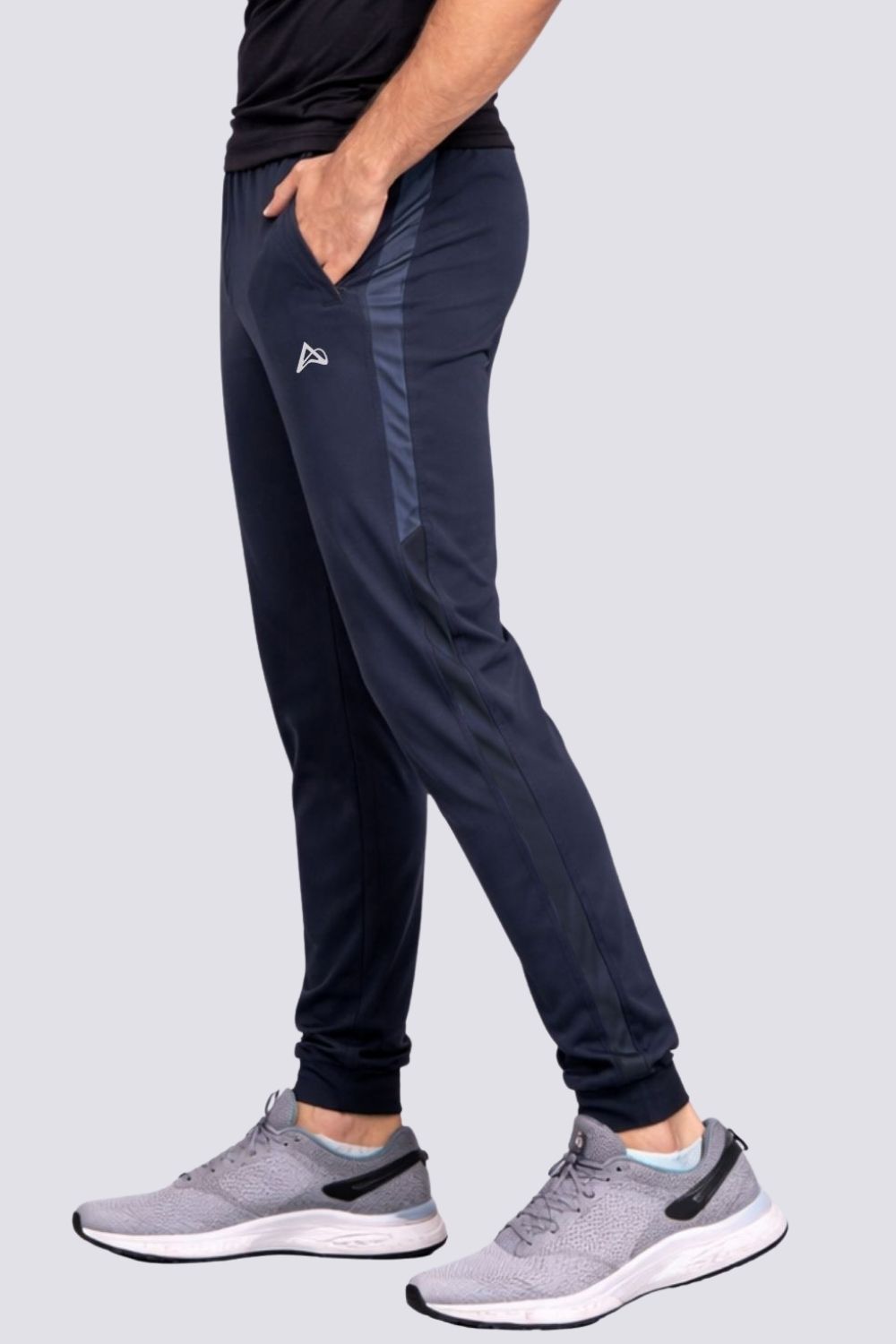
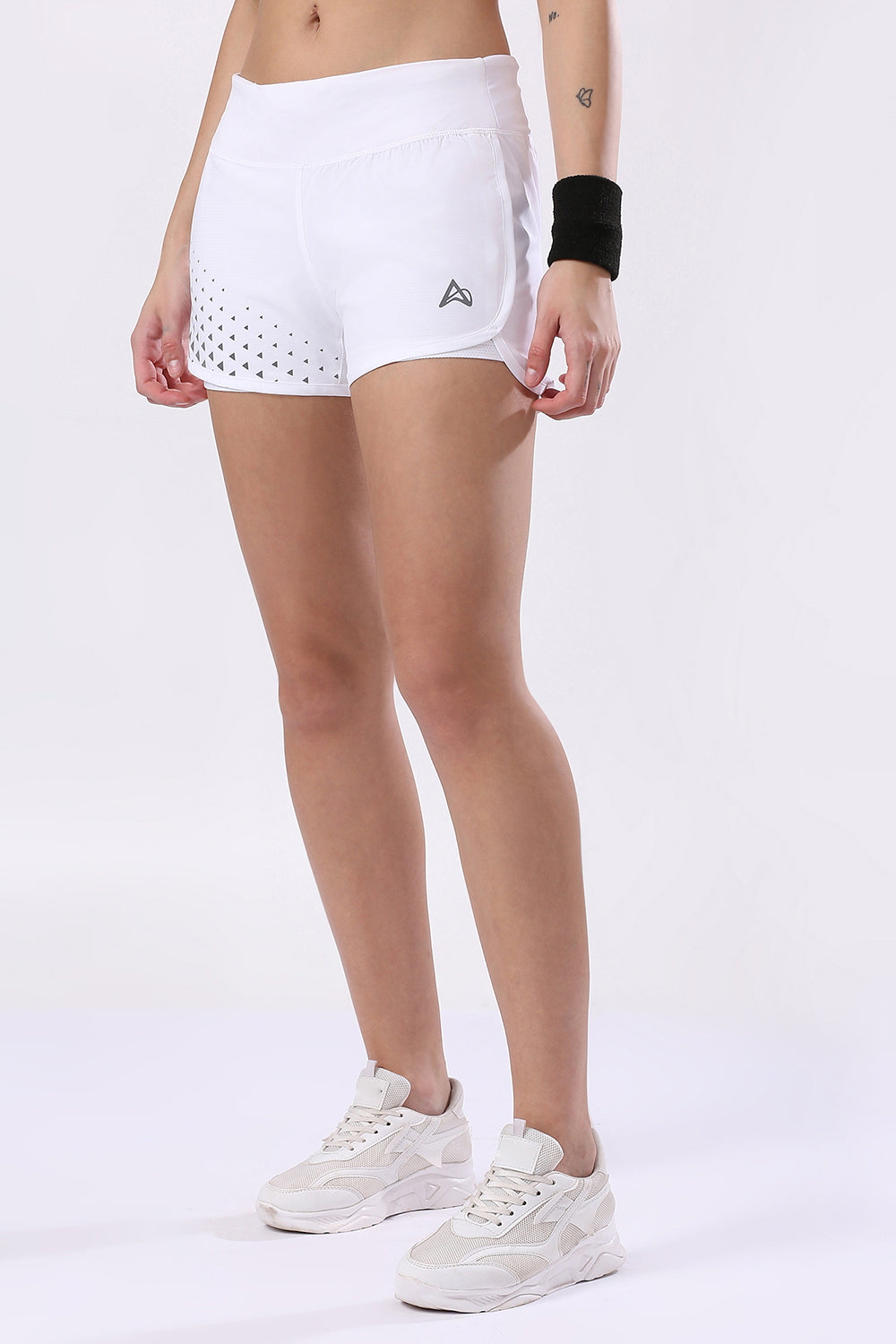

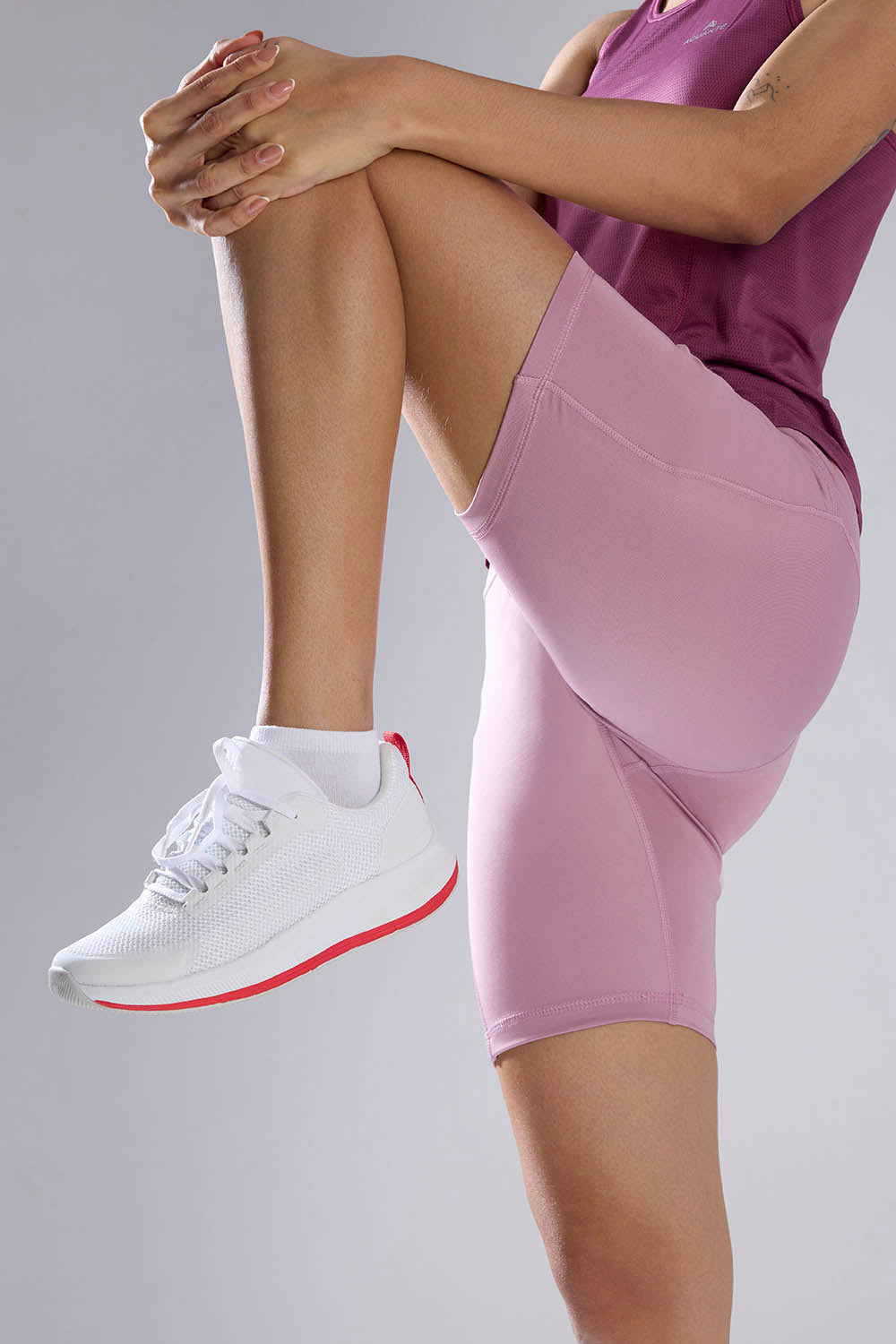



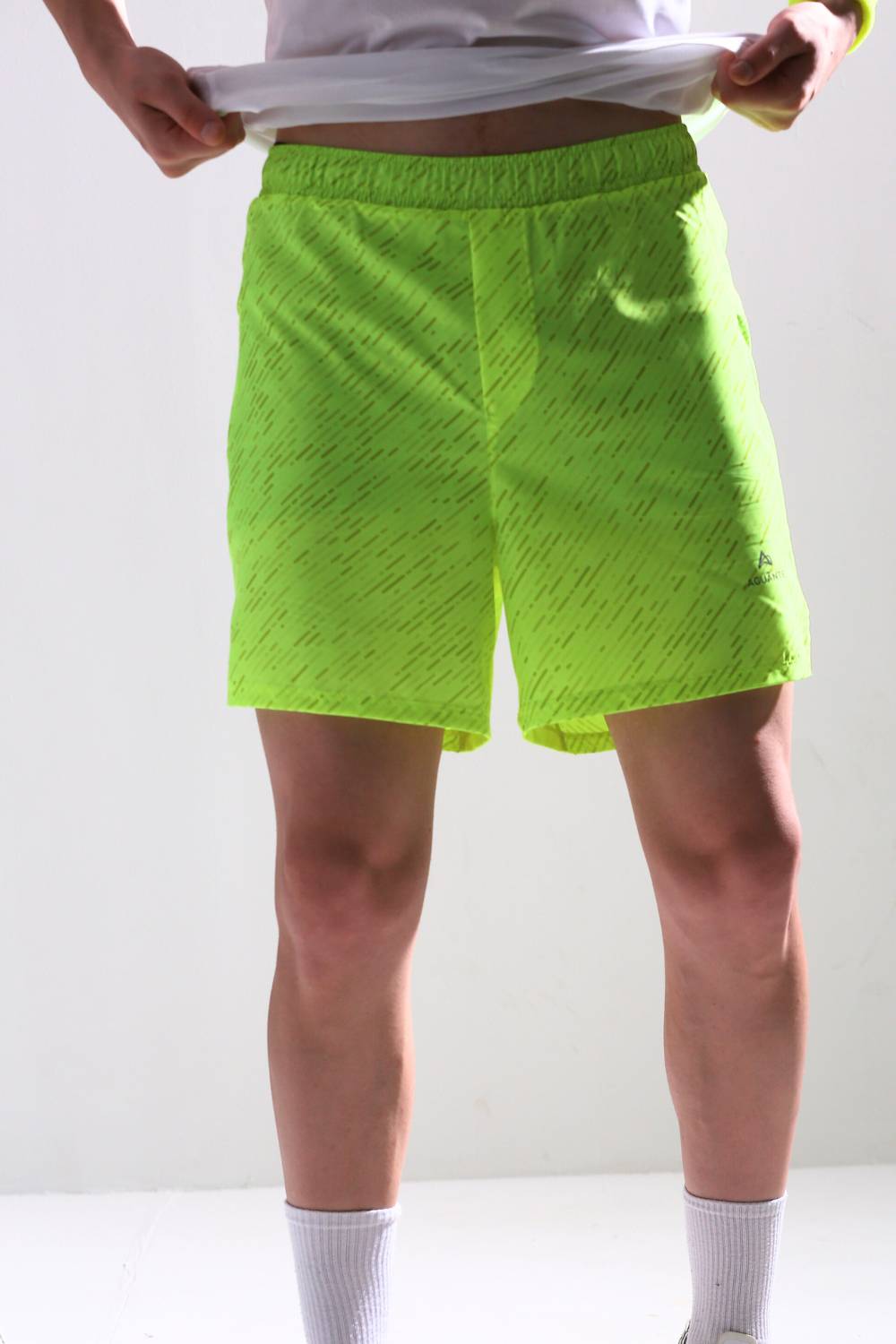



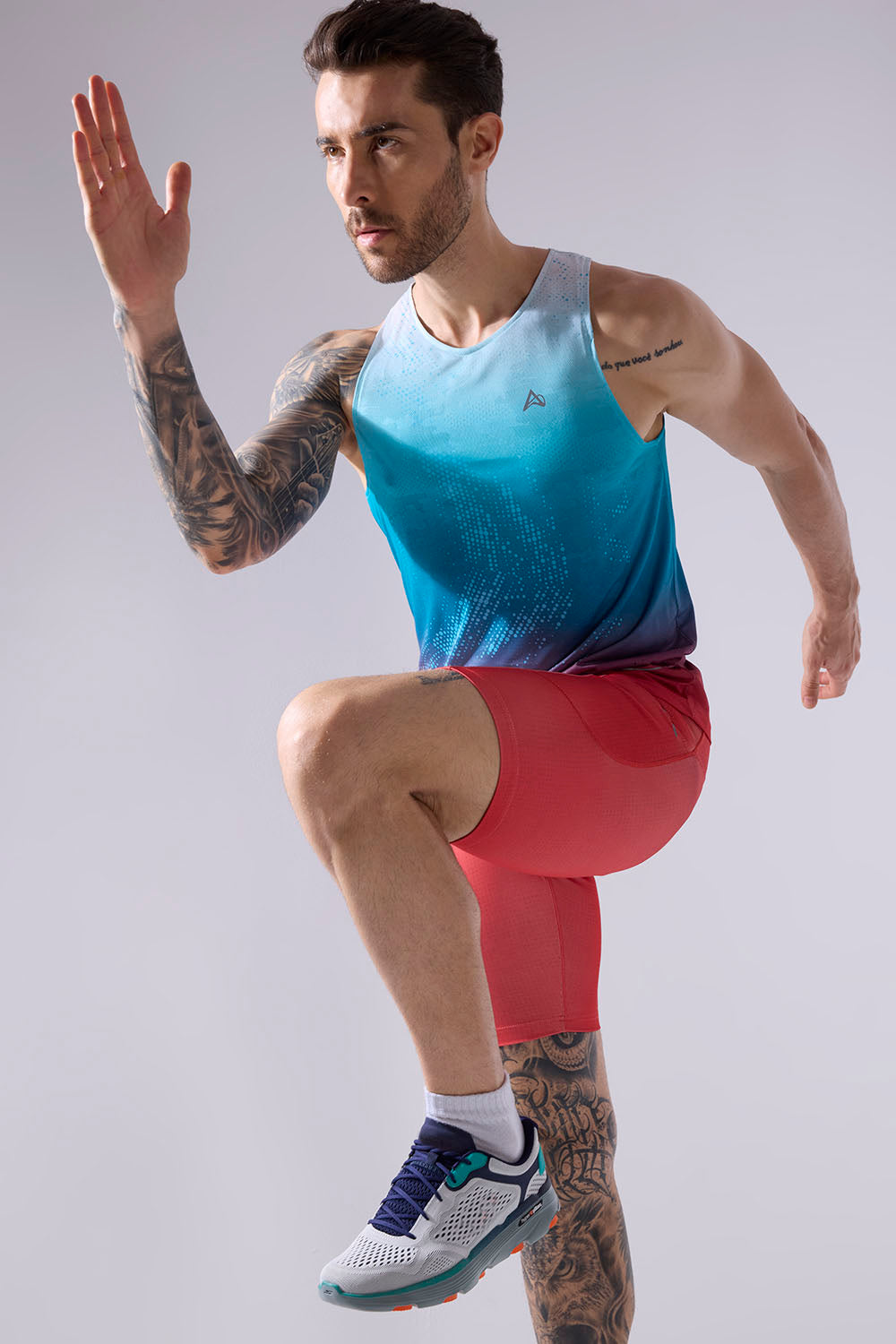


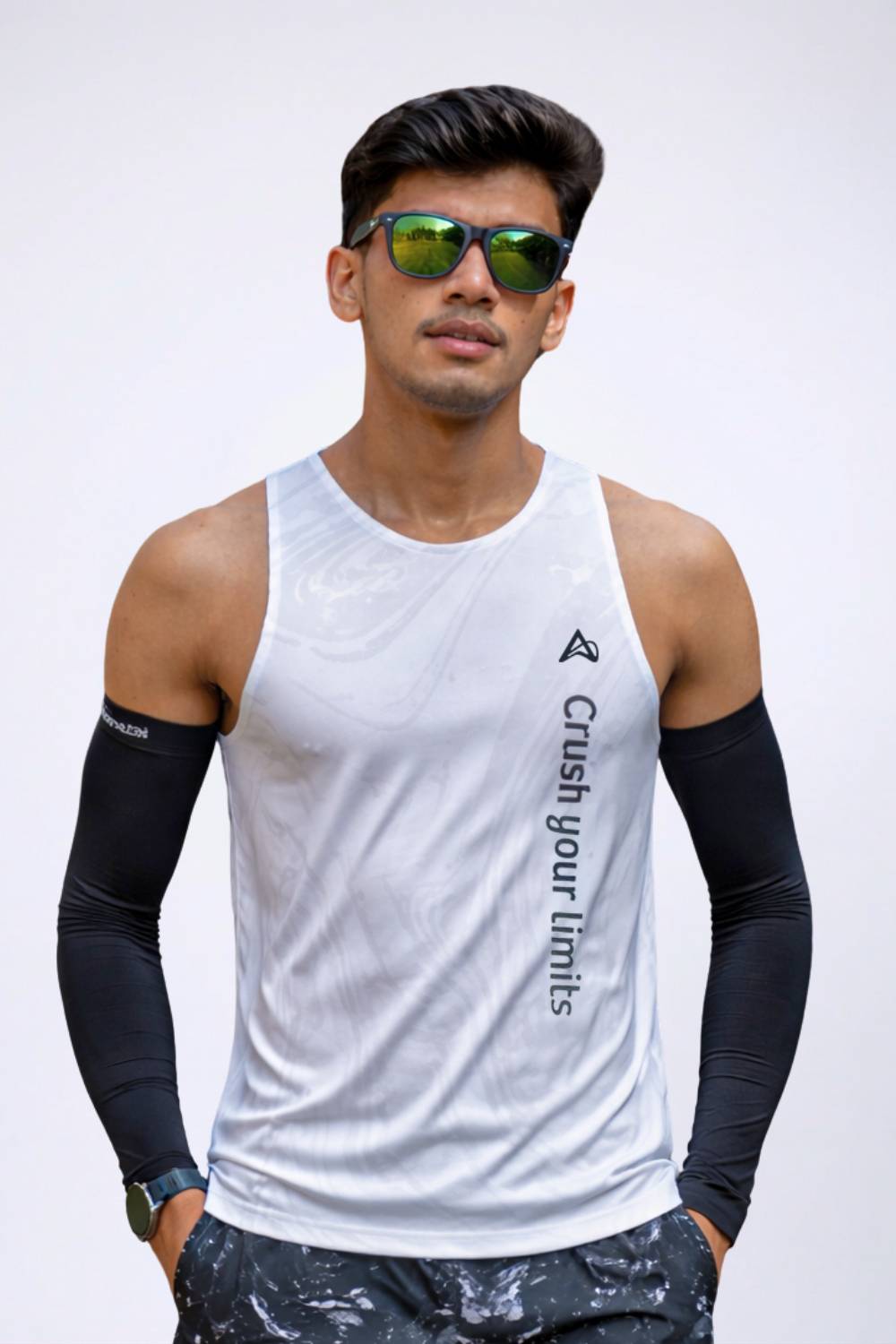

In the early mornings across India's bustling metropolises from the misty, tree-lined avenues of Bangalore to the humid seaside trails of Mumbai runners are hitting the streets in unprecedented numbers. Parks buzz with groups pushing their limits, sharing stories mid-stride, and pursuing new milestones. This surge isn't merely a passing fad; it's a profound cultural evolution. With approximately 2.5 million registered runners across the nation and over 1,600 annual running events contributing to a $450 million industry, India's running scene has transformed dramatically in recent years. Driven by vibrant community clubs in key urban centers like Delhi, Hyderabad, Pune, Gurugram, Surat, and Ahmedabad, this movement reflects a growing emphasis on health and fitness amid rising prosperity. Yet, beneath the enthusiasm lies a crucial, often underappreciated aspect: the specialized apparel fueling these endeavors requires meticulous maintenance to withstand India's challenging environments, as we delve into how to care for your running apparel to ensure long-lasting performance.
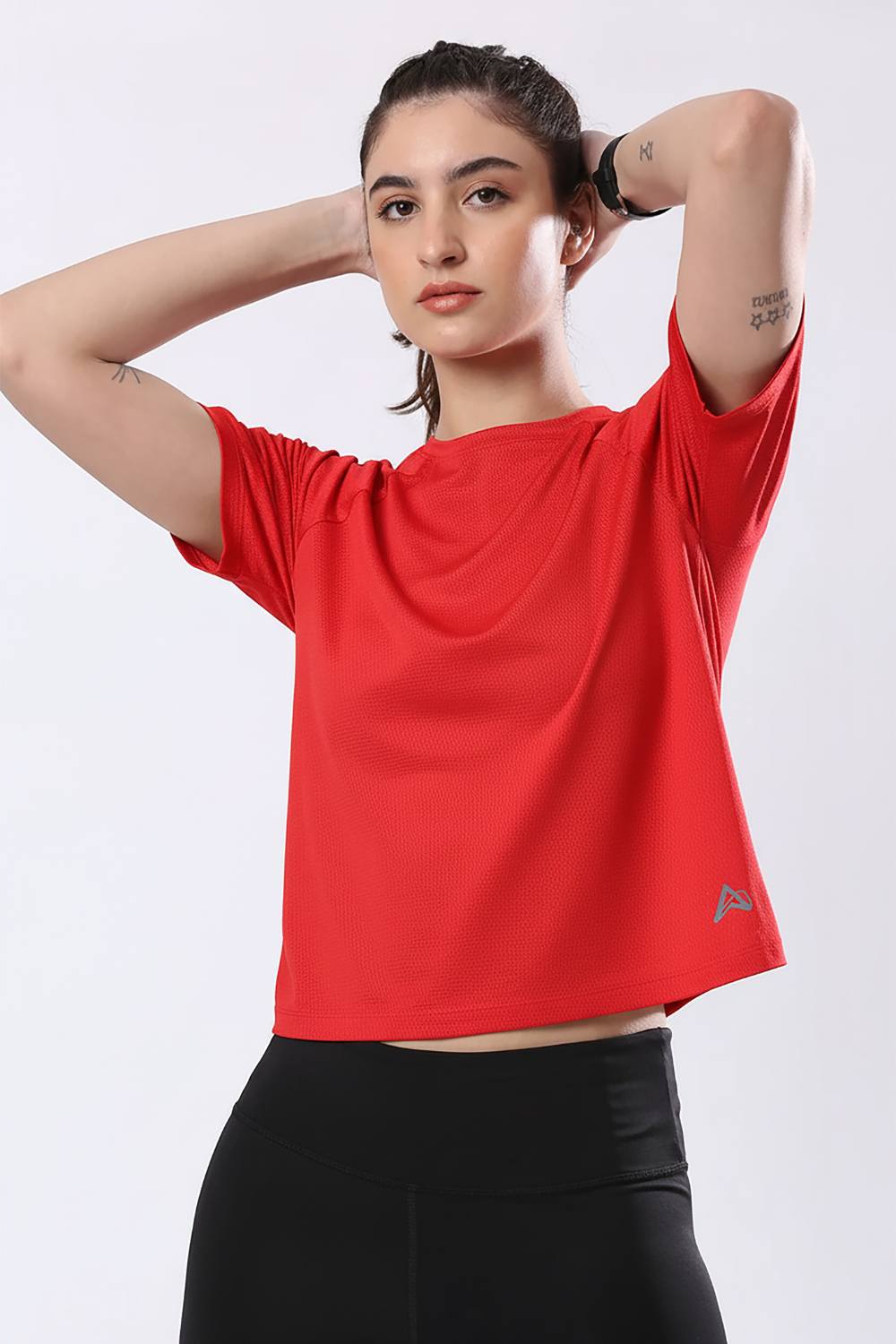
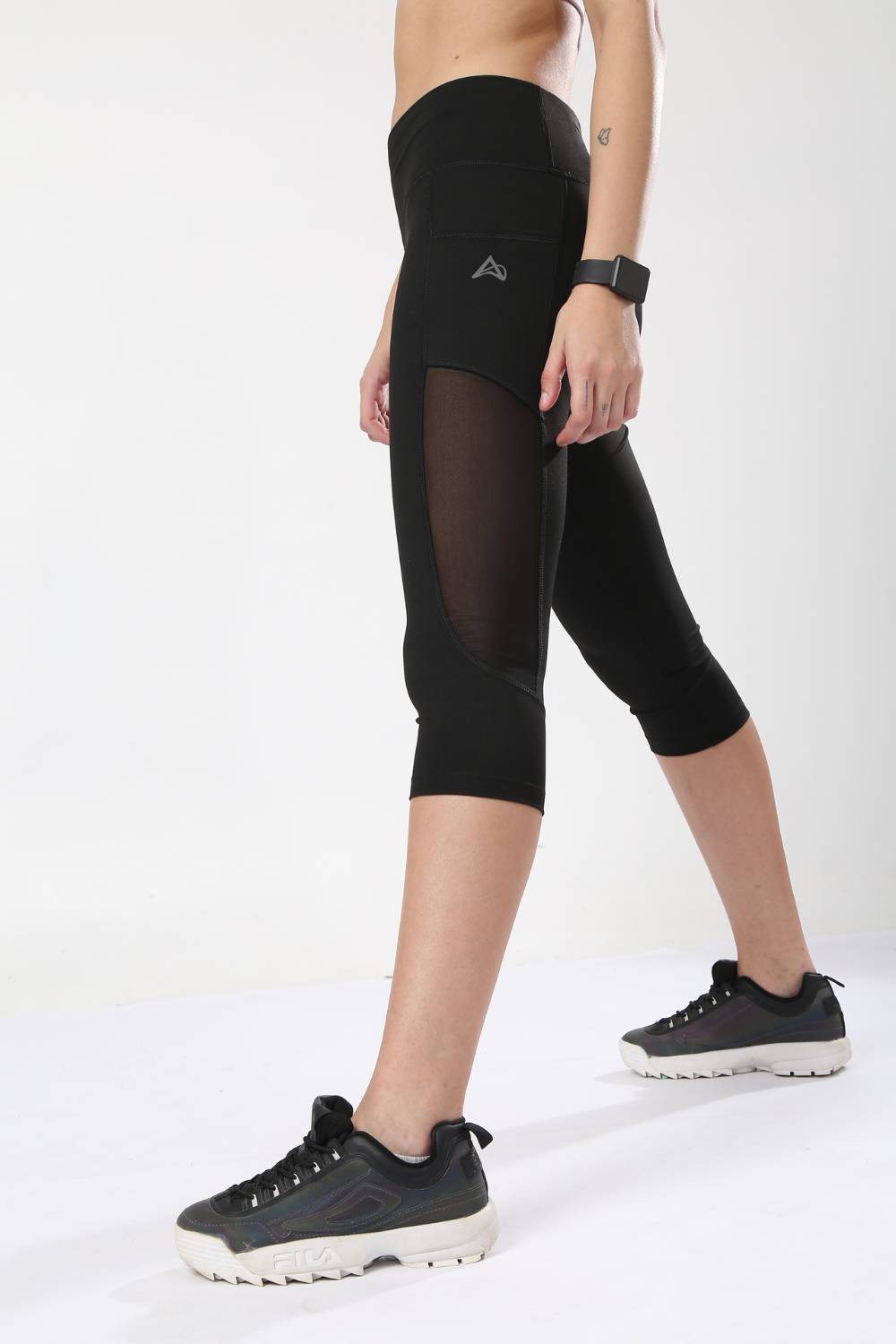
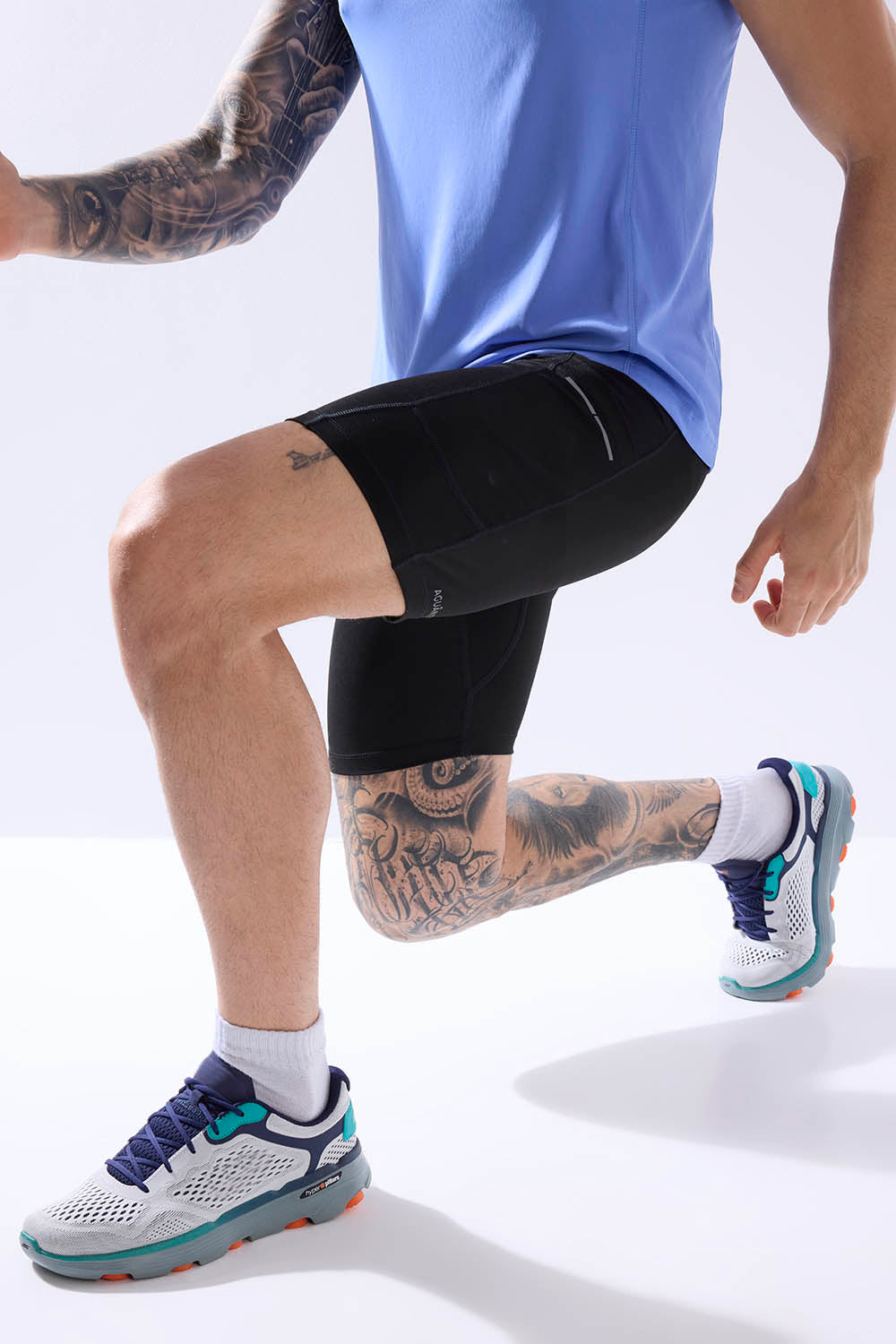
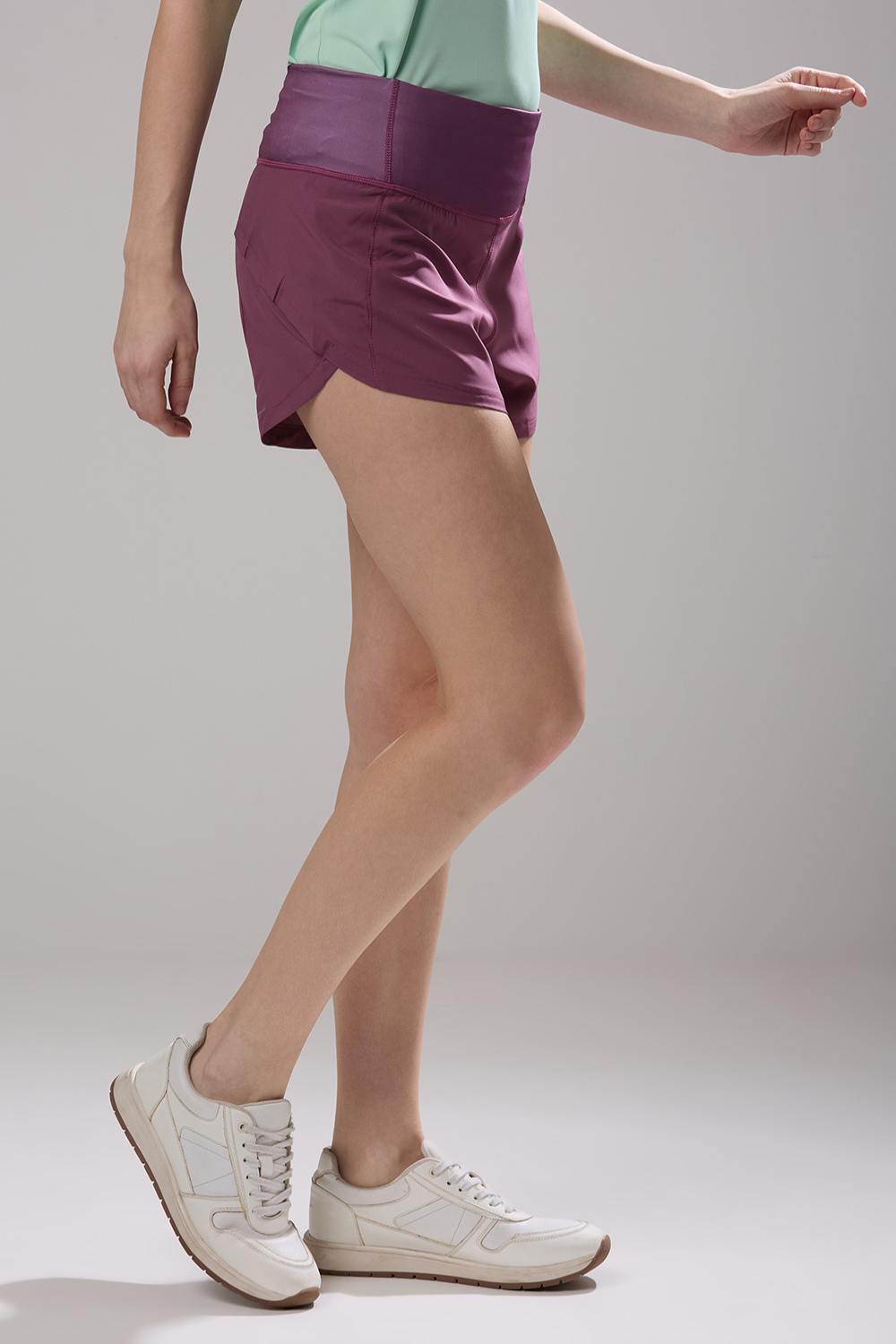
Examine the advanced materials behind this momentum moisture-wicking synthetics, airy meshes, and elastic components engineered to maintain runners comfortable, dry, and undistracted. These aren't your everyday garments. Exposed to relentless sweat, high humidity, and intense heat, they can deteriorate rapidly without proper upkeep. Caring for them isn't about being overly particular; it's about safeguarding a valuable asset that enhances every outing.
Tired of gear that slows you down? Chafing, soggy fabrics, and missing pockets kill your run's momentum. At Aguante, we're runners who get it. Our high-performance activewear features moisture-wicking fabrics, ergonomic designs, and smart storage to keep you focused. Shop Now!
Why Running Apparel Care Matters for India's Urban Runner
India's premier cities are experiencing a remarkable expansion in running enthusiasm, prompting more individuals to invest in specialized endurance clothing. These high-performance fabrics embody a substantial financial and practical dedication. Neglecting appropriate maintenance leads to early loss of ventilation, flexibility, and scent control particularly problematic amid India's sweltering and moist climates.
The global activewear market stood at an estimated USD 406.83 billion in 2024, forecasted to expand to USD 677.26 billion by 2030, achieving a compound annual growth rate of 9.0% from 2025 onward. This expansion stems from a heightened preference for contemporary attire suitable for workouts and daily wear. Concurrently, the running apparel sector demonstrates robust progress, valued at USD 90.44 billion in 2025 and projected to climb to USD 137.98 billion by 2031, with a CAGR of 7.28%. Factors like heightened health consciousness, material advancements, and the fusion of functional and casual wear appeal to diverse demographics. The Asia-Pacific region, encompassing India, emerges as the swiftest expanding market, propelled by urban development, escalating disposable incomes, and wellness trends.
According to additional market insights, the worldwide running apparel industry, encompassing gear tailored for runners from casual enthusiasts to pros like breathable tops, shorts, leggings, outerwear, and supportive footwear is anticipated to achieve a CAGR of 5.1% between 2024 and 2033. Valued at USD 16,012.1 million in 2024, it's expected to hit USD 25,053.7 million by 2033, with Asia-Pacific leading the charge in growth.
In moisture-laden coastal areas such as Mumbai and Navi Mumbai, where yearly average humidity lingers around 75% and frequently surges higher, perspiration clings to materials longer. Bangalore, with its 65% average, and Hyderabad at 56%, also pose demands for rapid evaporation and freshness preservation. Delhi and Gurugram endure stark seasonal shifts from blistering summers to arid winters while Pune at 59%, Surat, and Ahmedabad at 55% confront heat and fluctuating dampness that tax technical textiles.
Understanding India-Specific Running Conditions
Weather plays a pivotal role in how apparel performs and endures. In Bangalore and Hyderabad, elevated early-day moisture necessitates fabrics that dry swiftly and combat smells effectively. Mumbai and Navi Mumbai challenge materials with ongoing dampness often exceeding 80%. Delhi and Gurugram demand versatility across thermal variations. As textile epicenters, Surat and Ahmedabad craft responsive materials attuned to regional warmth and moisture. Runners in Pune, frequently navigating marathons or paths along the Western Ghats, depend on equipment that excels on varied landscapes.
These settings hasten deterioration in advanced textiles synthetics adept at drawing away moisture yet prone to bacterial accumulation if mishandled. Cutting-edge substances like polyester and elastane shine during activity but succumb to perspiration, bodily residues, cleanser accumulation, and excessive warmth. Recent studies highlight rising humidity nationwide: an 8% uptick in Delhi and 10% in Hyderabad since 2001, intensifying the strain on gear.
India's running renaissance, now the nation's quickest-expanding sport, amplifies this need. From a mere 10,000 registered participants in 2004, the count has ballooned to 2.5-2.6 million, with events multiplying to over 1,600 yearly. This boom, fueled by post-pandemic wellness focus and communal initiatives, underscores the importance of durable apparel.
Effective Care Practices for Running Apparel
Cleaning athletic clothing isn't as straightforward as laundering regular items. These engineered textiles, built to pull sweat, flex with motion, and moderate temperature, lose efficacy swiftly without tailored handling. Whether a committed competitor, occasional jogger, or daily activewear user, mastering proper washing techniques is vital for peak condition retention. The sophisticated elements in these fabrics excel at aiding exercises but are sensitive; sweat, skin oils, soap residue, and intense heat erode quality progressively.
Washing & Drying Best Practices
Flush out sweat-drenched items promptly post-run crucial in steamy locales like Mumbai and Bangalore to thwart microbial growth and aromas.
Opt for gentle, athletic-focused cleansers. Aggressive ones obstruct moisture channels, impairing efficacy for athletes in Pune and Hyderabad.
Isolate washes: Segregate synthetics from cottons or bulky pieces to prevent friction and fuzz.
Invert clothing prior to cleaning to address sweat-embedded zones.
Use cool water on delicate settings warmth embeds scents and harms strands.
Avoid conditioners and sheets; they deposit films that hinder absorption and foster germs.
Prefer natural drying. In balmy areas like Surat and Ahmedabad, this sustains spandex elasticity and averts contraction or weakened bands. If machine-drying, choose minimal warmth.
For persistent smells, presoak in diluted vinegar and chill water, or incorporate soda into the cycle.
Storage & Odor Control
Avoid cramming moist attire into sacks after city jaunts in Hyderabad or Gurugram fungal growth ensues rapidly.
Keep items in temperate, airy spots to deter mildew in shorelines like Navi Mumbai.
Emerging Trends and Innovations in Care Education
Manufacturers are amplifying online guidance, striking a chord particularly in Delhi and Gurugram. Bacterial-resistant applications from centers like Surat and Ahmedabad synergize with correct methods for extended durability.
Informing participants cultivates confidence, minimizes exchanges, and sustains equipment functionality. As running clubs proliferate over 700 nationwide and participation swells, such knowledge becomes indispensable.
Real-World Examples from Runner Communities
In Bangalore, collectives adhering to routine maintenance note preserved airiness and hue vibrancy post-intensive sessions. Athletes in Hyderabad and Pune advocate chilled rinses sans softeners for upholding moisture management.
Across India, from Mumbai's coastal paths to Delhi's urban circuits, runners report gear lasting seasons longer with these habits, enabling consistent training amid diverse weathers.
Key Challenges in Apparel Care Adoption
Numerous individuals handle specialized items akin to standard cotton, hastening breakdown a prevalent issue in Surat and Ahmedabad. Hectic city dwellers in Delhi and Navi Mumbai frequently favor ease over optimal approaches.
Bridging awareness voids is key, as improper care not only curtails lifespan but also diminishes performance, potentially discouraging newcomers in this burgeoning sport.
Business Impact and Opportunities
Region-tailored instruction bolsters allegiance and curtails refunds. Labels like Aguante, engineered by runners for Indian terrains, can distinguish themselves via locale-specific advice standing out in networks spanning these hubs.
With the running apparel market poised for substantial global expansion, local brands harnessing community insights and care education position for success in India's dynamic fitness landscape.
Running Apparel Care as a Performance Imperative
In atmospheres like Mumbai's dampness or Delhi's variances, maintenance transcends optionality it's fundamental for endurance. As India's running surge persists, anticipate amplified localized resources: scannable guides, endorser advice, and after-sale directives. Entities integrating this learning from listings to correspondences enable participants in Bangalore, Hyderabad, Pune, and further to sustain robust paces. Ultimately, as distances accumulate, your equipment ought to match stride for stride.
Frequently Asked Questions
How often should I wash my running clothes to prevent odor and bacterial buildup?
You should wash running apparel immediately after each workout, especially in humid cities like Mumbai and Bangalore where moisture lingers longer. Leaving sweat-soaked clothes in gym bags accelerates bacterial growth and permanent odor issues. Use cold water with gentle, sport-specific detergents and avoid fabric softeners, which clog moisture-wicking channels and reduce the fabric's performance capabilities.
Why do my moisture-wicking running shirts lose their breathability over time?
Running apparel loses breathability when sweat residue, body oils, and harsh detergent buildup clog the fabric's technical fibers that are designed to wick moisture away from skin. High heat from dryers and regular washing machines also breaks down synthetic materials like polyester and elastane. To maintain performance, wash items inside-out on gentle cycles, use athletic-specific detergents, and always air-dry rather than using a machine dryer.
What's the best way to care for running gear in India's humid climate?
In India's humid conditions (75% average in coastal areas like Mumbai, 65% in Bangalore), proper storage and quick washing are critical. Never leave wet running clothes in bags after workouts, as fungal growth occurs rapidly in high humidity. Store apparel in cool, well-ventilated spaces, wash promptly in cold water, and air-dry completely before storing. This prevents mildew, preserves odor control, and extends the lifespan of technical fabrics designed for India's challenging climate.
Disclaimer: The above helpful resources content contains personal opinions and experiences. The information provided is for general knowledge and does not constitute professional advice.
You may also be interested in: How to Care for Performance Fabrics to Extend Apparel Life
Tired of gear that slows you down? Chafing, soggy fabrics, and missing pockets kill your run's momentum. At Aguante, we're runners who get it. Our high-performance activewear features moisture-wicking fabrics, ergonomic designs, and smart storage to keep you focused. Shop Now!
Powered by flareAI.co