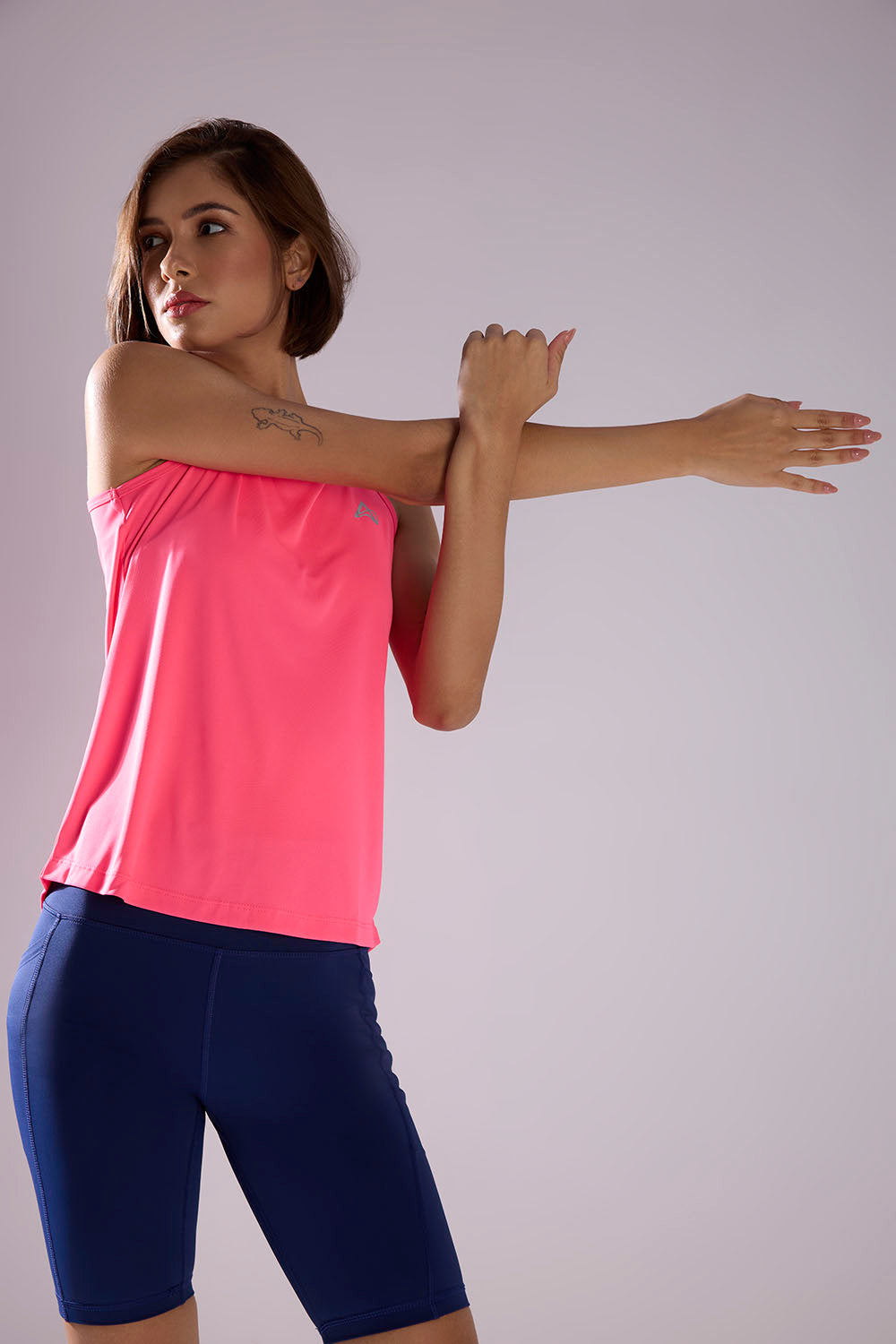
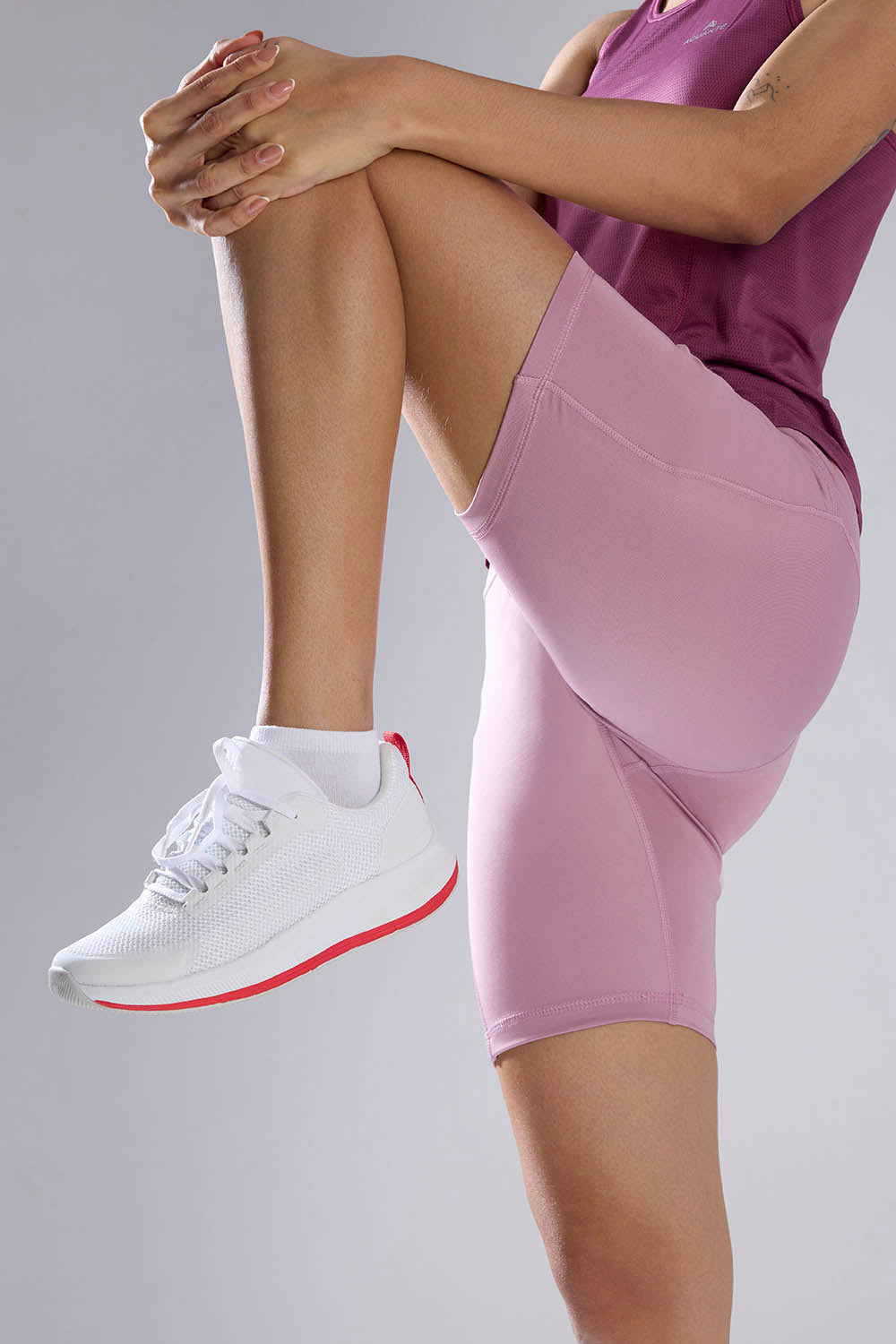
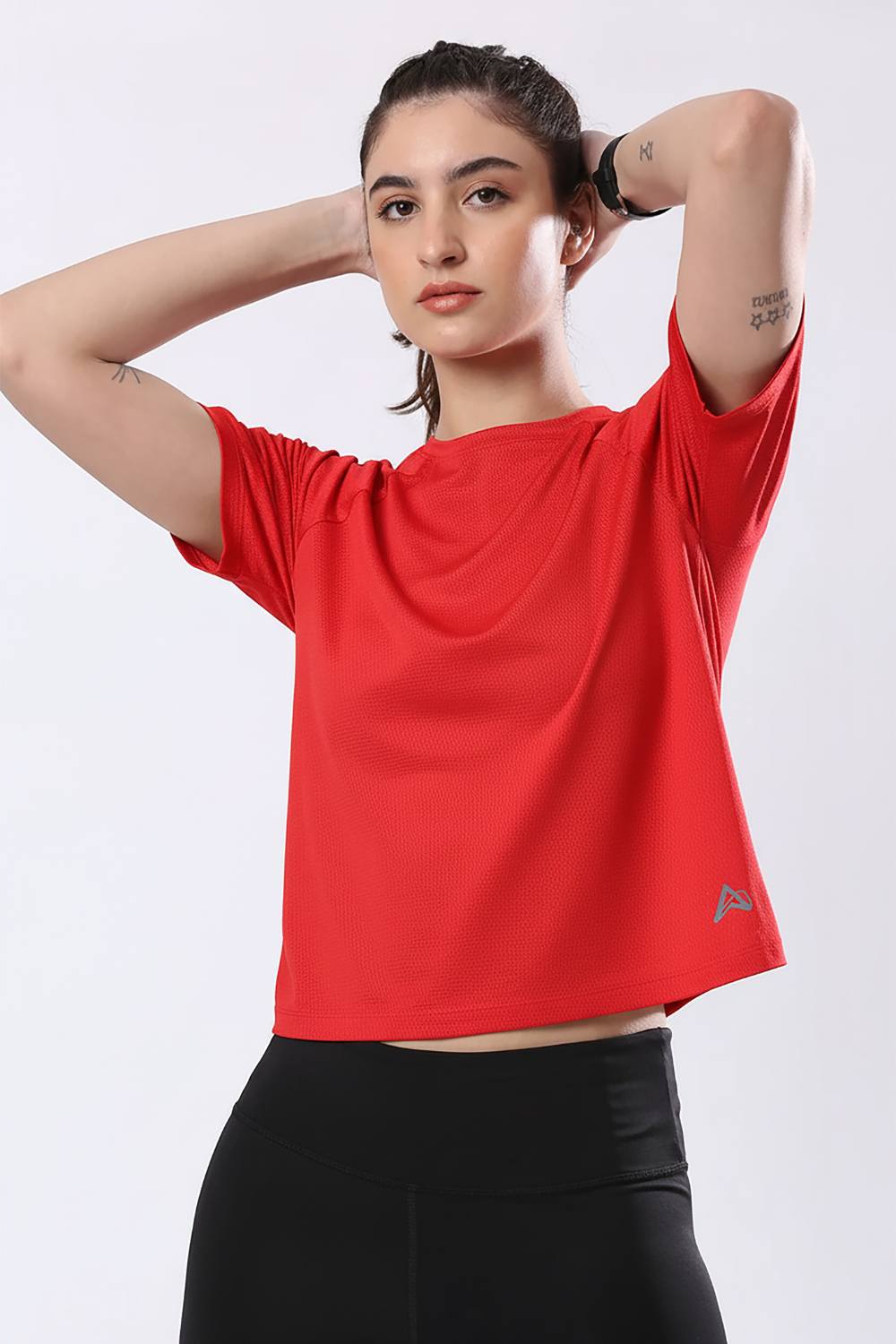
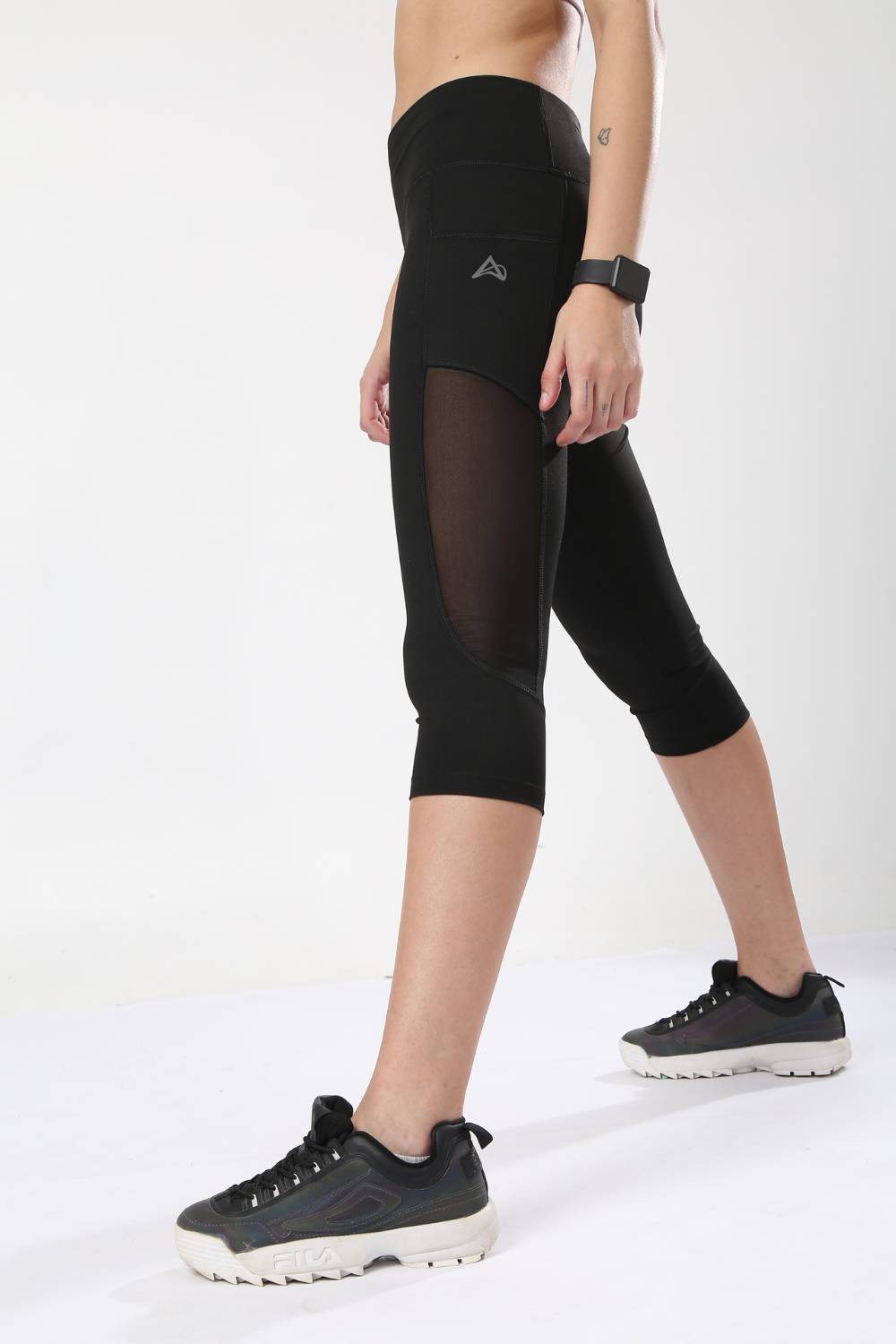

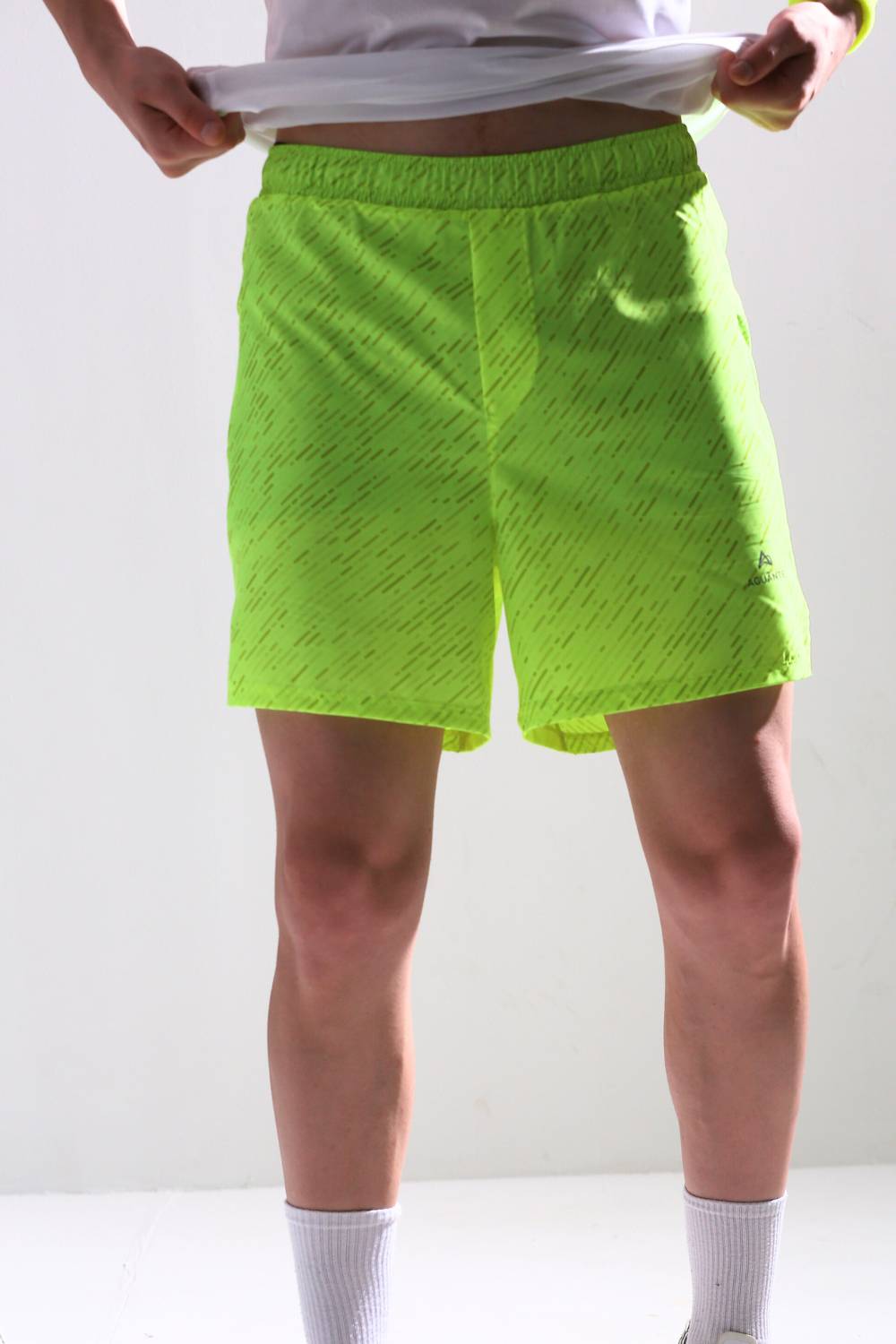
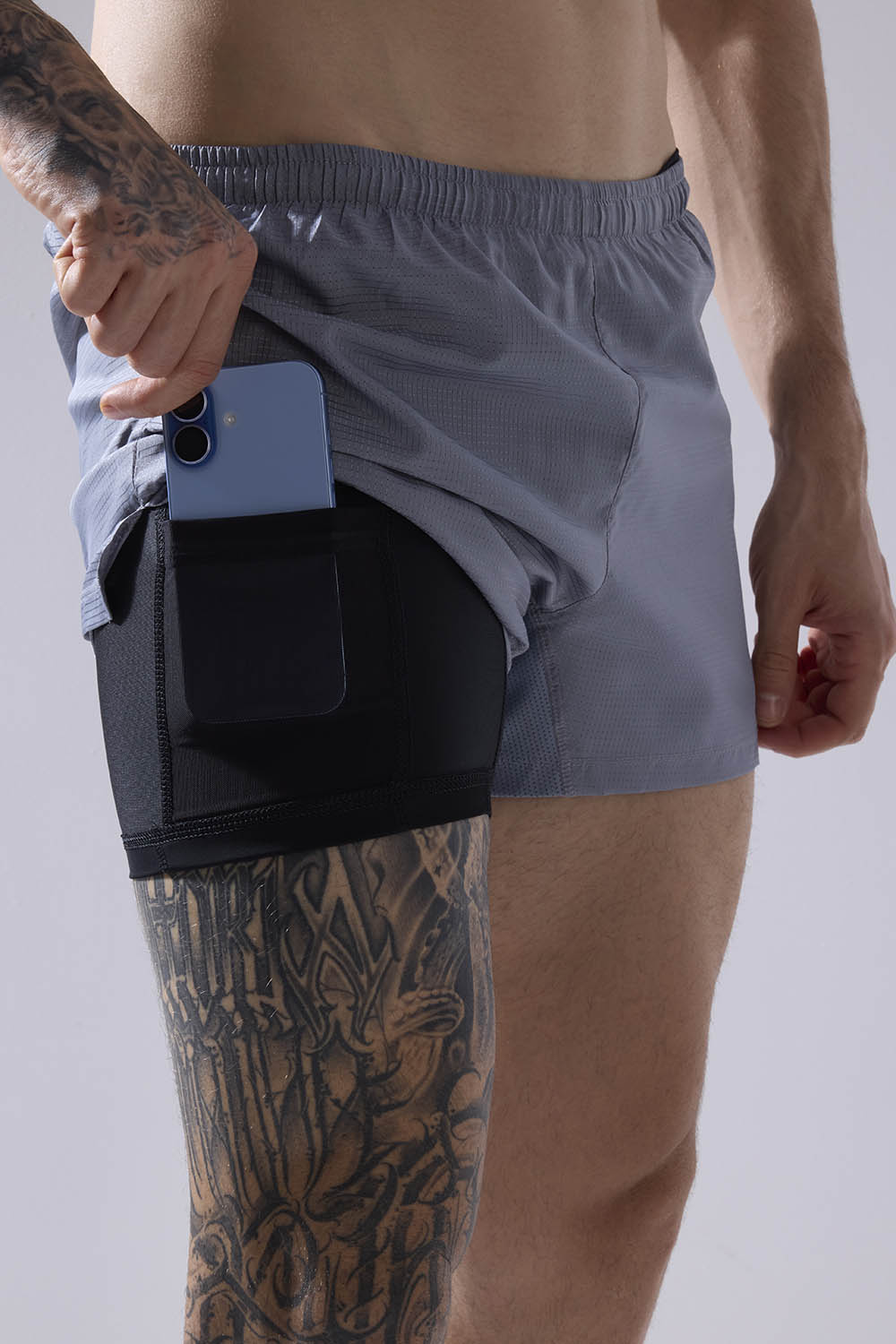

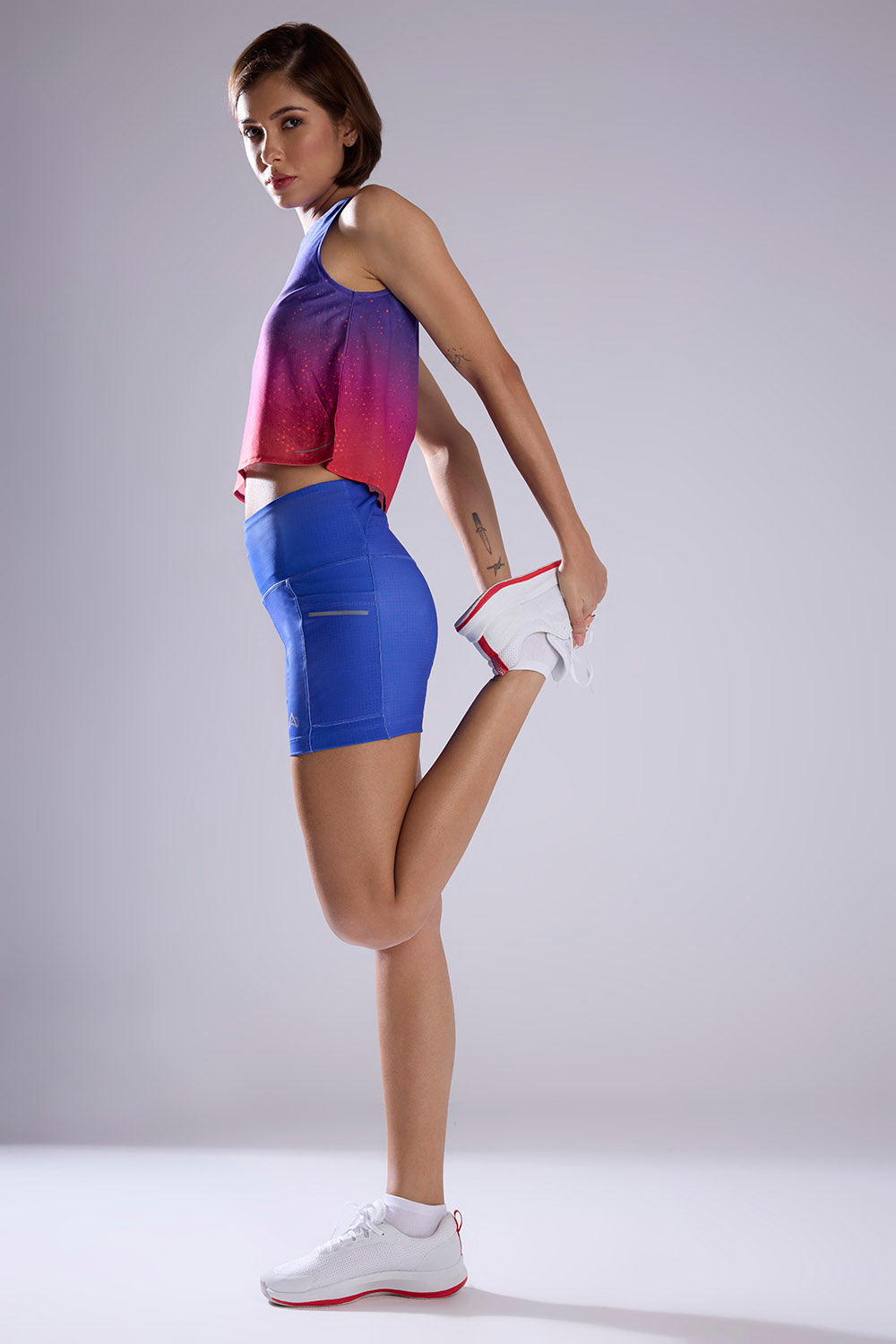
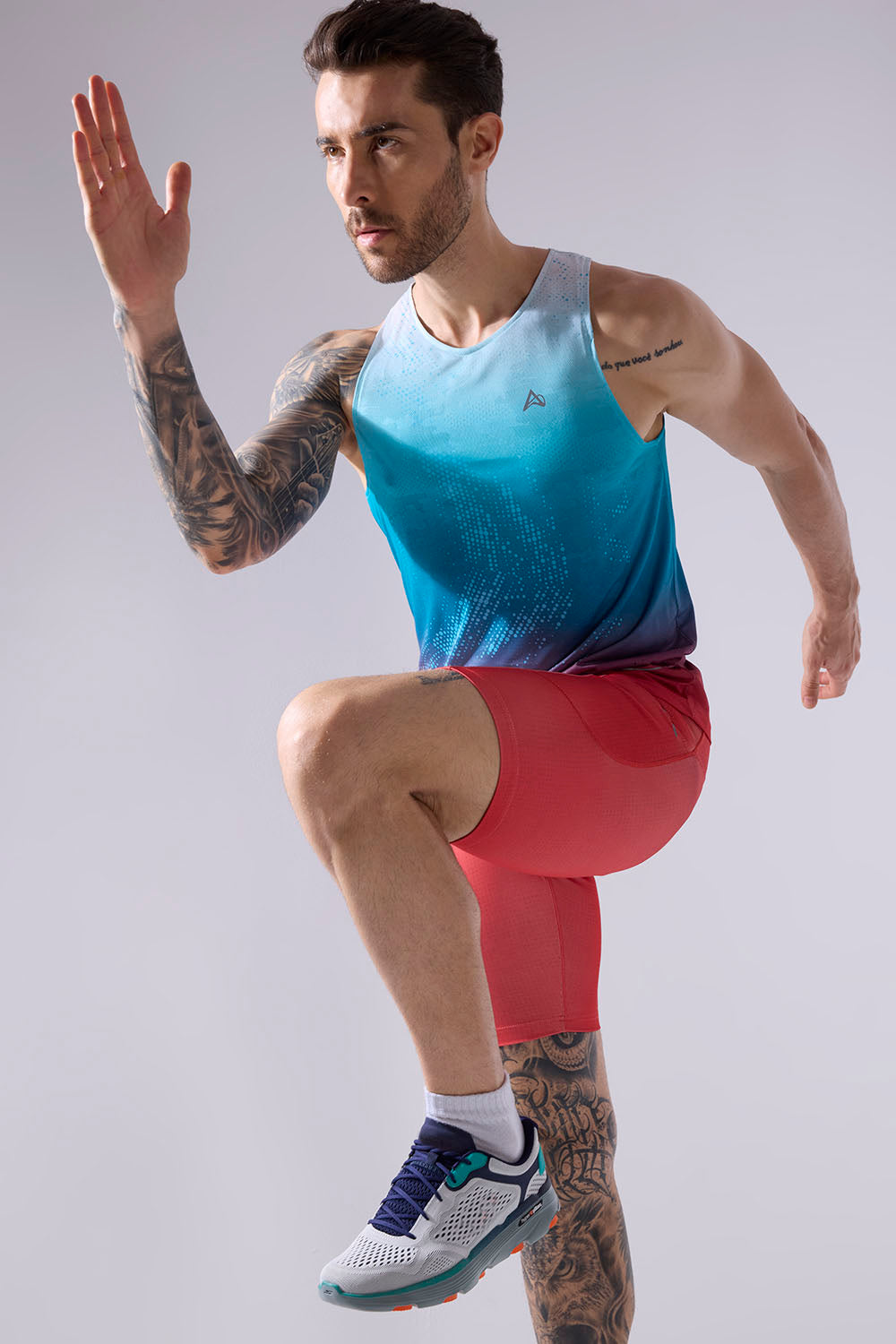


When runners hit the streets of Bangalore, Hyderabad, Mumbai, Pune, or any of the major cities in this vibrant fitness scene, the choice of tights can dramatically influence how they perform. Short half tights or longer full-length options? The decision isn't just about length it's about optimizing comfort, breathability, and muscle support in varying conditions.
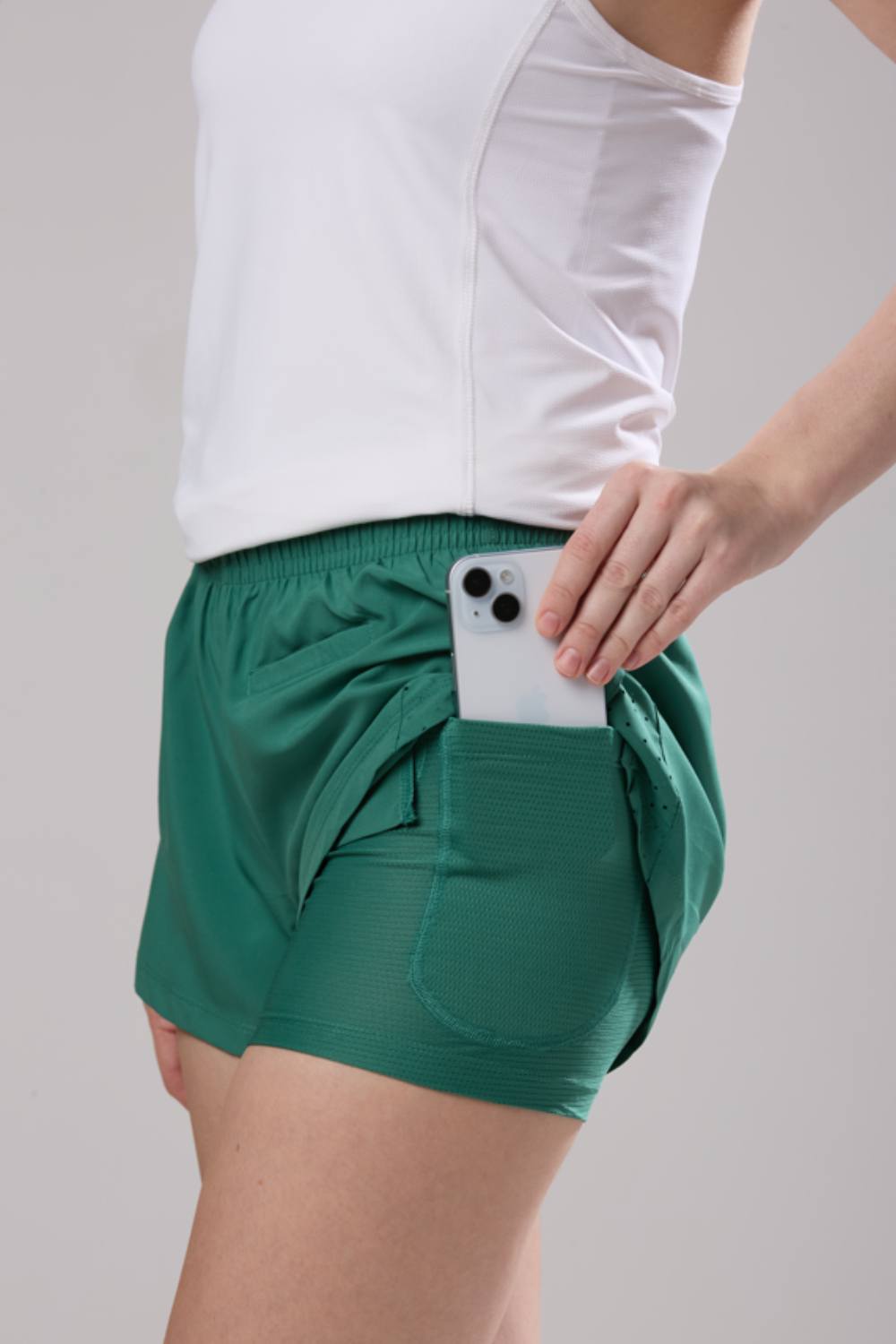
Tired of gear that slows you down? Chafing, soggy fabrics, and missing pockets kill your run's momentum. At Aguante, we're runners who get it. Our high-performance activewear features moisture-wicking fabrics, ergonomic designs, and smart storage to keep you focused. Shop Now!
Understanding the Core Differences in Design and Fit
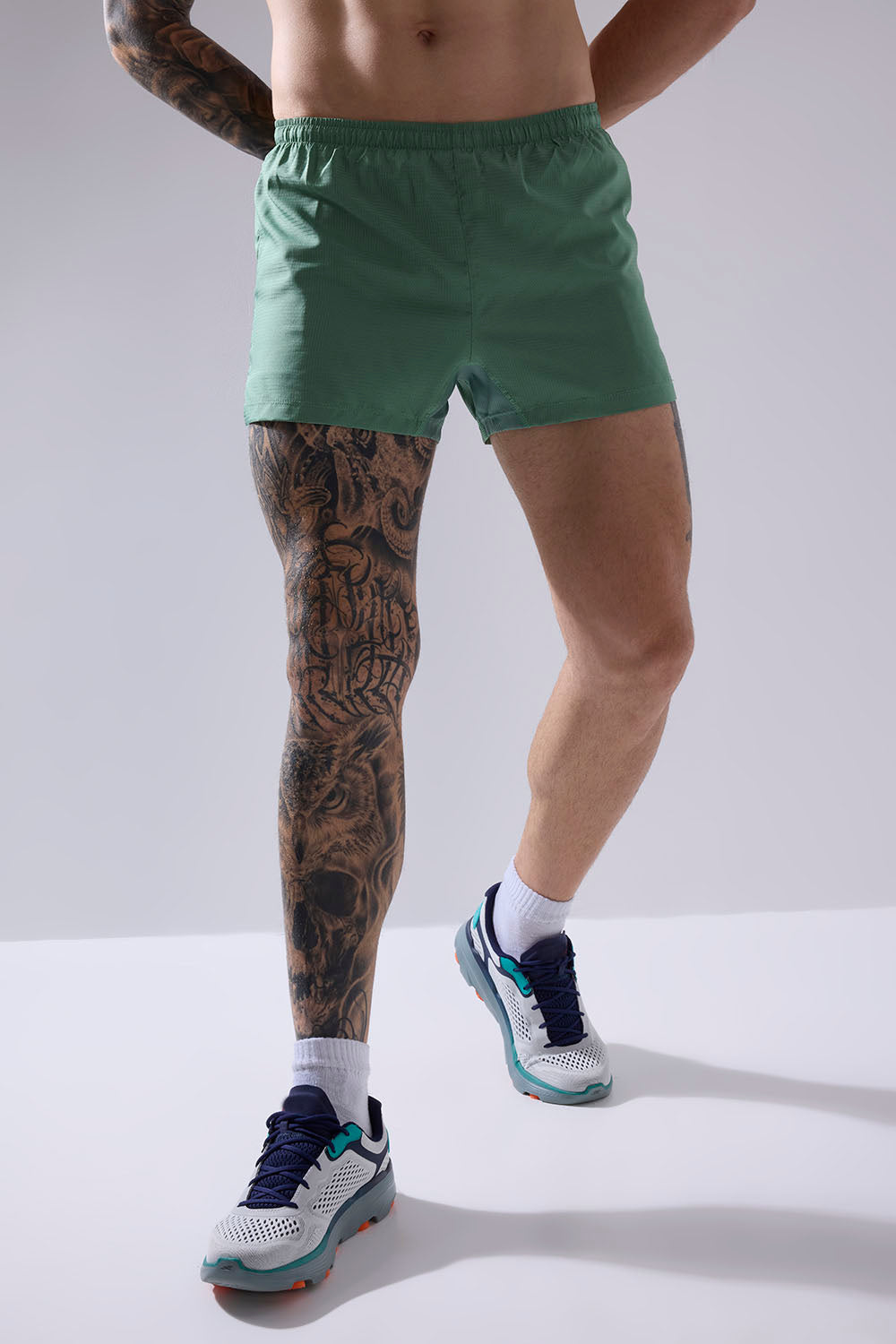
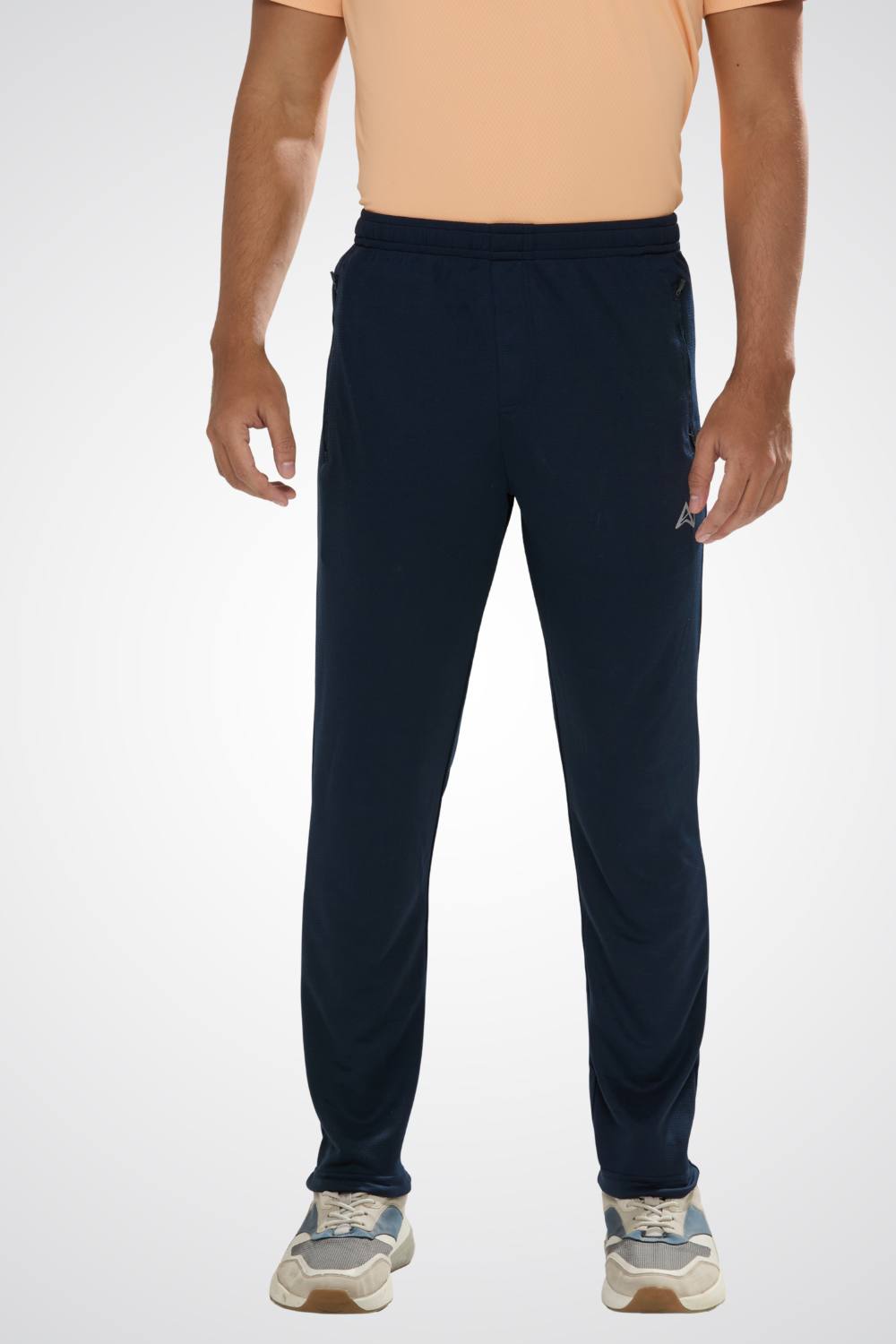
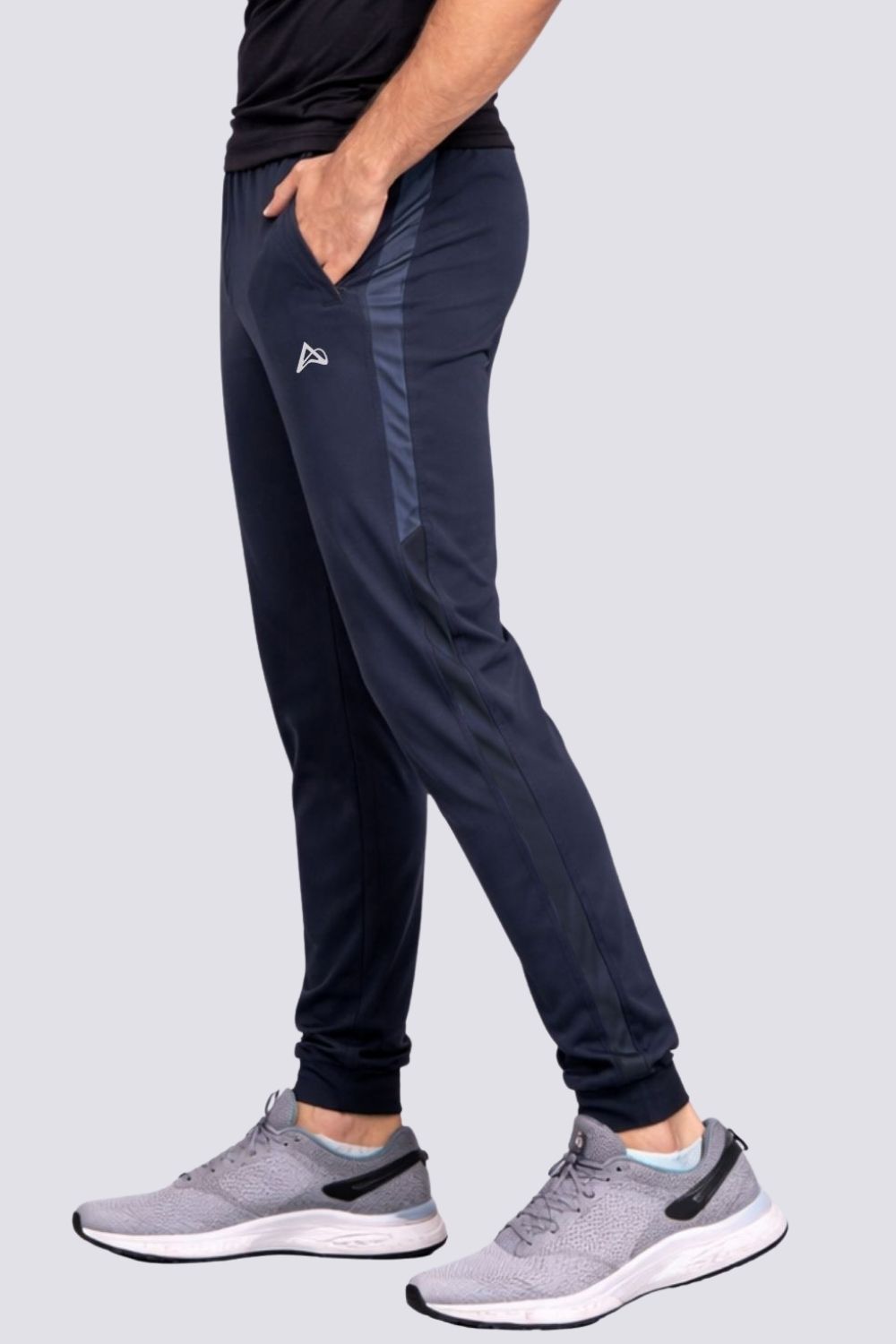
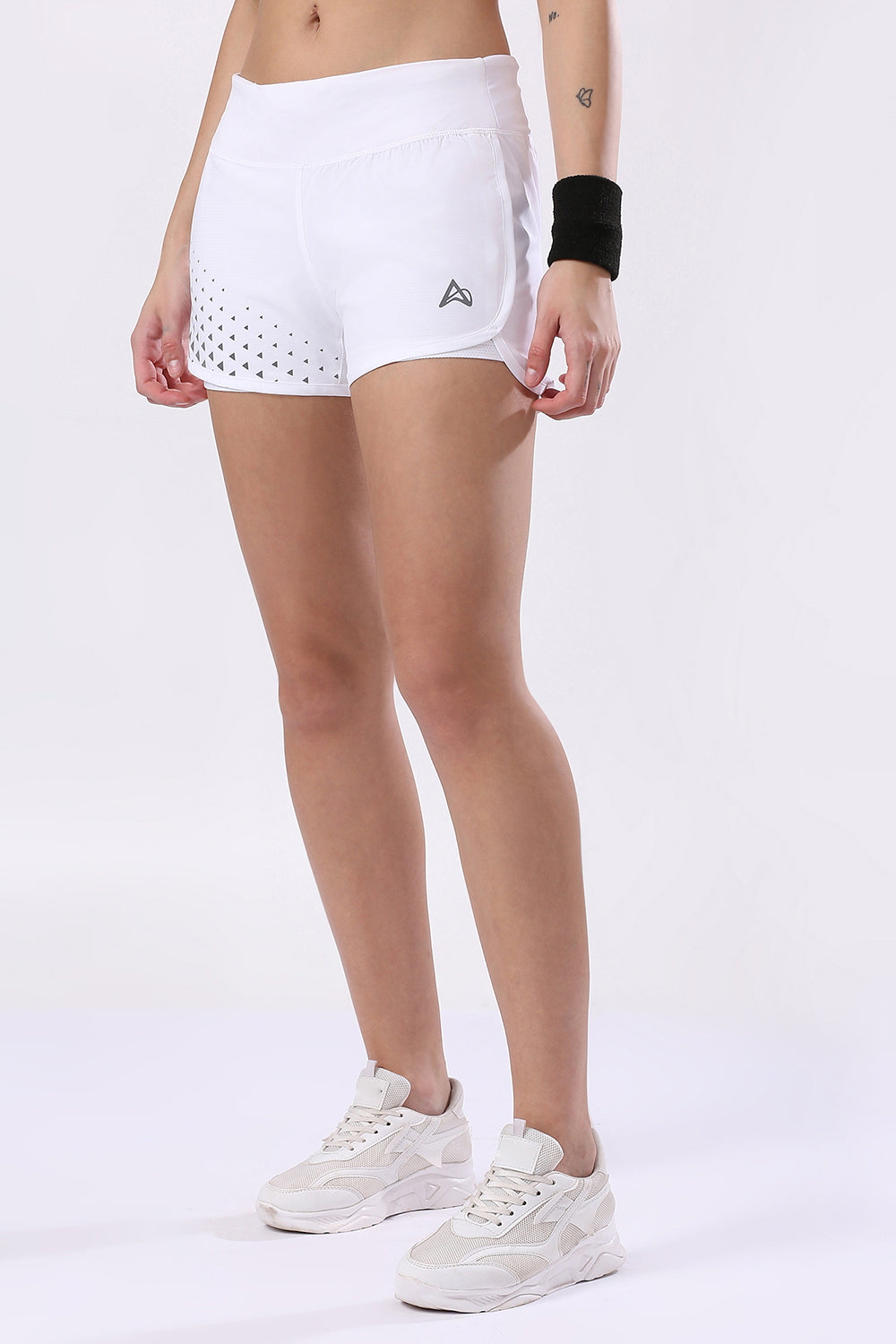
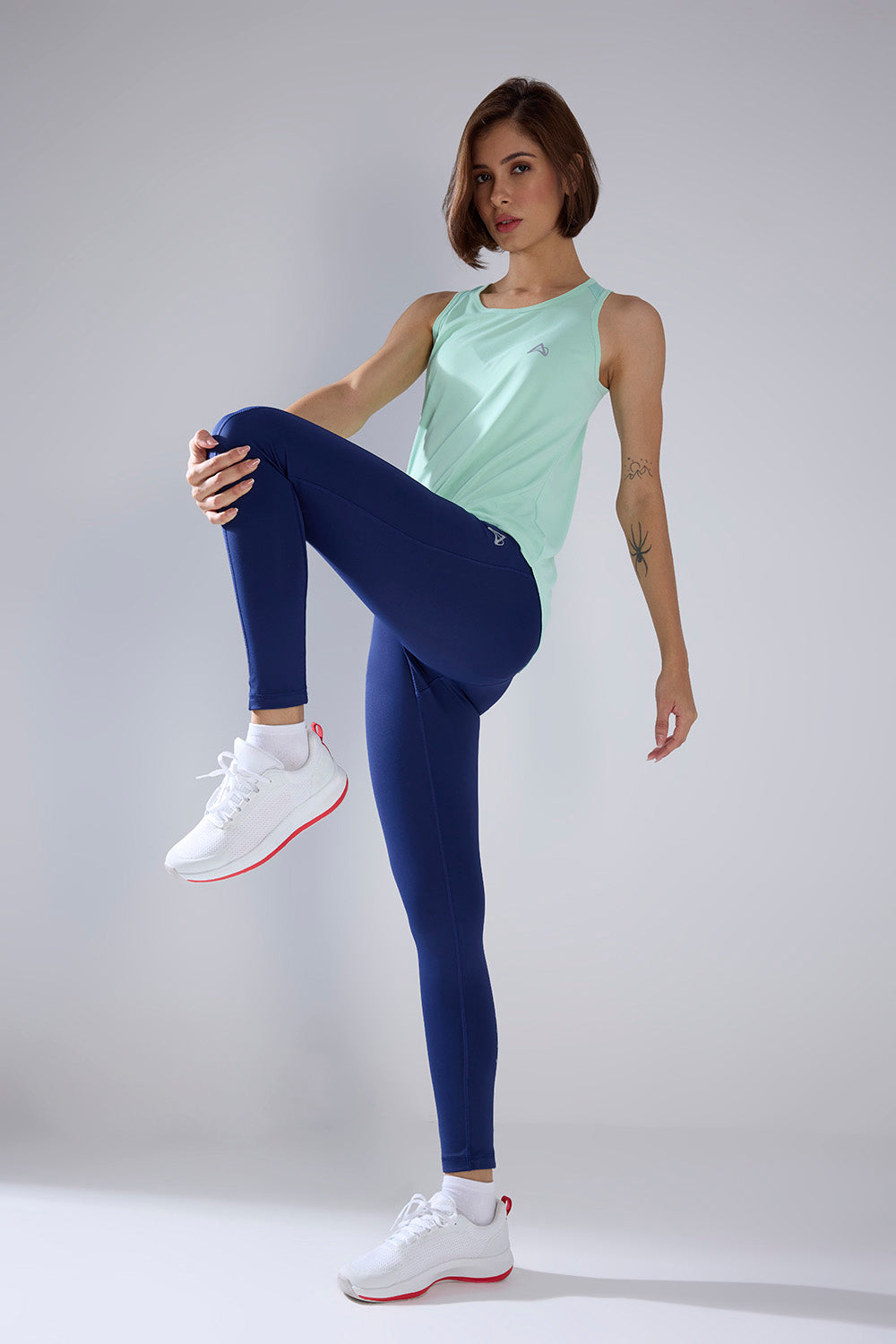
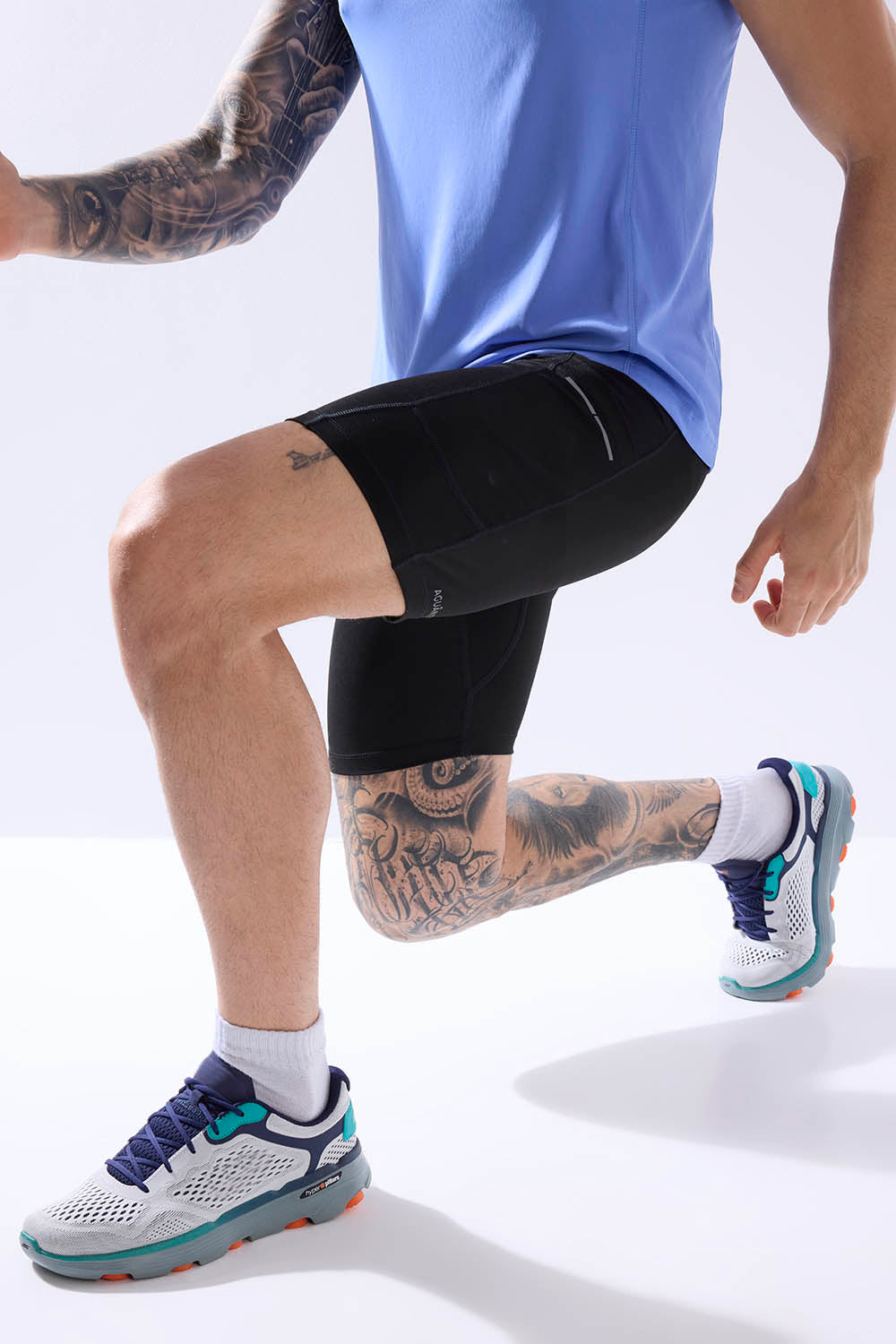
Half tights and full-length tights each bring distinct advantages to the table. Half tights typically end at the upper thigh, offering a shorter, more versatile cut that prioritizes freedom of movement and ventilation. Full-length tights, by contrast, extend from the waist to the ankle, providing comprehensive coverage that enhances stability and insulation across the entire leg.
The fit also varies significantly. Shorter styles often sit higher on the waist for a secure, non-slipping feel, while longer versions can include reinforced gussets at the crotch and smoother transitions to prevent chafing. Many runners note that the choice depends heavily on individual body proportions and the specific demands of their training.
Performance-focused brands emphasize how these designs interact with advanced fabrics. Blends that wick moisture away from the skin, reduce chafing, and allow for a broader temperature range become the deciding factor in whether half tights or full-length tights will feel like an extension of your body rather than an afterthought.
Impact on Comfort and Thermoregulation During Runs
Comfort during a run hinges on how well the garment manages your body's natural temperature fluctuations. In conditions where warmth is essential, full-length tights excel by providing consistent insulation from the hips down. They help maintain muscle temperature in the quads and calves, especially valuable during early morning runs or when temperatures drop.
Half tights, however, strike a different balance. By cutting the fabric at the thigh, they allow airflow to circulate more freely, preventing the overheating that can occur in warmer weather or during high-intensity intervals. Runners in transitional climates often report that this ventilation keeps them cooler and fresher for longer stretches of the workout.
Layering remains a powerful strategy regardless of length. Pairing lightweight half tights with thermal base layers or compression options enables dynamic temperature control. Full-length tights can be worn alone in colder conditions or layered beneath shorts in milder ones, giving athletes greater adaptability without compromising the core fit.
Performance Benefits and Muscle Support
Both styles deliver muscle support, but the delivery method differs. Full-length tights create a more continuous compression band along the legs, which can help with recovery after longer runs and reduce fatigue in the lower body. This full coverage is particularly appealing for steady-state efforts where consistent warmth and support matter most.
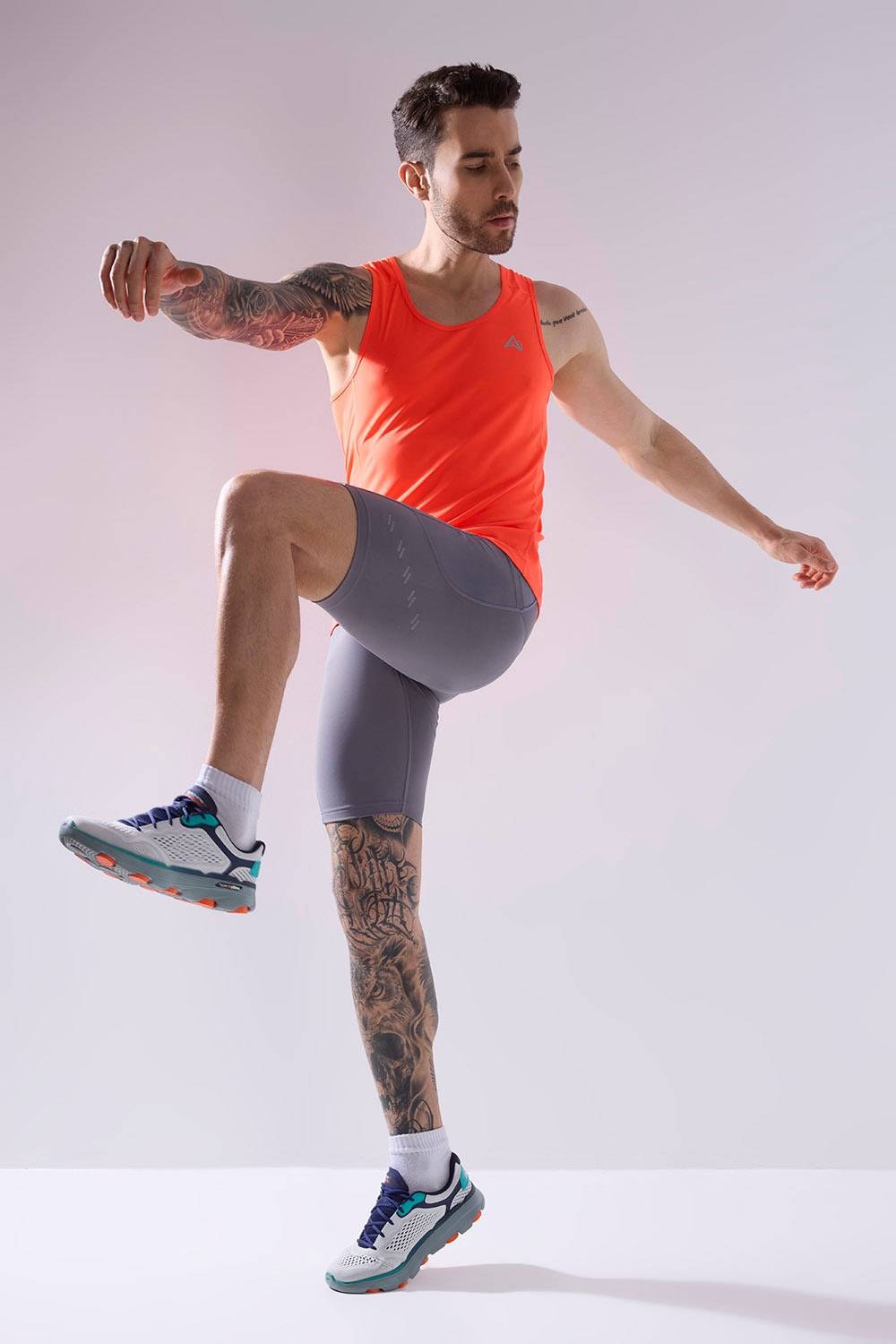
Half tights offer targeted support with less bulk, allowing runners to maintain a natural stride and avoid the restricted movement that sometimes comes with heavier full-length designs. The shorter hemline also reduces fabric bunching, which can become an issue during high-knee drills or speedwork.
Modern performance fabrics bridge these gaps by combining stretch with moisture management. Whether you choose half tights or full-length tights, the right construction minimizes chafing and maximizes the gear's contribution to your overall efficiency on the course.
Choosing the Right Length for Your Running Conditions
The optimal length often comes down to the weather you're likely to encounter. In colder months or early morning sessions, full-length tights provide the extra coverage needed to combat wind chill and maintain leg warmth. Half tights may prove more practical in warmer months or during indoor sessions where ventilation takes priority.
Many experienced runners keep both options in their wardrobe and switch based on the day's forecast. This approach reflects the broader trend in running apparel: no single style is universally superior. Instead, success comes from matching the garment to the environment and your personal thermoregulation preferences.
If you're training in the city's varying seasons, consider how these choices align with your routine. Whether you're preparing for a long run or a quick recovery session, testing both lengths can reveal which one makes the most sense for your body and training goals.
Practical Considerations for Everyday Runners
Budget, durability, and ease of care also factor into the decision. Half tights tend to be lighter in weight and often more affordable, making them ideal for frequent rotations or runners who value flexibility. Full-length tights, while sometimes carrying a higher price tag, often feature reinforced construction that stands up to repeated washes and intense use.
Another practical aspect is the washability of performance fabrics. Both styles should be machine-washed in cold water with similar detergents to preserve their wicking properties. The shorter length of half tights can make drying faster and less prone to shrinkage, which is a minor but useful advantage for busy runners.
Ultimately, the best choice comes from trying both on. Many athletes find that the right length transforms a routine run into a more enjoyable and effective session, whether they're training in Hyderabad's warmer climate or navigating Mumbai's humid evenings.
Building a Versatile Running Wardrobe for Success
Instead of committing to one style forever, consider building a wardrobe that includes both half tights and full-length tights. This flexibility allows you to adapt to any condition without feeling limited. Pairing them with performance shorts or base layers creates endless combinations for your runs.
Focus on fabrics that perform across temperatures those that wick moisture, reduce chafing, and stretch with you. Brands that emphasize these qualities often see runners return for repeat purchases because the gear simply works better for their lifestyle.
By understanding the strengths of each length, you can make informed decisions that elevate every run. Whether you're chasing personal bests or simply enjoying the city's routes, the right tights can make all the difference in how you feel on race day or during your next training session.
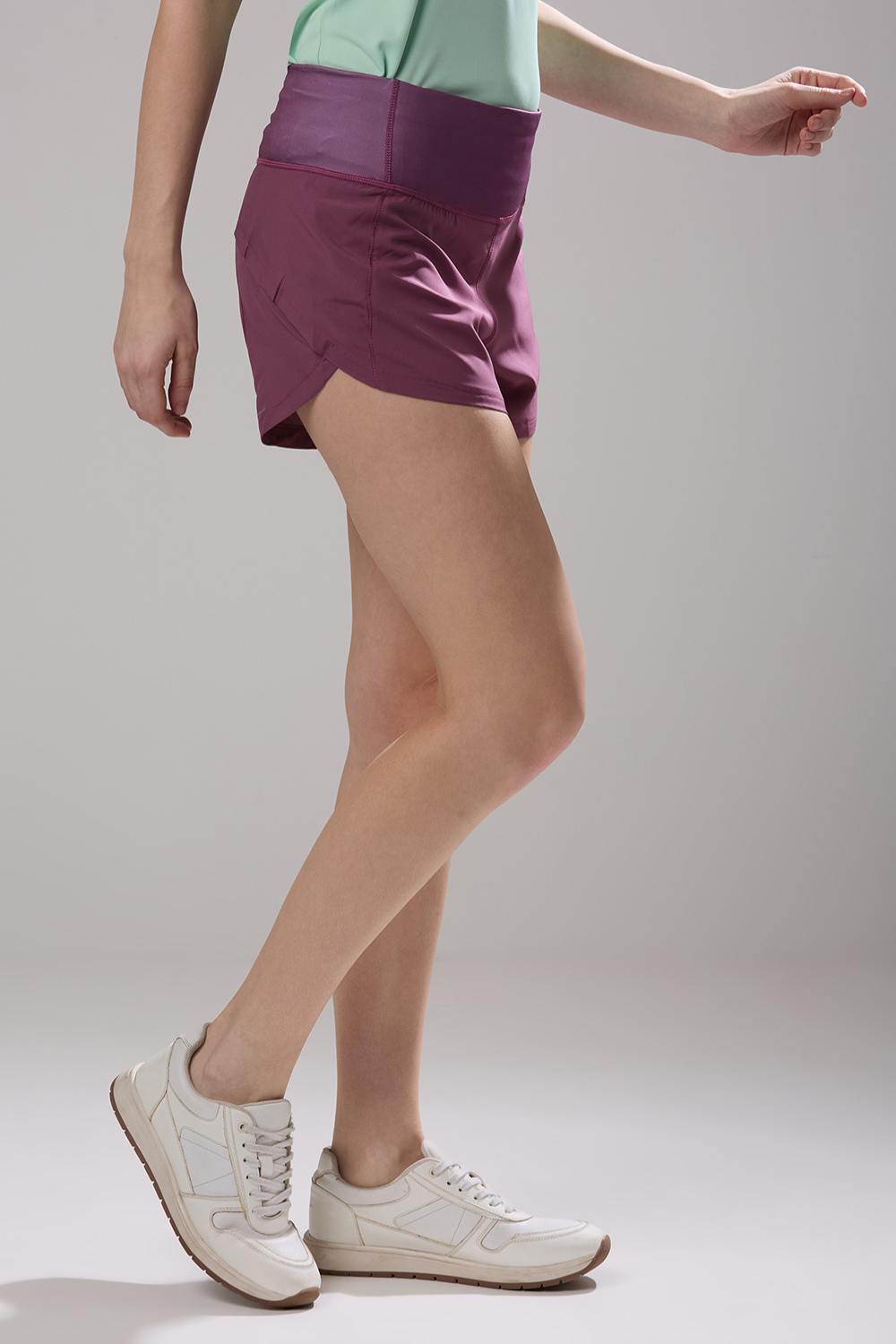
Modern running apparel trends emphasize adaptability through layering rather than relying on a single garment type such as full tights or shorts alone. A common approach among runners in transitional and cold conditions is combining different pieces to regulate body temperature dynamically throughout a run. For example, pairing lighter running shorts with thermal base layers or compression tights allows athletes to balance warmth in key muscle groups while preventing overheating as body temperature rises during exercise. This layering philosophy reflects the reality that runners often experience significant temperature shifts between the start and middle of a workout, particularly in early morning or winter conditions. In practice, full-length tights are typically favored when temperatures drop significantly or when wind exposure increases heat loss from the legs.
Half tights, on the other hand, are often used in milder cold conditions where maintaining ventilation is equally important as retaining warmth. The key insight from cold weather running layering strategies with tights and shorts is that comfort is highly individualized, and effective thermal regulation often comes from mixing garment types rather than relying exclusively on one solution. This approach also aligns with the growing popularity of versatile performance fabrics that wick moisture, reduce chafing, and allow for a broader operating temperature range. Ultimately, the choice between half tights and full-length tights is less about strict superiority and more about optimizing comfort, flexibility, and layering efficiency for changing weather conditions.
Cold-weather and transitional running apparel is increasingly designed around performance, comfort, and adaptability across different temperatures rather than a single “best” configuration. Running tights, whether full-length or shorter variations, are typically engineered with material blends that balance warmth, breathability, moisture management, and stretch. In practice, runners often choose between full-length tights and shorter or half-length options based on temperature range, wind exposure, and personal thermoregulation preferences.
Seasonal Tights for Better Runs
Full-length tights tend to provide more consistent insulation across the entire leg, making them suitable for colder conditions or early-morning runs where wind chill can significantly affect perceived temperature. They also offer more coverage for muscle warmth, which can help maintain comfort during longer steady-state efforts in winter. Half tights or shorter compression styles, by contrast, prioritize freedom of movement and reduced fabric coverage while still maintaining muscle support and sweat management. This makes them more popular in mild-to-cool conditions where overheating is a concern. The trade-off between warmth and ventilation becomes a central decision point, with runners often rotating between both styles depending on seasonal shifts. The broader trend in running apparel highlights that no single garment type is universally superior; instead, performance benefits depend on environmental conditions, runner physiology, and intended training intensity. As a result, many athletes build a layered wardrobe of tights in different lengths to adapt to fluctuating weather and training demands throughout the year.
Frequently Asked Questions
Do running tights improve performance and muscle support?
Yes, both half tights and full-length compression running tights can support muscle stability and reduce fatigue during runs. Full-length tights provide more consistent compression across the legs, which may aid recovery and endurance. However, performance benefits depend on fit, fabric quality, and individual comfort preferences.
When should I wear half tights vs full-length running tights?
Half tights are ideal for warm or humid weather and high-intensity workouts where ventilation and reduced heat buildup are important. Full-length running tights are better suited for cold mornings, winter training, or windy conditions where maintaining muscle warmth is a priority. Many runners switch between both depending on seasonal changes and training intensity.
What is the difference between running half tights and full-length tights?
Running half tights typically end at the upper thigh, offering greater breathability and freedom of movement, while full-length tights extend to the ankle for maximum coverage and warmth. Half tights are often preferred in warmer conditions, whereas full-length tights provide better insulation in cold weather. Both use performance fabrics designed for moisture-wicking and comfort during runs.
Disclaimer: The above helpful resources content contains personal opinions and experiences. The information provided is for general knowledge and does not constitute professional advice.
You may also be interested in: Running Shorts vs Half Tights - Aguante
Tired of gear that slows you down? Chafing, soggy fabrics, and missing pockets kill your run's momentum. At Aguante, we're runners who get it. Our high-performance activewear features moisture-wicking fabrics, ergonomic designs, and smart storage to keep you focused. Shop Now!
Powered by flareAI.co