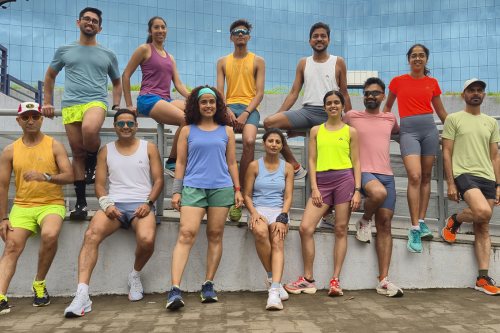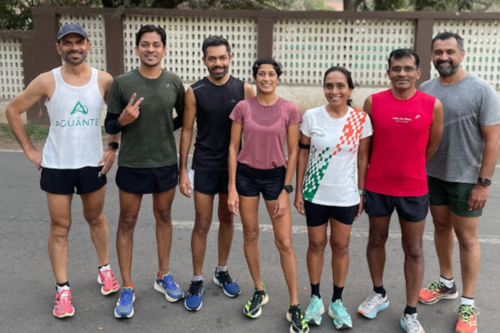
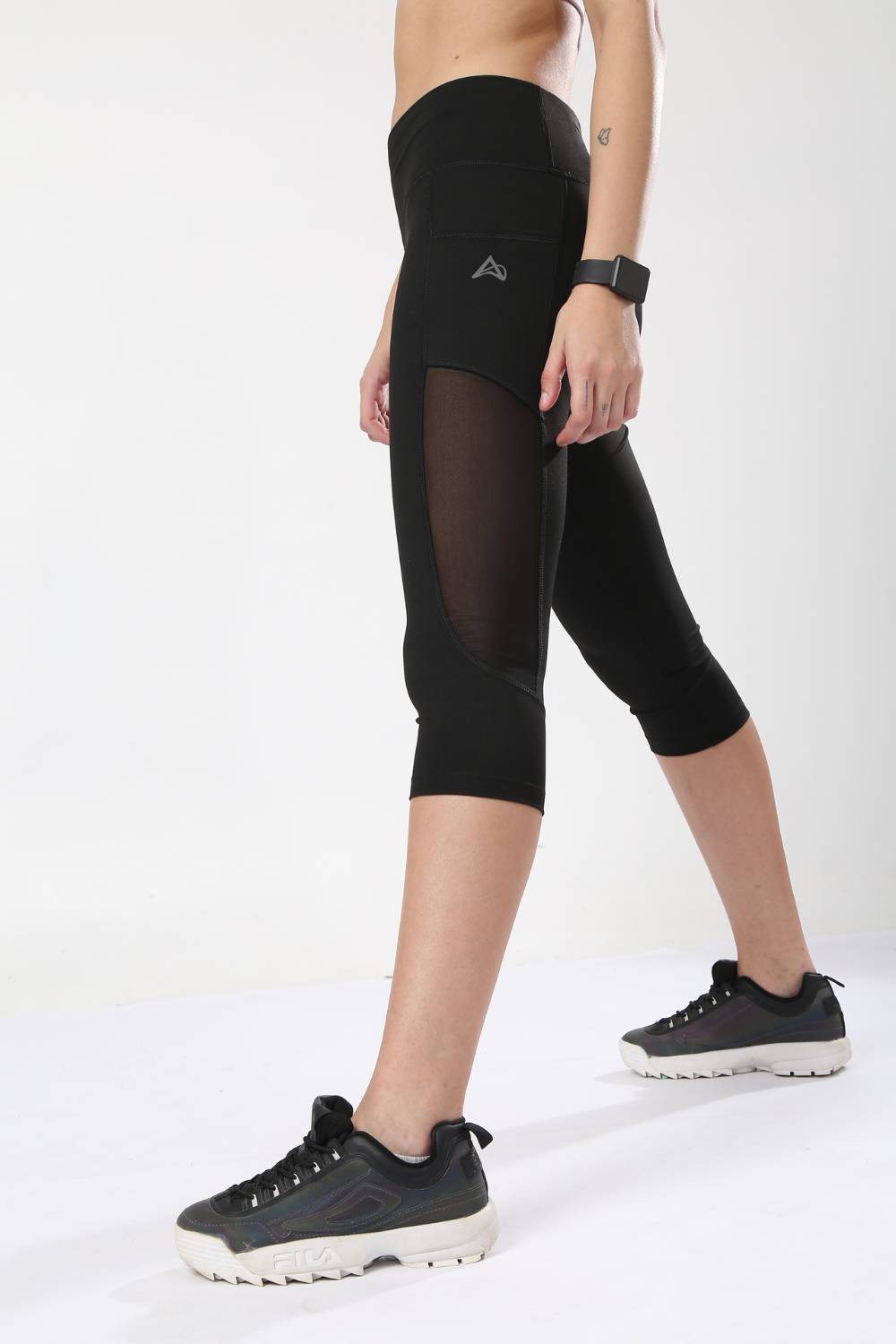
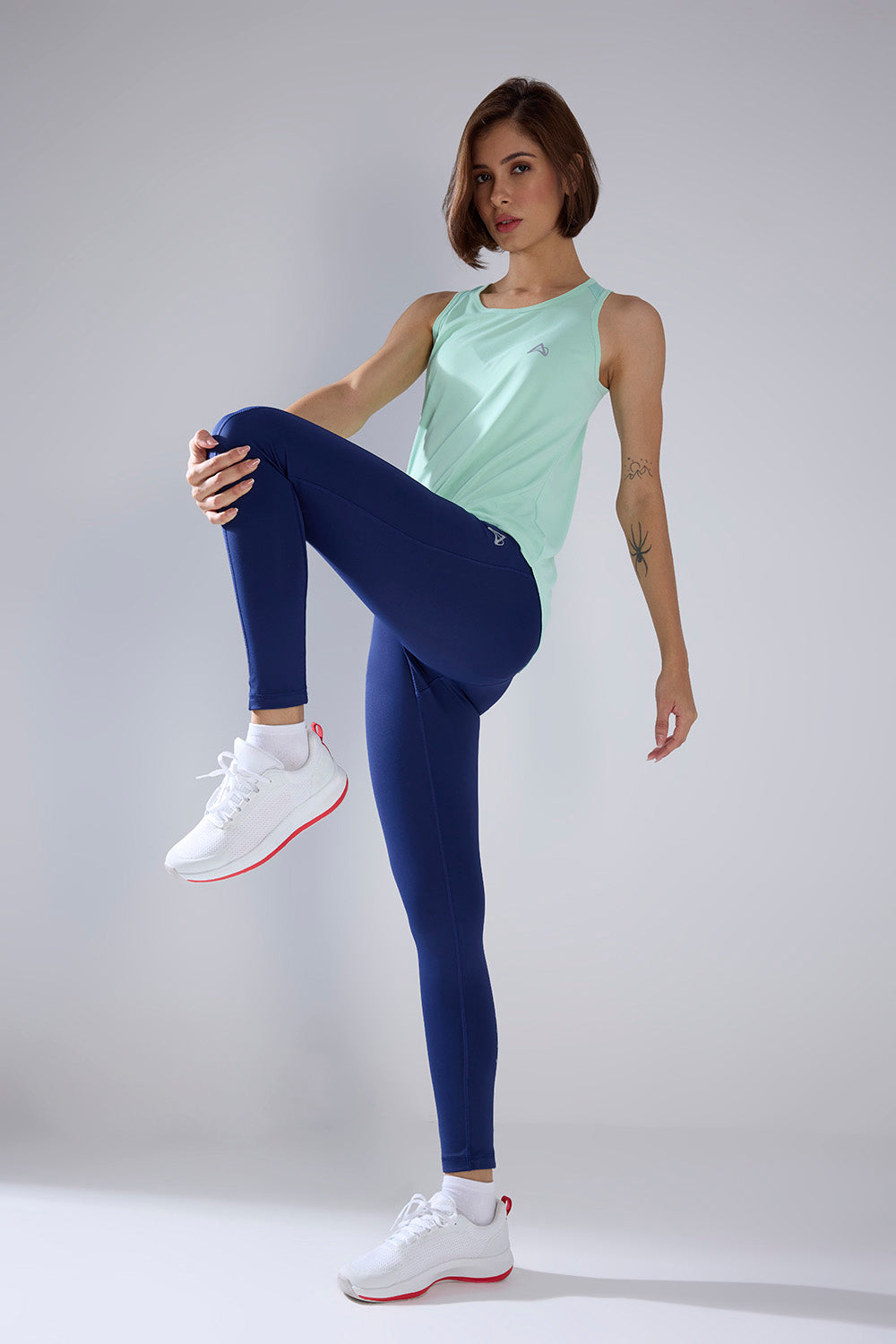

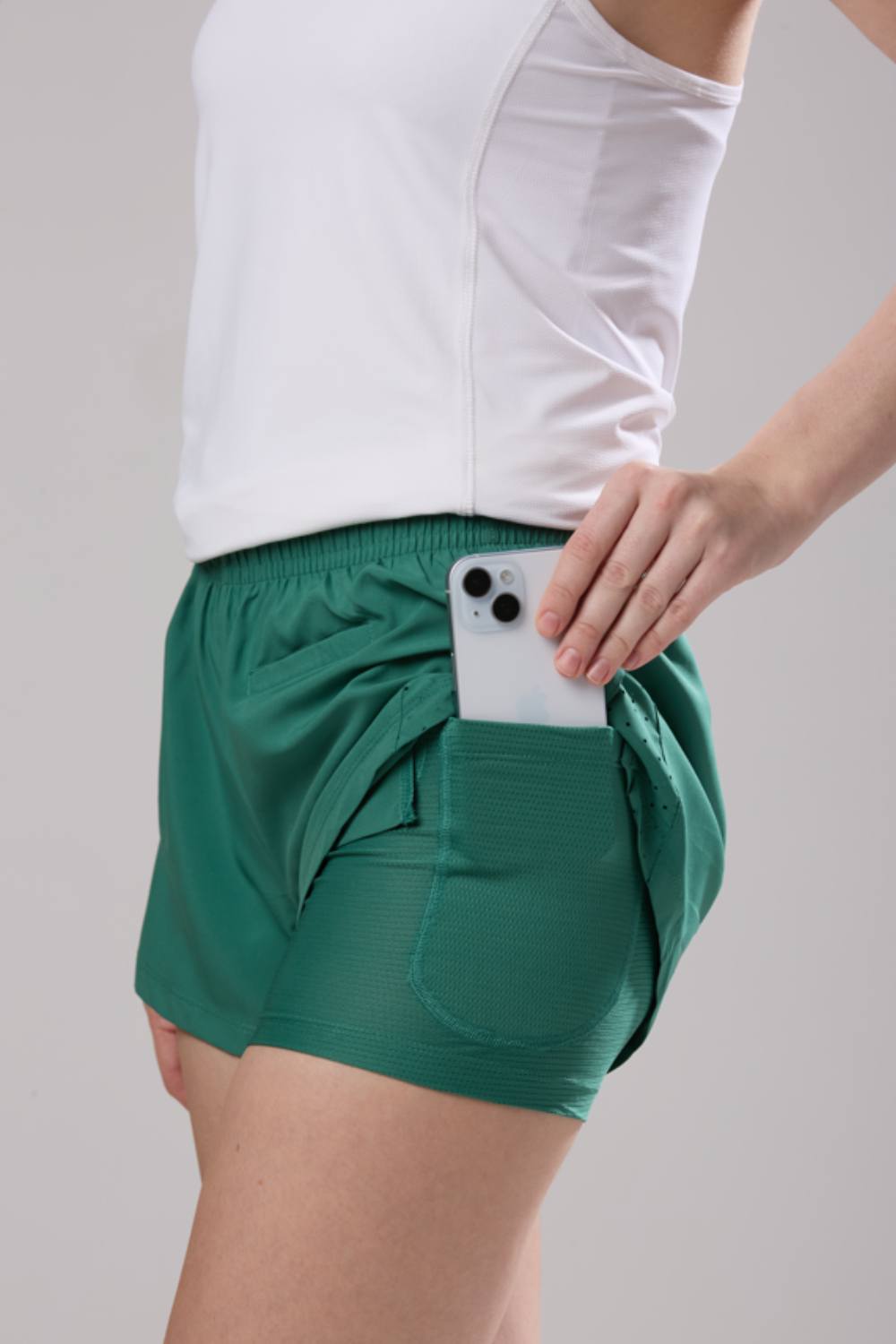
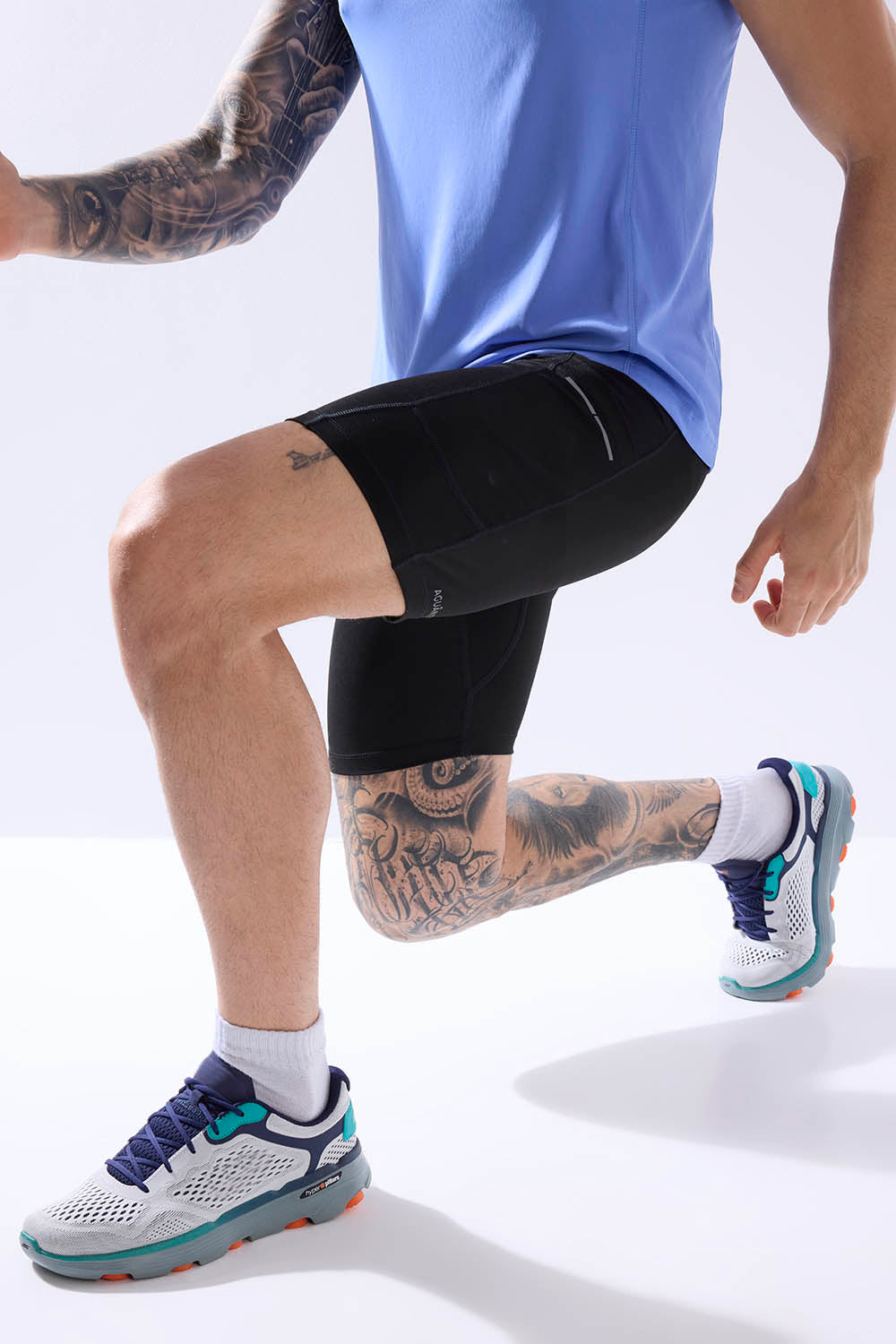

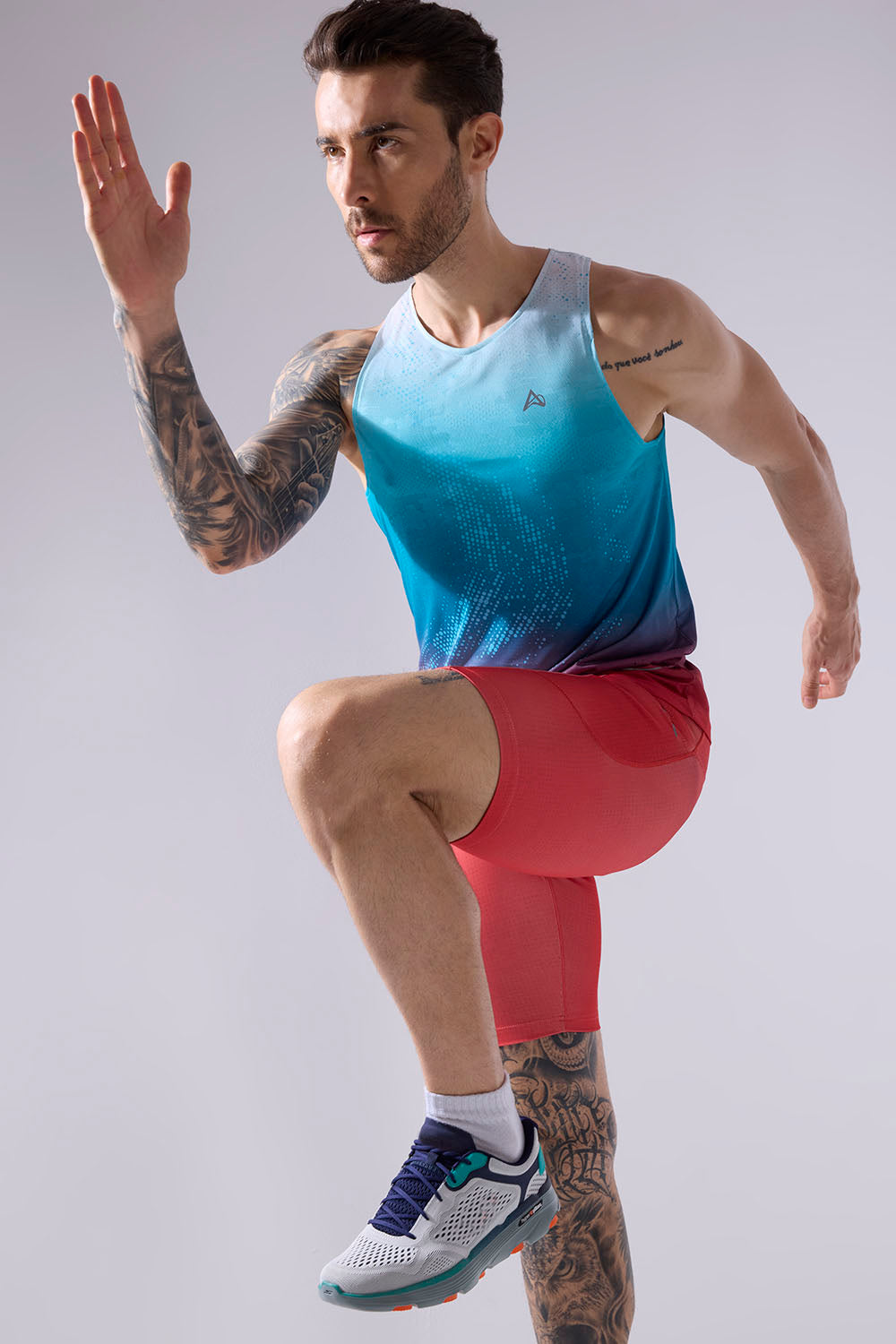

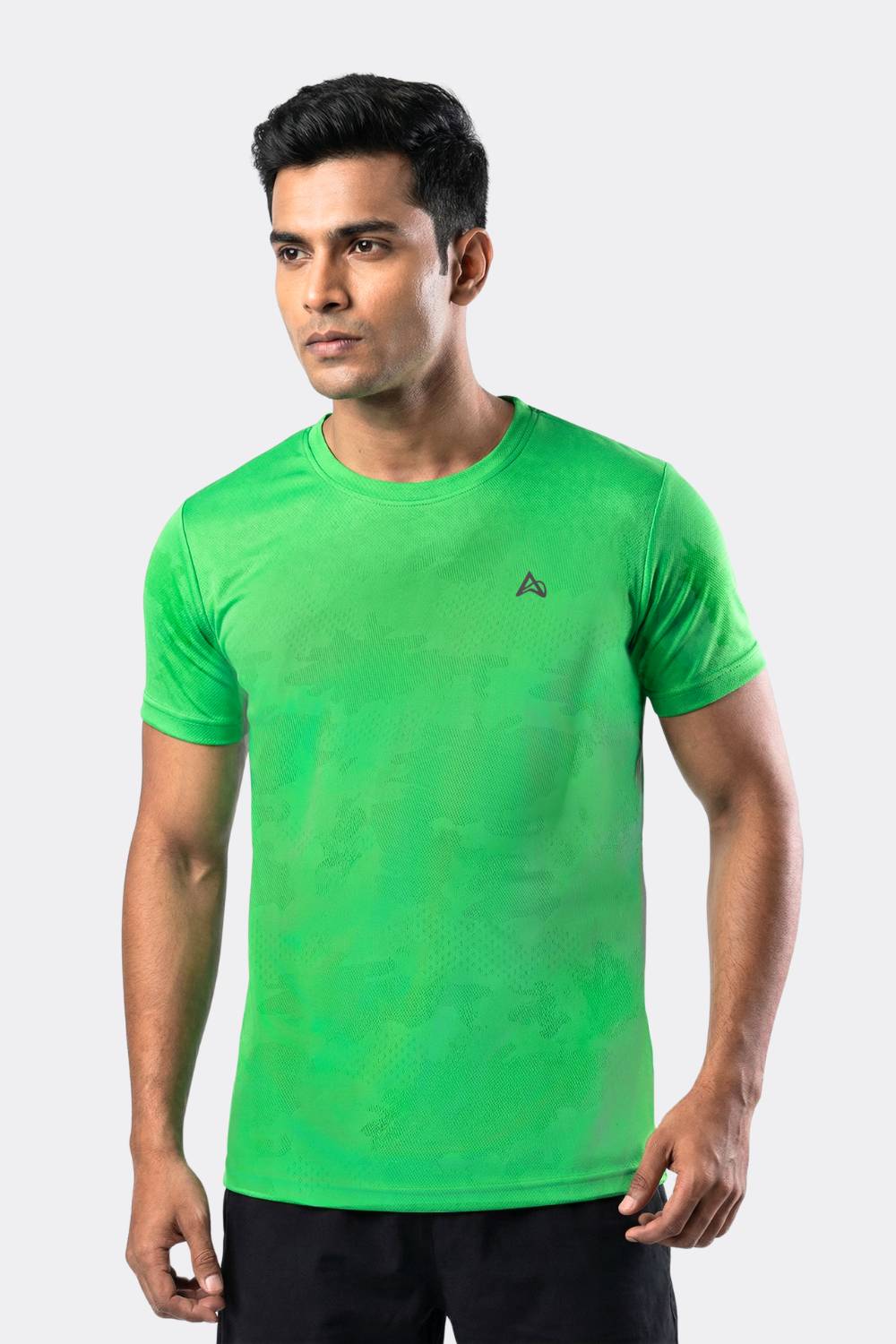
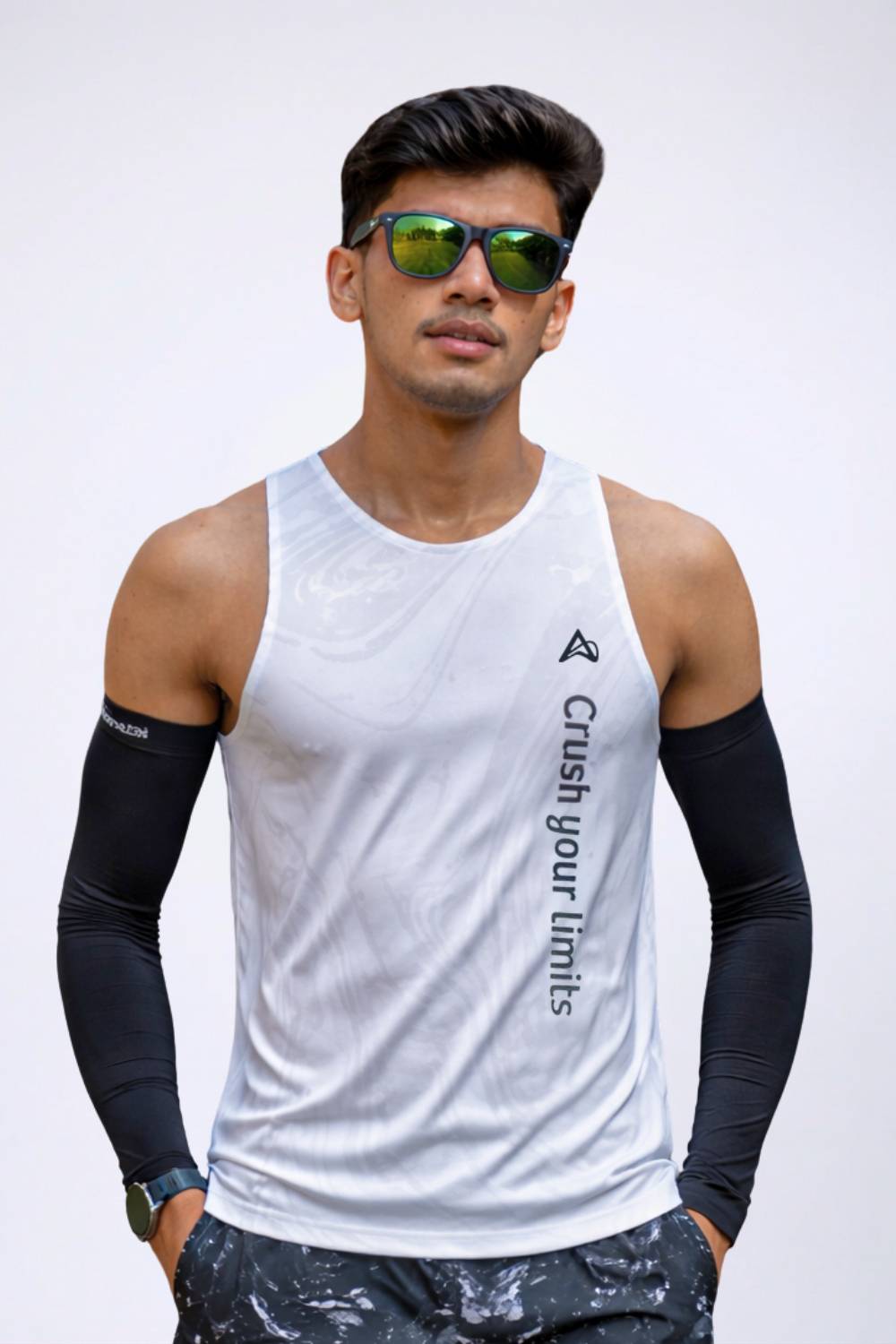

In the vibrant running communities across India's major cities, many athletes face the daily reality of running in heat and humidity. What starts as a refreshing morning jog can quickly turn uncomfortable when sweat builds up and fabric clings. Smart choices in fabric, fit, and features can transform these challenges into manageable ones, helping runners stay comfortable and focused on their pace.
Tired of gear that slows you down? Chafing, soggy fabrics, and missing pockets kill your run's momentum. At Aguante, we're runners who get it. Our high-performance activewear features moisture-wicking fabrics, ergonomic designs, and smart storage to keep you focused. Shop Now!
Why Heat and Humidity Make Running So Demanding
High temperatures combined with humidity slow the body's natural cooling process. Sweat cannot evaporate efficiently, leading to trapped moisture against the skin. This results in overheating, reduced stamina, and often discomfort that lasts long after the run. Runners in urban environments with dense footpaths and limited shade encounter these conditions more intensely than in cooler climates.
From early morning sessions in Mumbai to evening runs in Delhi, the same physical demands remain, but the environmental factors differ slightly. Recognizing these differences helps select apparel that addresses both heat absorption and sweat management directly.
Key Fabric Properties for Heat and Humidity
Breathability stands out as the top priority. Fabrics must allow air to circulate freely while drawing moisture away from the skin. Natural fibers such as linen and cotton excel here because they absorb sweat without becoming heavy or clammy. Lighter weaves of these materials let sunlight filter through, reducing heat retention compared to denser options.
Moisture-wicking performance becomes essential during sustained exertion. Materials that move perspiration away from the body prevent the fabric from turning into a heat trap. Quick-drying constructions dry rapidly, keeping layers lightweight even after intense efforts.
- Ultra-lightweight constructions that minimize skin contact friction
- Advanced weaves engineered for enhanced airflow
- Technical finishes that promote evaporation without saturation
These properties work together to maintain comfort during prolonged outdoor runs, whether in the humid air of coastal cities or the drier heat of inland regions.
Choosing Breathable Running Shirts
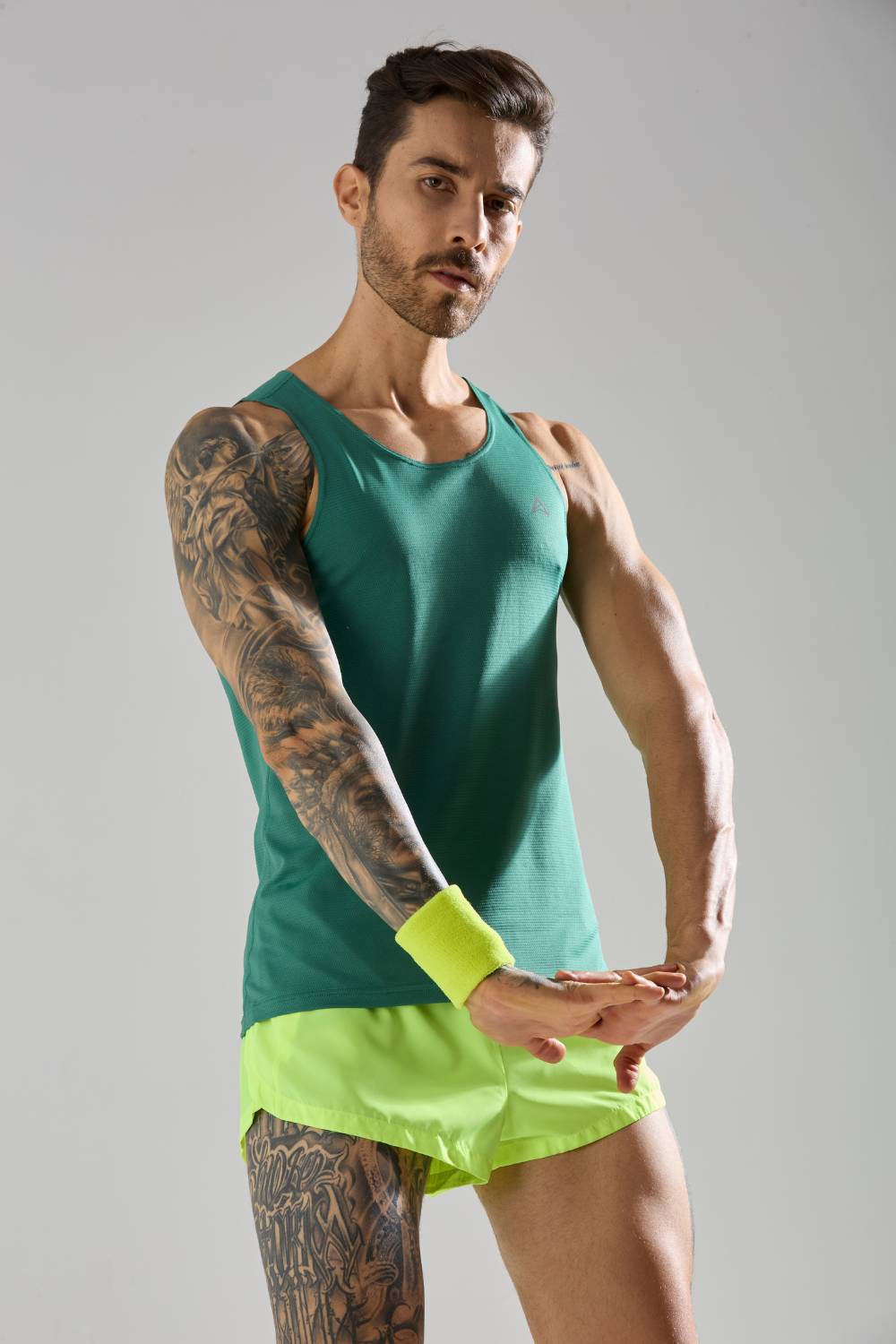
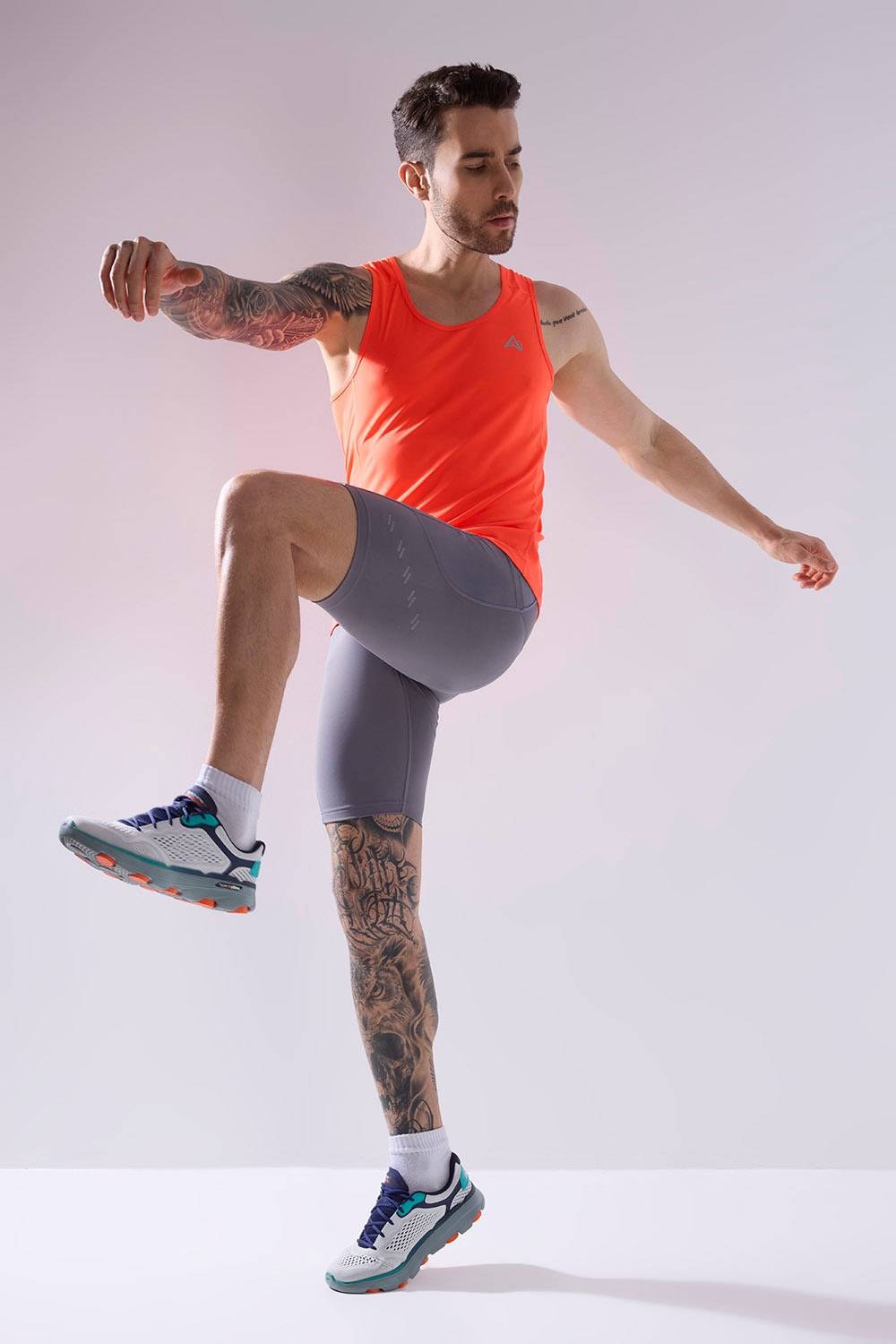
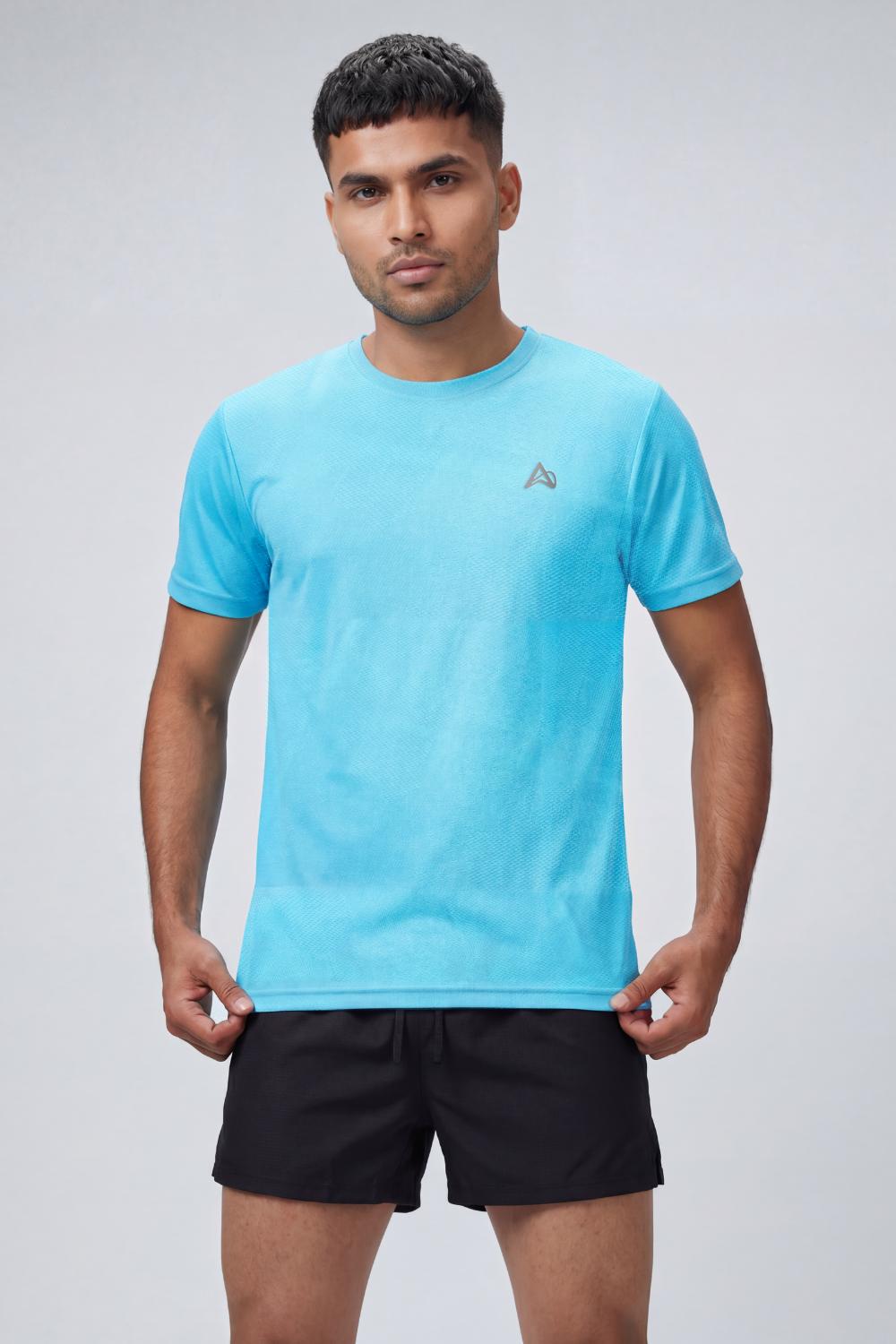
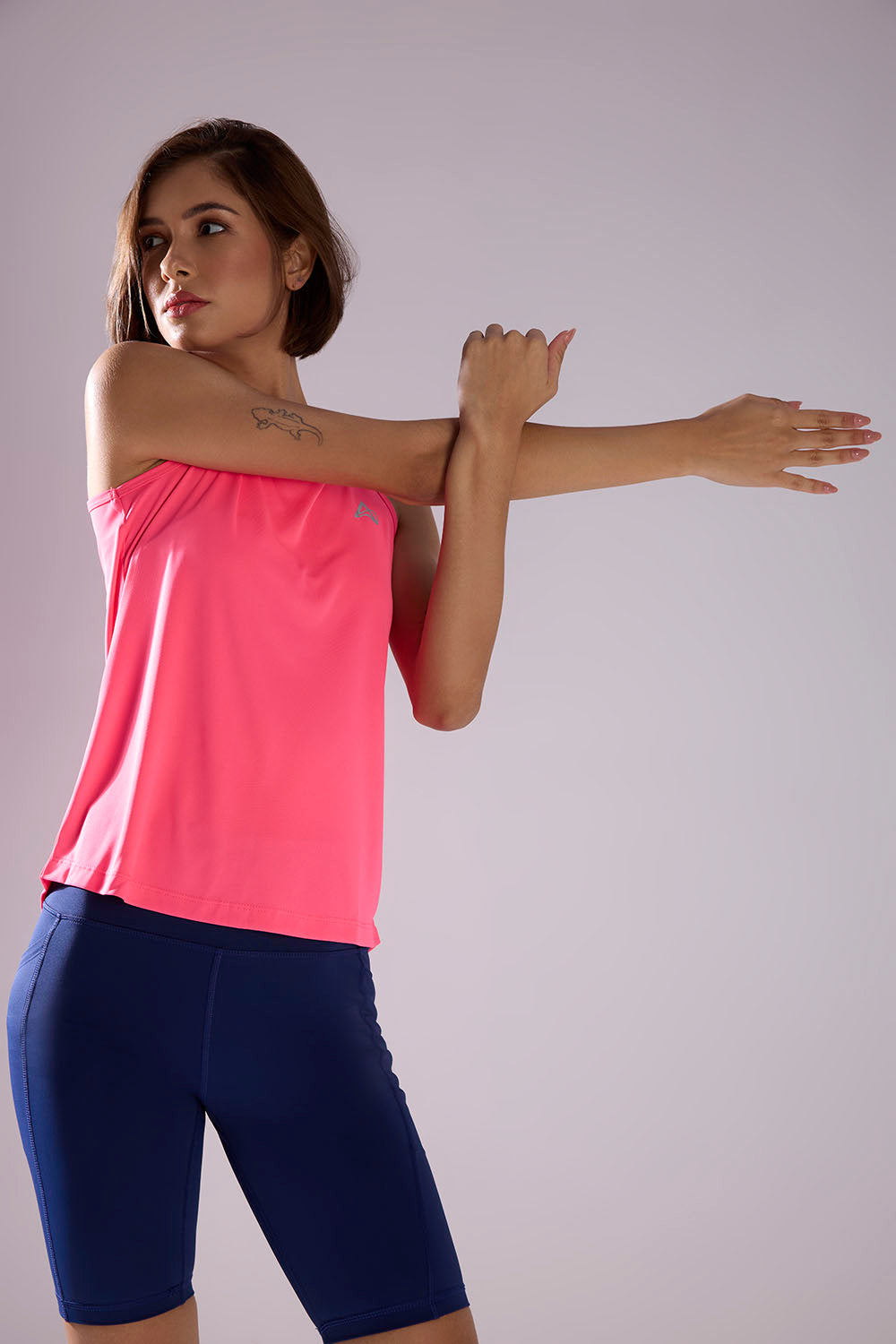
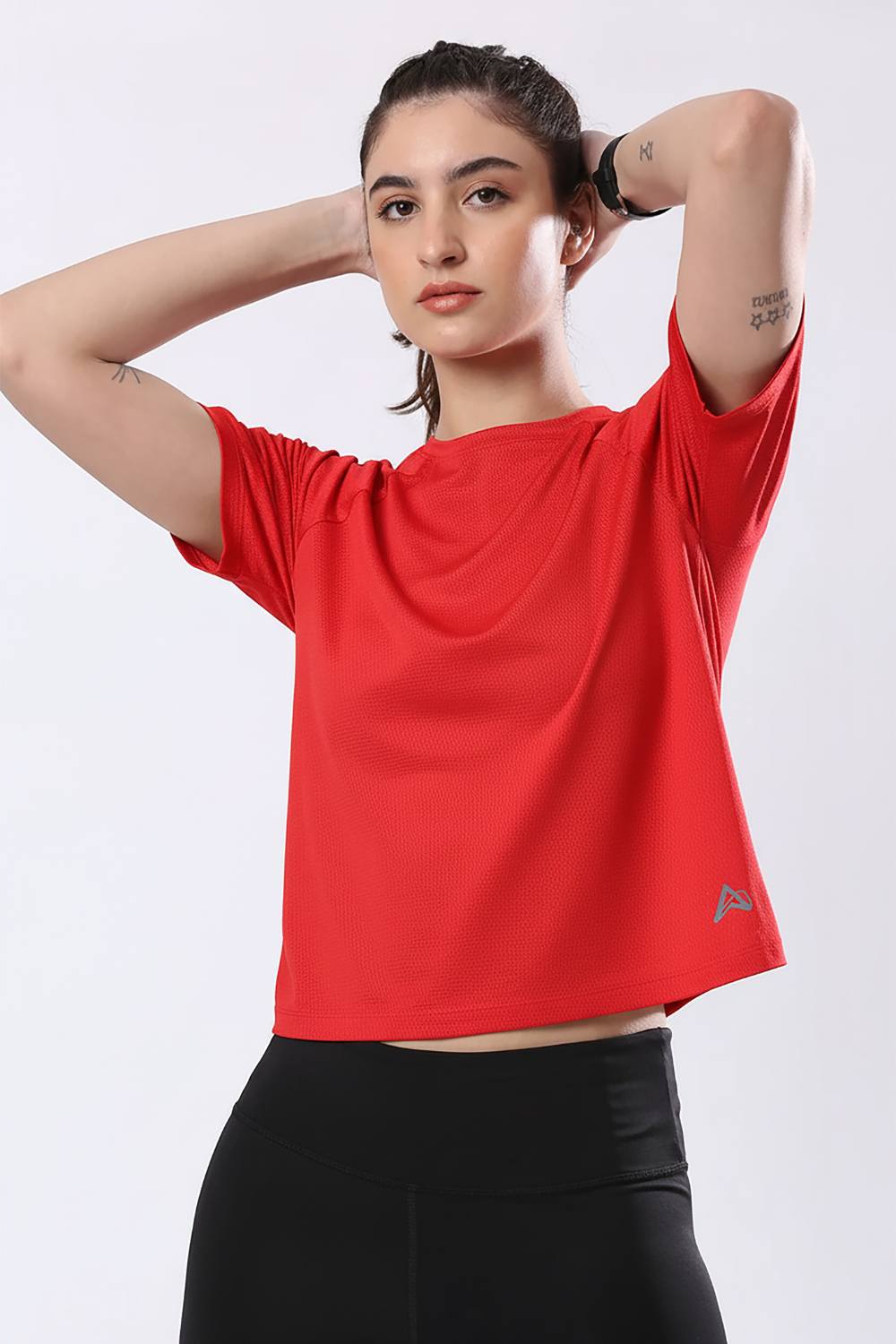
Running shirts should prioritize ventilation and a loose, non-restrictive fit. Lightweight short-sleeve or sleeveless options in breathable materials reduce body heat buildup while allowing full arm movement for natural stride. Avoid heavy or tightly woven fabrics that trap sweat and create a sticky sensation.
Colors matter for practicality. Darker shades like navy or deep green hide sweat marks more effectively than light or heathered tones, which show stains clearly once wet. Patterns can also conceal imperfections better than solid colors in some cases.
Technical fabrics now go beyond basic breathability. Some incorporate advanced temperature-regulating properties that actively manage heat, making them particularly useful for extended sessions in challenging weather.
Selecting Running Shorts and Bottoms
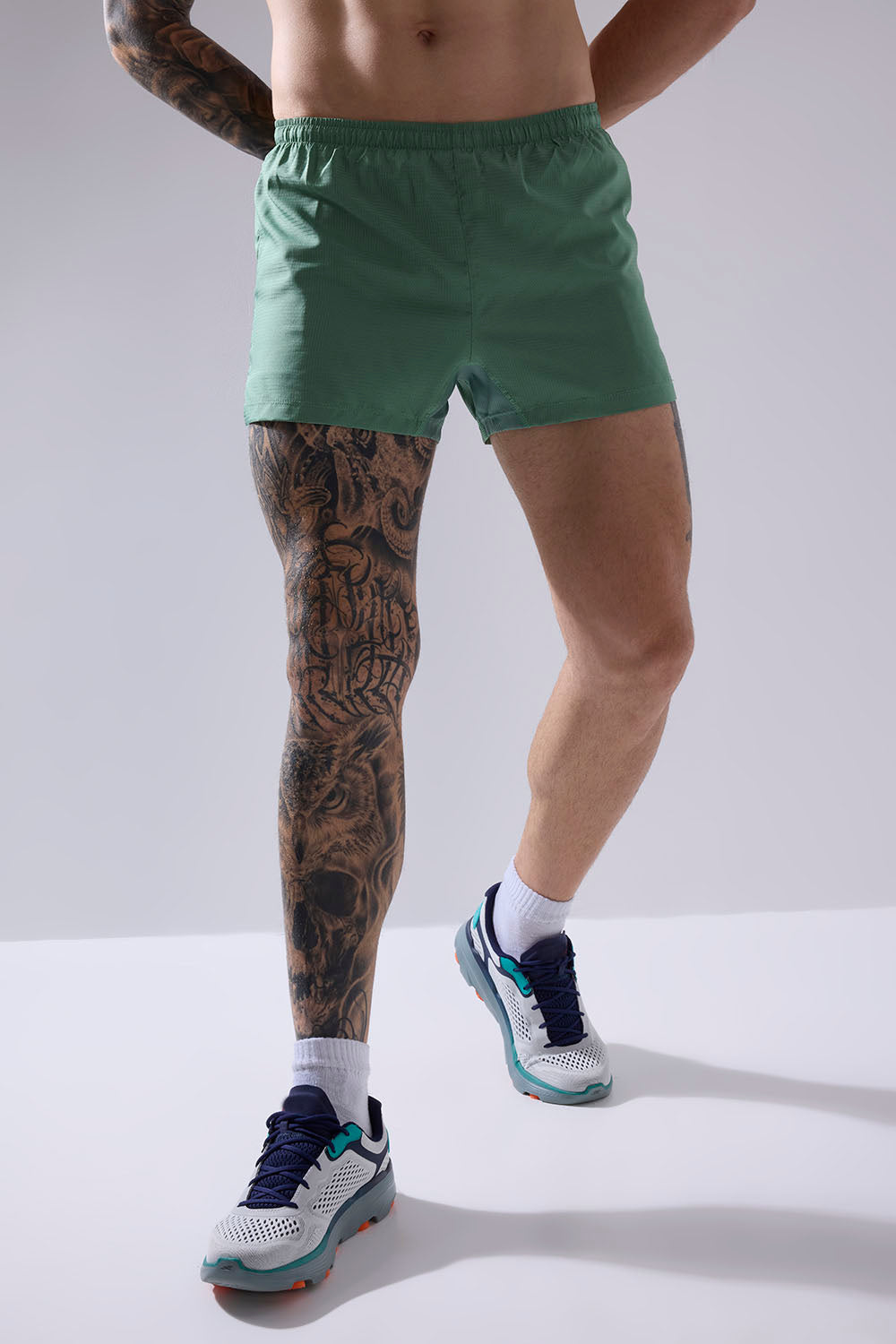
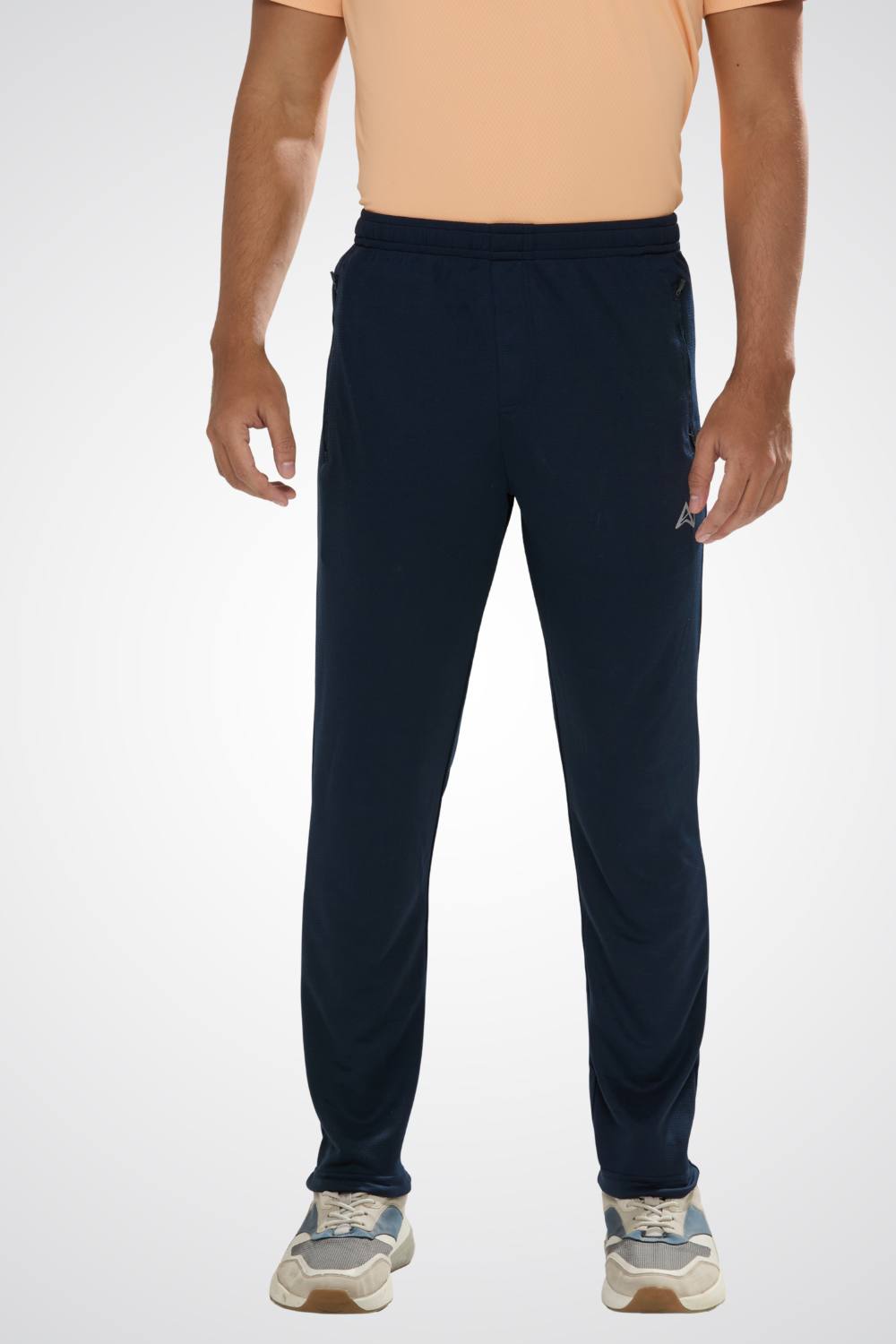
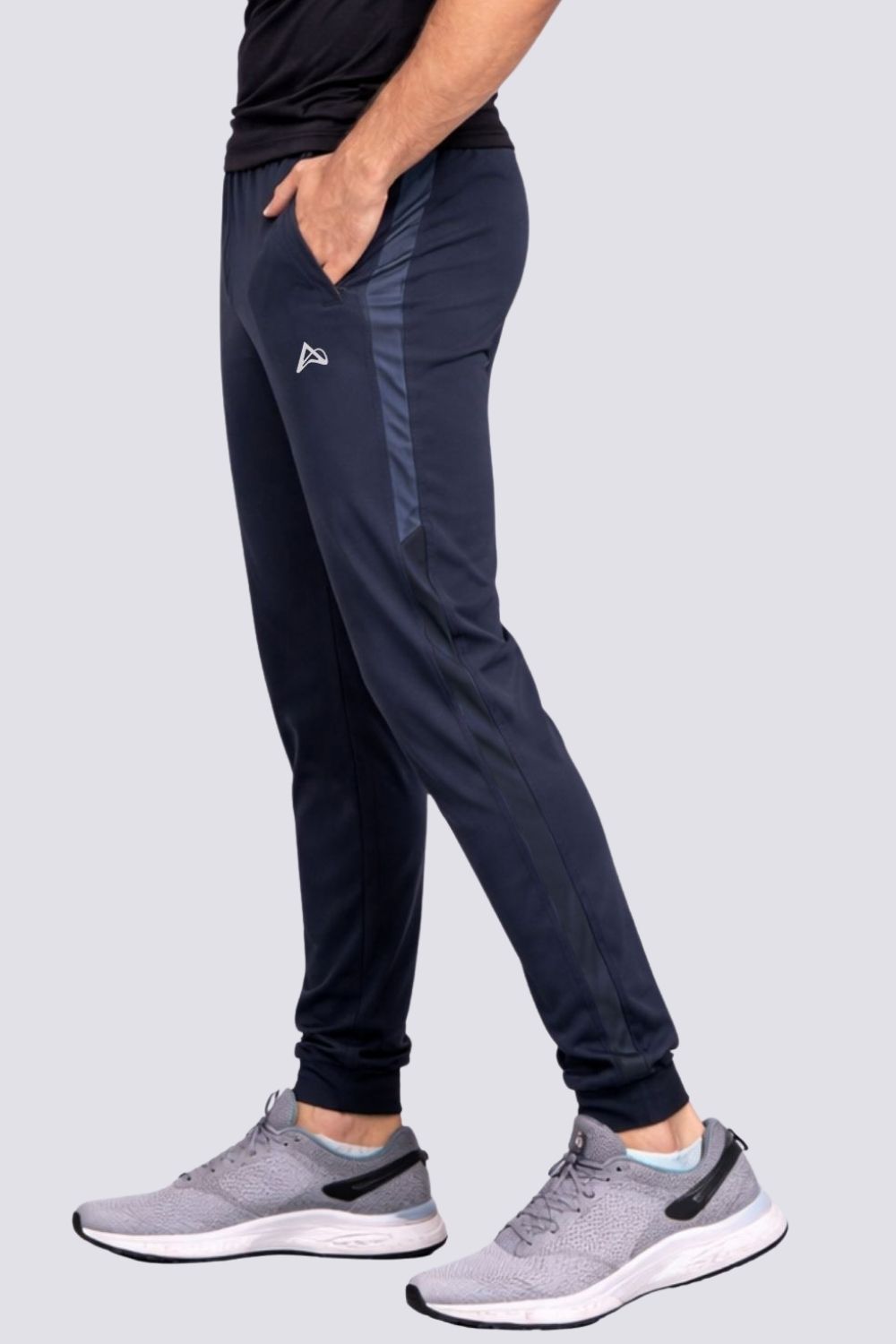
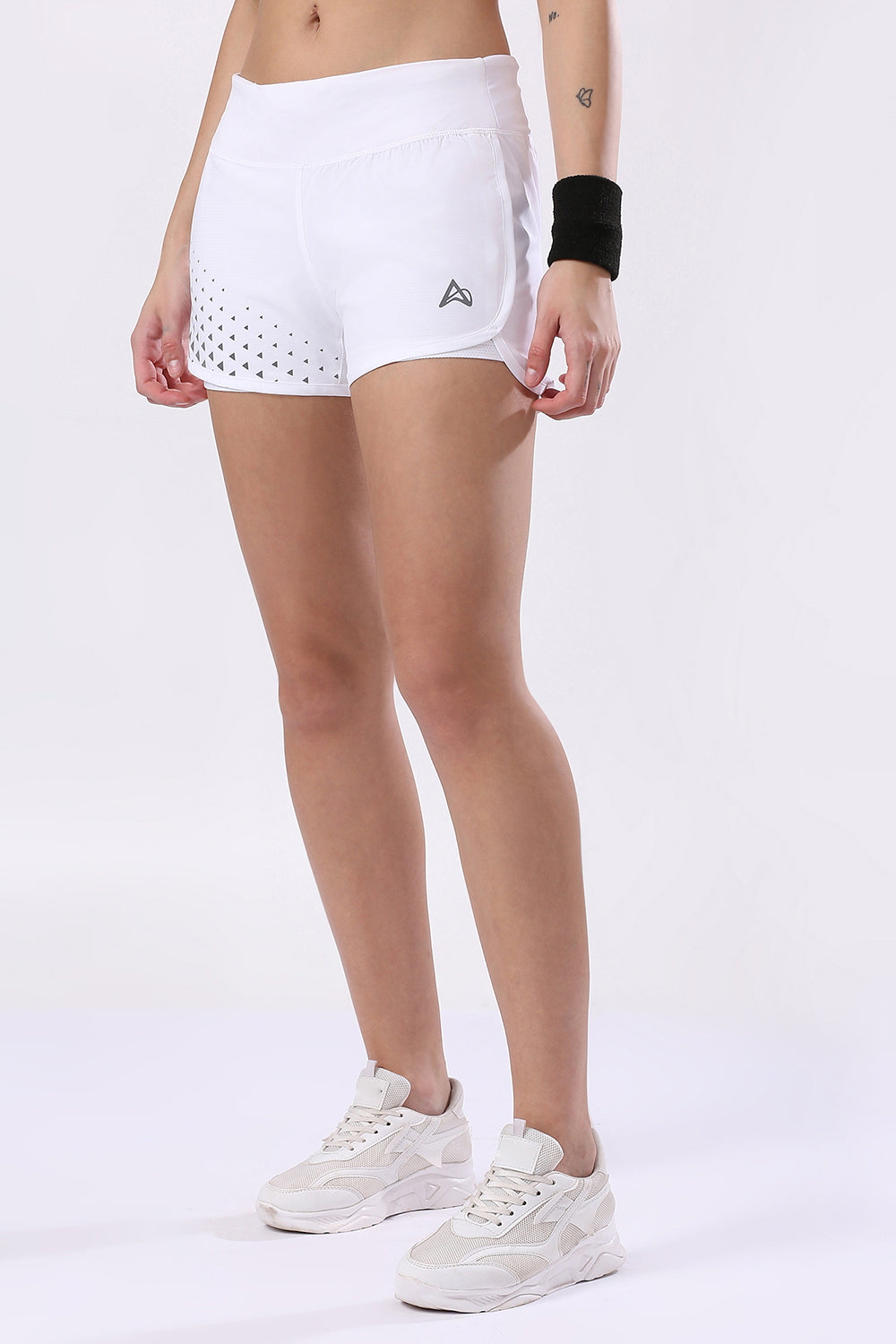
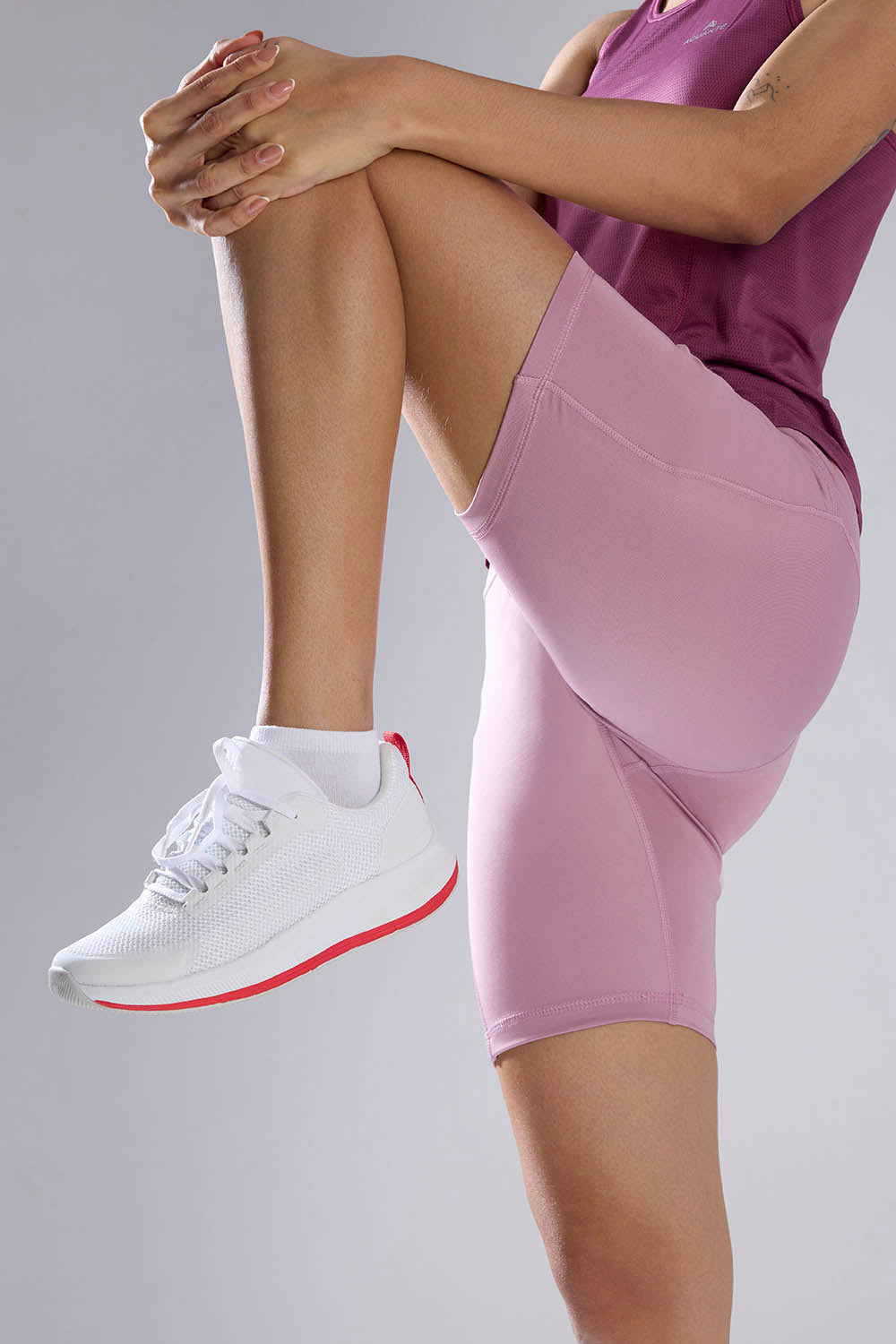
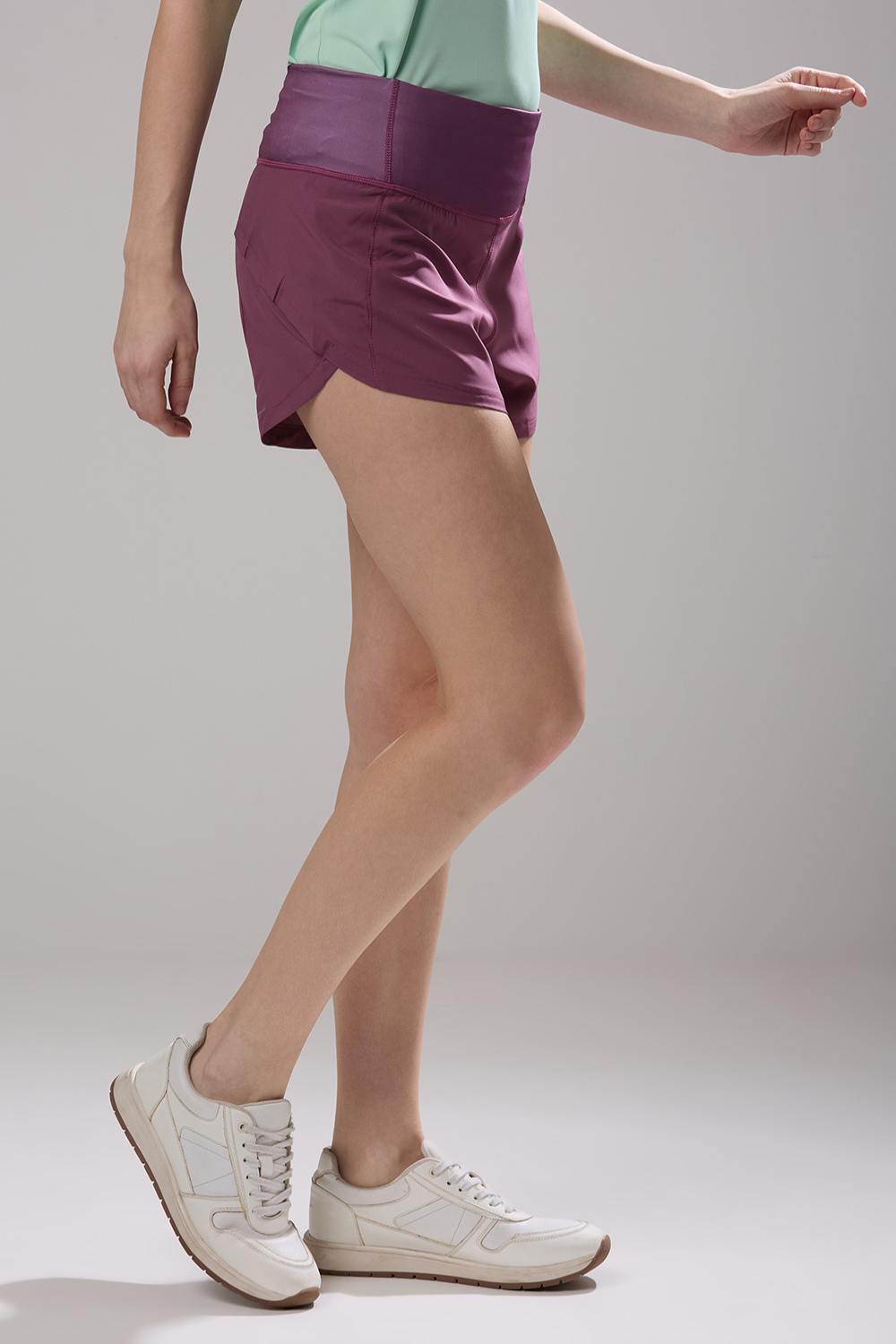
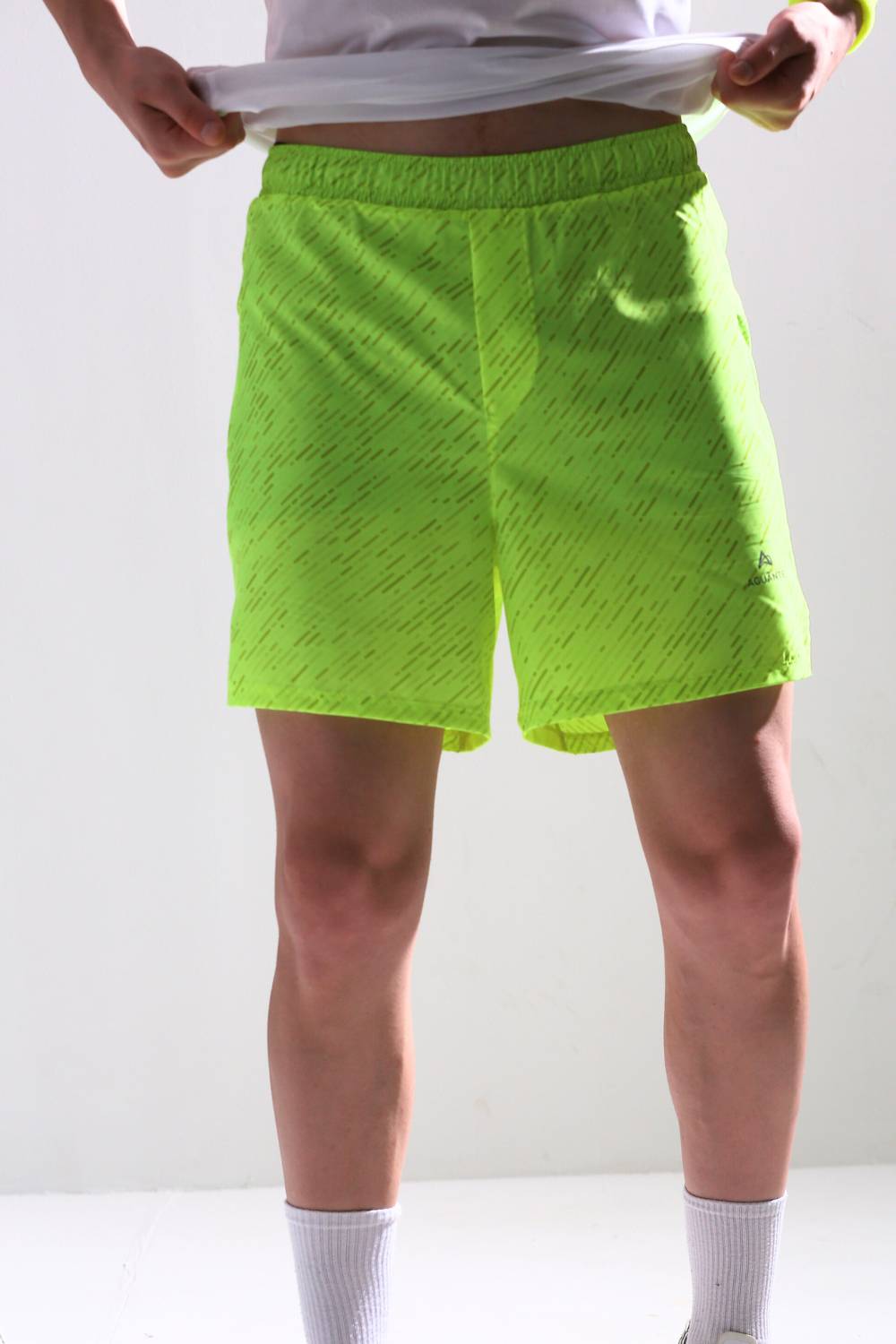
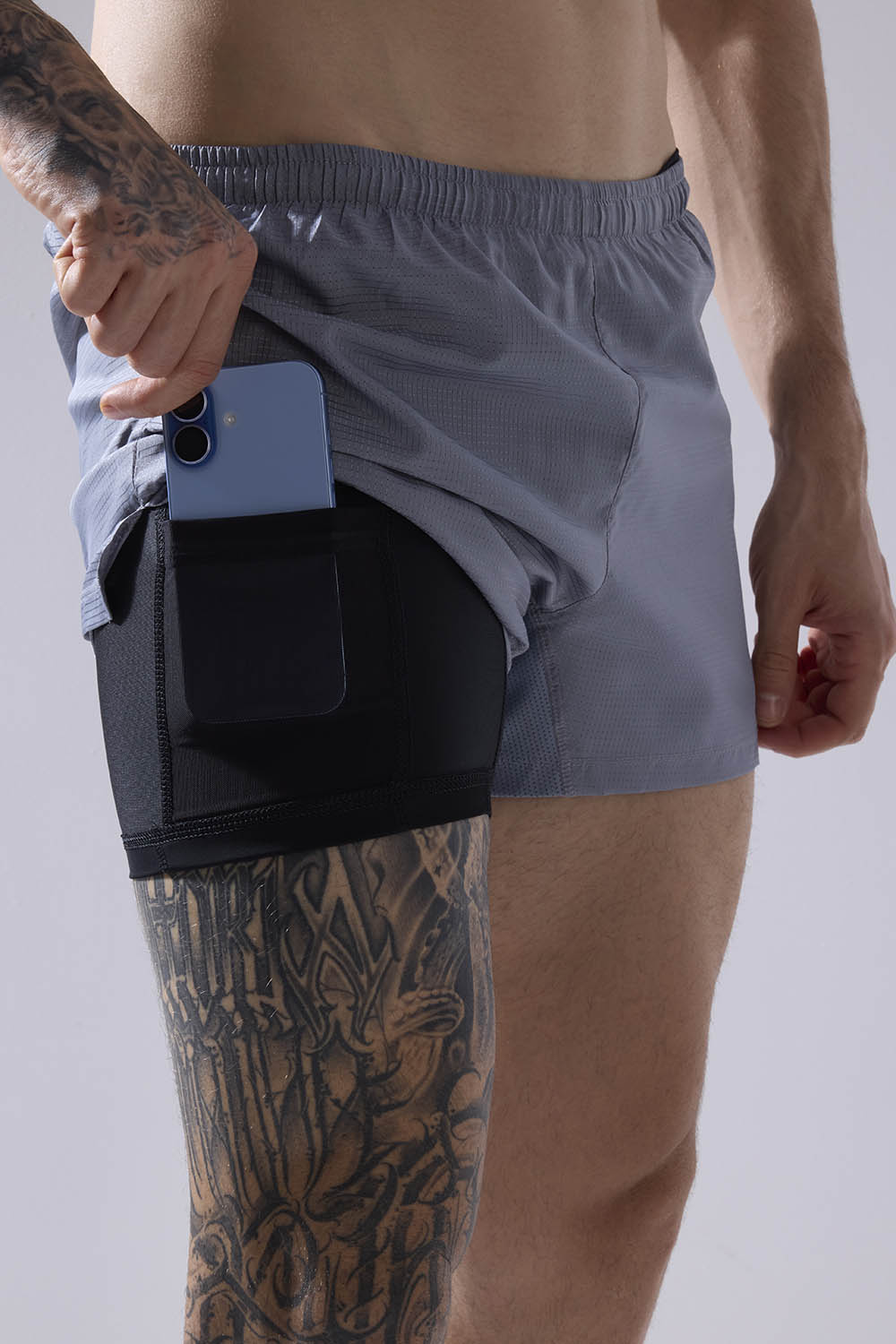
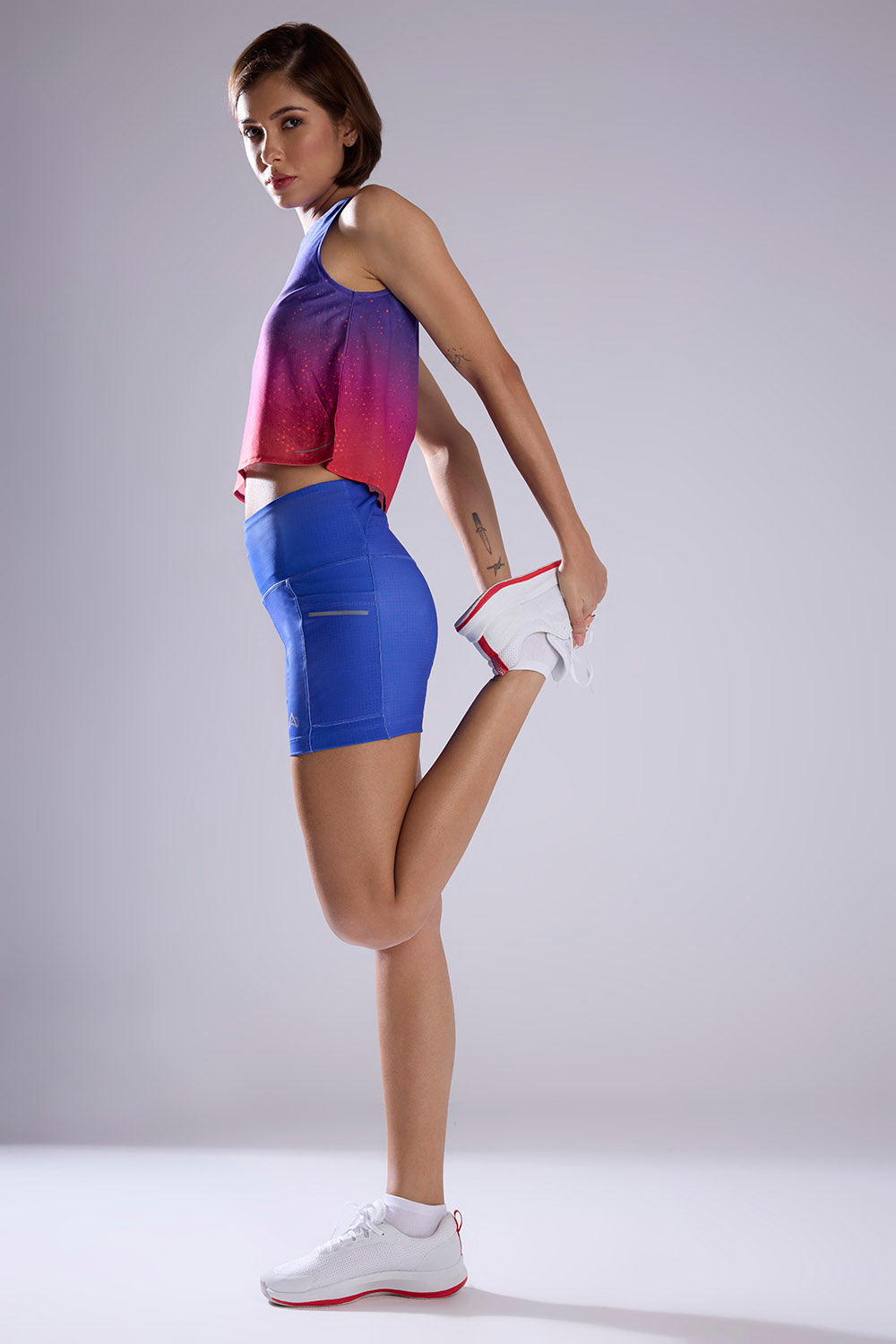
Running shorts need to balance freedom of movement with targeted cooling. Lightweight, quick-drying options in breathable fabrics prevent chafing while keeping thighs cool and dry. Loose, flowy cuts provide comfort without restricting leg motion, especially useful during uphill or longer routes.
Many runners benefit from moisture-wicking linings that pull sweat away from the skin. This inner layer construction keeps the outer garment cleaner and cooler, reducing the chance of irritation during high-intensity efforts.
Shorter inseams or shorter lengths often prove more comfortable in humid conditions because they allow better airflow and reduce fabric weight against the body.
Addressing Chafing and Skin Comfort
Chafing becomes a real issue when sweat accumulates in folds and creases during runs. Anti-chafing features in modern running apparel include seamless construction, soft inner linings, and strategic fabric placement that minimizes friction.
Choosing shorts with wider leg openings or adjustable waistbands reduce pressure points. For shirts, avoid seams or tags that rub against sensitive areas. These details ensure the garment supports performance rather than creating new discomfort.
Lightweight materials also help by reducing overall fabric bulk against the skin, making everyday contact less noticeable.
Advanced Technologies for Better Heat Management
Recent textile innovations focus on active temperature regulation. Some fabrics use engineered weaves or phase-change materials that absorb excess heat and release it gradually. Others apply surface treatments that enhance evaporative cooling, keeping the wearer drier longer.
The latest experiential marketing trends emphasize interactive and immersive experiences. Brands are now focusing on emerging cooling textiles and heat-adaptive apparel trends to engage audiences, providing detailed strategies for creating memorable activations and boosting brand loyalty. The approach includes leveraging technology, interactivity, and multi-sensory engagement to elevate attendee experiences beyond traditional events. In humid and high-heat environments, the challenge is not only reducing heat absorption but also maintaining evaporative efficiency when sweat levels are high and air moisture slows drying.
This trend is directly relevant to running apparel design, where brands are moving toward ultra-lightweight, performance-engineered garments that prioritize breathability, fast drying, and reduced skin contact friction. For Aguante's audience, this reinforces the value of technical fabrics that balance comfort with measurable cooling performance under sustained exertion.
Extreme heat conditions have intensified focus on how clothing materials influence body temperature regulation and moisture control during physical activity. Lightweight natural fibers such as cotton, linen, and newer plant-based textiles are often highlighted for their breathability and comfort, while synthetic fabrics are evaluated more critically based on their ability to manage sweat without trapping heat. Moisture management is central: fabrics that allow air circulation and rapid evaporation help the body cool more efficiently through its natural sweating mechanism. At the same time, improper fabric selection can lead to sweat saturation, causing garments to cling to the skin and reducing cooling efficiency.
This becomes particularly relevant in humid climates where evaporation is already compromised by moisture in the air. The key insight for performance apparel is that cooling effectiveness depends not just on sweat production but on how efficiently clothing enables evaporation and airflow. For running apparel strategy, this supports prioritizing ultra-light, breathable construction with minimal moisture retention, ensuring garments do not become saturated “heat traps” during prolonged exertion in humid conditions.
Putting It All Together: Practical Running Gear Recommendations
Start with a base layer of moisture-wicking performance fabric, followed by a lightweight outer shirt or tank in breathable material. Pair it with shorts that feature quick-dry construction and minimal seams. Add lightweight socks and a cap with ventilation for head cooling.
Layering strategy matters less than in cooler weather opt for single pieces that dry quickly rather than bulky combinations. Test new pieces on shorter runs before committing to longer sessions to confirm fit and comfort.
Regular washing with gentle detergents preserves fabric performance, ensuring the apparel continues to manage heat and moisture effectively over time.
In hot and humid conditions, the right running apparel acts as more than clothing it becomes an active partner in maintaining comfort and performance. By focusing on breathability, moisture management, and thoughtful design, runners can enjoy their workouts without the distraction of discomfort. The investment in quality fabrics and features pays off in longer, more enjoyable runs across India's varied climates.
Frequently Asked Questions
What are the best fabrics for running apparel in hot and humid conditions?
For hot and humid weather, breathable and moisture-wicking fabrics are essential to keep the body cool and dry. Natural fibers like cotton and linen help absorb sweat while remaining lightweight, while technical fabrics are designed to pull moisture away from the skin. Quick-drying materials also prevent clothing from becoming heavy or uncomfortable during long runs.
How can I prevent chafing when running in hot and humid weather?
Chafing can be reduced by choosing running apparel with seamless construction, soft inner linings, and minimal friction points. Lightweight shorts with wider leg openings and adjustable waistbands help reduce pressure on the skin. Avoiding rough seams, tags, and overly tight clothing also improves overall comfort during sweaty runs.
What should I look for when choosing running shirts and shorts for humid conditions?
Choose running shirts that are lightweight, breathable, and slightly loose to allow better airflow and heat release. Sleeveless or short-sleeve designs made from moisture-wicking materials help reduce sweat buildup. For shorts, opt for quick-dry fabrics, shorter inseams, and inner linings that manage moisture and improve comfort during intense runs.
Disclaimer: The above helpful resources content contains personal opinions and experiences. The information provided is for general knowledge and does not constitute professional advice.
You may also be interested in: How to Choose the Best Running Apparel for India's Hot and Humid
Tired of gear that slows you down? Chafing, soggy fabrics, and missing pockets kill your run's momentum. At Aguante, we're runners who get it. Our high-performance activewear features moisture-wicking fabrics, ergonomic designs, and smart storage to keep you focused. Shop Now!
Powered by flareAI.co