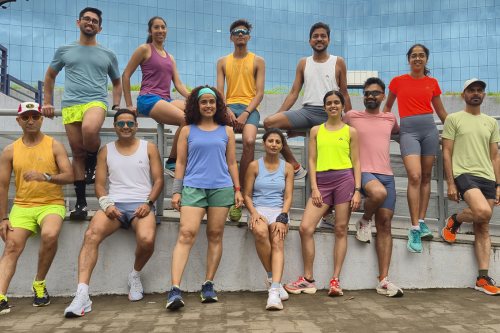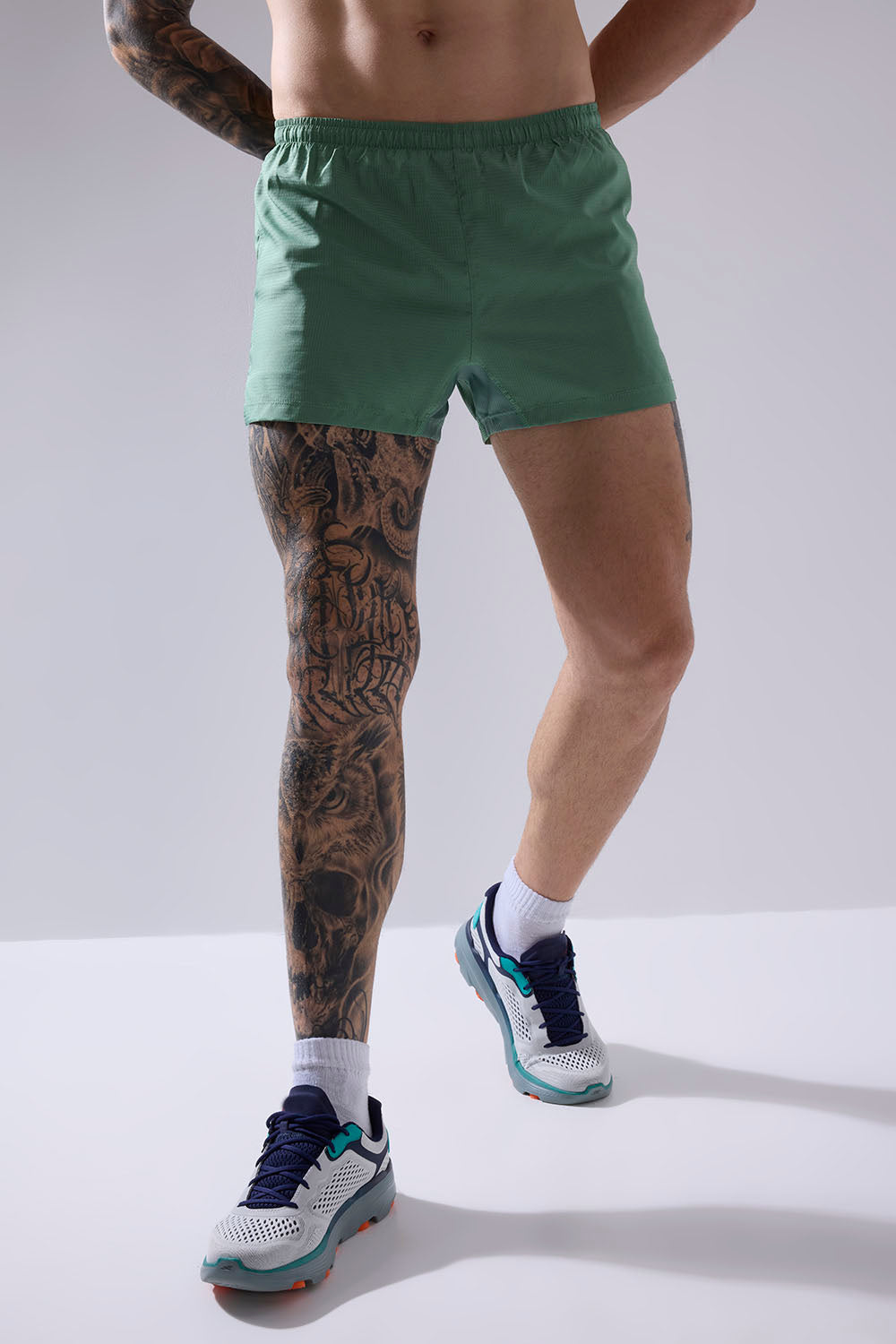
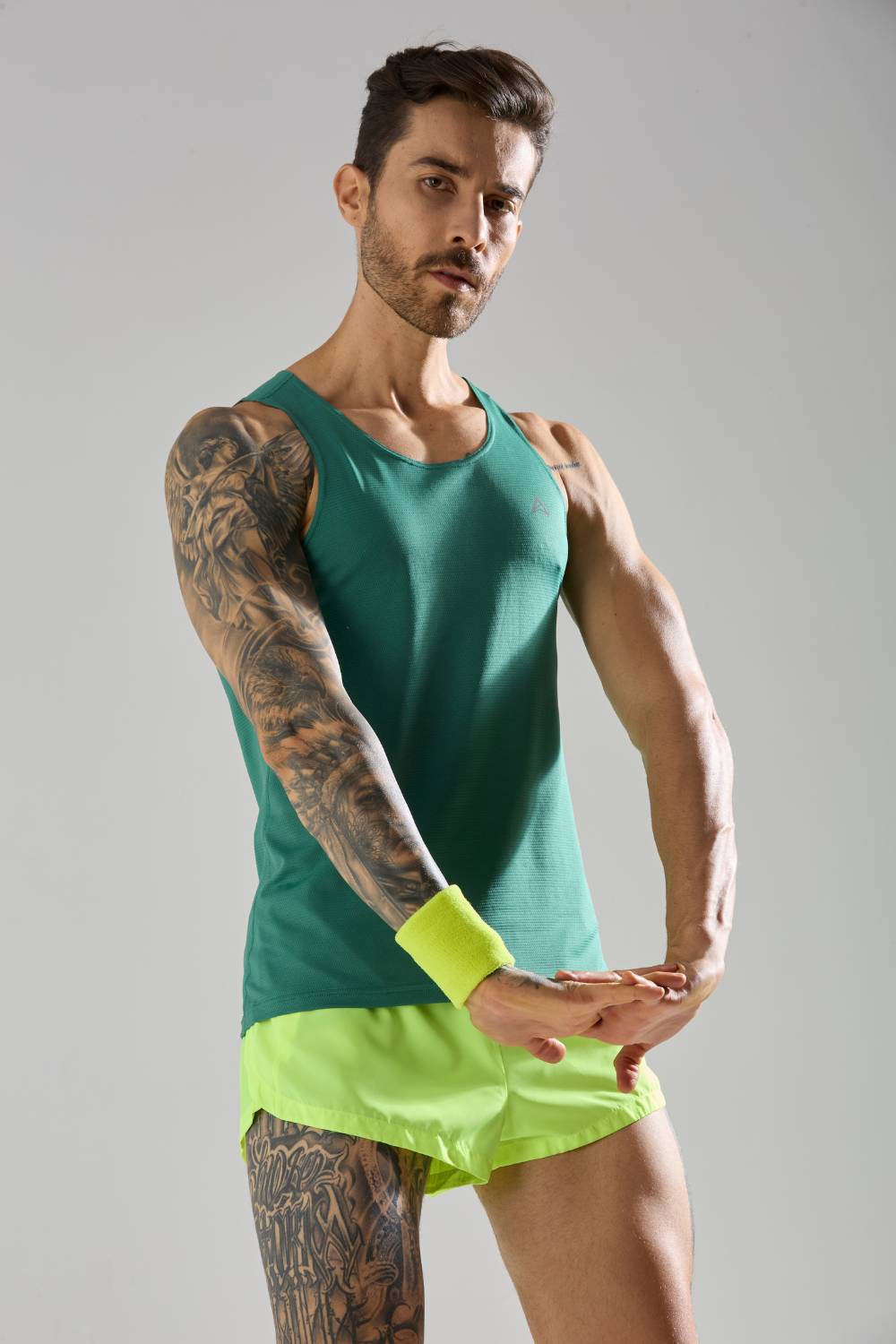
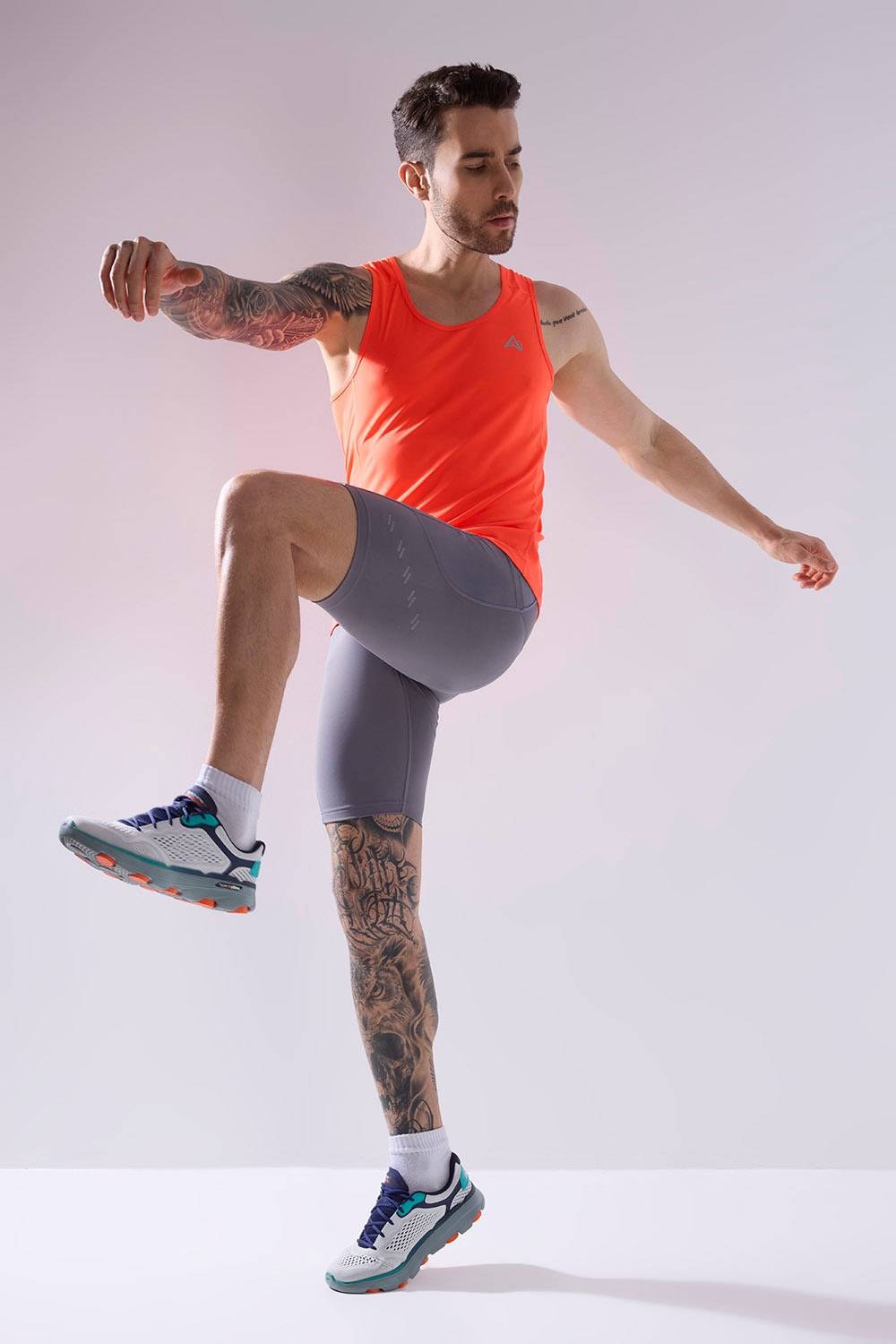
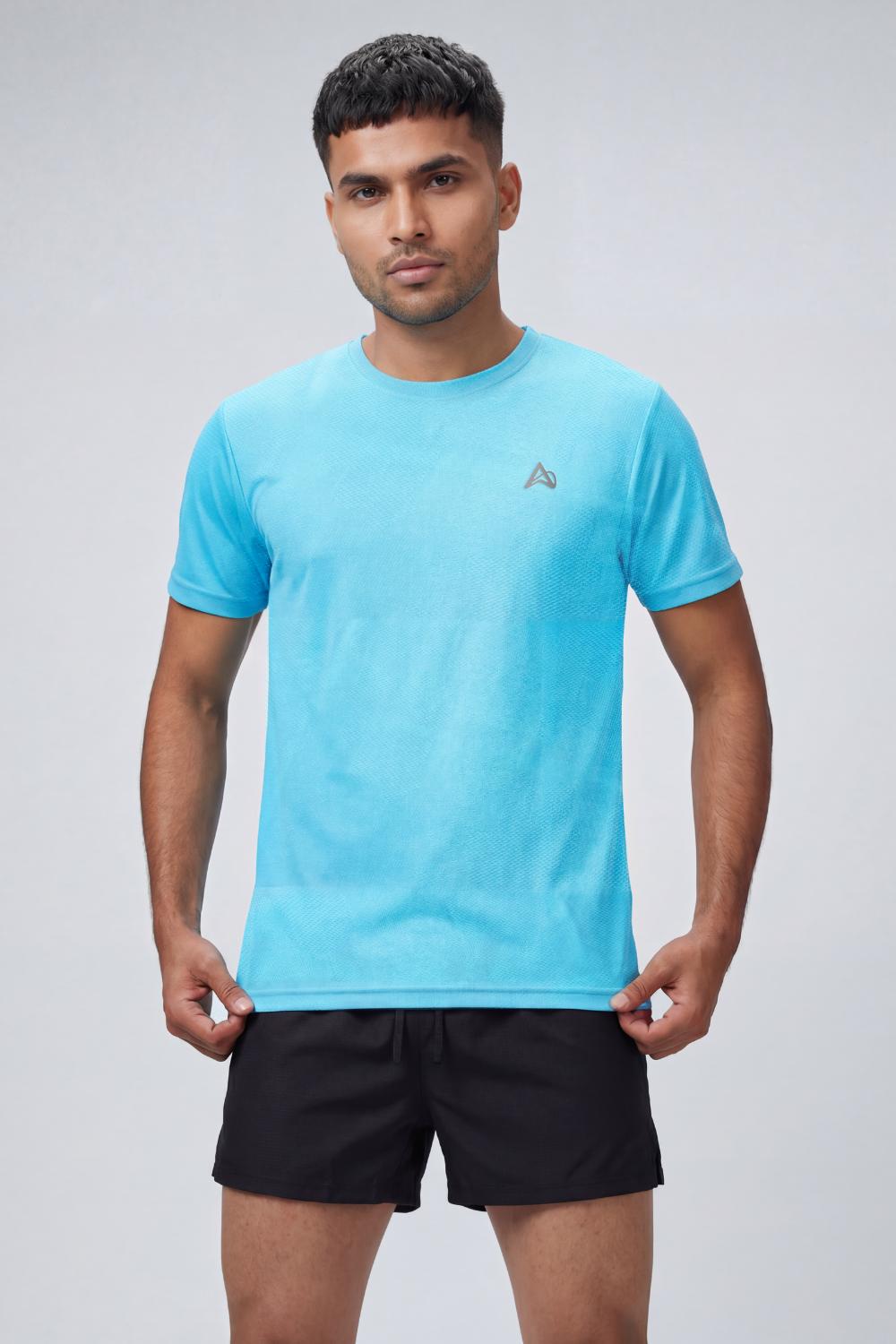
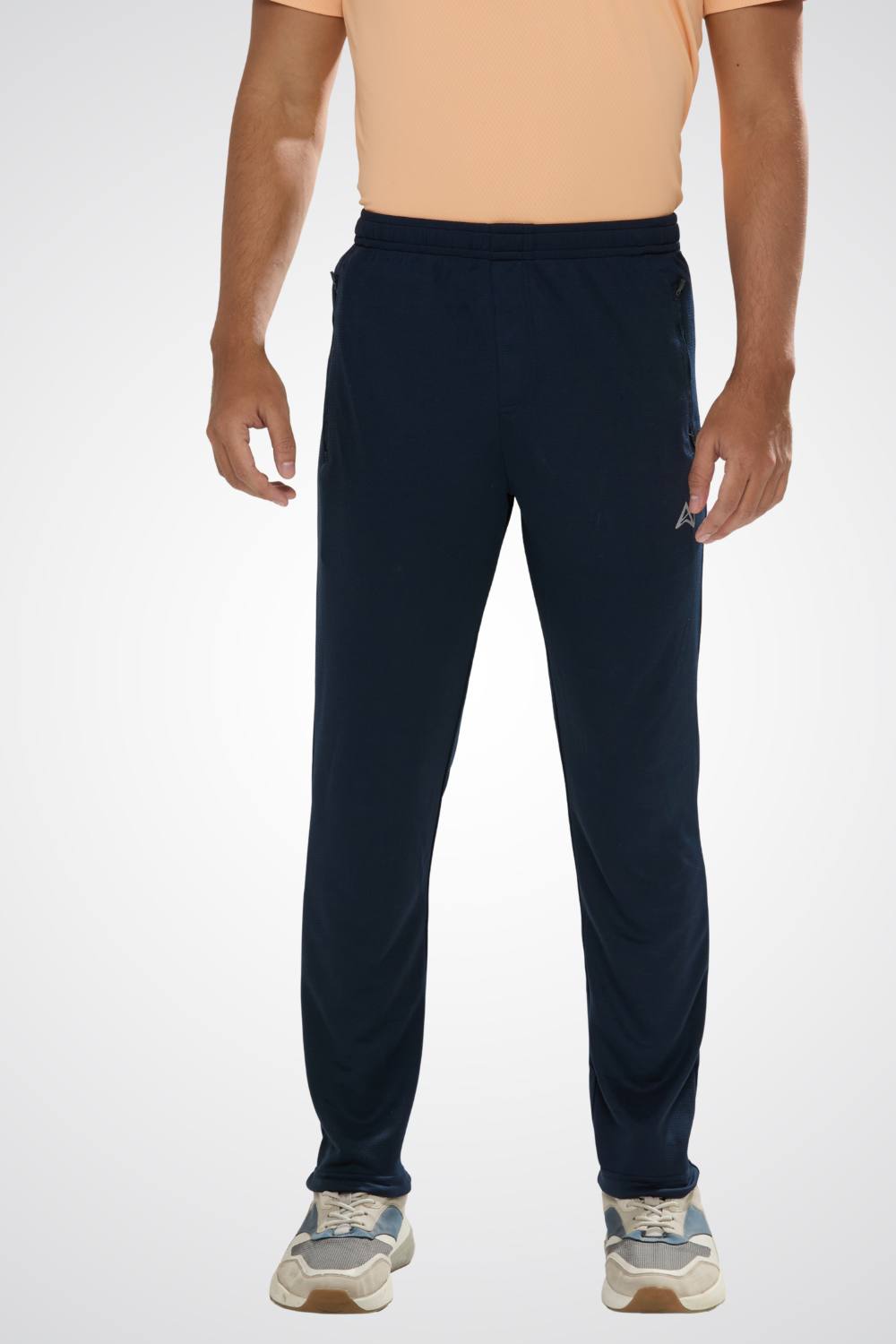
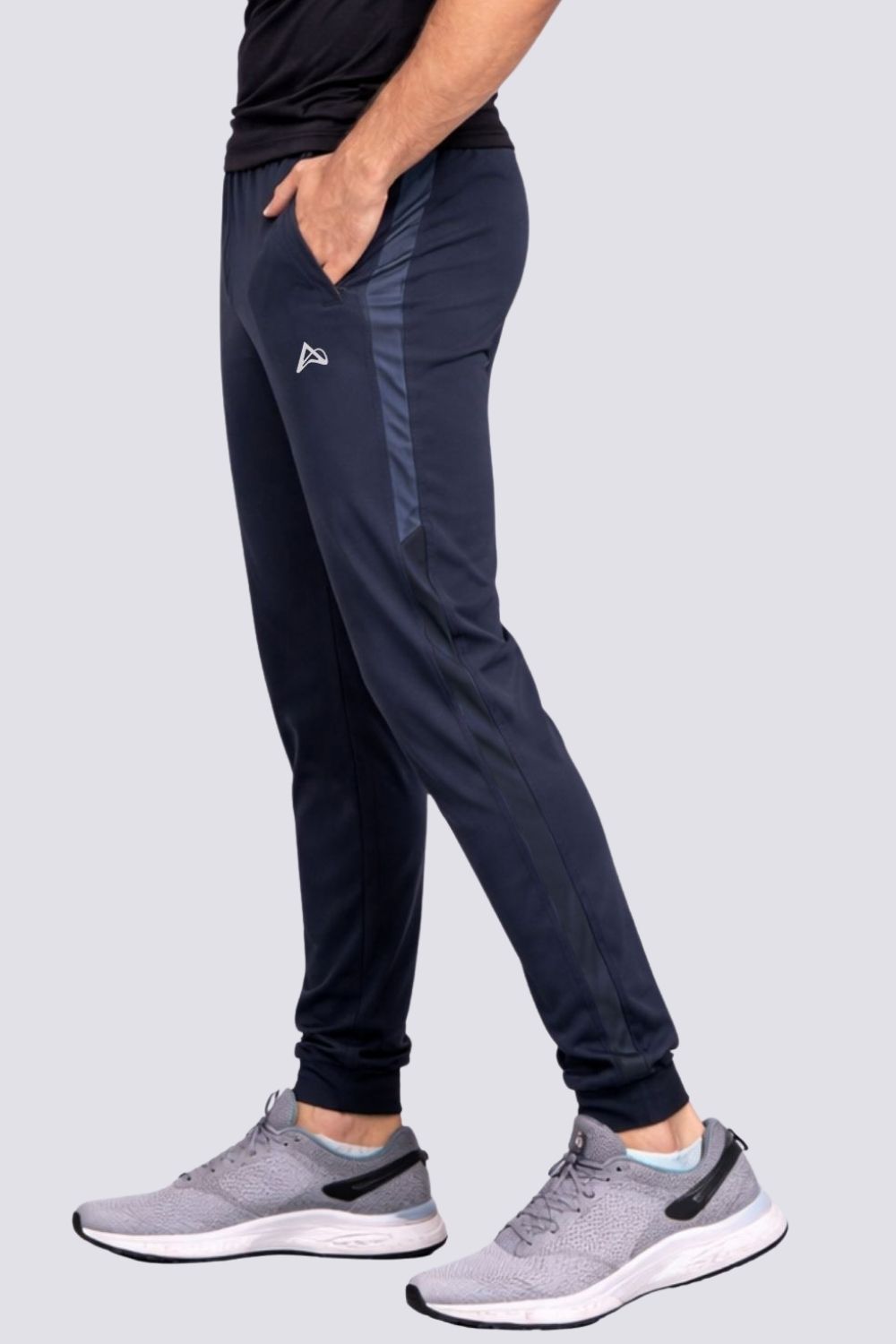
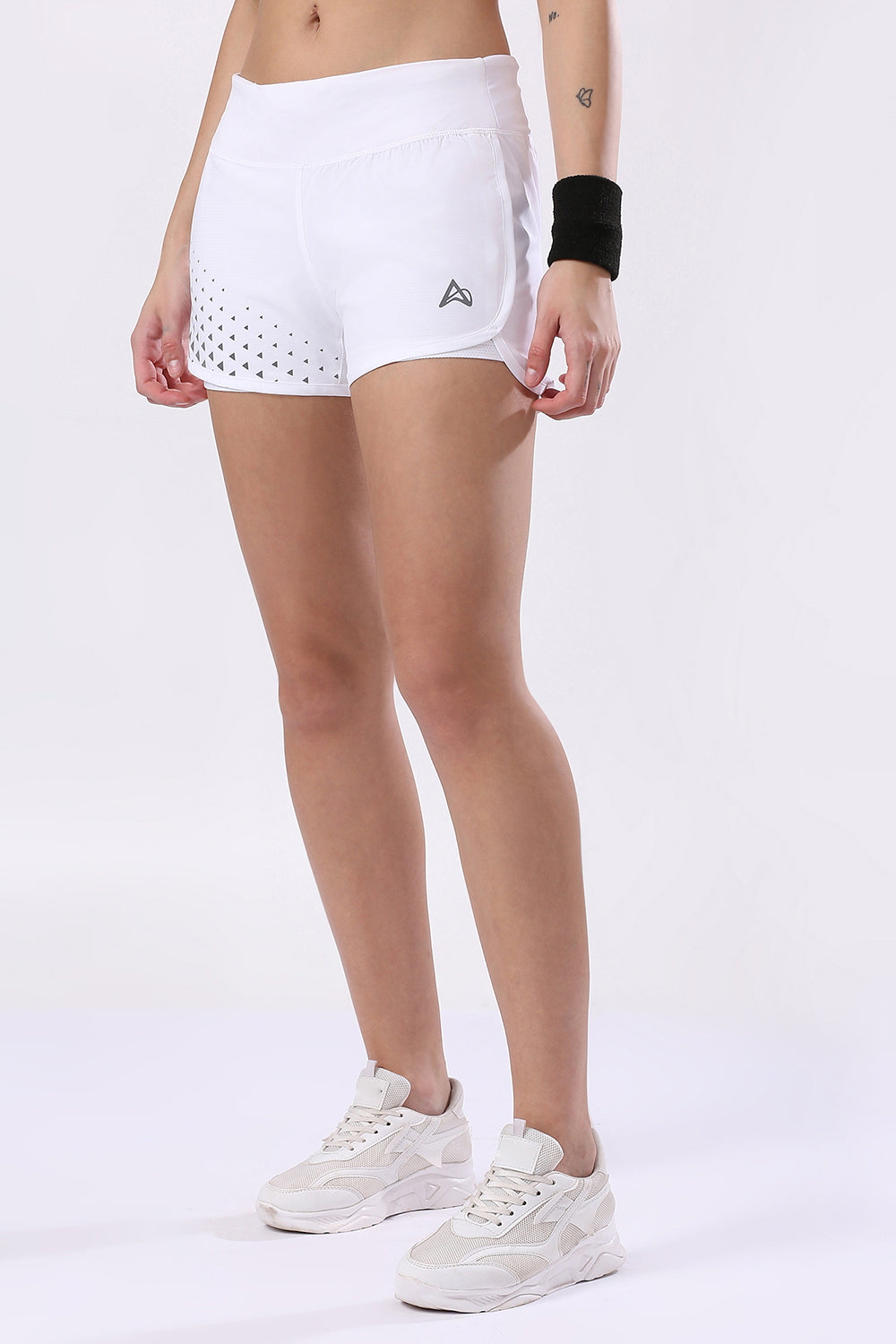
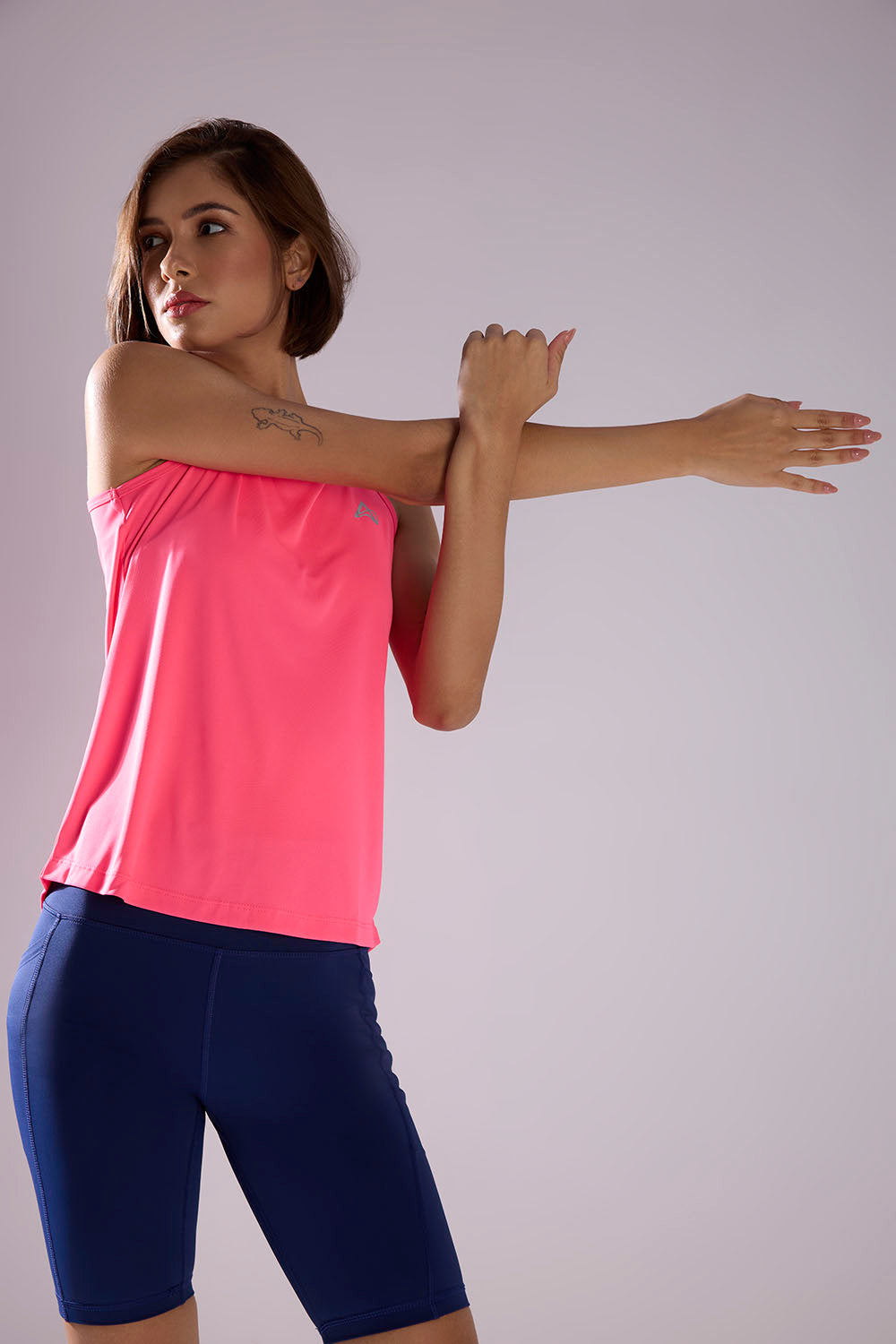
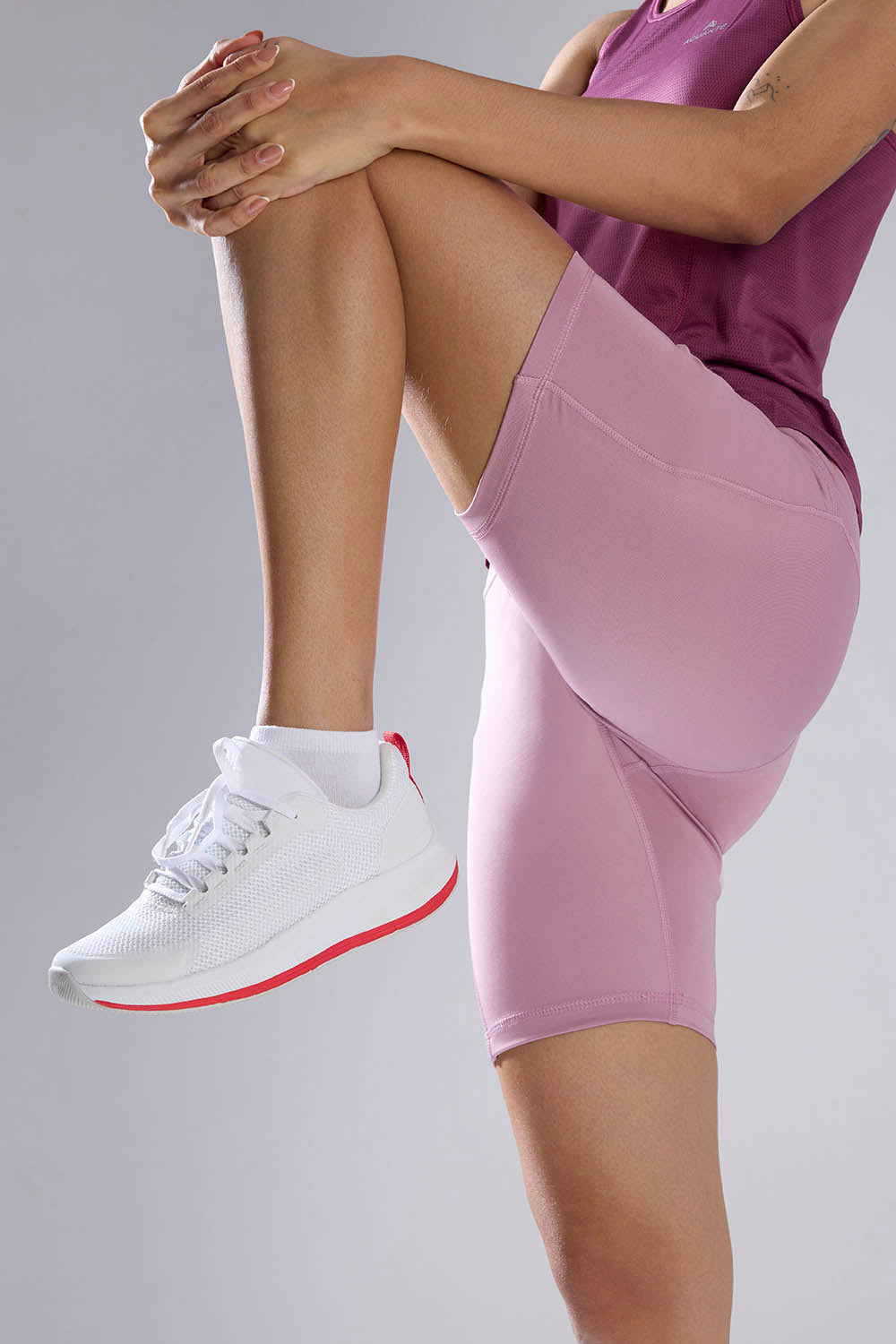
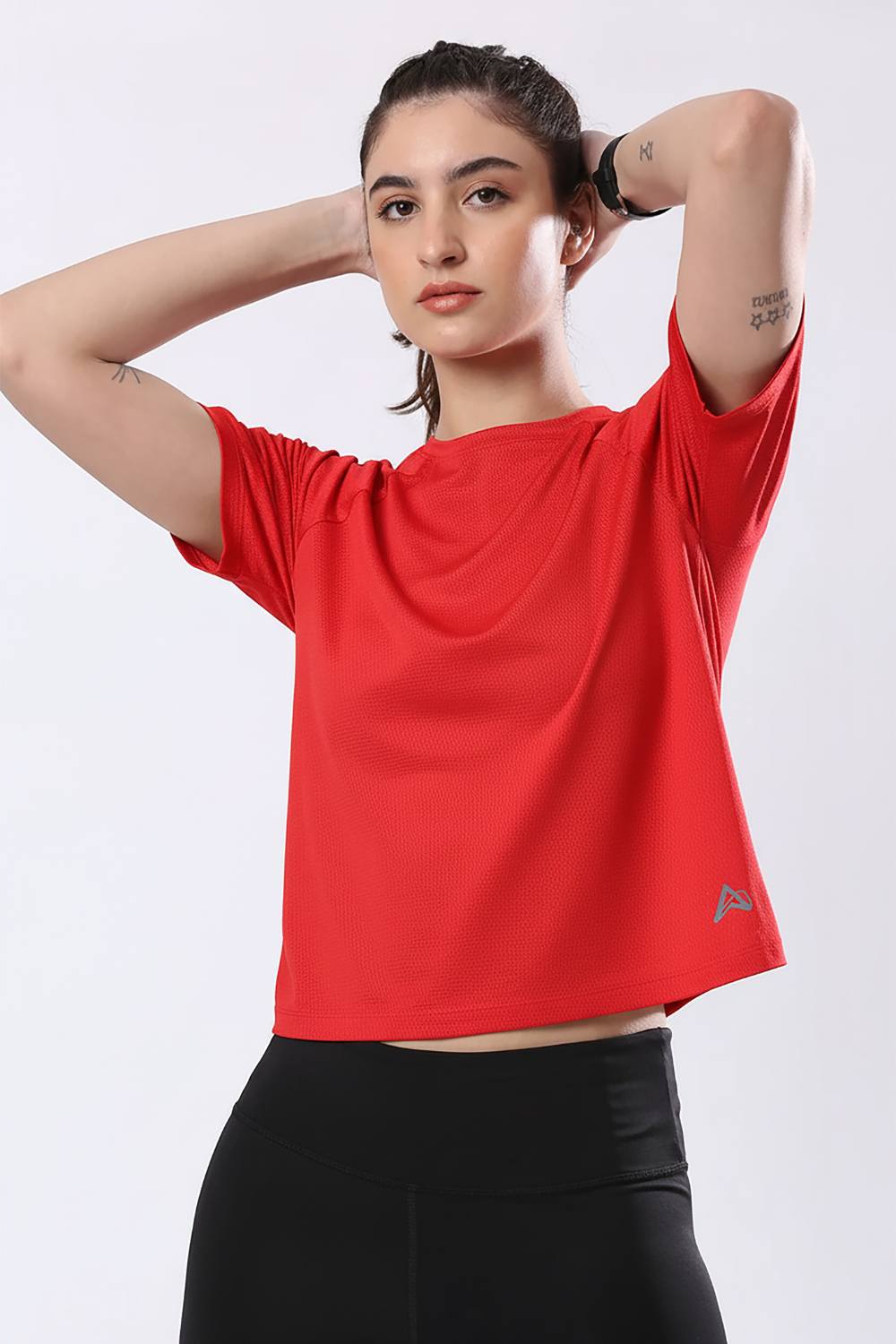
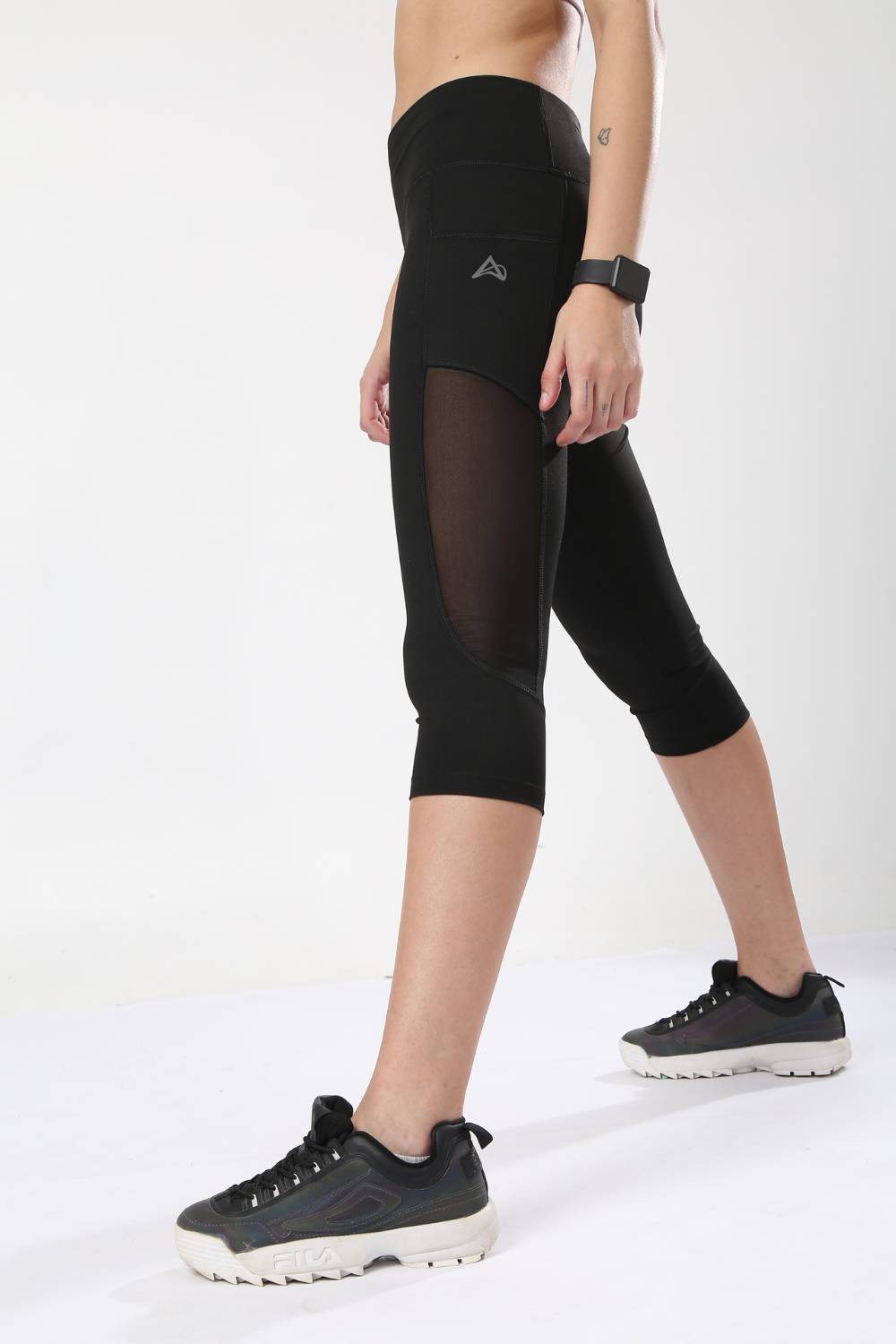
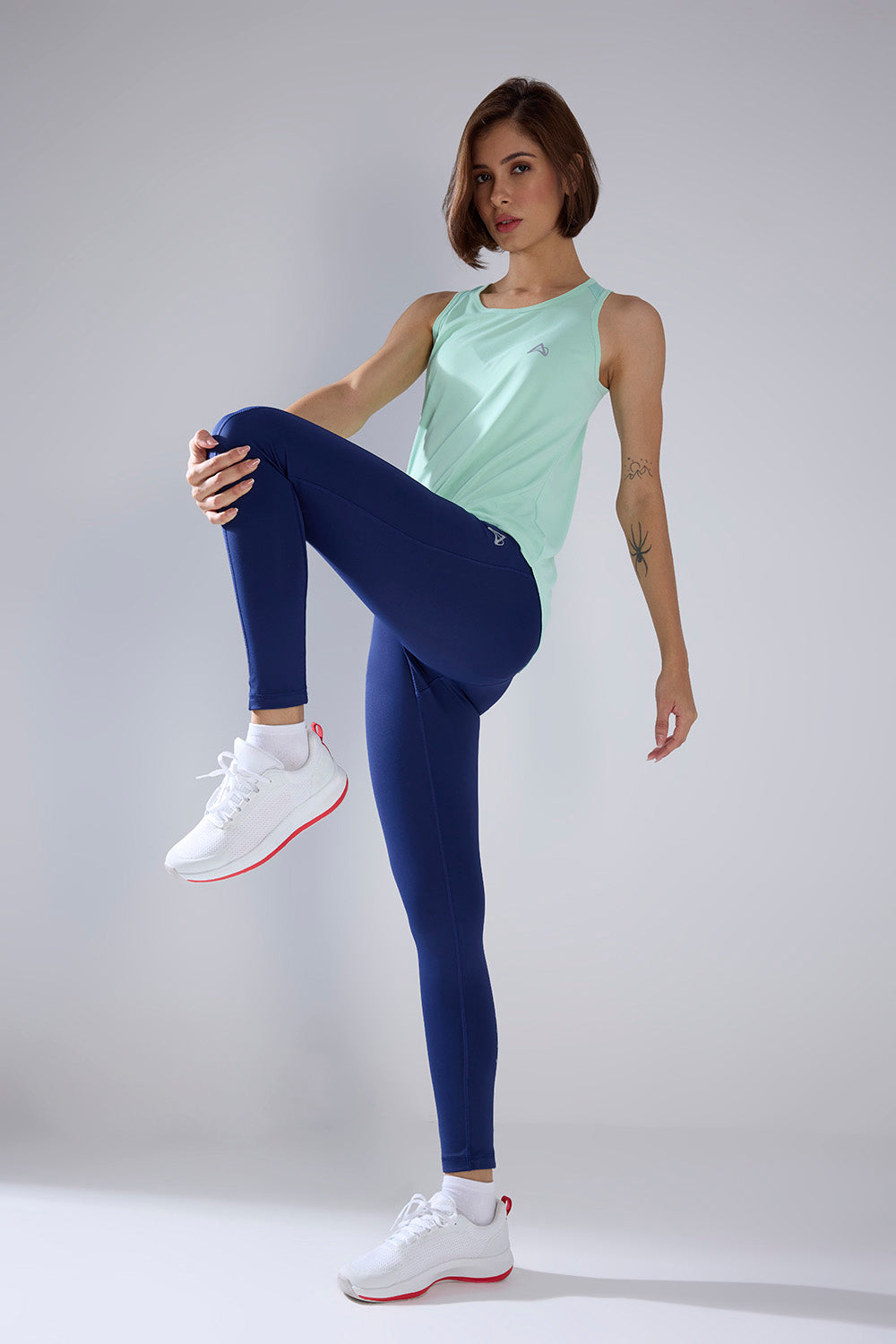

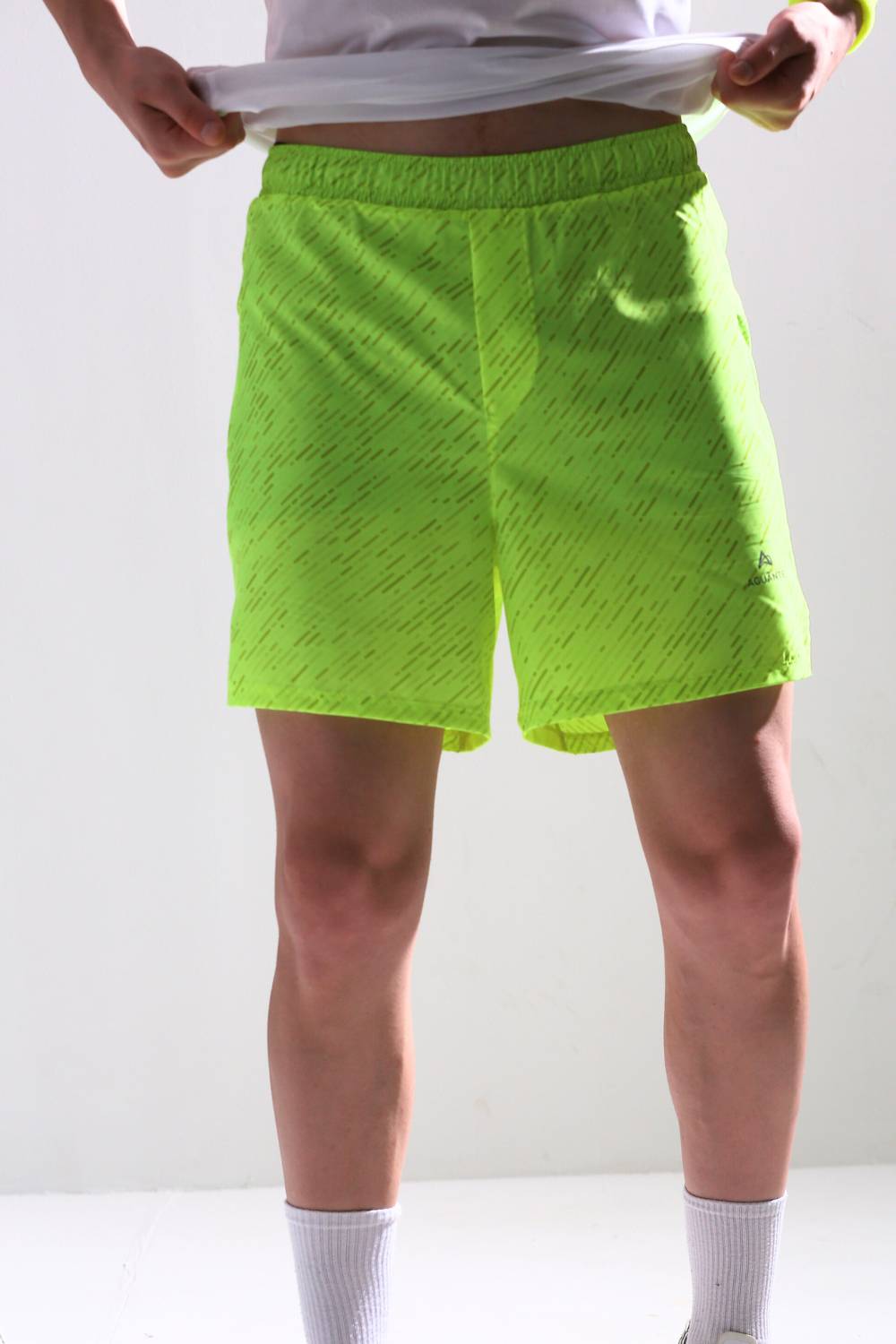
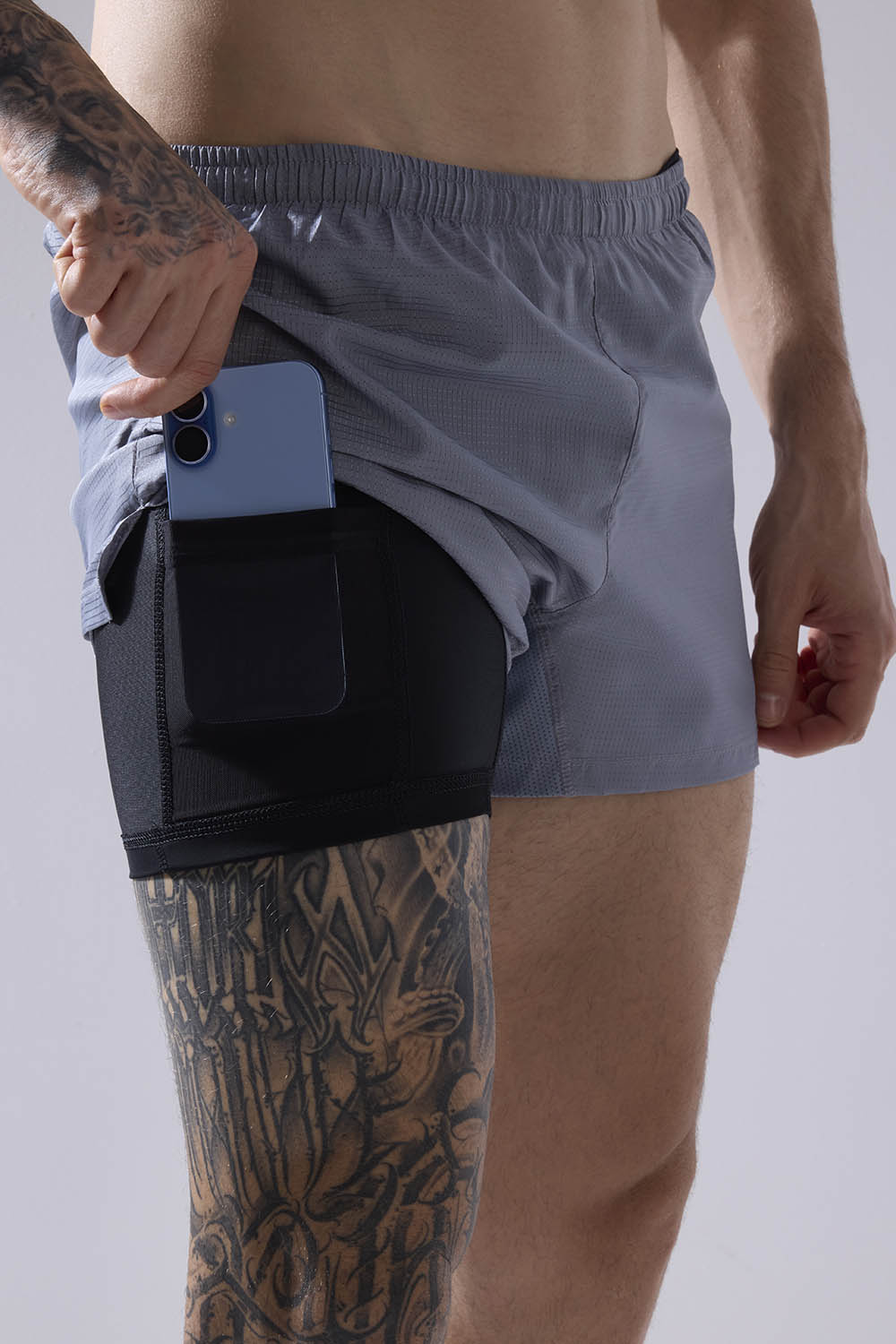

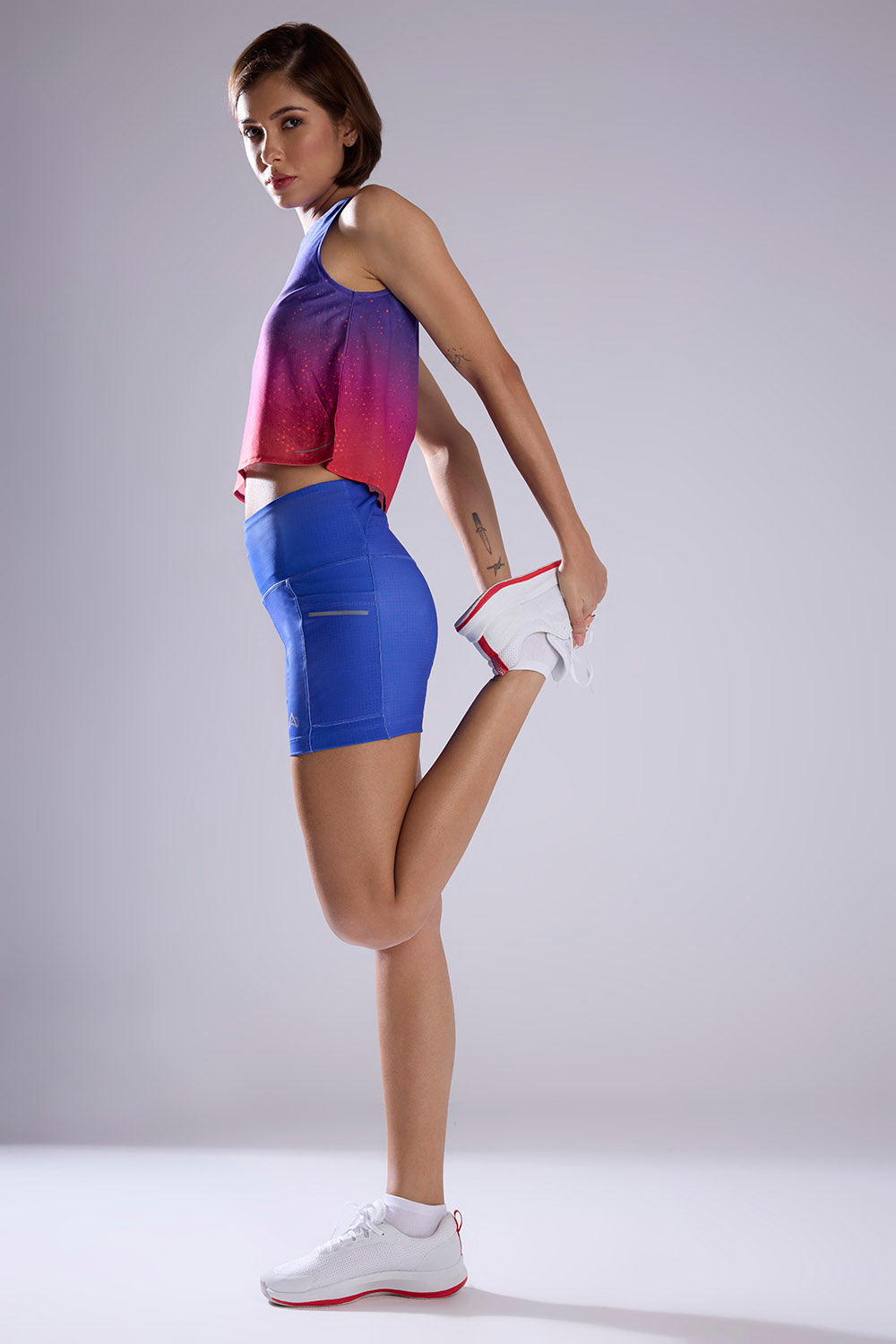
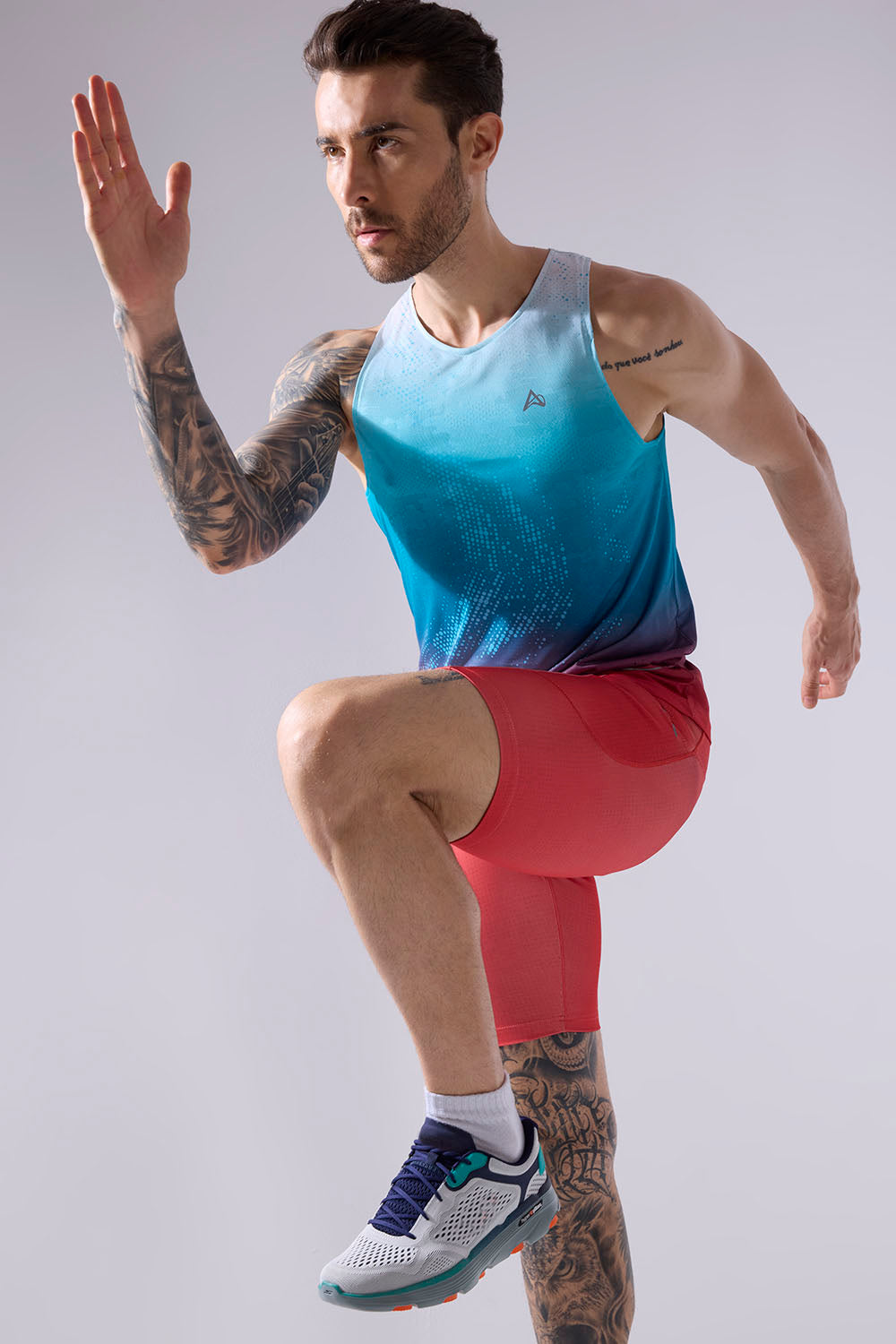

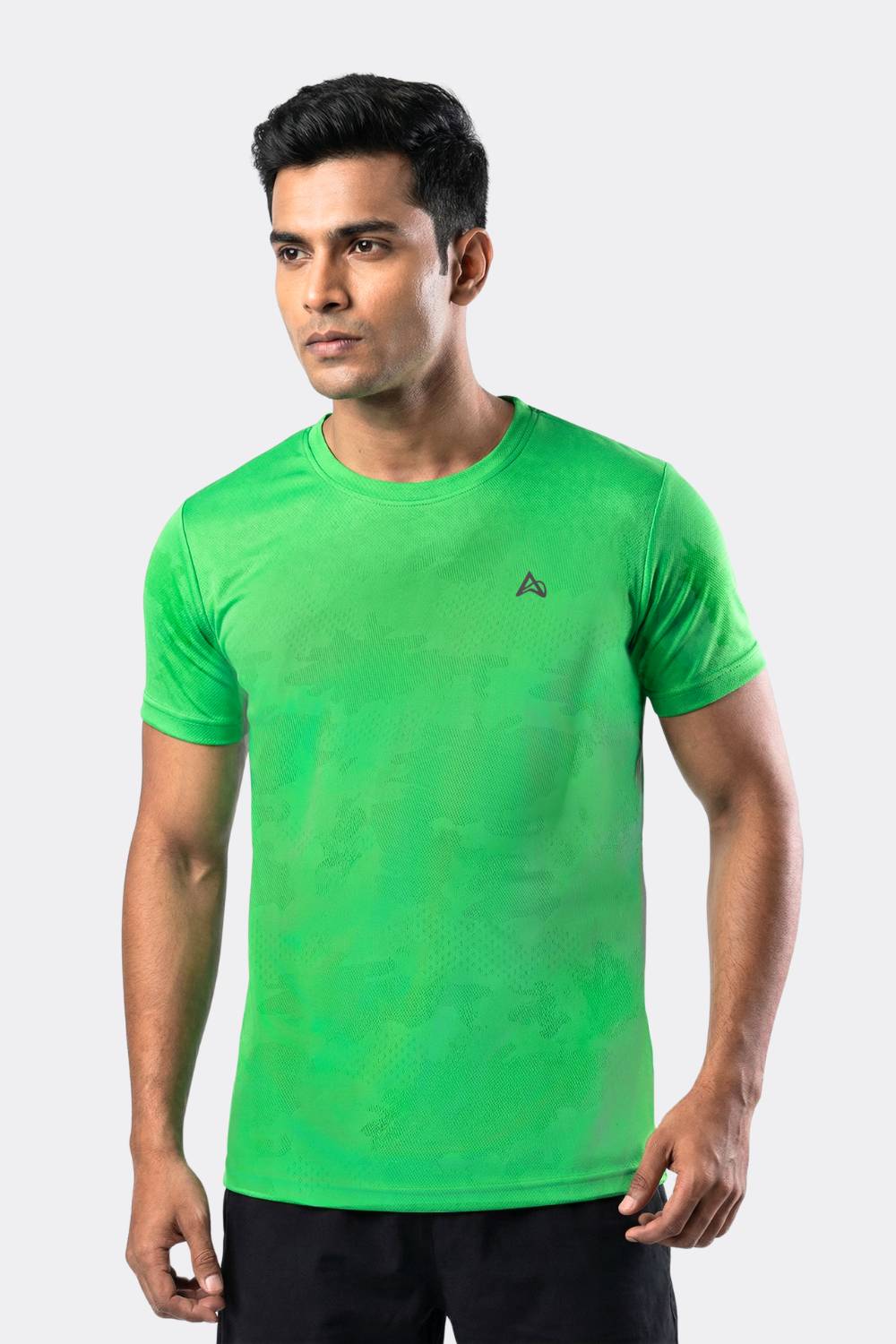
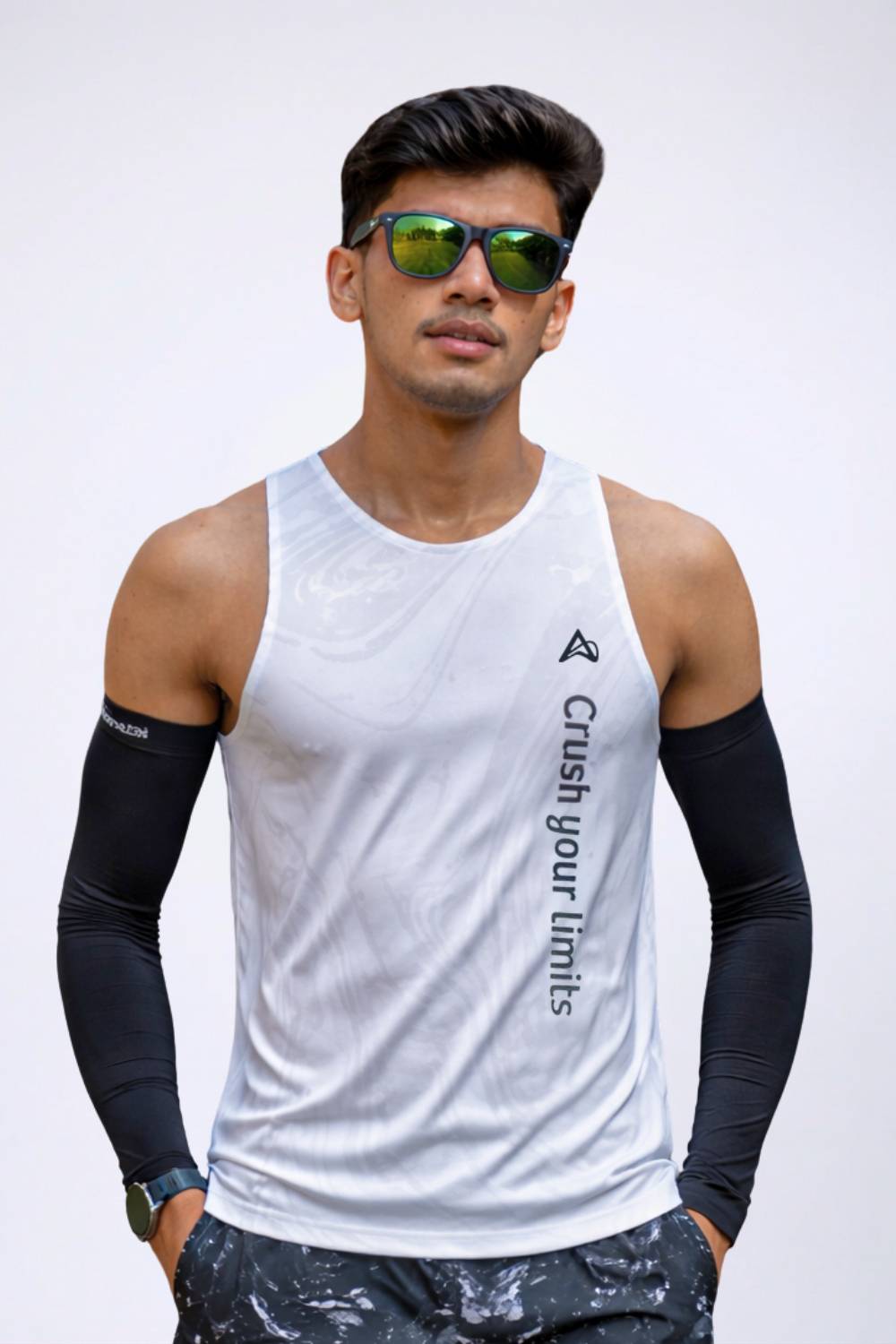

Choosing the right fit in performance running apparel is one of the most decisive factors in a runner's success. Whether you're training for your first 5K in the humid streets of Bangalore, pushing through a long run in the cooler mornings of Hyderabad, or preparing for a competitive 10K around the Colaba Causeway in Mumbai, the right gear can mean the difference between hitting your personal best and hitting the wall. A poorly fitted top or bottom might cause chafing, restrict movement, or force you to run with discomfort, while a well-chosen piece becomes an extension of your body, letting you focus on pace and form.
In the performance running apparel industry, fit goes far beyond a standard size chart. It involves understanding how fabric drapes, how seams align with your body's natural contours, and how targeted construction supports biomechanics during high-mileage sessions. This guide walks you through a practical, step-by-step approach to evaluating the fit of performance running apparel, so you can shop confidently and train without compromise.
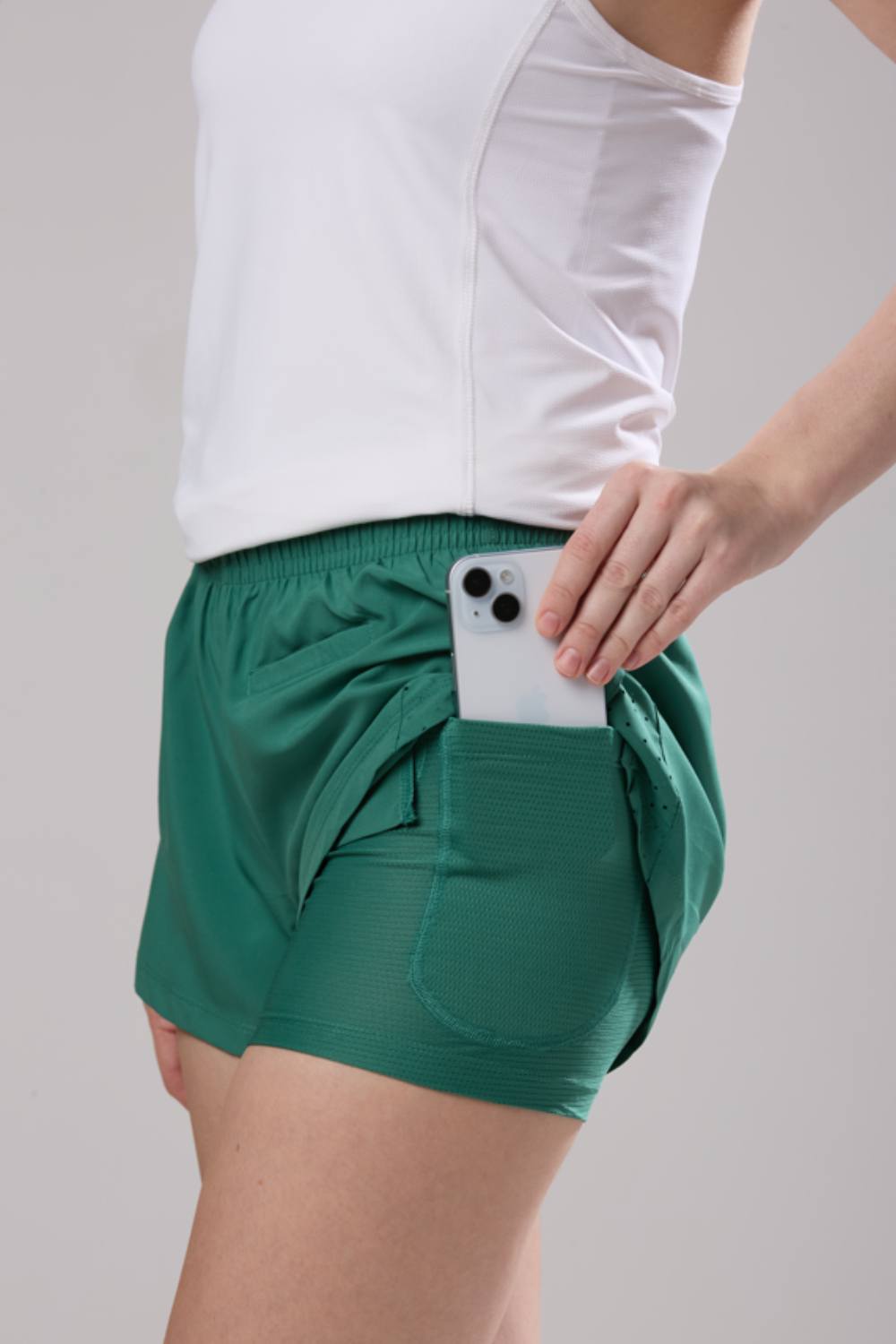
Tired of gear that slows you down? Chafing, soggy fabrics, and missing pockets kill your run's momentum. At Aguante, we're runners who get it. Our high-performance activewear features moisture-wicking fabrics, ergonomic designs, and smart storage to keep you focused. Shop Now!
The Critical Role of Proper Apparel Fit
Properly fitted running gear acts as an invisible ally during every stride. It reduces friction, manages moisture effectively, and allows unrestricted movement, which directly contributes to smoother form and sustained energy output over hours of activity. When the fabric drapes across shoulders, arms, and torso without bunching or digging in, seams align with natural body contours, and pressure points are minimized, runners experience fewer distractions and less fatigue.
Modern performance fabrics are engineered with advanced moisture management and stretch properties that adapt to body temperature fluctuations. This is especially valuable for runners in Indian metro cities who train year-round, from the dusty tracks of Ahmedabad to the parks of Gurugram. An ill-fitting garment can quickly become a source of distraction and fatigue, undermining the training gains athletes seek. Investing time in fit evaluation pays dividends by translating to better race times, fewer setbacks, and a more enjoyable relationship with the sport.
Key Elements to Assess Before Buying
Start with the basics: examine the garment's cut in relation to the torso and limbs. Ensure sleeves end at the right point to avoid riding up during arm pumps, and that the neckline sits comfortably without restricting breathing. Targeted construction, such as flatlock seams that eliminate irritation or elastic that conforms without excessive tightness, plays a pivotal role in preventing fabric displacement that disrupts rhythm and leads to burnout.
High-sweat areas like the back and underarms often feature targeted mesh panels that prevent overheating while maintaining a close yet non-restrictive silhouette. Look for compression elements in key zones for stability during hill climbs or loose panels for ventilation on hot days. For endurance athletes who rely on every advantage during multi-hour events, the effectiveness of these designs depends heavily on how precisely they conform to individual anatomy.
Hands-on Fit Testing: the Most Reliable Method
Visual inspection is only the starting point. A hands-on approach running in place, stretching, and assessing how the fabric interacts with sweat and movement reveals the real picture. Wear the garment for at least 20–30 minutes in your usual training conditions. Pay attention to any areas of discomfort, such as pressure under the arms or along the ribcage, or any sliding that occurs when you swing your arms.
Take note of how the fabric feels when it's wet. Quick-drying, breathable materials should feel like an extension of your skin rather than a barrier. If the garment feels like it's riding up during arm movements or restricting natural expansion, it's time to consider a different size or style. This real-world testing eliminates guesswork and helps you select options that align with your unique body type and training demands.
Common Fit Issues and How to Solve Them
One of the most frequent complaints among runners is chafing caused by seams or elastic digging into skin. Flatlock seams and strategically placed padding address this directly, but they must be tested in motion. In humid conditions typical of many Indian cities, sweat management becomes even more critical; poorly fitted apparel can trap heat and cause the athlete to feel restricted despite high-tech specifications.
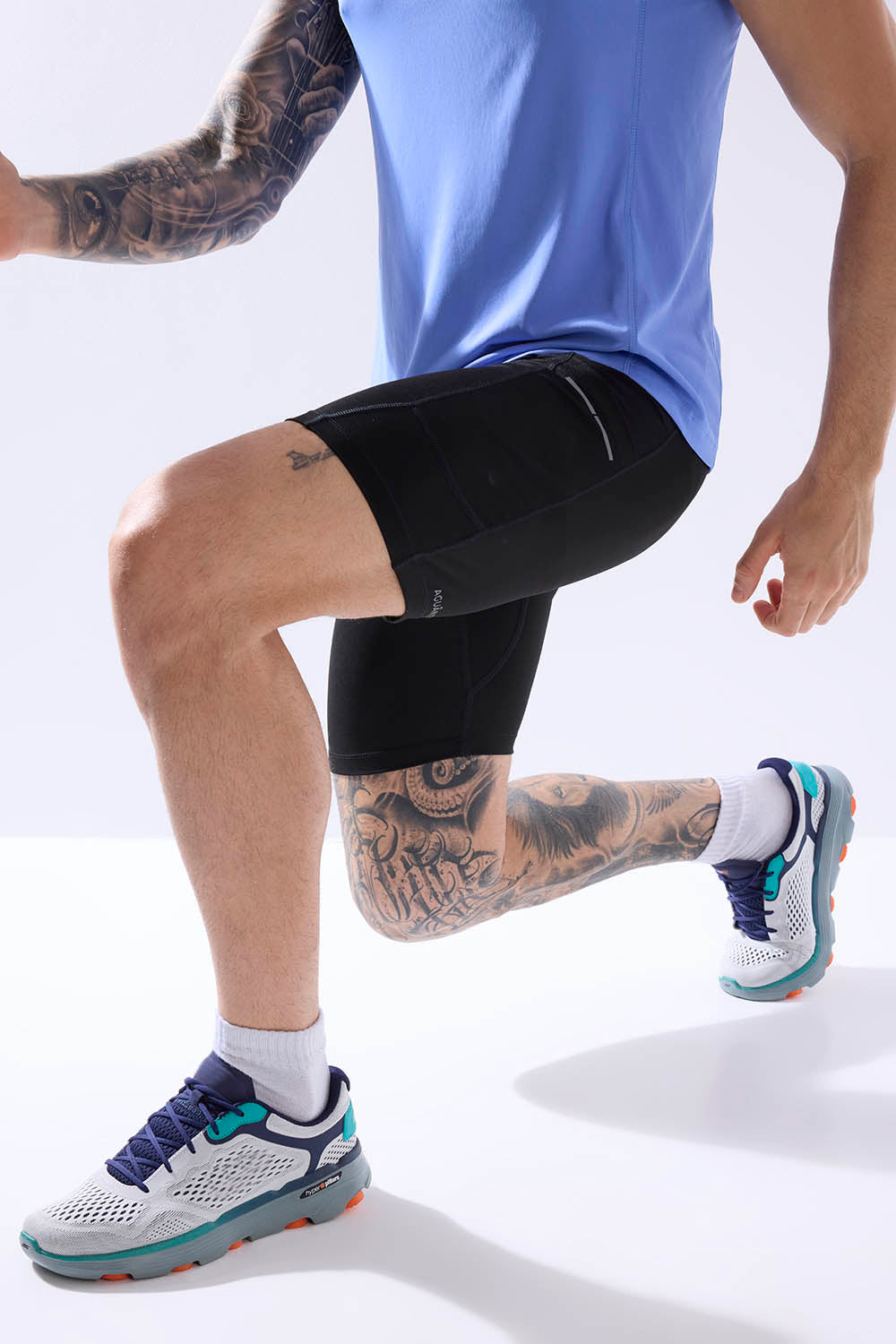
Bounce in high-impact areas affects everyone from beginners to experienced triathletes. Brands balance compression in key areas with room for natural expansion, creating a garment that supports heavy breathing efforts without sacrificing mobility for sprints or transitions. If the garment feels too tight in one area or loose in another after a run, adjust the sizing or look for adjustable features such as drawcords or elastic that can be cinched precisely.
Choosing the Right Style for Your Goals
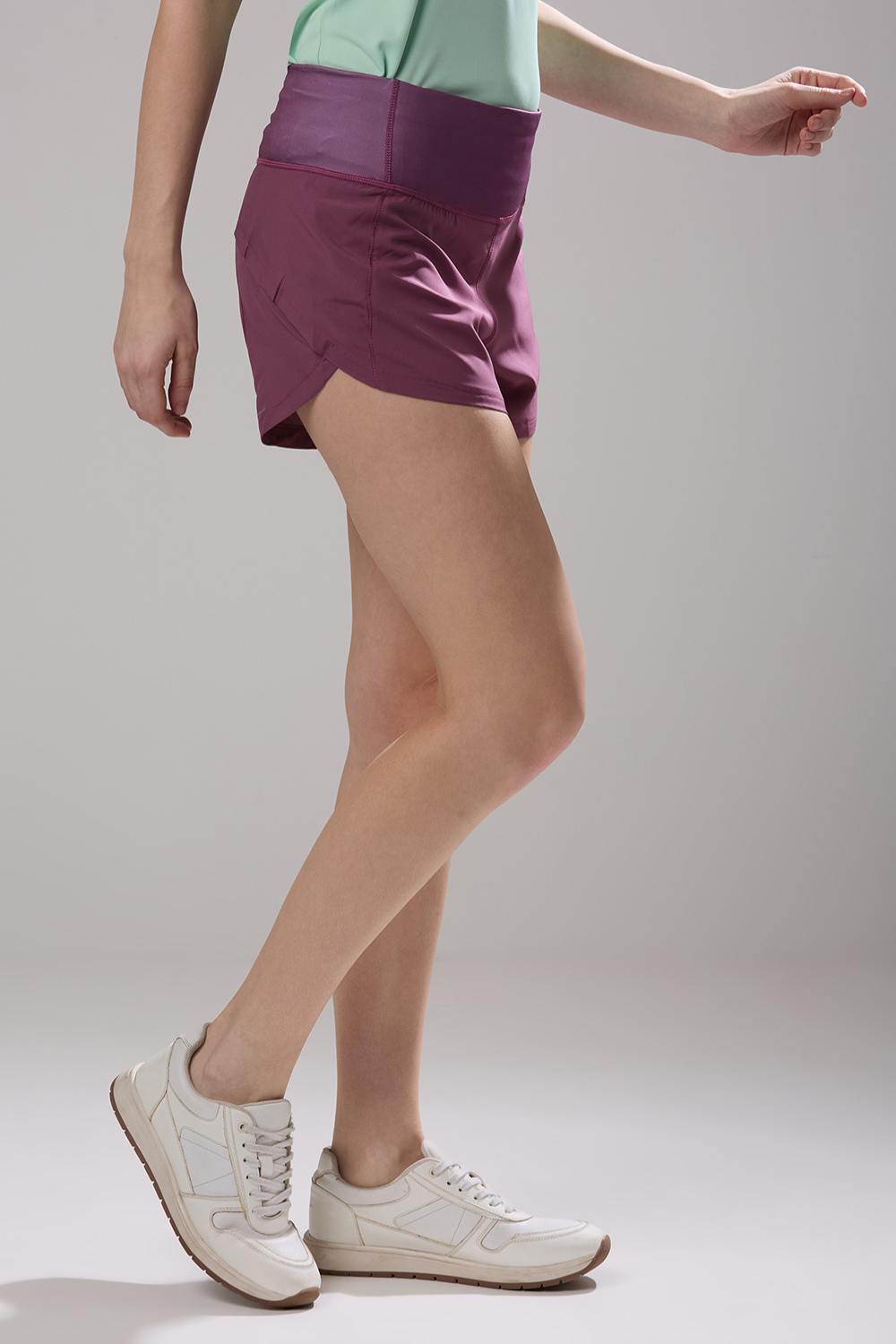
Different running distances and intensities call for different garment styles. For shorter runs or high-impact sessions, compression shorts or racerback tops provide targeted support without adding bulk. For longer efforts, lighter weight tops with mesh panels excel at breathability and ventilation. When preparing for events like marathons or triathlons, consider race-day kits that prioritize minimal drag and rapid moisture wicking.
Regardless of the distance, the same principles apply: the garment should feel like an extension of your body rather than an obstacle. This thoughtful design translates to lower energy expenditure on the clothes themselves, freeing mental and physical resources for pacing and nutrition. In the end, evaluating fit involves more than visual inspection it requires understanding how the piece performs when your body is moving at full speed.
Final Thoughts on Smart Apparel Choices
Once you master the art of evaluating running apparel fit, your training sessions become more focused and your races more confident. The right performance running apparel doesn't just look good it empowers you to push further, recover faster, and enjoy the process. As runners continue to refine their gear choices in response to the demands of urban training in cities across India, the brands that prioritize thoughtful construction and real-world performance will continue to stand out. Take the time to test before you buy, and you'll soon discover why so many athletes treat apparel as a strategic tool rather than a disposable commodity.
Runners increasingly prioritize gear that enhances long-term performance and injury prevention, especially in the competitive world of endurance sports where apparel directly influences stride efficiency, breathability, and overall comfort during high-mileage training. A properly fitted performance running top or shorts acts as an invisible ally by reducing friction, wicking moisture away from the skin, and allowing unrestricted movement, all of which contribute to smoother form and sustained energy output over hours of activity. When evaluating fit, consider how the fabric drapes across shoulders, arms, and torso without bunching or digging in, ensuring seams align with natural body contours to avoid pressure points that could lead to chafing or reduced circulation.
For instance, athletic brands often incorporate targeted mesh panels in high-sweat areas like the back and underarms, which prevent overheating while maintaining a close yet non-restrictive silhouette that mimics the body's natural movement patterns. This attention to detail is particularly valuable for runners who push past the beginner stage, as ill-fitting apparel can quickly become a source of distraction and fatigue, undermining the very training gains athletes seek. Moreover, modern performance fabrics are engineered with advanced moisture management and stretch properties that adapt to body temperature fluctuations, making them essential for everything from urban runs to trail marathons in varying climates.
In a market flooded with options, the true differentiator lies in how well the garment supports the athlete's biomechanics think compression elements in targeted zones for stability during hill climbs or loose panels for ventilation on hot days. Ultimately, investing time in fit evaluation pays dividends by translating to better race times, fewer setbacks, and a more enjoyable relationship with the sport, encouraging runners to treat apparel as a strategic tool rather than a disposable commodity.
Performance Running Gear Fit and Comfort
For endurance athletes who rely on every advantage to maintain peak performance during multi-hour events, the fit of running apparel extends far beyond basic comfort to include critical support systems that safeguard against common issues like chafing, bounce, and overheating. Performance running shirts and shorts are designed with breathable, quick-drying materials that move with the body, but their effectiveness depends heavily on how precisely they conform to individual anatomy, allowing for optimal airflow and minimal drag. When assessing fit, runners should examine the garment's cut in relation to the torso and limbs ensuring sleeves end at the right point to avoid sleeves riding up during arm pumps, and that the neckline sits comfortably without restricting breathing. Targeted construction, such as flatlock seams that eliminate irritation or elastic that conforms without excessive tightness, plays a pivotal role in preventing the kind of fabric displacement that disrupts rhythm and leads to burnout.
Athletic Apparel Support and Fit for Endurance Athletes
This level of precision becomes even more important in hot or humid conditions, where sweat management is paramount, as poorly fitting apparel can trap heat and cause the athlete to feel restricted despite the gear's high-tech specifications. Industry testing with real-world athletes has highlighted how brands balance compression in key areas with room for natural expansion, creating a garment that supports heavy breathing efforts without sacrificing mobility for sprints or transitions. For those training or racing over long distances, this thoughtful design translates to lower energy expenditure on the clothes themselves, freeing mental and physical resources for pacing and nutrition. In essence, evaluating fit involves not just visual inspection but a hands-on approach running in place, stretching, and assessing how the fabric interacts with sweat and movement to identify pieces that feel like an extension of the body rather than an obstacle. Such insights empower athletes to select options that align with their unique body types and training demands, ultimately elevating the overall experience and results in the demanding arena of performance running.
Frequently Asked Questions
How can I test whether running apparel fits correctly before buying?
The best way to test fit is to wear the apparel and move in it for at least 20–30 minutes. Run in place, stretch, and simulate arm and leg movements to check for slipping, riding up, or restriction. Pay attention to how the fabric feels when it becomes damp, as this reveals real-world comfort and performance.
How should performance running apparel fit for optimal running performance?
Performance running apparel should fit close to the body without restricting natural movement or breathing. It should feel like an extension of your skin, allowing full range of motion while reducing friction and chafing. Proper fit also ensures seams align with body contours and fabric stays in place during high-impact activity.
What features should I look for when evaluating the fit of running clothes?
Key features include flatlock seams to prevent irritation, moisture-wicking fabrics for sweat management, and targeted mesh panels for breathability. The garment should support key areas like the torso and thighs without causing tight pressure points. A good fit also balances compression in performance zones with enough flexibility for comfort during movement.
Disclaimer: The above helpful resources content contains personal opinions and experiences. The information provided is for general knowledge and does not constitute professional advice.
You may also be interested in: Understanding the Ergonomics of Half-tights for Marathon Training
Tired of gear that slows you down? Chafing, soggy fabrics, and missing pockets kill your run's momentum. At Aguante, we're runners who get it. Our high-performance activewear features moisture-wicking fabrics, ergonomic designs, and smart storage to keep you focused. Shop Now!
Powered by flareAI.co