



Quick Listen:
Starting a running routine often feels simple in theory but quickly becomes overwhelming in practice. Many new runners step out the door with motivation, only to realize that comfort, consistency, and injury prevention depend heavily on what they wear and carry. The right setup doesn't need to be complicated or expensive, but it does need to be intentional. Building a thoughtful foundation of running gear essentials can make the difference between a short-lived attempt and a sustainable habit.
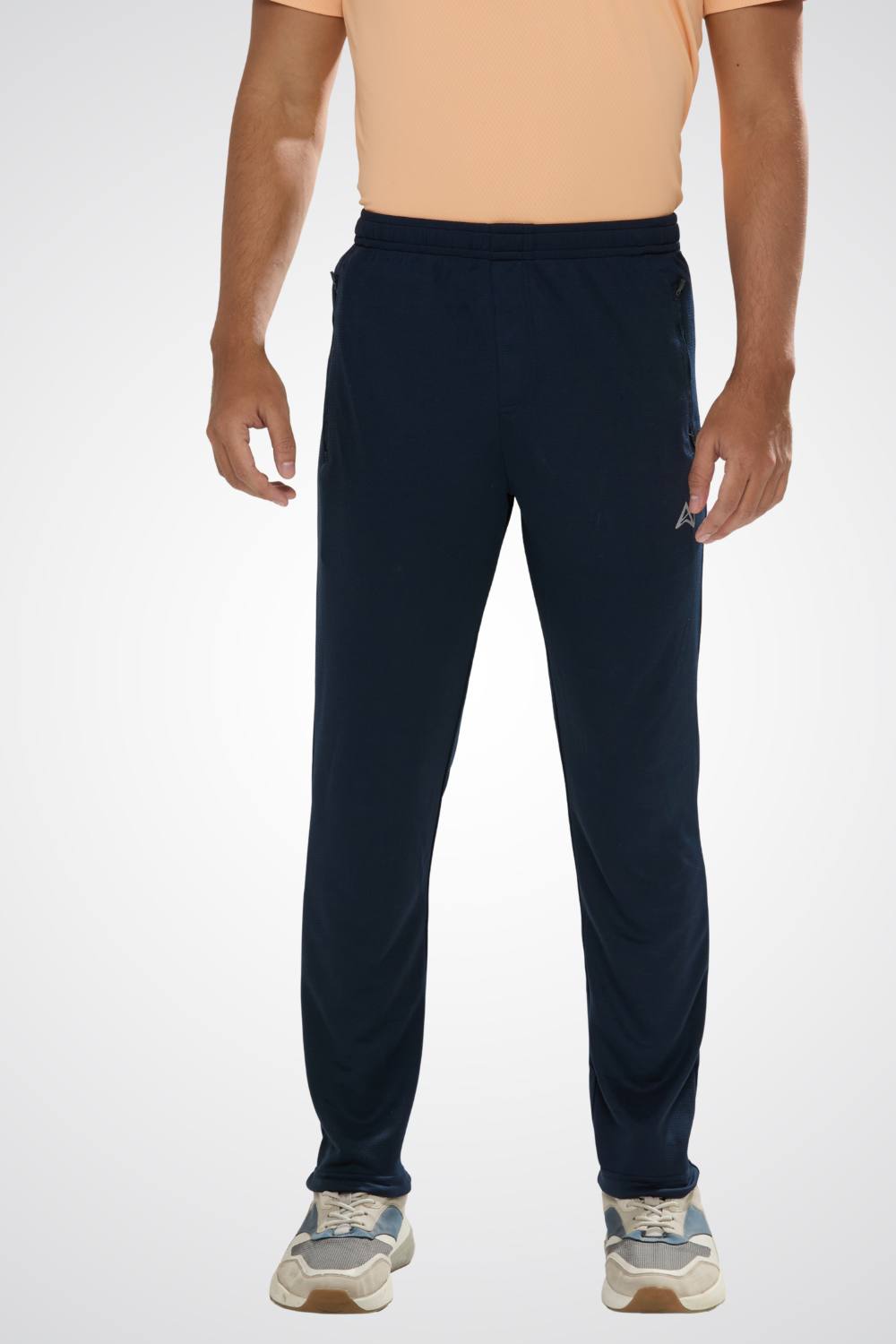
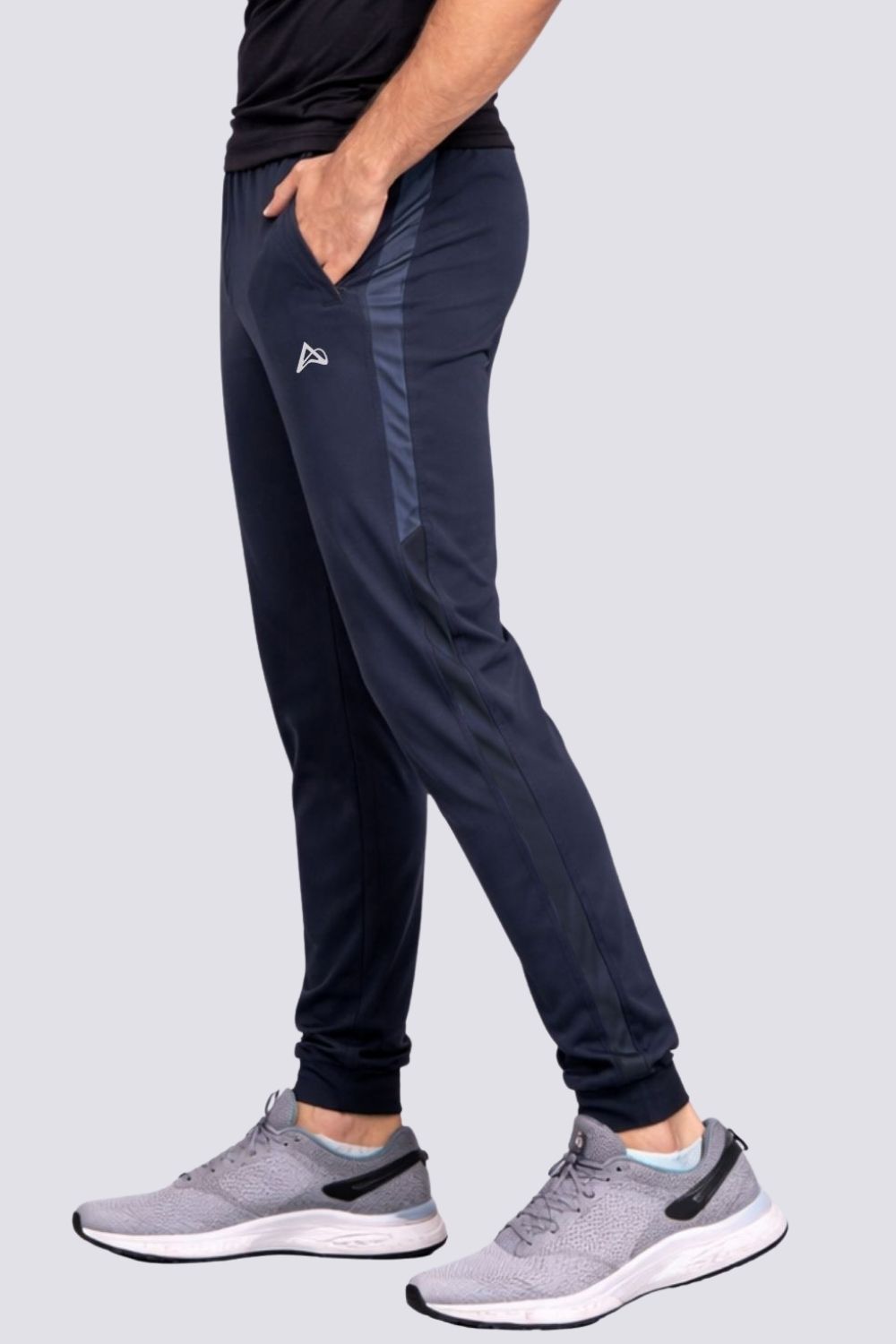
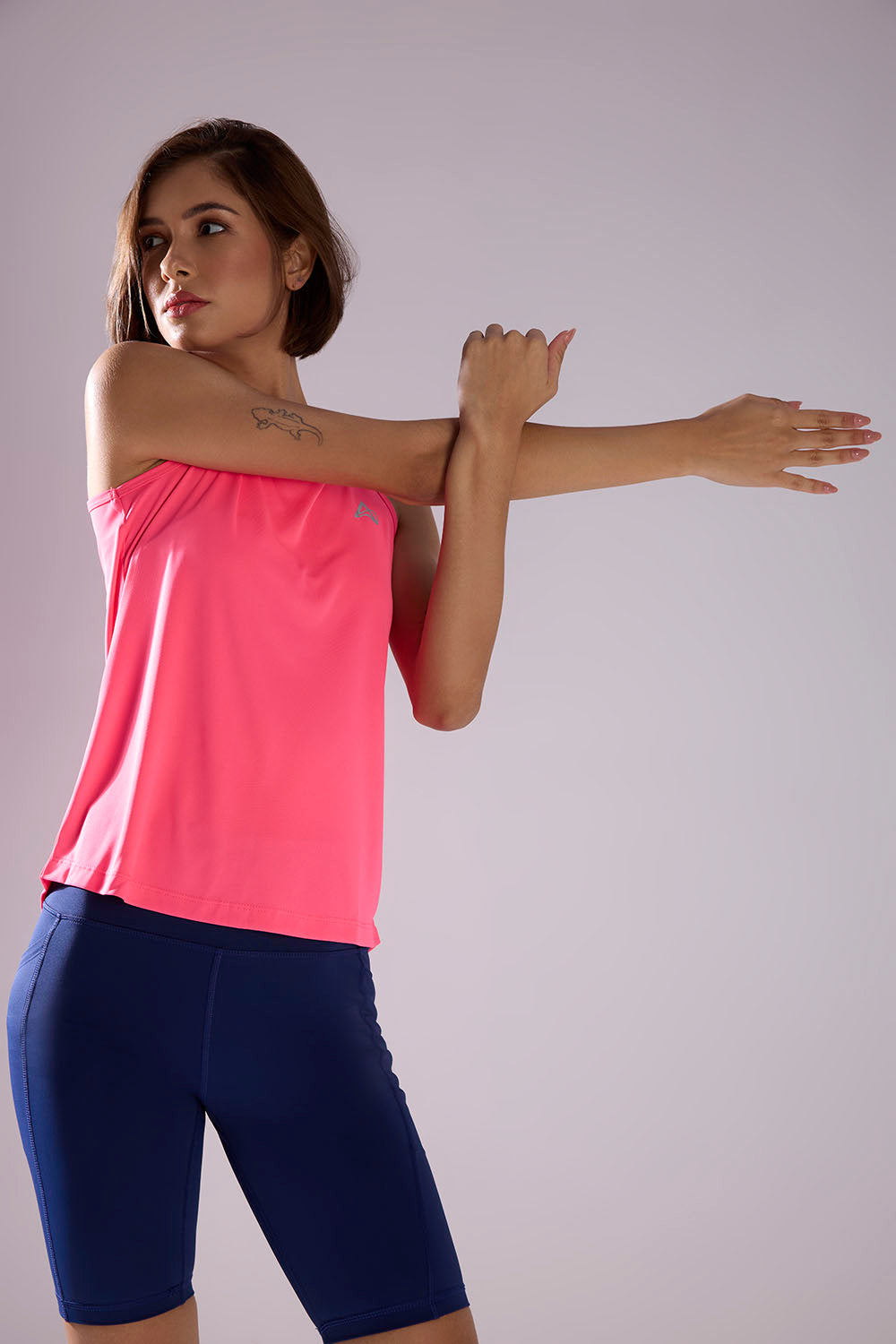
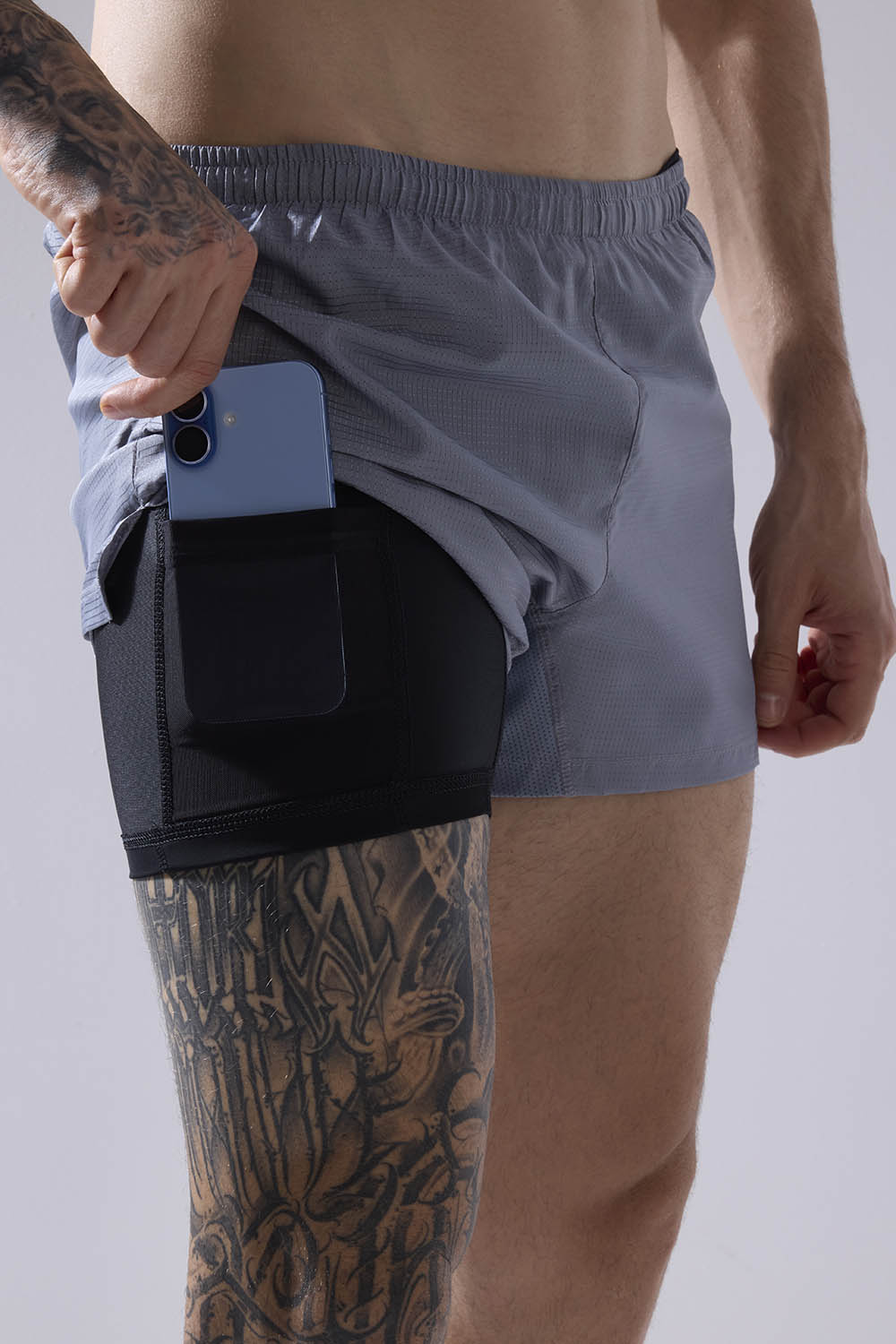
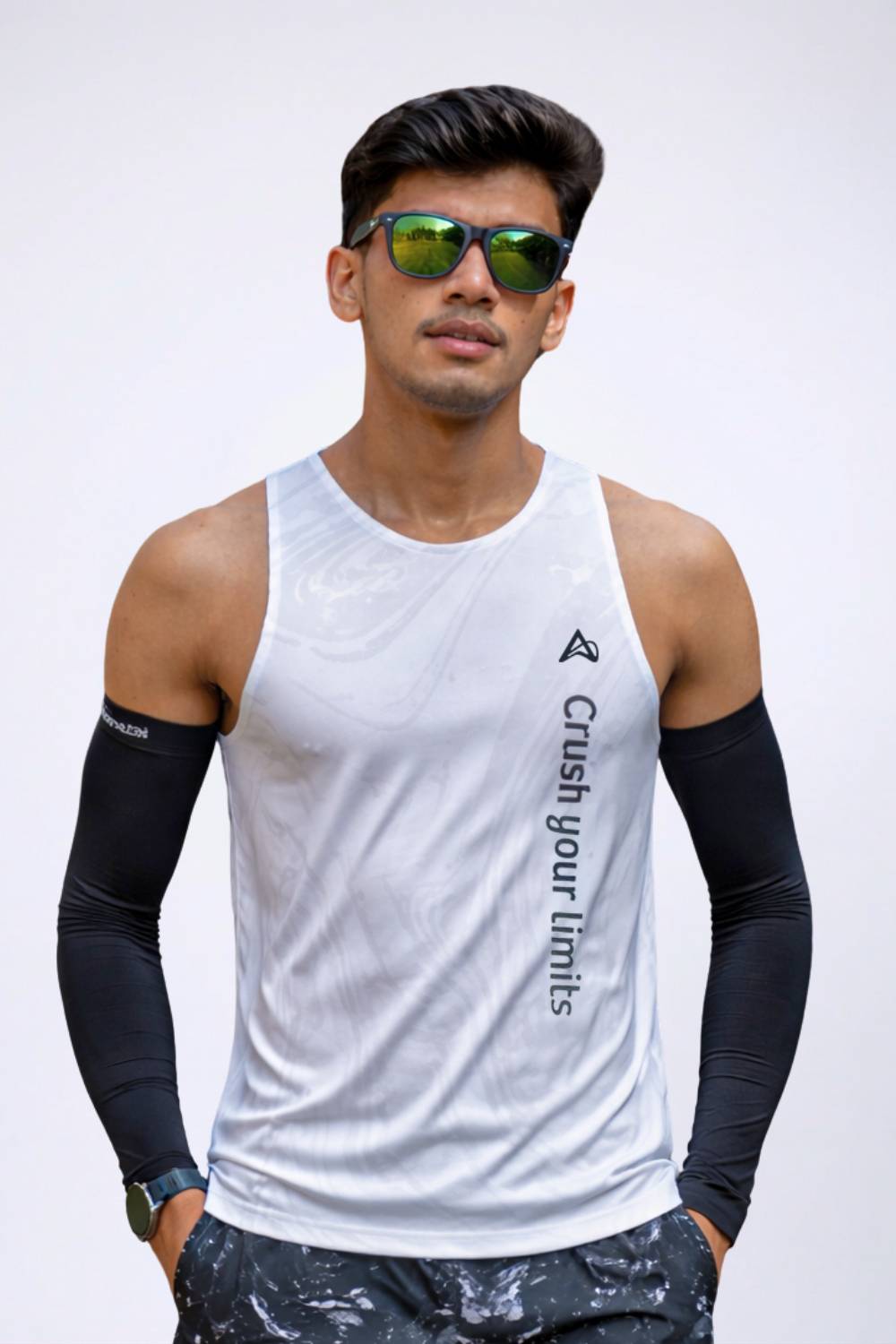
Tired of gear that slows you down? Chafing, soggy fabrics, and missing pockets kill your run's momentum. At Aguante, we're runners who get it. Our high-performance activewear features moisture-wicking fabrics, ergonomic designs, and smart storage to keep you focused. Shop Now!
Why Running Gear Matters More Than Most Beginners Expect
Running places repetitive stress on the body, especially for those who are just starting out. Small discomforts like friction from clothing, poor shoe support, or overheating fabrics can quickly turn into discouragement or even injury. Guidance from experts highlights that early running success is often less about speed or distance and more about comfort and gradual progression.
Simple habits such as alternating short running segments with walking intervals can help new runners build endurance without burnout. This structured approach is often paired with practical gear choices like supportive shoes and breathable clothing, which help the body adjust more comfortably over time. Getting started with running requires more than just motivation it involves practical steps that set new runners up for success and avoid common pitfalls that could derail early progress. Experts stress that the first mile is often the hardest, so beginning with short segments like fifteen seconds of running followed by walking builds endurance gradually and prevents burnout. Mindset plays a huge role, with simple affirmations helping maintain momentum during tough stretches. Proper footwear stands out as essential, including a fresh pair of running shoes obtained after a gait analysis to ensure the best possible fit and support.
Avoiding cotton materials for socks and underwear is crucial to prevent chafing and blisters that can quickly sour the experience. These recommendations highlight why basic gear like well-fitting shoes and moisture-wicking fabrics matters right from the outset, especially for beginners in diverse climates who may run on urban surfaces or uneven paths. The advice also covers form cues, such as looking forward instead of down and breathing from the belly rather than the chest, which tie directly into essential accessories like supportive clothing and hydration options.
By following these dos and don'ts, new runners create a sustainable routine that feels accessible and enjoyable rather than overwhelming. This approach supports the broader category of running gear essentials by emphasizing that small, intentional choices in footwear and apparel can transform the early stages of running from a struggle into a habit worth maintaining for years. According to NPR tips for starting a running routine, these early decisions especially footwear and apparel play a foundational role in shaping consistency.
Building Your Beginner Running Kit
A beginner running kit doesn't need to be extensive, but it should cover the essentials that directly affect comfort and safety. At its core, it includes footwear, clothing designed for movement, and a few practical accessories that support consistency.
One of the most common mistakes new runners make is underestimating how much clothing and shoe choice affects performance. For example, materials that trap heat or cause friction can quickly lead to discomfort. Breathable, lightweight gear designed for movement helps the body regulate temperature and reduces distractions during runs.
Experts often recommend starting simple: focus on comfort first, then gradually refine your gear choices as your running routine becomes more consistent.
Choosing the Right Running Shoes
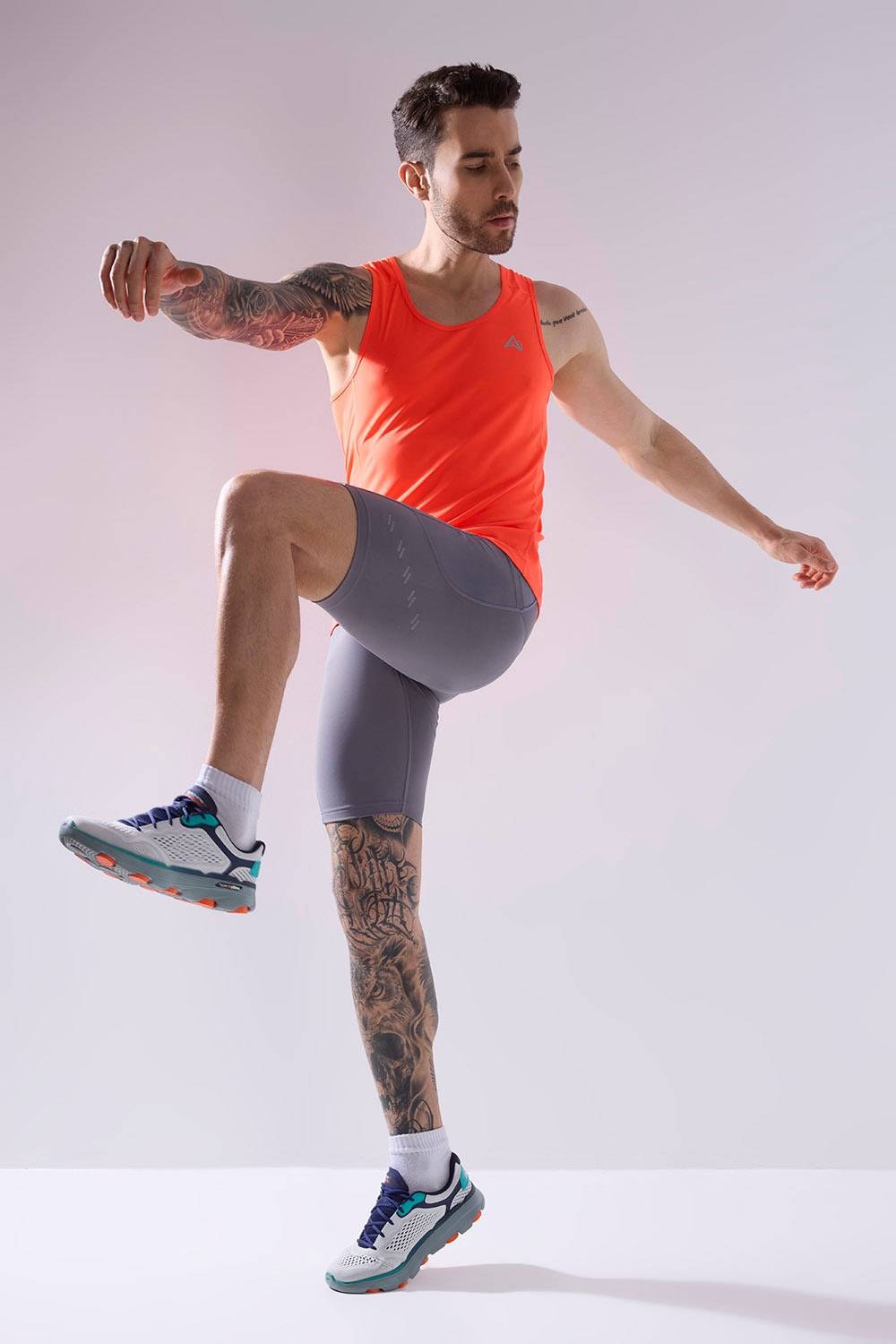
Footwear is the most important part of any beginner running setup. The right shoes do more than cushion impact they help align movement, reduce strain, and support natural foot mechanics. Beginners are often advised to choose shoes based on comfort rather than style or brand trends.
Running shoes typically fall into categories such as neutral or stability models, each designed for different types of foot movement. A proper fit is also critical; having a small amount of space in front of the toes helps accommodate natural foot expansion during activity. This detail is often overlooked but can prevent early discomfort and blistering.
Choosing the right running shoes remains one of the most important decisions for anyone new to the sport, as these essential items can dramatically affect comfort, performance, and long-term injury prevention. The guide breaks down neutral versus stability options, heel-to-toe drop considerations, and how a proper fit allowing at least a thumb's width of space in front of the toes can prevent blisters and hot spots while supporting natural foot motion.
Experts emphasize that the best shoe is ultimately the one that feels most comfortable right away, since shoes are not one-size-fits-all and your feet expand during activity. For beginners, starting with a versatile daily trainer that offers balanced cushioning and propulsion makes sense, as it handles both short runs and longer distances without demanding advanced biomechanics knowledge. In markets like India, where varying foot shapes and pavement conditions are common, this approach supports consistent training and reduces the frustration many new runners face when gear feels off.
Reliable recommendations from tested models show how brands balance lightweight feel with durability, helping runners build mileage gradually without early setbacks. Overall, investing in proper shoe selection pays dividends by enhancing recovery, boosting confidence, and encouraging sustainable habits that turn casual walkers into dedicated runners. This insight directly ties into running gear essentials by showing that thoughtful footwear choices lay the foundation for a rewarding journey rather than relying on trial-and-error alone. According to NYT Wirecutter guide to choosing the best running shoes, comfort at the first try is one of the most reliable indicators of a suitable fit, since running shoes are highly individual in how they feel and perform.
For new runners, especially those building consistency, the goal is not perfection but reliability. A well-chosen pair of shoes can support gradual mileage increases and reduce hesitation about going out for a run.
What to Wear for Running: Clothing and Comfort
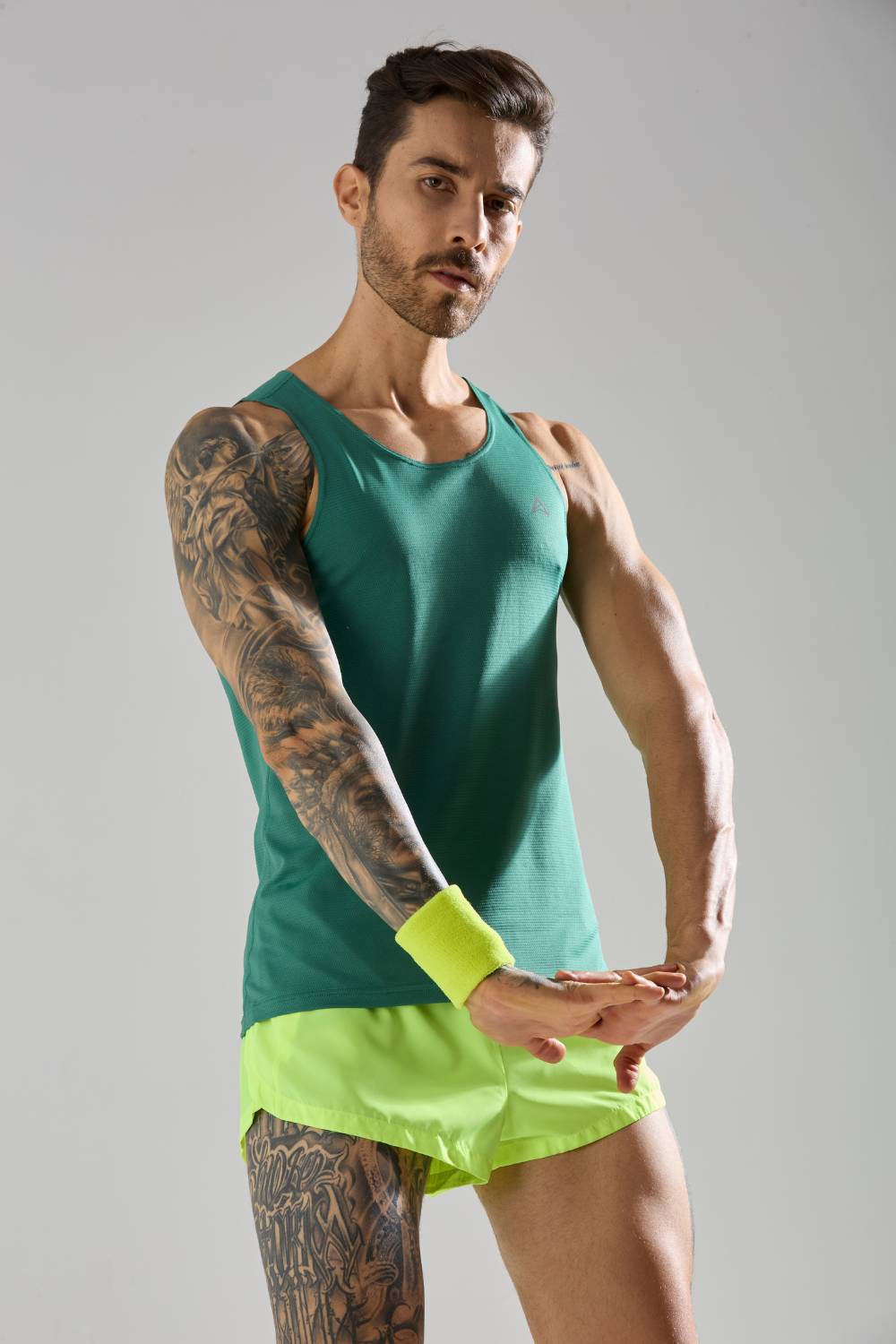
Clothing plays a much bigger role in running comfort than many beginners initially assume. The wrong fabric can cause overheating, irritation, or chafing, all of which can discourage regular movement. Lightweight, breathable materials designed for moisture control are generally more effective for running than everyday casual wear.
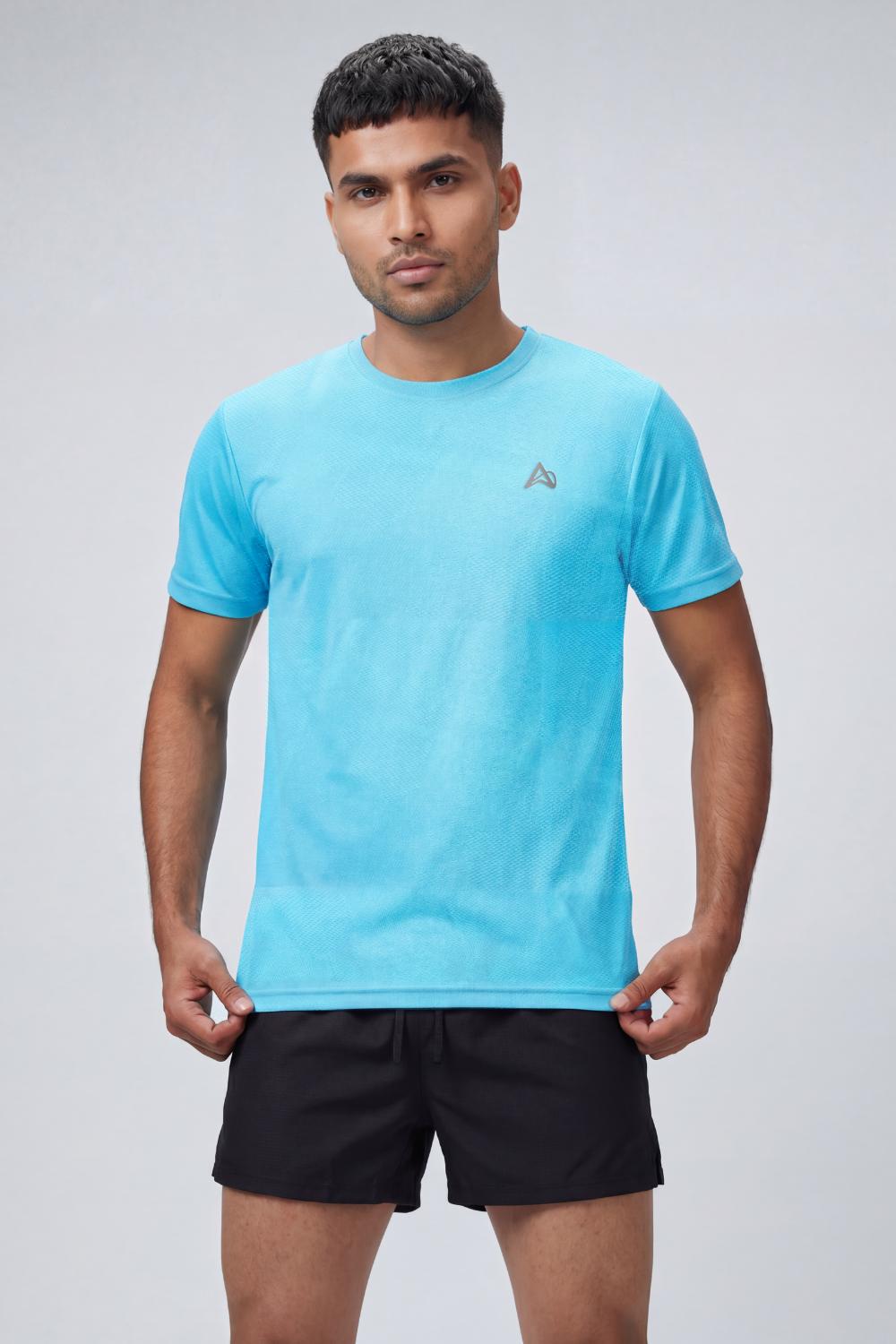
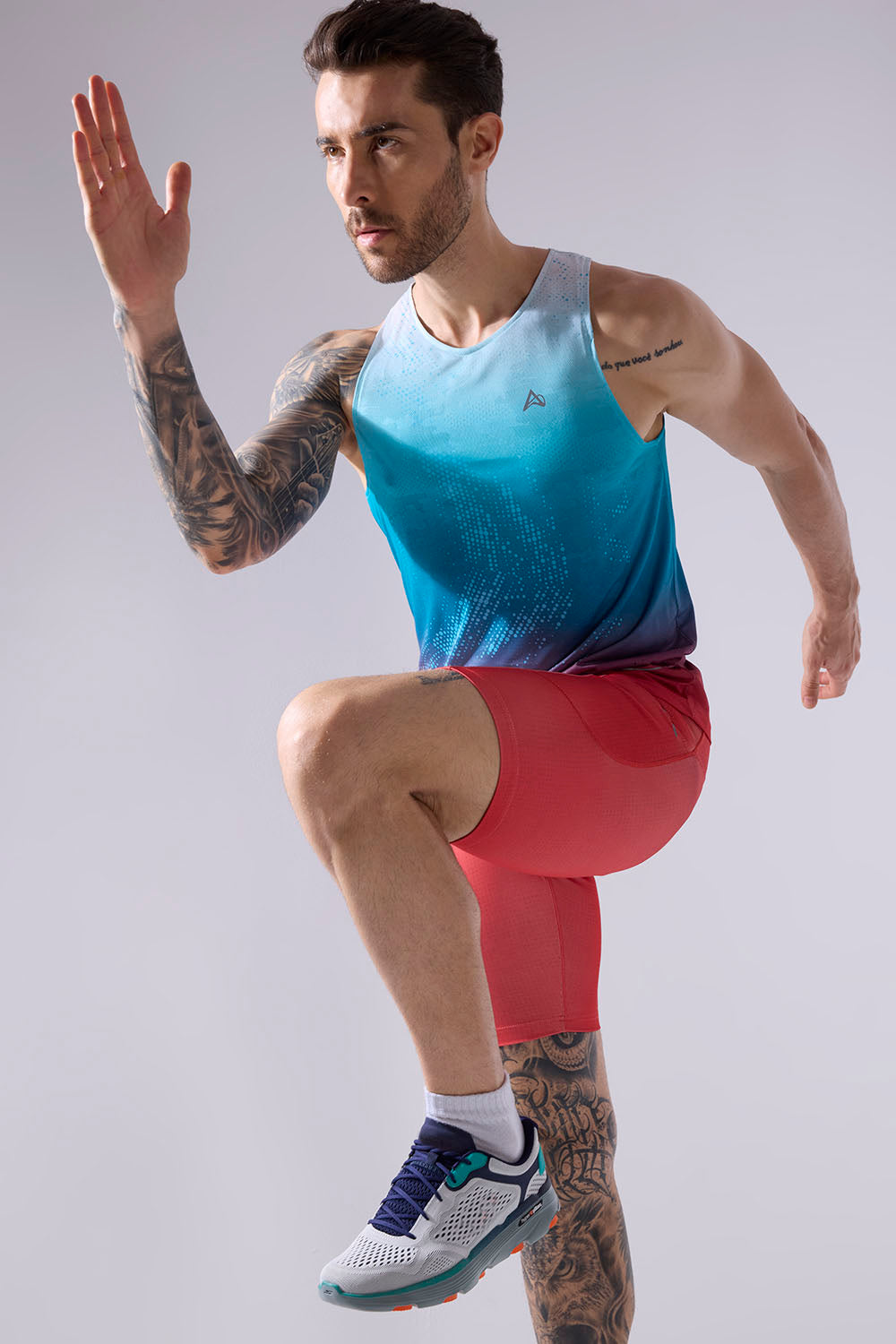
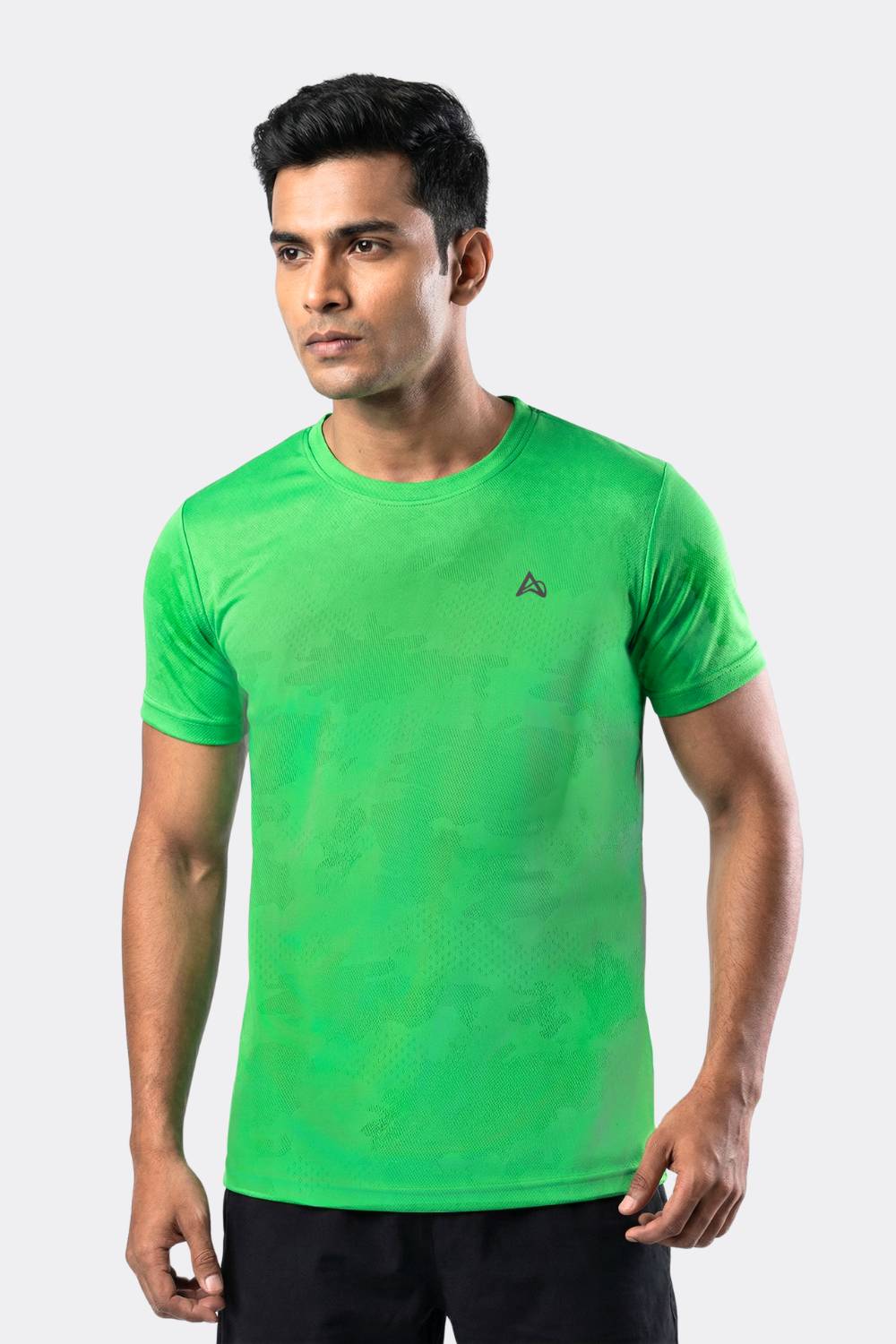
One of the key recommendations for beginners is to avoid heavy cotton fabrics during runs. Cotton tends to retain moisture, which can lead to discomfort over longer distances or in warmer conditions. Instead, moisture-wicking materials help draw sweat away from the skin, keeping the body cooler and reducing friction.
Running apparel is not just about performance it's about consistency. When clothing feels comfortable from the first step, runners are more likely to maintain their routine without interruption. This is especially important for those building early habits and still adjusting to physical activity.
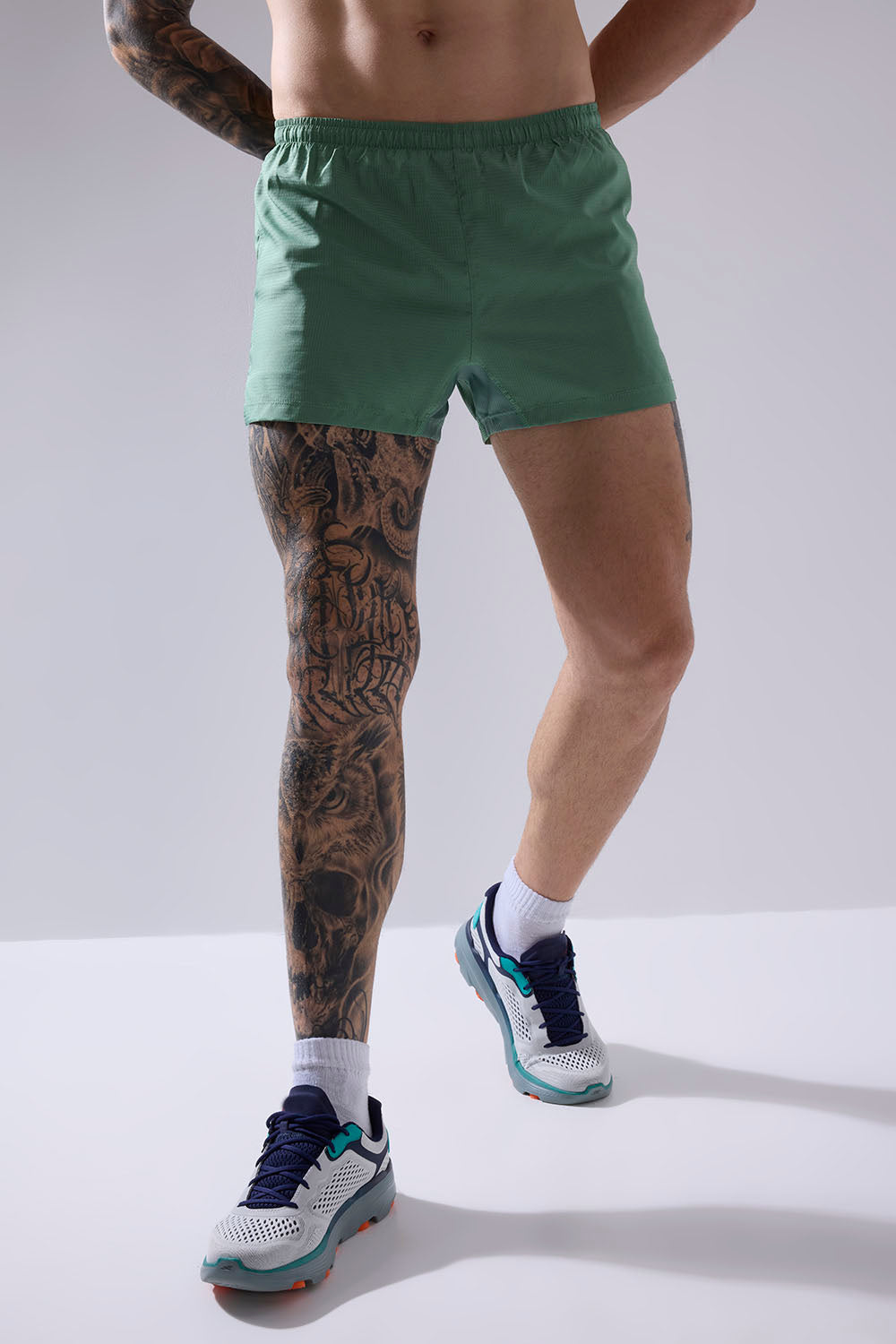
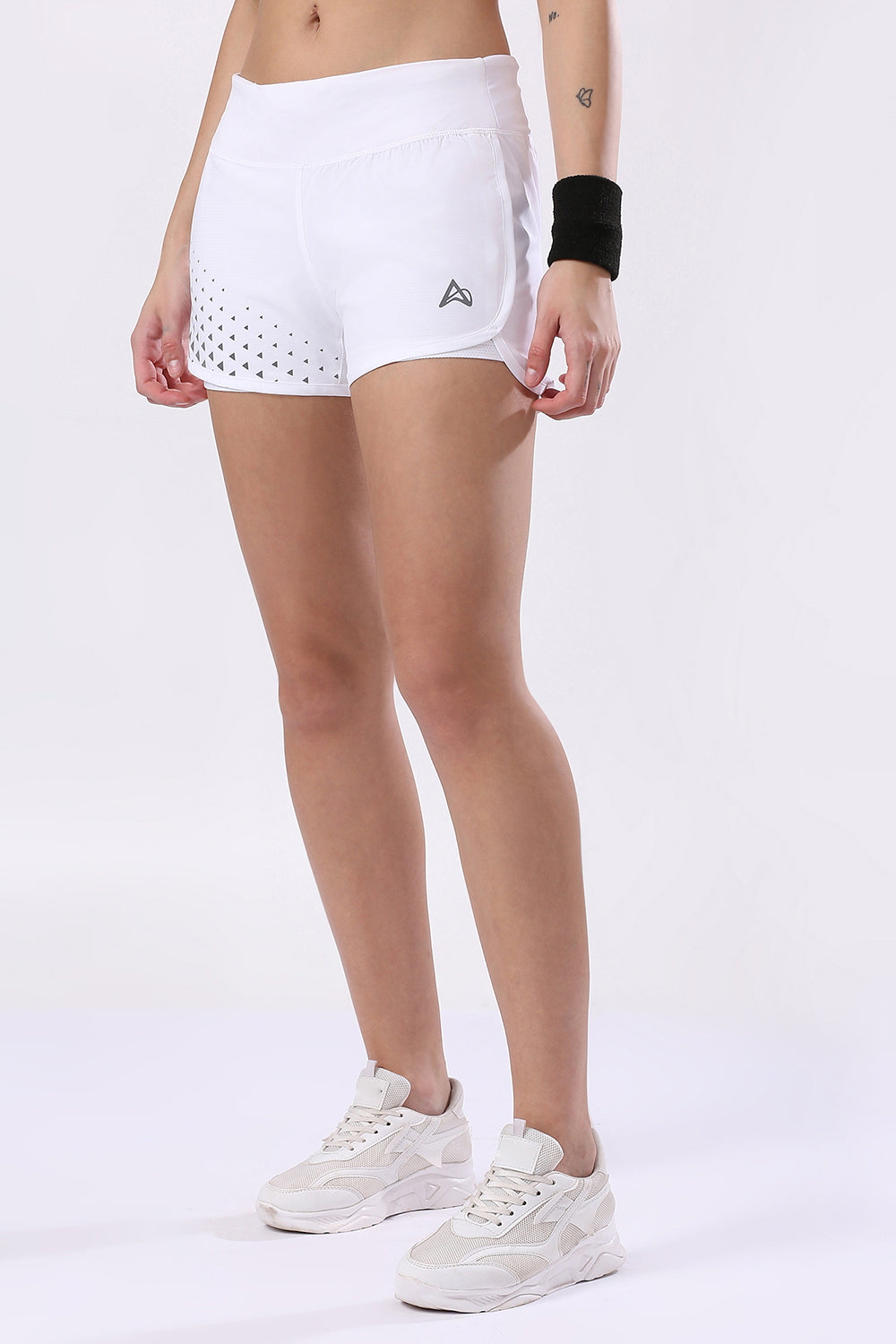
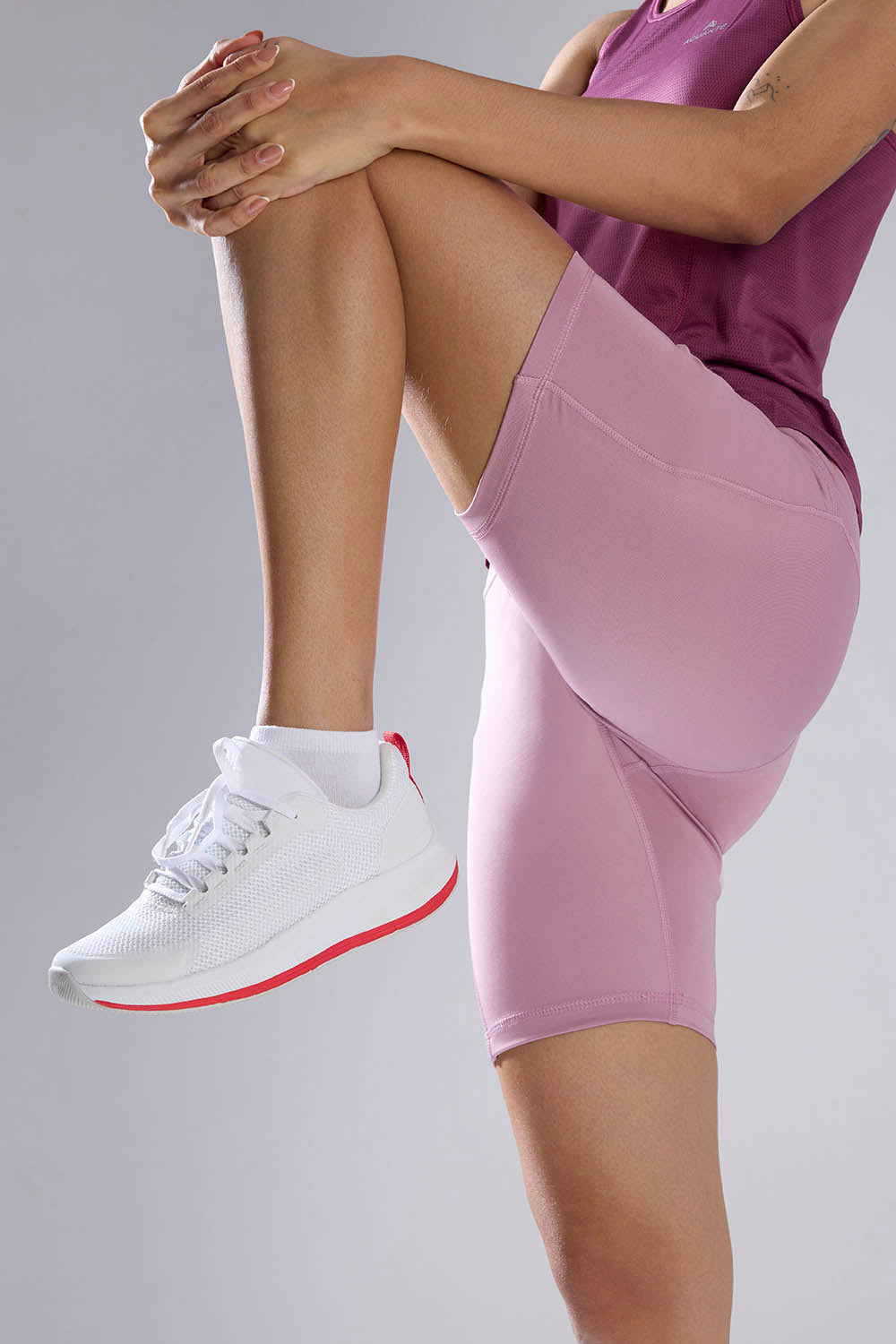
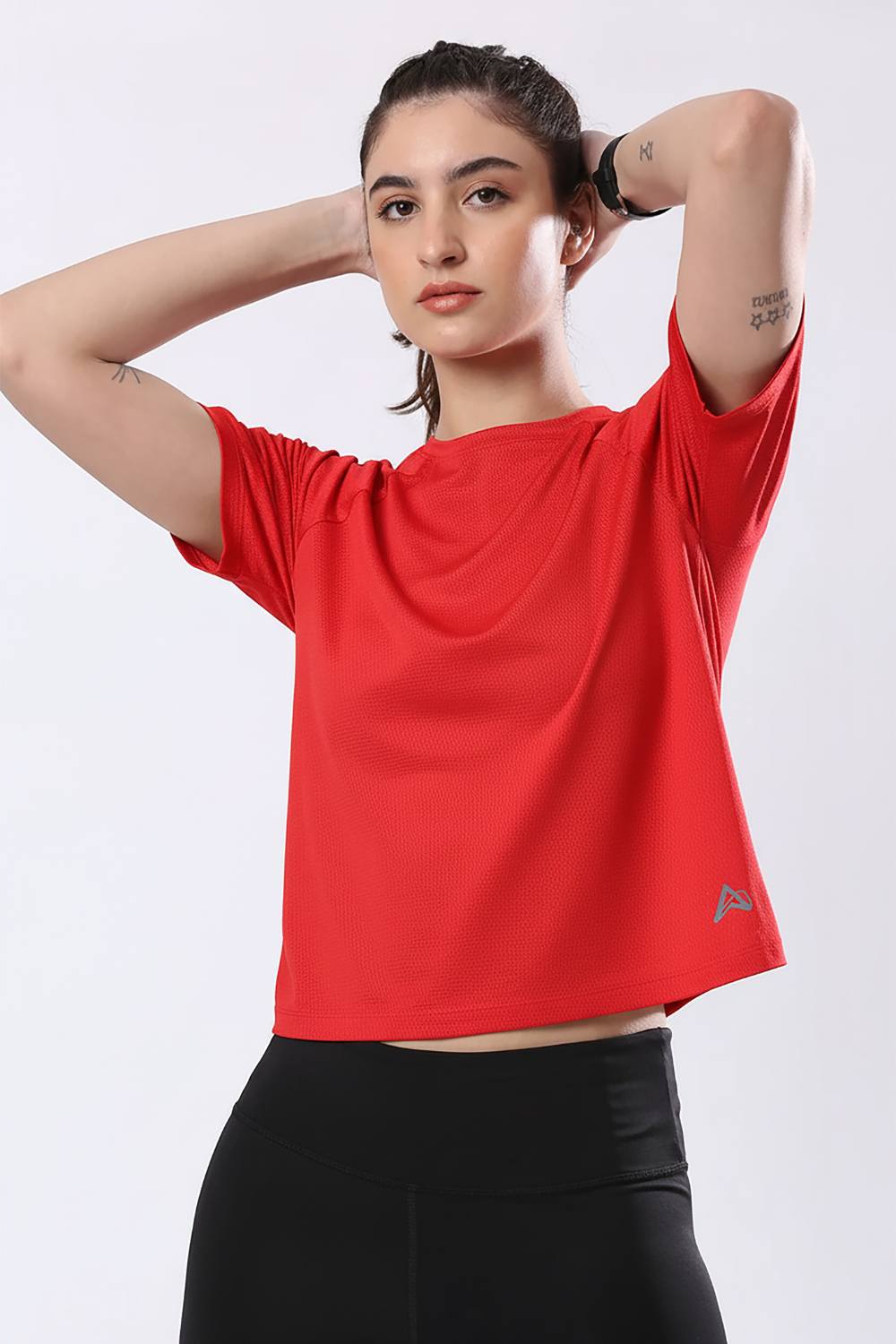
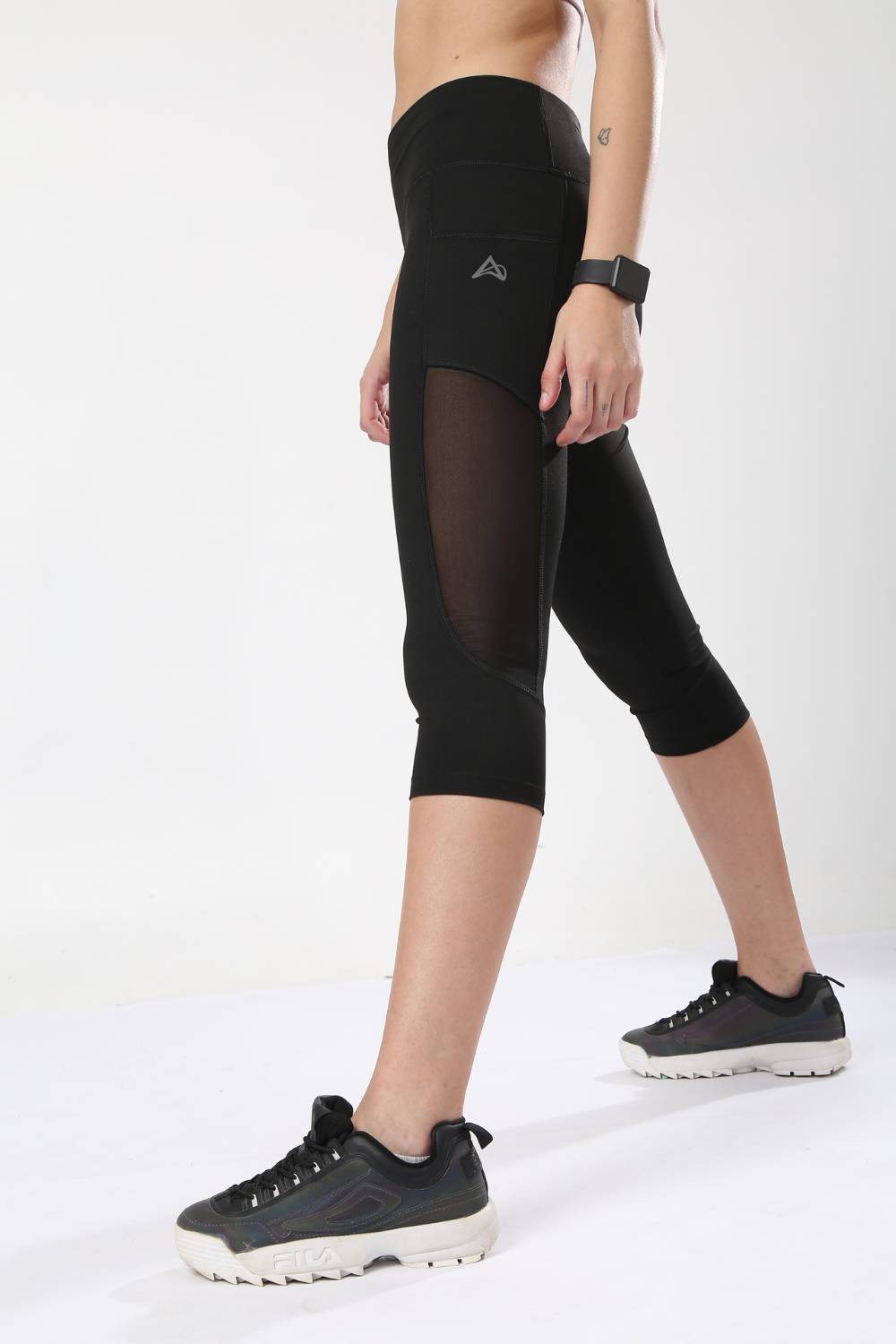
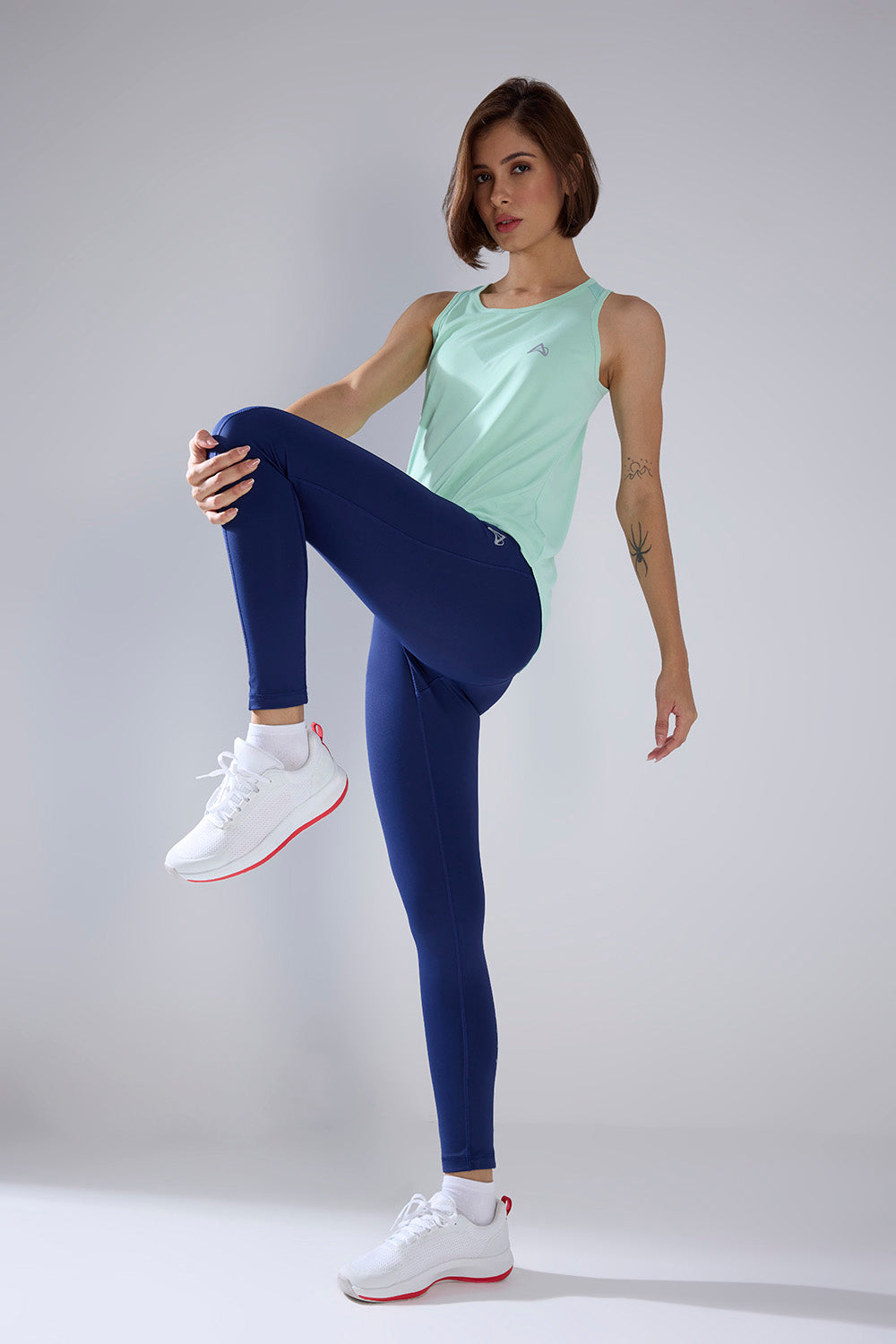
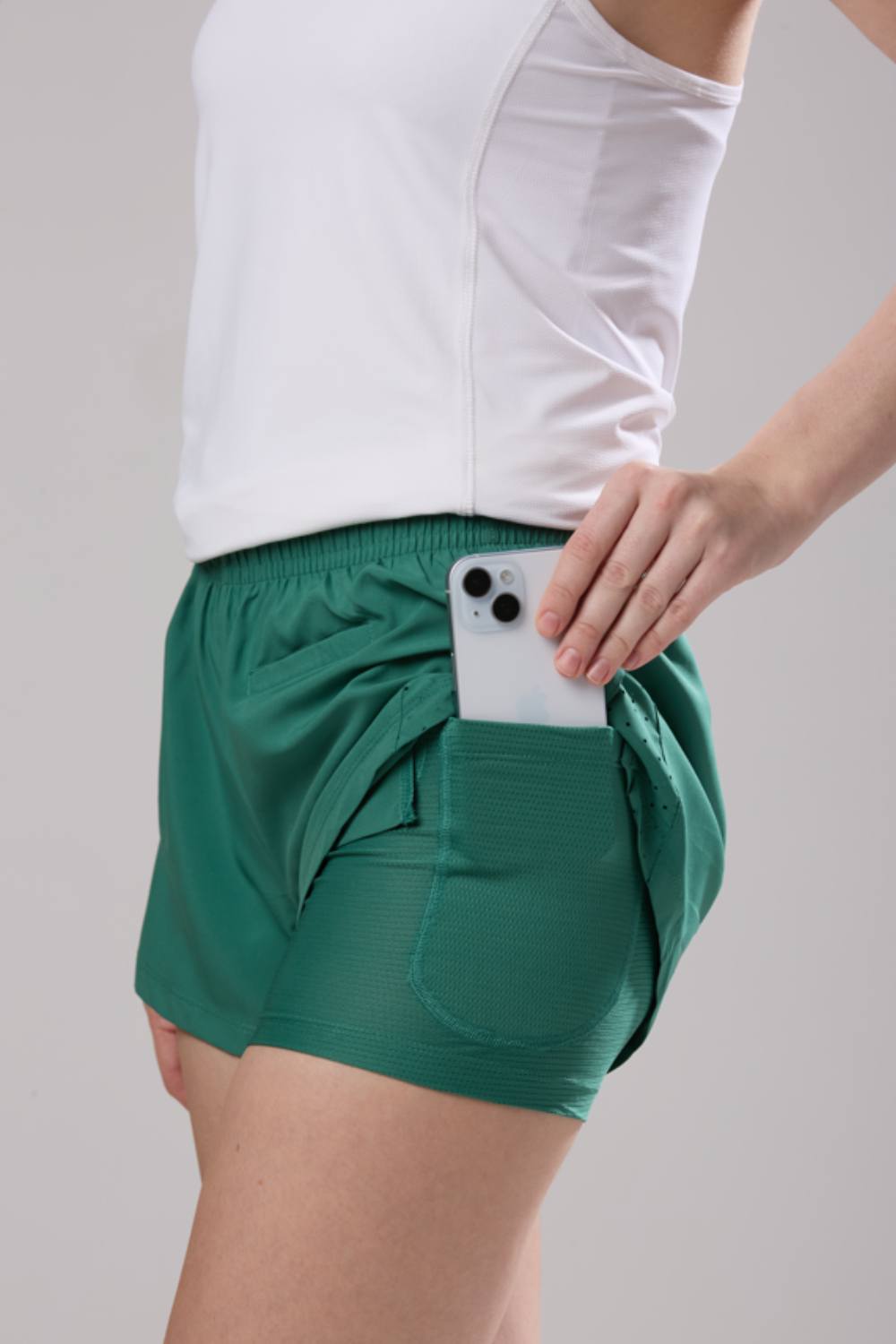
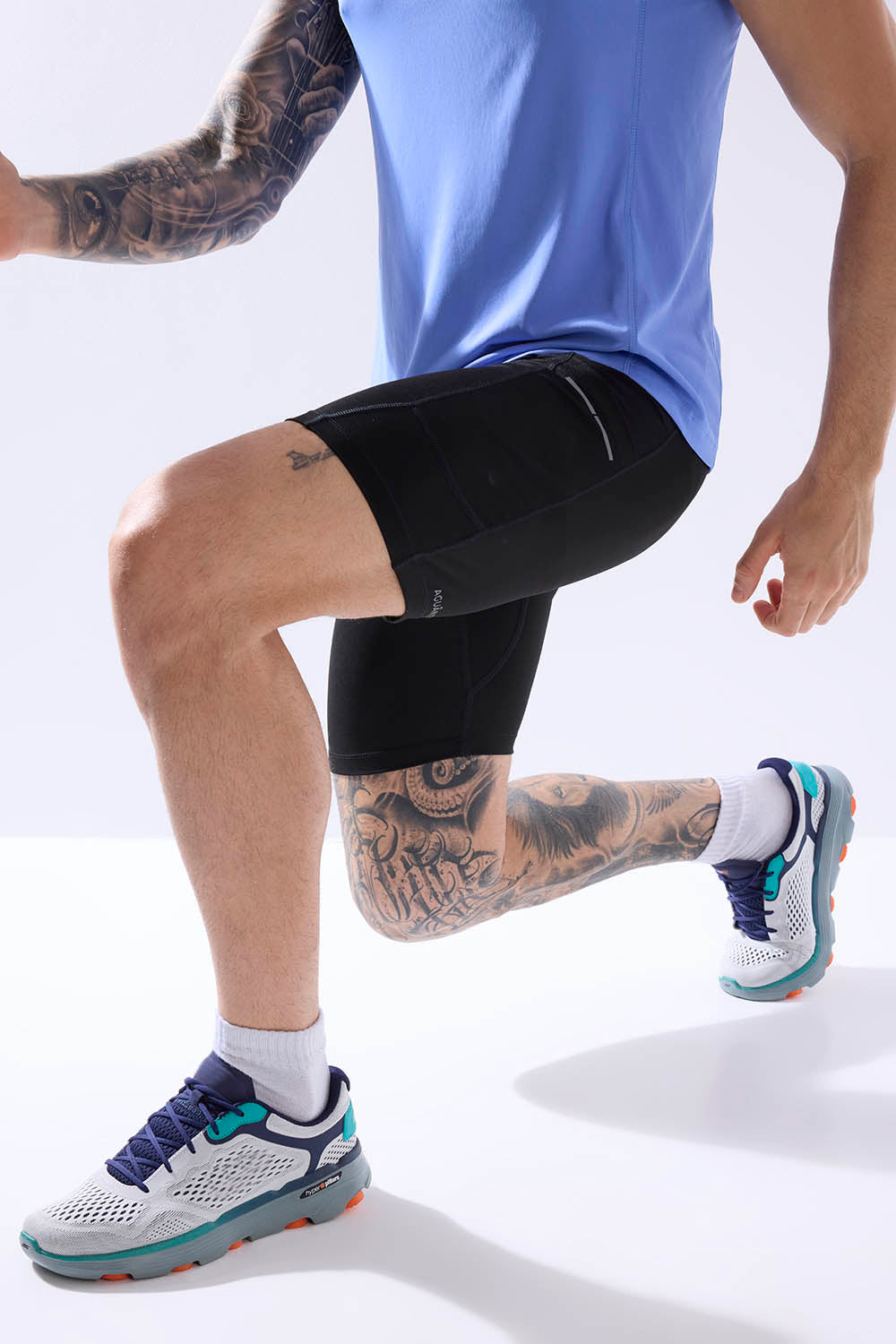
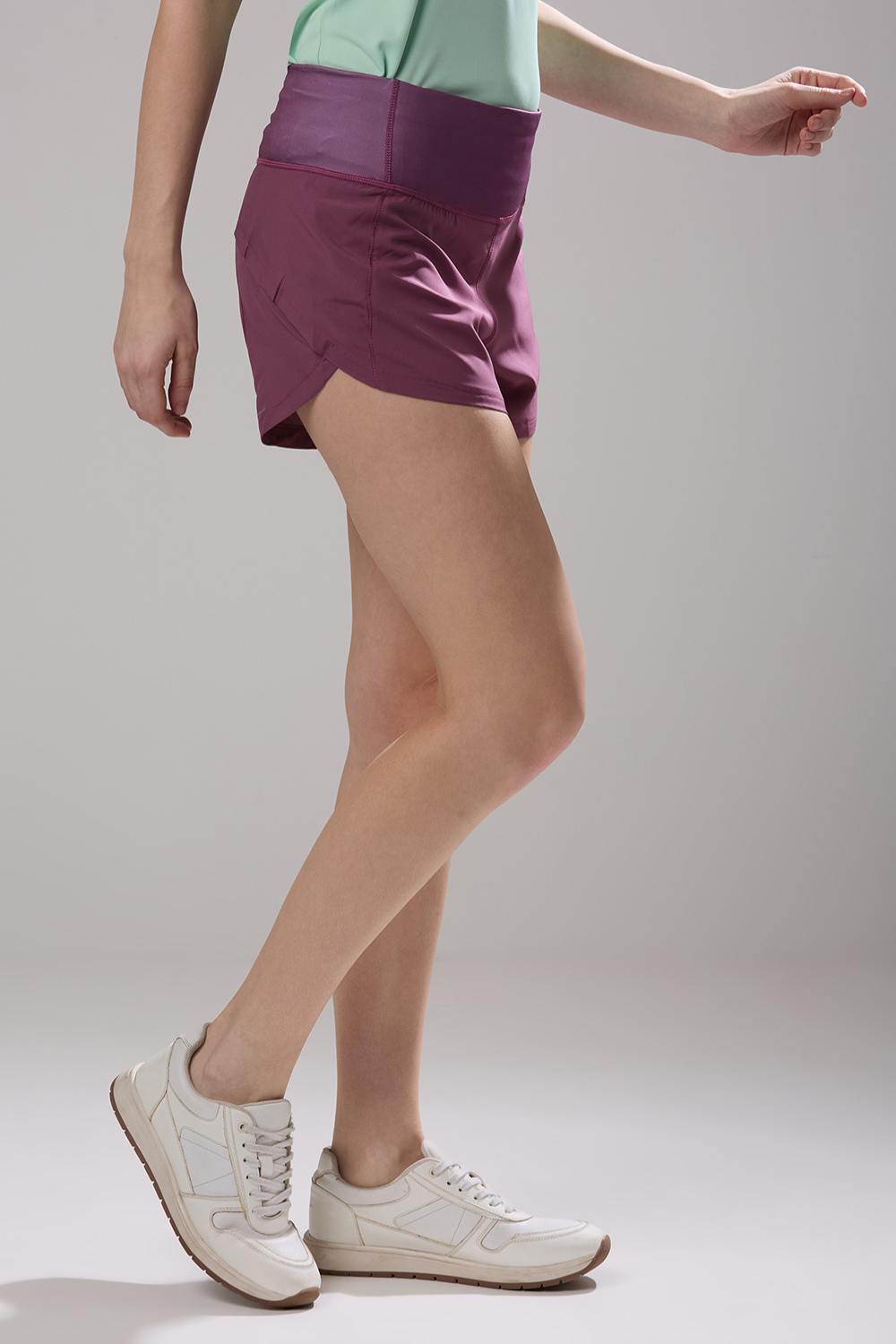
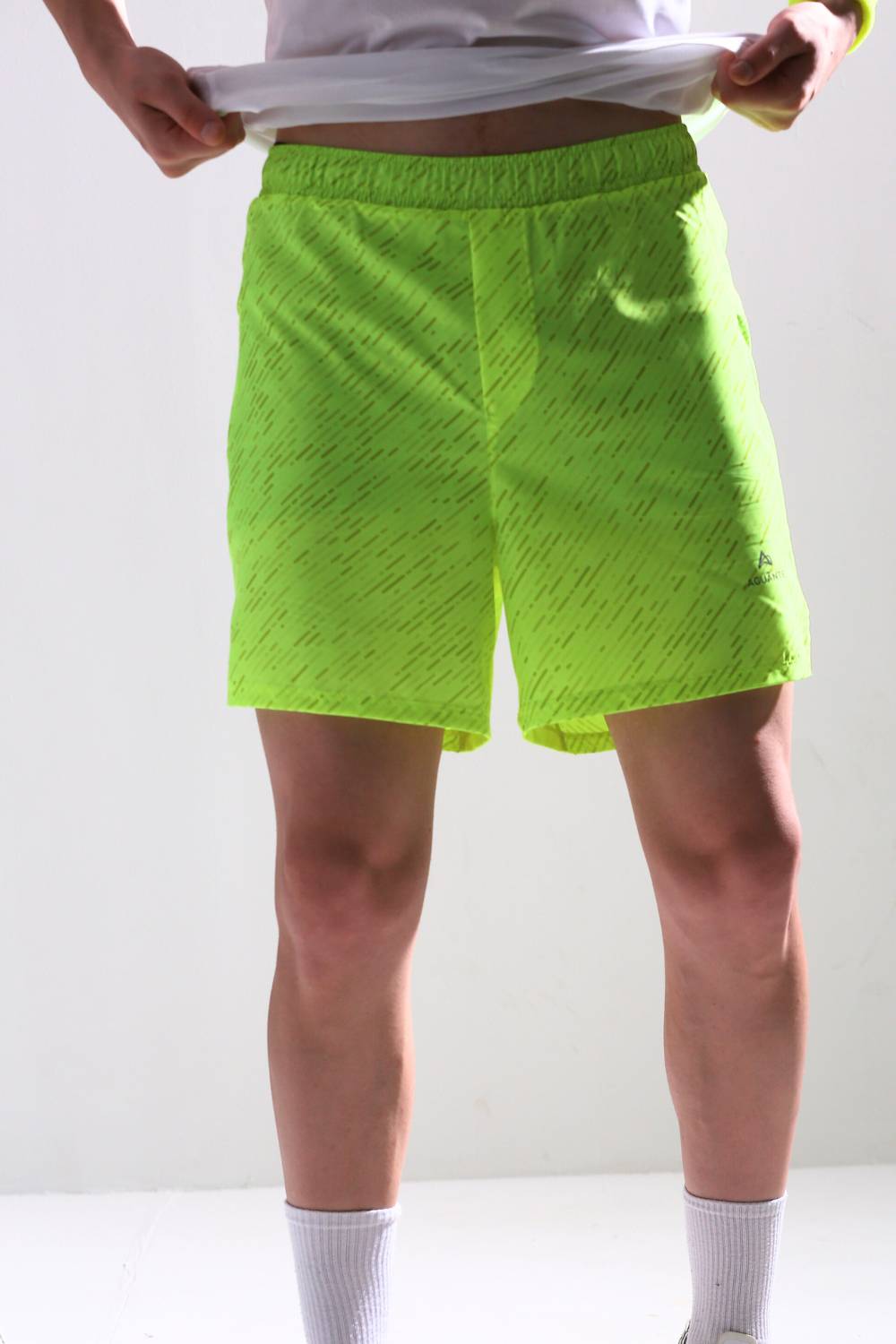
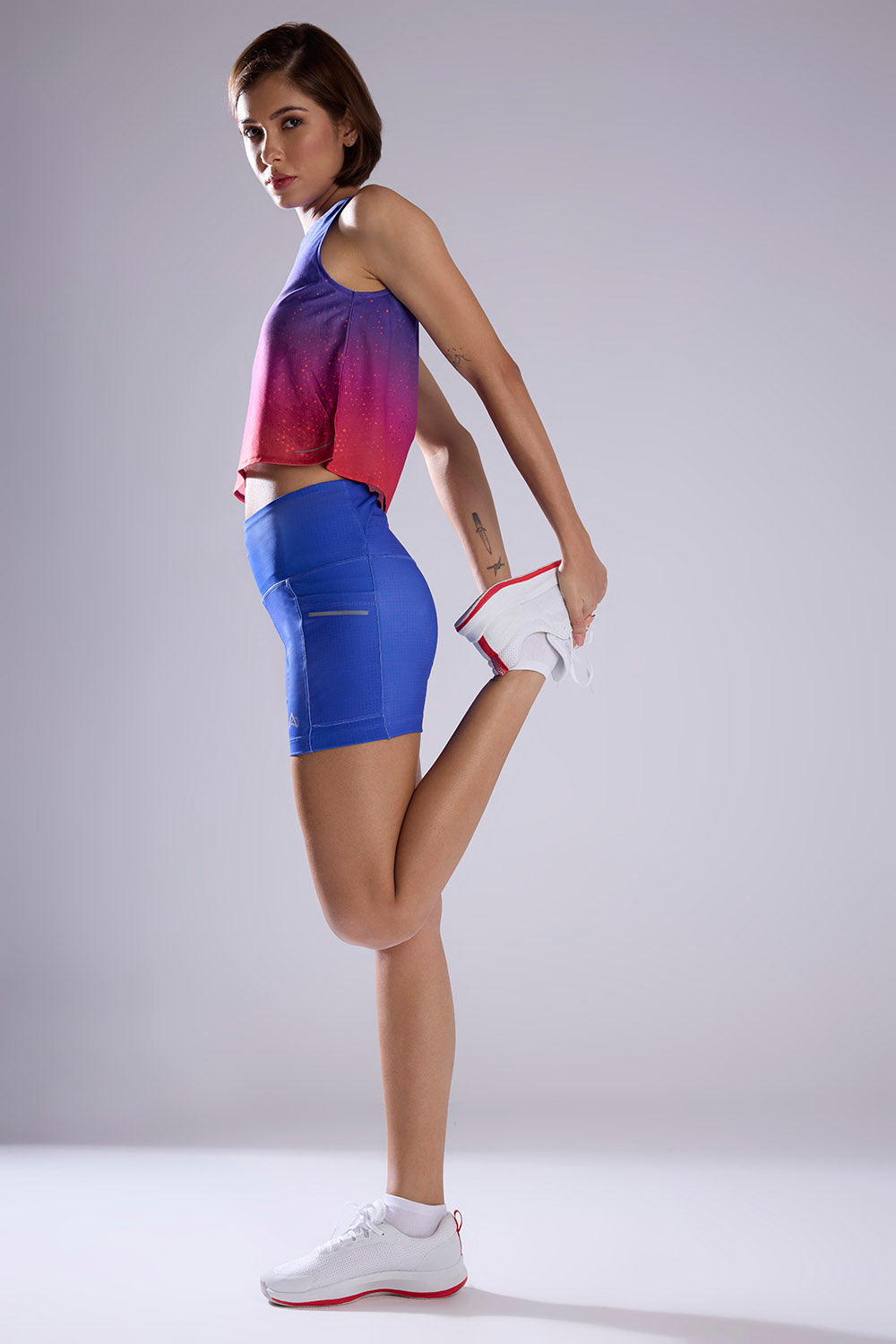
Choosing the right running clothes for beginners is less about brand preference and more about how the fabric performs during movement. Lightweight shorts, breathable tops, and well-fitted support layers form the foundation of a practical running wardrobe.
Running Accessories List for Consistency and Comfort
Beyond shoes and clothing, small accessories can significantly improve the running experience. While not strictly necessary at the start, they often support habit-building and help runners stay consistent.
One important but often overlooked aspect of running is pacing and mindset. Beginners are encouraged to adopt a gradual approach, such as alternating between running and walking. This helps build endurance without overwhelming the body. Mental strategies also matter simple focus techniques and steady breathing patterns can help runners stay present during challenging moments.
Experts highlight cues such as looking forward rather than down and focusing on steady breathing from the diaphragm rather than shallow chest breathing. These small adjustments can improve comfort and efficiency during runs, especially in the early stages of training.
A basic running accessories list for beginners may include hydration support for longer sessions, lightweight storage options for essentials, and comfort-focused items like anti-chafing solutions. However, the most important “accessory” remains consistency itself showing up regularly and building rhythm over time.
Common Beginner Mistakes and How Gear Helps Prevent Them
Many new runners experience similar challenges during their first few weeks. Discomfort, fatigue, and inconsistent pacing are common, but often these issues are linked to gear choices rather than ability. Wearing unsuitable shoes or non-breathable clothing can amplify fatigue and reduce motivation.
For example, poorly fitted footwear can lead to hotspots or discomfort that discourages regular running. Similarly, heavy clothing can make even short runs feel more difficult than they need to be. Addressing these issues early helps reduce friction both literally and figuratively between intention and execution.
Structured guidance on starting a running routine emphasizes gradual progression, such as alternating short running intervals with walking breaks. This approach, combined with proper gear, helps beginners build endurance without feeling overwhelmed. It also reinforces the idea that running is a skill developed over time rather than an immediate performance goal.
Putting Together Your Running Starter Kit
A practical running starter kit doesn't need to be complicated. At its core, it includes supportive running shoes, breathable clothing, and a few comfort-focused accessories. Each item plays a role in making the experience more sustainable and enjoyable.
Running clothes for beginners should prioritize comfort and moisture management, while footwear should focus on fit and support. Accessories should enhance consistency rather than add complexity. When these elements work together, they create a foundation that encourages regular movement without unnecessary barriers.
Ultimately, the goal is to remove friction from the running experience. When beginners feel comfortable from the first step, they are far more likely to continue building their routine. Over time, this consistency becomes the most valuable part of the journey.
Building Habits Through the Right Essentials
Starting a running habit is less about intensity and more about sustainability. The right running gear essentials help remove common barriers that often discourage beginners in the early stages. By focusing on comfort, fit, and practicality, new runners can create an environment where consistency feels achievable rather than forced.
As the routine develops, gear choices can evolve alongside personal experience. What matters most at the beginning is building confidence through comfort and simplicity. With the right foundation in place, running becomes less of a challenge and more of a natural part of daily life.
Frequently Asked Questions
How do I choose the right running shoes for beginners?
Choosing the right running shoes starts with prioritizing comfort and fit over brand or style. Beginners should look for shoes that provide proper support for their foot type, with enough room in the toe box to allow natural movement during runs. Trying shoes in person and selecting a pair that feels comfortable immediately is often the best approach for long-term running success.
What are the essential running gear items every beginner runner should have?
The essential running gear essentials for beginners include supportive running shoes, breathable moisture-wicking clothing, and a few basic comfort accessories like hydration support or anti-chafing products. These items help reduce discomfort, prevent injuries, and make it easier to stay consistent. A simple beginner running kit should focus on comfort and practicality rather than expensive or advanced equipment.
What should I wear when starting a running routine to avoid discomfort and injuries?
Beginners should wear lightweight, breathable clothing made from moisture-wicking materials instead of cotton, which can trap sweat and cause chafing. Proper running apparel helps regulate body temperature and reduces friction during movement. Choosing comfortable, well-fitted clothing makes running more enjoyable and supports consistency in building a routine.
Disclaimer: The above helpful resources content contains personal opinions and experiences. The information provided is for general knowledge and does not constitute professional advice.
You may also be interested in: Running Gear for 5K Races: Essential Picks for New Runners
Tired of gear that slows you down? Chafing, soggy fabrics, and missing pockets kill your run's momentum. At Aguante, we're runners who get it. Our high-performance activewear features moisture-wicking fabrics, ergonomic designs, and smart storage to keep you focused. Shop Now!
Powered by flareAI.co