






















Quick Listen:
Building a consistent running routine transforms not just your fitness level but also your daily energy, mental clarity, and overall well-being. For runners in bustling cities like Bangalore, Hyderabad, Mumbai, Pune, and others across India, where traffic, humidity, and packed schedules often challenge motivation, a thoughtful approach makes all the difference. Whether you're restarting after a break or beginning from scratch, focusing on gradual progress and enjoyment helps create habits that last.
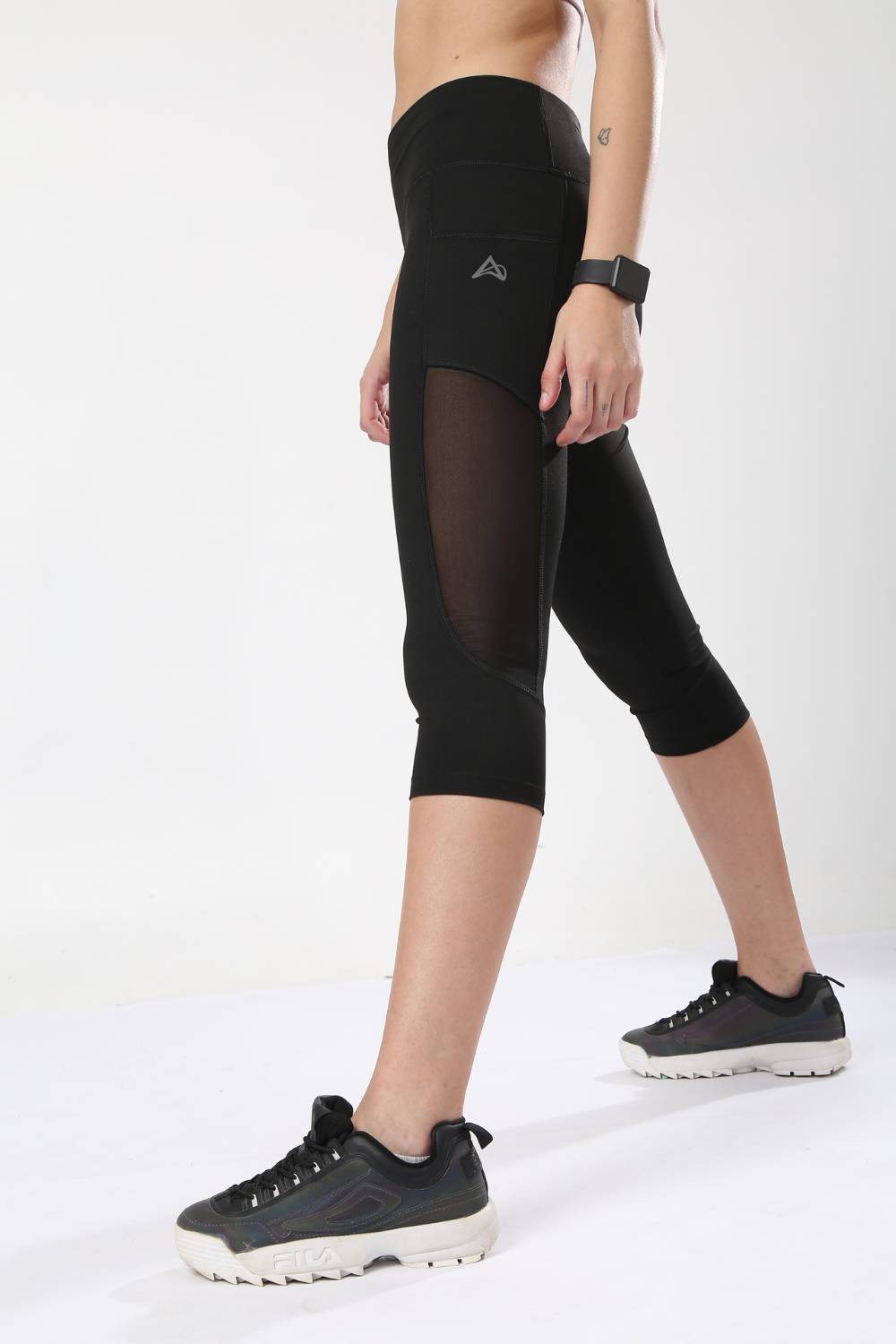
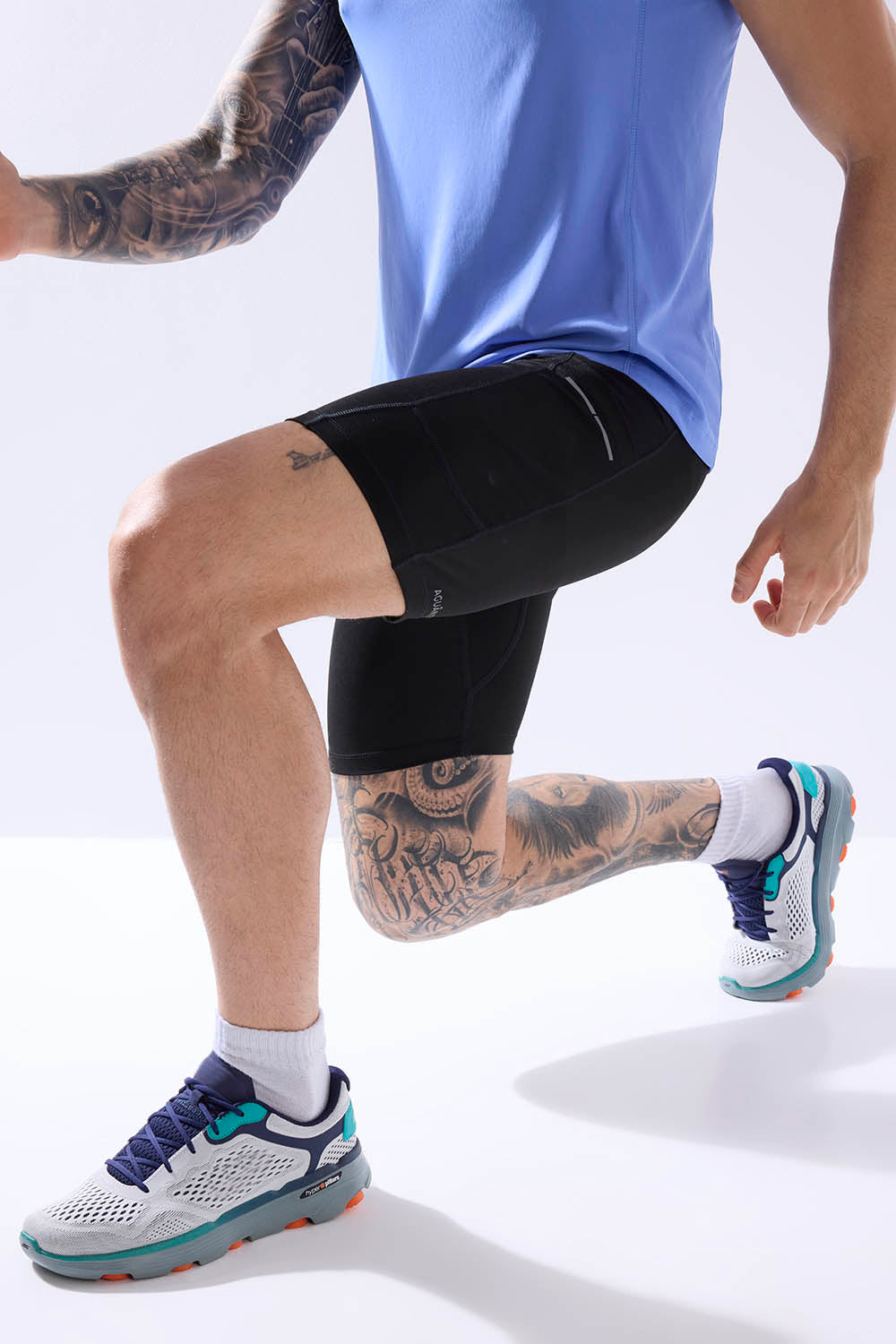
Tired of gear that slows you down? Chafing, soggy fabrics, and missing pockets kill your run's momentum. At Aguante, we're runners who get it. Our high-performance activewear features moisture-wicking fabrics, ergonomic designs, and smart storage to keep you focused. Shop Now!
Understanding the Foundations of a Sustainable Running Routine
A consistent running routine starts with realistic expectations and a commitment to steady adaptation. Many enthusiastic beginners push too hard too soon, leading to burnout or injury. Instead, prioritize building a base that fits your current lifestyle and fitness level. This means listening to your body and celebrating small wins along the way.
The process typically involves starting with manageable sessions that combine running and walking. Alternating short bursts of running with walking periods allows your cardiovascular system and muscles to adapt without overwhelming them. Aim for three runs per week with rest days in between to support recovery and prevent overuse issues.
Getting Started: the Run-walk Method
One of the most effective ways to establish consistency is through structured run-walk intervals. Begin with short segments perhaps one minute of running followed by two minutes of walking and gradually adjust the ratios as your endurance improves. This method, highlighted in practical running guides, helps newcomers build confidence while minimizing strain.
In urban environments with varying terrain and weather, this flexible approach works particularly well. Early morning sessions in local parks or along familiar routes can become part of your rhythm, turning exercise into a refreshing start to the day rather than another obligation.
Incorporating Strength Training and Recovery
Running alone doesn't build the complete support system your body needs. Adding two strength training sessions per week targets key muscle groups around your joints, hips, and core, reducing injury risk and improving overall performance. Focus on bodyweight exercises or simple resistance movements that complement your runs.
Recovery plays an equally important role. Adequate rest days, proper hydration, and quality sleep allow your body to repair and strengthen. Many runners notice improvements in sleep quality after establishing a routine, which in turn boosts daytime energy and mood.
Health Benefits That Keep You Motivated
Consistent running delivers profound physical and mental rewards. It strengthens your heart, enhances endurance, and supports healthy weight management while lowering risks associated with sedentary lifestyles. Over time, regular runners often experience better joint health and a more resilient immune system.
Running offers substantial physical and mental health advantages when integrated into a consistent routine, serving as one of the most effective cardiovascular exercises available. Physically, it strengthens the heart, improves endurance, and lowers risks of heart disease, stroke, and high blood pressure while helping maintain a healthy weight and reduce chances of certain cancers and type 2 diabetes. Regular runs also enhance joint health over time, with studies showing lower rates of arthritis among consistent runners compared to non-runners, and support immune function to fend off colds and infections more effectively.
Sleep improves significantly, with exercise like running helping the body fall asleep faster and experience deeper rest, which compounds over weeks to boost daytime alertness and mood. Mentally, running releases endorphins that elevate mood, reduce anxiety and depression symptoms, and sharpen memory by expanding areas of the brain responsible for learning and recall. Even short sessions, such as 10 minutes daily, yield measurable benefits like lowered resting heart rates and better overall energy.
On the mental side, running triggers endorphin release that elevates mood and helps manage stress and anxiety. Even shorter sessions contribute to sharper focus and better memory function. These cumulative benefits make running a powerful tool for long-term well-being, especially for professionals balancing demanding careers in dynamic cities.
Overcoming Common Challenges in Urban Running
City life presents unique hurdles pollution, unpredictable weather, and time constraints among them. Planning routes in advance, such as green spaces or less congested areas, helps maintain consistency. Many runners find success by treating their runs like important appointments in their calendar.
Tracking progress with a simple journal or app provides valuable insights without becoming obsessive. Note how you feel after each session rather than fixating solely on distance or pace. This mindful approach fosters enjoyment and long-term adherence.
Building Community and Staying Accountable
Running doesn't have to be solitary. Joining local running groups or connecting with fellow enthusiasts can provide motivation and shared experiences. Community support turns individual efforts into collective journeys, making consistency more achievable and enjoyable.
Rebuilding a running routine after a break or starting from scratch requires a gradual, structured approach that prioritizes safety and enjoyment to ensure long-term success. Begin with short run/walk intervals, such as alternating periods of running and walking to build endurance without overwhelming your system, and aim to run three days per week with adequate rest days in between. This frequency allows your cardiovascular system and muscles to adapt steadily while preventing overuse injuries that often occur when jumping straight into higher volumes. Keep early sessions easy and conversational, focusing on enjoyment rather than pace or distance, which helps maintain motivation during the adaptation phase that can take four to six weeks to feel truly comfortable.
Adding two strength sessions per week complements running by building supporting muscles around joints and reducing injury risk, while proper footwear and consistent recovery routines, including rest days, play a critical role in sustaining progress. As your base improves, gradually extend run intervals and decrease walking time until you can maintain longer continuous efforts, all while tracking how the routine enhances your daily energy and mental resilience. The process emphasizes listening to your body, adjusting as needed, and celebrating small milestones like completing a full run without walking, which creates momentum.
Progressing Your Routine Safely
As your base strengthens, gradually increase duration and intensity. Extend continuous running segments while reducing walking intervals. Pay close attention to form and any warning signs from your body. Proper footwear suited for your running style and surfaces remains essential for comfort and injury prevention.
The adaptation phase often takes four to six weeks before runs start feeling more natural. Patience during this period pays dividends, helping establish habits that support sustained progress rather than short-lived spikes in activity.
Long-term Mindset for Lasting Success
Consistency comes from viewing running as a lifestyle element rather than a temporary challenge. Focus on how it enhances your energy levels, stress management, and overall quality of life. Small adjustments based on your schedule and preferences keep the routine sustainable amid life's demands.
Celebrate milestones whether completing your first uninterrupted run or noticing better recovery between sessions. These positive reinforcements strengthen the habit loop and maintain enthusiasm over months and years.
Building a consistent running routine ultimately creates a positive cycle: better physical health supports mental well-being, which fuels continued motivation. For activewear enthusiasts seeking performance apparel that moves with them through every stride, the right gear can enhance comfort and confidence along the journey.
a successful running routine blends structure with flexibility, patience with persistence. By starting gradually, incorporating complementary training, prioritizing recovery, and embracing the process, you set yourself up for lasting success. The path may have its challenges, but the rewards greater vitality, mental clarity, and personal achievement make every step worthwhile.
Frequently Asked Questions
How can I stay consistent with running in a busy urban lifestyle?
Staying consistent in a busy city involves planning your runs like important appointments and choosing convenient routes such as parks or less congested areas. Running early in the morning can help avoid traffic, heat, and scheduling conflicts. Tracking progress and focusing on how you feel after each run also helps maintain motivation over time.
What is the best way to start a consistent running routine as a beginner?
The best way to start a consistent running routine is to begin gradually and set realistic expectations. Aim for about three runs per week with rest days in between to allow recovery. Start with short run-walk sessions instead of continuous running to help your body adapt safely and build endurance over time.
What is the run-walk method and why is it effective for building running consistency?
The run-walk method alternates short intervals of running with walking, such as one minute of running followed by two minutes of walking. This approach helps beginners improve cardiovascular fitness without overwhelming the body or increasing injury risk. It also builds confidence and makes it easier to stay consistent while gradually increasing running capacity.
Disclaimer: The above helpful resources content contains personal opinions and experiences. The information provided is for general knowledge and does not constitute professional advice.
You may also be interested in: The Effect of Pockets on Hydration and Nutrition Management
Tired of gear that slows you down? Chafing, soggy fabrics, and missing pockets kill your run's momentum. At Aguante, we're runners who get it. Our high-performance activewear features moisture-wicking fabrics, ergonomic designs, and smart storage to keep you focused. Shop Now!
Powered by flareAI.co