








Quick Listen:
Running is one of the most rewarding ways to stay active and healthy, but in the humid conditions common to Indian cities, the constant motion of your stride can lead to uncomfortable skin-on-skin friction. Inner thighs, underarms, and other sensitive spots rub together, creating red, raw irritation that can turn painful if left unchecked. Whether you're completing a quick morning jog through the parks of Bangalore or training for a longer run in Mumbai, preventing chafing while running is essential to stay comfortable and keep your workout going without interruption. The good news is that small, consistent habits and the right choices in clothing and products can make a real difference.
Tired of gear that slows you down? Chafing, soggy fabrics, and missing pockets kill your run's momentum. At Aguante, we're runners who get it. Our high-performance activewear features moisture-wicking fabrics, ergonomic designs, and smart storage to keep you focused. Shop Now!
Why Chafing Happens During Runs
Chafing occurs when skin rubs against itself or against clothing, breaking down the outer layers of skin. In humid weather, sweat increases, making the skin more sensitive and the friction worse. Repetitive movement during strides amplifies the problem, especially on longer runs where your body stays in motion for extended periods. The inner thighs are particularly vulnerable because they meet during each step, and the heat combined with sweat keeps the irritation going. Understanding these mechanics helps you address the root cause instead of just treating the symptoms.
The Best Ways to Prevent Chafing While Running
Staying dry is the foundation of effective prevention. Apply talcum or alum powders to sweaty areas right before you lace up so moisture does not build up against the skin. These powders wick excess moisture away and keep the skin drier. Next, use a lubricant such as petroleum jelly on the most trouble-prone spots like the inner thighs, armpits, and under the nipples. The slippery layer lets skin glide smoothly over itself or clothing instead of catching.
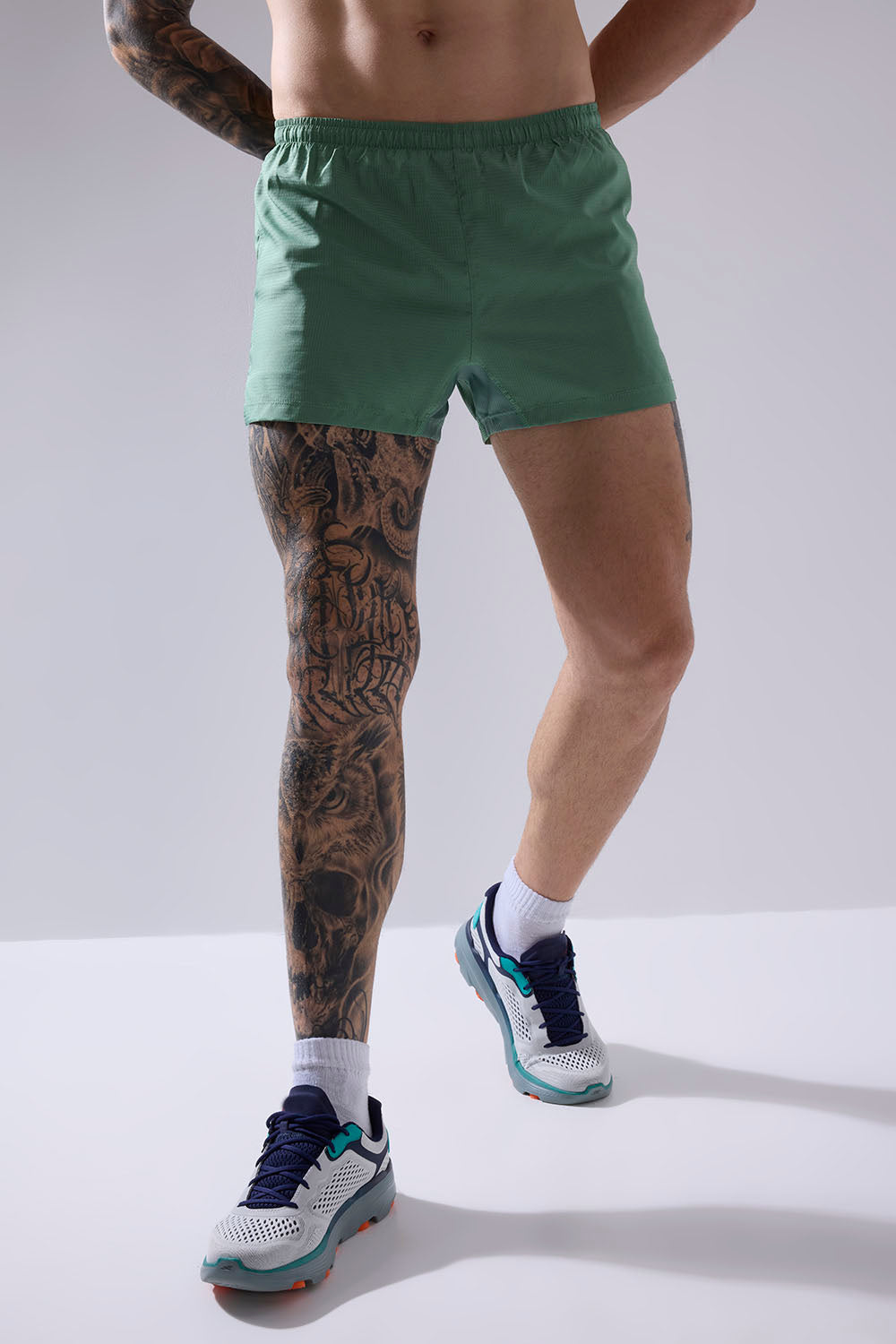
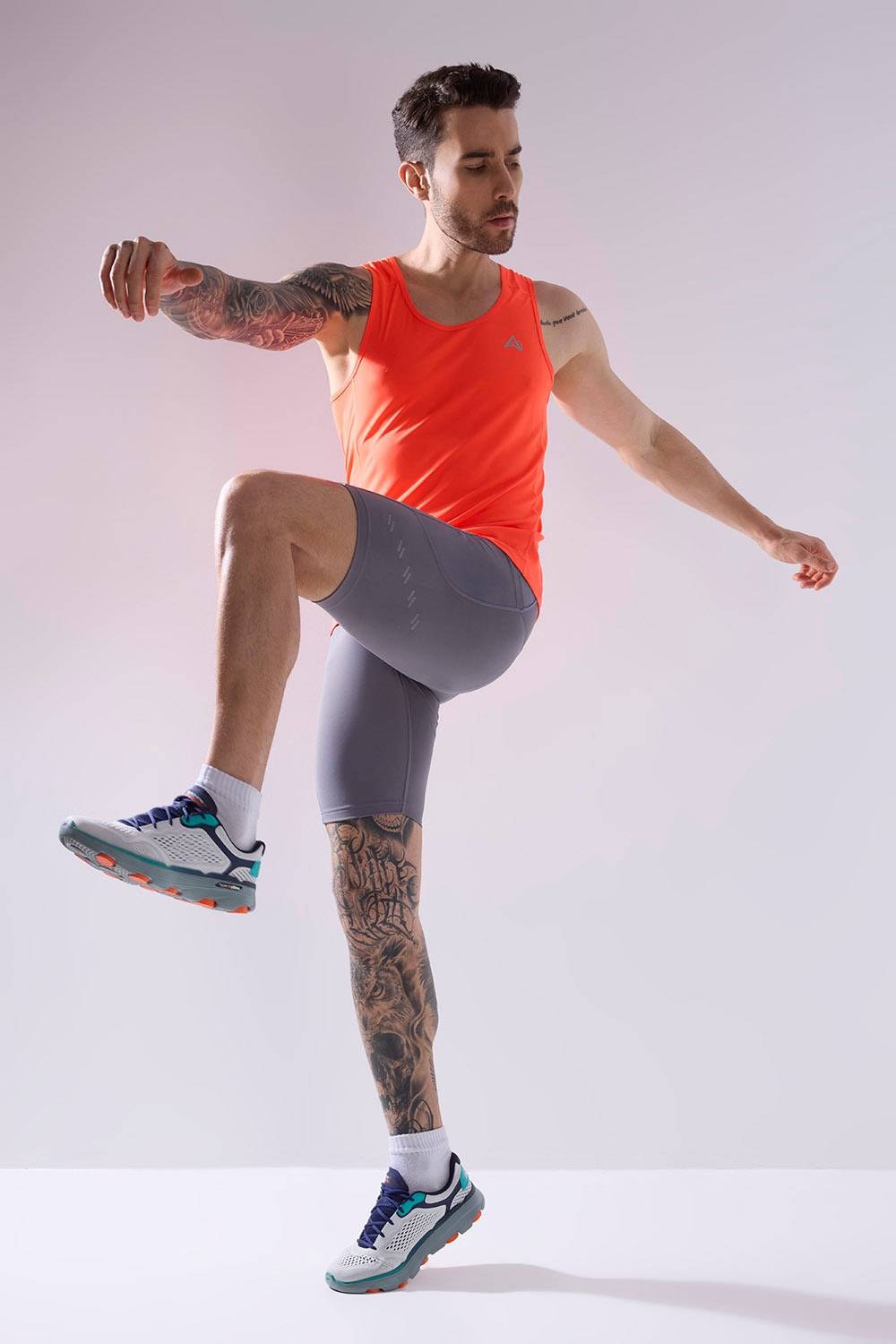
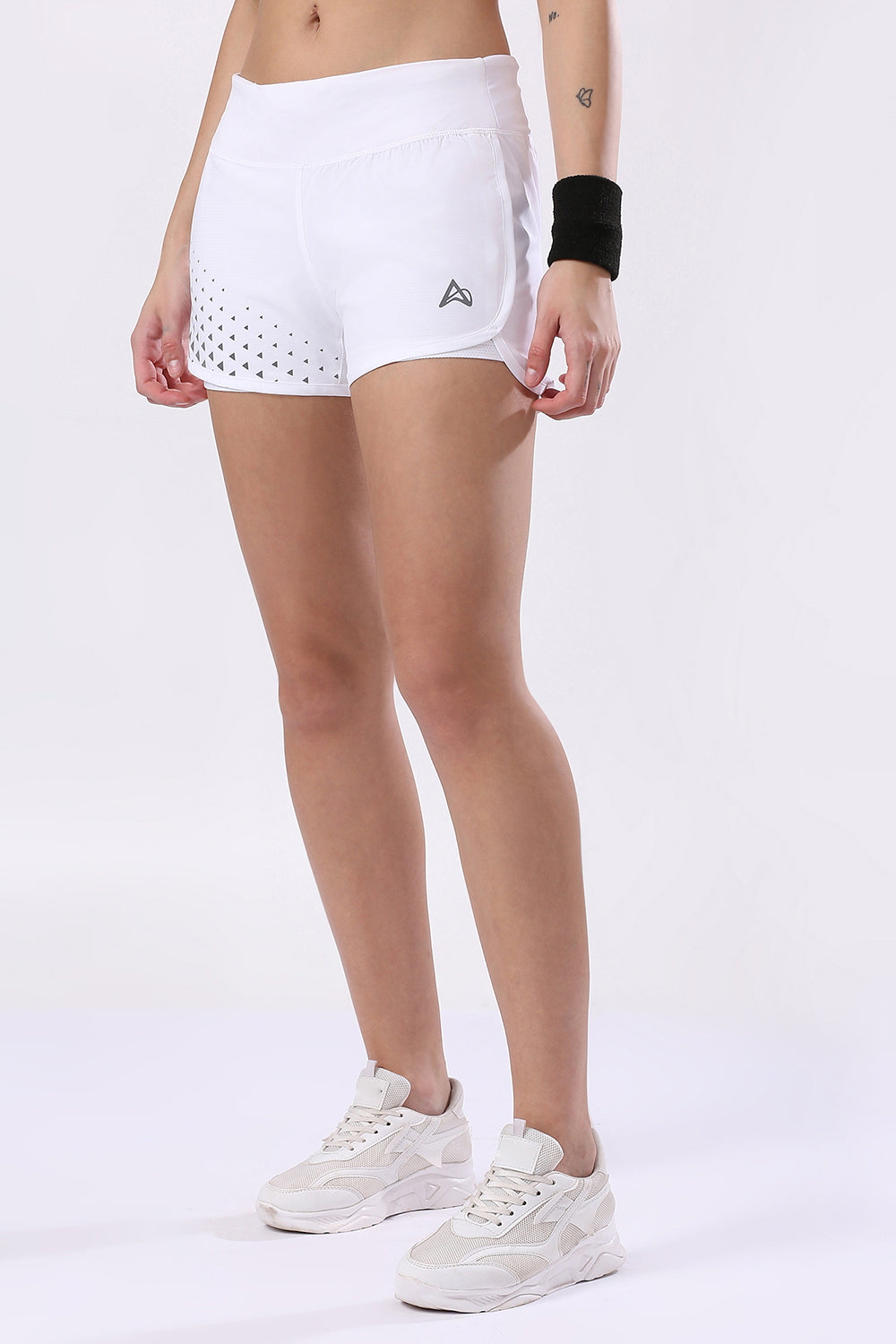
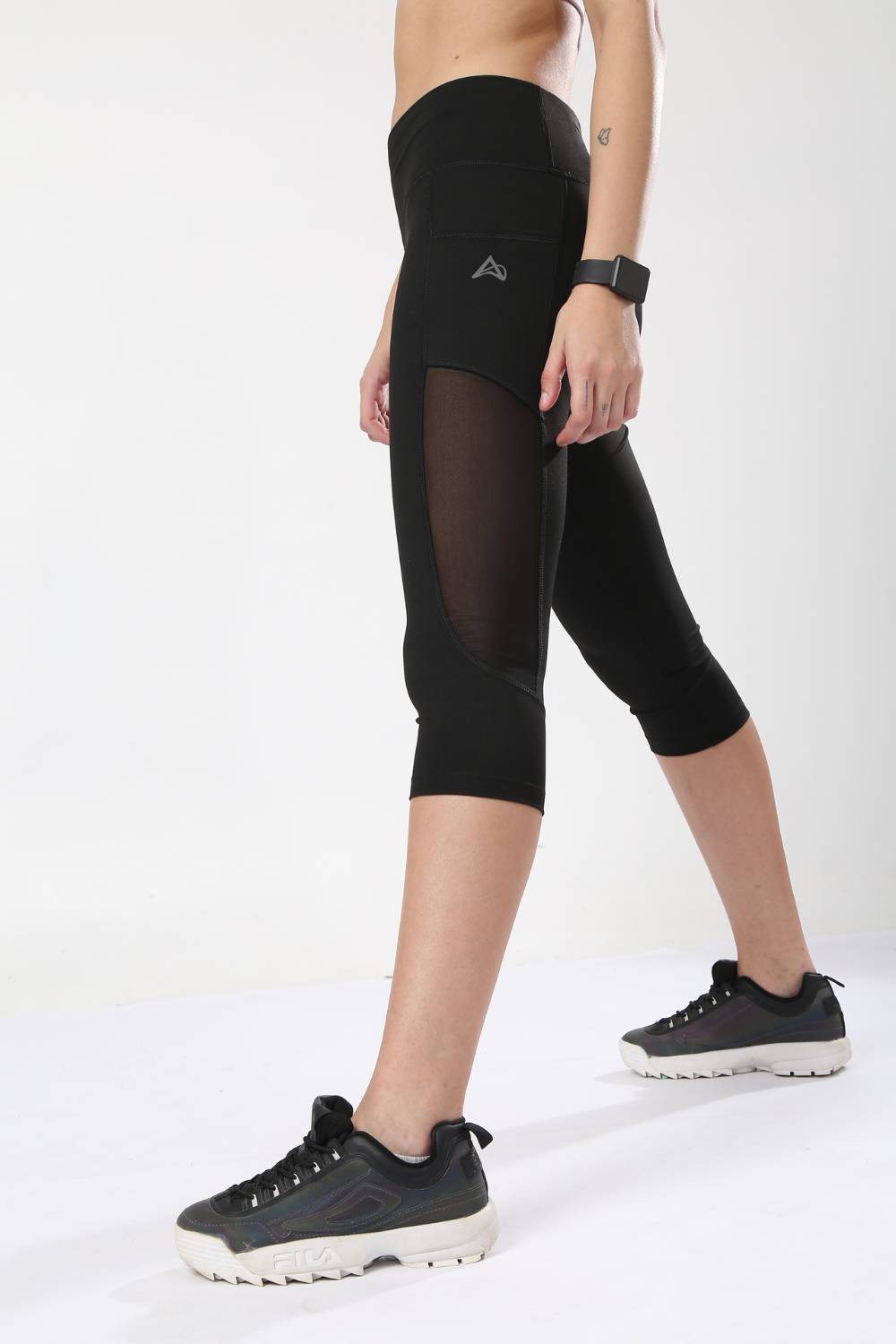
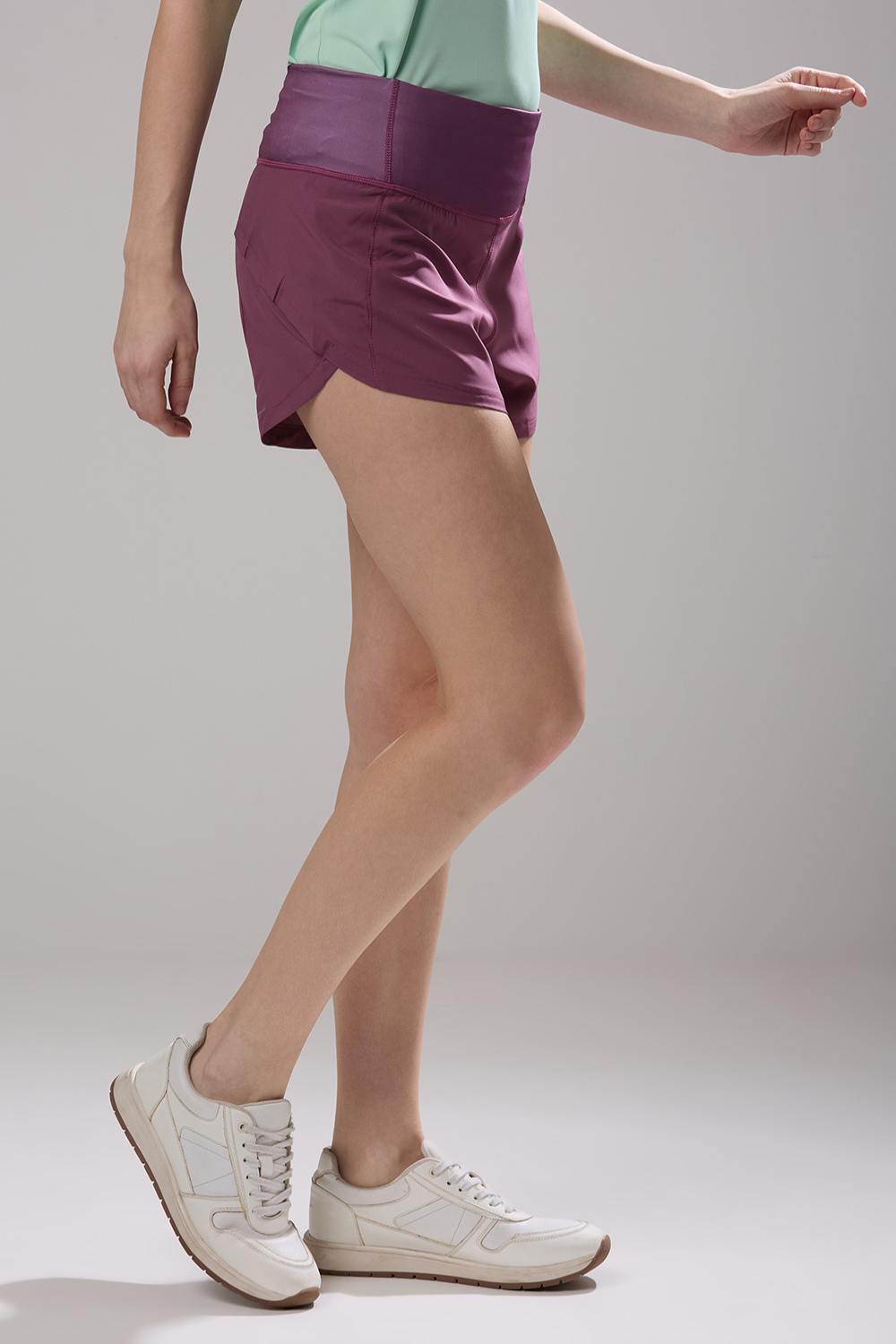
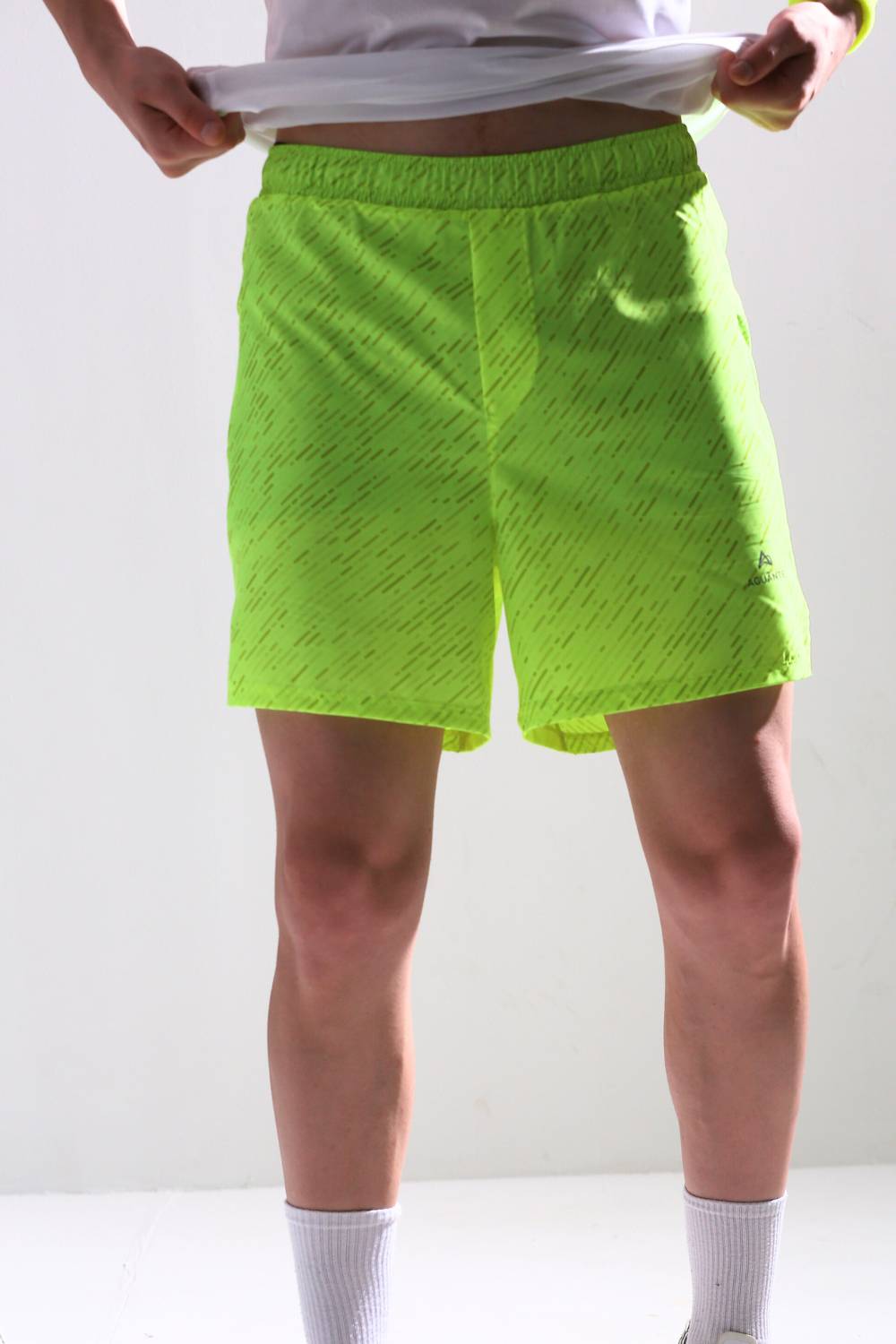
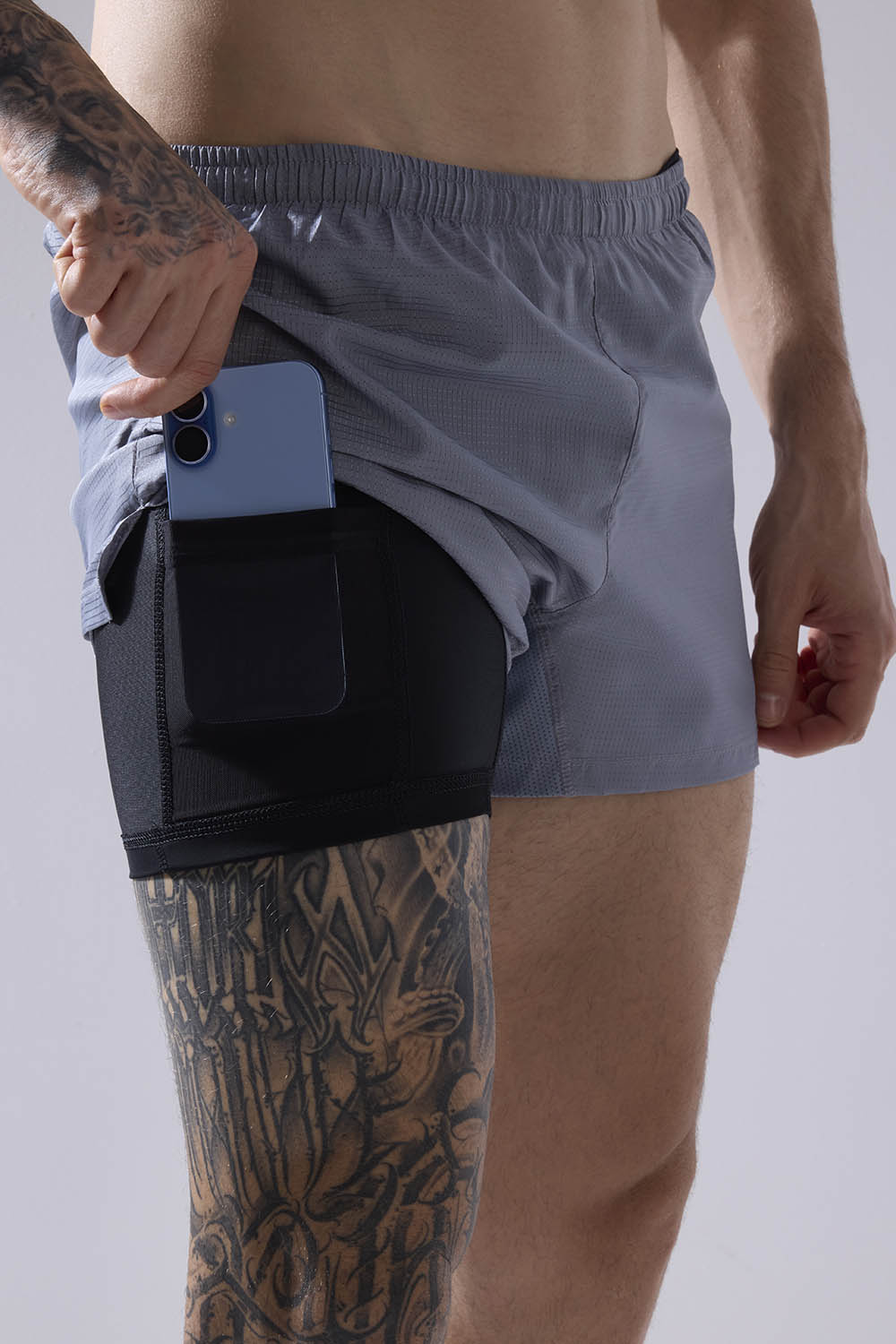
Dress for the conditions with moisture-wicking synthetic fabrics that pull sweat away from the skin rather than trapping it. Cotton holds onto moisture and increases rubbing, so skip it entirely. Look for shorts with longer inseams or compression liners that keep thighs from touching during strides. Seamless or tagless styles are ideal because smooth seams and no tags or logos prevent extra fabric edges from digging in. For extra-long runs, consider lighter layers in warmer weather and reapply lubricant at rest stops.
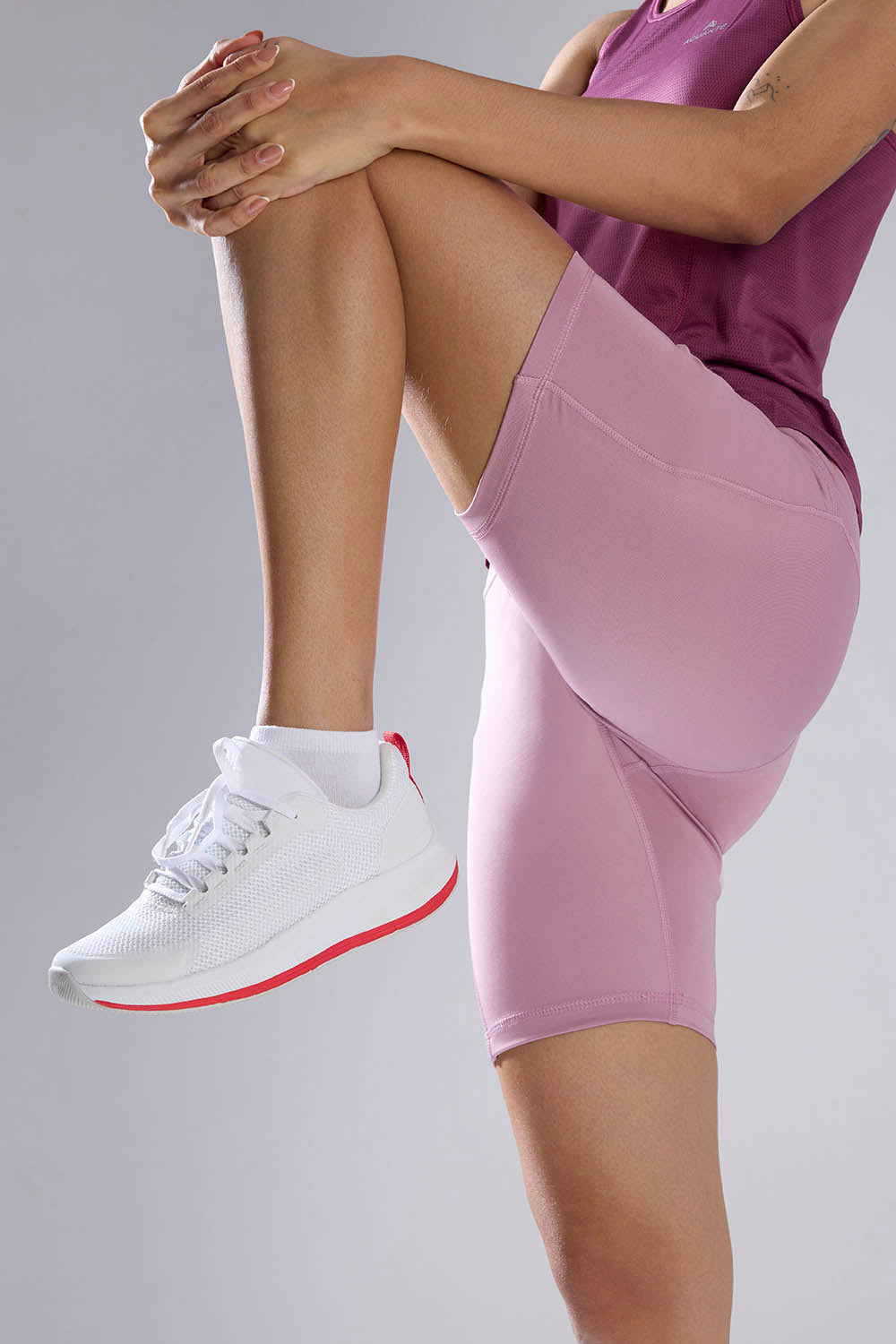
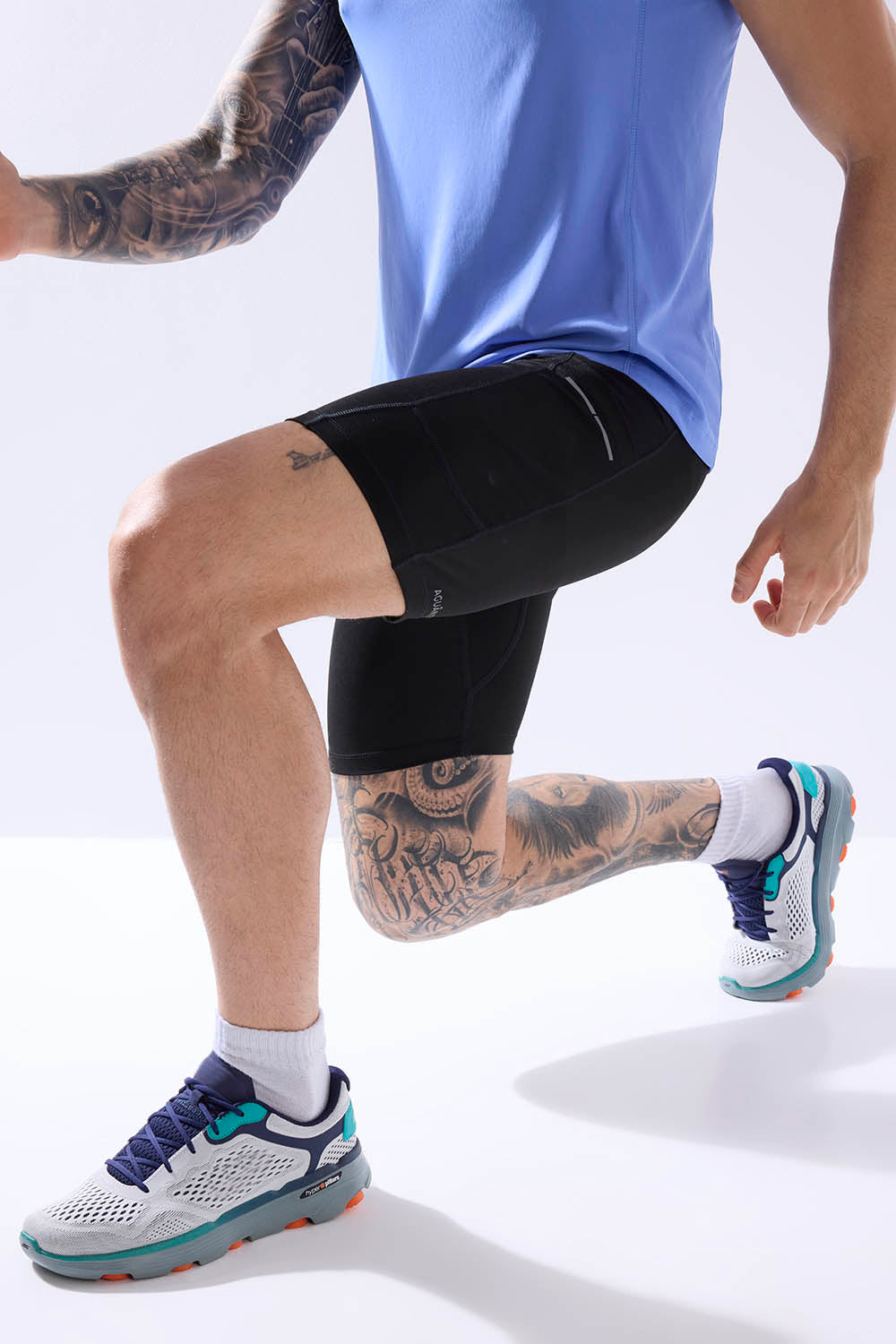
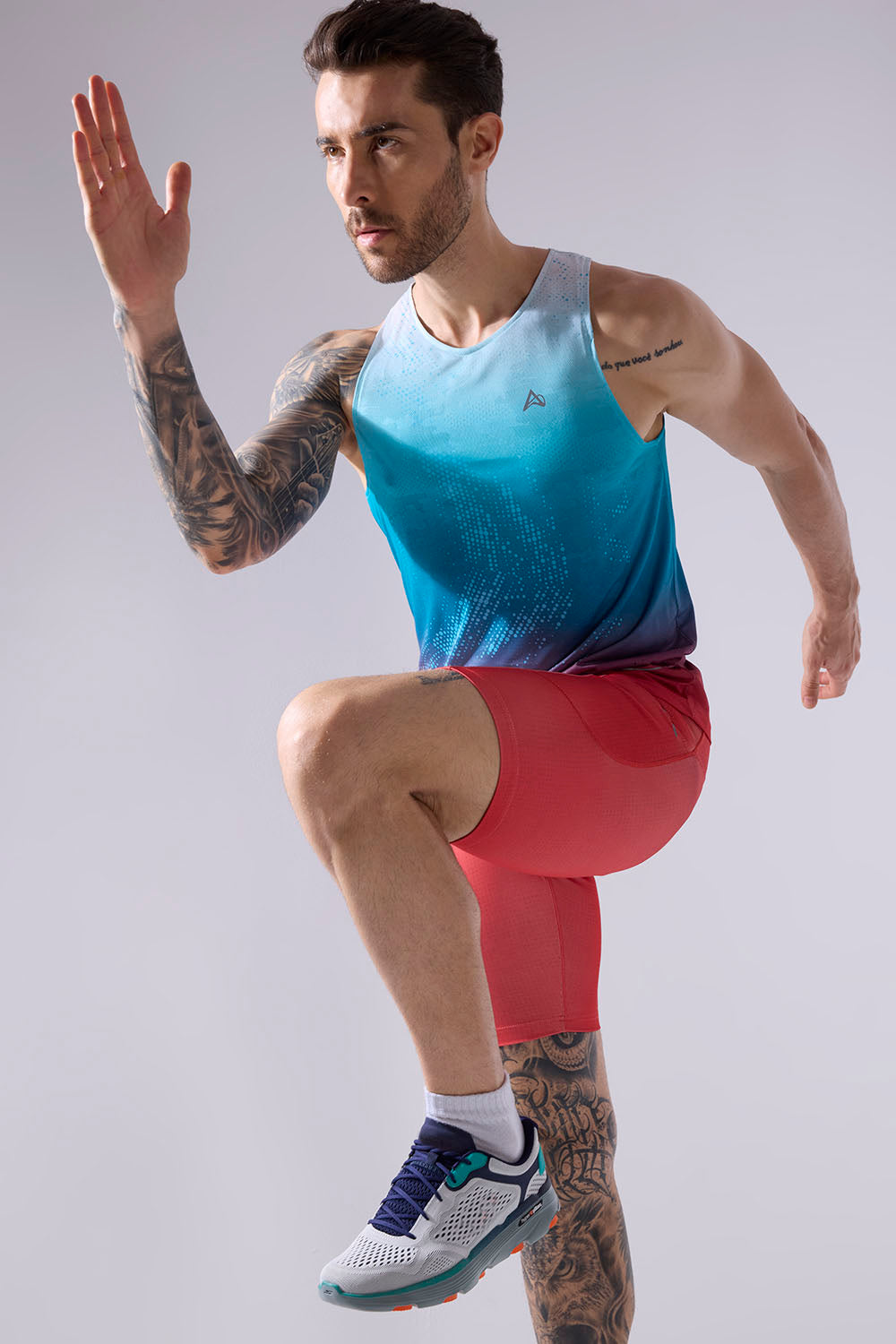
Compression shorts worn under regular shorts when needed act as a mechanical barrier that stops thighs from touching. Even heart-rate straps, hydration packs, or phone armbands can add friction, so tighten everything and keep extra lubricant on hand for those spots. If you run in the heat, focus on areas that get the most movement and sweat most.
Best Practices for Clothing and Gear to Reduce Friction
Your clothing choices make a bigger impact than you might expect. Opt for synthetic or moisture-wicking materials that dry quickly and move with your body. Compression shorts, popular among many runners, provide an extra layer of protection against thigh-to-thigh contact. Longer inseams on shorts keep fabric from riding up and rubbing the skin. For men, seamless tops with smooth seams prevent the common runner's nipple issue during high-mileage sessions.
Adjust equipment for better fit. Heart-rate monitor chest straps should not bounce, and armbands or hydration belts need to be snug. If any gear feels loose, reapply lubricant to the contact points. Many runners also find that running in lighter layers during summer heat helps reduce overall sweat and friction. These simple adjustments turn what could be a frustrating run into a smooth, uninterrupted experience.
Chafing during runs happens because constant movement causes skin to rub against itself or against clothing, especially when sweat and heat make the skin more sensitive. In humid conditions the issue becomes even worse because moisture keeps the friction going and can cause the skin to break down quickly. Experts agree that the best defense starts with applying a thin layer of lubricant to dry skin in the most common trouble spots like the inner thighs, armpits, and under the nipples. This creates a smooth barrier so the skin glides instead of catches. For longer runs or hot-weather training, many runners also reach for moisture-absorbing powders and make sure their skin stays as dry as possible right before heading out. Clothing choices matter just as much.
Opt for synthetic fabrics that wick sweat away instead of trapping it like cotton does. Look for shorts with longer inseams or compression liners that keep the thighs from touching each other, and always choose seamless or tagless styles so no extra fabric edges rub. Even heart-rate straps, hydration packs, or phone armbands can add unwanted friction, so tighten everything and keep extra lubricant on hand for those spots. If you already have chafed skin, treat it immediately with lukewarm water and gentle cleansing, then apply a soothing ointment like zinc oxide before slipping into comfortable, breathable clothes. The key is consistency: the right lubricant, the right gear, and quick action when you need it turn what used to ruin runs into something you can train through without missing a stride. Runners who follow these steps report fewer disruptions and more comfortable long-distance sessions, especially in the summer heat that many people now train in.
Quick Treatment Steps When Chafing Appears
If chafing still occurs, act fast to limit damage. Rinse the affected area gently with lukewarm water and pat it dry thoroughly. Avoid hot water, as it can worsen the burn. Apply a soothing ointment like zinc oxide to calm the skin and protect against infection. Give the area time to heal by avoiding tight or irritating clothes until it feels better. These straightforward steps help you stay comfortable regardless of distance or conditions.
Pro Tips for Long Runs and Hot Weather
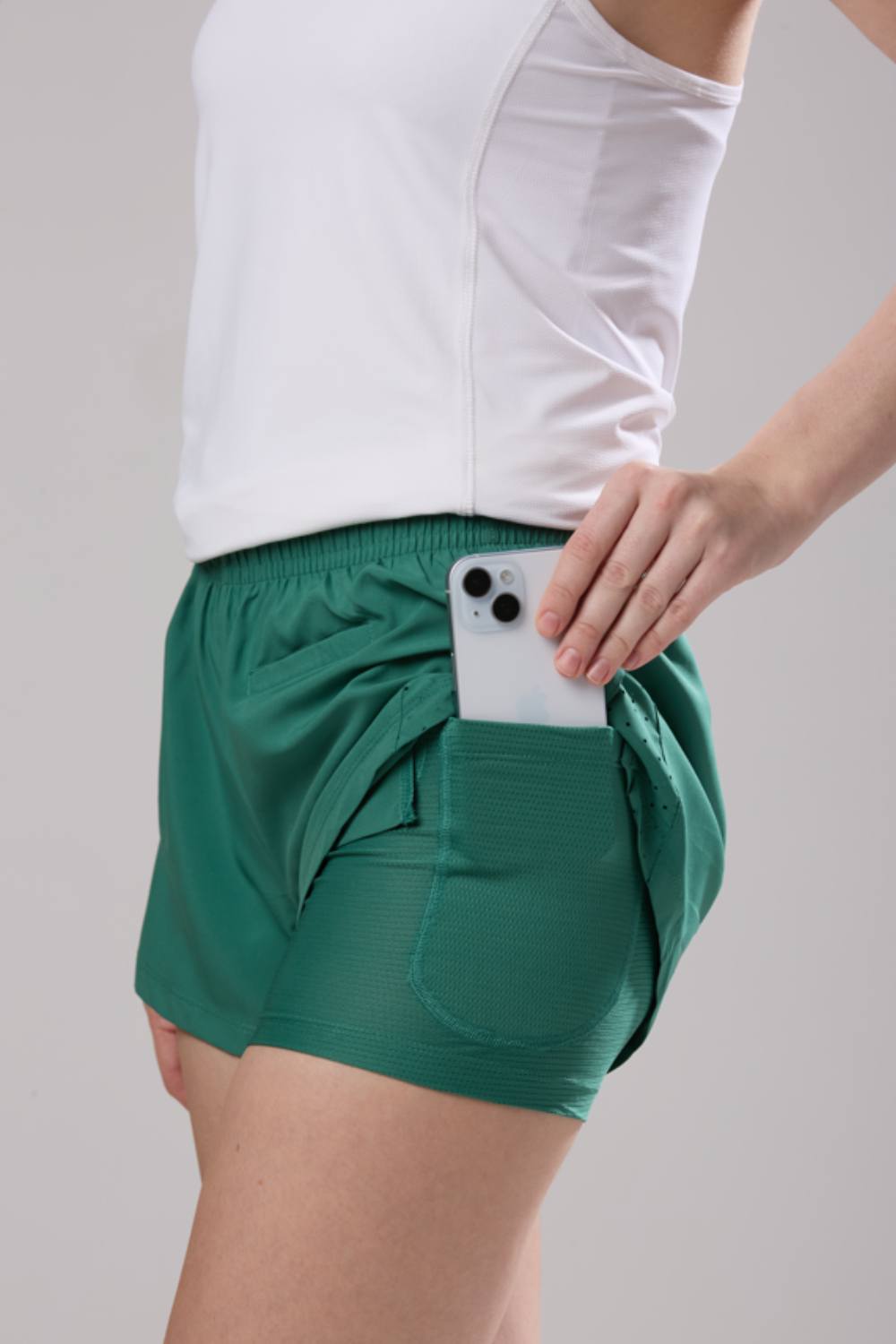
Longer runs in the heat of Indian summers bring their own challenges. Pre-run powders and lubricants keep skin dry and protected from the start. Stash a travel-sized tube of balm in your shorts pocket for touch-ups during the run. Focus on breathable, synthetic fabrics that wick sweat effectively and change out of sweaty clothes as soon as possible after finishing. Many runners also find that shorter, faster strides reduce overall friction compared to longer, steady pacing.
Stay hydrated but avoid over-sweating by pacing yourself appropriately for the conditions. If you notice chafing building during a run, stop briefly, reapply lubricant, and continue with reduced intensity until the skin calms. These habits turn potential discomfort into manageable preparation for serious training sessions.
When to See a Professional for Persistent Issues
Most chafing heals quickly with proper care, but if irritation persists, becomes infected, or causes ongoing pain, consult a dermatologist. They can recommend medicated ointments or address any underlying skin sensitivities. Early action prevents minor issues from turning into larger problems that could affect your training consistency.
Final Thoughts
Preventing chafing while running is about preparation, smart clothing choices, and quick response when needed. By focusing on dryness, friction reduction, and proper gear, you can train more comfortably and enjoy longer, more enjoyable runs. These practical steps help keep skin irritation from slowing you down and allow you to focus on what really matters reaching your fitness goals.
Additional Guidance on Friction-free Running
Chafing occurs when skin rubs against skin or fabric, creating irritation that worsens with sweat, heat, and repetitive movement typical of running. The friction breaks down the outer skin layers, leaving red, raw areas that can turn painful if left unchecked. To prevent it, the focus is on lowering friction and keeping skin dry. Apply talcum or alum powders to sweaty zones right before you lace up so moisture does not build up against the skin. Lubricants such as petroleum jelly create a slippery layer that lets skin glide smoothly over itself or clothing. Compression shorts, worn under regular shorts when needed, act as a mechanical barrier that stops thighs from touching during strides. Wear synthetic or moisture-wicking fabrics that pull sweat away instead of holding it close, and skip cotton because it stays damp and increases rubbing.
Choose clothes with smooth seams and no tags or logos that could dig in, and keep equipment like straps or armbands snug so they do not bounce and add extra friction. In warm weather or during longer runs, consider running in lighter layers and reapply lubricant at rest stops. If chafing appears, rinse gently with lukewarm water, pat dry, and apply a soothing ointment such as zinc oxide to calm the skin and protect against infection. Give the area time to heal by avoiding tight or irritating clothes until it feels better. These straightforward steps help runners maintain comfortable training regardless of distance or conditions. By prioritizing dryness, smooth barriers, and timely treatment, you can keep chafing from slowing you down and enjoy more miles with fewer interruptions.
Frequently Asked Questions
How do I prevent chafing while running in hot and humid weather?
Preventing chafing while running in hot and humid conditions starts with keeping your skin dry and reducing friction. Use moisture-wicking synthetic clothing instead of cotton, and apply anti-chafing lubricants like petroleum jelly to high-friction areas such as the inner thighs and underarms. Talcum or alum powders can also help absorb sweat and keep the skin drier during longer runs.
What is the best treatment for running chafing after a long run?
The best treatment for running chafing is to gently rinse the affected area with lukewarm water and pat it dry to avoid further irritation. Applying a soothing barrier ointment such as zinc oxide helps protect the skin and promote healing. It is also important to wear loose, breathable clothing while the area recovers to prevent additional friction.
What causes chafing during running and why does it get worse in humid conditions?
Chafing during running is caused by repetitive friction between skin and skin or between skin and clothing. In humid weather, sweat increases moisture on the skin, which intensifies rubbing and weakens the outer skin layer more quickly. Over time, this repeated irritation leads to redness, soreness, and sometimes painful raw patches.
Disclaimer: The above helpful resources content contains personal opinions and experiences. The information provided is for general knowledge and does not constitute professional advice.
You may also be interested in: Why Aguantes Anti-chafing Shorts Are a Game-changer
Tired of gear that slows you down? Chafing, soggy fabrics, and missing pockets kill your run's momentum. At Aguante, we're runners who get it. Our high-performance activewear features moisture-wicking fabrics, ergonomic designs, and smart storage to keep you focused. Shop Now!
Powered by flareAI.co