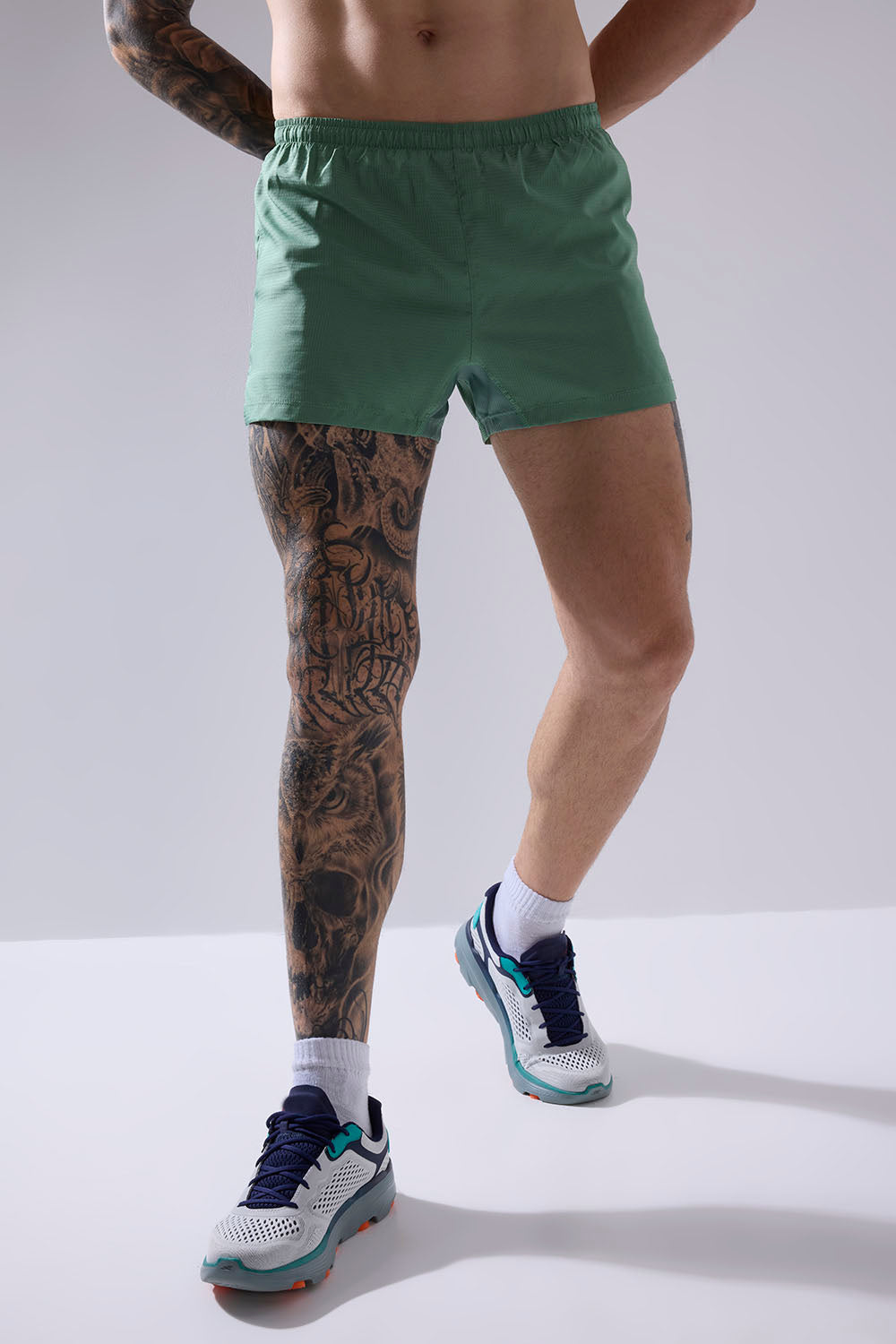
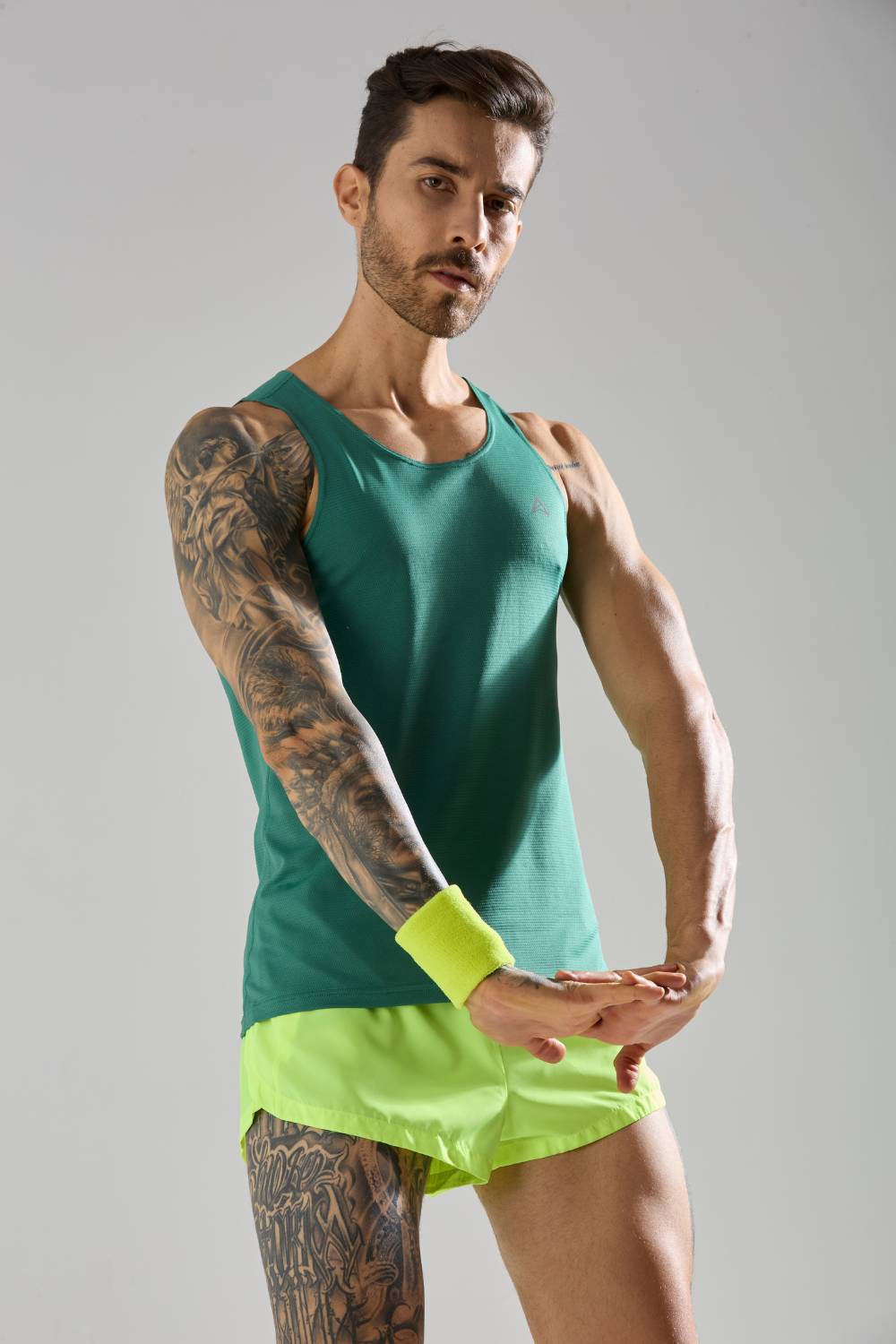
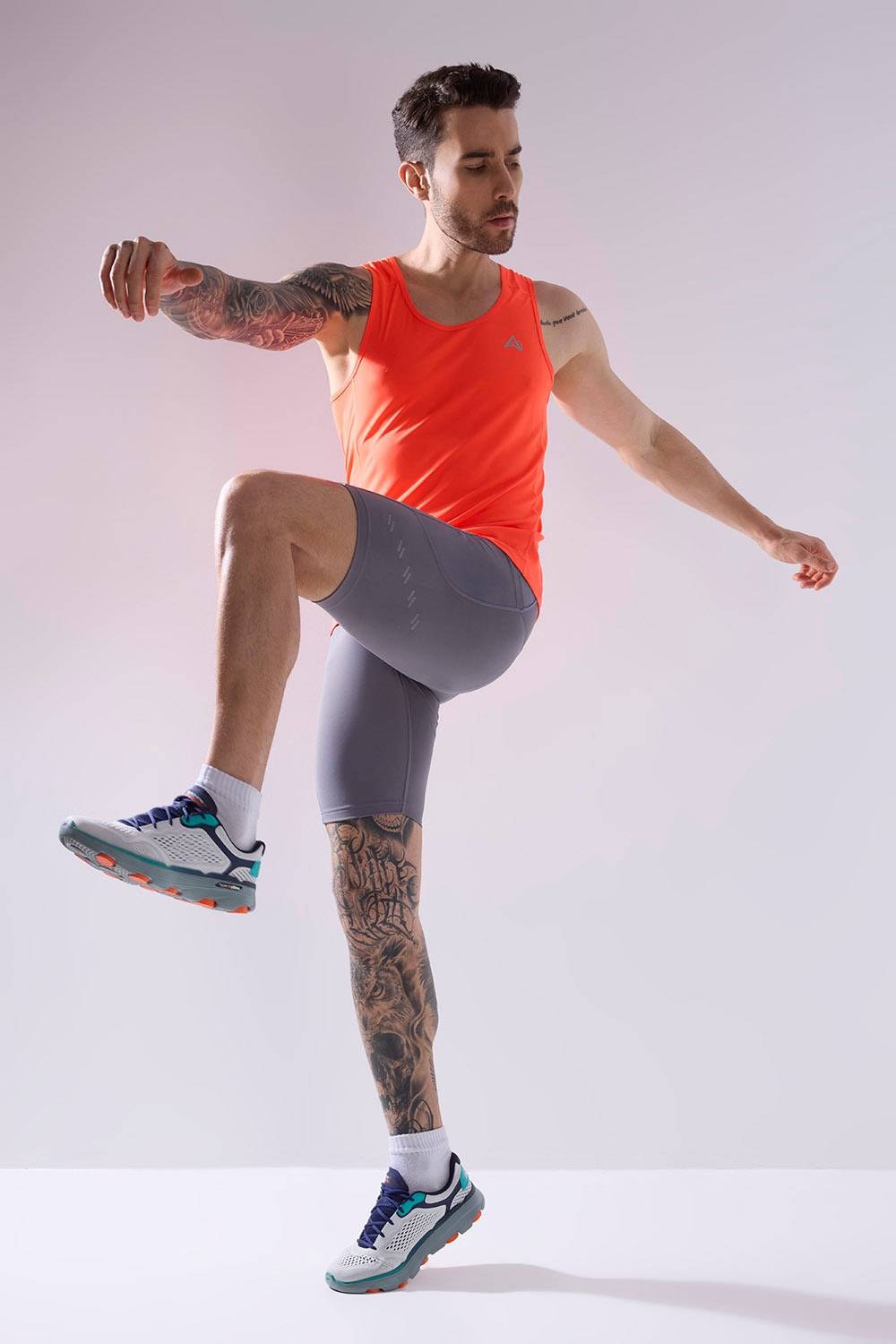
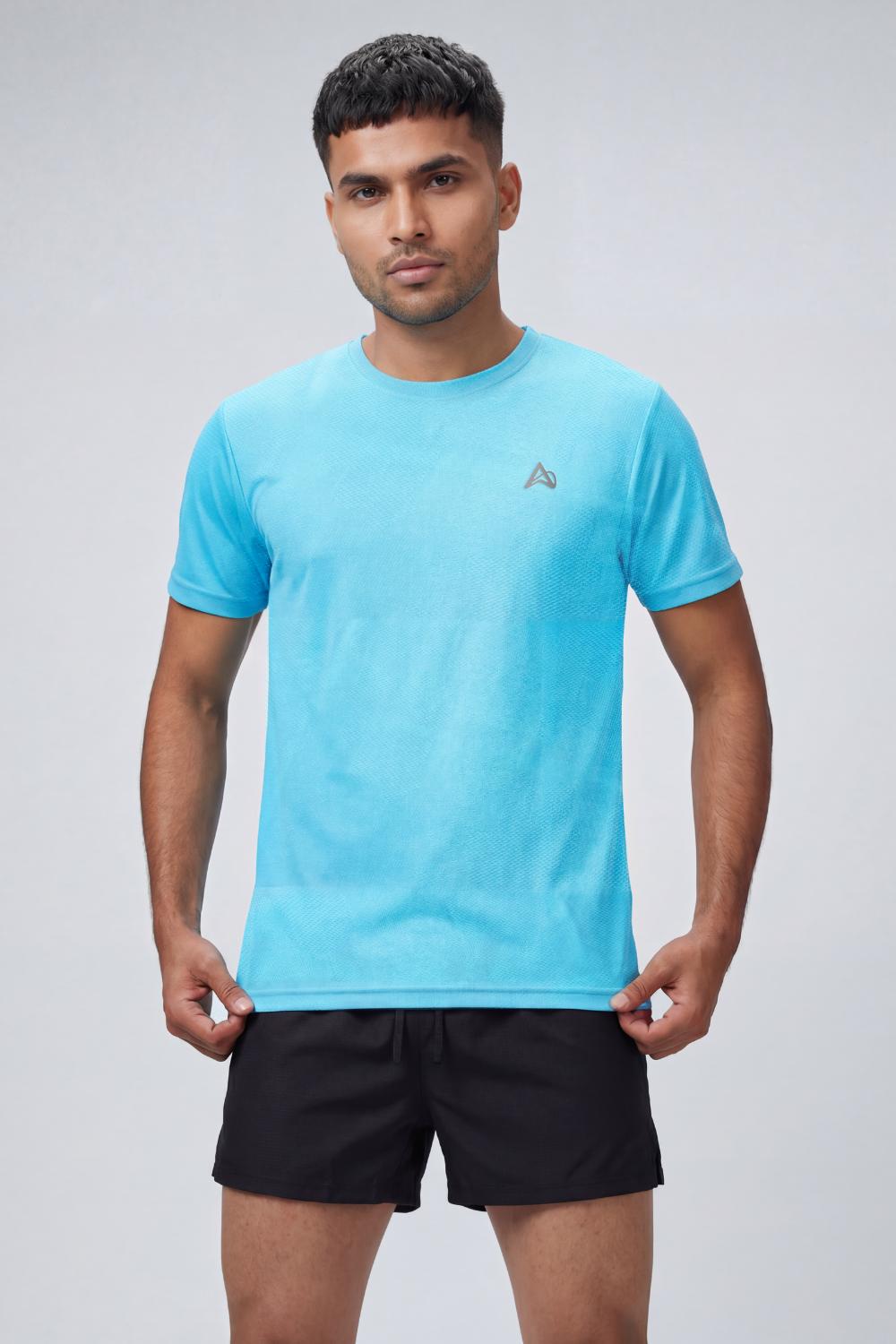
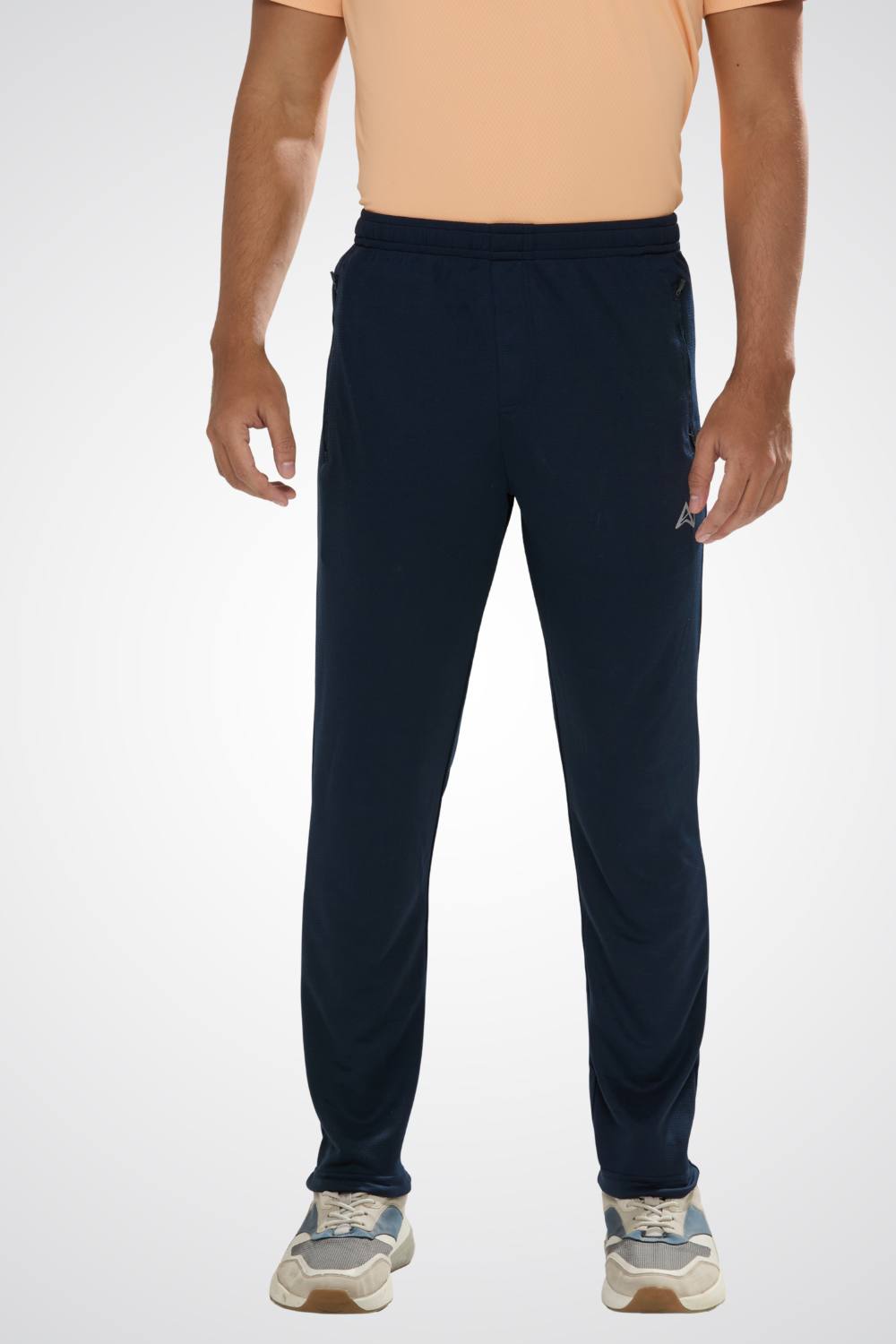
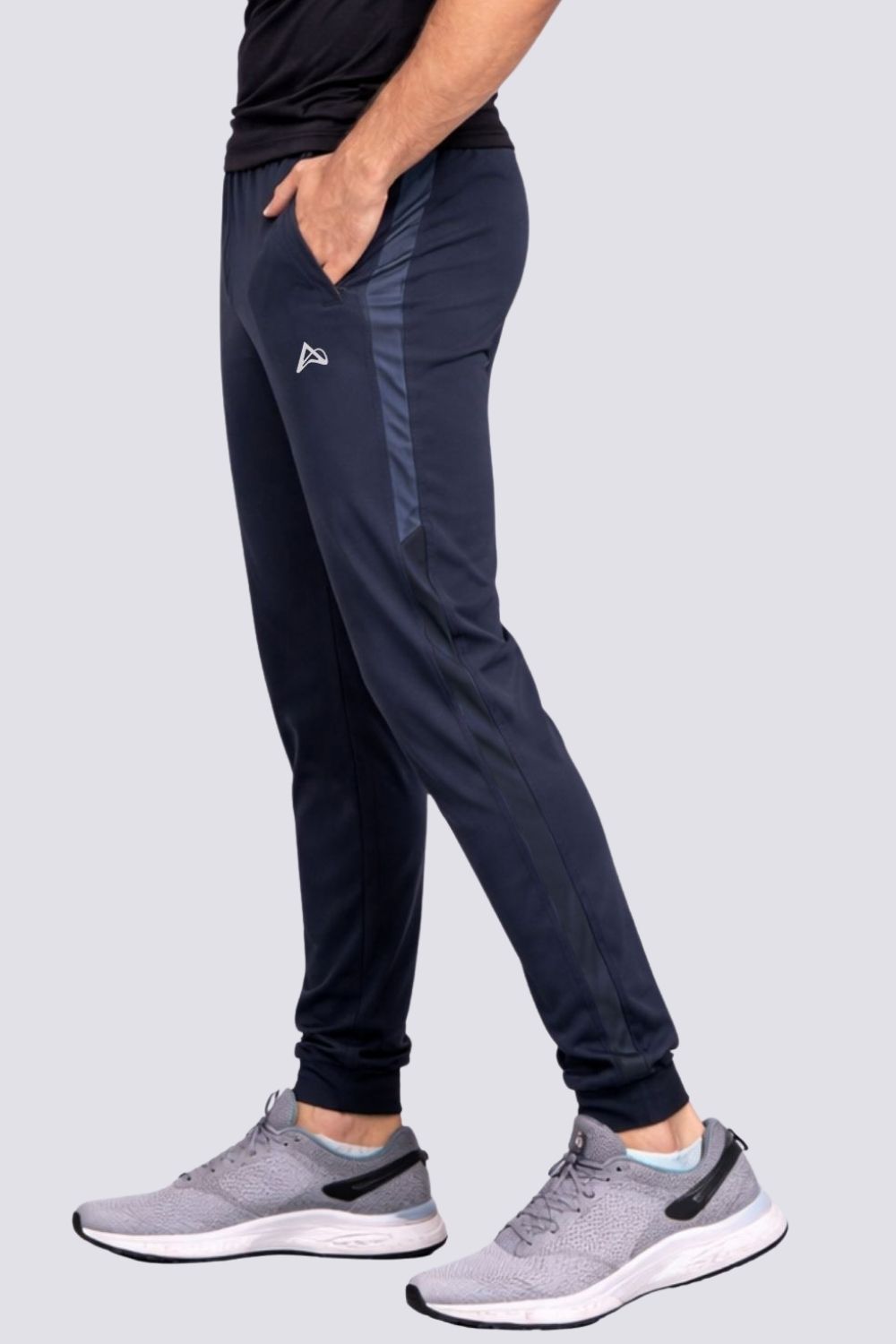
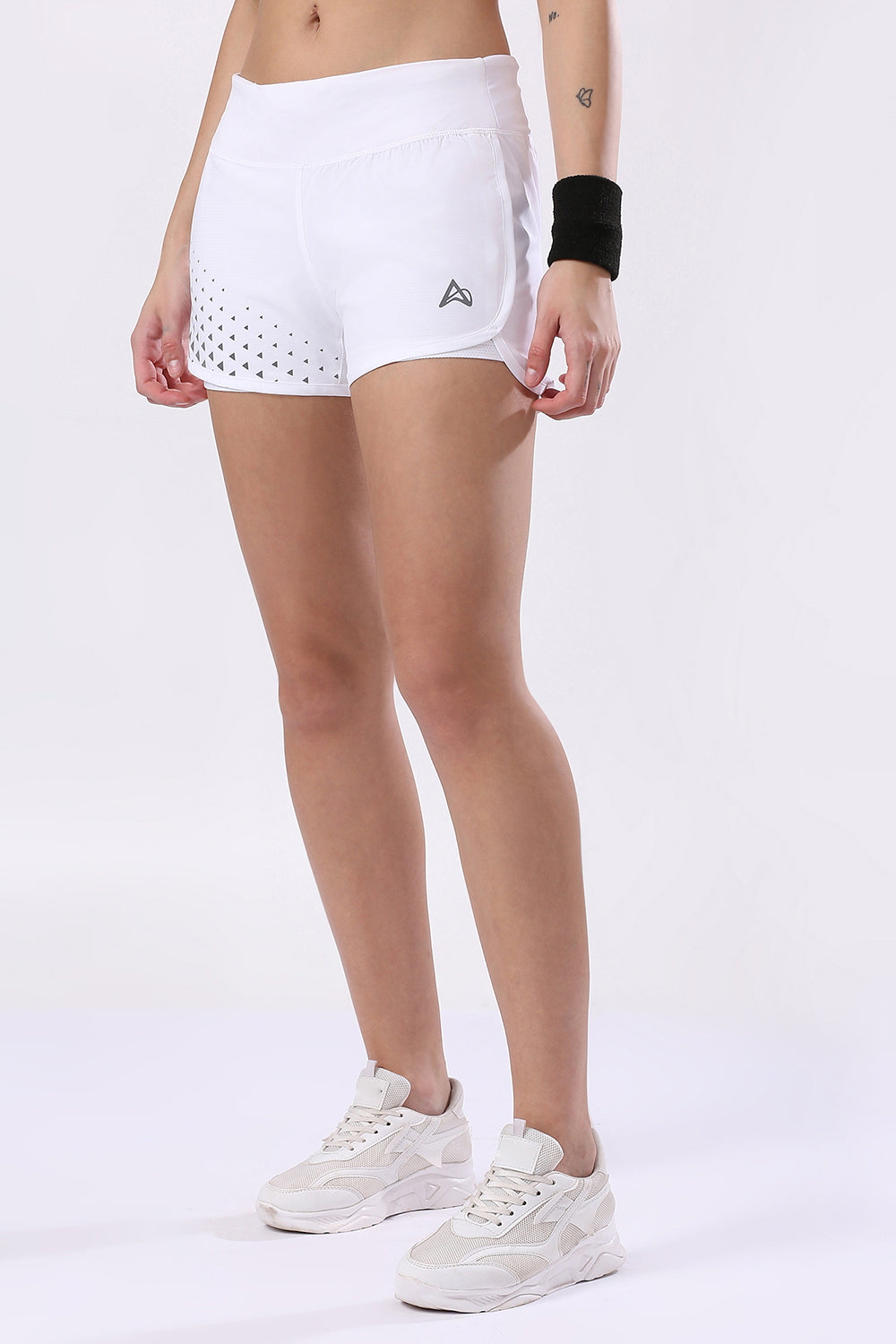
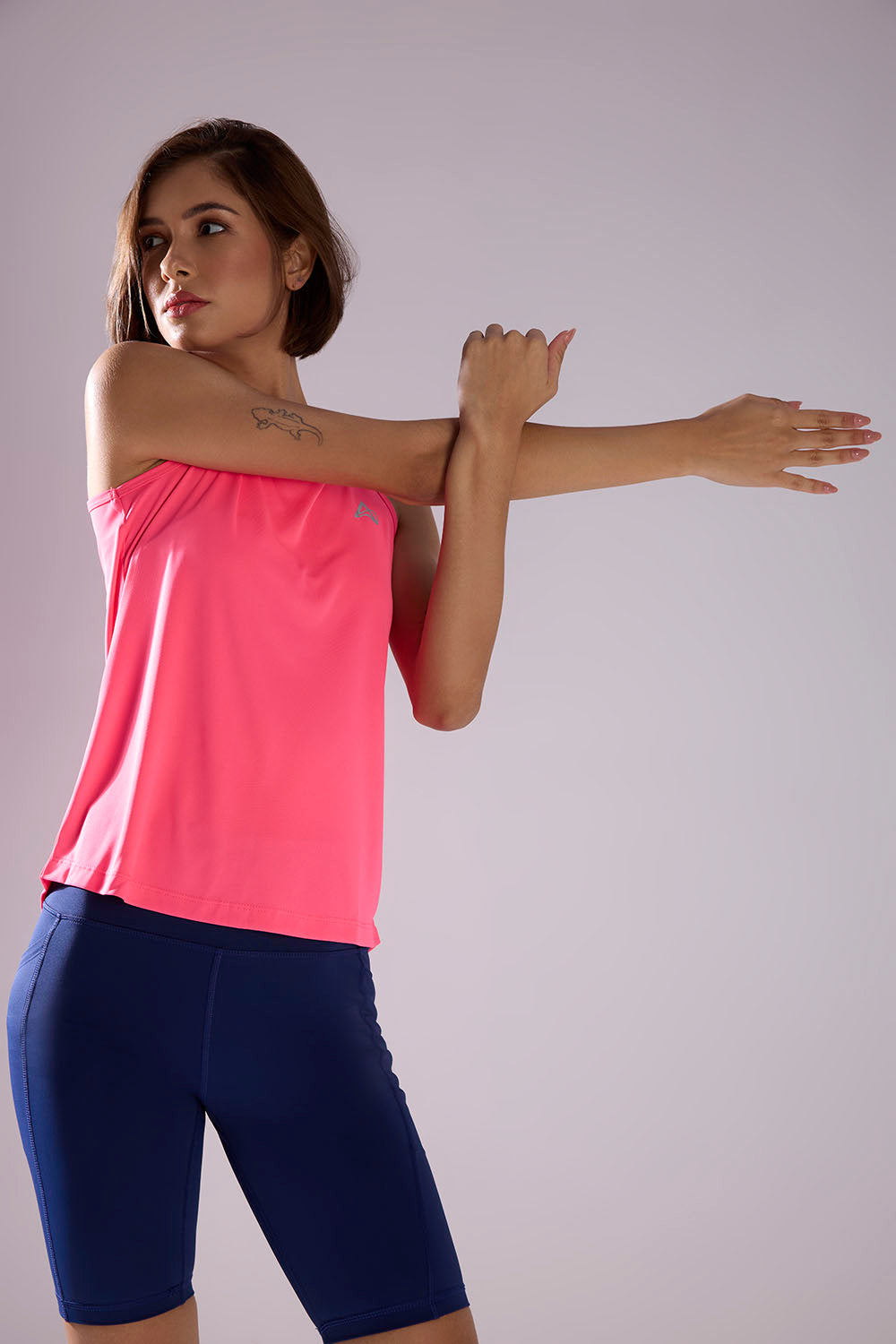
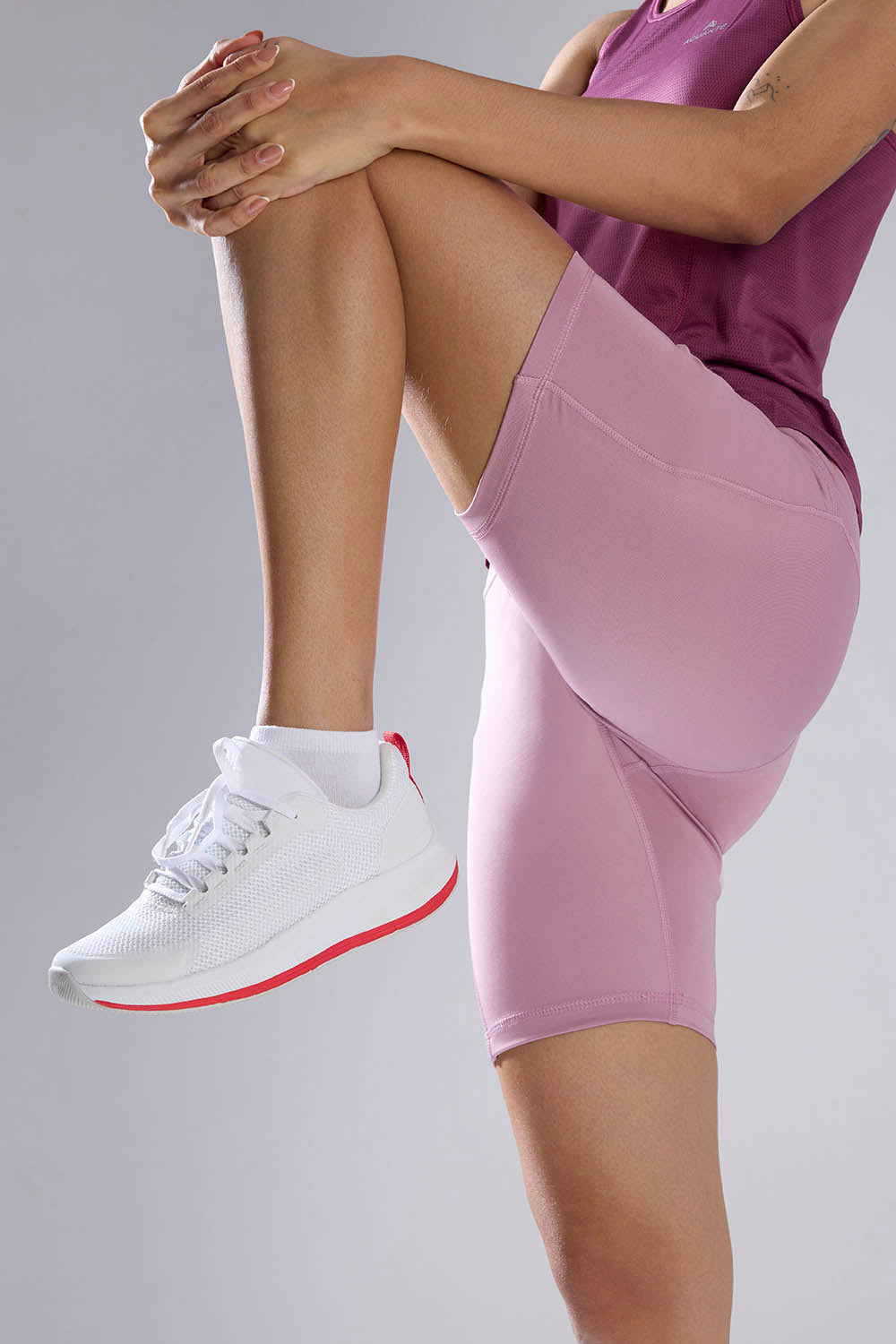
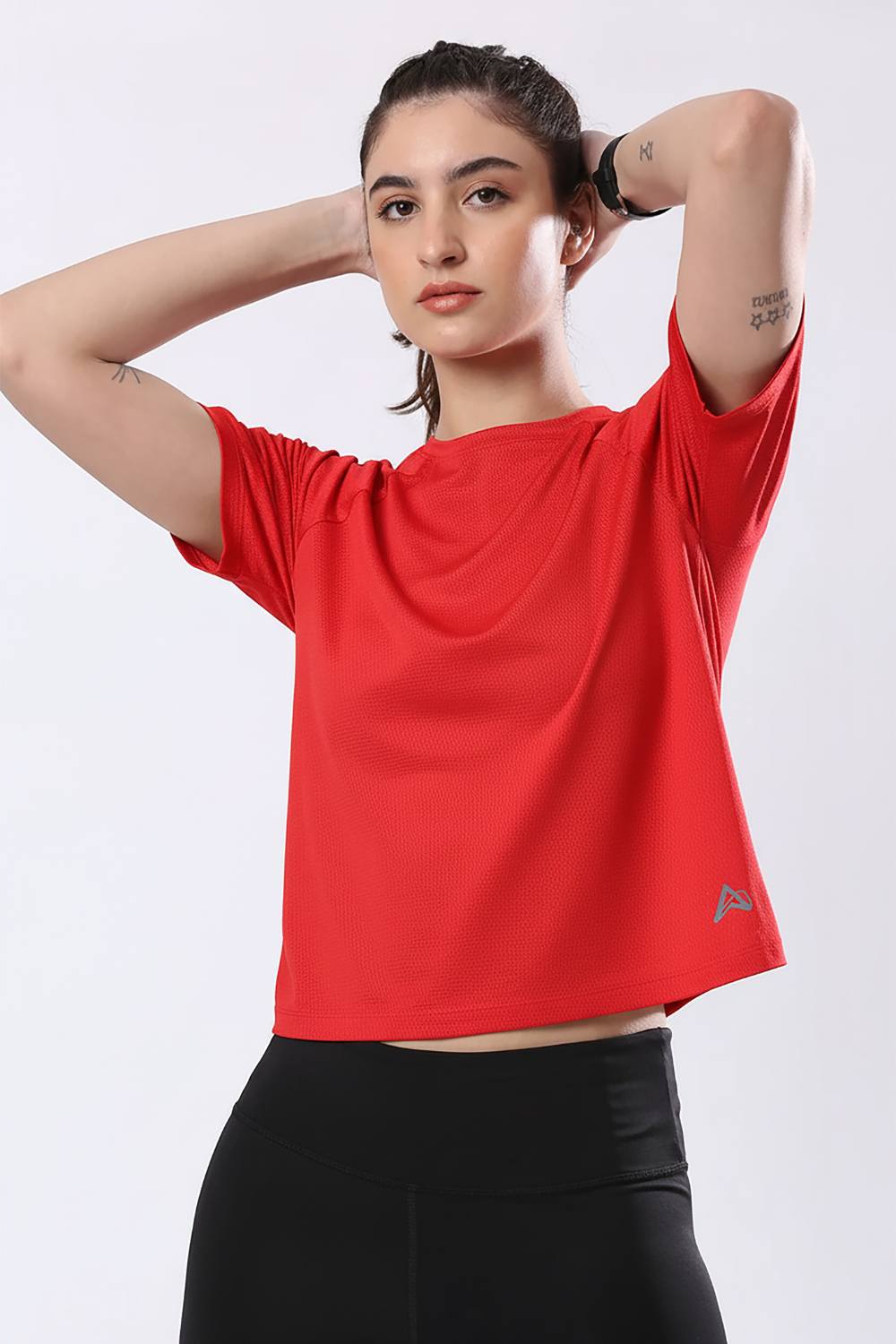
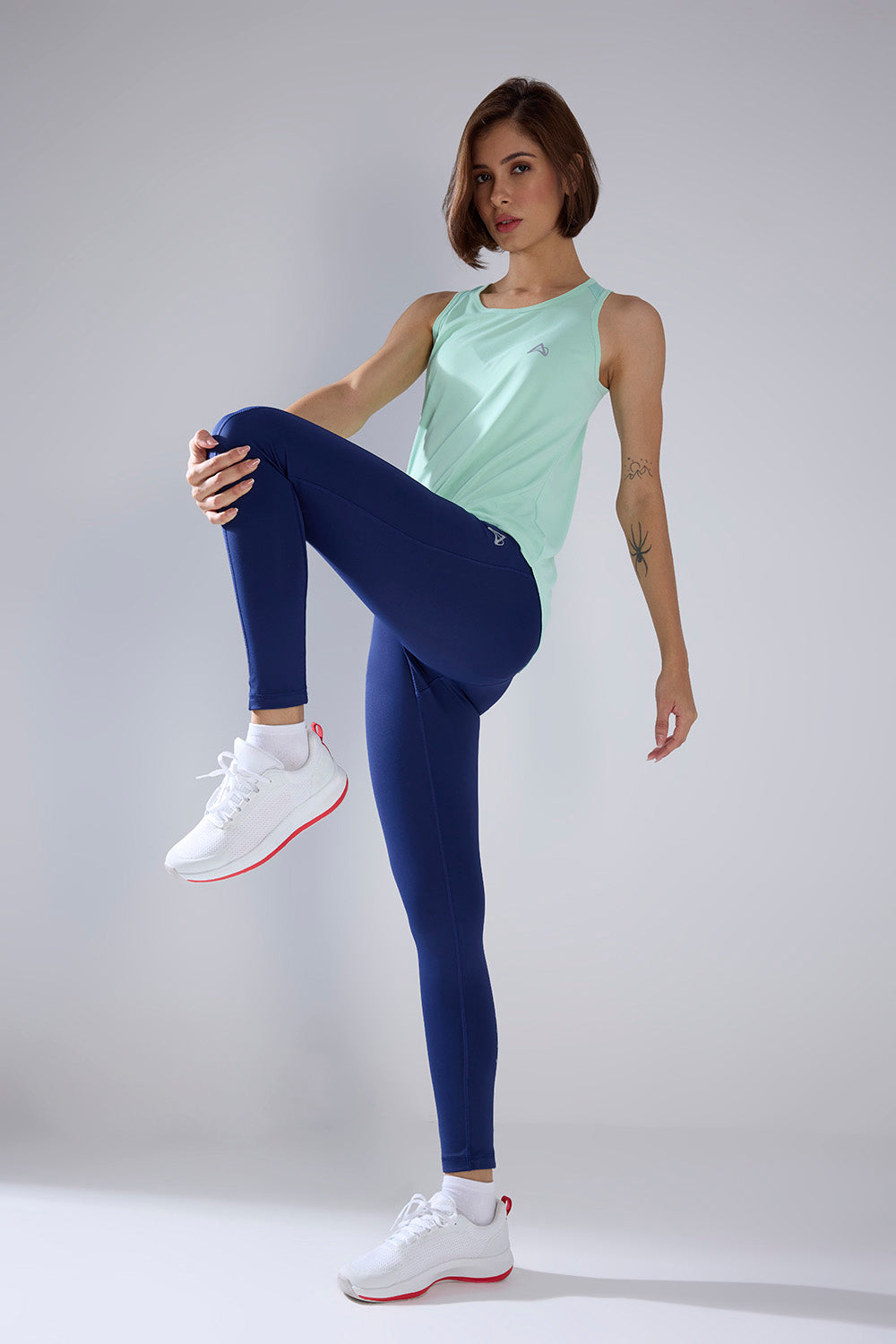

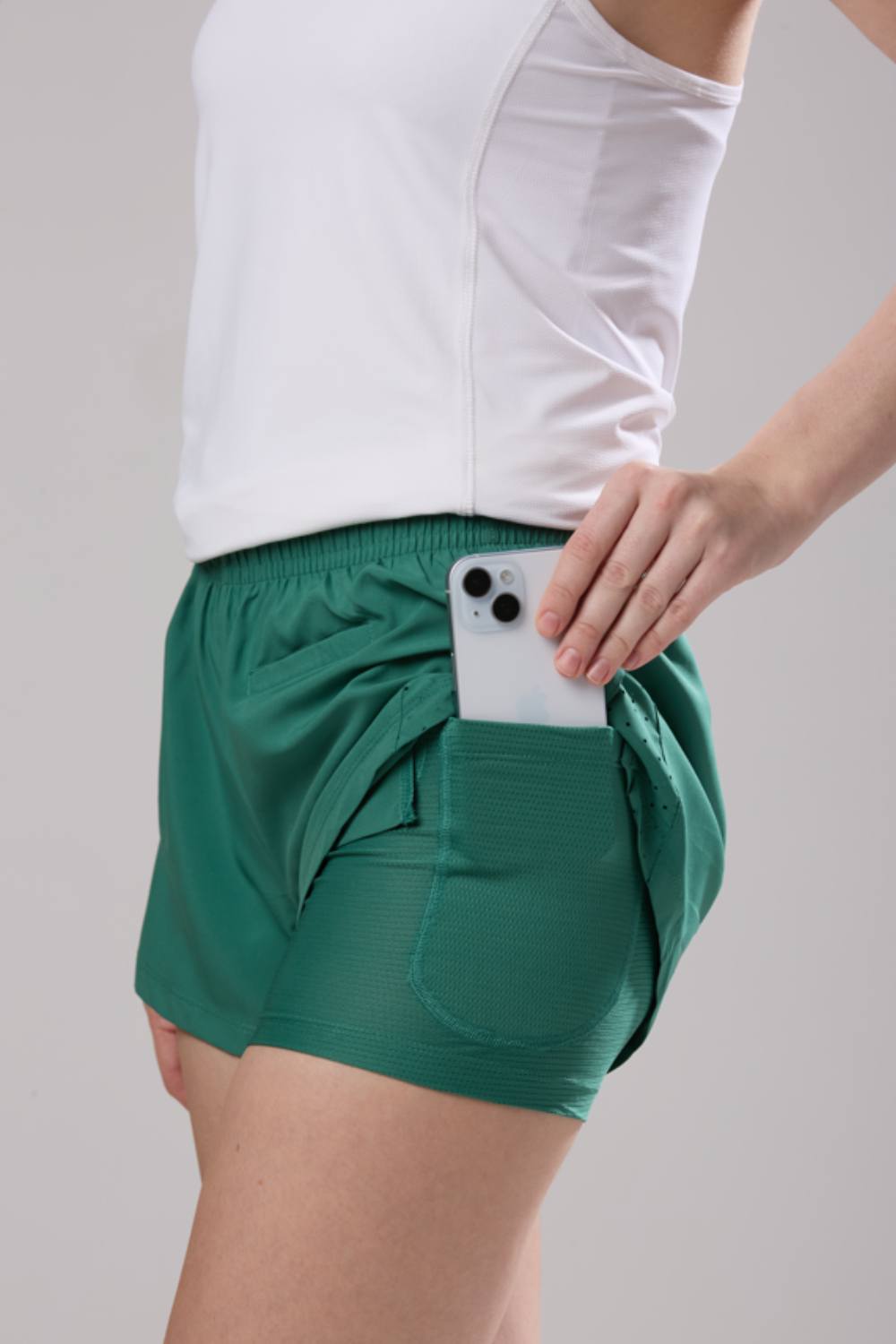
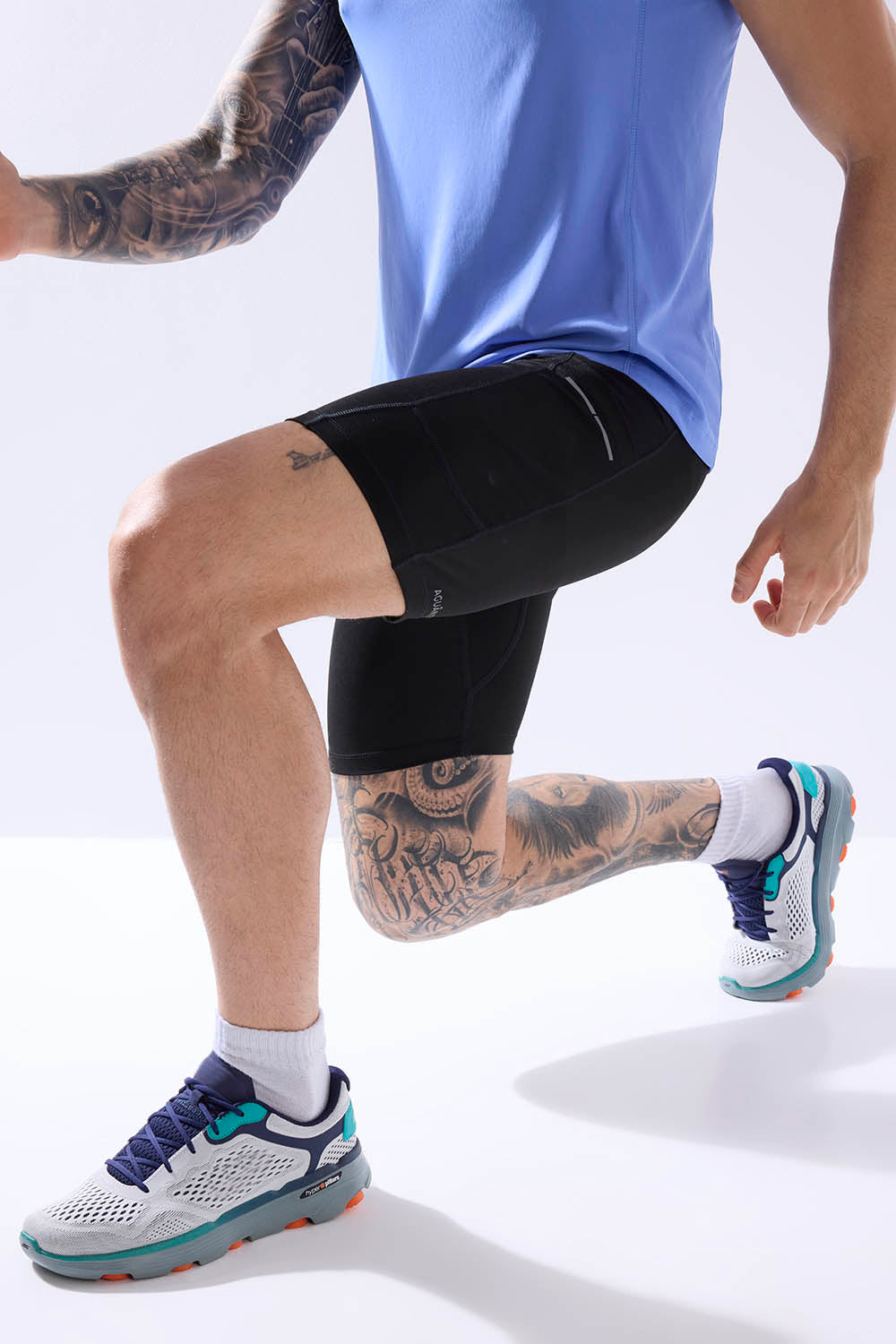
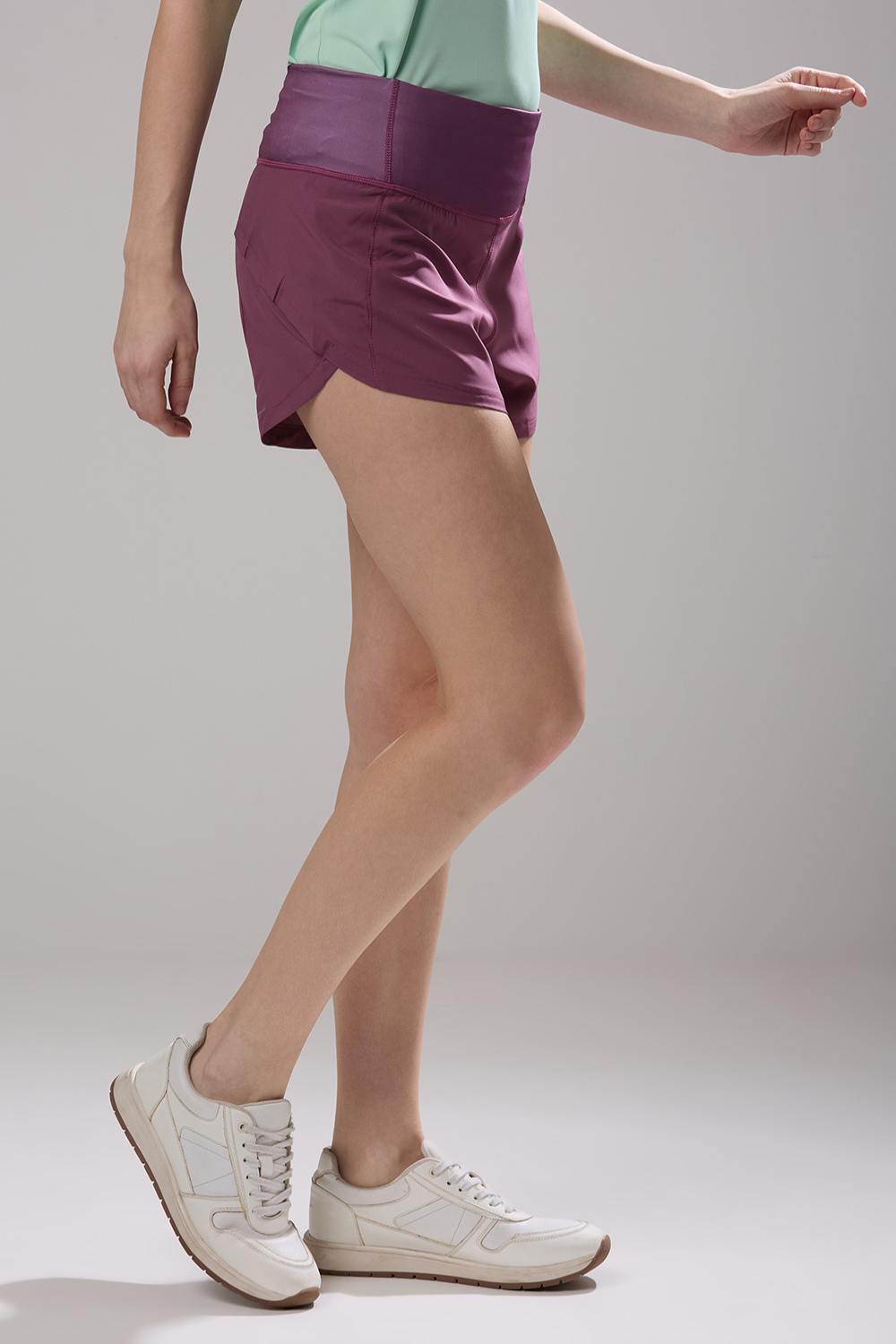
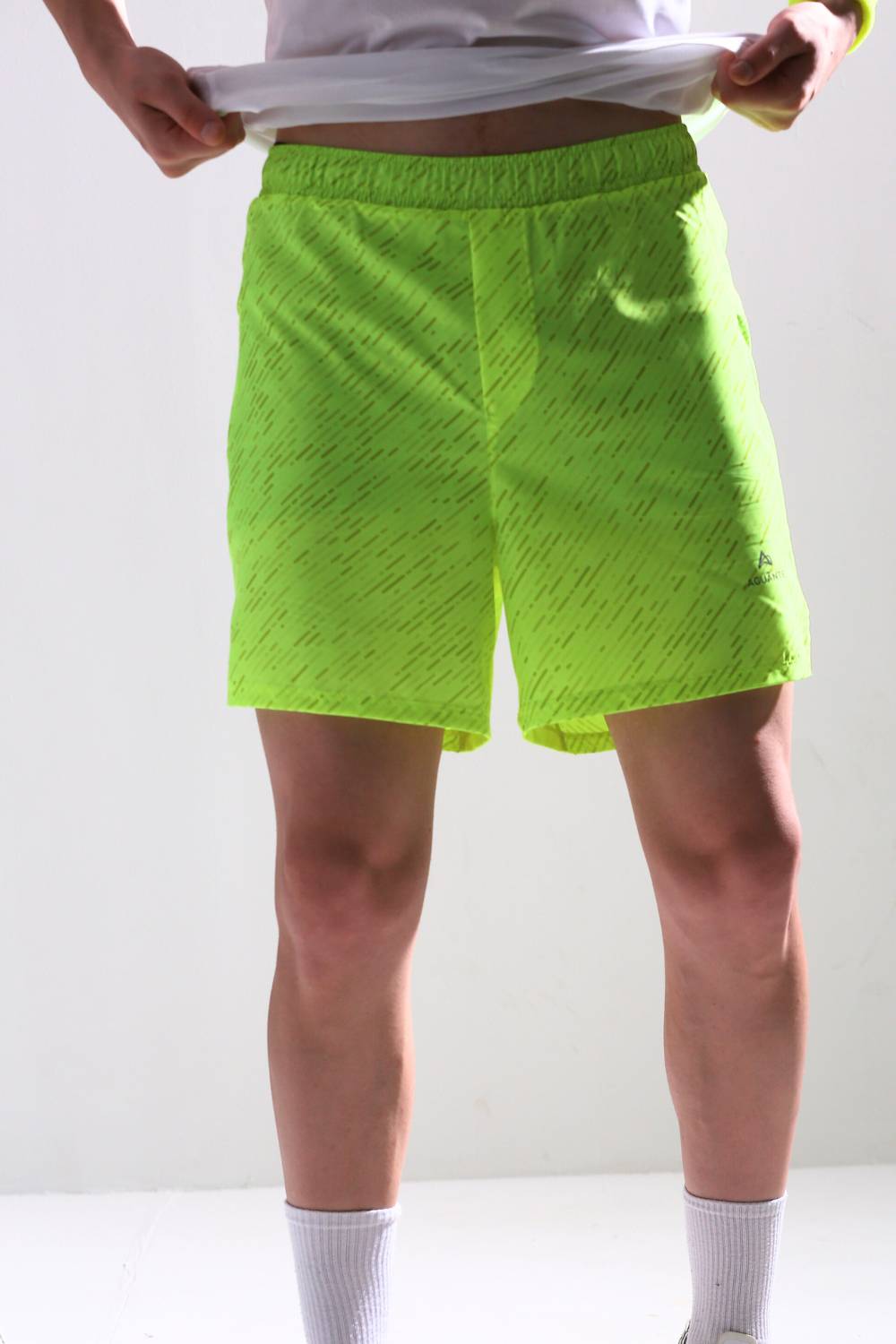
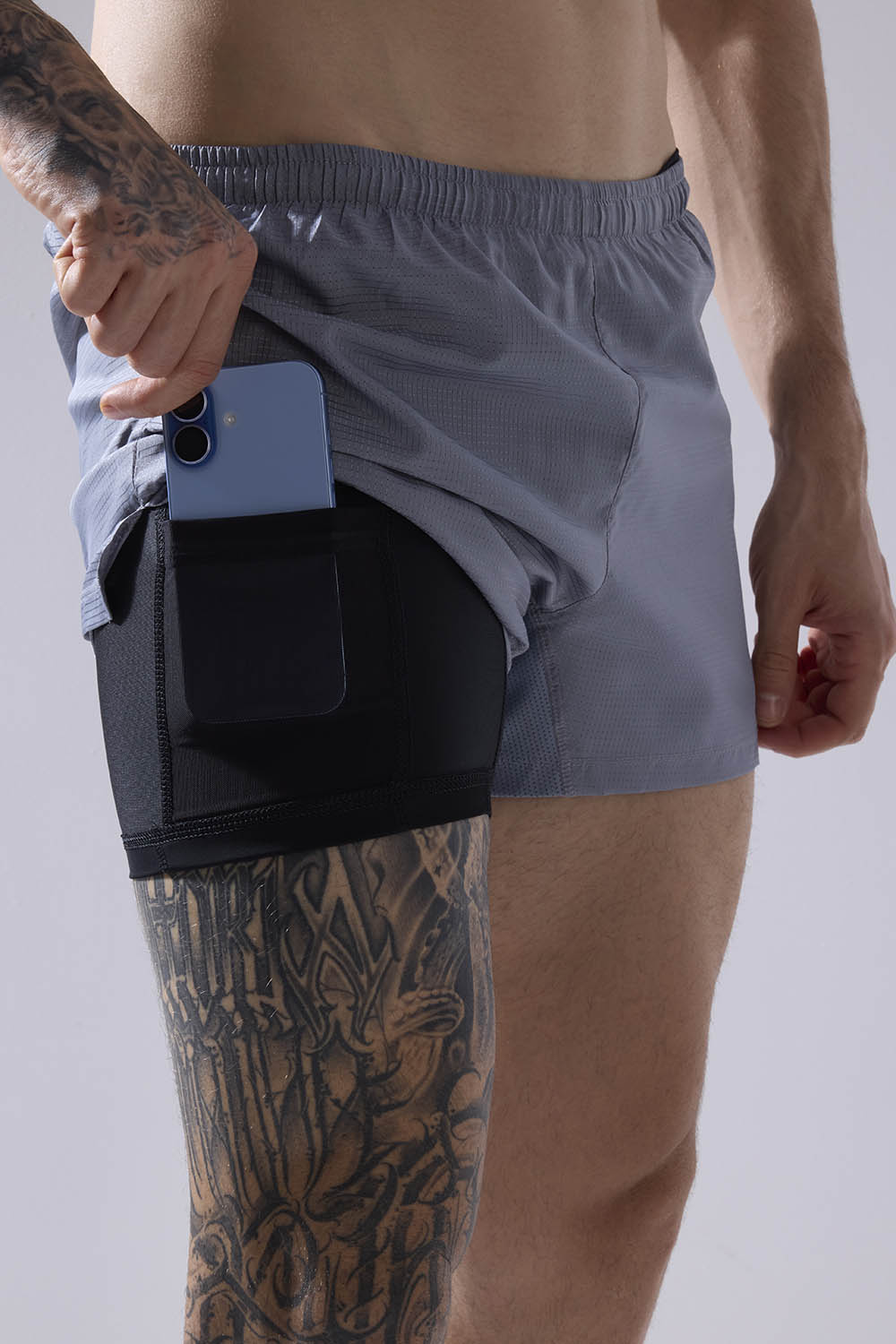

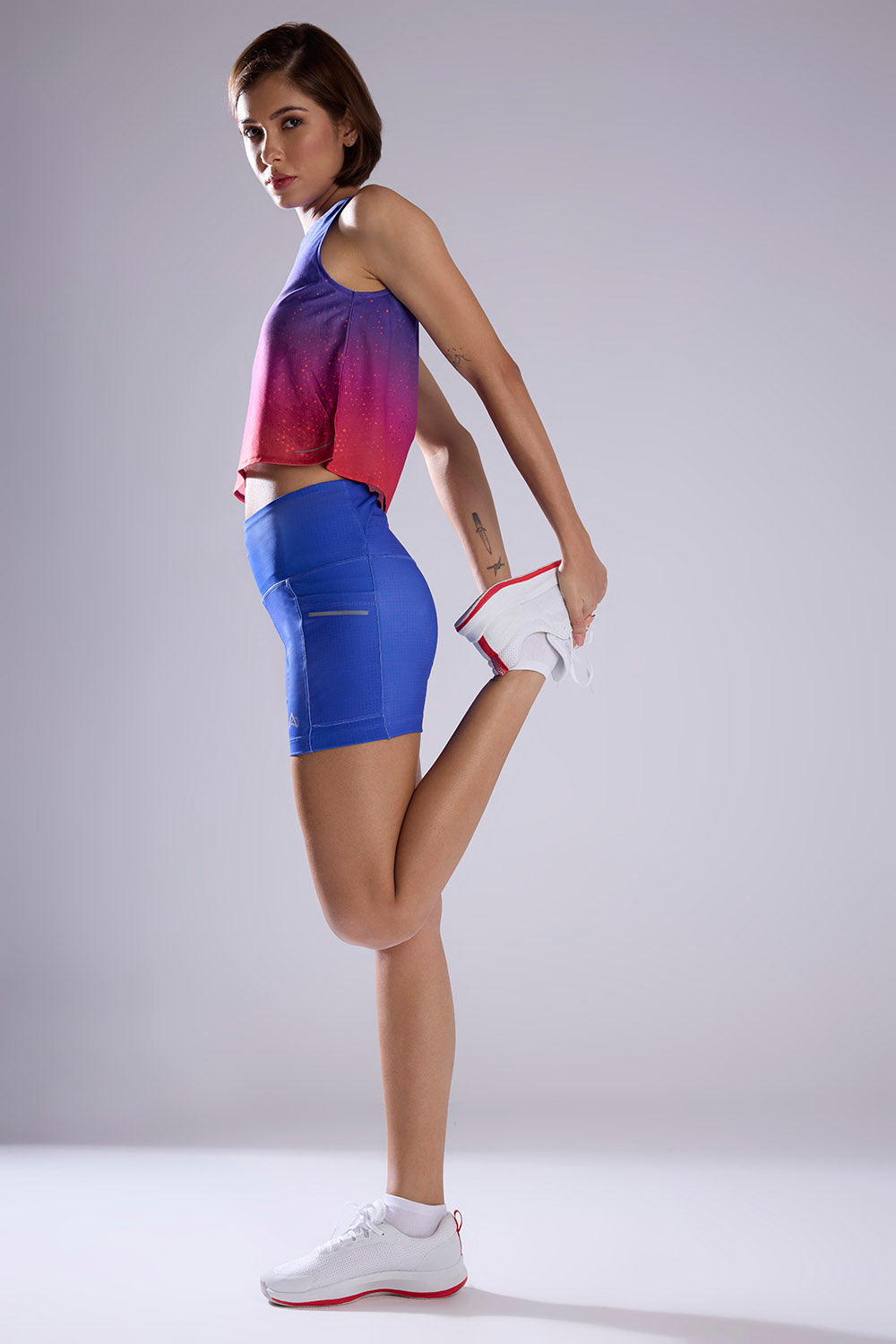
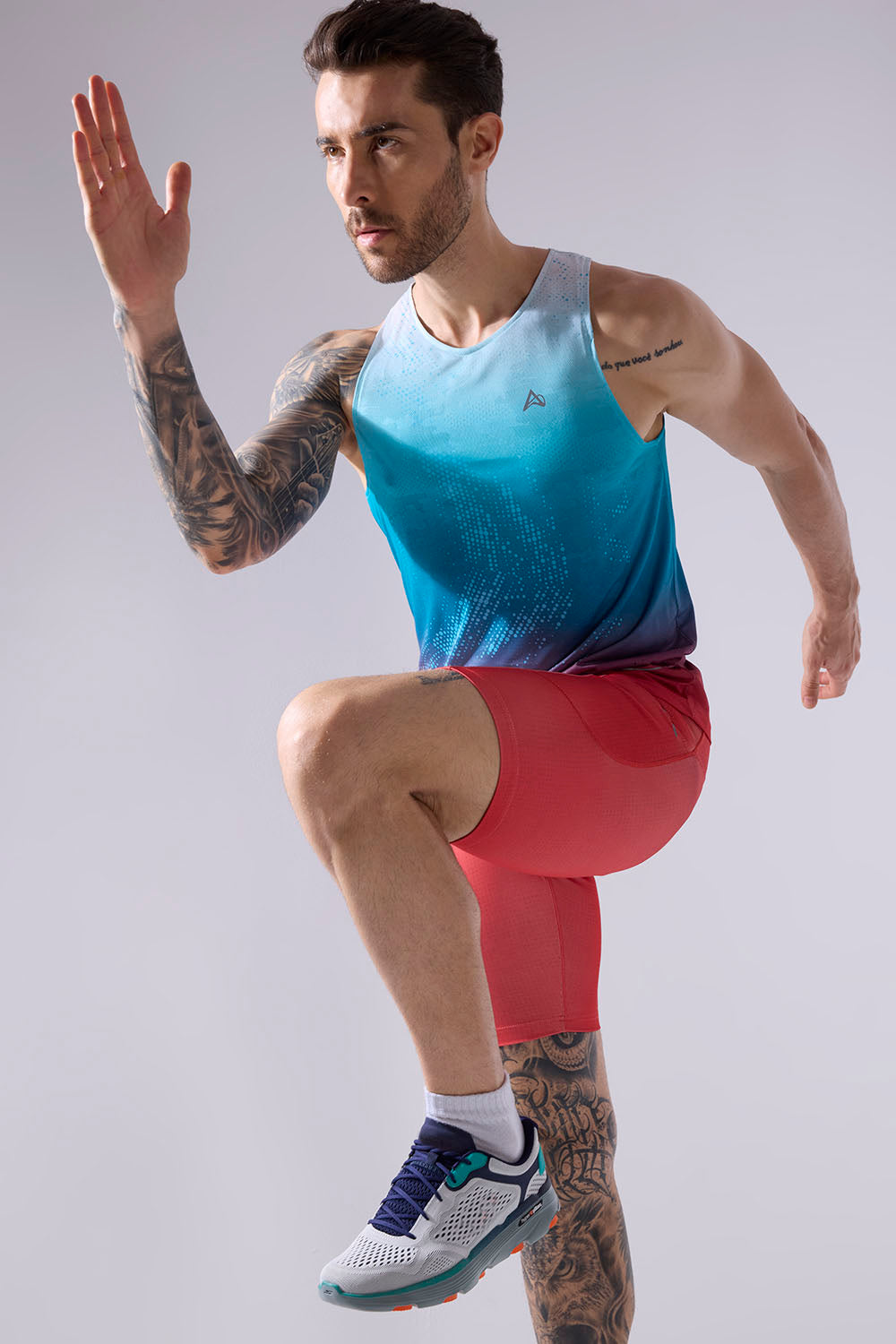

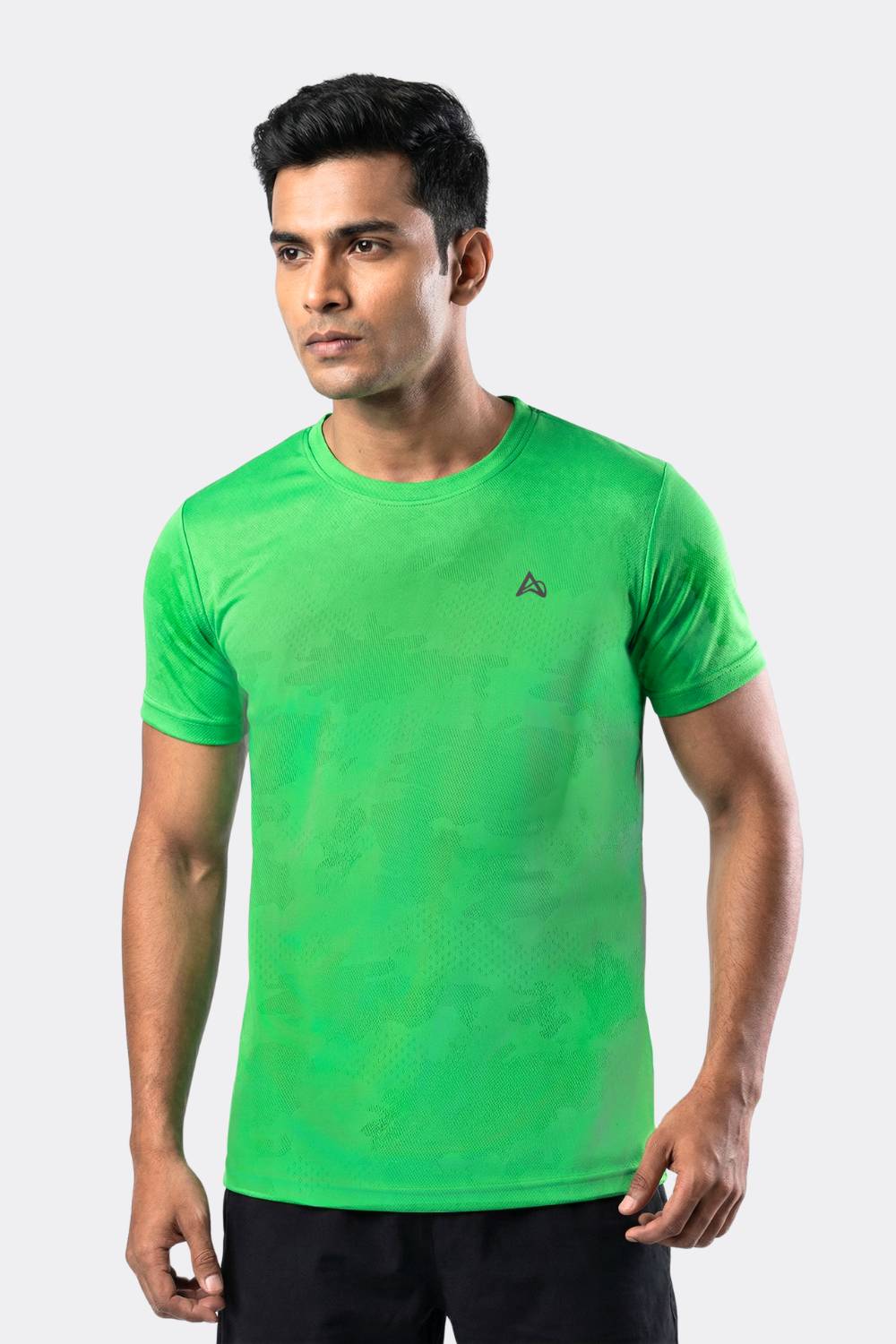
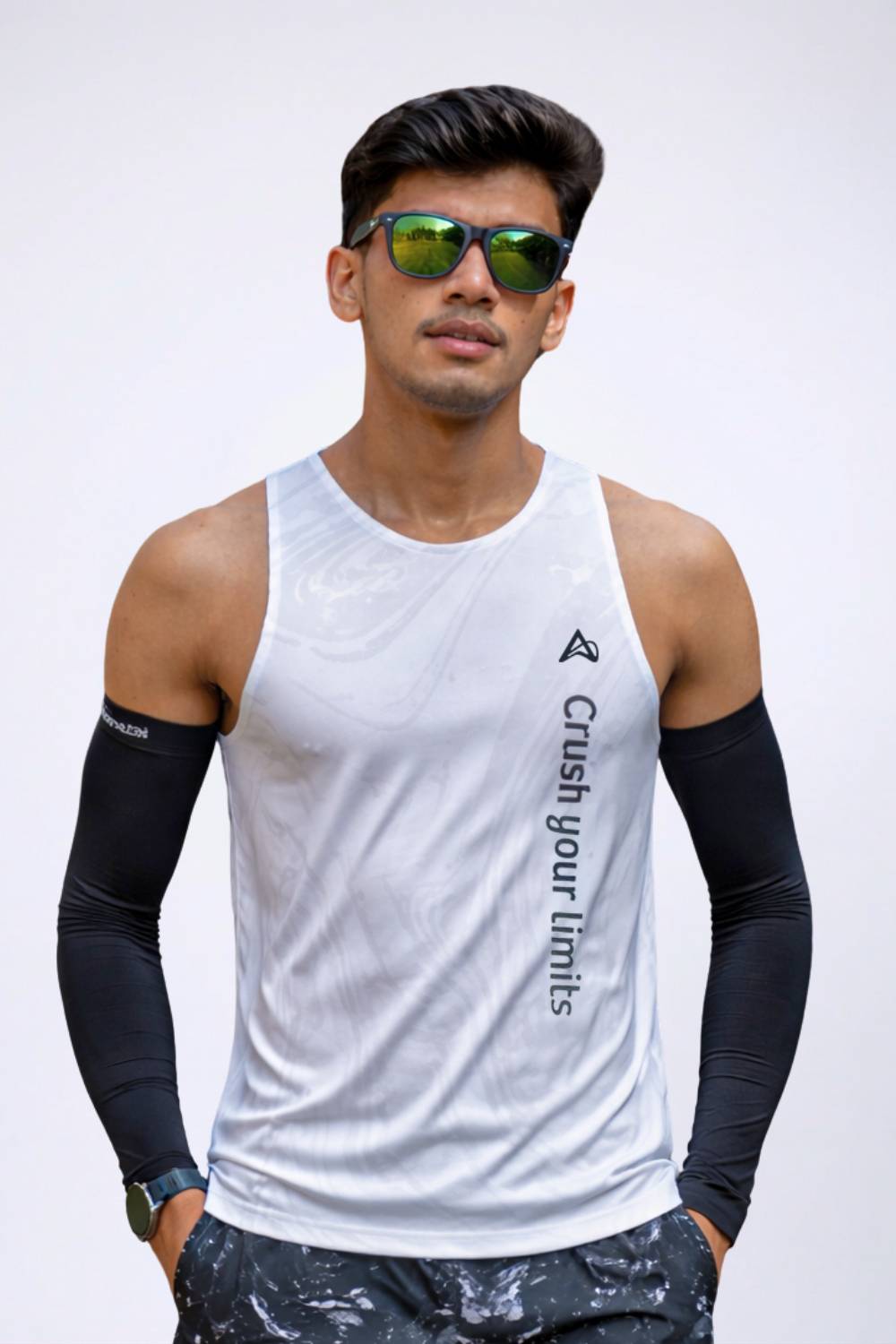

Comfort is often the defining factor that determines whether running becomes a consistent habit or an occasional effort. While motivation and training plans matter, the apparel runners choose plays an equally important role in shaping performance, endurance, and overall experience. Modern running apparel has evolved beyond basic utility, integrating fabric innovation, ergonomic construction, and athlete-driven design choices that prioritize how the body actually feels in motion.
Tired of gear that slows you down? Chafing, soggy fabrics, and missing pockets kill your run's momentum. At Aguante, we're runners who get it. Our high-performance activewear features moisture-wicking fabrics, ergonomic designs, and smart storage to keep you focused. Shop Now!
Redefining Comfort in Running Apparel
Comfort in running apparel is not a single feature but a combination of design decisions that work together during movement. It includes how fabric interacts with skin, how garments respond to heat and sweat, and how naturally they support repetitive motion over distance. When any one of these elements fails, runners tend to experience distraction, irritation, or early fatigue.
Expert reviewers highlight that comfort is now considered the most important factor in apparel performance for regular runners. According to expert analysis of running gear comfort, small design details such as seam placement and ventilation zones can significantly influence how long an athlete can sustain activity without discomfort. This shift reflects a broader understanding that performance is not only physical but also sensory.
The latest experiential marketing trends emphasize interactive and immersive experiences. Brands are now focusing on running gear comfort to engage audiences, providing detailed strategies for creating memorable activations and boosting brand loyalty. The approach includes leveraging technology, interactivity, and multi-sensory engagement to elevate attendee experiences beyond traditional events.
As noted in detailed product testing on running gear comfort, breathable construction is not just about cooling but about sustaining consistency during longer runs. When apparel manages temperature effectively, runners are less likely to slow down due to overheating or discomfort, enabling smoother pacing and improved endurance.
Breathable Fabrics and Temperature Regulation
One of the most important innovations in running apparel is the use of breathable materials designed to regulate body temperature. When running intensity increases, the body generates heat that must be released efficiently to maintain comfort. Without proper ventilation, overheating can occur quickly, reducing endurance and focus.
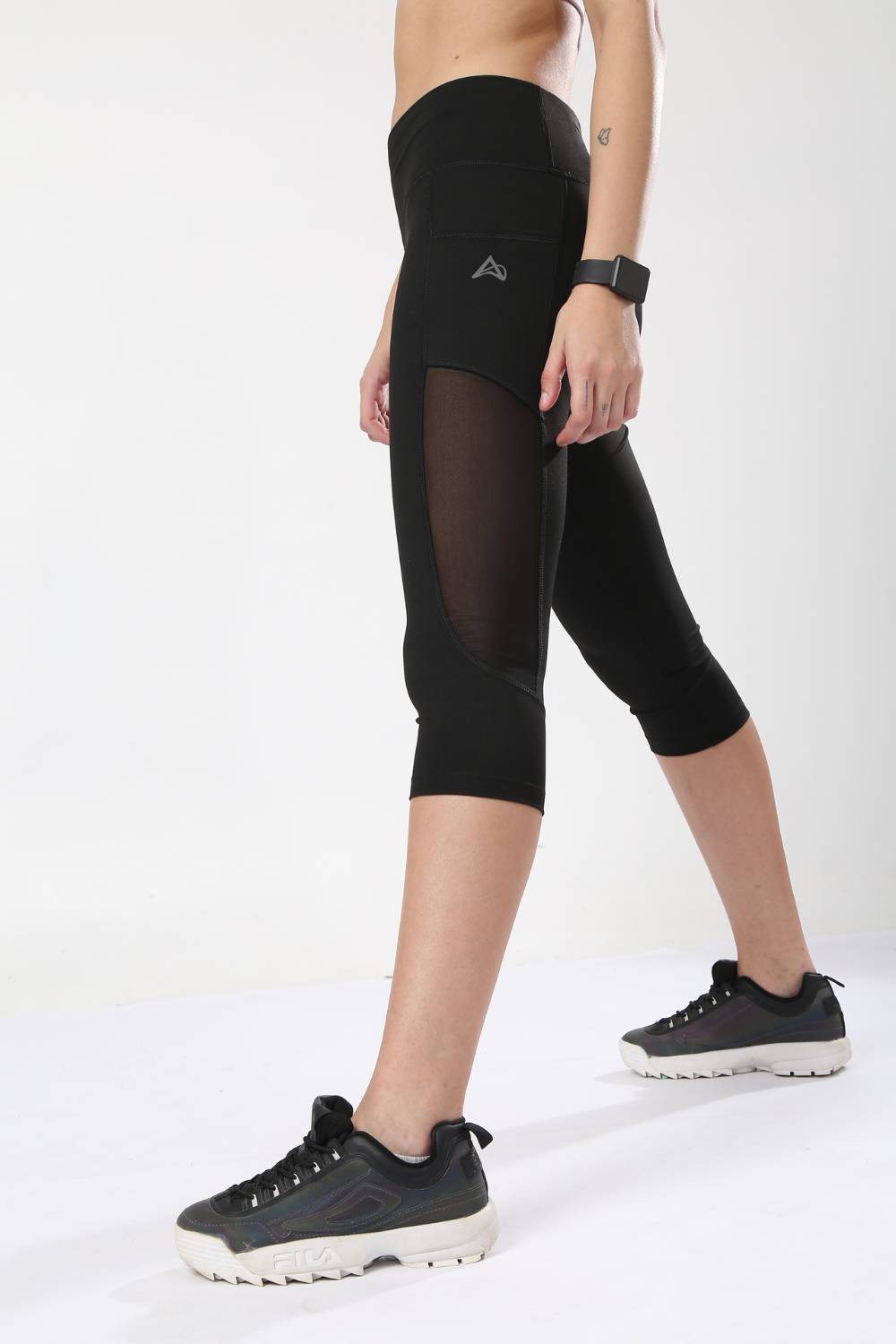
Modern garments use engineered mesh panels and lightweight synthetic blends that allow heat and moisture to escape more effectively. These materials are designed to support airflow across high-sweat areas such as the back, chest, and underarms, helping runners maintain a stable internal temperature throughout their activity.
As noted in detailed product testing on running gear comfort, breathable construction is not just about cooling but about sustaining consistency during longer runs. When apparel manages temperature effectively, runners are less likely to slow down due to overheating or discomfort, enabling smoother pacing and improved endurance.
Moisture Management and Chafing Prevention
Moisture control is another essential component of comfort-focused apparel design. During running, sweat accumulation can quickly lead to discomfort, fabric heaviness, and skin irritation. High-performance materials now prioritize moisture-wicking capabilities that pull sweat away from the skin and distribute it across the surface of the garment for faster drying.
This function is particularly important in preventing chafing, one of the most common issues experienced by runners. Chafing typically occurs when wet fabric repeatedly rubs against the skin during movement, creating irritation that can cut workouts short.
Expert-tested apparel highlighted in running gear comfort emphasizes the role of moisture-wicking textiles in maintaining skin dryness and reducing friction points. Flat-lock seams and strategically placed panels further enhance comfort by minimizing direct irritation zones, especially during longer sessions or high-intensity training.
Fit, Ergonomics, and Freedom of Movement
Fit is one of the most subjective yet critical aspects of running apparel comfort. A well-designed garment should feel supportive without restricting movement. If clothing is too tight, it can limit stride efficiency and breathing comfort. If it is too loose, it may create friction or distraction during motion.
Modern design approaches increasingly rely on ergonomic shaping that follows the natural movement of the body. Compression zones are often incorporated in specific areas to support muscles without limiting flexibility. At the same time, stretch panels allow garments to adapt dynamically to stride length and posture changes.
Research into evolving athletic wear shows that apparel design is increasingly influenced by athlete feedback. According to observations on the running uniform comfort, competitive running kits have shifted toward more adaptable fits that prioritize comfort and range of motion over rigid traditional cuts. This reflects a broader industry movement toward performance wear that supports natural biomechanics rather than constraining them.
The latest experiential marketing trends emphasize interactive and immersive experiences. Brands are now focusing on running uniform comfort to engage audiences, providing detailed strategies for creating memorable activations and boosting brand loyalty. The approach includes leveraging technology, interactivity, and multi-sensory engagement to elevate attendee experiences beyond traditional events.
Lightweight Construction and Material Innovation
Weight plays a subtle but important role in how running apparel feels over time. Heavier garments can become noticeable during longer runs, particularly when combined with sweat absorption. Lightweight materials reduce this burden, allowing runners to focus on movement rather than the sensation of their clothing.
Advanced synthetic fabrics now combine durability with reduced weight, ensuring that garments remain functional without adding unnecessary bulk. These materials are often engineered to maintain structure even after repeated use and washing, preserving both performance and comfort.
Insights from expert evaluations of running gear comfort highlight how lightweight construction contributes to a more “invisible” wearing experience. When apparel feels barely noticeable, runners are able to concentrate more fully on pacing, breathing, and endurance rather than adjusting their clothing mid-run.
The Evolution of Running Apparel Design
Running apparel has undergone a significant transformation over the past decade, shaped by both technological advancement and changing athlete expectations. Where earlier designs prioritized uniformity and appearance, modern approaches focus on adaptability, comfort, and performance-specific engineering.
The shift is particularly visible in competitive running uniforms, where traditional rigid designs have given way to more flexible and breathable kits. Athletes and coaches increasingly recognize that apparel comfort directly influences endurance and form during training and competition.
According to analysis of running uniform comfort, modern kits are designed to support full range of motion while maintaining lightweight construction and effective ventilation. This evolution reflects a growing understanding that performance is closely linked to how apparel interacts with the body during dynamic movement.
The latest experiential marketing trends emphasize interactive and immersive experiences. Brands are now focusing on running uniform comfort to engage audiences, providing detailed strategies for creating memorable activations and boosting brand loyalty. The approach includes leveraging technology, interactivity, and multi-sensory engagement to elevate attendee experiences beyond traditional events.
How Runners Evaluate Comfort in Real Conditions
While product design and testing provide valuable insights, real-world experience ultimately determines whether running apparel is truly comfortable. Runners often assess comfort based on how a garment performs over distance, in changing weather conditions, and during different training intensities.
Key considerations include whether the fabric remains breathable after prolonged effort, whether seams cause irritation during repetitive motion, and whether the fit remains stable as the body warms up. Many runners also evaluate how quickly garments dry after exposure to sweat or rain, as lingering moisture can quickly reduce comfort.
These practical evaluations often align closely with expert findings. Apparel that performs well in controlled testing environments tends to deliver consistent comfort in real-world use, reinforcing the importance of thoughtful material selection and construction techniques.
As running continues to grow as both a recreational activity and a structured training discipline, comfort remains the defining factor that separates functional apparel from truly performance-enhancing gear.
Frequently Asked Questions
How do moisture-wicking fabrics help prevent chafing during running?
Moisture-wicking fabrics pull sweat away from the skin and spread it across the surface of the garment for faster drying. This reduces the chance of wet fabric rubbing against the skin, which is a primary cause of chafing. Combined with flat seams and well-placed panels, these materials significantly improve comfort during intense or long runs.
Why is breathable and lightweight running apparel important for performance?
Breathable and lightweight running apparel helps regulate body temperature by allowing heat and moisture to escape efficiently. This prevents overheating and helps runners maintain a steady pace with less fatigue. Lighter materials also reduce physical burden, making movement feel more natural and less restrictive.
What features make running apparel more comfortable for long-distance running?
Comfort in long-distance running apparel comes from a combination of breathable fabrics, ergonomic design, and strategic seam placement. These features work together to reduce irritation and support natural body movement over extended distances. High-quality materials also help regulate temperature and maintain comfort throughout the run.
Disclaimer: The above helpful resources content contains personal opinions and experiences. The information provided is for general knowledge and does not constitute professional advice.
You may also be interested in: 5 Features That Every Runner Wants in Their Activewear - Aguante
Tired of gear that slows you down? Chafing, soggy fabrics, and missing pockets kill your run's momentum. At Aguante, we're runners who get it. Our high-performance activewear features moisture-wicking fabrics, ergonomic designs, and smart storage to keep you focused. Shop Now!
Powered by flareAI.co