
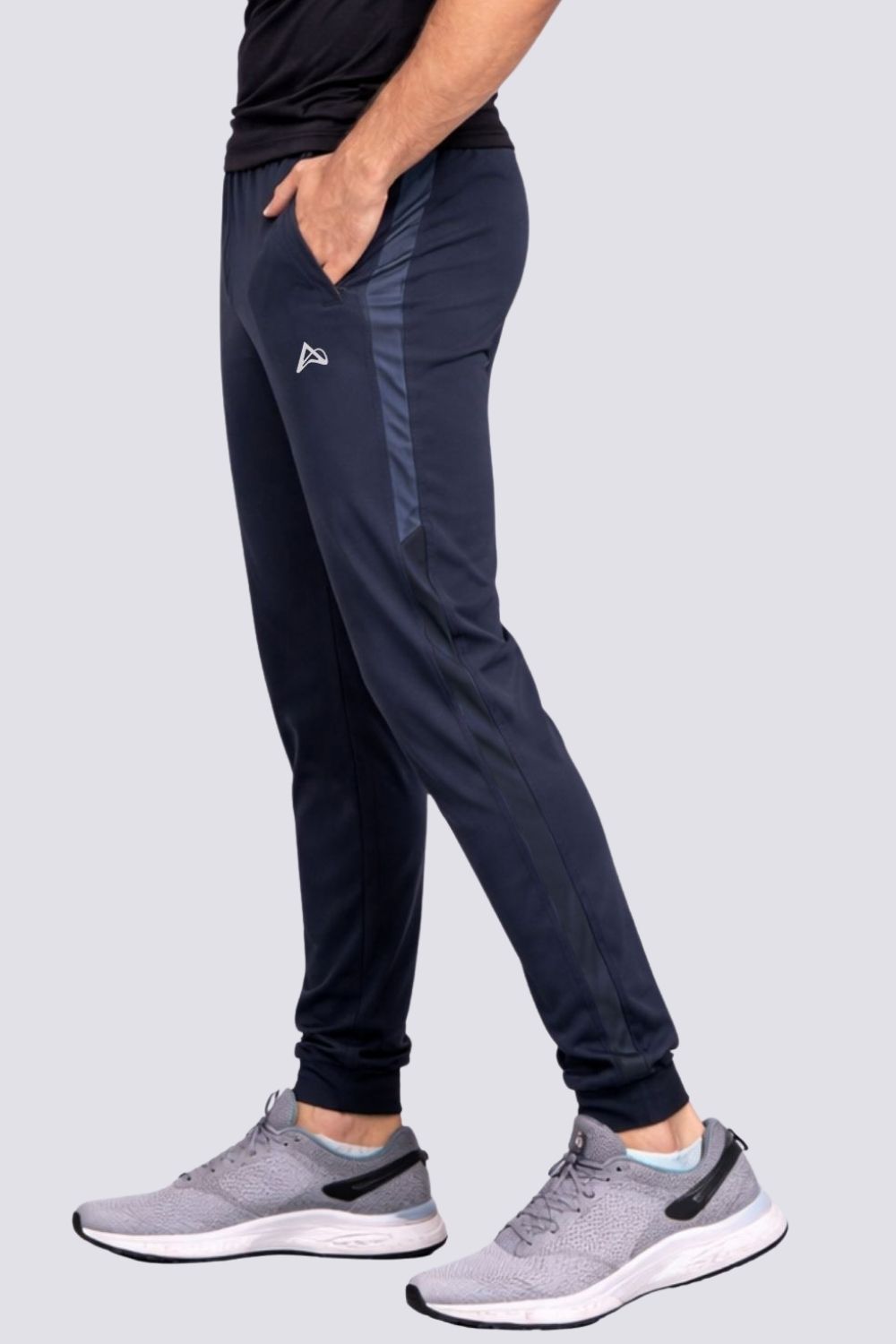
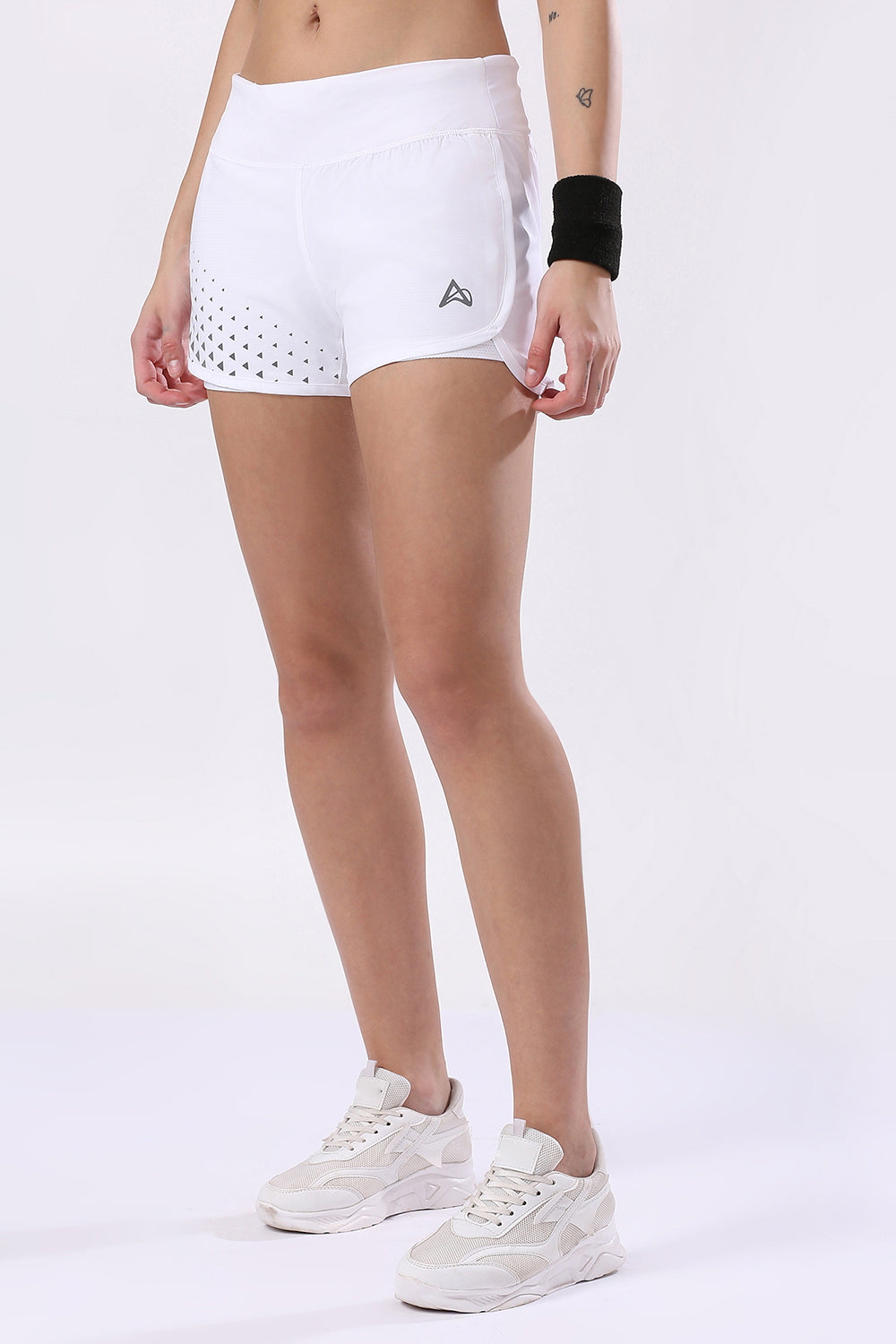
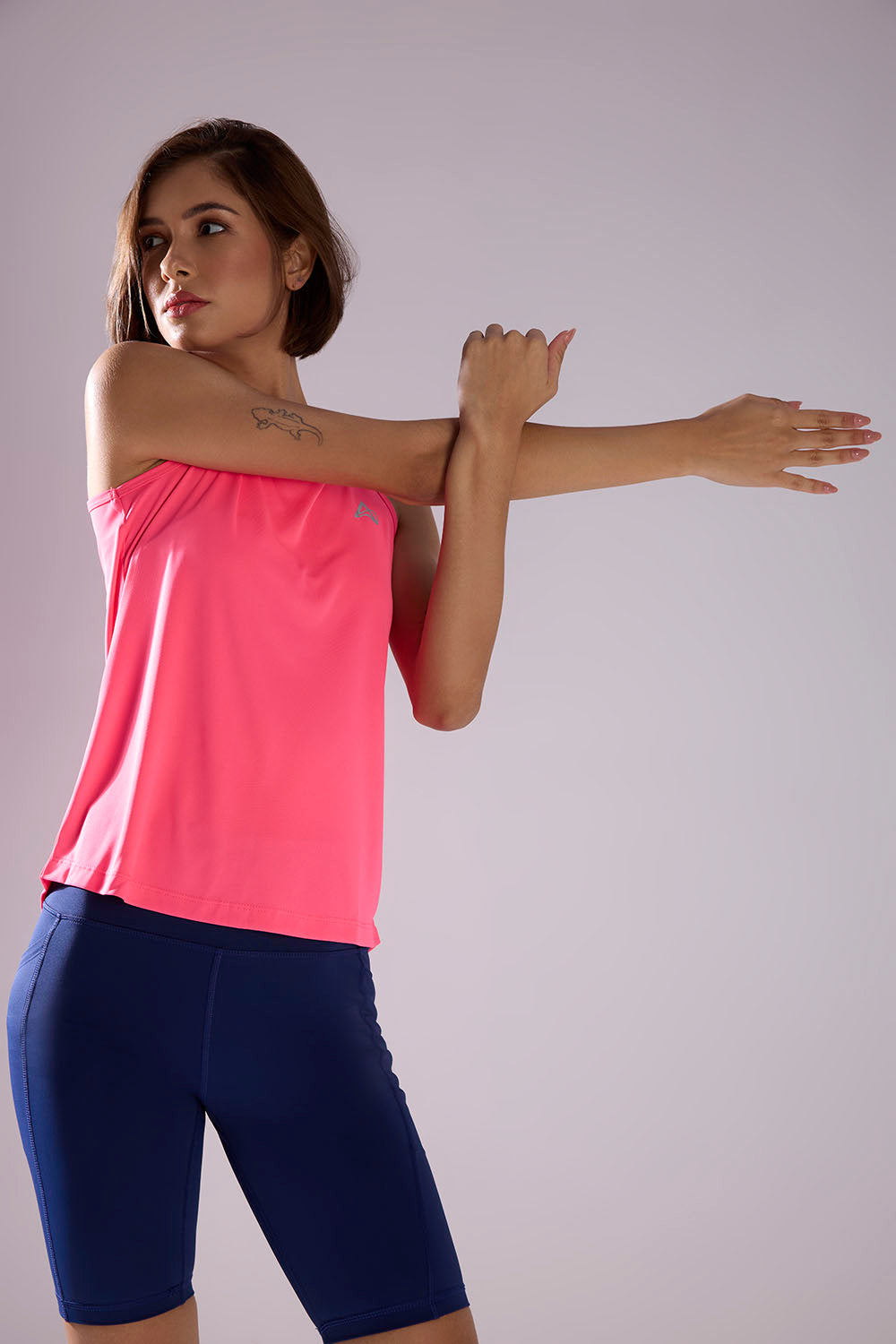
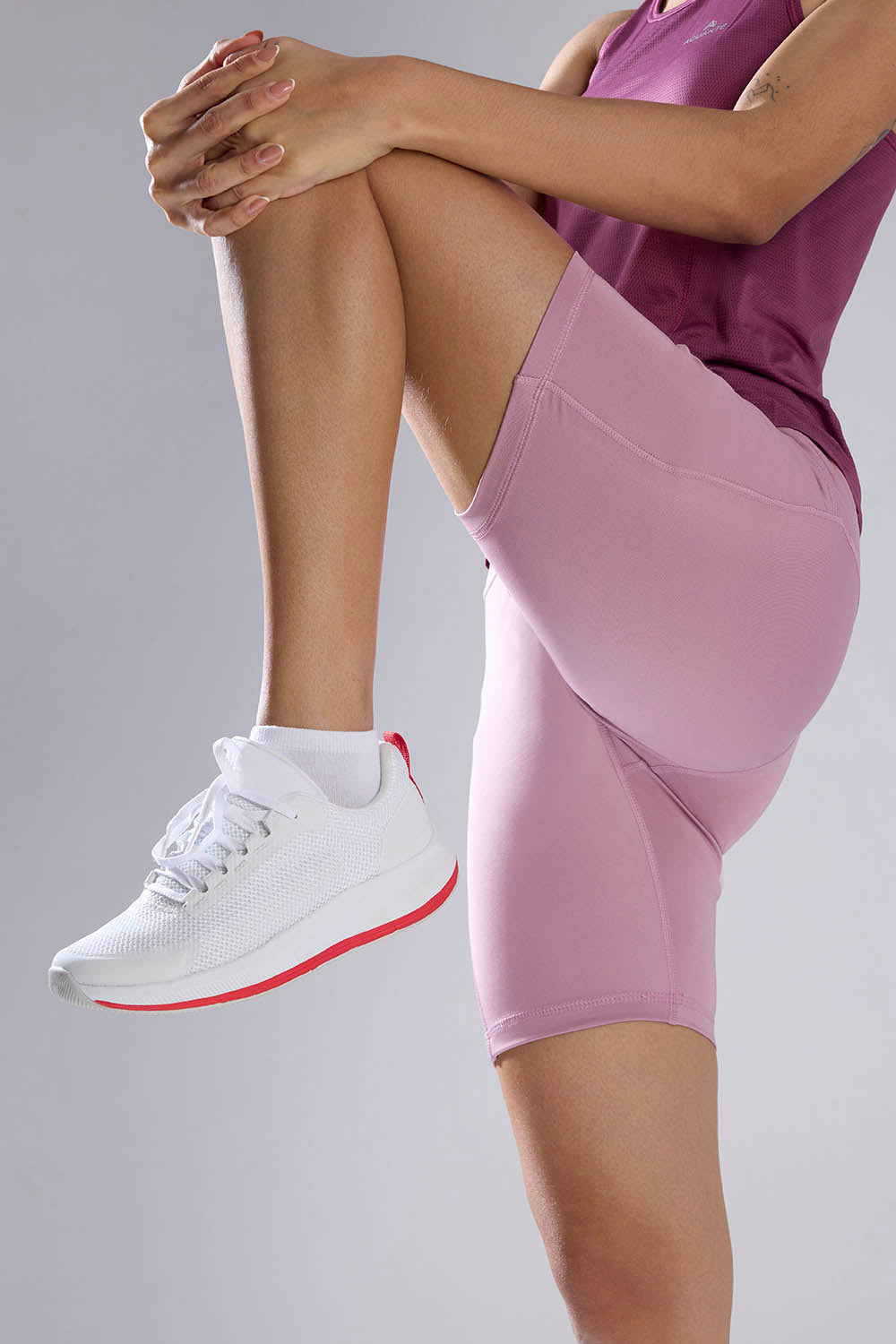
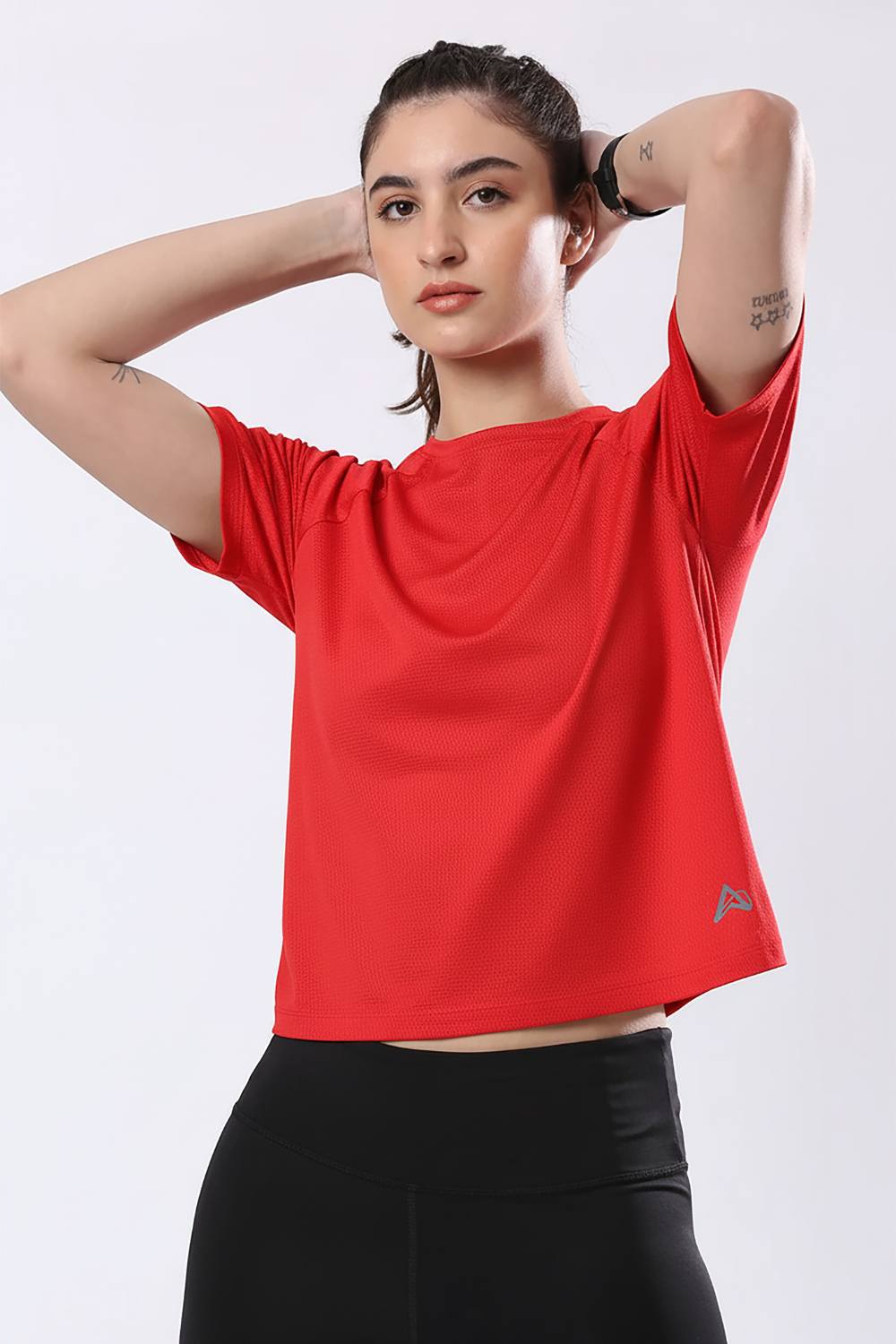
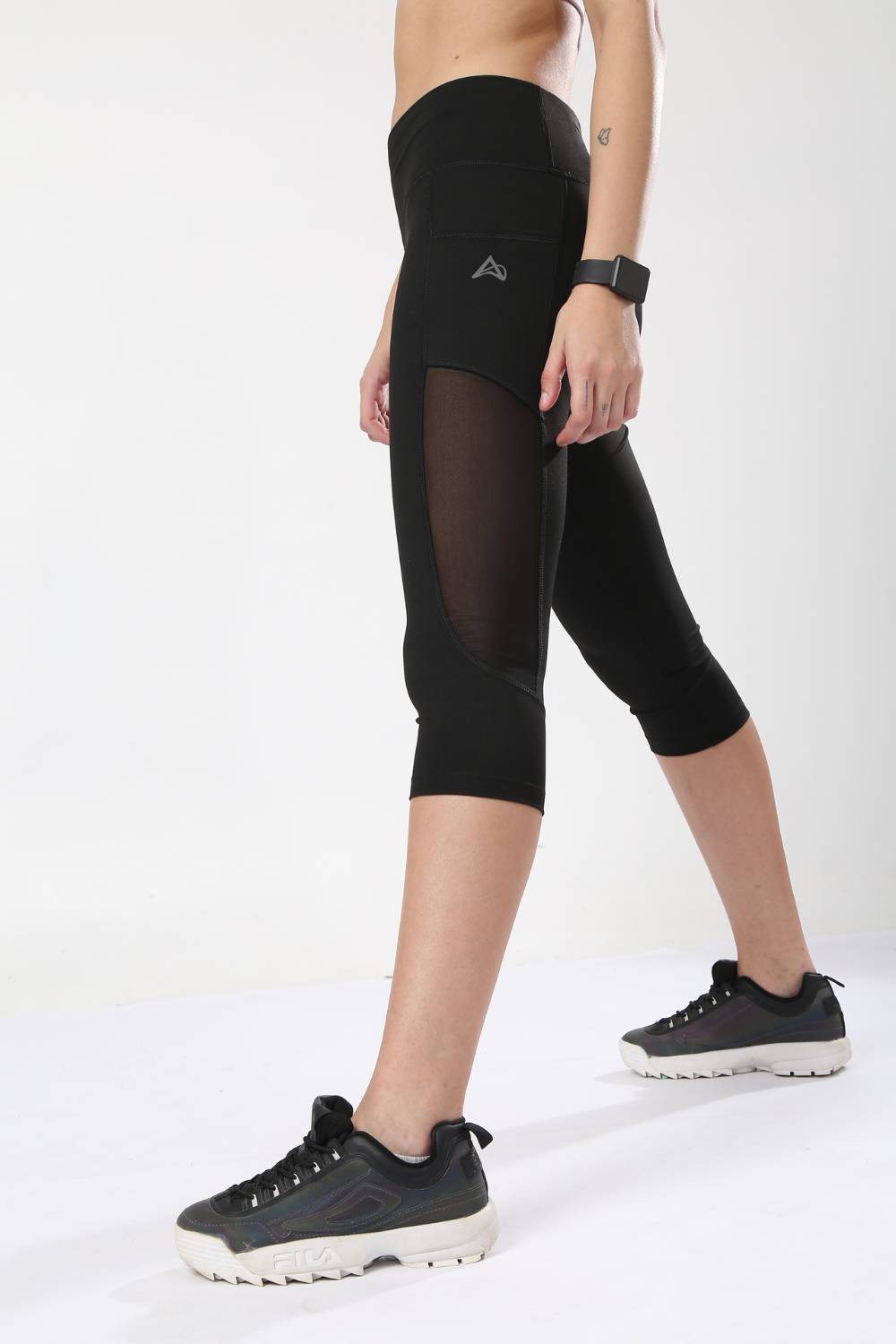


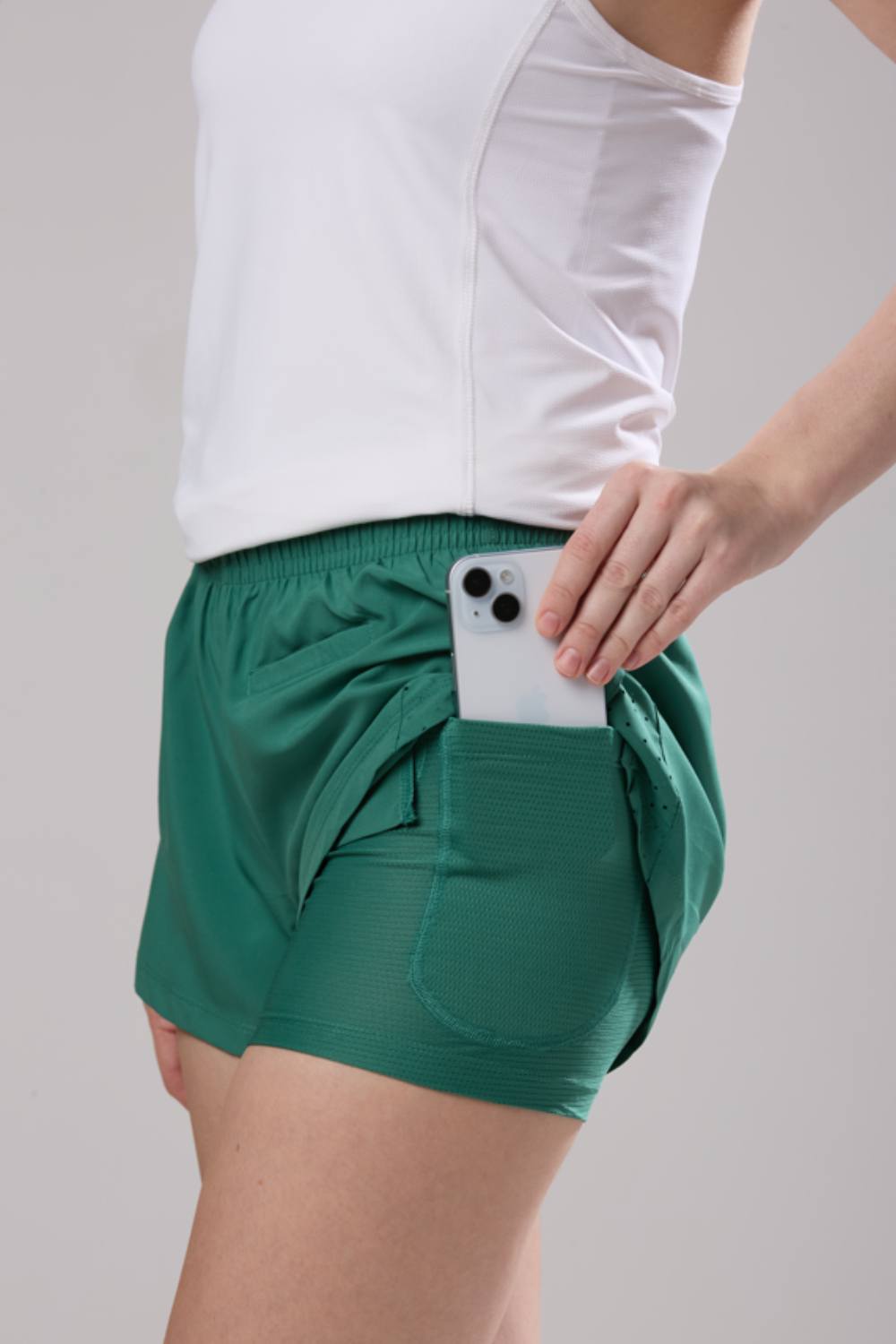
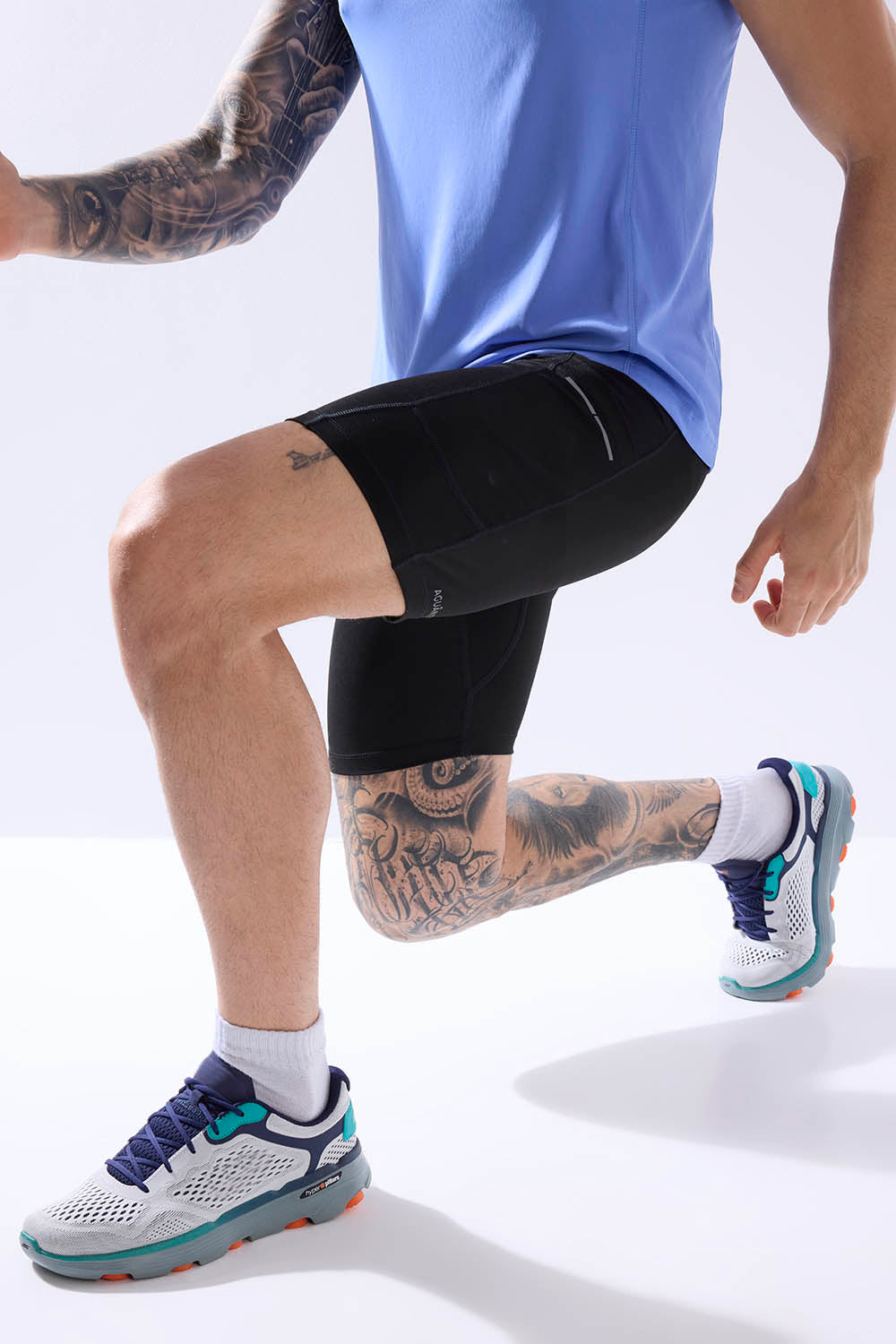




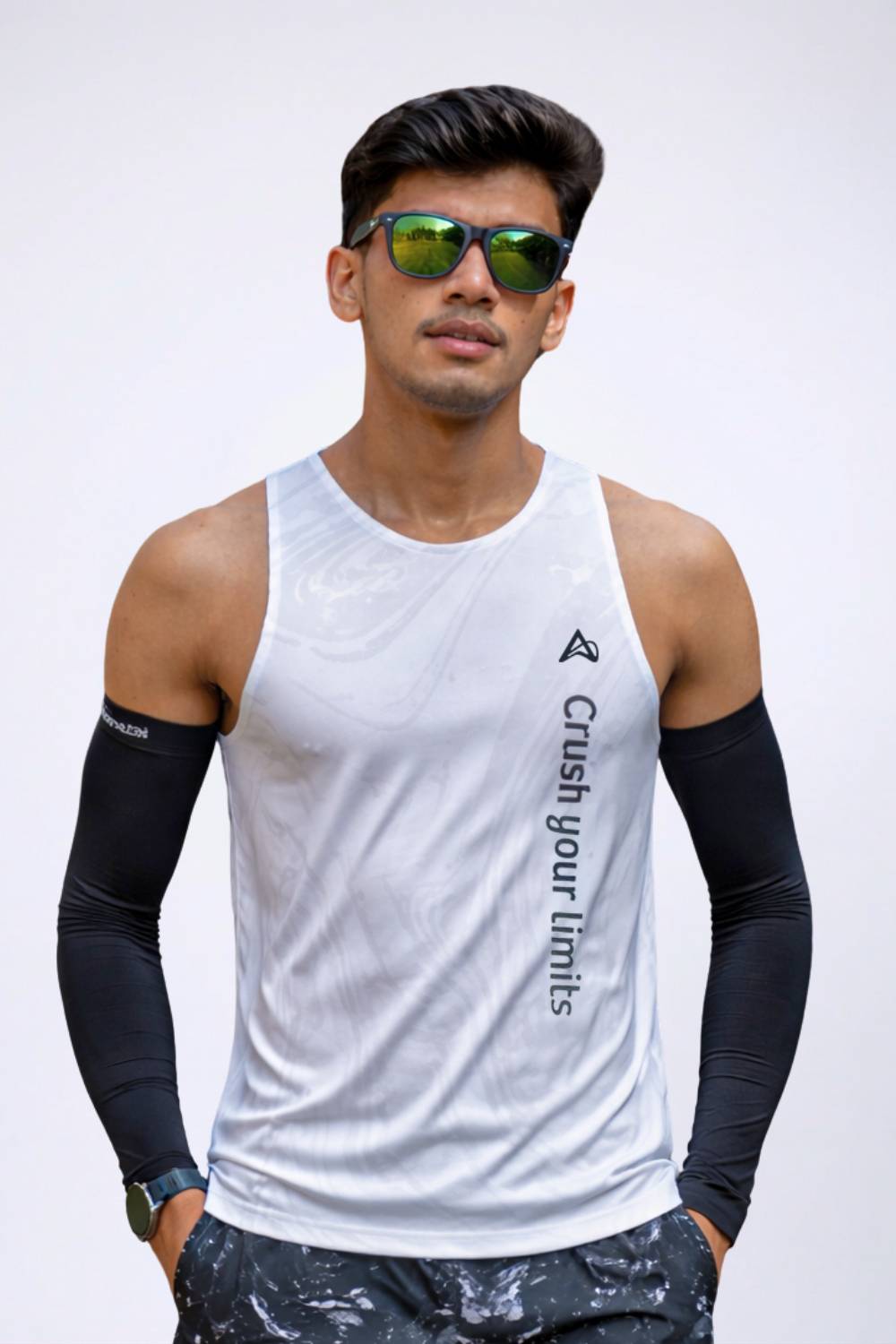

Running outdoors across changing seasons demands more than just motivation and consistency it requires a thoughtful approach to what you wear. From humid mornings to unexpected rain showers and cooler winter starts, your clothing directly influences comfort, endurance, and performance. This is where a smart approach to layering becomes essential. Understanding how to layer running clothes helps runners adapt to shifting weather conditions without overthinking every training session, making it easier to stay consistent throughout the year.
The layering principle involves three main components: a base layer close to the skin that manages moisture, a mid-layer that adds insulation while remaining breathable, and an outer shell that protects against wind and rain. This setup allows the runner to peel off or add pieces as needed without feeling restricted or overheating. For example, in mild temperatures the outer layer can be packed away, while in colder or wetter spots it becomes the essential protector. The approach prevents the common pitfall of dressing too warmly for static conditions and then becoming too hot once movement begins, which leads to sweat-soaked clothes and chills later. Layered systems also promote better air circulation, helping keep the body at an optimal temperature throughout the run.
Runners who master this method report fewer issues with chafing or restricted movement and better overall endurance because the clothing supports rather than hinders the body's natural heat production. In trail settings, where wind can intensify quickly, the shell becomes crucial for preventing heat loss from exposed skin. The versatility extends to different activities like hiking or climbing where similar weather demands arise. Overall, effective layering turns unpredictable outdoor conditions into manageable ones, encouraging runners to spend more time on trails or roads year-round without worrying about the elements derailing their plans.
Tired of gear that slows you down? Chafing, soggy fabrics, and missing pockets kill your run's momentum. At Aguante, we're runners who get it. Our high-performance activewear features moisture-wicking fabrics, ergonomic designs, and smart storage to keep you focused. Shop Now!
Why Layering Matters for Running in Changing Weather
When you begin a run, your body temperature is still adjusting. Within minutes, however, your internal heat rises significantly due to movement and exertion. Wearing a single heavy outfit often leads to overheating, excessive sweating, and discomfort. On the other hand, dressing too lightly can leave you exposed to wind chill or sudden drops in temperature.
Layering solves this problem by creating a flexible system that adapts as your body warms up. As highlighted in how layering works for outdoor activities in changing weather, the goal is to manage moisture, retain appropriate warmth, and protect against external elements like wind and rain. For runners, this adaptability means fewer disruptions mid-run and more stable performance across varying conditions.
Instead of treating running clothes as fixed outfits, layering turns them into adjustable tools. You can remove or add pieces depending on intensity, duration, and weather shifts making your run feel more controlled and less reactive to the environment.
Layering clothing provides a flexible way to stay comfortable during runs or similar activities when weather shifts quickly, whether it is warming up after a long effort or dropping suddenly in cooler conditions. The core principle involves three main components: a base layer close to the skin that manages moisture, a mid-layer that adds insulation while remaining breathable, and an outer shell that protects against wind and rain. This setup allows the runner to peel off or add pieces as needed without feeling restricted or overheating. For example, in mild temperatures the outer layer can be packed away, while in colder or wetter spots it becomes the essential protector. The approach prevents the common pitfall of dressing too warmly for static conditions and then becoming too hot once movement begins, which leads to sweat-soaked clothes and chills later.
Layered systems also promote better air circulation, helping keep the body at an optimal temperature throughout the run. Runners who master this method report fewer issues with chafing or restricted movement and better overall endurance because the clothing supports rather than hinders the body's natural heat production. In trail settings, where wind can intensify quickly, the shell becomes crucial for preventing heat loss from exposed skin. The versatility extends to different activities like hiking or climbing where similar weather demands arise. Overall, effective layering turns unpredictable outdoor conditions into manageable ones, encouraging runners to spend more time on trails or roads year-round without worrying about the elements derailing their plans.
Understanding the Running Layering System
The foundation of any effective running wardrobe is built on three core components: base layer, mid-layer, and outer layer. Each serves a distinct function in regulating body temperature and maintaining comfort during movement.
The base layer sits directly against your skin. Its primary role is moisture management pulling sweat away from the body to keep you dry. The mid-layer provides insulation while still allowing airflow, helping maintain warmth without trapping excess heat. The outer layer acts as a shield against wind, rain, or sudden weather changes.
This system is widely used across outdoor sports because it balances protection with flexibility. According to established guidance on how layering works for outdoor activities in changing weather, this combination allows athletes to regulate temperature efficiently by adding or removing layers based on conditions and exertion levels. For runners, this translates into fewer interruptions and better endurance during long sessions.
In practice, this means your outfit is not static. A jacket might come off after the first kilometer, or a lightweight shell might stay in your hand or waistband until wind picks up. The layering system is less about rigid rules and more about responsive adjustment.
Running in Hot Weather Clothing: Staying Cool and Dry
Hot weather running presents its own challenges, especially in cities with high humidity and rising early-morning temperatures. The key is not to minimize clothing blindly but to prioritize breathability and moisture control.
A moisture-wicking base layer becomes essential here. Instead of holding sweat against the skin, it helps transfer moisture outward, allowing faster evaporation and reducing the feeling of heaviness during runs. Lightweight, breathable fabrics also help air circulate more effectively, preventing overheating during longer sessions.
In warm conditions, layering still applies but in a simplified form. Often, runners rely primarily on a single technical layer with optional ultralight protection for sun or wind exposure. The idea is to avoid fabric buildup while still maintaining enough structure to protect against irritation and chafing during repetitive movement.
For many runners, especially beginners, understanding running in hot weather clothing is less about adding more and more gear and more about choosing materials that actively work with the body's cooling process.
Winter Running Layers Guide: Managing Cold Without Overheating
Cold-weather running introduces a different balancing act. The body needs warmth at the start of the run but quickly generates heat once movement begins. Without proper layering, runners often overdress and end up sweating excessively, which can lead to discomfort once the body cools down.
Guidance from experienced runners and outdoor experts, as discussed in the benefits of layers for winter running, emphasizes the importance of layering for temperature regulation. A commonly used approach suggests dressing slightly warmer than the actual temperature often around 10 to 15 degrees since the body naturally generates additional warmth during movement.
The base layer remains critical in winter conditions, ensuring sweat does not linger on the skin. The mid-layer traps heat around the core, while the outer layer protects against wind and light precipitation. Together, these layers create a controlled microclimate that supports endurance without overheating.
Another important aspect is post-run transition. Proper layering allows runners to adjust quickly after finishing, preventing sudden cooling that can lead to stiffness or discomfort. This is especially useful for early morning or late evening runs when temperatures fluctuate more noticeably.
Winter running demands careful attention to clothing choices because cold weather can easily cause fatigue, reduced pace, or even minor injuries if the body is not properly prepared. The foundation of success lies in layering, which allows runners to start with enough protection and then shed pieces as heat builds during the activity. New or occasional runners often find this strategy particularly helpful since it removes the guesswork of what to wear on a given day and provides flexibility as conditions change. Experts note that too many layers can trap sweat and cause overheating, while too few leave the body vulnerable to cold. A well-chosen base layer keeps the skin dry and comfortable, a mid-layer traps heat effectively in the core, and an outer layer handles wind and light precipitation. This system also supports faster recovery because runners can adjust clothing right after finishing without waiting for the body to cool down fully.
In practice, many find that dressing 10 to 15 degrees warmer than the actual temperature works well, knowing the body will generate additional warmth while moving. The result is smoother runs with less risk of muscle stiffness or cramps, especially when transitioning from indoor warm-up to outdoor conditions. Over time, consistent layering builds familiarity that translates to better performance in races or long runs. It also encourages participation in colder months when outdoor running might otherwise feel intimidating. By focusing on breathable, moisture-management fabrics, runners avoid the discomfort that comes from getting too wet or too cold, leading to higher enjoyment and long-term adherence to training routines.
Monsoon Running Gear Tips: Handling Rain and Humidity
Monsoon conditions require a different mindset altogether. The challenge is not just rain but also persistent humidity, which affects how moisture behaves in clothing. In these conditions, the goal is to stay light, dry, and prevent fabric from becoming heavy with water absorption.
A lightweight, quick-drying outer layer becomes particularly useful during sudden downpours. Instead of fully waterproof, overly insulated gear, runners often benefit from breathable protection that allows internal heat and moisture to escape while limiting direct rain exposure.
Footwear and socks also play a critical role during monsoon runs. Materials that dry quickly and reduce friction help minimize discomfort during extended wet conditions. Proper ventilation becomes as important as water resistance, since trapped moisture can lead to irritation over time.
Ultimately, monsoon running is about responsiveness choosing gear that adapts quickly rather than resists completely. Layering in this context helps maintain balance between protection and airflow, ensuring that runs remain consistent even when weather conditions shift rapidly.
Building a Practical Running Wardrobe for All Seasons
A well-designed running wardrobe is not about having more clothing but about having the right combinations. When you understand layering principles, a small set of versatile pieces can cover a wide range of conditions.
Start with a reliable moisture-wicking base layer that performs across both warm and cool conditions. Add a lightweight mid-layer that provides warmth without bulk, and a breathable outer shell for wind or rain protection. These core components can be mixed and matched depending on season and intensity.
Over time, runners often develop a sense of instinct knowing exactly how much coverage they need based on weather patterns and workout type. This reduces pre-run hesitation and helps maintain consistency in training schedules, even when conditions are unpredictable.
Brands focused on performance apparel, including platforms like Aguante, are increasingly designing clothing systems that support this modular approach. Rather than treating each item as standalone, modern running gear is built to work in combination, reinforcing the idea that adaptability is key to long-term performance.
How Layering Improves Long-term Running Performance
Beyond comfort, layering directly influences consistency. Runners who can adapt easily to weather changes are more likely to maintain regular training habits throughout the year. Instead of skipping sessions due to uncertainty about clothing, they rely on a predictable system that reduces friction before each run.
Layering also helps reduce common issues such as overheating, chills after sweat accumulation, and restricted movement from heavy fabrics. By aligning clothing choices with body heat regulation, runners can focus more on pace, endurance, and breathing rather than environmental discomfort.
Over time, this approach builds confidence in handling different weather scenarios. Whether it is a humid morning jog, a windy winter run, or a sudden rain shower, the right layering strategy ensures that performance remains steady and predictable.
Ultimately, understanding what to wear for running in different weather is not just about clothing it is about creating a system that supports movement, adapts to conditions, and enhances every run.
Frequently Asked Questions
How do you layer running clothes for different weather conditions?
Layering running clothes involves three main components: a moisture-wicking base layer, an insulating mid-layer, and a protective outer shell. This system helps regulate body temperature by allowing you to add or remove layers as conditions and intensity change. It keeps you dry, comfortable, and protected from wind or rain while running in different environments. The flexibility of layering prevents overheating and helps maintain consistent performance.
What should I wear for running in hot weather?
For hot weather running, focus on lightweight, breathable, and moisture-wicking fabrics that help sweat evaporate quickly. A single technical base layer is often enough, with minimal additional clothing to avoid overheating. Choosing ventilated materials helps keep your body cool and reduces chafing during longer runs. Sun protection like a light cap or UV-protective gear can also improve comfort.
What is the best winter running layering system to stay warm without overheating?
The best winter running layering system includes a base layer for moisture management, a mid-layer for insulation, and an outer layer for wind or light rain protection. This setup allows your body to stay warm at the start of a run while adjusting as you generate heat. Dressing slightly warmer than the actual temperature often works well since movement increases body warmth. Removing or adjusting layers during the run helps prevent overheating and keeps you comfortable throughout.
Disclaimer: The above helpful resources content contains personal opinions and experiences. The information provided is for general knowledge and does not constitute professional advice.
You may also be interested in: Why marathon runners demand apparel designed with climate
Tired of gear that slows you down? Chafing, soggy fabrics, and missing pockets kill your run's momentum. At Aguante, we're runners who get it. Our high-performance activewear features moisture-wicking fabrics, ergonomic designs, and smart storage to keep you focused. Shop Now!
Powered by flareAI.co