

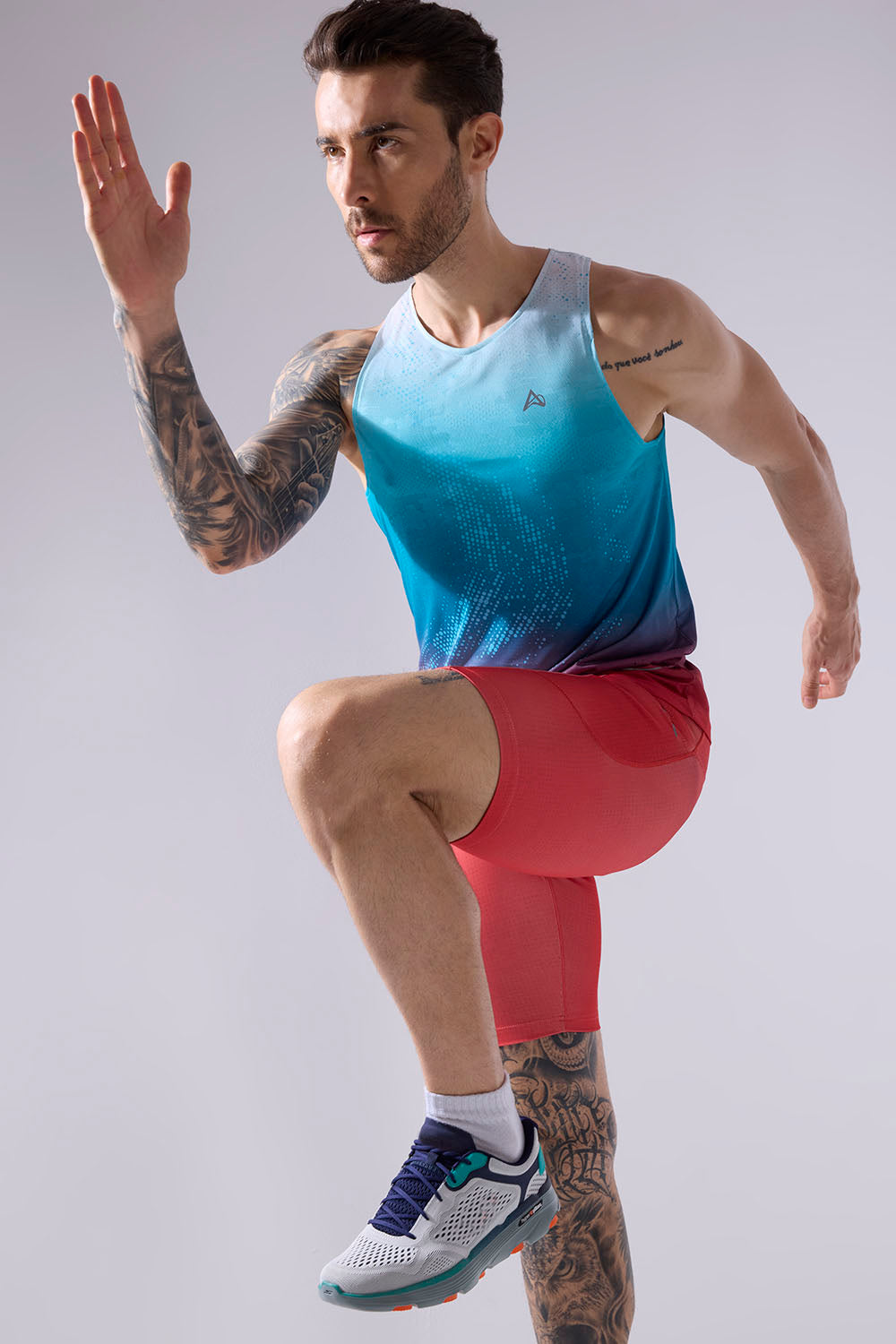

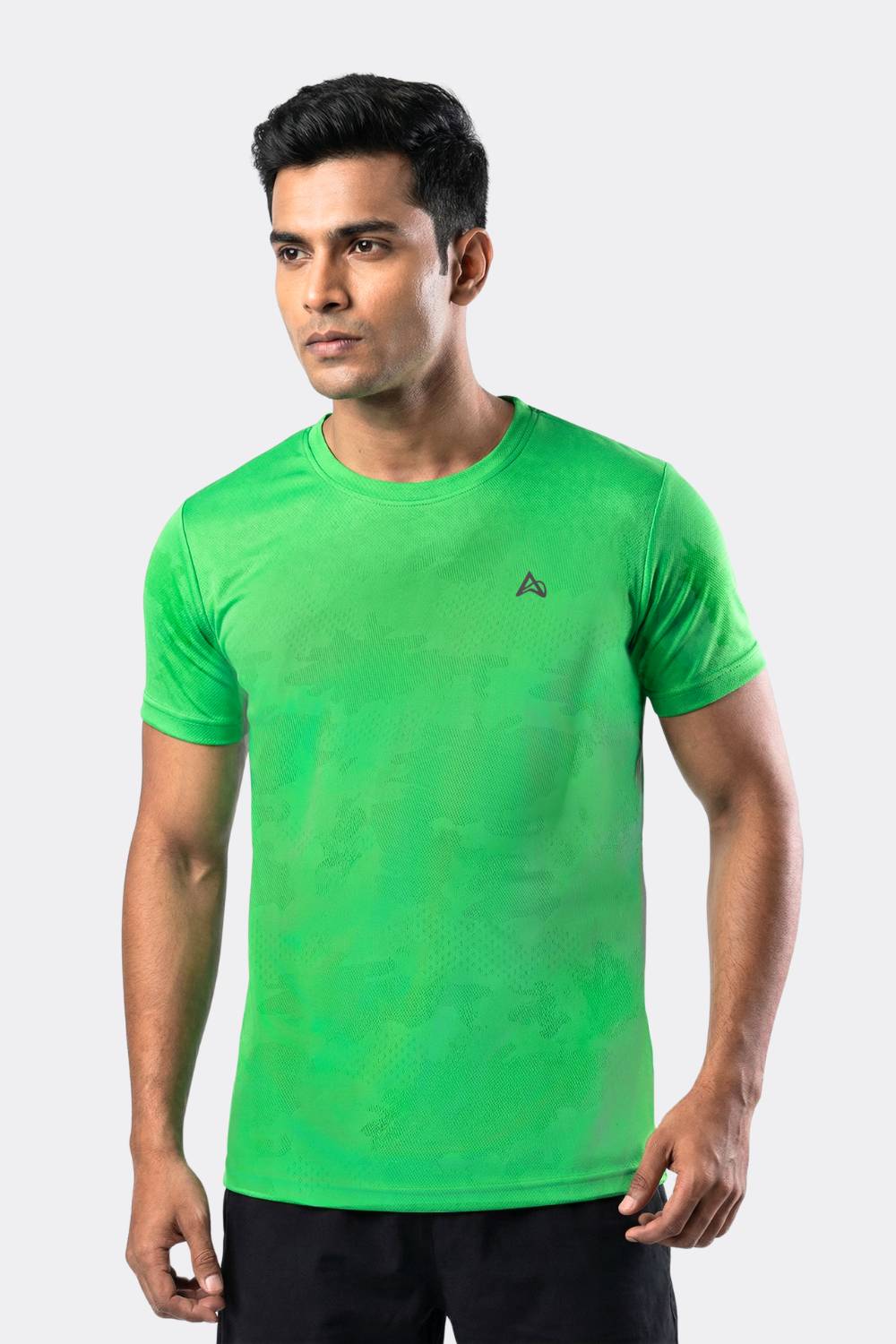
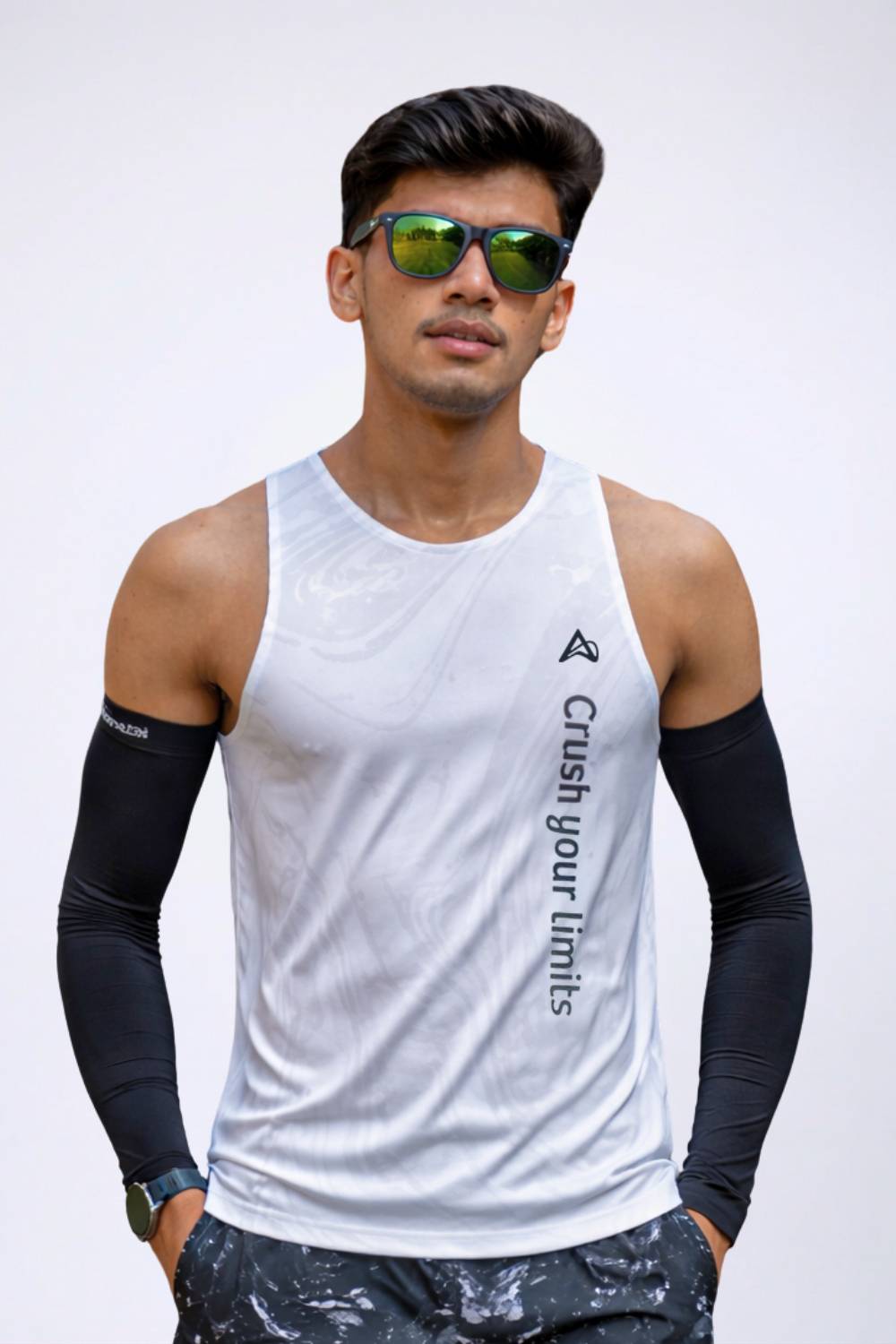

Running apparel is often evaluated through the lens of design, color, or brand preference, but seasoned runners quickly learn that performance begins with something far more fundamental: fit. Whether training for endurance, improving daily fitness, or preparing for long-distance events, the way running clothes sit on the body directly influences comfort, efficiency, and even injury risk. Poorly fitted gear can create friction points, restrict movement, or trap heat, while well-designed apparel works with the body's natural rhythm to support smoother, more consistent runs.
Tired of gear that slows you down? Chafing, soggy fabrics, and missing pockets kill your run's momentum. At Aguante, we're runners who get it. Our high-performance activewear features moisture-wicking fabrics, ergonomic designs, and smart storage to keep you focused. Shop Now!
Choosing Running Apparel That Fits for Better Performance
Modern running gear has evolved significantly, with greater attention to body movement, fabric behavior, and ergonomic construction. Insights from extensive product testing in performance apparel consistently highlight that runners benefit most when clothing is selected not just for style or brand appeal, but for how well it aligns with motion, sweat management, and long-duration comfort. For example, detailed product evaluations emphasize how properly constructed running apparel supports moisture control, reduces friction, and maintains stability during repetitive movement patterns, especially on longer runs where fatigue amplifies discomfort.
Selecting the right running apparel goes far beyond fashion and into the realm of performance optimization, where fit directly influences comfort, efficiency, and injury prevention during high-intensity sessions. Wirecutter's comprehensive testing of hundreds of items highlights how well-fitting pieces made from breathable, moisture-wicking fabrics layer seamlessly with the weather without restricting natural movement. A properly fitted sports bra, for example, significantly reduces breast discomfort and bounce during runs, allowing for higher-impact training without the need for frequent adjustments that disrupt rhythm.
On the upper body, base layers and tanks with flat seams and targeted compression zones minimize chafing along the torso and arms while wicking sweat to keep skin dry, which is crucial for preventing rash and maintaining focus over multi-hour efforts. Lower garments like running shorts and tights benefit from stretch fabrics that provide graduated support without cutting circulation, ensuring joints stay aligned and reducing the micro-vibrations that contribute to repetitive strain injuries in the hips and knees.
Fit matters even more in variable conditions, where a garment that shifts during a pace surge can lead to chafing or fabric bunching that elevates perceived exertion and shortens training duration. Brands incorporating body-scan data and athlete feedback produce sizes that accommodate diverse builds, from lean marathoners to those with broader frames, fostering inclusive experiences that encourage consistent participation. This approach counters the common pitfalls of ill-fitting clothing, such as delayed sweat evaporation in heat or restricted mobility in cold, both of which amplify fatigue and risk.
Ultimately, prioritizing proper fit in running apparel creates a foundation for sustainable training habits, better recovery, and heightened confidence, as runners report feeling more secure and capable when gear moves with them rather than against them. These insights underscore why informed choices in apparel can transform training outcomes, supporting longer, more rewarding runs and minimizing downtime from discomfort-related issues.
Why Proper Fit Running Apparel Matters for Performance
The importance of fit in running gear extends beyond comfort it directly influences how efficiently a runner moves. When apparel fits correctly, it minimizes unnecessary resistance against the skin and allows muscles and joints to function without restriction. This becomes especially important during sustained efforts, where even minor distractions like fabric shifting or waistband pressure can disrupt rhythm.
Well-fitted running clothes also support psychological comfort. Runners are more likely to maintain focus and confidence when they are not constantly adjusting clothing or dealing with irritation. This uninterrupted flow is essential for building endurance and consistency over time. In contrast, poorly fitted apparel can subtly increase perceived exertion, making runs feel more difficult than they actually are.
Expert evaluations of running apparel consistently highlight that thoughtful design and accurate sizing can significantly improve overall training experience. Running gear selection is often optimized when apparel is designed to move with the body rather than against it, reinforcing the idea that fit is a foundational performance factor rather than a secondary consideration.
How Running Clothes Should Fit for Different Training Needs
Understanding how running clothes should fit depends on the type of activity and intensity level. Short-distance runners often prefer a slightly snug fit that minimizes excess fabric movement, while long-distance runners prioritize breathable, lightweight materials that reduce heat buildup and friction over time.
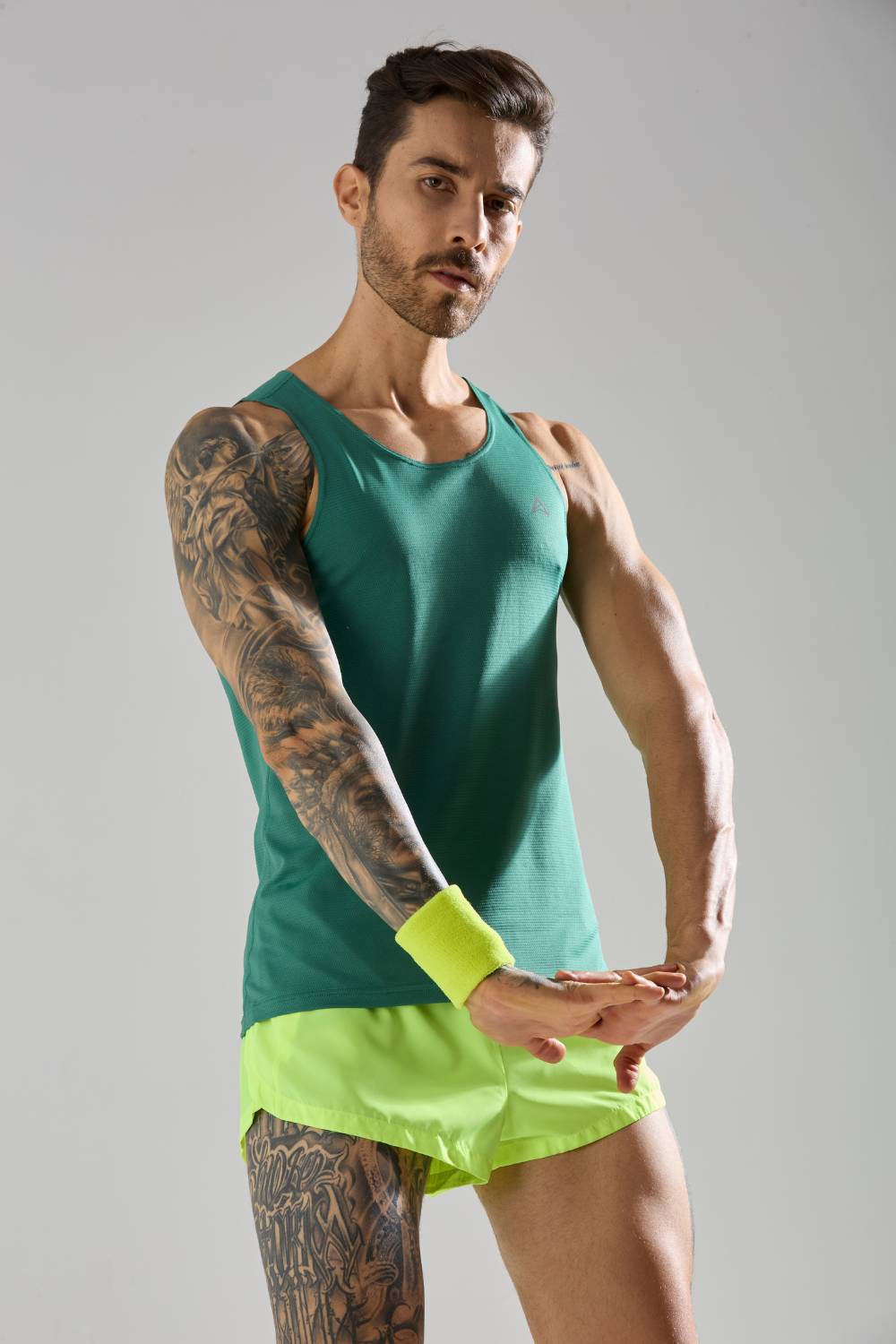
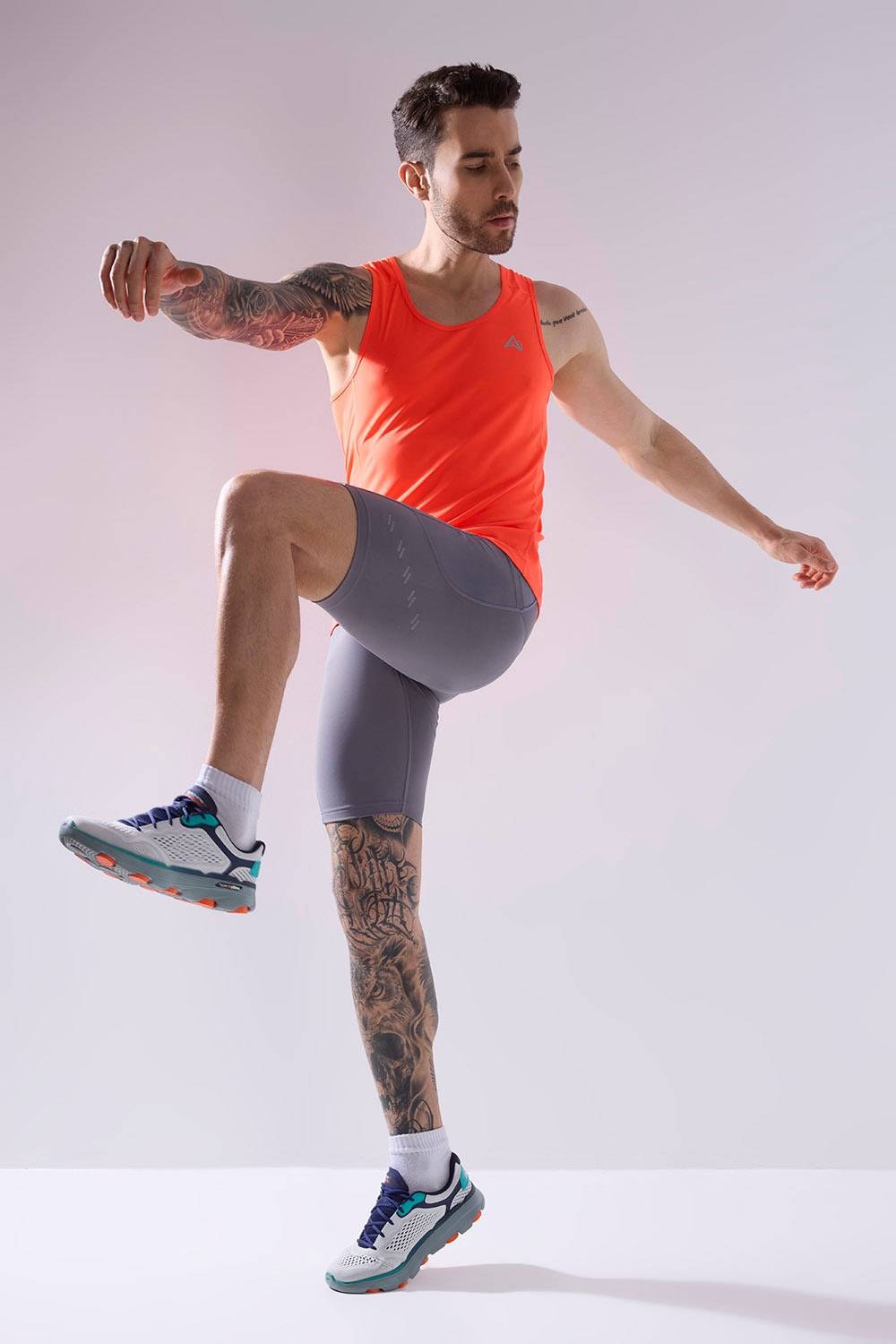
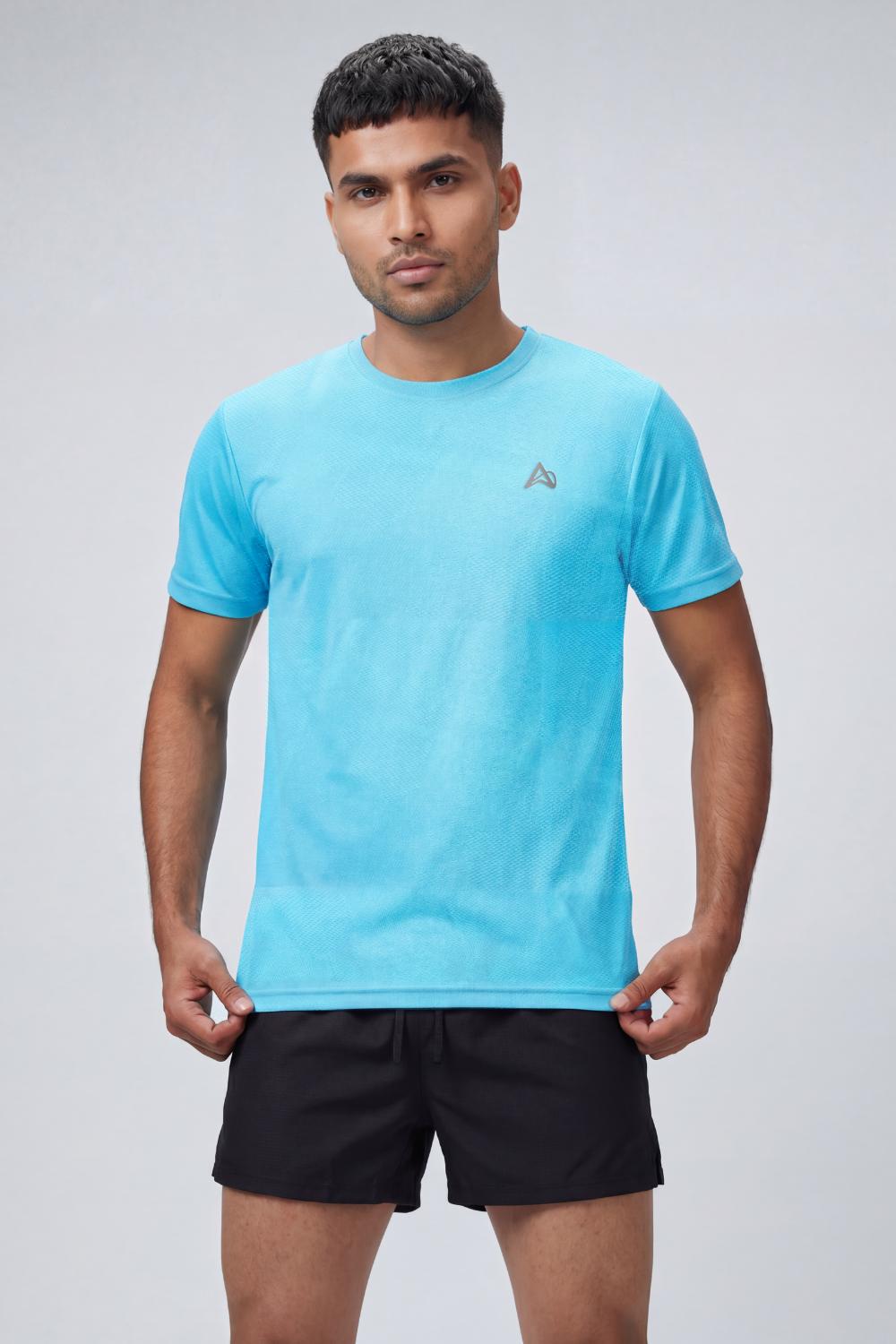
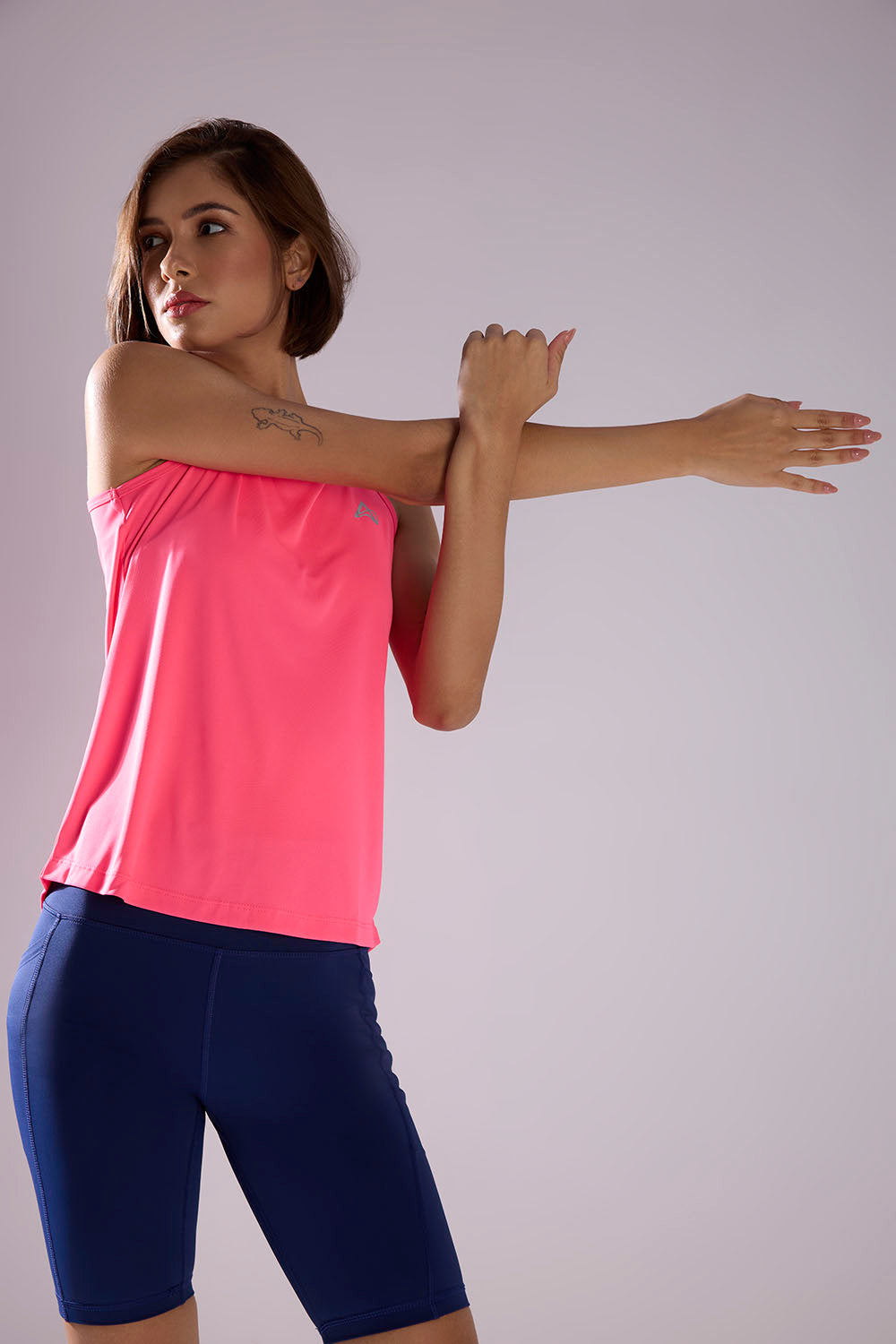
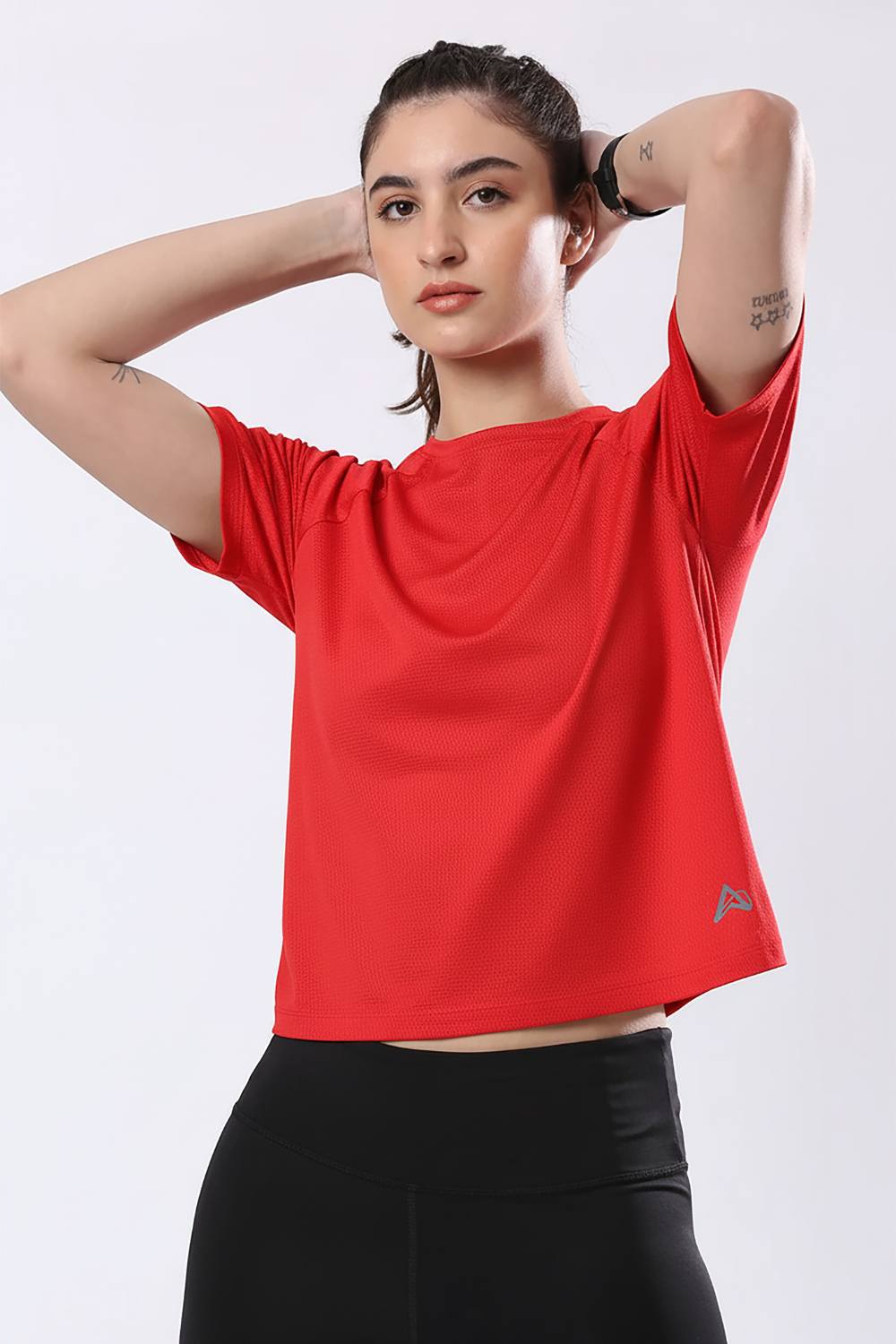
Upper-body garments such as T-shirts and tank tops should sit close enough to prevent excessive movement but not so tight that they restrict shoulder rotation. Lower-body apparel, such as shorts or tights, should allow full hip mobility without riding up or causing waistband pressure. The balance between support and freedom of movement is what defines a well-optimized running outfit.
Compression gear adds another layer of complexity. When fitted correctly, compression running clothing can support muscle stability and reduce vibration during repetitive impact. However, overly tight compression garments can restrict circulation and reduce comfort, particularly during longer sessions. This makes proper sizing essential rather than optional.
Chafing, Discomfort, and the Role of Fit in Running Clothes
One of the most common challenges runners face is chafing from running clothes. This typically occurs when fabric repeatedly rubs against the skin due to improper fit, excess seams, or poor material placement. Over time, this friction can lead to irritation that interrupts training consistency and reduces overall enjoyment of running.
Properly fitted apparel reduces these risks by stabilizing fabric against the body and minimizing unnecessary movement. Flat seams, moisture-wicking materials, and ergonomic cuts all contribute to reducing friction points. When clothing stays in place during motion, the likelihood of skin irritation decreases significantly.
Comfort is not just a luxury in running apparel it is a performance requirement. Runners who experience repeated discomfort are more likely to shorten their sessions or avoid training altogether, which ultimately impacts long-term progress. A well-fitting outfit supports consistency by removing these barriers, allowing runners to focus on pacing, breathing, and endurance.
Breathability, Fabric Behavior, and Fit Alignment
Breathability is closely tied to fit because airflow and moisture control depend on how fabric sits on the body. Running apparel that is too tight may restrict ventilation, while overly loose clothing can trap heat and increase drag. The ideal fit supports consistent airflow while still maintaining contact with the skin where moisture-wicking is most effective.
Advanced running apparel designs emphasize strategic fabric placement, ensuring sweat is drawn away from high-heat zones such as the back, chest, and underarms. This helps maintain temperature regulation during intense workouts or humid conditions. When combined with proper fit, these features enhance overall comfort and reduce fatigue caused by overheating.
Fit also influences how quickly apparel responds to changes in pace. During acceleration or interval training, clothing must adapt to increased movement without shifting excessively. This dynamic responsiveness is a key factor in modern performance wear design, reinforcing why sizing accuracy plays a critical role in training outcomes.
Running Clothes Fit Guide: Finding the Right Size for Your Training
A practical running clothes fit guide begins with understanding body mechanics during motion rather than static measurements alone. Apparel should be tested in movement walking, jogging, and sprinting to ensure it remains stable across different intensities. A garment that feels comfortable while standing may behave differently during dynamic activity.
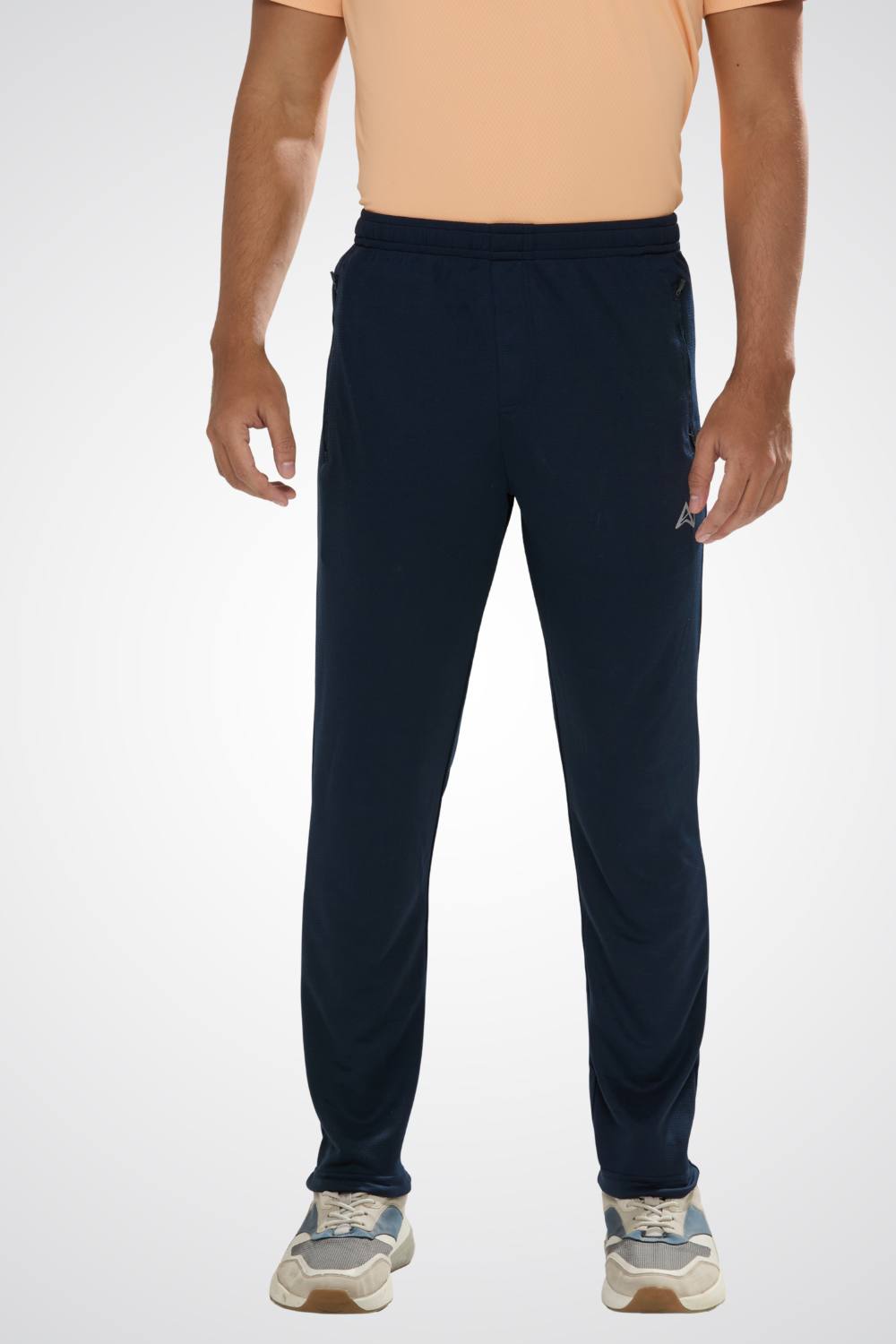
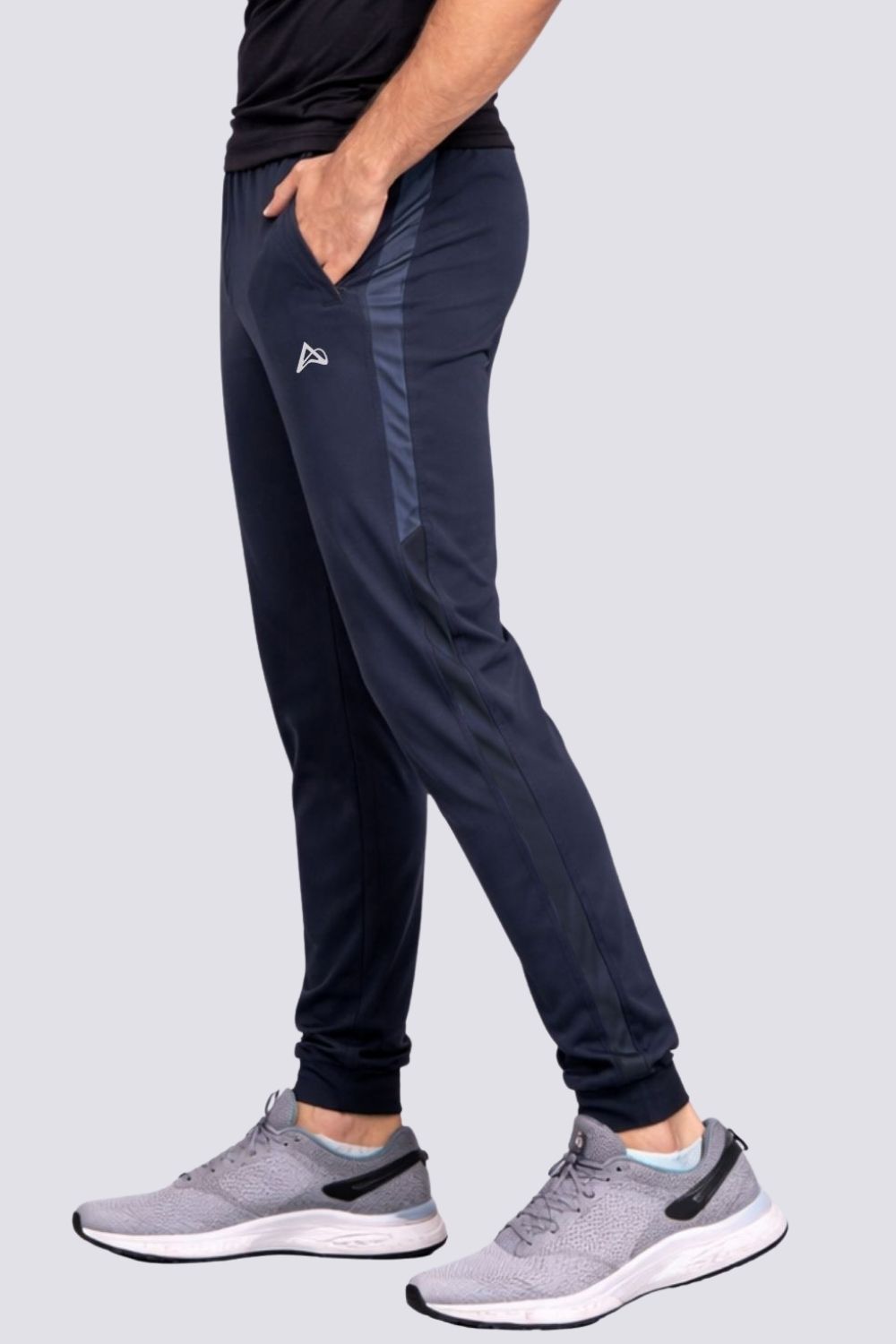
For tops, a proper fit means the fabric sits close to the torso without limiting shoulder rotation. Sleeves should not bunch or ride up during arm swings. For bottoms, the waistband should remain secure without requiring constant adjustment, and leg openings should not cause friction against the inner thighs.
Footwear alignment also indirectly affects apparel fit. Poorly fitted shoes can alter gait, which may change how clothing interacts with the body. This makes a holistic approach to sizing essential, where shoes, socks, and apparel are considered together rather than in isolation.
Choosing the Best Fit for Running Shorts, Tights, and Compression Wear
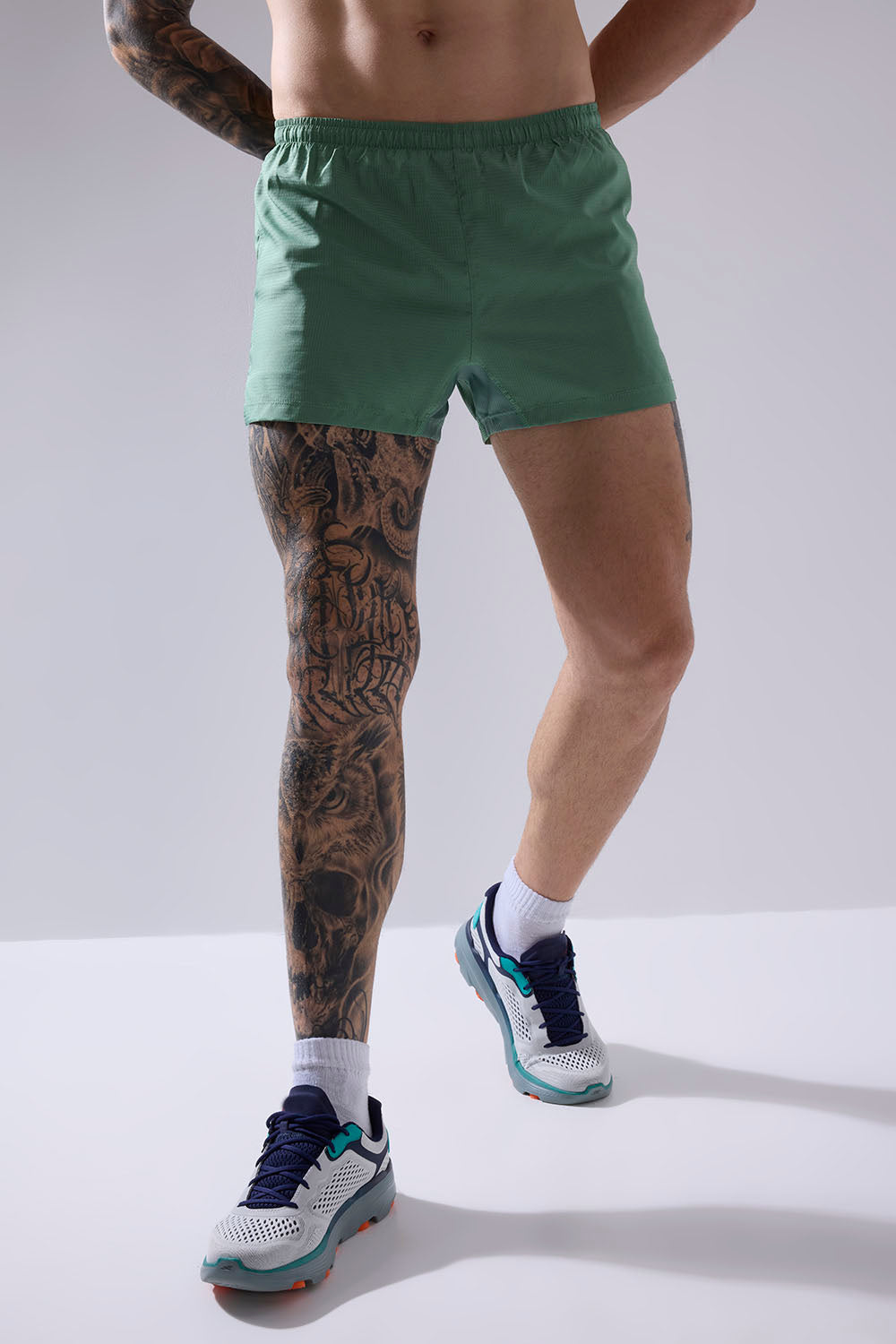
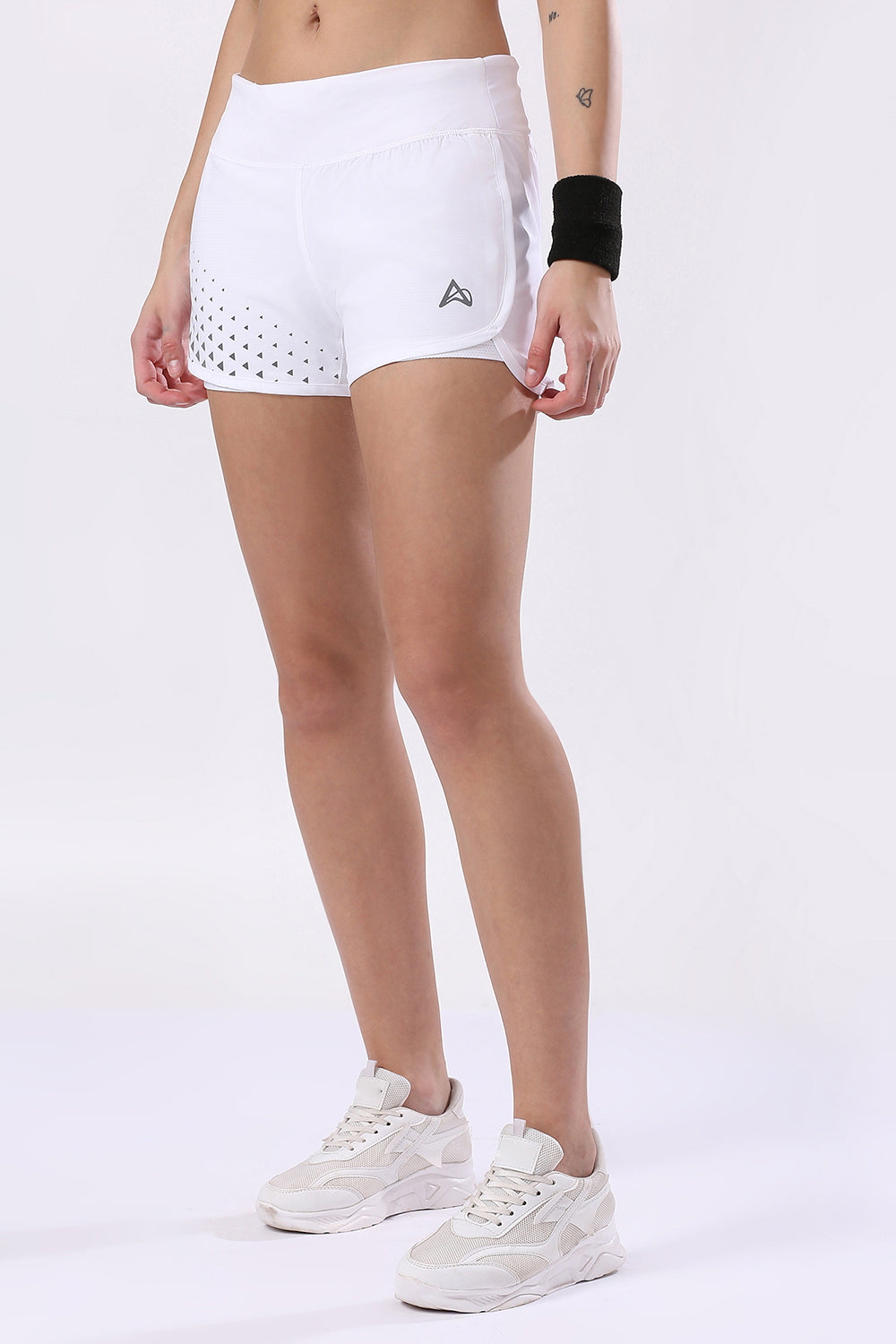
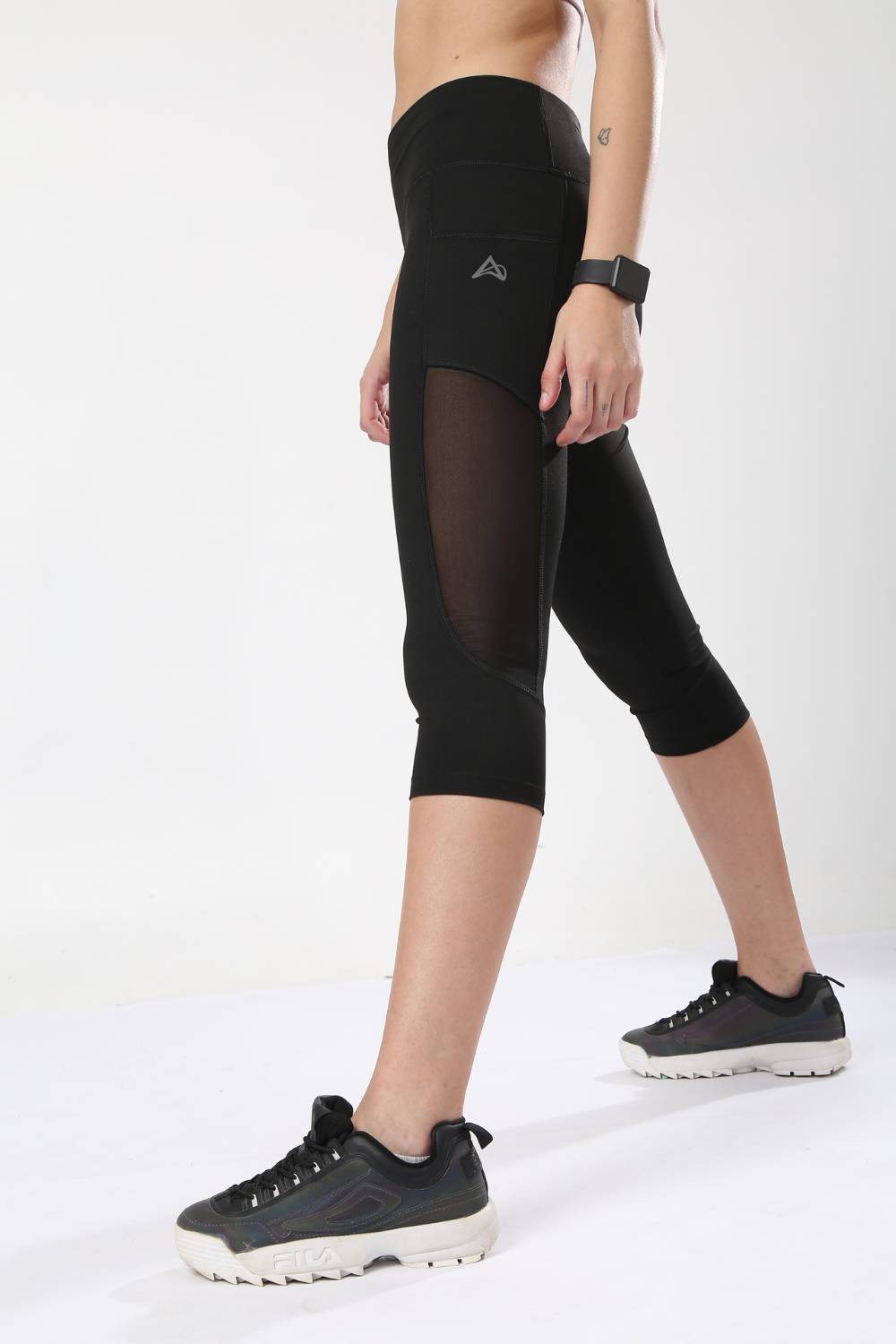
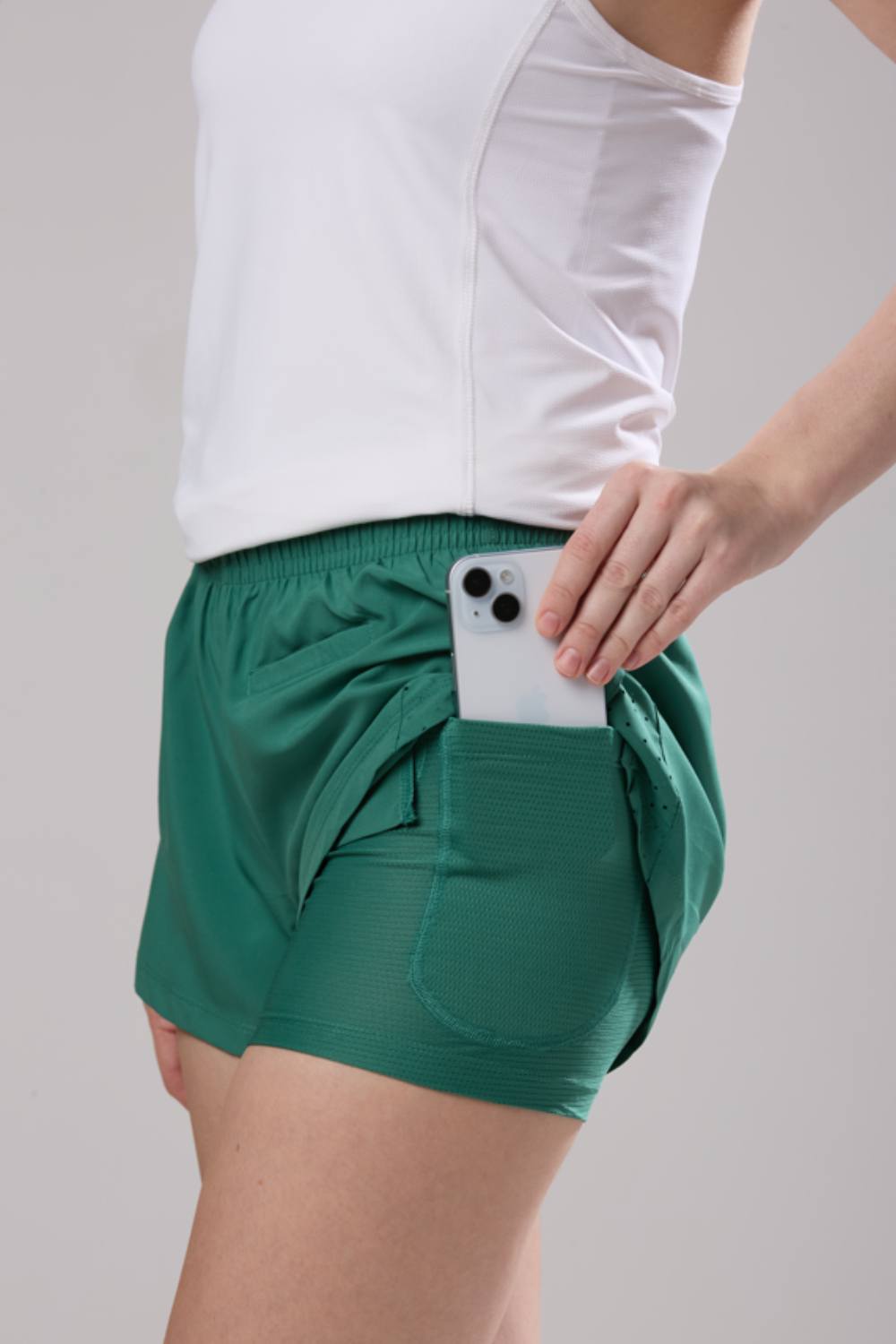
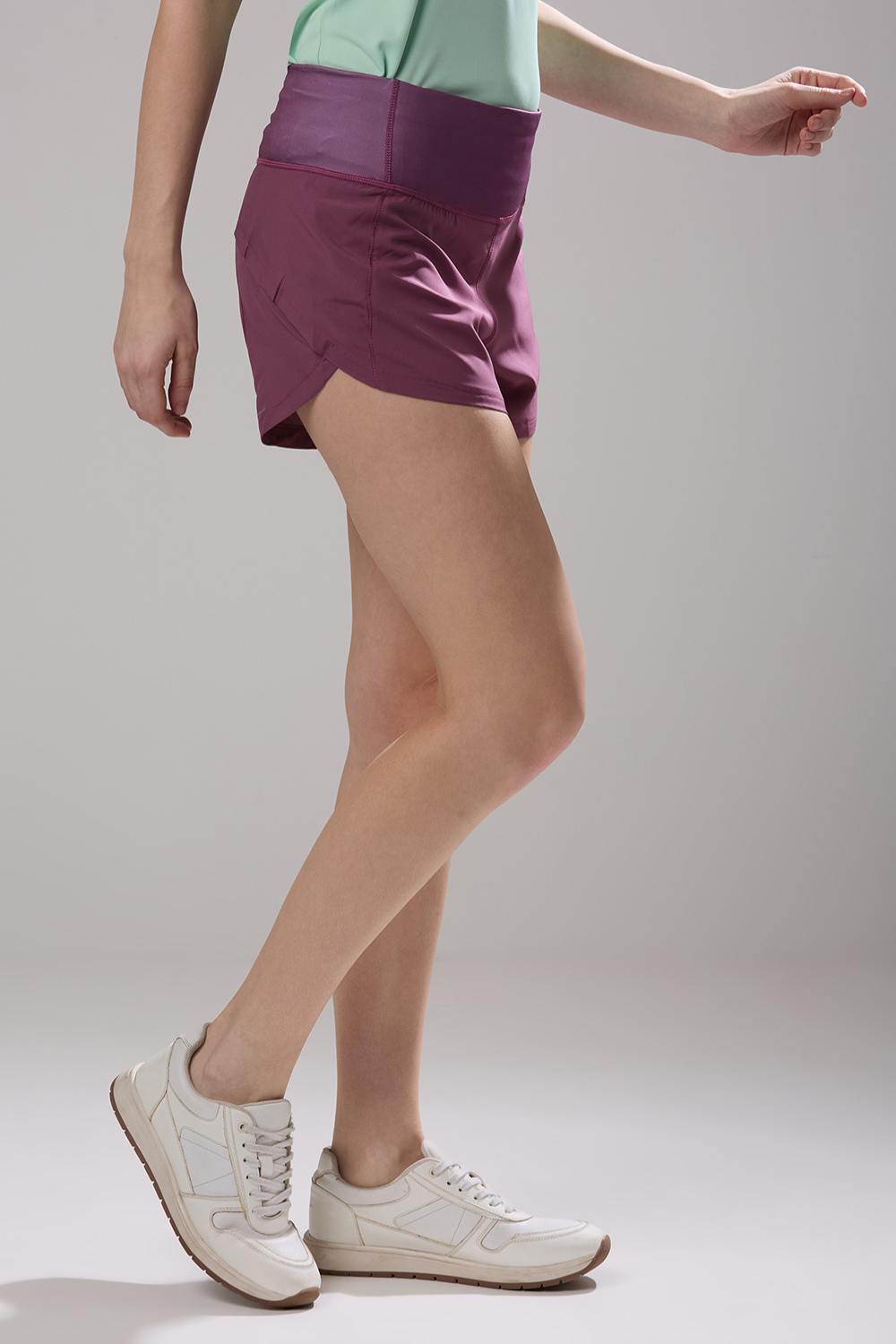
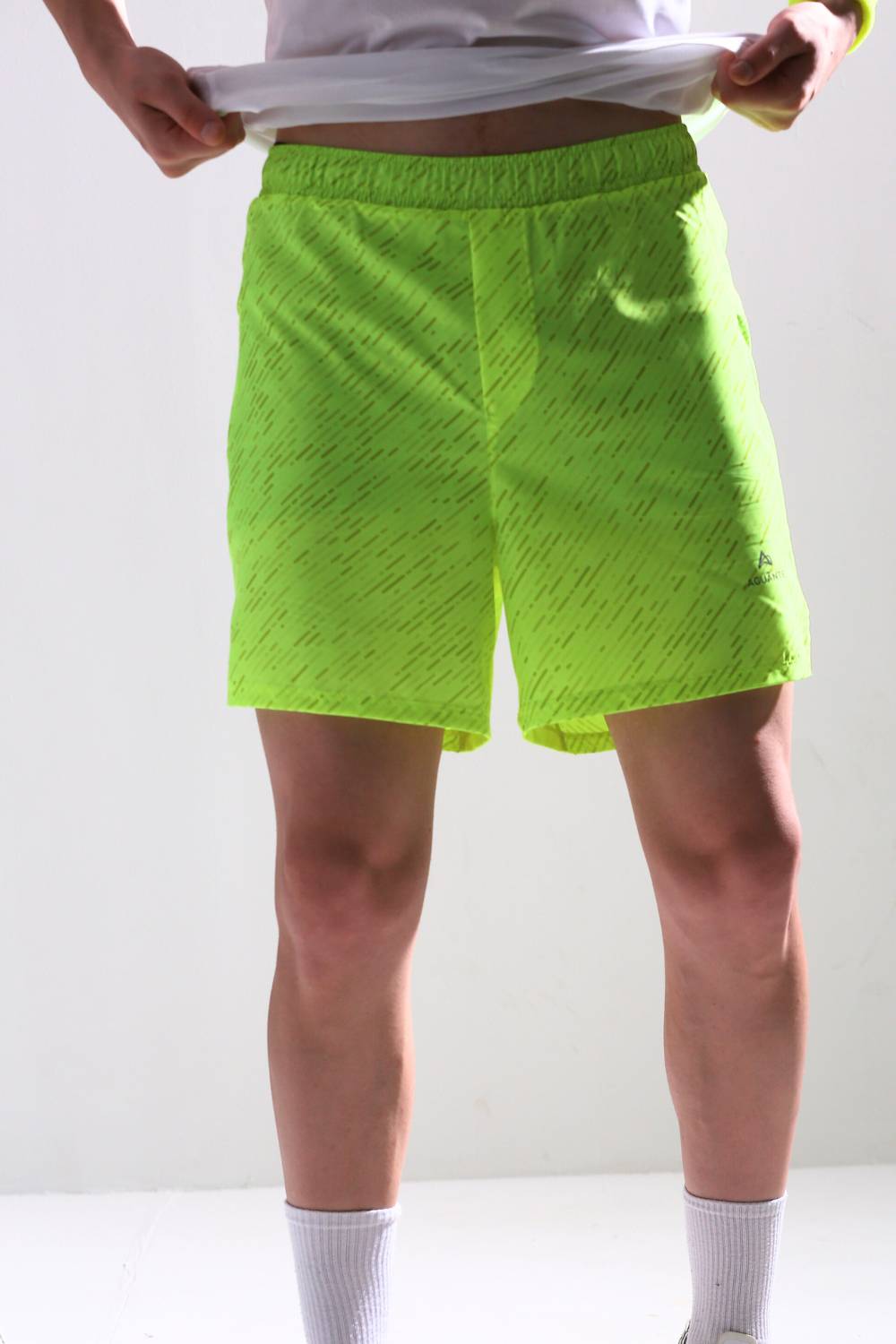
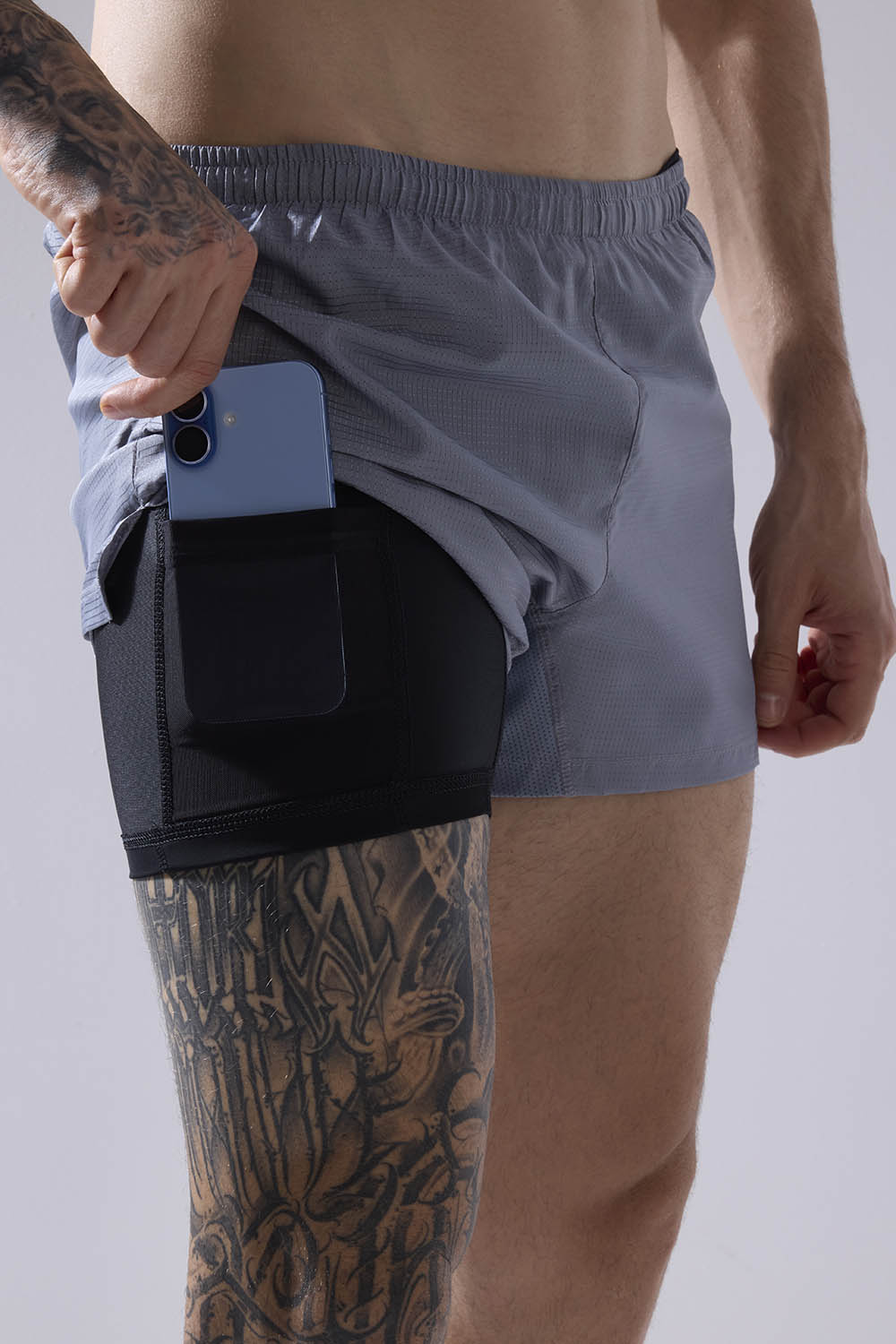
Running shorts remain one of the most popular apparel choices due to their versatility and ventilation benefits. The best fit for running shorts allows unrestricted hip movement while ensuring the fabric stays in place during stride transitions. Lightweight materials with minimal seam interference help reduce friction and improve comfort during longer runs.
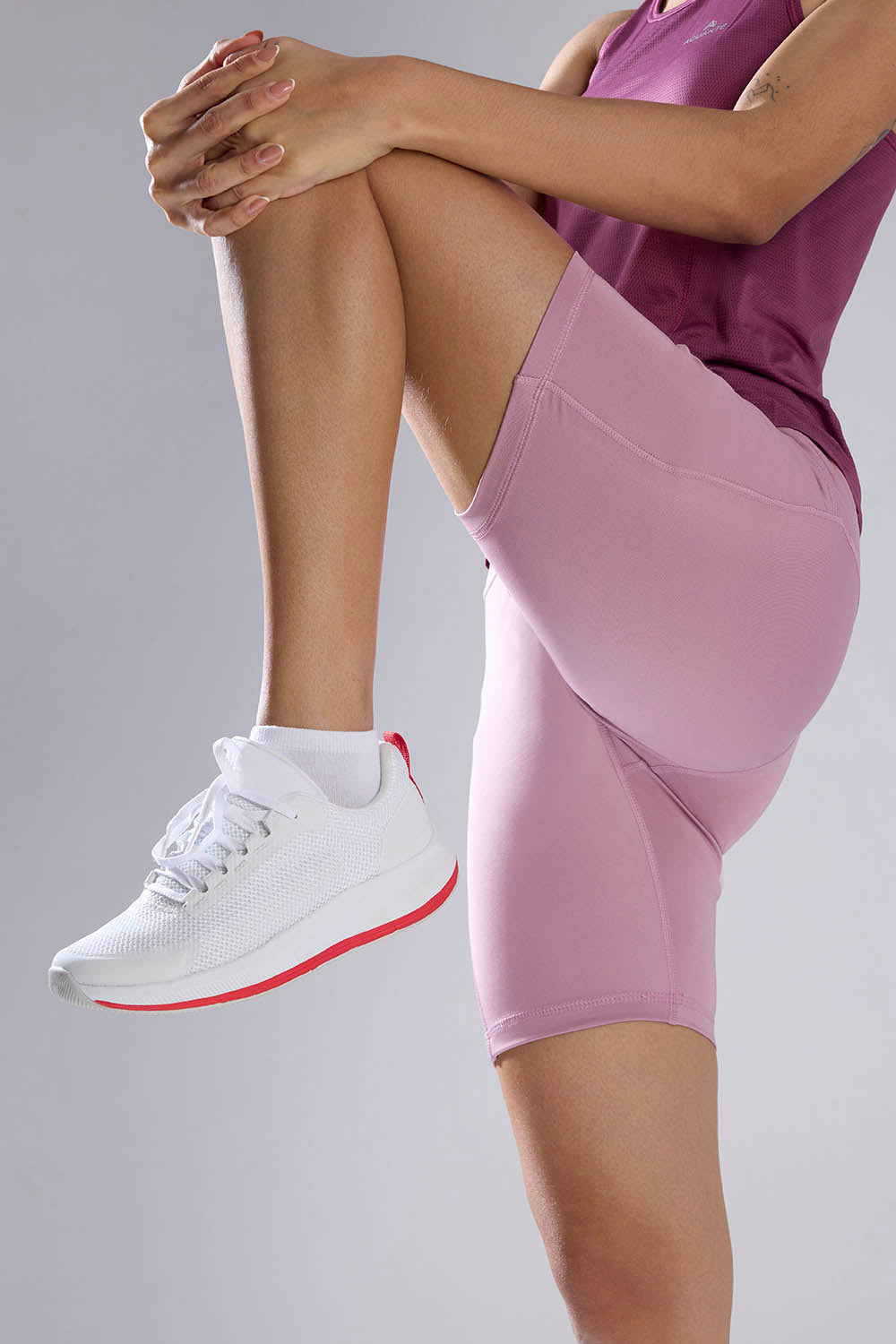
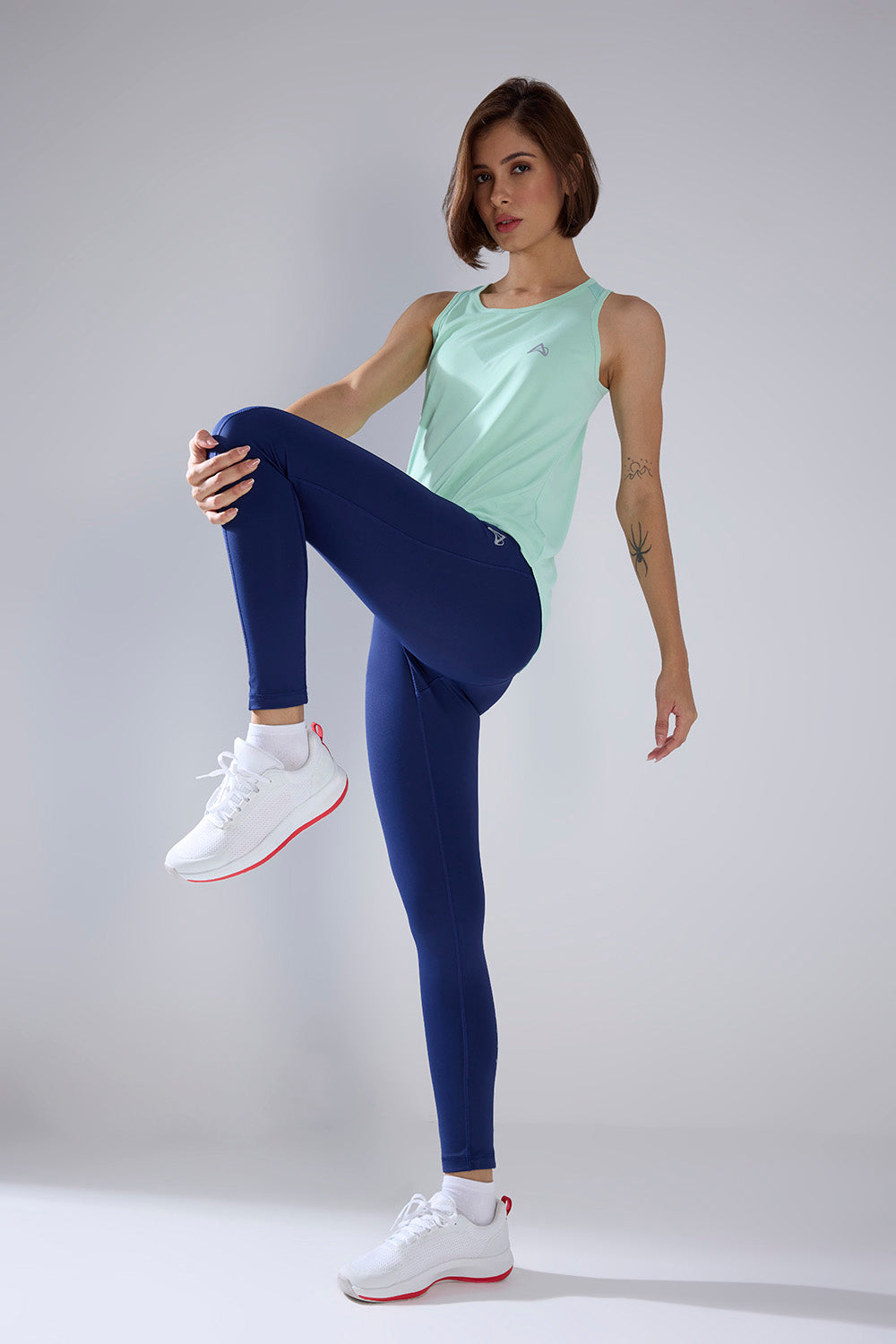
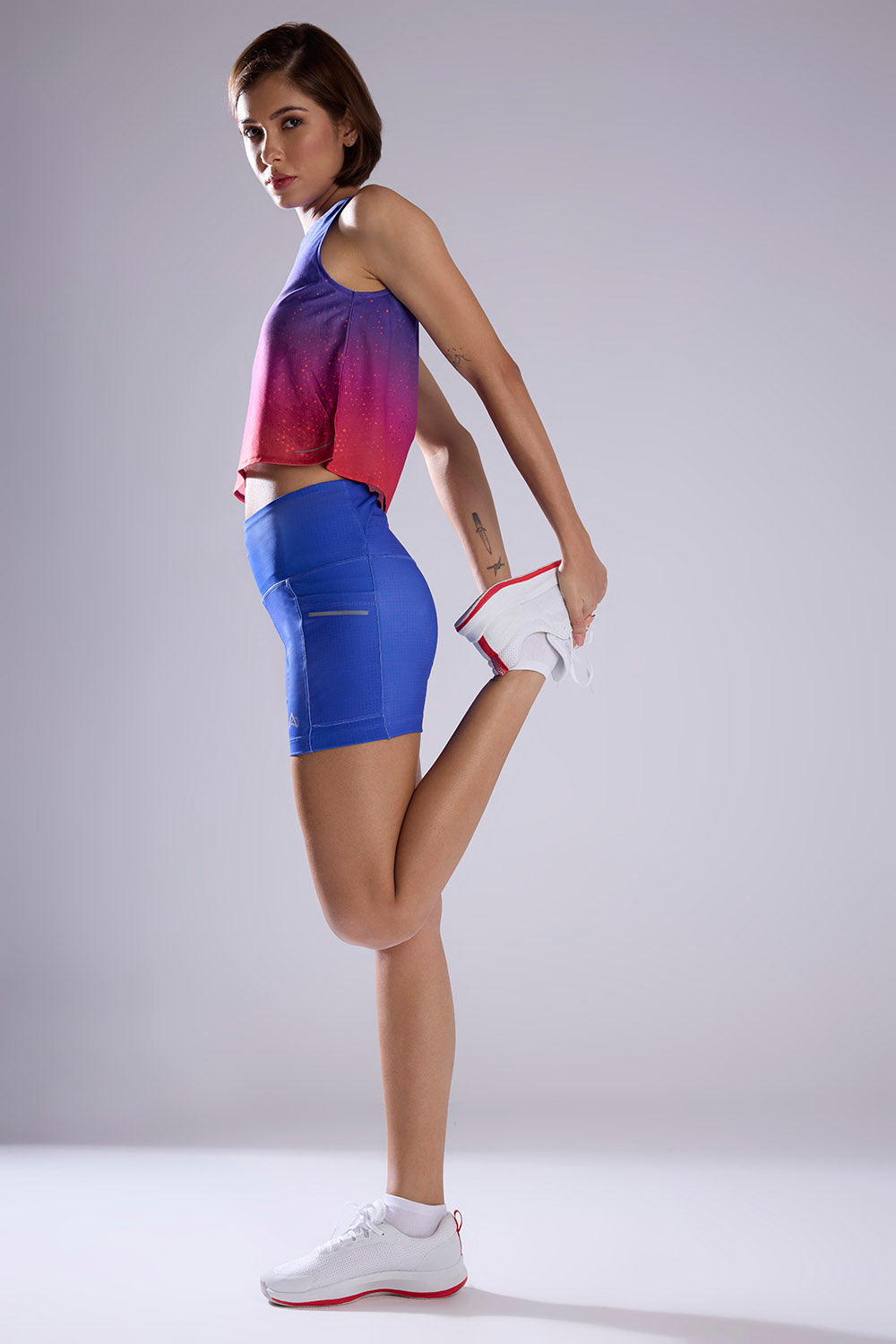
Running tights, on the other hand, provide a more structured fit that supports muscle groups and reduces vibration. When properly fitted, they offer a second-skin feel that enhances stability without restricting movement. However, incorrect sizing can lead to discomfort around the waist or knees, especially during prolonged activity.
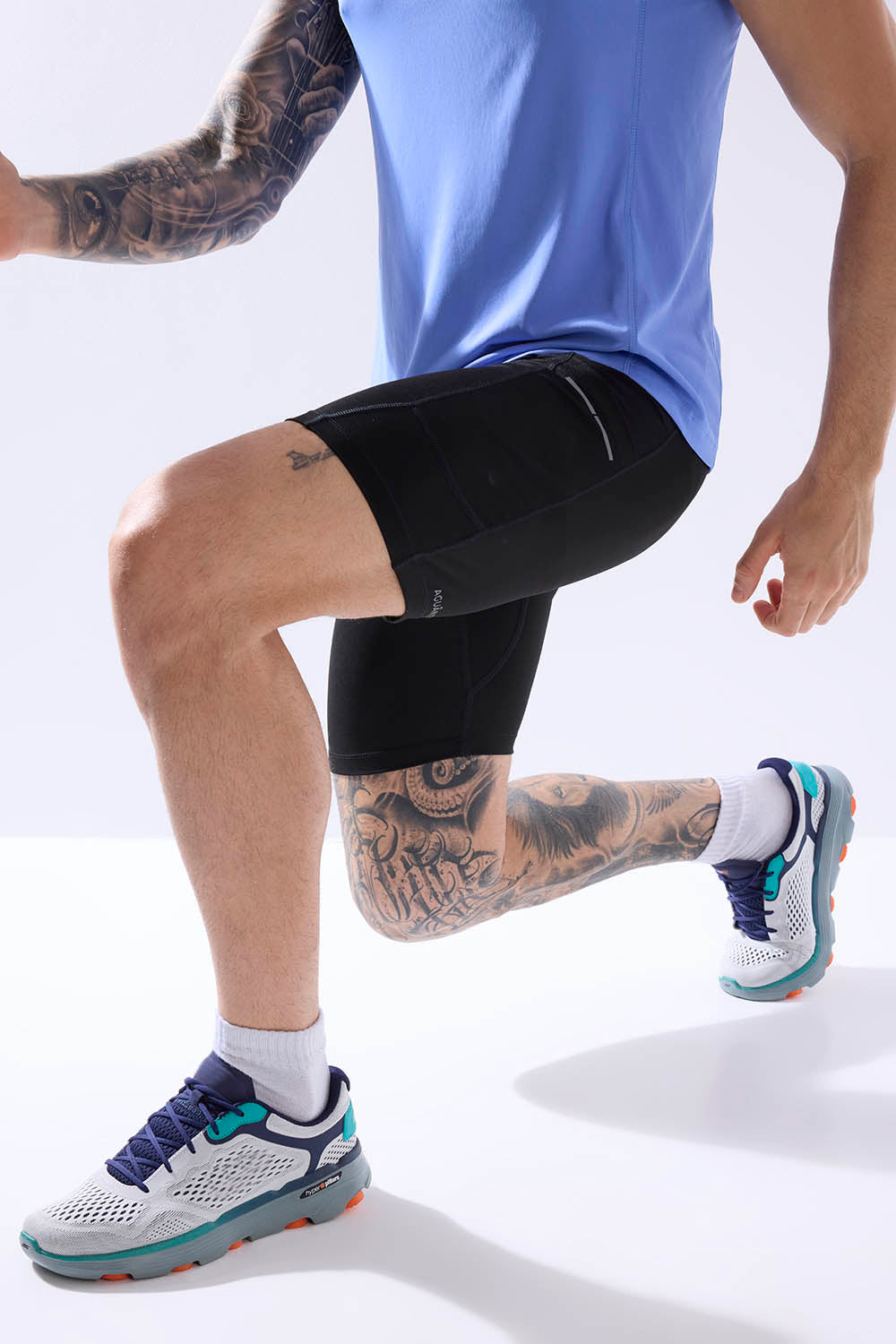
Compression running clothing is designed to support circulation and reduce muscle fatigue, but its effectiveness depends heavily on precise fit. Too loose, and the garment loses its supportive benefits; too tight, and it may cause discomfort or restrict movement. This makes accurate sizing particularly important for runners incorporating compression gear into their training routines.
The Long-term Impact of Proper Fit in Running Gear
The benefits of properly fitted running apparel extend beyond individual workouts. Over time, consistent use of well-fitting gear helps reduce injury risk, improve training consistency, and enhance overall running efficiency. When runners are not distracted by discomfort or fit-related issues, they can focus more on technique, pacing, and endurance development.
Industry evaluations of performance apparel consistently reinforce the idea that thoughtful design and proper sizing contribute to better training outcomes. High-quality running gear is built to support movement rather than hinder it, ensuring that runners can maintain long-term engagement with their fitness routines without unnecessary interruptions caused by discomfort or friction.
Ultimately, investing attention in fit is one of the simplest yet most impactful decisions a runner can make. It transforms apparel from passive clothing into active performance support, helping runners move more naturally and confidently across every stage of their training journey.
Smarter Apparel, Stronger Runs
Proper fit in running apparel is not just about aesthetics or brand preference it is a foundational element of performance, comfort, and injury prevention. From reducing chafing to improving breathability and supporting natural movement, well-fitted gear plays a critical role in how effectively runners train and progress over time.
As running continues to grow as a preferred fitness activity across diverse urban environments, attention to apparel fit becomes increasingly important. Choosing gear that aligns with body mechanics and training needs ensures that every run feels more efficient, controlled, and sustainable. In the end, the right fit does more than enhance performance it helps build a more enjoyable and consistent running experience.
Frequently Asked Questions
How does proper running apparel fit help prevent chafing and overheating during runs?
Proper fit helps prevent chafing by keeping fabric stable against the skin and reducing repetitive friction points. Features like flat seams and moisture-wicking materials further enhance comfort by managing sweat and reducing irritation. In addition, a well-balanced fit improves breathability and airflow, helping regulate body temperature and prevent overheating during intense or long runs.
Why is proper fit important in running apparel for performance and injury prevention?
Proper fit in running apparel is essential because it directly impacts comfort, efficiency, and injury prevention during runs. Well-fitted gear reduces friction, prevents chafing, and allows natural movement of muscles and joints. It also helps runners maintain better form and consistency by minimizing distractions caused by discomfort or shifting clothing.
How should running clothes fit for different types of workouts like short-distance runs and long-distance training?
For short-distance runs, running clothes can be slightly snug to reduce fabric movement and improve aerodynamics. Long-distance training benefits from lightweight, breathable apparel that allows ventilation and prevents heat buildup over time. Tops should allow full shoulder rotation, while bottoms should stay secure at the waist without restricting hip movement, and compression gear must be accurately sized for effective support.
Disclaimer: The above helpful resources content contains personal opinions and experiences. The information provided is for general knowledge and does not constitute professional advice.
You may also be interested in: Running Apparel for Beginners: What to Look for in Your First Kit
Tired of gear that slows you down? Chafing, soggy fabrics, and missing pockets kill your run's momentum. At Aguante, we're runners who get it. Our high-performance activewear features moisture-wicking fabrics, ergonomic designs, and smart storage to keep you focused. Shop Now!
Powered by flareAI.co