




Quick Listen:
Imagine lacing up for a dawn run through Bangalore's steamy parks, only to have your imported shorts chafe mercilessly under the relentless humidity. For millions of Indian runners, this isn't just annoyance it's a barrier. But brands like Aguante are flipping the script, putting gear through rigorous local trials that turn everyday frustrations into seamless strides.
Tired of gear that slows you down? Chafing, soggy fabrics, and missing pockets kill your run's momentum. At Aguante, we're runners who get it. Our high-performance activewear features moisture-wicking fabrics, ergonomic designs, and smart storage to keep you focused. Shop Now!
How Local Testing Elevates the Fit and Functionality of Indian Activewear
From Bangalore's humid tracks to Delhi's dry winters, home-grown testing is redefining comfort, durability, and performance in India's running gear.India's fitness boom shows no signs of slowing. In cities like Bangalore, Mumbai, and Delhi, running clubs multiply, and marathons draw crowds eager to pound pavement or trails. Yet, much of the activewear flooding shelves hails from distant design studios, tuned for cooler climes or smoother roads. Enter local innovators like Aguante, who embed testing right where the action happens India's diverse terrains and weather whims. This isn't marketing fluff; it's about crafting apparel that withstands monsoons in Mumbai, fog in Gurugram, or blazing heat in Ahmedabad.
The stakes are high in a market exploding with potential. The Indian textile and apparel sector, for instance, clocked USD 222.08 billion in 2024 and eyes USD 646.96 billion by 2033, growing at a brisk 11.98% CAGR from 2025 onward. Drivers include demand for smart, sustainable fabrics and government boosts for local weavers. Meanwhile, the testing,inspection, and certification space in India hit USD 17,368.0 million in 2024, projected to reach USD 26,970.9 million by 2030. And globally, fabric testing equipment is set to expand from USD 1,392.4 million in 2025 to USD 2,423.8 million by 2035 at a 5.7% CAGR, fueled by apparel's need for durability checks.
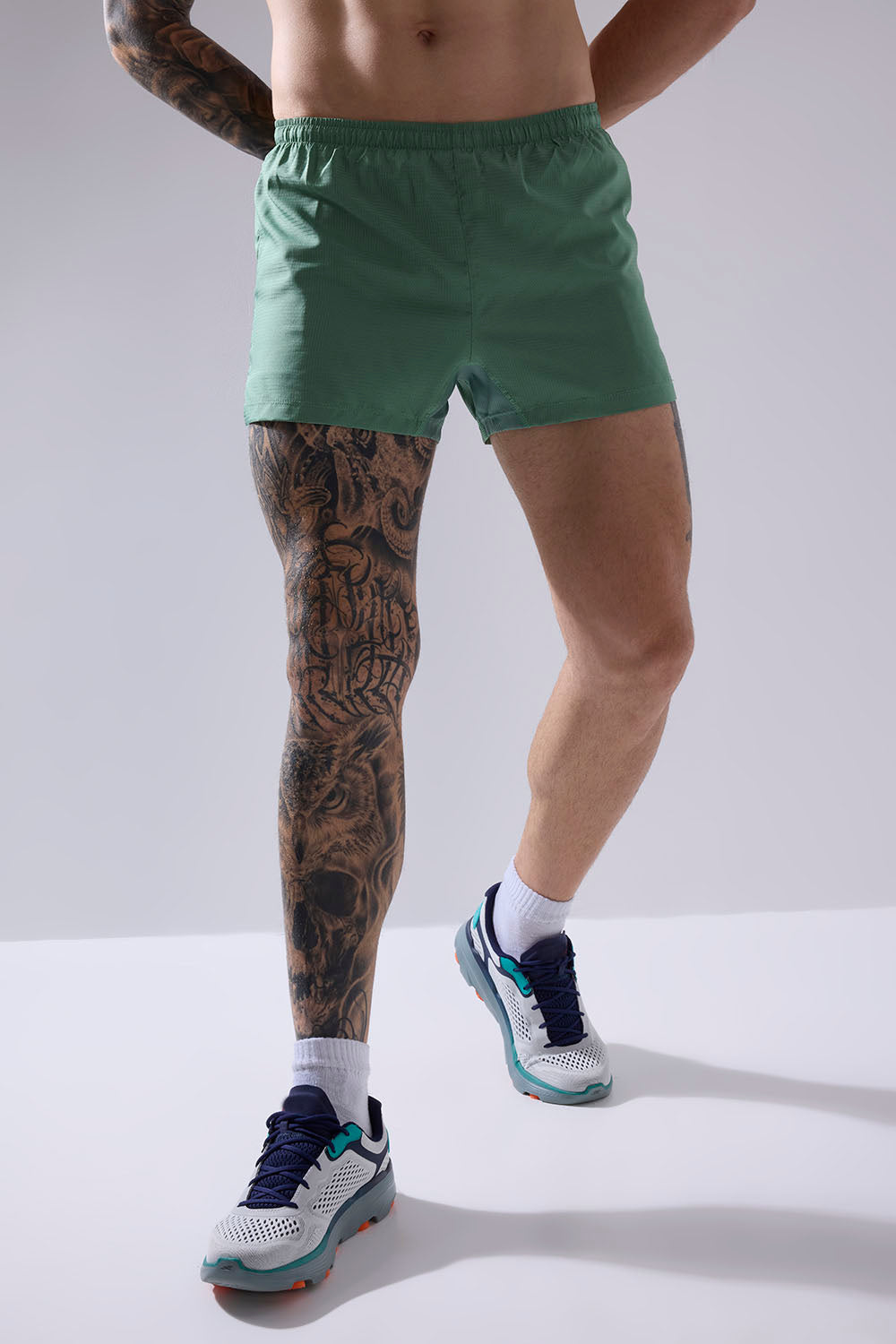
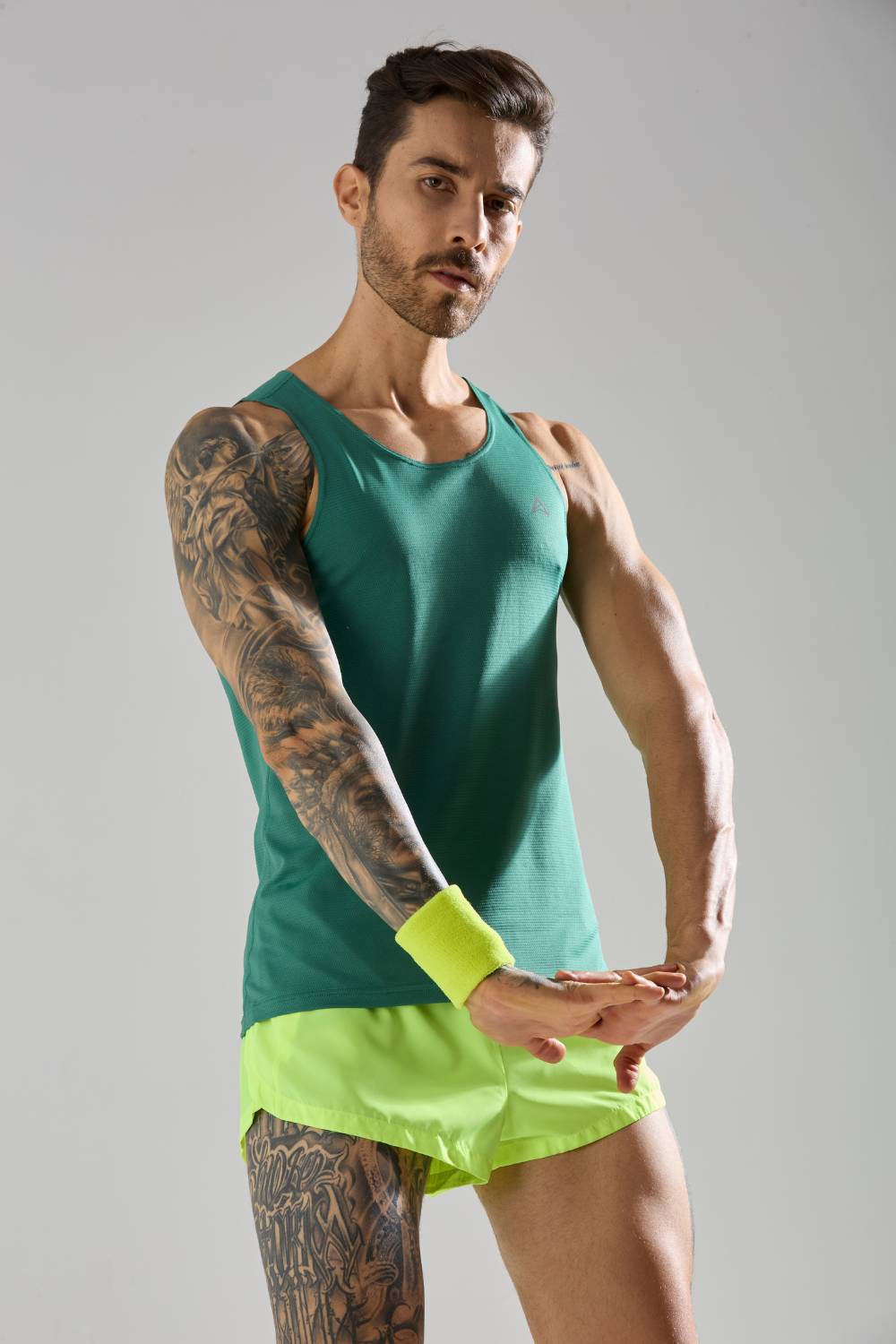
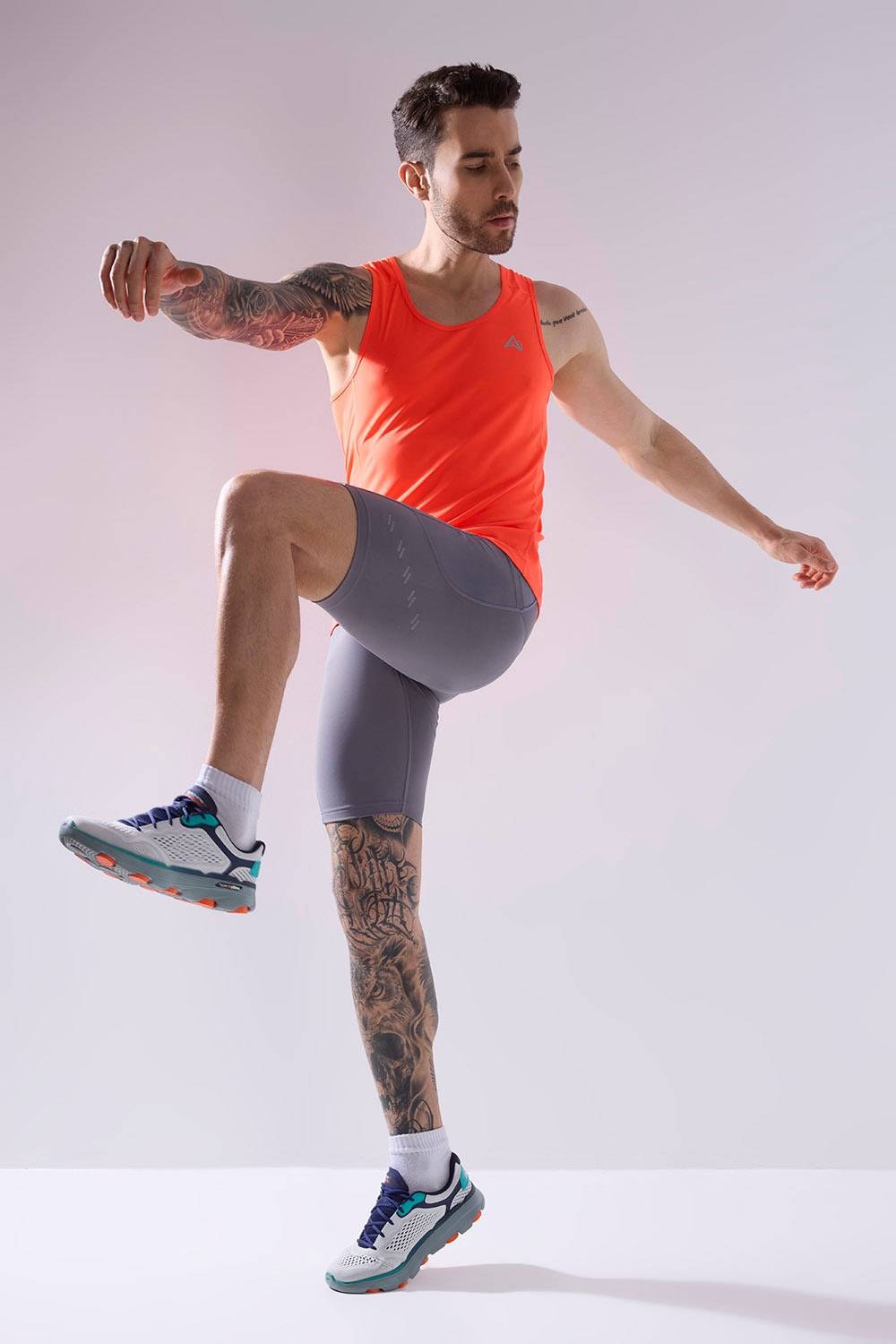
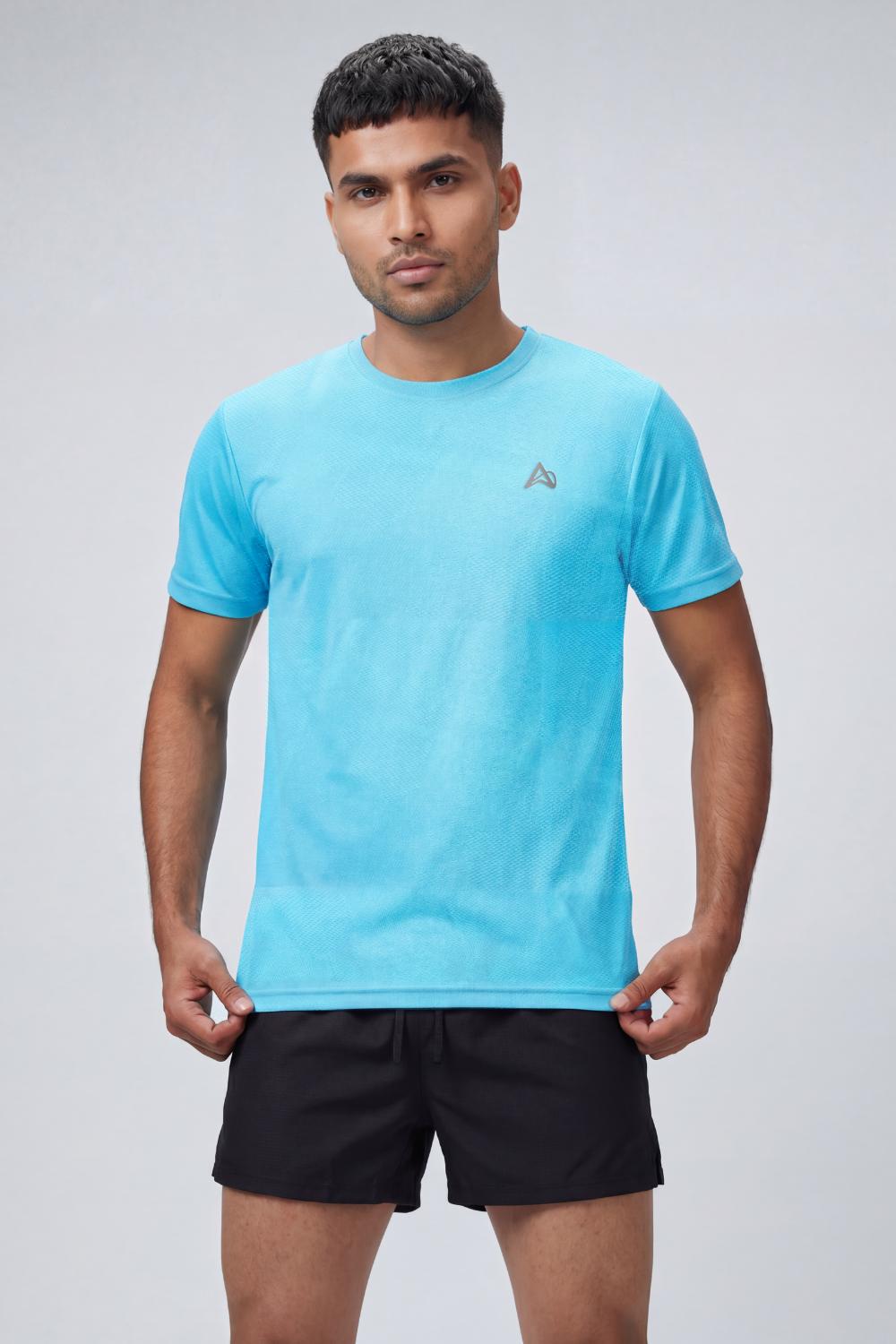
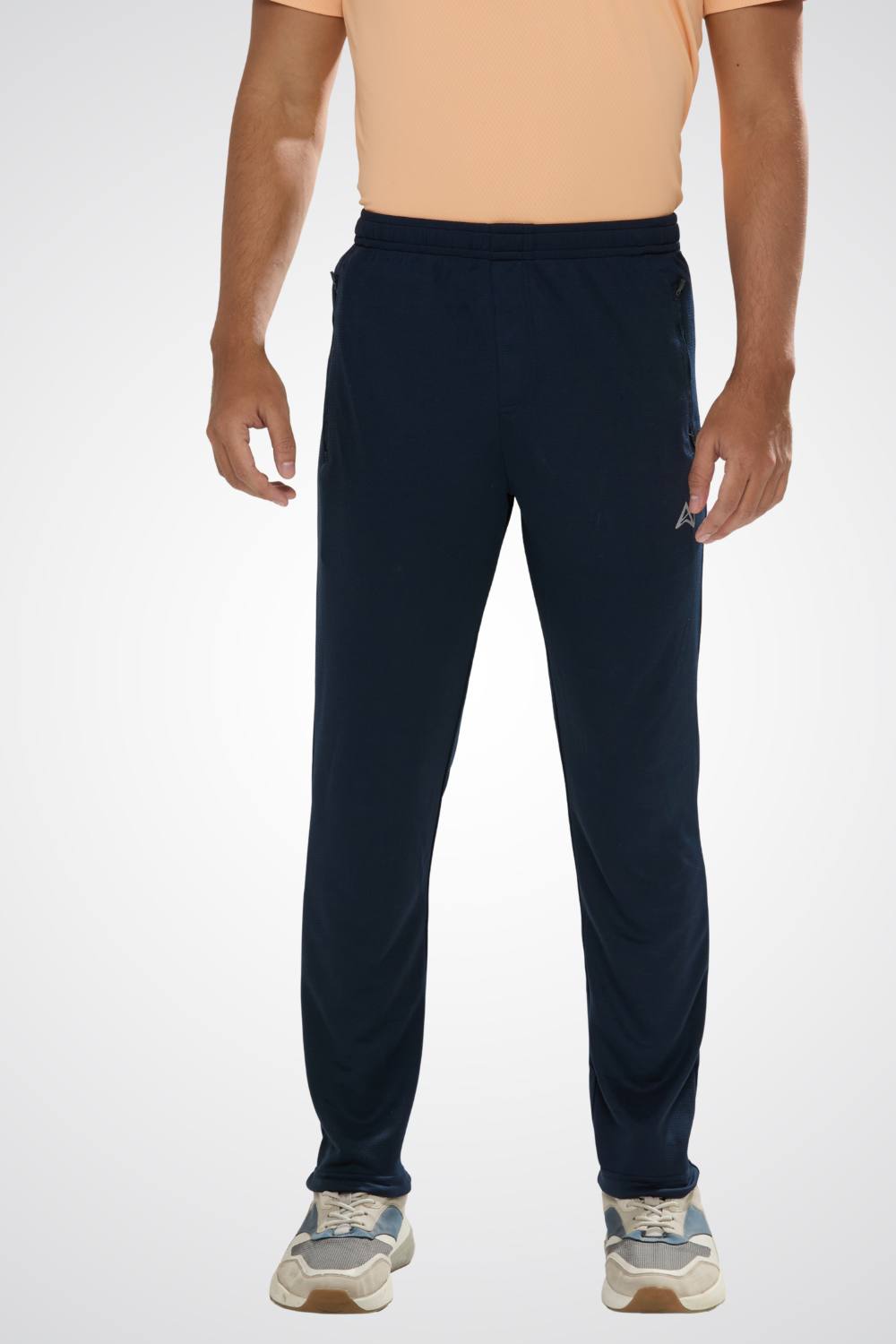
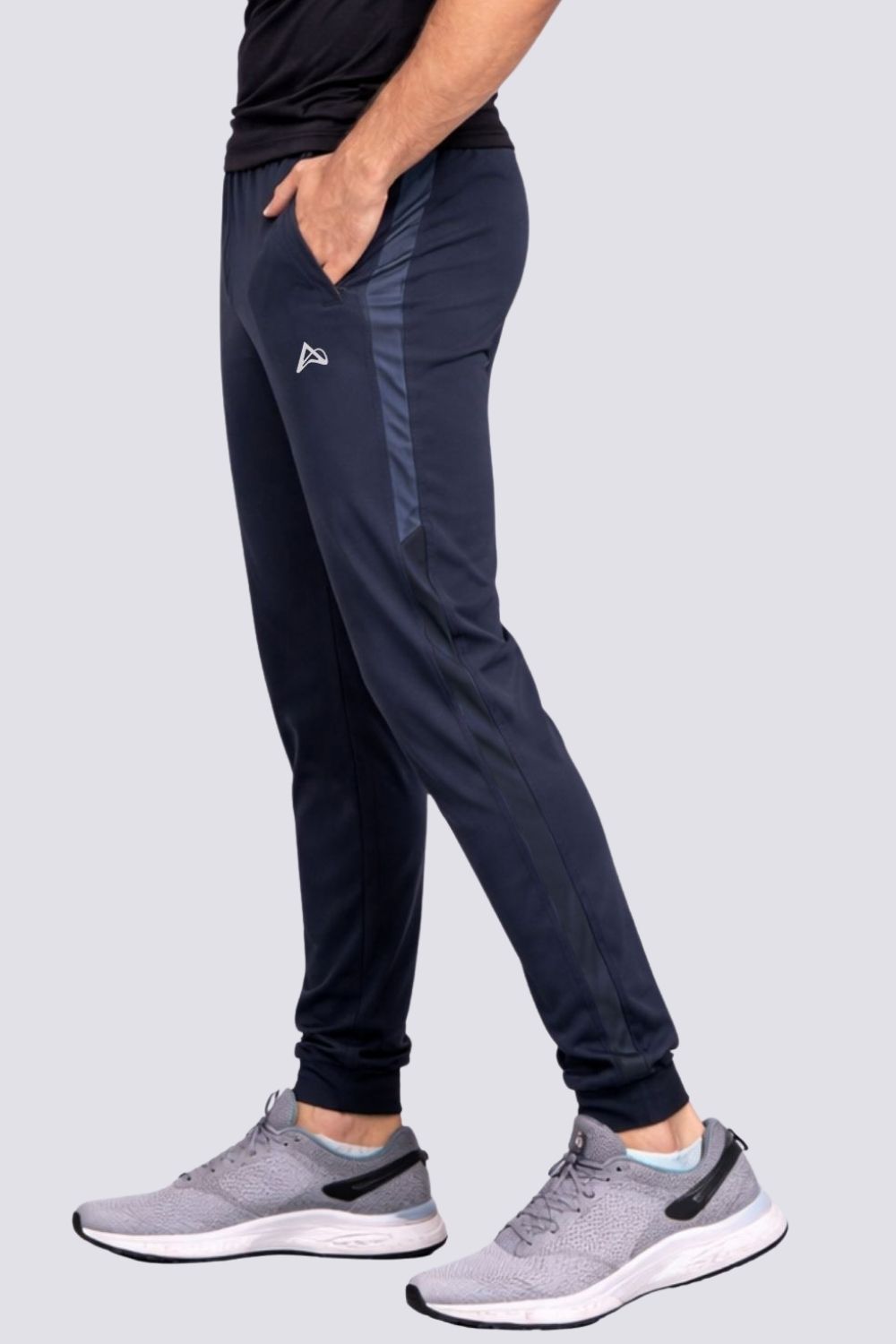
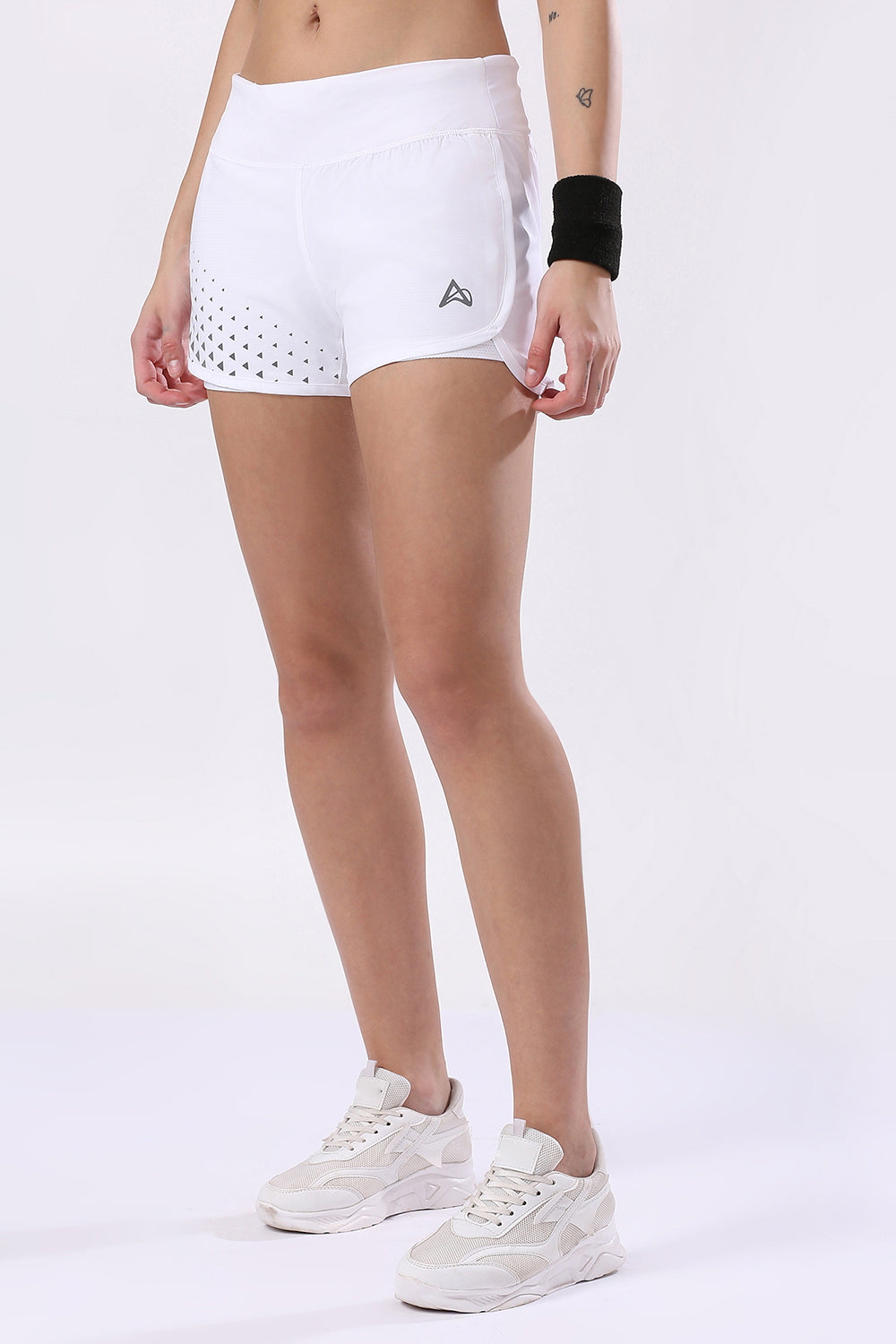
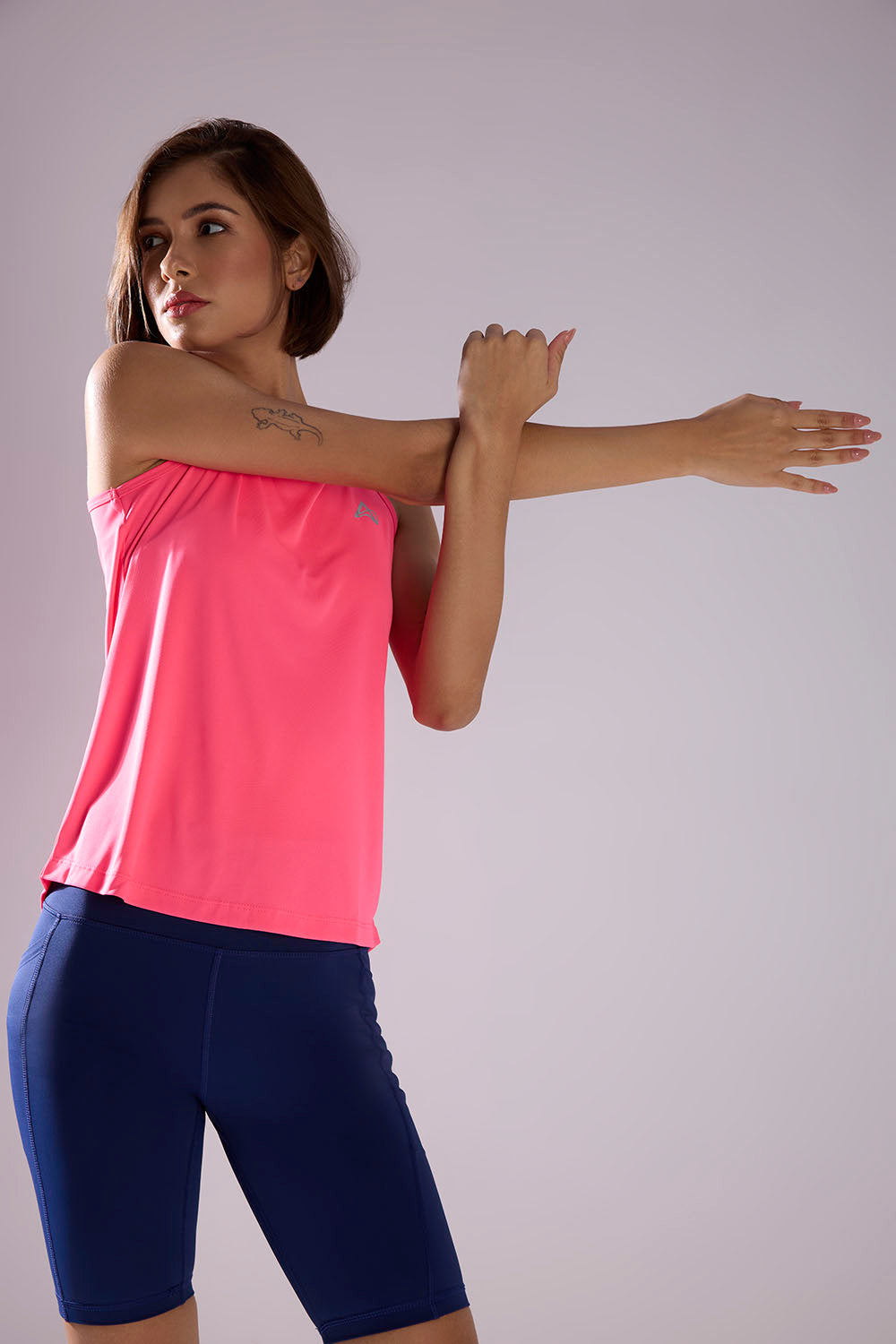
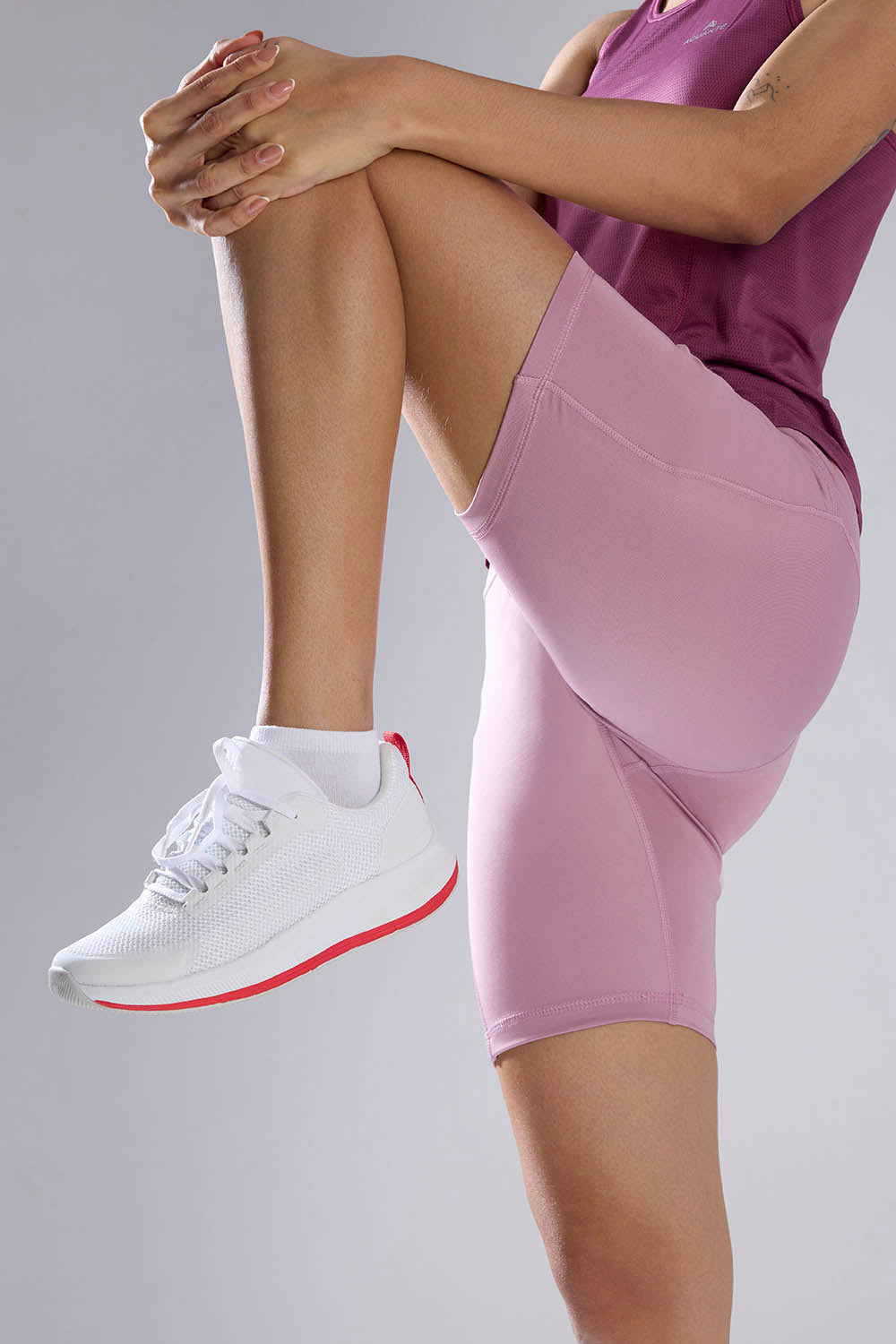
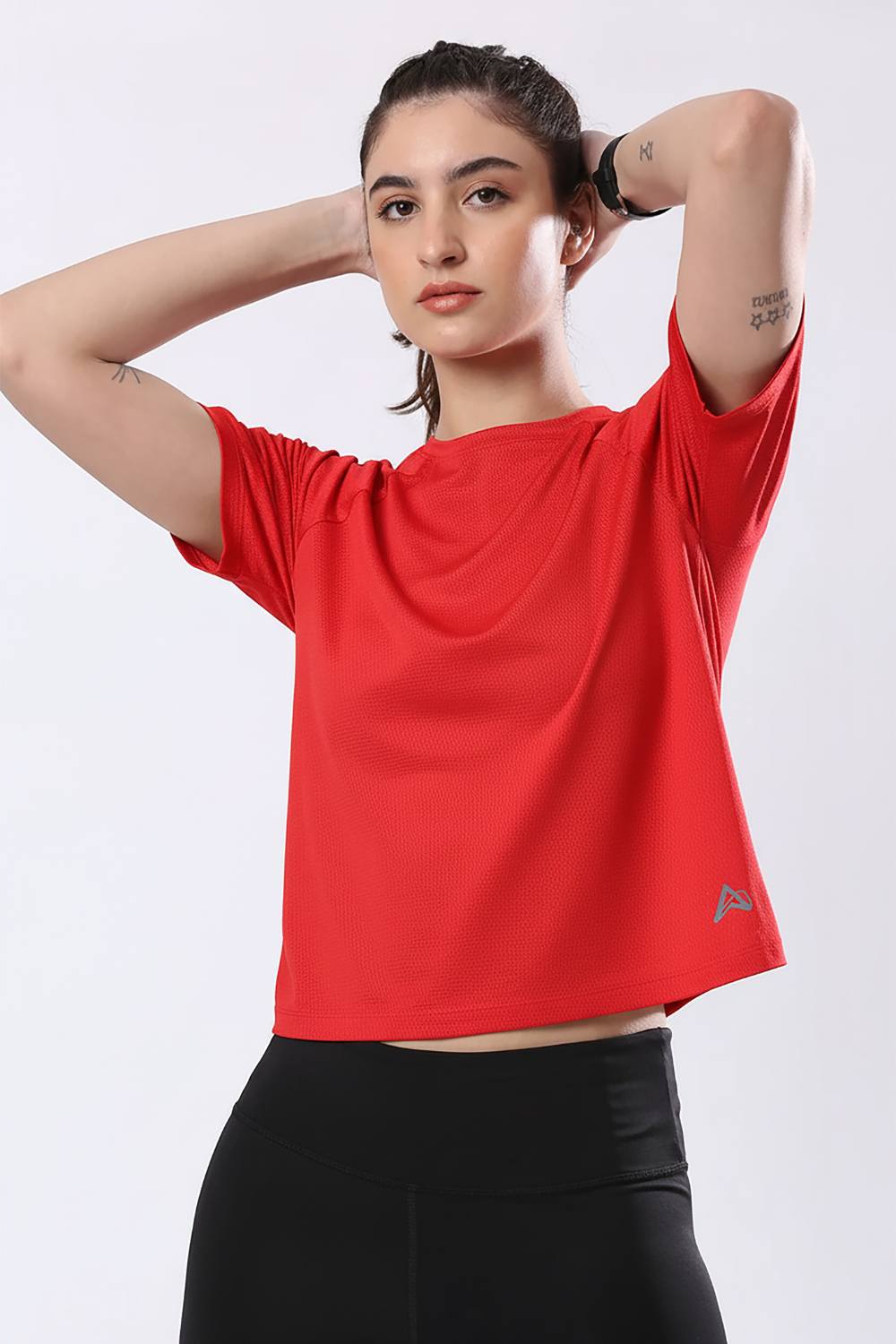
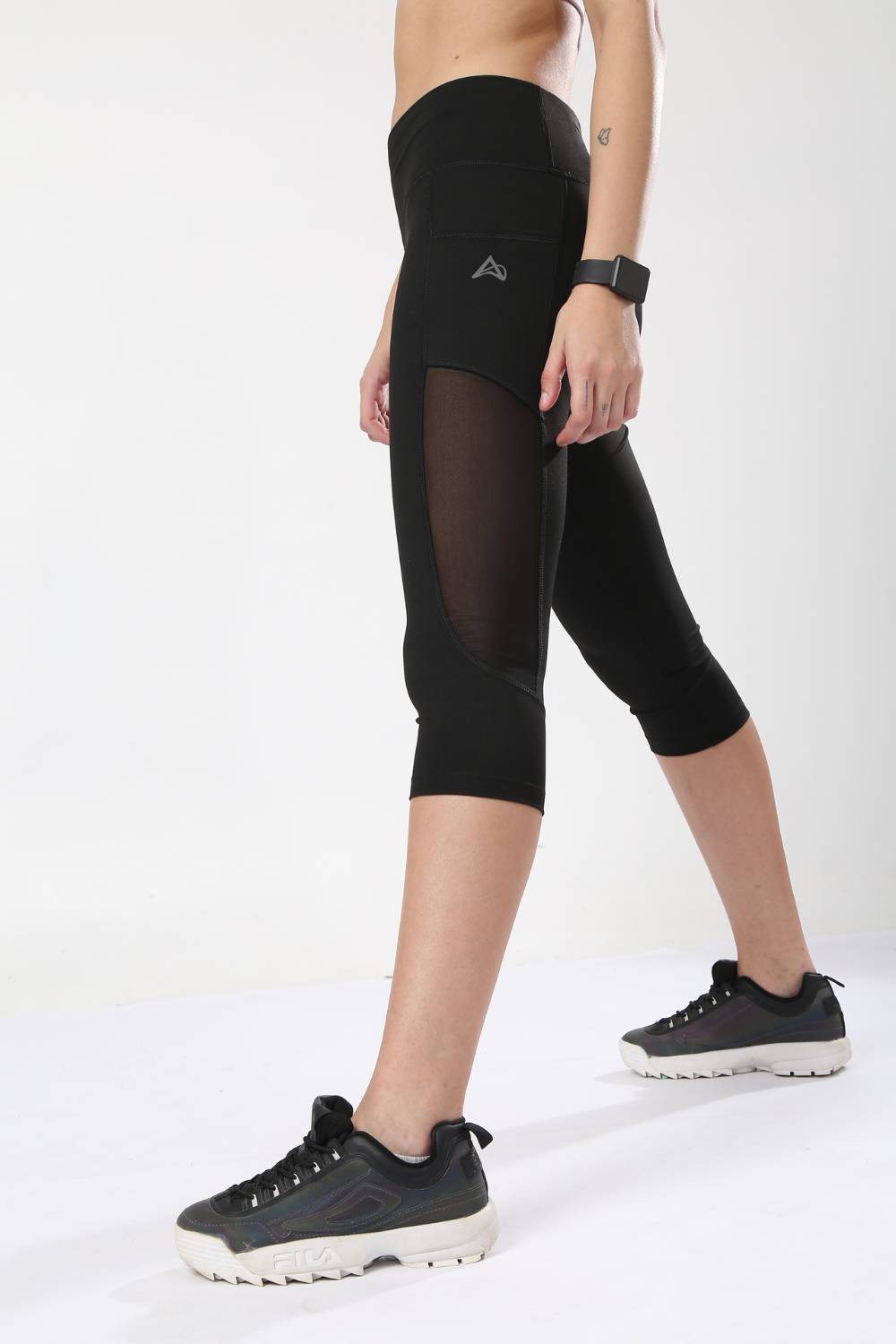
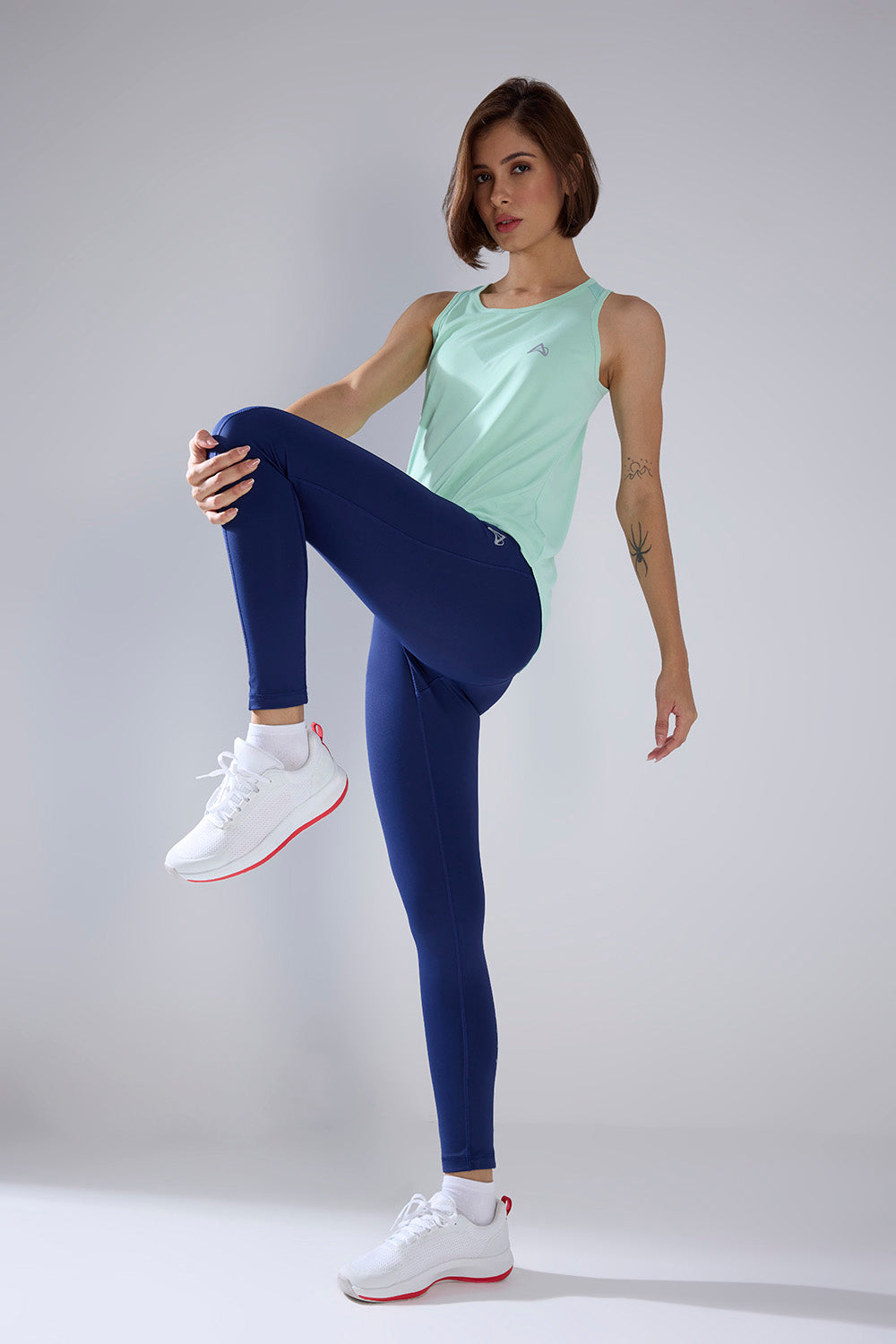
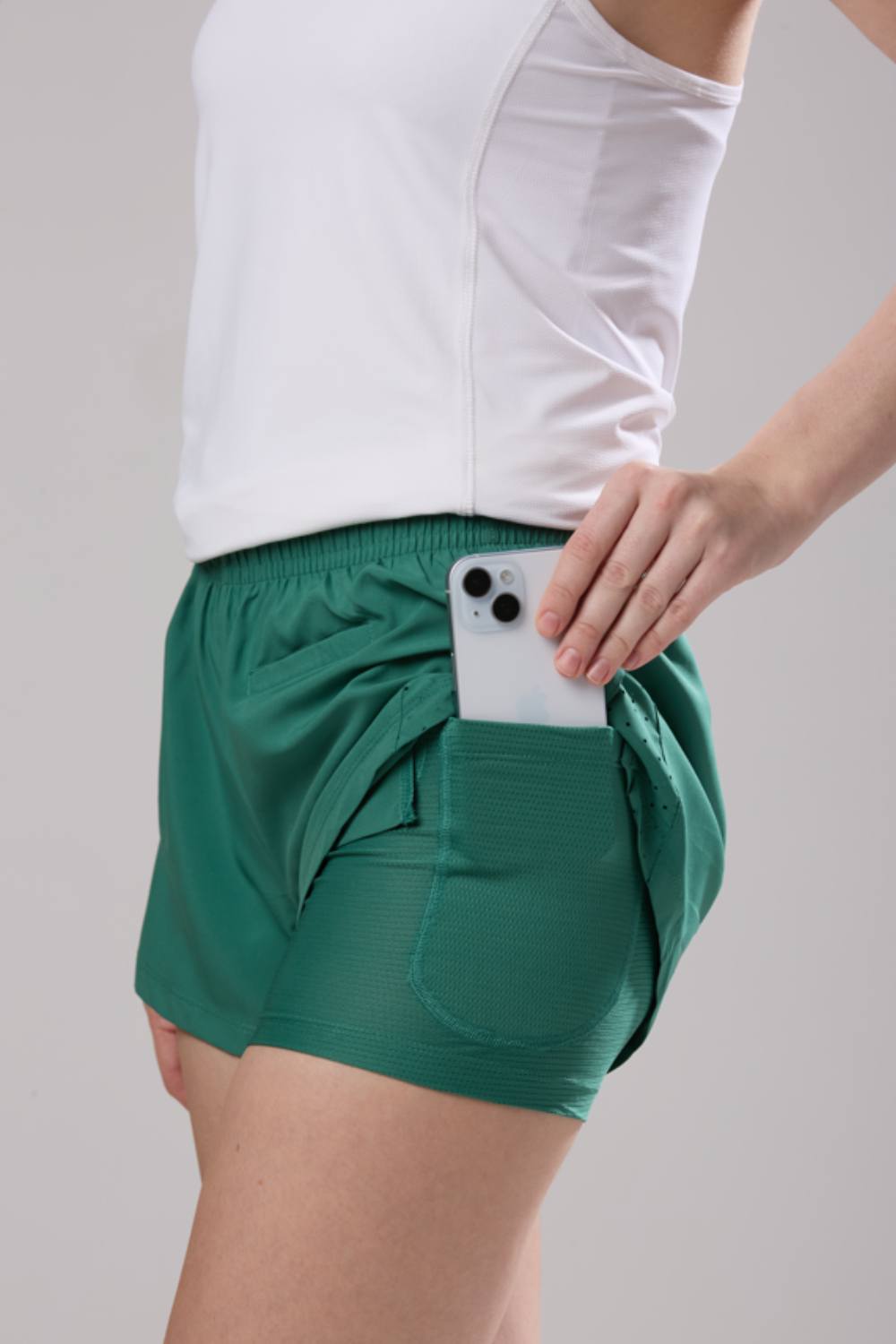
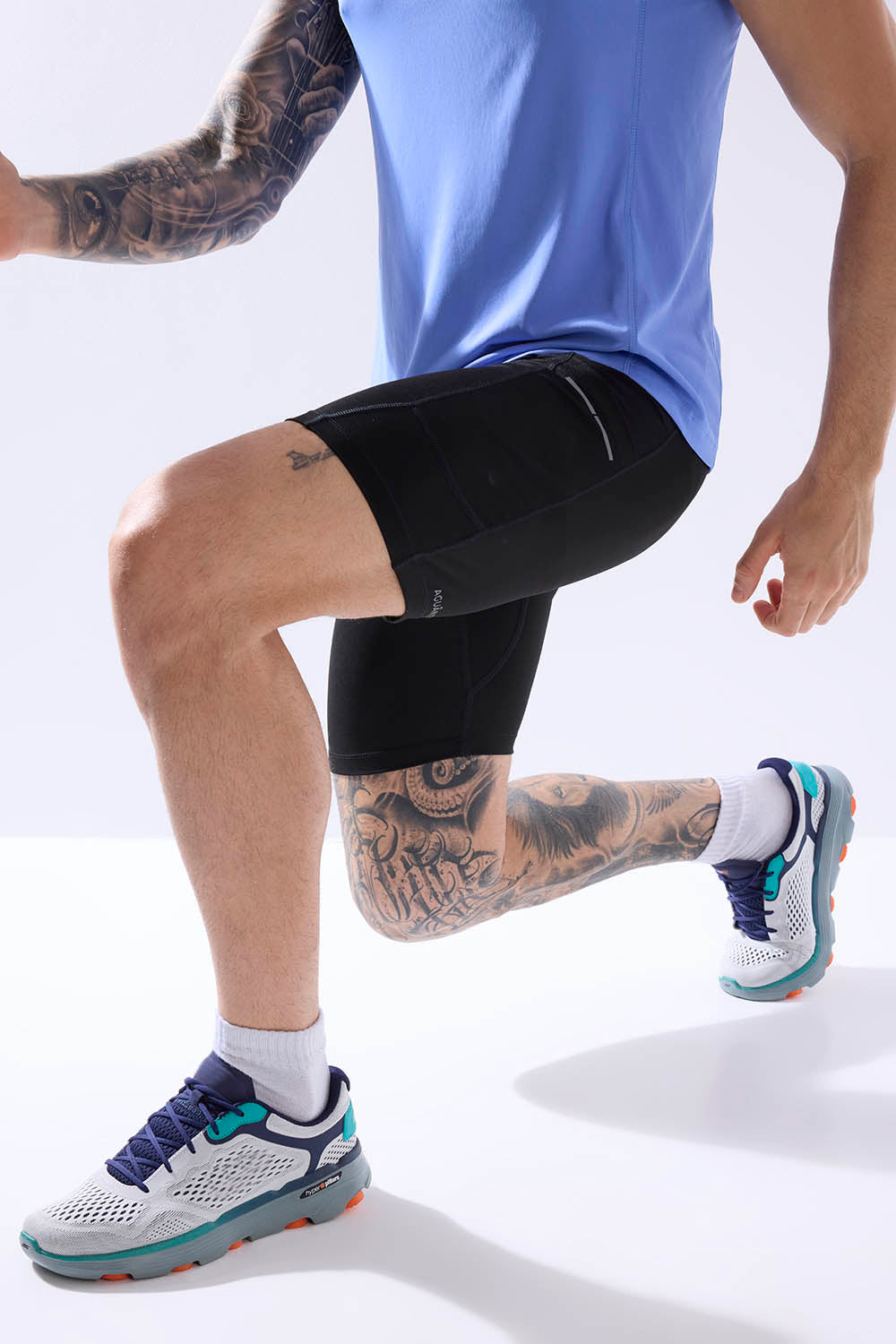
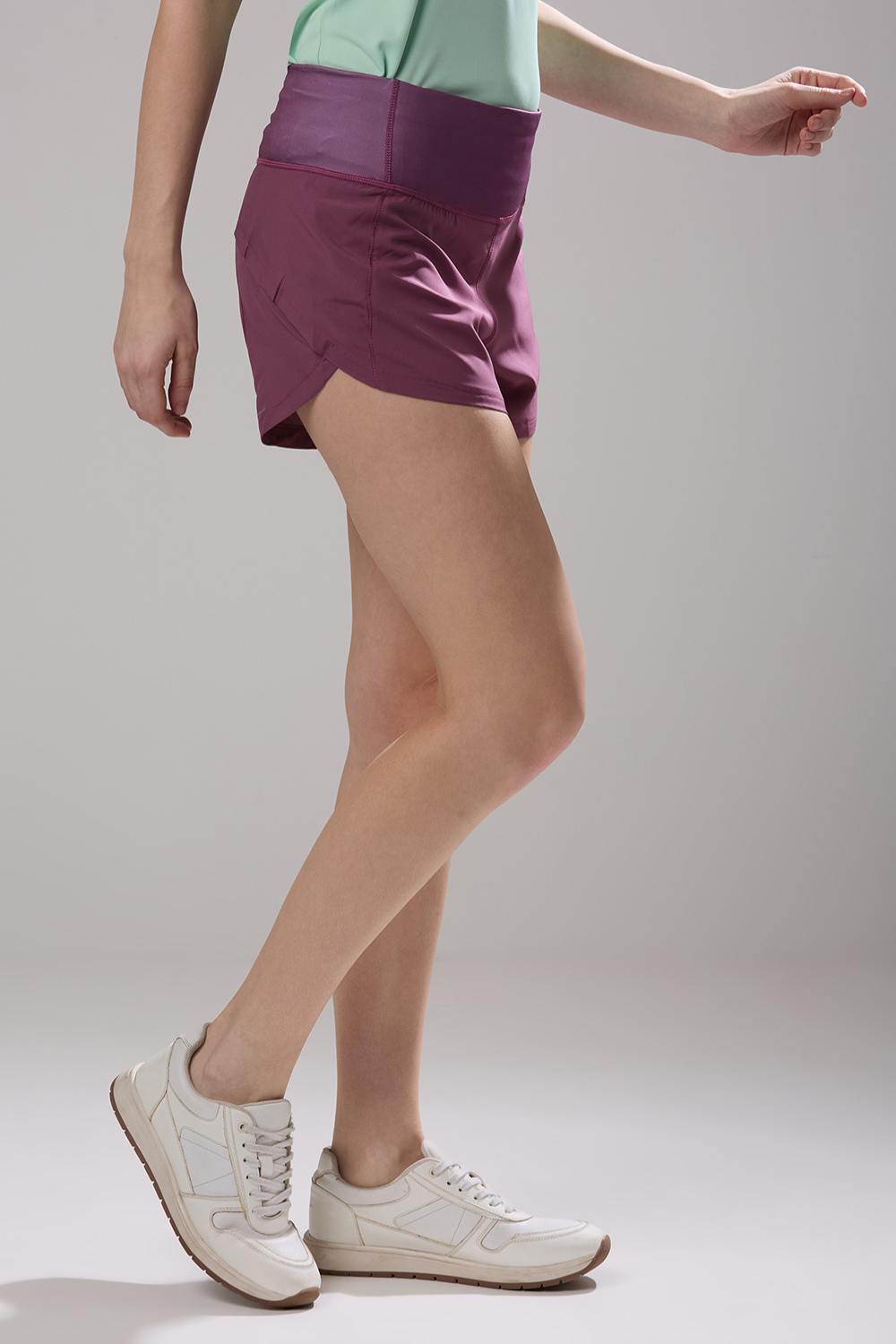
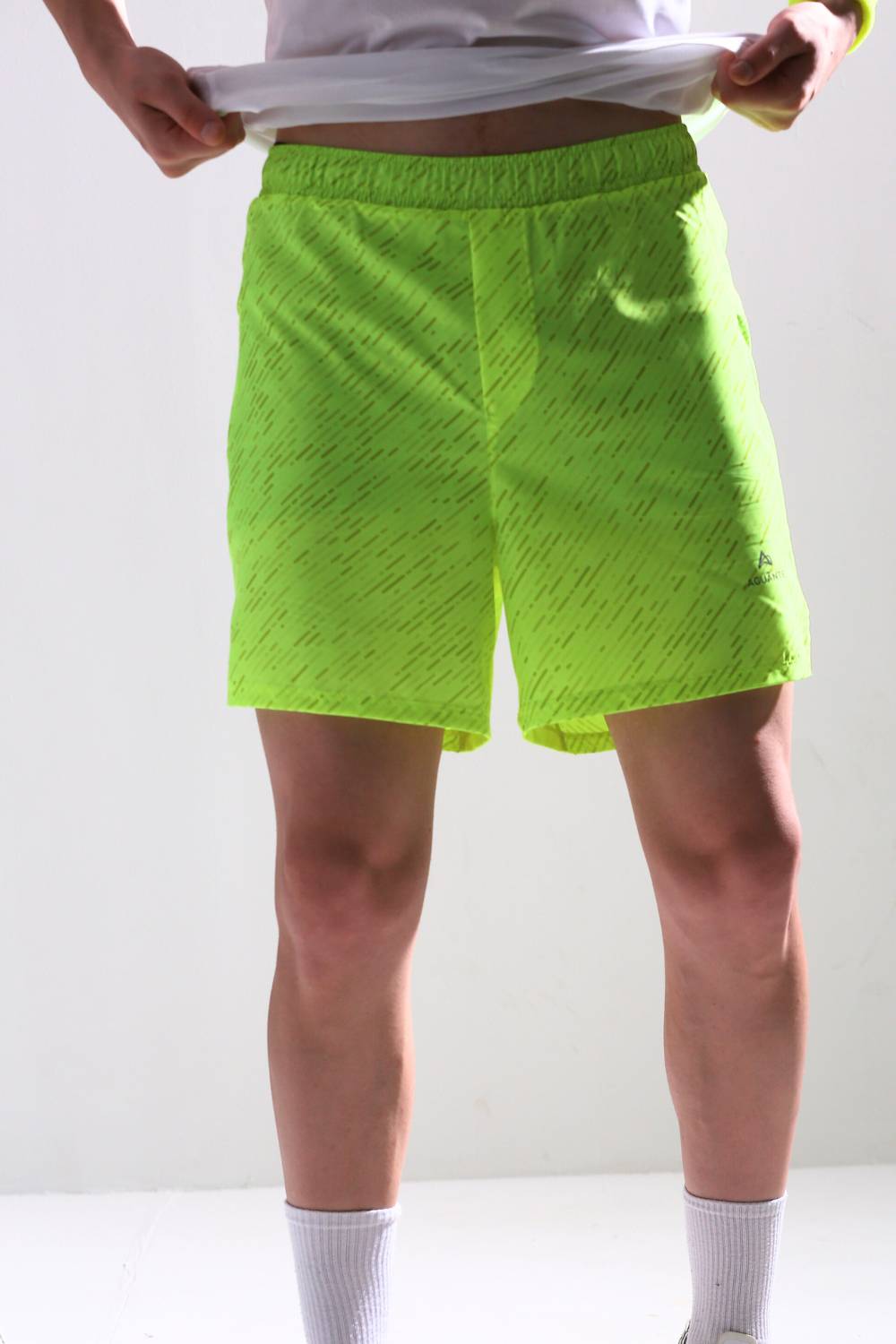
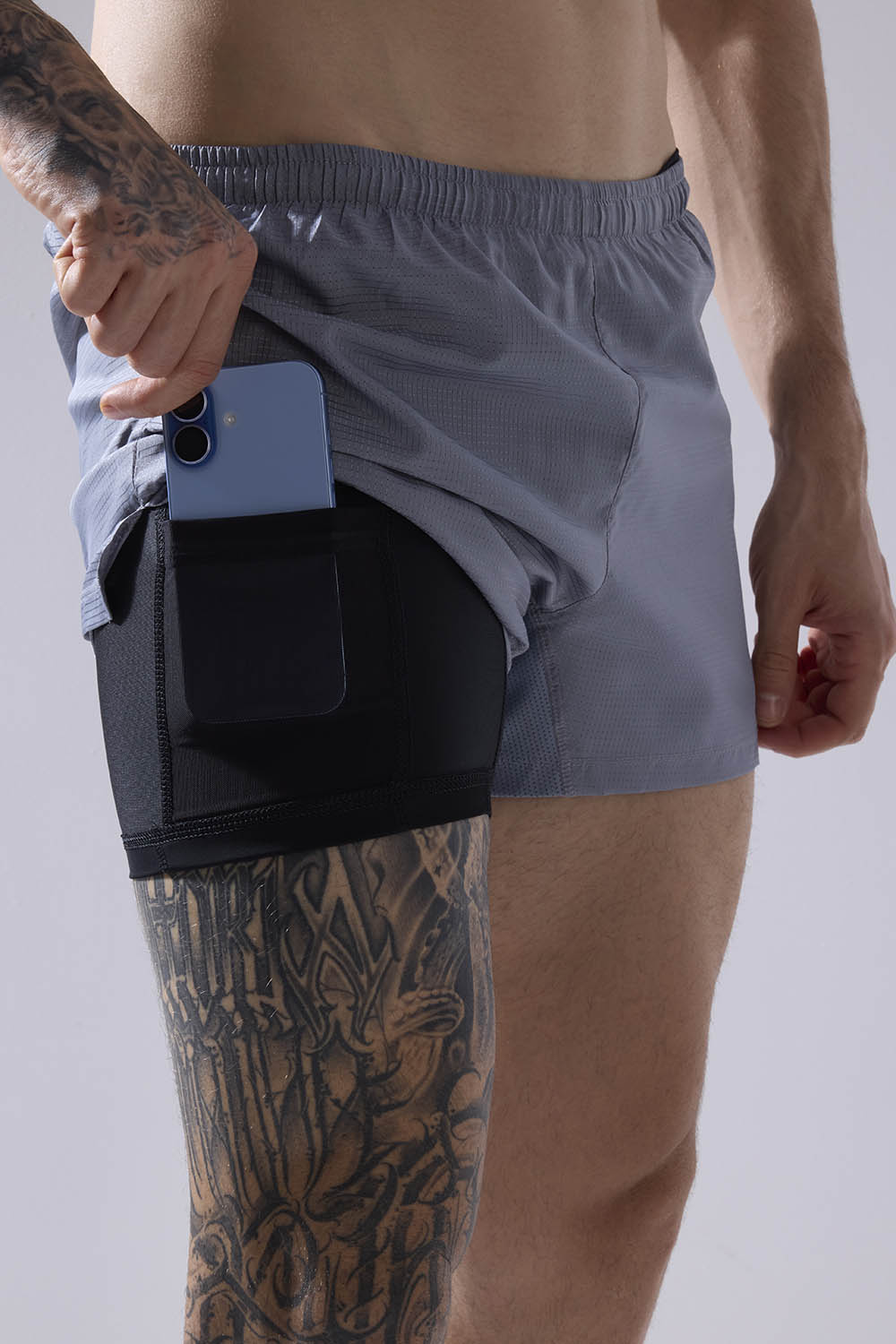
Aguante thrives here by obsessing over India-specific tweaks. Their gear isn't off-the-shelf generic; it's engineered for heat, humidity, and uneven paths, blending breathable fabrics with anti-chafing seams. Runners get secure pockets that stay put, reflective strips for low-visibility jogs, and fits honed on actual Indian builds not one-size-fits-all imports.
Trends Shaping Testing in Key Cities
Flip through Instagram feeds of influencers like @barefoot_coach_shanth_koushik or @fit_kaur23, and you'll spot the shift. These aren't glossy ads; they're raw shares from sweat-soaked trials in real Indian settings.
In Bangalore and Hyderabad, where humidity clings like a second skin, fabrics must dry fast and breathe easy. Aguante tests prototypes on runners dodging potholes in Cubbon Park, ensuring moisture-wicking tech holds up without turning into a sauna suit. Head to Mumbai and Navi Mumbai, and monsoon downpours demand more: anti-bacterial linings to fight odor, weaves that repel water without weighing you down.
Delhi and Gurugram runners battle winter chills and smog-choked air. Here, reflective details aren't extras they're essentials for dawn patrols through hazy streets. Further west in Surat and Ahmedabad, UV protection takes center stage under Gujarat's fierce sun, with materials screened for fade resistance after hours exposed.
Pune emerges as a hub for fit trials, where cohorts of amateurs log miles on hilly routes. Feedback loops tighten designs: a seam that rubs on a 10K gets reworked before launch. It's this granularity that sets locals apart from global giants pricing premium for overseas R&D.
Social media amplifies it all. On Instagram, Facebook, and YouTube, coaches like @coach_amitkumar and @rajesh84parida post unfiltered reviews, building trust one reel at a time. Their handles aren't just endorsements; they're data points in Aguante's iterative process.
Testing in the Trenches: Aguante's Approach
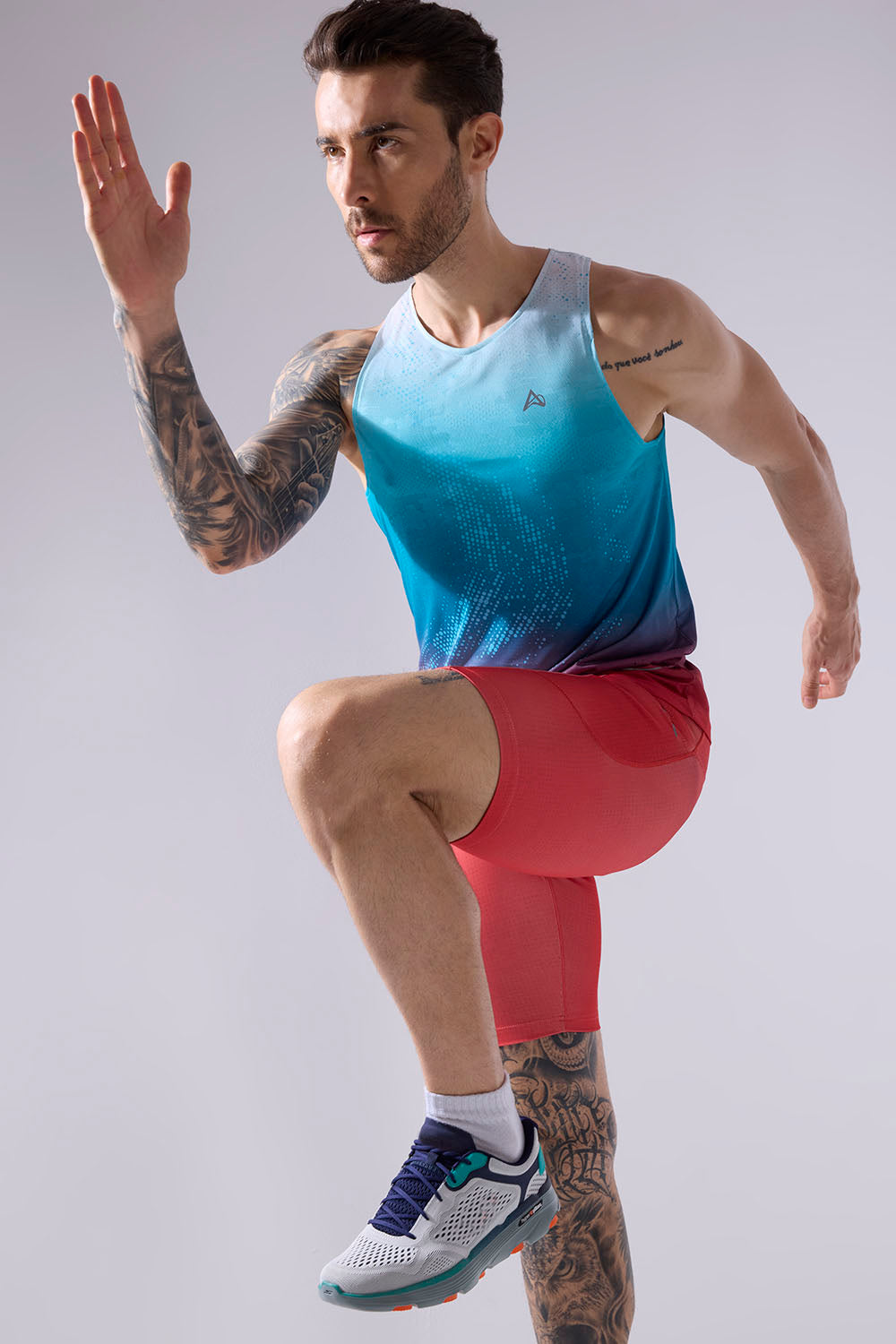
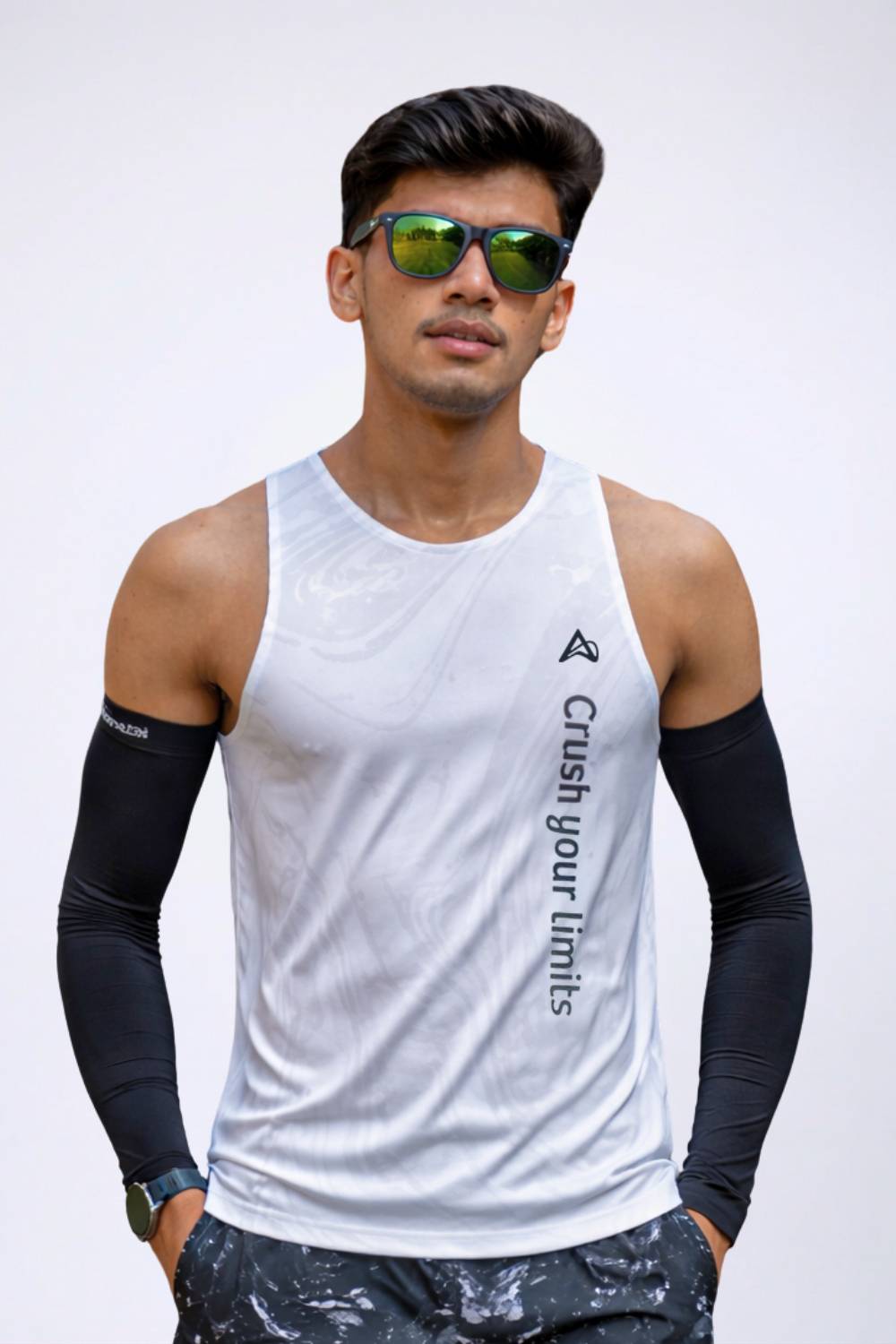
Picture this: A prototype tank top hits the trails from Bangalore's Nandi Hills. Engineers note stretch under strain, chafe points on humid climbs. Back in the lab, adjustments follow perhaps a softer inner lining or bounceless pockets for gels and keys.
In Pune's marathons or Hyderabad's group runs, partnerships yield gold. Runners like those following @runholic_dev share how gear performs over 21K, influencing final tweaks. Aguante's edge? Honest pricing despite the local innovation no inflated markups to cover foreign flops. They deliver global-quality kit tuned for Indian roads, bodies, and wallets.
Community ties deepen the loop. Collaborations with ambassadors feed real metrics: Does the fabric pill after Delhi's dusty winds? Hold color in Surat's sun? This runner-validated approach minimizes guesswork, slashing returns and boosting loyalty.
Navigating Hurdles on the Path
Challenges lurk, of course. India's body diversity from petite frames in the south to broader builds up north defies uniform-sizing. Standardized data gaps mean brands like Aguante invest heavily in custom cohorts.
Infrastructure lags too. Certified labs cluster in metros, leaving regional testing pricey or imprecise. Tropical quirks, like erratic humidity swings, demand specialized gear, echoing the global fabric testing market's push toward automation, where stiffness testers claim 25% share in a field led by textile needs (40-45% of demand).
Yet, price sensitivity reigns. Runners in cost-conscious cities like Ahmedabad won't pay extra for unproven perks. Aguante counters with transparency: Direct-to-consumer sales keep costs grounded, passing savings from skipped imports.
The Payoff and What's Next
The wins stack up. Localized testing builds instant credibility shoppers in Mumbai or Gurugram spot "India-tested" and buy in. E-commerce thrives on low returns; repeat buys follow when gear endures.
Bigger picture: Proven in India's extremes, Aguante eyes exports to similar climates, cutting carbon via fewer overseas prototypes. Sustainability weaves in naturally, aligning with ethical material trends driving that 11.98% apparel CAGR.
Analysts in Bangalore peg activewear's India growth at 15–18% annually, spurred by climate-tailored lines. Tomorrow? AI could map body scans to heat zones, personalizing further. For now, though, it's boots-on-ground trials that win races.
Local Innovation Meets Global Quality
In a market hurtling toward hundreds of billions, Aguante reminds us: True performance isn't imported it's forged in the heat of Indian runs. As cities from Pune to Navi Mumbai lace up, this homegrown grit ensures every step feels right, proving local testing isn't a luxury. It's the future of fit.
Frequently Asked Questions
Why is local testing important for activewear in India?
Local testing ensures running gear is designed for India's unique climate challenges from Bangalore's humidity to Delhi's winter smog and Ahmedabad's intense sun. Brands like Aguante test prototypes on actual Indian terrains and body types, creating moisture-wicking fabrics, anti-chafing seams, and reflective details that perform in real conditions. This approach eliminates the common issues with imported gear that's designed for cooler climates or different body builds, resulting in better durability, comfort, and fewer product returns.
How does Aguante test their running gear for Indian conditions?
Aguante conducts rigorous field testing across major Indian cities, partnering with local runners and influencers to trial prototypes in real-world conditions. Engineers track performance metrics during runs through Bangalore's Nandi Hills, Mumbai's monsoons, and Pune's hilly marathons, gathering feedback on chafe points, fabric breathability, and pocket functionality. This runner-validated approach allows them to make iterative improvements like adjusting seams or adding UV protection before final launch, ensuring gear withstands India's diverse weather and terrain without inflated pricing.
What are the key features of India-tested activewear for runners?
India-tested activewear prioritizes breathable, moisture-wicking fabrics for high humidity environments, anti-bacterial linings to combat odor during monsoons, and secure pockets designed for Indian runner's needs. Essential features include reflective strips for low-visibility morning runs in smoggy cities like Delhi and Gurugram, UV protection for intense sun exposure in western regions, and fits tailored to diverse Indian body types. These climate-specific adaptations, tested on local terrains from Cubbon Park to Mumbai's monsoon-soaked streets, deliver global-quality performance at honest prices.
Disclaimer: The above helpful resources content contains personal opinions and experiences. The information provided is for general knowledge and does not constitute professional advice.
You may also be interested in: How Runner Feedback Drives Indian Activewear Innovation
Tired of gear that slows you down? Chafing, soggy fabrics, and missing pockets kill your run's momentum. At Aguante, we're runners who get it. Our high-performance activewear features moisture-wicking fabrics, ergonomic designs, and smart storage to keep you focused. Shop Now!
Powered by flareAI.co