









Quick Listen:
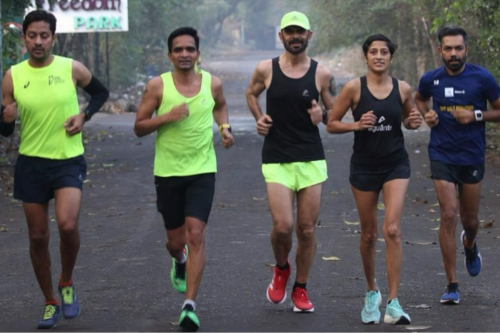
In India's rapidly growing running communities, dawn patrols and dusk circuits have become daily rituals for thousands of enthusiasts across major cities. From the tree-lined paths of Bangalore to the seafront promenades of Mumbai, urban runners navigate a challenging mix of heavy traffic, inconsistent street lighting, monsoon downpours, winter smog, and poorly maintained road edges. These conditions turn what should be an invigorating workout into a genuine safety concern. Reflective elements woven directly into performance running apparel are emerging as one of the most practical and immediate ways to reduce risk when visibility drops.
India's appetite for sports and fitness clothing continues to accelerate. According to verified industry analysis, the India sports apparel market was valued at USD 705.85 million in 2024 and is forecast to reach USD 1,592.58 million by 2030, expanding at a robust compound annual growth rate of 14.52%. Parallel growth is visible in the broader activewear category, where the global market stood at USD 406.83 billion in 2024 and is projected to climb to USD 677.26 billion by 2030 with a 9.0% CAGR. Within this expansion, runners in Hyderabad, Pune, Navi Mumbai, Delhi, Gurugram, Surat, and Ahmedabad increasingly demand gear engineered for real Indian road-running realities rather than imported assumptions.
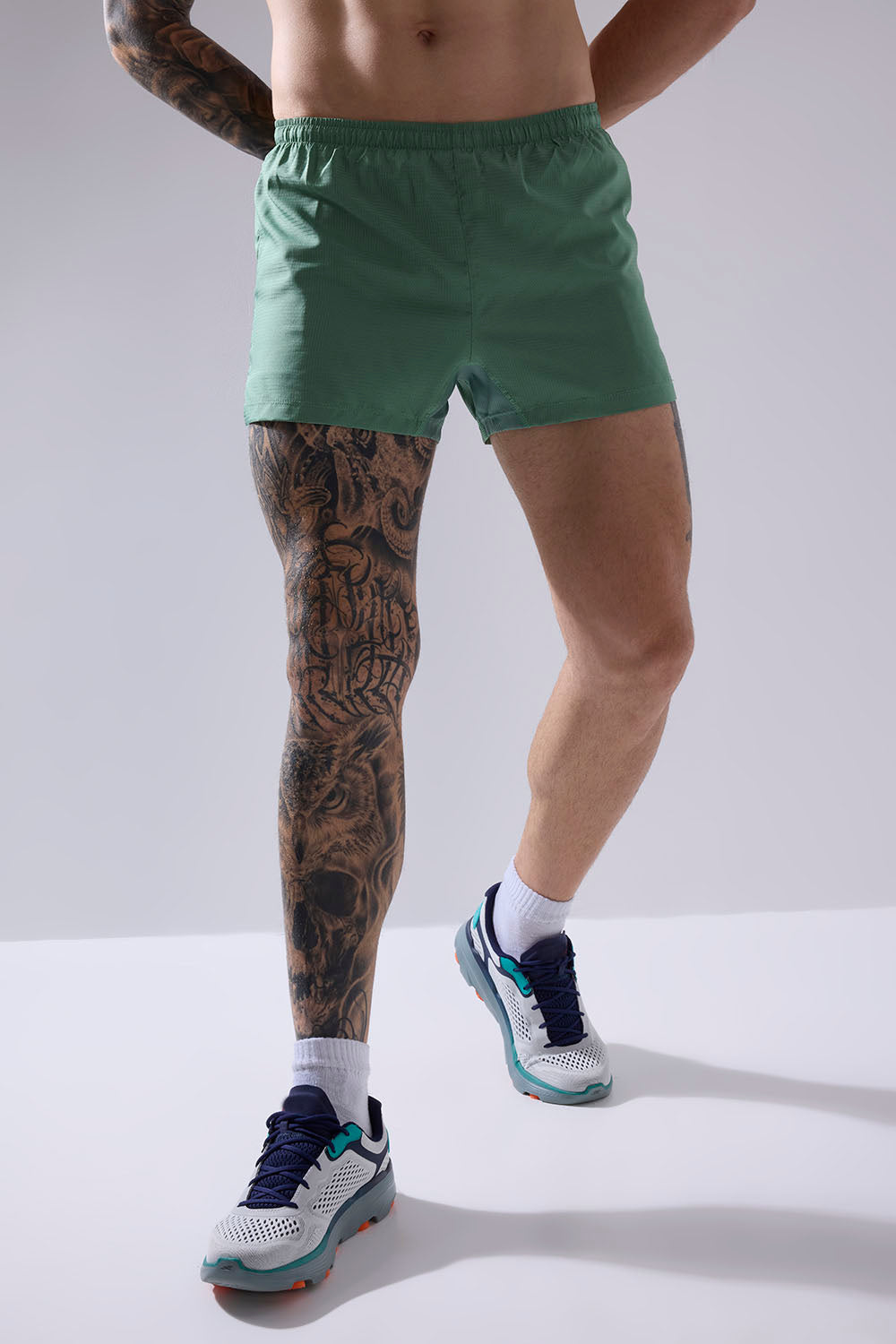
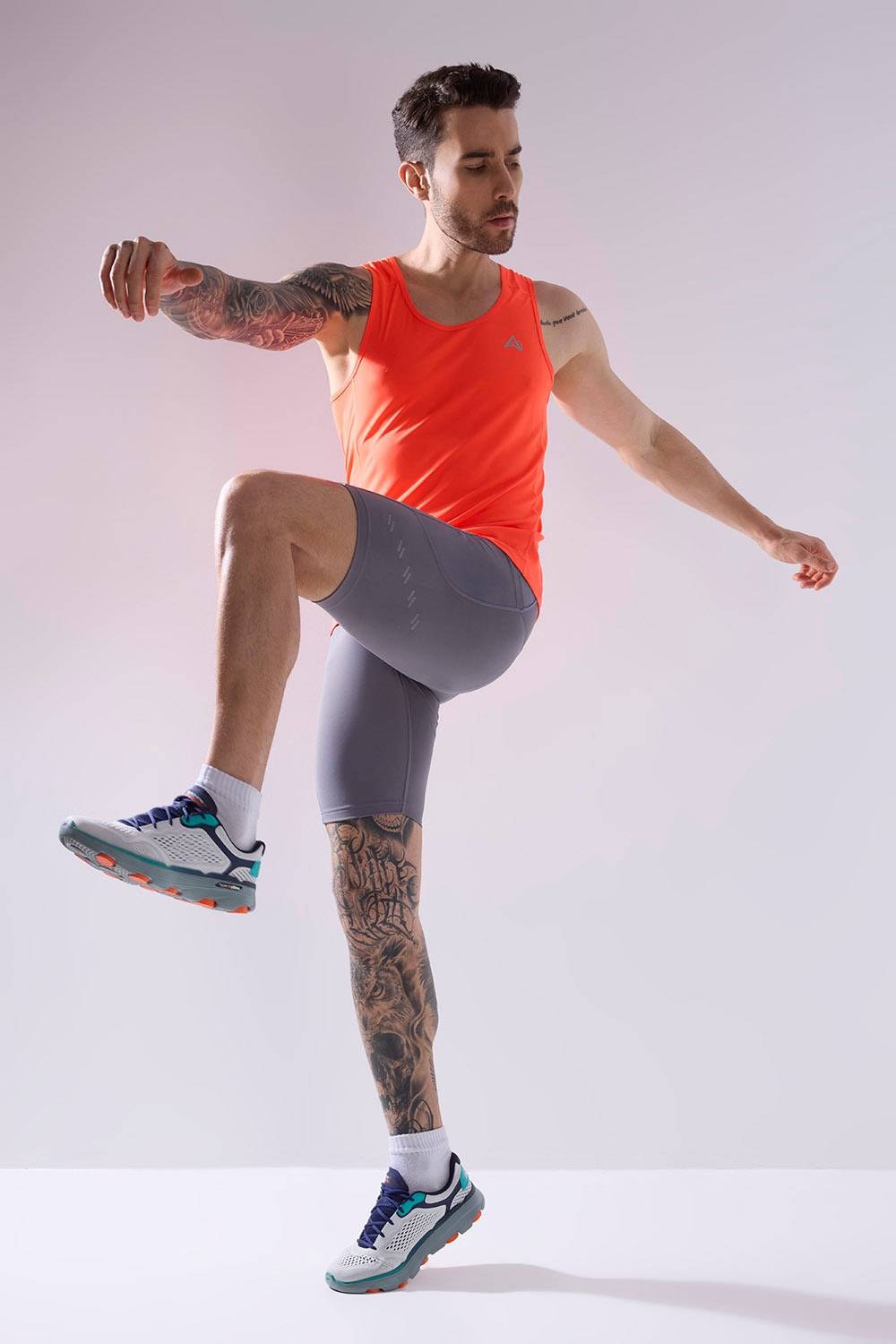
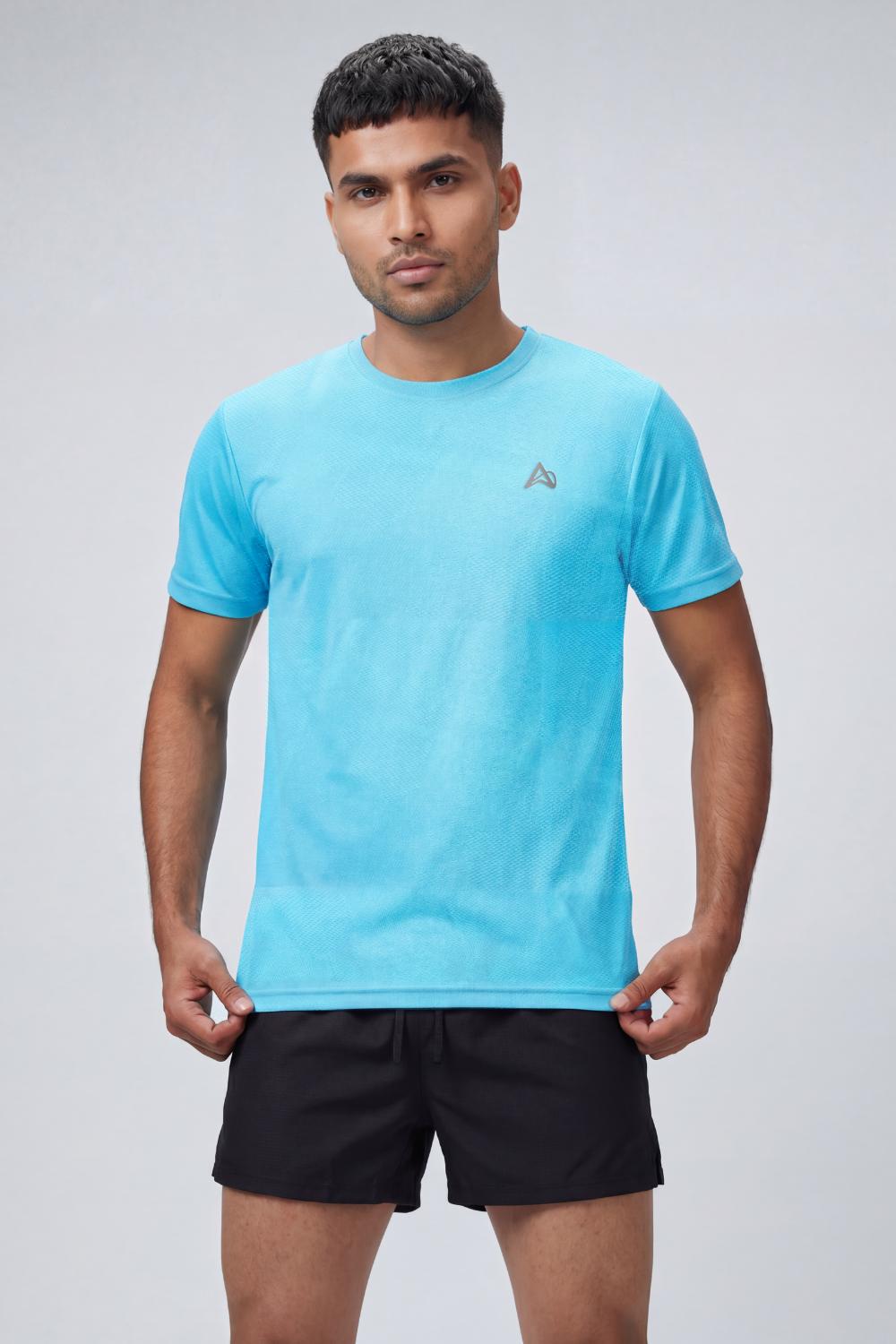
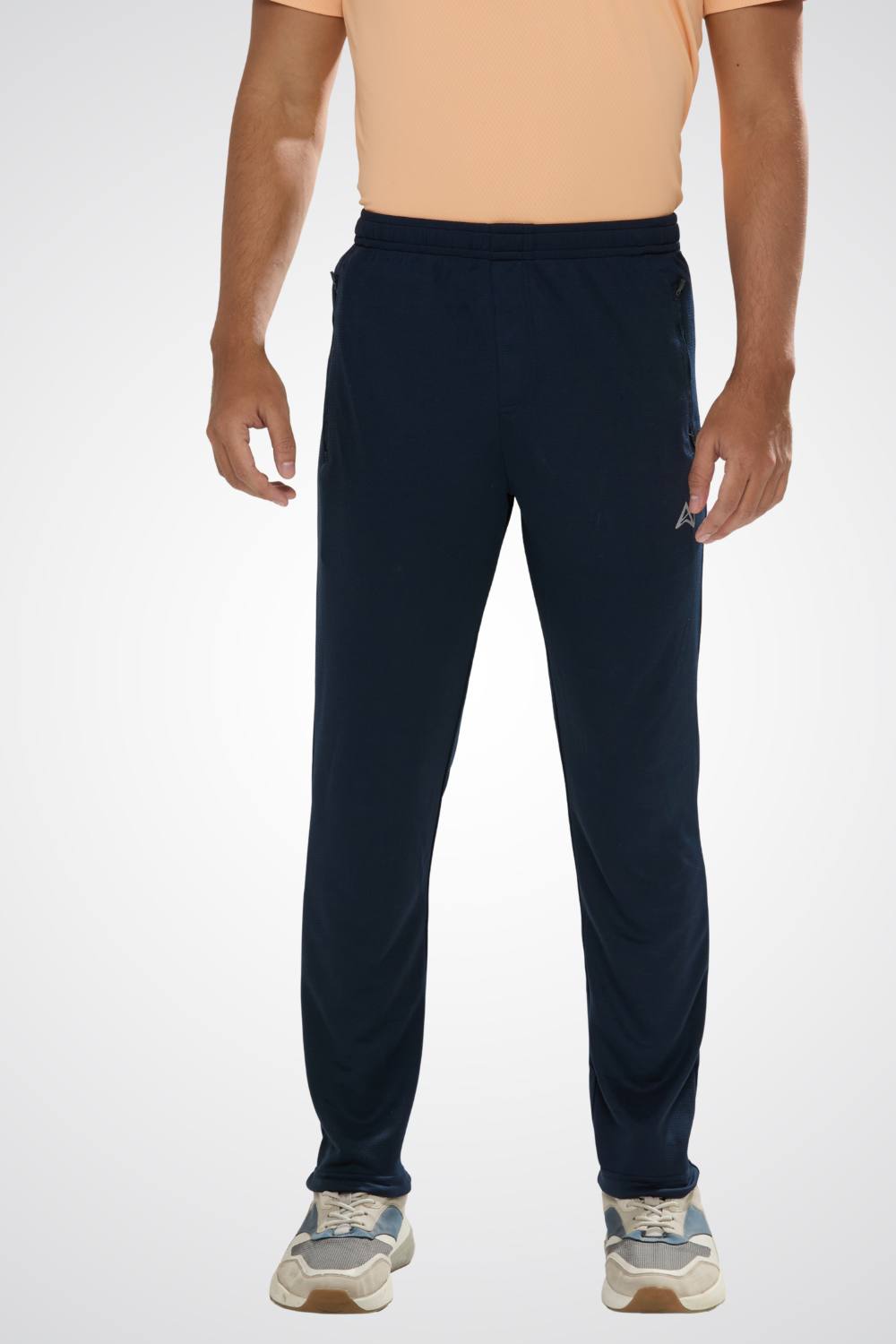
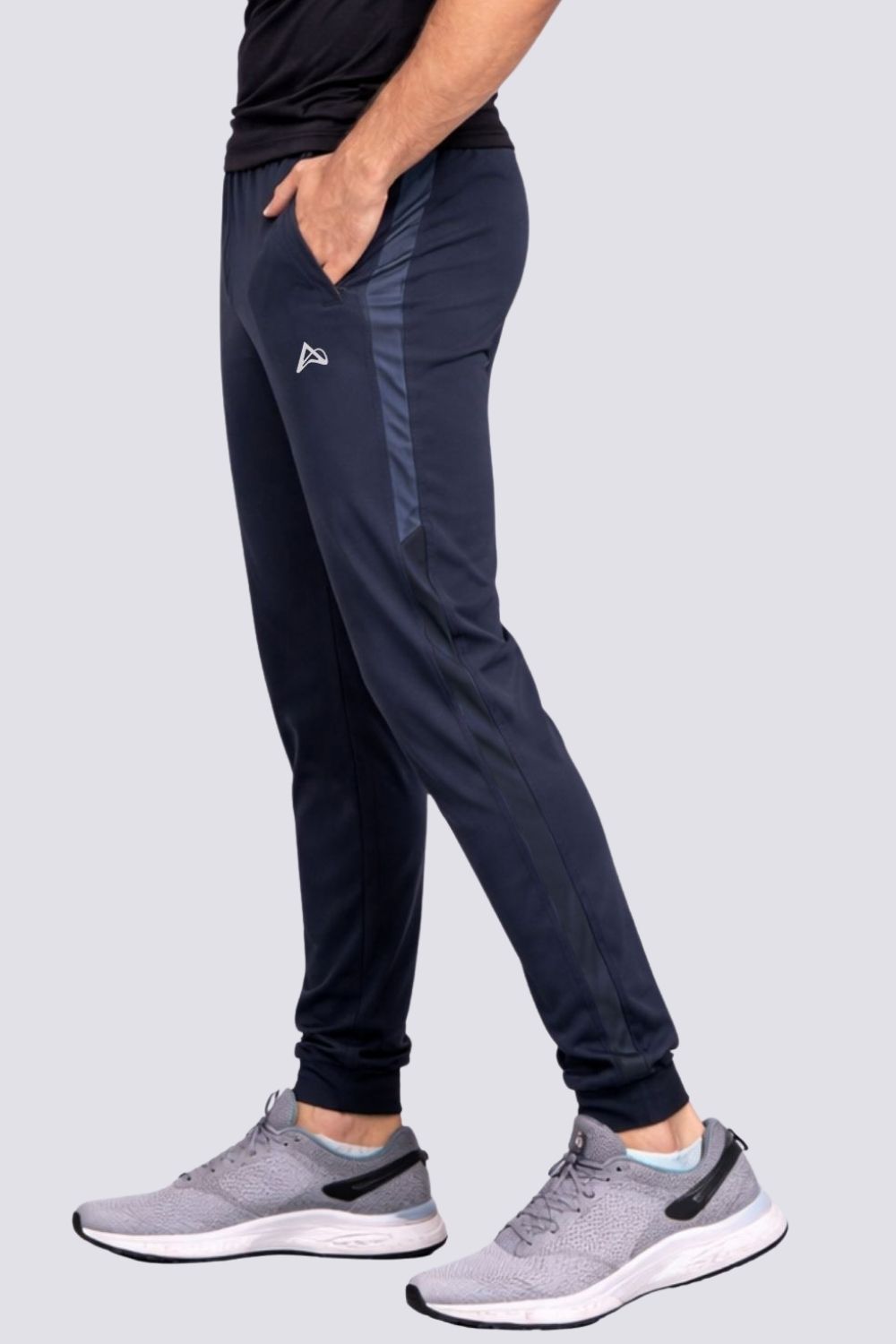
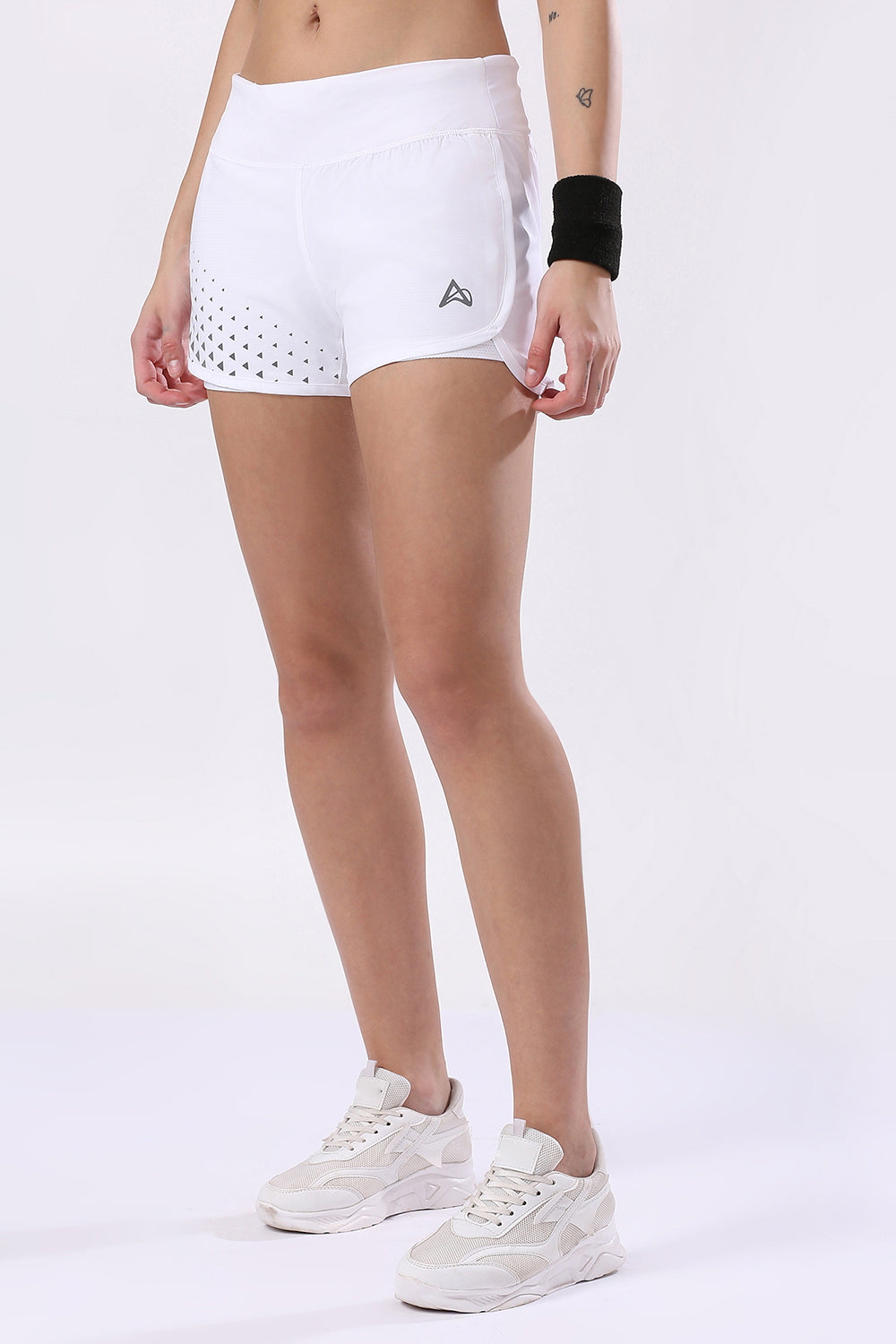
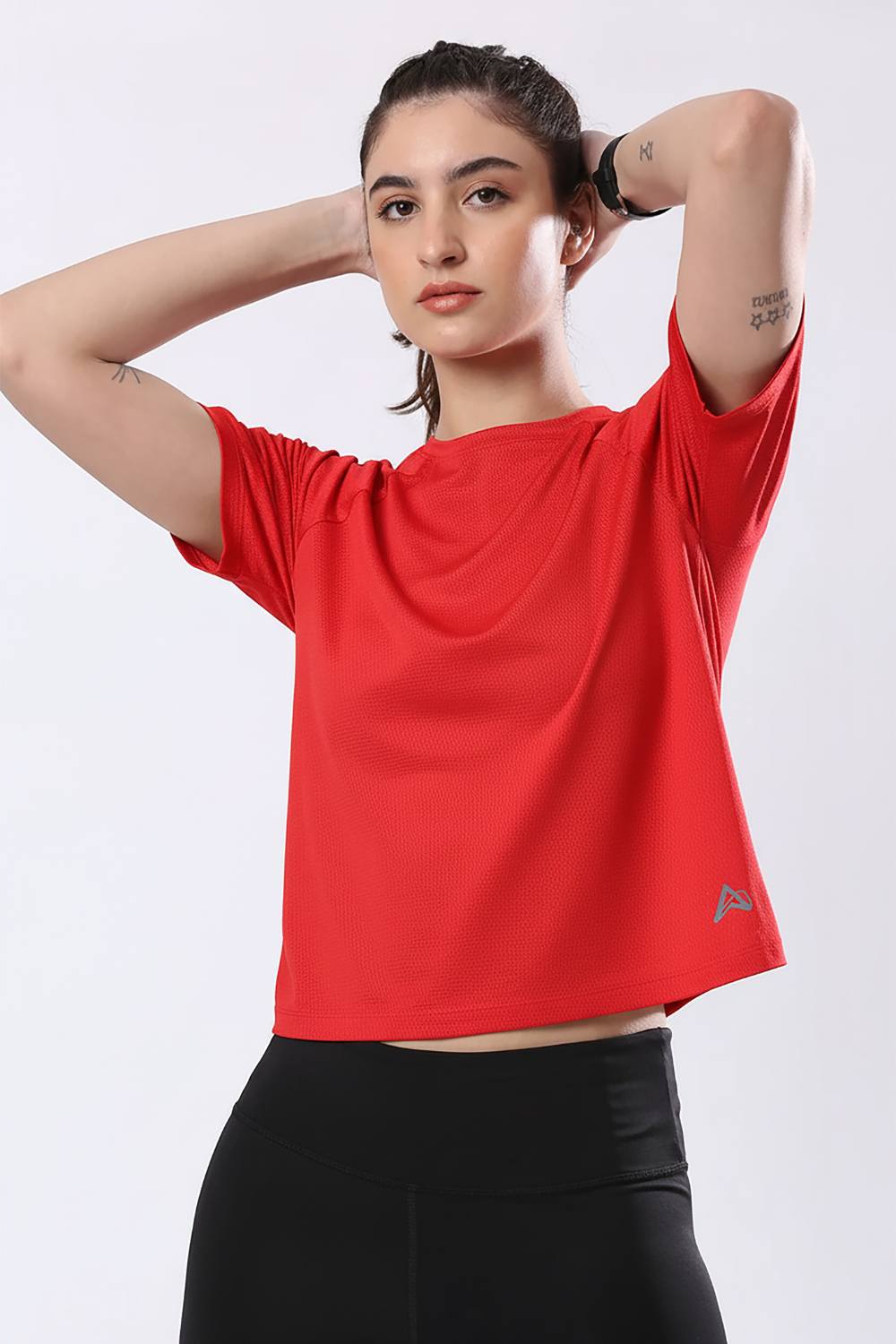
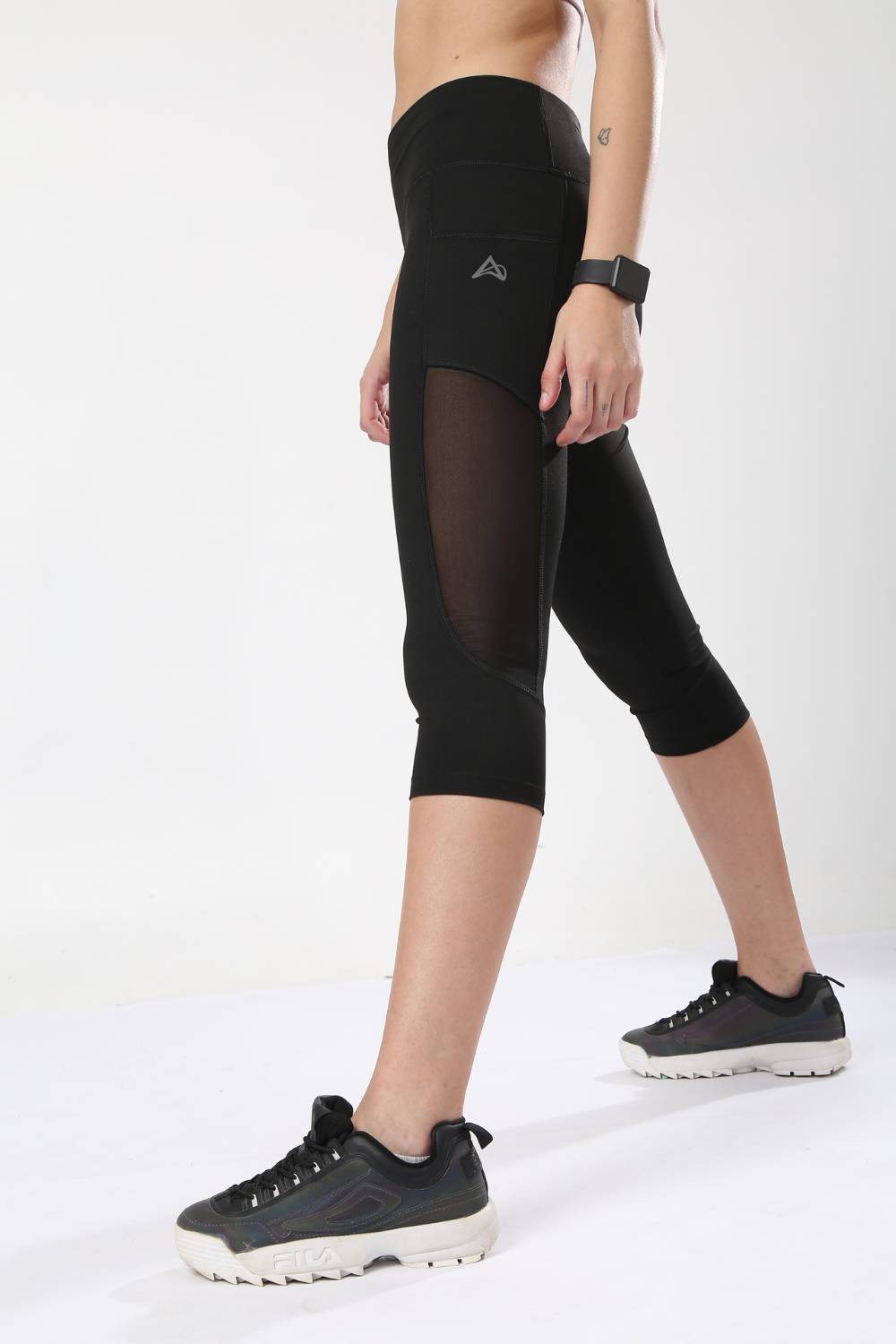
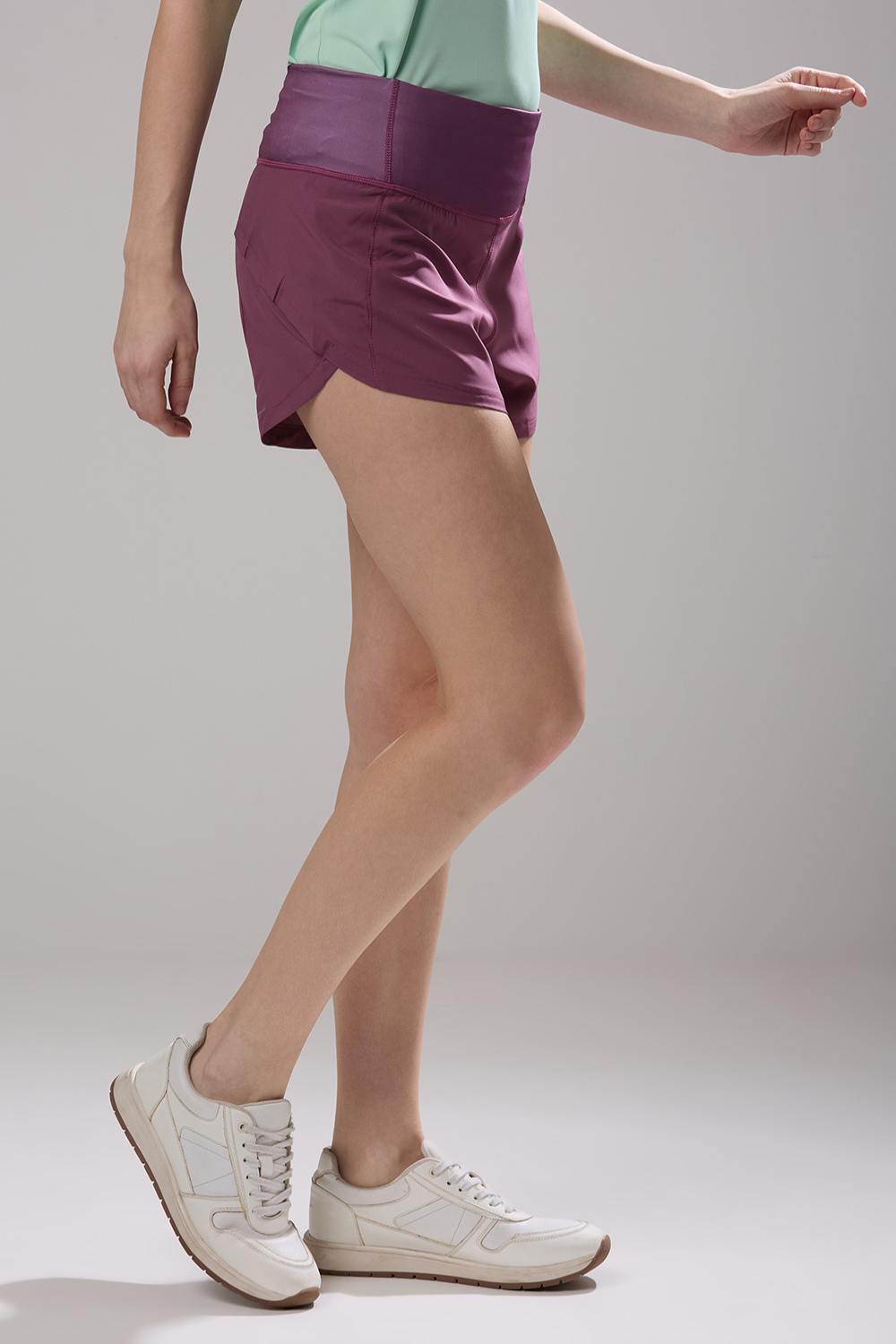
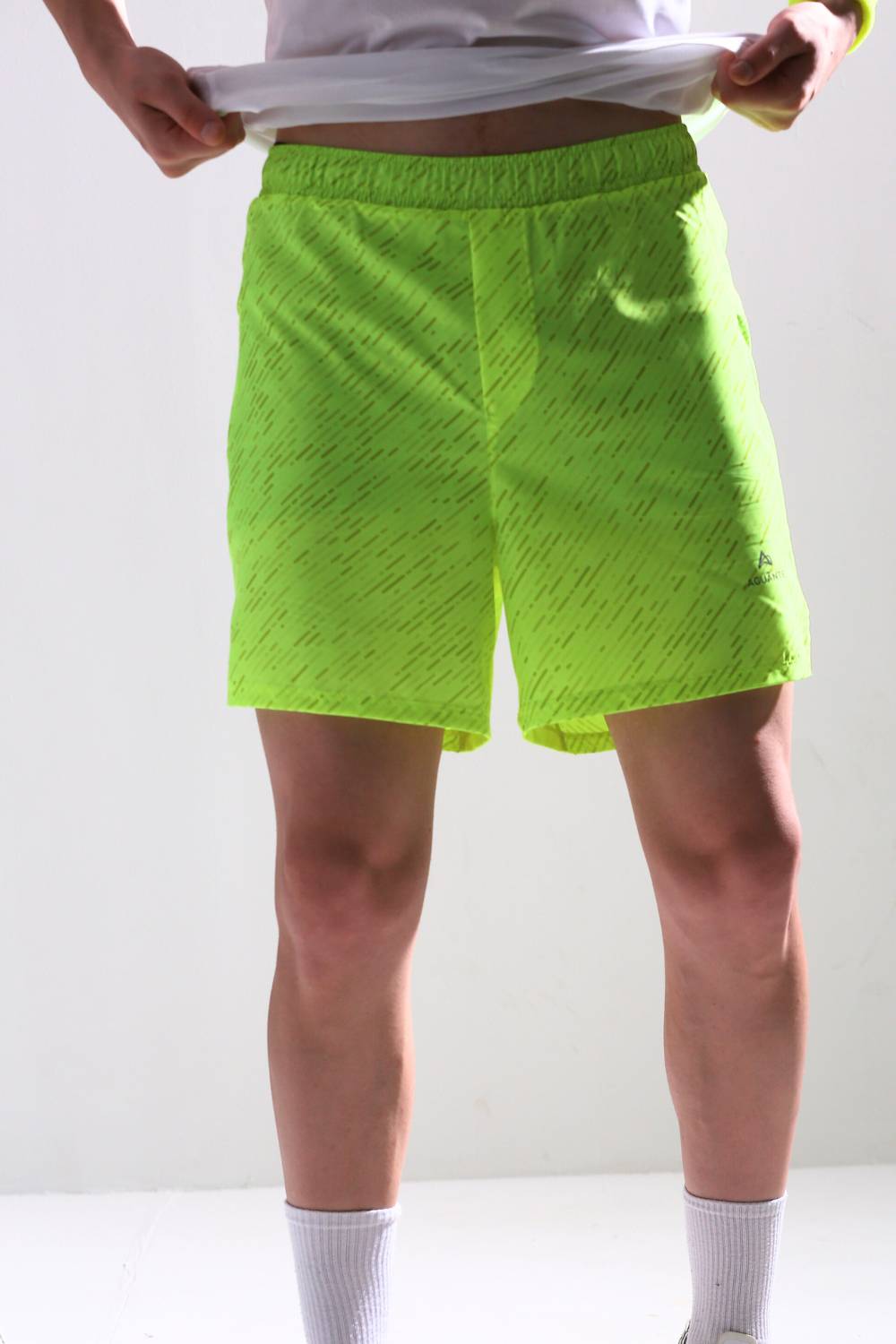
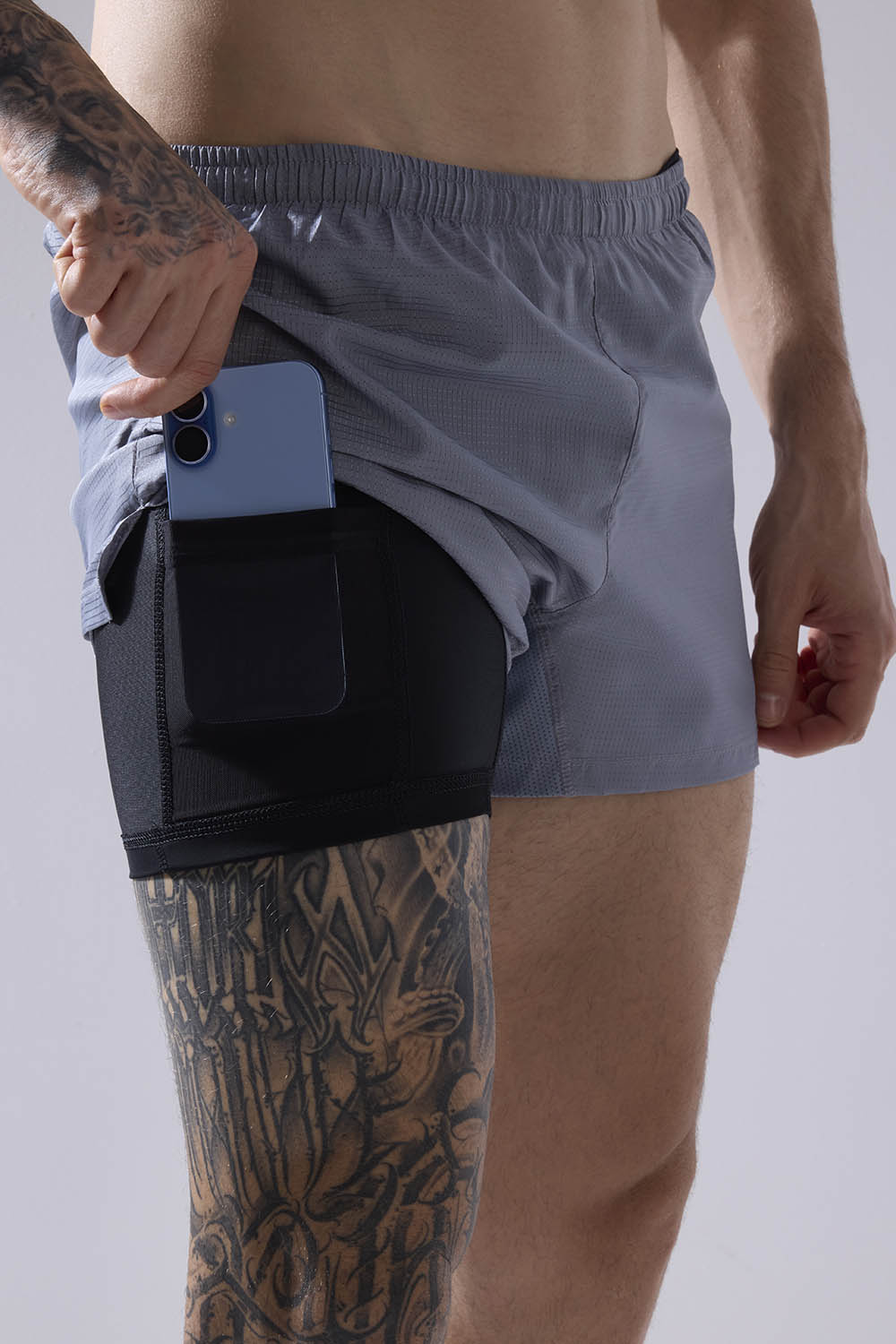
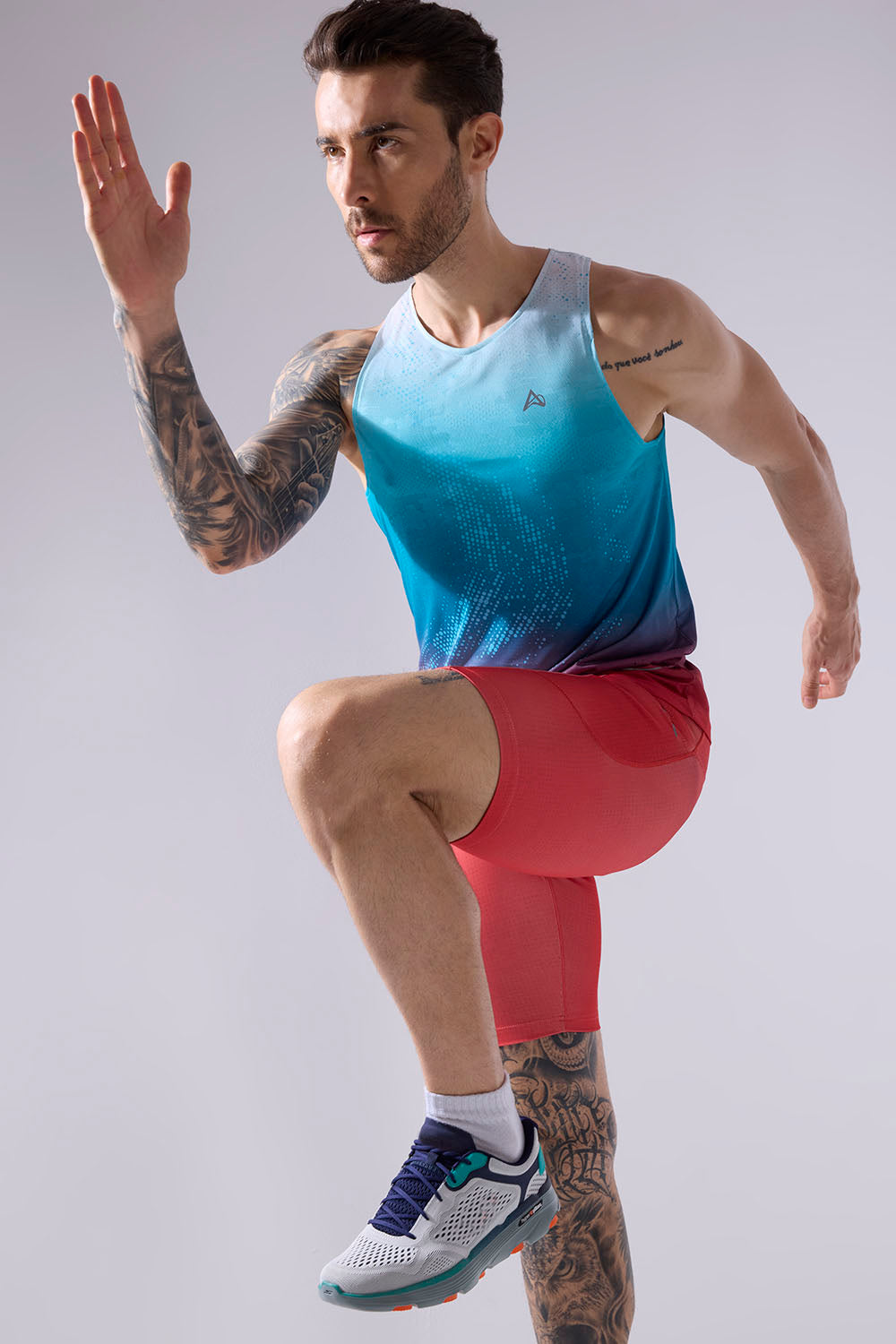
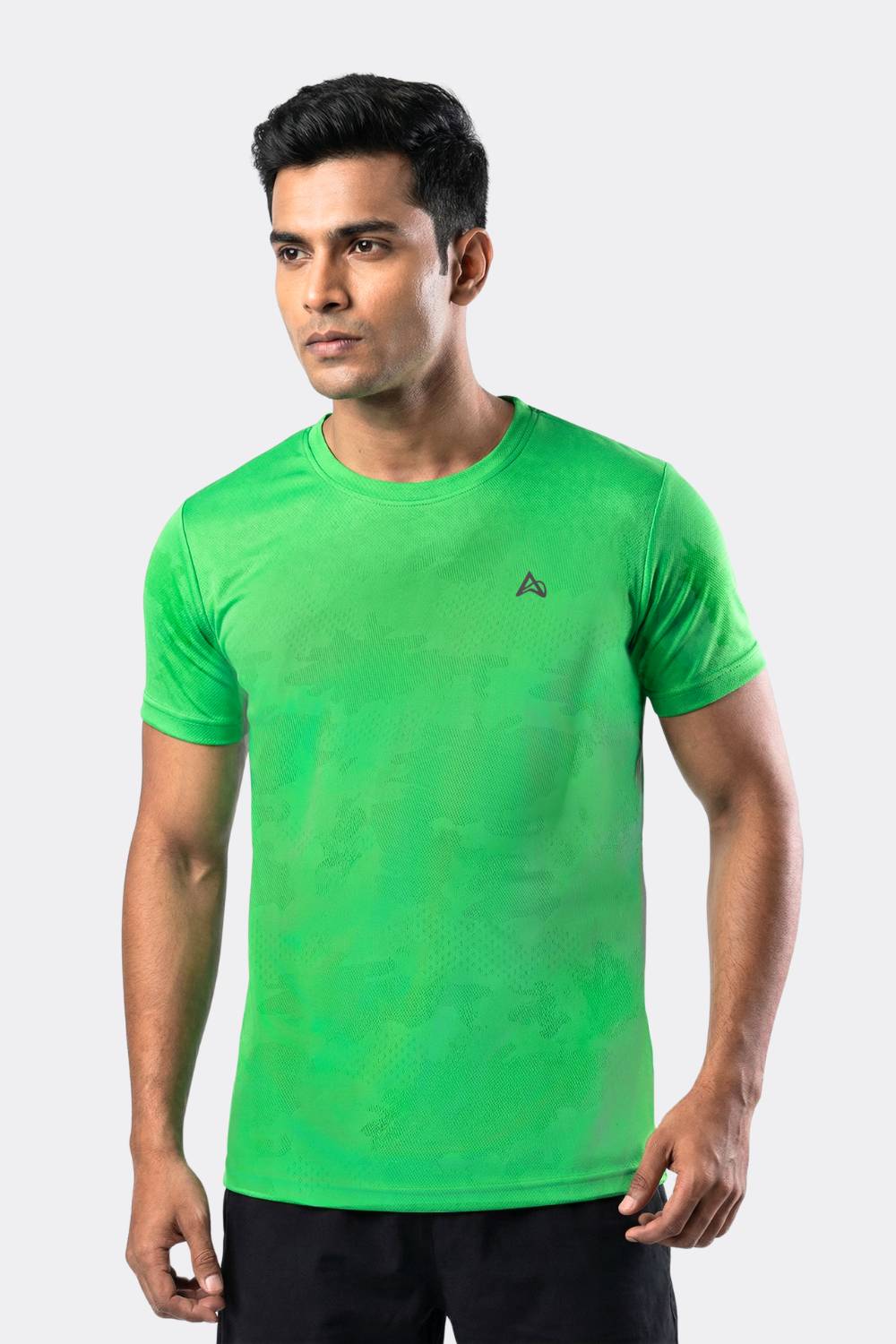
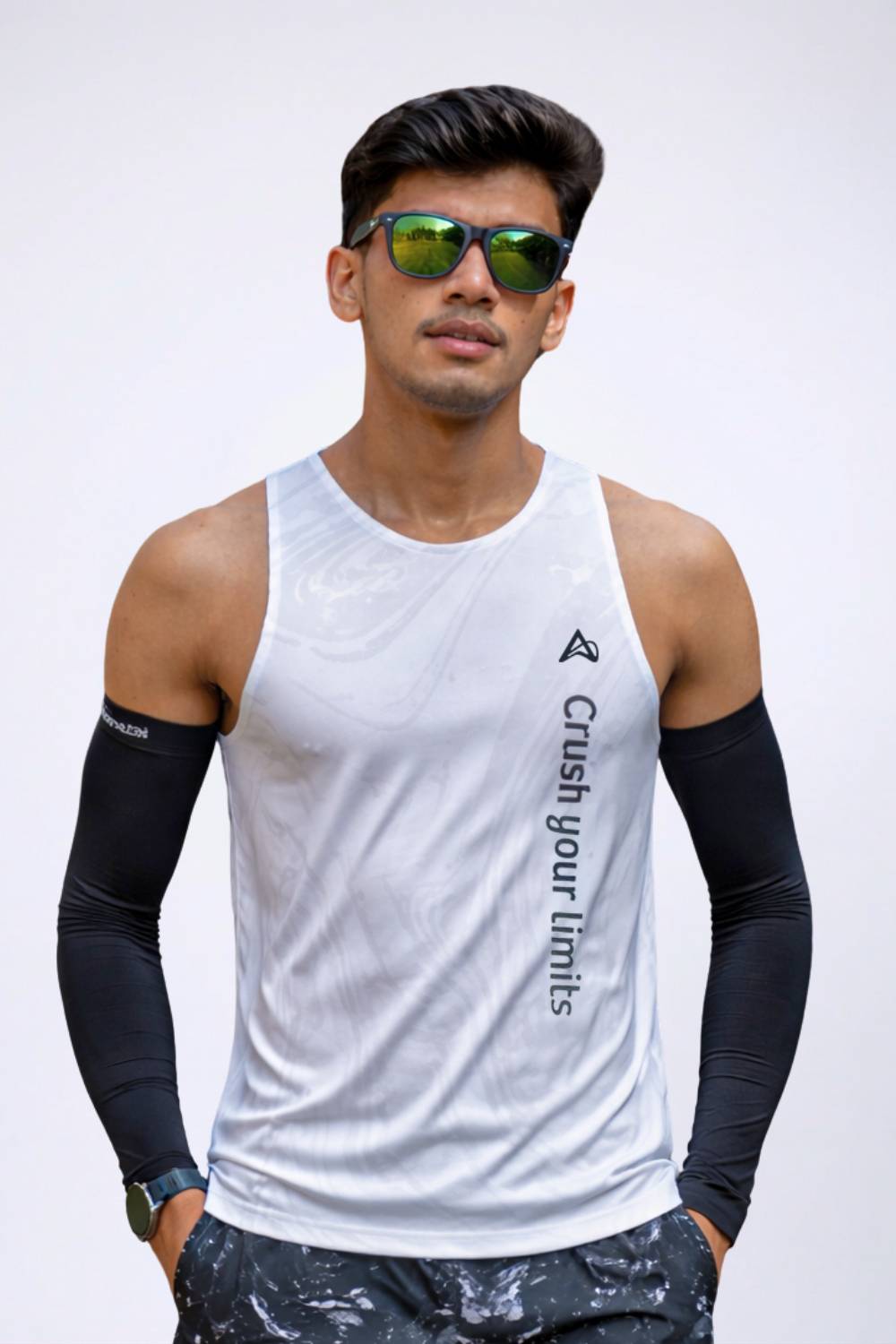
Aguante meets that demand by creating running wear purpose-built for local heat, humidity, uneven surfaces, and low-light safety. Every short, tee, and jacket incorporates strategic reflective detailing alongside moisture-wicking fabrics, anti-chafing liners, bounce-free secure pockets, and anatomically tested fits all offered at transparent price points that contrast sharply with premium international labels designed far from Indian roads.
Tired of gear that slows you down? Chafing, soggy fabrics, and missing pockets kill your run's momentum. At Aguante, we're runners who get it. Our high-performance activewear features moisture-wicking fabrics, ergonomic designs, and smart storage to keep you focused. Shop Now!
Why Low-Light Visibility Has Become a Non-Negotiable Priority
Most serious runners in Indian metros deliberately schedule sessions before sunrise or after sunset to escape daytime temperatures that regularly climb above 35 °C and peak-hour congestion. Yet those same hours coincide with the lowest ambient light levels and the highest dependence on vehicle headlights.
Patchy municipal lighting, sudden speed-breakers, stray animals, delivery scooters, and autorickshaws weaving through narrow margins create a complex hazard map. In Delhi and Gurugram, dense winter fog and high AQI readings frequently reduce sightlines to under 50 meters. Coastal cities such as Mumbai, Pune, and Hyderabad contend with wet-season glare off standing water and mist that scatters light. Rapidly developing areas in Ahmedabad and Surat often see new residential zones outpace streetlight installation, leaving long stretches in near darkness.
High-visibility neon performs adequately in daylight but loses almost all effectiveness once headlights dominate the visual field. Properly engineered reflective materials, by contrast, return a sharp, directional flash back toward the light source making the wearer dramatically more conspicuous from 100–200 meters away.
How Reflective Technology Has Evolved Inside Everyday Running Gear
Early high-visibility solutions relied on detachable vests or clip-on bands functional but frequently left at home because they felt like an extra chore. Contemporary performance apparel integrates micro-prismatic films and glass-bead retro-reflective yarns directly into fabric patterns, seams, logos, and hem lines.
These discreet elements preserve clean aesthetics during daylight hours while delivering 360-degree nighttime conspicuity. The best designs place reflective zones at motion-critical points: shoulders, upper arms, lower legs, and side panels. When the runner moves, the flashing pattern draws attention more effectively than static patches.
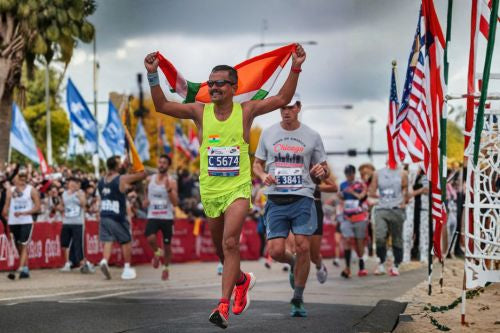
Across Bangalore, Hyderabad, and Pune, large running collectives have begun listing minimum reflective coverage as part of group-run guidelines. Corporate wellness initiatives in Gurugram's tech parks recommend visibility features for employees jogging after office hours. Several marathon organisers in Mumbai and Delhi now include small reflective accents on bibs and course signage to reinforce the message throughout race day.
Real-World Difference: Stories from Indian Roads
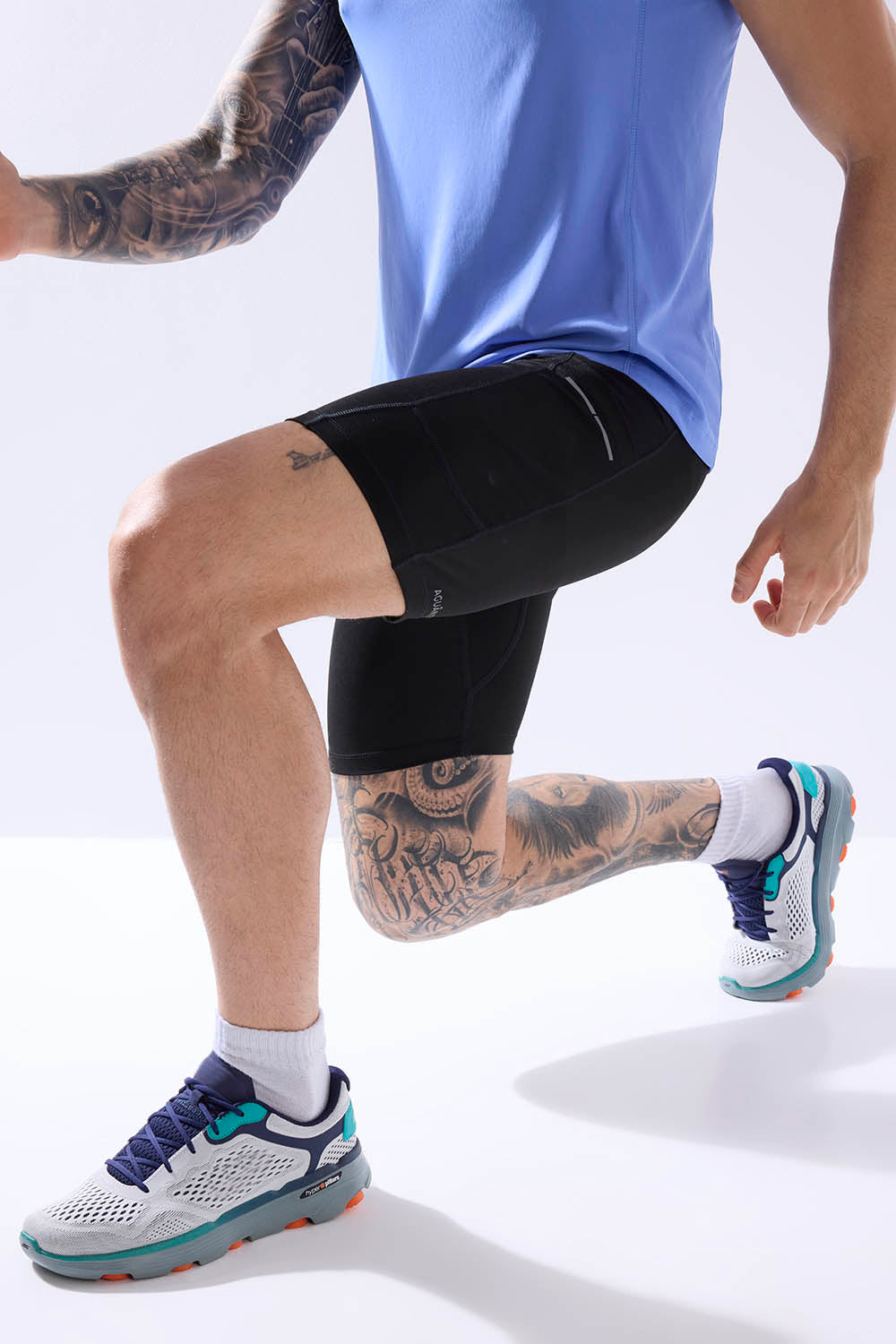
A commuter in Navi Mumbai recently described how reflective calf bands on his shorts gave an approaching truck driver enough warning to slow down on a poorly lit service road. A Gurugram-based marathoner noted that she now feels comfortable extending evening training loops because oncoming cars consistently react sooner when her jacket's side stripes catch their beams.
In Pune, runners tackling dimly lit riverside paths report that integrated reflective trims allow them to stay visible without sacrificing the lightweight, breathable feel essential during humid evenings. Similar feedback surfaces from Ahmedabad and Surat, where fast-changing infrastructure frequently leaves new running routes unlit for months after they open to foot traffic.
These small but consistent experiences are quietly shifting purchasing decisions toward brands that treat low-light safety as core product architecture rather than a seasonal gimmick.
Persistent Barriers and Practical Design Responses
Despite the clear advantages, several obstacles slow wider adoption. Street lighting quality remains wildly inconsistent even within the same city. Many runners still believe bright fabric colors offer sufficient protection and hesitate to pay extra for specialised features they perceive as unnecessary bulk.
Monsoon fog along the western coast and persistent smog in the National Capital Region can temporarily diminish reflective return. Yet modern reflective technologies maintain meaningful performance under haze and moisture far better than most runners assume.
Thoughtful brands address these realities by:
- Using ultra-lightweight retro-reflective yarns that add almost no weight or stiffness
- Positioning reflective zones away from high-sweat areas to preserve comfort
- Combining reflectivity with advanced moisture management so gear remains effective and pleasant during humid or rainy runs
Market Momentum and Community-Level Opportunities
Reflective performance features now serve as a meaningful point of differentiation inside India's high-growth activewear segment. Brands that solve genuine local safety problems rather than simply re-skinning overseas templates earn stronger loyalty among discerning urban runners.
Social media communities on Instagram, Facebook, and YouTube provide ideal channels for authentic demonstrations: early-morning group-run footage, side-by-side visibility comparisons, and real-runner testimonials. Partnerships with regional coaches and prominent pacers further amplify credibility.
Parallel growth in sustainable textiles reinforces the trend. Asia Pacific is expected to capture a substantial portion of the global sustainable fabrics market, propelled by younger consumers who prioritise ethical production alongside functional performance.
Visibility Moving From Optional Add-On to Industry Standard
The trajectory is clear: reflective detailing is steadily transitioning from a “nice-to-have” safety extra to an expected baseline in serious running apparel. As participation in road running swells across India's Tier-1 and emerging Tier-2 cities, the gear that enables confident, year-round training will define brand leadership.
For the Hyderabad software engineer logging kilometres before sunrise, the Surat recreational runner circling new neighbourhood parks, or the Delhi athlete pushing through winter haze, the right reflective design translates to freedom rather than caution. In an environment where urban infrastructure evolves unevenly and running culture expands rapidly, visibility is no longer a luxury it is fundamental. Brands that recognise and act on this reality are not merely equipping runners; they are helping shape safer, more inclusive miles ahead.
Frequently Asked Questions
Why is reflective running gear important for road running in India?
India's urban runners often train during pre-dawn or post-sunset hours to avoid extreme daytime heat exceeding 35°C, which coincides with the lowest ambient light levels. High-visibility neon colors lose effectiveness once vehicle headlights dominate, while properly engineered reflective materials can return a sharp, directional flash back toward the light source, making wearers visible from 100–200 meters away. Hazards like patchy street lighting, monsoon glare, and dense winter smog in cities like Delhi and Mumbai make reflective running apparel a genuine safety necessity rather than just a style feature.
How does reflective technology in running apparel work, and has it improved?
Modern reflective running gear has evolved well beyond old-fashioned detachable vests or clip-on bands. Today's performance apparel integrates micro-prismatic films and glass-bead retro-reflective yarns directly into fabric patterns, seams, logos, and hem lines preserving clean aesthetics in daylight while delivering 360-degree nighttime conspicuity. The best designs place reflective zones at motion-critical points like shoulders, upper arms, lower legs, and side panels, so the moving pattern draws driver attention more effectively than static patches.
What should I look for in running clothes for low-light and monsoon conditions in Indian cities?
When shopping for running apparel suited to Indian road conditions, prioritize gear that combines strategic reflective detailing with moisture-wicking, breathable fabrics especially important during humid monsoon evenings in coastal cities like Mumbai, Pune, and Hyderabad. Look for ultra-lightweight retro-reflective yarns that add no perceptible weight or stiffness, and reflective zones positioned away from high-sweat areas for sustained comfort. Brands that design specifically for Indian running realities uneven surfaces, inconsistent street lighting, and seasonal smog offer a meaningful advantage over international labels built for different conditions.
Disclaimer: The above helpful resources content contains personal opinions and experiences. The information provided is for general knowledge and does not constitute professional advice.
You may also be interested in: Reflective Shorts Improve Visibility for Early Morning Runs - Aguante
Tired of gear that slows you down? Chafing, soggy fabrics, and missing pockets kill your run's momentum. At Aguante, we're runners who get it. Our high-performance activewear features moisture-wicking fabrics, ergonomic designs, and smart storage to keep you focused. Shop Now!
Powered by flareAI.co