



Quick Listen:
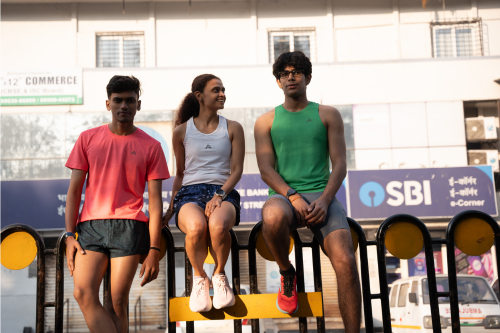
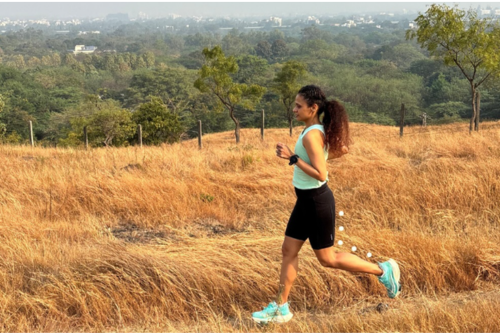
The running scene in India's major cities is undergoing a quiet revolution. In places like Bangalore, Hyderabad, Mumbai, Pune, Navi Mumbai, Delhi, Gurugram, Surat, and Ahmedabad, weekend roads and parks fill with runners logging long miles not just for medals, but for the sheer pull of the sport. As participation swells, so does a sharper focus on gear that actually works under local realities: relentless heat, thick humidity, dusty air, and rough urban pavement. Comfort isn't a nice-to-have anymore; it's the difference between finishing strong and cutting a run short due to irritation or worse.
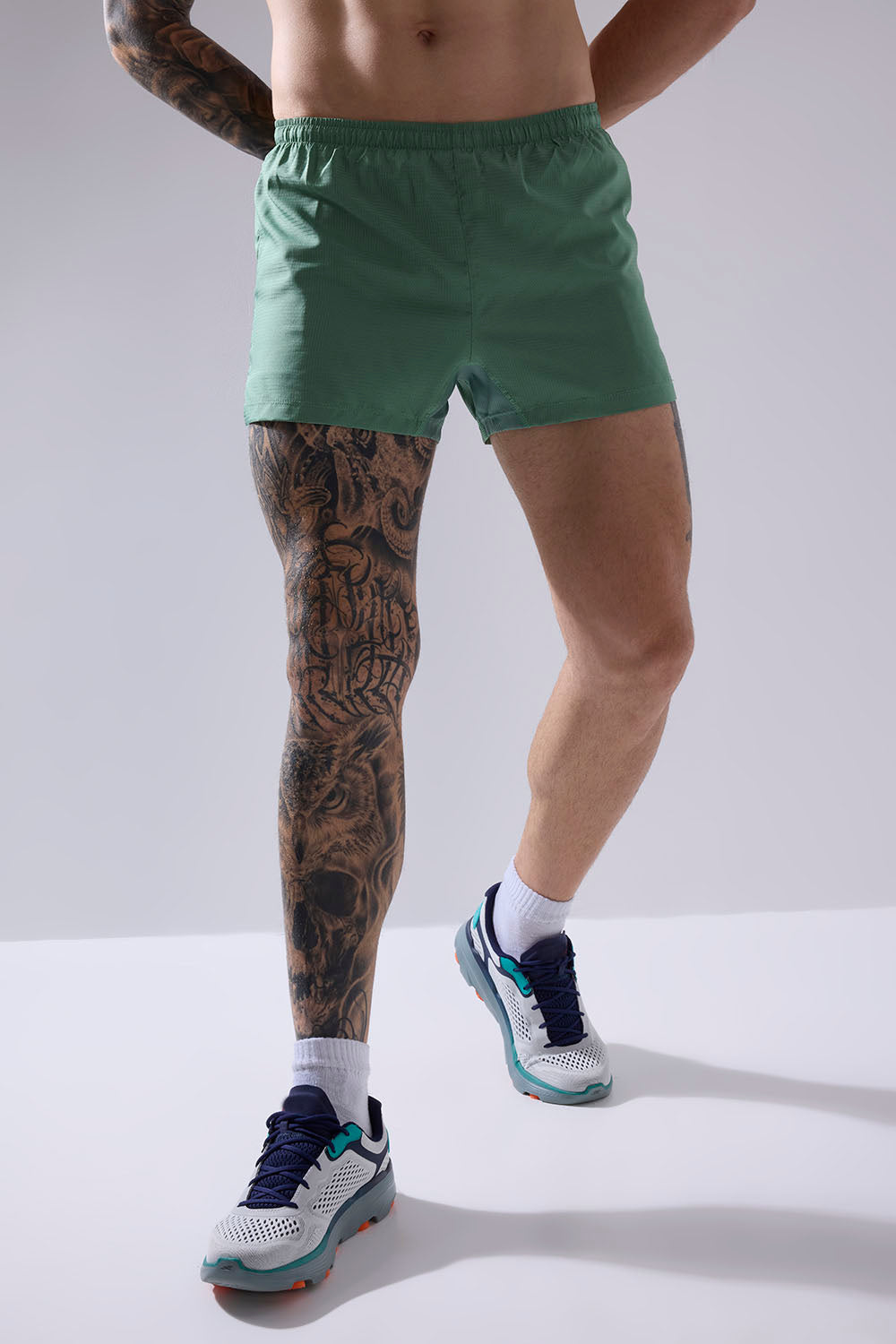
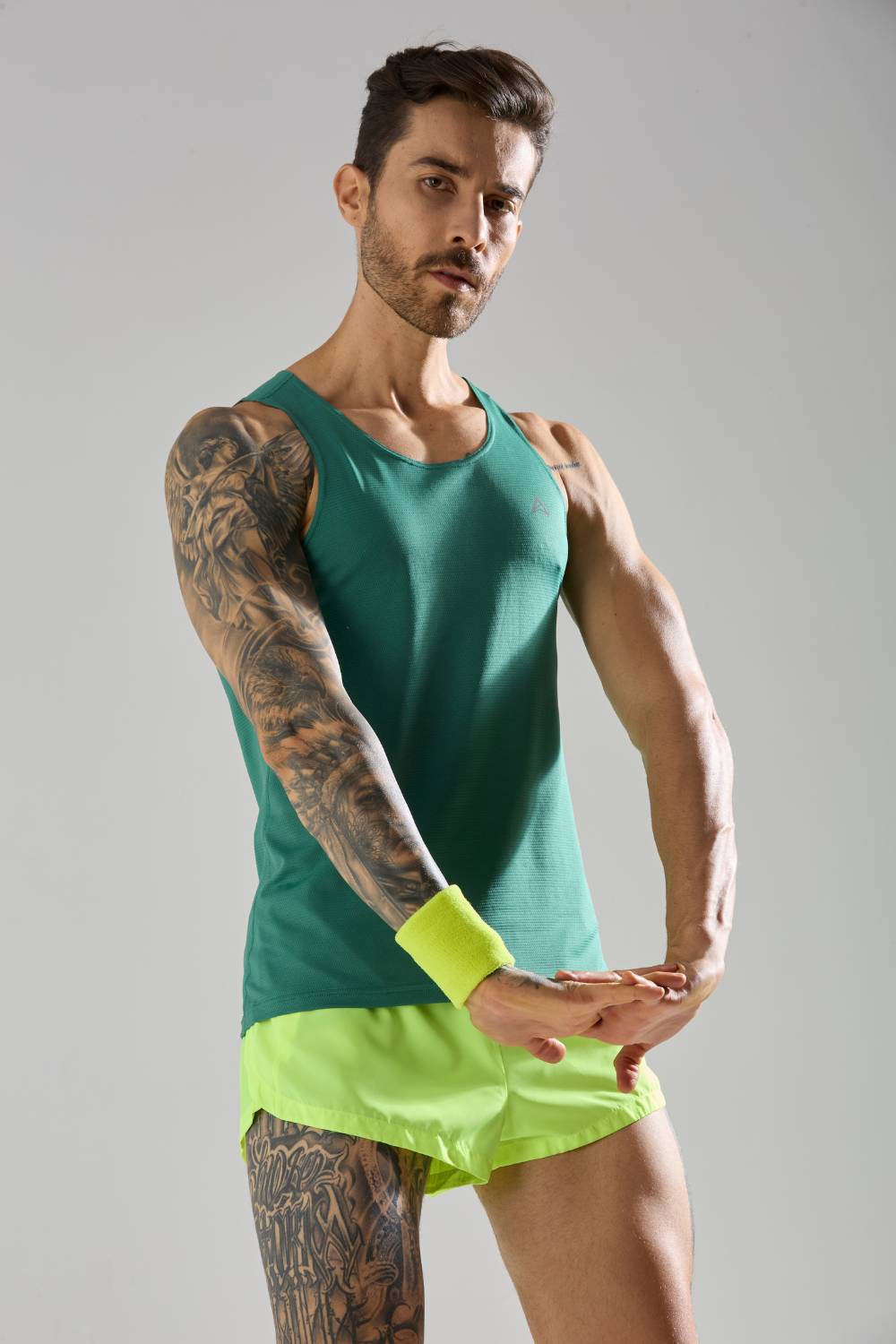
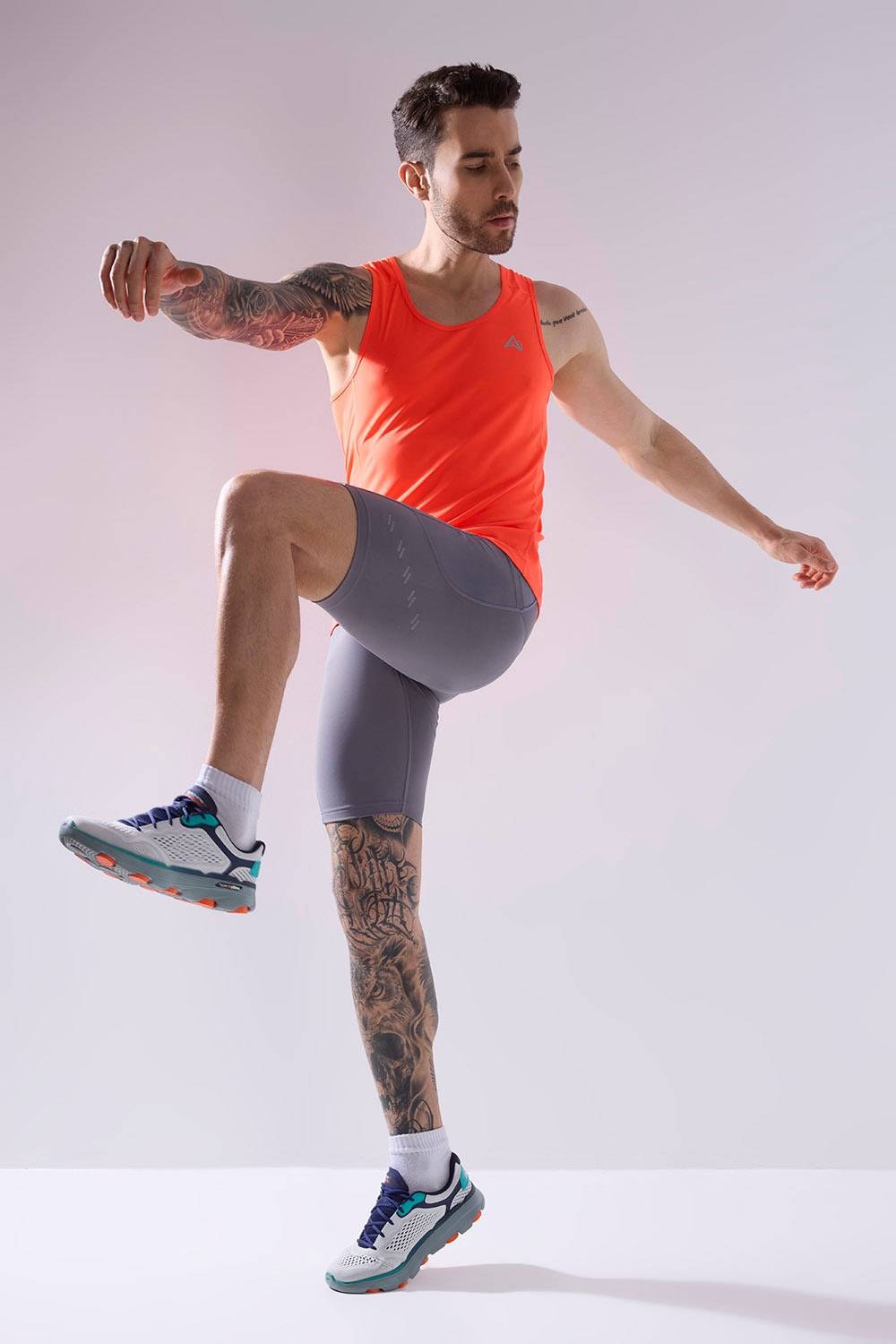
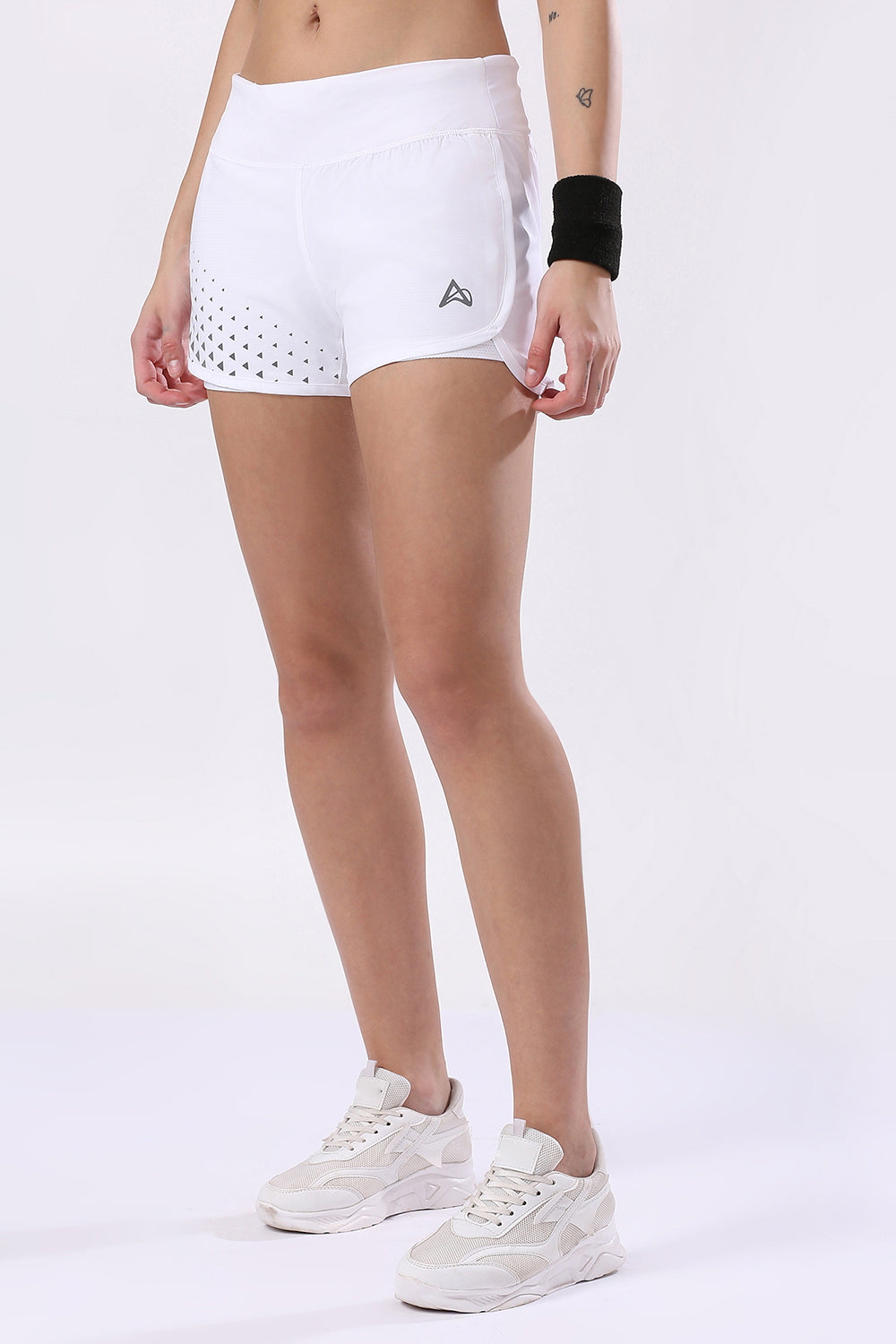
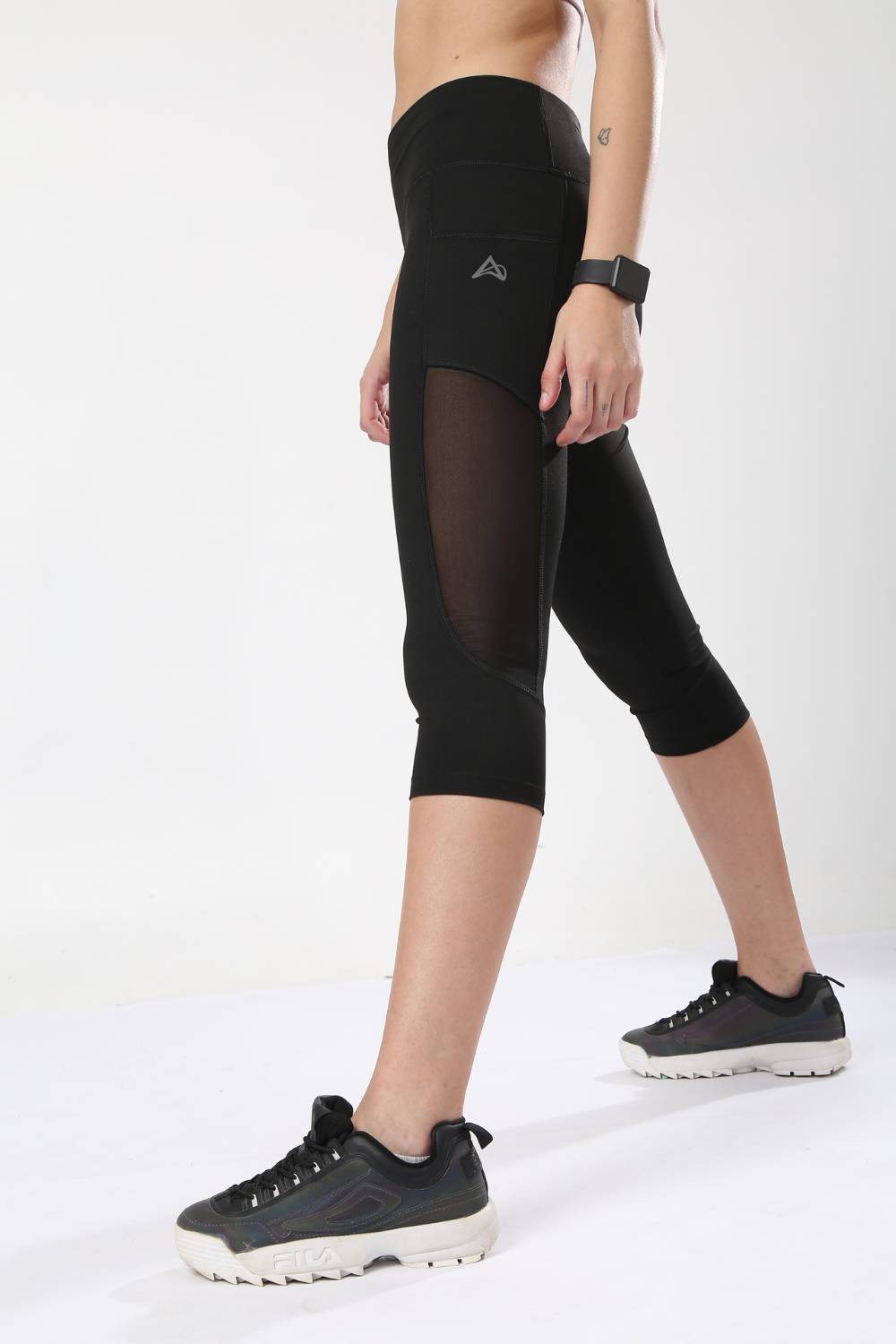
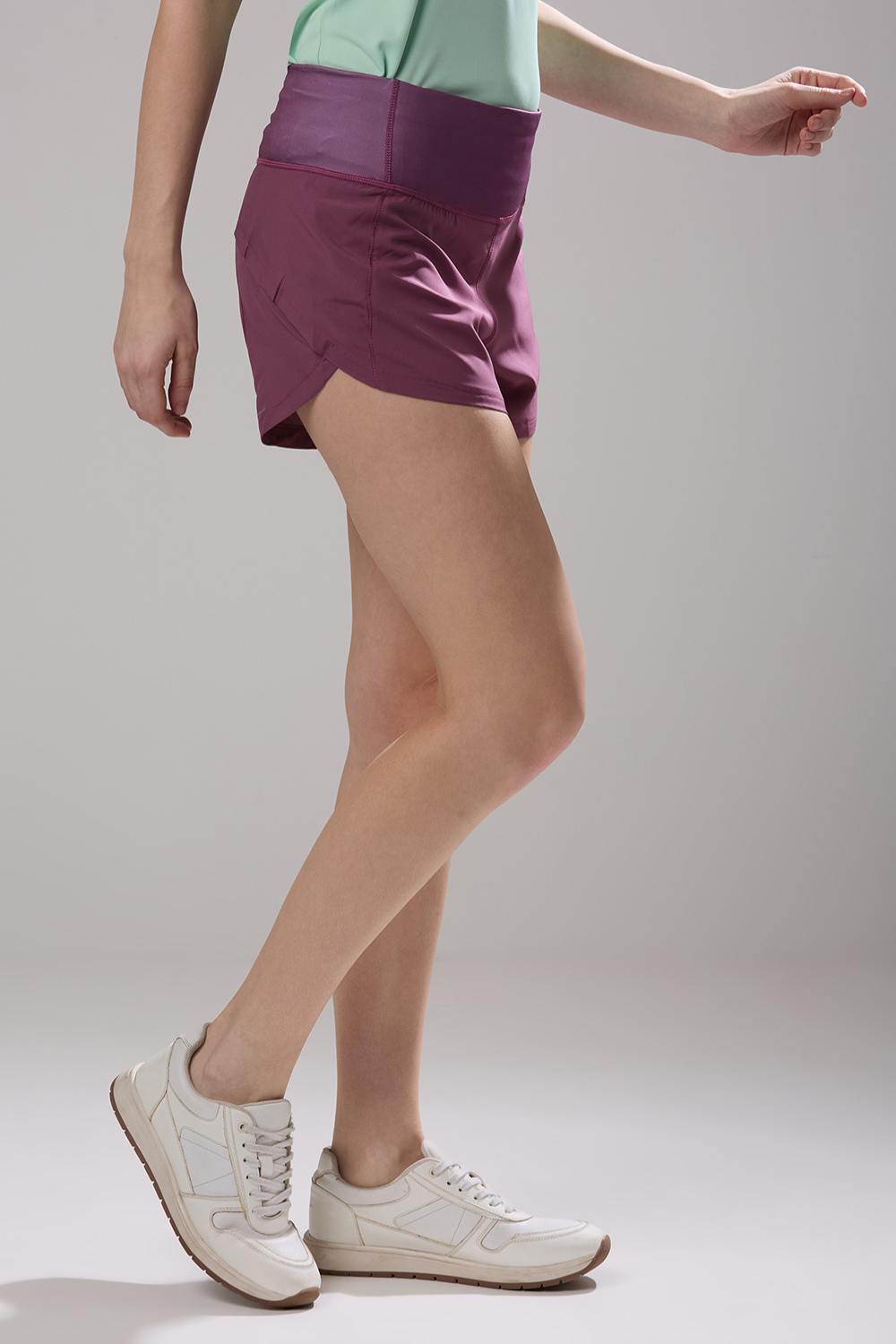
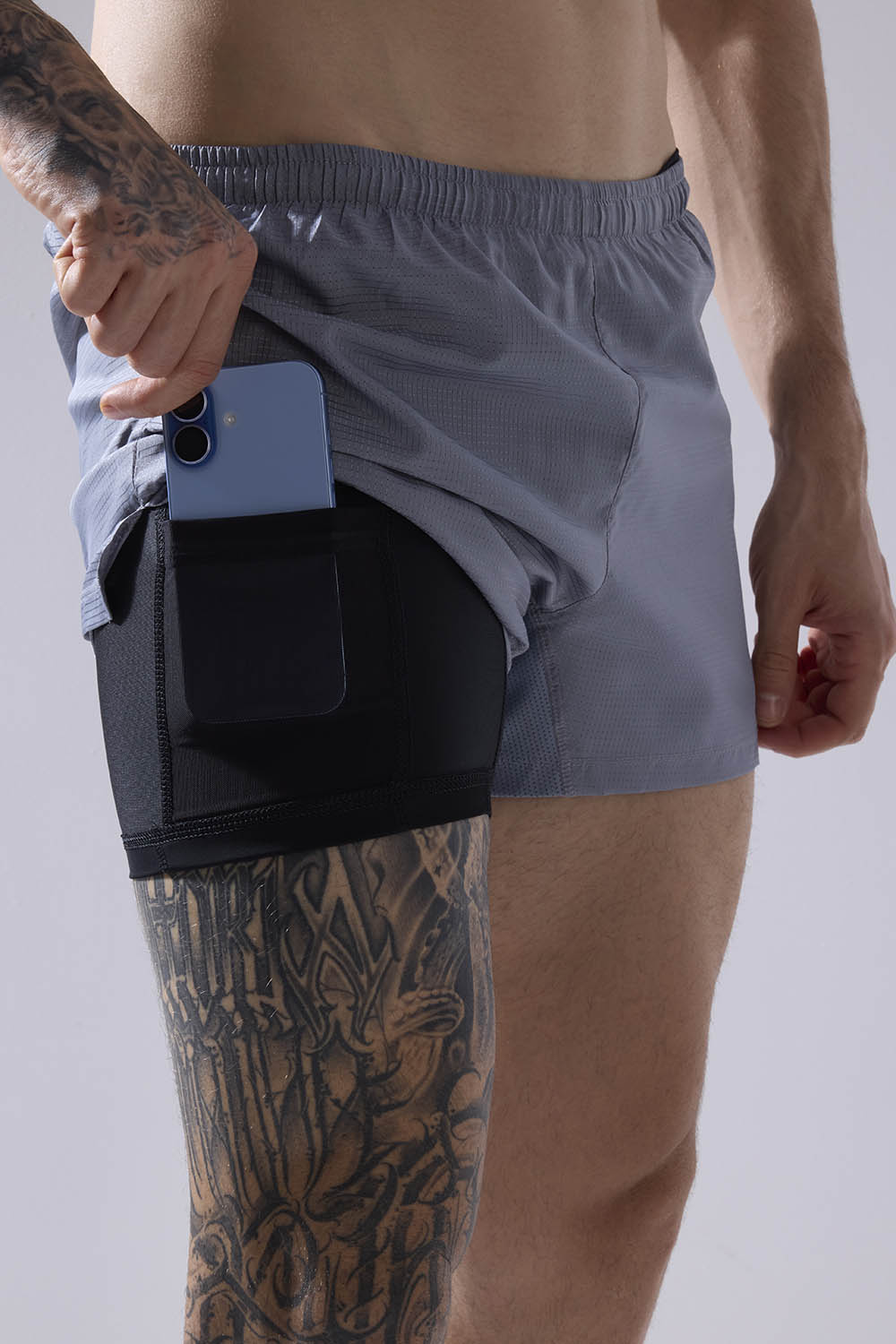
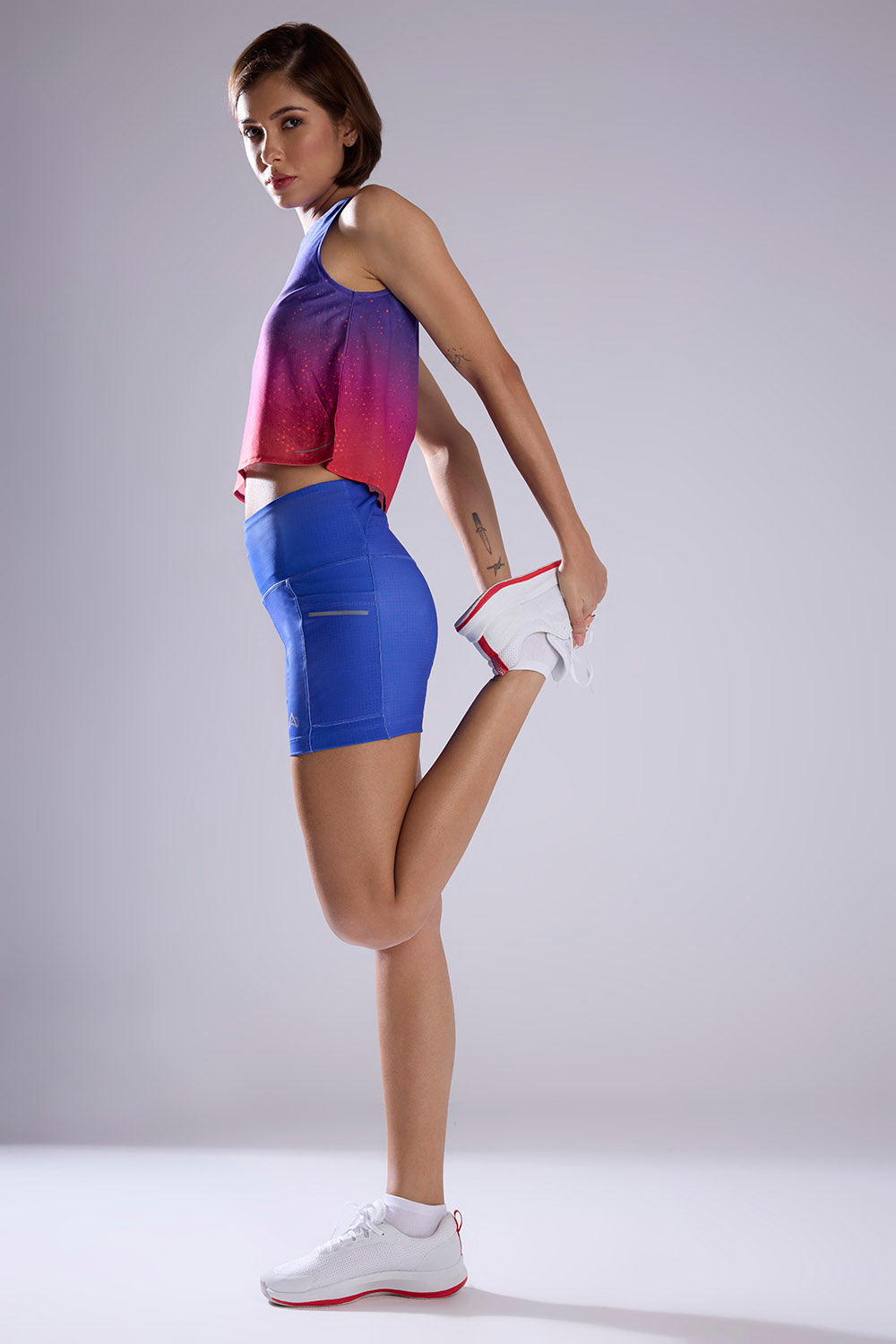
For long-distance runners especially, ergonomic fit and anti-chafing design have moved front and center. Poorly tailored shorts or tops can turn a promising 20K into a painful battle against raw skin. Runners are starting to demand apparel engineered for Indian bodies and conditions secure, non-bouncing pockets; flat seams; moisture-wicking layers that dry fast; and cuts that move with you instead of against you.
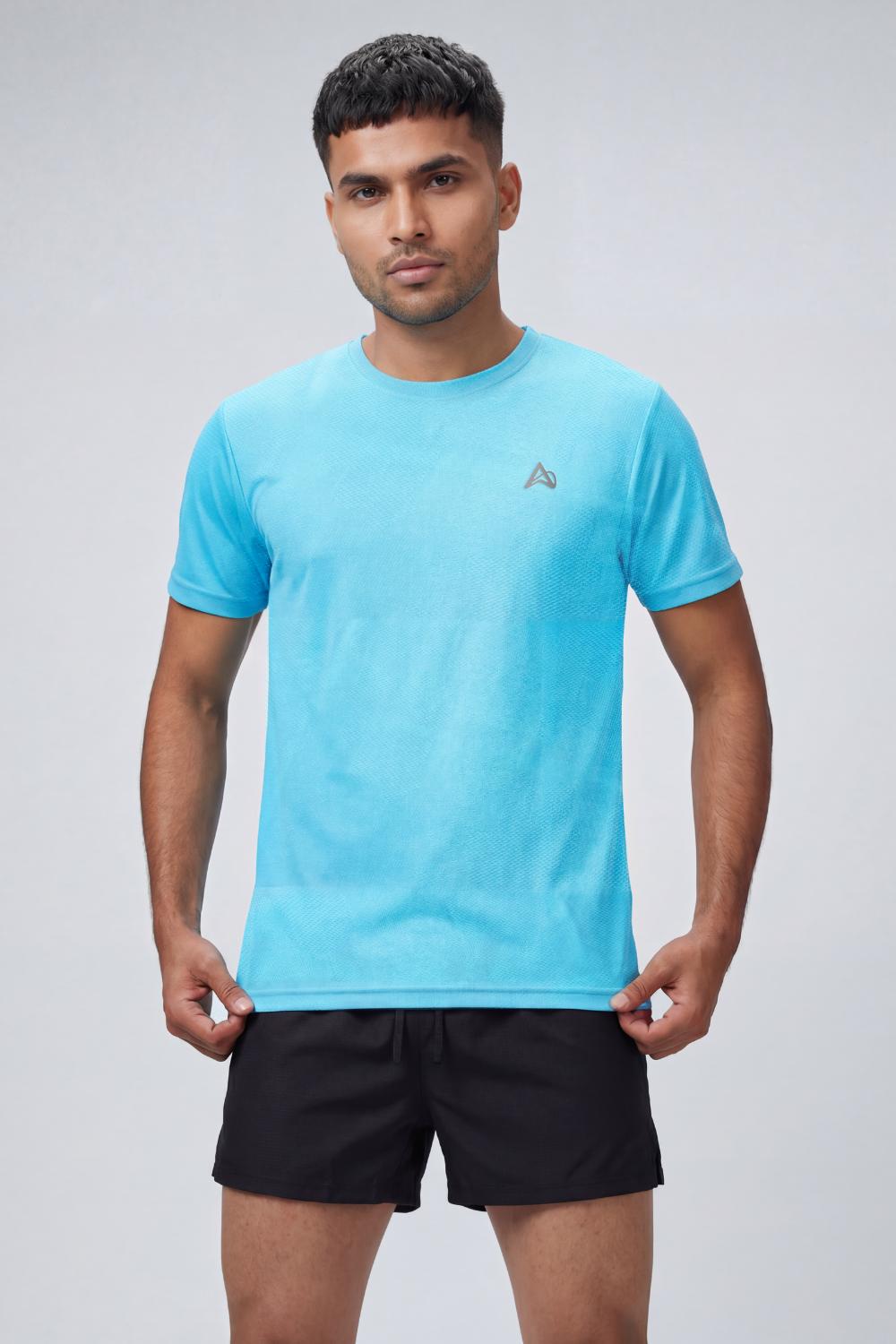
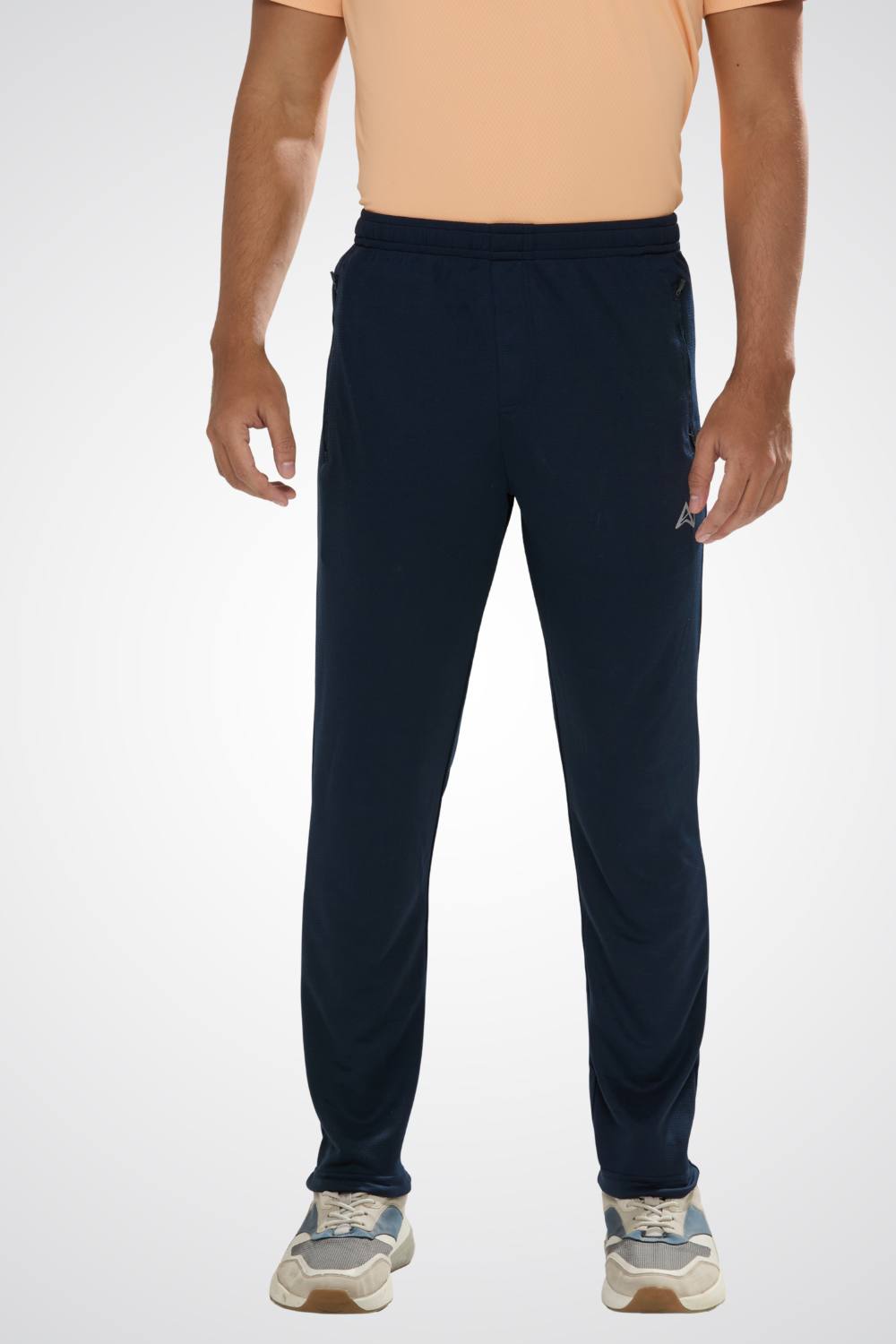
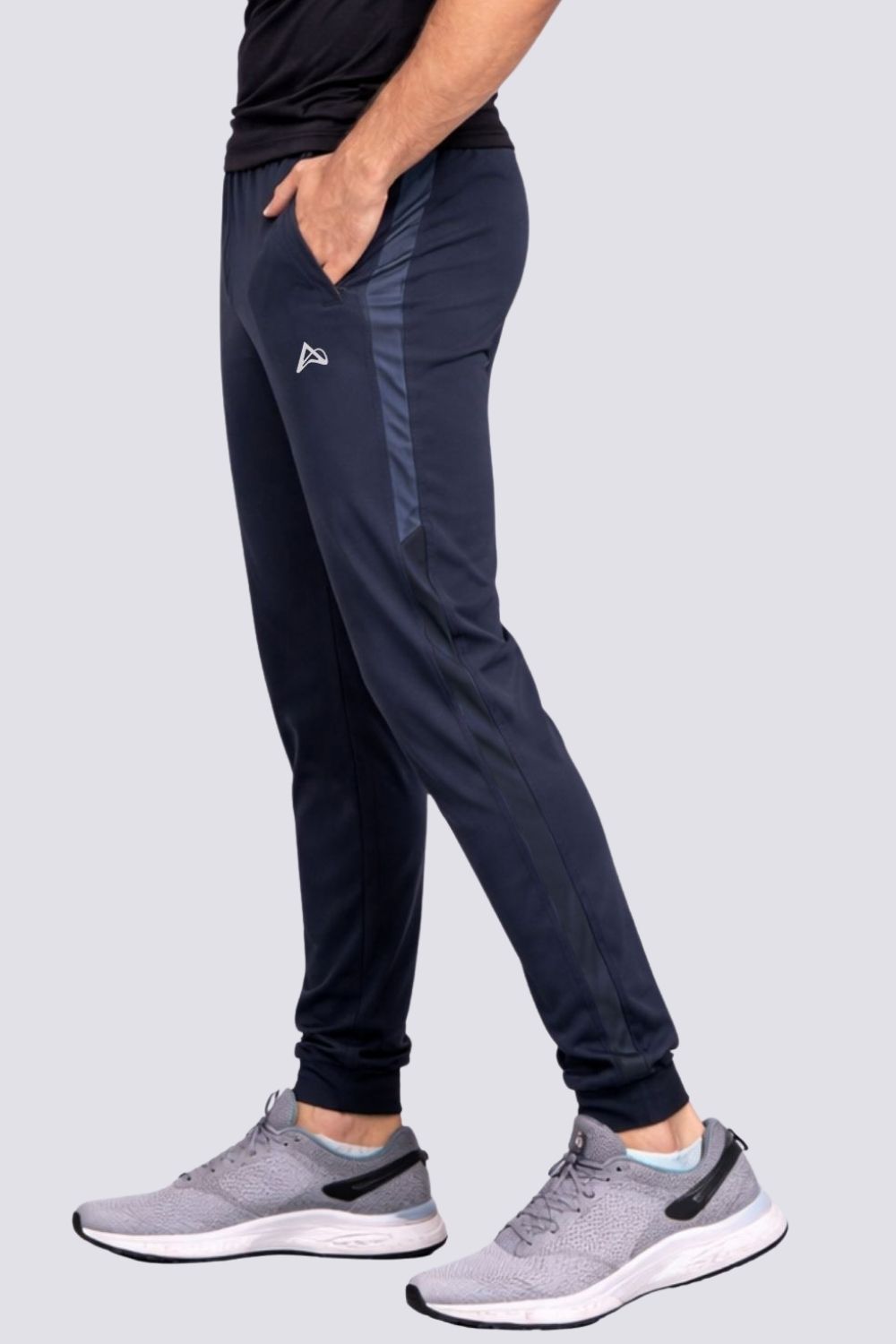
Tired of gear that slows you down? Chafing, soggy fabrics, and missing pockets kill your run's momentum. At Aguante, we're runners who get it. Our high-performance activewear features moisture-wicking fabrics, ergonomic designs, and smart storage to keep you focused. Shop Now!
Why Ergonomic Design Matters in India's Running Surge
India's urban running communities are growing fast, fueled by rising health awareness and accessible events from 5K fun runs to full marathons. In tech-heavy hubs like Bangalore and Pune, IT professionals treat early-morning or evening sessions as non-negotiable. Mumbai and Navi Mumbai runners push through coastal humidity; Delhi and Gurugram folks navigate polluted heat even after dark; while Surat and Ahmedabad see dedicated groups tackling asphalt under intense sun.
This boom mirrors broader global shifts toward active lifestyles, though the challenges here are distinctly local. High temperatures and humidity amplify sweat, raising risks of chafing and discomfort. Runners report friction issues more often on longer efforts inner thighs, underarms, chest especially when gear doesn't wick moisture away quickly or fit snugly without pinching.
Global parallels highlight the stakes. While the North American athletic wear market was valued at USD 26.28 billion in 2024 and is expected to grow at a CAGR of 6.8% from 2025 to 2030, driven by a growing health-conscious population where 24.2% of adults aged 18 and older adhered to the 2018 Physical Activity Guidelines, India's surge is deeply grassroots. Here, the demand stems directly from lived experience on local roads: gear imported from cooler climates often fails the humidity test, leaving runners searching for better options.
Climate-Adaptive Fabrics Take Center Stage
Moisture-wicking technology has become essential. These fabrics pull sweat from the skin, spreading it for rapid evaporation to regulate temperature and maintain dryness. Despite ongoing changes in global trade relations and tariffs, the moisture wicking fabrics market has grown strongly in recent years and is projected to reach $3.86 billion in 2029 at a CAGR of 6.4%. These innovations help regulate body temperature, keeping wearers dry and comfortable during intense physical activities.
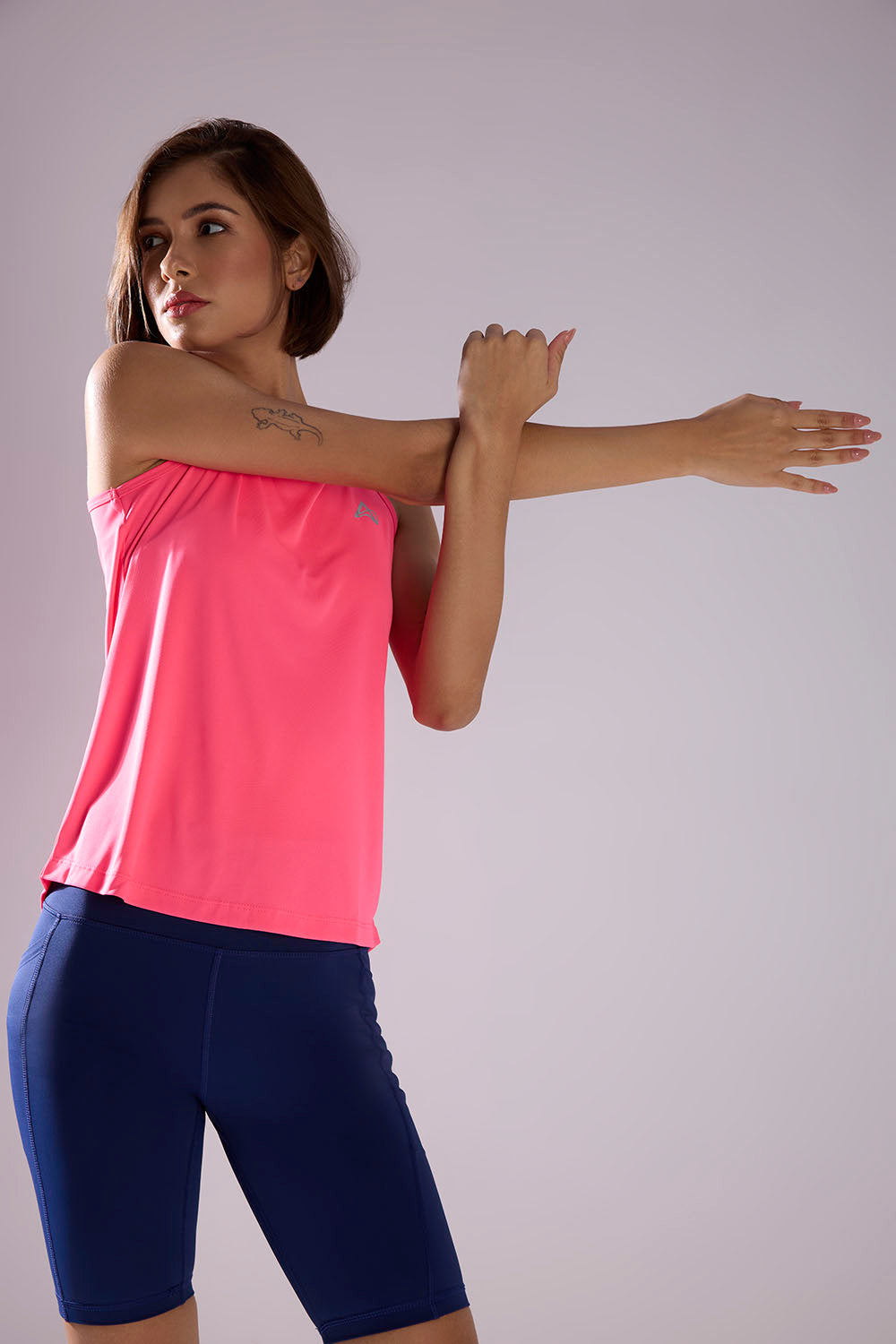
In humid coastal cities like Mumbai and Navi Mumbai, runners face constant sweat buildup that ordinary materials cannot handle. Delhi-NCR's dry heat mixed with pollution adds another layer skin irritation from trapped moisture or airborne particles. Brands responding with advanced textiles see strong uptake: breathable knits, anti-chafe liners, and minimized seams reduce friction points effectively.
Runners in these metros increasingly choose pieces with these features, reporting fewer mid-run interruptions and better focus on pace rather than discomfort. The result is longer, more consistent training sessions that build real endurance.
Body-Specific Fits Over Generic Templates
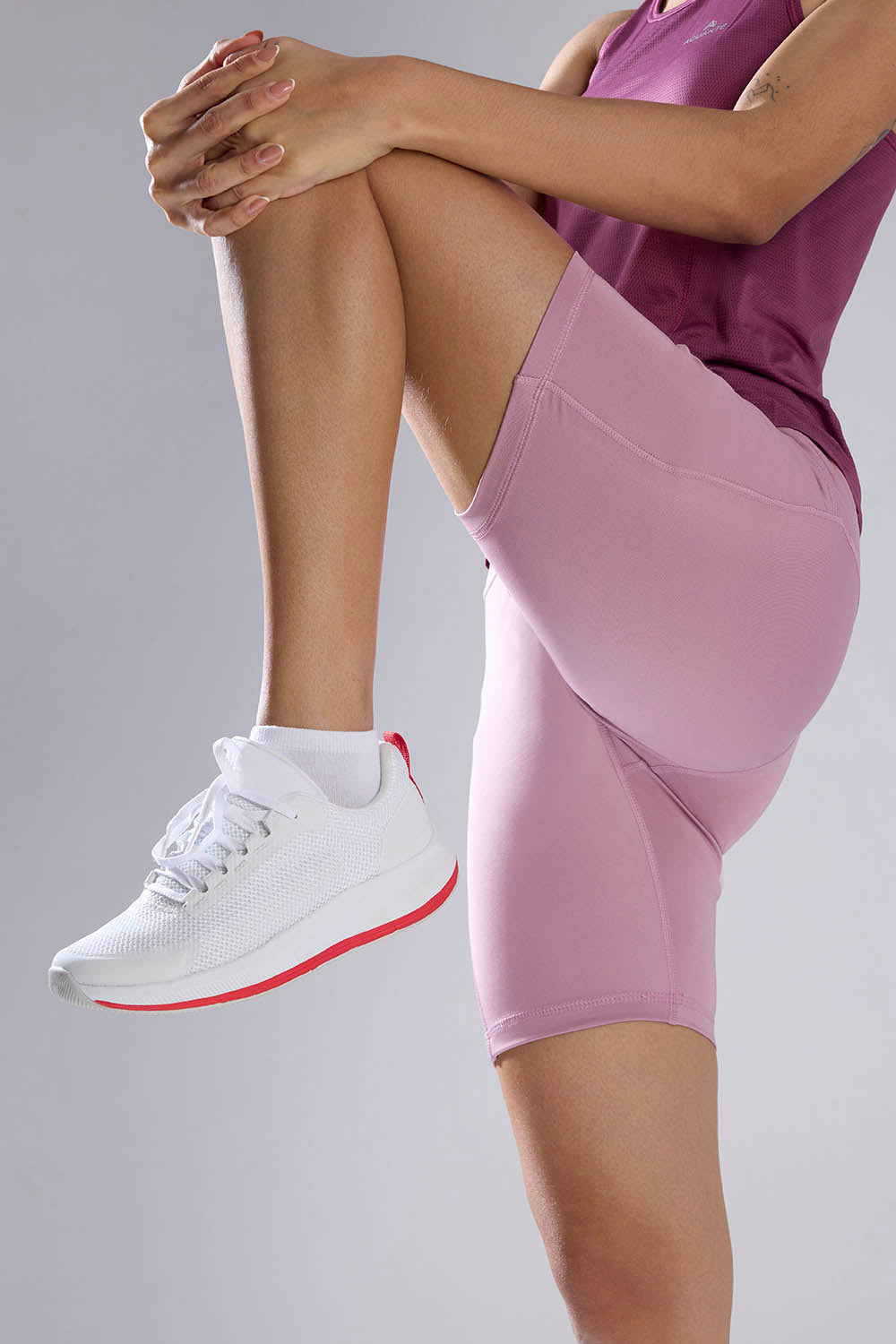
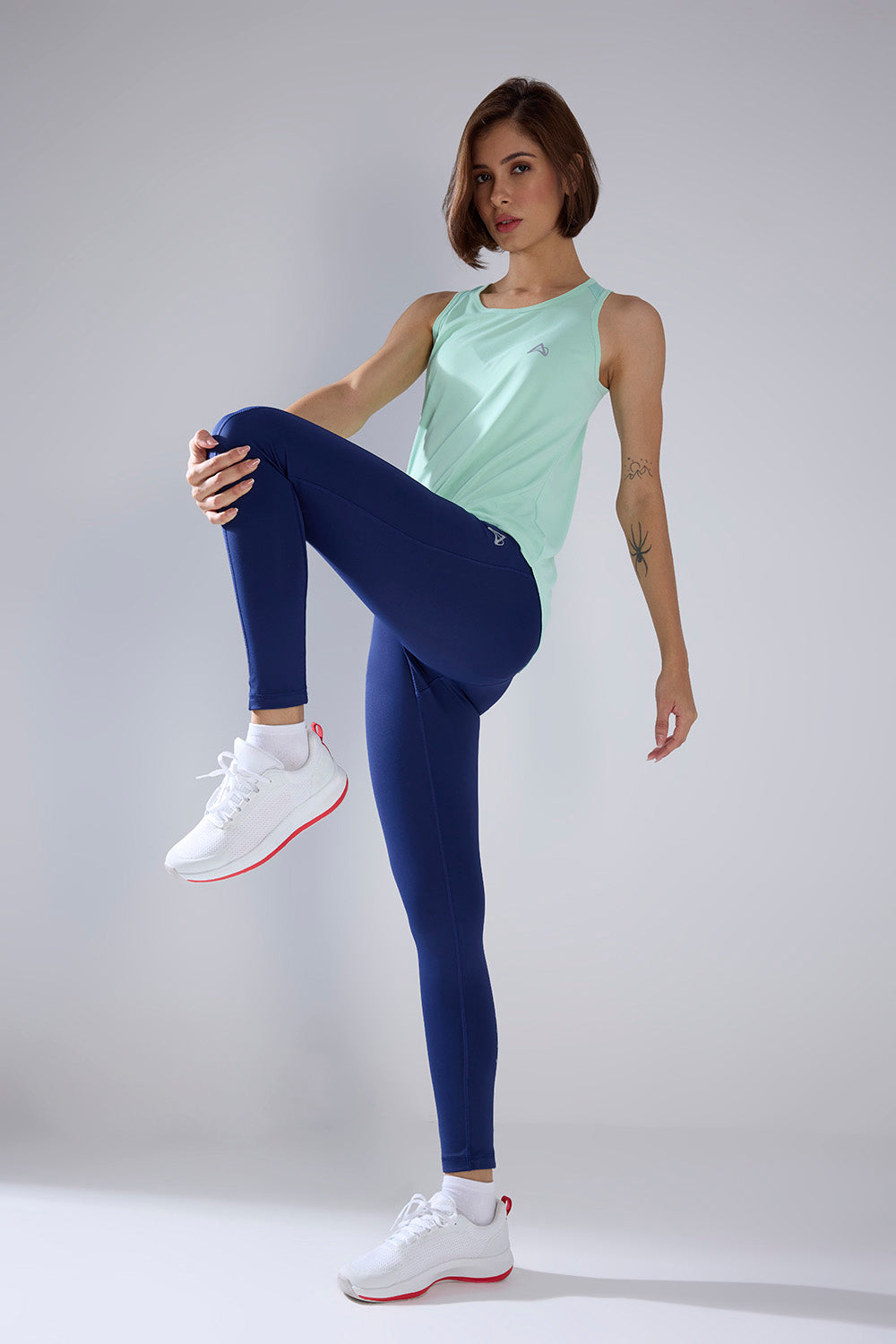
One-size-fits-all rarely does. Indian runners often note differences in proportions hip-to-waist ratios, thigh girth, torso length compared to Western sizing charts. A loose fit might shift and rub during long strides; too tight can restrict movement or cause pressure points.
Community feedback from running groups in Bangalore and Pune points to real gains: better-fitting gear correlates with lower injury complaints and more consistent training. Coaches and influencers on Instagram, Facebook, and YouTube regularly test and share what works, amplifying word-of-mouth around designs tailored for local builds and movements.
This shift favors innovation from brands that prioritize India-specific testing real runs on real roads over off-the-shelf imports. The outcome is apparel that supports natural stride mechanics and reduces fatigue over extended distances.
Real Stories from the Roads
In Mumbai marathons, medical tents often treat friction-related issues in longer categories, especially when humidity spikes. Runners have turned to compression elements and anti-chafe applications, but many now seek built-in solutions: seamless constructions and strategic fabric placement that eliminate hotspots before they form.
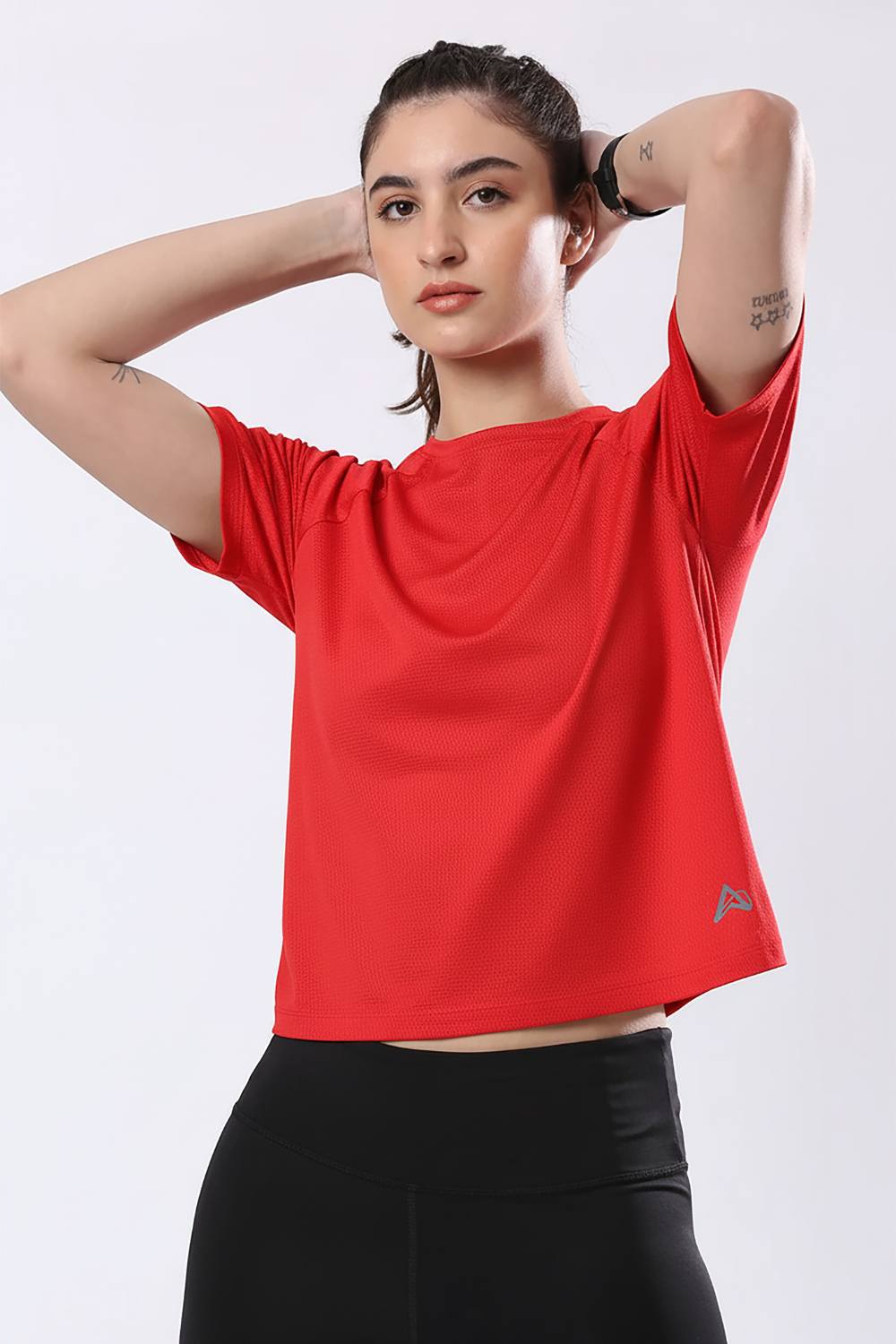
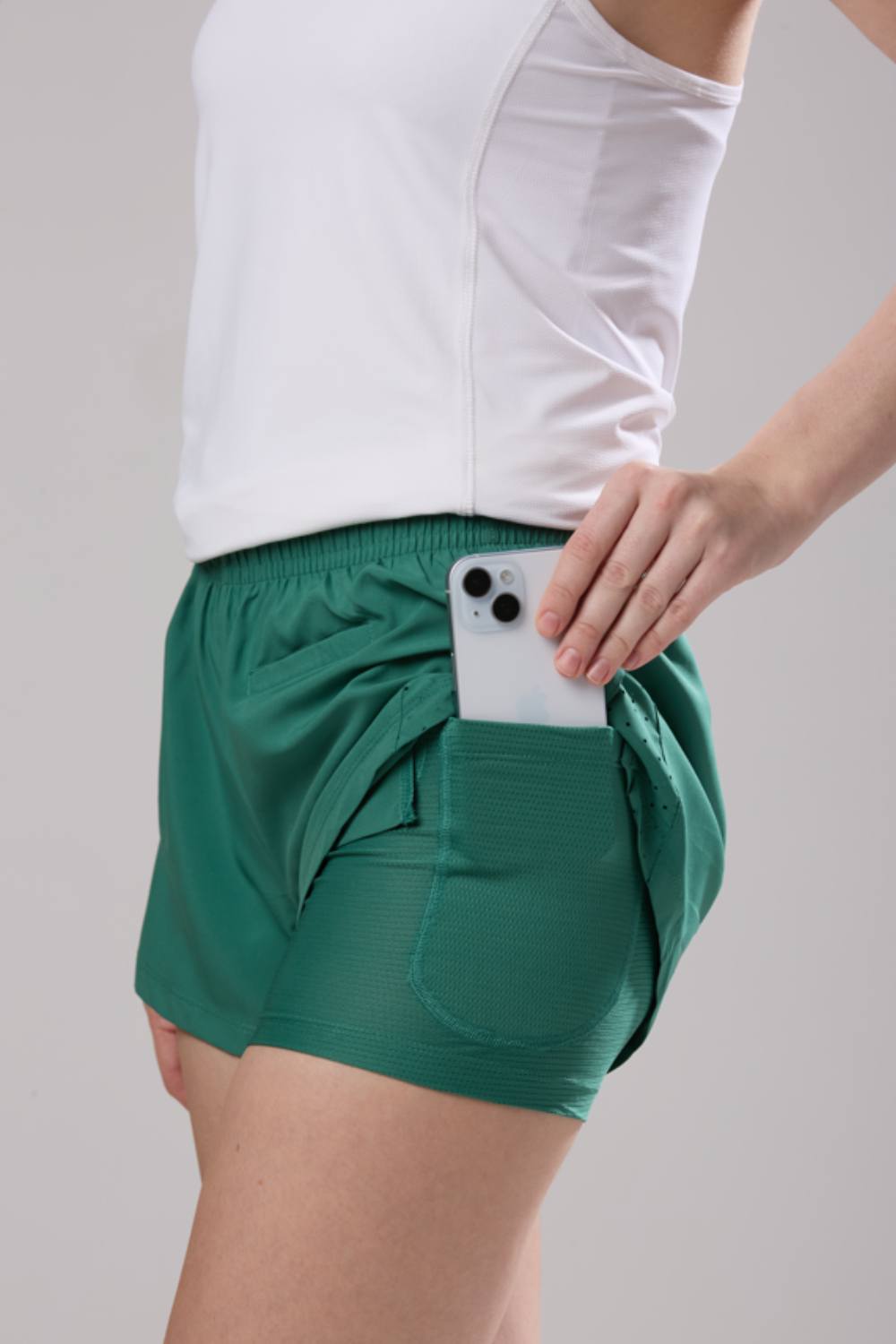
Bangalore's tech-corridor crowd balancing desk hours with year-round training gravitates toward versatile pieces: breathable tops with secure pockets for gels or phones, cuts that don't ride up on humid mornings. These practical details allow uninterrupted focus on performance goals.
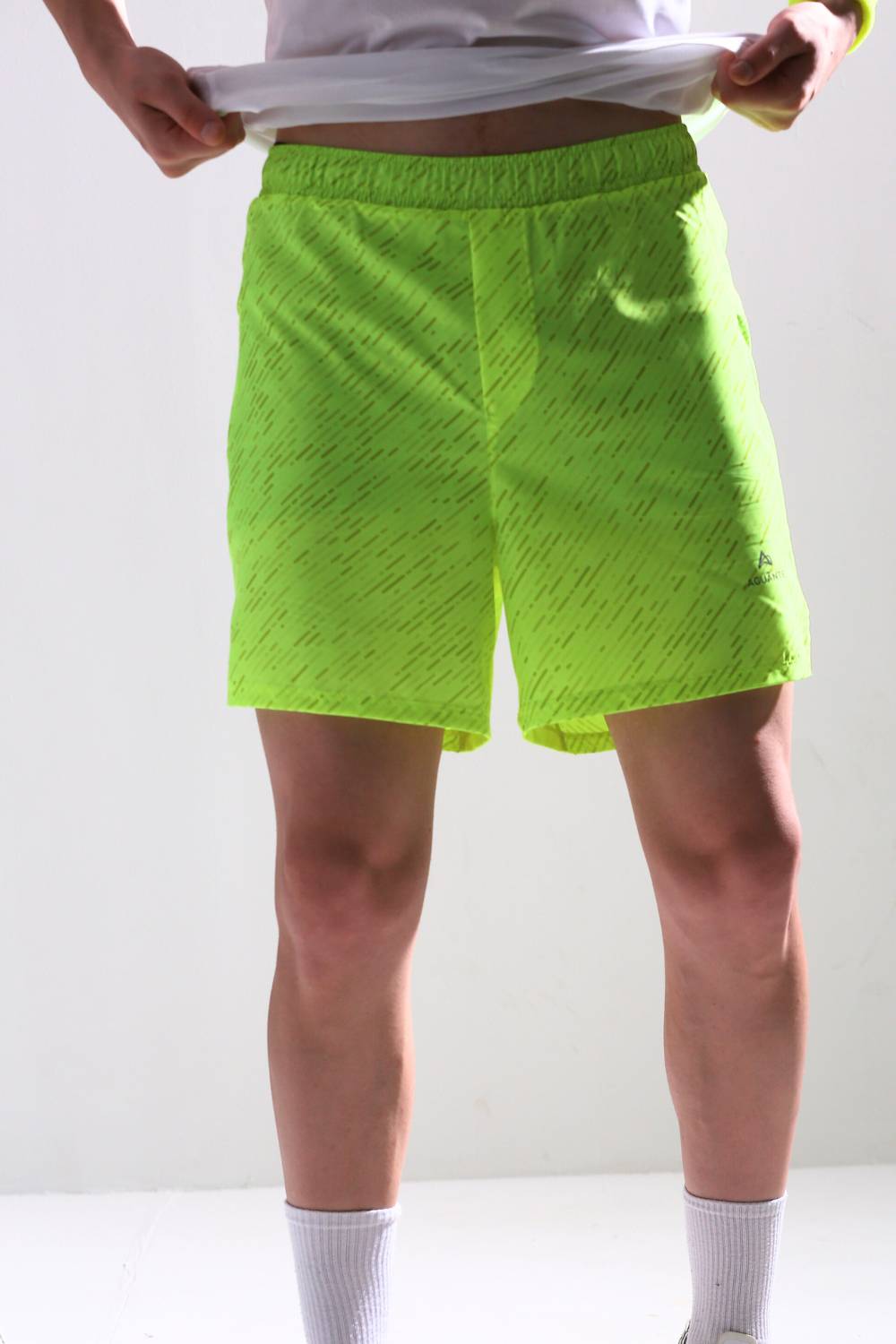
In Delhi and Gurugram, night runners value reflective details for safety alongside airflow panels to combat residual daytime heat. These practical needs drive choices more than branding alone, turning apparel into reliable performance infrastructure.
Challenges Persist for Runners
Imported gear frequently falls short: fabrics that breathe well in temperate zones can trap heat here, loose cuts increase rubbing on extended efforts. Terrain adds complexity Ahmedabad and Surat's hot asphalt accelerates sweat and skin irritation; pollution in northern cities demands lightweight, quick-evaporating materials.
- Fabric breathability mismatched for high-humidity coastal runs
- Loose fits that shift and cause friction during long strides
- Inadequate reflective or ventilation features for urban night training
- Price gaps between premium imports and under-engineered local options
Price remains a barrier. Premium international labels command high costs, while cheaper local alternatives sometimes skimp on performance engineering. Runners want quality without the markup innovation that's accessible and proven on Indian terrain.
The Rise of India-Engineered Gear
Opportunity lies in designs born from local insight. Features like anti-chafing inner linings, non-bouncing storage, reflective accents, and precise fits address real pain points. Community validation through coaches, clubs, and social platforms like Instagram, Facebook, and YouTube builds trust faster than ads.
- Secure pockets that stay put during high-impact strides
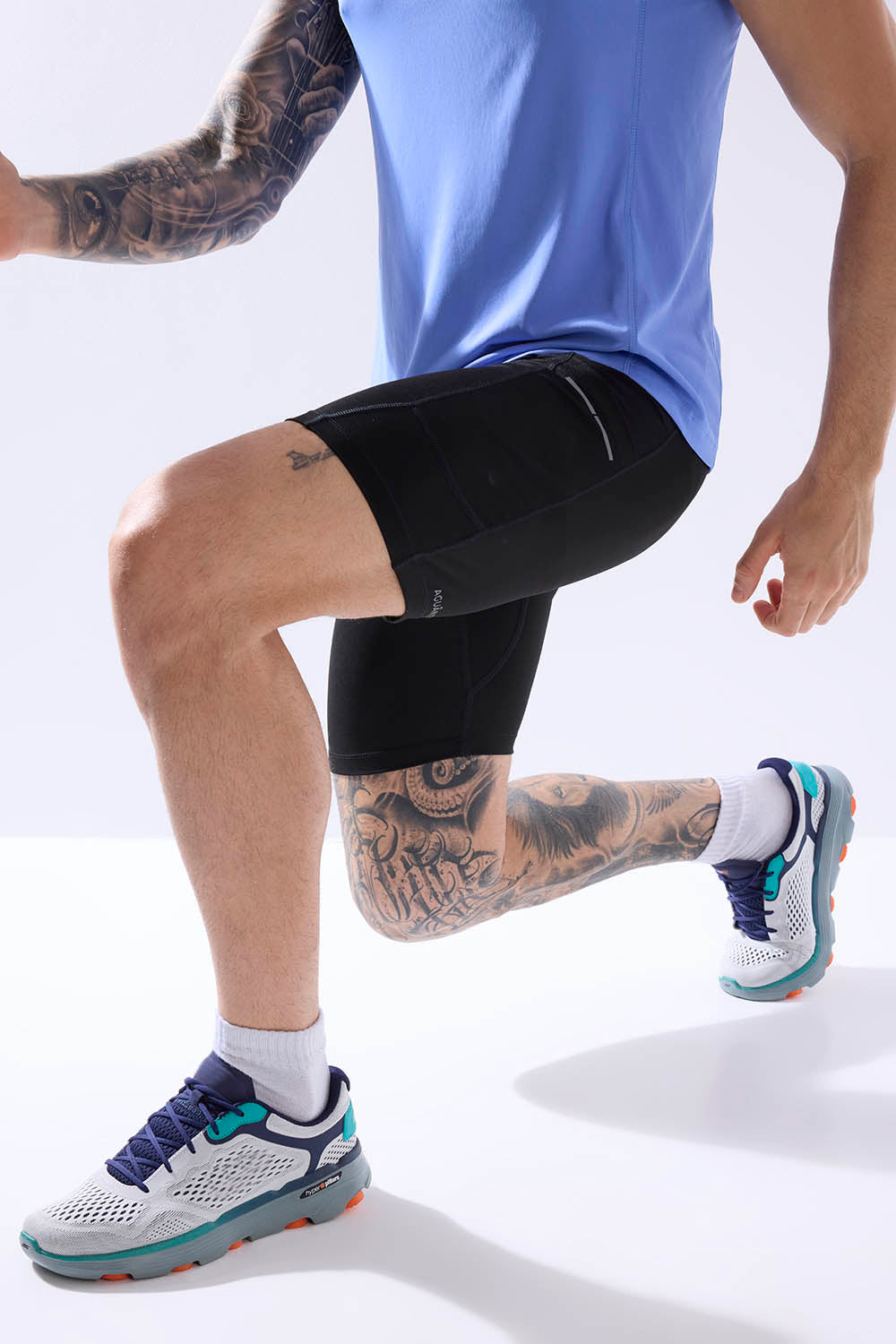
- Anti-chafing inner linings for friction-free long runs
- Moisture-wicking fabrics tailored for heat and humidity
- Reflective detailing for safe urban training
- Fits tested by real runners on Indian roads
This positions performance apparel as true injury-prevention infrastructure. Sports medicine increasingly links thoughtful design to reduced downtime, letting runners train longer and recover better while maintaining peak form.
Looking Ahead for India's Running Future
Ergonomic precision and friction control are poised to become standard expectations, much like proper footwear. As the ecosystem matures from grassroots events to larger races metros like Bangalore, Mumbai, and Delhi will likely lead in climate-adaptive athletic wear development.
Brands that listen to runners, test rigorously in Indian conditions, and price honestly stand to earn lasting loyalty. In the end, the best gear disappears into the background, letting the run itself take over smooth, distraction-free, and built for the roads we actually pound. With continued focus on local engineering, India's runners will enjoy greater comfort, fewer setbacks, and stronger performances for years to come.
Frequently Asked Questions
Why is anti-chafing running gear especially important for runners in India's climate?
India's high heat and humidity particularly in coastal cities like Mumbai and Navi Mumbai accelerate sweat buildup, making friction-related skin irritation far more likely during long-distance runs. Standard fabrics designed for temperate climates often trap moisture rather than wicking it away, turning minor rubbing into painful raw skin. Gear with flat seams, anti-chafe inner linings, and moisture-wicking fabrics engineered for local conditions can significantly reduce mid-run interruptions and help runners stay focused on performance.
What features should Indian long-distance runners look for in ergonomic running apparel?
Indian runners should prioritize moisture-wicking fabrics that dry quickly in humid conditions, flat or seamless construction to eliminate friction hotspots, and body-specific fits that account for proportional differences often missed by Western sizing. Practical details like secure, non-bouncing pockets for gels or phones, and reflective accents for safe urban night running, are also essential. Gear tested by real runners on Indian roads rather than imported designs built for cooler climates tends to perform far better over extended distances.
How does poorly fitting running gear contribute to injury risk during long-distance training?
Ill-fitting apparel can shift during long strides, creating repetitive friction that leads to skin breakdown, a common complaint treated at medical tents during events like the Mumbai Marathon. Cuts that are too loose increase rubbing on inner thighs and underarms, while overly tight fits can restrict natural stride mechanics and cause pressure points. Sports medicine increasingly links thoughtfully designed running apparel to reduced downtime and more consistent training making ergonomic fit a genuine injury-prevention tool, not just a comfort upgrade.
Disclaimer: The above helpful resources content contains personal opinions and experiences. The information provided is for general knowledge and does not constitute professional advice.
You may also be interested in: Running Apparel for Beginners: What to Look for in Your First Kit
Tired of gear that slows you down? Chafing, soggy fabrics, and missing pockets kill your run's momentum. At Aguante, we're runners who get it. Our high-performance activewear features moisture-wicking fabrics, ergonomic designs, and smart storage to keep you focused. Shop Now!
Powered by flareAI.co